

By Karen Rubin, Travel Features Syndicate, goingplacesfarandnear.com
Travel “opens our minds, connects us, and makes the world a smaller place,” notes Sustainable Travel International. “Done well, tourism is a force for good that lifts communities out of poverty, improves living standards in developing countries and safeguards the world’s natural and cultural treasures.”
On the other hand, “Tourism also accounts for 8% of global emissions, litters the planet with plastic, threatens species, and overburdens communities.”
A growing cadre of travelers are mindful of their own responsibility and seek out travel companies, hotels, transportation and destinations that make responsible, sustainable practices their mission, infused into their operation and their mindset.
Tour operators who practice sustainable, responsible travel in their operations and their policies are careful to limit their carbon footprint, avoid plastics and pollutants, hire locals and buy local, are respectful of local culture, heritage and environment, and often give back a portion of the tour price to the community or assist and support community projects like schools, water, and health clinics. Wildlife, nature and safari companies show great care in how they interface with animals and the ecosystem, limiting interactions, and often sponsor conservation projects. And some are designed to engage the travelers actively in the projects or research.
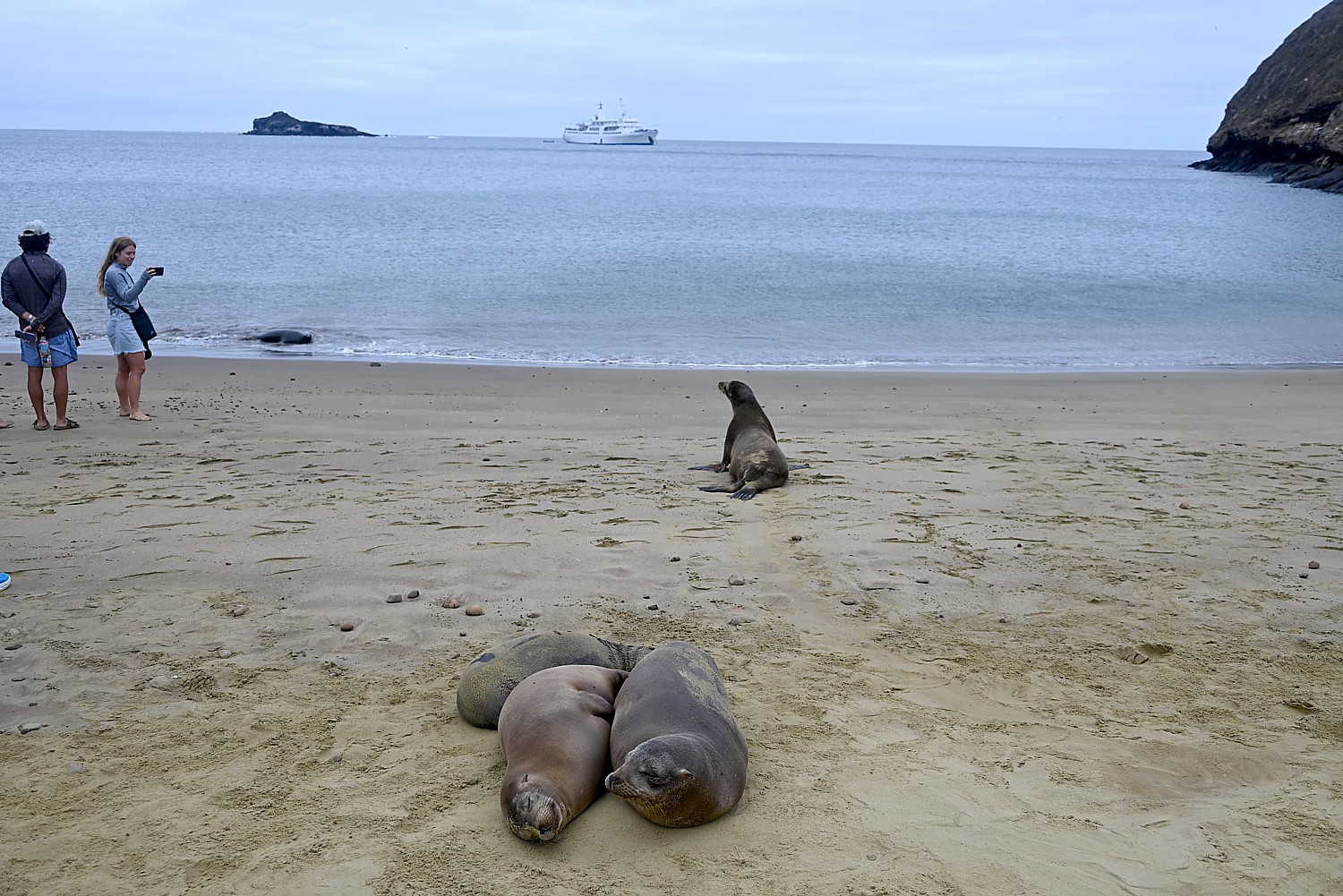
Destinations are also making sure their desire for economic development and progress does not kill the golden goose that make their places so desirable to visit, so take action to regulate and limit tourism.
Responsible travelers can make more informed choices of tour companies, hotels, cruiseships, transport modes and service providers. They gain first-hand understanding of the pressures on communities and ecosystems, and become ambassadors to advocate for environmental protection at home. An added benefit is that they also bring these ideas and practices to their own home and community and become advocates for the lawmakers and policy makers.
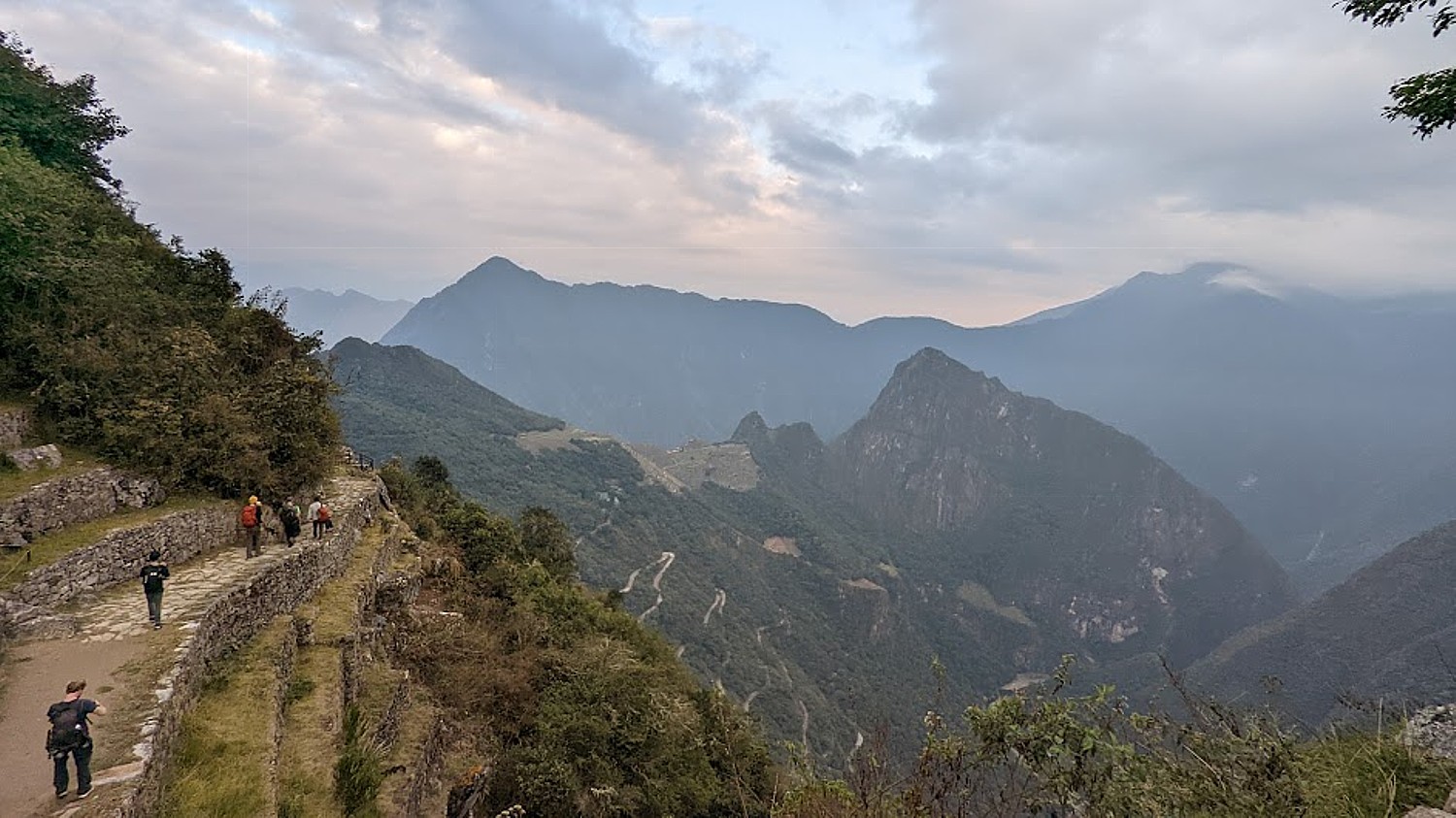
Here is a list of widely respected sustainable, responsible travel companies:
IntrepidTravel.com specializes in environmentally, culturally and socially responsible tours for small groups in destinations worldwide.
G Adventures, based in Canada, is renowned for trekking, safaris, ecotourism, cultural tours around the world and for small group tours that prioritize local economic benefits and community-based projects.
Natural Habitat Adventures partners with the World Wildlife Fund (WWF) to offer specialized, eco-conscious wildlife tours, including polar bear and Galápagos trips.
And Beyond specializes in luxury, conservation-focused tourism in Africa, Asia and South America.
Much Better Adventures focuses on adventure travel that supports local communities and contributes to habitat conservation, with 5% of revenue going to conservation funds.
Exodus Adventure Travels offers trips that often include “citizen science” opportunities, such as collecting water samples for research.
Global Exchange offers socially responsible Reality Tours to 30 developing countries worldwide.
Journeys International is a US-based family-owned global adventure travel company specializing in guided cross-cultural explorations, nature safaris, treks and eco-tours in remote corners of the globe.
Tribes Travel is a UK-based travel company offering holidays and safaris that operate on fair trade and responsible travel principles.
World Expeditions, based in the UK (with offices in USA), offers trekking and small group adventure holidays, based on responsible and sustainable travel principles
Much Better Adventures focuses on adventure travel that supports local communities and contributes to habitat conservation, with 5% of revenue going to conservation funds.
European Safari Company operates in partnership with Rewilding Europe to fund conservation through tourism.
White Desert provides luxury travel to Antarctica using sustainable aviation fuel.
Slow Travel

Bike tours are not only friendly to the environment, but are stimulating to mind and body and bring you to places you would otherwise never see and interactions you would never otherwise have. Among our favorites: BikeTours.com; Discovery Bicycle Tours; Wilderness Voyageurs; BoatBikeTours; Backroads; Trek Travel; Exodus Adventure Travels; Duvine; and Butterfield & Robinson.
Advocates such as Parks & Trails NY (ptny.org), which operates the annual 8-day, 400-mile Cycle the Erie biking/camping trip (this year taking place July 11-16, https://cycle.ptny.org/cycle-the-erie-canal/annual-bike-tour) but you can bike the 356-mile Erie Canalway between Albany and Buffalo anytime (https://eriecanalway.org/explore/cycling), and several tour operators offer an inn-to-inn program) and Rails to Trails Conservancy (railtotrails.org), help promote recreational multi-use trails.
Rails to Trails Conservancy can help you plan your next outing with detailed trail guides. RTC’s Hall of Fame guidebook features 39 trails from all across the country; you can also reserve a copy of the NEW Great American Rail-Trail® guidebook featuring 50 trails along the route of the nation’s first cross-country multiuse trail, which, when completed, will span 3,700 miles between Washington, D.C. and Washington State. A hike, bike, ride or roll along the Great American Rail-Trail—or any of our nation’s incredible trails—is a perfect way to experience trails during America’s 250th year.
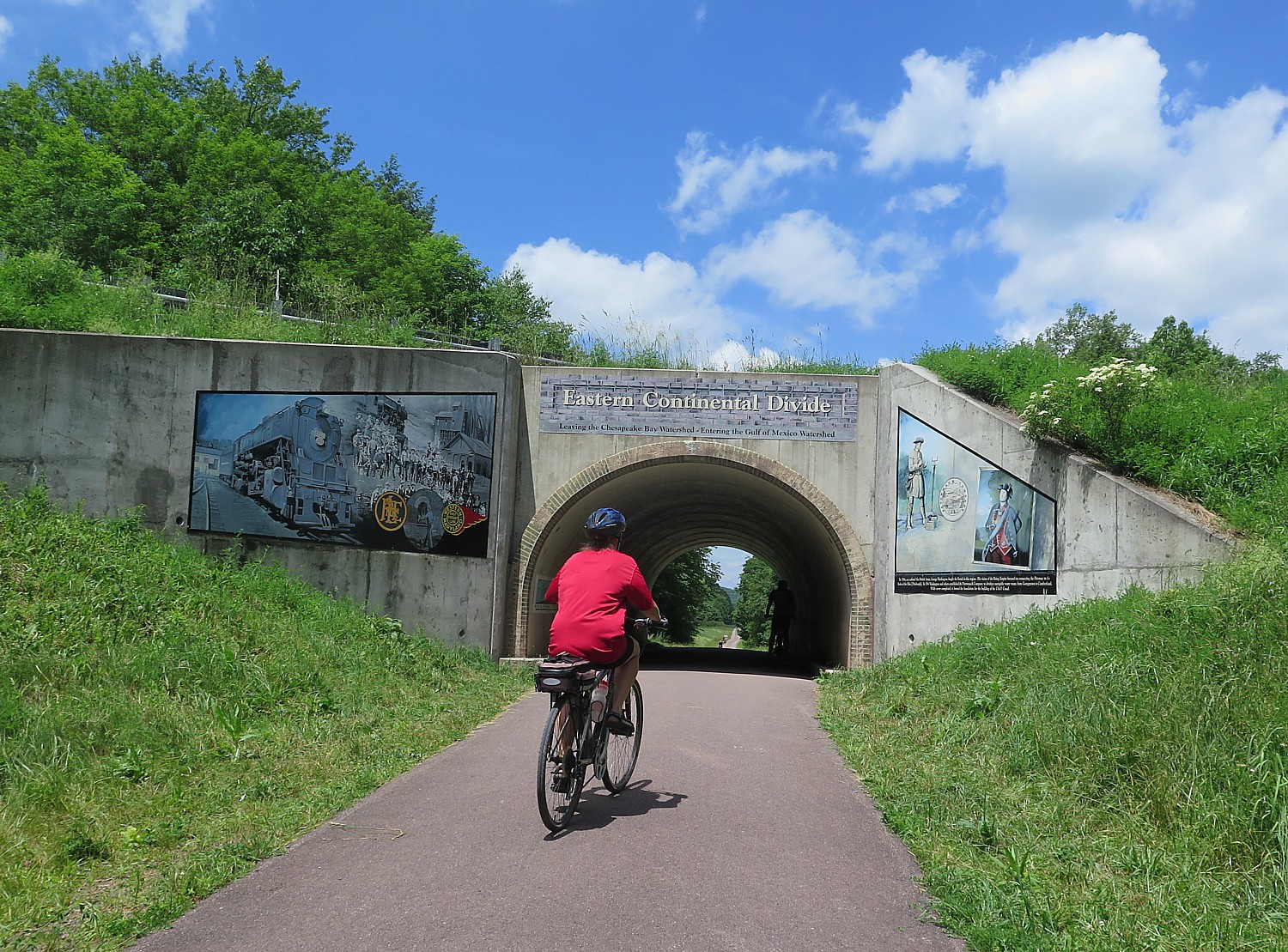
Each guidebook includes all you need to plan your next trail adventure, including maps, detailed trail descriptions, photos, and trail use notes, whether you want a forest path, a rugged mountain trail, an urban exploration, or a trek along a coastline. Nationwide, over 40,000 miles of trails exist for walking, biking, rolling, running (railstotrails.org)
RTC is promoting Celebrate Trails Day, April 25, 2026, and invites everyone to be a part of this annual springtime celebration by joining an event or simply spending the day your way on a trail near you. RTC is also celebrating 40 years and decades of progress made for America’s trails. Need celebration inspiration?
- Explore events planned around the country >>
- Check out RTC’s guide with ideas for celebrating trails >>
- Read how America’s Walking Club, RTC’s supporting partner, is inspiring people to walk and be active together in everyday life. >>
- Find a trail near you with TrailLink >>
While Rails to Trails and Parks & Trails NY advocate for re-purposing abandoned and obsolete rail lines, rail travel is very much a treasured experience that exemplifies sustainable travel.
Rail travel: Consider a vacation by rail – Europe is easy to get around (RailEurope, Eurail and Vacations by Rail); Canada (VIA Rail, canadiantreainvacations.com), Great Rail Journeys (greatrail.com) and Japan is famous for its scenic rail routes, Bullet train and excellent train system (https://www.japan.travel/en/see-and-do/scenic-railways/).

Iconic rail journeys include Venice Simplon-Orient-Express (Europe) famous as a top luxury train, it features 1920s-vintage Art Deco cars and travels between cities like London, Paris, and Venice); Rocky Mountaineer(Canada); Glacier Express(Switzerland) known as the “slowest express train in the world,” it crosses 291 bridges and 91 tunnels between Zermatt and St. Moritz; Rovos Rail(Africa) luxury travel, particularly the Pretoria to Victoria Falls route); Maharajas’ Express(India); Belmond Royal Scotsman(Scotland);Trans-Siberian Railway(Russia/Asia) classic route spans from Moscow to Vladivostok); Andean Explorer(Peru), South America’s first luxury sleeper train, traveling from Cusco to Arequipa, offering high-altitude views.

Also: Bernina Express(Switzerland/Italy), picturesque, known for traversing steep grades and dramatic, icy mountain landscapes); Eastern & Oriental Express(Southeast Asia),travels through Malaysia and Thailand; Seven Stars in Kyushu(Japan), a luxury train traversing the Kyushu region.
Amtrak Vacations (amtrakvacations.com) offers packages along its famous routes:
California Zephyr: Travels between Chicago and San Francisco, widely considered one of the most beautiful trips in North America.
Coast Starlight: A scenic route connecting Seattle and Los Angeles along the Pacific coast.
Empire Builder: Follows the path of Lewis and Clark from Chicago through the Pacific Northwest.
Grand Canyon Railway: A historic railway bringing travelers from Arizona to the edge of the Grand Canyon, operated by Xanterra Travel Collection (Xanterra.com)

Voluntourism
Earthwatch connects people with scientists worldwide to participate, collaborate and contribute in environmental research, while empowering them with knowledge they can apply to conserve the planet (earthwatch.org/expeditions/browse). Examples:
Amazon Riverboat Exploration: Help conserve wildlife within the Amazon Basin as you search for pink river dolphins, macaws, and other iconic species, on the Yarapa River, Peru (8-11 days, from $4,795)
Climate Change at the Arctic’s Edge: Join scientists studying the effects of climate change in the polar bear capital of the world in Churchill, Manitoba, Canada (11 days, from $4995)
Conserving Wild Bees and Other Pollinators of Costa Rica: Help study bees, hummingbirds, and pollinators critical to ecological health. 7 days (from $3995), San Luis de Monteverde, Costa Rica
Discovering Ancient Societies in Portugal: an archaeological adventure in Muge, Salvaterra de Magos, Santarém, Portugal (7+ days, from $4495)
Browse 2026 Earthwatch expeditions (click “View Dates and Join”to find a departure that works for you. Contact inquiries@earthwatchexpeditions.com to book;2026 booking inquiries are being handled by Natural Habitat Adventures (https://www.nathab.com/).
Biosphere Expeditions is an award-winning, non-profit organization that makes it possible for ordinary people to join scientists in the field doing hands-on research in marine, mountain, and tropical ecosystems. Examples of 2026 expedition opportunities: Azores: Whales, dolphins, and turtles; Sweden: Brown bear monitoring; Maldives/Oman: Coral reef and marine conservation; Tien Shan (Kyrgyzstan): Snow leopard research; South Africa: Leopard and biodiversity monitoring. The expeditions are open to everyone, regardless of age, background, or prior experience and range from a weekend to several weeks. Two-thirds of the fee goes to the conservation project. (https://www.biosphere-expeditions.org/)
More sources to find responsible, sustainable travel and ecotourism experiences:
Transitions Abroad (www.transitionsabroad.com/listings/travel/responsible/ecowebsites.shtml)
Responsible Travel International, sustainabletravel.org
Planeta.com features news, articles, an eco-travel directory, and recommended reads.
Seven Tips for Responsible Hiking In Moab’s Fragile Backcountry
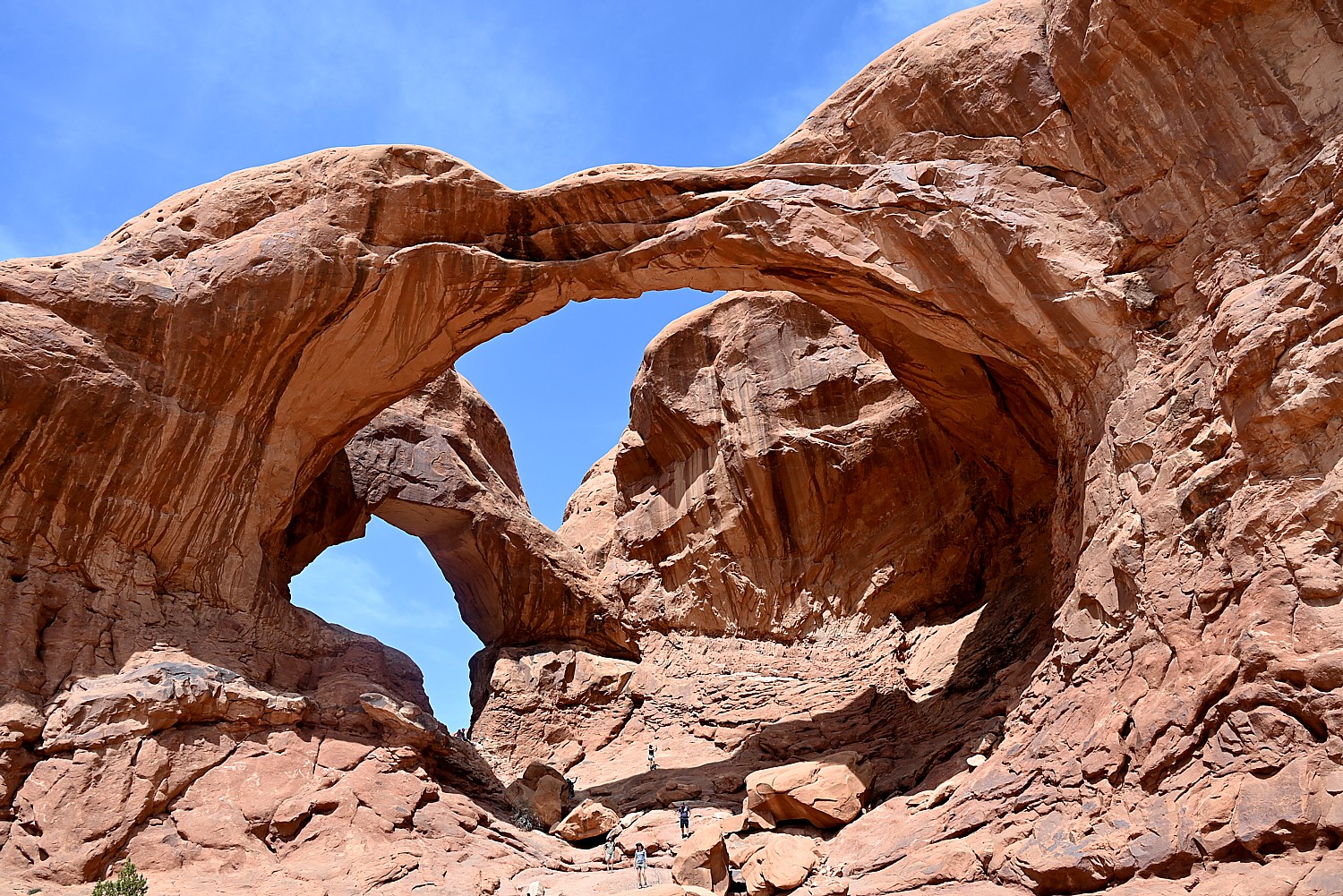
MOAB, UT— Hiking the vast wilderness of multicolored rock and sand surrounding Moab, Utah, is the most accessible and popular activity for visitors to the region. Thanks to the stewardship of local agencies, associations and responsible tour operators such as the Moab Adventure Center, over 1,000 miles of diverse trails are available, most leading to unparalleled vistas, iconic arches and overlooks.
While scanning the horizon for yet another breathtaking geological masterpiece, hikers are urged to respect where they stand – on trails lacing through a fragile environment of cryptobiotic soil. It is the foundation for most all desert plant life.
“Off-trail footsteps can damage the crust’s living organisms for many decades,” stressed Kam Wixom, former guide and current Marketing Director for Moab Adventure Center.
To help secure this fragile eco system, Wixom offers seven eco-friendly tips to protect the environment when exploring afoot.
Avoid campfires in the wild that can quickly escalate into wildfires that result in devastating consequences for the area’s fauna and flora. Instead, make your campfire in areas specifically designated for them.
Plan your routes carefully, stay on established trails and let others know of your backcountry plans and destinations.
Wear natural sunscreen. If you plan to take a dip in a stream or waterhole along the way, remember, some commercial sunscreen ingredients can be very damaging to the fauna and flora. Consider sun-protective clothing so you don’t need sunscreen at all.
Leave no trace. Trash is out-of-place and unsightly plus animals may mistake it for food. As certain items decay, they may pollute the surrounding soil or water, creating a catastrophic knock-on effect for the entire ecosystem.
Choose eco-friendly gear. As Charlotte Cross, a lifestyle writer at Essay Roo and Lia Help tells us: “choosing to purchase sustainable and eco-friendly hiking gear supports and encourages sustainability within the field.” Utilizing clothing and gear made from recycled materials further reduces your environmental impact.
Save on energy by using solar chargers and solar-powered items such as flashlights and lamps.
Ditch the bottled water that correlates to millions of tons of single-use plastic. Instead, buy reusable water bottles that will keep everything cooler and fresher for longer periods than plastic bottles.
People with pets visiting the Moab region are invited to use Moab’s pet-friendly trails and remember to use a leash and carry out pet excrement.
Moab Adventure Center’s Tours into Arches National Park include guided hikes suitable for all ages:
Arches National Park Guided Morning Tour: A four-hour adventure including VIP park pass with timed entry reservation, replete with expertise of professional guide.
Arches National Park Guided Sunset Tour: Arches at its most magical in golden hour light and with fewer crowds. In this four-hour adventure guides bring the landscape to life with their fascinating stories.
Private guided hiking in Arches National Park and surrounding region can be also arranged.
Follow this link to the Top Hikes in Moab as handpicked by local guides.
To learn more about trail hiking, visit MoabAdventureCenter.com and sign up for a free Insider’s Guide. To explore trip options and book a hiking adventure, visit www.moabadventurecenter.com or call 435-259-7019, 866-904-1163.
__________________
© 2026 Travel Features Syndicate, a division of Workstyles, Inc. All rights reserved. Visit goingplacesfarandnear.com and travelwritersmagazine.com/TravelFeaturesSyndicate/. Blogging at goingplacesnearandfar.wordpress.com and moralcompasstravel.info. Visit instagram.com/going_places_far_and_near and instagram.com/bigbackpacktraveler/ Send comments or questions to FamTravLtr@aol.com. Bluesky: @newsphotosfeatures.bsky.social X: @TravelFeatures Threads: @news_and_photo_features ‘Like’ us at facebook.com/NewsPhotoFeatures
