
by Geri Bain for Travel Features Syndicate, goingplacesfarandnear.com
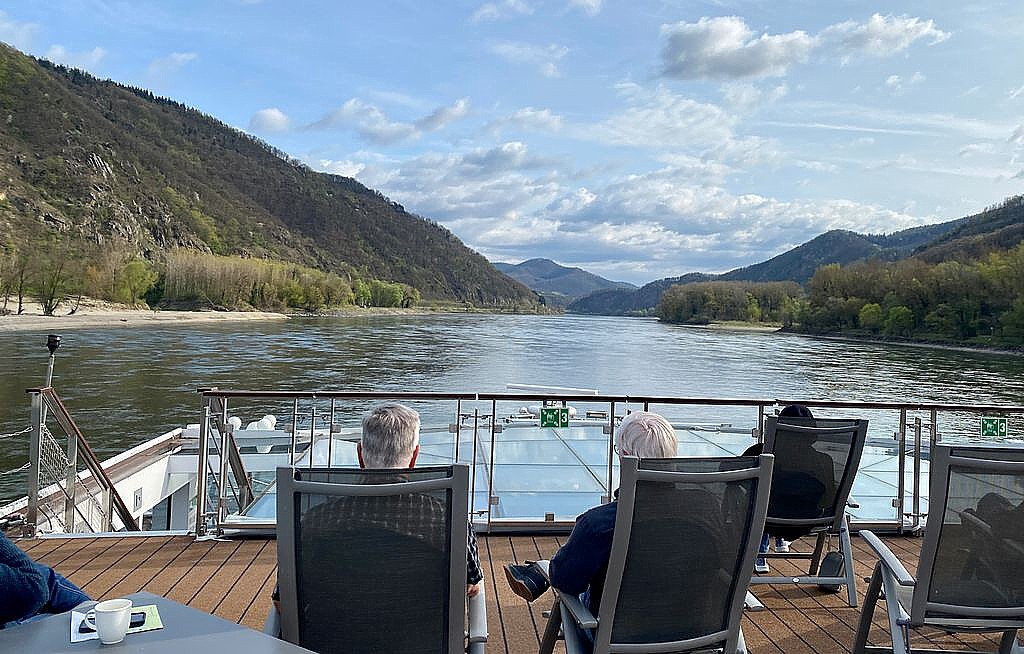
From our chaise lounges on the sundeck, we watch an ever-changing landscape: vineyards terraced into steep hillsides, imposing mountaintop castles, small villages built around soaring churches, and long stretches of forest and grasslands. We are cruising through Austria’s Wachau Valley on the 190-passenger Viking Tor, one of Viking’s virtually identical “Longships” that ply the Upper Danube between Germany and Hungary.
For our first three days the focus has been on two medieval German Bavarian cities: Regensburg, where we boarded the ship, and Passau. This morning, the Danube itself takes center stage. On and off, Teo, our charismatic cruise director, shares insightful stories and context about the Danube, which runs “from the Black Forest to the Black Sea.” As the longest river in Europe after the Volga and the only one to flow west to east, the Danube has been a major highway for goods and ideas since pre-Roman times.
Landmarks trigger colorful stories. Passing the ruins of Aggstein Castle, Teo tells of an infamous owner, a murderous robber baron who hijacked passing ships and often cruelly “disposed” of the crew and seized their goods. Those vineyards we see? They produce dry white Grüner Veltliner, Riesling and other acclaimed wines, and many vintners still harvest grapes by hand due to the steep terrain.
Gliding through the Wachau Valley in our moving hotel is a magical way to experience this iconic region. Its leisurely pace is the reason my husband and I chose Viking’s “Romantic Danube” itinerary. For us, it offers the perfect mix of curated and free time. Unlike many Danube cruises that spend less than 24 hours in each port, this eight-day/seven-night sailing overnights in each of its three main destinations. This gives us time to experience Regensburg, Vienna and Budapest in the evening when the squares and riverside walks are romantically lit. It also provides ample time to explore on our own, relax in a cafe, and join some of Viking’s optional excursions (at added cost), which range from e-bike tours to day trips to nearby cities to a behind-the-scenes visit to the Vienna Boys Choir.
Our trip starts with a flight to Munich where Viking meets our flight and takes us to the ship, which is docked in Regensburg. As we unpack, we are impressed with the generous storage space tucked into our 205 square foot Verandah Stateroom. In addition to a hanging closet and two three-drawer chests, there are shelves and a safe in the closet and ample space for toiletries in the bathroom. (In addition to Verandah staterooms, there are two levels of suites; 135 square foot French Balcony cabins and 150 square foot, lower-deck Standard Staterooms with a sealed-shut clerestory window.)
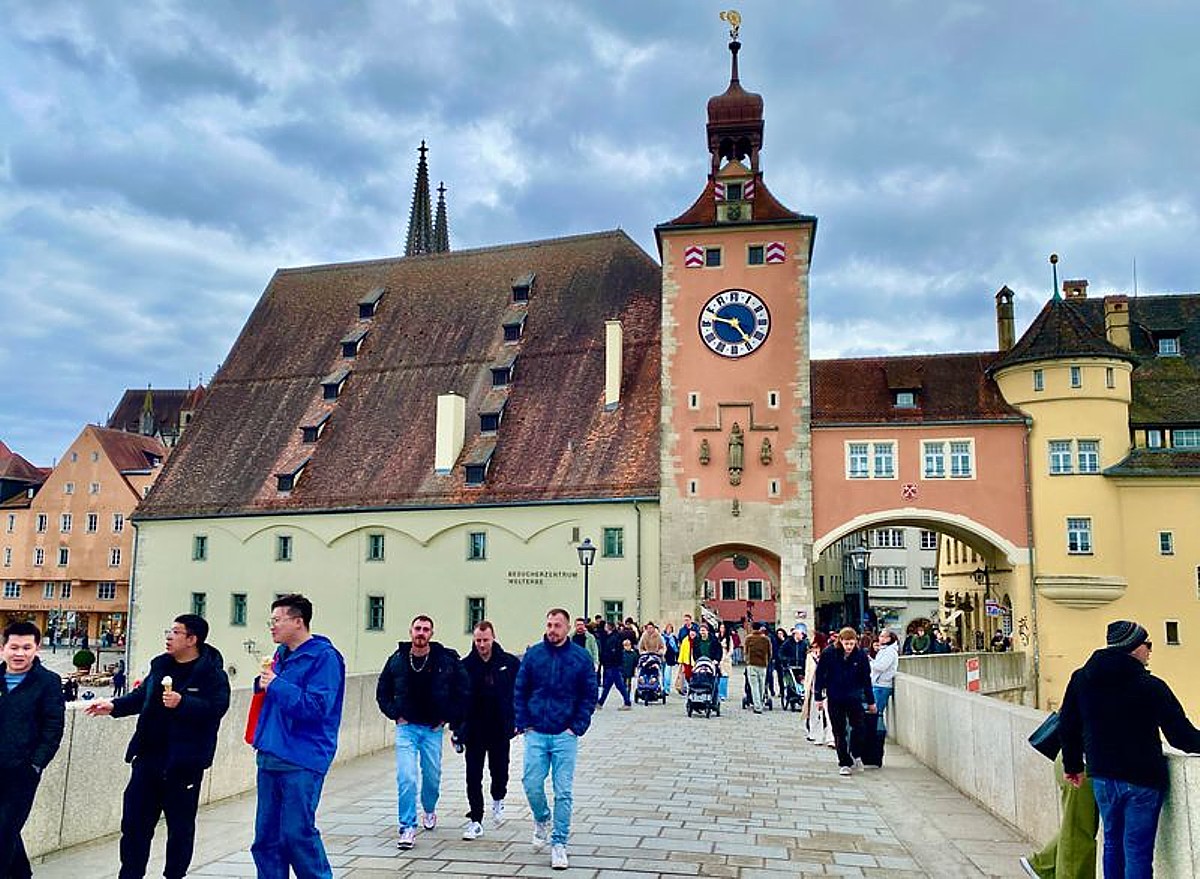
We’re tired, but we head out to get a sense of this frozen-in-time medieval city whose town center was larely spared by WWII bombs. A short walk along the river takes us to the graceful Stone Bridge. We dip into the small Bridge Tower Museum, whoseeasy-to-follow timeline for the region serves as a great grounding for the rest of our cruise.The nearby Historische Wurstkuchl dates back to its days of feeding the bridge’s 12th-century construction workers and its homemade mustard and sauerkraut-topped sausages have been described as “the best of the wurst”.
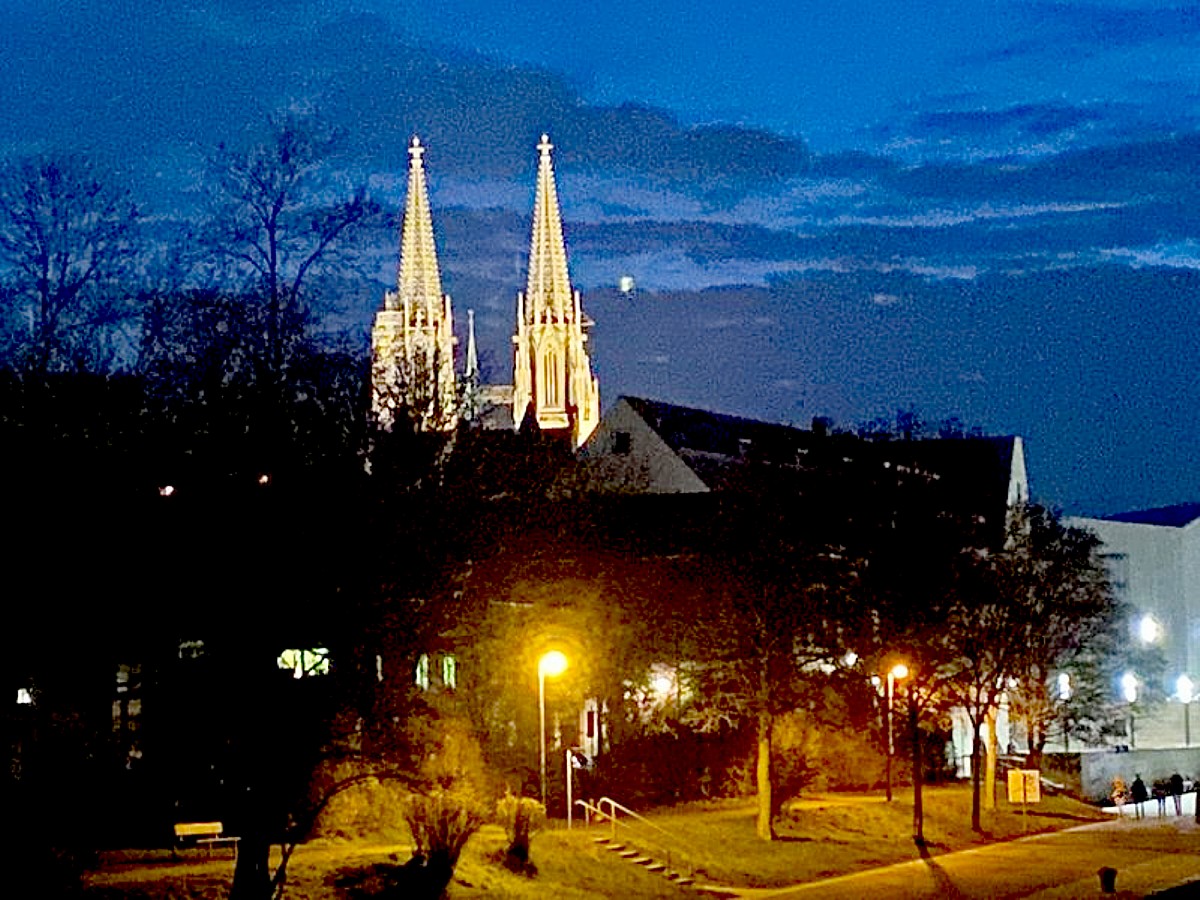
Back on board, we learn that cookies and local pastries are on tap 24/7 at coffee/tea stations near the library, and that meals are served both in the full-service dining room and, buffet-style, in the indoor/outdoor Aquavit Terrace.Each meal brings a selection of regional specialties and international dishes, and every evening the chef explains the featured local fare. This evening’s choices include a tasty Bavarian potato soup, pork tenderloin and sauerbraten. After dinner, several of us follow the twisty medieval streets up to the soaring Gothic St. Peter’s Cathedral.

On our walking tour the next morning, we see evidence of Regensburg’s long history; the remains of a Roman wall and the Porta Praetoria from 179 AD and its Old Town Hall, dating back to 1245. Most of the historic city center was built from the 12th to 16th century during Regensburg’s heyday as a prosperous trading center. We’re told residents are still proud of the city’s status as a self-governing Free Imperial City during the time of the Holy Roman Empire, and that for nearly 150 years, it was the venue for the Perpetual Imperial Diet, the Empire’s standing congress.
An ancient tombstone with Hebrew writing strangely built into the side of a house catches our eye. Our guide explains that Jewish people in Regensburg were welcomed with protected status until 1519 when their protector, Emperor Maximilian 1, died in the midst of a severe economic downturn. The entire Jewish community was forced into exile overnight. Their homes were looted, their cemeteries desecrated, and their tombstones used as building material around the city. The site of the 1519 synagogue is now a memorial park.
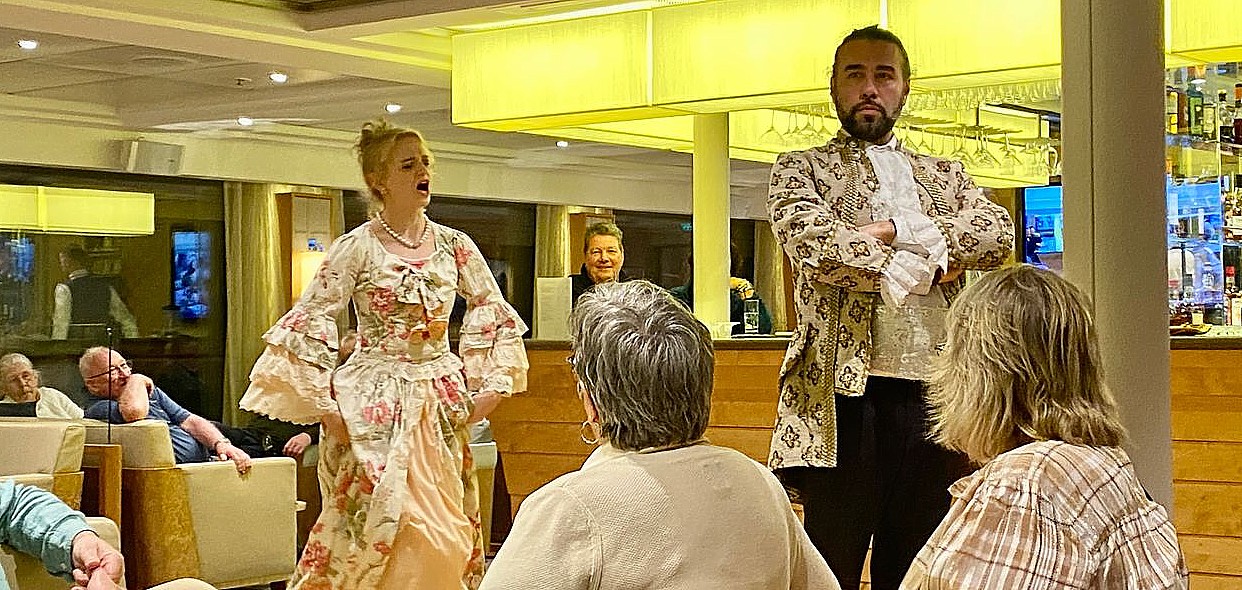
Our walking tour ends at St. Peter’s Cathedral, which boasts the world’s largest hanging organ. Between May and October, weekday visitors can join its noon meditation, accompanied by the organ. I spend our free afternoon exploring the town and the excellent Bavarian History Museum. Departure time is 6:45 p.m., and after dinner, we enjoy a musical soiree of operatic arias enacted in full costume by local performers. It feels privileged and quirky to have such quality performances in the ship’s lounge.
The next morning, we awake in Passau, the “City of Three Rivers.” Here, we see the Inn, pale green from the Alpine glaciers, the River Ilz, nearly black from the peaty Bavarian countryside, and the brown-green Danube (it turns blue farther east). Once again, we are pleased to be docked right in the historic town center.
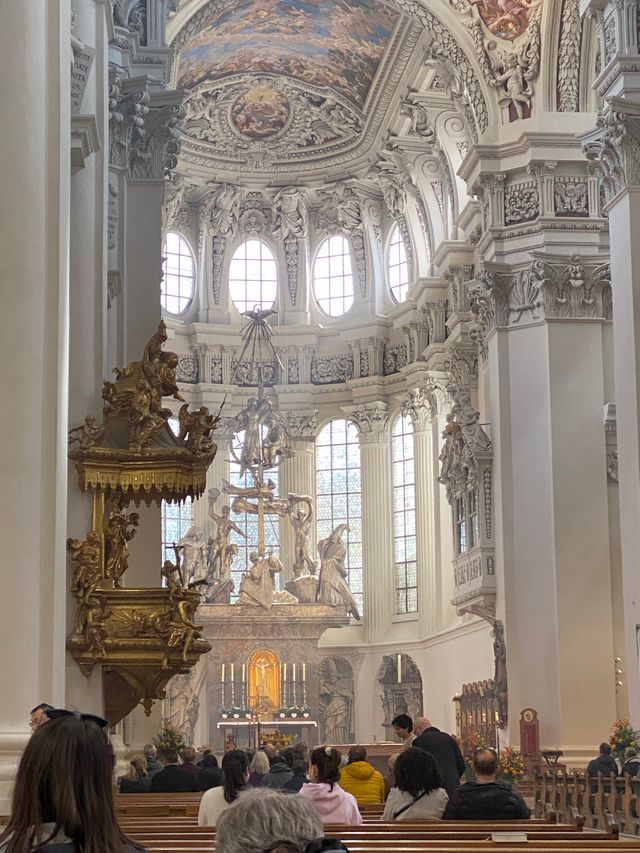
One of the first stops on our walking tour is a giant vertical ruler that marks the height of the flood waters at various years. To this day, on streets near the Danube, the ground floors must be quickly cleared when flood waters are expected to rise. Interestingly. this lower part of the city is a trendy art district. We wind our way through quaint narrow streets up to St. Stephen’s Cathedral, whose onion dome and towers dominate the skyline. It has the world’s largest Cathedral pipe organ which, though under restoration, still sounds quite powerful.
That afternoon, I join Viking’s optional four-hour e-bike tour. We cycle through a lively park but soon have the riverside paths to ourselves and peddle to a quaint Austrian inn where we stop for drinks and pretzels before heading back.
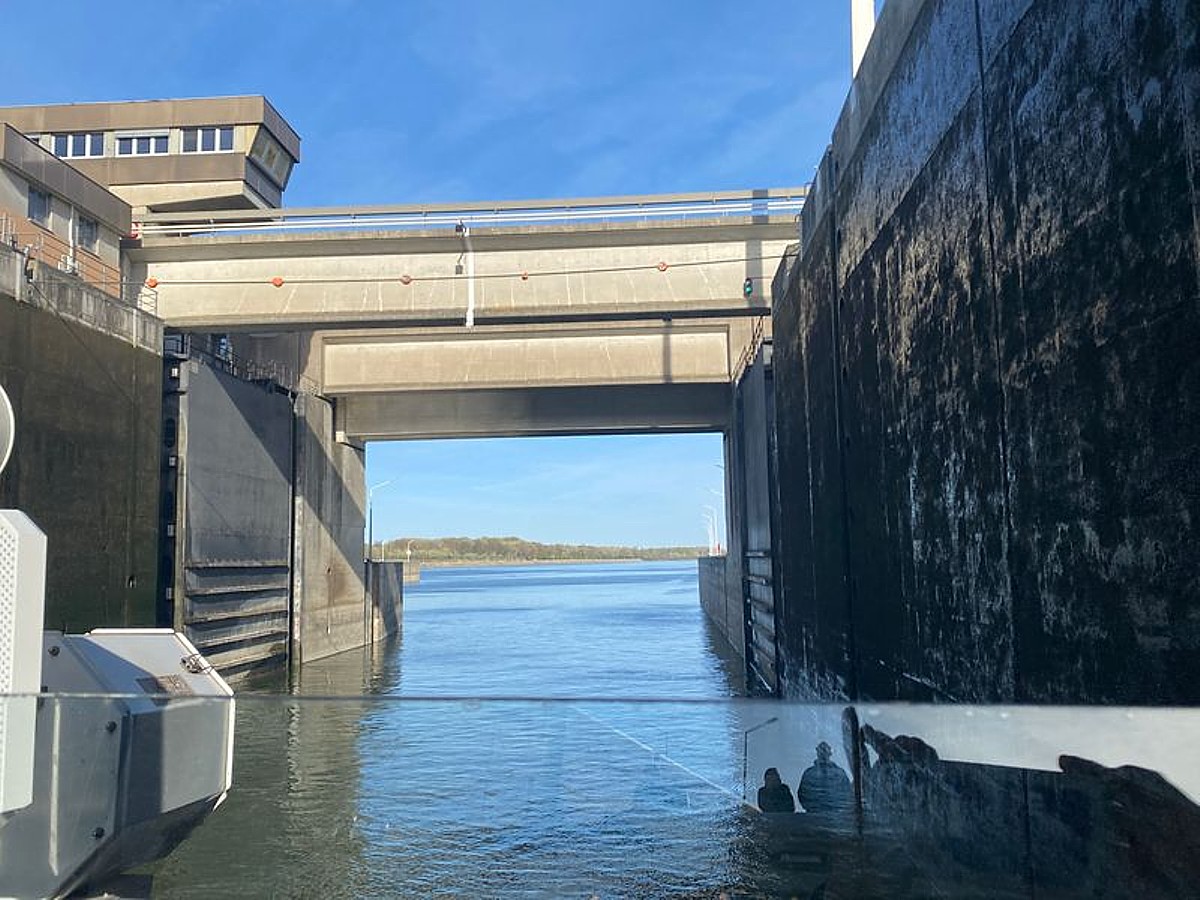
Our scenic cruise through the Wachau Valley includes a stop at the vineyard-surrounded Gottweig Abbey, a Benedictine monastery founded in 1083, and sample local wines raised on its lands. Back on the Viking Tor, we enjoy a formal afternoon tea as our executive chef teaches us to make apple strudel and shares his recipe.
We arrive in Vienna in time to enjoy a “Viking privileged access” musical highlight of our trip—the vivacious 21-year-old conductor, composer and violinist Alma Deutscher presenting works by Strauss, Mozart and her own compositions at elegant Strauss House, where Johann Strauss once lived and performed.
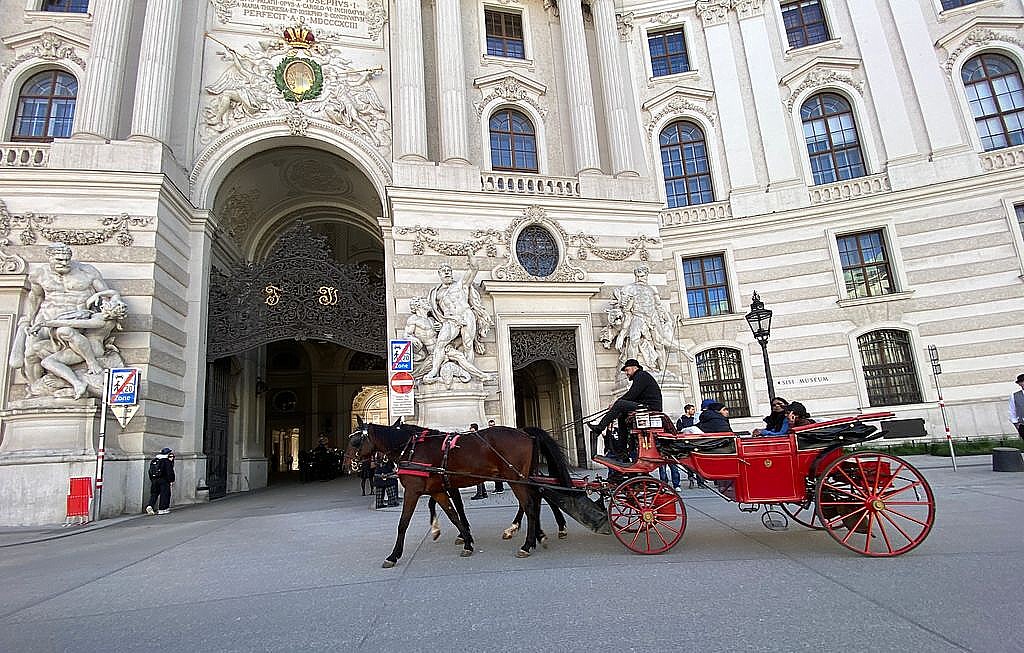
We are excited to have two full days in Vienna ahead of us. Our guided tour of the city starts at the Ring Road that cradles the historic center. This grand boulevard, home to the Vienna State Opera House, the Rathaus (City Hall), Parliament and Hofburg Palace, replaced the former medieval walls in the mid-19th century.
Our first stop is the 59-acre Hofburg Palace complex, once the winter residence of the Habsburgs. Horse-drawn carriages clip-clop through its main square and the Vienna Boys Choir and Lipizzaner stallions still train and perform here (Viking offers behind the scenes visits to both) while monumental museums showcase the Habsburg’s immense wealth, power and legacy. That evening, we head out with some new friends to retrace our steps on foot and enjoy seeing the elegant Baroque, Art Nouveau and Neoclassical architecture dramatically lit at night.
Before heading out the next morning, we join Captain Lukas Hacunda for a wheelhouse talk about the unique challenges of navigating the Danube and its many locks and see how the wheelhouse tucks down into the ship when necessary to pass under low bridges.
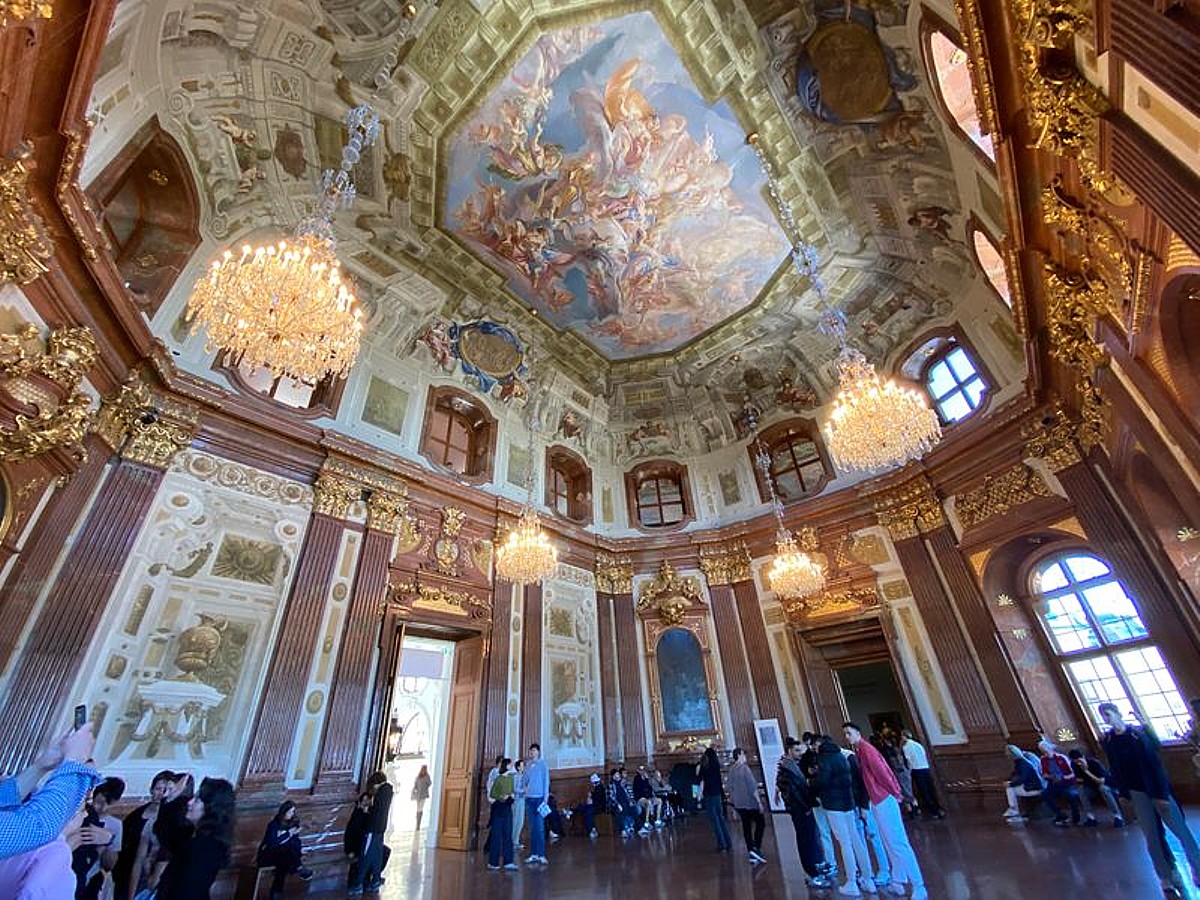
Belvedere Palace, the opulent 17th century home of Prince Eugene Savoy, offers the chance to see world’s largest collection of works by Gustav Klimt, including the “Kiss,” so we decide to spend our afternoon there. Its gilded rooms provide the perfect setting for the works of Klimt, Monet and many other great artists, and its lovely formal gardens are an unexpected delight.
As we sail to Budapest that evening, Bratislava Castle appears, bathed in light, towering over its city. Later that evening, Teo’s unforgettable presentation on “Growing up in a Communist Country” provides a brief overview of communism in Eastern Europe brought to life by personal stories of his life as a young boy in Romania. Among the tenets of communist life: “If you see a line, get on it. There will be something you can use or trade.”

We dock in Budapest near the historic Széchenyi Chain Bridge that connects the Buda and Pest sides of the city. Our city orientation starts with a bus tour that swings by the grand main streets and monuments on the Pest side of the city and then crosses the Danube and delivers us to the Buda Castle Quarter for a walking tour.
That afternoon, we reserve tickets to visit the Dohány Street Synagogue, the largest synagogue in Europe. The Moorish Revival style complex we see today was built in 1864; the temple seats nearly 3,000 people and resembles a church in its ornate decor and layout. Our guide explains that is because it was built by a “neologue” reform sect of Judaism that emphasized assimilation. In fact, until WWII, Budapest had no ghettos.
That changed suddenly in 1944, when Germany forced them into ghettos and deportation and an estimated 500,000 were murdered in just 56 days. The complex has a poignant burial ground, a museum, and the Raoul Wallenberg Holocaust Memorial Park with its weeping willow sculpture bearing thousands of leaves with the names of Hungarian victims.
A second Holocaust memorial, “The Shoes on the Danube Promenade” is a haunting array of 60 pairs of scattered cast-iron men’s, women’s and children’s shoes, marking an area where thousands of Jewish people were forced to remove their shoes before being shot and tumbling into the river.
We end our day at a happier historic site, the Veli Bej Bath, which harkens to the 16th century when Budapest was part of the Ottoman Empire. Still popular with locals, its domed octagonal central pool is surrounded by smaller pools of varying degrees of heat fed by natural thermal springs and a selection of sauna and steam baths. Locker rooms are basic, but the timeless baths feel exotic and indulgent.

We return to the ship for a farewell dinner where regional menu choices include chicken paprikash with potato dumplings and a yummy dessert of strawberries, caramelized pistachios in sweet Hungarian Tokaji wine sauce. After dinner, we set off with new friends on what has become our ritual evening walk. Soon, we are at Andrássy Avenue, the Champs-Élysées of Budapest. As we stroll along the grand boulevard, admiring the ornate details of the elegant Renaissance Revival architecture and delighting in our new-found friendship, we agree that our cruise has been all we’d hoped for and more.
The Basics: Prices for the seven-night “Romantic Danube” cruise start at $2,399 and include one excursion in each port, beer, wine and soft drinks with meals, port fees and taxes, and on-board lectures and entertainment. Budget extra for airfare, pre- and post- tours, additional excursions, tips, bar drinks, and transfers to and from the ship if flights are arranged independently. With recent flight issues, it’s more important than ever to plan to arrive at least a day early.
Rarely, but occasionally, low or high water levels can make parts of the Danube impassible, necessitating changes in the itinerary or a ship swap (where Viking transfers you and luggage to an identical stateroom and ship on the other side of the impassable section. Ask your travel advisor or Viking to see if your sailing might be affected.
Contact your travel agent or Viking River Cruises, 888-423-1412, www.vikingrivercruises.com.
__________________
© 2026 Travel Features Syndicate, a division of Workstyles, Inc. All rights reserved. Visit goingplacesfarandnear.com and travelwritersmagazine.com/TravelFeaturesSyndicate/. Blogging at goingplacesnearandfar.wordpress.com and moralcompasstravel.info. Visit instagram.com/going_places_far_and_near and instagram.com/bigbackpacktraveler/ Send comments or questions to FamTravLtr@aol.com. Bluesky: @newsphotosfeatures.bsky.social X: @TravelFeatures Threads: @news_and_photo_features ‘Like’ us atfacebook.com/NewsPhotoFeatures
