Tag Archives: camping adventures

Take Your Roadtrip to Next Level: Camp, Glamp, RV, Ad-Vanture!

Ad-vanturing in Oregon in a Moterra campervan gives you the freedom to find your own space © Eric Leiberman/goingplacesfarandnear.com

By Karen Rubin, Travel Features Syndicate, goingplacesfarandnear.com

The combination of a return to the roadtrip and a desire to experience nature, adventure, and yes, choosing a more economical summer vacation is spurring heightened interest in camping, glamping, RVing and ad-vanturing.

“Outdoor hospitality is central to how travelers prioritize wellness, connection and meaningful experiences,” KOA’s 12th annual Camping and Outdoor Hospitality Report finds. More are choosing camping for emotional and physical wellness, to be in nature, recharge and be restored, and get back to the basics of personal relationships and being in the “now”.
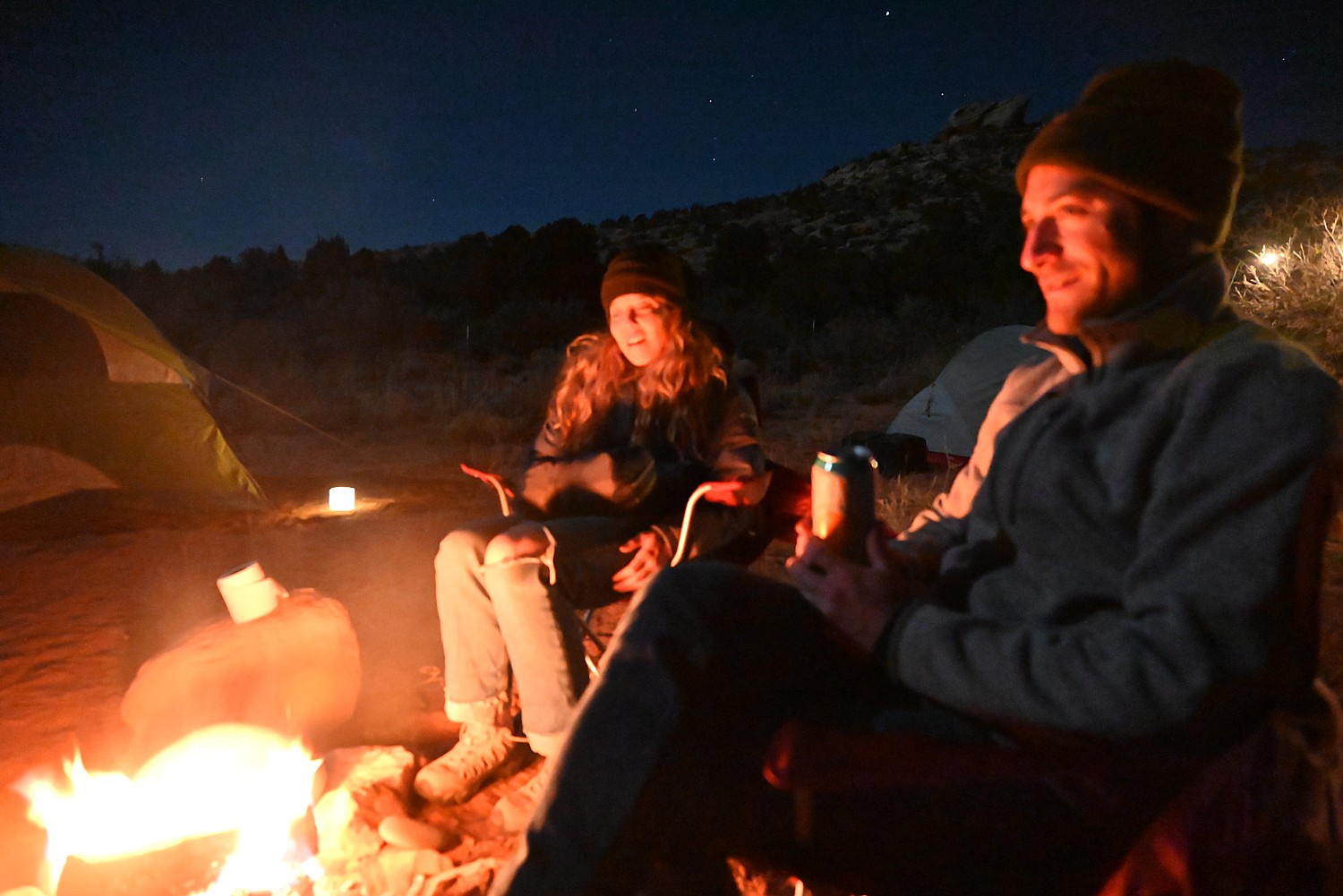
Wild camping in Utah – nothing brings you closer to internal peace and renewal © Karen Rubin/goingplacesfarandnear.com

There are several sources to find the best places depending upon what you want to do (Family-friendly? Dark skies? Route 66? National parks?), who is traveling and where you want to go, among them, campspot.com, koa.com, glampinghub.com and thedyrt.com.

Crave an ad-vanture? Companies like Moterra (gomoterra.com), Escape Campervans (escapecampervans.com), Travellers Autobarn (travellers-autobarnrv.com) and Roadsurfer (roadsurfer.com) rent campervans that drive like an SUV but are totally self-sufficient.

Campspot Awards

The 2026 Campspot Awards highlight the best campgrounds across North America, recognized for their amazing locations, outstanding amenities and the experiences they offer.

Their list of Top Campgrounds in the US in 2026:

Sun Outdoors Myrtle Beach, Conway, SC: Enjoy a splash of Southern charm at Sun Outdoors Myrtle Beach. Located in Conway, just minutes from the excitement of the Grand Strand, this resort offers a refreshing escape among the loblolly pines. Perfect for families who want high-energy fun and travelers looking for a relaxing retreat. Amenities include Waterpark, Pool. Hot Tub / Sauna, Dog Park, Cable TV. Arcade, Mini-Golf, Golf Cart Rental, Restaurant, Playground. Basketball, Jumping Pillow, Shuffleboard, Internet Access, General Store, Pavilion

Stone Mountain Park, Stone Mountain, GA is Nestled among 3200 acres of natural beauty just outside of Atlanta, and features over 400 RV, Pop-up, and Tent sites as well as Yurt, Safari Tent, and RV Rentals. The park offers recreational activities and family-friendly attractions and events. Amenities include Waterfront, Pool, Bathrooms, Showers, Laundry, Pavilion.
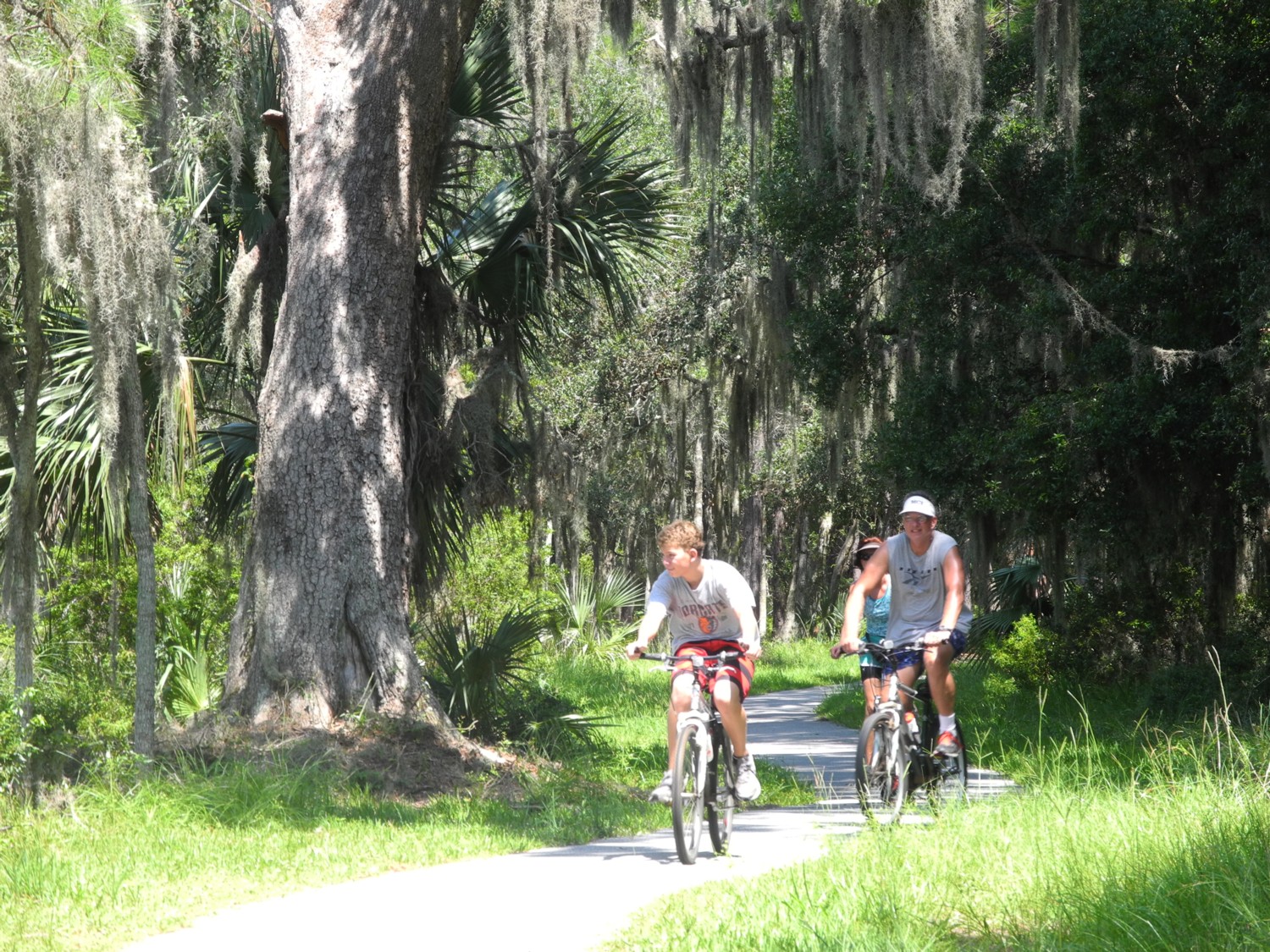
Bike among oak trees draped in Spanish moss on Jekyll Island, Georgia © Karen Rubin/goingplacesfarandnear.com

Jekyll Island Campground, Jekyll Island, GA:  A magical getaway among oak trees draped in Spanish moss, close to Clam Creek and Driftwood Beach as well as the many other attractions. Amenities include Bike Rental, Bathrooms, Showers, Internet Access, General Store, Laundry, Pavilion

Ocean Grove RV Resort, St. Augustine, FL, is a destination camping resor just blocks away from St. Augustine Beach and only 5 miles south of the old St. Augustine historic district and St. George Street. Enjoy wonderful restaurants, shops, hiking, and entertainment venues. Amenities include Waterfront, Pool, Fishing, Hot Tub / Sauna, Dog Park, Boat Launch, Cable TV, Restaurant, Playground, Ice Cream, Basketball, Live Music, Bathrooms, Showers, Internet Access, General Store, Laundry, Pavilion.

Camp Margaritaville RV Resort Breaux Bridge, Henderson, LA is a full-service campground resort located in Baton Rouge with 400 RV sites and 90 cabins to accommodate all types of camping and glamping needs and a wide range of high-end amenities. The resort features 3 pools, hot tub, waterpark, fishing, dog park, Mini-Golf, Golf Cart Rental, Arts & Crafts, Restaurant, Playground, Basketball, GaGa Ball, Live Music, Bathrooms, Showers, Internet Access, General Store, Special Events.

The Vineyards Campground & Cabins, Grapevine, TX, set along the picturesque shores of Grapevine Lake, is renowned for its serene ambiance, scenic landscapes, lakeside panoramas, and attentive staff. Choose from spacious pull-thru sites or cozy, fully-furnished cabins. Amenities include Canoeing / Kayaking, Beach, Waterfront, Fishing, Bike Rental, Boat Launch, Cable TV, Golf Cart Rental, Playground, Ice Cream, Basketball, Bathrooms, Showers, Internet Access, General Store, Laundry, Pavilion, Special Events

Camp Fimfo Texas Hill Country, New Braunfels, TX, offers a resort experience on the Guadalupe River. Amenities include Waterfront, Waterpark, Pool, Fishing, Hot Tub / Sauna, Dog Park, Cable TV, Mini-Golf, Golf Cart Rental, Arts & Crafts, Restaurant, Playground, Ice Cream, Basketball, Jumping Pillow, Sports Field, Volleyball, Bathrooms, Showers, Internet Access, General Store, Snack Stand, Laundry, Pavilion, Special Events, Zip Line.

Verde Ranch RV Resort, Camp Verde, AZ, is a gateway to Arizona’s most iconic destinations. Nestled in the scenic Verde Valley, the resort is a short drive from the red rocks of Sedona, the historic charm of Jerome, and day trips to Grand Canyon National Park. Amenities include Waterpark, Pool, Hot Tub / Sauna, Dog Park, Bike Rental, Cable TV, Arcade, Golf Cart Rental, Arts & Crafts, Playground, Ice Cream, Shuffleboard, Bathrooms, Showers, Internet Access, General Store, Laundry, Special Events

Bonelli Bluffs RV Resort & Campground, San Dimas, CA offers a peaceful retreat just 45 minutes east of Los Angeles at the base of the San Gabriel Mountains. Amenities include a beach-front park, two sparkling pools, outdoor fire pits, and activities including Hiking, Fishing, Playground, Basketball, Volleyball, Bathrooms, Showers, Internet Access, General Store, Laundry

Yogi Bear’s Jellystone Park™ Tower Park, Lodi, CA:  was named the best campground in California for families by Camp Jellystone. The Northern California campground is a short distance away from Sacramento. Amenities include Canoeing / Kayaking, Beach, Waterfront, Waterpark, Pool, Fishing, Hot Tub / Sauna, Dog Park, Boat Launch, Cable TV.

In addition to Top Campgrounds in the US, other Campspot Awards listings include: Top Campgrounds in Canada, Top Campgrounds for RVs, Top Campgrounds for Tent Camping, Top Campgrounds for Glamping, Top Small Campgrounds, Top Mid-Size Campgrounds, Top Large Campgrounds, Top Unique Campgrounds, Top for Families, Top Campgrounds for Long Term Campings and Top Public Campgrounds.

Find them at https://www.campspot.com/awards/2026

The Dyrt: Best Places to Camp With Kids
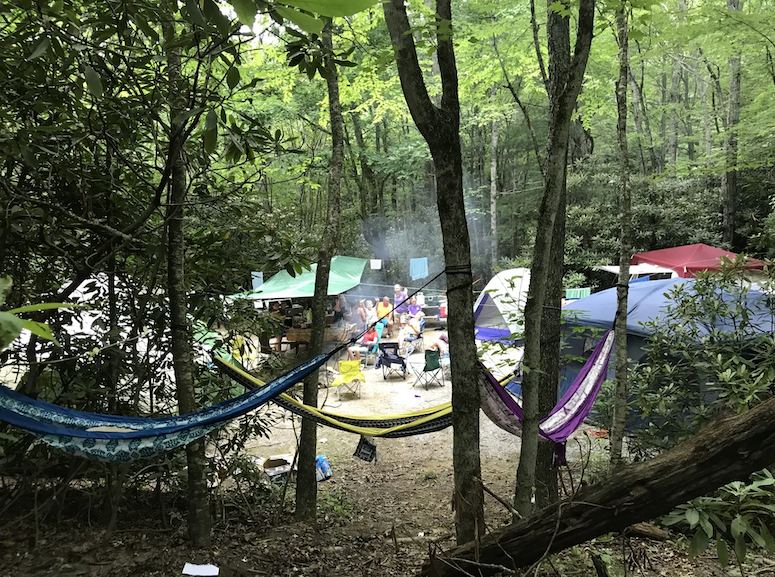
Spacious Skies Bear Den, North Carolina (Photo courtesy of The Dyrt)

The Dyrt, an app for finding best-rated campsites, has announced the 2026 Best Places to Camp With Kids Presented by Kelty, an outdoor gear brand known for equipment that makes it easier for families to get outside and explore together.

Best Places to Camp With Kids recognizes the top campgrounds in the country that cater to younger campers with such amenities as playgrounds, fishing ponds, arcades and bounce houses, as well as activities for days and respite for parents to enjoy the great outdoors themselves. The list includes:

Normandy Farms Campground — Massachusetts

Greenbrier Campground — Tennessee

Disney’s Fort Wilderness Resort & Campground — Florida

Spacious Skies Bear Den — North Carolina

Dinosaur Valley State Park Campground — Texas

HTR Niagara Campground — New York

Camp A Way Campground — Nebraska

Ocean Lakes Family Campground — South Carolina

Jellystone Park™ Quarryville — Pennsylvania

Lebanon Hills Regional Park — Minnesota

The Dyrt: Best Places to Camp for Free
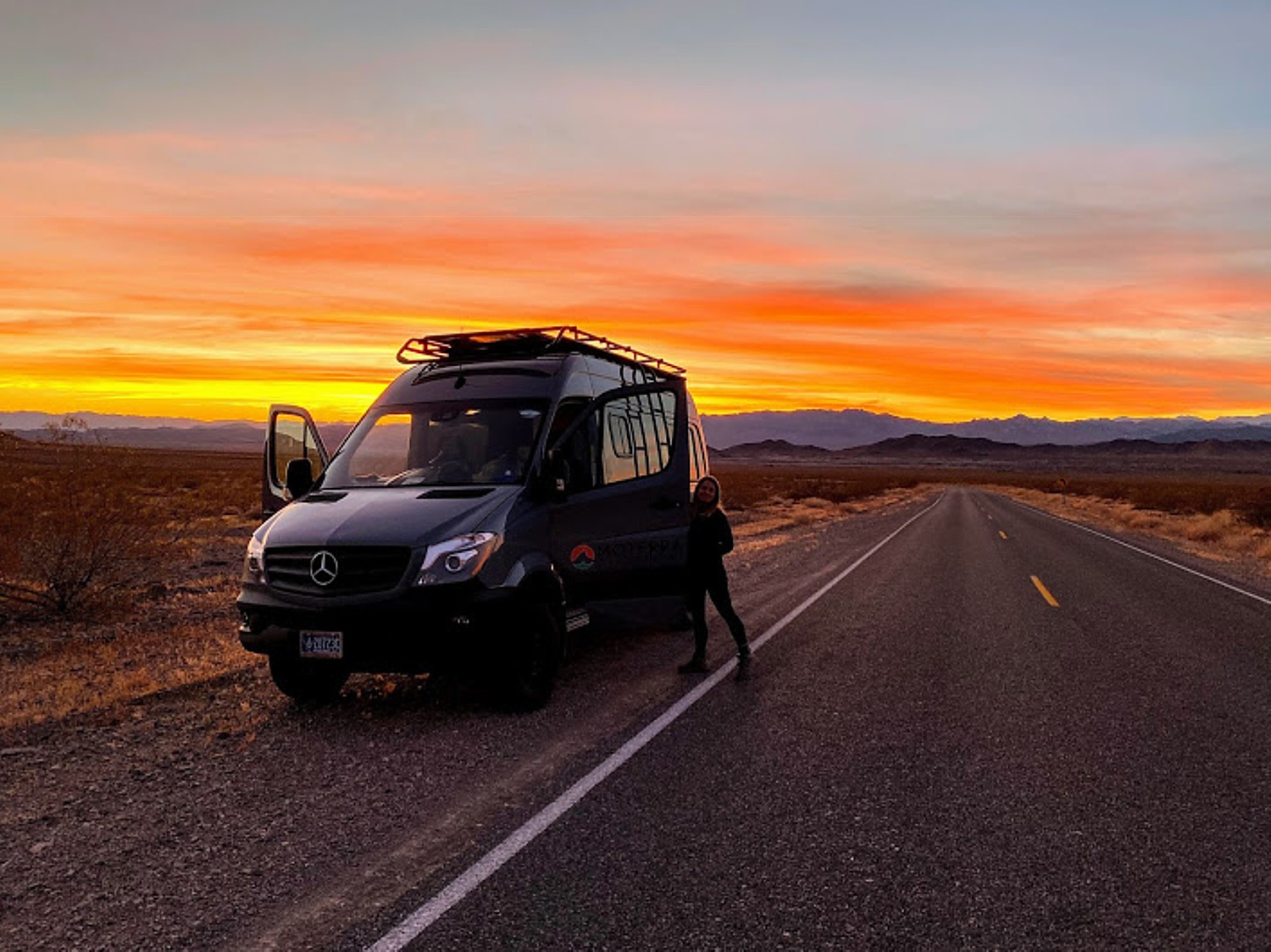
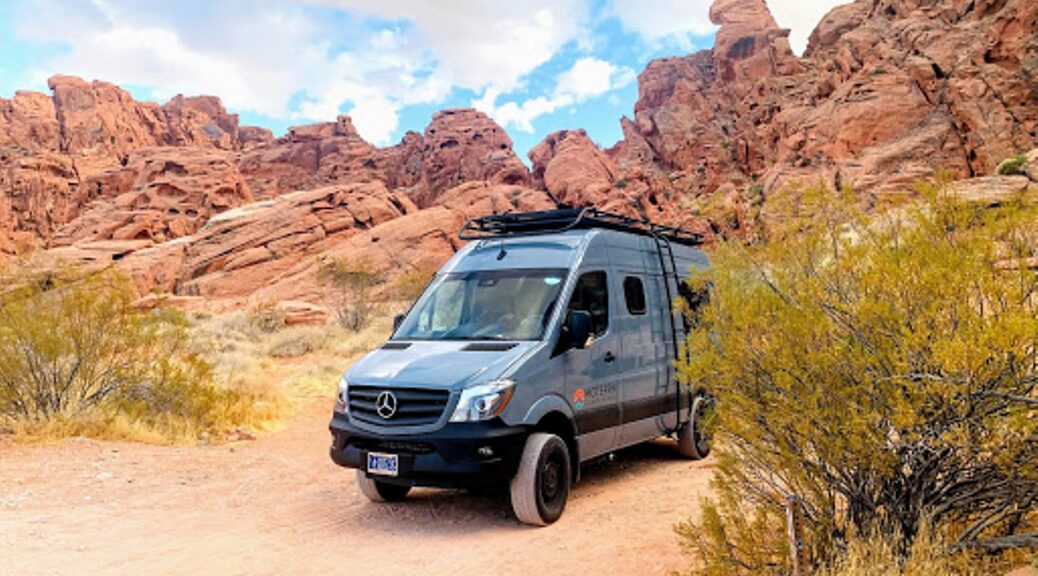
A Moterra campervan lets you take advantage of free places to camp in Death Valley © Eric Leiberman/goingplacesfarandnear.com

The Dyrt also compiled a list of 2026 Best Places to Camp for Free Presented by Vanlife Trader, a marketplace for buying and selling campervans.

Best Places to Camp for Free recognizes the top campgrounds primarily on public lands managed by the US Forest Service or the Bureau of Land Management rated highly by The Dyrt Community where there are no fees to stay overnight.

Dragoon Mountains — Tombstone, Arizona
Felt Picnic Area — Felt, Oklahoma
Mower Basin — Durbin, West Virginia
Meadow Hot Springs — Meadow, Utah
Fish Lake Valley Hot Springs — Dyer, Nevada
Mt. Roosevelt — Deadwood, South Dakota
Minietta Road — Death Valley, California
Osage State Fishing Lake —Scranton, Kansas
Cosmic Campground — Glenwood, New Mexico
Morgan Mountain Road/Spy Rock —St. Paul, Arkansas
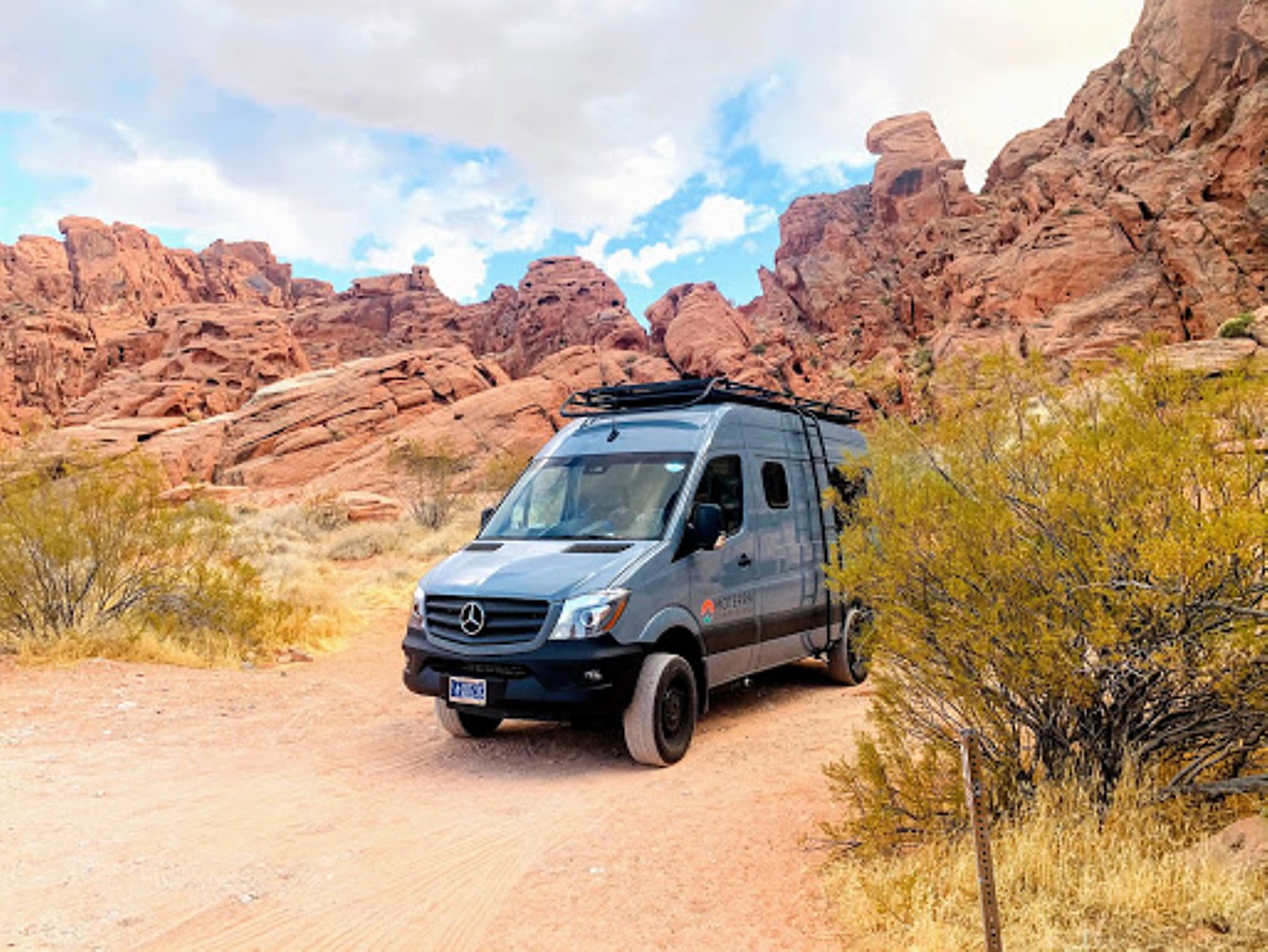
Ad-vanturing in Nevada in a Moterra campervan © Eric Leiberman/goingplacesfarandnear.com

The most important part of camping on public lands is to practice Leave No Trace principles and try to leave each place better than you found it. Where fires are allowed, be sure to check local regulations first, as many of these spots are in forested land that may be subject to temporary fire bans.

More details: The Dyrt Announces Best Places to Camp for Free Presented by Vanlife Trade

The Dyrt Creates Pacific Coast Highway Road Trip and Camping Guide
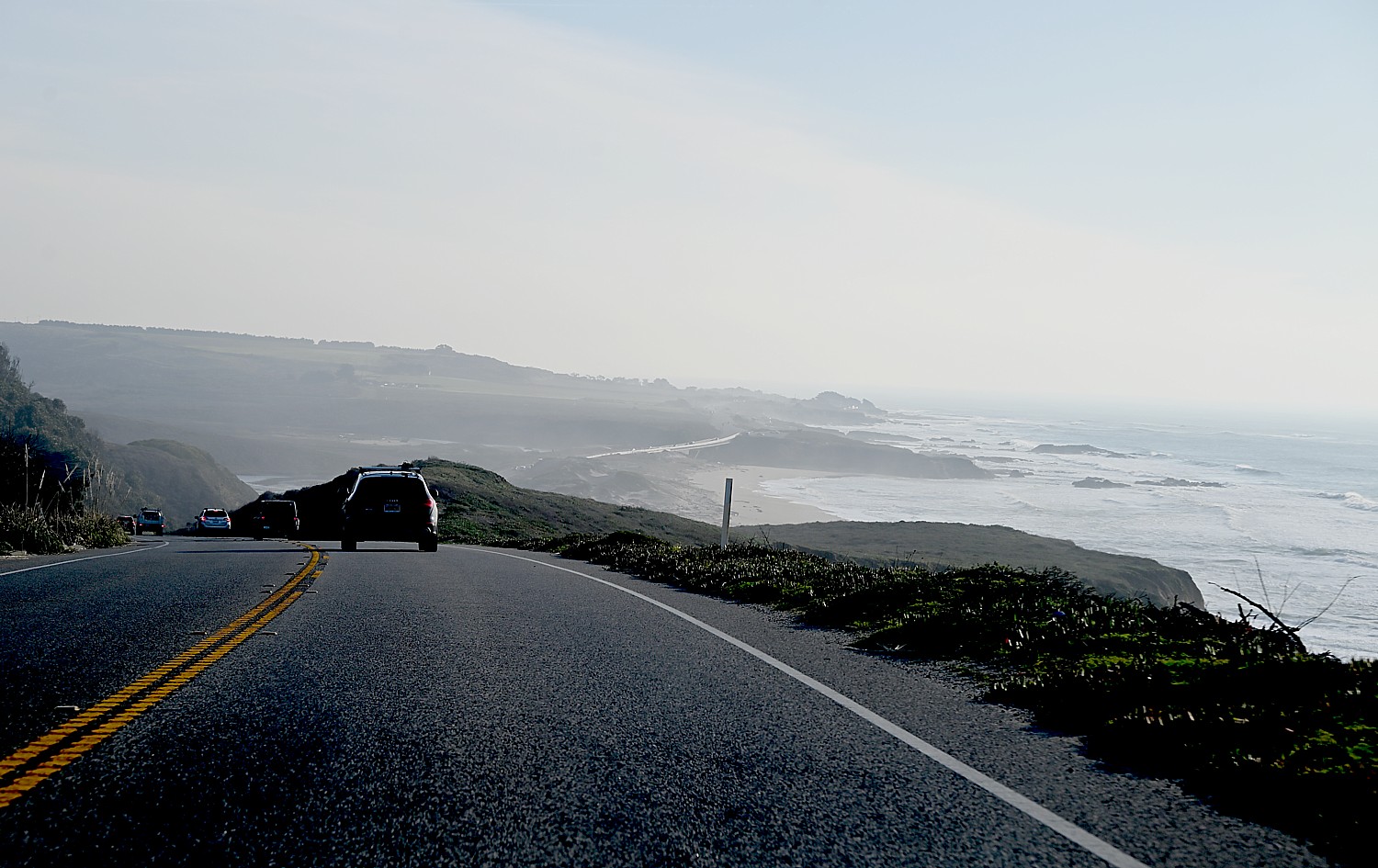
Roadtripping on the Pacific Coast Highway © Karen Rubin/goingplacesfarandnear.com

The Dyrt has created a comprehensive Pacific Coast Highway Road Trip guide presented by T-Mobile to highlight the best campgrounds and attractions along the route, 1,650 miles from Port Angeles in the wilds of Olympic National Park in Washington all the way down to the sunny shores of San Diego.

The guide contains a brief history and key facts about the Pacific Coast Highway, the recommended duration of the full trip taking into account time for exploration, and the best campgrounds to stay.

“There are so many iconic road trips and amazing camping properties all over the country, but the sheer beauty of traveling along the PCH and camping under the stars near the Pacific Ocean may be unmatched anywhere in the world,” says Kevin Long, CEO of The Dyrt. “We recommend making this a two- to three-week trip, if possible, between June and September. Experiencing the rainforests, ocean cliffs, redwood groves, beaches and coastal towns in the summer months is as good as it gets.”

The journey also weaves through cultural landmarks, passing quaint fishing villages, artistic beach towns and major cities like San Francisco and Los Angeles that add urban dimension to the otherwise remote scenery. Generations of road trippers have made memories along this highway, whether surfing iconic breaks, visiting historic lighthouses or simply pulling off at bluffside viewpoints to gaze at the Pacific.
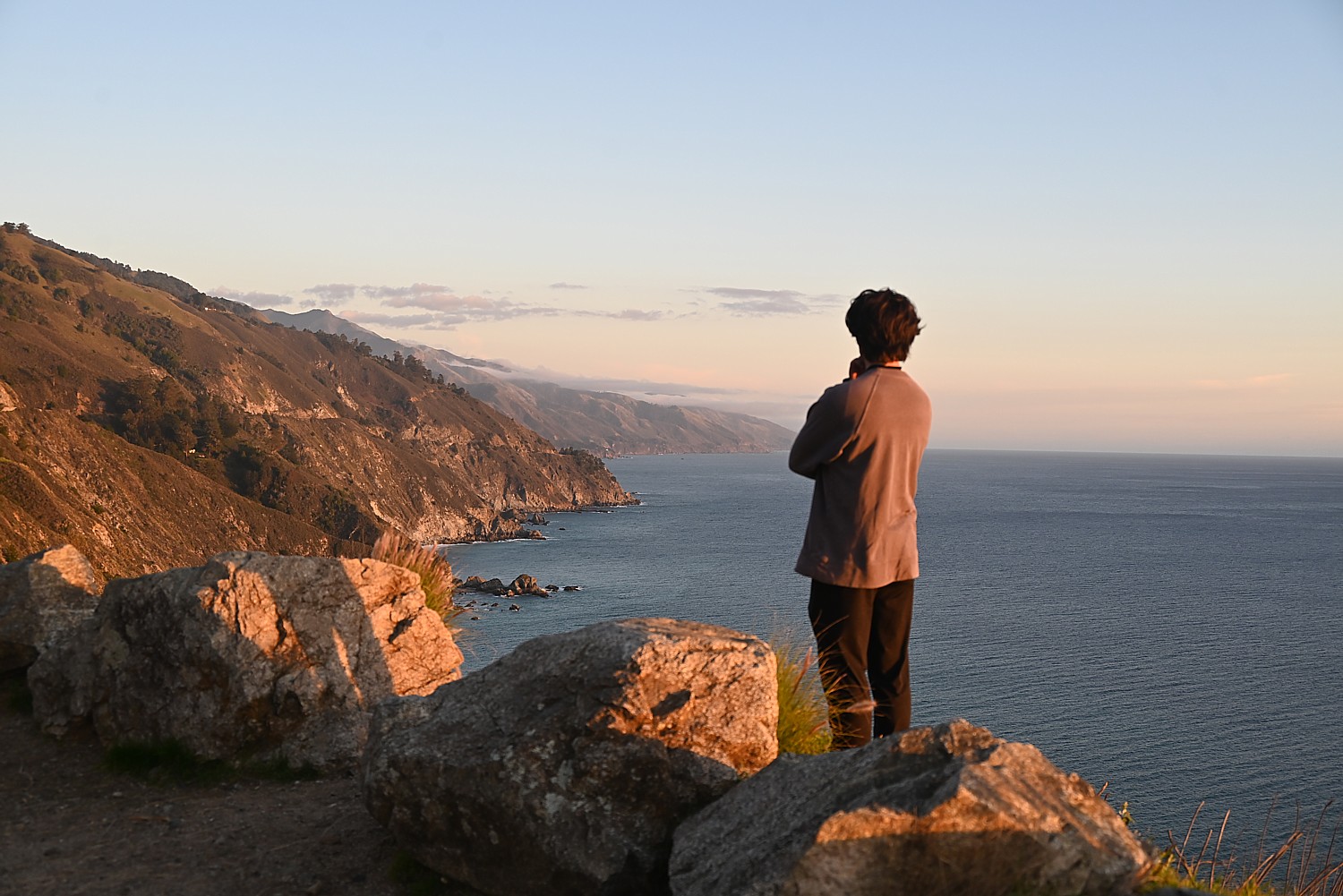
The breathtaking views along the Pacific Coast Highway. The Dyrt’s guide includes a list of the Top 10 Best Places to Camp Along The Pacific Coast Highway © Karen Rubin/goingplacesfarandnear.com

The guide provides The Dyrt’s official list of the Top 10 Best Places to Camp Along The Pacific Coast Highway, highlighting such renowned locations as Kalaloch Campground and Cape Disappointment State Park in Washington, River Bend County Park and Nehalem Bay State Park in Oregon, and Kirk Creek Campground and El Capitán State Beach in California. Each campground is located close to the main route to keep road trippers on schedule.

Within the comprehensive PCH road trip guide are smaller segment guides, which break the route into manageable stretches with day-by-day suggestions, campground notes and activity highlights. Planning tips are also included, with information on fuel and services, seasonal considerations, budgeting hacks and, most importantly when you’re on the road, connectivity.

See: Pacific Coast Highway Road Trip

Perfect for America 250t:: Family Camping in NYS
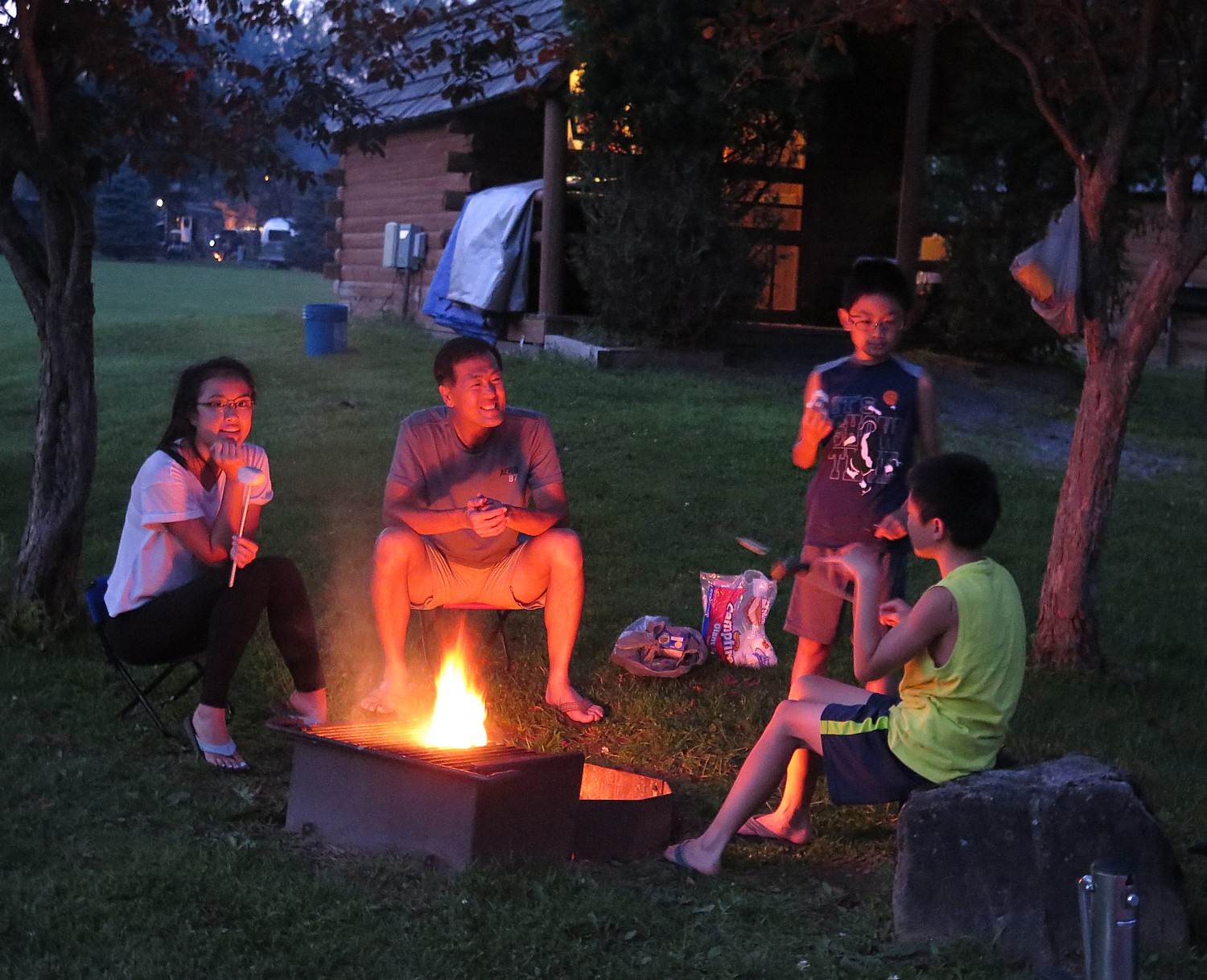
Camping brings families together around the fire, beneath the stars at Herkimer Diamond Mines KOA, New York, where you can do tent camping, stay in a themed cabin, or pull in your RV © Karen Rubin/goingplacesfarandnear.com

Herkimer Diamond Mines KOA Resort is a top-rated family camping, glamping and RV park in New York’s Mohawk Valley. Nestled between the Adirondack Mountains and the Catskill Mountains, the Herkimer Diamond Mines KOA Resort offers one of the most unique camping experiences in the Northeast.

Located along the West Canada Creek and near the Historic Mohawk River and Erie Canal, you can bike the towpath along the canal that united the continent, turned the US into an industrial global power and New York City as the financial capital of the world and take a boat trip through a lock, and go tubing in the creek. But what is truly unique and memorable is the world-famous Herkimer Diamond Mines, where you actually can quarry (and keep) your own “Herkimer Diamonds.”
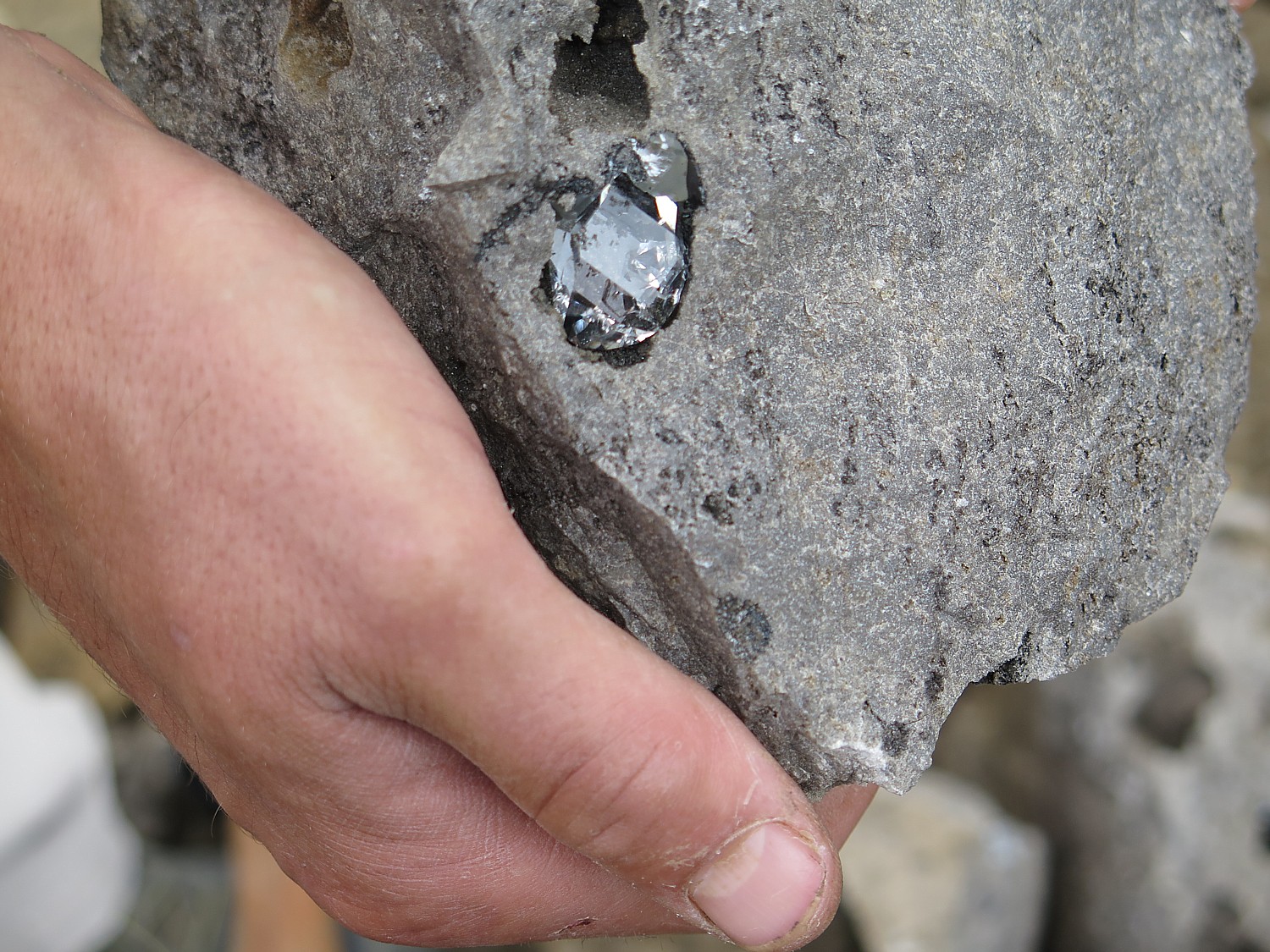
The Herkimer diamonds you quarry at the Herkimer Diamond Mines KOA are yours to keep! © Karen Rubin/goingplacesfarandnear.com

These naturally faceted quartz crystals, known as “Herkimer Diamonds,” are over 500 million years old and prized for their clarity and brilliance (they were used in the famous Timex watches). Start at Miners Village Hall, where you register and pick up your mining equipmen; explore Rockhound Academy, interactive Education Center and Museum, to learn the science and history of gemstone mining;  then head outside to the open rock quarry to mine your own Herkimer Diamonds—everything you find is yours to keep! Shop for souvenirs and jewelry at the Trading Post Gift Shop, enjoy a meal at the Canteen Café, visit the Artisan Center, Sluice, and Fluorescent Room for hands-on fun.

Outdoor hospitality options include:

  • Tent Camping: Cozy up beneath the stars at Creekside or Field Tent Sites. Choose electric hookups or go off-grid and reconnect with nature.
  • Cabins: From rustic Camping Cabins to Deluxe Cabins with full kitchens, bathrooms, and patios, many are wonderfully themed (dinosaurs, another is equipped with its own planetarium). Try the Treehouse Lodge or Solar-Powered Cabins for an eco-friendly glamping experience.
  • RV Camping: Park your RV at one of our Full Hookup, Pull-Thru, or Back-In Sites, many with KOA Patios and Buddy Sites along the creek. Golf Cart Rentals are available for easy access around the resort.
  • Group Camping areas are ideal for hosting a family reunion, scout troop, or club event. You can arrange for use of its event pavilion, and take advantage of Group Mining Packages.

On-site amenities and activities include hosted activities(BINGO, Tie-Dye, Arts & Crafts, and family games and events); outdoor recreation (Gaga Ball, Volleyball, Basketball, Horseshoes, Bean Bag Toss, Giant Chess) and water adventures(diamond-shaped swimming pool, float down West Canada Creek in a tube or kayak).

It is also right on the Erie Canal (you can even take a boat ride through a lock) which is ideal for biking.

It should also be mentioned that Herkimer, NY, is named for an important Revolutionary War hero whose actions indirectly led to the Patriot’s victory at Saratoga and ultimately independence. Visit Fort Stanwix National Monument in Rome (https://www.nps.gov/fost/index.htm) to immerse in Revolutionary War history, then the Eric Canal Museum in Syracuse (eriecanalmuseum.org).

Herkimer Diamond KOA, 4626 State Route 28, Herkimer, NY 13350, 315-891-7355,  www.herkimerdiamond.com.

(See: Diamond Mining, Robotics, Erie Canal Cruises Top List of Special Experiences at Herkimer KOA Camping Resort)

Visit https://koa.com/blog/ for ideas, itineraries, planning tips source for Kampgrounds of America sites.
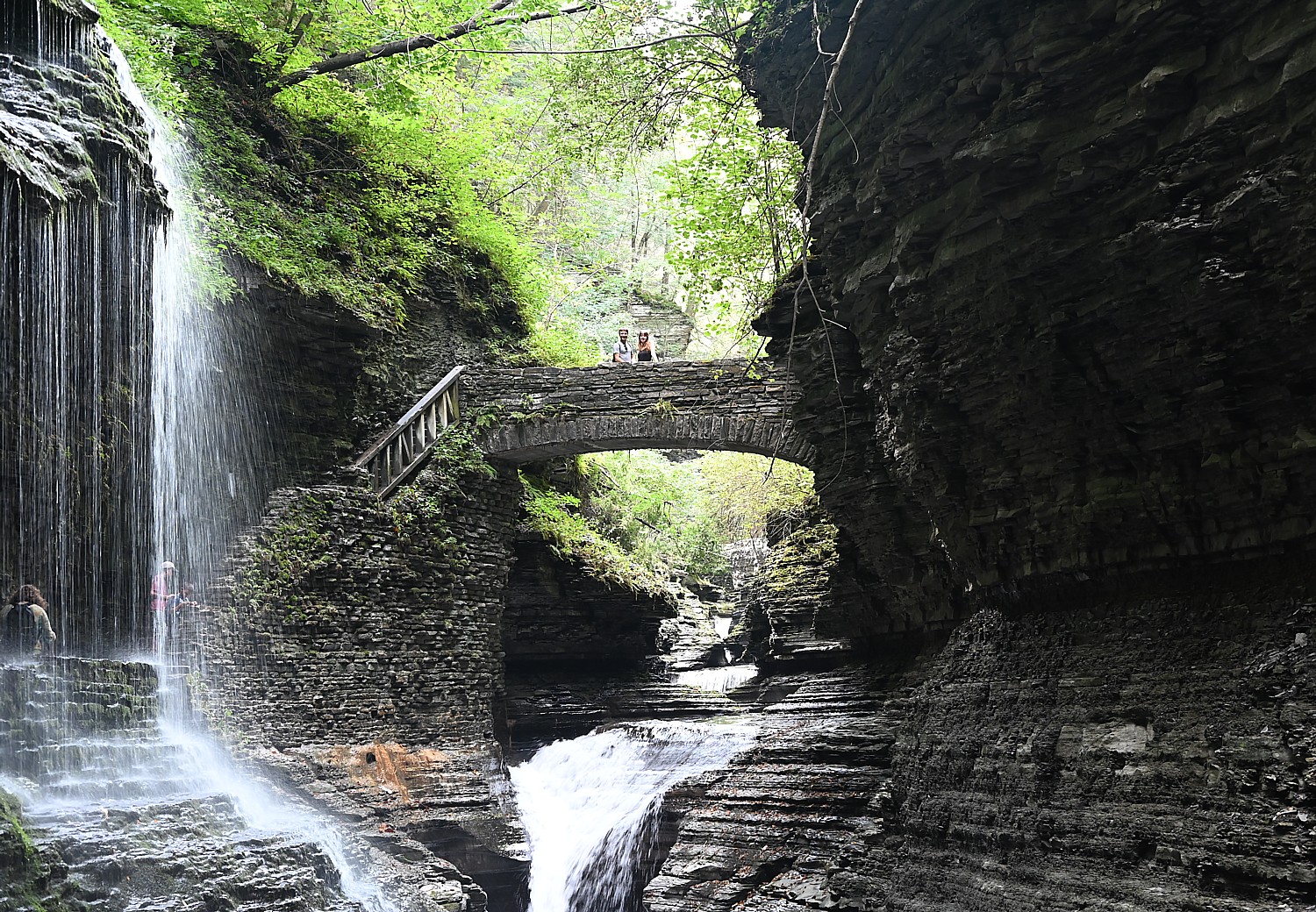
The view just steps from the campground at Watkins Glen State Park, New York © Karen Rubin/goingplacesfarandnear.com

Meanwhile, New York State offers sensational camping opportunities in its state parks. Our favorites include Letchworth and Watkins Glen.

See:

New York’s Watkins Glen State Park is Spellbinding

Driveable Adventures: Hiking/Camping in the ‘Grand Canyon of the East’ – NY’s Letchworth State Park

To book a spot in New York State Parks campgrounds, go to https://newyorkstateparks.reserveamerica.com/.

 __________________

© 2026 Travel Features Syndicate, a division of Workstyles, Inc. All rights reserved. Visit goingplacesfarandnear.com and travelwritersmagazine.com/TravelFeaturesSyndicate/. Blogging at goingplacesnearandfar.wordpress.com and moralcompasstravel.info. Visit instagram.com/going_places_far_and_near and instagram.com/bigbackpacktraveler/ Send comments or questions to FamTravLtr@aol.com. Bluesky: @newsphotosfeatures.bsky.social X: @TravelFeatures Threads: @news_and_photo_features ‘Like’ us atfacebook.com/NewsPhotoFeatures

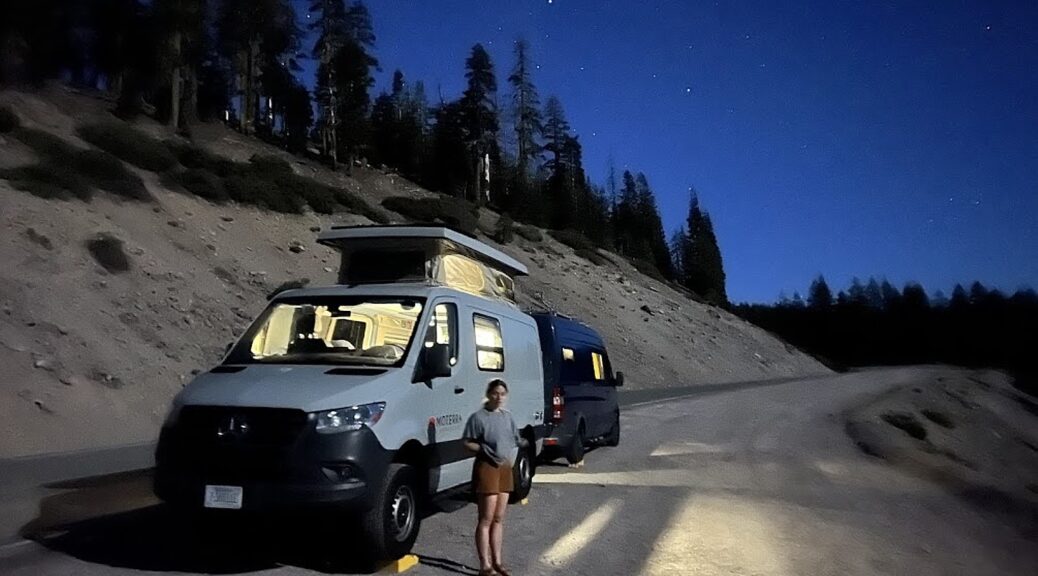
Baby’s First Wild Camping adVANture!

Wild camping at Mt. Hood, Oregon on our first adVANture with our baby © Eric Leiberman/goingplacesfarandnear.com

By Sarah Falter and Eric Leiberman, Travel Features Syndicate, goingplacesfarandnear.com

We embarked on our one-way, five-night trip from San Francisco to Seattle in a rented camper van with only vague goals regarding where we’d venture during the day and sleep at night. This is our typical travel mojo but now we had a new accompaniment–our two-month old baby.

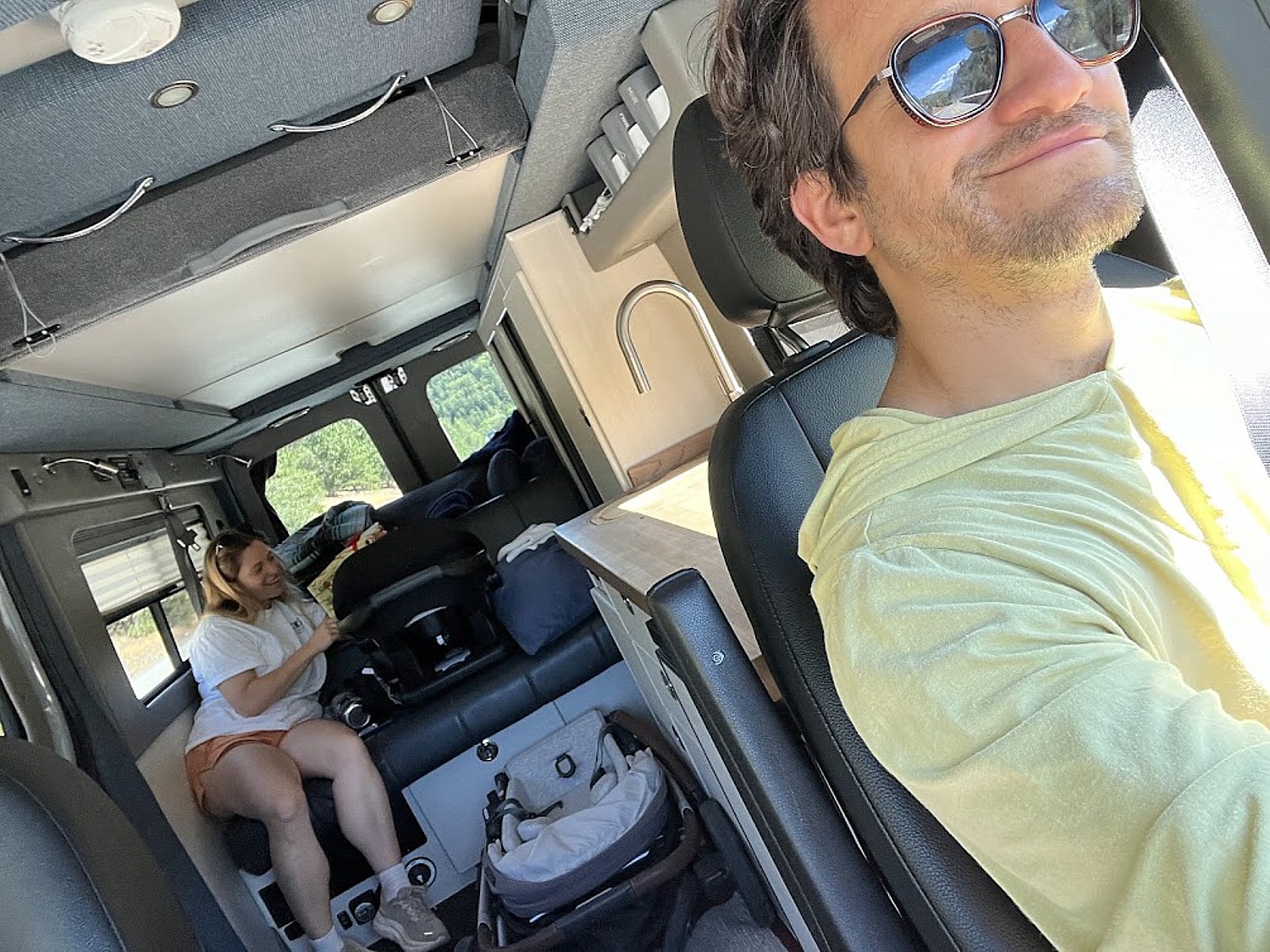
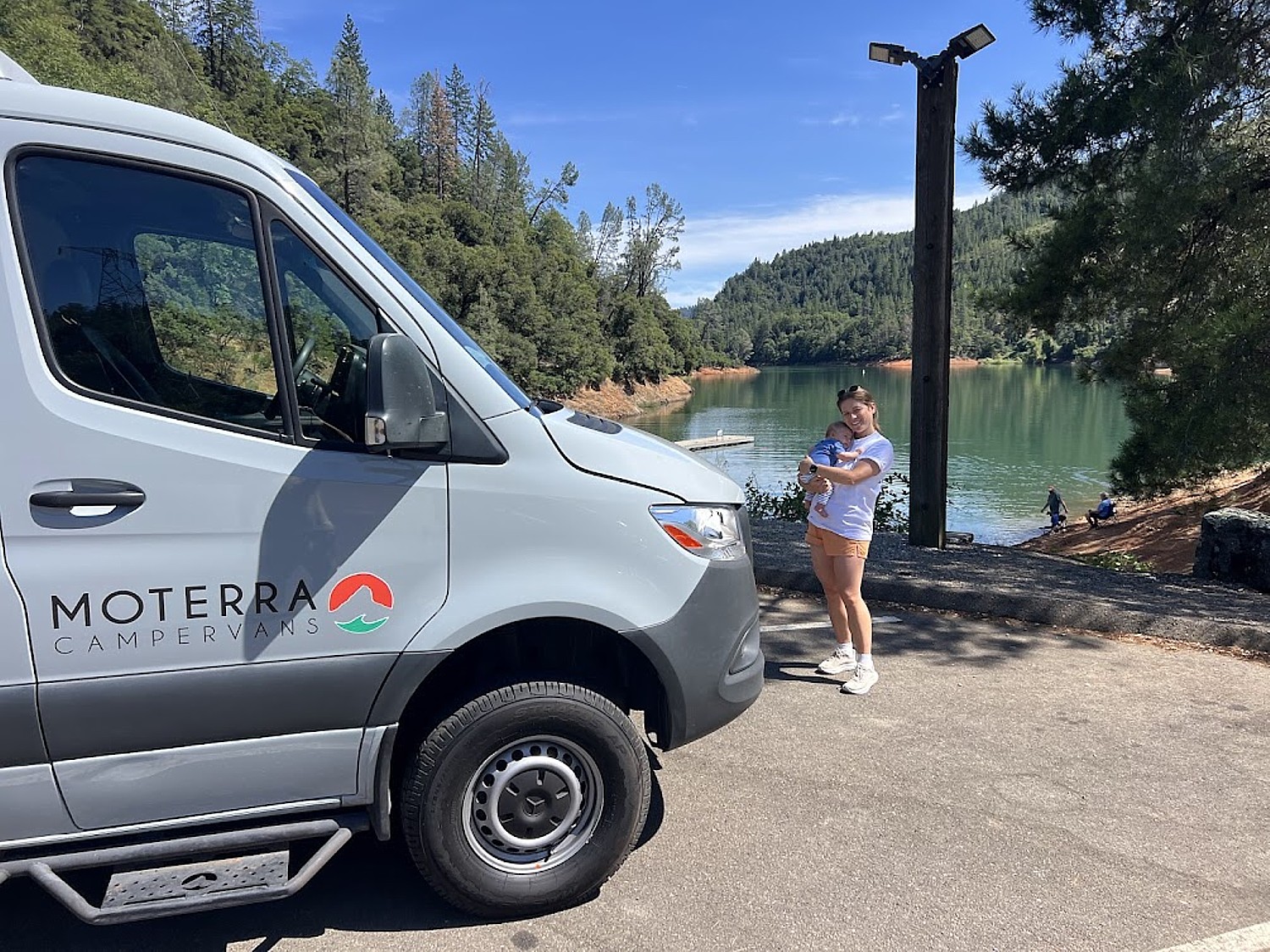
The Moterra campervan drives and parks like an SUV © Eric Leiberman/goingplacesfarandnear.com

Our van rental was through Moterra Campervans, a company we had used once before to explore California, Nevada, and Utah national parks on a one-week pre-parenthood excursion. We were already familiar with the camper van specs, how comfortable it is to drive, and all of its convenient amenities. The unknown for this trip, of course, was doing it all with an infant. (See: AD-VAN-TURING, NEWEST TRAVEL TREND)

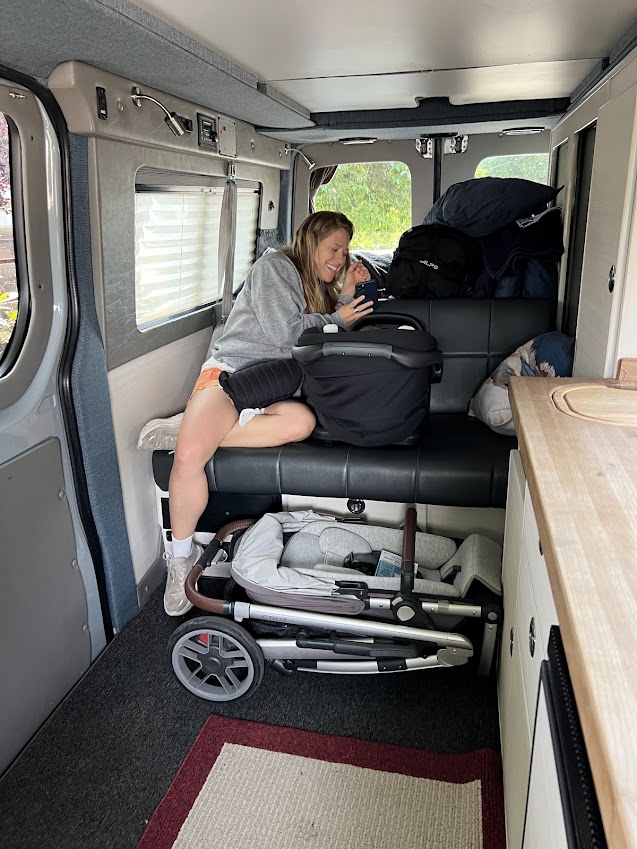
Our friends with kids thought it was an ambitious proposition to go on such an adventurous trip with a newborn, especially as first time parents. But, we were confident in our abilities to navigate whatever may come our way. And, more importantly, we are fortunate to have a very patient and happy baby, who rose to the adVANture challenge, enduring hours-long driving stretches secured in the back seat in his rear-facing car seat (staff will explain how to properly install), and sleeping through the night in his pack ‘n play at the foot of our bed. 

A quick note on van tripping with a baby: packing is much easier for road trips vs flights! The Moterra van had plenty of shelving and trunk space for our belongings, and we found we were much more organized using packing cubes to differentiate baby’s day/night clothes (bring 2x what you think you need), accessories, toys. We also packed soap to handwash clothes as needed.

The Moterra campervan is like a mobile AirBnB © Eric Leiberman/goingplacesfarandnear.com

The luxury Mercedes-Benz Sprinter Van we rented from Moterra (gomoterra.com) was the Pop-Top Classic, which sleeps up to four and seats five. The van has solar-powered central heat (perfect for nighttime temperature control for baby), and is outfitted with a fully stocked galley including a mini-refrigerator, camping stove, cooking tools, French press coffee maker, dining ware, cleaning supplies; and household must-haves including a portable table and chairs, portable toilet, outdoor shower, bed linens, towels. If you prefer, you can have Moterra pre-stock the galley with groceries (if you don’t want to stop off at a grocery yourself).

You can also take advantage of their concierge service and pre-planned itineraries, which are all-inclusive packages with a day-by-day personalized itinerary, pre-booked campgrounds, organized activities, and a dedicated Trip Expert (especially helpful if your trip includes national parks, many of which now require reservations and are strict about not allowing wild camping).  Moterra also allows for one-way rentals (and pets!). It was also comforting to know that Moterra has a 24-hour helpline had we encountered any difficulty.

A note about driving – if you have never driven a camper van and worry about how it handles, we can testify that these 19-foot long vehicles feel like a typical SUV. They also have added safety features such as blind spot detection/alarm, backup camera, and Apple car play (wireless). In addition, the van is equipped with an inverter so you can charge laptops and devices via its solar battery vs the car battery as needed.

We set out on our trip loosely planning to (wild) camp near Mt. Shasta for our first night (this was strategic that day because temperatures in California were high with fires in the far distances, and the elevation of Mt. Shasta promised cooler temps). 

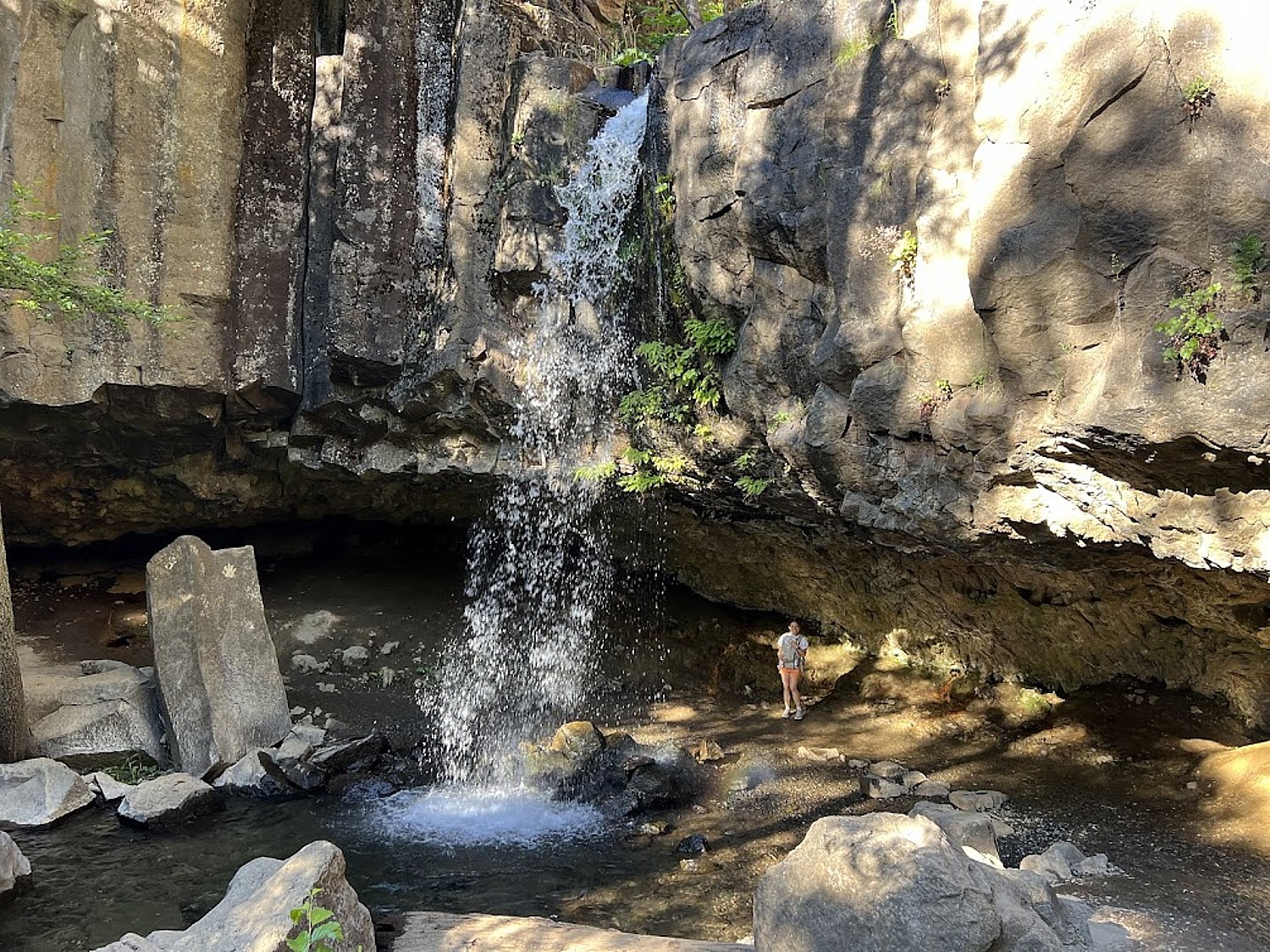
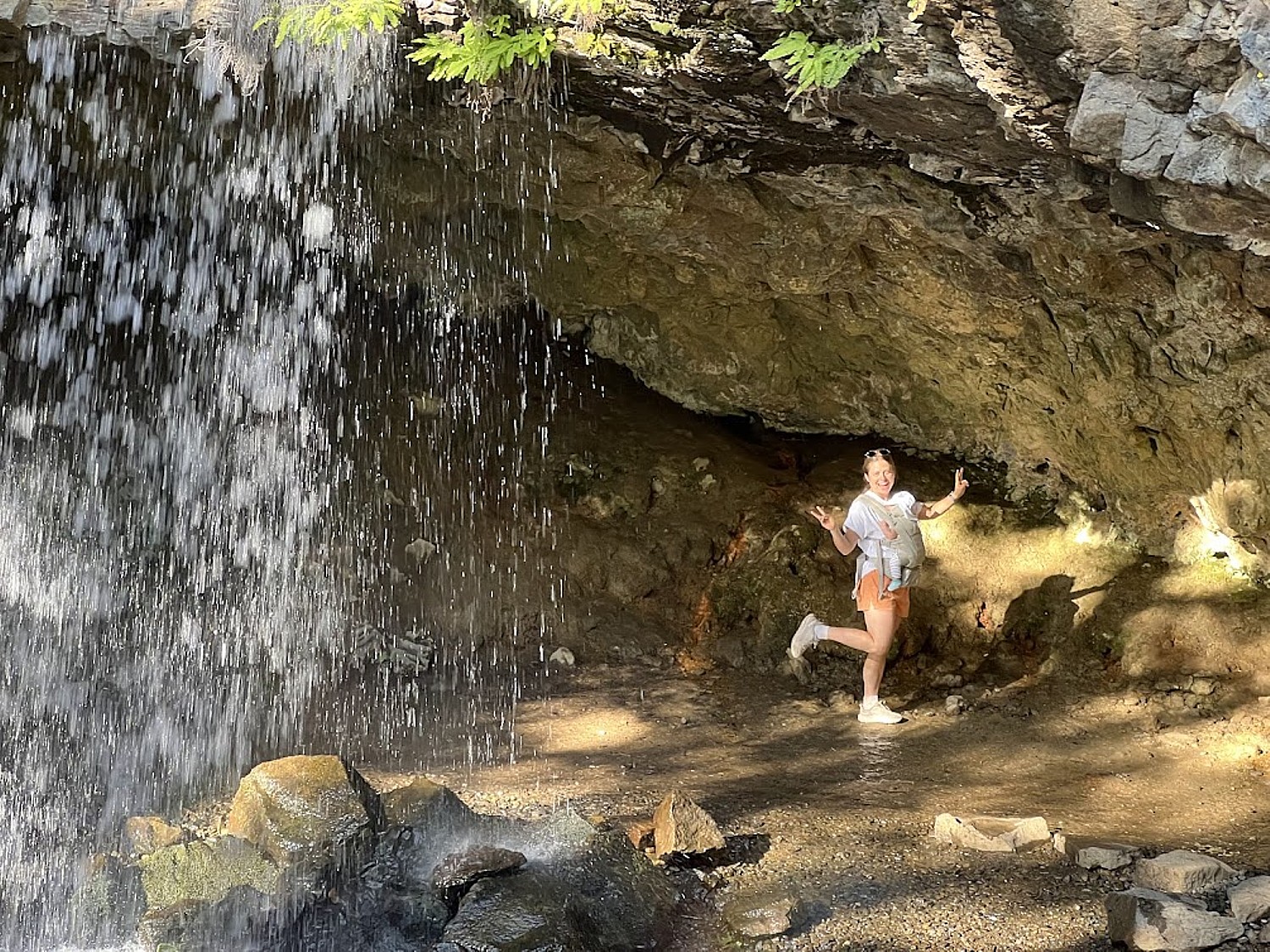
Hiking to the gorgeous Hedge Creek Falls © Eric Leiberman/goingplacesfarandnear.com

We arrived at Shasta-Trinity National Forest in Northern California, close to the Oregon border, by mid-afternoon day one. We selected Hedge Creek Falls to hike with the baby – a beautiful but short/manageable trail that leads to a small waterfall (a supportive baby carrier is a must– we use the Ergobaby Omni Breeze). We were treated with a mountain ice run-off water fountain at the trailhead, and delightedly filled our water bottles. 

Hiking to the gorgeous Hedge Creek Falls © Eric Leiberman/goingplacesfarandnear.com

As sunset drew closer we decided to head to the town of Mt. Shasta for a meal (Yaks Shack at 401 N. Mt. Shasta Blvd was solid). Then we joined forces with two friends also camping in the area, and ventured up Everitt Memorial Hwy towards the John Everitt Memorial Vista Point for a place to overnight – a wild-camping location we selected using the  I-Overlander app (very helpful for navigating free and legal campsites). 

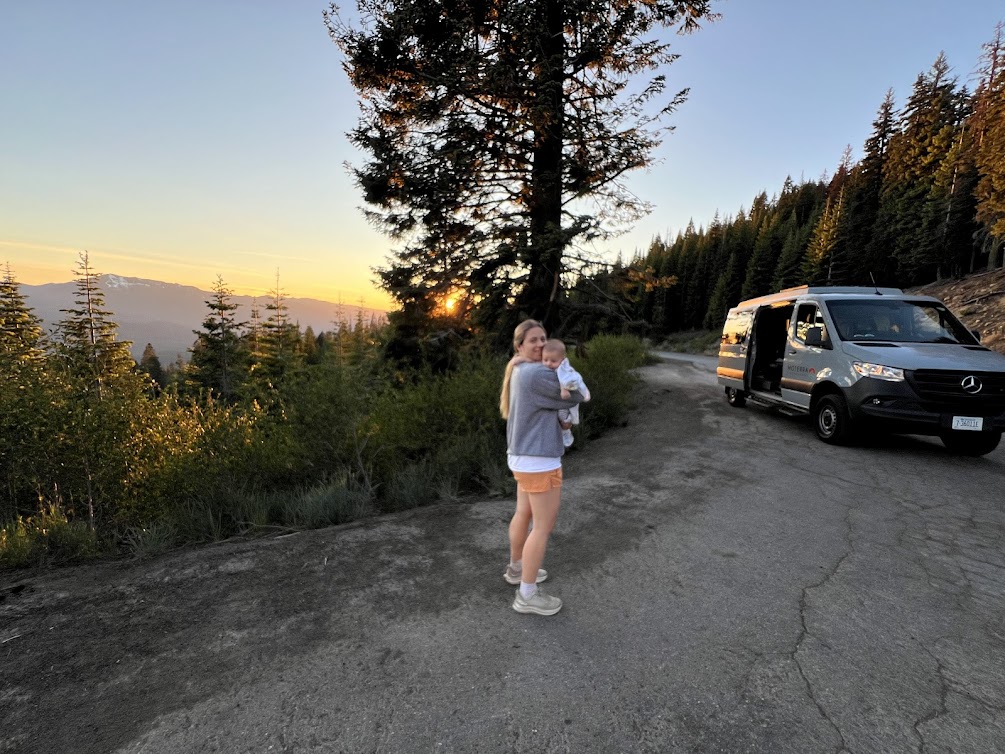
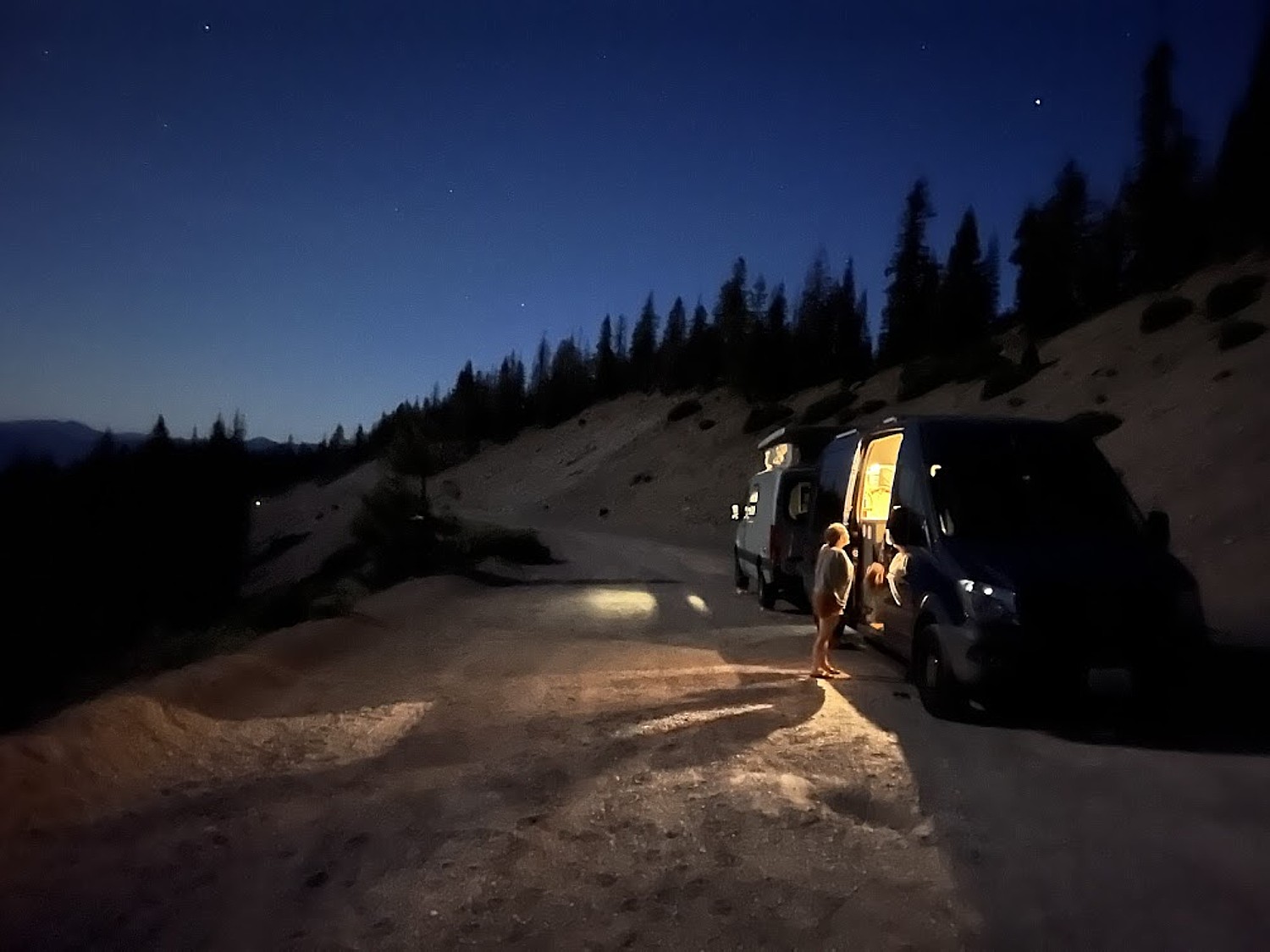
 Our wild camping site at John Everitt Memorial Vista Point © Eric Leiberman/goingplacesfarandnear.com

We were forced to drive higher and higher on the winding road, limited by the large space our two vans required. Ultimately, we did find a safe spot with a view of the last rays of sunset, but had we not (in the worst case scenario), we would have pulled into a standard campground nearby for a small $20 fee. 

Wild camping on Mt. Shasta © Eric Leiberman/goingplacesfarandnear.com

The next morning we used our camping stove to whip up egg burritos and fresh coffee. Then we spent a couple hours exploring Mt. Shasta town–very cute with quaint cafes, juice bars, burger joints and gorgeous views of Mt. Shasta from the main road. 

Walking the Lake Siskiyou Trail,  Mt. Shasta © Sarah Falter/goingplacesfarandnear.com

We took a small nature walk nearby at Lake Siskiyou Trail to stretch our legs before our long-ish (4 hour) drive to Bend, Oregon.

Pro tip on road-tripping with a baby: budget at least 50% extra time for your drives, as the baby needs lots of breaks for feeds, diaper changes, cuddles, etc. You can, however, choose really beautiful spots for these tasks and have lots of little snacks while doing it! It almost feels like hanging out on the front porch or backyard of your own home.

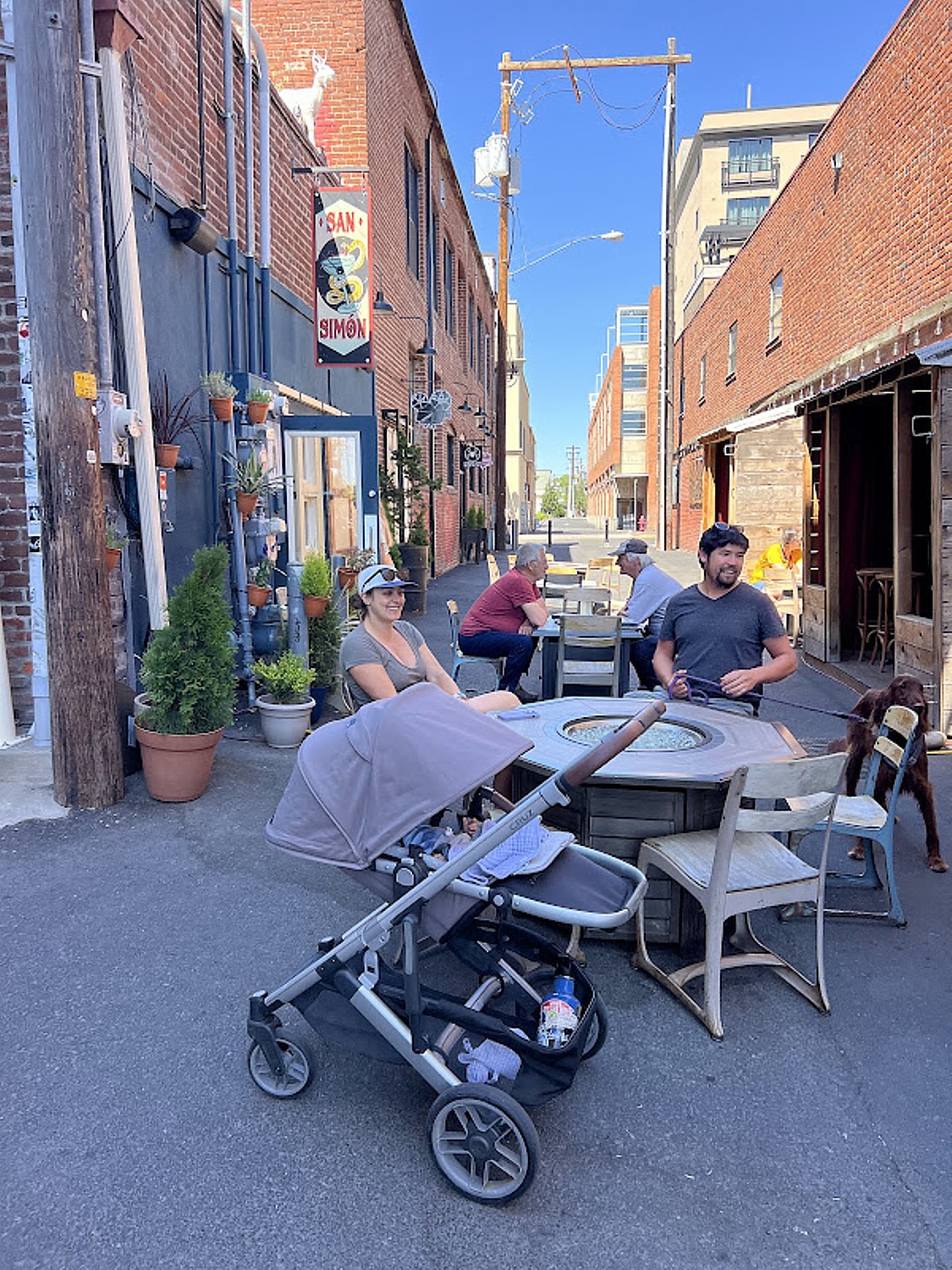
Bend, Oregon is an activity-lovers dream. It is known for the gorgeous Deschutes River which runs right through its downtown. The many parks, swimming areas, river hikes, mountain biking trails, and canoeing/kayaking/tubing/paddleboarding spots equate to endless fun. And to top off your day there are many breweries and downright fabulous restaurants to try downtown. We so loved the youthful, active, and family-friendly energy we found there. The town feels like a delightful mix of Austin, Texas and Jackson Hole, Wyoming.

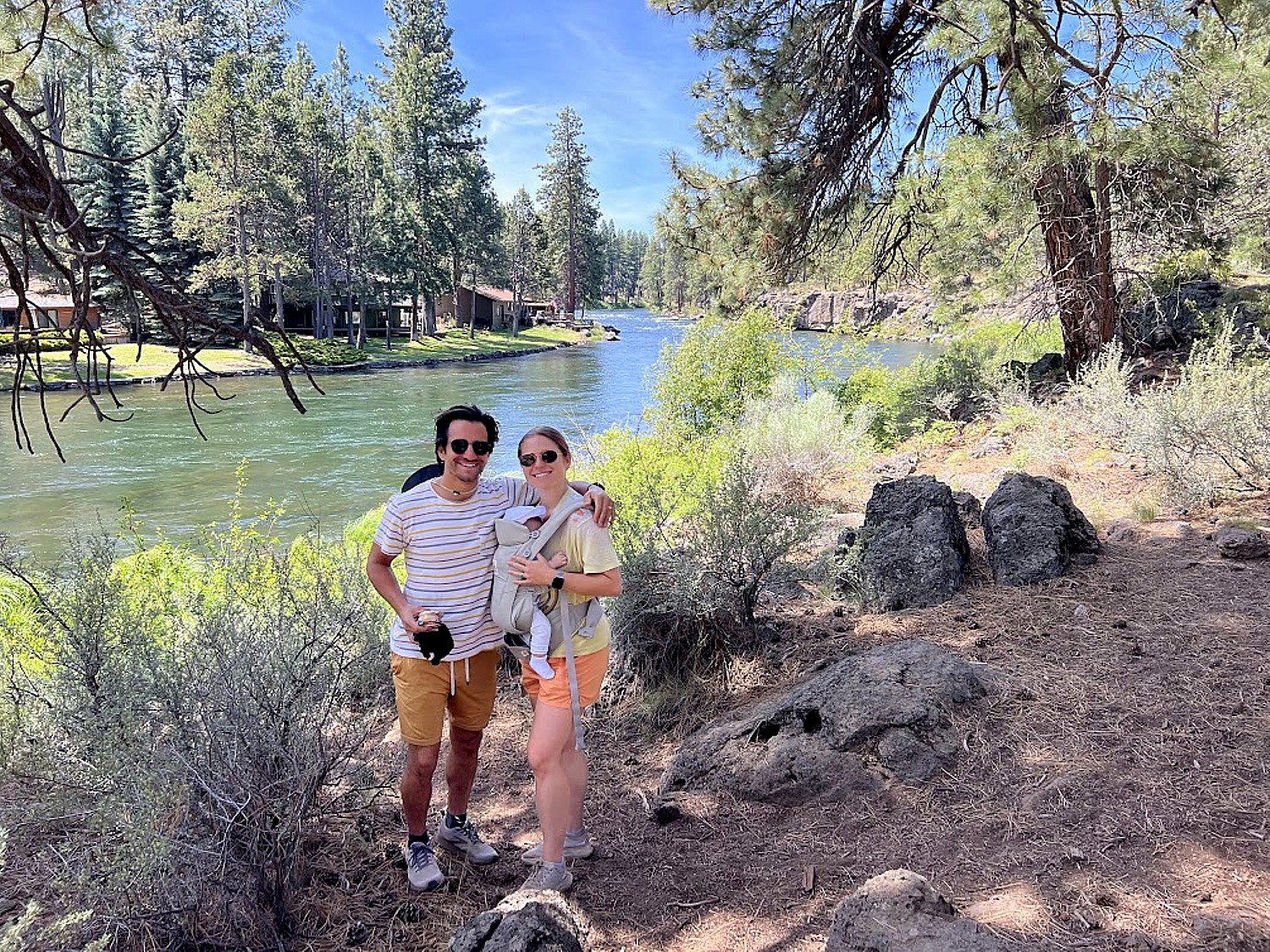
Enjoying the scene in Bend, Oregon © Eric Leiberman/goingplacesfarandnear.com

We explored Rimrock Trailhead (18768 State Hwy 372), a beautiful hiking/biking area with many trails, some of which lead right to the Deschutes River (Eric couldn’t resist a mid-hike swim). We didn’t bring our bikes this trip as our baby is much too young to ride along, but if you do decide to bring bikes on your trip, Moterra has optional racks which can be used for bikes, skis, surfboards.

Walking the Rimrock Trail to the Deschutes River, Bend, OR © Nick Kruge/goingplacesfarandnear.com

A food highlight in Bend was definitely Wild Rose restaurant (150 NW Oregon Ave.), serving mind blowing Thai food, reasonably priced for the quality and quantity. We also enjoyed Bend Brewing Company (1019 NW Brooks St.) with its many beer offerings plus live music overlooking the river.

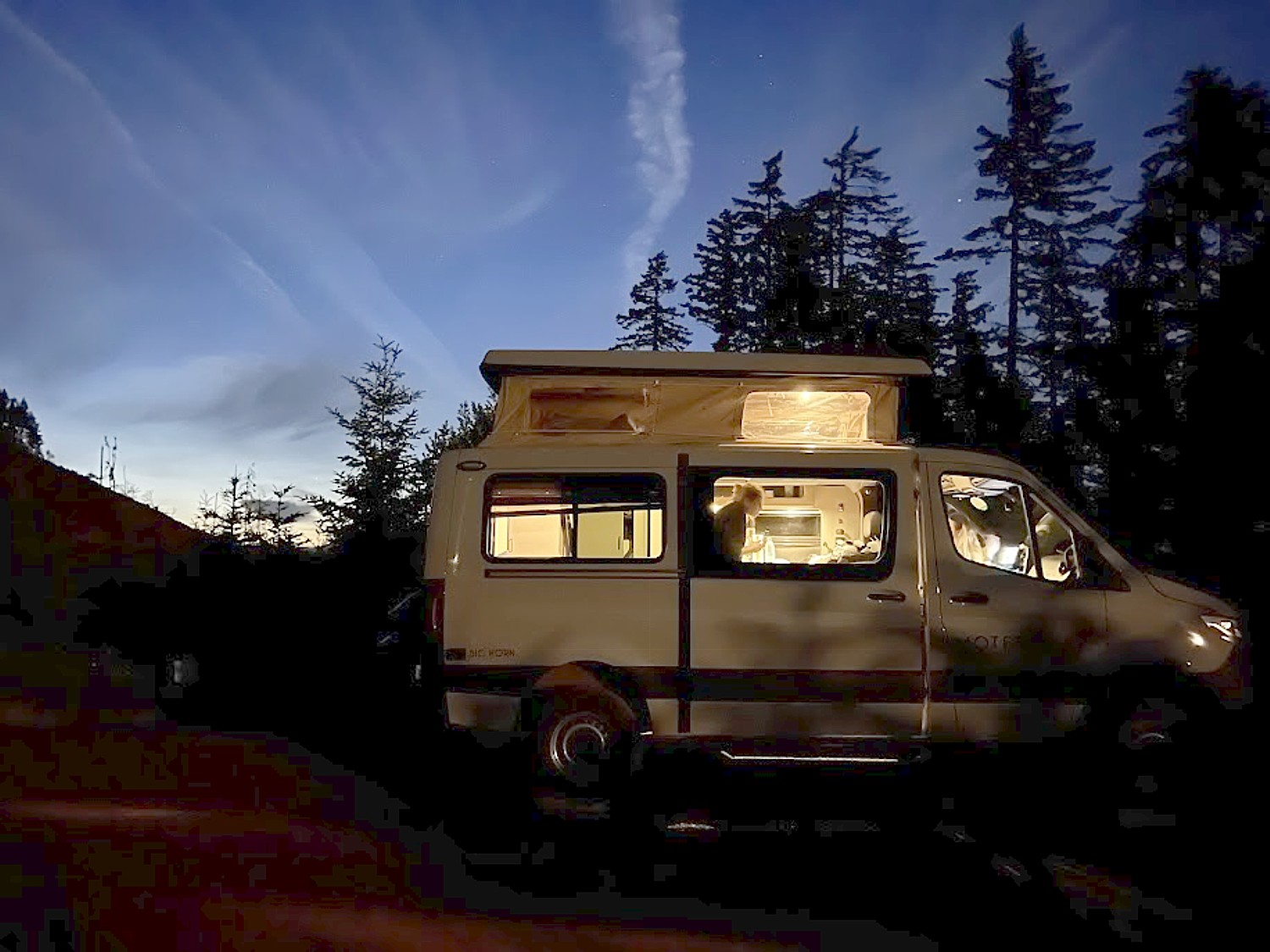
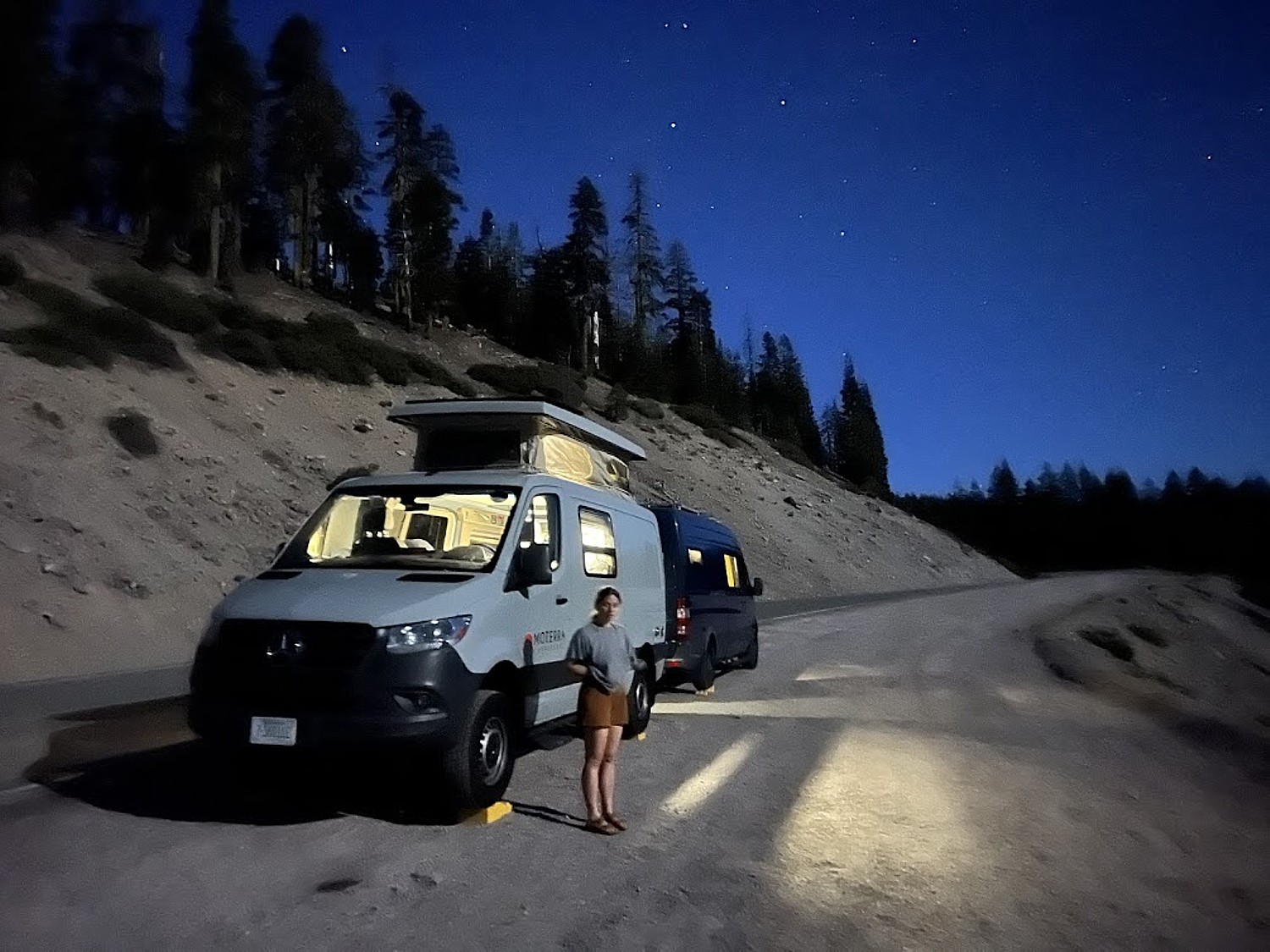
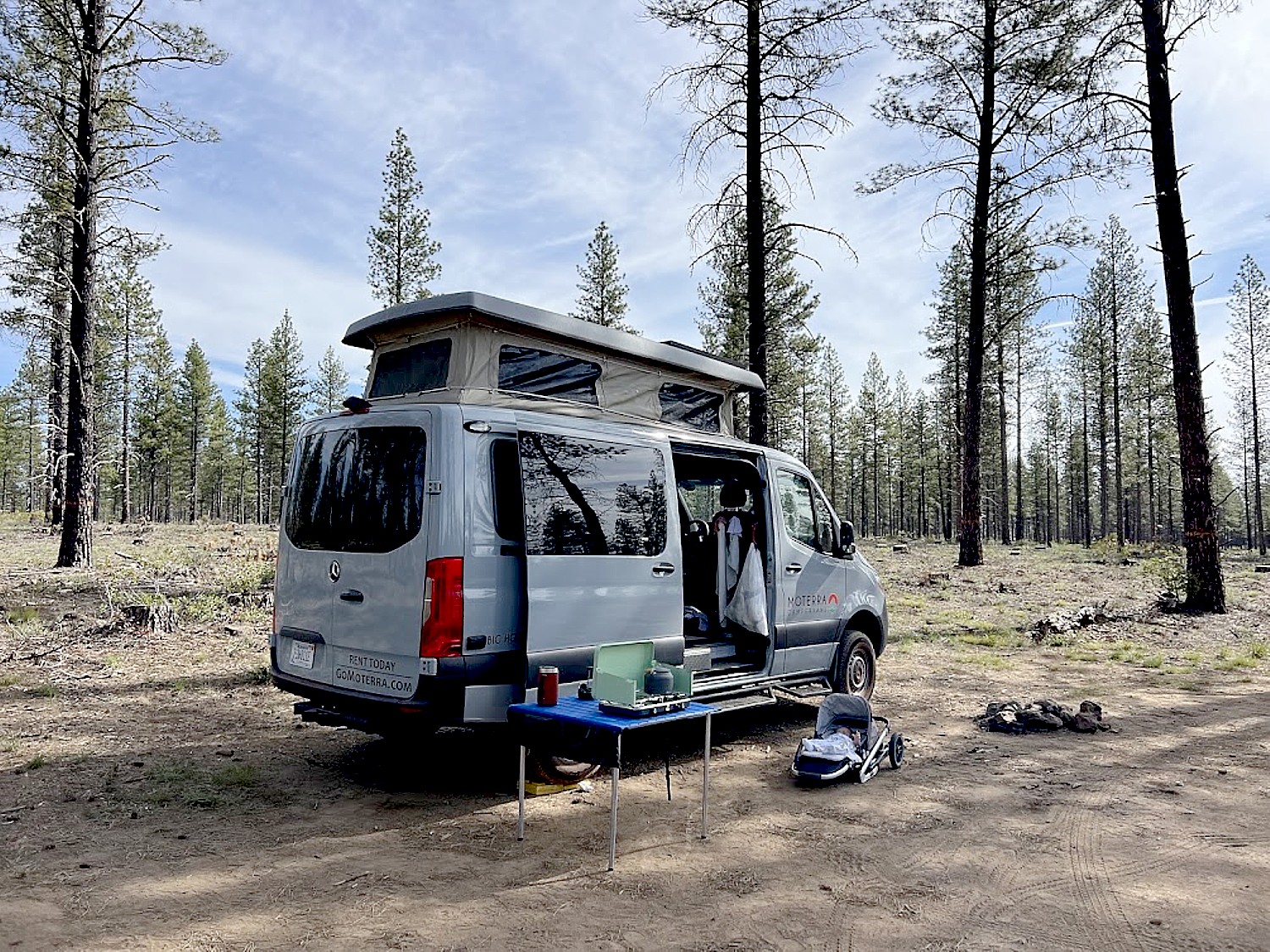
Wild camping in the Moterra campervan outside of Bend, Oregon © Eric Leiberman/goingplacesfarandnear.com

When it was time to sleep, we parked our van at a free campsite just outside of town near Phil’s Trailhead. Our son loved being outside until bedtime, so we’d bop him around and take in the sunset views before setting up his pack ‘n play and zipping him up in his sleep sack.

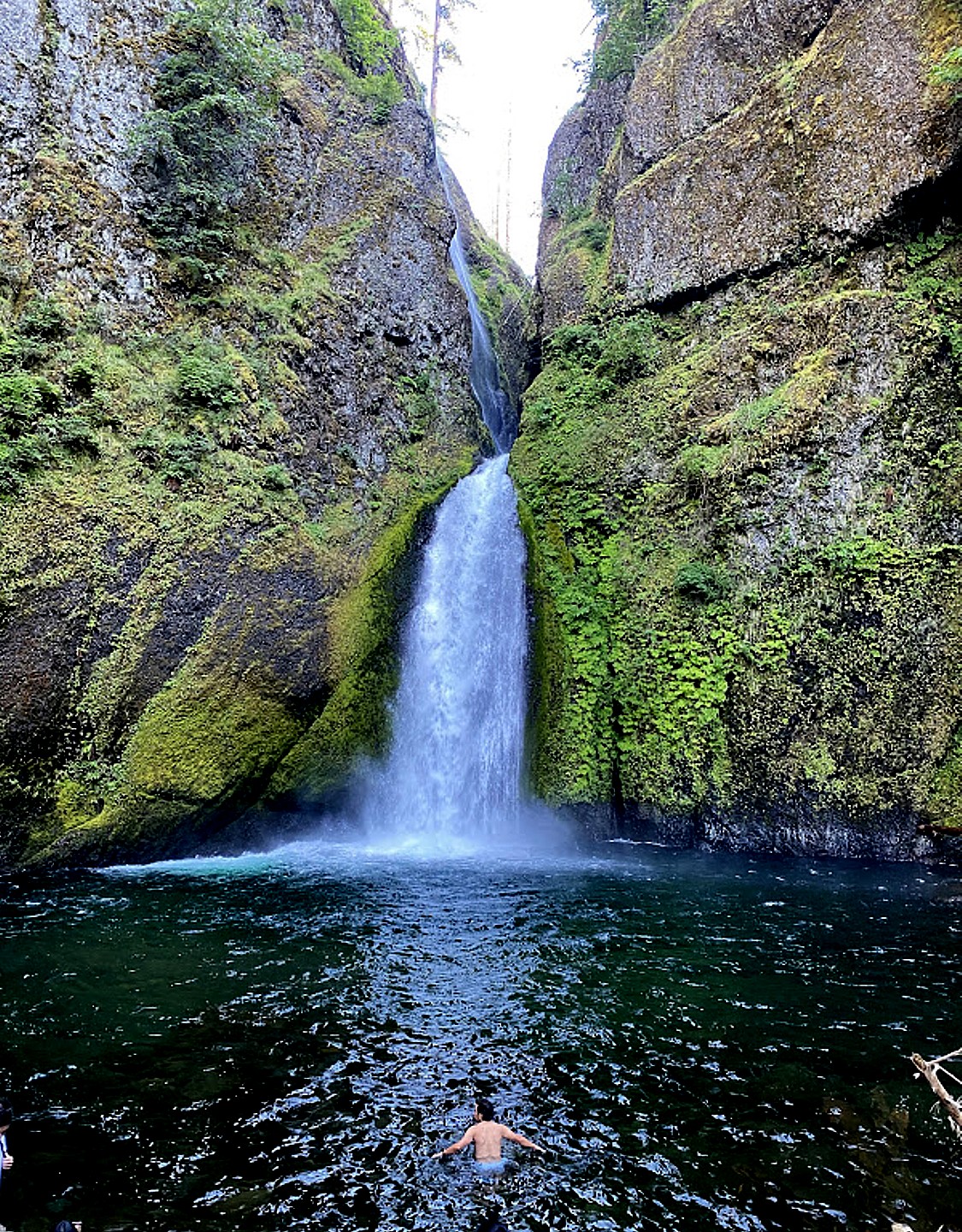
After two lovely days in Bend we buckled up and drove north to Hood River, Oregon (an hour east of Portland). We grabbed sandwiches at Golden Goods Sandwich and Bake Shop (111 Oak St.) and headed to the gorgeous Wahclella Falls Trail (approximately 2 mile hike) where Eric (for whom there is no water feature he doesn’t take advantage of) swam at the mouth of the (very cold) waterfall. Sarah’s sister, Hannah, joined for this leg of the trip (the van comfortably fit 3 adults and one baby). 

Eric can’t resist a swim at Wahclella Falls © Sarah Falter/goingplacesfarandnear.com

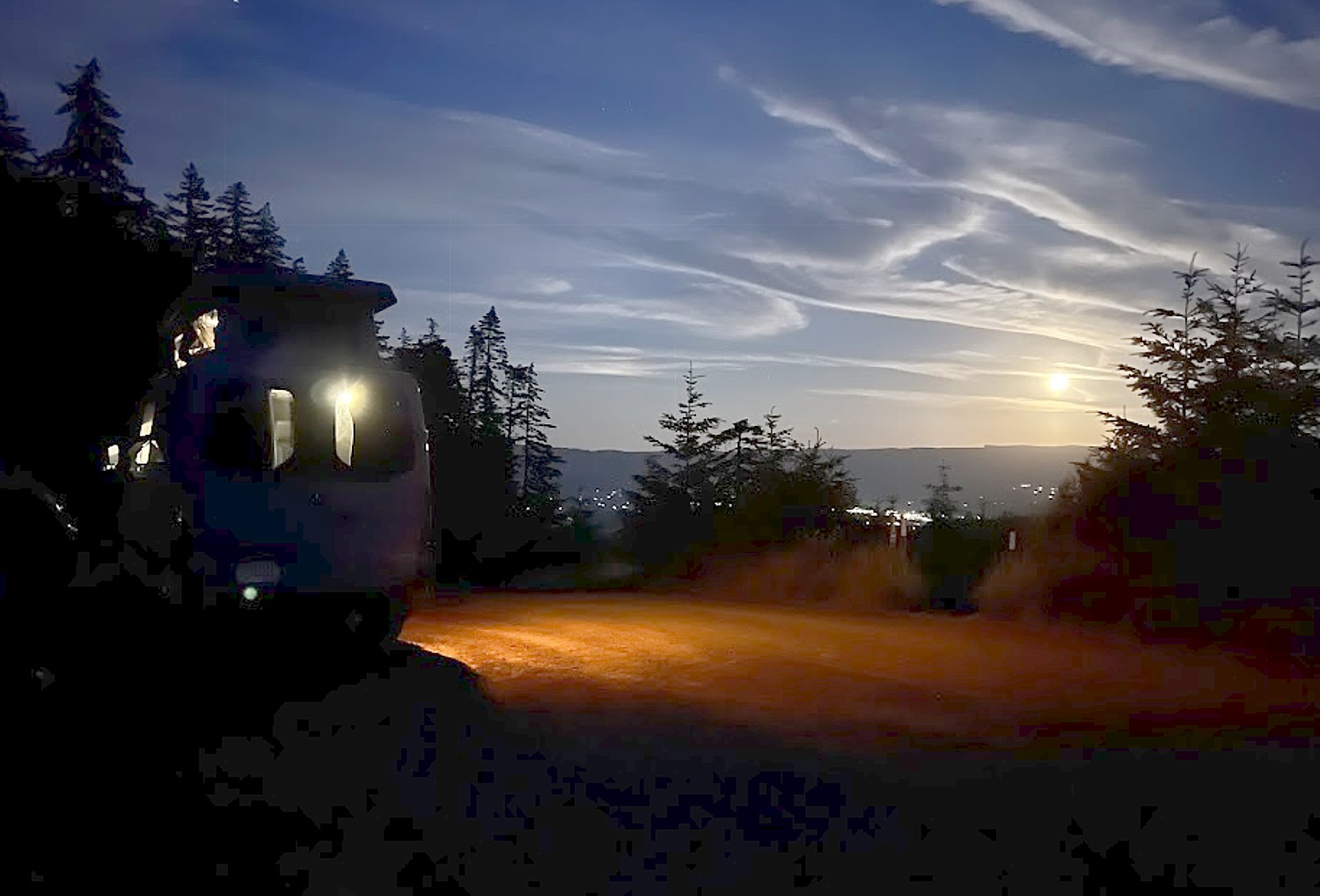
Night began to fall so we hopped in our van in search of a comfy site. We ultimately found a wild camping spot on Riordan Hill Drive on the Hood River. We whipped out our camping stove and made ourselves pasta with spinach and sausage. Its always extra satisfying to eat a hearty meal in such a remote location. The wind was pretty intense up on Riordan Hill Drive but we all made it safely through the night, and baby slept right through the natural white noise. 

A wild camping spot on Riordan Hill Drive on the Hood River © Eric Leiberman/goingplacesfarandnear.com

In the morning we hiked around the area a bit and then headed to Hood River town. A cute area with loads of restaurants and shops, and the added bonus of the Hood River Waterfront Park (650 Portway Ave.), a popular place for kitesurfing and windsurfing, which are super fun to watch.

Hood River is popular and we were there on a beautiful Friday, so it was crowded. We realized how much we appreciated another feature of the Moterra camper van – its size. While it is often hard to find parking for a big RV especially in urban places, the Moterra is not much bigger than an SUV and fits in regular parking spots. The nearby convenience of the van wherever we went was also such a great asset when traveling with a baby–we were never out of diapering supplies or outfit changes after blow-outs.

While every child is different, we felt one of the reasons our baby did so well on this trip was because he had constant enriching stimulation and fresh air. He really loved the natural entertainment of it all, and slept better than ever at night because of it (we think).  

We rounded out our trip with dinner in Portland (Bluto’s restaurant is worth a visit), and camping close to downtown Seattle at Seward Park. 

The camper van experience is wonderful, and if you factor in not having to pay for flights, hotels, or cabs, plus the convenience, amenities, and the unique and memorable experience, it is a value proposition. All in all the Moterra experience works out to about $350/night, but varies with season. You will also pay for gas, insurance, and a cleaning fee.

We returned the van to Moterra’s conveniently located warehouse near Seattle Airport (they have other locations near airports in Salt Lake City, Las Vegas, San Francisco, Jackson Hole, Whitefish, Montana, and have a new hub in Portland, Maine, for adventures in Northern New England and Eastern Canada). We did a one-way trip in order to spend quality (baby) time with family in the Seattle area and flew home via Southwest (thanks to their generous checked-bag policy) the following week (baby’s first airplane flight!).

Moterra campervans are available in three custom Sprinter diesel models: the Pop-Top Classic sleeps 4 and seats 5 and is best for those who want maximum floor space and storage; the Pop-Top Plus sleeps 4 and seats 8, and is best for larger groups; the High Roof sleeps 2 and seats 6, and is best for couples who want the luxury of an indoor shower. The 4-wheel-drive campervans are 19 feet in length, making them both easy to maneuver and off-road capable. All Moterra Campervans feature a full kitchen (stove, sink and fridge), porta-potty toilet, thermostat heater and solar electric system and water supply. The campervan rentals are also pet friendly.

Parking the Moterra campervan at the Bailey Cove Trailhead © Eric Leiberman/goingplacesfarandnear.com

Co-Founders Gabe Aufderheide, Trevor James and Kevin Deneen bring skills and experience including 20-plus years designing high-end outdoor adventures and venture capital:

Kevin Deneen, Co-Founder, CEO, spent a decade in venture capital supporting startups innovating to make the energy and industrial ecosystems more sustainable. Most recently, he was part of the founding investment team at SE Ventures.

Trevor Jame, Co-Founder, COO,criss-crossed the globe for a decade, developing and guiding custom vacations for discerning clients. Through his work with one of the world’s top active travel companies, he developed a deep and abiding passion for connecting people with new destinations, cultures and encounters.

Gabe Aufderheide,Co-Founder, CRO, has over 10 years of experience guiding, designing, and customizing specialty travel across the globe.

Moterra CamperVans, 1565 W. Berger Ln., Jackson, Wyoming, 307-200-7220, email info@gomoterra.com, gomoterra.com

_______________________

© 2024 Travel Features Syndicate, a division of Workstyles, Inc. All rights reserved. Visit goingplacesfarandnear.com and travelwritersmagazine.com/TravelFeaturesSyndicate/. Blogging at goingplacesnearandfar.wordpress.com and moralcompasstravel.info. Visit instagram.com/going_places_far_and_near and instagram.com/bigbackpacktraveler/ Send comments or questions to FamTravLtr@aol.com. Tweet @TravelFeatures. ‘Like’ us at facebook.com/NewsPhotoFeatures 
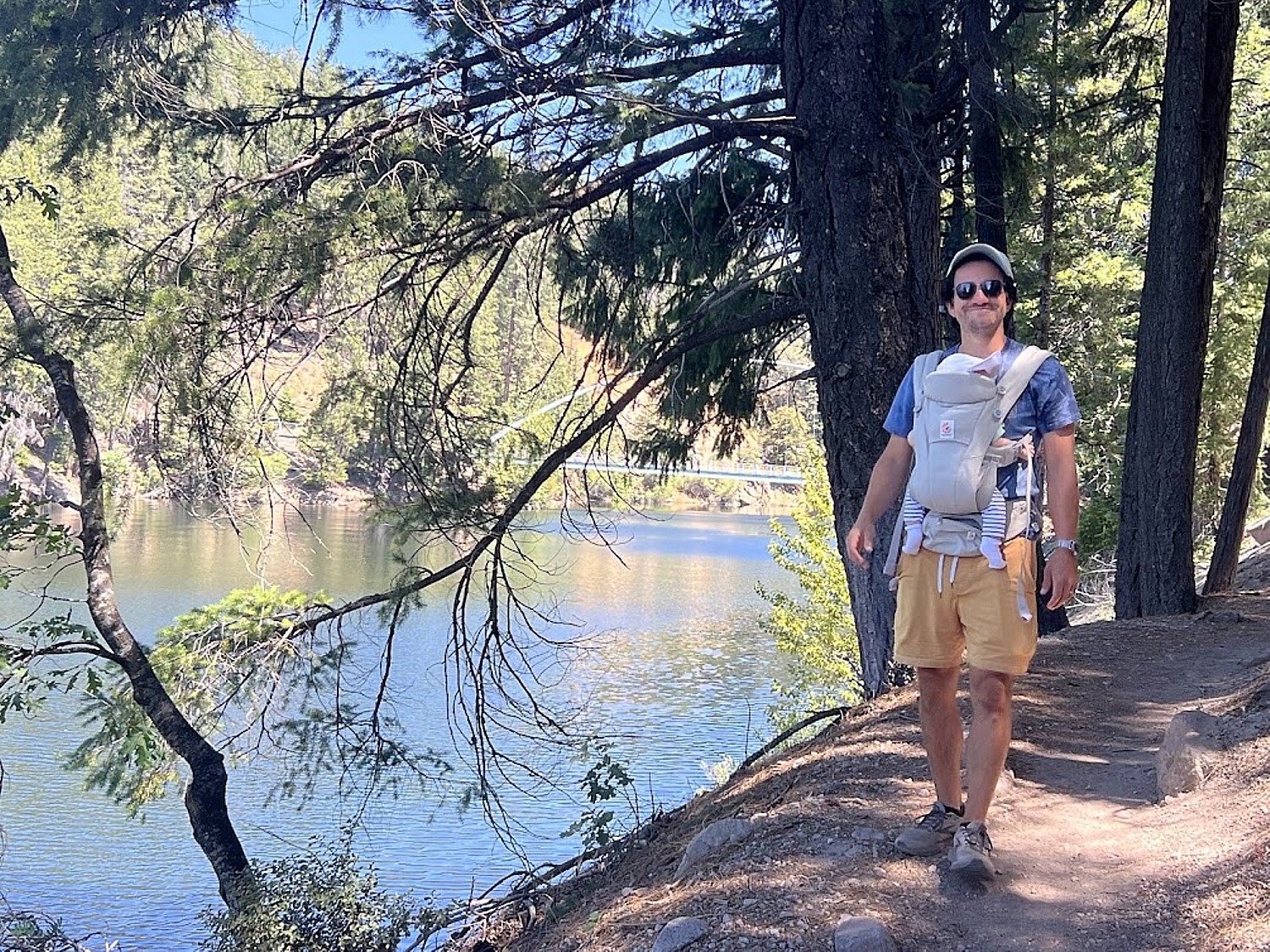
Utah Adventure Day 1-2: Capitol Reef’s Colorful Canyons

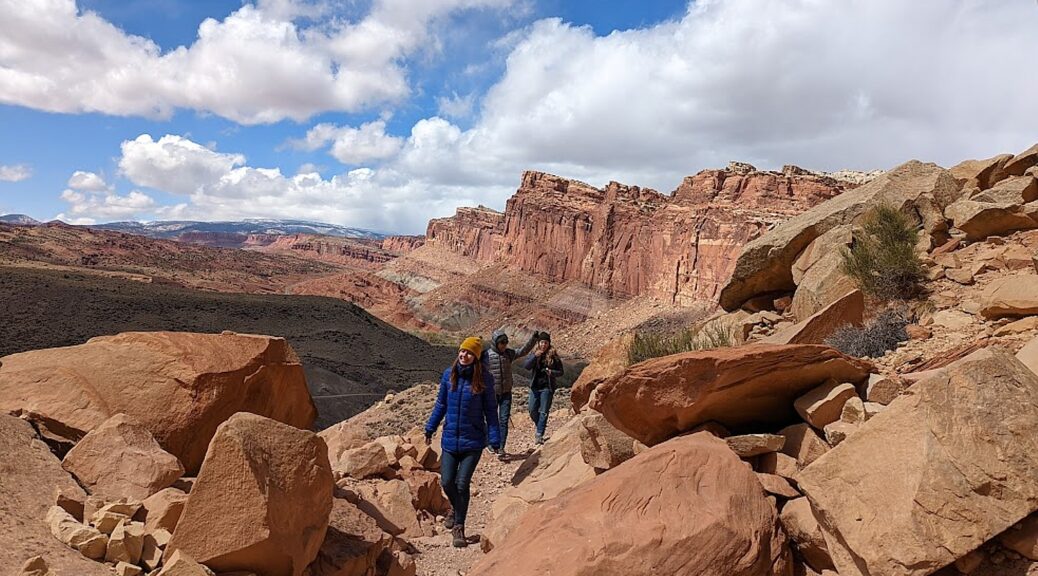
Hiking the Cohab Canyon Trail in Capitol Reef National Park, the first stop our Utah Adventure © Karen Rubin/goingplacesfarandnear.com

By Karen Rubin, with Laini Miranda and Dave E. Leiberman

Travel Features Syndicate, goingplacesfarandnear.com
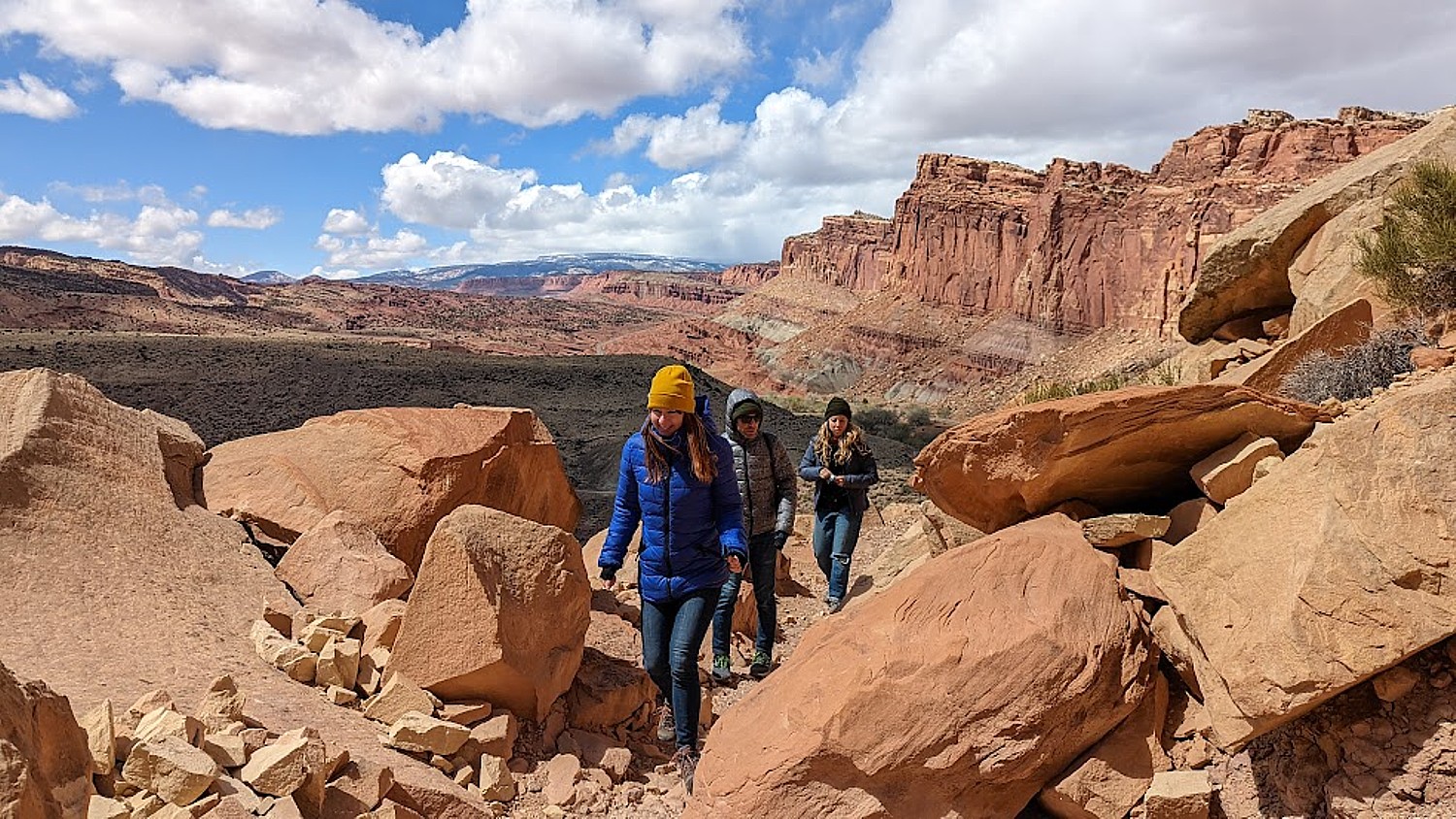
Travel is as much about resilience, adaptability and problem-solving, as it is about personal growth, rejuvenation, and human connection. And so, though our intent was to camp (mostly wild camping) for our 8-day expedition through Utah’s wilderness and immerse ourselves in the topography and indigenous culture, the forecast for the first half of our trip in mid-April was for temps down to the 20s. In fact, when we arrived, there was a fierce gale-force wind blowing at 60 mph that pushed our rental Jeep around and made it difficult even to open the door.

Laini and Dave have taken the temperature into account and fortunately booked a spacious two-bedroom AirBnB in Teasdale (https://www.airbnb.com/rooms/41151071) just outside Capitol Reef National Park for our first night, and a one-room cabin at Canyons of Escalante RV Park for two nights in Escalante (where Dave has arranged for delivery of winter-grade sleeping bags and pads from Moosejaw.com).

Laini and Dave – who are making their third trip back to Utah and have invited their friend Alli and me to join – have carefully planned the itinerary. Each day has its own highlight and each destination its own topography and character and therefore, the experience we have. At Capitol Reef National Park it is the colored rock formations; Grand Staircase Escalante National Monument (for hard-core adventurers) offers slot canyons and hoodoos; Lake Powell in the Glen Canyon Recreation Area is our boat expedition into the flooded canyon; Cedar Mesa offers hiking expeditions in search of cliff dwellings and petroglyphs; and Arches National Park offers the most dramatic, expansive landscapes.

Fortunately, during the course of our trip, just about all the hikes and experiences we have are new for Dave and Laini. 

We land at Salt Lake City Airport and pick up an off-road Jeep capable of plowing through deep gravel and sand from Alamo, and set out for the four-hour drive. Laini has planned to stop off at Walmart in Provo along the way to pick up food and camping supplies, and we find a delightful coffee shop (Java Junkie) for a snack and what becomes our all-time favorite coffee (Isis Roasters’ Grogg). 

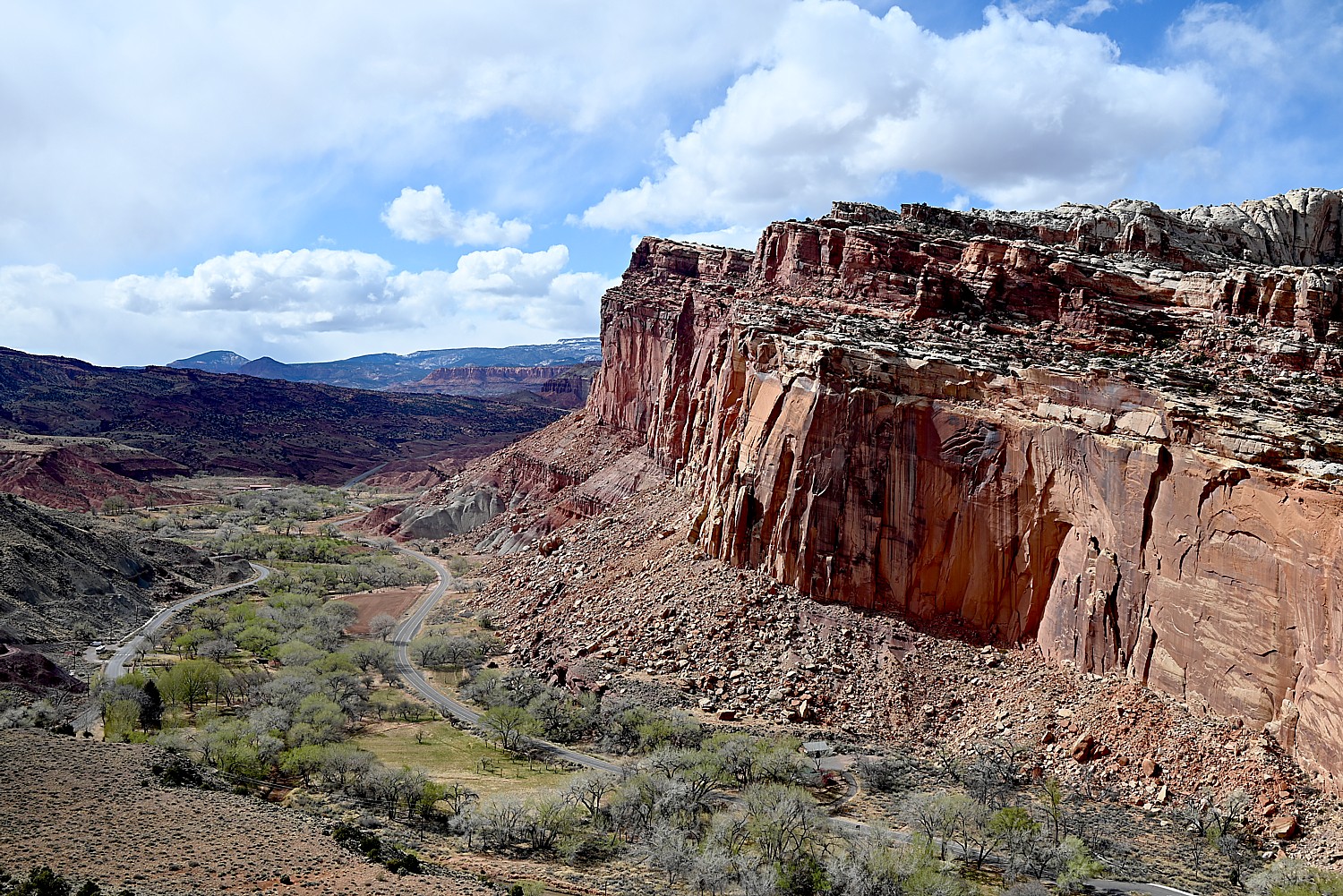
Gorgeous views from the Scenic Drive through Capitol Reef National Park © Karen Rubin/goingplacesfarandnear.com

We arrive at Capitol Reef in the late afternoon and (I suggest) we take advantage of the gorgeous light and weather and drive the Scenic Drive to get a sense of the park. It is utterly perfect – the warm light, rich colors – and we get such a wonderful introduction.

The Scenic Drive is a 7.9 mile (12.7 km) paved road, suitable for passenger vehicles. You would need about an hour and half roundtrip to drive the Scenic Drive and the two dirt spur roads, Grand Wash and Capitol Gorge which go into canyons and lead to trailheads. (You can follow the Park Service’s Virtual Tour: https://www.nps.gov/care/planyourvisit/scenicdrive.htm; the tour is free but you still need to pay the $20 park entrance fee when you drive the Scenic Drive – though my America the Beautiful Pass satisfies.)

(The Scenic Drive, Grand Wash, and Capitol Gorge roads can be closed due to snow, ice, mud, and flash floods. Check at the visitor center or call 435-425-3791, for possible road closures.)

‘A Wrinkle in the Earth’s Crust’

“A Wrinkle in the Earth’s Crust” is the poetic description of Capitol Reef – referring to how this stunning landscape was formed. “The light seems to flow or shine out of the rock rather than to be reflected from it,” is how Clarence Dutton, a geologist and early explorer, described it in the 1880s.

Capitol Reef’s topography was caused by intense crustal pressure which reactivated a fault buried deep beneath the sedimentary rock layers of the Colorado Plateau. This caused the overlying sedimentary rock layers to fold or bend into a one-sided slope called a monocline © Karen Rubin/goingplacesfarandnear.com

Located in south-central Utah in the heart of red rock country, Capitol Reef National Park is a tapestry of cliffs, canyons, domes, and bridges. What makes Capitol Reef so special is how the rock layers tilt. The notes say that this was caused by intense crustal pressure which reactivated a fault buried deep beneath the sedimentary rock layers of the Colorado Plateau. This caused the overlying sedimentary rock layers to fold or bend into a one-sided slope called a monocline, which is uplifted 6,800 feet higher on the west side.

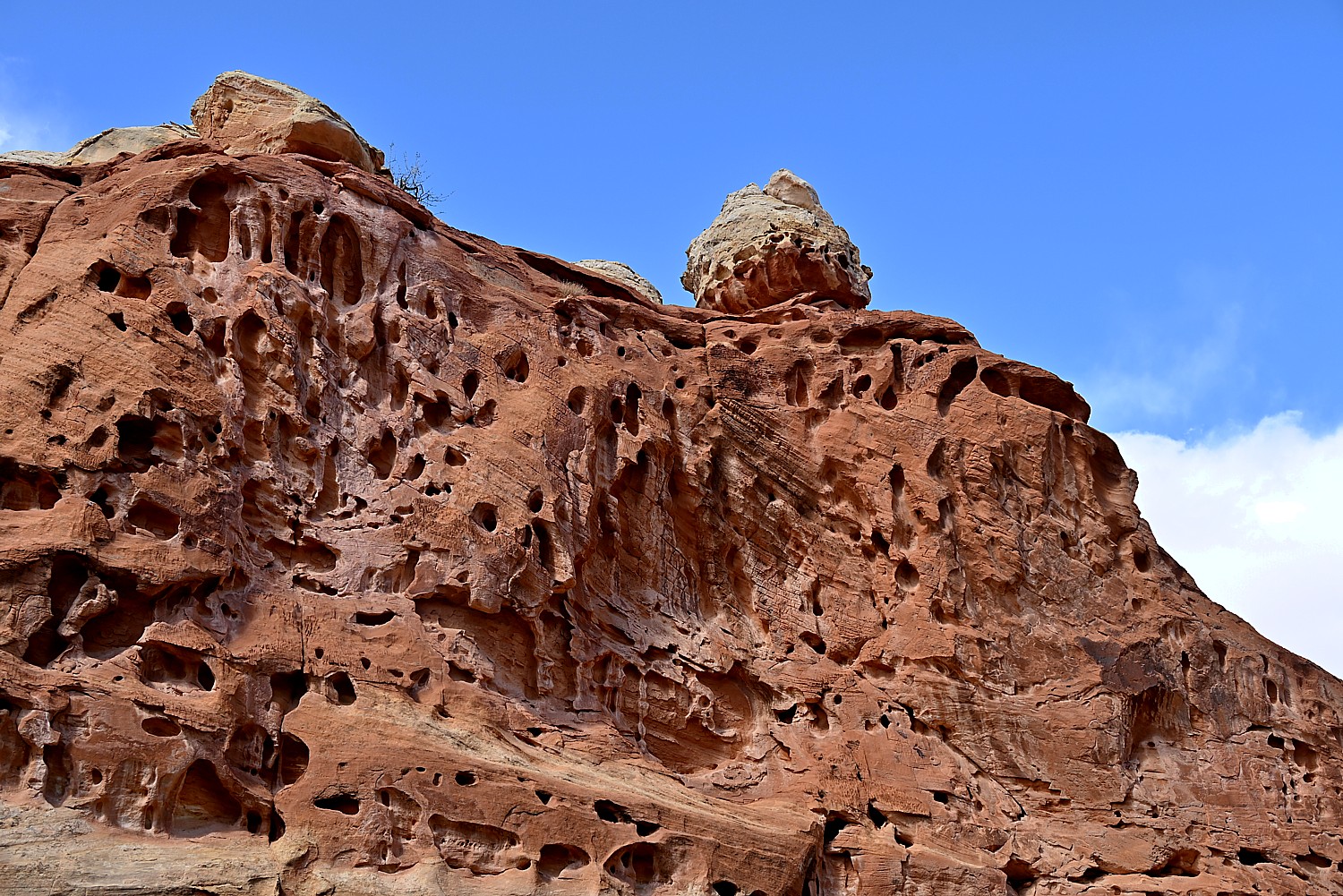
The Waterpocket Fold is named for the numerous small potholes, tanks, or “pockets” that hold rainwater and snowmelt and extends almost 100 miles from Thousand Lake Mountain to Lake Powell © Karen Rubin/goingplacesfarandnear.com

It is named the Waterpocket Fold because of the numerous small potholes, tanks, or “pockets” that hold rainwater and snowmelt and extends almost 100 miles from Thousand Lake Mountain to Lake Powell. The Waterpocket Fold  has been impacted and shaped over eons by the geological processes of erosion, deposition, and uplift, all playing a part in the “drama” of Capitol Reef. This geologic feature is what accounts for the vibrant palette of constantly changing hues, as the light hits the towering cliffs, massive domes, arches, bridges and twisting canyons.

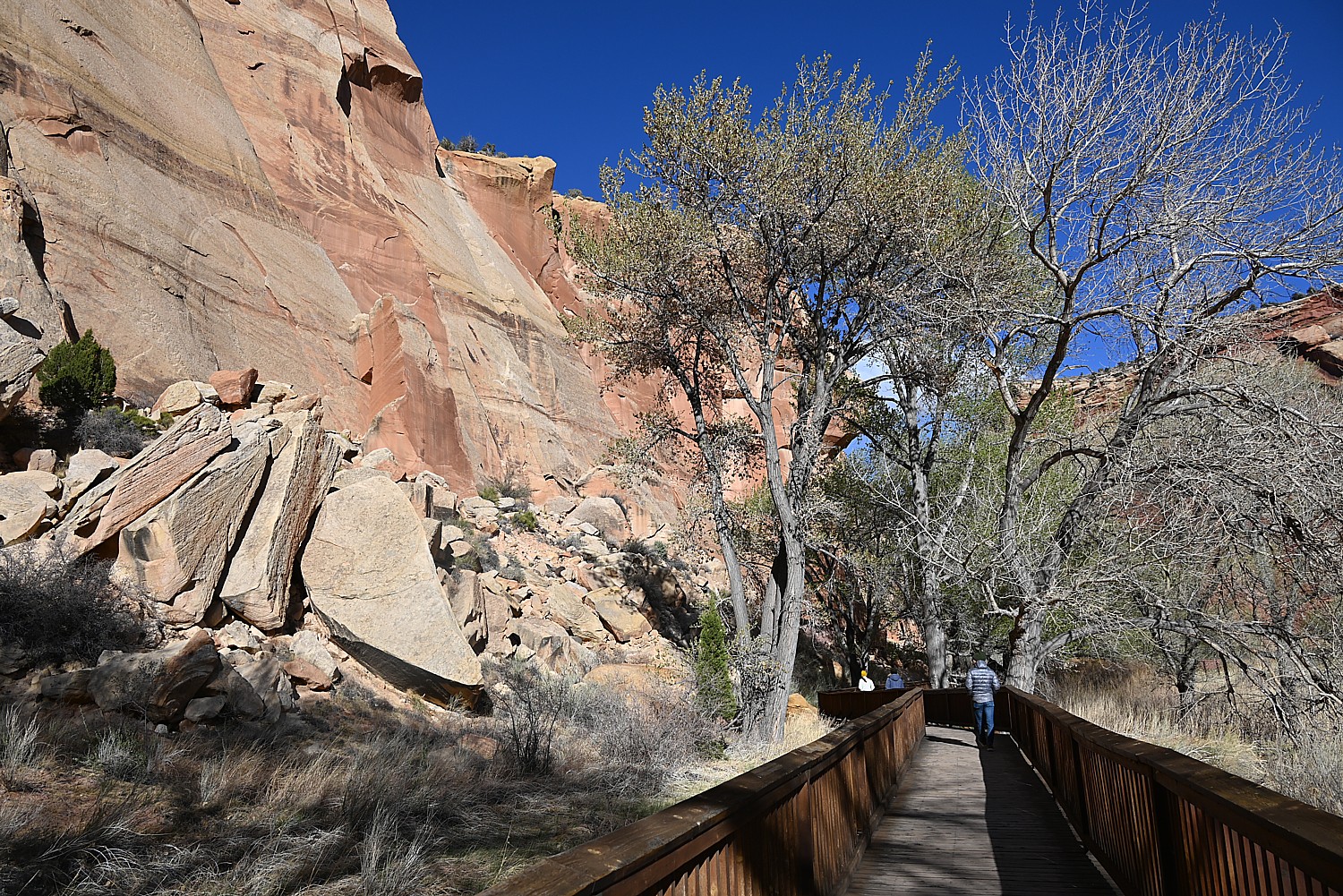
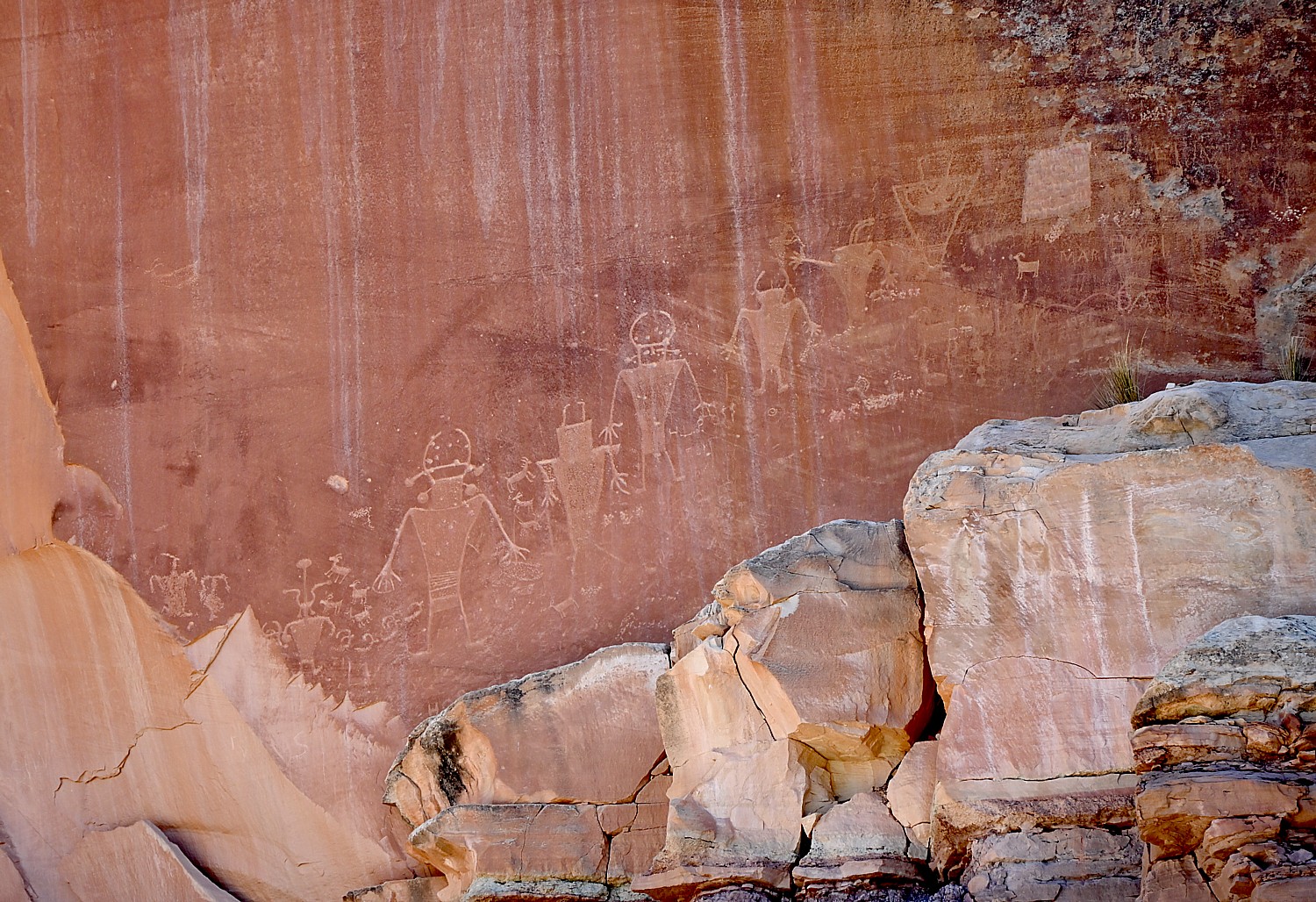
On the way back from our Scenic drive, we stop at a fascinating site, the Fremont Culture petroglyphs, not far from the Capitol Reef Visitor Center. The petroglyphs are reached after a short stroll on two boardwalks. The shorter boardwalk provides views of large, anthropomorphic (human-like) petroglyphs, zoomorphic (animal) petroglyphs of bighorn sheep and other animals, as well as geometric designs; the longer boardwalk parallels the cliffs and the petroglyphs along it are closer to the viewer but harder to see because of a patina that has developed over them.

Walk a short boardwalk to see the Fremont Culture petroglyphs © Karen Rubin/goingplacesfarandnear.com

The indigenous people who lived in what is now Utah for about 1000 years, from 300-1300 CE are known as The Fremont Culture, named by the archaeologists for the Fremont River canyon where they were first defined as a distinct culture. These petroglyphs (images carved or pecked into stone) are one of the most visible aspects of their culture that remains, according to the historic panels at the site.

Writing or art? Or Both? The Fremont Culture petroglyphs © Karen Rubin/goingplacesfarandnear.com

Prehistoric people of Fremont Culture used area rock for tools and projectile points, and for the foundations of their homes. Clay was used for pottery, construction and to make figurines. Fertile floodplains supported crops of corn, beans, and squash along the streams of Capitol Reef until about 1300 CE.

(You can link to the audio guide, narrated by Rick Pickyavit, whose Southern Paiute ancestors lived here when the settlers arrived in the 1880s. https://www.nps.gov/care/learn/historyculture/fremont-culture-petroglyphs.htm)

Writing or art? Or Both? The Fremont Culture petroglyphs © Karen Rubin/goingplacesfarandnear.com

Pickyavit says that unlike his ancestors, who were nomadic, the Fremont people settled in these canyons and became farmers and hunter-gatherers. It is not known if they were related to the better-known Ancestral Puebloans. What is known about the Fremont people’s daily lives comes mainly from artifacts and from these petroglyphs, but it is not known where they came from or why they left suddenly in the 13th century (though I believe it is now widely accepted that the people left after a historic, 20-year drought). “As you walk these paths and hidden places, do not even touch the petroglyphs. Protect their legacy, even as I respect it.”

It is natural to imagine the meaning of the images, but, Pickyavit says, “Caution must always rule in the interpretation of petroglyphs. With few exceptions, we cannot really be sure what the ancient maker of the petroglyphs had in mind. Some consider almost all petroglyphs a form of writing, while others consider most of them to be art, not writing. The large trapezoid-shaped human figures excite interest. Many have headgear and horns. Figures are commonly seen with necklaces, earrings and sashes. Animals, especially bighorn sheep, appear in many petroglyphs, indications that they were hunted and perhaps revered.”

I wonder, since these were created by different people in different times, isn’t it possible some were messages (writing, information) and some were art?

Writing or art? Or Both? The Fremont Culture petroglyphs © Karen Rubin/goingplacesfarandnear.com

He notes that “Following the disappearance of the Fremont people in the 13th century, no one resided in the Waterpocket Fold country for 500 years. During this time, however, Ute and Southern Paiute hunters and gatherers roamed the region. They lived in close harmony with the natural environment and left little evidence of their presence.”

We stop in Torrey at the Torrey Grill and BBQ which offers a sheltered outdoor setting complete with firepit (we are still concerned about COVID) and is serving late.

The wind is still howling when we get to the AirBnB – home with gorgeous interior design, so cozy and comforting. I wake in the middle of the night to a blizzard – gale force winds, giant flakes of snow – that leaves 3-5 inches by morning. I feel (without hyperbole) we would have died –crushed under the snow or frozen to death – had we camped. I imagine us in some Survivor (or Disaster) movie based on fact (not the last time this image occurs to me during our Utah Adventure).

Hiking Capitol Reef National Park

The Hickman Bridge trail is a perfect first hike in Capitol Reef National Park © Karen Rubin/goingplacesfarandnear.com

Considering the weather, we phone the Visitor Center to get their recommendation for hikes, and the Ranger recommends Hickman Bridge and Cohab Canyon, both in the nearby Fruita area (435-425-2791). The snow, so gorgeous in the morning, is gone by the time we arrive at Capitol Reef but for some oddly frozen patches, and we have perfect winter hiking weather.

Both these trails are extremely popular – and for good reason.

Gorgeous arches, formations and colors along the The Hickman Bridge trail makes it one of the most popular hikes in Capitol Reef National Park © Karen Rubin/goingplacesfarandnear.com

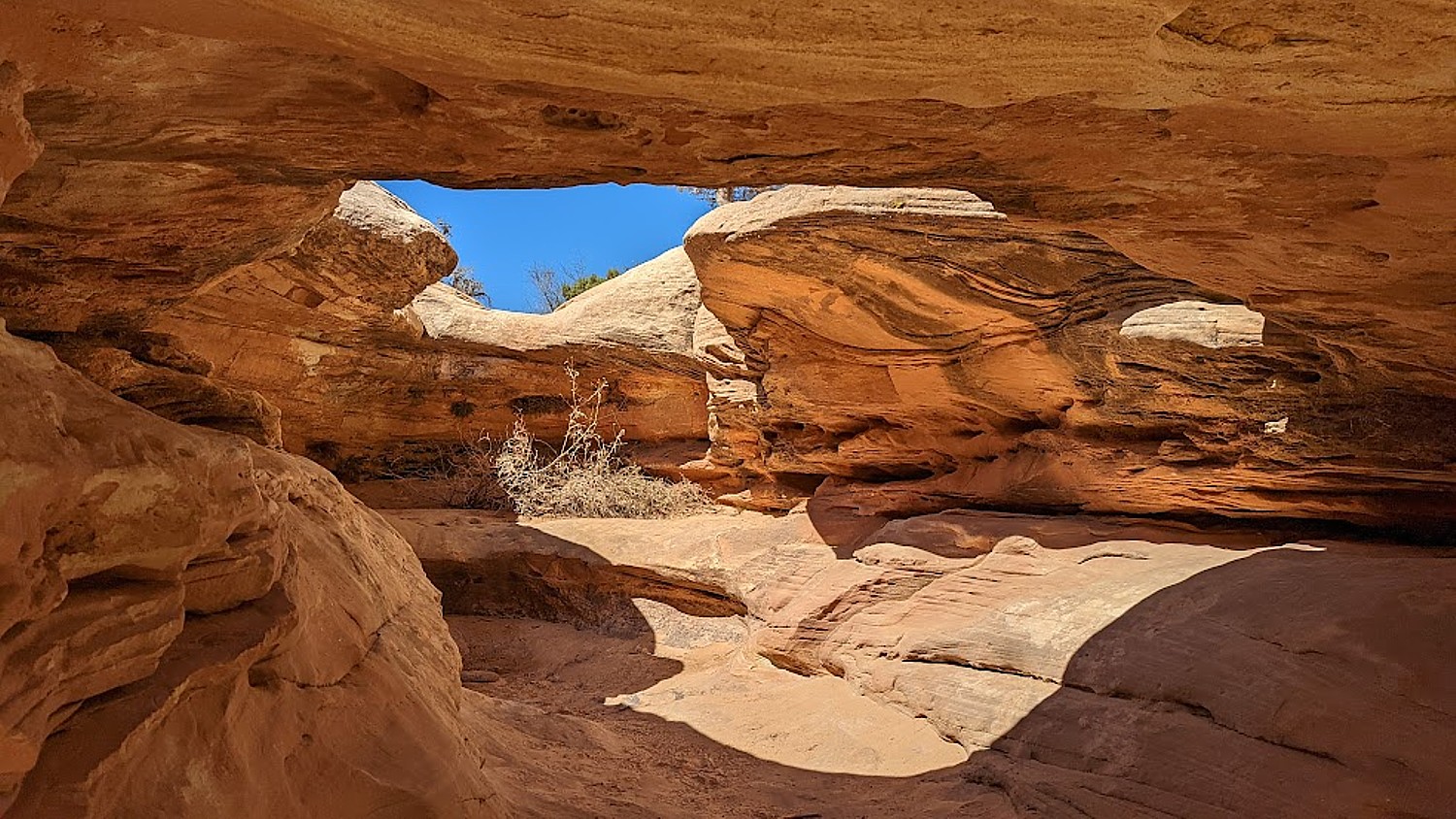
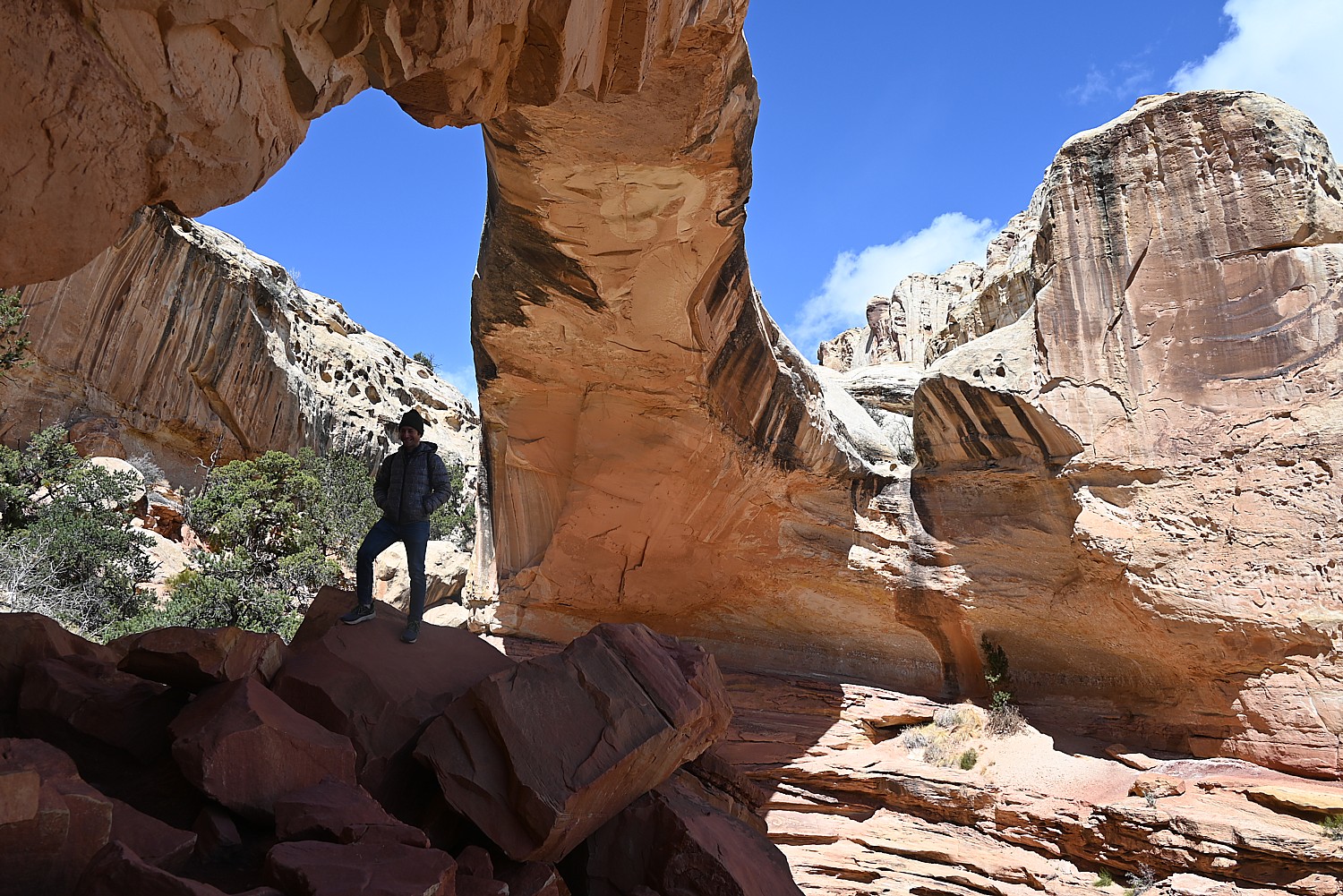
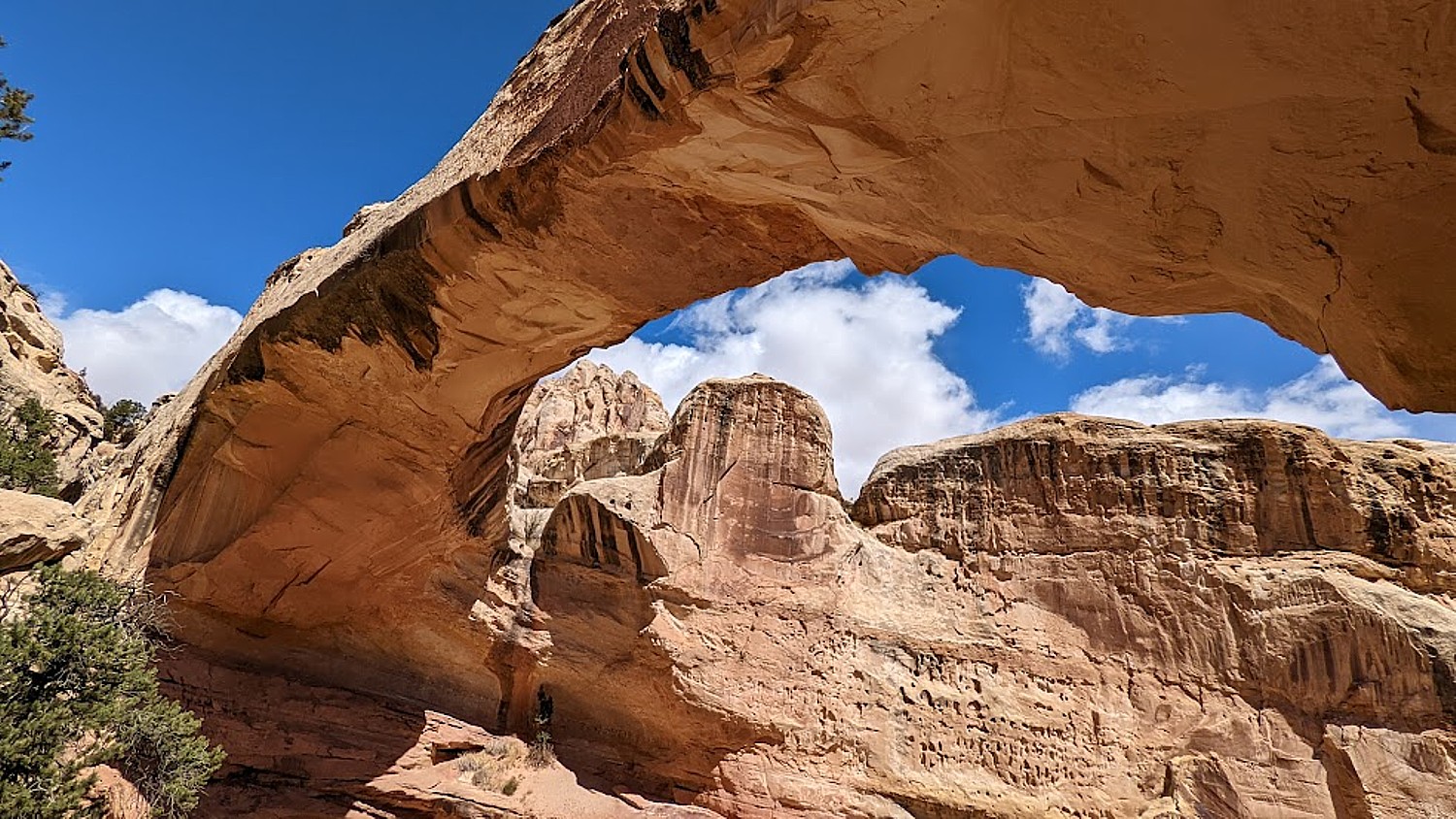
Hickman Bridge Trail, just 1.8 miles roundtrip, is the most popular trail (so the most crowded): it is geologically fascinating, relatively easy, great for families, with each step offering stunning visuals – red rock with beige and blond striations, textures, overhangs – and eminently doable to get the full  appreciation, with the climax of a spectacular arch. The hike encapsulates for us what Capitol Reef is about.

The Hickman Bridge, Capitol Reef National Park © Karen Rubin/goingplacesfarandnear.com

Along the Hickman Bridge Trail, you see high-desert views, traces of prehistoric American Indian culture, and evidence of the Civilian Conservation Corps’ work in the 1940s. After ascending through a scenic sandstone side-canyon, the trail loops under the grand 133-foot span of the Hickman Natural Bridge. This is considered a “moderate” trail, but I would say it is easy. What an introduction!

The 133-foot span of the Hickman Bridge, Capitol Reef National Park © Karen Rubin/goingplacesfarandnear.com

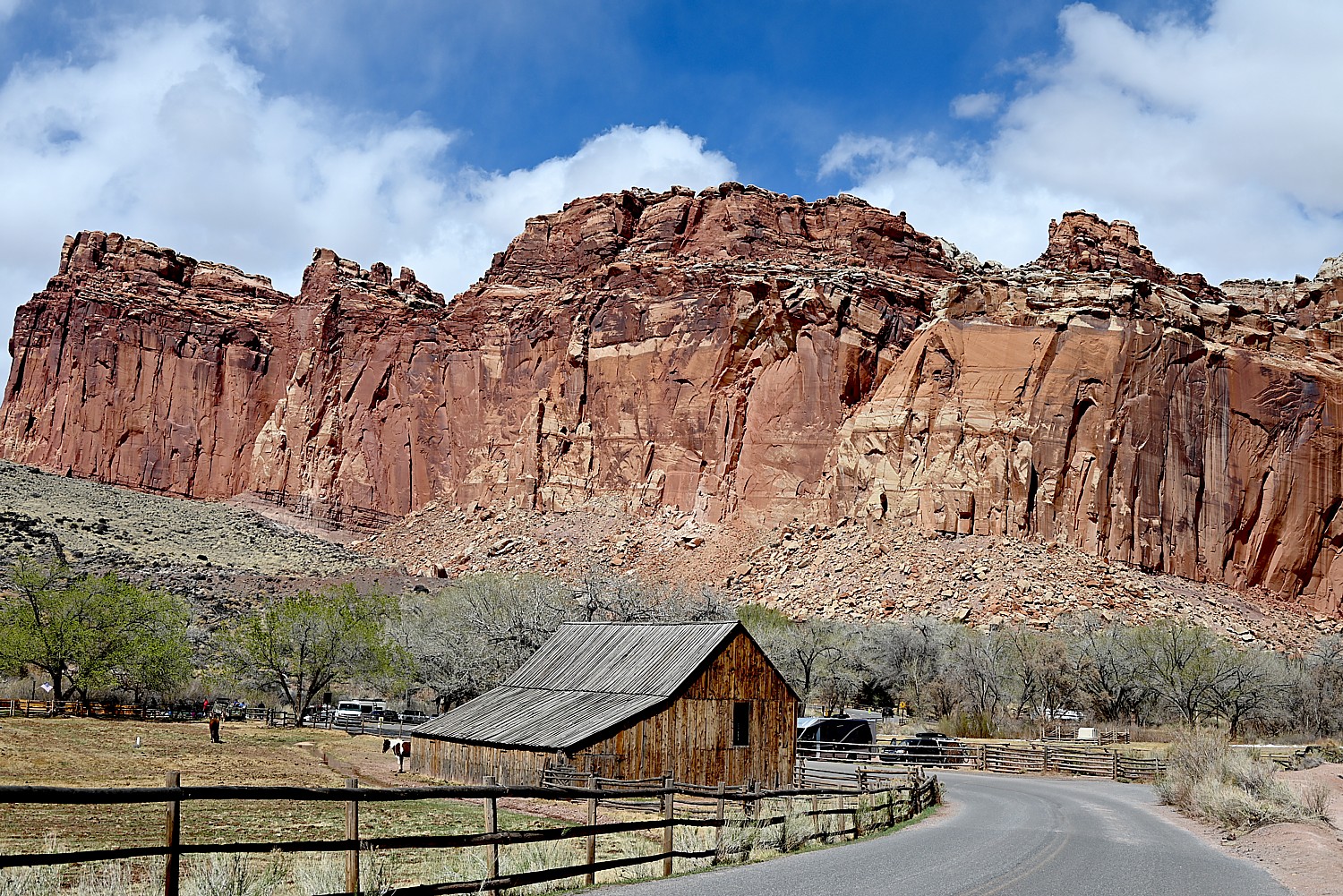
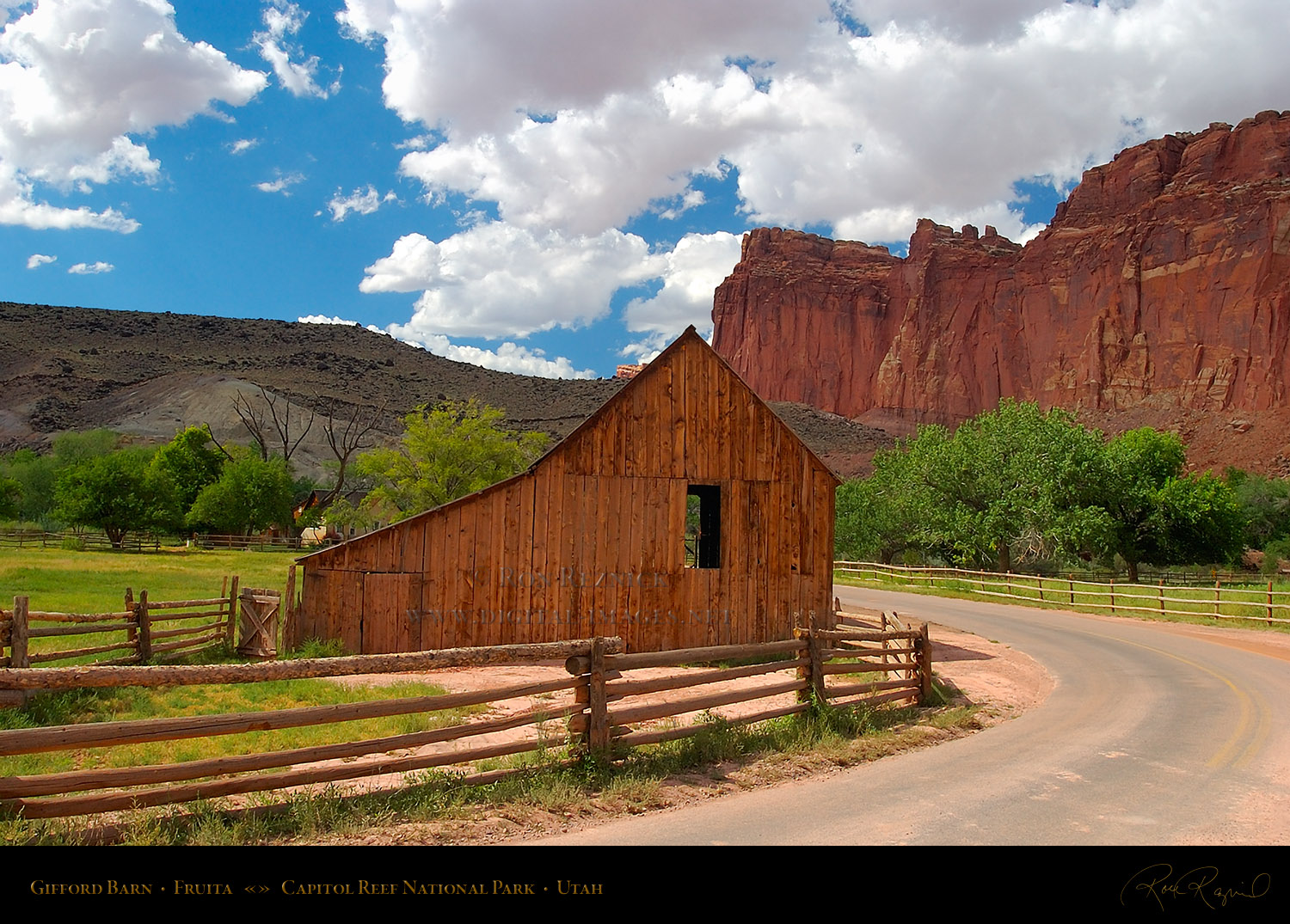
From the same parking lot (and when it’s popular, it may well be difficult to find a parking spot so you have to wait for one to open), you can walk something like two miles to one end of the Cohab Trail. We smartly decide to move the car to a small, dirt parking lot, 1.2 miles down the Scenic Drive from the Capitol Reef Visitor Center, diagonally across from the picturesque historic Pendleton Barn, to access the trailhead at the other end (actually it is the beginning).  (If this dirt parking lot is filled, you can backtrack 2/10 mile and park at the picnic area.)

The picturesque, historic Pendleton Barn across from the Cohab Canyon trailhead © Karen Rubin/goingplacesfarandnear.com

We have our lunch in the picnic area before starting out on the Cohab Trail.

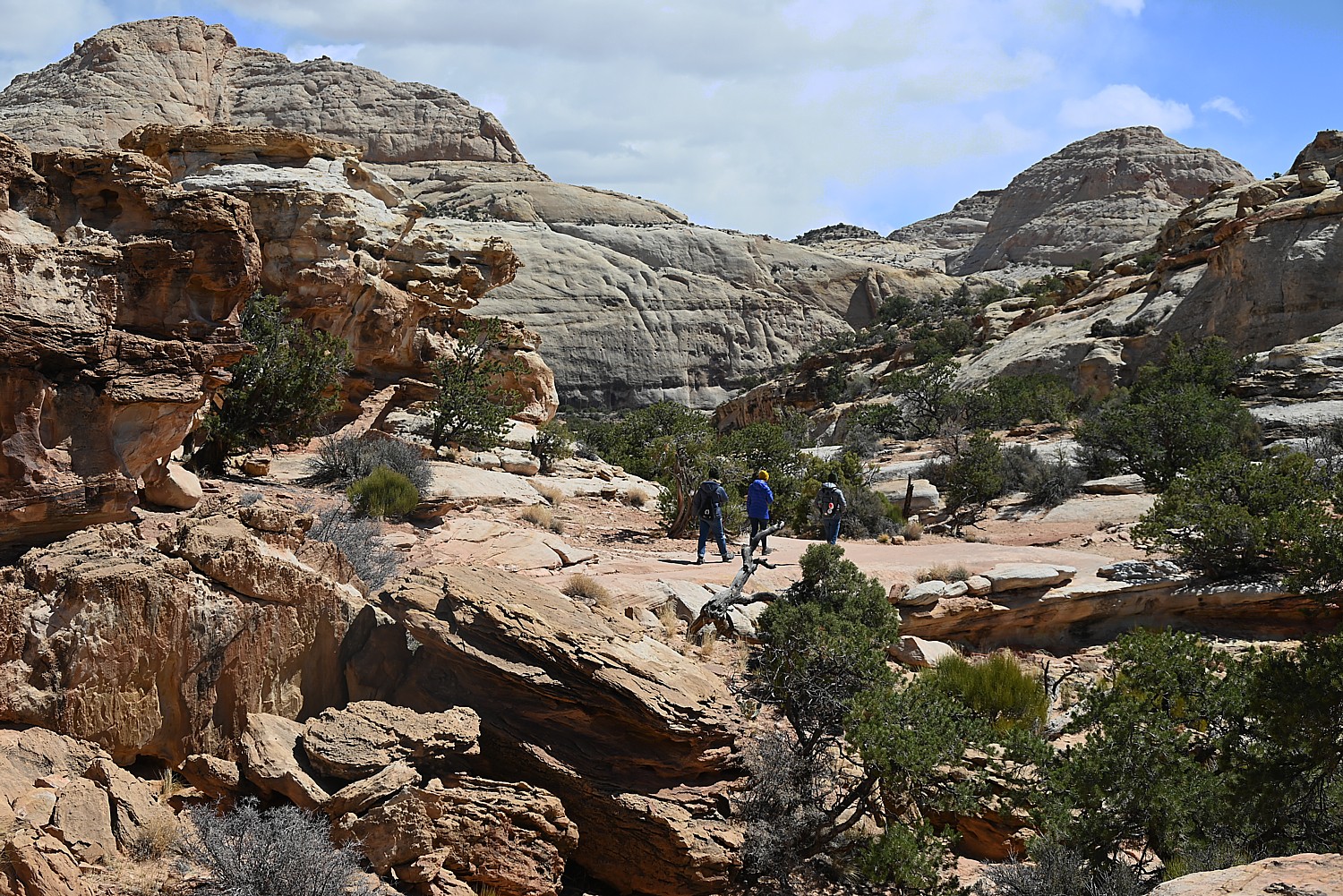
Cohab Canyon trail is of easy-to-moderate difficulty with gorgeous vividly-colored rock formations and shapes. The first 0.3 mile is a tad steep (I’m glad I brought my hiking poles for this hike). A series of switchbacks lift you up 400 feet, all the while you gaze out at gorgeous views of the Johnson Mesa and Fruita Cliffs. But once within the canyon, the hiking is fairly easy.  

Hiking the Cohab Canyon Trail in Capitol Reef National Park, the first stop our Utah Adventure © Karen Rubin/goingplacesfarandnear.com

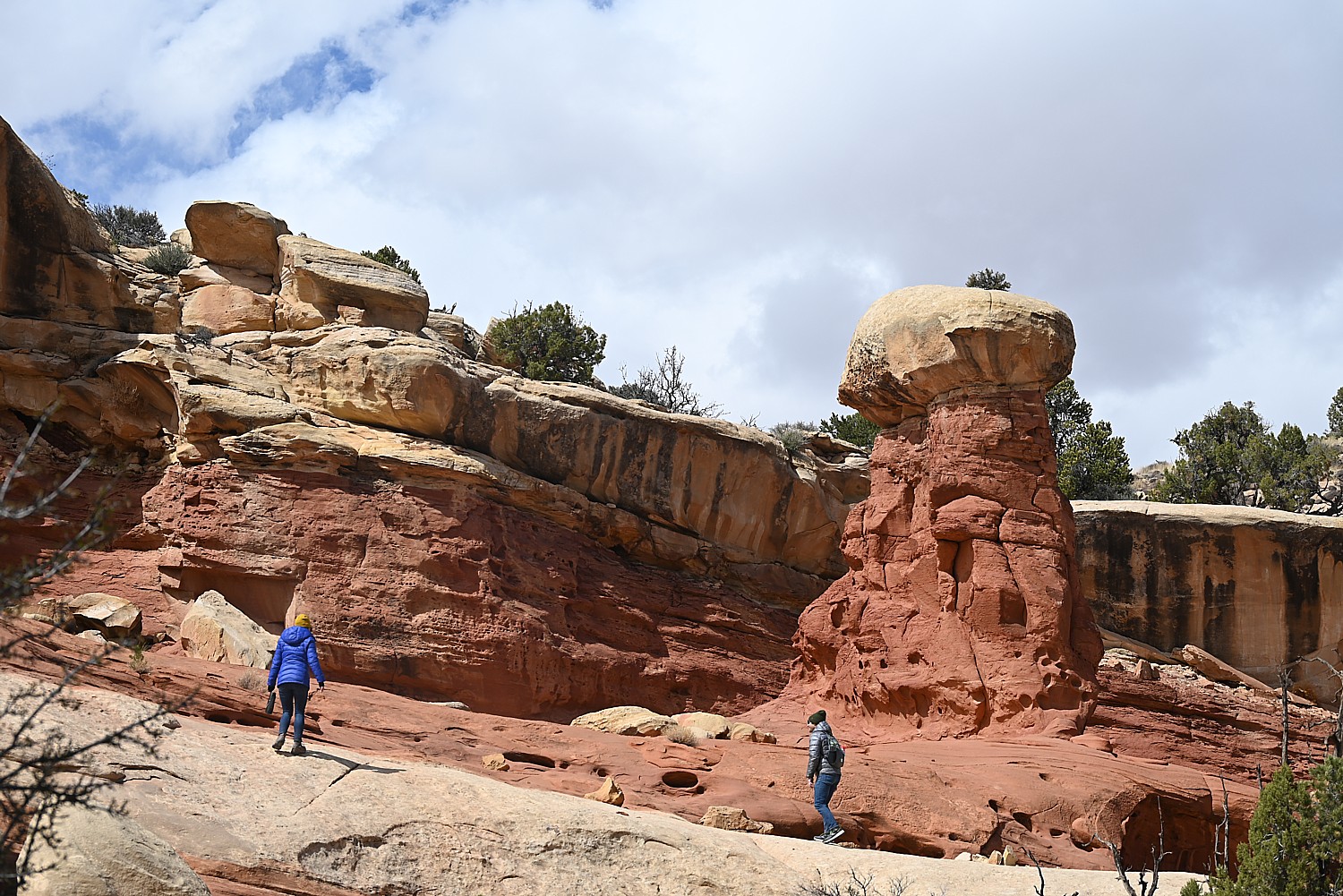
Cohab Canyon is called a “hanging canyon” because it sits above the Fremont River floodplain. The entire trail is so beautiful – we come upon a few slots to explore, a 20-foot high mushroom shaped hoodoo (a tree is growing out of the top!) surrounded by slickrock, the Cohab Canyon arch, then some stunning overlooks of the valley and Fruita.

A 20-foot high mushroom hoodoo on the Cohab Canyon Trail, Capitol Reef National Park © Karen Rubin/goingplacesfarandnear.com

We opt not to do the whole hike, which goes 2.9 miles one way to the Hickman Trail parking lot (which would require taking a shuttle back, or, if you do the round trip, would take 4 hours). We hike in about 1.7 miles and return.

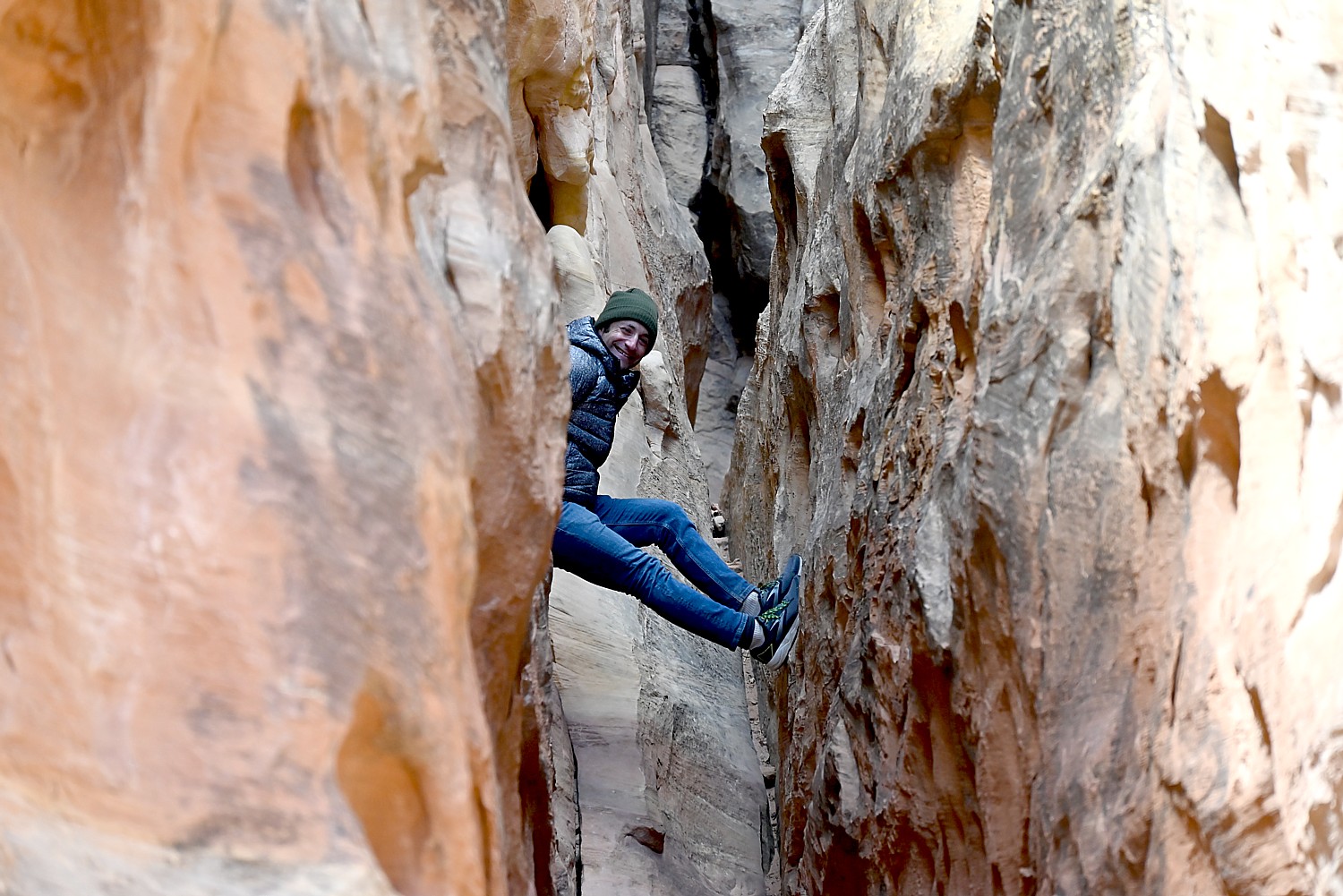
Dave ventures into a small slot off the Cohab Canyon Trail, Capitol Reef National Park © Karen Rubin/goingplacesfarandnear.com

The two hikes – Hickman and Cohab Canyon – afford a very different experience, though both offer dramatic landscapes that are signature Capitol Reef. Hickman is well-traveled, ideal for families, and you feel like a tourist – but Cohab Canyon is all but devoid of other people so you feel the isolation (even if you do come upon another hiker here and there).

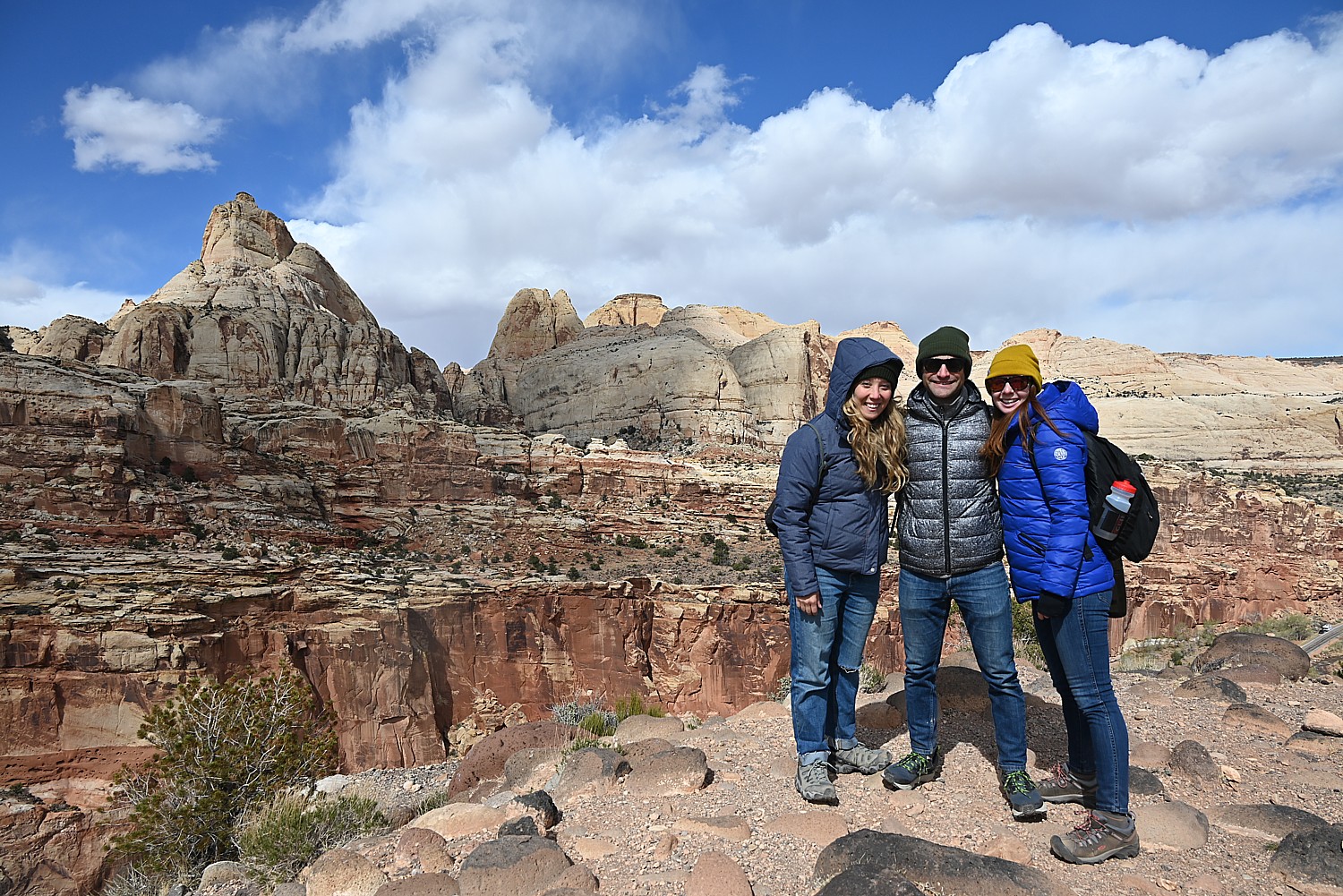
The climatic view from the Cohab Canyon Trail hike, Capitol Reef National Park © Karen Rubin/goingplacesfarandnear.com

Laini had The Castle Trail hike on her to-do list but unfortunately, we don’t have the time. (It’s described as an old trail that apparently is no longer “advertised” to the enigmatic “back side” of the Castle, exploring a hidden canyon lined with mammoth boulders and violet-colored hoodoos, taking about two hours.)  

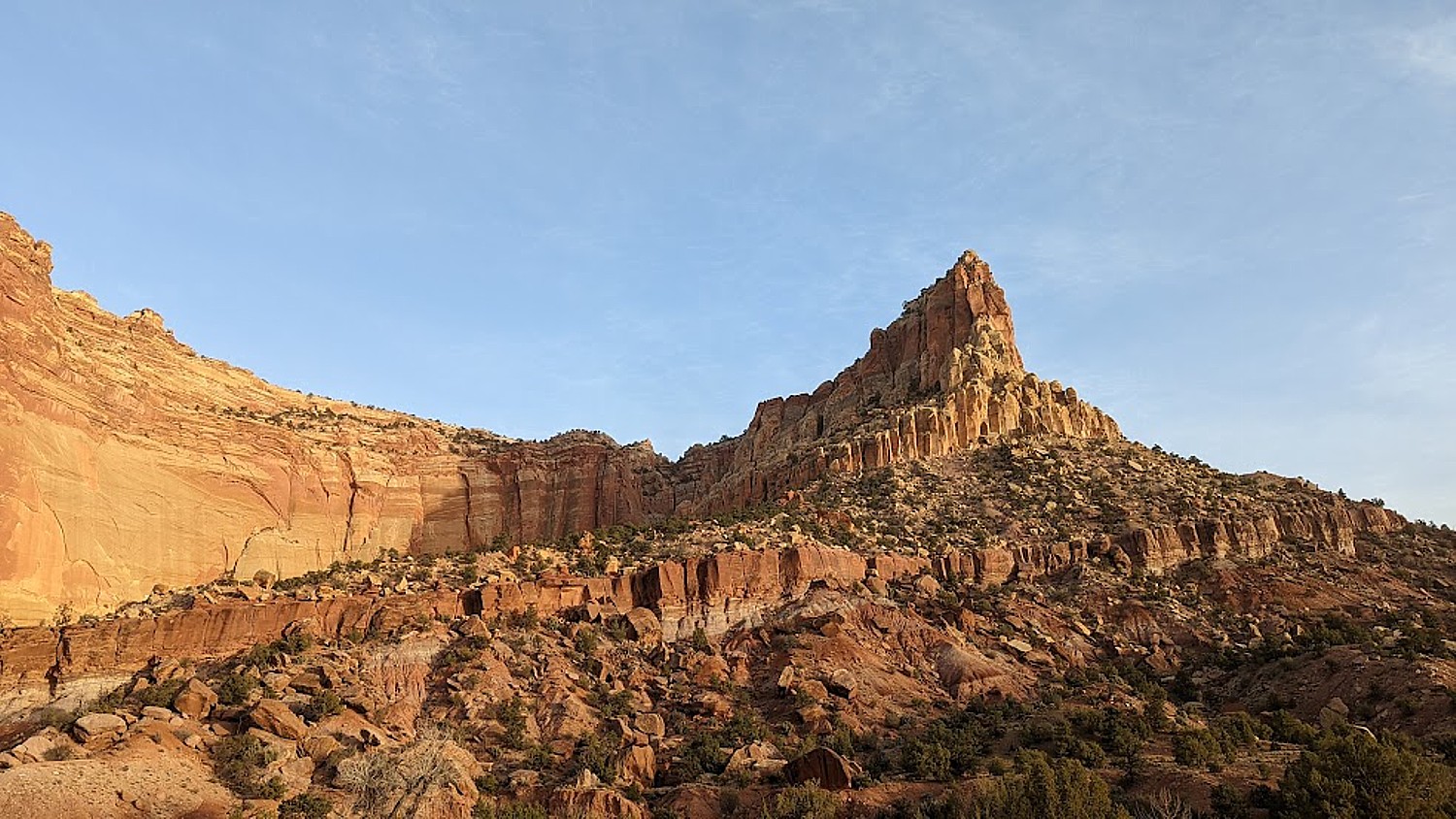
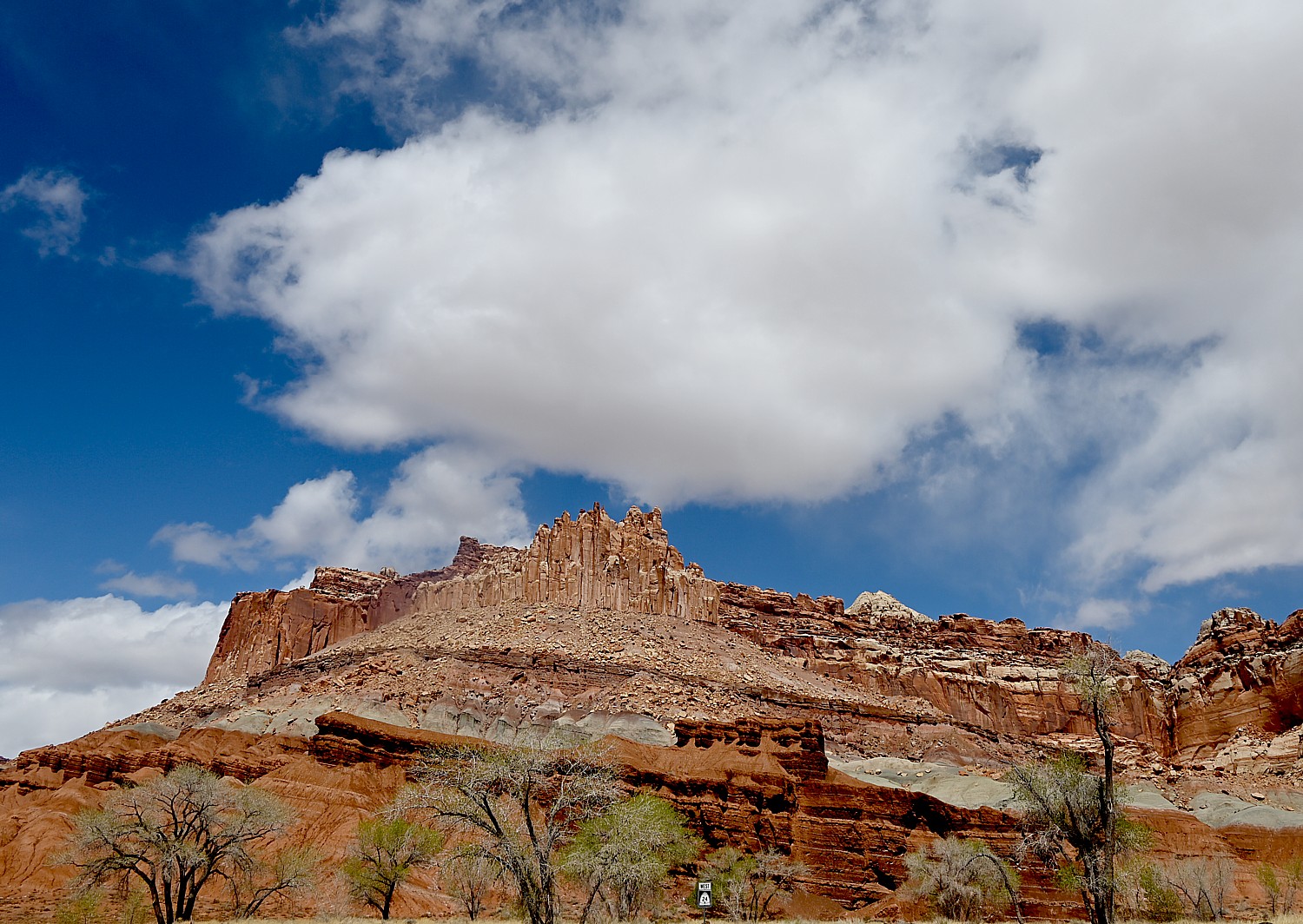
You can see the cragged hunk of The Castle from just outside the Visitor Center. One of Capitol Reef National Park’s iconic landmarks, The Castle is a prominent sandstone formation made up of three primary layers: the bottom sandstone layer, the Moenkopi Formation, is 245 million years old; the middle gray-green layer, the Chinle Formation, was laid down as volcanic ash 225 million years ago; the top layer, including the Castle, Wingate Sandstone, formed 200 million years ago.

The Castle, one of Capitol Reef National Park’s iconic landmarks © Karen Rubin/goingplacesfarandnear.com

Also, though we didn’t hike Grand Wash on this trip, Laini and Dave hike it on their next one and highly recommend entering through the lower trailhead for an easy 20-30 minute walk through the most dramatic and narrowest part of the canyon, with towering walls over 100 feet overhead.

In the Fruita area, there are 15 hiking trails with trailheads located along Utah Highway 24 and the Scenic Drive. These offer a wide variety of hiking options from easy strolls over level ground to strenuous hikes involving steep climbs over uneven terrain near cliff edges. Round trip distances range from a mere quarter mile to 10 miles, and are well-marked with signs at the trailhead and at trail junctions and by cairns (stacks of rocks) along the way. Some trails have self-guiding brochures, available for a fee at the trailhead and visitor center.

The best detailed descriptions of these hikes are available at https://liveandlethike.com/category/utah/capitol-reef-national-park/

Capitol Reef also offers many hiking options for serious backpackers and those who enjoy exploring remote areas. Minimally marked hiking routes lead into narrow, twisting gorges, slot canyons, and to spectacular viewpoints high atop the Waterpocket Fold. Popular backcountry hikes in the southern section of the park include Upper and Lower Muley Twist Canyons and Halls Creek and in the Cathedral Valley area. A backcountry permit is required for camping outside of established campgrounds. The permit is free and can be obtained in person at the visitor center during normal business hours.

Capitol Reef offers so much to explore, Laini says, you really need more time there. Tourists overrun the main part, but there is a whole “backcountry” side that most miss.

See: https://www.nps.gov/care/planyourvisit/trailguide.htm  and https://www.nps.gov/care/planyourvisit/hiking.htm

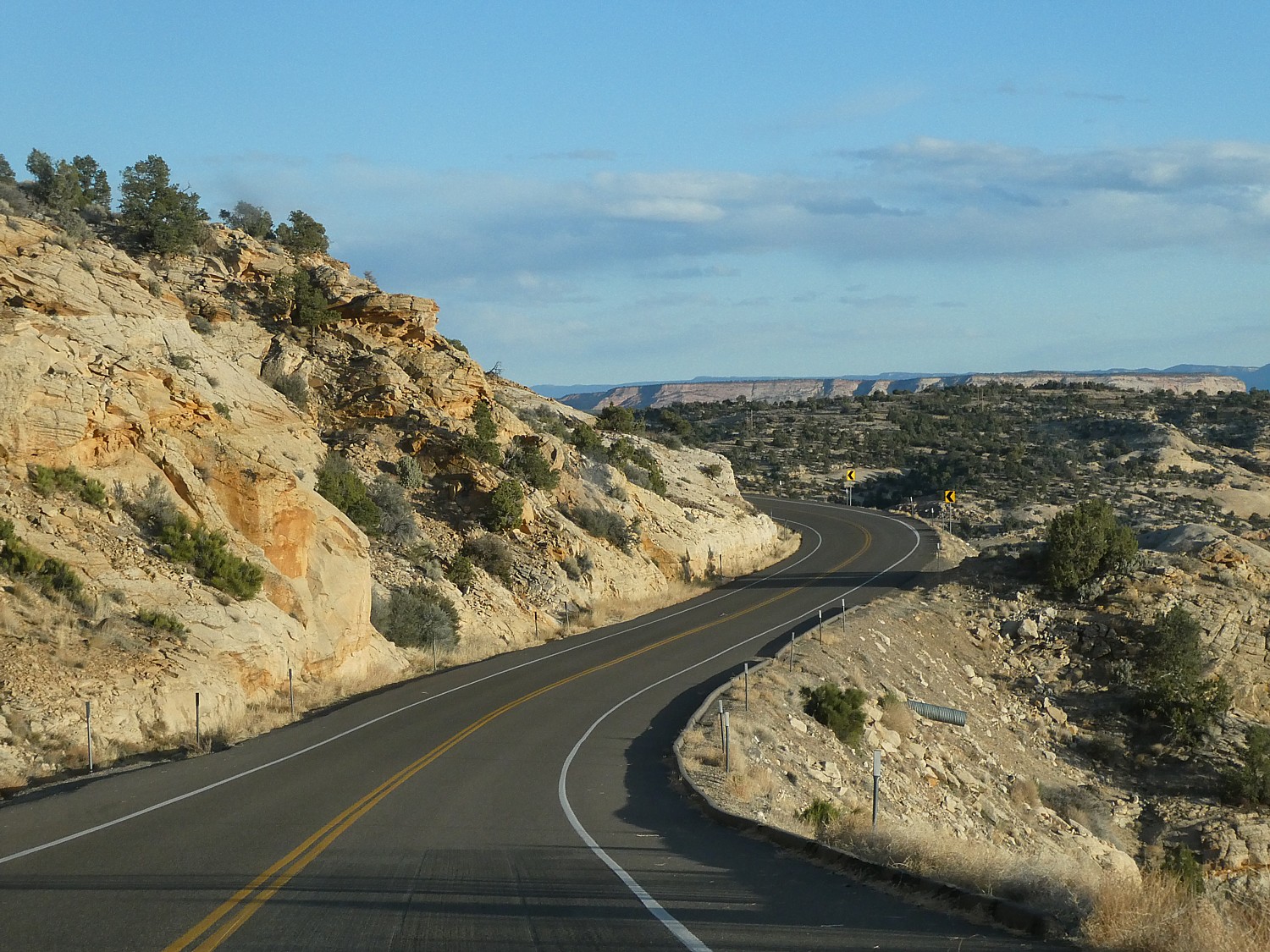
Scenic Byway 12

Driving out of Capitol Reef we come to an overlook just as the sun is at a perfect angle to make the red rocks blaze.

We drive 64 of the 124 miles of the Scenic Byway 12 to Escalante. Scenic Byway 12 is Utah’s first “All-American Road,” (and one of Laini’s favorite roads in the country) winding through vast slickrock benches and canyons. We reach the summit, 9,600 feet – and the temp has dropped to 15 degrees – with sweeping vistas of the Henry Mountains, Grand Staircase–Escalante National Monument and Capitol Reef National Park.

The view back to Capitol Reef National Park as we drive along Scenic Byway 12 © Karen Rubin/goingplacesfarandnear.com

Because the forecast had been for temps in the 20-30s, Dave and Laini booked a cabin  at Canyons of Escalante RV Park, right in Escalante. It is one room for the four of us– very cozy (we still have to go outside for the bathroom, so we have that camping experience). And we’re able to have dinner at one of their favorite places from their previous adventures, Escalante Outfitters, serving up the best pizza outside of New York.

Driving on Scenic Byway 12 from Capitol Reef National Park to Escalante © Karen Rubin/goingplacesfarandnear.com

I find this day’s hikes in Capitol Reef perfect to acclimate and just become immersed in the spectacular scenery. And, I soon find out, these hikes are so very different from what we have yet to experience in the Grand Staircase-Escalante, where our Utah Adventure continues. Because Grand Staircase-Escalante National Monument is for more hardcore hikers.

Next: Grand Staircase-Escalante

______________

© 2023 Travel Features Syndicate, a division of Workstyles, Inc. All rights reserved. Visit goingplacesfarandnear.com, www.huffingtonpost.com/author/karen-rubin, and travelwritersmagazine.com/TravelFeaturesSyndicate/. Blogging at goingplacesnearandfar.wordpress.com and moralcompasstravel.info. Visit instagram.com/going_places_far_and_near and instagram.com/bigbackpacktraveler/ Send comments or questions to FamTravLtr@aol.com. Tweet @TravelFeatures. ‘Like’ us at facebook.com/KarenBRubin