Category Archives: Outdoors Adventures

Ikon Pass Encourages Skiers to Discover New Heights in Far Flung Destinations Around the World

Skiing Valle Nevado, Chile. The Ikon Pass gives incentives to explore exotic destinations © Eric Leiberman@gmail.com

By Karen Rubin, Travel Features Syndicate, goingplacesfarandnear.com

Imagine this: a single pass that lets you ski/ride not only the iconic mountain destinations of North America, but in 73 global destinations across 13 countries on five continents. It almost can be intimidating to contemplate: to dream of skiing NEKOMA Mountain in Japan, Yunding Snow Park in China, Mona Yongpyong in South Korea (three of nine resorts added in Asia this year), and when summer shuts the resorts north of the equator, ski in Valle Nevado in Chile; Thredbo and Mt Buller in Australia; Coronet Peak, The Remarkables, Mt Hutt in New Zealand. This is the power and the reach of Alterra Mountain Company’s Ikon Pass.

Experience The Remarkables, New Zealand, on the Ikon Pass © Eric Leiberman/goingplacesfarandnear.com

It can be daunting to venture to foreign mountains, but one of the benefits of being an Ikon Passholder is access to a proprietary travel service that not only can advise which resorts might be most fun to explore and help arrange the logistics, transportation, accommodations, equipment rentals but also provide access to exclusive deals, specials and packages.

And not just during the snow season. The pass provides resort-specific benefits in the warm weather, too, like scenic lift rides and mountain biking.

Ikon Pass holders can save $100 on every winter 25/26 vacation booked by December 18, 2025, with Ikon Pass Travel, an exclusive trip planning site for pass holders. (Conditions apply, find out more at https://www.ikonpass.com/en/travel.)  

Of the 73 global destinations that Ikon Pass holders can explore for the 25/26 winter season, 13 are new additions: Megève Ski Area in France, Le Massif de Charlevoix in Quebec, Ischgl in Austria, Valle d’Aosta in Italy, and nine in Asia: Shiga Kogen Mountain Resort, Mt.T, Myoko Suginohara Ski Resort, Furano Ski Resort, APPI Resort, NEKOMA Mountain, and Zao Onsen Ski Resort in Japan, plus Yunding Snow Park in China, and Mona Yongpyong in South Korea.

There are different levels of passes – from local, regional, limited access, to full, unlimited access with a number of days to ski in the more exotic destinations around the world.

For example, Ikon Pass now offers up to 77 days total throughout Asia for winter 25/26, where passholders have access to 11 destinations throughout Japan, China and South Korea. Ikon Pass holders have 7-days combined access at Shiga Kogen Mountain Resort and 7-days each at all other new Asian destinations with no blackout dates, 5-days combined access at Shiga Kogen Mountain Resort and 5-days each at all other new Asian destinations on Ikon Base Pass with no blackout dates. 

“Ikon Pass is the winter gateway for anyone who wants to ski or ride the best of Asia,” said Matt Bowers, Senior Vice President, Marketing, Alterra Mountain Company. “With marquee destinations on Hokkaido and in the Nagano Area joining Niseko United and Arai Mountain Resort in Japan, plus the hidden Japan of the Tohoku Region, along with Olympic venues in Japan, China and South Korea, Ikon Pass now offers extensive access for Ikon Pass holders in even more of the best snow regions on the planet.”

Indeed, Ikon Passholders have access to Dolomiti Superski (The Dolomites) which is hosting the 2026 Winter Olympics. One of the world’s largest ski networks, Dolomiti Superski links 12 resorts and 746 miles of slopes under a single pass—set amid the UNESCO World Heritage Dolomites, whose 200-million-year-old peaks rise from an ancient coral reef and whose Italian, Austrian, and Ladin cultures infuse the region with deep history and world-class cuisine far beyond the skiing. Ikon Pass Access to Cortina d’Ampezzo during the 2026 Olympics: Ikon Pass and Ikon Base Pass holders have access to Cortina d’Ampezzo during Olympic races. However, some lift and trail access may be restricted to all guests on the mountain during races. (Contact Dolomiti Superski for any details before you make your travel plans.)

What distinguishes the Ikon resorts (not all are owned by Alterra Mountain Co., some are partners in the pass program), is that they are all individual in character, have their special vibe, and are in charge of their own brand, their own identity – so it makes it fun to each season, leave one’s regular destination to venture out – across the country, across borders, across oceans.

This season, Ikon Pass holders benefit from new and improved infrastructure and services to enhance their on-site experience, including 17 new lifts, three gondolas, terrain expansions, lodges and amenities, upgraded snowmaking, and more across the Ikon Pass community. (Click here for Ikon Pass destination opening dates for the 25/26 winter season.)

(Note: The Ikon Pass is available for sale through December 11 at www.ikonpass.com.)

New Ikon Pass Destinations & Access: Ikon Pass is now unlimited at a Colorado favorite, Arapahoe Basin (now owned by Alterra Mountain Company which offers the Ikon Pass). Plus, Ikon Pass offers three new destinations in Canada and Europe for 25/26: Le Massif de Charlevoix in Quebec, Ischgl in Austria, and five mountains within Italy’s Valle d’Aosta – Courmayeur Mont Blanc, Cervino Ski Paradise, La Thuile Espace San Bernardo, Monterosa Ski, and Pila.

Also new for 25/26, Megève Ski Area, cradled in the Mont Blanc Massif in the French Alps, has joined the Ikon Pass.  This European gem combines alpine tradition and timeless French elegance. Once a medieval farming village, it now spans 400 km of connected terrain across Rochebrune, Mont d’Arbois, Jaillet, and Côte 2000 and offers tree-lined runs, mountain-view groomers, over 60 on-mountain restaurants, and après charm. (Ikon Pass holders have seven-day access to Megève Ski Area with no blackout dates, and Ikon Base Pass holders have five-day access with no blackout dates; not available on the Ikon Session Pass.)

New Bonus Mountains: Ikon Pass holders get two free days each at Bonus Mountains across North America. New for 25/26, SilverStar Mountain Resort and Grouse Mountain in British Columbia and Ski Butternut in Massachusetts, join Wild Mountain and Buck Hill Ski & Snowboard Area in Minnesota, Cranmore Mountain Resort in New Hampshire, and Jiminy Peak Mountain Resort in Massachusetts.

New & Improved Ikon Pass App: Starting this season, a new, enhanced map experience lets you be local everywhere, while making exploration easy, offers a new seamless way to pay, an updated profile overview and on-the-go notifications.  

New Peak Perks: Plus up the power of the pass with Peak Perks, a tailored collection of benefits tiered for each pass, including mountain discounts, experiences and savings on the brands you love. For 25/26, the better the pass, the better the perks. Exclusive member benefits also include Ikon Pass First Tracks, the Ikon Pass app, and more. 

JSX – $100 Off First Flight with Club JSX: Join Club JSX for $100 off your first semi-private flight. Plus, skis and boards fly free.

Carv – 20% Off Carv Ski Coach: Unlock your best turns this winter with the Carv digital coach. Simply clip it on and ski. Real-time coaching helps you improve in every terrain.

Front Runner Dometic gear is 20% off premium racks and storage systems.

New Developments, Mountain Improvements, Experiences

Some of the resorts with the most exciting developments for this season:

This winter, Deer Valley, Utah, skiers will enjoy double the ski terrain, with 31 chairlifts, over 200 ski runs, seven bowls, and 4,300 skiable acres​ © Karen Rubin/goingplacesfarandnear.com

Deer Valley Resort in Utah is on track to deliver one of the largest ski resort expansions in history. This winter, Deer Valley is offering double the ski terrain, with 31 chairlifts (seven new), 200 ski runs, seven bowls, and 4,300 skiable acres​. The East Village Express, a 10-passenger gondola, links the new Deer Valley East Village to Park Peak with 80 new runs – a total of 100 new runs at Deer Valley since December 2024. The resort (one of the only skier-only resorts) has made a major investment in snowmaking so can open earlier, and with an elevation at 9,000 ft., it is the first to open and boasts the longest season in Utah. Also new: 1,200 day-skier parking spots at the new Deer Valley East Village – this new gateway offers skiers an alternative arrival option to its new terrain via U.S. Route 40, helping to reduce traffic throughout Park City.

Arapahoe Basin: Bruce Ruff on East Wall. Arapahoe Basin is now owned by Alterra Mountain Co. and ikon Pass holders get unlimited access. (photo by Dave Camara)

This season marks the first that legendary Arapahoe Basin, Colorado, has come under Alterra’s ownership and offer unlimited access on the Ikon Pass (the ski area was an Ikon partner before). A-Basin, which was independently owned before, is in the process of producing a master development plan into the next decade that will include new lifts, activities and experiences. There is no on-mountain lodging as yet, but A-Basin has lodging partners in Frisco and Silverthorne. Also, Copper Mountain (an Ikon partner), is 25 minutes drive away, and Ikon Pass holders can stay at Copper and ski both resorts. There are free buses from downtown Denver to both A-Basin and Copper (75 miles, 1 ½ hours drive).

Copper Mountain, Colorado © Karen Rubin/goingplacesfarandnear.com

Copper Mountain in Colorado kicked off a multi-year snowmaking modernization project designed to enhance early-season snowmaking capabilities and improve reliability across the mountain. Upgrades are underway on eight trails, where guests will notice new fan guns and the modernization of towers and hydrants with more efficient semi-automatic systems.

Le Massif de Charlevoix in Quebec is opening Chalet Bertha, a 7,000 sq. ft. luxury residence perched at the summit, offering ski-in/ski-out access, breathtaking views of the St. Lawrence River and a full range of premium amenities and services. The resort was acquired in 2002 by the founder of Cirque du Soleil, which carries over to the ambiance (in summer, they have a light show with the ski lifts). You can ski down from the lodge, or ride up from lodges; you can even ski to the St. Lawrence Seaway, with stunning views on the way down. The mountain offers a 2,500 ft. vertical (one of the highest east of the Rockies), 53 trails on 406 skiable acres. Le Massif de Charlevoix is located an hour from Quebec City. There is an all-inclusive Club Med resort nearby (that includes skiing, rentals)

Mount Tremblant, located near Montreal, is like finding yourself skiing in France. A pedestrian village, you get a complete European experience, with 75 restuarants at the base, nightly activities, and trails for everybody. The mountain has a 2,800 ft. vertical, with an even split of trails from beginner, intermediate and expert, and 13 ski in/out lodges. New this season are events: Tremblant World Cup, Alpine Women, Giant Slalom (December); and candlelight music in the church.

Blue Mountain, Ontario, located 1 ½ hours from Toronto, has the added advantage for Americans in that the exchange rate makes it a real bargain. The village has 1000 units and events all season. There is lots of beginner terrain and a new beginner program based on progression (first day you get the equipment rental, group lesson; second is semi private; 3rd is private lesson guaranteed to get you to top). If you purchase all 3, you get a local pass for free. The three days do not have to be consecutive, and can be purchased separately or all at once. We want to create new skiers. We are so close to Toronto, we get lots of first-timers.”

Sun Peaks Resort is the first ski area in Canada to adopt innovative Finnish-developed snow storage technology, preserving snow over the summer. The preserved snow is reused to support early-season alpine race training. The resort is investing in a multi-year, $5.5 million dollar snowmaking enhancements, including new and modern snow guns, improved automation, on-board weather stations. and new locations. This investment supports a reliable early season public opening, early November opening of the Nancy Greene International Race Centre, and mid-season fill-in.

At Big Sky Resort in Montana, the Explorer Gondola will replace the Explorer Chairlift and connect to the bottom of the Lone Peak Tram with a mid-station terminal featuring a new learning area. The top terminal of the Lone Peak Tram will include an all-glass viewing platform with panoramic views of the surrounding peaks and down the fall line of Lone Mountain through a glass floor. The resort is hosting a four-month culinary residency helmed by Michelin-three star Chef Grant Achatz. Part of The Alinea Group’s 20th Anniversary World Tour, this dining experience fuses European culinary precision with Montana’s character, offering locally sourced seasonal menus in a stunning alpine retreat designed by award-winning studio Fettle.

Killington, Vermont, “The Beast of the East” © Karen Rubin/goingplacesfarandnear.com

Killington in Vermont is unveiling its new Superstar Six Chairlift replacement, along with new cabins and a new gondola barn for the Skyeship Gondola. Killington’s two-year, $7 million investment in snowmaking efficiency reaches the finish line this winter with 500 new high-efficiency snow guns, adding to the 500 installed last season, allowing more snow making in a shorter time, while using less energy.

Anniversary, Milestone Celebrations

The view of the Rocky Mountain peaks from the Banff summit. SkiBig3 Canada’s Mt Norquay’s 100th anniversary coincides with the launch of the Norquay 100 Vision © Karen Rubin/goingplacesfarandnear.com

SkiBig3 Canada’s Mt Norquay’s 100th anniversary coincides with the launch of the Norquay 100 Vision, a plan to offer best-in-class sustainability, learning opportunities and accessible adventure for all. Enjoy a new surface lift, 100th anniversary celebration party in March 2026 and a documentary premiering at the Banff Film Festival this fall. Additional glading at Mt. Norquay includes the Norquay 100 Glades for new tree skiing off Mystic Chair.  Lake Louise Ski Resort’s Richardson Ridge debuts this season with an all-new area featuring four new beginner and intermediate trails, gladed terrain, and a high-speed quad chairlift on the resort’s backside.

Taos Ski Valley, New Mexico,celebrates its 70th anniversary this season. Taos is replacing Lift 7,originally built in 1984 – with a brand-new triple chair and completely regraded Maxie’s ski run. Coupled with new RFID gates, the on-mountain experience at Taos is more streamlined than ever. New and unprecedented flight access into Taos Regional Airport means more flights than ever: a new route from Contour Airlines connects Taos directly to Denver International Airport providing seamless access five days a week from 189 domestic and 33 international destinations;  JSX continues to provide weekly nonstop, semi-private flights from Dallas, Austin, San Diego (Carlsbad), and Los Angeles (Burbank).

Winter Park, Colorado © Karen Rubin/goingplacesfarandnear.com

Winter Park Resort is celebrating Mary Jane’s 50th season. Opened on January 10, 1976, Mary Jane terrain quickly became an iconic terrain in Colorado, earning the mantra “No Pain, No Jane”. Winter Park is planning a series of events, activations and offers throughout the season to celebrate the 50th season milestone. Meanwhile, the Winter Park Express Ski Train from Denver is back for a second season of expanded service, offering special holiday runs in December and launching regular four-day-a-week service on January 8, 2026.

On the heels of the successful debut of the West Mountain Expansion —which added 120 new skiable acres and a new lift serving beginner and intermediate terrain, Sugarloaf, Maine, is celebrating its 75th season, honoring its legacy while creating new opportunities to experience the mountain in every season. Sugarloaf is expanding its snowmaking coverage and increased water flow capacity resulting in faster terrain openings, better snow quality, and more reliable early-season skiing, especially for families and racers using beginner and intermediate trails.

Loon Mountain, New Hampshire, is celebrating its milestone 60th season with special events, exclusive merchandise, giveaways and surprises all season long. Loon is improving the beginner experience with the installation of a new carpet lift, Little Sass, and upgrades to the existing Sarsaparilla Carpet. The resort has added more snowmaking firepower at its tallest peak so that guest favorite North Peak trails including Upper and Lower Flume along with Upper Walking Boss can open quickly with more snow this winter. Loon Mountain Park has also benefited from increased snowmaking power with the installation of new HKD Klik hydrants.

Sun Valley Resort, Idaho is celebrating its milestone 90th season. Between Canyon, Exhibition and Olympic runs, guests can experience newly gladed terrain, adding to the more than 350 acres of glades. This terrain will provide new trails down to the famous River Run Lodge for advanced skiers.

At Snowbasin in Utah, which is celebrating its 85th anniversary this season, a new high speed quad is replacing Becker Lift, allowing quicker and smoother access to some of the best terrain on the mountain.

Jackson Hole Mountain Resort in Wyoming is planning celebrations throughout the winter to mark its 60th anniversary.

New & Expanded Terrain, Snowmaking

Ski Alta, Utah © Dave E. Leiberman/goingplacesfarandnear.com

Skier-only Alta in Utah, is improving access along the High Traverse, giving skiers room to glide and enjoy some of Alta’s best and steepest powder terrain. In addition, hand-cutting of the track allows the High Traverse to retain more snow and combat wind erosion during periods of high pressure.

Snowbird, Utah © Dave E. Leiberman/goingplacesfarandnear.com

Snowbird in Utah is opening a new mid-mountain restaurant, The Nest. Replacing Mid-Gad, the new building features Swiss floor-to-ceiling glass windows on three sides, expanded seating and panoramic views of Little Cottonwood Canyon. The Nest will feature Mashgin technology, allowing a quick and easy checkout.

Sierra-at-Tahoe in California is expanding its on-piste footprint unveiling two new trails in West Bowl this season bringing the resort to 50 runs across 2000 acres of terrain.

Family Friendly

Palisades Tahoe, Lake Tahoe, California, just launched the Perfect Progression Program, an easy and affordable way for first-time skiers and riders to get into the sport. And beginners still get the magnificent view of Lake Tahoe! © Karen Rubin/goingplacesfarandnear.com

Palisades Tahoe , Lake Tahoe, California, just launched the Perfect Progression Program, an easy and affordable way for first-time skiers and riders to get into the sport. For $799, participants get three beginner lessons, rentals, lift tickets, lunch vouchers, and even earn a season pass upon completion. Designed for true beginners, the Perfect Progression Program ensures participants learn in a supportive, welcoming environment. Lessons are taught by professional instructors who specialize in introducing newcomers to skiing and snowboarding in a safe, confidence-building way. (Enrollment is limited and available only at the Alpine Lodge base area. To reserve, call 800-403-0206.) Offering 6,000 skiable acres across eight legendary peaks, all connected by the Base to Base Gondola, known worldwide as host of the 1960 Winter Games (check out the delightful Olympic Museum) and still home to Olympic and World Cup athletes, Palisades Tahoe averages 400 inches of annual snowfall and delivers Lake Tahoe’s longest ski season. The Village at Palisades Tahoe is a year-round hub for dining, shopping, and signature events. (www.palisadestahoe.com, 800-403-0206)

Mt. Bachelor in Oregon is focusing on families, unveiling a series of complimentary après activities focused on wholesome family fun. From s’mores roasting and helmet decorating to face painting and lodge dance parties, there will be plenty of family-friendly programming on the slopes.

Sun Peaks in British Columbia is opening the final two of four new on-mountain Kids Adventures Zones for skiing families to explore. Moose’s Cabin (a small ski-in cabin) and Foxes’ Den (magical ski-through archways) join the existing Bear’s Lair and Grouse’s Nest, with each of these art-work themed, interactive areas found spread across the resort’s three mountains.

Colorado’s Steamboat unveils The Crooked Antler, a revamped dining experience, previously known as The Cabin, located inside The Steamboat Grand Hotel. The reimagined restaurant offers a cozy interior with a focus on comfort food and signature drinks at reasonable prices. As part of Steamboat’s new Olympian programs, guests not only have the opportunity to spend a full day on the mountain with a Steamboat Olympian but may also enjoy dinner with an Olympian at The Crooked Antler.

Nine Asian Resorts Added to Ikon

JAPAN

Niseko, Hokkaido, Japan © Eric Leiberman/goingplacesfarandnear.com

Shiga Kogen Mountain Resort: High in the Japanese Rockies, Shiga Kogen Mountain Resort delivers powder at its purest. As Japan’s largest and highest ski destination, this UNESCO Biosphere Reserve boasts 18 interconnected ski areas, championship runs, and one of the country’s longest seasons – from late November to late May. From family-friendly cruisers to off-piste powder zones, it’s a vast winter playground with views that stretch to Mt. Fuji.

NEKOMA Mountain: Rising above Lake Inawashiro in Fukushima, NEKOMA Mountain combines unique North and South experiences into one of Japan’s largest ski destinations. On the South side, discover long, varied runs with sweeping views. Across the north, expect refill after refill of dry, whispery powder. Surrounded by history and heritage, NEKOMA Mountain delivers endless turns, deep snow, and culturally rich adventures.

Myoko Suginohara Ski Resort: Gracing the slopes of Mt. Myoko in Japan, Suginohara is famed for its abundant powder snowfall averaging 13.4 meters annually, 1,124 meters of vertical, and one of the country’s longest groomed runs at 8.5 km. Just two hours from Tokyo, with nearby Shinkansen stations and highway access, this Niigata gem combines world-class skiing with seamless travel. Wide-open terrain, sweeping lake views, and powder-filled steeps make it a playground for big turns, long laps, and pure Japanese flow.

APPI Resort: At APPI Resort, the ride is all about the glide. One of Japan’s largest resorts, APPI delivers wide-open terrain, over 10 meters of snowfall, and some of the country’s longest groomed runs. Set in Iwate Prefecture, its special climate creates phenomenal light, silky powder. Paired with refined comforts, from soothing onsen to diverse gourmet dining, every lap strikes a balance of nature, culture, and flow.

Furano Ski Resort: Furano Ski Resort is where the Powder Belt peaks. Two distinct zones – Furano and Kitanomine – offer terrain for every style, from untouched lines to World Cup runs. Known for “Bonchi Powder,” Furano’s snow is light, dry, and deep, set against a basin backdrop that delivers sun, scenery, and pure northern magic.

Mt.T: Renowned as “The Ultimate Powder Field,” Mt.T by Hoshino Resorts is a bucket list destination where skiers and riders can blanket themselves in powdery deep turns. With 15 meters of annual snowfall, steep dynamic terrain, and the backdrop of Mt. Tanigawa’s twin peaks, it stands as one of Japan’s most coveted regions to ski and ride.

Zao Onsen Ski Resort: High in Yamagata’s mountains, Zao Onsen Ski Resort is home to Japan’s legendary “Snow Monsters” – rime-covered fir trees shaped by Siberian winds. Ski among these towering white giants on the nearly 9 km Snow Monster Course, then unwind in natural hot springs as steam rises through the snow.

CHINA, Yunding Snow Park: Set in the snowy mountains of northern China, just an hour from Beijing by high-speed rail, Yunding Snow Park is one of Asia’s best ski experiences. A host of the 2022 Beijing Winter Olympics and other world-class competitions, this four-season resort pairs elite terrain with modern infrastructure, including the legendary halfpipe ridden by Olympians Eileen Gu and Shaun White. Beyond the turns, this Chinese icon offers sunlit slopes and ski-in/ski-out access for all abilities, robust restaurant options, on-mountain lodging, and off-slope adventures.

SOUTH KOREA, Mona Yongpyong: Nestled in Pyeongchang, Mona Yongpyong is South Korea’s most storied mountain resort, famed as a host of the 2018 PyeongChang Winter Games. With its iconic Rainbow Course, sweeping slopes on Mt. Balwangsan, and year-round leisure offerings, it’s a destination where world-class competition, culture, and adventure collide.

For Ikon Pass products and pricing, visit https://www.ikonpass.com/en/shop-passes

For more information on Alterra Mountain Company, visit www.alterramtn.co.

__________________

© 2025 Travel Features Syndicate, a division of Workstyles, Inc. All rights reserved. Visit goingplacesfarandnear.com and travelwritersmagazine.com/TravelFeaturesSyndicate/. Blogging at goingplacesnearandfar.wordpress.com and moralcompasstravel.info. Visit instagram.com/going_places_far_and_near and instagram.com/bigbackpacktraveler/ Send comments or questions to FamTravLtr@aol.com. Bluesky: @newsphotosfeatures.bsky.social X: @TravelFeatures Threads: @news_and_photo_features ‘Like’ us at facebook.com/NewsPhotoFeatures
Discovery Bicycle Tours’ Vietnam:  A Boat Ride Through Caves, Bike Ride To Temples in Ninh Binh

Our Discovery Bicycle Tours group is rowed in a traditional wooden boat into the Tam Coc (three caves) in Ninh Binh © Karen Rubin/goingplacesfarandnear.com

By Karen Rubin, Travel Features Syndicate, goingplacesfarandnear.com

One of the most heavenly experiences in Ninh Binh, Vietnam, is to visit Tam Coc (three caves), a peaceful valley set amid karst hills. Here we are rowed along a gentle river between paddy fields and through the trio of caves on a traditional wooden boat where the oarsperson paddles using her legs and feet. It is inexplicable how the oarsmen (most are women) are able to maneuver.

Our Discovery Bicycle Tours group is rowed in a traditional wooden boat into the Tam Coc (three caves) in Ninh Binh © Karen Rubin/goingplacesfarandnear.com

The endpoint of this thrilling and gorgeously scenic water route is a Tran Dynasty temple where Saint Quy Minh Dai Vuong, an earth and water deity, and his wife are worshipped. It is mind-blowing to realize the temple was first constructed 1000 years ago during the Dinh dynasty.“The Temple contains four stone pillars, each of which is a piece of art that our forefathers left behind for posterity, but which remain a mystery, with clever, artistically carved patterned borders. The spirits were known to the ancients as Long (dragon), Ly (Qilin, a unicorn, part dragon, part horse), Quy (turtle) and Phuong (phoenix) – indeed, the four sacred animals we had seen during the Water Puppet cultural show in Hanoi.

The 1000-year old Tran Dynasty temple at the Tam Coc (three caves) in Ninh Binh © Karen Rubin/goingplacesfarandnear.com

This is our third morning on Discovery Bicycle Tours’ 12-day Vietnam cultural tour, and after a fabulous breakfast at the Emeralda Ninh Binh Resort, we travel by bus through the picturesque countryside. It will also be our first day biking in Vietnam.

Our Discovery Bicycle Tours group is rowed in a traditional wooden boat into the scenic Tam Coc (three caves) in Ninh Binh © Karen Rubin/goingplacesfarandnear.com

After lunch at a local restaurant, we pick up our bikes and set out on our first bike ride.

Setting out on our first Discovery Bicycle Tours ride in Vietnam, in Ninh Binh © Karen Rubin/goingplacesfarandnear.com

We turn off local roads to cycle among the rice paddies and our guide, Nguyen Hong Phong, stops to explain the rice culture that has been so fundamental to Vietnam for 4000 years. (I can see how the “water puppets” we saw in Hanoi reflect this wet rice culture.)

Vietnam’s 4000-year old wet rice culture is still very present in modern-day Vietnam, though with new challenges of keeping workers and the rise of industrial complexes © Karen Rubin/goingplacesfarandnear.com

Before 1986, communal farming prevailed – the property was owned by the government and the farmers earned a share (theoretically equal but apparently not really, Phong suggests). But production wasn’t sufficient and people didn’t get enough rice.

Phong tells us that when he was a boy, his biggest wish at the Lunar New Year was to have enough food and clothes without stitches. When there wasn’t enough rice, they would mix in corn, tapioca, and “privately, secretly” catch snails, snakes, rats from the rice paddies. Even dogs and cats were protein for people.

Our Discovery Bicycle Tours guide explains Vietnam’s rice agriculture © Karen Rubin/goingplacesfarandnear.com

But a new law in 1986 allowed private ownership and open markets. The government divided up the land among the farmers. By 1996, Vietnam produced enough rice not only to feed its own population but to export, becoming one of the biggest rice exporters in the world.

In 1986, the Vietnamese government allowed farm allotments to be privatized © Karen Rubin/goingplacesfarandnear.com

But a new problem has arisen because young people can make more money in factories than on the farm, and farms are being abandoned or farmers have to hire workers.

Vietnam’s 4000-year old wet rice culture is still very present in modern-day Vietnam, though with new challenges of keeping workers and the rise of industrial complexes © Karen Rubin/goingplacesfarandnear.com

Phong explains the process: dropping a seed and the sprout grows, within one month to 20 cm high, then the sprout is uprooted and transplanted. They have to build fences to keep out rats, mice, and fill with water to stop snails. After 3 ½ months growing, the rice plants are put into a nursery for one month more. By the time the plant is one meter tall, ripened to yellow, it is cut by hand or machine.

We learn how every part of the rice crop is utilized. But what I don’t understand is why white rice prevails even through the lean years of hunger and deprivation, when brown rice would be more nutritious and less costly to produce.

We stop along our cycling route to visit a community cemetery for war soldiers. Between 1945 and 1975, 3 million died in war, including one million soldiers. “Each community has a memorial, with the remains and the name of the person who died for freedom.” July 27 is the Day of the War Soldier, when families come and burn incense. A white flower on the grave indicates the soldier died without a family, a yellow flower denotes the soldier had family. We see the ages of these fallen soldiers, some as young as 18.

Biking to Hoa Lu, Ancient Capital City

After pedaling through several villages set amid a landscape of magnificent limestone peaks, we reach Hoa Lu. Hoa Lu was the capital of Vietnam from 968 to 1009 during the first two imperial dynasties of Vietnam: the Đinh founded by Đinh Tiên Hoàng, and the Early Lê founded by Lê Đại Hành. When the Lê dynasty ended, in 1010, Lý Công Uẩn, the founder of the Lý dynasty, transferred the capital to Thăng Long (now Hanoi),60 miles away, and Hoa Lư became known as the “ancient capital.”

Statues memorialize Vietnam’s early kings, Dinh and Le, in the ancient capital city of  Hoa Lu © Karen Rubin/goingplacesfarandnear.com

Here, we visit two temples – one dedicated to Emperor Dinh and the other in memory of Emperor Le – both with exquisite wood carvings and statuary.

Statues memorialize Vietnam’s early kings, Dinh and Le, in the ancient capital city of  Hoa Lu © Karen Rubin/goingplacesfarandnear.com

At the entrance is the “stone dragon bed,’ where the king would have gotten off his elephant transport and walked the central path through the archway into the temple, while the mandarins entered through the sides.

Phong relates that in a feudal society, when a king passes away, they build several mausoleums so people don’t know where his actual body is buried – those that buried him are killed to keep the secret.

The thought occurs to me: To go from a king who can execute and torture at will to a dictator, even one who imprisons, tortures, and kills dissidents to preserve power but nonetheless is focused on bettering the lives of his people rather than his own aggrandizement, was a step up for the Vietnamese. But for us who are used to “rule of law”, “due process”, “equal rights”, “no man is above the war,” “justice without fear or favor,” and the ability to vote out an elected official, to find ourselves under the thumb of a dictator who politicizes justice, rules by violence, extortion, intimidation and oppression for his own benefit, is horrifying.

Also, what a difference peace makes to progress and quality of life.

We have a brief visit to the Old Palace.

We continue biking and stop at a cemetery– one of many we see in these rice paddies. Phong tells us it is common for the families to build a tomb for their ancestors within their allotment.

A cemetery within the rice field keeps ancestors close in daily life © Karen Rubin/goingplacesfarandnear.com

Driving on the highway, we stop at one of several modern rest stops which also house handicraft shops employing people with disabilities. This one employs some 500 people and specializes in really fine embroidery (others specialize in painting, sculpture, lacquerware and other crafts)

The manager who greets us explains that these handicraft shops were opened in 1996.”Before they worked here, they stayed at home and couldn’t work. Now they get trained and can support themselves and their family. They have housing and are bused from home.”

Skilled embroiderers at a handicrafts shop located in one of the highway rest stops © Karen Rubin/goingplacesfarandnear.com

We watch how these craftspeople embroider these magnificent scenes that match a photo. The manager says it can take 2 ½ months to make one smaller embroidery, 4 months for medium sized and 8 months for large; 65% of the purchase price goes to the worker.

These folks have really perfected capitalism. The general manager finishes his introduction saying, ‘It’s the new year. We give good price. No tax.” They make it easy to spend US dollars, use credit cards and ship purchases home.

It’s a private company but gets support from government, so I ask Phong, “so this is a private non-profit”?  “Nothing is ‘nonprofit’” he replies with a note of cynism. (He made a similar reply when describing how after the Communists took over government, ostensibly to give equal portions, he snidely inserted, “of course, nothing is really equal.”)

Later I ask Phong about taxes people pay and am surprised that they are similar structure to what we pay: under $500 income, no tax, then a progressive rate up to 35% based on income that includes their equivalent of social security, plus 2% for health care. With health care, they also have some covered and some out-of-pocket expense but I can imagine the cost of their health care is a fraction of what we pay in the US.

The magnificent outdoor pool at the luxury Emeralda Resort © Karen Rubin/goingplacesfarandnear.com

We stay for a second glorious night at the magnificent Emeralda Resort, sprawling like its own village with a palace-like entrance, outdoor and indoor pools, kids club, restaurants, and rooms the size of apartments. I get in a swim before enjoying a fabulous dinner together at the restaurant.

The next morning, we head to Bai Tu Long Bay for an overnight cruise on the Dragon Legend.

Discovery Bicycle Tours, 2520 W. Woodstock Rd., Woodstock, VT 05091, 800-257-2226, 802- 457-3553,  info@discoverybicycletours.comwww.discoverybicycletours.com

Next: Dragon Legend Cruise on Bai Tu Long Bay

See also:

UNEXPECTED DELIGHTS IN HANOI ON DISCOVERY BICYCLE TOURS’ 12-DAY VIETNAM TRIP

DISCOVERY BICYCLE TOURS VIETNAM TRIP: HO CHI MINH MAUSOLEUM BRINGS NEW CLARITY TO A CLOUDY PAST

DISCOVERY BICYCLE TOURS’ VIETNAM:  A BOAT RIDE THROUGH CAVES, BIKE RIDE TO TEMPLES IN NINH BINH

CRUISING BAI TU LONG BAY ON THE DRAGON LEGEND

DISCOVERY BICYCLE TOURS’ VIETNAM: HUE’S CITADEL, “CITY OF GHOSTS” & THE CHALLENGE OF BIKING THE HAI VAN PASS

DISCOVERY BICYCLE TOURS’ VIETNAM: HOI AN’S DAZZLING LIGHTS, TRANQUIL COUNTRYSIDE

A RENDEZVOUS WITH PROGRESS OF THE PRESENT, HORRORS OF THE PAST IN HO CHI MINH CITY

_________________

© 2025 Travel Features Syndicate, a division of Workstyles, Inc. All rights reserved. Visit goingplacesfarandnear.com and travelwritersmagazine.com/TravelFeaturesSyndicate/. Blogging at goingplacesnearandfar.wordpress.com and moralcompasstravel.info. Visit instagram.com/going_places_far_and_near and instagram.com/bigbackpacktraveler/ Send comments or questions to FamTravLtr@aol.com. Bluesky: @newsphotosfeatures.bsky.social X: @TravelFeatures Threads: @news_and_photo_features ‘Like’ us at facebook.com/NewsPhotoFeatures
Discovering Cambodia’s Angkor Archeological Park, Among the World’s Most Fabulous Monument Complexes

The dramatic sunset scene of the warrior statues on the Tonle Om Gate bridge outside the Preah Khan temple on our Discovery Bicycle Tours four-day Siem Reap, Cambodia pre-tour © Karen Rubin/goingplacesfarandnear.com

By Karen Rubin, Travel Features Syndicate, goingplacesfarandnear.com

Today – technically the third day of our four-day Discovery Bicycle Tours Cambodia pre-tour in Siem Reap – is our first real bike ride, planned for 36 miles. We pick up our bikes at the tourist office where we also pick up our passes for the national historic sites, and cycle right into the Angkor Archeological Park. We cycle on the Angkor Bikeway and hidden trails through the ruins and forest of Angkor. (Calista Phillips, our Discovery Bicycle Tours guide, and I have already acquired our passes on the first evening when we went to see the sunset at Phnom Bakheng; the three-day pass allows for three, nonconsecutive days of visits. Discovery purchases our tickets and reimburses me the $62 I spent.)

Biking lets us experience  the sights, sounds and feeling of Siem Reap’s countryside © Karen Rubin/goingplacesfarandnear.com

We bike on country lanes with rice paddies and fields on either side, seeing homes with thatch roofs, water buffalo. Our guide, Ta, shows us a cashew nut as it is plucked from the tree, the outer layer opened releasing a noxious acid; and the abandoned skin of a snake.

Biking lets us experience  the sights, sounds and feeling of Siem Reap’s countryside © Karen Rubin/goingplacesfarandnear.com
Biking lets us experience  the sights, sounds and feeling of Siem Reap’s countryside and how people live © Karen Rubin/goingplacesfarandnear.com

What feels like 10 of the miles (though probably less), is riding through a thick layer of sand (like skiing on ice). Once I get the hang of it (the trick is getting into a lower gear), it is still stressful, requiring concentration, but not as scary, with immense and lasting satisfaction when we come to the end of this country road, where we come to a literal archway. Here we find a USAID hat in the middle of that sandy road – crumpled, ripped, dirty, trampled – a metaphor it seemed for what Trump/Musk had just done by shutting down USAID.

Mastering how to bike on sand © Karen Rubin/goingplacesfarandnear.com
Our guide,Ta, shows us what a cashew nut looks like on the tree © Karen Rubin/goingplacesfarandnear.com

We ride a bit further on regular streets and have our first snack stop – with local foods (best cashews ever), dragon fruit, bananas, and coconuts cut so we can drink the juice with a straw, and then come upon a wedding, where the uncle of the groom comes rushing out to greet one of our riders, Pam, who he had helped rescue just two days before when their taxi had car trouble on the way from the airport. Small world! 

Coming upon a wedding, the groom’s uncle recognizes one of our riders © Karen Rubin/goingplacesfarandnear.com
We get a personal view of a wedding and learn something about the two-day rituals © Karen Rubin/goingplacesfarandnear.com
Calista Phillips, our cheery Discovery Bicycle Tours guide, takes us on a country road in Siem Reap © Karen Rubin/goingplacesfarandnear.com
 
Seeing a metaphor in a dirty, dusty, crumpled, ripped USAID hat found on the sandy Cambodian road © Karen Rubin/goingplacesfarandnear.com

We come to our first temple, Banteay Srei, a 10th century temple dedicated to the Hindu gods Shiva and Parvati, which is considered a “jewel of Khmer art” because of its intricate carvings.

Exploring Bateay Srei © Karen Rubin/goingplacesfarandnear.com

The full ride is 36 miles but we have to cut it short by 6 miles for time, so are transported to the last two temples by bus (others could cut short the ride even earlier because the bus and bike truck pretty much follow us).

Ta Som © Karen Rubin/goingplacesfarandnear.com

Our next stop is Ta Som with its dramatic ficus (fig) tree enveloping one of the towers. It was constructed at the end of 12th century, beginning of 13th century during the reign of King Jayavarman VII and features monumental gateways and a central shrine decorated with intricate carvings that I find dazzling. It was destroyed centuries ago and lay in ruins until international partners provided assistance to restore it. The temple earned a place on the World Heritage list in 1992 and was the first project to be managed by the World Monuments Fund’s Cambodian staff.

At Ta Som, you feel you are walking through art because of how the gateways line up. © Karen Rubin/goingplacesfarandnear.com

We next come to the stunning and significant Preah Khan which I find most intriguing and spell-binding – perhaps because one of the guides offers to give a private tour for $5 and points out views and details we never would have seen or appreciated, like the only carved image of Shiva holding a mirror among these temples, and an alcove where he tells us to beat our chest to hear the resonance. (This winds up being a common practice and I recommend it highly.)  

Preah Khan © Karen Rubin/goingplacesfarandnear.com

Preah Khan (it means “Royal Sword”) was built in the 12th century for King Jayavarman VII  to honor his father on the site of his victory over the invading Chams in 1191.

Preah Khan © Karen Rubin/goingplacesfarandnear.com

The guard explains that the King built this temple with an aim of bringing Hindus and Buddhists together – a Buddhist sanctuary is offset by satellite Hindu temples. Half of the temple has Hindu carvings; the other half is Buddhist. (I wonder if this is why the temple was intentionally destroyed.)

Preah Khan © Karen Rubin/goingplacesfarandnear.com
The Preah Khan guard points out the only carved image of Shiva holding a mirror so far discovered among these temples © Karen Rubin/goingplacesfarandnear.com

What is so fascinating about these vast temple complexes is that they were not just for worship but would have been like palaces, castles or fortresses, housing hundreds, if not thousands of people. The Preah Khan complex combined the roles of city, temple and Buddhist university and would have had 97,840 attendants and servants, including 1000 dancers and 1000 teachers.

The stone – which mostly appears grey-black- becomes a blazing orange in the setting sun as we leave.

We cross a bridge lined with impressive military figures – several with the heads cut off, very possibly to sell on the black market.

The dramatic sunset scene of the warrior statues on the Tonle Om Gate bridge outside the Preah Khan temple © Karen Rubin/goingplacesfarandnear.com
Impressive military statues line the Tonle Om Gate bridge outside the Preah Khan temple © Karen Rubin/goingplacesfarandnear.com

As we cross, the sun, glowing a fiery red, offers a spectacular scene and our guide, Hang, stops the bus for us. We have just two minutes to capture the setting sun before it falls behind trees.

Between 800 and 1200 A.D., hundreds if not thousands of temples were built through the region. The oldest ones have all but disappeared due to weather, war, religious conflict and greed (stealing the art for sale). The ones we see today have had to be excavated from overgrowth and restored and represent the Golden Age of monument building. They have a certain common style – largely because of they were built in the same era, and many of the ones we see were built by King Jayavarman VII, which makes you wonder about how he had the resources and manpower. But the temples are remarkably individual for their art, theme and most especially how you experience of discovering them, so I come away with my favorites.

The most famous – for good reason – is Angkor Wat, a religious complex spanning more than 400 acres (five times the size of the Vatican) and widely recognized (confirmed by the Guinness World Records) as the largest religious structure or monument in the world. It was originally built by the Khmer Empire, commissioned by King Suryavarman II in the early 12th century as a Hindu temple before being converted into a Buddhist site by the end of the century. 

What strikes me, though, after seeing several of these, particularly those built by King Jayavarman VII and King Suryavarman II,  is how similar to Peru and the temples built in the mid-1400s, most famously Machu Picchu, by the Incan emperor Pachacuti, known as the “Alexander the Great” of the Inca. It makes you think about the commonality of the human history.

Back at the Aviary Hotel, I get in a 20-minute swim in the rooftop pool before meeting our group for a 10-minute walk to Chamrey Tree, an elegant restaurant filled with gorgeous art, where we have a fantastic dinner.

After dinner, Calista and Jake go off to explore the night market, where Jake is game to try any unusual food. The next morning, he reports back of his experience eating insects (not sure if he also snacked on snake or just observed).

Departure Day: Angkor Sunrise & Biking

Sunrise at Angkor Wat © Karen Rubin/goingplacesfarandnear.com

Day 4 is our departure day from Cambodia, but our last morning in Siem Reap starts at 4:30 am (we are given a bagged breakfast to take with us) so we can be at Angkor Wat for the sunrise (with thousands of others). The famous view would have the iconic temple back-lit and reflected in two large pools in front – alas the sunrise is not all that impressive and even coming so early, it is hard to get a good enough position for “the money shot,” but the experience is exciting enough.

Sunrise at Angkor Wat © Karen Rubin/goingplacesfarandnear.com

The real thrill comes after, when we go to explore the temple. Most of the sunrise-goers leave, so we are able to visit with comparatively few people if we hustle – our guide urges us to get on line fast so we aren’t trapped in an hour-long wait to climb the steep staircase.

Climbing the steep staircase into Angkor Wat © Karen Rubin/goingplacesfarandnear.com

We get inside the temple just as the sun is penetrating the structure.

Angkor Wat © Karen Rubin/goingplacesfarandnear.com

It took hundreds of thousands of workers just 37 years to build – (the 37 year deadline coincides with the belief in 37 heavens and 32 hells and there are 37 steps to enter. Like Machu Picchu, these temples were built by devotees as well as slaves. The stones came from a quarry 35 miles away (during COVID, they had time to study and discovered a canal, which they now believe was used to float the stones).

Angkor Wat, the largest religious complex in the world, had to be reclaimed from the forest © Karen Rubin/goingplacesfarandnear.com 

The temple would have been overgrown after centuries of abandonment; it was rediscovered in 1941 and the French helped restore the temple after a collapse in 1947. The World Monuments Fund has been working to preserve and restore these temples since 1991 and Angkor Wat was designated a UNESCO World Heritage Site in 1992.

Built in early 12th C under the reign of Suryavarman II, Angkor Wat was both the grandest of all Khmer temples and a city in its own right © Karen Rubin/goingplacesfarandnear.com

Built in early 12th C under the reign of Suryavarman II, Angkor Wat was both the grandest of all Khmer temples and a city in its own right.

Angkor Wat houses what are considered the finest examples of Khmer art – carved bas-reliefs stretching nearly 600 meters.

Angkor Wat houses what are considered the finest examples of Khmer art – carved bas-reliefs stretching nearly 600 meters © Karen Rubin/goingplacesfarandnear.com

In the eyes of Khmer people, the most significant bas-relief in the Churning of the Sea of Milk Gallery portrays devas and asuras in a dramatic tug of war representing the eternal struggle of good and evil that churns amrit, the elixir of everlasting life, from the primordial ocean.

The bas-relief Churning of the Sea of Milk portrays heaven and hell and the eternal struggle between good and evil © Karen Rubin/goingplacesfarandnear.com

Heaven and Hell is depicted in an astonishing 68-meter-long wall carving: heaven above consists of two tiers while hell has 32 tiers. The inscriptions tell what kind of sin a person may have committed in life judging by the tier the sinner ended up on after death.

Angkor Wat’s Hall of a Thousand Buddhas © Karen Rubin/goingplacesfarandnear.com

In the Hall of a Thousand Buddhas (Preah Poan) a few stand out dramatically from the grey statues for their gold robes. Sometime in the late/post-Angkor eras after the temple converted to Buddhism and eventually Theravada Buddhism, monks began collecting Buddha statues here.

Banyon Temple © Karen Rubin/goingplacesfarandnear.com

Banyon Temple

Biking the trail through the forest to the Banyon Temple © Karen Rubin/goingplacesfarandnear.com
Encountering monkeys on the trail © Karen Rubin/goingplacesfarandnear.com

From Angkor Wat, we bike to the Bayon Temple, with its enormous, fantastical enigmatic faces looking in every direction from every stone tower – 216 in all. It is not known who the face represents – we heard they represented Buddha before achieving Nirvana, or possibly the ruler who built the temple, Jayavarman VII.

Banyon Temple © Karen Rubin/goingplacesfarandnear.com

Dating from the late 12th century (after Angkor Wat) and the last to be built in the Angkor, the Bayon is a Mahayana Buddhist temple built  to pay homage to the king responsible for its construction, Jayavarman VII, and dedicated to his mother. We are told that 12,640 people would have lived within it, including 650 dancing girls.

Banyon Temple © Karen Rubin/goingplacesfarandnear.com

We note the sign: “Beware of Monkey Attack” – sure enough, one of our group reports being “accosted” by a monkey.

With time growing short before some of our group has to get to the airport, our 12-mile bike ride is cut short (though some have biked along the top of the defensive walls of Angkor Thom). and we travel by bus to the last temple we get to visit Ta Prohm, famous for scenes from Angelina Jolie’s “Lara Croft: Tomb Raider” film.

Ta Prohm Temple © Karen Rubin/goingplacesfarandnear.com

You really feel the age of the Ta Prohm temple with massive trees growing out of the stone and massive stone blocks in heaps.

Of the statues consecrated here in 1186 by Jayavarman VII here, most important was Prajnaparamita, the personification of the Perfection of Wisdom, a figure whom the king identified with his mother.

Ta Prohm Temple © Karen Rubin/goingplacesfarandnear.com

Given its fame and the dramatic setting, as well as the time of day, it is no surprise that the temple is fairly overrun with tourists.

Ta Prohm Temple © Karen Rubin/goingplacesfarandnear.com

It’s fairly amazing how much we do on Day 4, our departure day when we fly to Hanoi to start the 12-day Vietnam Discovery Bicycle tour: three temples, a fabulous bike ride, lovely lunch, and since they have arranged a late check out (the flight several of us are on is at 7 pm), I even have time for a swim at the Aviary Hotel. But then I remind myself: we got up at 4:30 am!

Discovery Bicycle Tours organizes the four-day pre-tour in Cambodia to make our visit to Siem Reap to be satisfying, productive and comfortable © Karen Rubin/goingplacesfarandnear.com

Discovery Bicycle Tours organizes everything to make our biking as satisfying and our brief time here as productive and pleasant as possible – which means we are accompanied by a third guide/bike mechanic; the bike truck typically is nearby; and the bus that takes us to the start/finish, and various stops accompanies like a SAG vehicle, so we don’t have to bike with our big cameras but have access when we get to a site. The snack (and rest) stops are also really marvelous – typically with local foods – well planned and well timed.

Enjoying local treats, like coconut juice, for our snack on Discovery Bicycle Tours’ four-day Cambodia pre-tour in Siem Reap © Karen Rubin/goingplacesfarandnear.com

In addition to the Discovery Bicycle Tours guide, we have two local guides here in Cambodia – one who likes to be called “Hang,” and the other who likes to be called “Ta” – both take care of us like mother hens, though I would have liked more background information about the different sites we visit. (An excellent source is “Angkor Temples in Cambodia” www.angkor-temples-in-cambodia.com.)

The Aviary Hotel, an eco-conscious boutique hotel, is our base in Siem Reap for the four-day Discovery Bicycle Tours Cambodia pre-tour © Karen Rubin/goingplacesfarandnear.com

Discovery does a great job of providing advance materials, the day-by-day itinerary, packing lists; excellent bikes (e-bikes are available but not really necessary) and helmets, and even though we do ride together with guides at the front and back (and not a great idea to go off on our own), we have Ride GPS so we can follow the route.

Get the required visa and arrival document at Cambodia’s website (evisa.gov.kh), where the fee is $30 (if you use a visa service it costs something like $197), but give yourself enough time to get the confirmation.

Also, always double-check the U.S. State Department’s travel advisory and make sure no vaccinations are required or recommended.

It is also recommended to purchase travel insurance – especially for the medical and evacuation coverage. You can check a site like travelinsurance.com to get recommendations.

On to Vietnam!

Discovery Bicycle Tours, 2520 W. Woodstock Rd., Woodstock, VT 05091, 800-257-2226, 802-457-3553, info@discoverybicycletours.com, discoverybicycletours.com.

__________________

© 2025 Travel Features Syndicate, a division of Workstyles, Inc. All rights reserved. Visit goingplacesfarandnear.com and travelwritersmagazine.com/TravelFeaturesSyndicate/. Blogging at goingplacesnearandfar.wordpress.com and moralcompasstravel.info. Visit instagram.com/going_places_far_and_near and instagram.com/bigbackpacktraveler/ Send comments or questions to FamTravLtr@aol.com. Bluesky: @newsphotosfeatures.bsky.social X: @TravelFeatures Threads: @news_and_photo_features ‘Like’ us at facebook.com/NewsPhotoFeatures
Hiking, Biking Adds Dimension to Experiencing Siem Reap, Cambodia’s Ancient Archeological Sites

Our six-mile hike through Kulen National Park leads to the Reclining Buddha, said to be the largest reclining sandstone Buddha in Cambodia. Hiking and biking adds a physical even spiritual dimension to experiencing the ancient temples and monuments during our Discovery Bicycle Tours’ four-day Cambodia trip © Karen Rubin/goingplacesfarandnear.com

By Karen Rubin, Travel Features Syndicate, goingplacesfarandnear.com

Biking back roads of Siem Reap, Cambodia, passed farmland and fields, through small villages our Discovery Bicycle Tours group chances upon a wedding – but not just any wedding. As it happens, the uncle of the groom was the man who came to the rescue of a couple of our riders who had car trouble on the way from the airport. When Pam gets off her bike to take a photo of the wedding, he recognizes her and dashes out – even inviting our Discovery Bicycle Tours group inside the tent to participate in the ritual underway. The experience gives new meaning to the expression, “small world.” Biking has that effect of making the world smaller, more intimate, more connected.

Coming upon a wedding is one of the delights of biking in Siem Reap, Cambodia on Discovery Bicycle Tours’ four-day pre-tour © Karen Rubin/goingplacesfarandnear.com

You don’t go to Cambodia to bike, but biking adds a whole extra dimension – and perspective – to the travel experience, as I find on Discovery Bicycle Tours’ four-day Cambodia pre-tour add-on to the 12-day Vietnam bike tour that follows.

You bike in Cambodia to have such immersive experiences, to see scenes unobstructed and at a pace where you can really observe, even stop and get off the bike for a better, lingering view, to ride through villages, alongside homes and farms and fields that you would never see otherwise, and to have such serendipitous encounters as coming upon a wedding. Discovery Bicycle Tours’ four-day Cambodia is tailored, so we bike on country roads and back roads rather than through the intensely trafficked towns, and we are taken by bus to far-flung locations so we are not deprived of seeing the important highlights of Siem Reap.

Discovery Bicycle Tours’ guide Calista Phillips takes us on Siem Reap’s back country roads © Karen Rubin/goingplacesfarandnear.com

Siem Reap has justifiably become a major attraction for visitors – as evidenced from many lovely hotels in the city, the bustling markets and shops and the modern new international airport that opened (for logistical planning purposes it is important to take note that it is more than one hour’s drive from downtown, not the 20 minutes of the old airport), 

Indeed, Siem Reap is a long way to go: it’s taken me 32 hours, three planes and three, long immigration lines, though it could have been less had I flown east from JFK instead of west; also when you book your travel, be aware that you cross the Dateline so you lose a day; and be very aware of the online process to get the visa and arrival document).It’s too long a way to go to miss the extraordinary sites by obsessing over biking point-to-point exclusively. 

I make my way to the Aviary Hotel in the heart of Siem Reap (Discovery has arranged an airport pick up but somehow I missed it), riding a shuttle from the airport with a local woman who now works in Sweden, home to visit her family. I have the good sense to ask her where to go for the best place to see the sunset. Phnom Bakheng, she replies without hesitationArmed with this information, as soon as I pull up to the hotel where I am met by Discovery’s guide Calista Phillips (I actually had just traveled with her on Discovery’s Idaho Trails bike tour), our local guide, Hang, arranges for the hotel’s tuk tuk driver to take Calista and me at 4:30 pm. (Others in the tour had other plans.)

The Aviary Hotel’s garden pool provides a cozy sanctuary. The boutique eco-hotel is a great base for our four-day stay in Siem Reap © Karen Rubin/goingplacesfarandnear.com

I organize my afternoon so that I recover my energy for our adventure, and resist my inclination to explore the area, taking advantage of the Aviary Hotel’s stunning garden pool (it also has a rooftop pool) at the Aviary, a delightful 43-room eco-friendly boutique hotel which is our home base for our four-day stay.

Sunset at Phnom Bakheng

Setting out in the Aviary Hotel’s tuk-tuk to experience the sunset at Phnom Bakheng © Karen Rubin/goingplacesfarandnear.com

The 35-minute ride through the streets on the tuk-tuk – basically a carriage pulled by a guy on a motorcycle – to the Phnom Bakheng temple is extreme fun (what a ride!).

We immediately see why this is the most popular place for the sunset. Situated in the heart of Angkor Archaeological Park, the Hill of Phnom Bakheng offers gorgeous views of surrounding monuments and countryside. (Calista and I have purchased our three-day Angkor Archeological Park passes online, which the others will get their pass later; the 3-Day Pass is valid within 10 days of purchase; Discovery reimburses me the $62.)

Because of heavy seasonal rains causing damage, the eastern stairway is closed, so we hike for 15 minutes along a shady gentle sloping path which provides a panoramic route to reach the temple.

The first glimpse through the trees is of the 10 century Bakst Chamkrong glowing orange in the setting sunlight© Karen Rubin/goingplacesfarandnear.com

The first glimpse through the trees is of a temple, glowing orange in the setting sunlight. This is Bakset Chamkrong, built during the first decades of the 10th c at the foot of Phnom Bakheng, the only pyramid temple in the area that has survived. The notes describe a rare Sanskrit text engraved in the doorjamb about the mythic succession of Khmer kings. According to the myth, the dynasty descended from the union of the hermit Kamba, said to be “born from himself” and the celestial nymph mera.  (Note: this architectural jewel can also be visited.)

Continuing on, we come to beautiful views over treetops in haze to the water.

Phnom Bakheng, which is undergoing restoration, is the best place in Siem Reap to see the sunset © Karen Rubin/goingplacesfarandnear.com

And then we come to Phnom Bakheng, which is undergoing restoration– a cooperative project begun in 2004 of World Monuments Fund (WMF) and APSARA National Authority of the Kingdom of Cambodia.with funding from US Dept of State, US Ambassador fund for Cultural preservation and US Embassy Phnom Penh.

We climb the steep stone steps to the top of the temple, and I am struck at the people who have taken up their position facing away from the sunset. I ask why and a woman points down and to the side, and mutters, Angkor Wat. Indeed, this majestic structure –one of the largest religious sites in the world –emerges from the haze and rises above the tree tops. Oh. The hope (expectation) is that when the sun dips, it will turn the grey/black stone a firey orange like the temple we saw on our walk up. 

I squeeze my way into one of the last positions that would give me that view and wait.

Our sunset hike to Phnom Bakheng gives us this view of Angkor Wat, rising out of the haze and the tree tops © Karen Rubin/goingplacesfarandnear.com

Alas, when it is clear that the weather will not cooperate (it is still a beautiful sight), I take another position to watch the sun, now a firey red ball, skirt alongside two of the temple’s stone towers, and when it finally dips into the clouds, go to study more intently the carvings on the temple. 

Phnom Bakheng is the best place in Siem Reap to see the sunset © Karen Rubin/goingplacesfarandnear.com

Notably, many of the faces in the carvings have been mutilated – testifying to the religious struggles and ping-ponging of theocratic power, while the several monks here and people worshipping at the temple testify to the temple’s continuing role as a sacred place.

Surveying the beautiful carvings on Phnom Bakheng temple © Karen Rubin/goingplacesfarandnear.com

We are among the last to start down after the sun has dropped into the clouds, and by the time we get all the way down, it is actually dark – just adding to the atmosphere. Our ride back in the tuk tuk (the guide has waited for us and we cleverly have taken down his telephone number in case we have trouble finding him) is tremendous fun. We get to see how people gather together at night. (Graffiti spotted from the tuktuk: “Love Cambodia. Hate Fascism.”)

Phnom Bakheng temple is still a holy site © Karen Rubin/goingplacesfarandnear.com

Our driver very kindly asks if we prefer to be dropped at the hotel or at Pub Street, about five blocks further than the hotel so we can get a sense of the colorful night life. We opt for the night market and immediately are engulfed in the neon lights and activity. We come upon crafts people and food sellers.

The lively night scene at Siem Reap’s Pub Street © Karen Rubin/goingplacesfarandnear.com

Hiking Kulen National Park

Our first full day in Cambodia is not spent biking but hiking. After a delightful breakfast at the hotel, the nine of us who are doing the Cambodia add-on (of the eventual 19 of us who will be doing the Vietnam tour), gather together and set out for Kulen National Park.

Hiking Kulen National Park © Karen Rubin/goingplacesfarandnear.com

The six-mile hike through a jungle on the Langur Trail, named for leaf-eating monkeys that live here) brings us to historic places – where religious symbols have been placed in a stream, a temple, and, most interestingly, a rocky hideaway that was used for the Khmer Rouge. 

We hike along the River of a 1000 Lingas © Karen Rubin/goingplacesfarandnear.com

We hike along the River of a 1000 Lingas – the phallic symbol of the Hindu god, Shiva – and rock carvings depicting Hindu deities made during the Khmer Empire.

The six-mile hike through a jungle on the Langur Trail, brings us to historic places – where religious symbols have been placed in a stream, a temple, and, most interestingly, a rocky hideaway that was used for the Khmer Rouge© Karen Rubin/goingplacesfarandnear.com

The trail takes us to a fabulous 16th century Buddhist monastery and sacred site for pilgrims at Preah Ang Thom. There is such reverence that we need to take off our shoes before we climb the steps to where the massive Reclining Buddha is housed – in fact, we are told, it is Cambodia’s largest sandstone reclining Buddha. The pose, the colors are simply jaw-dropping magnificent.

The six-mile hike on the Langur Trail, brings us to a 16th century Buddhist monastery and sacred site for pilgrims at Preah Ang Thom © Karen Rubin/goingplacesfarandnear.com
Our six-mile hike through Kulen National Park leads to the Reclining Buddha, said to be the largest reclining sandstone Buddha in Cambodia. Hiking and biking adds a physical even spiritual dimension to experiencing the ancient temples and monuments during our Discovery Bicycle Tours’ four-day Cambodia trip © Karen Rubin/goingplacesfarandnear.com
Face of the reclining Buddha at Preah Ang Thom © Karen Rubin/goingplacesfarandnear.com

Our hike continues into what seems to be a village and central marketplace for the national park, where we have lunch in a delightful restaurant. From there, we walk a path that takes us to a steep staircase (103 steps) to the scenic, 81-foot high Phnom Kulen Waterfalls.The area evokes the water cleansing of the Ganges, and was a holy place in 802 AD. We swim (fish nibble at our dead skin – actually a spa treatment), frolic under the forceful spray, before busing back an hour to Siem Reap.

We enjoy swimming at the 81-foot high Phnom Kulen Waterfalls © Karen Rubin/goingplacesfarandnear.com

Taking into account that we won’t be getting back for the rest of the group to experience the sunset at Phnom Bakheng which we raved aboutour guide, Hang, stops at Pre Rup, for us to explore as the sun sets. This temple was built in honor of Lord Shiva in 961 AD by King Rajendravarman while Siem Reap was the capital of the kingdom of Koh Ker, before the capital was moved to Angkor. (It is not nearly as impressive, so do not miss an opportunity to see the sunset at Phnom Bakheng.)

The sunset from the top of Pre Rup © Karen Rubin/goingplacesfarandnear.com

We gather at 7:30 pm for dinner at Spoons Restaurant – a delightful restaurant which is also a social enterprise where young people from disadvantaged circumstances are trained for jobs in hospitality. The food, the presentation, the ambiance are superb.

The Aviary Hotel

Our base for our four-day visit to Siem Reap is the Aviary Hotel, a 43-room eco-friendly boutique hotel that offers a luxurious, comfortable, modern environment with delightful Cambodian flourishes celebrating the Kingdom’s birdlife and filled with locally commissioned art. The Aviary’s turquoise pool has a garden-like setting curtained by vines and flowers that drape over the balconies above and comfortable lounge chairs, from which you can order drinks and food – a truly relaxing sanctuary. A rooftop pool seems as big as an Olympic pool and is particularly delightful at the end of the day and into the evening. Each morning we enjoy a marvelous buffet breakfast. The hotel also offers  its own café. (Aviary Hotel, #09, Tep Vong Street, Siem Reap, Cambodia, +855 12 241 602, reservation@theaviaryhotel.com)

Discovery Bicycle Tours, 2520 W. Woodstock Rd., Woodstock, VT 05091, 800-257-2226, 802-457-3553, info@discoverybicycletours.com, discoverybicycletours.com.

Next: Biking Siem Reap’s Angkor Archeological Park
__________________

© 2025 Travel Features Syndicate, a division of Workstyles, Inc. All rights reserved. Visit goingplacesfarandnear.com and travelwritersmagazine.com/TravelFeaturesSyndicate/. Blogging at goingplacesnearandfar.wordpress.com and moralcompasstravel.info. Visit instagram.com/going_places_far_and_near and instagram.com/bigbackpacktraveler/ Send comments or questions to FamTravLtr@aol.com. Bluesky: @newsphotosfeatures.bsky.social X: @TravelFeatures Threads: @news_and_photo_features ‘Like’ us at facebook.com/NewsPhotoFeatures
Plan a Fall Getaway Around Peak Leaf-Peeping

Hiking to Castle Rock in the Adirondacks. To capture the peak foliage color, timing and advance planning are key. New York State offers foliage reports and an interactive map © Karen Rubin/goingplacesfarandnear.com

By Karen Rubin, Travel Features Syndicate, goingplacesfarandnear.com

With Labor Day in the rear view window, it’s time to look forward to a fall getaway. But if leaf-peeping is a priority, timing and advance planning are critical considering the relatively short time of peak color in any particular destination.

New York State has one of the longest and most colorful foliage seasons in the country. The change in color from the bright greens of summer to the brilliant hues of fall historically begins high in the Adirondack and Catskill mountains in early September and spreads out and down across the hills and valleys of the state, ending with peak foliage on Long Island and in New York City in mid-November. It takes about two weeks for the color to complete its cycle in any area, with peak brilliance lasting three to four days in any one spot.

Hiking Chimney Mountain in the Adirondacks. To capture the peak foliage color, timing and advance planning are key. New York State offers foliage reports and an interactive map © Karen Rubin/goingplacesfarandnear.com

To help travelers plan a fall getaway, the state’s tourism office, I LOVE NY, provides weekly fall foliage reports beginning September 12, with updates issued every Wednesday throughout the season. The interactive foliage map on the I LOVE NY website tracks weekly changes and progression and offers recommended viewing locations, examples of peak foliage in designated areas. You can also find  information about popular local and regional attractions and activities across the state from apple and pumpkin picking to haunted Halloween activities, hiking, craft beverage trails and Path Through History Weekend special events at www.iloveny.com/fall. (An excellent roundup is at: Fall Foliage: When and Where to Go in New York State, www.iloveny.com/things-to-do/fall/foliage-report.)

Reports and the interactive foliage map are available at www.iloveny.com/foliage, or toll-free at 800-CALL-NYS (800-225-5697).

For more information on tourism in New York or to plan a New York State getaway, visit www.iloveny.com.

Leaf-peeping in the Finger Lakes

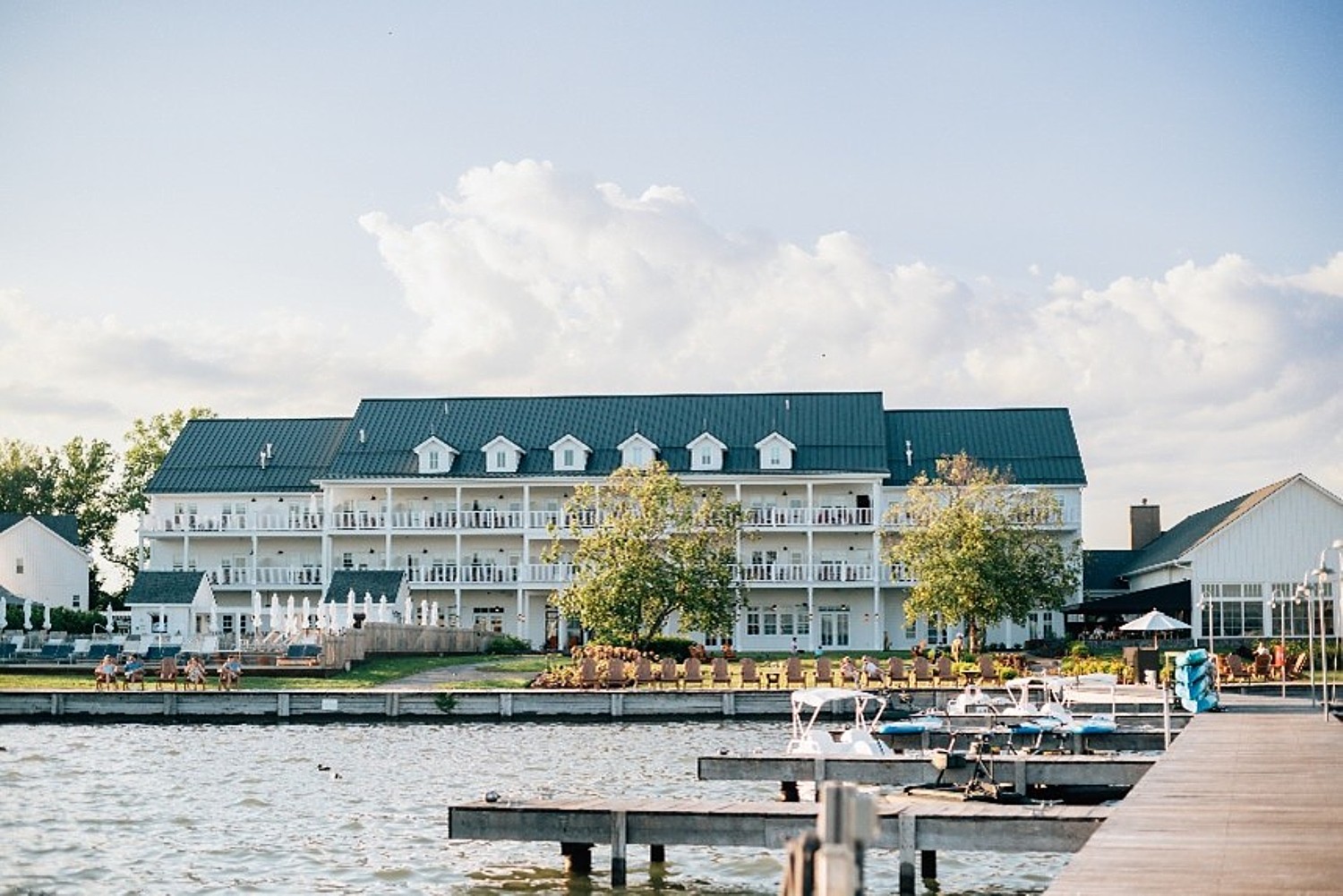
The Lake House on Canandaigua in the Finger Lakes is an ideal home base for a fall getaway.

A great place to experience vibrant foliage, crisp air and rolling vineyards is the Finger Lakes. Nestled on the shore of Canandaigua Lake, The Lake House on Canandaigua is the ideal home base for a fall getaway. From peak grape harvest season to pumpkin picking, cider tasting and breathtaking lake views, the resort offers a memorable autumn escape. 

Take a scenic foliage cruise;  hike the trails at Grimes Glen Park offers trails lined with waterfalls and forests ablaze in fall hues, perfect for a peaceful autumn hike; explore the region’s farms, wineries and breweries that showcase the season’s bounty, and savor autumn-inspired dishes and local flavors at the resort’s Rose TavernSand Bar and  Library Bar. In the evening, enjoy an evening under the stars with complimentary s’mores beside a fire pit

At the resort’s Willowbrook Spa, relax in the spa garden surrounded by native plants in peak autumn color, enjoy cozy barrel saunas overlooking the brook and indulge in restorative treatments blending herbal remedies with modern wellness techniques.

The Lake House is offering up to 20% off luxurious lakefront accommodations this fall. (More details: https://lakehousecanandaigua.com/packages/lakeside-fall-escape/)

The Lake House, 770 S. Main St., Canandaigua, NY 14424 585-394-7800, 800-228-2801, lakehousecanandaigua.com

Nature as Therapy in the Adirondacks

Lake Placid in the Adirondacks boasts one of the longest fall foliage seasons in the country, thanks to its diverse elevations and microclimates. (Aim for the days that see dips into the mid-30s to low-40s – a sweet spot for kickstarting that vibrant color change.)

Explore more than 2,000 miles of nearby hiking trails, including: High Falls Gorge, dubbed the Adirondacks’ most breathtaking 30-minute walk; Whiteface Landing for tranquil lake views; Catamount Mountain, featuring twin summits and panoramic foliage vistas; and Whiteface Mountain, with multiple trailheads designed for ambitious hikers. (Use the Adirondack Fall Foliage Meter for up-to-the-minute reports on where leaves are prettiest—this insider resource helps you target the exact best spots each day.)

High Falls Gorge, located between Lake Placid and Whiteface Mountain, is dubbed the Adirondacks most breathtaking 30-minute walk © Karen Rubin/goingplacesfarandnear.com

There’s so much to do in fall in and around Lake Placid:

For the ultimate view, take the elevator to the top of the 120-meter ski jump (26 stories) at the Olympic Jumping Complex for athlete-level panoramic views without any hiking.

Bike the new Adirondack Rail Trail (25 miles open, bike rentals in Lake Placid) through golden tamarack groves and brewery stops; climb the Adirondack Fire Tower Challenge‘s 23 restored towers for panoramic treetop views; or ride the 1.4-mile Mt. Van Hoevenberg Cliffside Coaster (America’s longest alpine coaster) parallel to the historic Olympic bobsled track.

Festival calendar: Time your visit for the Flaming Leaves Festival (Oct. 11-12) combining ski jumping competitions with peak foliage, or the Adirondack Harvest Festival (Sept. 20) celebrating local agriculture with food trucks, live music, and farm activities.

Enjoy a fall getaway at the Whiteface Lodge in the Adirondacks.

Whiteface Lodge, a MICHELIN One Key and AAA Four-Diamond-rated all-suite resort tucked into the woodlands of Lake Placid, combines rustic luxury with the restorative rhythms of the outdoors. Think: forest bathing beneath golden canopies, stone massages inspired by nearby rivers, and private lean-tos warmed by firelight.

Named a Top 100 Spa by Spas of America, The Spa at Whiteface Lodge translates the region’s natural serenity into sensory treatments such as Ausable River Stone Massage, which uses heated basalt stones and Swedish techniques to melt away tension, named after the nearby Ausable River; and the Great Outdoors Facial, which harnesses antioxidants and botanical extracts to rejuvenate skin exposed to the elements.

Every Whiteface Lodge suite includes a cast-iron gas fireplace, a private balcony, and warm homemade cookies at turndown. Refuel at the rustic-elegant KANU restaurant or sip bourbon flights at Peak 47 before taking in a complimentary movie at the 56-seat in-house theater or a dip in the indoor-outdoor heated pool.

Whiteface Lodge’s Stay More, Play More package includes a $150 resort credit toward spa services and dining when travelers stay 3+ nights (with the credit increasing at the five night mark).

Whiteface Lodge, 7 Whiteface Inn Lane, Lake Placid, NY 12946, 518-523-0505, www.thewhitefacelodge.com

Another ideal place to make your Lake Placid home base is High Peaks Resort. Its location on Mirror Lake provides walking access to family-friendly nature trails (Cobble Hill, Peninsula) that locals use to avoid crowds at higher elevations. High Peaks Resort offers a Mountains & Maple Package (from $172.89) that includes authentic maple syrup, maple cotton candy, maple popcorn, and two resort mugs. (High Peaks Resort, 2384 Saranac Avenue, Lake Placid, NY 12946, 800-755-5598, www.highpeaksresort.com)

Lower Hudson Craft Beverage Trail

A short distance from the Wallkill Valley railtrail is Coppersea Distillery. Lower Hudson Valley region’s leaf peeping hot spots can be paired with nearby Westchester Craft Beverage Trail locations © Karen Rubin/goingplacesfarandnear.com

Lower Hudson Valley region’s leaf peeping hot spots can be paired with nearby Westchester Craft Beverage Trail locations.  

Teatown Lake Reservation → Thompson’s Cider Mill (10 min. walk): Vistas of the Hudson’s fall reflections lead you to freshly pressed cider or a micro-brew.

Sleepy Hollow Cemetery → Bridge View Tavern (15 min. walk/5 min. drive): A family-owned and operated tavern with views of the Hudson River and Mario M. Cuomo Bridge.

Tarrytown Lakes Park → Captain Lawrence Brewing Co. (5 min. drive): The area’s largest craft brewery, producing over 28,000 barrels of beer annually.

Croton Gorge Park → Croton Tapsmith (4 min. drive): This spot features their famous “La Bella Sophia” pizza from their wood-fired pizza oven.

Untermyer Gardens → Yonkers Brewing Company (10 min. drive): Established in 2013, this spot is known for its rich, original drafts and many activities offered on-site.

Blue Mountain Park → River Outpost Brewing Co. (6 min. drive): Rugged foliage trails wind into a cozy taproom—great for couples or solo adventurers.

Ossining Recreation & Parks → Sing Sing Kill Brewery (10 min. walk/3 min. drive): A tranquil gorge walk wraps up with a sustainable, community-crafted draft.

Graham Hills Park → Soul Brewing Company (30 min. walk/4 min. drive): Family-friendly trails segue into Soul’s warm microbrew environment—ideal for all ages.

Cranberry Lake → Wolf & Warrior (12 min drive): A nature escape in White Plains that ends with stylish sips in town.

The Westchester Craft Beverage Trail is a free, mobile, web-based passport that will lead you to great experiences and delicious drinks as well as some appealing special offers. Sign up at the website- there’s no cost and no app to download. Earn points when you check in at participating merchants, and use them to claim a special reward. More information: https://www.visitwestchesterny.com/things-to-do/dining/craft-beverages/trail/

Sign Up for Vermont’s Weekly Fall Foliage Report

Spacious Skies Campgrounds provide a great home base to experience Maine’s fall foliage.

Vermont is world renowned for its fall foliage. Vermont fall colors usually start in early to mid-September in the higher elevations and in the northern part of the state, moving into the valleys and southern parts of Vermont as September turns to October. The Vermont Tourism foliage report tracks the progression and provides itineraries, events, attractions, and more ways to experience the season. (Subscribe: https://vermontvacation.com/vermont-seasons/fall/fall-foliage-report/)

Plan a scenic drive along a river to see the foliage reflecting off the water and drive over a mountain pass connecting historic downtowns. Scenic Vermont Byways and toll roads open to expansive mountain vistas painted in fall colors. Apple orchards, pumpkin picking, scenic chairlift rides, corn mazes, farm or creemee stands, and historic downtowns round out a day touring around the Green Mountains. (https://vermontvacation.com/things-to-do/trip-ideas-itineraries/scenic-drives/)

Make Topnotch Resort,  Stowe, Your Base

Make your leaf-peeping a real getaway with a stay at Topnotch Resort, in Stowe, Vermont for the ultimate foliage experience, the Stowe-liage Foliage Package.

Make your leaf-peeping a real getaway with a stay at Topnotch Resort, in Stowe, for the ultimate foliage experience: the Stowe-liage Foliage Package (from $279) includes a $100 nightly resort credit, essentially paying for your meals while enjoying Mt. Mansfield views from the heated outdoor pool and jacuzzi. (Travel dates through Sept. 30 and Oct. 14-Nov. 30).

Other tips to enhance your getaway: Book spa treatments during peak afternoon hours when trails are most crowded. Play tennis or pickleball on Topnotch’s outdoor courts which affords a stunning fall foliage backdrop. Take the flat, paved 5.3-mile Stowe Recreation Path from behind Topnotch for unobstructed mountain views without traffic. Festival timing: Plan a stay around the Stowe Foliage Arts Festival (Oct. 8-10) for peak color plus local artisans, or catch the quirky Vermont Pumpkin Chuckin’ Festival (Sept. 26) for family fun. Book midweek for best rates and fewer tourists on popular activities like guided brewery tours and scenic boat charters.

Topnotch Resort, Stowe, Vt., 800-451-8686, www.topnotchresort.com.

Spacious Skies Campgrounds Provide Home Base for Exploring Fall Festivals Throughout the East

Spacious Skies Campgrounds has 15 locations along a Fall Color Trail, with many festivals timed for peak foliage.

BERNARDSVILLE, N.J. – With 15 locations throughout the East, Spacious Skies Campgrounds are located within an easy drive of an array of fall festivals, from celebrations of fall harvest to books, films, arts, brews and history.

Fall festival fans can experience the progression of fall color from north to south along the Spacious Skies Campgrounds Fall Color Trail with many festivals coinciding with peak color in each location. For example, the Salem Haunted Happenings Festival, with events highlighting the town’s famous connections to witches, coincides with the peak fall color of the maple, birch, ash and oak trees that surround Spacious Skies Minute Man in Littleton, Mass. And the Savannah Film Festival beginning Oct. 25 coincides with the peak color of the majestic oak trees at Spacious Skies Savannah Oaks.

Among the fall festivals near Spacious Skies Campgrounds:

Experience Maine’s fall foliage at a Spacious Skies Campground.

Spacious Skies Walnut Grove, Alfred, Maine and Spacious Skies Balsam Woods, Abbott, Maine: Fall Foliage Festival, October 11-12. Boothbay’s Railway Village Museum has been staging a Fall Foliage Festival with art, food, music and train rides for 56 years.  

Spacious Skies French Pond, Henniker, N.H. and Spacious Skies Seven Maples, Hancock, N.H.New Hampshire Book Festival, Oct. 3-4. The annual New Hampshire Book Festival brings more than 50 nationally recognized authors together to celebrate literacy with panels, interviews and books signings.

Spacious Skies Minute Man, Littleton, Mass.: Salem Haunted Happenings Festival, Oct. 1-31. This annual festival takes place in New England’s most notorious witch-centric location, Salem, Mass. Included are a grand parade, artists, costume balls, haunted houses, live music and theatrical presentations.

Spacious Skies Adirondack Peaks, North Hudson, N.Y. and  Spacious Skies Woodland Hills, Austerlitz, NY: New York State Sheep and Wool Festival, Oct. 18-19. Fiber arts fans will want to check out The New York State Sheep and Wool Festival, a two-day celebration featuring sheep shows, workshops, kids’ activities and more.

Spacious Skies Country Oaks, Dorothy, NJ: Smithville Oktoberfest, Oct. 4-5. The historic town of Smithville stages a two-day Oktoberfest featuring crafters, food, music and kids’ activities like carousel rides.

Spacious Skies Shenandoah Views, Luray, Va.Blue Ridge Folklife Festival, Oct. 25. Marking its 52nd anniversary this year, the Blue Ridge Folklife Festival features musicians, moonshiners, craftspeople, cooks, motorheads, mule jumpers, horse pullers, coon dog racers, antique tractor buffs and old-time gamers for a celebration of the rich heritage and traditions of the region.

Spacious Skies Sandy Run, Fayetteville, NCFayetteville International Folk Festival, Sept. 26-27. Downtown Fayetteville is host to cultural performances, art, bands and dancers and authentic cuisine from around the world.

Spacious Skies Savannah Oaks, Savannah, GA: Savannah Film Festival, Oct. 25 – Nov. 1. Marking its 25th year, this festival at the Savannah College of Art and Design attracts 50,000 to see the work of emerging student filmmakers while well-known directors, actors and producers come to accept awards and discuss their craft.

Many of the Spacious Skies Campgrounds offer alternative accommodations for travelers who don’t own RVs, including cabins, yurts, tent sites and at select locations, retro trailers.Spacious Skies has also partnered with RV Share so would-be campers and glampers can rent RVs in each location or rent RVs that they can drive from place to place.

Travelers who are members of the Spacious Skies Loyalty Program – called Cosmic Campers – receive a 12 percent discount on all RV site, cabin and glamping reservations, including holidays. The annual fee to join the program is $31.90, and enrollment is quick and convenient online.

To learn more, visit www.spaciousskiescampgrounds.com.

Fall is National Parks’ ‘Secret Season’

Forget the summer gridlock. The real story of America’s national parks is told in September and October, during the “secret season.” This is when the crowds disappear, the weather is perfect and the landscapes transform. The post-Labor Day slump is a traveler’s dream. With schools back in session, parks like Zion, Yellowstone and the Grand Canyon are no longer at peak capacity. This means a more intimate and enjoyable experience. The intense summer heat subsides, making hiking and outdoor activities not just possible, but genuinely pleasant. Think crisp, cool air and golden sunshine. Wildlife, in general, is more active in the cooler temperatures, providing unparalleled viewing opportunities. Here are a handful of great national park vacation ideas.

White Stallion Ranch Horseback Riding - Courtesy of True Ranch Collection.jpg

  1. Saddle and Paddle Yellowstone: Flying Pig Adventures’ three-night Yellowstone tour gives guests the opportunity to experience the park like never before. The thrill of witnessing one of nature’s most iconic environments, tackling rough terrain on horseback, and battling class III rapids in a raft cannot be found anywhere else. From fly fishing to horseback rides and Yellowstone whitewater, guests will be talking about this unique experience for years to come. 
  2. Cycle Glacier National Park: The Big Sky meets six days of big smiles on Escape Adventures’ epic Going-to-the-Sun Road bike trip in Glacier National Park. Based in Montana’s 1,583-square-mile Glacier National Park, with its 375 historic properties and six historic landmarks, riders will cycle into some of North America’s most breathtaking landscapes, including Going-to-the-Sun Road. At each stop, each slow pass, guests will learn a little more about the ”Crown of the Continent” ecosystem. 
  3. Alaska Fjord ExplorerOn Adventure Life’s Kenai Explorer tour, spend seven days amid the breathtaking landscape and wildlife of Kenai Fjords National Park and Seward, Alaska. Enjoy nature walks and paddling from a beachfront lodge with glacier views, keeping an eye out for wildlife like whales, Steller sea lions, otters, puffins and more, then visit the coastal town of Seward and go dogsledding or step on nearby Exit Glacier. Finish with an Alaska Rail ride to Anchorage.
  4. Wyoming Cowboy Retreat: At Ranchlands’ 80,000-acre Paintrock Canyon Ranch, guests will immerse themselves in ranch life, explore the surrounding areas on horseback, fly fish, hike and experience the unique landscape of Wyoming’s Bighorn Mountains. Accommodations are designed for guests to be as close to nature as possible, but with all the comforts of home. Large, safari-style tents are stylishly furnished with full-sized beds, bedside tables, dressers and chairs. Meals are prepared by a private chef and incorporate Ranchlands’ beef, local produce and dairy whenever possible. The ranch makes a great basecamp for a Yellowstone National Park adventure.
  5. Bryce & Zion by MTB: Soaring red spires and ancient citadels of rich Navajo sandstone give way to haunting hoodoos and curving rock arches – a geologist’s dream and a mountain biker’s paradise. The rides on this six-day Escape Adventures tour offer swift lines that wind through deep alpine meadows and aspen forests only to spill out onto wide mesas and buttes. The world-famous trails of Red Canyon’s Thunder Mountain, Cassidy and Casto Canyon symbolize but a few of this tour’s many highlights.
  6. Grand Teton Glamping: Fireside Resort offers luxuriously outfitted tiny house rental units designed by Wheelhaus a short distance from Grand Teton National Park, making it the perfect basecamp for summer adventures. Experience the thrill of whitewater rafting, enjoy beautiful scenery and wildlife while hiking through the Tetons or revel in the wonder of Yellowstone National Park’s geothermal features.
  7. Arizona Ranch Getaway: Step back in time at White Stallion Ranch, outside Tucson, Arizona, on the edge of Saguaro National Park. Originally built in the 1900s as a cattle ranch, the True family has been welcoming guests to White Stallion for 60 years. While there, enjoy horseback riding, hiking, fat-tire biking, shooting, archery, a weekly rodeo, charming accommodations, Southwestern dining and more with the towering cactuses of the Sonoran Desert as the backdrop.
  8. Colorado National Parks Road Trip: AdventureGenie is the ultimate co-pilot for planning a perfect road trip to Colorado national parks. As the world’s first AI-powered, end-to-end road trip planner, AdventureGenie makes it easier and more exciting than ever to discover the Centennial State. Colorado is more than just the Rocky Mountains – the state is richly diverse with deep canyons, rolling sand dunes, glistening rivers and expansive rolling plains. From accessible trails to hikes of various distances and difficulties and amazing scenic drives, these five Colorado national parks are full of geographical marvels and prehistoric wonders.
  9. Big Sky Luxury Adventure: In Big Sky, Montana, The Wilson Hotel serves as a home base for adventure year-round. In fall, golden aspens and cottonwoods light up the mountainsides and river bottoms, and there are opportunities to hike, bike, fish or watch for wildlife in the forestlands near town and Yellowstone National Park. At the end of the day, The Wilson offers accommodations that blend modern comfort with Montana style just steps from dining at Block 3 Kitchen & Bar and more in Big Sky Town Center. 
  10. E-Bike Tour of CanyonlandsUtah’s 100-mile White Rim Trail in Canyonlands National Park comes on like a natural rollercoaster, looping in and out of a multicolored spires, arches, buttes and mesas carved by the Green and Colorado Rivers. A primitive trail framed by blooming cactuses below and snowcapped mountains above, the White Rim Trail loops around and below the Island in the Sky mesa and provides expansive views of the surrounding area. Guests will spend the majority of this four-day mountain biking and camping tour riding the famous off-road route, while detouring to admire secret passages, hidden slot canyons, natural rock arches and ancient Puebloan ruins. 
  11. Utah Hut-to-Hut AdventureDiscover the Aquarius Trail Hut System, an unparalleled e-bike adventure in Utah’s stunning color country. This unique trail stretches from Brian Head Peak through picturesque locations like Panguitch, Bryce and Escalante. Along the way, modern huts provide essential amenities, including solar-powered kitchens, comfortable sleeping arrangements and bike repair tools, ensuring a perfect blend of rugged exploration and convenient comfort. 
  12. Grand Canyon’s North Rim: Escape Adventures invites adventurers and families to discover the cool, high-altitude sanctuary of the Grand Canyon’s North Rim on an unforgettable five-day mountain biking and camping expedition. Revered by hikers and cyclists for its breathtaking vistas and gently rolling, lung-expanding terrain, the North Rim offers a unique and less-crowded perspective of this natural wonder. 

_____________________

© 2025 Travel Features Syndicate, a division of Workstyles, Inc. All rights reserved. Visit goingplacesfarandnear.com and travelwritersmagazine.com/TravelFeaturesSyndicate/. Blogging at goingplacesnearandfar.wordpress.com and moralcompasstravel.info. Visit instagram.com/going_places_far_and_near and instagram.com/bigbackpacktraveler/ Send comments or questions to FamTravLtr@aol.com. Bluesky: @newsphotosfeatures.bsky.social X: @TravelFeatures Threads: @news_and_photo_features ‘Like’ us at facebook.com/NewsPhotoFeatures
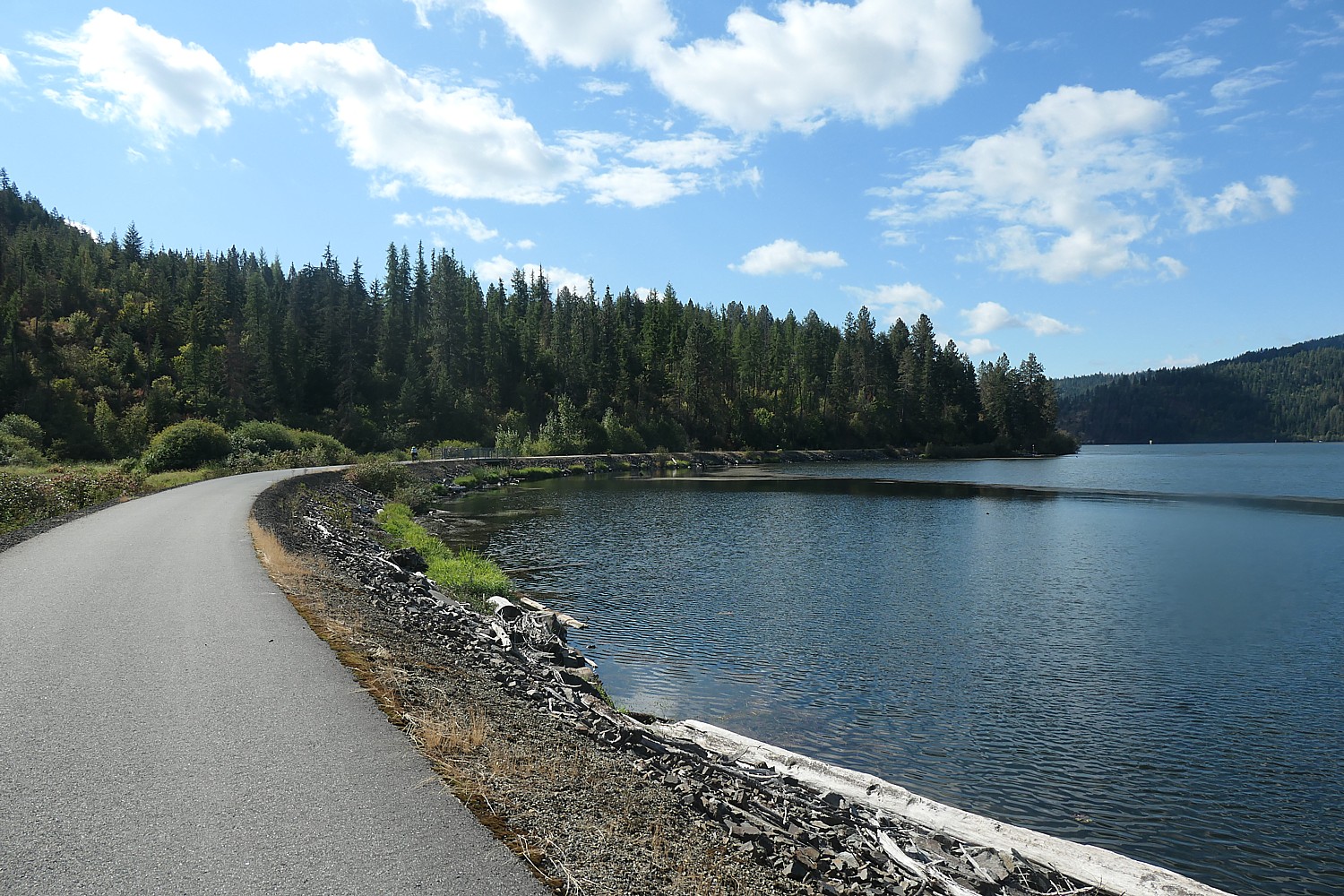
Safari West Brings Immersive Animal Adventure to California’s ‘Sonoma Serengeti’

Safari West’s Classic Safari provides close encounters with animals like the Cape Buffalo © Karen Rubin/goingplacesfarandnear.com

By Karen Rubin, Travel Features Syndicate, goingplacesfarandnear.com

It isn’t a surprise to see zebras grazing, giraffes ruminating, a rhinoceros with her 2700-pound baby, or sleeping in a luxurious safari tent and awakening to see a herd of antelope dashing in unison, when you go on safari in Africa. What is extraordinary is that this is in the backyard of Sonoma, California, better known for wineries, vineyards and winetasting. This is Safari West, which since its founding in 1993, affords an extraordinary authentic experience that makes you feel you are in Africa – the Sonoma Serengeti! – no passport, vaccinations or jetlag required.

Eric and I start our Safari West visit with the three-hour Classic Safari, consisting of about 2 ½ hours driving through three habitats across the vast, 400-acre landscape on which some 1000 animals (almost 100 different species), reside and a half-hour walk to visit mammals and birds.

Safari West’s Classic Safari provides an authentic safari adventure on the “Sonoma Serengeti”© Karen Rubin/goingplacesfarandnear.com

During the course of my 24 hours here, I will follow the Classic Safari with a Behind-the-Scenes tour with our toddler (children need to be at least four years old for the Classic Safari, though families with younger children can arrange a Private Safari) where we get to feed a variety of animals; a 5 pm buffet dinner, followed by a walk-about through a zoo-like setting.

Even our toddler gets to feed a warthog on Safari West’s Behind-the-Scenes tour © Karen Rubin/goingplacesfarandnear.com

Then, after the rest of the family leaves, I stay over for a Glamping Among the Wildlife: A Safari West Experience in one of their 30 authentic Botswana safari tents tucked into the trees, enjoying evening activities including s’mores and a movie (“Jungle Book”). Since overnight guests have no curfew, I am able to explore more at dusk, into the dark of night (borrowing a flashlight from reception), and again in the early morning when the animals are most animated. I follow the included breakfast buffet with more exploration before reluctantly leaving Safari West.

One of the 30 glamping tents tucked into the woods at Safari West © Karen Rubin/goingplacesfarandnear.com

Safari on the “Sonoma Serengeti”

For our Classic Safari, we ride in vehicles that are open on the sides and have four seats on top (reminding me of my tiger safari in India). The guides – invariably friendly, humorous, knowledgeable and unscripted so they respond to their guests’ interests (and terrific drivers) take us on rough gravel trails over hills and plains, coming incredibly close (without barriers or fences) to giraffe, antelope, ostrich, wildebeest, Cape buffalo, zebra, elands, addax, aoudad and others among the 97 species in residence.

Our guide for our 1 pm. three-hour Classic Safari, Alex Killian, invites our questions and observations which she gleans to stay in an area longer. We are riding in “Bender”, a 1950s Dodge Power wagon (it seems Safari West has bought up the fleet of Dodge Power wagons from 1940s to 1970s). About 2 ½ hours are spent driving, with about 30 minutes on a walking portion to see the primates, porcupines and birds.

You can read about these different animals and see photos but seeing them up close, in their habitat provides a whole different dimension of understanding and appreciation for behaviors and evolutionary adaptations.

Safari West’s Classic Safari provides an authentic safari adventure on the “Sonoma Serengeti”© Karen Rubin/goingplacesfarandnear.com

We go into the vast field with the giraffes– Killian tells us they are 5-6 feet tall at birth (they are delivered while the mother is standing up and are dropped six feet to the ground); 9 feet tall by one year old, and grow up to 19 feet tall. These sweet creatures – literally gentle giants – are distinguished by the fact every giraffe has a unique pattern of sports, like human fingerprints, but these spots also help in thermoregulation (at night, the giraffes walk themselves into their barn to protect from hypothermia).

Giraffes, Killian says, “speak” but in a pitch that can barely be heard by a human but sounds like a moo and use various sounds like moans, snores, hisses, and grunts, they mainly communicate with body language. Killian tells us they sleep standing up for 20 minutes at a time– only half their brain sleeps at one time – for a total of about two to three hours in the course of a day; the rest of the time they are eating or ruminating. (Later, during the Behind-the-Scenes tour, we get to meet them close up and feed them).

Killian points to  “Mango,” the only male giraffe, here, noting that the animals mate and breed naturally here; the caretakers only insuring they are healthy, and adds that Safari West will “buy, sell, trade, borrow and loan” animals with other zoos and conservancies to increase genetic diversity.

Addax, a white antelope that is critically endangered, whose horns have extra twists, which Killian explains helps cool the animal; we see one with only one horn, and she explains that if they break off, they do not grow back. © Karen Rubin/goingplacesfarandnear.com

In this plain, we also see Dama Gazelle; Gemsbok; Greater Kudu; Roan antelope and Addax, astonished at how magnificent they are with their horns and coloring.

Leaving this area through the double-fence system, we see an ostrich which seems to be “flirting” with the safari vehicle ahead of us. This is “Lucille Ball,” “She is more flirtatious when she is about to lay an egg,” Killian explains. Ostriches, Killian tells us, lay the largest eggs among the birds, equivalent to 12-24 chicken eggs in size and lay 1-3 eggs a week.

An ostrich gets flirtatious with one of the safari vehicles © Karen Rubin/goingplacesfarandnear.com

Ostriches are surprisingly large and amazingly fast – she tells us they can run 12-35 mph and though they have a brain the size of a walnut, “they are not dumb.” “It’s an ‘in the moment’ animal,” she explains. “But you don’t need to outwit a predator when you can outrun it.”

A pregnant Southern White rhinoceros with her baby © Karen Rubin/goingplacesfarandnear.com

We see a Southern White Rhinoceros mom with her two-year old baby that already weighs 2375 lbs. She is pregnant again (rhinoceros gestate for 16-18 months) and is due to deliver at any time (you can follow her progress on social media). But because the pheromones at the end of pregnancy and when she is in labor are the same as when she is in heat, they have to separate the male, who is in an adjacent area. In the wild, she says, “They spend a week together and then don’t see each other again” but the mom is very maternal. “She is very connected to her baby.” She can nurse two babies at a time. The female rhinoceros can weigh 4000-7000 lbs. A herbivore, the rhinoceros consumes 150 lbs of grass or 60 lbs of hay a day.

The zebra’s stripes are unique from zebra to zebra and even left and right sides © Karen Rubin/goingplacesfarandnear.com

We drive through more gates and come to an open area with zebra gathered around where they have just been provided grass. Like the giraffes, the zebra’s stripes are unique from zebra to zebra and even left and right sides of the animal, except for its face.

The Common Eland depends on pheromones to mate © Karen Rubin/goingplacesfarandnear.com

Close by are the Common Eland and we see a baby less than one month old (it’s been named “Nova”, consistent with the space-themed names given the herd). The Eland (“it means ‘moose’ in Dutch) is a kind of antelope, the biggest of the species (the tallest is the Kudu). 

“Nova” is a one-month old Common Eland © Karen Rubin/goingplacesfarandnear.com

“They depend largely on pheromones – it’s how they identify the others in their unit, and how they take a mate. They urinate and others take in the pheromone.” 

Our guide stops to tell us about the herd of eland © Karen Rubin/goingplacesfarandnear.com

We drive into the third habitat, the largest of the three at 100 acres.

Stunning views of antelope at Safari West © Karen Rubin/goingplacesfarandnear.com

We see the African Cape Buffalo, one of the Big 5 – that is, the 5 most dangerous animals to encounter in Africa, she tells us (lion, leopard, Black rhinoceros, African Bull elephant are the others). The Cape Buffalo are dangerous, she says, because they protect each other. “If one of their group is threatened, even if they just think it is threatened, they will still protect.”

The African Cape Buffalo is one of Africa’s “Big 5” © Karen Rubin/goingplacesfarandnear.com

We meet the Blue wildebeest from Southern Africa which Killian calls “a spare parts animal” because it has hair and horns resembling the female African Cape buffalo; stripes like a zebra; a long face like a baboon; and a heavy build in front but slender legs like an ostrich compared to its bulky front build.

“Spare parts animal” wildebeest are well adapted for their habitat © Karen Rubin/goingplacesfarandnear.com

These are adaptations to the environment, and as we watch one nuzzling a baby, Killian tells us that its long face helps the wildebeest detect humidity – and impending disaster, and that the herd in the wild, 1-5 million of them, migrate or escape danger moving together. Other animals have learned to follow their lead.

Mother and baby © Karen Rubin/goingplacesfarandnear.com

In the wild, they somehow synchronize the births to the month, timed for migration. Some 8,000 babies could have been born on the last day before migration, so wildebeest have evolved to move as fast as 55 mph, from Day 1. Here at Safari West, they somehow synchronize births to the season (rather than a month, as they might in the wild) and ‘migrate’ on property (moving down the hillside).

“Spare parts animal” wildebeest are well adapted for their habitat © Karen Rubin/goingplacesfarandnear.com


“Animals here mate naturally,” she adds. “We only make sure they are healthy.”

We spot Aoudad on the forested slope, and Killian says that while other species take a mate by showing dominance (brawn), Aoudad males pee on their beard and the ‘best’ smell gets the lady.

We spot Aoudad on the forested slope © Karen Rubin/goingplacesfarandnear.com

(Insiders tip: if photography is important to you, bring a decent SLR camera with a decent zoom lens that can capture moments and movements (cell phone cameras are good for scenics and landscapes and have their merit in difficult lighting situations). Safari photography is just as interesting a sport as hunting – only you are hunting and shooting with a camera. For avid photographers, Safari West offers a Private Photography Safari Workshop.)

After the drive portion of the Classic Safari tour, we have a walking tour of about 30 minutes, to see the porcupines, primates, mammals and birds. 

Nicobar pigeon in Safari West’s aviary © Karen Rubin/goingplacesfarandnear.com

We walk through one of the aviaries, chock full of bird varieties – crane, sacred ibis, scarlet ibis, spoon bill, cattle egret, black swan, Nicobar pigeon, to  list but a few. (We will soon return to help feed the birds during our Behind the Scenes tour).

The Caracal is a master of hunting and hiding © Karen Rubin/goingplacesfarandnear.com

We see the Caracal, a master of hunting and hiding that can jump 6-10 ft to capture a bird, take down prey 2-3x its size and when they hunt as a group, they can take down an impala.

The Patas Monkey is said to have been the inspiration for Dr. Seuss’ Lorax© Karen Rubin/goingplacesfarandnear.com

I especially love watching the Colobus Monkey and the Patas Monkey (said to have been the inspiration for Dr. Seuss’ Lorax), ring-tailed lemurs (two “old men” in their bachelor pads), and (my favorite) the Red Ruffed Ringtales. All have various forms of enrichment – like puzzles and toys, obstacles and constructions. (There is an immersive Enrichment Tour, also on my list for my next visit.)

One of the two older ringed tail lemurs lounges © Karen Rubin/goingplacesfarandnear.com

Behind-the-Scenes

Our Classic Safari ends just in time to meet up with Sarah and our 16-month old toddler to enjoy the Behind the Scenes tour where we get to feed the animals – one of Safari West’s most popular programs for good reason.

Our guide, Zoey, tells us she was part of Safari West’s Junior Zookeepers program for 12-16 year olds.

Even our toddler gets a chance to feed the Crested porcupines, Spike and Norton – notably, they don’t have the prickly quills, their quills are a softer material.

Birds flock to whoever has the blue latex glove on the Behind-the-Scenes tour at Safari West © Karen Rubin/goingplacesfarandnear.com

We go next to feed the birds in the aviary and Zoey warns us that it can be intimidating because there are so many birds and they get pushy when they see the blue latex glove and know there is food to be had. She adds that to stop the birds from rushing at you, take off the blue glove. I find it fascinating that there is such a learned behavior.

Sure enough, it is quite an experience that as we walk in, the birds swarm around us. We get to fling pieces of chopmeat (that surprises me) and watch as the biggest ones catch pieces in the air. 

Flamingoes, the oldest animals at Safari West, were brought here when Marine World closed © Karen Rubin/goingplacesfarandnear.com

We go to where there is a huge flock of flamingoes in a small pond. These, Zoey says, are the oldest animals at Safari, many came when Marine World closed in 1969. They can live to 30 years old in the wild, but can reach 60-70 years in captivity (the oldest known is 85).

We next go to the Giraffe Barn to feed “Mabel.” Coming so close to the giraffe is truly an experience.

Even our toddler gets to help feed “Mabel,” the giraffe, during Safari West’s popular Behind-the-Scenes tour © Karen Rubin/goingplacesfarandnear.com

With eating being the giraffes’ main activity, their tongues are the most distinctive feature – they can be up to 18 inches long and are prehensile to grasp and manipulate objects, so they can strip leaves from branches and maneuver around thorns and rugged bark to reach their food. Also, the front of their tongues are dark, with melanin, to protect from sunburn. They eat the leaves but leave the roots, so that their food source will renew. During the course of a day, they will consume 100 lbs of foliage.

Giraffes are notable for their prehensile tongue © Karen Rubin/goingplacesfarandnear.com

The giraffes come when the keeper calls them to go into barn overnight, to prevent hypothermia

We finish our Behind-the-Scenes tour by feeding the warthogs “Lucy”, Vigeri and Fig Newton

And now it is time for our feeding. 

Dining Out, Staying Over

Safari West offers a fixed menu buffet dinner (two seatings, at 5 and 7 pm) which is marvelous.

The meal is superb – chicken (paprika seasoning), steak (perfectly cooked over fire), rice, mac/cheese, salad (we are invited to have seconds until they run out), fresh fruit and a cheesecake dessert.

Guests who stay for dinner can wander the property until 8:30 pm; overnight guests (like me) can wander without any curfew.

(There is also a very pleasant deli where you can pick up sandwiches and such (good selection and very reasonable cost.)

Watching Addax in the field at Safari West © Karen Rubin/goingplacesfarandnear.com

Even when I go around at 7:30 pm when the sunlight is a rich golden color – I am surprised that it seems as if the animals have grabbed their coats and lunch buckets for quitting time (the porcupines are curled up), but several are very active.

The Red Ruffed lemur is the second loudest primate. I get to hear their chorus © Karen Rubin/goingplacesfarandnear.com

The three Red Ruffed Lemurs, with stunning, fluffy red fur, black faces and bright, piercing yellow eyes, are really active at this time. Earlier in the afternoon, when I came upon them, they were making extremely loud shrieks – indeed, the guide says they are the second loudest primates and can vocalize very high and low pitches at the same time, that can be heard up to a half-mile away.  Found only in Madagascar, they are matriarchal and the keeper explains that one of the three is being bullied, kept from being groomed and from eating,

A family of ring tailed lemur live on a small island © Karen Rubin/goingplacesfarandnear.com

There are S’mores at 8 pm and then they show “Jungle Book” (one of three animal-themed movies they present each night) at 8:30 pm. (Overnight guests can help ourselves to coffee, tea, chocolate an fruit as we like

From my tent, I watch the giraffes walk themselves into the barn for the night © Karen Rubin/goingplacesfarandnear.com

After the movie, I borrow a flashlight from the reception desk, and go into the darkness. I am especially interested to see if I can observe activities of nocturnal animals, but alas, it is too dark and the animals, if they are active, are too far into the darkness to be observed (perhaps on a night with a full moon it would be better and even more magical.)

By now pitch black (and grateful for the flashlight), I walk up the hill to my tent, delighted to find a luxurious, spacious room accommodating a queen bed and two cots, sufficient for a family of four, with beautiful wood floor, an enormous tile-floor bathroom stocked with the necessary toiletries like a deluxe hotel; giant screened windows on two of the walls so I can see out to a gorgeous view of the lake; and a patio where, when I walk out in the pitch black night, it seems the Big Dipper is right in front of my face close enough to touch. If it gets cold, there is a space heater and an electric blanket.

My glamping tent has all the comforts of a hotel room, but with canvas walls © Karen Rubin/goingplacesfarandnear.com

I am surprised that I do not hear more animal sounds in the night, and do not need to use the ear plugs they supply.

But I awake to the sounds of birds and mooing, and look out from my porch to see the herd of antelope running together across their field.

From my glamping tent, I watch antelope running together in the early morning © Karen Rubin/goingplacesfarandnear.com

The best part of overnighting at Safari West is being here at early morning when the animals become really active knowing they are to be fed.

Going out in the morning, I can take my time watching animals close up © Karen Rubin/goingplacesfarandnear.com

Each place i come upon, if there is a keeper, they are happy to share more information about the animals in their care.

A caretaker explains how she gives special attention to the Red Ruffed lemur which is being bullied by the matriarch © Karen Rubin/goingplacesfarandnear.com

I watch the Red Ruffed lemur being fed – one is being bullied by the matriarch, so the keeper goes in, entices two of them into a separate compartment, and gives the third special attention (she doesn’t get groomed, so the keeper pats her and feels for any health issues).

In the early morning, I get a good view of the cheetahs which eluded me the day before © Karen Rubin/goingplacesfarandnear.com

I get to see the cheetahs, pacing their enormous enclosure (they eluded me the previous day); and the hyenas devouring a thick chunk of red meat

A hyena with its breakfast of red meat © Karen Rubin/goingplacesfarandnear.com

As appropriate, the keepers incorporate enrichment into their feeding methods so the animals have to work for food. (“Most creatures are bribable with food,” our guide Killian had told us on the Classic Safari. “Food is a prime motivator.” (Safari West offers a new Enrichment Tour Experience to see how they use puzzles, toys and activities like hiding treats, to stimulate the animals’ natural behaviors and keep them mentally and physically active.)

A Patas monkey plays with one of its enrichment toys. Safari West now offers an Enrichment Tour where you can help create toys © Karen Rubin/goingplacesfarandnear.com

I go into the Elephant room for breakfast (included for overnight guests and served from 7-10 am) – eggs, oatmeal, cereals, yogurt, muffins, toast/bagels, fresh squeezed OJ – before going for another walk-through the animal enclosures.

As an overnight guest I need to be out of the tent by 11, but I am welcomed to stay and wander about as long as I want.

Overall, with all these encounters over the past 24 hours, I must have made some 10 tours through the animal enclosures and each time, the experience is different – I see animals that eluded me before, or doing different behaviors, or in different light, or just happening upon a guide providing information I hadn’t known before.

Mission to Promote Conservation

I am really impressed in how well Safari West fulfills its declared mission to actively promote conservation and environmental education.

“At Safari West it’s all about the animals. Always has been, always will be.” These animals become ambassadors for their species, promoting understanding and appreciation to help each person make well-informed choices for environmental protection and wildlife conservation.

Over the past decades, Safari West has evolved into a top-tier wildlife destination.

Safari West began in the late 1980s when Peter Lang purchased 400 rolling acres in the foothills of the Mayacamas Mountains. He relocated his small but growing collection of exotic wildlife, converting a former cattle ranch into a world-class conservation breeding facility.

As Peter set to work establishing captive breeding programs for the varied and often critically endangered species in his collection, he worked closely with local zoological facilities including the San Francisco Zoo where he met the lead curator, raptor-specialist and his future wife, Nancy Lang. After four years of operating their conservation breeding facility behind closed doors, Peter and Nancy opened their home to the public on July 4th, 1993.

Safari West opened glamping tents to give visitors a whole new experience © Karen Rubin/goingplacesfarandnear.com

Then, in the late 1990s, Peter looked to expand the activities available to guests and built the Safari West Tent Camp, importing custom-built tents from Lobatswe, Botswana. With the Watusi Pond as the center, the tent camp sits between the Gazelle Pasture, the Hundred Acres, and the Vista habitats, overlooking the antelope and giraffes. The 30 glamping tents are mounted on raised platforms, with hardwood floors, electricity, running hot and cold water, and even en suite bathrooms.

The Langs’ devotion to their animals was tested and proven during the horrific Tubbs wildfires that struck in October 2017.

When I ask our safari guide about how they managed during the wildfires, she replied, “We didn’t save the animals, they saved us. They graze so there was nothing for the fires to catch onto, and the oak trees are resilient.”

She relates that when sheriffs came to order an evacuation at around 11 pm, the 90 guests on the property just grabbed their keys and left within 15 minutes.” Helicopters fighting the fires used water from the lake.

But she seems to have understated what happened because it was horrific – 250 out of Safari West’s 400 acres were scorched and the osteology lab operated by the Safari West Research, Education, and Conservation Department burned completely. Though conservation organizations were ready to help evacuate the animals, no one was allowed up the twisting mountain road, so they couldn’t have evacuated the animals.

The animals were saved because Safari West owner Peter Lang, then 76 years old, after driving through fire to evacuate their home which burned to the ground, stayed behind and for the next 10 hours, fought the fires alone. In the next couple of days, some volunteers and staff were able to come and help put out the brush fires that erupted.

All 1000 animals were saved. For his heroic efforts, Peter Lang received the 2018 American Red Cross Animal Rescue Hero Award. (Read the thrilling story by Paige Peterson reported in the New York Social Diary, https://safariwest.com/2017/11/life-after-fires/).

Safari West is ideal for family gatherings and special events – I am already planning to bring our bi-coastal family together for an overnight stay as soon as the little ones are old enough to appreciate the safari. I’ve earmarked the Enrichment Tour and Private Photography tour, especially.

Safari West, 3115 Porter Creek Road Santa Rosa, CA 95404, 800-616-2695, 707-579-2551, safariwest.com

Travel planning help is available from Sonoma County Tourism,   https://www.sonomacounty.com.

_____________________________

© 2025 Travel Features Syndicate, a division of Workstyles, Inc. All rights reserved. Visit goingplacesfarandnear.com and travelwritersmagazine.com/TravelFeaturesSyndicate/. Blogging at goingplacesnearandfar.wordpress.com and moralcompasstravel.info. Visit instagram.com/going_places_far_and_near and instagram.com/bigbackpacktraveler/ Send comments or questions to FamTravLtr@aol.com. Bluesky: @newsphotosfeatures.bsky.social X: @TravelFeatures Threads: @news_and_photo_feature

Boat Bike Tours Netherlands Islandhopping: Sailing the Wadden Sea, Biking, Exploring Terschelling, Harlingen

Sailing into Terschelling on our ship, Leafde fan Fryslân, on Day 4 of our Boat Bike Tours’ Islandhopping Netherlands bike tour © Karen Rubin/goingplacesfarandnear.com

By Karen Rubin, Travel Features Syndicate, goingplacesfarandnear.com

Day 4 of our eight-day Boat Bike Tours’ Islandhopping tour of the Netherlands is spent sailing to the island of Terschelling. It takes about six hours to sail across the Wadden Sea, a UNESCO World Heritage site.

Captain Age delicately navigates our ship, Leafde fan Fryslân, out of port © Karen Rubin/goingplacesfarandnear.com

“Big boat, small water,” our captain, Age, says, guaranteeing that the ship is “unsinkable” because the water is so shallow, we would run aground first. (“Wadden” means “mudflats” and the Wadden Sea is a large intertidal area in the North Sea along the coasts of the Netherlands, Germany, and Denmark.)

Raising the sails on the ship, Leafde fan Fryslân © Karen Rubin/goingplacesfarandnear.com

We have a northwest wind so we can raise the sails on our ship, Leafde fan Fryslân, the only four-masted ship sailing in Dutch waters,  instead of just motoring to Terschelling.

First mate Lukacz does most of the work raising the sails on the Leafde fan Fryslân © Karen Rubin/goingplacesfarandnear.com

Lukacz, who I call the first mate, gives us the safety talk and invites us to help raise the sails (we don’t do it very well). He says it is more important to be safe “You are on vacation, a nice time. You can’t have a nice time with a broken hand. Bad pain is bad time.”  But looking around at several of us with boating jackets, says, “I can see this isn’t your first rodeo.” 

‘It’s about being happy,” Lukas says, finishing with “What do you think about my speech?”

We soon see why Lukacz describes himself as a “monkey” as he raises the sails on the Leafde fan Fryslân © Karen Rubin/goingplacesfarandnear.com

Lukacz describes himself as a “little monkey jumping around,” and we soon see why as we watch him leaping around to get the sails unfurled.

We soon see why Lukacz describes himself as a “monkey” as he raises the sails on the Leafde fan Fryslân © Karen Rubin/goingplacesfarandnear.com

The wind is so strong (“Respect the power,” he says), but once the sails are raised, we feel the quiet tranquility of sailing. But having come from Texel, and seeing the scores of shipwrecks of those ocean-going trading ships, I can only imagine what this would feel like in a storm, or how those sailors felt for months, even years crossing vast seas to Asia, Africa, and North America.

We have lunch on board as we sail (tonight, we will be on our own for dinner in Terschelling, armed with a list of recommended restaurants).

The scene is stunning, with several tall sailing ships along the horizon, the swirling green/blue water, the white cottony clouds.

Sailing ships line the horizon as we sail on the Leafde fan Fryslân © Karen Rubin/goingplacesfarandnear.com

It is just 4 pm when we sail into Terschelling, flabberghasted by the finesse Captain Age shows to park our enormous ship, Leafde fan Fryslân, 210 ft. long, 24 ft. wide.

Sailing into Terschelling on our ship, Leafde fan Fryslân, on Day 4 of our Boat Bike Tours’ Islandhopping Netherlands bike tour © Karen Rubin/goingplacesfarandnear.com

We walk off the ship from the crowded harbor crammed with sailing ships tied up two and three abreast and explore the popular village. Huge ferry boats deposit thousands of visitors each day (remarkable considering a mere 9,700 people live on Terschelling).

Terschelling, one of 15 islands in the North Sea and the furthest north we will travel on our Islandhopping tour, is just 30 km long and 4.5 km wide with vast sand beaches, strong winds and wild water – and we will cycle around most of it.  

Terschelling skyline is dominated by the 420 year-old Brandaris lighthouse, standing 388 ft high © Karen Rubin/goingplacesfarandnear.com

The town is dominated by the 420 year-old Brandaris lighthouse, standing 388 ft high that can be seen from far off in the distance. I learn this is the oldest lighthouse in the Netherlands. The first tower was built in 1323 to guide ships on their way to Amsterdam through the Zuiderzee, the narrow opening between Vlieland and Terschelling. A flood destroyed the tower in 1570. Construction on a new tower began in 1592 but the tower collapsed before it was finished because of poor building materials. The tower we see today, remarkably, was built in 1594. It became the first lighthouse in the Netherlands equipped with a rotating Freshnel lens in 1837 and was electrified in 1907.

View from the top of the hill in Terschelling © Karen Rubin/goingplacesfarandnear.com

I meet up with a German couple from our ship and follow them up a path over the dunes to the hilltop for a stunning view of the island and the port as the sun streams through clouds.

Back in the charming village, I come upon a gaggle of girls who, it turns out, are Ukrainians taking refuge here from the war in their homeland.  This brings a jolt of the world and current events to this small, isolated, peaceful place, shocking me back to the present out of my reverie for ages past. But as the historic markers and notes remind, the vast majority of human history has been one invasion, one war, one revolution, one disaster after another, and the nostalgia that sweeps over us looking back has a way of tempering the horror of that time. I think that one reason history is more palatable, less stressful, than present-day events is that we know how that chapter of the story ended.

Cycling Terschelling, Sailing to Harlingen

Setting out on the bike ride on Terschelling along the dyke © Karen Rubin/goingplacesfarandnear.com

While the previous day was all about sailing, Day 5 is all about cycling. Terschelling offers 70 km of cycling tracks and four charming villages to discover. We will cycle 26 miles roundtrip, then, in the afternoon, sail across the Wadden Sea to Harlingen, the most important harbor city of the province of Friesland.

This is the first day of cycling where I appreciate why people get e-bikes in the Netherlands: the paths may be flat but the wind is strong (all the charming historic windmills and now modern wind turbines should have been a clue). I power through and at one point, one of our group becomes very conscientious about riding right in front of me to break the wind a bit (like the Tour de France!).

The Stryper Wyke statue honors a woman whose cleverness saved the town from British invaders © Karen Rubin/goingplacesfarandnear.com

We set out along the dyke, then turn off into villages, farms and fields. Our route takes us to the Stryper Wyke (wife) statue, a short distance from a cemetery. The monument heralds back to the 1666 wars with the English over trade with India. The British declared the North Sea as theirs and invaded this area, burning, raping, killing. The British, the story goes, confronted the Stryper Wyke demanding to know how many defenders there were, to which she replied, “100 standing, 1000 laying down” – referring to the cemetery. The legend goes that the invaders took her literally and retreated, and she is credited with saving the town.

In fact, everywhere we go, there are just such statues, monuments, plaques, placards and historic photos that cherish local history, heritage and culture and show the pride the Dutch have.

The Toesaks Museum (pirates!) is described as “an exciting and pleasantly eccentric museum for kids and adults” offering a collection recovered from shipwrecks © Karen Rubin/goingplacesfarandnear.com

We ride passed an intriguing Toesaks Museum (pirates!) which is described as “an exciting and pleasantly eccentric museum for kids and adults” offering a collection recovered from shipwrecks. The museum is housed in a farmhouse and has a real pirate ship, a tree house and a castle. Owner and wreck diver Hille van Dieren, I learn later, has been collecting recovered inventory pieces from the many shipwrecks around Terschelling since 1975. The museum is full of curiosities from 1650 to the present (https://wrakkenmuseum.nl/).

The wind becomes a factor as you bike on Terschelling © Karen Rubin/goingplacesfarandnear.com

No one else wants to stop to visit, so I take a quick peek inside so I don’t hold up the group. But if it were important to me, I could have left the group and followed the route myself using the RideGPS app that Boat Bike Tours provides. But, the ship is sailing this afternoon and I wouldn’t have known if I could complete the route in time. 

At Koor Hoorn, hiking over enormous dunes which open up to this vast expanse of sand beach © Karen Rubin/goingplacesfarandnear.com
The vast expanse of sand beach at Koor Hoorn © Karen Rubin/goingplacesfarandnear.com

We ride through open fields (battling the wind), through forest and then over a stretch of sand (not fun) and come to Koor Hoorn, hiking over enormous dunes which open up to this vast expanse of sand beach almost completely vacant of people or structures. I walk what seems a quarter mile before I finally reach the actual water, where the sea is swirling with whitecaps and the beach is strewn with a thick white foam that looks like pieces of clouds have fallen from the sky.

A wild swirl of sea and sky at Koor Hoorn © Karen Rubin/goingplacesfarandnear.com

A popular thing to do is take a horsedrawn carriage ride on the beach and we see one of these carriages on the road.

A popular activity on Terschelling is to ride in a horse-drawn carriage on the beach © Karen Rubin/goingplacesfarandnear.com

Leaving the beach, our guide, Edith, leads us through the “Dark Forest” so we can be shielded a bit against the wind.

Biking through the “dark forest” on Terschelling © Karen Rubin/goingplacesfarandnear.com

We get to a charming Cranberry inn (spectacular desserts, all made with cranberry), and walk out to the cranberry field (not a bog).There is a small exhibit and video on a second floor. Just as we are gathering to leave, it starts to rain. Edith checks the weather app and predicts it will only last a few minutes – so I go back inside to get cozy in the upstairs screening room to watch the video about the island and raising cranberry. Sure enough, the rain stops within 15 minutes, and we are on our way. (One of the good things about the strong wind, is that rain rarely lasts long.)

Delectable cranberry desserts © Karen Rubin/goingplacesfarandnear.com

The route takes us up and over dunes, and finally, into the village to the port, where we stop at a monument to those who have been lost at sea.

It’s been a lovely ride – we’re back at about 3:15 pm and the ship soon pulls out of the harbor.

Monument to those lost at sea in the village on Terschelling © Karen Rubin/goingplacesfarandnear.com

We are in awe – along with everyone else on the dock – collectively holding our breath as Captain Age maneuvers out of the tight harbor. We sail across the Wadden Sea to Harlingen, considered the most important harbor city of the province of Friesland.


Sailing across the Wadden Sea to Harlingen © Karen Rubin/goingplacesfarandnear.com
Our ship, Leafde fan Fryslân, sails across the Wadden Sea to Harlingen © Karen Rubin/goingplacesfarandnear.com

We have dinner as we sail, and pull into Harlingen’s port in time to have a 7:45 pm walking tour of Harlingen led by our guide, Anya.

Harlingen

A replica of the historic ship, De Witte Swaen (the White Swan). Is being built in the marina at Harlingen © Karen Rubin/goingplacesfarandnear.com

The first thing we see is a restoration of the De Witte Swaen (the White Swan). This was the famous vessel sailed by16th-century Dutch explorer Willem Barentsz when he discovered the Arctic archipelago of Spitsbergen (now known as Svalbard) and Bear Island. He then sailed onward to the Russian archipelago of Nova Zembla, where, in 1596, the ship got stuck in the ice and they were forced to stay the winter. Barentsz did not survive, but 12 of the 17 crew were saved. Here, in the port of Harlingen, marine archaeologist Gerald de Weerdt is directing volunteers in building a genuine replica of the ship using 16th century techniques and materials. After years of work, his team is planning to finish the ship by year’s end. It will be sailed to Amsterdam and then returned here. Eventually, de Weerdt and his team want to retrace Barentsz’s voyage by sailing the vessel to Spitsbergen and Nova Zembla (hopefully with a better outcome).

Discovering Harlingen © Karen Rubin/goingplacesfarandnear.com

Anya explains the complicated system of dykes and the dam built in 1932 which turned part of the Wadden Sea into a lake and from salt to fresh water, changing the ecology, and what was done to protect the fish migration from the changed ecosystem.

Discovering Harlingen © Karen Rubin/goingplacesfarandnear.com

She points out the architecture – the Celtic tradition of putting a symbol to protect the house from evil – and how 600 buildings in the town are protected for their historic significance.

Magnificent buildings like the elaborate City Hall show the wealth of this town.

Harlingen’s City Hall shows off the city’s wealth © Karen Rubin/goingplacesfarandnear.com

As we have seen before, the biggest building, typically a church, was built on the highest point, to provide safety when the town flooded.  Holland broke with the Catholic Church of Spain and declared religious freedom when it won its independence after an 80-year war.

She notes that under Napoleon, who conquered the Netherlands in 1800 and installed his brother, Louis, as its first king (who ruled 1806-1810), every home had to replace the ornaments that showed a coat of arms or profession with a house number and street, and a registry was kept of names, religion and where they lived.

“In World War II, the Nazis could see where Jews lived” (one of the reasons why today, the Dutch are still concerned to protect private information on the internet).

“Stumbling stones” in front of a house in Harlingen © Karen Rubin/goingplacesfarandnear.com

Today, we see some of the ”stumbling stones” – square copper plates in the sidewalk -documenting the name of the Jews who lived in the home, “the last place they lived in freedom,” before being taken by Nazis to concentration camps. There are some 70,000 of these “stumbling stones” in Europe, about 7,000 in the Netherlands, Anya says.

I am reminded that after declaring its independence from Catholic Spain in 1581, Holland instituted religious freedom and Jews, who suffered Spain’s Inquisition, were able to practice relatively openly. Rembrandt lived in Amsterdam’s Jewish Quarter, a short distance from where the Grand Synagogue was built. When Jews went to New Amsterdam in 1654,then a trading post of the Dutch West India Company. Governor Peter Stuyvesant wanted to evict the Jews, but the company required him to let the Jews stay. (This is all brought back when I visit two exhibits currently on view in New York City: “New York at Its Core: Port City (1609-1898)” at the Museum of the City of New York and “The Book of Esther in the Age of Rembrandt,” at the Jewish Museum.)

More information, Boat Bike Tours, www.boatbiketours.com, 203-814-1249.s

Next: Boat Bike Tours’ Netherlands Islandhopping: Exploring the Solar System through an 18th Century Lens

See also:

SETTING SAIL ON BOAT BIKE TOURS’ ISLANDHOPPING TOUR TO THE WADDEN SEA

BOATBIKETOURS’ NETHERLANDS ISLANDHOPPING: THE TEXEL ROADS YIELDS UP ITS TREASURE

_____________________________

© 2025 Travel Features Syndicate, a division of Workstyles, Inc. All rights reserved. Visit goingplacesfarandnear.com and travelwritersmagazine.com/TravelFeaturesSyndicate/. Blogging at goingplacesnearandfar.wordpress.com and moralcompasstravel.info. Visit instagram.com/going_places_far_and_near and instagram.com/bigbackpacktraveler/ Send comments or questions to FamTravLtr@aol.com. Bluesky: @newsphotosfeatures.bsky.social X: @TravelFeatures Threads: @news_and_photo_feature
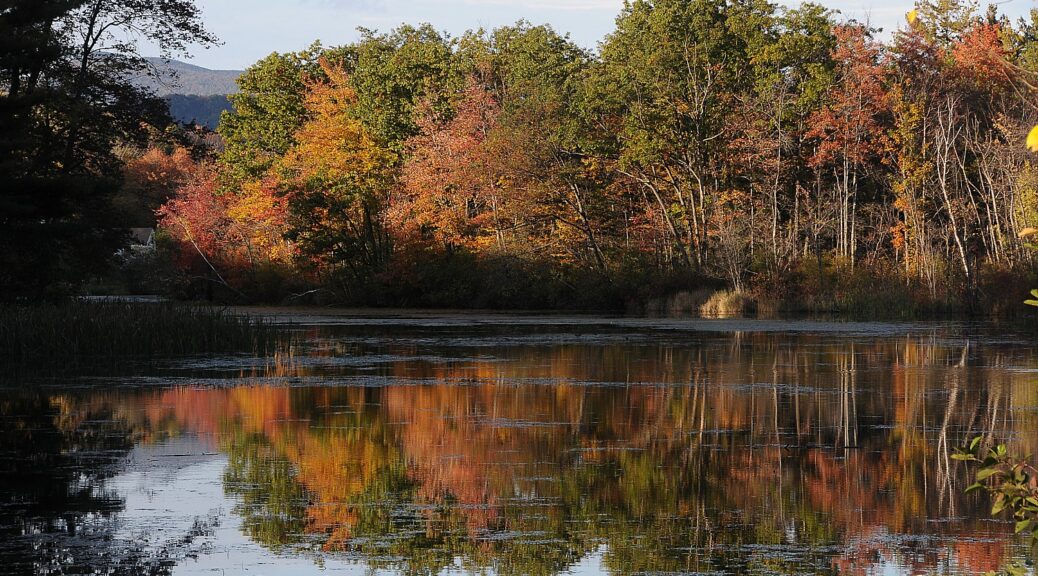
Setting Sail on Boat Bike Tours’ Islandhopping Tour to the Wadden Sea

Biking through the Dutch countryside from Franeker to Makkum on Day 6 of BoatBikeTours’ Islandhopping tour © Karen Rubin/goingplacesfarandnear.com

By Karen Rubin, Travel Features Syndicate, goingplacesfarandnear.com

The Netherlands has to be the best destination on the planet for biking. It isn’t just the ubiquitous biking culture (you are greeted at Schiphol Airport with the sign, ”There are more bikes in the Netherlands than people”) and infrastructure that gives as much, if not more, preference to bikes over cars;  the mostly flat landscape,  but on top of all are the stunning landscapes, the architecture, the quaint villages, and how the Dutch show such pride and honest reflection in their heritage, culture and history.

This is my second trip with Boat Bike Tours, a Netherlands-based operator with decades of experience combining biking with boating. I loved the Bruges to Amsterdam bike-boat trip so much, I eagerly signed on for its eight-day Islandhopping Premium tour that would bring me north on a four-masted sailing ship to bike the ports and islands of Lake Ijsselmeer and the Wadden Sea, so central during the Netherlands’ Golden Age of Sail.

I expect to see stunning pastoral scenes and bike through quaint villages, and to be astonished by the preservation of architecture from the 1600s (the dates and decoration proudly displayed). But I am (yet again) delighted by the cultural sites and excursions Boat Bike Tours organizes, particularly Ecomare, a marvelous seal sanctuary we visit on our ride around Texel that offers superb lessons in ecology and climate change (I race back using the RideGPS app in time to visit the Museum Kaap Skil in Oudeschild where the ship is docked, which features mind-blowing artifacts rescued from 400-year old shipwrecks) and the utterly astonishing Eise Eisinga Planetarium in Franeker, the oldest working planetarium in the world, built on the living room ceiling of its genius creator that continues to amaze (and still works!) just as it did when Eisinga finished it in 1781. (Also, be sure to arrange time – 2-4 hours – either before you embark or after you disembark in Enkhuizen to visit the Zeidersee Museum, which is a living history museum formed as an entire village. Best to arrive in Enkhuizen the day before.)

Biking through the tranquil Dutch countryside on BoatBikeTours’ Islandhopping tour © Karen Rubin/goingplacesfarandnear.com

And then there is the pure joy of biking on the most extensive, expansive network of biking paths and roads probably anywhere in the world (even when you ride in town with cars, drivers are very considerate). For the most part, the paths are flat, though I must admit, I did not consider the force of the wind on the northern islands when I chose to ride a regular hybrid when most everyone else has an e-bike. (It’s Netherlands, I thought to myself, how hard could biking be? The fact that Netherlands is so identified with its historic windmills and sailing ships, and today’s battalions of wind turbines should have been a clue.)  But I power through, cheered by my newly acquired and supportive brethren (I estimate I only slow them down by five minutes or so.)

Biking epitomizes the appeal that has become a trend of “slow” (and “responsible”) travel at a perfect pace to be constantly interested in what is around, slow enough to really see and even “smell” the roses. Indeed, without a window as a barrier, you can feel the fresh air; hear the wind and the sea, the bleating of sheep and goats as we ride passed; smell the trees and the fields. Meanwhile, the physicality of biking after 20-35 miles– even with an e-bike (which is not like a motor scooter but just boosts the power of your pedaling) sets the endorphins firing and gives you a  physically satisfied sensation when you complete the ride.

Slow travel also maximizes the benefits of travel while minimizing the adverse impacts of tourism on the local population and environment.

The only thing better than biking in the Netherlands is biking by boat, compounding the advantages of “slow travel,” especially with a ship that uses biodiesel You can certainly enjoy biking in the Netherlands with an inn-to-inn itinerary, guided or self-guided. But doing it by boat adds an extra dimension, an ambiance  (not to mention you don’t have to pack/unpack each day).

Tall ships in the harbor at Oudeschild on the island of Texel, a testament to Holland’s past and present © Karen Rubin/goingplacesfarandnear.com

Seeing Netherlands by boat adds to the experience because sailing – that is global trade – was so important to the Netherlands and you see the islands, villages, ports as they were meant to be seen. Indeed, I am astonished when I arrive at the embarkation port, Enkhuizen and see scores of sailing ships – tjalks, fluyts, sloeps, aaks, botters, skutsjes, the traditional flat-bottomed ships designed for navigating the shallow waters of the Frisian Lakes – some 100 years old, that instantly make you think you have been transported back to the Golden Age of Sail.

Leafde fan Fryslân, claims to be the only four-masted schooner in Dutch waters and is our floating home for BoatBikeTours’ eight-day Islandhopping trip © Karen Rubin/goingplacesfarandnear.com

Our ship, Leafde fan Fryslân, claims to be the only four-masted schooner in Dutch waters. It didn’t start out that way, though. Built in 1962 to carry freight on the Baltic Sea, the barkentine was converted into a luxury three-mast passenger ship in 2006. Then, over the winter of 2023-2024, it was cut into two and extended with a 14-meter (46 ft.) section and a fourth mast installed. The ship is now 210 ft. long, 24 ft. wide, with a sail surface of 2494 sq ft.

Leafde fan Fryslân’s captain, Age, would have been right at home in that Great Age of Sail © Karen Rubin/goingplacesfarandnear.com

Our captain, Age, would have been right at home in that Great Age of Sail. We are in awe how he maneuvers this huge ship into the tight corners to park at the dock in a crowded harbor (another wonderful feature of this tour is that we always are able to walk on/off the ship into the village and have walking tours in each place).

The captain is helped by his all-purpose first mate, Lukasz, who lets us help raise the sails after giving us a safety speech that basically says he will do all the tough stuff, and describes himself as a “monkey” (we soon see why). On the days when we are able to sail (one day is spent sailing not biking), we are able to experience the exquisite, peaceful feeling of being under sail while the sea swirls.

Sailing the Leafde fan Fryslân schooner on the Wadden Sea © Karen Rubin/goingplacesfarandnear.com

The 38-passenger ship is very comfortable with 20 cabins including 4 suites on the upper deck (that have double glass sliding door and a small private balcony); all with private bathroom and air conditioner. There is a very pleasant dining room/bar on the middle deck where we enjoy sumptuous meals prepared by Chef Peter, served with white linen tablecloths, cloth napkins and beautiful china and crystal. There is also a cozy lounge area in what would have been the wheelhouse. I am surprised by how good the Wi-Fi is.

There is always coffee, tea and hot chocolate available, and we can help ourselves to wine and beer on an honor system, paying the bill on the last day.

Chef Peter offers seconds. Yes please. © Karen Rubin/goingplacesfarandnear.com

Everyone agrees that the cuisine prepared by Chef Peter, who I would have to say is the most unpretentious gourmet chef I have ever encountered, is remarkable. He prepares dishes with scrumptuous flavor (but not overly so) and gorgeous presentation befitting a fine-dining restaurant, and then would come out with a platter to ask if anyone wanted seconds.

Each evening after dinner we are given an orientation to the next day’s program and then typically invited to join a walking tour of the village.

Each day, we set out after breakfast, having packed snacks and lunch, and are able to choose long or short routes, or we can bike on our own using the itinerary loaded on the RideGPS app. We divide into two groups – for long or short rides – each led by one of the guides with one of us volunteering as “sweep.”

Each afternoon, we typically have time to wander about the village (if we are not sailing to the next destination) and help ourselves to a snack, coffee, tea and hot chocolate, before dinner.

On a guided bike tour besides the benefit of a guide who may modify the route for the weather or point out significant sights, you have the camaraderie of the group. And for some reason, bike tour people tend to be the nicest, kindest, most open and interested in all that they experience

The dining room/lounge on the Leafde fan Fryslân schooner © Karen Rubin/goingplacesfarandnear.com

Our group on this Islandhopping tour is particularly great, instantly melding into a community supporting each other. This is especially interesting because we come from various parts of Britain, Germany, Canada (French and English speaking, East and West), Denmark, and from the East, Midwest and West United States. The Germans, the Dane and the Quebecois all are kind enough to speak English when we are together. And instead of sticking to their own nationality, everyone mixes up at meals, with the couples taking in the three of us traveling solo (bike tours are ideal for solo travelers). In the evening, there would be raucus laughter as people play games and share stories (two couples discovering they shared their wedding anniversary and how they both met at a disco).

Playing games in the evening on the Leafde fan Fryslân schooner © Karen Rubin/goingplacesfarandnear.com

More amazingly, I subsequently learn during an evening walking tour of Makkum, that a fellow traveler is descendent of the Trip family – one of the founding members of the Dutch East Indies Company (the first company to issue public stock) and munitions manufacturers that supplied the Dutch revolt against Spain, becoming one of Netherlands’ most powerful and fabulously wealthy families. He even has an actual coat of arms and portraits of his ancestors Jacob Trip (1576-1661) and his wife, Margaretha de Geer, painted by Rembrandt are in the National Gallery and Ryksmuseum. He is like the embodiment of the history that we see around us. He relates his family’s fascinating story as we sat in a historic pub with centuries old Delpht tiles of great sailing ships, emphasizing that the family fortune had long gone and his side of the Trip family emigrated to Canada.

Getting to the ship in Enkhuisen proves extremely easy from Amsterdam’s Schiphol Airport (instead of arriving the day before as I usually do, I take a chance and just arrive the same day). From the airport, you walk to the train that takes you into the Central Station (every 15 minutes) then change at the Central Station for a train leaving every half hour for the hour-long trip to Enkhuisen. (Be sure you buy the ticket in advance online or at a ticket machine and “check in” on a pole before you get on the train, otherwise you can be charged an extra 50E for the 16E fare if the conductor has to issue the ticket; I know because I didn’t and the conductor was extremely nice in helping me buy the ticket onboard),

The harbor is right at the station, and the ship about a five-minute walk.

We are told to arrive on the ship by 2 pm and they mean it, because the ship sails this afternoon to Medemblik. Two couples are touch and go to make it on time.

And We’re Off!

Sailing the Leafde fan Fryslân schooner on Boat Bike Tours’ Islandhopping trip © Karen Rubin/goingplacesfarandnear.com

There is great excitement as we cast off and set sail to our first destination, Medemblik. It is exciting to see the landscape from the water, and when we pull into port, the sun is low enough to make gorgeous silhouettes of the historic windmill.

Because we are heading into the wind, we use the motor (biodiesel!) instead of raising the sails (Captain Age explains a ship of this size would take a mile each time it had to tack). I am extremely happy I remembered my warm jacket.

Each evening after dinner there is an orientation to the next day’s biking and touring, and then typically an 8 pm walking tour.

And so we are met with a two local guides who walk us about, explaining the history and significance of this place.

The castle at Medemblik is one of 12 built by William but one of only two that remains © Karen Rubin/goingplacesfarandnear.com

We learn that William II came with army against farmers in 1256 and in 1289, Medemblik was made a city. William built the castle that is a prominent feature here that was less about keeping out invaders and more about keeping the citizenry inside. Most of the castle remains – one of only two castles that have survived from the 12 William built. Rembrandt’s famous “Night Watch” was kept here for protection during World War II.

Despite invading this land, William wound up being a popular ruler because he built the dykes that reduced flooding and produced better farm yields – turning the land into the shape of a bathtub – and built a court and prison.

The charming architecture of Medemblik © Karen Rubin/goingplacesfarandnear.com

Medemblik became an important trading city in the 1500-1600s during Netherlands’ Golden Age, with tall ships sailing to Eastern Europe and Scandinavia.

But in 1932, when the dam was built, splitting the Zuiderzee into Lake Ijsselmeer, Medemblik lost most of its trade because the big sailing ships could not get in; the water turned from salt to fresh (they had to devise a system to allow for fish migration. (I wonder how the people reacted to entire economy being remade.)

Eight years ago, the city built a 250-meters high wind turbine, apparently the biggest in Europe (I gather the locals aren’t thrilled, especially since he says the electricity produced is used mainly by Google and Amazon).

Following our guide through the charming alleys and streets of Medemblik © Karen Rubin/goingplacesfarandnear.com

Our guide shows us churches that changed from Catholic to Protestant after Holland’s independence from Catholic Spain, and the orphanage and the housing for widows the church community built.

The church dates from 1100 but was built to a grand scale in 1400; then in 1517, the city was invaded by the Frissons who burned the city down. The church was rebuilt but its steeple leans (like Piza). This church dates from 1570.

Churches were typically built on the highest points in town – which in this case is  two meters below sea level – so if the city should flood, everyone would go there to seek shelter. In 1945, the Germans bombed the dykes, flooding the city.

In 1800, Napoleon conquered the Netherlands, which had been a republic (first in the world! our guide Anya tells me) and made his brother, Louis, the first King of The Netherlands.

Day 2: Medemblik (17 mi. or 24.8 mi. roundtrip) then sailing to Texel 

Biking passed the castle at Medemblik © Karen Rubin/goingplacesfarandnear.com

This is our first cycling day – each day we have a choice of a long and a short route and today we can choose 24.8 or 17 miles with a group and guide, or go on our own using the RideGPS app.

Medemblik proves to be so idyllically scenic with classic Dutch pastoral scenes. Our “rest stop” is at a farm, where the farmer has left out a serve-yourself coffee maker and provides a lovely bathroom. I note an interesting playground that is inhabited by goats (really anxious to get snacks from us) and chickens.

Biking around Medemblik on Day 2 of Boat Bike Tours’ Islandhopping trip © Karen Rubin/goingplacesfarandnear.com

We soon appreciate how water management has been a singular preoccupation of the Dutch for centuries and how they have become masters at it. This entire community is below sea level – built behind dykes – as if a bathtub. The quaint, centuries-old wooden windmills were part of that water management system and today there is even a separate government agency and tax devoted to water management.

Biking around Medemblik, we appreciate the importance of water management © Karen Rubin/goingplacesfarandnear.com

We ride through the picturesque village of Twisk, a former peat mining town.

We finish the long ride about 2:15 pm, so I still have some time to wander about the charming village center before the ship sails at 4 pm for Texel (we will have dinner while we sail)..

Going through a lock as we sail from Medemblik to Texel © Karen Rubin/goingplacesfarandnear.com

Sailing is picturesque and dramatic – we go by the dam that split the sea, through a lock, and sail into Texel as the sun is starting to drop behind its historic windmill, making for a stunning scene.

Watching the sunset over Oudeschild on the island of Texel from the top deck of Leafde fan Fryslân © Karen Rubin/goingplacesfarandnear.com

I go out for a walk – you literally climb stairs to get over the dyke, then down stairs into the town of Oudeschild (below sealevel), then, a few steps beyond, to vast fields with sheep and back again to stroll along the dyke as the sun goes down.

More information: Boat Bike Tours, www.boatbiketours.com, 203-814-1249.

Next: Boat BikeTours’ Islandhopping in Netherlands: The Treasure Found on The Texel Roads

_____________________________

© 2025 Travel Features Syndicate, a division of Workstyles, Inc. All rights reserved. Visit goingplacesfarandnear.com and travelwritersmagazine.com/TravelFeaturesSyndicate/. Blogging at goingplacesnearandfar.wordpress.com and moralcompasstravel.info. Visit instagram.com/going_places_far_and_near and instagram.com/bigbackpacktraveler/ Send comments or questions to FamTravLtr@aol.com. Bluesky: @newsphotosfeatures.bsky.social X: @TravelFeatures Threads: @news_and_photo_feature
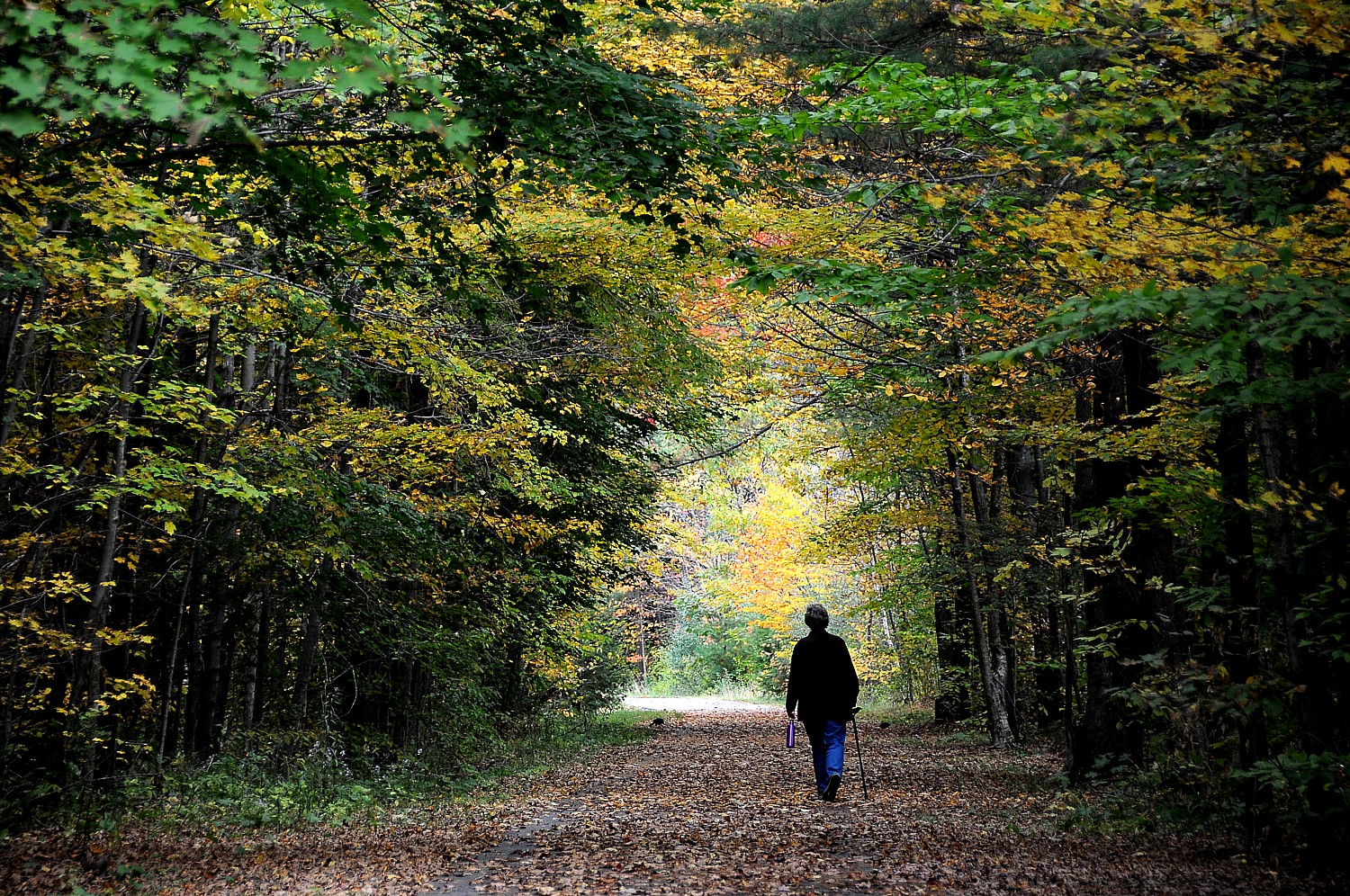
Trade a Ho-Hum Summer Vacation for an Epic Adventure

CroisiEurope, a leading European river cruise company, is introducing family and multi-generational cruises with special programming and pricing. One itinerary starts and ends in Strasbourg © Karen Rubin/goingplacesfarandnear.com

By Karen Rubin, Travel Features Syndicate, goingplacesfarandnear.com

Still looking to trade a ho-hum summer vacation for a memorable adventure? Here are some ideas:

No Passport” Adventures: 2025 Travel Trend

“No-Passport Vacations” are hot this summer, with American travelers eager to explore incredible destinations right here in the United States. Recent reports show a surge in domestic travel, with 60% of people wanting to see more of their own country.

Here are 10 unforgettable “No-Passport” adventures, from backcountry biking to horseback riding and chasing the Northern Lights (but don’t forget your Real I.D.):

Backcountry Biking in Utah: The Aquarius Trail Hut System offers a backcountry mountain biking experience like no other in the region. A system of five huts furnished with beds, a bathroom, a fully stocked kitchen and solar power has been strategically placed along a 190-mile route through some of Utah’s most scenic backcountry and best mountain biking trails. https://aquariustrail.com/

American Road Trip 2.0: Nothing is more rejuvenating than jumping in your car and heading out on an American road trip, and AdventureGenie is the world’s first AI-powered, end-to-end system for planning one. It offers the most immersive, innovative and intelligent adventure travel planning tools available. Whether starting from a curated GenieTrip or creating a fully customized and personalized journey from your own ideas, AdventureGenie has you covered. https://adventuregenie.com/

Alaska Lodge Adventure: Discover the rugged beauty of Wrangell-St. Elias National Park in Alaska on a guided five-day trip with Adventure Life that combines outdoor exploration with lodge-based comfort. Tour Kennicott Town and learn about its mining history, hike to a hidden lake or across a glacier, try ice climbing,  fly into the backcountry for a day of wilderness exploration, and paddle a packraft through pristine waters. https://www.adventure-life.com/alaska/tours/18770/wrangell-st-elias-national-park-lodge-based-adventure

No passport needed: Escape Adventures is offering a family-friendly, five-day camping and mountain bike adventure in Grand Canyon National Park that includes riding singletrack to Monument Point, hiking into the canyon on backcountry trails, pedaling across the Kaibab Plateau and conquering the Rainbow Rim trail before descending to Indian Hollow.

North Rim of Grand Canyon: Providing gently rolling terrain of lung-expanding dimensions, the North Rim has been long-held as sacred ground to hikers and cyclists alike. Escape Adventures is offering a family-friendly, five-day camping and mountain bike adventure that includes riding singletrack to Monument Point, hiking into the canyon on backcountry trails, pedaling across the Kaibab Plateau and conquering the Rainbow Rim trail before descending to Indian Hollow. https://escapeadventures.com/tour/grand-canyon-north-rim-mountain-bike-tour/

Yellowstone Fly Fishing: Take an expertly guided float down the Yellowstone River on one of Flying Pig Adventures’ custom rafts while you enjoy the spectacular scenery, abundant wildlife and world-class fly fishing. Just outside Yellowstone National Park, the upper stretches of the river are lightly fished, but hold large numbers of native cutthroat, rainbow and brown trout. Private access to the river allows guides to take guests where the fish are without fighting the crowds. https://www.flyingpigrafting.com/yellowstone-fly-fishing

Wine Country Weekend: North of San Francisco, the winding Russian River meets the dramatic Pacific coastline, shaping if not sheltering a world all its own. Escape Adventures offers an idyllic three-day road biking tour in this romantic landscape, quilted with a colorful patchwork of old growth redwoods, fruitful vineyards, historic towns and beautiful gardens. https://escapeadventures.com/tour/napa-valley-weekend-road-bike-tour/

Cowboy Up in Montana: Settle in at the Circle Bar Ranch in central Montana for horseback riding and other classic dude ranch adventures. On the ranch’s 520 acres and nearby national forest land, ride a trusty steed through open prairies, across the Judith River or up a ridge for a breakfast cookout, go hiking, try fly fishing, sport shooting or archery, or tour a Yogo sapphire mine by UTV. At the end of the day, enjoy traditional ranch recipes and locally inspired dishes, and cozy accommodations in a historic cabin, the lodge or Ranch House. https://www.circlebarranch.com/

Jackson Hole Tiny House: Fireside Jackson Hole redefines the traditional vacation with its collection of sustainably built, LEED-certified luxury cabins. Experience the intimacy of a boutique hotel and ambiance of a private residence, set within the atmosphere of a wooded campground – all moments away from the majesty of Grand Teton National Park. https://www.firesidejacksonhole.com

Alaska Northern Lights: On Gondwana Ecotours’ Alaska Northern Lights Adventure, guests will get a dose of local culture by day and photograph the Aurora Borealis at night. Highlights of the tour include dogsledding through snowy forests, taking curling lessons from locals, enjoying a meal with homesteaders, soaking in a geothermal hot spring, learning how to photograph the Aurora Borealis, snowshoeing on private land, having tea with a family of reindeer herders and more. https://www.gondwanaecotours.com/adventure-tours/northern-lights-tour-fairbanks-alaska/

Rafting on the Gallatin River, Big Sky, Montana © Karen Rubin/goingplacesfarandnear.com

Big Sky Summer: In Big Sky, Montana, The Wilson Hotel serves as a basecamp for summer adventures on the edge of Yellowstone National Park. Hike through shaded forests and wildflower-filled meadows, raft or fly fish the clear waters of the Gallatin River, experience the adrenaline rush of lift-served mountain biking, and explore the natural wonders and wildlife of the park. Afterward, enjoy Montana fare at the upscale yet casual Block 3 Kitchen & Bar on site or burgers, sandwiches and entertainment at Tips Up. https://thewilsonhotel.com/

L.L. Bean’s Maine Guided Adventures

L.L. Bean’s Maine Coastal Inn Kayaking Trip is an island-hopping kayak adventure in Casco Bay, complete with a memorable stay in an historic seaside inn © Karen Rubin/goingplacesfarandnear.com

The famed adventure retailer now offers inclusive multi-day guided outdoor adventures in Maine. Among them:

Maine Island Lighthouse Birding Trip: Discover a birder’s paradise on a small Maine island, where you’ll rack up sightings during peak migration and spend three cozy nights in a renovated light keeper’s house.

Maine Coastal Inn Kayak ing Trip: Experience the classic coastal Maine combo: an island-hopping kayak adventure in Casco Bay, complete with a memorable stay in an historic seaside inn.

Allagash River Canoe Trip: Paddle through history on this iconic Maine canoe trail, a once-in-a-lifetime experience that leads you through the unspoiled nature of the Allagash Wilderness Waterway.

Maine Island Kayak Camping Trip; Spend your days touring picturesque islands, your nights camping under the stars, and every moment enjoying the unmatched beauty of the Maine coast.

Visit https://www.llbeanoutdoors.com/overnight-trips

Backroads Travel: Summer in Europe—There’s Still Time!

Backroads Travel has a special site dedicated to last minute trips taking off in the next two months. When we checked, there were 24 on the list including:

Denmark Islands Bike Tour of charming harbors, medieval villages and fairy tale castles.

Scotland & England Bike Tour, Edinburgh to the Yorkshire Dales

A new multi-adventure to Bavaria, Tyrolean Alps and the Dolomites Tour, featuring ”peak experiences” in Germany, Austria and Italy

A Basque Country Multi-Adventure Tour, Bibao to San Sebastian and Biarritz

Cinque Terre & Tuscany Walking & Hiking Tour, featuring coastal Italy’s seaside charm and Tuscan villages.

Italian & Swiss Alps Walking & Hiking Tour, Monte Rosa to the Matterhorn and Zermatt.

See more at https://www.backroads.com/award-winning-tours/last-minute-trips

CroisiEurope Focuses on Families for Summer River Cruises at Special Rates

CroisiEurope’s Elbe Princess, docked in Berlin © Karen Rubin/goingplacesfarandnear.com

As an independent, family-owned company, CroisiEurope, one of the leading river cruise companies in Europe, has accepted the challenge of planning a holiday that delights every generation. Children crave excitement and adventure, while parents and grandparents seek culture, fine dining, and relaxation. Affordability is also a key issue. The company has designed a series of CroisiFamily and Multi-Generational Cruises to bring families together on unforgettable journeys along the water, with an ideal balance of fun, discovery, and relaxation, and a value proposition.

The CroisiFamily deals include a free or discounted cruise for children up to 16, waived solo supplement, adjacent cabins for family members, adapted menus, the Multi-Generational Offer comes with a 20% discount for 2nd generation and free cruise for the 3rd generation up to 16 years old.

Among the family cruise offerings:

Rhine in the heart of the Black Forest (5 nights: Strasbourg, Rudesheim, Koblenz, Mainz, Rastatt, Strasbourg, featuring a day excursion at Europa-Park, the “world’s best theme park: for the 8th consecutive year, or at Rulantica, a Scandinavian-style water park.

Portugal to Spain: the Douro Valley and Salamanca (7 nights: Porto, Regua, Vega de Terron, Salamanca, Barca d’Alva, Ferradosa, Pinhão, Porto)Andalusia: tradition, gastronomy and flamenco (7 nights: Sevilla, Córdoba, Cadiz, El Puerto de Santa Maria, Isla Minima, Granada, Sevilla)

The Adriatic’s Treasures for the whole Family: Croatia & Montenegro (7 nights: Dubrovnik, Mljet, Korcula, Sibenick, Trogir, Split, Hvar, Vis, Kotor, Dubrovnik)

See more: https://www.croisieuroperivercruises.com/destination/family-cruises, 800 768 7232.

Dresden, Germany. CroisiEurope is offering a discounted rate or no-solo supplement on its six-night Prague, Dresden and the Castles of Bohemia river ruise © Karen Rubin/goingplacesfarandnear.com

CroisiEurope has just come out with a list of summer cruises it is offering at 20 to 40% off the fare, or no supplement for solo cruisers.  These include:

Coastal Cruises: Croatia & Montenegro, 7-nights; Splendors of the Northern Adriatic Sea, 7 nights;

Southern Europe: Timeless Venice, 5 nights; Andalusia: Tradition, Gastronomy & Flamenco, 7-nights;

France: From Lyon to the tip of Provence, 6 nights; All the must-see sites on the Rhone between Lyon, Provence, and Camargue, 6 nights;  Cruise through the Aquitaine Region from Bordeaux to Ryan, 6 nights;

Northern and Central Europe: Best of the Netherlands, 5 nights; Prague, Dresden and the Castles of Bohemia, 6 nights; The Beautiful Blue Danube,  7 nights; Discover the greatest cities along the Danube, 5 nights;

Contact your travel agent or call 800 768 7232, email: info-us@croisieurope.com, www.croisieuroperivercruises.com.

Global Family Travels

Mission-driven experiential travel company, Global Family Travels, is dedicated to providing authentic community-based Learn, Serve and Immerse travel experiences as means to foster cross-cultural understanding, destination stewardship and better global citizens. 

A Global Family homestay in India (photo: Global Family Travels)

“In partnership with community organizations and nonprofits, we apply regenerative tourism principles to develop community-based travel experiences which address environmental and societal challenges in the destinations we work in,” says founder Jennifer Spatz. “Our ultimate vision is to unite humanity and nature, and inspire travelers to take responsibility for the challenges and opportunities facing our increasingly inter-connected planet” –  a very innovative idea when the company launched 15 years ago. 

“Long before ‘regenerative travel’ was in vocabulary, we put the destination’s needs at the heart of the tourism experience – what locals concerned about.” She designs itineraries around the United Nations’ Sustainable Development Goals and partners with nonprofits, community based organizations.  

“Responsible, respective travel means more authentic engagement and collaboration with local communities,” she said. “We do due diligence to choose carefully which NGOs [non-governmental organizations] to support.”

Family & Custom Travel ExperiencesPurpose-driven trips rooted to Learn, Serve & Immerse, tailored for families (in most cases, itineraries accommodate children as young as 8) and private groups, designed to foster cultural understanding and global citizenship. These immersive journeys often include community engagement, hands-on service learning, and meaningful community interactions.  

Global Family Travels’ “farm stay and play” trip in Ecuador (photo: Global Family Travels)

I am eyeing Global Family Travels’ family-friendly trips to Costa Rica. “Few destinations offer the fascinating abundance of this coastal country, both from a family friendly and an eco-tourism perspective. Costa Rica hosts more than 5 percent of the world’s biodiversity even though its landmass only takes up .03% of the Earth’s surface. The entire country is smaller than Lake Michigan. Meaning, it’s a place where travelers can easily see and experience a great deal during a visit.” The trips are tailored to offer a mix of cultural activities and participation in local service projects aimed at helping local conservation initiatives and improving the lives of people in the communities visited. (https://www.globalfamilytravels.com/post/costa-rica-conservation-learning-family-adventures)

Other popular programs:

Panama: participate in sea turtle conservation, cultural activities, marine ecosystems, and community based solutions

Peru: learning from Quechua elders and farmers, focus on traditional agriculture, environmental stewardship.

Educational Student Travel ProgramsTransformative learning journeys for schools, universities, and youth groups that integrate academic themes with real-world experiences—ranging from climate action and biodiversity to cultural heritage and social justice.

Another category, geared more to adults is Wellness & Retreat TravelMindful retreats that combine yoga, healing practices, and connection to nature, designed to nurture personal growth and spiritual renewal. Popular destinations include Ladakh, Peru, and the Pacific Northwest.

In addition to scheduled programs, Global Family Travels offer:
Family GAP Year and Extended Travel Planning
 – planning an extended journey filled with cultural immersion experiences.

Travel Advisor Services:  custom trip planning for families, multi-generational travel, individual adventurers, or spiritual seekers. 

Destinations run A-Z, from: Africa, Bali, Belize, Bhutan, Bolivia, Chile, China,Costa Rica,Cuba,Ecuador, Galapagos Islands, Iceland, India, Indonesia, Japan, Ladakh, Mexico, Rwanda,  Scotland, Thailand,Vietnam, Zimbabwe.

Global Family Travels.com, 425-371-7143, info@globalfamilytravels.com, globalfamilytravels.com

Join an Earthwatch Expedition to Assist Climate Researchers

Earthwatch is another company that offers programs that turn a summer vacation into a meaningful, impactful experience. It is one of the first companies that enables “citizen scientists” to join actual climate and environmental protection and conservation research projects.

“Since its founding in 1971, Earthwatch has been taking action to address global change through a time-tested model of citizen science and community engagement. By pairing volunteers from all sectors of society with researchers around the world, Earthwatch teams have helped to safeguard critical habitats, conserve biodiversity, and promote the sustainable use of natural resources.” ​

Earthwatch is working in nearly 30 countries and currently supporting more than 40 research projects globally

Named a top Sustainable Travel Tourism Organization, find the various expeditions you can join at https://earthwatch.org/expeditions/browse.

_____________________________

© 2025 Travel Features Syndicate, a division of Workstyles, Inc. All rights reserved. Visit goingplacesfarandnear.com and travelwritersmagazine.com/TravelFeaturesSyndicate/. Blogging at goingplacesnearandfar.wordpress.com and moralcompasstravel.info. Visit instagram.com/going_places_far_and_near and instagram.com/bigbackpacktraveler/ Send comments or questions to FamTravLtr@aol.com. Bluesky: @newsphotosfeatures.bsky.social X: @TravelFeatures Threads: @news_and_photo_features ‘Like’ us at facebook.com/NewsPhotoFeatures
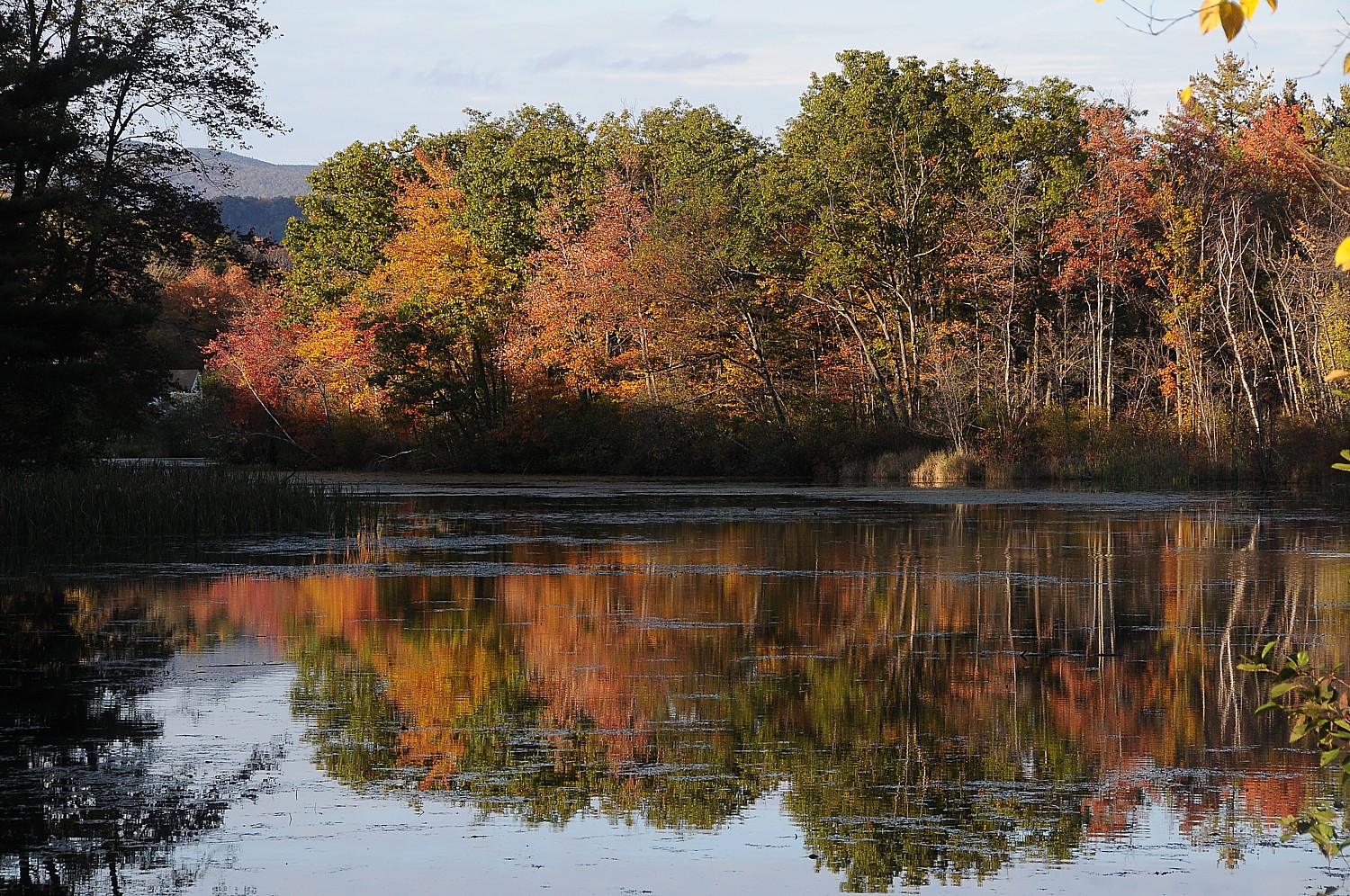
Where to Find The Best Camping Resorts

Personal favorite: Herkimer Diamond Mines KOA in upstate New York near the Erie Canalway (marking 200th anniversary this year), has themed cabins like mine, with its own dinosaur dig and one with an actual planetarium, as well as the opportunity to mine for “diamonds” (quartz crystals). A family enjoys a campfire after a day of activity that may well include a cruise on the Erie Canal. © Karen Rubin/goingplacesfarandnear.com

By Karen Rubin, Travel Features Syndicate, goingplacesfarandnear.com

Camping in all its forms – tenting, glamping, RVing, advanturing – will be extremely popular this year and campground operators across North America are preparing. Here is where to find some of the best camping resorts in North America:

Campspot Awards Showcase North America’s Best Camping Destinations for 2025

Campspot, a leading North America campground booking platform, announced the winners of its 2025 Campspot Awards, recognizing its top campgrounds across the United States and Canada.

Among the 2025 winners are several standout parks:

#1 Top Campground in the U.S.: Verde Ranch RV Resort, Camp Verde, AZ offers striking red rock landscapes and easy access to nearby trails and the Verde River.

#1 Top Campground in Canada: Tsawaak RV Resort, Tofino, BC: Set amongst the beaches, rainforest and islands off the tip of the Esowista Peninsula, Tsawaak is a premier coastal destination with activities such as whale watching, beachcombing, and kayaking.

Tsawaak RV Resort in Tofino, BC won Campspot’s award as Canada’s #1 campground (photo: Campspot).

#1 Top Glamping Campground: Broad River Campground, Mooresboro, NC combines glamping accommodations with lush forest views and scenic outdoor exploration nestled in North Carolina’s Foothills region. 

#1 Top Unique Campground: True West Campground Stables and Mercantile, Jamestown, TN: Campers can step back in time with horse trails and boarding, a western mercantile, and old-time charm designed to make you feel like you’re part of a western frontier town.

#1 Top Hidden Gem: The Cove Pub Campground, Inverness, FL: A true hidden gem, this Florida campground offers a relaxing retreat nestled among towering trees, with pub-style dining and peaceful waterside camping for an ‘old Florida’ getaway.

Campspot awarded Yogi Bear’s Jellystone Park Camp-Resort; Golden Valley in Bostic, NC #1 for Families  (Photo: Jellystone Park Camp-Resort)

#1 Top for Families: Yogi Bear’s Jellystone Park Camp-Resort: Golden Valley, Bostic, NC: Spanning over 600 acres, this family-friendly park offers an exciting range of amenities, including water slides, laser tag, and mini golf,  themed events and fun activities.

Other categories of the 2025 Campspot Awards include Top RV Campgrounds, Top Tent Campgrounds, Top Campgrounds for a Quiet Getaway, Top Small Campgrounds, Top Mid-Size Campgrounds, and Top Large Campgrounds, each offering something different to cater to the diverse tastes of today’s campers.

For more information about the 2025 Campspot Awards and a complete list of winners, visit https://www.campspot.com/awards.

20 Adventures at Spacious Skies Campgrounds

Spacious Skies Campgrounds,  a fast-growing owner and operator of RV campgrounds with RV, tent, cabin and glamping sites across 15 locations from Maine to Georgia, offers its list of 20 different experiences and where to find them:

1 – Witness spring wildflower blooms. Traveling from South to North, flower-lovers can experience bold color and wide-ranging varieties of wildflowers in each campground region along the Spacious Skies Campgrounds Spring Bloom Trail. The trail begins at Spacious Skies Savannah Oaks in Savannah, Ga. in March, where campers are likely to see Azaleas, Camelias and Dogwoods. The trail ends at Spacious Skies Balsam Woods in north central Maine, where guests can spot Blue Violets, Trout Lily and Painted Trillium well into the summer months.

The statue commemorating Paul Revere’s Midnight Ride, 250 years ago, on Boston’s Freedom Trail. Camping can combine nature with urban experiences (photo by Geri Bain).

2 – Stay rural, play urban. Spacious Skies Savannah Oaks in Savannah, Ga. and Spacious Skies Minute Man near Boston are especially appealing to travelers who want to explore the attractions of a big city by day and sit around a campfire beneath dark skies by night. Minute Man is a short drive from downtown Boston and its history-focused attractions like The Freedom Trail, Boston Harbor Cruises and museums. With Savannah Oaks as home base, campers can easily access attractions such as Tybee Island and Georgia Coastal Colonial Gardens, and hop on the Old Town Trolley from the campground to visit Historic Savannah. (Tickets should be purchased directly through Old Town Trolley Tour.)

3 – Dark Skies Gazing: While all of Spacious Skies campgrounds keep exterior lighting to a minimum so campers can enjoy dark night skies, two of the best places for serious stargazing are Spacious Skies Balsam Woods in central Maine and Spacious Skies French Pond, which has RV sites situated around the pristine water of French Pond (campers can sometimes see stars reflected in the water). Also, each month, the campgrounds stage sky-themed events like May’s “Galactic Guardians.”

One of the best places for serious stargazing is Spacious Skies Balsam Woods in central Maine (photo: Spacious Skies Campgrounds)

4 – Hike to a fishing hole: Spacious Skies campgrounds that feature stocked on-site fishing ponds include Belle Ridge in Monterey, Tenn.; Peach Haven in Gaffney, S.C.; Hidden Creek in Marion, N.C.; Seven Maples in Hancock, N.H; Bear Den in Spruce Pine, N.C., Sandy Run in Fayetteville, N.C..; Woodland Hills in Austerlitz, N.Y.; and French Pond in Henniker, N.H.

5 – Glamp in a retro trailer. Glampers can stay in adorable retro-style trailers at Spacious Skies Walnut Grove in Alfred, Maine and Spacious Skies Woodland Hills in Austerlitz, N.Y. The trailers have modern amenities and a striking retro vibe, so guests may feel like they’re in a mid-century time warp – but with Wi-Fi.

6 – Play pickleball in several locations including Spacious Skies Country Oaks in Dorothy, N.J., Spacious Skies Seven Maples in Hancock, N.H., Spacious Skies Hidden Creek in Marion, N.C. and Spacious Skies Woodland Hills in Austerlitz, N.Y.

7 – Paddle with your pals. Several campgrounds feature boat launches and rent kayaks and other paddle craft for paddling on ponds and streams that run through and around the campgrounds. These include Seven Maples in Hancock, N.H., French Pond in Henniker, N.H and Woodland Hills in Austerlitz, N.Y. At Spacious Skies Savannah Oaks in Savannah, Ga., guests can paddle the Ogeechee River.

8 – Seek out quirky local festivals and events. Many communities near Spacious Skies campgrounds stage fun and often quirky festivals throughout the year. For example, near Spacious Skies Balsam Woods in Abbot, Maine, travelers can whoop it up at the annual Whoopie Pie Festival in June. At Spacious Skies Country Oaks in Dorothy, N.J, there’s the annual Doo Dah Parade, featuring string bands, marching bands, floats and pageant winners. The event benefits the local Basset Hound Rescue, and the highlight of the day is the enthusiastic – and noisy – participation of 300 basset hounds.

9 – Let loose the hounds. All Spacious Skies Campgrounds welcome four-legged family members and most feature dog parks – called Cosmic Canine Commons – and pet-friendly cabins and glamping accommodations.

10 – Sample local brew. Several campgrounds are close to local breweries such as Paradox Brewery near Spacious Skies Adirondack Peaks in North Hudson, N.Y.; and Tuckahoe Brewing Company near Spacious Skies Country Oaks in Dorothy, N.J.

11 – Take a daytime road trip. From Spacious Skies Shenandoah Views in Luray. Va., witness stunning vistas along Skyline Drive in the Blue Ridge Mountains and explore the themed Cultural Heritage Trails.

A stay in the Shenandoah National Park is an excellent opportunity to explore Luray Caverns © Karen Rubin/goingplacesfarandnear.com

12 – Power through Maine forestland on an ATV. There are more than 1,000 miles of trails just a short distance from Spacious Skies Balsam Woods in Central Maine. The campground offers easy access to the trails with campsite-to-trail ATV parking, an ATV wash station and onsite gas pump.

13 – Mine for not-so-rare gems. Most campgrounds in the collection have gem-mining stations.

14 – Give parks some love. Most Spacious Skies Campgrounds are near local, state or national parks. Campers at Spacious Skies Bear Den in Spruce Pine, N.C. can experience panoramic views from the top of Mount Mitchell, the highest mountain peak in the Appalachian Mountains. Spacious Skies Shenandoah Views in Luray, Va. is right in the backyard of Shenandoah National Park, with more than 200,000 acres of wildlife-rich forestland dotted with waterfalls and hiking trails.

15 – Fall in love with waterfalls. Near Spacious Skies Belle Ridge in Monterey, Tenn., guests can hike an on-site trail to Bridal Falls as well as explore four massive waterfalls in nearby Burgess Falls State Park, including one that plunges more than 130 feet into a gorge. The spectacular Blue Ridge Falls is located near Spacious Skies Adirondack Peaks in North Hudson, N.Y., and Linville Falls, the most-photographed waterfall in North Carolina, is located near Spacious Skies Bear Den in Spruce Pine, N.C.

16 – Play a round. Miniature golf courses are available onsite at Spacious Skies Peach Haven in Gaffney, S.C.; Spacious Skies Adirondack Peaks in North Hudson, N.Y. Campers can also find full-size golf courses near campgrounds, among them: Spacious Skies Belle Ridge in Monterey, Tenn. is near the Cumberland Cove Golf Course, and Spacious Skies Seven Maples in Hancock, N.H. is near the Shattuck Golf Course.

17 – Go for a slide. Located in Marion, N.C. just a few miles from Asheville, Spacious Skies Hidden Creek offers a Jr. Olympic pool and giant water slide. Campers can splash down the huge water slide at Spacious Skies Seven Maples in Hancock, N.H.

18 – Dive deep into local history. Most campgrounds are close to historic attractions. For example, campers at Spacious Skies Belle Ridge in Monterey, Tenn. can explore sites along the Civil War Trail. Fort Frederica National Monument is near Spacious Skies Savannah Oaks in Savannah, Ga.; Fort Ticonderoga is near Spacious Skies Adirondack Peaks in North Hudson, N.Y. and the Averasboro Civil War Battlefield is near Spacious Skies Sandy Run in Fayetteville, N.C.

19 – Follow fall color. The Spacious Skies Campgrounds Fall Color Trail connects the campgrounds as fall progresses from the northernmost campground in Maine to the southernmost campground in Georgia. With leaves beginning to turn at Spacious Skies Balsam Woods in north central Maine in early September and the last remnants of fall color viewable at Spacious Skies Savannah Oaks in Savannah, Ga. in early November, fall color fans can enjoy the season for two full months while traveling just under 2,500 miles.

20 – Give winter camping a try. Winter-season camping is an increasingly popular adventure, drawing campers seeking solitude, dark skies and uncrowded attractions as well as access to winter- season outdoor adventures, such as Pats Peak Ski Area near Spacious Skies French Pond in Henniker, N.H. All nine campgrounds open during the winter offer reduced rates throughout the season.

For more information, visit www.spaciousskiescampgrounds.com.

Jellystone Park Camp-Resorts Expand Across North America, Add Attractions

Jellystone Park Camp-Resorts continues to expand across the U.S. and Canada, offering families both new locations as well as more attractions and more ways to stay at existing locations.

Several new Jellystone Park Camp-Resorts have come online in recent years while existing locations have continued to add more and more attractions like water slides, multilevel splashgrounds, floating obstacle courses, snowless tubing, and mini golf, Hershenson said.

With more than 75 franchised locations, Yogi Bear’s Jellystone Park Camp-Resorts operates in partnership with Warner Bros. Discovery Global Experiences. This year, new Jellystone Park locations are opening in the following locations:

Cavendish, Prince Edward Island, Canada: Maritime Fun Group, which owns and operates leading family amusement parks and attractions in New Brunswick and on Prince Edward Island, is reopening its Cavendish campground, formerly known as Cavendish KOA Holiday, as a Jellystone Park location. Attractions at the new Jellystone Park location will include a swimming pool, jumping pillow and petting zoo as well as RC track where guests can race their own remote-controlled cars and trucks or rent ones on-site. The park also has walking and biking trails and a large playground.

Cavendish KOA Holiday, on Prince Edward Island, Canada, has been reopened as a Jellystone Park location. Attractions at the new Jellystone Park location will include a swimming pool, jumping pillow and petting zoo as well as RC track where guests can race their own remote-controlled cars and trucks or rent ones on-site. (photo from Cavendish Jellystone Park

Lake Charles, Louisiana: Four Points RV Resorts recently acquired LeBleu Lakes RV Resort in Lake Charles, Louisiana, and will convert it to a Jellystone Park Camp-Resort after completing several major improvements. Attractions at the new location will include a swimming pool, water slides, splashground, jumping pillows, and floating obstacle course. The park expects to open May 21 with 200 campsites and will eventually grow to more than 350 sites.
           
Watts Bar Lake, Tennessee: This Jellystone Park location just south of Knoxville opened in February and this summer will offer two pools, a large splashground with water slides and an outdoor movie theater. Families will also able to meet the Yogi Bear characters, take wagon rides, play laser tag, and experience gem mining. Luxury glamping cabins and premium RV sites are set among the hills and woods overlooking the lake.

Last year, two other campgrounds joined the Jellystone Park:

Cochran, Georgia: Less than an hour south of Macon, this picturesque Jellystone Park location is set among tall trees and boasts a lake and pool, comfortable cabins, and shaded RV sites. Family activities, interactions with the Yogi Bear characters, hiking trails, Wi-Fi and a dog park make for fun family vacations in a relaxing outdoor environment.

Zion, Utah: The state’s first Jellystone Park location features a huge water zone with two pools, multiple water slides, a lazy river, a splashground, and hot tubs. Luxury cabins, spacious RV sites, and a full schedule of activities make the Camp-Resort near Sand Hollow State Park and Zion National Park a new family favorite.

Meanwhile, existing Jellystone Park locations continue to add new attractions, RV sites, and cabin accommodations, including:

Wisconsin Dells, Wisconsin is adding a “Downpour Derby” to its water playground with competition bucket dumping. Tiny Timbers, the park’s first tiny home, will be available in the spring with sweeping views of Mirror Lake. Virtual tours of every campsite, rental unit and public areas will be available by mid-summer. The park also plans to replace its shuffleboard courts with pickleball.

Caledonia, Wisconsin is adding two more top-of-the-line cabin which sleep up to eight and feature a large screened porch with a fireplace, TV and lofted deck.    

Estes Park, Colorado is adding nine cabins for the 2025 camping season.

Estes Park, Colorado Jellystone Park Camp-Resort offers easy access to enjoy Rocky Mountain National Park © Karen Rubin/goingplacesfarandnear.com

Bremen, Georgia is completing a major expansion that includes 200 new RV sites, 71 cabins and 10 covered wagons and adding new water attractions including a new swimming pool, water slides, splashground, a large lake with boats and other water features and converting its existing store into an activity center.

Madison, Maine will offer gellyball complete with blasters and an obstacle course.

Milton, New Hampshire is opening a water playground with splashground and water slides this year.

Mansfield, Pennsylvania is adding a Water Wars game. 

Mill Run, Pennsylvania is converting its old miniature golf course into an RC track.

Bath, New York is opening a mega water slide and making more motel rooms available.

Jamestown, New York has replaced its swimming pool with a new heated swimming pool. 

Tabor City, North Carolina is adding a multi-sport facility this year that includes pickleball, basketball, and volleyball courts.

For more information, visit www.jellystonepark.com.

Don’t Just Adventure, AdVANture in a Campervan

The fully equipped Moterra campervan gives incredible freedom and flexibility and is pet and baby friendly for your adVANture. © Eric Leiberman/goingplacesfarandnear.com

Don’t just go for an adventure, try adVANturing in a fully-equipped campervan which, give you the freedom and flexibility of camping virtually anywhere parking is allowed.

Moterra campervans are fully-equipped with full kitchen (stove, sink and fridge), porta-potty toilet, thermostat heater and solar-powered electric system and water supply which give you the flexibility of camping virtually anywhere, even “wild camping.”

You can also take advantage of their concierge service and pre-planned itineraries, which are all-inclusive packages with a day-by-day personalized itinerary, pre-booked campgrounds, organized activities, and a dedicated Trip Expert (especially helpful if your trip includes national parks, many of which now require reservations and are strict about not allowing wild camping) and 24-hour helpline if you encounter any difficulty.  Moterra also allows for one-way rentals and are pet and baby friendly.

The Mercedes campervans are available in three custom Sprinter diesel models: Pop-Top Classic sleeps 4 and seats 5; Pop-Top Plus sleeps 4 and seats 8; High Roof sleeps 2 and seats 6, and affords the luxury of an indoor shower. The 4-wheel-drive campervans are 19 feet in length, making them both easy to maneuver and off-road capable.

Moterra’s has conveniently located warehouses near airports in Jackson Hole, Wyo, Whitefish, MT, Seattle, Salt Lake City, Las Vegas, San Francisco, and a new hub in Portland, Maine, for adventures in Northern New England and Eastern Canada. 

Moterra Camper Vans, 2950 West Big Trail Drive, Jackson, Wyoming, 307-200-7220, info@gomoterra.com, gomoterra.com.

See also:

CAMPING ADDS SPECIAL DIMENSION TO NATIONAL PARKS EXPERIENCE

AD-VAN-TURING, NEWEST TRAVEL TREND

BABY’S FIRST WILD CAMPING ADVANTURE!

Diamond Mining, Robotics, Erie Canal Cruises Top List of Special Experiences at Herkimer KOA Camping Resort

_____________________

© 2025 Travel Features Syndicate, a division of Workstyles, Inc. All rights reserved. Visit goingplacesfarandnear.com and travelwritersmagazine.com/TravelFeaturesSyndicate/. Blogging at goingplacesnearandfar.wordpress.com and moralcompasstravel.info. Visit instagram.com/going_places_far_and_near and instagram.com/bigbackpacktraveler/ Send comments or questions to FamTravLtr@aol.com. Bluesky: @newsphotosfeatures.bsky.social X: @TravelFeatures Threads: @news_and_photo_features ‘Like’ us at facebook.com/NewsPhotoFeatures