By Karen Rubin, Travel Features Syndicate, goingplacesfarandnear.com
No need to travel to the Vatican Museums in Rome to see Raphael, the Rijksmuseum in Amsterdam to see the Dutch Masters, or the Musée National d’Art Moderne in Paris to see Paul Klee, because you can see these artists’ works right here in New York City this summer. Good news for the many who are opting for a staycation this year because we have an abundance of cultural riches, world-class attractions and institutions on our doorstep. And some of the best events and exhibits marking America’s 250th are here too. Here’s what’s on view this season in New York City:
Cultural Exhibitions, Festivals and Performances
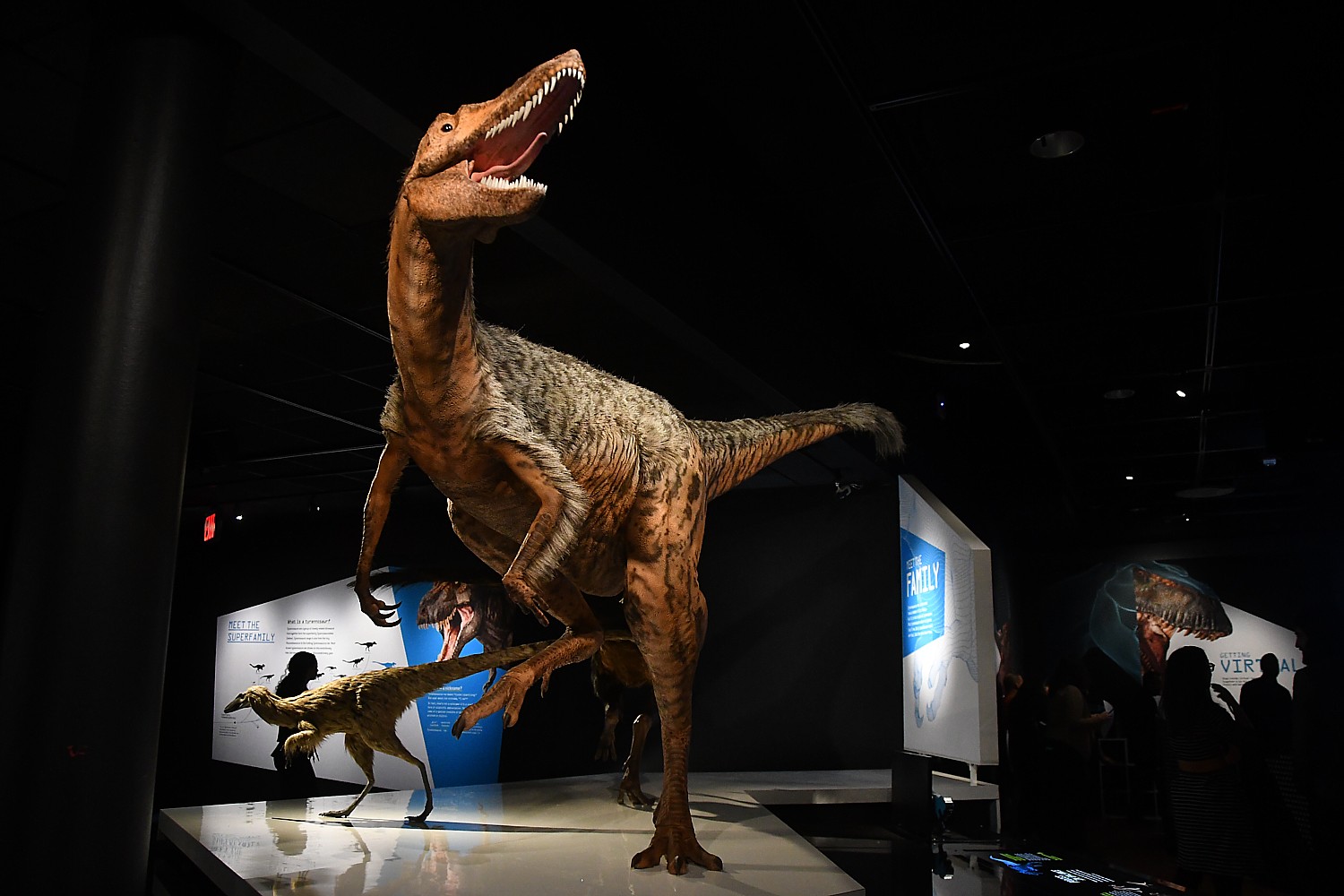
Impact: The End of the Age of Dinosaurs at the American Museum of Natural History Manhattan: Impact: The End of the Age of Dinosaurs takes visitors back 66 million years to the Cretaceous Period, exploring life before and after the asteroid strike that caused mass extinction. Featuring life-size models, fossils, touchable exhibits and immersive media, the exhibition reveals how dinosaurs, marine reptiles and other species vanished, as well as how the event set the stage for the rise of mammals and, eventually, humans.
Unrolling Eternity: The Brooklyn Books of the Dead at The Brooklyn Museum | Prospect Heights, Brooklyn: For the first time, visitors can see one of the only complete and gilded Books of the Dead, carefully restored over three years by the Brooklyn Museum’s conservation team. The 21-foot papyrus, displayed with early Books of the Dead and related artifacts, reveals ancient Egyptian burial practices, artistic mastery, and the story of its original owner, Ankhmerwer.
The Museum of the City of New York, Manhattan has two major exhibits underway:
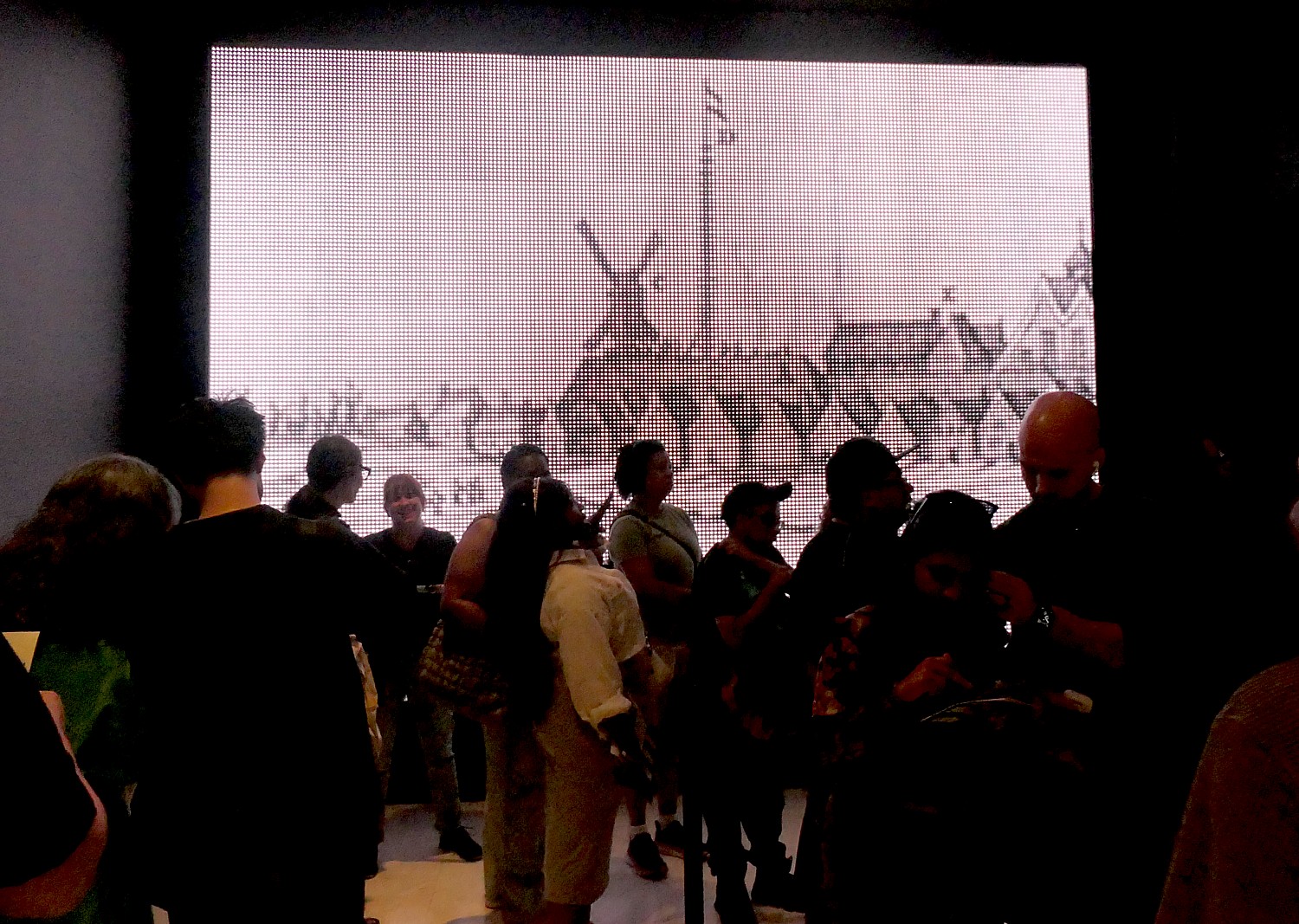
The Occupied City: New York and the American Revolution (through 2026): Marking the 250th anniversary of the American Revolution, this major exhibition—developed in partnership with the Gotham Center for New York City History—transforms the Museum’s entire third floor into a 7,000-square-foot immersive journey through Revolutionary-era New York. Framing the Revolution as a story of civic choice and consequence, the exhibition underscores how decisions made by New Yorkers 250 years ago continue to reverberate across the city and the nation today. Trace New York’s pivotal role in the conflict, from the first sparks of rebellion in 1763 to its emergence as the new nation’s first capital in 1790. A crucial strategic site for both the Patriots and the British, New York’s revolutionary experience comes vividly to life through historical objects, multimedia installations, and interactive environments. The Occupied City tells the powerful and complex stories of revolutionaries and loyalists, enslaved and free Black New Yorkers, women, Native peoples, and others who shaped and were shaped by this turbulent time. The exhibition highlights the resilience of New Yorkers, who endured seven years of British occupation, devastating fires, and violent battles, only to emerge as residents of the nation’s new capital. Dee the Revolution not as a distant myth, but as a lived—and deeply contested—urban experience (https://www.mcny.org/exhibition/occupied-city).
He Built This City: Joe Macken’s Model(through August 2026):This exhibition celebrates the extraordinary handmade vision of Queens-born artist Joe Macken through a monumental 50-by-27-foot model of New York City crafted over 21 years. Presented for the first time in New York, the installation offers a richly detailed, artistic interpretation of the city’s skyline, neighborhoods and built environment (https://www.mcny.org/exhibition/he-built-city)
Frida and Diego: The Last Dream at The Museum of Modern Art, Midtown Manhattan (through Sept. 12, 2026):MoMA will present a focused exhibition of key works by Frida Kahlo and Diego Rivera from its collection in a gallery design inspired by the Metropolitan Opera’s new production of El Último Sueño de Frida y Diego. Featuring paintings, drawings and iconic portraits, the show explores their artistic partnership and lasting influence as a dialogue between visual art and performance.
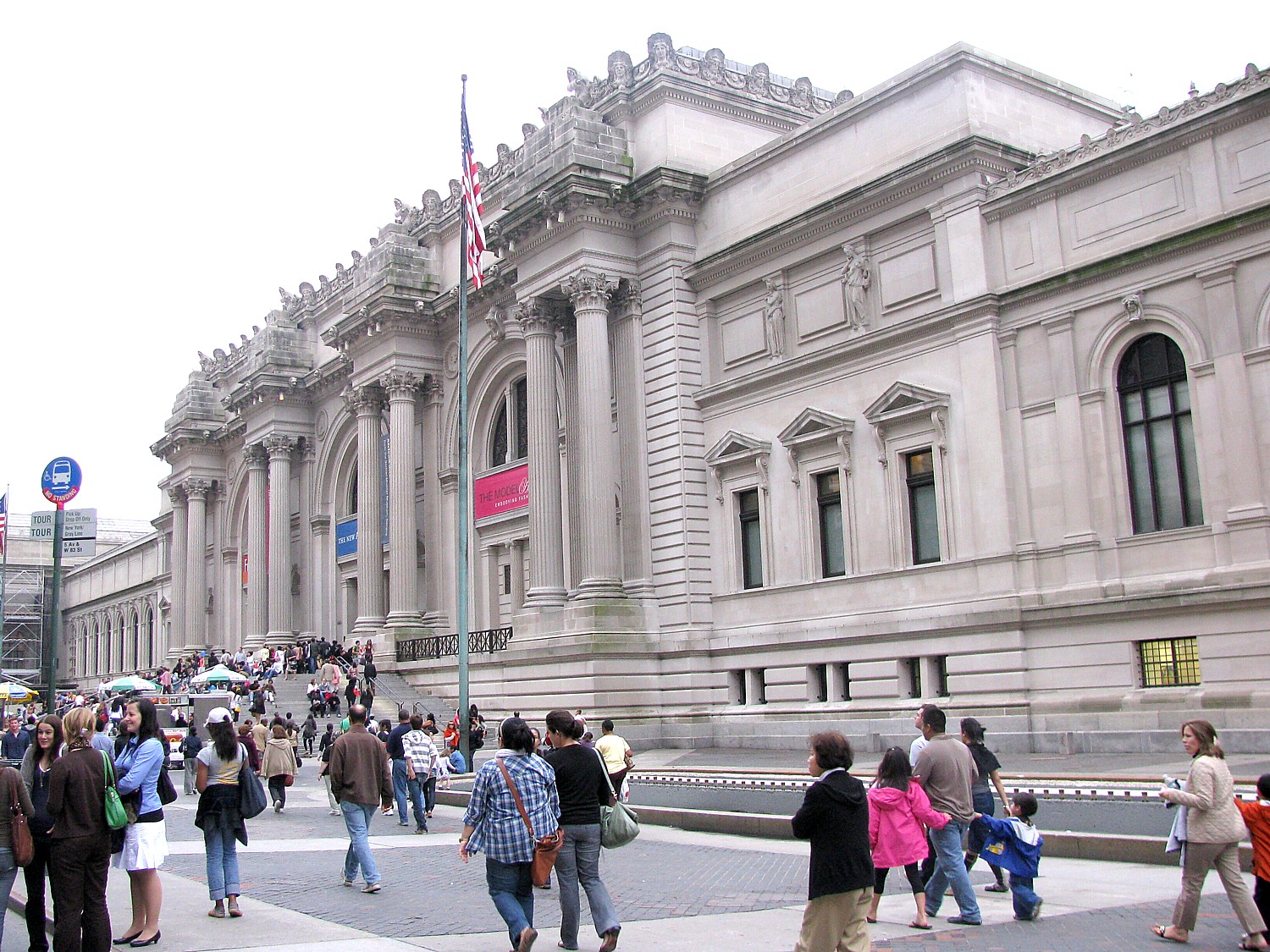
Raphael: Sublime Poetry at The Metropolitan Museum of Art, Fifth Avenue, Manhattan (through June 28, 2026) is the first comprehensive U.S. exhibition of the Italian Renaissance master, showcasing over 200 paintings, drawings and tapestries that highlight his unmatched creativity and poetic sensibility. Spanning his career from Urbino to Florence and Rome, the show reveals his innovations in portraiture, religious imagery and the portrayal of women, offering a singular look at works rarely seen together.
The Jewish Museum is presenting two major exhibitions this summer:
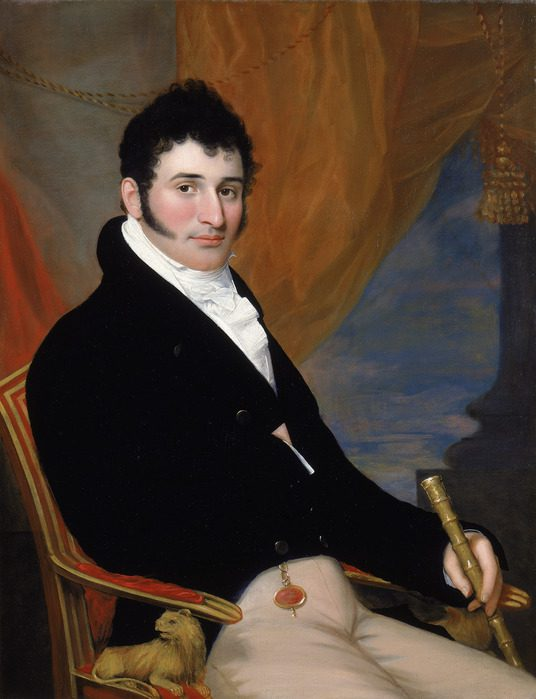
Circa 1776: Jews in Colonial America, presented in conjunction with the 250th anniversary of the Declaration of Independence, explores themes of Jewish life throughout colonial and post-colonial America. This installation, located in a focus gallery on the Museum’s third floor, highlights a selection of works in the Museum’s collection and is displayed as a complement to Identity, Culture, and Community: Stories from the Collection of the Jewish Museum. (Through Aug. 9, 2026)
Paul Klee: Other Possible Worlds marks the first American museum show to focus on the artist’s powerful late work, produced during his last, unsettling decade of life until his death in 1940. The exhibition features some 100 paintings and drawings, among them select works from Klee’s earlier practice, including his rarely exhibited and iconic Angelus Novus (1920), called the “Angel of History” by German philosopher Walter Benjamin.
Big things are happening at the New York Historical this summer:

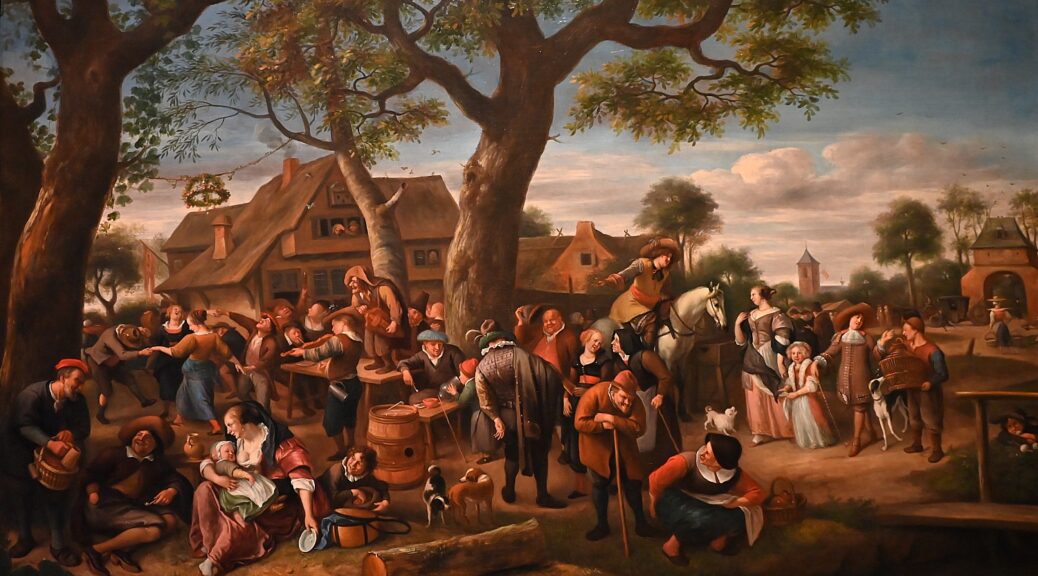
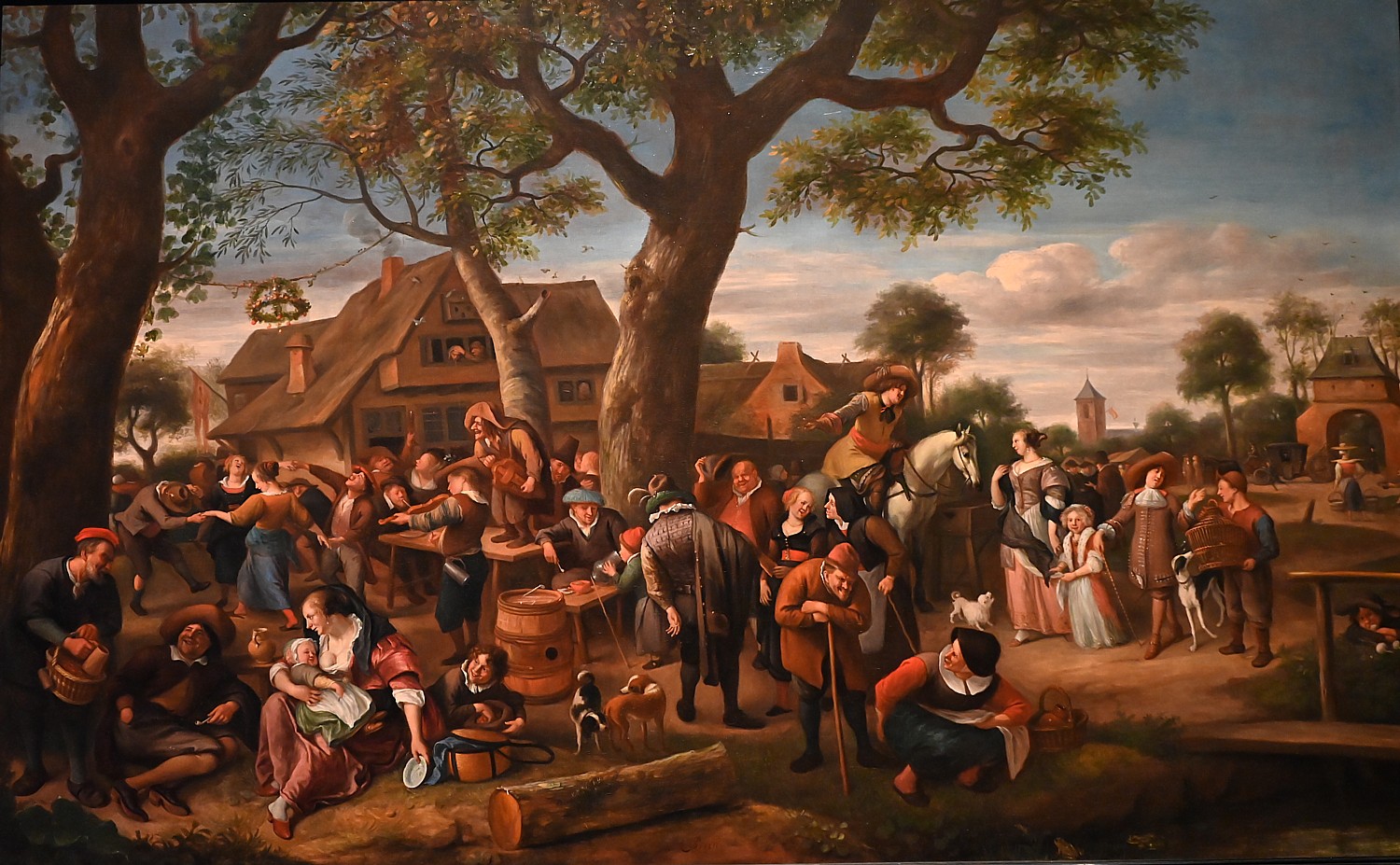
Old Masters, New Amsterdam: Four hundred years ago, the Dutch founded New Amsterdam on Manhattan Island, a moment brought vividly to life in this unique exhibition. Featuring works by Rembrandt, Frans Hals and Jan Steen, many never before seen in New York, the show uses Old Master paintings to immerse viewers in the world of the city’s earliest settlers (though Aug. 30).
Opening in the Joyce B. Cowin Women’s History Gallery on Friday, May 29 and running through October25, 2026, New York Historical’s new exhibition Revolutionary Women dives deep into the stories of the women who left indelible marks on the fight for—and even against—independence and who helped create the foundations of a new government. Liberty, equality, and independence were key bywords for that emerging nation. But who did these concepts apply to? Revolutionary Women attempts to provide answers and deepen the history we all think we know with letters, poems, petitions, archeological objects, paintings, household objects, and more from our Patricia D. Klingenstein Library collection.
Its Tang Wing for American Democracy at The New York Historical opens June 18, a 71,000-square-foot expansion of its exhibitions and education and public programs. Dedicated to the nation’s founding principles, the new wing will increase student participation, add major galleries and research facilities and serve as the future home of the American LGBTQ+ Museum.
About Us: The American Imaginary at Queens Museum, Flushing Meadows Corona Park, Queens, (through December 6, 2026):This exhibition explores three perspectives on what it means to be “American” through photographs curated by three Terra Foundation fellows from the local community. Spanning the mid-19th century to 1979, it presents intimate and poetic interpretations of family, migration, fame and identity to highlight how American art reflects both personal experience and shifting cultural contexts.
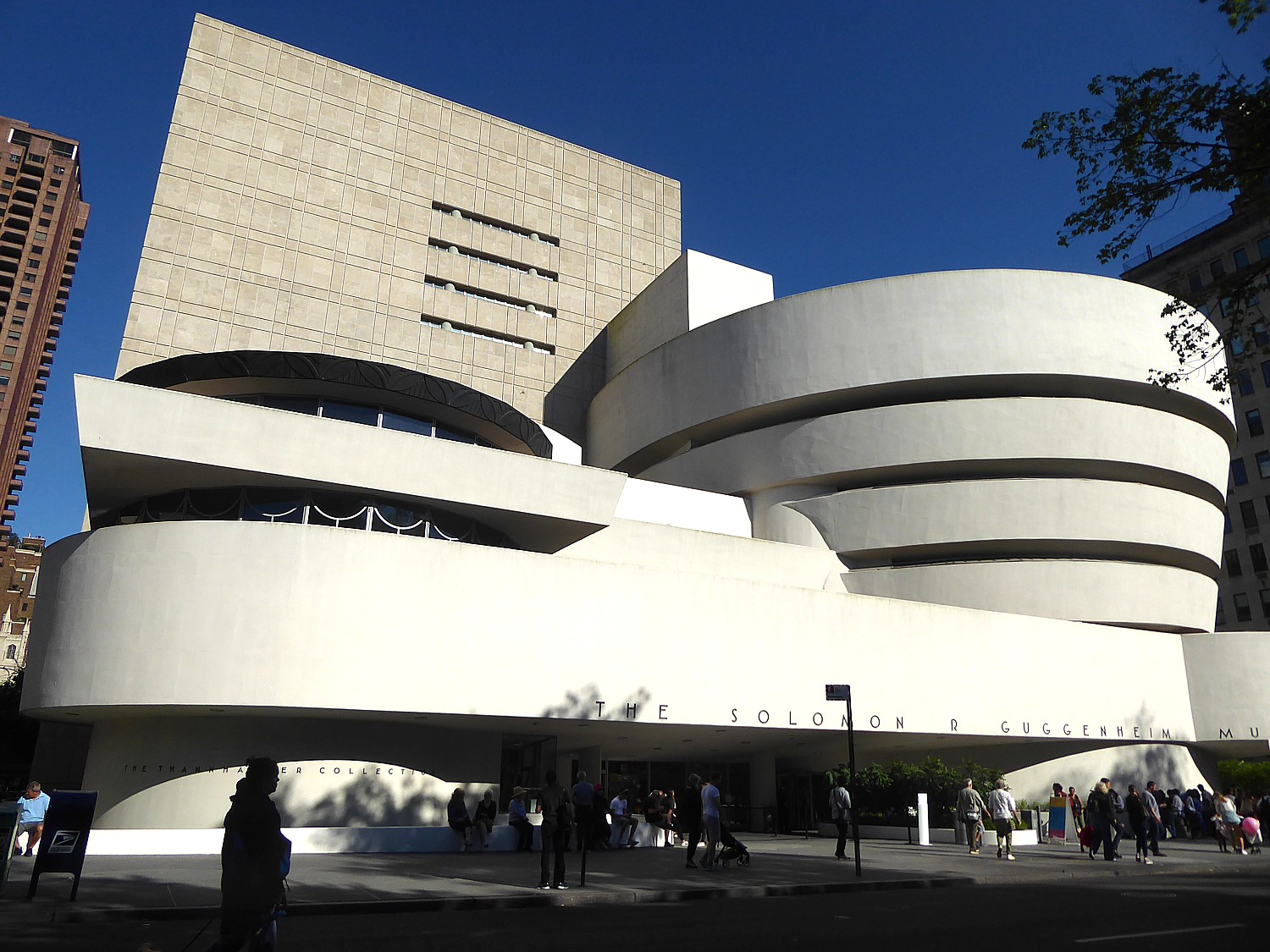
Carol Bove at Guggenheim New York (through August 2, 2026):This exhibition is the first major museum survey of American artist Carol Bove, spanning 25 years of work from early drawings to her colossal “collage sculptures” in scrap metal and steel tubing. Through her innovative use of material, scale, color and space enhanced by design interventions in the museum’s Frank Lloyd Wright-designed rotunda, Bove creates immersive experiences that engage both cultural histories and the viewer’s imagination.
Whitney Biennial 2026 at The Whitney Museum of American Art, Meatpacking District, Manhattan:The 82nd edition of the Whitney Biennial brings together work by 56 artists, duos and collectives exploring contemporary life through themes of relationality, from family and technology to ecology and geopolitics. Shaped by a moment of profound transition, the exhibition emphasizes mood and atmosphere, offering immersive environments that reflect the complexity and contradictions of the present.
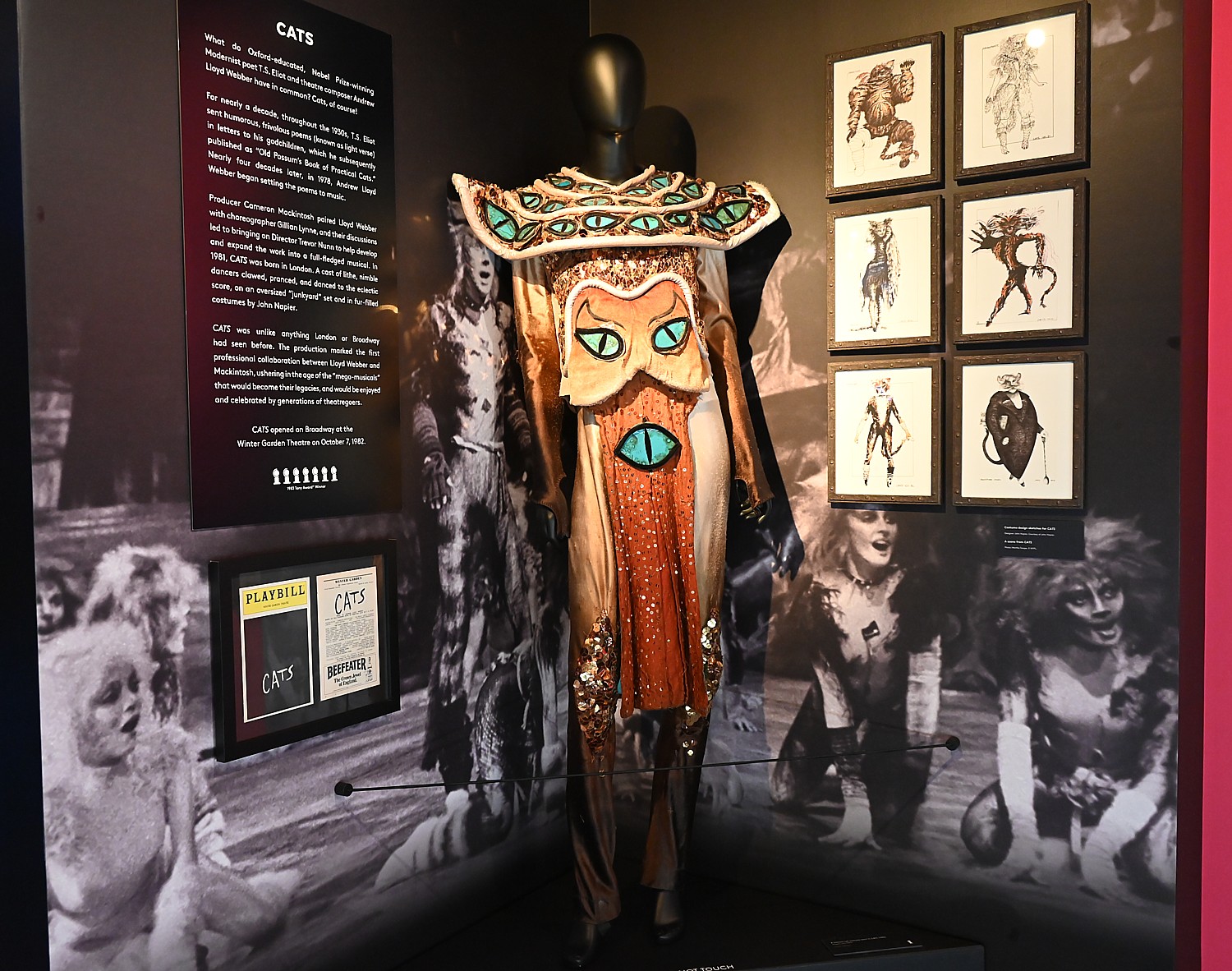
The Museum of Broadway: Walk through Broadway’s history, starting in 1732 with the first documented performance in NYC, and go backstage with your favorite Broadway stars to learn how a show is made. As you walk the timeline, you’ll come upon exhibits dedicated to groundbreaking moments in Broadway’s history – those that pushed creative boundaries, challenged social norms, and paved the way for those who would follow. The Museum of Broadway was designed by internationally renowned artists, designers, and theatre historians. The special exhibit on view “So in Love…on Broadway,” (145 W. 45 St., https://www.themuseumofbroadway.com/)
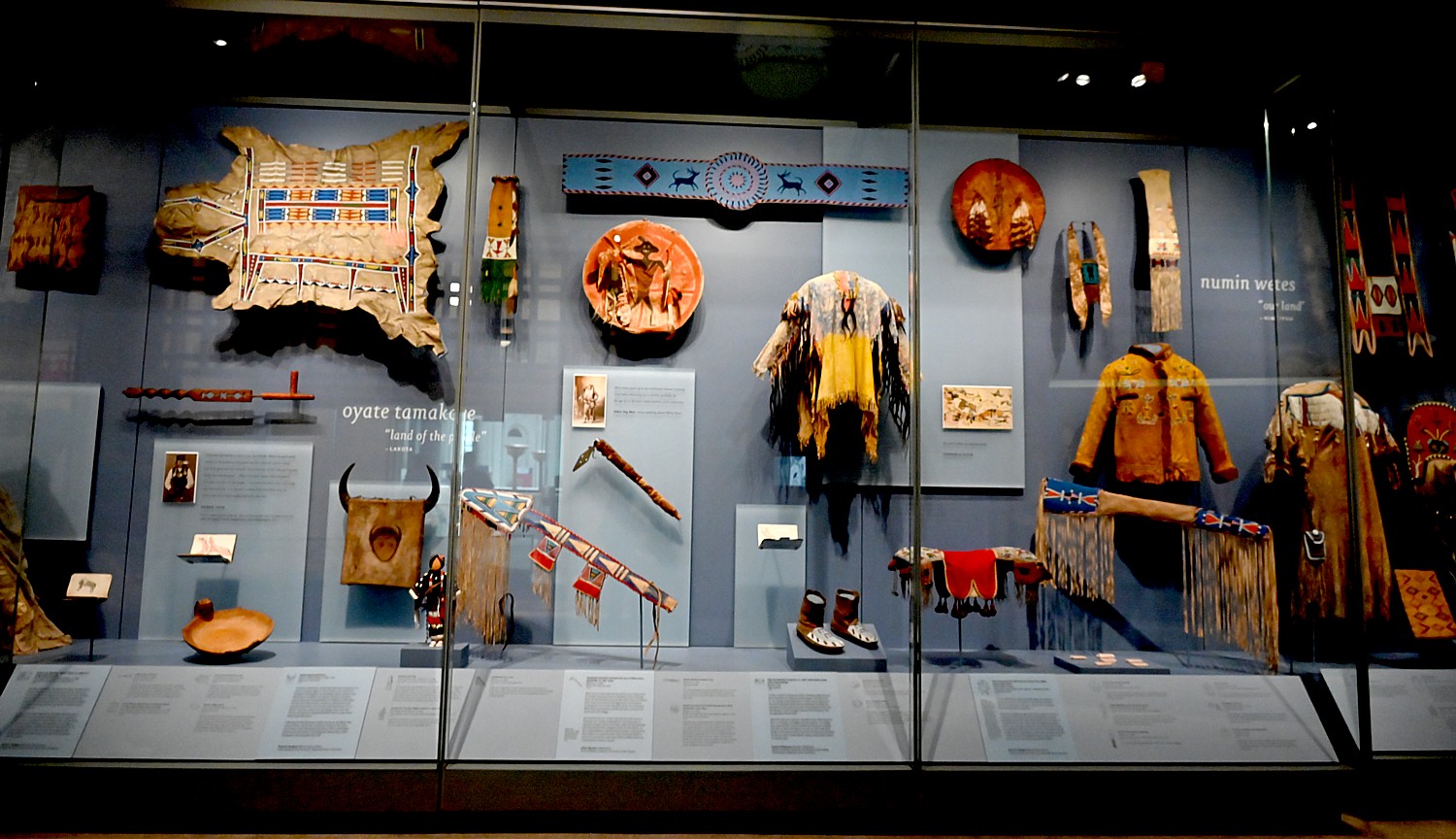
The National Museum of the American Indian, located in the historic Alexander Hamilton US Custom House at One Bowling Green in lower Manhattan, is a Smithsonian Institution museum affiliated with the Washington DC museum. The ongoing exhibition, Infinity of Nations: Art and History in the Collections of the National Museum of the American Indian consists of 700 works of Native art from throughout North, Central, and South America demonstrating the breadth of the museum’s renowned collection and highlighting the historic importance of these iconic objects (free admission).

Intrepid Air & Space Museum: Experience the world’s first space shuttle, a nuclear weapons-carrying submarine, dozens of military aircraft, a supersonic spy plane, and the world’s fastest commercial airliner displayed in, around and aboard the legendary aircraft carrier, Intrepid, anchored on the Hudson River, along the Hudson River Greenway (https://intrepidmuseum.org/).
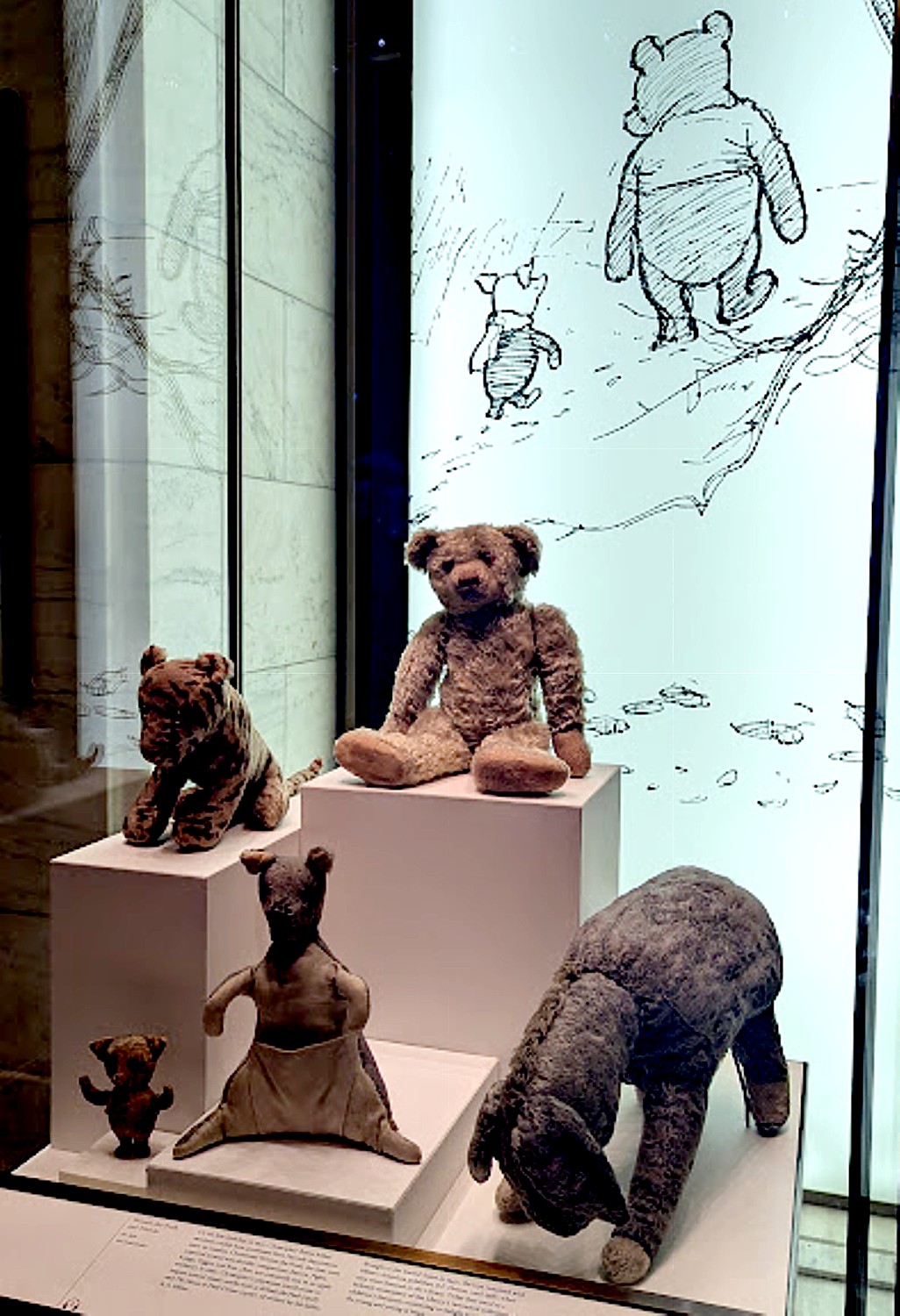
One of my favorite places for summer respite in the city is the New York Public Library on Fifth Avenue at 42nd Street in the historic Stephen A. Schwarzman Building (the main branch of the NYPL). It is a renowned Beaux-Arts landmark guarded by the famous marble lions, Patience and Fortitude, housing world-class research collections and the magnificent Rose Main Reading Room and always has fascinating exhibitions, including its ongoing Treasures. If you are lucky, you can hook up to a docent tour. Free one-hour guided building tours are offered Monday-Saturday (reserve Schwarzman Building Tours online) (free admission, nypl.org).
New Museums Opening
National Urban League’s Urban Civil Rights Museum,Harlem, Manhattan, is opening in June:The museum, which will be housed in National Urban League’s new Harlem headquarters, the Urban League Empowerment Center, will be the first in the northern U.S. dedicated to the American Civil Rights Movement.
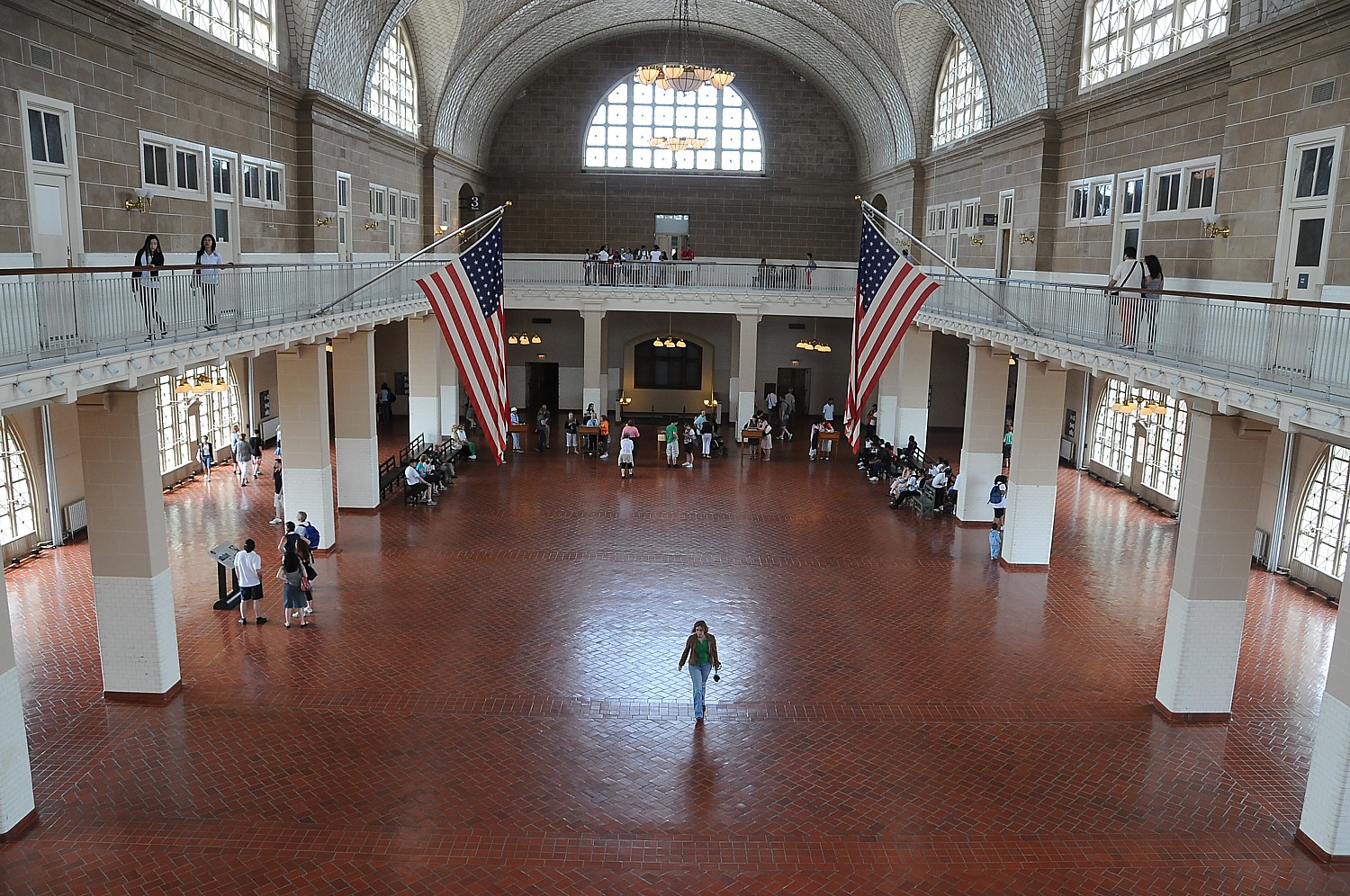
Ellis Island Museum is reopening mid-2026 after undergoing a $100 million revitalization that includes reimagined exhibitions, new theaters and major technological upgrades. Construction is underway on the Family History Center, which will be renamed the Records Discovery Center and feature a mini-theater, interactive discovery stations, temporary displays and 50% more public research stations. The project will also expand the Records Discovery Center, increasing the searchable records in its database from 65 million to 154 million.
The People’s Theatre: Centro Cultural Inmigrante, Inwood, Manhattan, opening later this year, will spotlight NYC’s immigrant communities through theater, music, dance and community events. A partnership with NYPL for the Performing Arts will provide programming throughout the season connected to its productions.
The Hip Hop Museum, South Bronx, is opening this year:Located just south of Yankee Stadium, this space will pay homage to the South Bronx’s rich culture and history as the birthplace of hip-hop.
Staycation on Governor’s Island
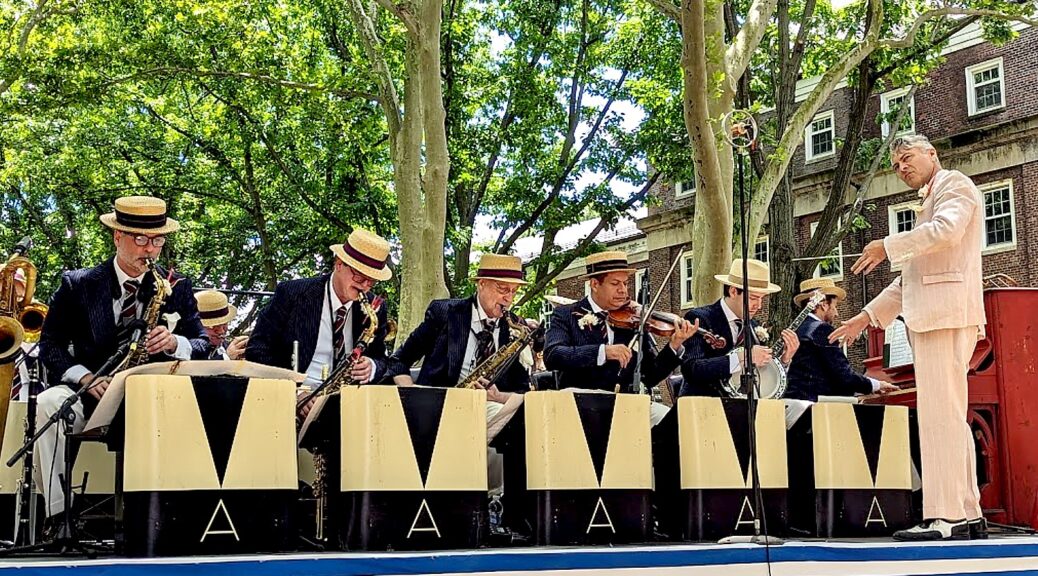
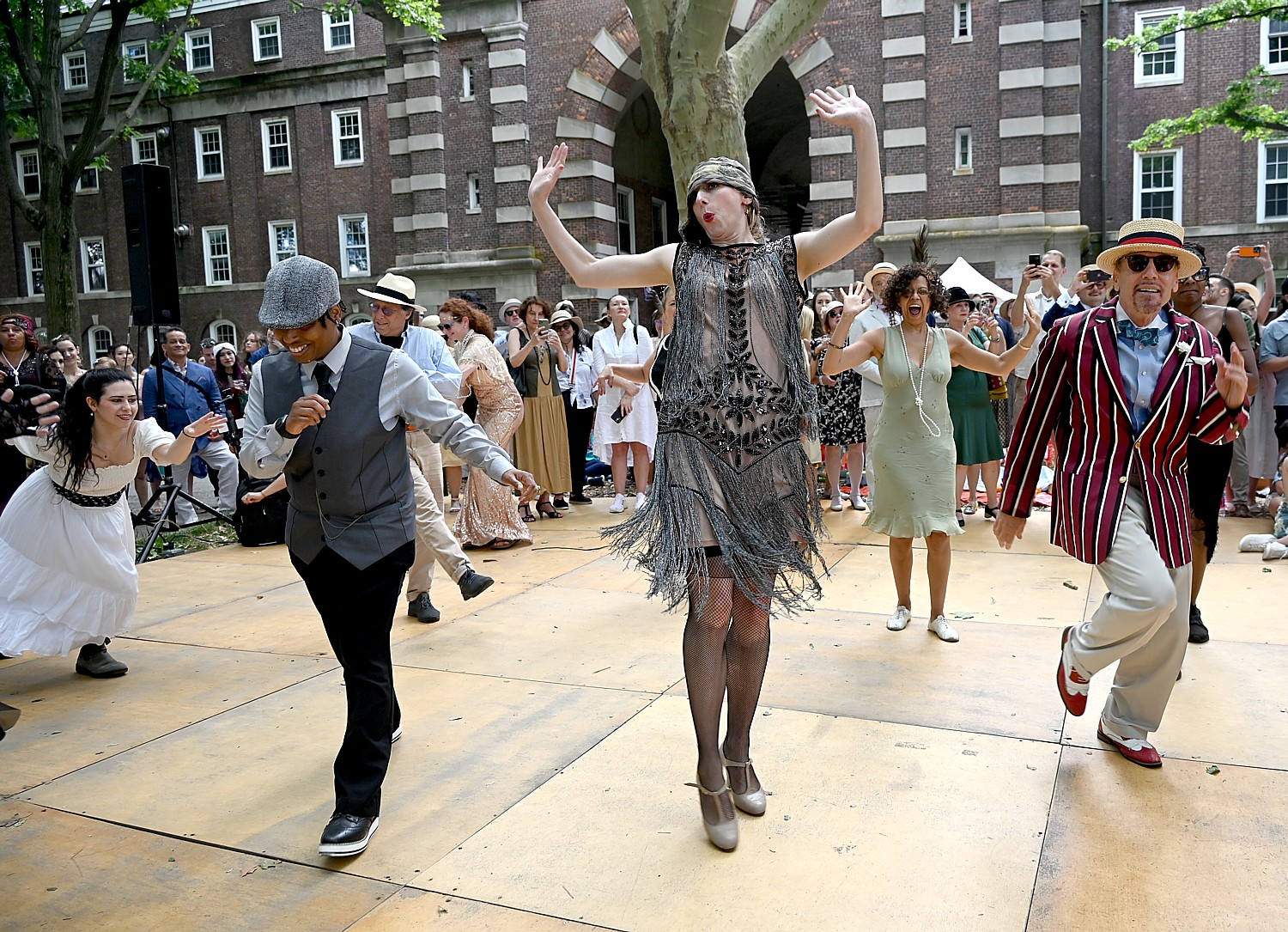
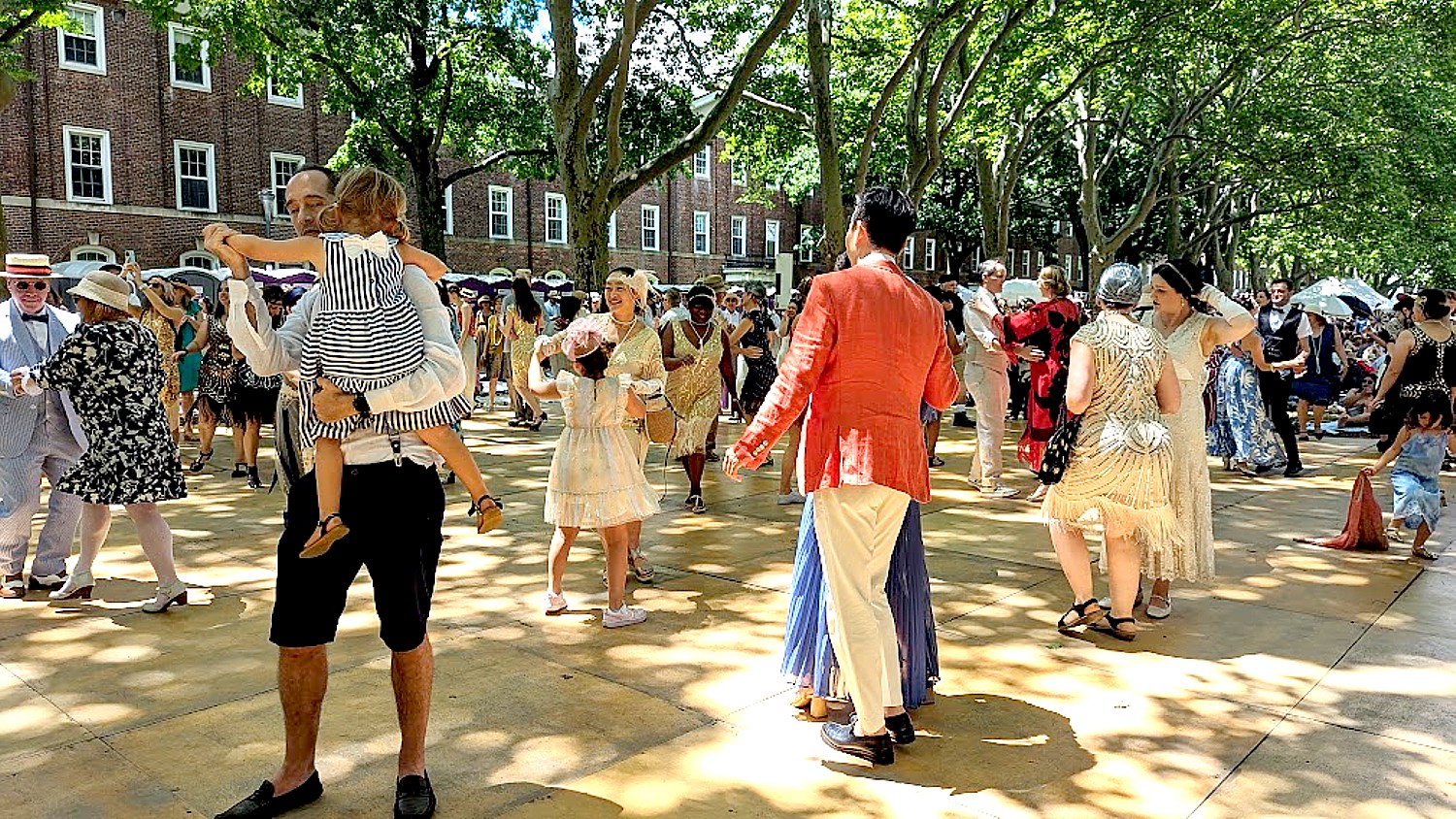
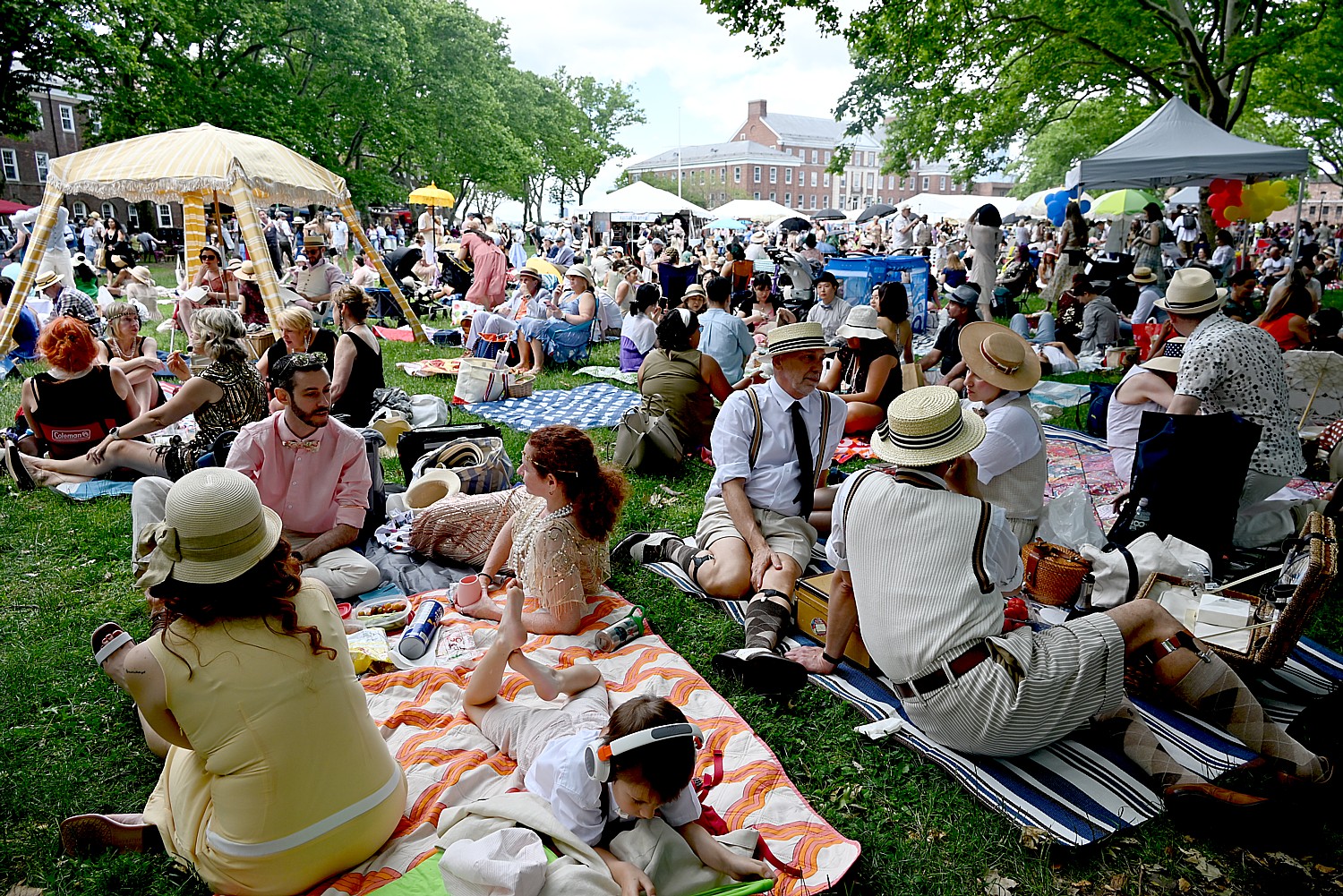
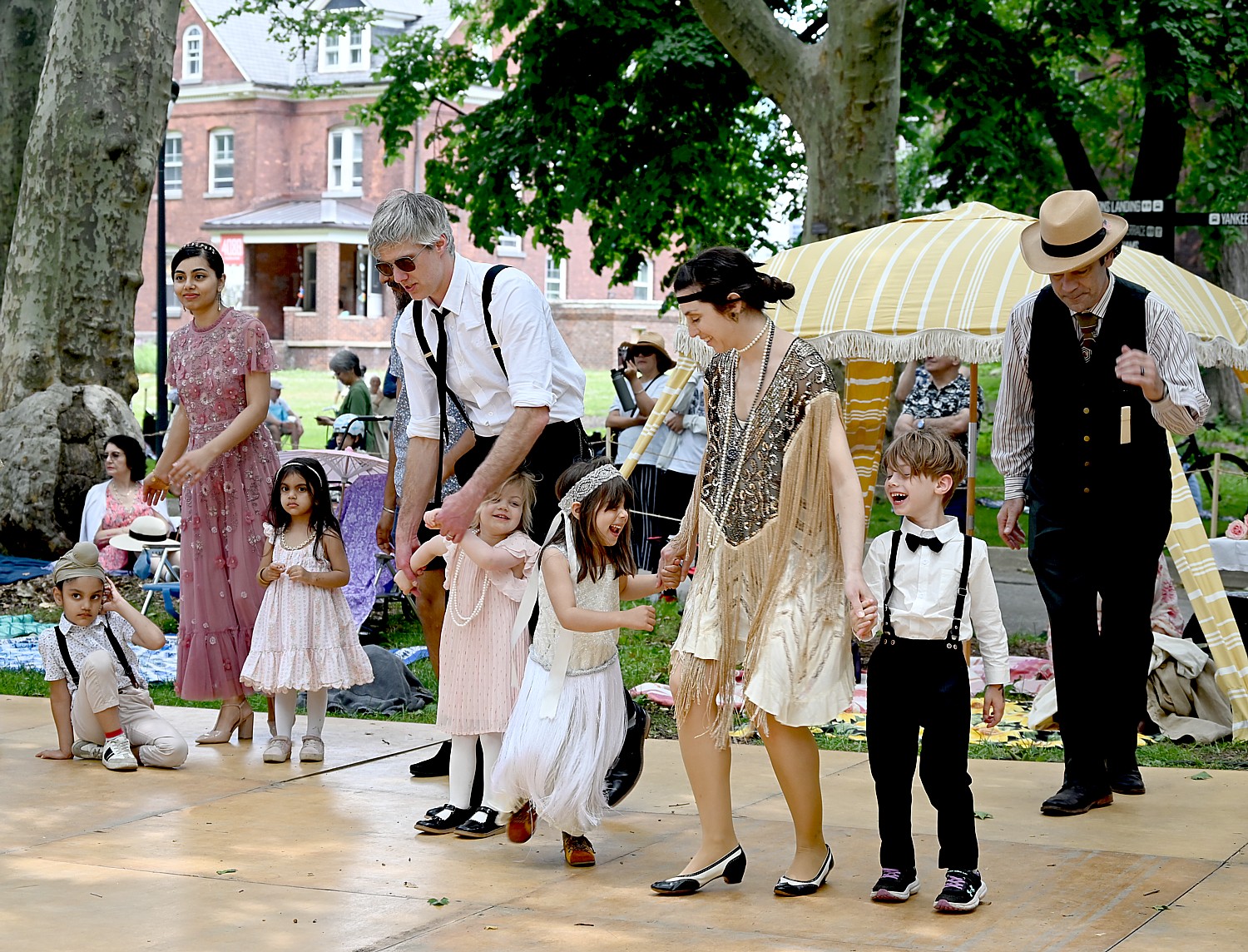
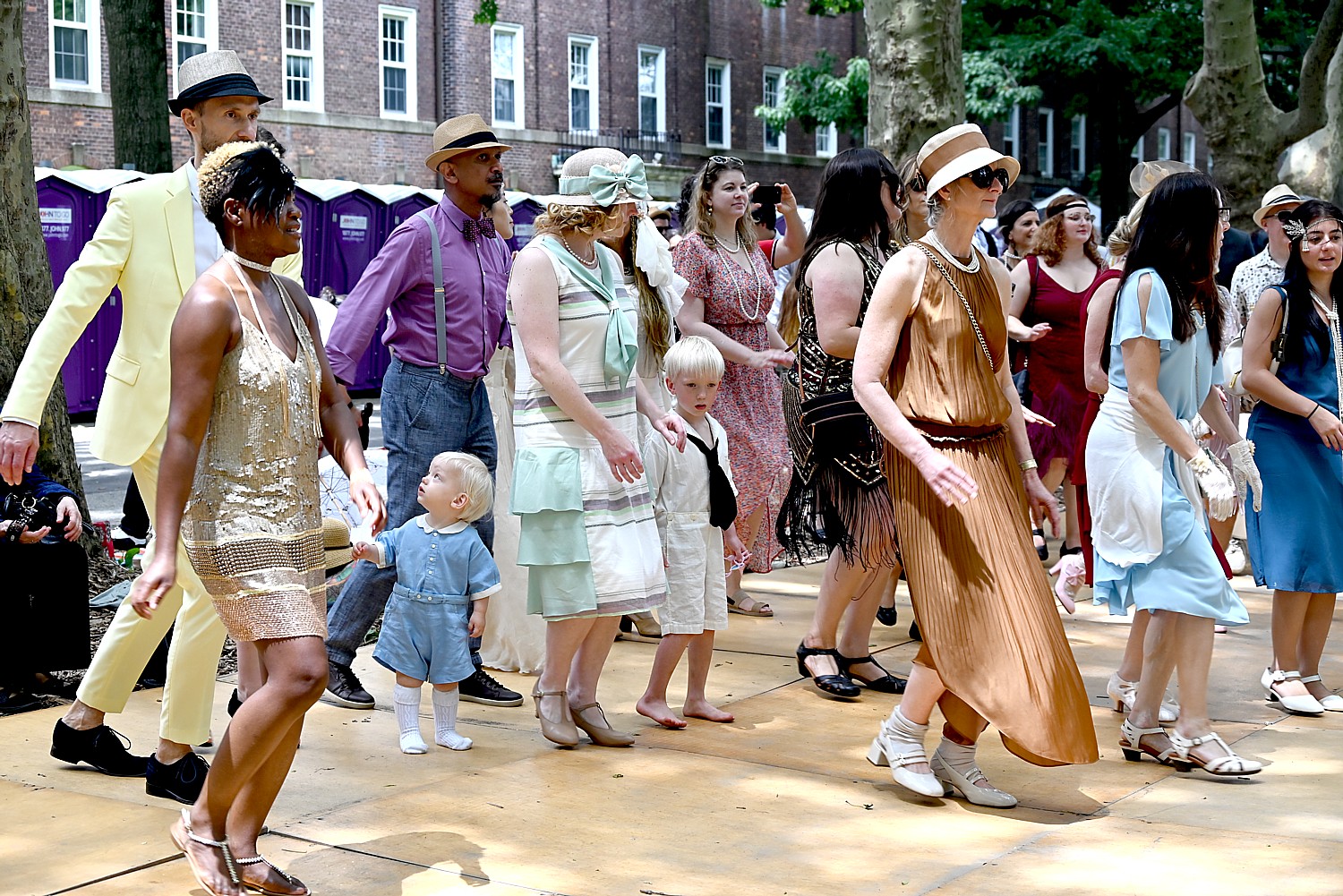
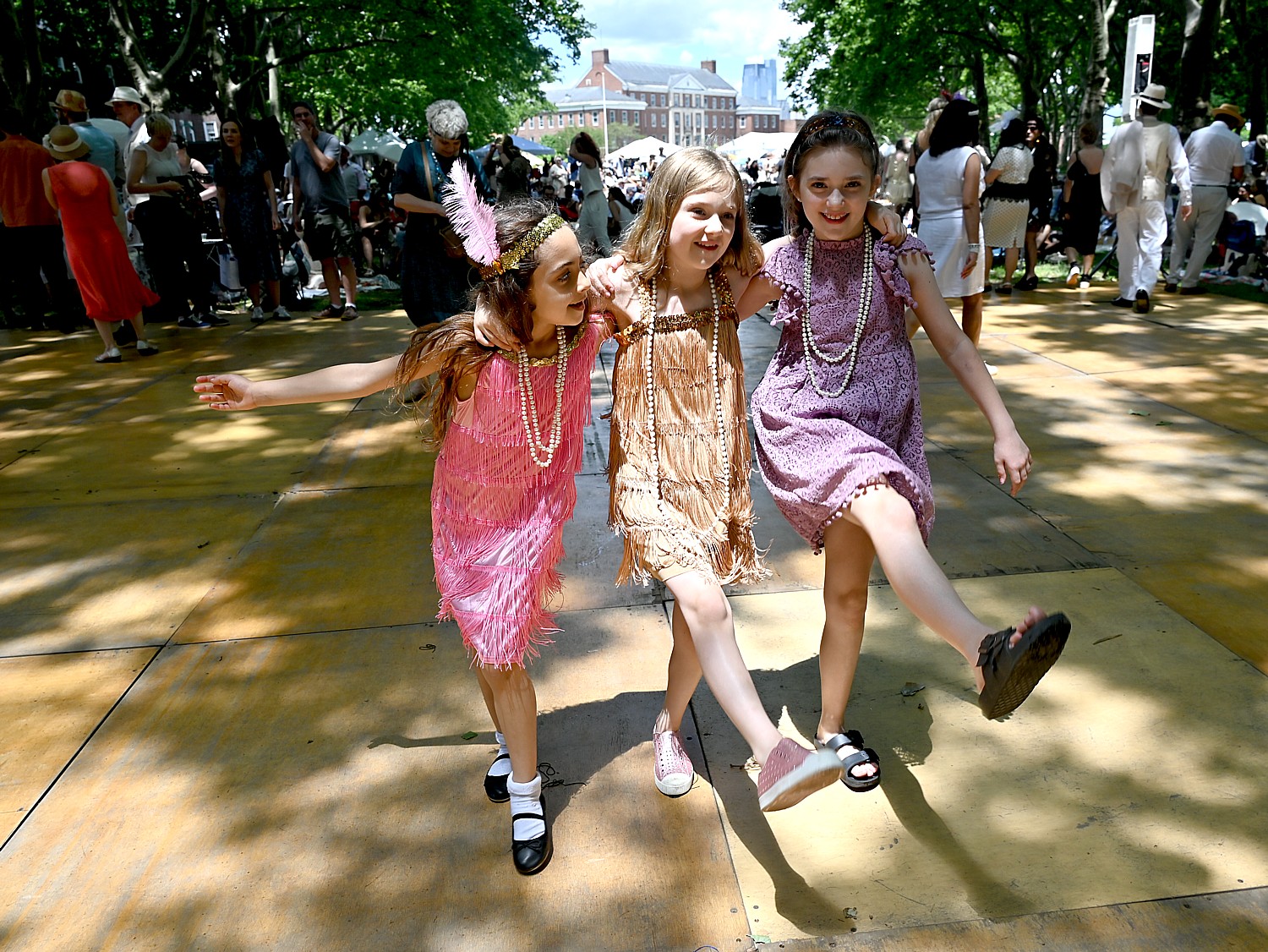
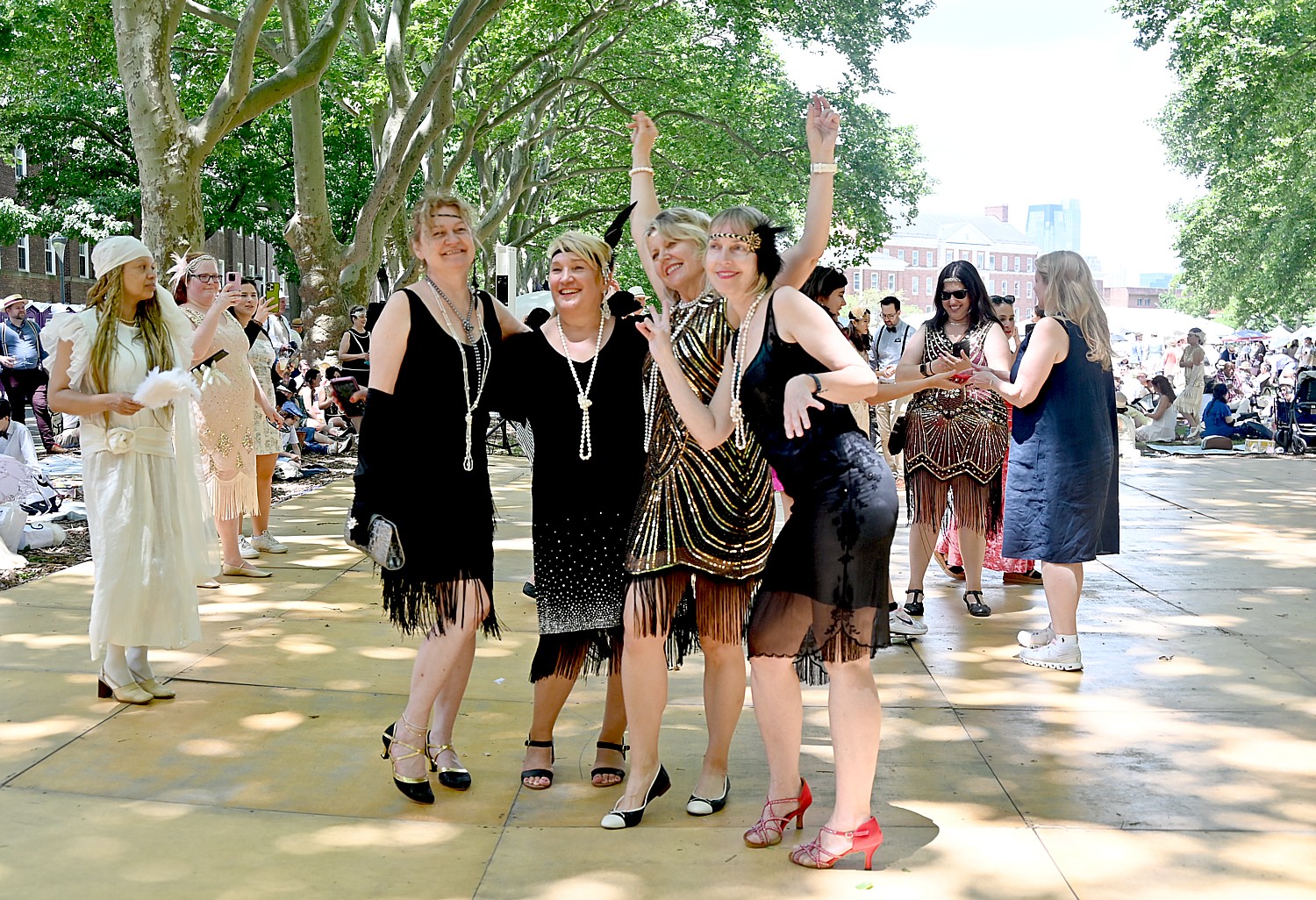
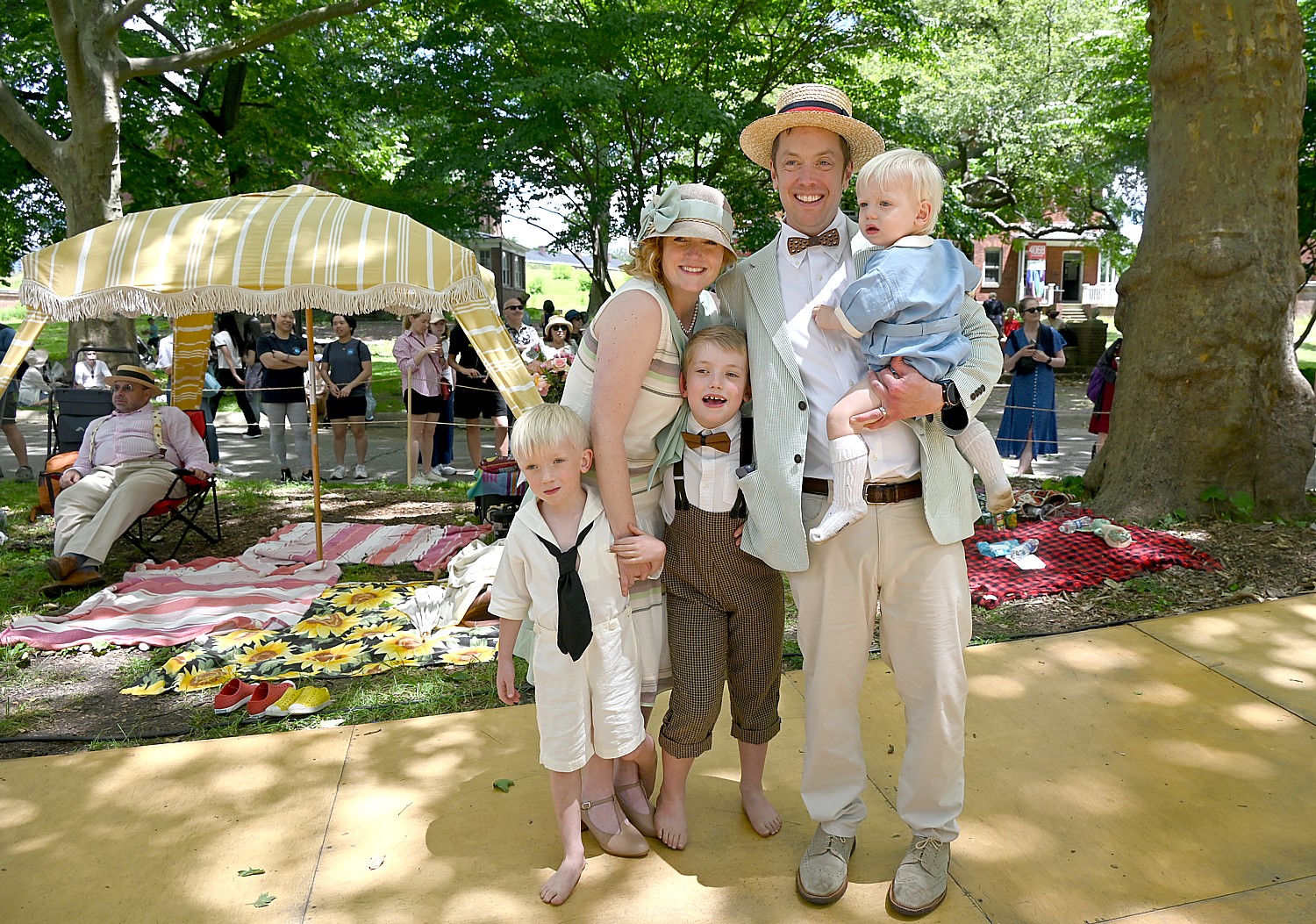
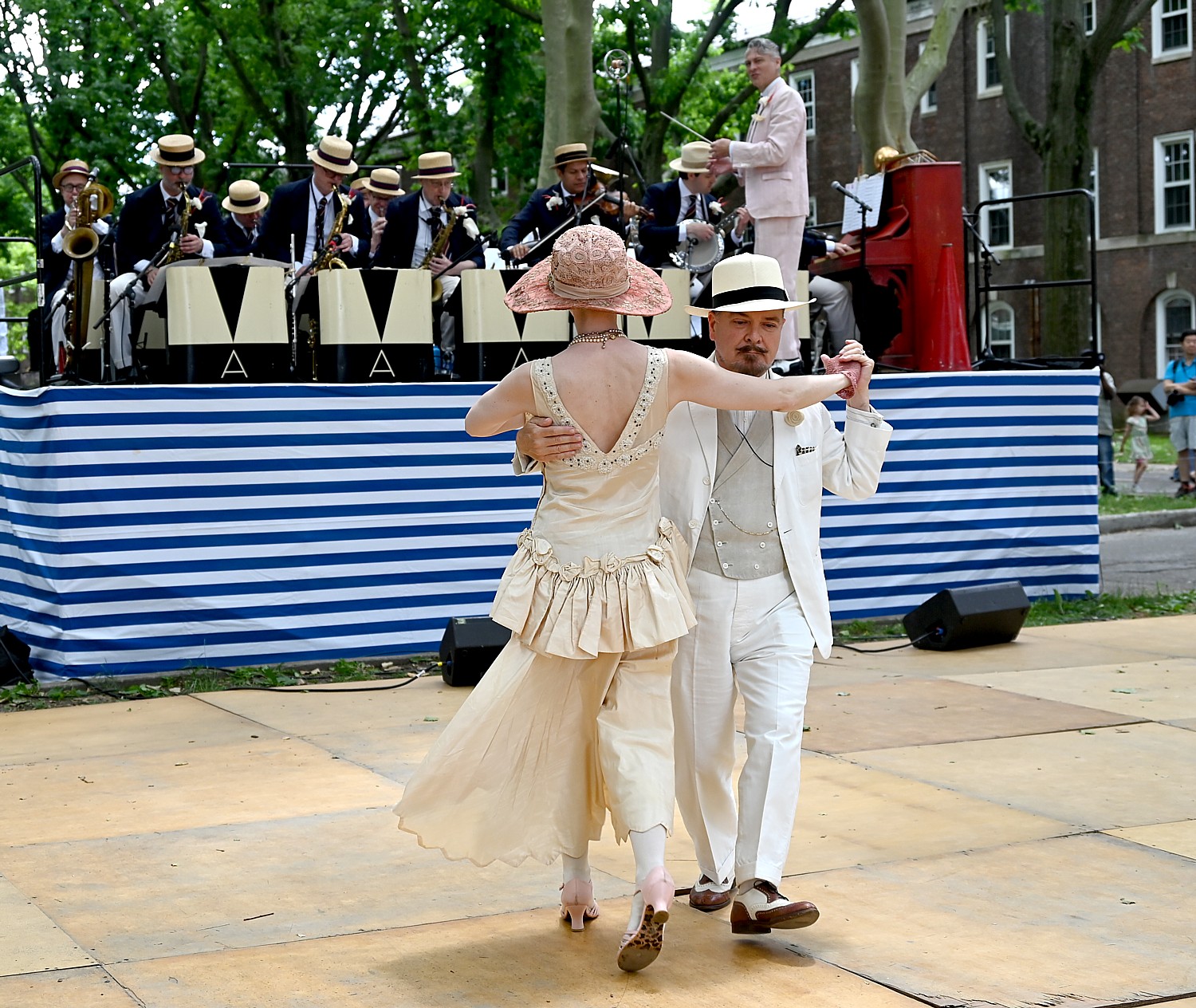
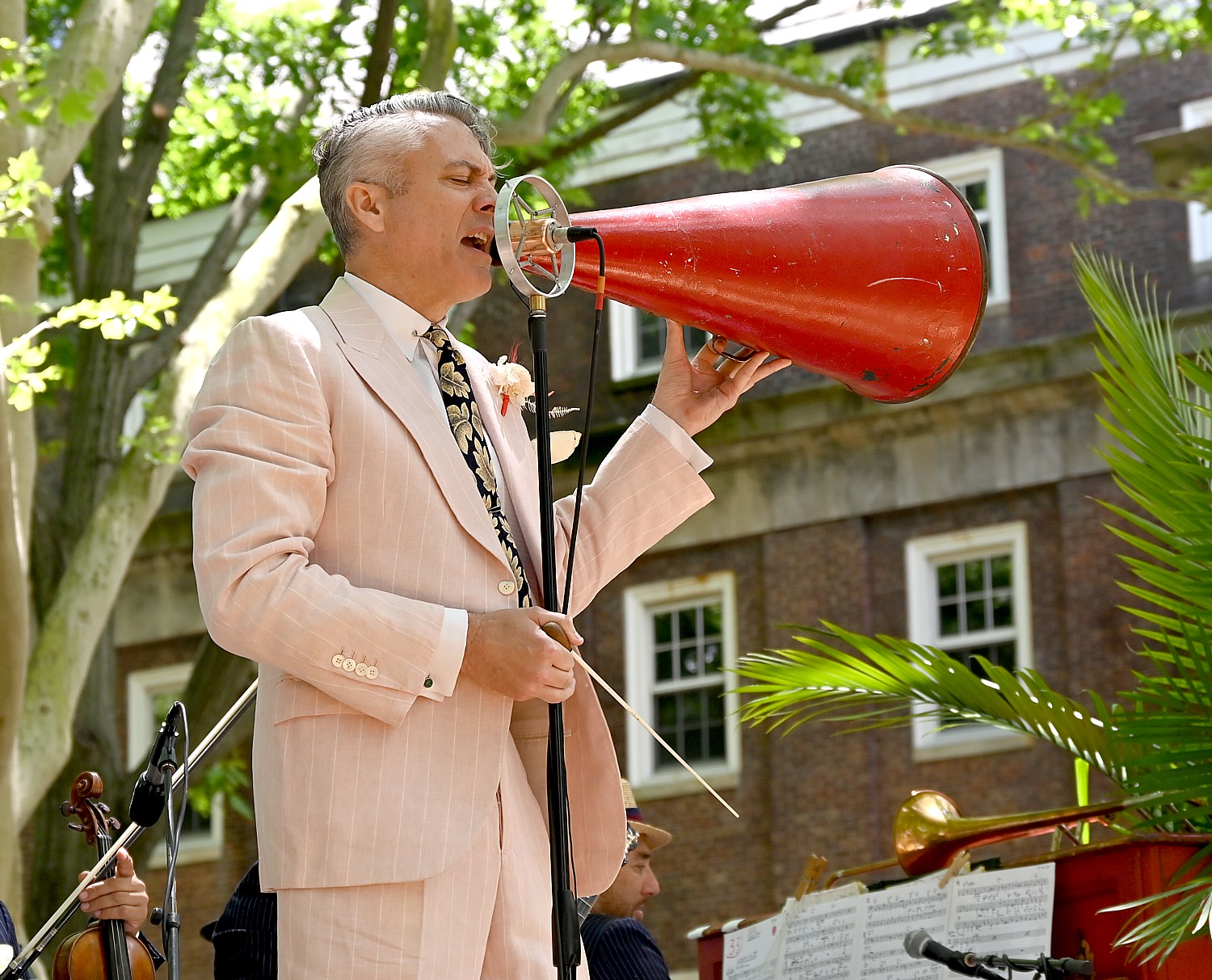
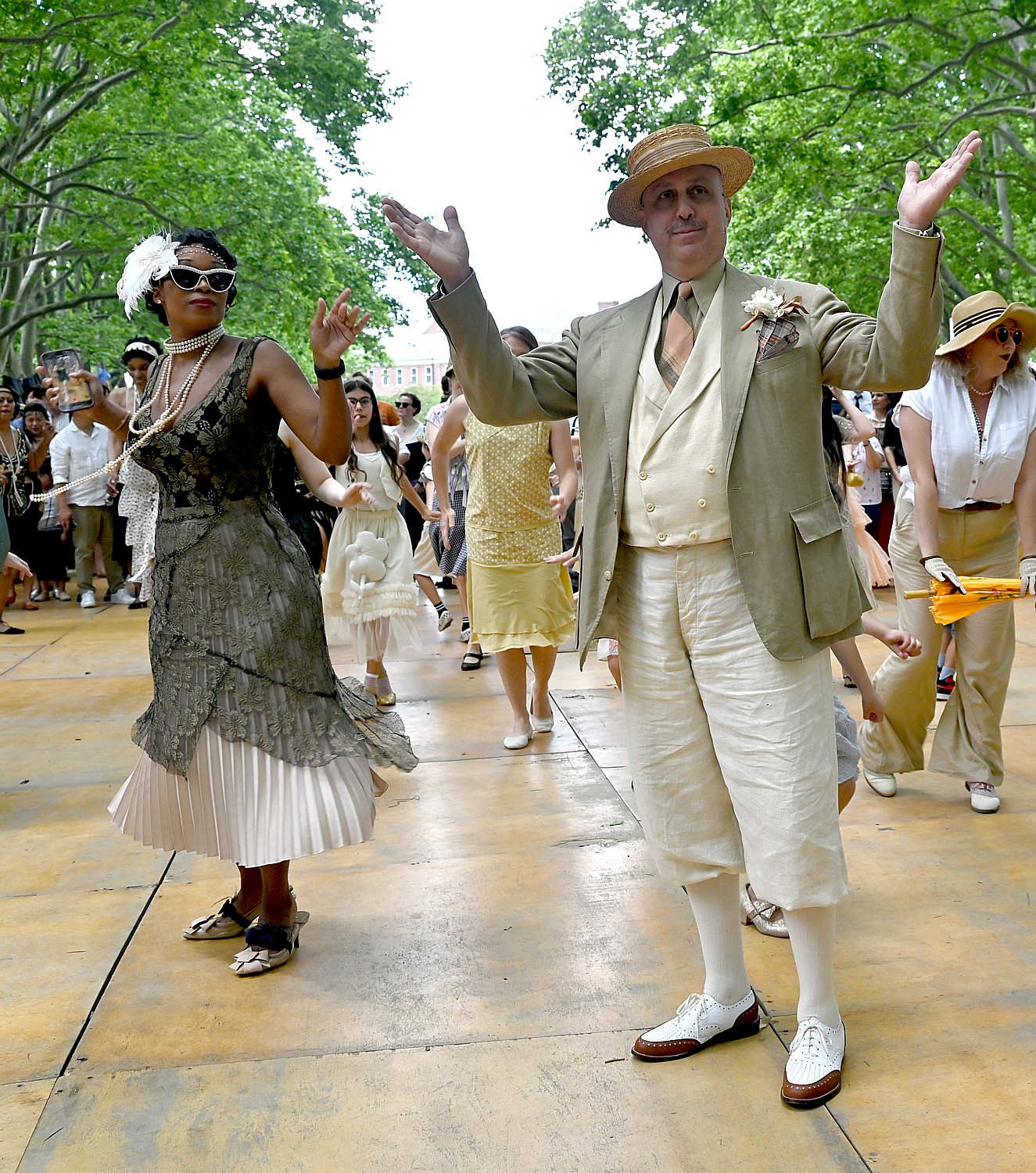
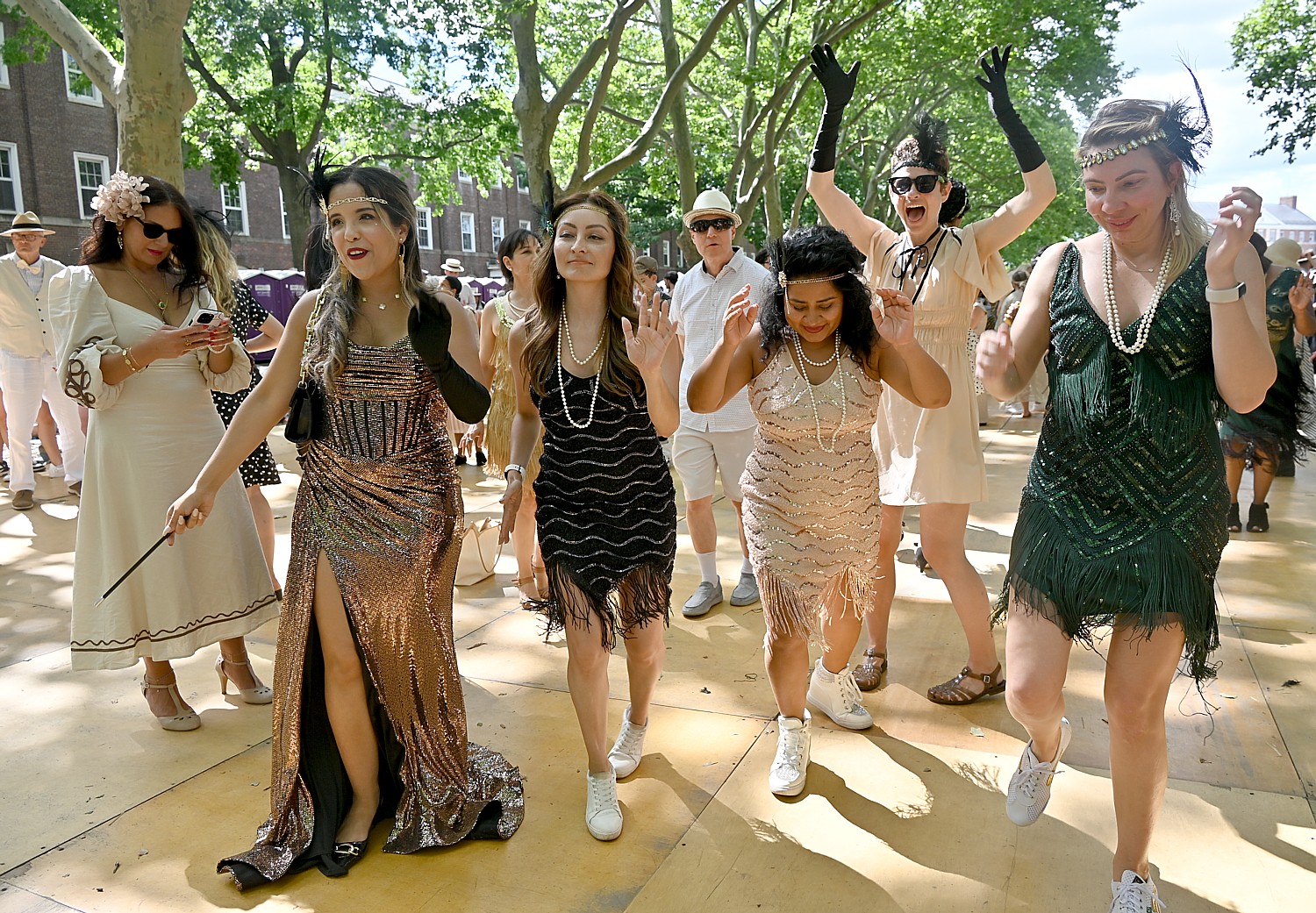
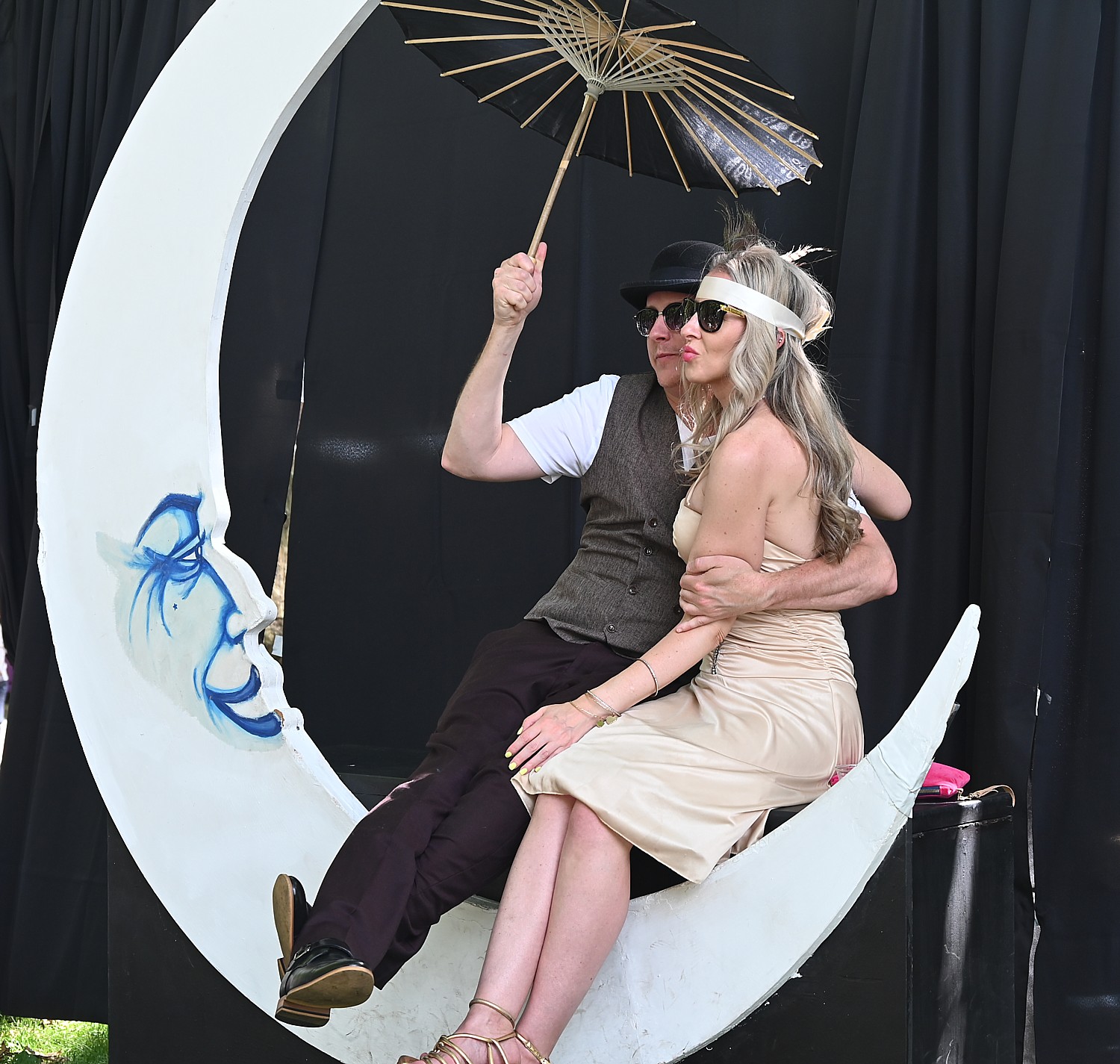
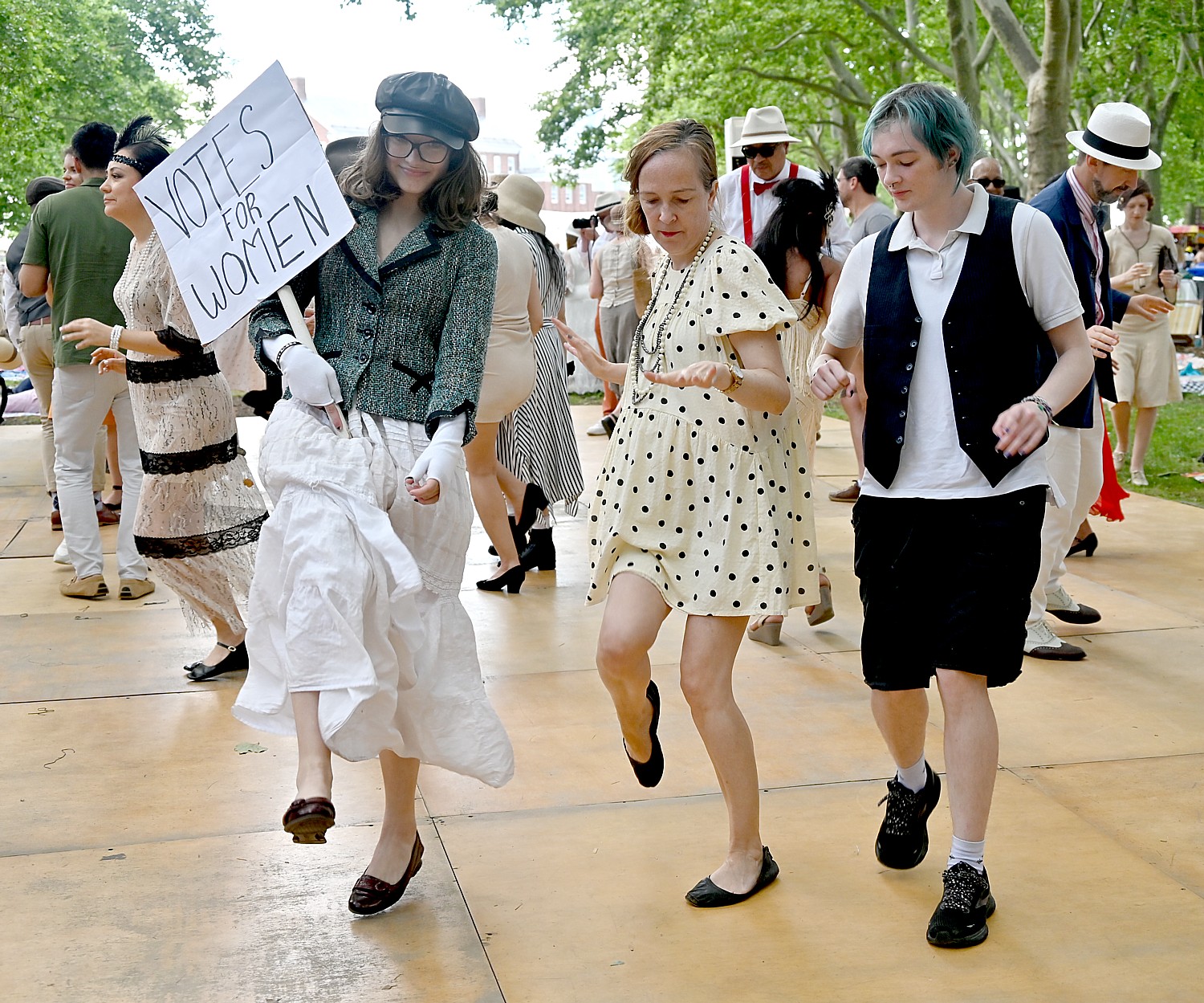
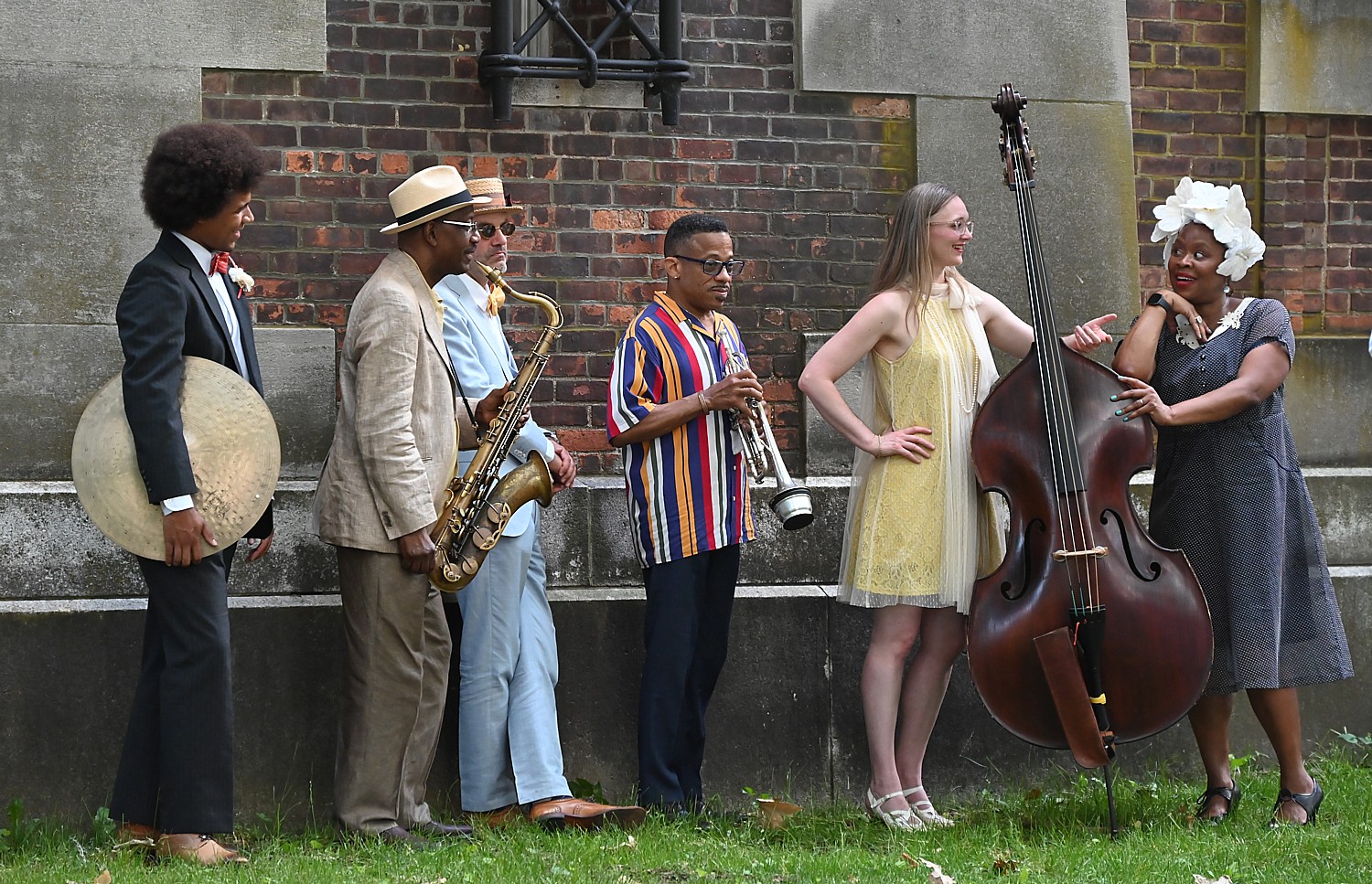
For an extraordinary staycation, take the 15-minute ferry ride to Governor’s Island. Just 800 yards off the southern tip of Manhattan, the 172-acre island is a world away. (Insider’s tip: Governor’s Island affords front-row views of America’s 250th, July 3-8,as tall ships and vessels sail through New York Harbor.
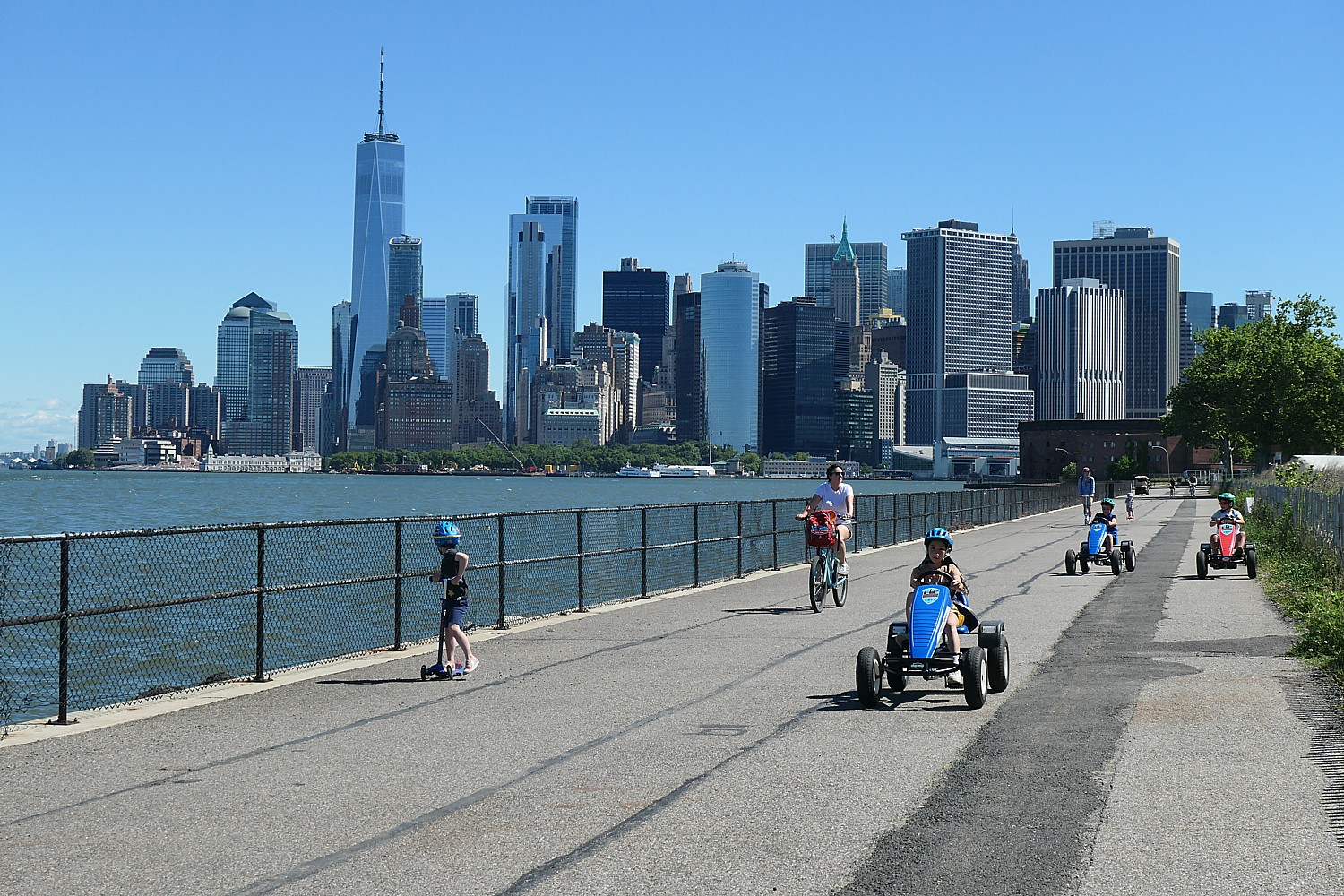
You can rent bikes, pedal coaches, visit the 200-year old Castle Williams, a 22-acre National Monument managed by the National Park Service and learn its history (it helped save New York from British Invasion during the War of 1812 and was used as a prison during the Civil War and Fort Jay. The island had been a military base – my father was based there during World War II, and now is a Coast Guard headquarters). Biking around the island, you have the best view of the Statue of Liberty and the Manhattan skyline. A key area is The Hills, rising 70 feet above sea-level, offering breathtaking – and never-before-seen – views of the Statue of Liberty and New York Harbor.
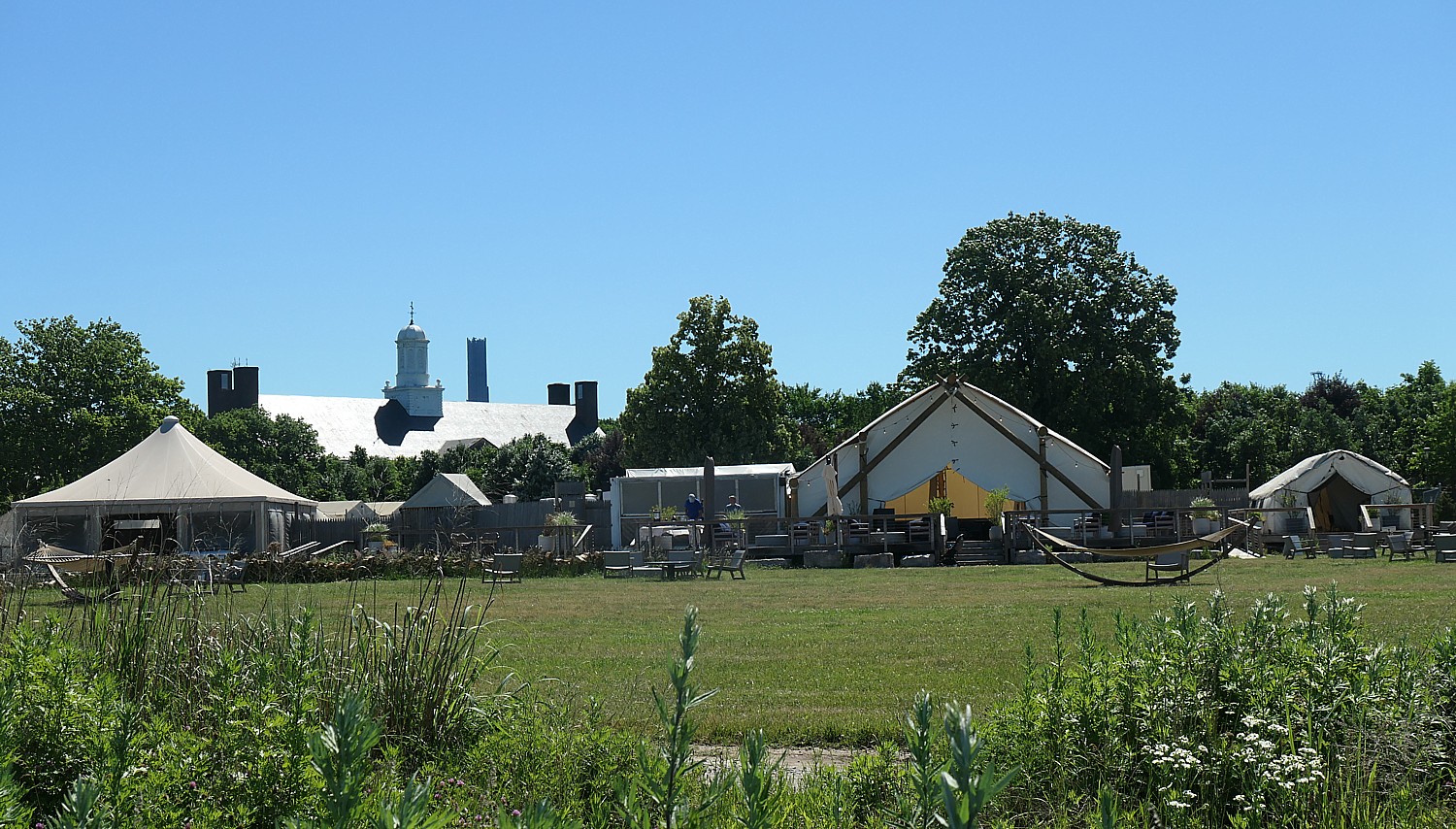
Collective Retreats, based in Colorado, operates a luxury glamping retreat with tents and tiny-home-style accommodations, enhanced with morning yoga; spa offerings at QC NY (located adjacent to Retreat); live music every evening; cocktail hour on the sunset terrace; chef-driven farm-to-table dining; and Historic Governor’s island adventuring by bike. (https://www.collectiveretreats.com/governors-island/
QC New York, the Italian spa on Governors Island, is presenting new sunset DJ series, Friday and Saturday nights through September 5; pop-up poolside beauty bar, June 17-July 15 (complimentary self-care treats such as soothing eye patches, tan-boost gummy bears, and vitamin-rich orange juice. Its on-site Casa QC Bistrolaunches full-service dining, daily 6–9 pm, sunset aperitivo offering a complimentary tray of seasonal Italian snacks with the purchase of two drinks (qcny.com).
Governors Island is open to the public daily year-round (pay attention to the ferry schedule). From Memorial Day Weekend through Labor Day Weekend, the Island is open from 7am-10pm Sunday through Thursday and 7am-11pm Friday and Saturday, with the South Island Park (including Picnic Point, the Hills, Hammock Grove, and the Play Lawns) closing at 6pm. All other times, the Island is open daily from 7am-6pm.
From Manhattan, ferries operated by the Trust for Governors Island run daily from the Battery Maritime Building, located at 10 South Street in Lower Manhattan. Click here for schedules and tickets. Evening ferries are available for Governors Island tenants and guests, which includes visitors to QC NY, Island Oyster, Taco Vista, and Gitano. Tickets to evening ferries can only be purchased in person at the Battery Maritime Building (https://www.govisland.com/plan-your-visit/ferry).
__________________
© 2026 Travel Features Syndicate, a division of Workstyles, Inc. All rights reserved. Visit goingplacesfarandnear.com and travelwritersmagazine.com/TravelFeaturesSyndicate/. Blogging at goingplacesnearandfar.wordpress.com and moralcompasstravel.info. Visit instagram.com/going_places_far_and_near and instagram.com/bigbackpacktraveler/ Send comments or questions to FamTravLtr@aol.com. Bluesky: @newsphotosfeatures.bsky.social X: @TravelFeatures Threads: @news_and_photo_features ‘Like’ us at facebook.com/NewsPhotoFeatures