Tag Archives: Wellness Travel Trends

Travel Industry Responds to Demand for Wellness Tourism

Discovery Bicycle Tours offers the opportunity to become immersed in the enchanting destination of Siam Reap by bike, Cambodia. Wellness tourism is a win-win-win for travelers and destinations © Karen Rubin/goingplacesfarandnear.com

By Karen Rubin, Travel Features Syndicate, goingplacesfarandnear.com

Travel has so many benefits – on a macro level, travel is the greatest invention humanity has devised for promoting peace, prosperity, progress and understanding by bringing different people together. On a micro level, travel is a life-enhancing, oftentimes life-changing experience that promotes personal health and well-being. Indeed, wellness travel is a significant and growing segment of the wellness industry writ large, and the travel industry in particular. And the travel industry is responding to demand.

“The global wellness tourism market represents a small but rapidly increasing share of tourism trips. Compared to other leisure travelers, wellness tourists tend to spend significantly more, while exploring diverse destinations, activities and services. Governments, wellness businesses and local organizations can implement thoughtful wellness tourism strategies to benefit both the destinations and their surrounding communities,” Global Wellness Institute research fellow Tonia Callender writes. “Now is an especially opportune time, as wellness tourists are increasingly interested in nature, curative waters, outdoor exercise, local healthy cuisines, and indigenous healing arts. Protecting all of these assets strengthens a destination’s appeal for wellness tourism.”  

In 2023, wellness trips accounted for 7.8% of all tourism trips but 17.9% of all tourism expenditures. Because wellness travelers spend more and favor experiences that are authentic and unique, there is less pressure for destinations to engage in a “race to the bottom” strategy that competes on price and quantity – in other words, an antidote to overtourism and mass tourism.

Wellness tourism has the potential to spread tourism to less traveled destinations; bring economic benefits and innovations to rural areas; and increase the incentives to protect local culture, biodiversity, and the environment. The values and interests inherent in wellness tourism are well aligned with those of sustainable and responsible tourism. A region’s key assets for developing and promoting wellness tourism extend beyond its hospitality and wellness businesses, and include the wellbeing of its people, the integrity of its culture, and the quality of its natural environment. As shown by the examples of Costa Rica, New Zealand, and Bhutan, sustainable tourism policies and strategies can help protect key assets and foundations while creating a successful and competitive wellness tourism destination.  

The Global Wellness Summit’s (GWS’s) The Future of Wellness: 2025 Trends cited important developments impacting the travel industry and wellness travelers.

Trend: Slow Travel

One of the leading trends identified that I am obsessed with is slow travel. I have just returned from a perfect example that hits on all cylinders: BoatBikeTours’ sailing and biking trip to Netherlands’ islands, which offers an ideal pace for personal reflection, for visual interest, for a boost of endorphins, the opportunity to stop and take a photo or engage with someone you meet, even to ask directions, to go through villages and towns and ride back roads where you can appreciate how people live that you would never see otherwise – in other words, engagement. Slow travel provides all the wellness benefits of the travel experience.

Cycling back to the Leafde fan Fryslân sailing ship, our home for Boat Bike Tours Islandhopping Wadden Sea cycling trip.  Travel companies are satisfying the growing demand for “slow travel.” © Karen Rubin/goingplacesfarandnear.com

At the Global Wellness Summit, this trend was dubbed “Wellness on the Line” and focused on how cruise and rail travel fit into the desire for “slow travel” (but I would add biking, hiking, walking and pilgrimage tours offer much the same benefits).

Train travel fits the ideal of slow travel – both in pacing that promotes mindfulness, even the rhythm of wheels rolling on the track and the gentle rocking as you watch the landscape roll by, and being eco-friendly.

Belmond, the luxury travel company that is part of LVMH Moët Hennessy Louis Vuitton SE and owns or manages 45 luxury hotels and spas, restaurant, train and river cruise properties, operates some of the most famous trains in the world including the Venice-Simplon Orient Express, the Royal Scotsman.  Its new Britannic Explorer, UK’s first luxury sleeper train, has a first-of-its-kind wellness suite onboard, where as you travel to Wales, the Lake District, Cornwall, you can enjoy treatments based on circadian rhythms, with different treatments depending upon the time of day.

Nicola Herbert, Belmond’s global director of wellness strategies (its tagline is “Discover a new pace of travel”), described the company’s  global strategy for Belmond hotels, trains, cruises, safari camps, focus on wellbeing and why trains and wellness are such a good mix: “Guests on a Belmond train feel like they are stepping into a cocoon, a bubble, moving away from reality. There is a natural tendency to disconnect. The common theme: it’s not about the destination, it’s about the journey; embrace the journey.”

Trains and boats have a naturally slow pace, their movement, and even sound, lull the body as you also see incredible natural landscapes floating by.

“We provide amazingly curated aesthetic space where guests use their creativity to achieve wellness – guests find a sketch book gifted in the cabin, communing across a chess board. Passengers have permission to reconnect with relaxation.  Traveling with companion or fellow passengers, discovering destination – bonding experience – create friendships for life on these journeys.”

You can find a plethora of wellness experiences at Belmond properties at a dedicated site, https://www.belmond.com/experiences/wellbeing

(A company specializing in rail journeys is Railbookers.com, 888-829-3040.)

Exercising while cruising from Prague to Berlin on CroisiEurope’s riverboat, Elbe Princesse. CroisiEurope is introducing a new riverboat in the Amazon in 2027, the MV Brasilian Dream,offering an eco-tourism experience © Karen Rubin/goingplacesfarandnear.com

Wellness is transforming cruising. We saw it in the 1980s, when cruiselines introduced luxurious spas and healthy dining on board, but what they are doing now is “integrated wellness” with onboard programming –a nutritionist lecture on “nutrigenomics,” a three-day cellular detox, fitness classes that focus on mobility, balance, posture; yoga meditation; and activities like stargazing at night, classes to learn computer skills, art, or learning the tango – as well as onshore activities and excursions.

Viking Cruises is one line that has embraced this in a big way. “There are so many facets from the architecture of ship reflecting its Nordic heritage, an onboard snow grotto with snowballs scented with lavender, to excursions to thermal lagoons and nature walks;

Shore excursions also provide opportunities for these enhanced experiences, like a workshop on Aloe Vera in Cape Verde; a guided medicinal plant walk through the jungle in Mexico, said Suzie Ellis, GWI’s CEO.

Blue World Voyages, launching in 2026, is promising to be the epitome of active lifestyle cruising. A ship designed in yacht style it is dedicated to sport and wellness. It strives to be the ‘healthiest ship at sea,” with an- entire deck designed around sports and fitness, the world’s largest functional training facility at sea, a state of the art golf school, and the largest luxury spa per passenger at sea.

European Waterways’ barge hotel, Panache, plies the canals of France, the ultimate in “slow travel” with the opportunity to bike along the paths alongside © Karen Rubin/goingplacesfarandnear.com

While ocean cruising has embraced wellness onboard and with on-shore experiences, my favorite kind of cruising are the river and canal cruises on canalboats and barges which are quite literally “slow-travel” – so slow, that you can bike alongside at twice the speed, and float into ports you can just stride off the boat to explore. Among these are: AmaWaterways, Amadeus River Cruises, CroisiEurope, Emerald Cruises, European Waterways, Viking River Cruises, Uniworld Boutique River Cruises. You can even rent your own live-aboard self-skippered boat through LeBoat in Europe and Erie Canal Adventures on the Erie Canal in New York State. Also, historic sailing vessels, like the tallships of the Maine Windjammer fleet, are idyllic for an analog travel retreat (www.mainewindjammerfleet.com). Expeditionary cruises to the Galapagos, Arctic and Antarctic, like those offered by Lindblad Expeditions, Aurora Expeditions, Hurtigruten, Ponant, Poseidon Expeditions and Quark Expeditions are a category of “wellness” all their own, adding doses of adventure and exhilaration.

The growing desire for “slow travel” is seen in the surging popularity, accessibility and availability of bike tours –whether guided or self-guided, inn-to-inn or by boat. Bike tours evoke physical, emotional, spiritual and social benefits, as well as a direct connection to engage directly with local people and the environment. And the wide availability of e-bikes now extend a cyclists’ longevity in the saddle and take away anxiety over being able to handle the hills or the miles. Among the operators offering guided and self-guided itineraries on rail trails around the country and the world (where you are most likely to achieve that level of serenity and inner dialogue because you are not worrying about car traffic): Discovery Bicycle ToursWilderness VoyageursBackroadsVBT Bicycling Vacations and Boat Bike Tours.

Trend: Analog Wellness

At the heart of many of the wellness trends is a rejection of the digital, overly techno, virtual world in favor of a return to the simplicity and authenticity of the analog, spawning a trend to “analog  travel”– old-school, old-fashioned, basic creative pursuits and opportunities for in-person social interaction and communication.

“The online and social media world has gone too far,” said GWI’s Beth McGroarty.  People are resenting the manipulation, the intrusive marketing, the evil algorithms, the lies. People are sick of ‘brain robbing,’ polarization, and the time-suck from life spent in front of screens. People are getting aggressive about logging off in life and in travel.  More travelers are seeking out destinations and experiences where the phone is locked up or properties that do not have wifi (think “White Lotus”). More hotels and resorts and destinations are channeling this zeitgeist, introducing retro, pre industrial programming, tactile experiences like embroidery, clay modeling– analog experiences that restore what the digital world stolen.”

Bird watching in the Thung Nham Ecotourism Zone in Ninh Binh, Vietnam. People are craving analog experiences to restore what the digital world has stolen. © Karen Rubin/goingplacesfarandnear.com

Analog experiences are as varied as blacksmithing and birdwatching, or the use of “retro tech” like old-school film cameras, dumb phones (that can only be used for emergencies), typewriters, paper maps and old-fashioned alarm clocks. The common denominator is going “unplugged.”  

Vinyl listening is now the rage, she said  (and as if to prove the point, Newsday reported, “Vinyl bars in NYC to explore ”  https://www.newsday.com/travel/vinyl-bars-nyc-g4cu5v7v)

There are deep listening sauna sessions, where you settle in for a group audio meditation – take complete vinyl album from classic artist; and “social reading”; wellness resorts and retreats are offering art as wellness therapy, arts and crafts, painting, ceramics, writing, knitting workshops. embroidery, clay modeling.

“It’s not just going retro, but back to pre-Industrial pursuits.”

At the Viceroy at Ombria Algarve in Portugal, for example, guests can sign up to be a “Shepherd for a Day” learning traditional sheep herding practices from a local shepherd and drive the flock home; also “Hive to Honey” and “Traditional Pottery Workshop”with a local artisan (Viceroy at Ombria Algarve, www.viceroyhotelsandresorts.com)

‎On a restored 17th century farm resort, you can do blacksmithing, milk cows, leatherworking, carpentry, wheat milling.

Tourism boards are jumping in. Japan’s tourism board has created a road map for travelers to find traditions like paper crafting, copper and gold smithing.

Nightlife is also going analog, with super social clubs, spaces where people craft, read, listen to music, play games; reading parties where an hour of reading is set to live music in beautiful settings.

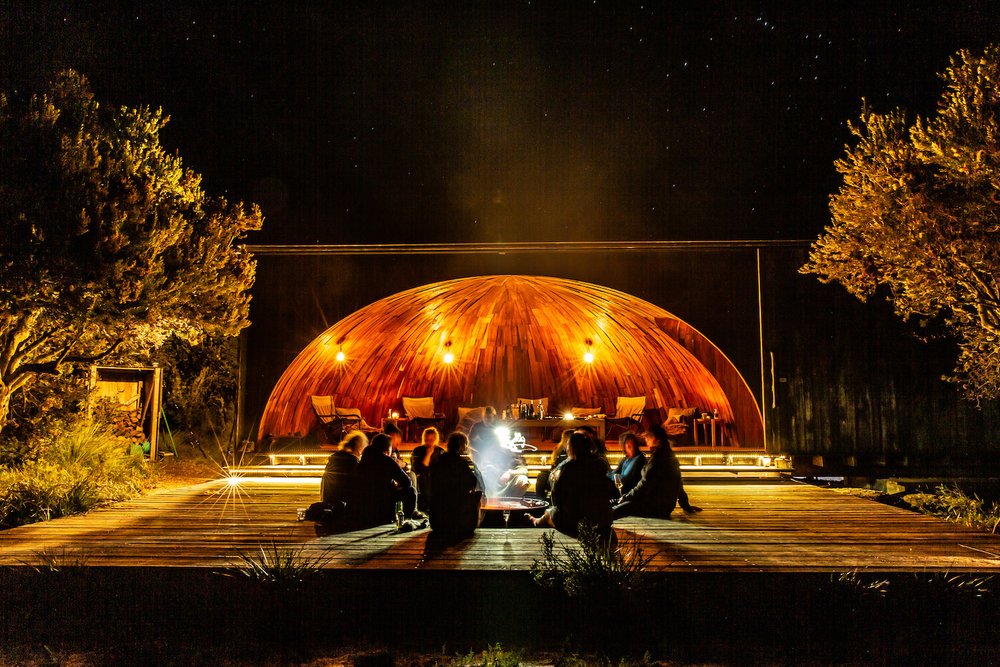
People are also giving up booze and seeking a nightlife beyond eating and drinking: a rise in night experiences and wellness experiences like stargazing and night kayaking (also a reaction to global warming which is making daytime activities oppressively, even dangerously hot).

“The analog travel trend will only rise. With humanoid robots, AI agents replacing human agents, and more unreality than reality, analog travel will be a counter trend.”

Trend: Sauna Reimagined  

Saunas have been around for thousands of years, but saunas are enjoying an incredible renaissance and renewal, a trend which GWI calls “Sauna Reimagined.”

“From new urban saunas in New York and Chicago, to rustic waterfront saunas in Oslo or Brighton, to saunas with immersive art installations in Tokyo, today’s saunas represent a reinvention of an age-old tradition—and an increasingly younger, hipper crowd is taking notice, the GWI reports. “These younger consumers, craving real-life connections beyond bars and clubs, are flocking to social saunas, which can feature DJs, drag queens or full-blown concerts. Where saunas were once a sad, dark, lonely box in a basement, today they’re lively, social, cultural and entertainment hubs, often with fantastic views and in incredible locations, and people just can’t get enough.”

Saunas are increasingly paired with other forms of entertainment (“sauna-tainment”, which resonates with a younger demographic. In London, sauna festivals and pop-ups combine music, dance workshops, bands and DJs with sauna rituals, cold plunges and hot tubs, even comedy, while in Norway, Deep Listening sessions at Farris Bad bring people together to hear a favorite classic album while in the sauna.

“People used to think of sauna as sad, dark, lonely box in a basement that smelled like sweat. Today, they are lively social hubs with fantastic views in incredible locations.”

Trend: Mideast Becomes Wellness Mecca

Another Wellness travel trend is unfolding in the Middle East, huge resorts and retreats are being designed for wellness based on ancient traditions (being alcohol free is appealing to the growing interest in being “sober curious) but embracing cutting edge technology including AI (going the opposite way of “analog travel.”)

The most ambitious project is Amaala, a $1 trillion tourism megaproject under construction in Saudi Arabia, developed by Public Investment Fund-owned Red Sea Global, under the patronage of Prince Mohammed bin Salman. It is part of the Saudi Vision 2030 program (diversifying its image and economy from oil). Spanning 4,200 square kilometers, it consists of three main developments: The Coastal Development, Amaala Island, and Triple Bay. The scale of development is humongous: they are looking at 600 projects, 140,000-plus rooms with the first eight destinations, seven resorts and yacht club opening this year (https://www.visitredsea.com/en/destinations/amaala).

The MidEast is trail-blazing new trends in wellness tourism © Karen Rubin/goingplacesfarandnear.com

This year, a new luxury resort in Dubai will not only offer beautiful rooms and great hospitality, but guests also get comprehensive health diagnostic, treatments, high-tech genetic testing and have access to doctors on site.

Rather than follow Western wellness practices, these new resorts are setting new trends combining culturally-rooted wellness with cutting edge technology, says Thomas Morris, Senior Partner, Middle East, Finn Partners (United Arab Emirates) – not just luxury resorts, but high-tech clinics, not just massive sporting events, but cutting edge training for pro and amateur athletes. “The Middle East is no longer just a stopover, but is driving trends.”

The Future of Wellness 2025 Trends report is available from the Global Wellness Institute, https://globalwellnessinstitute.org/.

Road Scholar: Adventure is Key Factor in Happiness and Health for Older Adults

Non-Profit Leader in Educational Travel Establishes June 8th as Annual National Observance, ‘Age Adventurously Day,’ in Celebration of 50th Anniversary

Adventuring in Vietnam. A study by the non-profit Road Scholar finds that adventure is a key contributor to the happiness and health of aging adults. The leader in educational travel has declared June 8th “Age Adventurously Day, to motivate older adults to break free of their routines and seek out new experiences, and is offering prizes for participating More information at roadscholar.org.. © Karen Rubin/goingplacesfarandnear.com. 

Road Scholar, the not-for-profit world leader in educational travel for older adults, released a new report indicating that adventure is a key contributor to the happiness and health of aging adults. Based on a survey of 300 adults aged 50 to 98, Road Scholar’s findings reveal that 94% of older adults who embrace adventurous activities – whether through travel, lifelong learning or stepping outside their comfort zones – report higher levels of wellbeing.

In addition to the report, the organization has announced a new national observance on its 50th anniversary June 8th, “Age Adventurously Day,” kicking off with a contest offering one lucky winner a travel voucher, among other prizes.

Road Scholar’s Age Adventurously Report offers compelling insights into the connection between aging, adventure and wellbeing. Compared to previous generations, today’s older adults are more adventurous than ever before.

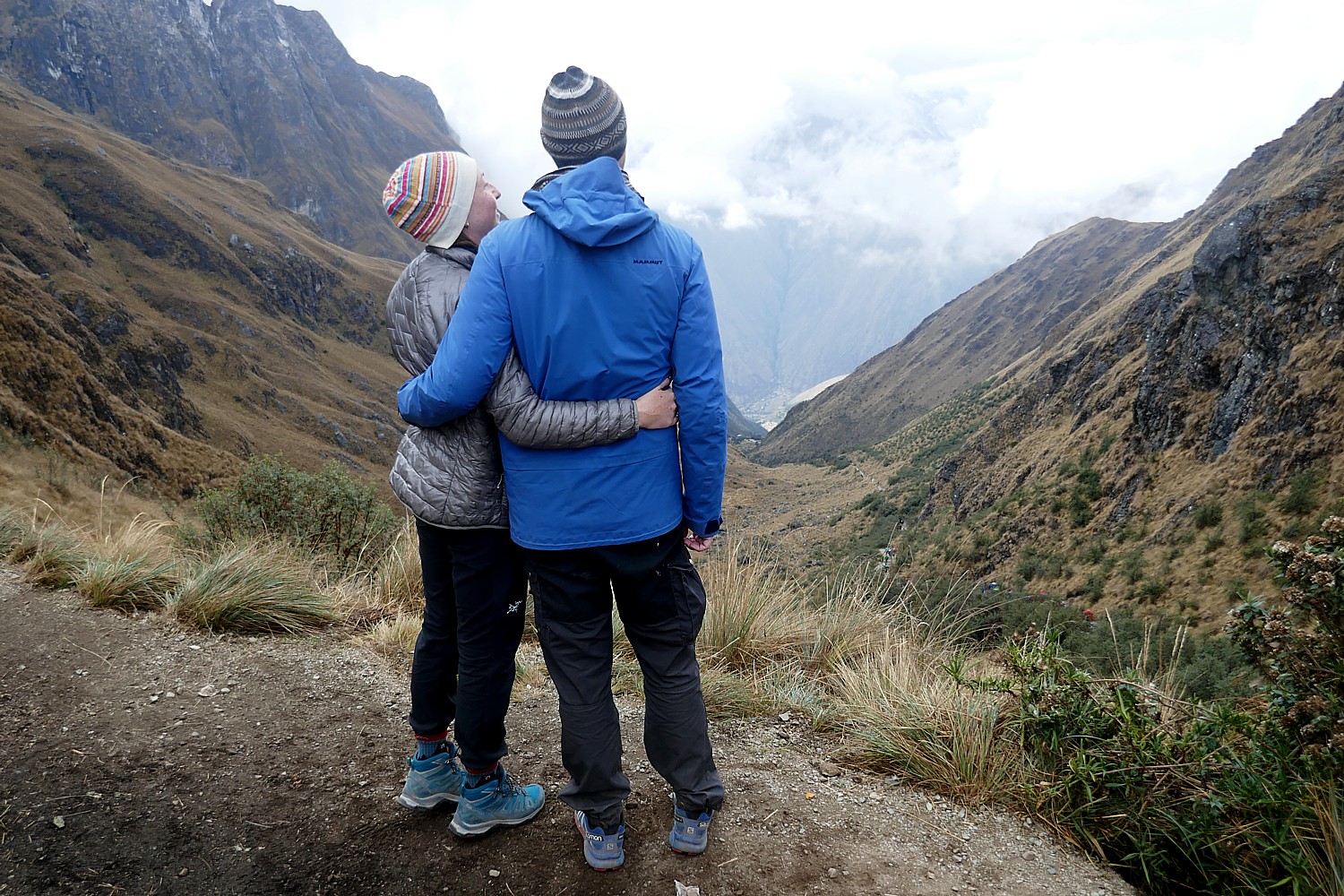
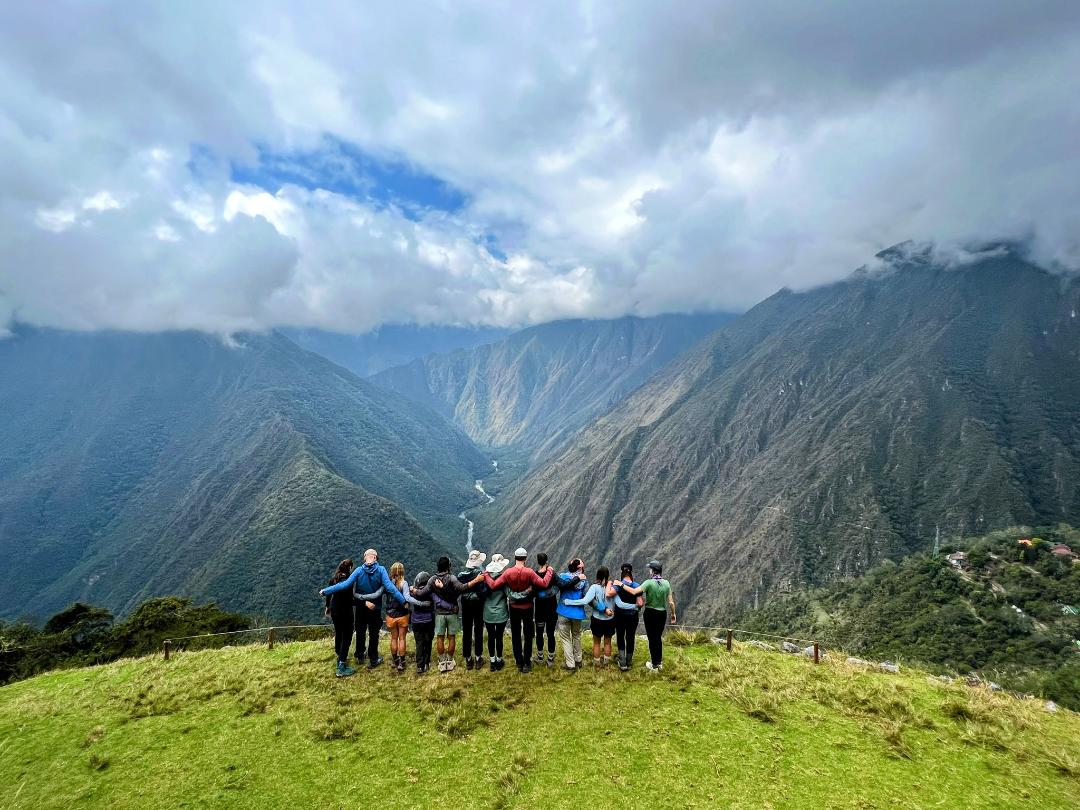
Celebrating a birthday atop Machu Picchu, the climate of a four-day Inca Trail hiking and camping trek. I can certify the Road Scholar finding that adventuring promotes happiness © Eric Leiberman/goingplacesfarandnear.com

Here’s a look at a few standout findings:

Educational Experiences Spark Interest in Distant Destinations and Frequent Travel: Older adults who engage in educational travel are more likely to explore distant destinations and travel more often compared to their peers. Thirty-two percent of participants surveyed reported that the majority of their travel is international. Road Scholar participants also tend to travel more frequently with 45% of those polled taking 4-8 trips annually, compared to 26% of those not involved with the organization. 

Adventure Adds to Health and Happiness: Nearly 100% of older adults surveyed agreed that being adventurous contributes to their health, happiness and wellbeing. In fact, Road Scholar participants above the age of 50 who actively embrace new experiences indicated feeling just as happy as they were in their 20s, 30s or 40s – scoring an average of 3.2 on a 5-point scale ranking happiness from “not happier” to “extremely happier.”

Adventurousness Across Generations: When asked if their generation was more adventurous in older adulthood than their parents’ generation, 75% of Gen Xers agreed and 89% of Boomers and Silent Gen concurred – showing that older adults have evolved to be more adventurous. 

Celebrate Age Adventurously Day

Road Scholar has declared June 8th as Age Adventurously Day. This now-approved annual observance, certified by the National Day Archives, aims to motivate older adults to break free of their routines, seek out fresh opportunities, and redefine what it means to age. 

On June 8th each calendar year, Age Adventurously Day will serve as a reminder to individuals that aging does not mean the end of adventure, but rather a new beginning full of opportunities. The day invites everyone within the Road Scholar community and beyond to embrace the spirit of adventure, stepping beyond the ordinary, trying something they’ve always wanted to do, and making aging an adventure.

To kick off the inaugural Age Adventurously Day, Road Scholar is hosting a special contest. Participants are invited to share their plans for the day or submit stories and photos of their adventures at www.ageadventurously.org. One winner will receive a $1,500 travel voucher for a Road Scholar program, along with other prizes. Entries will be accepted through June 13, with the winner selected at random.

For more information, visit roadscholar.org.

See also:

HEALTH & WELLNESS OFFERINGS EXPAND IN RESPONSE TO EXPLODING DEMAND BY TRAVELERS

_____________________________

© 2025 Travel Features Syndicate, a division of Workstyles, Inc. All rights reserved. Visit goingplacesfarandnear.com and travelwritersmagazine.com/TravelFeaturesSyndicate/. Blogging at goingplacesnearandfar.wordpress.com and moralcompasstravel.info. Visit instagram.com/going_places_far_and_near and instagram.com/bigbackpacktraveler/ Send comments or questions to FamTravLtr@aol.com. Bluesky: @newsphotosfeatures.bsky.social X: @TravelFeatures Threads: @news_and_photo_features ‘Like’ us at facebook.com/NewsPhotoFeatures

Health & Wellness Offerings Expand in Response to Exploding Demand by Travelers

The satisfaction of having ascended the 14,000-ft high Dead Woman’s Pass on Alpaca Expeditions’ four-day Inca Trail hike to Machu Picchu © Karen Rubin/goingplacesfarandnear.com

By Karen Rubin, Travel Features Syndicate, goingplacesfarandnear.com

Health and wellness, growing as part of everyday life, have become increasingly integrated into hospitality, travel and tourism behaviors. Wellness Tourism globally has grown to be worth $651 billion annually (out of a $5.6 trillion global wellness economy) and is forecasted to grow annually by an average of 16.6% through 2027. 

We used to think of “wellness” mainly in terms of spa retreats, but health and wellness now is figures into everything from the motivation to travel and choices of destinations, accommodations, activities and experiences, even decisions about when to travel.

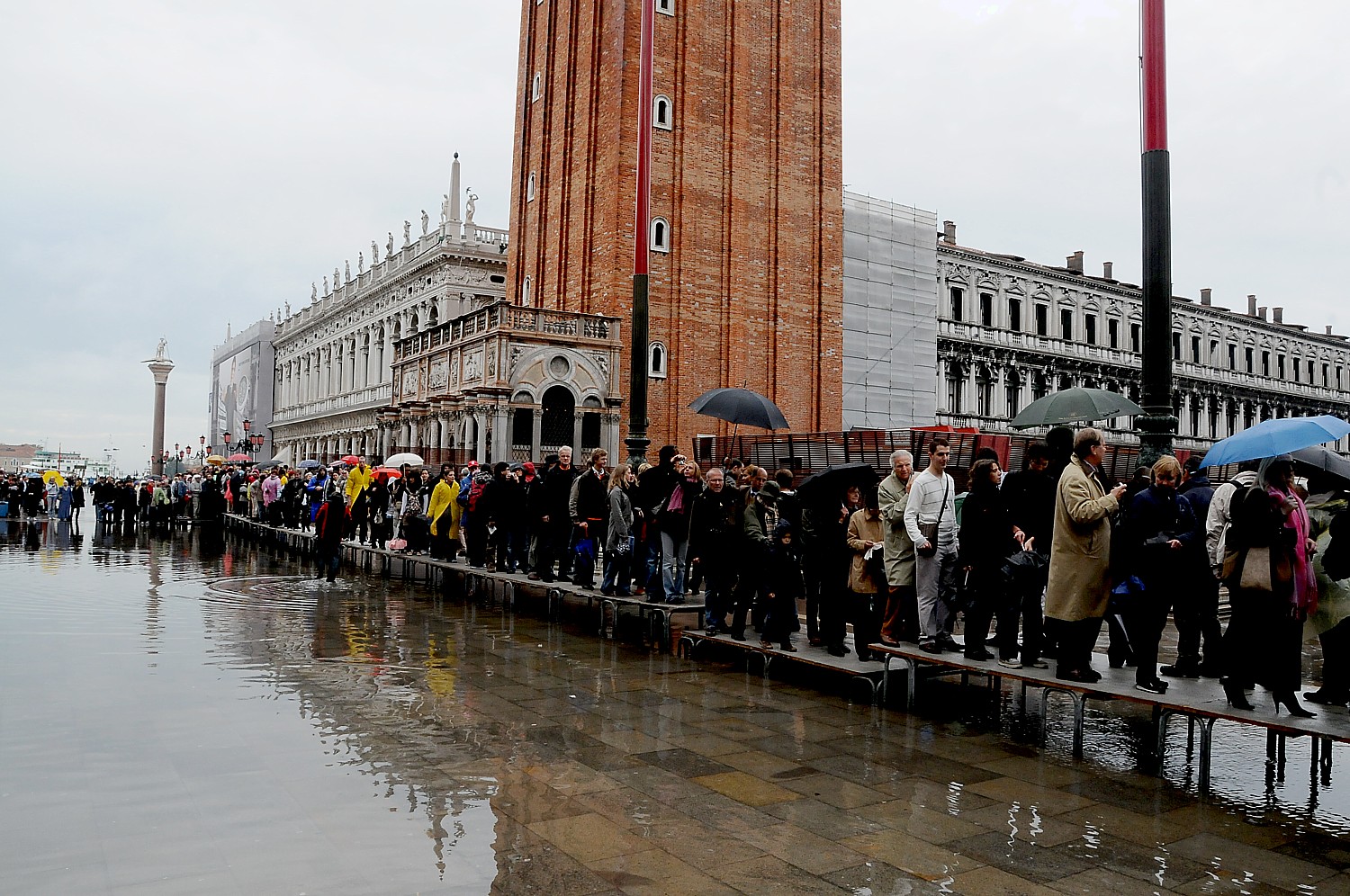
Venice is literally sinking with climate change and sea level rise. Setting out platforms for tourists to walk at St. Marks Square has become routine © Karen Rubin/goingplacesfarandnear.com

Take climate change, for instance. In light of record heat waves, wildfires, flooding, people are choosing their destinations and seasons to travel with more care. “Cool-cations” is one of the emerging new trends in travel – choosing places like Scotland and Quebec for summer holidays, trading cities for mountains, theme parks for dude ranches. There is also an awareness of the fragility of bucket-list destinations and sights like Venice (sinking), islands like the Galapagos and the Maldives (just a foot above sea level), the Great Barrier Reef (coral bleaching), the Dead Sea and the Great Salt Lake (evaporating), even the Statue of Liberty in New York harbor is on the endangered list.

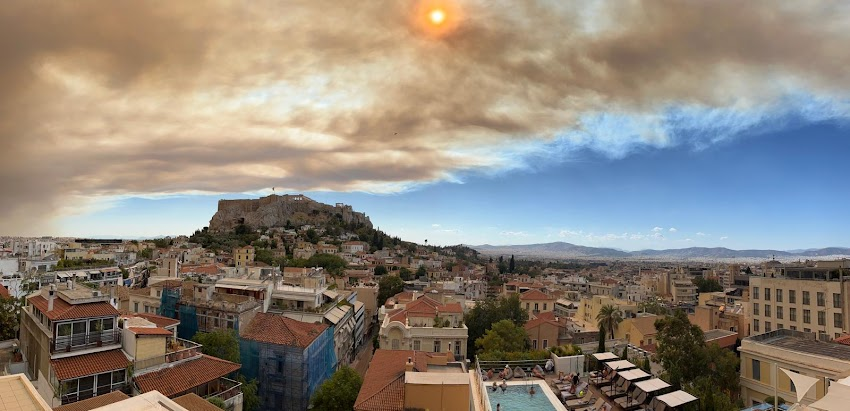
Clouds of smoke billow over the Acropolis from wildfires just outside Athens © Laini Miranda/goingplacesfarandnear.com

Travelers are also seeking out opportunities to be active outdoors instead of passive sightseers – biking, kayaking, paddleboarding, pickleball, hiking – that are physical, engaging, but also incorporate inner peace. Pilgrimages which involve long walks to places that have spiritual meaning fit the bill of combining physical and emotional benefit, as do bike trips

The wellness motif also figures into a desire for responsible and sustainable travel, where the benefits are mutual for the traveler – providing mental, physical and emotional wellbeing – and the local regional and urban economies that sustain people in their communities and preserve heritage and conserve environment for future generations.

The Global Wellness Institute’s  Tourism Initiative team reported on these emerging wellness travel trends. 

Climate Adaptive Wellness

Travelers are adapting to climate change and so is the wellness industry along with city planners, Jane Kitchen, editor-at-large of Spa Business, reports.

The impacts are seen in architecture and design: instead of relying on air-conditioning which contributes to climate change, architects and designers are looking at new solutions as well as looking back at ancient ways to cool buildings. More rooftop and vertical gardens, more greenspace, new building materials, heat resilient design incorporated into buildings whether new tech or going back to 1000-year old building techniques – like were used in the Middle East before electricity and air conditioning.

Urban planners are becoming alarmed about the public health dangers of heat for residents as well as visitors who are beginning to shun popular cities like Paris and Athens (experiencing wildfires as we write this) in summer.

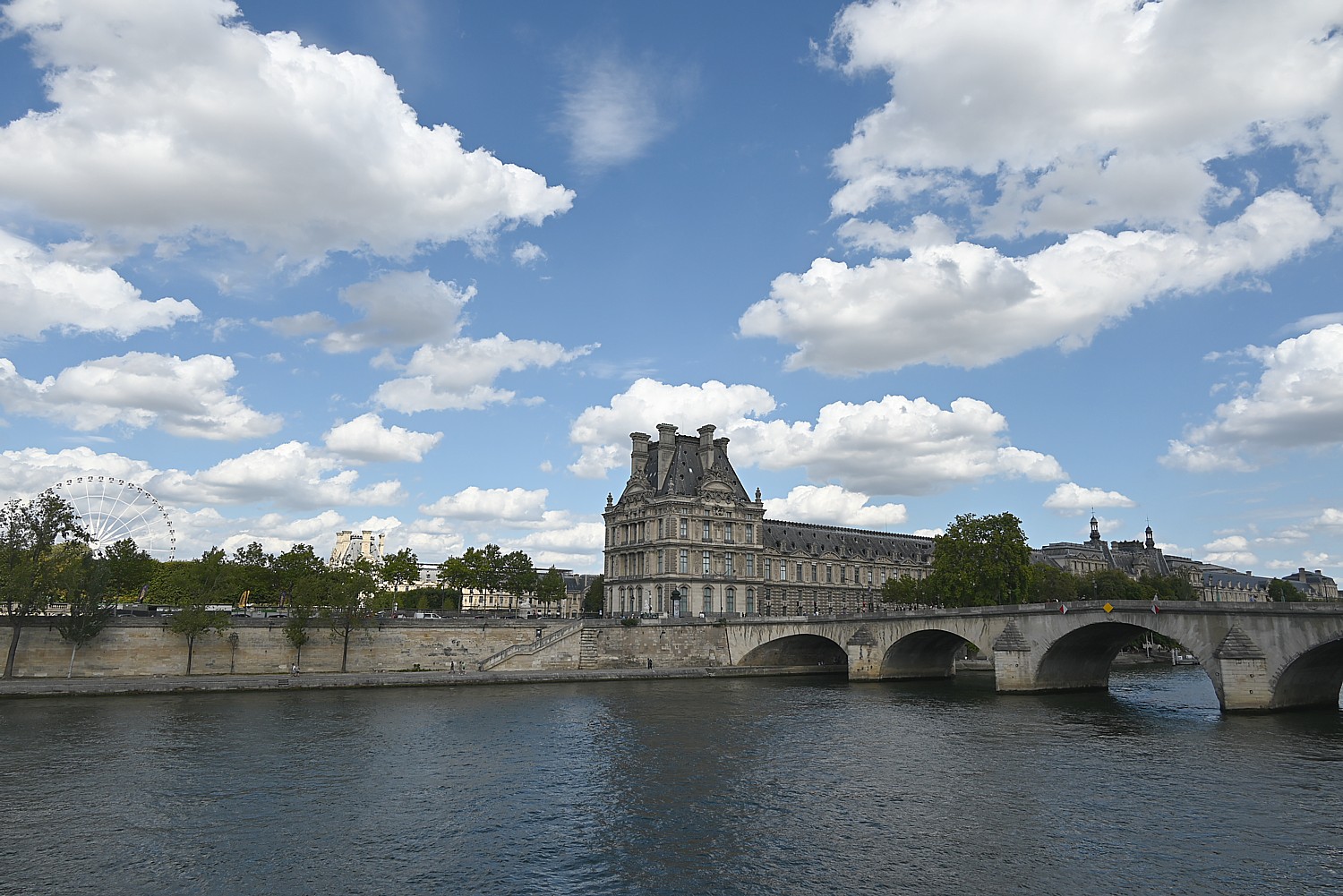
Paris spent $1 billion to clean up the Seine so it could accommodate swimming, and provides misting stations and water fountains to keep residents and travelers comfortable during the hot summer © Karen Rubin/goingplacesfarandnear.com

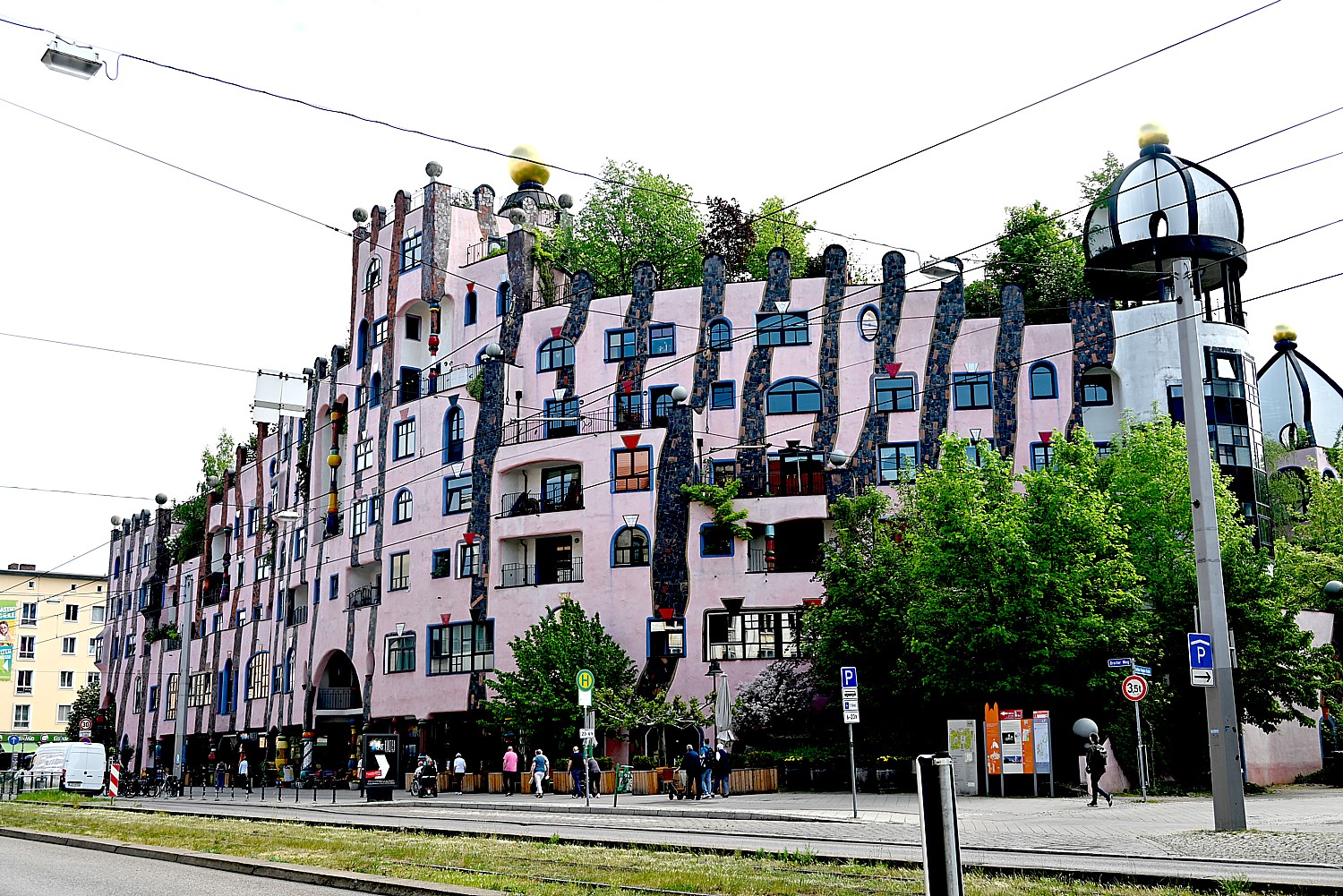
The city of Miami created a new position of Chief Heat Officer with Los Angeles, Melbourne, and Athens following suit. Cities are installing cooling stations (like Paris), cleaning up rivers so people can do wild swimming (like Paris which spent $1 billion to clean the Seine), planting more greenery, even using greenery on buildings (like Friedensreich Hundertwasser’s Green Citadel of Magdeburg, Germany, an apartment building and hotel that is literally a work of art and model for new urban design and liveability.

Friedensreich Hundertwasser’s Green Citadel of Magdeburg, Germany, an apartment building and hotel  is literally a work of art and model for new urban design and liveability © Karen Rubin/goingplacesfarandnear.com

Smart tech will also be summoned to help solve the heat crisis – like “cooling clothes – initially for workers that need to work outside, but eventually, becoming mainstream for everyday and for travel. Among the new technologies: inks in fabrics that keep cooler in summer, warmer in winter; therma adaptive textiles; wearable patches that draw heat from body and clothing embedded with smart sensors if at risk of heat stress.

Spa and wellness travel is also adapting with new, fun programs such as nighttime wellness and spa treatments, night hikes and star gazing  which have a wellness component but take place in evening when it is cooler; ice baths; and climate adaptive beauty and geo-skin care, based on where you are and the weather connections

Power of Pilgrimage

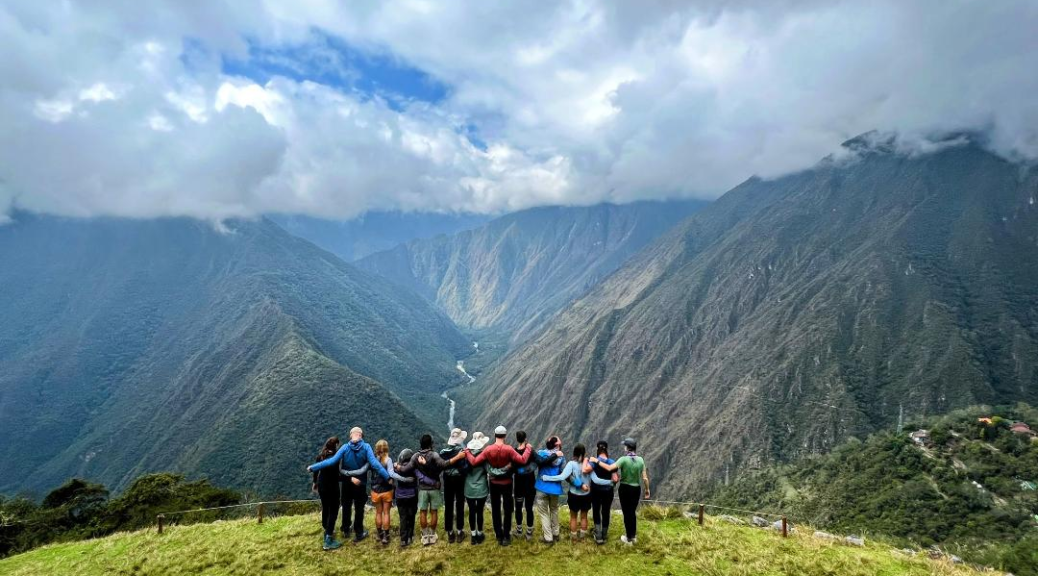
The physical, emotional and spiritual satisfaction of hiking Alpaca Expeditions’ four-day Inca Trail hike to Machu Picchu © Karen Rubin/goingplacesfarandnear.com

Journalist Eric Wilson found a “silver lining of the pandemic: people discovered the benefits of walking and walking enthusiasts discovered the benefits of exploring the ancient pilgrimage trails around the world. A record number of trekkers sought out hikes infused with cultural heritage across Asia, Europe, and the Americas (my four-day Inca Trail Trek fits neatly into that trend). A record 500,000 completed the Santiago Pilgrimage Trail in Spain – most who chose the experience not so much in pursuit of faith but for physical and spiritual wellness.

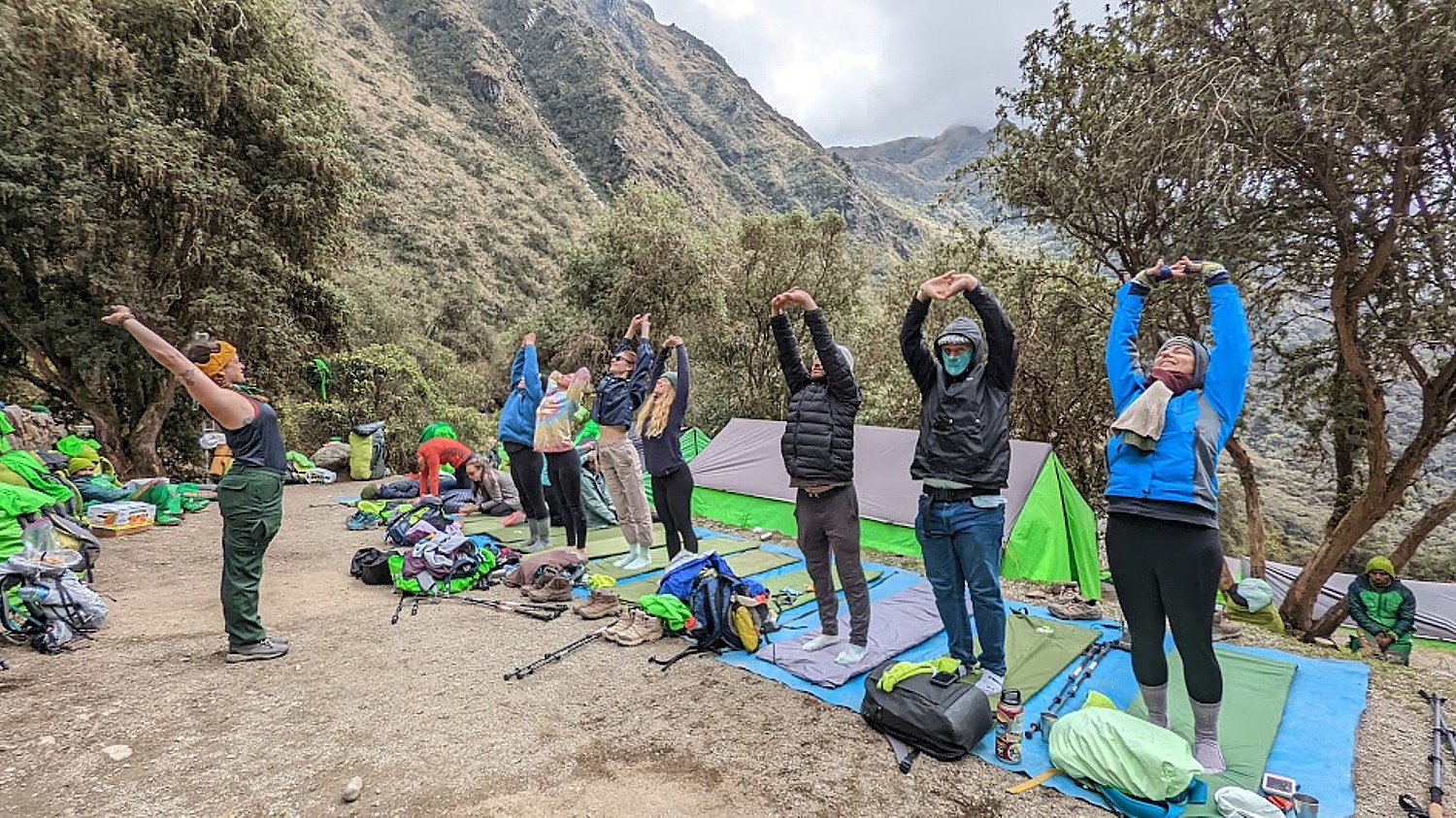
Alpaca Expeditions’ four-day Inca Trail hiking/camping adventure hits on many of the trends in wellness travel: desire for “slow-travel” walks/pilgrimage that activate physical, emotional, spiritual cylinders of well-being, an impromptu yoga session to rejuvenate after ascending the 14,000-ft high peak, responsible/sustainable/eco-friendly travel which mutually benefits travelers and community © Karen Rubin/goingplacesfarandnear.com
 

The trend has impacted a rejuvenation of trails globally to accommodate scores of new, modern pilgrims in “buzzy new destinations” like Sri Lanka, Bhutan, India, Italy and Japan. Governments, interested in promoting holistic tourism, have invested in extensive restorations of these trails – Bhutan opened a 250-mile Trans Bhutan Trail. Walk Japan reported such a surge in demand, there were not enough roadside inns or monks quarters to accommodate the travelers. Wukalina Walk, a multi-award winning Indigenous/Palawa-owned tourism experience, is led by Aboriginal guides who provide a rare window into Tasmania/lutruwita’s aboriginal culture (discoveraboriginalexperiences.com).

Savvy resorts are responding to the rising interest by incorporating a profound version of slow travel movement, linking to ancient pilgrimage trails and offering wellness programs including meditation.

“Pilgrimage is metaphor for the path to enlightenment, the slowest most meditative form of travel, where you experience unexpected encounters with strangers, gain a deeper perspective of place, where question our place in the world.” (I must confess these thoughts came to me on my Inca Trail trek.)

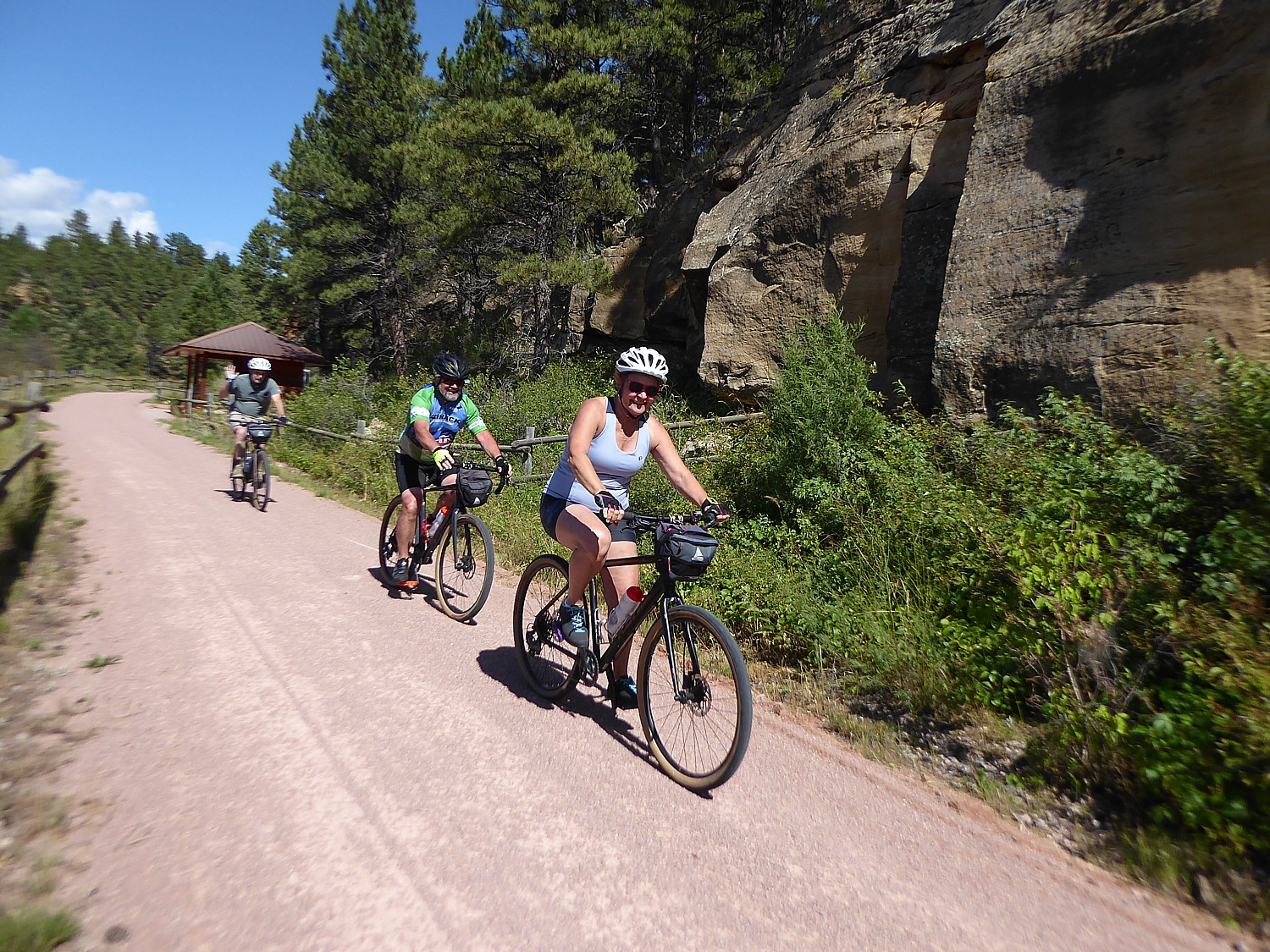
Biking railtrails like the Mickelson Trail in South Dakota with Wilderness Voyageurs has evoke physical, emotional, spiritual and social benefits, as well as a direct connection to engage directly with local people and the environment © Karen Rubin/goingplacesfarandnear.com

Surging popularity, availability of bike tours: For much the same reason as pilgrimage and walking trips, biking tours are another “slow form” of self-propelled travel experiencing explosive growth in interest and availability. Bike tours similarly evoke physical, emotional, spiritual and social benefits, as well as a direct connection to engage directly with local people and the environment, albeit at a slightly faster pace. And e-bikes now extend a cyclists’ longevity in the saddle,and take away anxiety over being able to handle the hills or the miles. Among the operators offering guided and self-guided itineraries on rail trails around the country and the world (where you are most likely to achieve that level of serenity and inner dialogue because you are not worrying about car traffic): Discovery Bicycle Tours (discoverybicycletours.com); Wilderness Voyageurs (Wilderness-Voyageurs.com); Backroads (backroads.com); VBT Bicycling Vacations (vbt.com) and Boat Bike Tours (boatbiketours.com). Also see Rails to Trails Conservancy (railstotrails.org) and the Adventure Cycling Association (adventurecycling.org).

Wellness holidays with kids are about enrichment

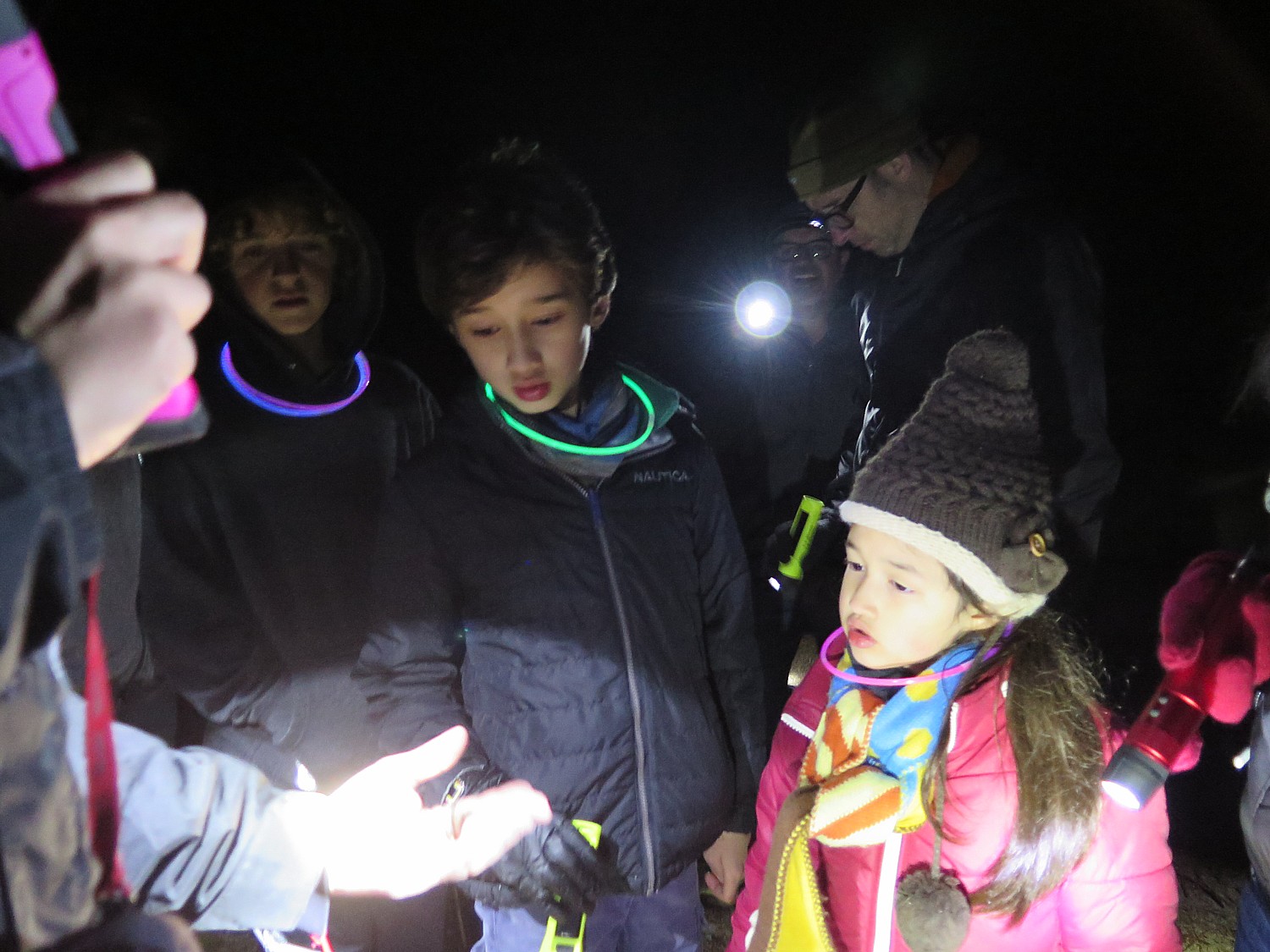
A nighttime nature walk entrances young people at the Tenaya Lodge, Fish Camp, California, at the gateway to Yosemite National Park © Karen Rubin/goingplacesfarandnear.com

Families increasingly value travel experiences that support their child’s wellbeing by expanding their education, personal development and worldview. These trips go beyond the traditional family vacation aimed at entertainment or vegging out on a beach and focus instead on immersive experiences that combine fun with learning. Examples include creative and hands-on workshops that focus on local traditions and foods, learning about local biodiversity and marine life conservation as well as personal growth elements that expose children to unexpected situations, teaching them to adapt to new environments and overcome challenges. Gleneagles Hotel in Scotland offers outdoor nature led activities for children while newcomer, Jayasom’s Family Wellness offers family counseling, enrichment activities, virtual reality and outdoor wellbeing excursions including a large hydrotherapy space that families can enter together. Austria’s Reiters Finest Family hosts sustainable family wellness holidays in Bad Tatzmannsdorf, a resort featuring 125 hectares of outdoor space, 400 animals for farm adventures as well as thermal waters, and a health and longevity center that families can enjoy together. 

Sports is playing a bigger role in hospitality  

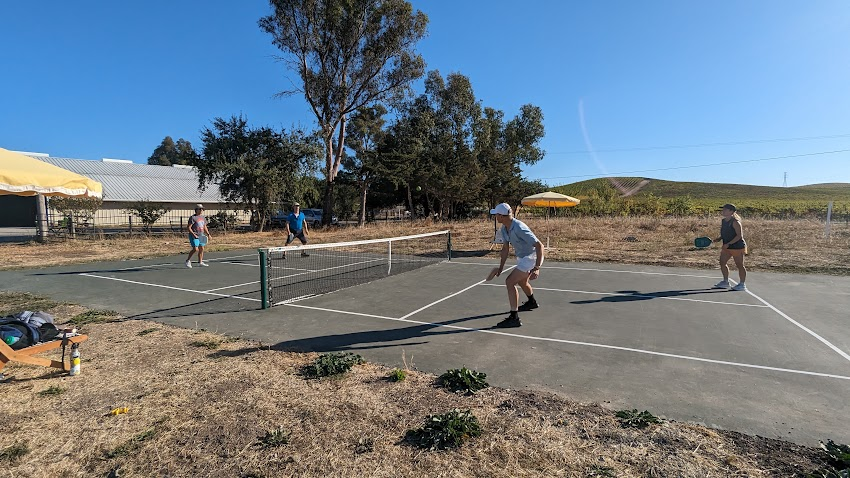
Playing pickleball on a court on a farm in Sonoma, California © Karen Rubin/goingplacesfarandnear.com

Sports related travel accounted for 66 million room stays and generated $49 billion in 2021, reported Patricia Ladis of WiseBody Physical Therapy. Enthusiasts are traveling to where they can train or improve their skills, engage in the sport (golf, tennis have long been popular but now mountain biking, cycling, rock climbing, pickleball are among the sports that are motivating travel) as well as to participate or spectate in competitions and tournaments as grand as the Olympics but as basic as a child’s hockey tourney.

People are not only traveling to engage or train in a sport, but for rehabilitation treatments and therapies. SIRO Hotels is one of first luxury hotels to be designed around health, wellness, and recovery. Its new SIRO One Za’abeel Hotel in Dubai delivers a complete experience under one roof, with rooms designed to combat jet lag, 2,000 sq m of fitness and recovery facilities with cutting-edge treatments, personalized nutritional guidance, diverse training options. Dedicated health resorts like Chenot Weggis Palace in Switzerland offer wellness travelers the opportunity to spend a week recharging with the top technologies on hand to future proof your health and wellbeing.  

In Search of Calm

Mental wellness as a travel trend has been gaining significant traction over the past few years, reflecting a broader societal shift towards valuing mental health and self-care. Wellness retreats integrate yoga, breath work, meditation. What is new are the more intensive therapy retreats. For example, equine therapy (with horses) is offered at  Gwinganna Lifestyle Retreat in Australia and NIHI Sumba in Indonesia, Re-wilding retreats that immerse into natural settings to support mental wellbeing are popular across the globe: properties like The Dreaming, in the heart of Wales and AroHa in New Zealand.

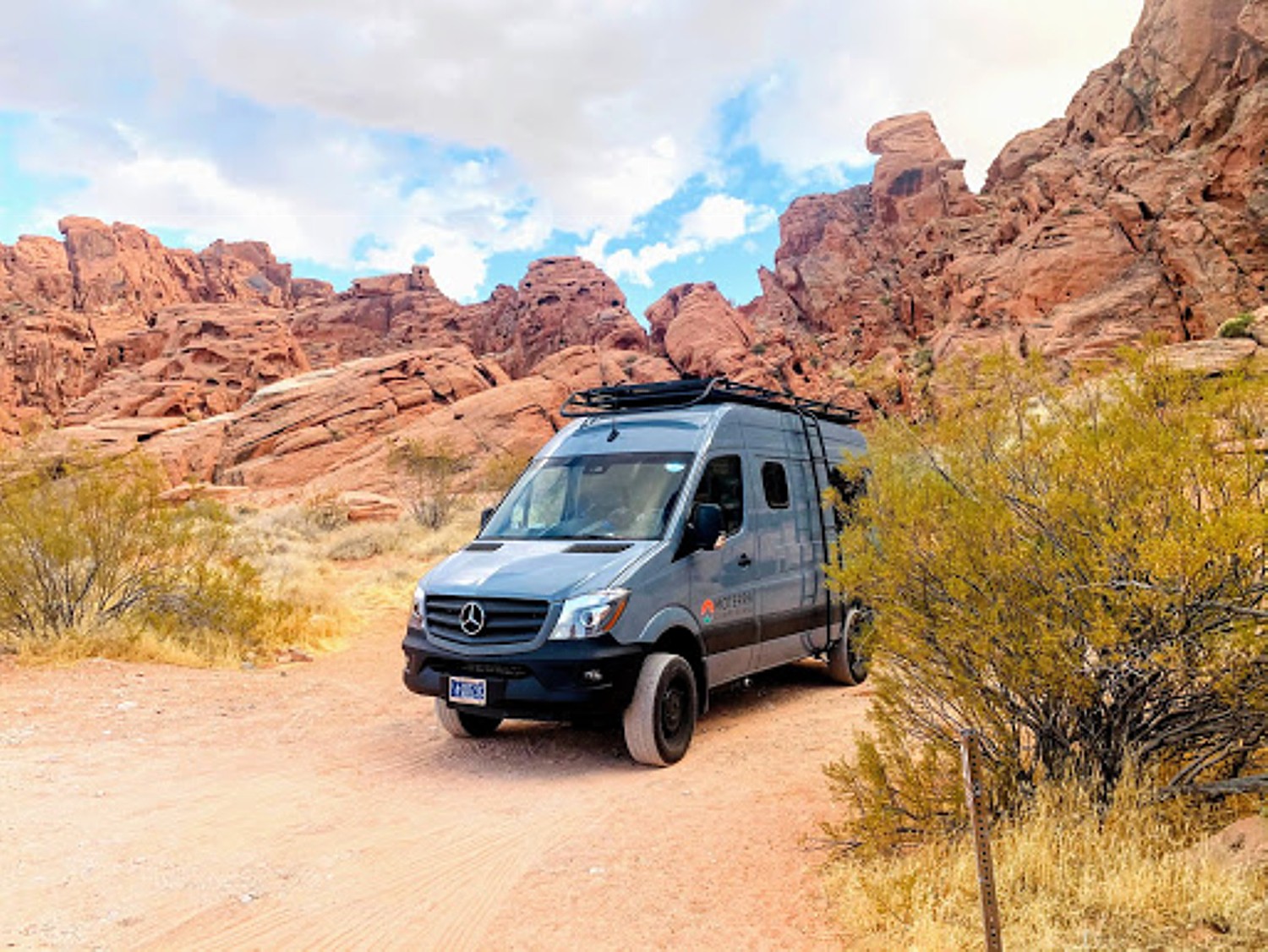
Finding calm by wild camping in a Moterra campervan in Nevada © Eric Leiberman/goingplacesfarandnear.com

This interest in seeking out the wild – getting off the beaten track – to find calm and mental wellbeing is facilitated by the rising availability of luxury campervans, equipped with water, solar-powered batteries, that enable wild camping with maximum calm and minimum stress. Among the companies: Moterra Campervans (gomoterra.com), Blacksford RV (blacksford.com), and Roadsurfer (roadsurfer.com)

Diagnostic Boom as Wellness Travelers Look to Prevention, Longevity   

Living longer is one goal of health-and-wellness travelers, but so is living well. There is recognition that quality of life is as important as quantity. Wellness travelers are now seeking out tailored and proactive health approaches, prompting many health and wellness operators to enhance their offerings with comprehensive diagnostic assessments alongside traditional wellness activities. At Canyon Ranch in Tucson, Arizona, you can undergo thorough health evaluations encompassing genetic testing, preventive diagnostics, body composition analysis, and metabolic assessments. The new Longevity Spa at Hotel, Portrait Milano, provides cutting-edge diagnostics like DNA testing and Longevity Molecular Profile, complemented by Integrative Wellness solutions and nutrition plans. KĒPOS by Goco at Daios Cove in Crete, Greece, features diagnostic services such as Metabolic Biometrics and Epigenetics testing alongside wellness programs and spa offerings.

“These offerings empower individuals to gain profound insights into their health status and make informed lifestyle choices while indulging in the rejuvenating benefits of travel. As travelers increasingly prioritize preventive healthcare and holistic well-being, the diagnostic booms in wellness travel are set to continue to reshape the tourism industry by seamlessly blending medical expertise with luxury hospitality,” GWI’s Wellness Tourism Initiative Trends for 2024 notes. 

Art and Wellness: A Perfect Pairing   

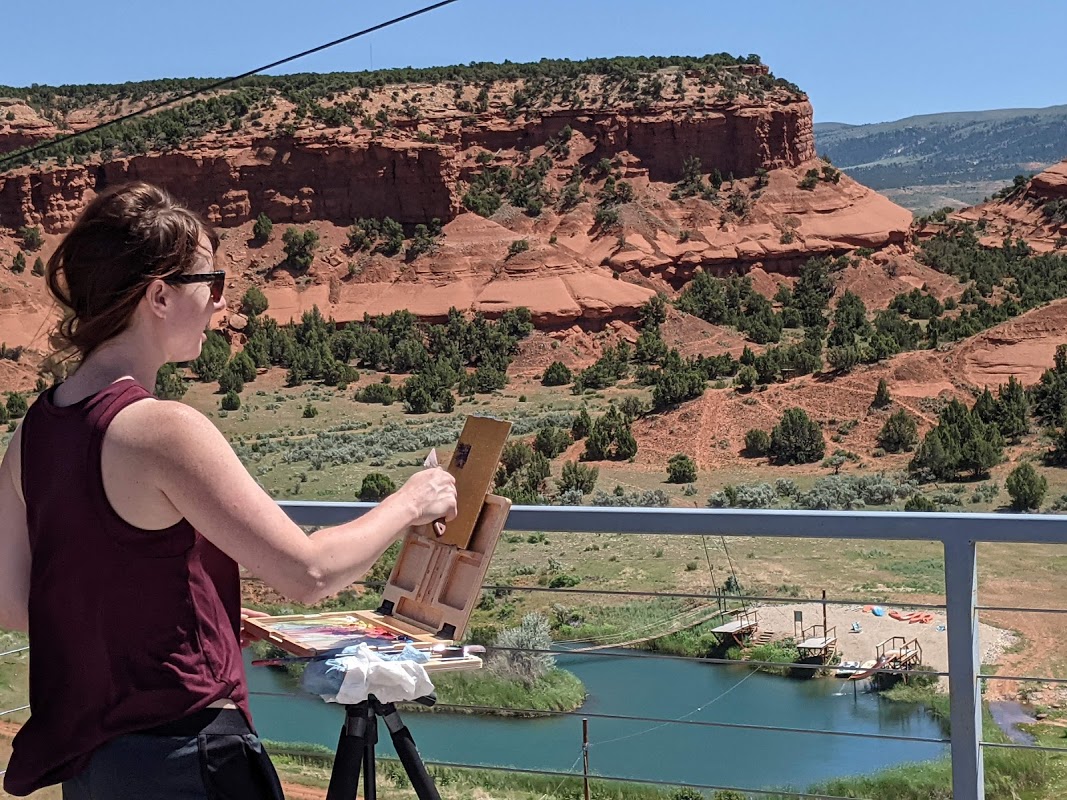
Finding harmony in nature and art at Red Reflet Ranch, Wyoming © Karen Rubin/goingplacesfarandnear.com

An emerging trend integrating art and wellness signifies a harmonious fusion of creative expression and holistic well-being, and is resulting in immersive art-centric activities, therapies and experiences that nourish both the body and the soul. Wellness hospitality operators like Como Shambhala Estate in Bali and Miraval in Arizona along with many small artisans and practitioners globally are hosting wellness retreats that blend yoga and meditation with artistic workshops encouraging guests to explore their inner creativity as a pathway to self-discovery and relaxation, inspiration and rejuvenation.  

Seeking Out Cultural Traditions and Healing

Indigenous healing has gained prominence as part of the broader trend towards holistic wellness and the search for authentic, transformative experiences. These experiences draw on the wisdom and practices of indigenous cultures around the world, offering healing techniques that have been passed down through generations. The interest in and drive behind these retreats are linked to an acknowledgement of the benefits of indigenous healing practices, a holistic approach and reconnection with the land.

Wukalina Walk, a multi-award winning Indigenous/Palawa-owned tourism experience, is led by Aboriginal guides who provide a rare window into Tasmania/lutruwita’s aboriginal culture (photo by Jillian Mundy)

 At Wai Ariki Hot Springs, in Rotorua New Zealand you can discover the ancient healing methods of these indigenous cultures, from the deeply cultural touch of mirri mirri or romi romi massage to the revitalizing power of blessed stones and herbal remedies – each experience incorporates local healers and wellness practitioners, herbal medicine practice and ceremonies that honor the community and the land. Asian traditional therapies and medicine are growing in popularity for the wellness traveler around the globe. Traditional Thai, Chinese & Ayurvedic Medicinal offerings encompass rich diagnostic protocols, herbal formulas, and treatment techniques as part of the guest experience. 

Quest for a Good Night’s Sleep

Sleep tourism is emerging as a trend catering to the growing recognition of the importance of quality sleep for overall health and well-being; travelers are seeking out diagnosis, prescriptions and coaching to improve their sleep. RAKxa Integrative wellness retreat in Thailand, offers a Thai Deep Sleep & Skin Radiant Therapy, which focuses on enhancing sleep quality, integrating traditional Thai Medicine and CBD oils. At the Longevity Hub By Clinique La Prairie in Bangkok visitors are offered Hyperbaric Oxygen Therapy.   

More information at globalwellnessinstitute.org.

_______________________

© 2024 Travel Features Syndicate, a division of Workstyles, Inc. All rights reserved. Visit goingplacesfarandnear.com and travelwritersmagazine.com/TravelFeaturesSyndicate/. Blogging at goingplacesnearandfar.wordpress.com and moralcompasstravel.info. Visit instagram.com/going_places_far_and_near and instagram.com/bigbackpacktraveler/ Send comments or questions to FamTravLtr@aol.com. Tweet @TravelFeatures. ‘Like’ us at facebook.com/NewsPhotoFeatures