Tag Archives: wellness travel

Wellness Travel: The Czech Republic’s Spa Triangle

The pools of Saunia Thermal Resort afford lovely views of Karlovy Vary in the Czech Republic’s Spa Triangle ©Geri Bain

By Geri Bain for Travel Features Syndicate, goingplacesfarandnear.com

“You are going to love Karlovy Vary,” my doctor friend Natalya says when I tell her I’m going to extend my stay in Prague with a few days there. She worked in Poland for a time and said that Karlovy Vary (aka Carlsbad) is very popular with Europeans who buy special cups to “take the cure“, drinking from the natural hot springs. “The town is so beautiful. Just don’t overdo drinking from the fountains; think of them as medicine.”

I have wanted to visit Karlovy Vary ever since seeing images of Belle Epoque women in long dresses and men with dapper hats strolling along elegant streets, stopping to fill dainty porcelain cups at sculpted fountains spouting hot mineral water. As I research my trip, I realize Karlovy Vary is part of a “Spa Triangle,” a triad of neighboring Czech towns that includes Mariánské Lázně and Františkovy Lázně. 

All three were purposefully designed to leverage the hot springs with eye-candy architecture, fountains and parks and provide restful settings for healing therapies. Today’s cures are based on a doctor-prescribed regime built around drinking, inhaling, and being immersed in the waters and muds. In fact, many European health insurance companies cover weeks-long stays to treat a variety of metabolic, gastrointestinal and musculoskeletal ills.

The Hotel Imperial Karlovy Vary opened its doors in 1912.  ©Geri Bain

Karlovy Vary, the largest of the towns and the only one whose springs are hot, is only about an hour and a half from Prague by car. Many people come on day trips, but I am headed there for two nights and then will spend a night in Mariánské Lázně. As we reach the peak of the mountain, my driver points to a castle-like building on a hill and says, “The Hotel Imperial.” 

Driving in through manicured gardens and pulling up to the grand entrance, I wonder if I should have worn something fancier, but looking at fellow guests around the lobby as I enter, I don’t feel out of place in my chinos. When I present my passport to check in, the receptionist quickly fetches her colleague who speaks fluent English. I find that while Czech, German and Russian are the main languages spoken in the region, there is always someone who speaks English. 

Rooms at the Hotel Imperial are spacious, with commanding views of the forest or town. ©Geri Bain

My room, the Hotel Imperial’s basic category, is spacious—a couple spending a few weeks here would not feel cramped, and the view of the forested hills is spectacular. The bathroom has a heated towel rack and bidet and is spotlessly clean although it feels a bit dated to my American eye.

Like most guests, I have a meal plan and eat in the main dining room. I admire the crystal chandeliers, high ceilings and architectural detailing and enjoy the social interactions around the buffet, which has a nice selection of meat, fish and vegetarian foods. Everything is self-serve except added-charge drinks and coffee (free from cappuccino/espresso machines that operate only during breakfast).

Hotel Imperial meals are served buffet style. ©Geri Bain

After lunch, I speak with staff physician Dr. Zuzana Weddelova. She talks about the ailments they treat and says that increasingly people are coming to be proactive about wellness and not just for problems. Either way, she advises a minimum stay of three nights. “While at least three weeks is optimal for treatments, even three days can be the impetus for changes in habits.”

Stays often start with a doctor consult that uses blood work, MRIs and other diagnostic tools (bring any test results you have from home) to create a plan that might include prescriptions for specific mineral waters and dosages and a wide array of other treatments. For longer stays, tests are repeated at the end to measure results.

I sign up for a 20-minute mud wrap (about $40 US). I’m directed to a long corridor of numbered doors. A woman peers out from one of the rooms and I hand her my prescription. She points to a chair where I leave my clothes and then enter an adjoining room where she slaps hot mud from a large bucket on a white sheet and indicates that I should get on the table and lie on my back on the mud. I’m nervous because sign language is our only way of communicating and this feels very clinical—not the indulgent “spa” experience I’m used to—but as the heat from the mud seeps in, I feel a deep relaxation spreading through my whole body and think “I could get used to this.”

The author, Geri Bain, filling her cup at one of the fountains.

After dinner, I take a funicular (free to guests) down the steep hill into town. I’m amused by the creative spa cups in the shape of cats and elephants but buy a classic blue and white one and walk along the colonnades, stopping at the free-flowing fountains to sample the waters. The standard advice is to drink a small cup’s worth (200 ml), sipping slowly about 30 minutes before each meal. I checked in with my doctor before coming because the waters can be harmful to certain conditions. I also read that you shouldn’t mix the waters, but I am curious so I take a few sips from various fountains. The biggest difference I discern is the temperature.

The Mill Colonnade in Karlovy Vary has five mineral spring fountains.  ©Geri Bain

Shops are closed but I window-shop the art galleries, clothing boutiques and jewelry stores, admiring some of the distinctive blood-red Czech garnet pieces. I also find local products like “spa wafers” made with the mineral waters, Manufactura cosmetics made with thermal spring salts, Moser crystal and glass, and Becherovka, a distinctive, beloved local herbal digestif. People are riding in horse-drawn carriages along the town’s main street. It is all as I imagined it except for the absence of finely turned-out women of the Belle Epoque — people tend to dress far more casually these days.  

Horse-drawn carriages clip-clop along the cobblestone streets. ©Geri Bain

I return to the hotel in time to unwind in the pool, whirlpool and sauna, where I chat with fellow guests. Most are from Germany and Czechia, but I also meet couples from Belgium, Slovenia, Holland and India. Most say the Czech spas offer great value. (At press time, the Hotel Imperial website had a one-week package with pre- and post-doctor consults, half board and up to 18 treatments per person priced from about $2,100 US per couple.) Most are here for two or three days; a few come annually for week-long stays to treat specific ailments. The only American I meet over the next three days is a New Jersey businessman who spends four weeks every year here to tame his GERD.

The next morning, I meet Iva, my private guide for the next two days. We walk into town to the Mill Colonnade. It’s one of five arcades that were built over the main fountains to protect visitors from inclement weather as they sip and stroll. Each has its own architectural style. Most of the current structures were built in the late 1800s.

The exception, Iva points out, is the Functionalist-style glass and concrete Hot Spring Colonnade, completed in 1975, which includes a separate pavilion where I linger to breathe in the steamy salty breath of the centerpiece, a geyser-like fountain that shoots up almost 40 feet at times.

Karlovy Vary translates to “Charles’ hot springs”, referring to King and Holy Roman Emperor Charles IV, who, according to legend, came upon hot springs on a hunting trip here in the 14th century. When the hot spring waters healed a wound on his leg, he chartered the town to serve visitors coming to bathe in the springs.

His original Gothic castle burnt down in 1604, leaving only the present Castle Tower. We head there next. Updated in the 18th century, it now houses a small café and a UNESCO exhibit, “The Great Spa Towns of Europe.”  Displays of the 11 UNESCO Spa Towns include the three in Czech Republic and other famous ones including Baden Baden, Germany and Bath, England. The focus is on the Golden Age of Spas, the 18th and 19th century, when medical use of these hot spring areas became more sophisticated and elegant hotels, facilities and entertainment venues were developed, making the spa towns social centers for the elites of the day.

The Grandhotel Pupp is the place to see and be seen. ©Geri Bain

Modern royalty including A-list Hollywood stars still come, especially during the annual International Film Festival in July and the start of “The Season” in May, when warm weather is welcomed with parades and special events. 

The place to see and be seen is the glamorous Grandhotel Pupp. The hotel itself starred in scenes in the James Bond movie Casino Royale and Queen Latifah’s Last Holiday. The hotel has hosted Bach, Beethoven, Napoleon, and more recently Renee Zellweger, Morgan Freeman and many other notables and Iva pointsout the bronze bricks in the front patio where their names are engraved.

The hotel’s history dates back to 1701, reflecting key events of the nation. It served as a hospital during World War II. During the communist era, it was nationalized and renamed Grandhotel Moskva and provided care to workers, peasants and generals alike. After the nonviolent 1989 Velvet Revolution that began the transition to democracy, the hotel once again became the Grandhotel Pupp and was renovated to pamper modern day spa-goers.

From here, we forego the funicular and hike up to Restaurant Diana for lunch. It’s a steep, winding trail but the panoramic views are worth the climb, and in less than 30 minutes we arrive. The restaurant is justly acclaimed for its forest setting and traditional Czech cuisine. I order a delicious venison with wild Czech forest mushrooms and am amazed that it costs only about $20.

The Imperial Spa now is a venue for concerts and shows. ©Geri Bain

Our next stop is the Imperial Spa, built for Emperor Franz Josef I and now a national cultural monument and entertainment venue which offers public tours (in English and other languages). I am amazed at the splendor of the 1895 VIP spa suite and enjoy an engaging exhibit in a section of former commoner spa rooms that includes holograms of famous visitors comprising a mini-Who’s Who of the 19th and early 20th centuries.

After dinner, I head to the Saunia Thermal Resort that offers facilities open to the public at hourly and day rates. Perched high on a hill, its huge outdoor heated swimming pool, spring-fed therapeutic pools and sunning chaise lounges and various saunas and steam baths afford spectacular vistas of the town.

The next morning, Iva and I drive to Marianské Lázně. En route we stop at Loket Castle, a rebuilt 13th century castle that houses a history museum with exhibits of court treasures, early weapons, traditional dress, and in the dungeons, startling life-size vignettes of early forms of torture. The town itself is a jewel with cobblestone streets lined by pastel-painted buildings, small shops and inviting eateries.

While smaller and newer than Karlovy Vary, Marianské Lazne (founded in 1818) has the same Belle Epoque feel. It has also attracted its share of famous fans including Frédéric Chopin, Franz Kafka, Sigmund Freud, and Mark Twain. It held a special place in the heart of Johann Wolfgang von Goethe, and the town museum, sadly closed during my visit, has an exhibit devoted to him.

The Falkensteiner Spa Resort treatments combine eastern and western practices.   ©Geri Bain

My home base in Marianské Lázně is the Falkensteiner Spa Resort. Its extensive modern in-house spa has pretty indoor and outdoor pools and lounge areas and a suite of saunas and relaxation rooms that feel more like the indulgent spas I’m used to. Spa manager Daniel Falkus explains that their program combines eastern and western practices, so in addition to treatments with spring water, they have certified guides who lead forest bathing sessions and they offer CO2 soaks, wraps and injections to improve blood circulation and reduce inflammation.

I’m limping from a pulled muscle and in quite a bit of pain and he suggests a CO2 shot might help by bringing more oxygen to the area to stimulate healing. I’m skeptical but decide to give it a try. I follow the shot with a CO2 bath. The CO2 bubbles make me feel as though I’m soaking in champagne.  I feel surprisingly energized and my leg feels a bit better so Iva and I meet up for a tour of the town.

The hotel is just steps from the main street. The historic town center, divided by a greenway, seems to flow around its large parks. She says that inhaling the air is considered therapeutic. She points out a path through a forest and nature preserve punctuated by mineral springs, including a gently mineralized water source that locals use for drinking water. I decide I will try to follow that walk in the morning.

The Singing Fountain’s dancing waters delight locals and visitors alike.  ©Geri Bain

We rush to get to the Singing Fountain in time for its “performance.” Here, every two hours, the waters dance to piped in music. A daily schedule of the musical pieces is posted near the fountain. I thought that sounded hokey, but it is so lovely that I go back again that evening.

Like the spa, dinner at the hotel feels indulgent, with impeccable service. I am assigned to a table and served by a waiter who speaks perfect English. He suggests a wonderful Czech wine and brings me several special samplings he thinks I’d enjoy tasting in addition to the three-course menu.

I am to leave for the airport at 9:30 am, so I get up with the sun to follow the walk Iva suggested. It is serene and I return relaxed, in time for a leisurely breakfast, where my English-speaking waiter spots me and again suggests some Czech treats, including a traditional braided poppy seed roll. Two Czech women I’d met in the sauna last night make a point of wishing me a good trip, and I realize how easy it has been to be here on my own.

Back home, the beauty and peaceful ambience of Mariánské Lázně and Karlovy Vary still fills me with a sense of well-being and I can see why people go back year after year. There’s plenty more I’d like to see and do. I’d especially like to experience Františkovy Lázně, which specializes in the use of local peat for in its treatments, but more than anything, these spa towns are a place to simply be—and next time, I’ll stay long enough to truly “take the cure”.

For more travel planning information, see visitczechia.com and  www.visitvaryregion.com.

The basics:

The Czech Republic is part of the European Union, but the Czech Crown (CZK) is the official currency. Credit cards are widely accepted but change some currency to get into restrooms, tip and make purchases from smaller merchants.

No visa is needed although if your trip is in the last quarter of 2026, a new European Travel Information and Authorization System (ETIAS) is expected to take effect.

Be sure to check with your doctor if you plan to drink the waters. They can be harmful to some conditions, including pregnancy.

While many people speak some English, a translation tool can be useful.

At press time, on Expedia the Spa Hotel Imperial was priced from $190; the Grandhotel Pupp was priced from $179 per night; and Falkensteiner Spa Resort Marianské Lazne, from $281. Note that packages that include spa treatments can be a good value.

United and Delta offer nonstop flights to Prague from some U.S. gateways. If you must take a connecting flight, check the connecting times carefully. Some connections are very smooth, but on my way via Lisbon, I had to change terminals, which meant going  through security twice and the three-hour connecting time was barely enough. 

_____________________________

© 2025 Travel Features Syndicate, a division of Workstyles, Inc. All rights reserved. Visit goingplacesfarandnear.com and travelwritersmagazine.com/TravelFeaturesSyndicate/. Blogging at goingplacesnearandfar.wordpress.com and moralcompasstravel.info. Visit instagram.com/going_places_far_and_near and instagram.com/bigbackpacktraveler/ Send comments or questions to FamTravLtr@aol.com. Bluesky: @newsphotosfeatures.bsky.social X: @TravelFeatures Threads: @news_and_photo_feature

Travel Industry Responds to Demand for Wellness Tourism

Discovery Bicycle Tours offers the opportunity to become immersed in the enchanting destination of Siam Reap by bike, Cambodia. Wellness tourism is a win-win-win for travelers and destinations © Karen Rubin/goingplacesfarandnear.com

By Karen Rubin, Travel Features Syndicate, goingplacesfarandnear.com

Travel has so many benefits – on a macro level, travel is the greatest invention humanity has devised for promoting peace, prosperity, progress and understanding by bringing different people together. On a micro level, travel is a life-enhancing, oftentimes life-changing experience that promotes personal health and well-being. Indeed, wellness travel is a significant and growing segment of the wellness industry writ large, and the travel industry in particular. And the travel industry is responding to demand.

“The global wellness tourism market represents a small but rapidly increasing share of tourism trips. Compared to other leisure travelers, wellness tourists tend to spend significantly more, while exploring diverse destinations, activities and services. Governments, wellness businesses and local organizations can implement thoughtful wellness tourism strategies to benefit both the destinations and their surrounding communities,” Global Wellness Institute research fellow Tonia Callender writes. “Now is an especially opportune time, as wellness tourists are increasingly interested in nature, curative waters, outdoor exercise, local healthy cuisines, and indigenous healing arts. Protecting all of these assets strengthens a destination’s appeal for wellness tourism.”  

In 2023, wellness trips accounted for 7.8% of all tourism trips but 17.9% of all tourism expenditures. Because wellness travelers spend more and favor experiences that are authentic and unique, there is less pressure for destinations to engage in a “race to the bottom” strategy that competes on price and quantity – in other words, an antidote to overtourism and mass tourism.

Wellness tourism has the potential to spread tourism to less traveled destinations; bring economic benefits and innovations to rural areas; and increase the incentives to protect local culture, biodiversity, and the environment. The values and interests inherent in wellness tourism are well aligned with those of sustainable and responsible tourism. A region’s key assets for developing and promoting wellness tourism extend beyond its hospitality and wellness businesses, and include the wellbeing of its people, the integrity of its culture, and the quality of its natural environment. As shown by the examples of Costa Rica, New Zealand, and Bhutan, sustainable tourism policies and strategies can help protect key assets and foundations while creating a successful and competitive wellness tourism destination.  

The Global Wellness Summit’s (GWS’s) The Future of Wellness: 2025 Trends cited important developments impacting the travel industry and wellness travelers.

Trend: Slow Travel

One of the leading trends identified that I am obsessed with is slow travel. I have just returned from a perfect example that hits on all cylinders: BoatBikeTours’ sailing and biking trip to Netherlands’ islands, which offers an ideal pace for personal reflection, for visual interest, for a boost of endorphins, the opportunity to stop and take a photo or engage with someone you meet, even to ask directions, to go through villages and towns and ride back roads where you can appreciate how people live that you would never see otherwise – in other words, engagement. Slow travel provides all the wellness benefits of the travel experience.

Cycling back to the Leafde fan Fryslân sailing ship, our home for Boat Bike Tours Islandhopping Wadden Sea cycling trip.  Travel companies are satisfying the growing demand for “slow travel.” © Karen Rubin/goingplacesfarandnear.com

At the Global Wellness Summit, this trend was dubbed “Wellness on the Line” and focused on how cruise and rail travel fit into the desire for “slow travel” (but I would add biking, hiking, walking and pilgrimage tours offer much the same benefits).

Train travel fits the ideal of slow travel – both in pacing that promotes mindfulness, even the rhythm of wheels rolling on the track and the gentle rocking as you watch the landscape roll by, and being eco-friendly.

Belmond, the luxury travel company that is part of LVMH Moët Hennessy Louis Vuitton SE and owns or manages 45 luxury hotels and spas, restaurant, train and river cruise properties, operates some of the most famous trains in the world including the Venice-Simplon Orient Express, the Royal Scotsman.  Its new Britannic Explorer, UK’s first luxury sleeper train, has a first-of-its-kind wellness suite onboard, where as you travel to Wales, the Lake District, Cornwall, you can enjoy treatments based on circadian rhythms, with different treatments depending upon the time of day.

Nicola Herbert, Belmond’s global director of wellness strategies (its tagline is “Discover a new pace of travel”), described the company’s  global strategy for Belmond hotels, trains, cruises, safari camps, focus on wellbeing and why trains and wellness are such a good mix: “Guests on a Belmond train feel like they are stepping into a cocoon, a bubble, moving away from reality. There is a natural tendency to disconnect. The common theme: it’s not about the destination, it’s about the journey; embrace the journey.”

Trains and boats have a naturally slow pace, their movement, and even sound, lull the body as you also see incredible natural landscapes floating by.

“We provide amazingly curated aesthetic space where guests use their creativity to achieve wellness – guests find a sketch book gifted in the cabin, communing across a chess board. Passengers have permission to reconnect with relaxation.  Traveling with companion or fellow passengers, discovering destination – bonding experience – create friendships for life on these journeys.”

You can find a plethora of wellness experiences at Belmond properties at a dedicated site, https://www.belmond.com/experiences/wellbeing

(A company specializing in rail journeys is Railbookers.com, 888-829-3040.)

Exercising while cruising from Prague to Berlin on CroisiEurope’s riverboat, Elbe Princesse. CroisiEurope is introducing a new riverboat in the Amazon in 2027, the MV Brasilian Dream,offering an eco-tourism experience © Karen Rubin/goingplacesfarandnear.com

Wellness is transforming cruising. We saw it in the 1980s, when cruiselines introduced luxurious spas and healthy dining on board, but what they are doing now is “integrated wellness” with onboard programming –a nutritionist lecture on “nutrigenomics,” a three-day cellular detox, fitness classes that focus on mobility, balance, posture; yoga meditation; and activities like stargazing at night, classes to learn computer skills, art, or learning the tango – as well as onshore activities and excursions.

Viking Cruises is one line that has embraced this in a big way. “There are so many facets from the architecture of ship reflecting its Nordic heritage, an onboard snow grotto with snowballs scented with lavender, to excursions to thermal lagoons and nature walks;

Shore excursions also provide opportunities for these enhanced experiences, like a workshop on Aloe Vera in Cape Verde; a guided medicinal plant walk through the jungle in Mexico, said Suzie Ellis, GWI’s CEO.

Blue World Voyages, launching in 2026, is promising to be the epitome of active lifestyle cruising. A ship designed in yacht style it is dedicated to sport and wellness. It strives to be the ‘healthiest ship at sea,” with an- entire deck designed around sports and fitness, the world’s largest functional training facility at sea, a state of the art golf school, and the largest luxury spa per passenger at sea.

European Waterways’ barge hotel, Panache, plies the canals of France, the ultimate in “slow travel” with the opportunity to bike along the paths alongside © Karen Rubin/goingplacesfarandnear.com

While ocean cruising has embraced wellness onboard and with on-shore experiences, my favorite kind of cruising are the river and canal cruises on canalboats and barges which are quite literally “slow-travel” – so slow, that you can bike alongside at twice the speed, and float into ports you can just stride off the boat to explore. Among these are: AmaWaterways, Amadeus River Cruises, CroisiEurope, Emerald Cruises, European Waterways, Viking River Cruises, Uniworld Boutique River Cruises. You can even rent your own live-aboard self-skippered boat through LeBoat in Europe and Erie Canal Adventures on the Erie Canal in New York State. Also, historic sailing vessels, like the tallships of the Maine Windjammer fleet, are idyllic for an analog travel retreat (www.mainewindjammerfleet.com). Expeditionary cruises to the Galapagos, Arctic and Antarctic, like those offered by Lindblad Expeditions, Aurora Expeditions, Hurtigruten, Ponant, Poseidon Expeditions and Quark Expeditions are a category of “wellness” all their own, adding doses of adventure and exhilaration.

The growing desire for “slow travel” is seen in the surging popularity, accessibility and availability of bike tours –whether guided or self-guided, inn-to-inn or by boat. Bike tours evoke physical, emotional, spiritual and social benefits, as well as a direct connection to engage directly with local people and the environment. And the wide availability of e-bikes now extend a cyclists’ longevity in the saddle and take away anxiety over being able to handle the hills or the miles. Among the operators offering guided and self-guided itineraries on rail trails around the country and the world (where you are most likely to achieve that level of serenity and inner dialogue because you are not worrying about car traffic): Discovery Bicycle ToursWilderness VoyageursBackroadsVBT Bicycling Vacations and Boat Bike Tours.

Trend: Analog Wellness

At the heart of many of the wellness trends is a rejection of the digital, overly techno, virtual world in favor of a return to the simplicity and authenticity of the analog, spawning a trend to “analog  travel”– old-school, old-fashioned, basic creative pursuits and opportunities for in-person social interaction and communication.

“The online and social media world has gone too far,” said GWI’s Beth McGroarty.  People are resenting the manipulation, the intrusive marketing, the evil algorithms, the lies. People are sick of ‘brain robbing,’ polarization, and the time-suck from life spent in front of screens. People are getting aggressive about logging off in life and in travel.  More travelers are seeking out destinations and experiences where the phone is locked up or properties that do not have wifi (think “White Lotus”). More hotels and resorts and destinations are channeling this zeitgeist, introducing retro, pre industrial programming, tactile experiences like embroidery, clay modeling– analog experiences that restore what the digital world stolen.”

Bird watching in the Thung Nham Ecotourism Zone in Ninh Binh, Vietnam. People are craving analog experiences to restore what the digital world has stolen. © Karen Rubin/goingplacesfarandnear.com

Analog experiences are as varied as blacksmithing and birdwatching, or the use of “retro tech” like old-school film cameras, dumb phones (that can only be used for emergencies), typewriters, paper maps and old-fashioned alarm clocks. The common denominator is going “unplugged.”  

Vinyl listening is now the rage, she said  (and as if to prove the point, Newsday reported, “Vinyl bars in NYC to explore ”  https://www.newsday.com/travel/vinyl-bars-nyc-g4cu5v7v)

There are deep listening sauna sessions, where you settle in for a group audio meditation – take complete vinyl album from classic artist; and “social reading”; wellness resorts and retreats are offering art as wellness therapy, arts and crafts, painting, ceramics, writing, knitting workshops. embroidery, clay modeling.

“It’s not just going retro, but back to pre-Industrial pursuits.”

At the Viceroy at Ombria Algarve in Portugal, for example, guests can sign up to be a “Shepherd for a Day” learning traditional sheep herding practices from a local shepherd and drive the flock home; also “Hive to Honey” and “Traditional Pottery Workshop”with a local artisan (Viceroy at Ombria Algarve, www.viceroyhotelsandresorts.com)

‎On a restored 17th century farm resort, you can do blacksmithing, milk cows, leatherworking, carpentry, wheat milling.

Tourism boards are jumping in. Japan’s tourism board has created a road map for travelers to find traditions like paper crafting, copper and gold smithing.

Nightlife is also going analog, with super social clubs, spaces where people craft, read, listen to music, play games; reading parties where an hour of reading is set to live music in beautiful settings.

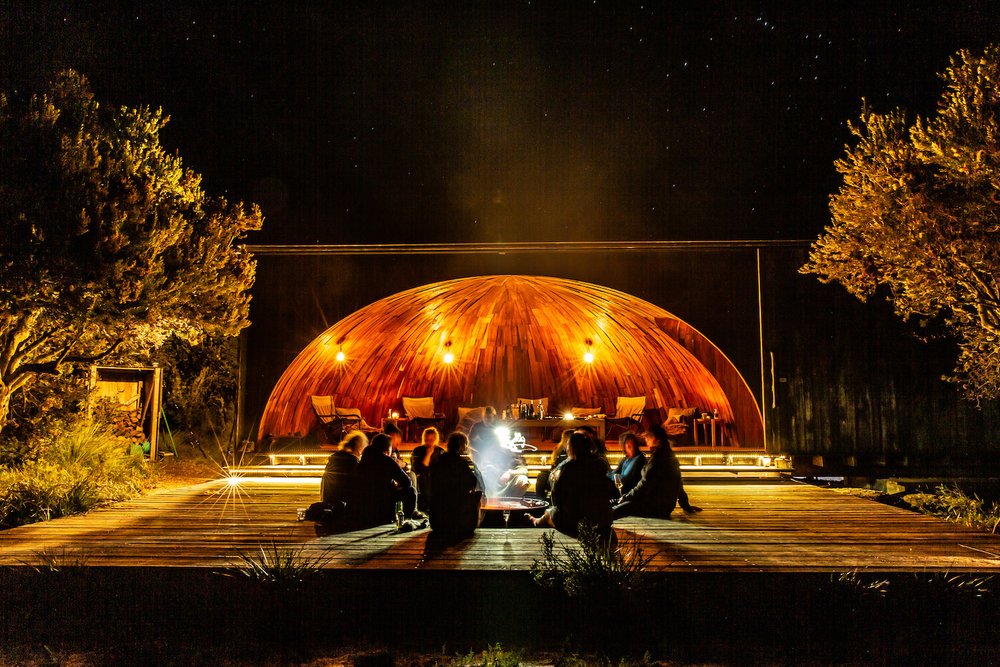
People are also giving up booze and seeking a nightlife beyond eating and drinking: a rise in night experiences and wellness experiences like stargazing and night kayaking (also a reaction to global warming which is making daytime activities oppressively, even dangerously hot).

“The analog travel trend will only rise. With humanoid robots, AI agents replacing human agents, and more unreality than reality, analog travel will be a counter trend.”

Trend: Sauna Reimagined  

Saunas have been around for thousands of years, but saunas are enjoying an incredible renaissance and renewal, a trend which GWI calls “Sauna Reimagined.”

“From new urban saunas in New York and Chicago, to rustic waterfront saunas in Oslo or Brighton, to saunas with immersive art installations in Tokyo, today’s saunas represent a reinvention of an age-old tradition—and an increasingly younger, hipper crowd is taking notice, the GWI reports. “These younger consumers, craving real-life connections beyond bars and clubs, are flocking to social saunas, which can feature DJs, drag queens or full-blown concerts. Where saunas were once a sad, dark, lonely box in a basement, today they’re lively, social, cultural and entertainment hubs, often with fantastic views and in incredible locations, and people just can’t get enough.”
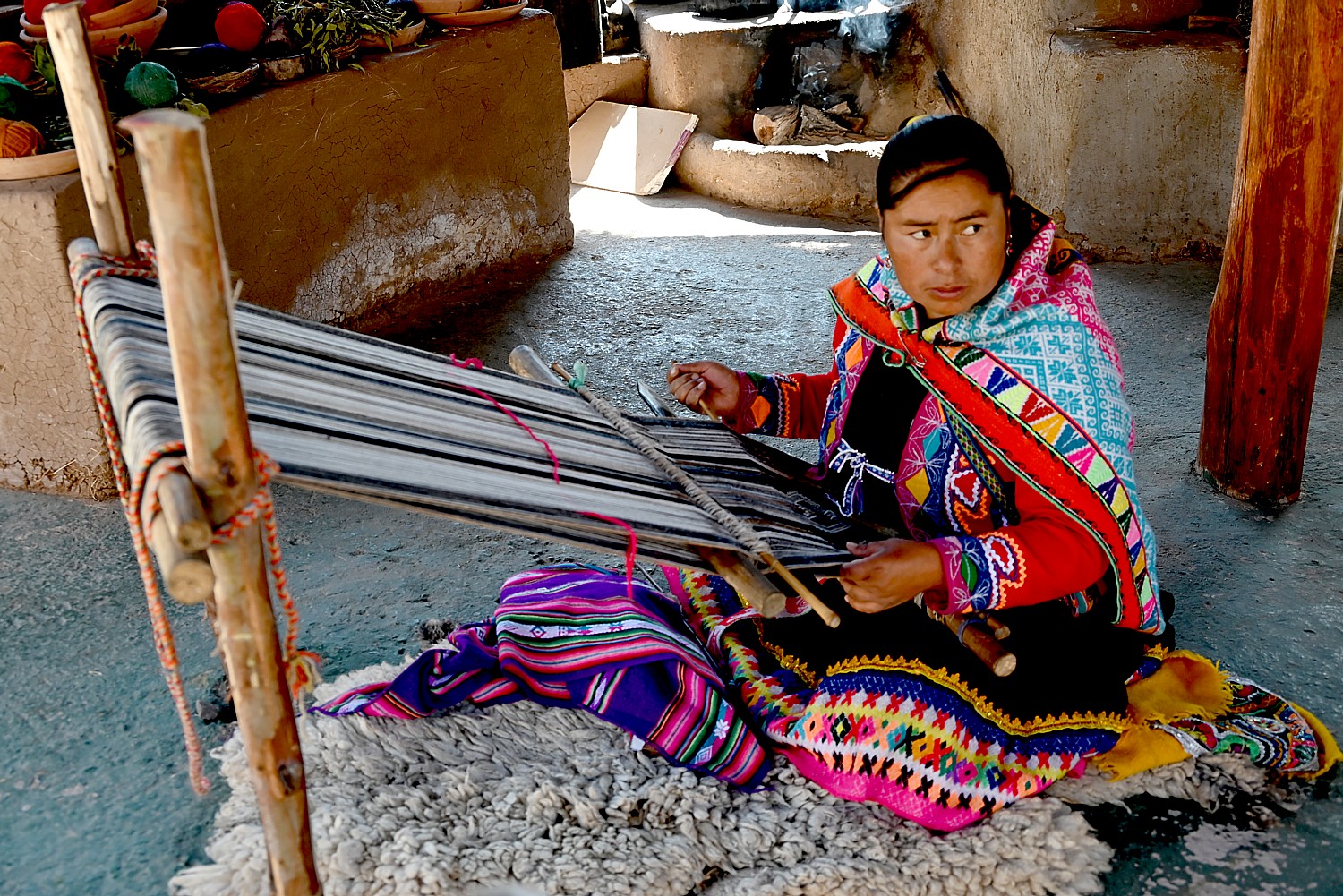
Saunas are increasingly paired with other forms of entertainment (“sauna-tainment”, which resonates with a younger demographic. In London, sauna festivals and pop-ups combine music, dance workshops, bands and DJs with sauna rituals, cold plunges and hot tubs, even comedy, while in Norway, Deep Listening sessions at Farris Bad bring people together to hear a favorite classic album while in the sauna.

“People used to think of sauna as sad, dark, lonely box in a basement that smelled like sweat. Today, they are lively social hubs with fantastic views in incredible locations.”

Trend: Mideast Becomes Wellness Mecca

Another Wellness travel trend is unfolding in the Middle East, huge resorts and retreats are being designed for wellness based on ancient traditions (being alcohol free is appealing to the growing interest in being “sober curious) but embracing cutting edge technology including AI (going the opposite way of “analog travel.”)

The most ambitious project is Amaala, a $1 trillion tourism megaproject under construction in Saudi Arabia, developed by Public Investment Fund-owned Red Sea Global, under the patronage of Prince Mohammed bin Salman. It is part of the Saudi Vision 2030 program (diversifying its image and economy from oil). Spanning 4,200 square kilometers, it consists of three main developments: The Coastal Development, Amaala Island, and Triple Bay. The scale of development is humongous: they are looking at 600 projects, 140,000-plus rooms with the first eight destinations, seven resorts and yacht club opening this year (https://www.visitredsea.com/en/destinations/amaala).

The MidEast is trail-blazing new trends in wellness tourism © Karen Rubin/goingplacesfarandnear.com

This year, a new luxury resort in Dubai will not only offer beautiful rooms and great hospitality, but guests also get comprehensive health diagnostic, treatments, high-tech genetic testing and have access to doctors on site.

Rather than follow Western wellness practices, these new resorts are setting new trends combining culturally-rooted wellness with cutting edge technology, says Thomas Morris, Senior Partner, Middle East, Finn Partners (United Arab Emirates) – not just luxury resorts, but high-tech clinics, not just massive sporting events, but cutting edge training for pro and amateur athletes. “The Middle East is no longer just a stopover, but is driving trends.”

The Future of Wellness 2025 Trends report is available from the Global Wellness Institute, https://globalwellnessinstitute.org/.

Road Scholar: Adventure is Key Factor in Happiness and Health for Older Adults

Non-Profit Leader in Educational Travel Establishes June 8th as Annual National Observance, ‘Age Adventurously Day,’ in Celebration of 50th Anniversary

Adventuring in Vietnam. A study by the non-profit Road Scholar finds that adventure is a key contributor to the happiness and health of aging adults. The leader in educational travel has declared June 8th “Age Adventurously Day, to motivate older adults to break free of their routines and seek out new experiences, and is offering prizes for participating More information at roadscholar.org.. © Karen Rubin/goingplacesfarandnear.com. 

Road Scholar, the not-for-profit world leader in educational travel for older adults, released a new report indicating that adventure is a key contributor to the happiness and health of aging adults. Based on a survey of 300 adults aged 50 to 98, Road Scholar’s findings reveal that 94% of older adults who embrace adventurous activities – whether through travel, lifelong learning or stepping outside their comfort zones – report higher levels of wellbeing.

In addition to the report, the organization has announced a new national observance on its 50th anniversary June 8th, “Age Adventurously Day,” kicking off with a contest offering one lucky winner a travel voucher, among other prizes.

Road Scholar’s Age Adventurously Report offers compelling insights into the connection between aging, adventure and wellbeing. Compared to previous generations, today’s older adults are more adventurous than ever before.

Celebrating a birthday atop Machu Picchu, the climate of a four-day Inca Trail hiking and camping trek. I can certify the Road Scholar finding that adventuring promotes happiness © Eric Leiberman/goingplacesfarandnear.com

Here’s a look at a few standout findings:

Educational Experiences Spark Interest in Distant Destinations and Frequent Travel: Older adults who engage in educational travel are more likely to explore distant destinations and travel more often compared to their peers. Thirty-two percent of participants surveyed reported that the majority of their travel is international. Road Scholar participants also tend to travel more frequently with 45% of those polled taking 4-8 trips annually, compared to 26% of those not involved with the organization. 

Adventure Adds to Health and Happiness: Nearly 100% of older adults surveyed agreed that being adventurous contributes to their health, happiness and wellbeing. In fact, Road Scholar participants above the age of 50 who actively embrace new experiences indicated feeling just as happy as they were in their 20s, 30s or 40s – scoring an average of 3.2 on a 5-point scale ranking happiness from “not happier” to “extremely happier.”

Adventurousness Across Generations: When asked if their generation was more adventurous in older adulthood than their parents’ generation, 75% of Gen Xers agreed and 89% of Boomers and Silent Gen concurred – showing that older adults have evolved to be more adventurous. 

Celebrate Age Adventurously Day

Road Scholar has declared June 8th as Age Adventurously Day. This now-approved annual observance, certified by the National Day Archives, aims to motivate older adults to break free of their routines, seek out fresh opportunities, and redefine what it means to age. 

On June 8th each calendar year, Age Adventurously Day will serve as a reminder to individuals that aging does not mean the end of adventure, but rather a new beginning full of opportunities. The day invites everyone within the Road Scholar community and beyond to embrace the spirit of adventure, stepping beyond the ordinary, trying something they’ve always wanted to do, and making aging an adventure.

To kick off the inaugural Age Adventurously Day, Road Scholar is hosting a special contest. Participants are invited to share their plans for the day or submit stories and photos of their adventures at www.ageadventurously.org. One winner will receive a $1,500 travel voucher for a Road Scholar program, along with other prizes. Entries will be accepted through June 13, with the winner selected at random.

For more information, visit roadscholar.org.

See also:

HEALTH & WELLNESS OFFERINGS EXPAND IN RESPONSE TO EXPLODING DEMAND BY TRAVELERS

_____________________________

© 2025 Travel Features Syndicate, a division of Workstyles, Inc. All rights reserved. Visit goingplacesfarandnear.com and travelwritersmagazine.com/TravelFeaturesSyndicate/. Blogging at goingplacesnearandfar.wordpress.com and moralcompasstravel.info. Visit instagram.com/going_places_far_and_near and instagram.com/bigbackpacktraveler/ Send comments or questions to FamTravLtr@aol.com. Bluesky: @newsphotosfeatures.bsky.social X: @TravelFeatures Threads: @news_and_photo_features ‘Like’ us at facebook.com/NewsPhotoFeatures

Health & Wellness Offerings Expand in Response to Exploding Demand by Travelers

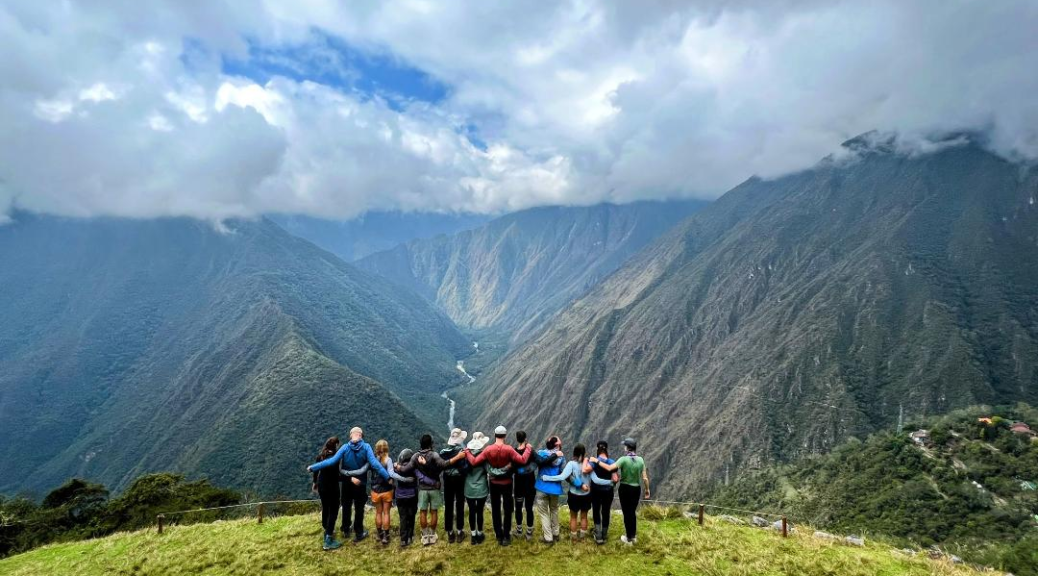
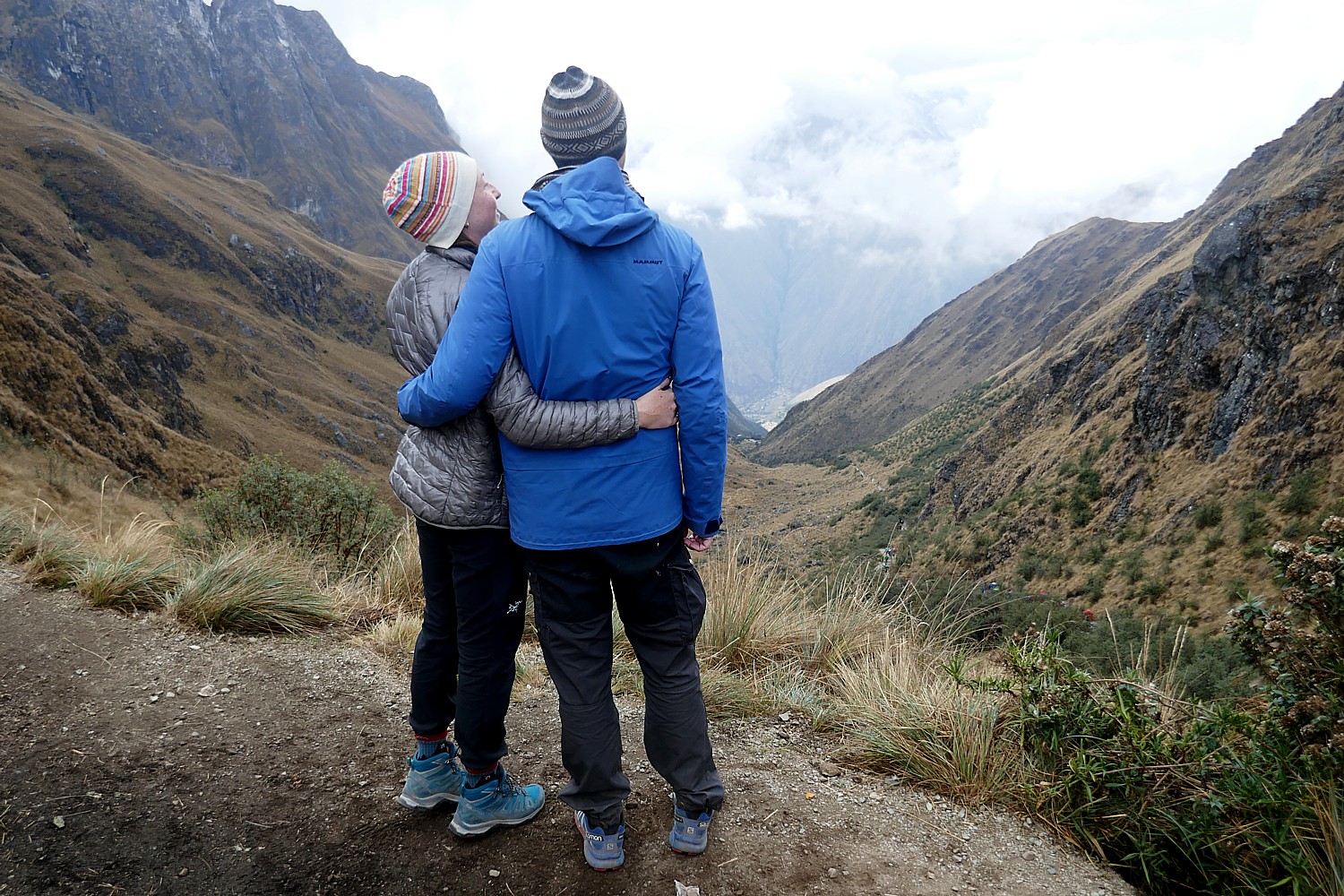
The satisfaction of having ascended the 14,000-ft high Dead Woman’s Pass on Alpaca Expeditions’ four-day Inca Trail hike to Machu Picchu © Karen Rubin/goingplacesfarandnear.com

By Karen Rubin, Travel Features Syndicate, goingplacesfarandnear.com

Health and wellness, growing as part of everyday life, have become increasingly integrated into hospitality, travel and tourism behaviors. Wellness Tourism globally has grown to be worth $651 billion annually (out of a $5.6 trillion global wellness economy) and is forecasted to grow annually by an average of 16.6% through 2027. 

We used to think of “wellness” mainly in terms of spa retreats, but health and wellness now is figures into everything from the motivation to travel and choices of destinations, accommodations, activities and experiences, even decisions about when to travel.

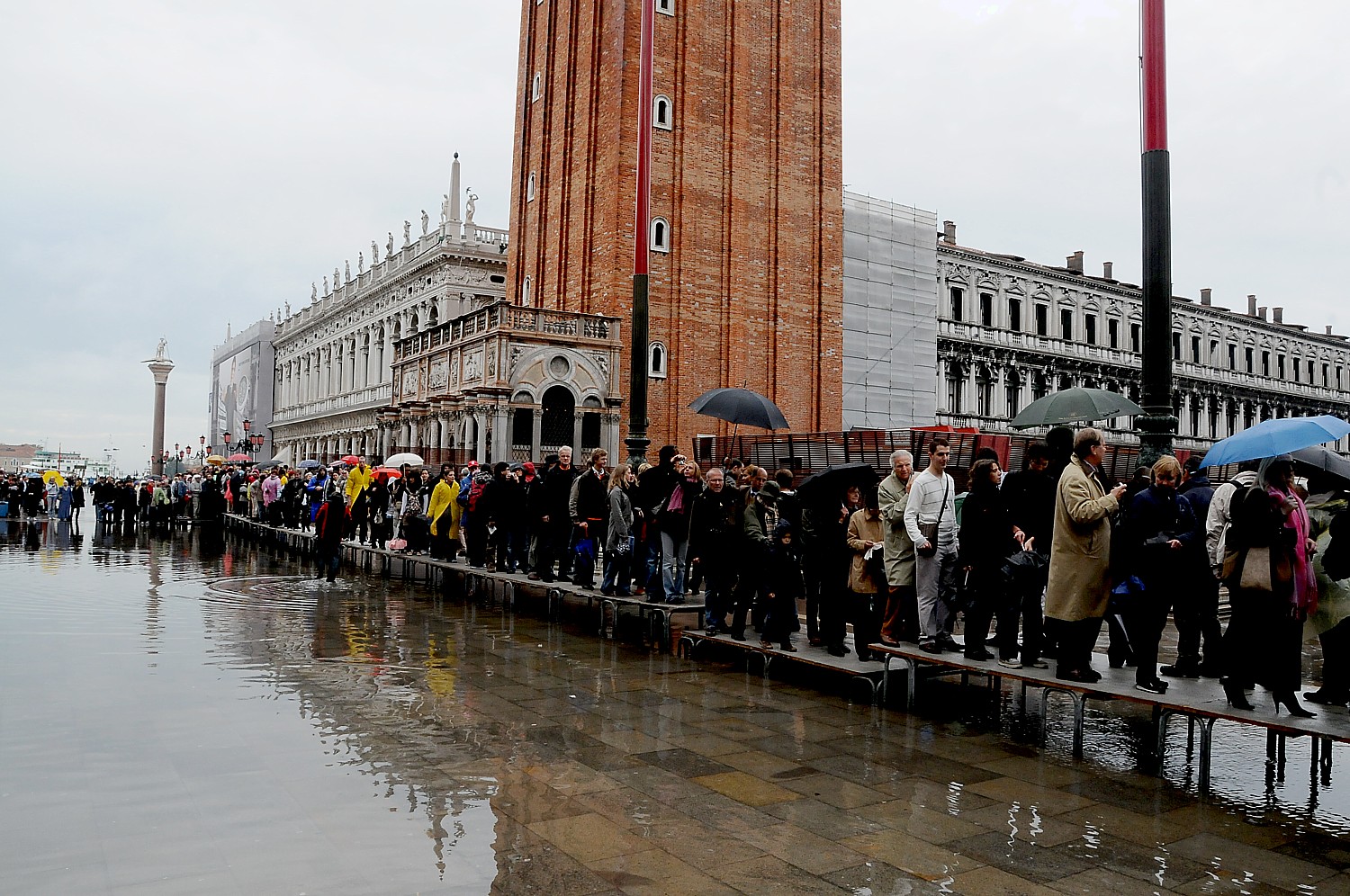
Venice is literally sinking with climate change and sea level rise. Setting out platforms for tourists to walk at St. Marks Square has become routine © Karen Rubin/goingplacesfarandnear.com

Take climate change, for instance. In light of record heat waves, wildfires, flooding, people are choosing their destinations and seasons to travel with more care. “Cool-cations” is one of the emerging new trends in travel – choosing places like Scotland and Quebec for summer holidays, trading cities for mountains, theme parks for dude ranches. There is also an awareness of the fragility of bucket-list destinations and sights like Venice (sinking), islands like the Galapagos and the Maldives (just a foot above sea level), the Great Barrier Reef (coral bleaching), the Dead Sea and the Great Salt Lake (evaporating), even the Statue of Liberty in New York harbor is on the endangered list.

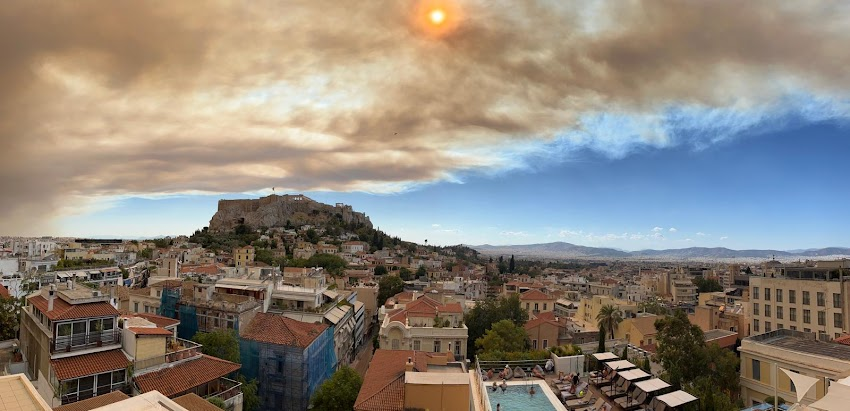
Clouds of smoke billow over the Acropolis from wildfires just outside Athens © Laini Miranda/goingplacesfarandnear.com

Travelers are also seeking out opportunities to be active outdoors instead of passive sightseers – biking, kayaking, paddleboarding, pickleball, hiking – that are physical, engaging, but also incorporate inner peace. Pilgrimages which involve long walks to places that have spiritual meaning fit the bill of combining physical and emotional benefit, as do bike trips

The wellness motif also figures into a desire for responsible and sustainable travel, where the benefits are mutual for the traveler – providing mental, physical and emotional wellbeing – and the local regional and urban economies that sustain people in their communities and preserve heritage and conserve environment for future generations.

The Global Wellness Institute’s  Tourism Initiative team reported on these emerging wellness travel trends. 

Climate Adaptive Wellness

Travelers are adapting to climate change and so is the wellness industry along with city planners, Jane Kitchen, editor-at-large of Spa Business, reports.

The impacts are seen in architecture and design: instead of relying on air-conditioning which contributes to climate change, architects and designers are looking at new solutions as well as looking back at ancient ways to cool buildings. More rooftop and vertical gardens, more greenspace, new building materials, heat resilient design incorporated into buildings whether new tech or going back to 1000-year old building techniques – like were used in the Middle East before electricity and air conditioning.

Urban planners are becoming alarmed about the public health dangers of heat for residents as well as visitors who are beginning to shun popular cities like Paris and Athens (experiencing wildfires as we write this) in summer.

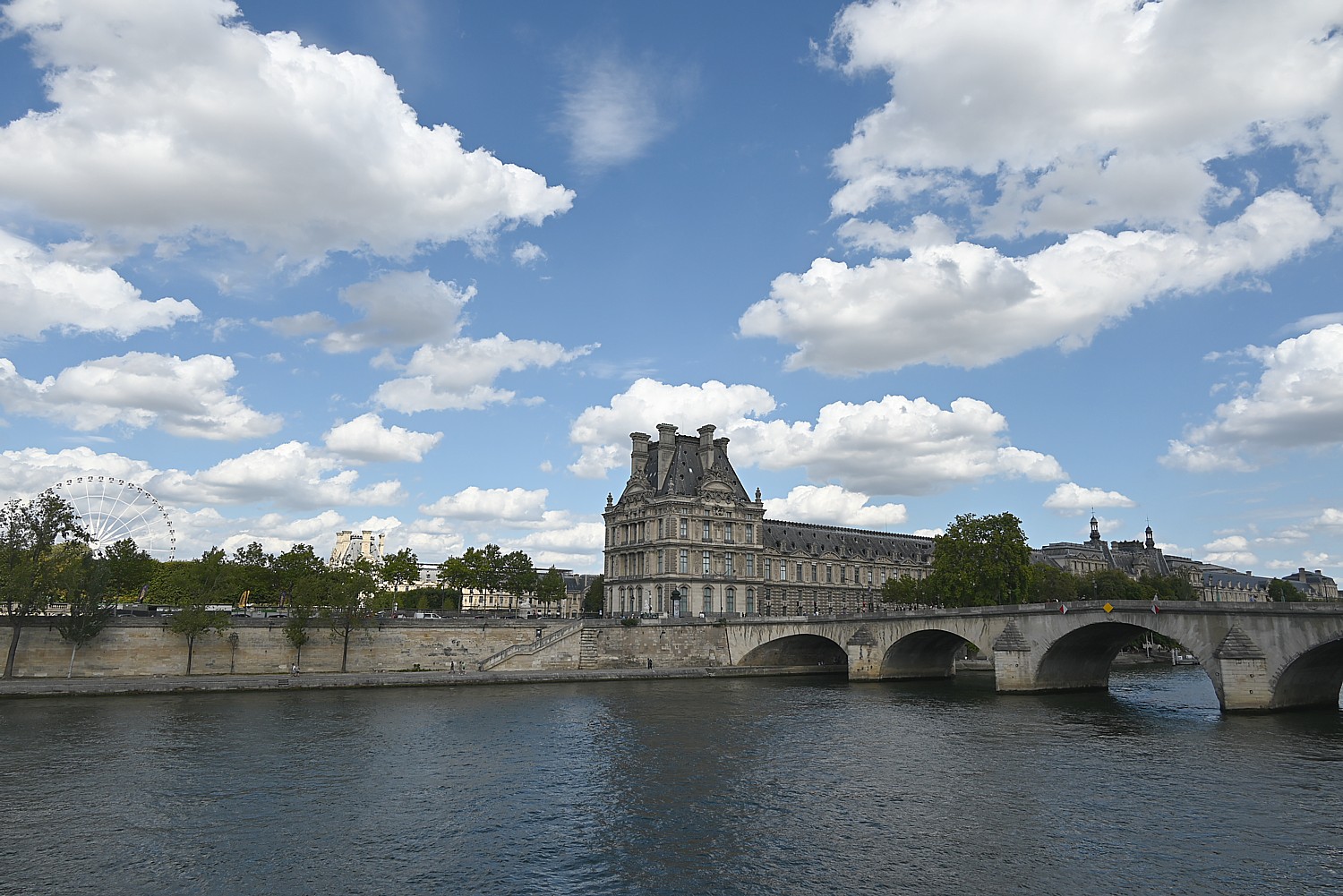
Paris spent $1 billion to clean up the Seine so it could accommodate swimming, and provides misting stations and water fountains to keep residents and travelers comfortable during the hot summer © Karen Rubin/goingplacesfarandnear.com

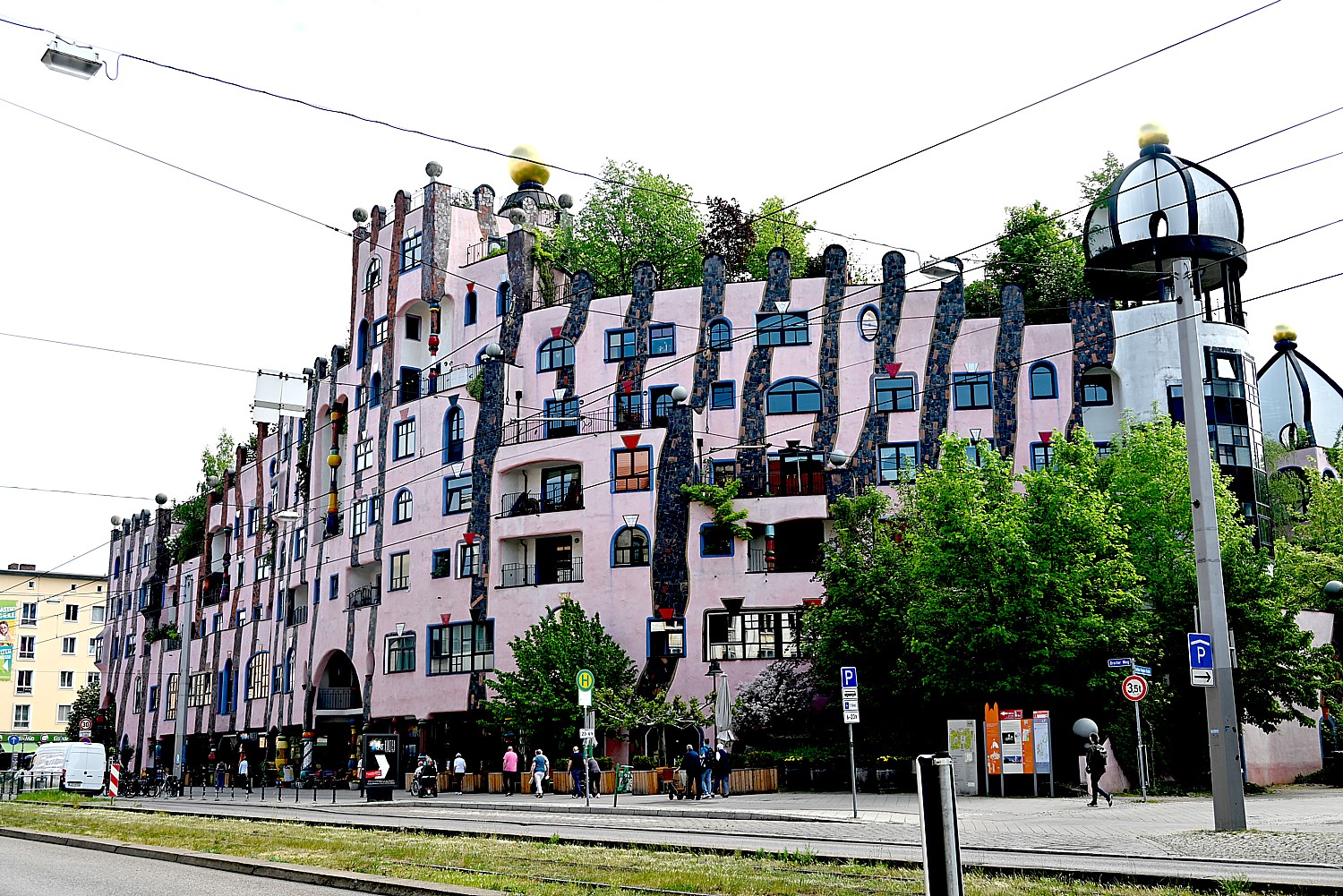
The city of Miami created a new position of Chief Heat Officer with Los Angeles, Melbourne, and Athens following suit. Cities are installing cooling stations (like Paris), cleaning up rivers so people can do wild swimming (like Paris which spent $1 billion to clean the Seine), planting more greenery, even using greenery on buildings (like Friedensreich Hundertwasser’s Green Citadel of Magdeburg, Germany, an apartment building and hotel that is literally a work of art and model for new urban design and liveability.

Friedensreich Hundertwasser’s Green Citadel of Magdeburg, Germany, an apartment building and hotel  is literally a work of art and model for new urban design and liveability © Karen Rubin/goingplacesfarandnear.com

Smart tech will also be summoned to help solve the heat crisis – like “cooling clothes – initially for workers that need to work outside, but eventually, becoming mainstream for everyday and for travel. Among the new technologies: inks in fabrics that keep cooler in summer, warmer in winter; therma adaptive textiles; wearable patches that draw heat from body and clothing embedded with smart sensors if at risk of heat stress.

Spa and wellness travel is also adapting with new, fun programs such as nighttime wellness and spa treatments, night hikes and star gazing  which have a wellness component but take place in evening when it is cooler; ice baths; and climate adaptive beauty and geo-skin care, based on where you are and the weather connections

Power of Pilgrimage

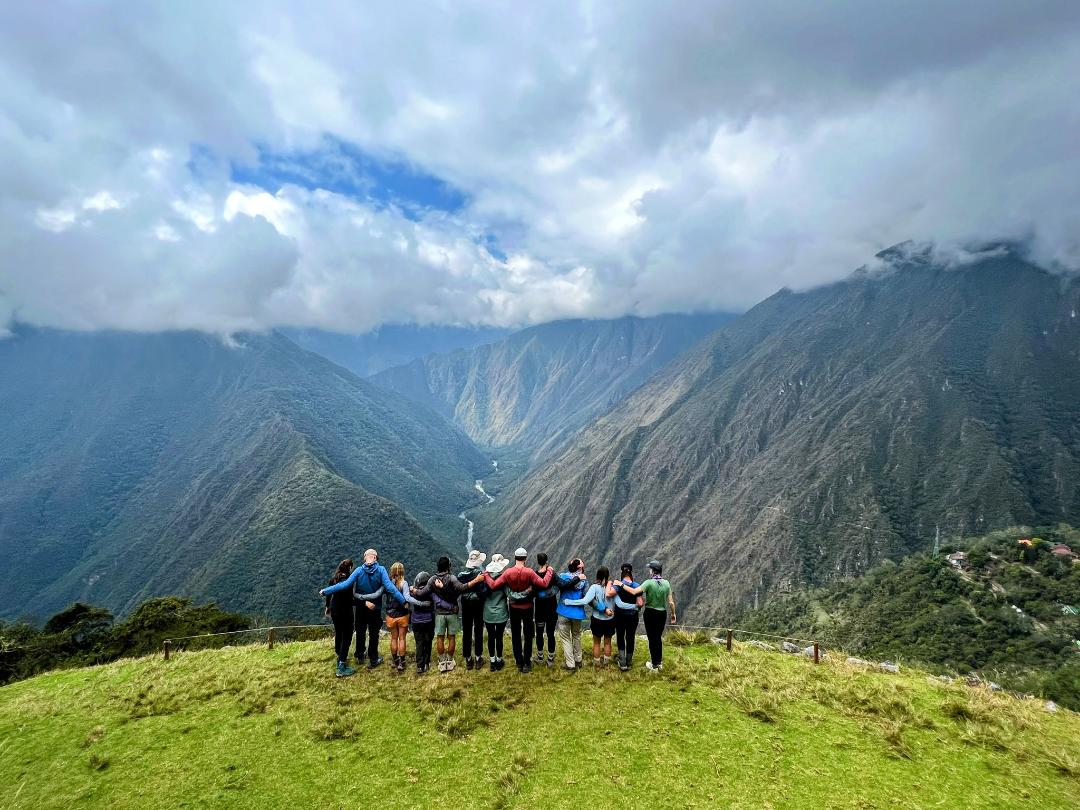
The physical, emotional and spiritual satisfaction of hiking Alpaca Expeditions’ four-day Inca Trail hike to Machu Picchu © Karen Rubin/goingplacesfarandnear.com

Journalist Eric Wilson found a “silver lining of the pandemic: people discovered the benefits of walking and walking enthusiasts discovered the benefits of exploring the ancient pilgrimage trails around the world. A record number of trekkers sought out hikes infused with cultural heritage across Asia, Europe, and the Americas (my four-day Inca Trail Trek fits neatly into that trend). A record 500,000 completed the Santiago Pilgrimage Trail in Spain – most who chose the experience not so much in pursuit of faith but for physical and spiritual wellness.

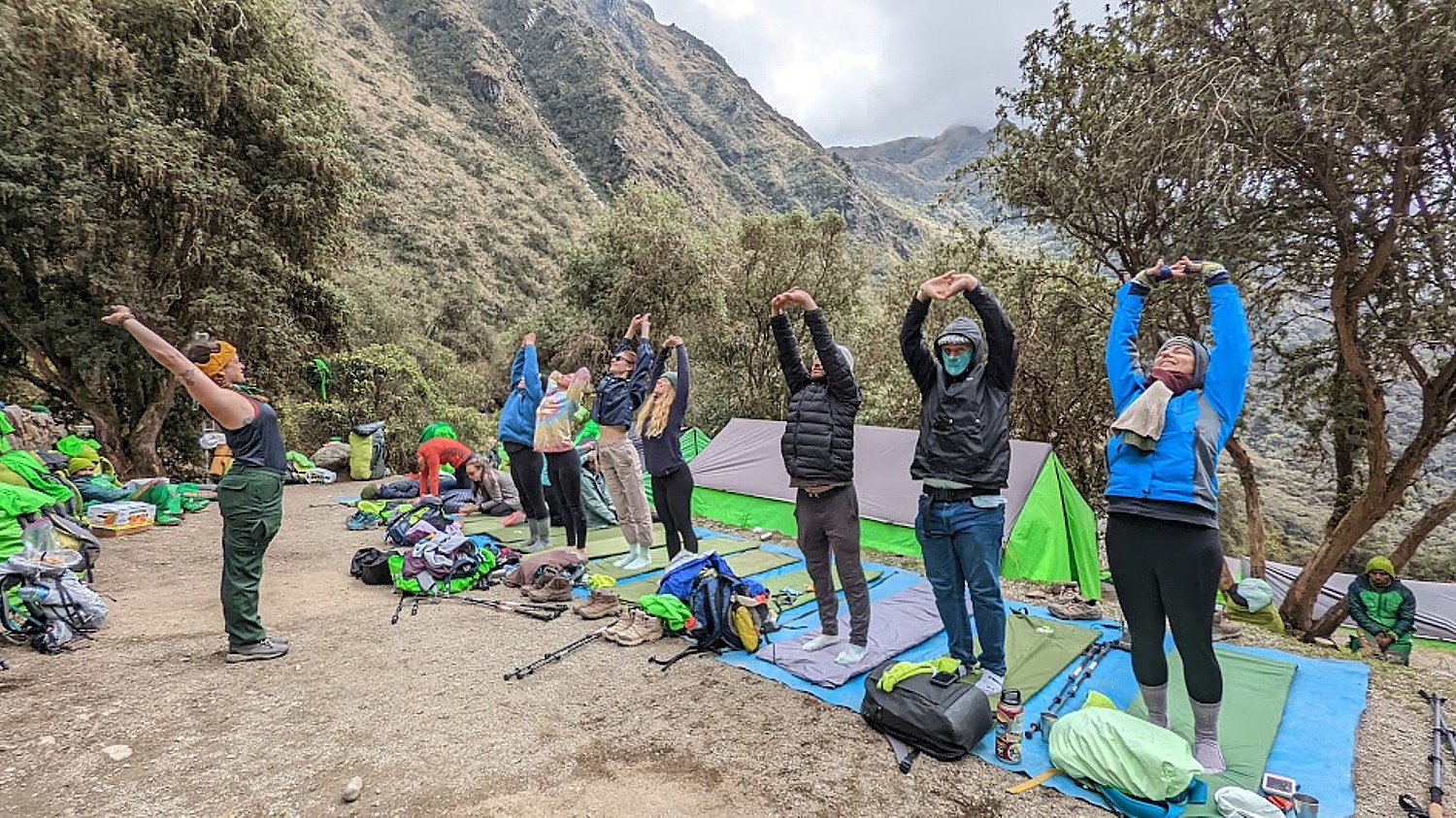
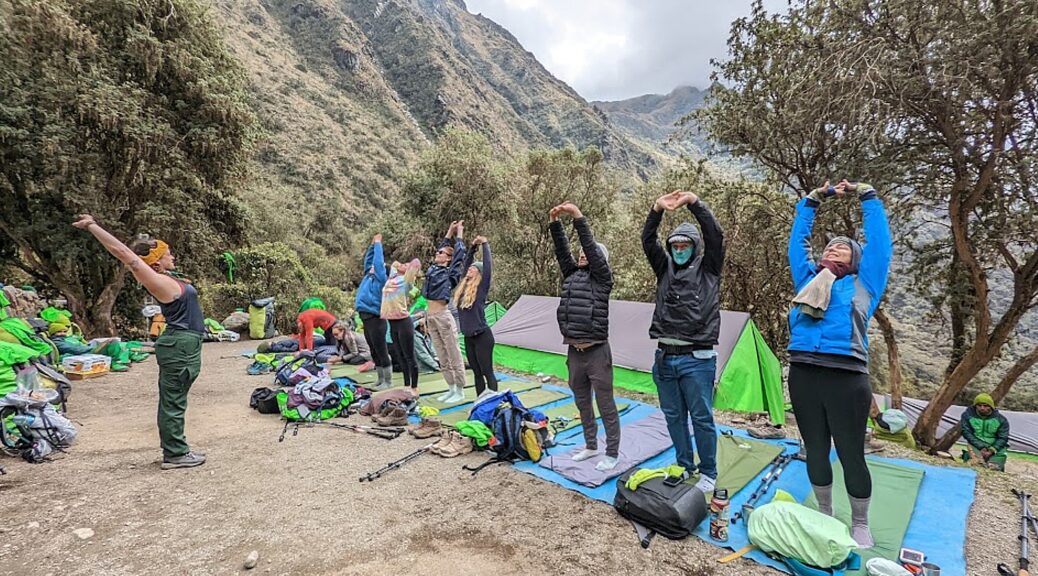
Alpaca Expeditions’ four-day Inca Trail hiking/camping adventure hits on many of the trends in wellness travel: desire for “slow-travel” walks/pilgrimage that activate physical, emotional, spiritual cylinders of well-being, an impromptu yoga session to rejuvenate after ascending the 14,000-ft high peak, responsible/sustainable/eco-friendly travel which mutually benefits travelers and community © Karen Rubin/goingplacesfarandnear.com
 

The trend has impacted a rejuvenation of trails globally to accommodate scores of new, modern pilgrims in “buzzy new destinations” like Sri Lanka, Bhutan, India, Italy and Japan. Governments, interested in promoting holistic tourism, have invested in extensive restorations of these trails – Bhutan opened a 250-mile Trans Bhutan Trail. Walk Japan reported such a surge in demand, there were not enough roadside inns or monks quarters to accommodate the travelers. Wukalina Walk, a multi-award winning Indigenous/Palawa-owned tourism experience, is led by Aboriginal guides who provide a rare window into Tasmania/lutruwita’s aboriginal culture (discoveraboriginalexperiences.com).

Savvy resorts are responding to the rising interest by incorporating a profound version of slow travel movement, linking to ancient pilgrimage trails and offering wellness programs including meditation.

“Pilgrimage is metaphor for the path to enlightenment, the slowest most meditative form of travel, where you experience unexpected encounters with strangers, gain a deeper perspective of place, where question our place in the world.” (I must confess these thoughts came to me on my Inca Trail trek.)

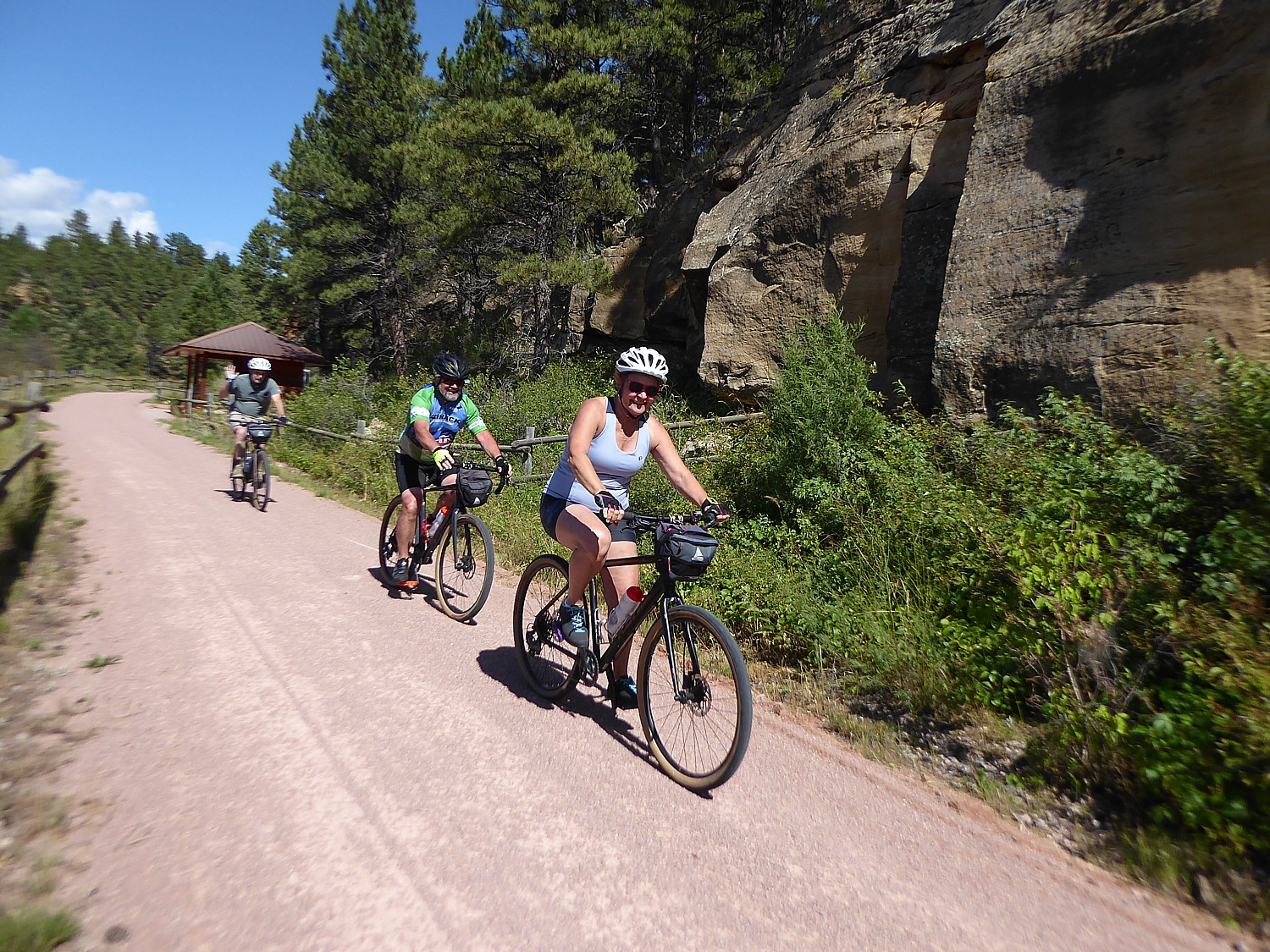
Biking railtrails like the Mickelson Trail in South Dakota with Wilderness Voyageurs has evoke physical, emotional, spiritual and social benefits, as well as a direct connection to engage directly with local people and the environment © Karen Rubin/goingplacesfarandnear.com

Surging popularity, availability of bike tours: For much the same reason as pilgrimage and walking trips, biking tours are another “slow form” of self-propelled travel experiencing explosive growth in interest and availability. Bike tours similarly evoke physical, emotional, spiritual and social benefits, as well as a direct connection to engage directly with local people and the environment, albeit at a slightly faster pace. And e-bikes now extend a cyclists’ longevity in the saddle,and take away anxiety over being able to handle the hills or the miles. Among the operators offering guided and self-guided itineraries on rail trails around the country and the world (where you are most likely to achieve that level of serenity and inner dialogue because you are not worrying about car traffic): Discovery Bicycle Tours (discoverybicycletours.com); Wilderness Voyageurs (Wilderness-Voyageurs.com); Backroads (backroads.com); VBT Bicycling Vacations (vbt.com) and Boat Bike Tours (boatbiketours.com). Also see Rails to Trails Conservancy (railstotrails.org) and the Adventure Cycling Association (adventurecycling.org).

Wellness holidays with kids are about enrichment

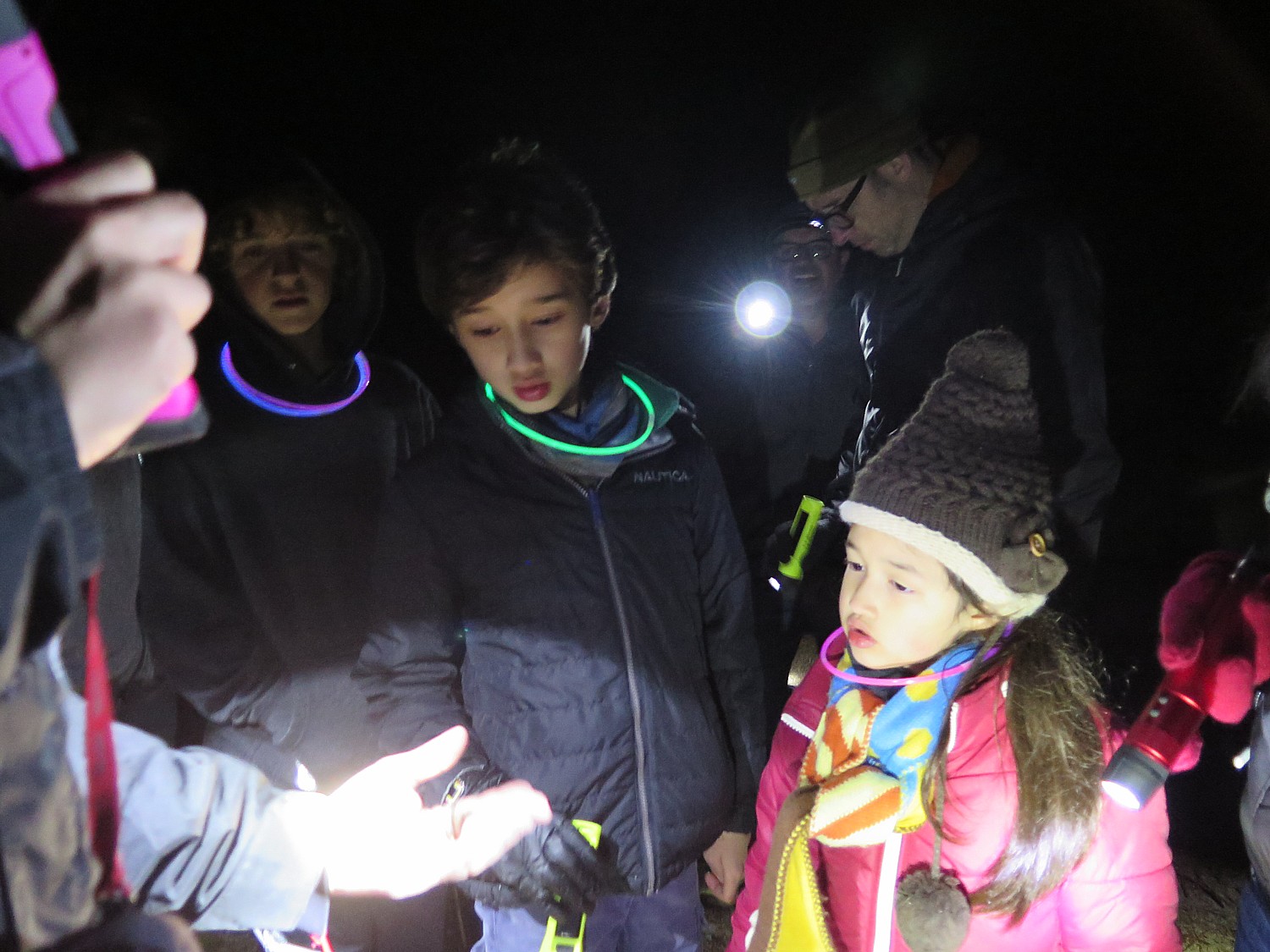
A nighttime nature walk entrances young people at the Tenaya Lodge, Fish Camp, California, at the gateway to Yosemite National Park © Karen Rubin/goingplacesfarandnear.com

Families increasingly value travel experiences that support their child’s wellbeing by expanding their education, personal development and worldview. These trips go beyond the traditional family vacation aimed at entertainment or vegging out on a beach and focus instead on immersive experiences that combine fun with learning. Examples include creative and hands-on workshops that focus on local traditions and foods, learning about local biodiversity and marine life conservation as well as personal growth elements that expose children to unexpected situations, teaching them to adapt to new environments and overcome challenges. Gleneagles Hotel in Scotland offers outdoor nature led activities for children while newcomer, Jayasom’s Family Wellness offers family counseling, enrichment activities, virtual reality and outdoor wellbeing excursions including a large hydrotherapy space that families can enter together. Austria’s Reiters Finest Family hosts sustainable family wellness holidays in Bad Tatzmannsdorf, a resort featuring 125 hectares of outdoor space, 400 animals for farm adventures as well as thermal waters, and a health and longevity center that families can enjoy together. 

Sports is playing a bigger role in hospitality  

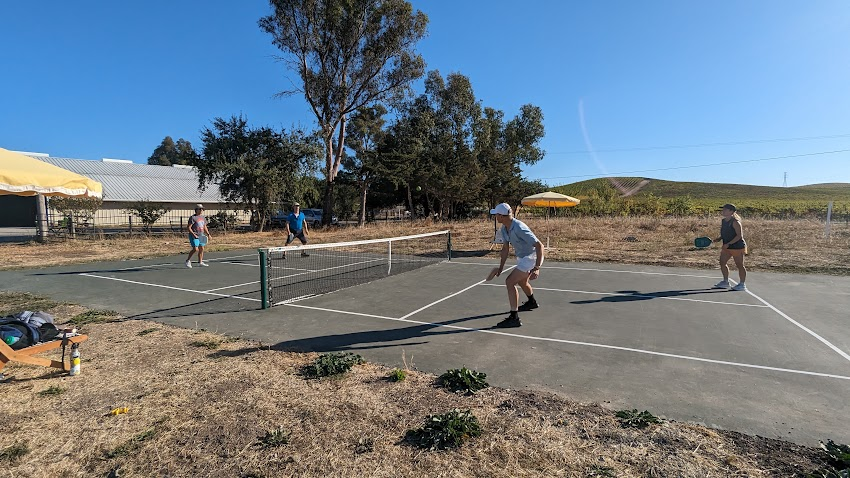
Playing pickleball on a court on a farm in Sonoma, California © Karen Rubin/goingplacesfarandnear.com

Sports related travel accounted for 66 million room stays and generated $49 billion in 2021, reported Patricia Ladis of WiseBody Physical Therapy. Enthusiasts are traveling to where they can train or improve their skills, engage in the sport (golf, tennis have long been popular but now mountain biking, cycling, rock climbing, pickleball are among the sports that are motivating travel) as well as to participate or spectate in competitions and tournaments as grand as the Olympics but as basic as a child’s hockey tourney.

People are not only traveling to engage or train in a sport, but for rehabilitation treatments and therapies. SIRO Hotels is one of first luxury hotels to be designed around health, wellness, and recovery. Its new SIRO One Za’abeel Hotel in Dubai delivers a complete experience under one roof, with rooms designed to combat jet lag, 2,000 sq m of fitness and recovery facilities with cutting-edge treatments, personalized nutritional guidance, diverse training options. Dedicated health resorts like Chenot Weggis Palace in Switzerland offer wellness travelers the opportunity to spend a week recharging with the top technologies on hand to future proof your health and wellbeing.  

In Search of Calm

Mental wellness as a travel trend has been gaining significant traction over the past few years, reflecting a broader societal shift towards valuing mental health and self-care. Wellness retreats integrate yoga, breath work, meditation. What is new are the more intensive therapy retreats. For example, equine therapy (with horses) is offered at  Gwinganna Lifestyle Retreat in Australia and NIHI Sumba in Indonesia, Re-wilding retreats that immerse into natural settings to support mental wellbeing are popular across the globe: properties like The Dreaming, in the heart of Wales and AroHa in New Zealand.

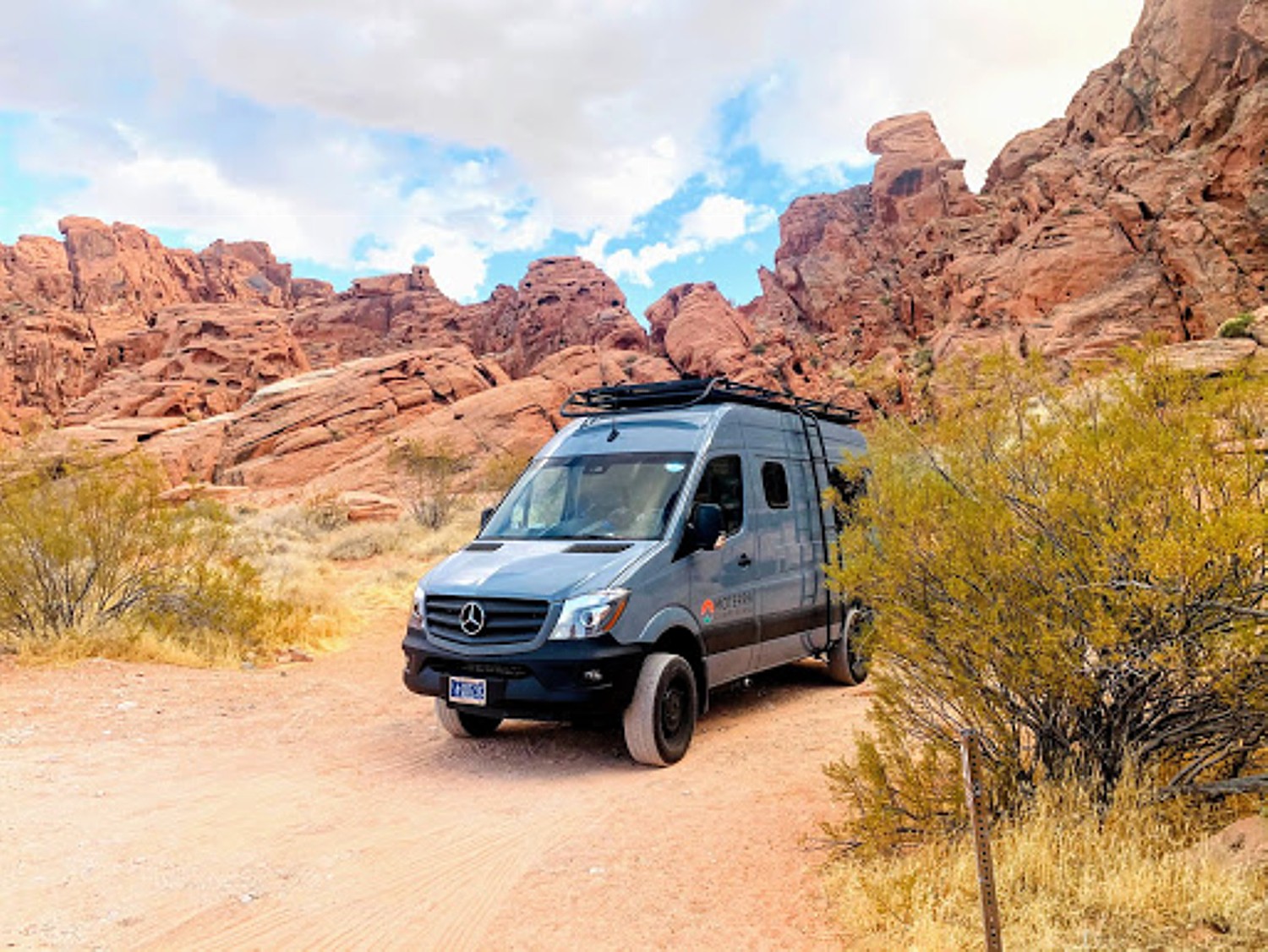
Finding calm by wild camping in a Moterra campervan in Nevada © Eric Leiberman/goingplacesfarandnear.com

This interest in seeking out the wild – getting off the beaten track – to find calm and mental wellbeing is facilitated by the rising availability of luxury campervans, equipped with water, solar-powered batteries, that enable wild camping with maximum calm and minimum stress. Among the companies: Moterra Campervans (gomoterra.com), Blacksford RV (blacksford.com), and Roadsurfer (roadsurfer.com)

Diagnostic Boom as Wellness Travelers Look to Prevention, Longevity   

Living longer is one goal of health-and-wellness travelers, but so is living well. There is recognition that quality of life is as important as quantity. Wellness travelers are now seeking out tailored and proactive health approaches, prompting many health and wellness operators to enhance their offerings with comprehensive diagnostic assessments alongside traditional wellness activities. At Canyon Ranch in Tucson, Arizona, you can undergo thorough health evaluations encompassing genetic testing, preventive diagnostics, body composition analysis, and metabolic assessments. The new Longevity Spa at Hotel, Portrait Milano, provides cutting-edge diagnostics like DNA testing and Longevity Molecular Profile, complemented by Integrative Wellness solutions and nutrition plans. KĒPOS by Goco at Daios Cove in Crete, Greece, features diagnostic services such as Metabolic Biometrics and Epigenetics testing alongside wellness programs and spa offerings.

“These offerings empower individuals to gain profound insights into their health status and make informed lifestyle choices while indulging in the rejuvenating benefits of travel. As travelers increasingly prioritize preventive healthcare and holistic well-being, the diagnostic booms in wellness travel are set to continue to reshape the tourism industry by seamlessly blending medical expertise with luxury hospitality,” GWI’s Wellness Tourism Initiative Trends for 2024 notes. 

Art and Wellness: A Perfect Pairing   

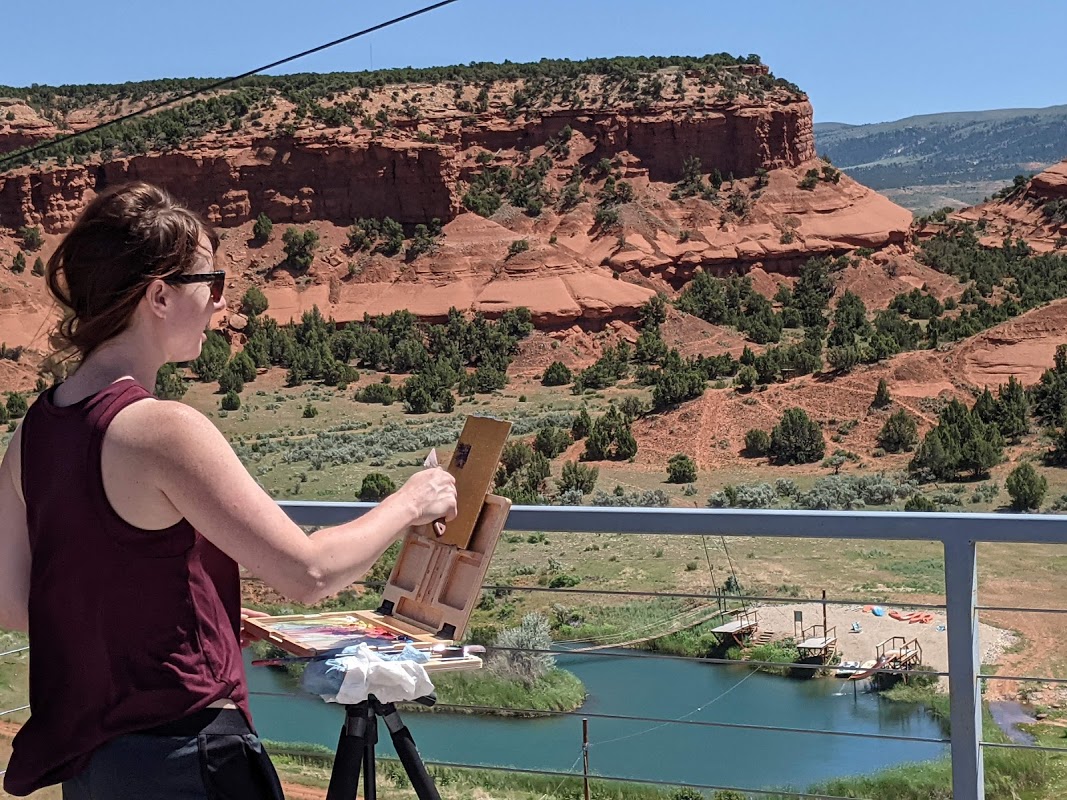
Finding harmony in nature and art at Red Reflet Ranch, Wyoming © Karen Rubin/goingplacesfarandnear.com

An emerging trend integrating art and wellness signifies a harmonious fusion of creative expression and holistic well-being, and is resulting in immersive art-centric activities, therapies and experiences that nourish both the body and the soul. Wellness hospitality operators like Como Shambhala Estate in Bali and Miraval in Arizona along with many small artisans and practitioners globally are hosting wellness retreats that blend yoga and meditation with artistic workshops encouraging guests to explore their inner creativity as a pathway to self-discovery and relaxation, inspiration and rejuvenation.  

Seeking Out Cultural Traditions and Healing

Indigenous healing has gained prominence as part of the broader trend towards holistic wellness and the search for authentic, transformative experiences. These experiences draw on the wisdom and practices of indigenous cultures around the world, offering healing techniques that have been passed down through generations. The interest in and drive behind these retreats are linked to an acknowledgement of the benefits of indigenous healing practices, a holistic approach and reconnection with the land.

Wukalina Walk, a multi-award winning Indigenous/Palawa-owned tourism experience, is led by Aboriginal guides who provide a rare window into Tasmania/lutruwita’s aboriginal culture (photo by Jillian Mundy)

 At Wai Ariki Hot Springs, in Rotorua New Zealand you can discover the ancient healing methods of these indigenous cultures, from the deeply cultural touch of mirri mirri or romi romi massage to the revitalizing power of blessed stones and herbal remedies – each experience incorporates local healers and wellness practitioners, herbal medicine practice and ceremonies that honor the community and the land. Asian traditional therapies and medicine are growing in popularity for the wellness traveler around the globe. Traditional Thai, Chinese & Ayurvedic Medicinal offerings encompass rich diagnostic protocols, herbal formulas, and treatment techniques as part of the guest experience. 

Quest for a Good Night’s Sleep

Sleep tourism is emerging as a trend catering to the growing recognition of the importance of quality sleep for overall health and well-being; travelers are seeking out diagnosis, prescriptions and coaching to improve their sleep. RAKxa Integrative wellness retreat in Thailand, offers a Thai Deep Sleep & Skin Radiant Therapy, which focuses on enhancing sleep quality, integrating traditional Thai Medicine and CBD oils. At the Longevity Hub By Clinique La Prairie in Bangkok visitors are offered Hyperbaric Oxygen Therapy.   

More information at globalwellnessinstitute.org.

_______________________

© 2024 Travel Features Syndicate, a division of Workstyles, Inc. All rights reserved. Visit goingplacesfarandnear.com and travelwritersmagazine.com/TravelFeaturesSyndicate/. Blogging at goingplacesnearandfar.wordpress.com and moralcompasstravel.info. Visit instagram.com/going_places_far_and_near and instagram.com/bigbackpacktraveler/ Send comments or questions to FamTravLtr@aol.com. Tweet @TravelFeatures. ‘Like’ us at facebook.com/NewsPhotoFeatures 

Wellness & Travel, the Perfect Synergy

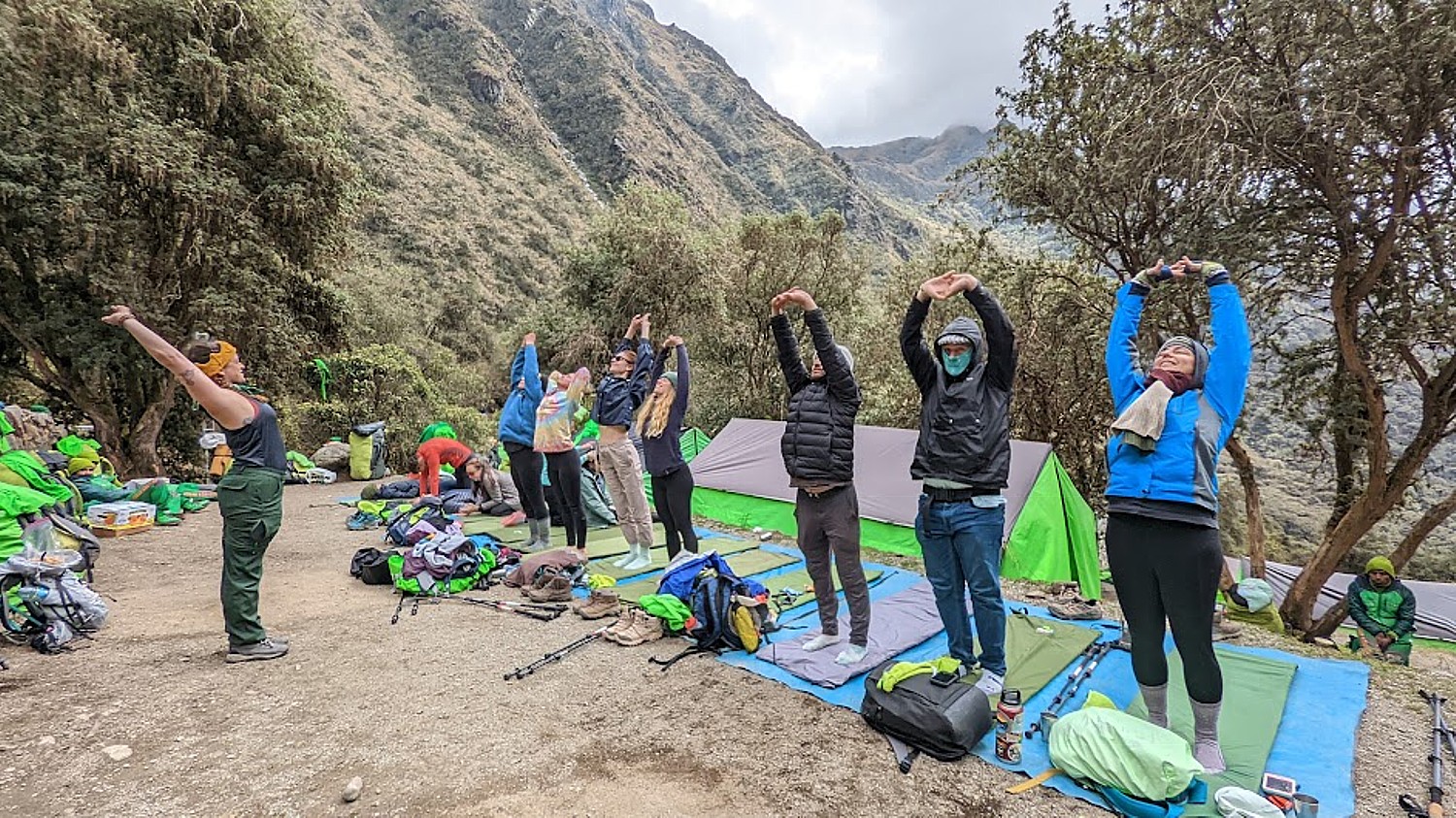
The quest for wellness is becoming ubiquitous, especially for travelers who seek out immersive nature and cultural experiences. Having just summated the 14,000-foot high Dead Woman’s Pass on Day 2 of Alpaca Expeditions’ four-day Inca Trail trek to Machu Picchu, one of our group leads yoga stretches © Karen Rubin/goingplacesfarandnear.com

Edited by Karen Rubin, Travel Features Syndicate, goingplacesfarandnear.com

Wellness travel is among the leading travel trends for 2023, as it has been for several years. But when the very act of breaking away from daily irritants, giving oneself the opportunity to rest, renew, recharge, revitalize, isn’t all travel wellness? The trend refers to the fact that people are traveling with greater intention to improve their physical, mental, emotional, even spiritual well-being.

It could be a visit to a wellness retreat or spa. But it could also be a hiking, biking, rafting, camping trip that gets you out into nature, pure air, with some physical exertion. It can be an itinerary that is spiritually uplifting or intellectually fulfilling, of doing something you love or even finding love. It could be travel that brings family and friends together, forging bonds and lifelong memories that also contribute to wellness, or even making new friends to conquer loneliness or isolation. Travel, at its essential core, is inevitably about life-enhancing, even life-changing experience. What’s new is people intentionally seeking out such experiences – and that the industry, from tour companies to hotels, cruiselines to destinations, from festivals and events to attractions – are tailoring their offerings to cater to the quest for wellness.

Not only does wellness impact how, where and why people travel, but through lifestyle changes, wellness also impacts longevity and financial security – which when you think about it, expands the market for travel with time, money and physical ability.

These themes emerged in the Global Wellness Summit’s report, “12 Wellness Trends for 2023” with implications of how travel, hospitality, even urban design, workplace policies (vacations are essential to recharge), government planning are accommodating. Among the key findings, as reported by the researchers:

WELLNESS + TRAVEL: From Global Smorgasbord to Hyper-Indigenous

By Elaine Glusac

Wellness and wellness tourism have long resembled Disney’s “It’s a Small World”: buffets of global experiences typically divorced from place. Yoga, born in India, is ubiquitous worldwide; ayahuasca retreats have departed their Amazonian homelands; you can get a Hawaiian Lomi Lomi massage in Dubai.

But with a new critique of wellness as a profound cultural appropriator, a rising social justice movement, and greater emphasis on authenticity, travelers are now seeking much deeper cultural experiences and showing interest in going to the source of ancient healing and knowledge to learn how they care for the land and for themselves. Indigenous travel and going to the cultural source for wellness is our travel trend for 2023.

There interest not only in going back to the origin places for wellness programs, but also to immerse in culture and heritage, such as in the Sacred Valley of Peru © Karen Rubin/goingplacesfarandnear.com

Community-led Indigenous travel offerings are surgingfrom the boreal forests of Canada to the Australian Outbackand speak deeply to travelers seeking inclusive, sustainable and regenerative travel experiences. The fast-mounting interest in original cultures includes Indigenous wellness practices, from purification ceremonies to food and nutrition.

Concurrently, culturally-rooted wellness experiences are booming globally and inspiring travelers to go to the original wellspring for authenticity. In Japan, traditional ryokans, or hot springs inns, are having an incredible renaissance as nature-based experiences that shift with the seasons. Resorts are exploring new menus of from-the-source wellness, whether traditional Arabic and Islamic medicine in the Middle East or Druidry in England. India, which gave the wellness world yoga, is poised to lure travelers back to the source with an upcoming center for traditional medicine partnered by the World Health Organization.

[Canada has really taken the lead to support tourism enterprises among its indigenous populations, under the umbrella of Indigenous Tourism Association (ITAC). In British Columbia, where there are 204 indigenous communities, a tourism development organization IndigenousBC.com is an excellent website to plan visits. Many of the Canadian indigenous communities offer wellness programs.

Also Ponant Cruises has introduced a series of programs that feature encounters with indigenous people, including the Inuit in Greenland, the Emberas in panama, Papuans in Papua New Guinea, us.ponant.com]
WELLNESS + SPORTS: New Business Models for Hospitality

By Lisa Starr

Savvy hospitality brands are responding to demands from wellness-focused clients looking beyond the basement gym, in search of pro-athlete-level equipment, fitness classes and wellness programming, whenever and wherever they travel. Some hotel brands are even creating facilities that cater to entire amateur or professional sports teams, expanding the function of the hotel and ensuring professional quality for the rest of us. We predict businesses that support this trend will become the go-to brands for future generations.

The ubiquity of the wellness-focused lifestyles of elite and professional athletes are fueling this trend and increasing demand for pro-level wellness at hotels and resorts. Hospitality brands like Kerzner International Holdings, owner of the Atlantis Resort and One&Only Resorts, are responding to the public preoccupation with sports with new concepts like the immersive global lifestyle brand SIRO, a “fitness and recovery hotel.” Zulal Wellness Resort by Chiva-Som in Qatar, the Middle East’s first full-immersion wellness resort, offers TAIM (traditional Arabic and Islamic medicine) treatments and hosted the German World Cup soccer team in 2022.

The global sports market is predicted to hit $20 billion by 2027, and we’re going to see new, creative, profitable intersections between sports and wellness. Sports of all types are being seen as a strategy to attract and connect with wellness-oriented consumers and travelers—and this timely business trend shows no sign of stopping.

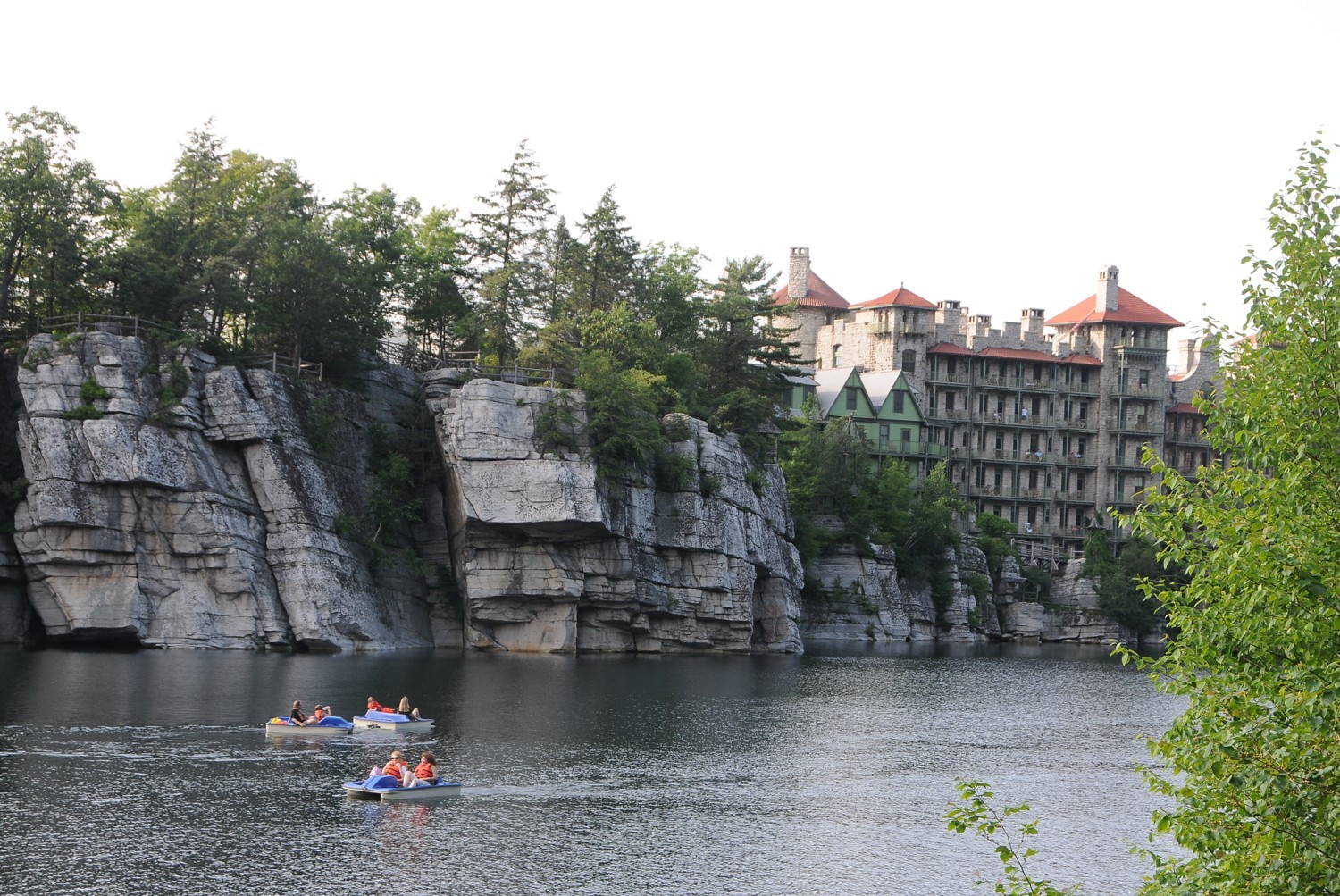
Hospitality companies are catering to the rising interest and demand for wellness experiences, including the grand, historic Mohonk Mountain House in Hudson Valley, New York, which has provided a retreat for urban dwellers since Victorian times © Karen Rubin/goingplacesfarandnear.com

WELLNESS + WATER: Blue, Hot and Wild

By Jane Kitchen

The pandemic spurred a hunger for in-nature experiences that shows no signs of abating. But when we talk about the nature surge, we usually remain on terra firma. In 2023, people will jump into the world’s wild waters for some “blue wellness”— with an unprecedented global surge in new-look hot springs destinations and wild and cross-country swimming going global. (The film, “Avatar: The Way of Water” likely helped.)
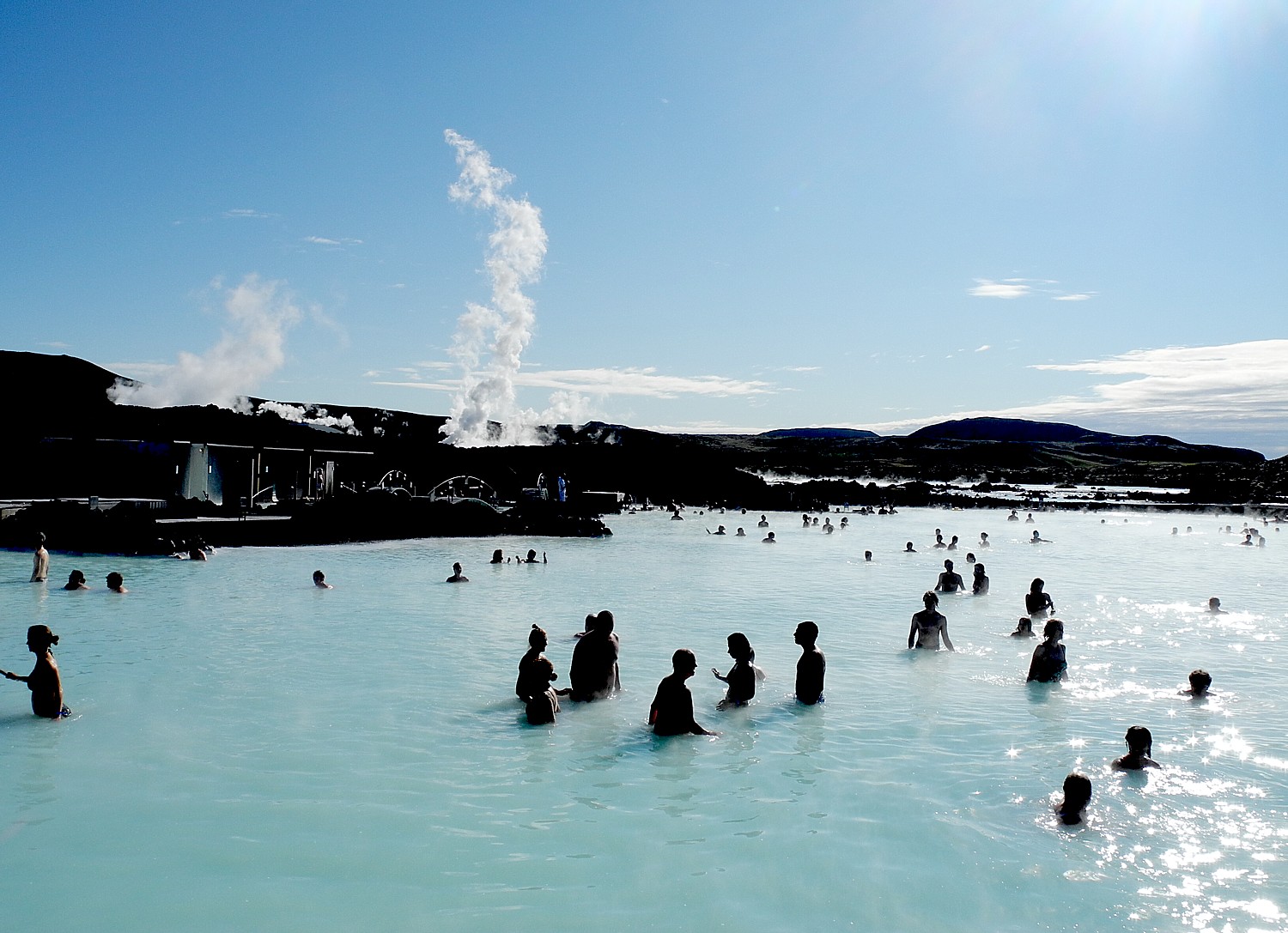
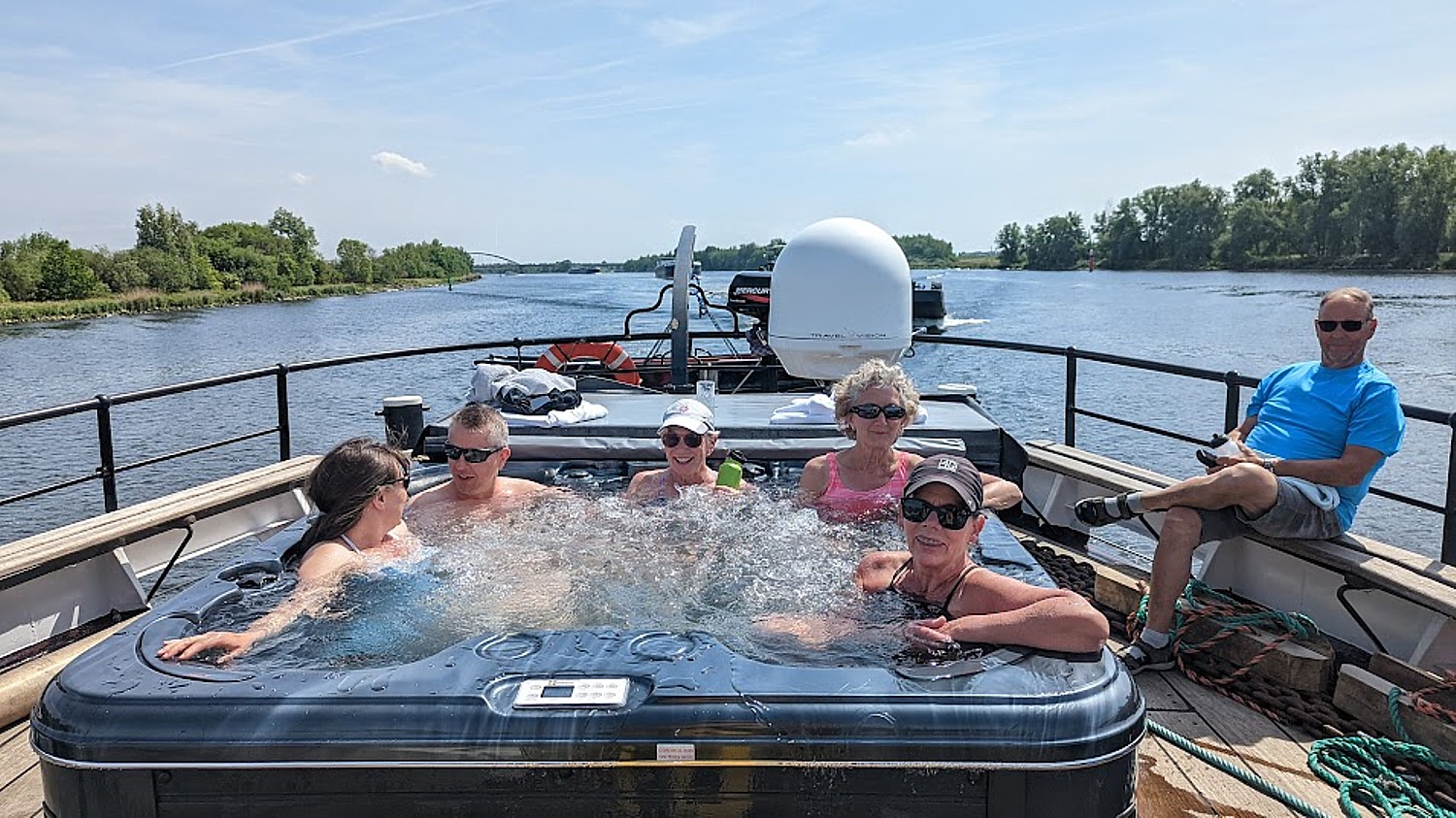
At the steamy end of the temperature spectrum, hot springs are now poised to be the next big thing in wellness. There are an unprecedented number of new and in-the-pipeline global destinations and new life is being breathed into long-forgotten facilities–from Australia to the US (where about 50 new projects are underway). A whole new social era in hot springs has arrived, where developers are combining live entertainment, watery wellness classes, restaurants and bars with traditional soaking. At Peninsula Hot Springs in Australia, take in live bands from its hot springs amphitheaters and do some hot springs yoga; at Sky Lagoon in Reykjavik, you soak in the midnight sun while sipping prosecco from a swim-up bar; you’ll soon be able to watch a baseball game while soaking in hot springs at Hokkaidos’ ESCON Field. This is social, affordable wellness and it’s pulling in a younger, diverse crowd.
Hot springs, Blue Lagoon, Iceland. The future of wellness and nature immersion? Blue, hot, cold and wild. © Karen Rubin/goingplacesfarandnear.com

On the cold side of the trend, there is surging interest in wild, cold and cross-country swimming, once the domains of serious athletes. Wild swimming groups like the Bluetits Chill Swimmers offer inclusive group swims that foster connection, and more global resorts are offering guided wild swimming programs—whether the Hotel J in Sweden or New York’s Mohonk Mountain House. Cross-country swimming is starting to take off, epic adventures where hiking and wild swimming are combined. People are even building wild swimming ponds instead of the old concrete swimming pools.

The future of wellness and nature immersion? Blue, hot, cold and wild.

WELLNESS + CITIES: Urban Infrastructure Just Might Save Cities

By Robbie Hammond and Omar Toro-Vacay

The role of the city has been reimagined countless times over the centuries (they’ve been trading posts, political and artistic centers, and, recently, concrete jungles of retail and offices). But the pandemic served as a wake-up call for just how unwell our cities are—sparking a new recognition of the inextricable relationship between the health of the cities and the health of city dwellers. Global cities are now at another historical inflection point where they are rebuilding themselves around the wellness needs of their citizens. “Urban wellness infrastructure” is no longer perceived as a luxury—it’s a necessity.

Urban wellness infrastructure—the melding of capital improvements and business opportunities that holistically address social, mental and physical health—is being embraced around the world as a solution for accelerating growth, fueling post-pandemic recovery and cultivating healthier, happier citizens.

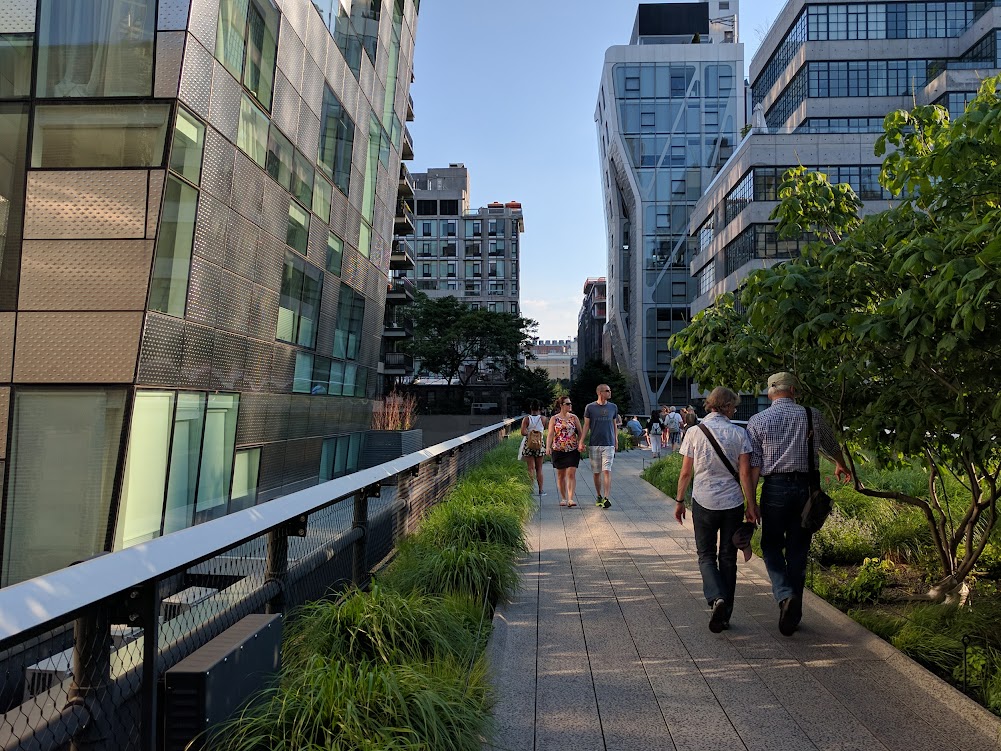
There are so many powerful examples. Developed 20 years ago on an abandoned railway line in the heart of Manhattan, the Highline is a pioneering example of this trend—a wellness destination in its own right where people exercise, socialize and take in natural beauty in the heart of the city, which has become one of the most popular tourist sites in the city. The Highline has inspired over 60 such projects across America. The 11th Street Bridge Park in Washington, DC, a new public space project that connects neighborhoods and helps cross racial and economic divides, is an example of the new community-building urban wellness infrastructure.

The Highline, created out of a decrepit highway, is now one of the top attractions in New York City. Cities, back as a top destination for travelers, are consciously restructuring around health and wellness for residents and visitors alike. © Karen Rubin/goingplacesfarandnear.com

In Singapore, the government is striving to become an “urban wellness haven,” creating a whole slate of programs and initiatives that showcase the city’s unique natural and wellness resources. In Monterrey, Mexico, a successful collaboration between private and public organizations, DistritoTec, is creating a thriving new community with wellness at its core—a model Mexico plans to replicate.

To remain vital in the next century, cities must become places not to survive but to thrive. That’s only possible with a new wellness infrastructure.

[Indeed, cities are making a comeback as top destinations for travelers in 2023 after the pandemic steered people to wide-open spaces. But much of the adaptations that worked so well to keep people well during the pandemic – like advance purchase timed-ticket admissions to museums and attractions to control capacity – are being kept in place.]

WELLNESS + SENSES: Multisensory Integration

By Ari Peralta

Advances in neuroscience and neuroaesthetics confirm that, when combined, the senses elevate our human experience. Nature is multisensory and it turns out, so are we. The senses have always been present in wellness. In fact, we subconsciously associate many wellness activities with one sense or another… spa is touch, wellness music is sound, chromotherapy is color, healthy food is taste and thermal is temperature. This siloed approach is quickly changing in remarkable ways.

Now brands are accessing multiple senses simultaneously to better support wellbeing outcomes, amplify wellness experience and influence behavioral change—think using multiple sensory cues in a harmonious way to deepen meditation. With a better grasp on evidence, wellness brands are using multisensory integration as an approach to deepen and amplify felt experiences. From wellness brands to spas to retailers, they are experimenting with playful combinations of light and sound, light and taste, etc., to build connection and more meaningful moments.

Some examples: In Saudi Arabia, the AIUIa Wellness Festival has curated a 360-degree multisensory event allowing visitors to stimulate and elevate all five senses amidst ancient and stunning surroundings; while Six Senses has teamed with mycoocoon to create synesthetic dining experiences, enabling guests to “taste” color and sound, while, in the metaverse, digital sense is becoming a reality, adding scent and touch to sight and sound.

WELLNESS + GATHERING: Wellness Comes for the Loneliness Epidemic

By Beth McGroarty

We “know” loneliness is skyrocketing, that it kills and that the #1 predictor of health and happiness is relationships. But somehow, the recent uber-capitalist wellness market has led with two things: a sea of keep-them-spending “me time” products and “digital wellness”both lonely journeys of “self-care.” The pandemic has proven to be the breaking point. The biggest wellness trend is the development of new spaces and experiences that bring people together in real life—creatively and with intentionwhere social connection is the burning center of the concept.

Social wellness clubs with different vibes and price-points will surge, where group bonding comes first and the (sometimes dizzying menus of) wellness experiences serve as social icebreakersfrom pioneer Remedy Place to social bathhouse Othership to Six Senses Place. With remote work, people need everyday places to be and belongand younger gens, who are ditching booze and bars, seek healthier social spaces. With human “communication” having devolved into emojis, the wellness world is now teaching us how to connect and empathize more deeply. Peoplehood, the group conversation concept from SoulCycle’s founders, nixes the bikes to teach “relational fitness” through active listening. “Empatho-delics/actives” (that drive human openness) will rise: psilocybin, MDMA (in clinical trials), and ancient botanical “social elixirs,” such as kanna and kava.

Boat Bike Tours’ cycling trip from Bruges to Amsterdam. Travel affords unlimited opportunities for social interaction and engagement, bringing together people from all points of the globe © Karen Rubin/goingplacesfarandnear.com

Tackling loneliness is a huge trend beyond the wellness space. Startups are bringing connection to those who need it most, whether it’s the elderly or black men. New social apps/platforms are actually social, creating dinner parties for strangers or bonding apartment dwellers. More governments are fighting loneliness with new policies, and there’s even a new “social medicine.” The future of wellness? A move from lonely to social self-care, from buying to belonging, from URL to IRL, from ego to empathy, from Goop to group.

[Travel is the antidote to loneliness, promoting social interactions. And while solo travel is one of the biggest new trends for 2023, but there are even apps that cater to solo travelers and that match people with travel buddies.]

Wellness + Workplace: Workplace Wellness Finally Starts to Mean Something

by Skyler Hubler and Cecelia Girr

From protected time off and prioritizing vacation time to finally acknowledging women’s health needs, employee wellness is getting a much-needed rethink. Employers have been casually tossing around the word “wellness” since the 1980s. But four decades later, we have little to show for it. Worldwide, 70% of knowledge workers have experienced burnout in the past year, and a recent global study found that 38% of workers hate their jobs so much that they wouldn’t wish it on their worst enemy. Clearly, all those “workplace wellness” initiatives haven’t been working for us. But with the pandemic dramatically accelerating shifts in work models and the mental health crisis—and employees newly empowered—things are changing

Copper Mountain Resort, Colorado Rockies: company-wide vacations and outings are part of a new focus on wellness in the workplace © Karen Rubin/goingplacesfarandnear.com

Superficial wellness at work schemes are being replaced with more meaningful solutions. Better balance is being achieved through movements such as extended, company-wide vacations and the “right to disconnect” from emails after hours; employers making in-person time count with memorable offsites and gatherings at wellness resorts and social wellness clubs (meetings held in ice baths are officially a thing). The workplace wellness reform is well underway and it’s set to change everything, from how we connect with coworkers to what we look for in a job.

[Indeed, there is every indication that some variation of remote work will remain, and people will claim their opportunity to be nomadic workers.]

WELLNESS + GOVERNMENTS: The Case for Coming Together

By Thierry Malleret

Wellness policies have been years in the making, but in 2023 and beyond, they will evolve, multiply and strengthen. Governments “know” the crippling economic and societal costs that come when people don’t feel mentally and physically well. They “know” that unwellness shrinks the labor force while simultaneously hurting productivity—the worst possible combo for long-term economic growth. They “know” that preventative wellness saves public money because it always costs less than cure.

Now more governments are moving from knowing to action, pursuing diversified policies aimed at, pursuing policies—aimed at improving physical, mental, work, environmental, and even financial wellbeingfrom healthy eating campaigns to funding regenerative agriculture and biodiversity protection.

Wellness policies will become far more prominent on the political agendas of national, regional and local governments. We predict they will be: (1) more expansive, by encompassing adjacent policies that contribute to our planetary, societal and individual wellbeing; (2) more “muscular,” toughening regulations and fighting vested interests; and (3) more local, because the greatest policy-success stories happen when you empower communities at the local level.

The Future of Wellness 2023 Trends report just released by the Global Wellness Summit identifies 12 key wellness trends impacting the wellness economy in 2023 and beyond. More information or to purchase the report, www.globalwellnesssummit.com/2023-global-wellness-trends.

______________

© 2023 Travel Features Syndicate, a division of Workstyles, Inc. All rights reserved. Visit goingplacesfarandnear.com, www.huffingtonpost.com/author/karen-rubin, and travelwritersmagazine.com/TravelFeaturesSyndicate/. Blogging at goingplacesnearandfar.wordpress.com and moralcompasstravel.info. Visit instagram.com/going_places_far_and_near and instagram.com/bigbackpacktraveler/ Send comments or questions to FamTravLtr@aol.com. Tweet @TravelFeatures. ‘Like’ us at facebook.com/NewsPhotoFeatures

Travelers Navigate a Tricky Landscape in 2022

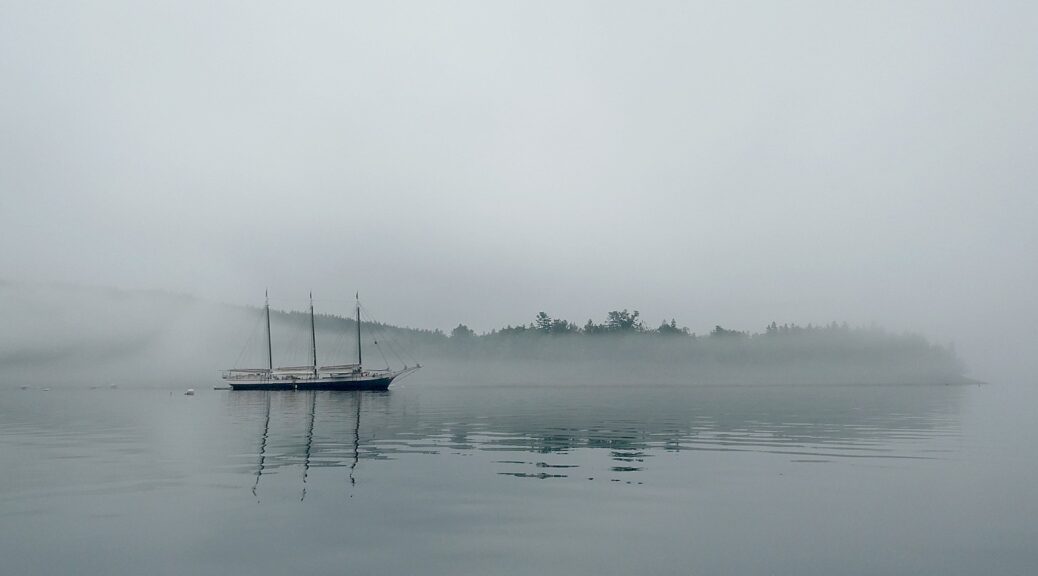
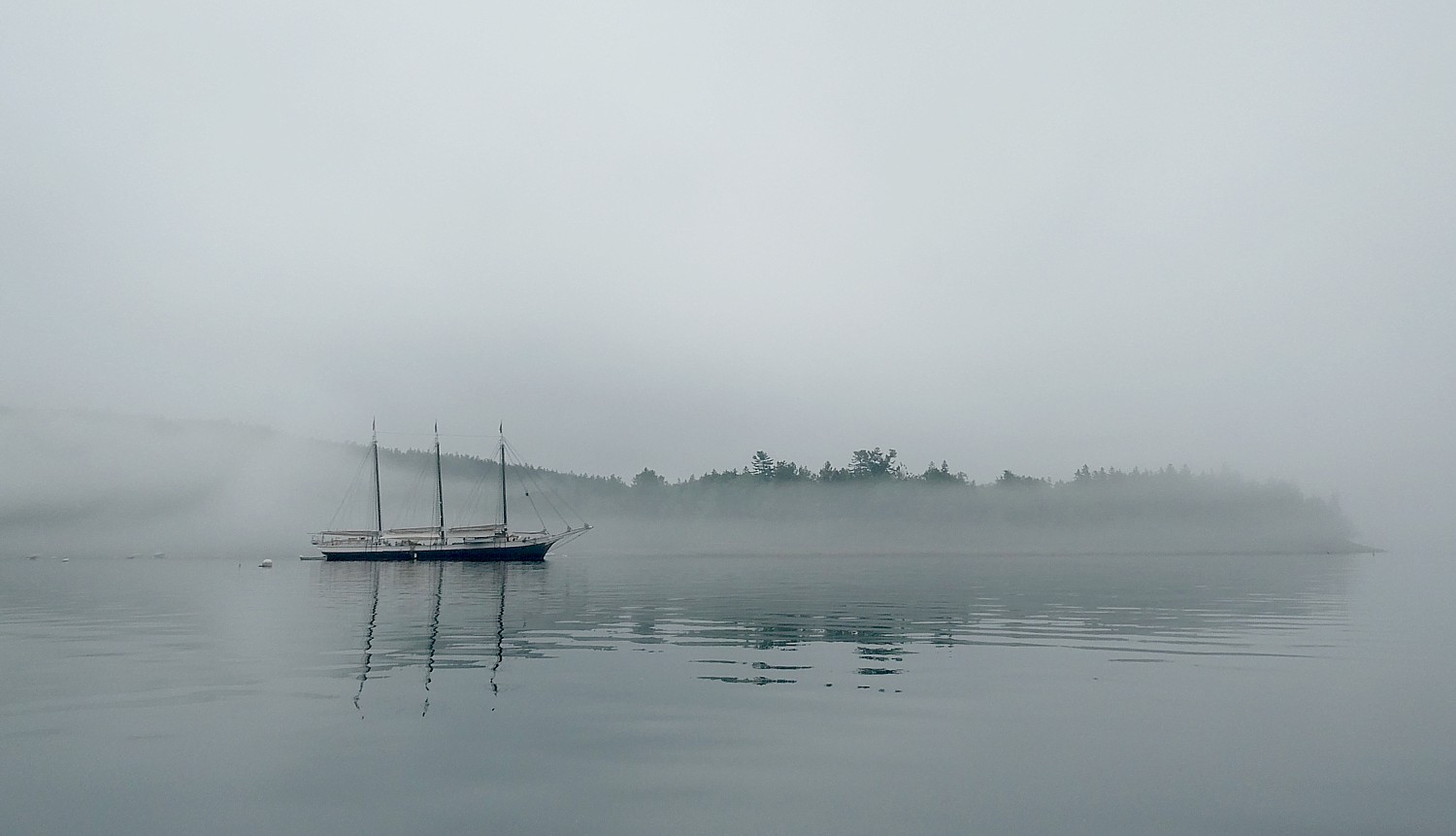
One of the historic Maine Windjammers, the Victory Chimes, is enveloped in fog. Big cruiseships may be a dubious proposition, but small ships – riverboats, barges – and even a self-piloted canalboat will be desirable ways to keep sailing © Karen Rubin/goingplacesfarandnear.com

Where to go in 2022 is as much a question of “how to go” and “why to go”.

By Karen Rubin, Travel Features Syndicate, goingplacesfarandnear.com

We can see just how important travel is in our lives – to our wellbeing, our growth, our connections to family and friends, and as literal ambassadors of peace, understanding and shared innovation.We know this from the huge surge that occurred during 2021, after the COVID-19 vaccine opened floodgates to travelers, by making it safe(r) to be out and about. Even during the worst of the pandemic, before a vaccine, people found a way to continue to embrace experiences, drawing upon the infinite possibilities to tailor something that felt right.

It may well be that the Omicron variant, by virtue of just how transmissible but less dangerous (at least for those who are vaccinated and use precautions like masking, social distancing) will help bring about the end of the global coronavirus pandemic, as more people develop immunity. Or not. It may well be that new variants will arise – perhaps progressively less dangerous. Or not. And it is more likely that some form of virus will be endemic and dealing with it will be part of the “new normal” of everyday life. And people will find a way to go on with their lives and have this in mind: life is precious and our time is finite, make the best of every day. And that includes sharing experiences with the ones you hold dear. And top of the list to achieve that is travel.

Where to go in 2022 is as much a question of “how to go” and “why to go”.

I’m thinking that many of the same trends of 2021 will hold in 2022 – a focus on outdoors activities, low-density destinations, open-spaces (national and state parks), bike trips, driveable destinations, RVs and camping.

Parks & Trails NY’s Cycle the Erie eight-day, 400-mile biking/camping trip will be back at full strength, 650 riders, July 10-17 © Karen Rubin/goingplacesfarandnear.com

Even if the Omicron variant of COVID-19 abates, as is expected, and is less dangerous than Delta, and travelers are much more likely (even required) to be vaccinated and show a negative test, people will be concerned about whether there is yet another variant around the corner that can break through, whether destinations will impose new restrictions, from mandated quarantines to capacity controls to shutting borders altogether (airlines, tour operators, hotels and the like must continue flexible cancellation policies if they want to stay in business at all). There likely will be the continued need for advance purchase of ticketing, and possibly a return to capacity controls, as well as requirements for masking and social distancing. This will define the new “normal” because the protocols won’t be going away any time soon – certainly not until there are months that go by without a coronavirus outbreak before anyone feels safe enough.

Taking a flight from Mexico just before the Christmas holiday rush and the onset of Omicron. There is increasing resolution that some form of COVID-19 will become endemic and become part of a “new normal” for travelers © Laini Miranda/goingplacesfarandnear.com

But because there is now widespread vaccinations, masking, and testing will be much more available (and free), people will continue to travel and live their lives. COVID will be “endemic” – embedded in how we live.

And the lure of travel – for all the benefits travel affords in terms of personal growth, renewal, bonding, discovery – will be very strong, even stronger. And where there is a will, there will be a way.

People will opt for travel that does not require a lot of connections (if taking air) or complicated itineraries, will many will seize opportunities to travel last minute because of the changeability of the situation. They will look for flexibility (and ability to cancel or change), and travel styles that give them more control.

Travel companies have already adapted: like G Adventures (gadventures.com), with a new “Travel with Confidence” policy; Moab Adventure Center (www.moabadventurecenter.com) and its parent, Western River Expeditions, which organize customized small-group trips.

Attractions like the Skunk Train railbike in Fort Bragg, California, will likely continue with COVID-19 protocols © Karen Rubin/goingplacesfarandnear.com

The innovations and adaptations – on airlines, at hotels and resorts, attractions, restaurants –  that have already been put into place will be continued, improved, enhanced. Many have actually been very popular improvements.

Indoor attractions may well continue capacity limits, advance purchase and online/touchless ticketing.

A concern for health and wellness will likely overhang travel planning. People should be monitoring CDC and WTO health reports and State department – not just on infection rates, but what destinations, travel suppliers, hotels, restaurants are doing to take COVID-19 health protocols seriously. Use your own protocols – the more protective N95 masks, hand-sanitizing. (New: Fend Wellness Sanitizing Hand Wipe Mitts are wearable hand mitt wipes that provide a protective liner between you and all surfaces that come in contact with your hands, available on Amazon and online, fendwellness.com).

For complicated, long-distance and expensive itineraries, use a travel advisor (www.travelsense.org, www.virtuoso.com, ustoa.com, and the new Reco from Tripadvisor (helloreco.com). Try to make plans with flexible cancellations or change policies; use respected and well established tour operators and travel companies which can adapt quickly on the ground and revise itineraries as necessary and even extract you if conditions warrant. If traveling abroad, purchase travel insurance that incorporates health coverage (your domestic health insurance does not provide much coverage; my go-to travel insurance company is worldnomads.com)

Check with State Department (travel.state.gov) and CDC.gov as to conditions. Make sure vaccinations (and cards) are in order (many countries are much more restrictive than the United States). Sign up for the Smart Traveler Enrollment Program (STEP, Step.state.gov), which shares your contact information with the nearest U.S. embassy and sends travel alert notifications. The STEP app is worth downloading prior to traveling.

So high on our list for travel in 2022:

Letchworth State Park, New York, considered the “Grand Canyon of the East.” 2022 will still be a year of discovering fantastic attractions within driving distance © Karen Rubin/goingplacesfarandnear.com

Road Trip!: Continue to discover destinations, experiences within driveable distance, or, for long-distance holidays, revert to the old-school “road trip” and string together destinations in an itinerary that make a loop. An excellent way to do that is to go to historichotels.org because each of these 300 member properties from 44 states, the District of Columbia, the U.S. Virgin Islands, and Puerto Rico, are destinations in their own right. Hotels and resorts are being scrupulous about cleaning and sanitizing and have installed procedures and technology. You can also create your own itineraries using hotels.com (which offers extremely flexible cancellation policy), booking.com, airbnb.com.

Major ski destinations, like Gore Mountain, in New York’s Adirondacks, are within driving distance of major metropolitan areas © Karen Rubin/goingplacesfarandnear.com

Ski/snowboarding/mountain resorts holidays – More people taking up skiing, snowboarding, snowshoeing, uphilling which are ideal outdoor activities during winter. Fortunately, there are many major ski areas within driving distance. Ski passes like Vail Resorts’ EpicPass and Alterra Mountain Company’s Ikon Pass, which provide access to dozens of destinations, let you really explore. And to help, Alterra just introduced the Ikon Pass Travel, a trip planning service (ikonpass.com/travel).

Renting a camper van, like this one from Moterra, to explore will continue to be a trend in 2022 © Sarah Falter/goingplacesfarandnear.com

Renting RVs/camper vans will continue – last year was a boom for camper van rental companies like Moterra (307-200-7220, gomoterra.com); Blacksford, offering an all-inclusive RV pricing with unlimited miles, 24-hour roadside assistance and a free annual pass to national parks (www.blacksford.com); and Tracks & Trails markets packaged national park RV vacations, 800-247-0970, www.tracks-trails.com). Another idea: pilot your own canalboat – like an RV on the water – on the Erie Canal (eriecanaladventures.com, 315-986-3011).

Pilot your own canalboat on the Erie Canal © Karen Rubin/goingplacesfarandnear.com

And while big cruiseships may be a dubious proposition, small ships like Blount (blountsmallshipadventures.com, 800-556-7450) and riverboats like CroisiEurope (croisieurope.com, 800-768-7232), and historic sailboats like the Maine Windjammers (800-807-WIND,  www.sailmainecoast.com) will be desirable ways to keep sailing.

State parks like Watkins Glen in New York’s Finger Lakes will be a big draw in 2022 © Karen Rubin/goingplacesfarandnear.com

Camping/glamping –Check out New York State campgrounds in state parks like Watkins Glen and Letchworth State Park; book at 800-456-CAMP,  newyorkstateparks.reserveamerica.com). Last year, New York expanded glamping/camping opportunities along its picturesque canals through Tentrr (tentrr.com/nysp). To find private campgrounds, visit Campground Owners of New York, 585-586-4360, campnewyork.com, and Kampgrounds of America (our favorite: Herkimer Diamond Mines KOA, Herkimer, NY (315-891-7355, www.herkimerdiamond.com). If California is your destination, visit www.camp-california.com.

Our campsite at Watkins Glen State Park © Karen Rubin/goingplacesfarandnear.com

And nationally: Kampgrounds of America (koa.com); Yogi Bear’s Jellystone Park™ Camp-Resorts with 75 locations  throughout North America (pools, water slides, splashgrounds, activities, www.jellystonepark.com); and, internationally, Glamping Hub, with 22,000 locations around the world, from safari tents, yurts, treehouses, to cabins (glampinghub.com); and Pitchup, which has 5344 campgrounds, glamping sites throughout the Americas, Europe (www.pitchup.com)

Bike tours, like Discovery Bicycle’s Maine Coast trip, afford the opportunity to get off the bike and enjoy the sights © Karen Rubin/goingplacesfarandnear.com

Bike tours are among our favorite modes of travel – a perfect pace and immersion into surroundings with scenic and important heritage routes, that are offered as inn-to-inn, bike/boat tours, or as bike/camping trips, and as guided tours or self-guided. Among our favorite bike tour companies: Bike Tours (biketours.com), Wilderness Voyageurs (855-550-7705, Wilderness-Voyageurs.com), Discovery Bicycle Tours, which has a new Vermont Gravel biking/camping trip (800-257-2226, discoverybicycletours.com). Also, Parks & Trails NY is back with its 24th Cycle the Erie Canal,  eight-day, 400-mile biking/camping trip, from Buffalo to Albany, (July 10-17); registration has just opened (https://www.ptny.org/cycle-the-erie-canal/annual-bike-tour)

The Grand Prismatic, one of the most dramatic –and surreal – sights in Yellowstone National Park © Karen Rubin/goingplacesfarandnear.com

Visits to national and state parks will again be popular this year.  There are tour operators that have organized tours, and you can do what we did last year, go to AirBnB, hotels.com and booking.com to get availability, but there are two companies that dominate in-park lodging: Xanterra (xanterra.com) and Delaware North (delawarenorth.com)

Our own cabin at the Elkhorn Inn, West Jackson, just outside the entrance to Yellowstone Park, booked on hotels.com © Karen Rubin/goingplacesfarandnear.com

Delaware North last year implemented its Rest Assured Commitment to Care comprehensive health and safety program at the lodging properties it operates, including re-engineered operating procedures to minimize contact risk and bolstered hygiene protocols aligned with guidelines of the U.S. Centers for Disease Control and Prevention (CDC). Delaware North Parks and Resorts operates lodging in and near many iconic national and state parks, including Grand Canyon, Yellowstone, Shenandoah, Sequoia & Kings Canyon and Olympic National Parks and Niagara Falls State Park, as well as at cultural attractions such as Kennedy Space Center Visitor Complex (www.delawarenorth.com/divisions/parks). 

Book early if you want to visit the Grand Canyon National Park this year © Karen Rubin/goingplacesfarandnear.com

Known for its “Legendary Hospitality with a Softer Footprint,” Xanterra Travel Collection has operations in Grand Canyon, Yellowstone, Zion, Glacier, and Rocky Mountain National Parks, and Mount Rushmore National Memorial. Xanterra Travel Collection also owns and operates the Grand Canyon Railway & Hotel in Williams, Ariz., The Grand Hotel in Tusayan, Ariz., The Oasis at Death Valley in Death Valley Calif., Windstar Cruises, Holiday Vacations, VBT Bicycling and Walking Vacations, and Country Walkers.

The historic Old Faithful Inn, Yellowstone National Park © Karen Rubin/goingplacesfarandnear.com

Wellness travel – There will be more interest in visiting resorts that cater to wellness (not the same thing as medical tourism), like Canyon Ranch or like the The Inn at Leola Village, Leola, PA, touting its Paid Time Off Wellness Package (theinnatleolavillage.com). The Global Wellness Institute defines wellness tourism as “travel associated with the pursuit of maintaining or enhancing one’s personal wellbeing…an opportunity to maintain and improve our holistic health.” A helpful source is spafinders.com.

Wellness and glamping combine at Picocanoa Rodavento, an eco-lodge in Veracruz, Mexico where thrill seekers can explore the surrounding jungle-clad hills by whitewater rafting, mountain biking, rock climbing and even zipping across the canyon and colorful treetops. The glamping site offers traditional wellness treatments, including a traditional Mayan temazcal prehispanico steam bath, as well as an outdoor pool and bar surrounded by lush greenery, a campfire for enjoying traditional batucada drum parties and safari tents and cabins that travelers can book for $98/night on outdoor accommodation website.

Beachfront resort, Nayarit, Mexico © Eric Leiberman/goingplacesfarandnear.com

Beach and golf resorts that afford lots of space, uncrowded, perhaps with own villas and beachfront will be in high demand. Many Caribbean and Mexican resorts, for example, are emphasizing their COVID-19 protocols and healthful ambiance. Club Med, a pioneer of the all-inclusive concept, for example, is touting its spacious low-density resorts surrounded by nature, spread across 50 acres, operating at a limited capacity, its enhanced safety and hygiene protocols, free onsite antigen testing, and free cancellation policy, as well as unlimited culinary options, and inclusive activities from skiing and snowboarding to standup paddle boarding and snorkeling and family activity programs (www.clubmed.us, 800-Club-Med)

A villa vacation in Sayulita, Nayarit, Mexico © Eric Leiberman/goingplacesfarandnear.com

Villa-style vacations, where you have a base to stay and go out from there, offer the advantage of being stand-alone. Many resorts offer villa accommodations, like Banyan Tree Mayakoba, an all-villa five-star eco resort on Mexico’s Riviera Maya (banyantree.com); also the Altamer Resort, Anguilla (altamer.com). Sources include villasofdistinction.com, thetopvillas.com, vrbo.com, airbnb.com/villas, exclusiveresorts.com.

Dude Ranches check off all the items on our list for being outside, inclusive and pure fun. New York State has a surprising number of these delightful venues. Among our favorites: Pine Ridge Dude Ranch (866-600-0859, www.pineridgeduderanch.com); Ridin’ Hy (518-494-2742, www.ridinhy.com); and the ever-popular Rocking Horse Ranch (877-605-6062, www.rockinghorseranch.com).

The Red Reflet Ranch, in Ten Sleep, Wyoming. Dude and guest ranches are ideal venues for 2022 family vacations © Karen Rubin/goingplacesfarandnear.com

Want the real West? Dude Ranch Association, with 100 members across the western United States and Canada, each entirely different from one another, can help you choose where to go (307-587-2339 duderanch.org); another source is the Colorado Dude Ranch Association (866-942-3472, coloradoranch.org).

More focus on experiential and purposeful travel – those bucketlist experiences that resonate at a fundamental level with one’s being, the experiences that are important enough to risk going outside one’s comfort zone. It could be anything: hiking/camping trip to Machu Picchu (alpacaexpeditions.com); wildlife safari in Kenya (EF Go Ahead experts navigate travel and health and safety guidelines and plan fully refundable trips with no change fees, 800, 590-1161, www.goaheadtours.com); a voyage to Antarctica (atlasoceanvoyages.com, 844-44-ATLAS) or a cooking class in Paris (cooknwithclass.com).

A wildlife safari in Kahna Tiger Preserve, India. Travelers will choose destinations and experiences with more intention and not put off what’s on their bucket-list © Karen Rubin/goingplacesfarandnear.com

A corollary of this is more focus on sustainable, responsible tourism and ecotourism. Even if much of society has become entrenched in “me-me-me” view, people who are travelers tend to have a more open, one-world sensibility, and are sensitive to the need to protect and appreciate environment, heritage, ecology. There is a lot more interest in seeking out travel experiences that immerse you in local cultures and use tourism to bolster local economies in order to sustain local communities and culture, and do as much good in the world as for oneself.

TRIPS by Culture Trip, is touting its “ extremely flexible and generous cancellation plan in place should Covid restrictions change your plans, including rebooking for free up to 48 hours before departure and if TRIPS by Culture Trip cannot change your booking dates, they will refund the booking (culturetrip.com/trips, 678-967-4965).

Even though you may want to hold out to survey the situation, you are best advised to book early because dates will fill, and take advantage of flexible cancellation or rebooking policies. National Plan for Vacation Day is January 25th.

______________________

© 2022 Travel Features Syndicate, a division of Workstyles, Inc. All rights reserved. Visit goingplacesfarandnear.com, www.huffingtonpost.com/author/karen-rubin, and travelwritersmagazine.com/TravelFeaturesSyndicate/. Blogging at goingplacesnearandfar.wordpress.com and moralcompasstravel.info. Send comments or questions to FamTravLtr@aol.com. Tweet @TravelFeatures. ‘Like’ us at facebook.com/NewsPhotoFeatures

Canyon Ranch Miami Beach Reinvents Health/Wellness Luxury Resort

Occupying the former Carillon Hotel and two new residential towers, Canyon Ranch Miami Beach occupies 750-feet of prime beachfront © 2015 Karen Rubin/news-photos-features.com.

by Karen Rubin

As I pull away from the Canyon Ranch Miami Beach, I think to myself, “I really do feel rejuvenated, more flexible than I’ve been in some time, better energy and self-confidence. I’m proud of the way I handled the exercise classes and I really did learn things that I will be able to apply. This is so much more than a R&R vacation, a brief sojourn in paradise.”

It’s just been just two days and I feel a spring to my step, flexibility I haven’t had in a while, I am conscious of my breath and posture, I feel empowered, self-confident, strong, satisfied. I’ve reached a higher state of self-knowledge and knowing.

Really.

Canyon Ranch really invented the American health and wellness retreat, going back to 1979.

Before that, those in pursuit of health and wellness through the mind-body-spiritual connection traveled to exotic locales – to ashrams and yoga retreats in India and Thailand, where you lived the ascetic life in order to ascend to some higher spiritual consciousness.

Or, there were “fat farms” – such as the one that Canyon Ranch founder Mel Zuckerman visited when he was dangerously overweight, sedentary, afflicted with a host of ailments but where he was the only man among a sea of ladies in leotards. They tended to be torturous affairs that did little to encourage people to make the underlying lifestyle changes – diet, exercise, the mind-body-spiritual connection – necessary for long-term health and wellness benefit.

At the age of 50, Zuckerman, a home developer, says he had an “aha” moment and decided to build an actual health and wellness retreat. He opened Canyon Ranch Tucson and a decade later, another health-and-wellness destination in Lenox, Massachusetts.

“We built Canyon Ranch to be the perfect place to put things in perspective, reset priorities and contemplate new opportunities,” he writes in his inspirational story. “Everything you need is here, and the same philosophy that enabled me to change my life can help you change yours.”

He also incorporated health and wellness spas into vacations – opening SpaClubs onboard Cunard’s Queen Mary 2, Oceania Cruises, and Regent Seven Seas Cruises, as well as in the Venetian Hotel in Las Vegas.

Located on fashionable Collins Avenue, Canyon Ranch Miami Beach, which opened in 2008, is a first for the brand – an actual resort., or more accurately, a hybrid of a resort and a wellness retreat, bookended by Canyon Ranch Living – Miami Beach, “the first healthy living community of its kind”.

Canyon Ranch Miami Beach occupies the historic Carillon Hotel  © 2015 Karen Rubin/news-photos-features.com.
Canyon Ranch Miami Beach occupies the historic Carillon Hotel © 2015 Karen Rubin/news-photos-features.com.

The once-glamorous Carillon Hotel property which in its heyday hosted the likes of the Rat Pack and Barbra Streisand, was owned by Eric Sheppard, who had a similar “aha” moment as Mel Zuckerman when he visited Canyon Ranch in Tucson at the suggestion of his business partner and Canyon Ranch devotee, Phillip Wolman. Zealous converts to the Canyon Ranch lifestyle, Sheppard and Wolman convinced Zuckerman to join with them in restoring, converting and expanding the Carillon – which had fallen on hard times and had been empty for more than 10 years – into an exciting new hybrid expression of Canyon Ranch: a six-acre healthy living condominium community and à la carte hotel wrapped around a state-of-the-art Wellness Spa. Canyon Ranch and WSG became development partners for the project.

(In an interesting turn of events, the property was owned by Lehman Brothers, which was ordered to divest in the 2008 bankruptcy; Canyon Ranch is the operator and expects whoever the new property owners are to continue the Canyon Ranch operation since that was the basis for the homeowners to come in).

There are delightful homages to the Carillon – the name in neon is still atop the original hotel building, along with its famous clock; the entrance has the same abalone shell terrazzo floor and a clock incorporated into the concierge section, and a wrought iron spiral staircase now is part of a sculpture that greets you as you pull up to the portico. But the most important legacy of the Carillon is that it sits on prime beachfront, with 750 feet of pristine beach.

The original hotel rooms have been gutted and turned into 110 spacious suites – apartments, really – with magnificent oceanfront views, beachfront dining (one of only three Miami Beach restaurants that actually has beachfront dining), easy access to the vibrant nightlife of Miami and South Beach, and drop-off and pick-up service for shopping at Bal Harbour.

The portico is a full level above the street – intended to lift you away from the city, and uplift you.

The centerpiece of Canyon Ranch is the 70,000 square foot Spa and Wellness facility, the largest of its kind in Florida. Indeed, there is a mind-boggling menu of offerings here, from exercise classes, treatments, and lectures to diagnostics utilizing sophisticated medical technology and a complement of experts who come up with “prescriptions” in the form of exercise and nutritional programs.

The interior design – the lobby, suites, 54 treatment rooms and Canyon Ranch Grill were designed by David Rockwell. Rich in greens, browns, stone and wood, natural imagery and materials (even wormwood becomes a lighted column), coral-stone walls, four-story mangrove sculpture, teakwood ceilings and abalone shell terrazzo floors – advances the connection with the natural world.

Canyon Ranch Miami Beach's all-suite hotel offers gorgeous ocean views © 2015 Karen Rubin/news-photos-features.com.
Canyon Ranch Miami Beach’s all-suite hotel offers gorgeous ocean views © 2015 Karen Rubin/news-photos-features.com.

I am escorted up to my hotel suite – an apartment really (all the units are apartments) – and it takes my breath away – picture windows open out to the beach and ocean, and look out over the outdoor lounge and one of the four pools. I have two balconies. Two flat-screen TVs which double as wireless computers (free WiFi). The bathroom – marble, with a stunning mosaic in the floor – is to die for – spacious, a deep tub with a wood tray, a shower, vanity, and separate WC.

I have a well-equipped kitchen (there is a fabulous Publix grocery store across the street where you can stock up on supplies, and even a class where you visit with a Nutritionist to learn how to shop healthfully).

Emphasis on Lifestyle, not Escape

Canyon Ranch Miami Beach is a hybrid of a full-service beach  resort and a wellness center © 2015 Karen Rubin/news-photos-features.com.
Canyon Ranch Miami Beach is a hybrid of a full-service beach resort and a wellness center © 2015 Karen Rubin/news-photos-features.com.

A hybrid of a luxury resort and wellness retreat, Canyon Ranch is still foremost a health and wellness destination that happens to be a luxury resort, rather than a resort that happens to have a topnotch, world-class spa.

Being here is about lifestyle, not escape, living not luxuriating.

So while Canyon Ranch Miami Beach gets many of the same resort goers that Miami Beach gets, including families, there is a different atmosphere from the more casual, transient resorts that are focused more on self-indulgence, rest-and-relaxation and a serendipitous casual flow to the day.

Here, a vast number of the people you will meet at classes, in the spa, at lectures are residents who own their own Canyon Ranch condos that grace two towers, and Canyon Ranch regulars who have been to Tucson, Lenox and Miami Beach multiple times some returning every 6 months or so, and health-and-wellness seekers (the regulars appreciate being able to go “off campus”). People tend to come for longer stays than typical resorts.

There is a different atmosphere from the more casual, transient resorts that are focused more on self-indulgence, rest-and-relaxation and a serendipitous casual flow to the day.

Most people come to Canyon Ranch with intention.

Some come to lose weight. Some to stop smoking. Some to develop an exercise regimen to prevent osteoporosis, to strengthen the heart, to lessen pain, to build muscle, to reduce stress, to come up with a better life management strategy to handle a major life transition, to live more healthfully, to stave off illness. Some come to revitalize their sex life.

Some come to try to reverse the course of grave illness like cancer, when it is often too late. “Health care should prevent illness, not merely treat disease.”

In fact, that is what my massage therapist, Heidi Kublich, asks when I arrive for my treatment: “What is your intention?” She brings me to a bowl of polished stones and crystals and asks me to pick one. I pull out a rose quartz that happens to be shaped like a heart. A good sign, apparently. Rose quartz is a symbol of love and it is a particularly good omen that it is shaped like a heart.

My massage treatment was prearranged – in fact, every guest gets a personal phone call from a concierge weeks before they arrive who patiently asks what is your intention for your stay, and explains what is available (a mind-boggling array of choices, so pay attention). She asks me what I want from my massage. I mention the stiffness in my neck and joint pain, and she recommends a particular massage therapist, skilled in neuro-skeletal treatment. (There are also spa coordinators on site in the spa and in the lobby who can help organize and make arrangements.)

When I arrive though, I change my mind, and Heidi accommodates me on the spot, suggesting an aromatherapy massage in which she also taps into her vast array of skills in other therapies, including reflexology.

Heidi points out that the Encyclopedia of Massage is three-inches thick – that’s how many different techniques there are. Canyon Ranch offers quite a selection: stone massage, aromatherapy treatment, deep tissue thermal therapy, deep tissue massage. Other specialized touch therapies include Ashiatsu (Japanese deep barefoot massage); craniosacral therapy, neuromuscular therapy, reflexology, and Shiatsu.

A popular treatment is “Muscle Melt for Road Warriors,” a technique that uses warm herbal pouches firmly pressed into muscles and traditional Thai massage with lemongrass oil.

Canyon Ranch also offers various body rituals, like the Euphoria Ritual (music and a candlelit environment); de-stress Chakra ritual, Japanese bathing ritual, Miami rejuvenating spice, Native American Dreamtime, Rasul Ceremony, Traditional Thai detoxifying ritual, Turkish Hammam bath ritual and Tatra which is a “sensory journey” that begins with a natural rice scrub, then a soak in rose-scented, salt-infused bath with color therapy, and a massage on a neuro-auditory sound table where specially selected music vibrates through your body.

Aquavana Experience

Definitely arrive early for your massage – even an hour or more – in order to properly experience Aquavana, a complete suite of European-inspired advanced therapeutic crya (cold) and therma (hot) cabins, tubs and pools, which draw upon the concept that water movement and temperature variation can relieve muscle and joint problems and create a higher sense of relaxation, with a twist that incorporates light and atmosphere.

Aquavana has such novelties as a Crystal Steam Room which has a large natural crystal and uses optical effects that promote a meditative focus as you soak up steam enhanced with essential oils; Igloo, which blows cool air and a choice of Arctic Mist experiences (menthol, mint or eucalyptus) enhanced by twinkling fiber optics; experiential rain showers (you can choose Polar Mist, Atlantic Storm or Caribbean Monsoon with thunder and lightning effects); and Atlantic Spa, a rooftop hydrospa enhanced by ocean views and beach pebbles. Also, Herbal Laconium (a warm, misty ceramic-tiled room with heated individual seating thrones and color-changing fiber-optic ceiling); Hydrospa; thermal heated Loungers; and the classic, wood-lined, dry-heat Finnish sauna.

You can spend an hour or a day here (they offer tips on how to best take advantage of Aquavana, and three different “circuits” depending upon what you want to achieve: Roman Experience (relieves sore muscles); Finnish Experience (increases circulation); Canyon Ranch Experience (relieves stress).

Aquavana Experience is part of the complimentary services that also include the fitness classes and walks and the strength and cardio training studio, pools, lectures that fill and enrich the day.

But that’s just the first 11 pages of a 58-page catalog of services.

Health & Wellness

Indeed. many people come for the more comprehensive services, which is where Canyon Ranch Miami Beach diverges from being merely a luxury resort or even a spa.

Canyon Ranch Miami Beach has a complete Health & Wellness Department which looks and functions like a medical office. There are physicians specializing in integrative medicine, life management professionals, healing energy practitioners, exercise physiologists, nutritionists, acupuncturists, physical therapists, in addition to massage therapists and fitness instructors.

You can undertake diagnostic testing (not cheap, it costs between $750 and $1500), like Biophysical Core, which assesses the blood to provide a comprehensive view of your biochemistry.

The DEXA scan machine will tell you the cold truth about body mass, fat and bone density, so that exercise physiologist Oliver Mendez can come up with an exercise and nutrition plan © 2015 Karen Rubin/news-photos-features.com.

Another diagnostic is the DEXA Body Composition, a machine that uses low-level radiation in an eight-minute scan that evaluates bone density, body mass and fat distribution. You take the scan and then an exercise physiologist designs an exercise program, whether it is to use weight training to improve bone density and stave off osteoporosis, or get rid of fat.

“If you really want to get healthy, you need honest truth. You have to be ready to face facts,” says Katie Riguzzi, Canyon Ranch marketing manager.

Other diagnostics include cardiac stress test; cardio-metabolic stress test; genomics testing and evaluation; heart-rate variability testing; and hormone testing.

There’s also healing energy programs – techniques that come from Asia – including Chinese Medicine and Acupuncture consultation.

One of the systems available is Acutonics – sound healing – that uses the power of vibration. Tuning forks are applied to acupuncture points, chakras and trigger points.

Other therapies including healing energy, Reiki, and Craniosacral therapy.

Another big area is Life Management. For example, you can get a 30-minute Healthy Lifestyle consultation and a personal action plan in such areas as anger management, body image, caregiving, coping with illness, grief and loss, parenting or self-esteem.

There is a whole area devoted to Sexuality, Intimacy & Passion, where you can work with a licensed therapist on such concerns as sexual satisfaction, decreased libido, coping with disabilities, menopause and inhibitions – clearly more substantive than the Poconos prescription for romance.

Other Life Management programs focus on stress management, navigating transitions, relationship building, meditation and relaxation.

Nutrition is a big topic area – addressing not just weight loss but prevention and healing. You can have a Chinese medicine nutrition consultation; explore “digestive wellness,” get tested to determine food sensitivity, learn about healing foods, detox your diet, learn how to prepare food and design healthy menus, or nutrition strategies for energy, exercise, feeling a family, travel, or vegetarianism.

Canyon Ranch Experience

As a resort, Canyon Ranch Miami Beach has a lot more families and there are even programs geared to families (rock climbing, yoga for families, treatments geared to teens 14-17), but there is no supervised children’s activity program, so parents would have to take turns watching their child in order to take classes or else take advantage of the Nanny Service.

People tend to stay longer here – many even live here – and you don’t see many people lying around on the beach.

The look on people’s faces is different. It is inward. Most are either coming from a class or a treatment or going to one, and there is some contemplation going on about that.

People are very friendly though – at all the classes there is a broad spectrum of regulars, people who are experienced in the techniques along with neophytes and the less adept.

When you arrive and get passed the breath-taking beauty of the room – with picture windows that overlook the ocean – this is one place where you should listen to the hotel orientation on the TV (which doubles as a wireless computer with Internet access).

What caught my attention was gyrokinesis – I had never heard of it before (though I understand it’s been around for 7 years or so) but it sounded interesting, so I saw when the class was being given the next day and showed up. Fabulous. This is a flowing form that draws on movements from ballet, yoga, pilates – no stress or pain.

I have time this afternoon before my spa treatment so I explore the property and the magnificent beach.

This turns out to be a mistake, since I should have spent the time in the Aquavana. Resolved not to make such a mistake again and get the most out of my time here, I study the weekly calendar to plan my day. Each hour of the day there are about 3 different classes, programs or lectures. Some of the more unusual classes include sand building (ideal for team building), and full moon yoga at 6:30 pm.

Canyon Ranch Medical Director Dr Karen Koffler leads a weekly conversation in Women's Well Being © 2015 Karen Rubin/news-photos-features.com.
Canyon Ranch Medical Director Dr Karen Koffler leads a weekly conversation in Women’s Well Being © 2015 Karen Rubin/news-photos-features.com.

On my first full day, I take classes in Gyrokinesis, Pilates Mat, Core Training (in the Ocean Studio, my favorite, where you can smell the seabreezes and see the ocean), walk on the beach and attend a lecture on Women’s Well Being turns out to be a weekly “conversation” with Canyon Ranch medical director Dr. Karen Koffler.

On my second full day, I take the 8 am Meditation & Breathing class, Pilates with Props, and Core Training.

There are all sorts of classes involving weight training, spinning, muscle conditioning, Zumba!, yoga, aqua strength and H2O Power (having to do with water), boxer’s workout, and on and on. I don’t think there is a more comprehensive offering anywhere – and that’s only the beginning.

Exercise classes, massage therapy are only two of the dimensions of this total health and wellness destination.

You can arrange for private lessons – even swimming – and if want to continue training in a certain exercise regimen when you return home, they can provide referrals to local practitioners.

The approach at Canyon Ranch is that “health care should prevent illness, not just cure disease.” They employ these diagnostic tools, and then specialists come together as a team to treat you as whole person – lifestyle, nutrition, fitness, medical history, stress levels and more – to devise a program. You leave with lifestyle prescription for optimal health, performance.

A Luxury Resort

Because Canyon Ranch is a resort, it has amenities and attributes that the other wellness retreats do not have (that is to say, less fanatical, more live-and-let-live). A bar, for example. this is the only Canyon Ranch with a bar (the Carillon Bar), where the liquor is organic (you can order food there, too).

I was also surprised to be able to get bacon or sausage at breakfast in the Canyon Ranch Grill (though you have to ask for salt).

The Canyon Ranch Grill is stunning, and the only real clue that it is associated with “health and wellness” is that the menu lists calories and nutrition of every item. But behind the scenes, Chef Giovanni Ariaz, who just won the Healthy Chef of Year 2013 award by Cooking light Magazine, shows amazing imagination and cooks in a way to be flavorful as well as healthful. You won’t find a deep fryer here. He uses seasonal ingredients, locally sourced so the menu changes regularly for what is best in season. For example, he only orders salmon when in its cycle, it will be highest Omega 3s.

It is a magnificent looking room, with gorgeous views overlooking the beach and ocean, as well as outdoor dining. In fact, owing to the Carillon’s legacy, it is one of only 3 restaurants in Miami Beach with oceanfront dining (Smith & Wolinsky and Ritz Carlton are the other two).

And the beachfront is spectacular. You can order food from the beach as well as the Cabana Pool.

One of the stunning pools at Canyon Ranch Miami Beach © 2015 Karen Rubin/news-photos-features.com.

Canyon Ranch has four temperature-controlled pools, each with a hot tub. Each pool is positioned so there is always a pool with access to sun – after 3 pm, no sun on the beach because of the high towers, but the North Tower is the sunset pool The Atlantic Pool, with magnificent view of the ocean, is the adult-only lap pool where there are private and group H2O Power classes.

The gym (fitness center) is massive, two-stories high, never crowded, immaculately clean, fresh smelling with a wall of windows. (You can use your key card to track calories burned, distance.)

Even if you don’t have the ‘aha’ moment, the epiphany that changes your life, stay here makes available to you the knowledge and the fundamentals to make lifestyle changes that will impact the quality of your life.

The concierge can prearrange spa treatments, consultations, as well as Restaurant Recommendations and Reservations;   Tickets to concerts and special events;   Car rental service (to be delivered to you at the hotel) or private car transportation;   Nanny service; and Birthday, Anniversary and other special celebration requests.

Check in time is 3:00pm and check out time is noon, but you can arrive early or leave late and still have full access to the spa and classes (you need to get your card key activated).

The website, www.canyonranchmiamibeach.com also serves as an excellent resource on amenities, services and more information and you contact Program Advisers for information on Health & Wellness services as well as Spa at Miamiprogramadvisers@canyonranch.com, or 1-866-276-2226.

Canyon Ranch has been named the “Healthiest Spa in America” by Health magazine as well as the “Best Spa for Food” by Gourmet magazine. Additionally, Canyon Ranch is a 13-time winner of Travel + Leisure’s Best Spa Award and the only 11-time recipient of the Condé Nast Traveler Best Destination Spa Award.

For an insider look at Canyon Ranch Hotel & Spa Miami Beach, follow CanyonRanchMiamiBeach on Facebook and CanyonRanchMiam on Twitter.

Canyon Ranch Hotel & Spa Miami Beach, 6801 Collins Avenue, Miami Beach, Fla. 33141, 800-742-9000, 305-514-7000, canyonranch.com/miamibeach.

_____________________

© 2015 Travel Features Syndicate, a division of Workstyles, Inc. All rights reserved. Visit www.examiner.com/eclectic-travel-in-national/karen-rubin, www.examiner.com/eclectic-traveler-in-long-island/karen-rubin, www.examiner.com/international-travel-in-national/karen-rubin and travelwritersmagazine.com/TravelFeaturesSyndicate/. Blogging at goingplacesnearandfar.wordpress.com and moralcompasstravel.info. Send comments or questions to FamTravLtr@aol.com. Tweet @TravelFeatures. ‘Like’ us at facebook.com/NewsPhotoFeatures.