Tag Archives: Where to Go Next

Where to Go in 2026: Top International Destinations

One of the special experiences to have in India: the Pushkar Camel Fair © Karen Rubin/goingplacesfarandnear.com

By Karen Rubin, Travel Features Syndicate, goingplacesfarandnear.com

Where to go in 2026: Experts offer their recommendations for which international destinations should top your list:

ItsEasy: Top 5 International Destinations for ‘Spontaneous’ Traveler

Antoinette Leon, COO & SVP of ItsEasy.com Passport & Visa Services, offered these five destinations for international travel for 2026 -Saudi Arabia, Egypt, India, Vietnam, and Brazil – citing factors such as safety standards, great value, tourism infrastructure, range of experiences, and convenient visa processes that make them prime choices for spontaneous travelers:

Saudi Arabia is rapidly redefining itself as a global travel hotspot with surprising ease for visitors. Thanks to a simplified online e-Visa system, travelers can apply, get approved, and pack their bags in a matter of days. Under Vision 2030, the Kingdom has expanded tourism infrastructure with new hotels, resorts, and entertainment zones that rival more established luxury destinations, but at far greater value. Safety standards and visitor services have risen dramatically, particularly in major tourist corridors like Riyadh, Jeddah, and AlUla. For spontaneous travelers seeking a blend of authenticity, comfort, and discovery, Saudi Arabia is a rising star. Unique things to do: Dive among coral reefs off the Red Sea coast, camp beneath starlit dunes in the Rub’ al Khali (Empty Quarter), and explore AlUla’s ancient rock-carved wonders, often compared to Petra’s lost city. Indulge in a rooftop dinner overlooking Riyadh’s glittering skyline or unwind on untouched islands near Jeddah. 

Egypt is a timeless destination that continues to reinvent itself for modern travelers. With the opening of the Grand Egyptian Museum (GEM), the largest archaeological museum on Earth, Cairo has reclaimed its place on the world’s cultural stage. Add to that the convenient e-Visa system, accessible flights, and wallet-friendly hotels, and Egypt becomes a spontaneous traveler’s dream. Strong tourism infrastructure, improved safety, and warm winter weather make it ideal for both quick getaways and immersive adventures. Unique things to do: Start at the awe-inspiring Grand Egyptian Museum in Giza, where Tutankhamun’s treasures are finally fully displayed. Cruise the Nile on a boutique dahabiya, drift in a sunrise balloon over Luxor’s Valley of the Kings, and dive into the Red Sea’s coral gardens in Marsa Alam. 

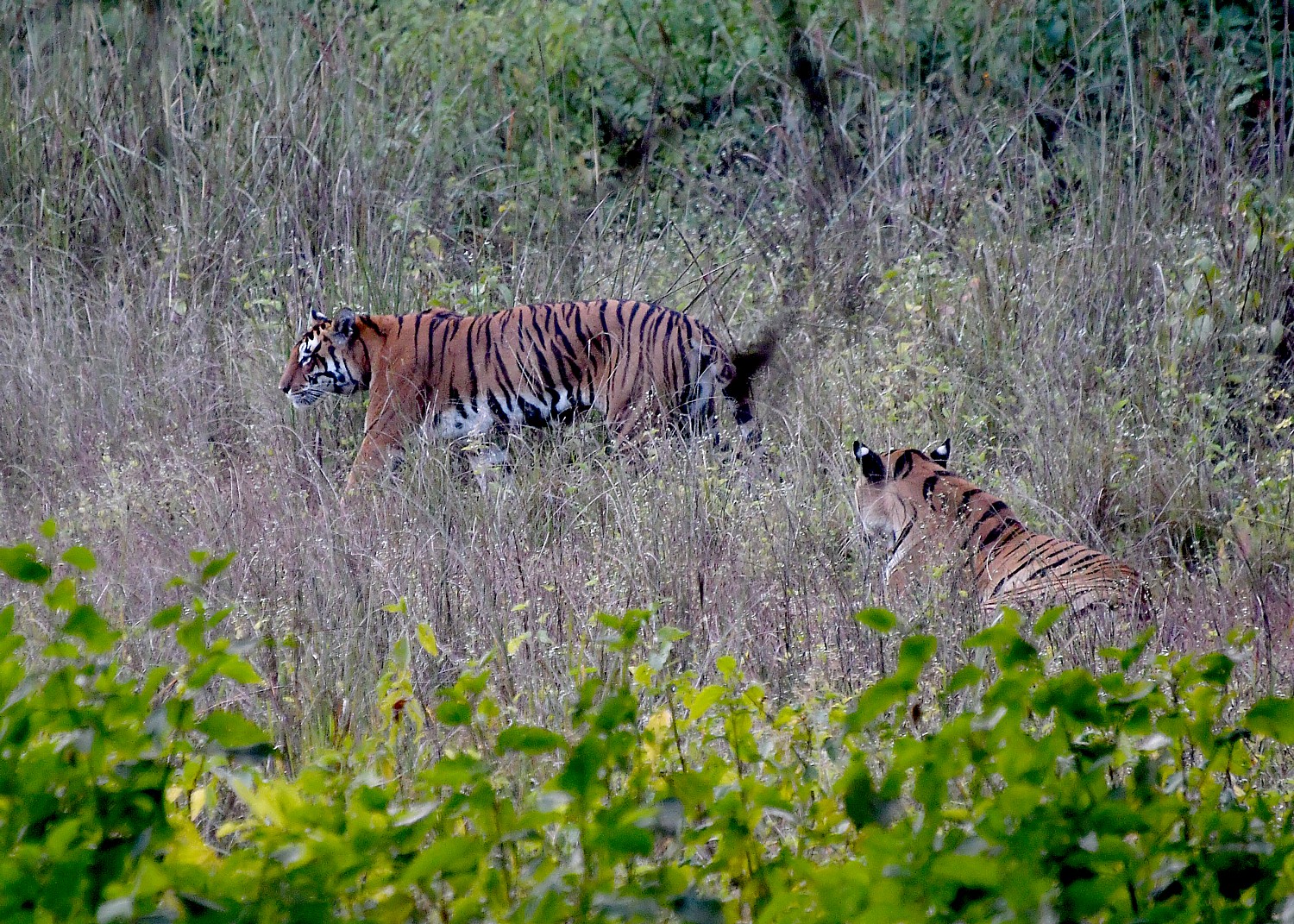
A safari into the Tiger Reserve in Kahna, India © Karen Rubin/goingplacesfarandnear.com

India welcomes the spur-of-the-moment traveler with open arms, and an efficient e-Tourist Visa system that makes entry quick and digital. The country’s depth of culture, affordability, and range of experiences, from Himalayan peaks to coastal backwaters, means you can craft an unforgettable escape on short notice. Safety and infrastructure continue to improve in major hubs, and the abundance of flights makes internal travel seamless. Unique things to do: Stay in a regal palace-turned-hotel in Rajasthan, glide through Kerala’s backwaters aboard a private houseboat, or explore the lesser-trodden coffee trails of Coorg. For culinary adventurers, join an intimate cooking class in Udaipur or a spice market tour in Delhi. 

The spectacular colorful lanterns and boats of Hoi An, Vietnam © Karen Rubin/goingplacesfarandnear.com

Vietnam Is compact, affordable, and endlessly fascinating and tailor-made for bold travelers. Its fast-track e-Visa system allows easy entry, while low travel costs and strong tourism infrastructure make short-notice trips stress-free. Whether you crave cultural immersion, tropical coastlines, or street food adventures, Vietnam delivers a full journey in a single, well-connected sweep. Unique things to do: Sail Ha Long Bay’s limestone towers by private sampan, explore Hoi An’s lantern-lit alleys, and zip through Hanoi’s old quarters on a vintage motorbike. 

Brazil is the heartbeat of South America, a destination that dances to its own rhythm and welcomes travelers at any moment. From the beaches of Rio to the jungles of the Amazon, it offers vast variety within easy reach. For U.S. travelers, Brazil’s reinstated e-Visa system (as of 2025) simplifies entry and makes last-minute trips entirely feasible. With direct flights from several U.S. cities, world-class hospitality, and relatively low off-peak rates, it’s an ideal getaway that feels both exotic and effortless. Unique things to do: Stroll the bohemian streets of Santa Teresa in Rio, cruise through the flooded forests of the Amazon, or explore the colonial charm of Paraty’s cobblestone alleys. Relax on hidden beaches in Bahia or chase waterfalls through the Chapada Diamantina National Park. 

ItsEasy.com Passport & Visa Services, founded in 1976, is known for ItsEasy Passport & Photo App, which offers a safe and cost-effective way to renew a passport. For urgent passports needed within 14 days, ItsEasy.com offers rush services

Explorateur Journeys: Europe’s Top Five Value Destinations

Explorateur Journeys is recommending these five European destinations for offering some of the best value for dollar as well as compelling interest.

Biking in Budapest, Hungary © Eric Leiberman/goingplacesfarandnear.com

HUNGARY: Think hillside castles, café-lined boulevards, thermal baths steaming under neo-baroque domes, ruin bars glowing at night flanked by storybook towns and vast vineyards.

ALBANIA: Once Europe’s mystery, Albania is now the continent’s rising gem. Its riviera rivals Greece for turquoise water and dramatic cliffs but without the crowds or price tag, while its inland mountains beckon for adventure.

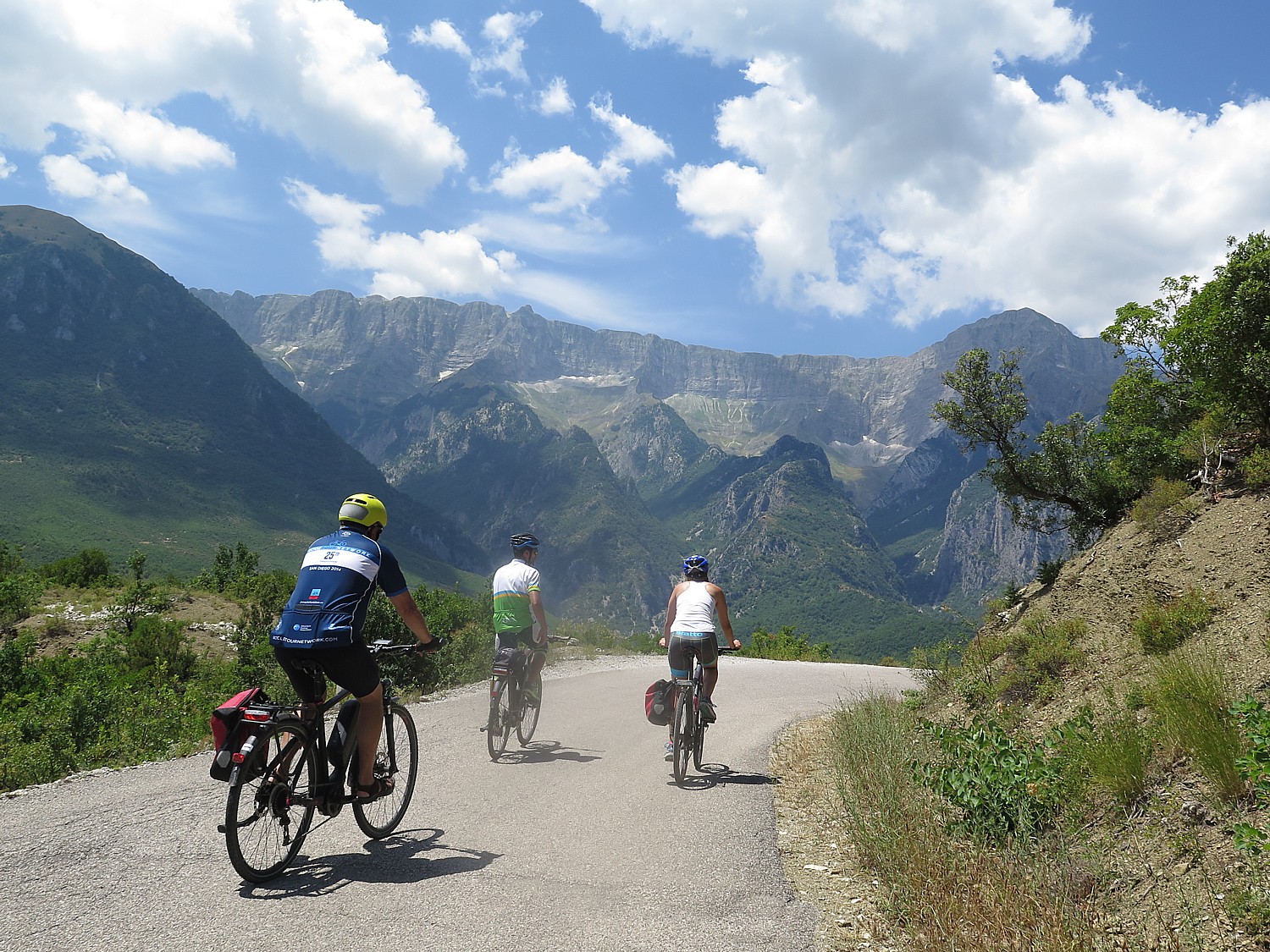
Albania’s scenic mountains, enjoyed on a BikeTours.com trip – e-bike recommended © Karen Rubin/goingplacesfarandnear.com

SERBIA: Belgrade’s nightlife has earned global fame but Serbia is all about Roman fortresses, wild river canyons, and traditional kafanas serving slow-cooked perfection. Real, affordable and surprisingly cosmopolitan.

MACEDONIA: Still one of Europe’s best kept secrets, Lake Ohrid is a UNESCO treasure that feels untouched. Add in Skopje’s blend of Ottoman bazaars and bold modern architecture, mountain monasteries, and vineyard-dotted valleys, and you’ve got a country rich in story yet light on your wallet.

Lake Ohrid, Macedonia © Karen Rubin/goingplacesfarandnear.com

ROMANIA: Dracula legends meet Carpathian peaks and medieval citadels in a country where Gothic castles overlook cobblestoned cities like Brașov and Sibiu. Bucharest hums with café life and Art Deco flair, while Transylvania and Maramureș deliver cinematic landscapes.

Explorateur Journeys, info@explorateurjourneys.com, 973-420-8343, explorateurjourneys.com.

Annual Matador Network Travel Awards Recognize 12 Top Destinations Worldwide

Twelve winners of the 2025 Matador Network Travel Awards were recently announced by the travel publisher. Half of the dozen honorees were nominated and chosen by criteria developed by the in-house team of Matador world-travel experts, and the other six are Matador readers’ choice honorees. In addition to the five traditional awards, this year marks the inclusion of a new category: Best Wildlife Destination.

“It’s up to each and every individual to make the most of every trip no matter where you go, but the award-winning destinations this year certainly set you up for success,” ,says Matador Network CEO Ross Borden.. “Whether you’re a full-time world traveler or just taking one big trip next year, use this list to plan your 2026.”

Matador Network Travel Awards

Readers’ Choice

Estonia has long been overlooked, but better flight connections and visible progress on sustainable tourism have helped make it Matador’s Next Big Destination. Tartu, its second-largest city, was named the European Capital of Culture 2024.

In Oaxaca, Mexico, adventure is everywhere, from mountain biking to surfing © Eric Leiberman/goingplacesfarandnear.com

In Oaxaca, Mexico, adventure is everywhere, from mountain biking the Sierra Norte to surfing the coast.

Over the past few years, the Portuguese island of Madeira has turned itself into an example of what a popular, modern, climate-aware destination can look like.

A thrilling sunrise hot-air balloon ride over Cappadocia, Turkey © Eric Leiberman/goingplacesfarandnear.com

In Türkiye, wellness is baked into daily life, from weekly hammam rituals and thermal baths to long seaside walks and slow breakfasts that stretch into the afternoon.

The inaugural winner of Best Wildlife Destination is Baja California, where desert mountains fall into two very different bodies of water, like a wildlife corridor you can road-trip.

And because you can’t road-trip everywhere, Qatar is the experts’ choice for Best Airline while Emirates took the top spot among the readers.

The historic town of Girokaster. Albania makes two lists: Best Value in Europe and Next Big Destination © Karen Rubin/goingplacesfarandnear.com

Readers selected Albania as their Next Big Destination for its coastal scenery without sticker shock and mountain landscapes that feel genuinely wild.

Patagonia is a place where you can string together multi-day treks, ice hikes, whale watching and long-distance road trips and barely skim the surface.

Costa Rica, home to last year’s experts’ pick for Wellness, is this year’s readers’ choice pick for Best Sustainable Destination.

Rotorua has some of New Zealand’s most active geothermal fields and geysers, mud pools and hot springs © Sarah Falter/goingplacesfarandnear.com 

Rotorua, New Zealand, sits over some of the country’s most active geothermal fields and geysers, mud pools and hot springs shape the streetscape.

Nairobi National Park is less than 30 minutes from downtown Nairobi, meaning you can watch lions, rhinos and giraffes with office towers and high-rises on the horizon.

“When there’s always somewhere new to go, the hardest question travelers face isn’t ‘Where Next?’ It’s ‘Why there?'” says Nickolaus Hines, editorial content director at Matador Network. “Our winners are the places and airlines that have proven, year after year, that they can deliver on the kind of experiences people travel for.”

View the 2025 Matador Network Travel Awards.

Matador Network is a leading travel media brand and the creator of GuideGeek, an award-winning AI travel genius. The GuideGeek AI platform has over 1M consumer users and powers custom conversational AI for dozens of travel brands and destinations. matadornetwork.com, guidegeek.com

Top Reasons to Visit Slovenia in 2026

The fascinating Predjama Castle built into the side of a mountain, visited on a bike tour of Slovenia © Karen Rubin/goingplacesfarandnear.com

In 2026, Slovenia invites travelers to explore a year rich in cultural milestones, outdoor adventures, and experiences that redefine slow, meaningful travel. From a centuries-old passion play to world-class architecture, from cycling legends to blooming meadows and new spaces for remote work, this small European country between the Alps and the Adriatic offers endless inspiration. Here are some of the highlights for 2026 not to be missed: 

Every six years, the medieval town of Škofja Loka transforms into an open-air stage for the Škofja Loka Passion Play (March 21- April 19, 2026), a UNESCO-inscribed performance that unites more than a thousand locals in a moving display of heritage and devotion.

In Bled, a new architectural and cultural landmark will open in summer 2026: the Muzej Lah, designed by David Chipperfield Architects. Housing the Lah Collection, it bridges Alpine serenity with contemporary art and design.

Named Europe’s Best Cultural Heritage Town 2026Ptuj – Slovenia’s oldest town – embodies living tradition. Its Roman heritage and vibrant festivals, including Kurentovanje – the largest Shrovetide carnival, recognised by UNESCO for its ritual of chasing away winter – make Ptuj one of the country’s most atmospheric historic towns.

Sports enthusiasts can look forward to the European Road Cycling Championships in Ljubljana (October 3–7, 2026). For a nation home to champions such as Tadej Pogačar and Primož Roglič, it’s both a sporting milestone and an invitation to discover Slovenia’s world-class cycling routes.

Across the country, a wave of new openings – from the Kneipp-inspired NaturHotel Snovik to Slovenia’s first family hotel in Olimje – will further enrich Slovenia’s boutique hospitality scene. 

The newest Slovenia Unique Experiences – from mushroom foraging in Bovec to exploring a 19th-century photography studio in Celje – invite visitors to slow down, connect, and participate.

And for those seeking a balance between work and wanderlust, Slovenia now offers a digital nomad visa, making it easier than ever to live and work amid its natural beauty.

Explore the full list of 2026 highlights here

See also: CAVES, CASTLE AMONG ASTONISHING SIGHTS VISITED ON GUIDED BIKE TOUR OF SLOVENIA

__________________

© 2026 Travel Features Syndicate, a division of Workstyles, Inc. All rights reserved. Visit goingplacesfarandnear.com and travelwritersmagazine.com/TravelFeaturesSyndicate/. Blogging at goingplacesnearandfar.wordpress.com and moralcompasstravel.info. Visit instagram.com/going_places_far_and_near and instagram.com/bigbackpacktraveler/ Send comments or questions to FamTravLtr@aol.com. Bluesky: @newsphotosfeatures.bsky.social X: @TravelFeatures Threads: @news_and_photo_features ‘Like’ us at facebook.com/NewsPhotoFeatures

Where to Go in 2026 for Transformation, Renewal, Fulfillment

The magical “Diamond Ring'” of a total solar eclipse lasts mere moments. Book now for tours, cruises, accommodations, and air travel to witness the Solar Eclipse August 12, 2026 that will pass over the Arctic, Greenland, Iceland, Atlantic Ocean, northern Spain and the tip of northeastern Portugal © Karen Rubin/goingplacesfarandnear.com

By Karen Rubin, Travel Features Syndicate, goingplacesfarandnear.com

Travelers are increasingly choosing destinations with purpose – for their beauty or legacy, for landmark anniversaries, special event, and most importantly, for the opportunity for transformation, emotional resonance, spiritual and self-renewal, and experience, sometimes life-changing but always life-enhancing. Here are a few suggestions: 

Solar Eclipse August 12, 2026

The event that promises to be the most transformational in 2026 is the August 12 total eclipse of the sun which will be best viewed in Iceland, Greenland, and northern Spain. You must be strategic: totality lasts a mere 2 to 3 minutes © Karen Rubin/goingplacesfarandnear.com

The event that promises to be the most transformational  is the Solar Eclipse August 12, 2026 that will will pass over the Arctic, Greenland, Iceland, Atlantic Ocean, northern Spain and the tip of northeastern Portugal.

The first solar eclipse on mainland Europe since 1999, it may well prove more spectacular than the April 8, 2024 solar eclipse which crossed North America delighting hundreds of millions of people in its direct path, because the August 12 eclipse will take place about 2.2 days after perigee (on August 10, 2026), so the Moon’s apparent diameter will be larger.

Tour operators and cruise companies are organizing special itineraries; you can also contact the national and local tourist offices (like Iceland, https://www.visiticeland.com/article/iceland-solar-eclipse-2026/) to put together your own arrangements. (Map of path of totality: https://nso.edu/for-public/eclipse-map-2026/)

Long Lake, New York, April 8, 2024: The eerie, even spiritual moments when the world suddenly, briefly goes dark and silent in the middle of a sunny day during a total eclipse of the sun © Karen Rubin/goingplacesfarandnear.com

A huge advantage of experiencing the eclipse on a ship is that the open ocean means the view is unobstructed – also, the ship can monitor weather to position itself to avoid clouds that can spoil the moment (totality lasts only about 2 to 3 minutes).

Holland America is offering special voyages incorporating the solar eclipse: 35-Day Voyage of the Vikings Cruise with Solar Eclipse (Jul 18 – Aug 22 to Greenland, Iceland, Norway and Ireland); 13-Day Mediterranean Solar Eclipse with Barcelona Overnights (Aug 9-22); 28-Day Scandinavian Solar Eclipse with Greenland & Scotland (Jul 24-Aug 21) (https://www.hollandamerica.com/en/us/plan-a-cruise/specialty-cruises/solar-eclipse-cruises)

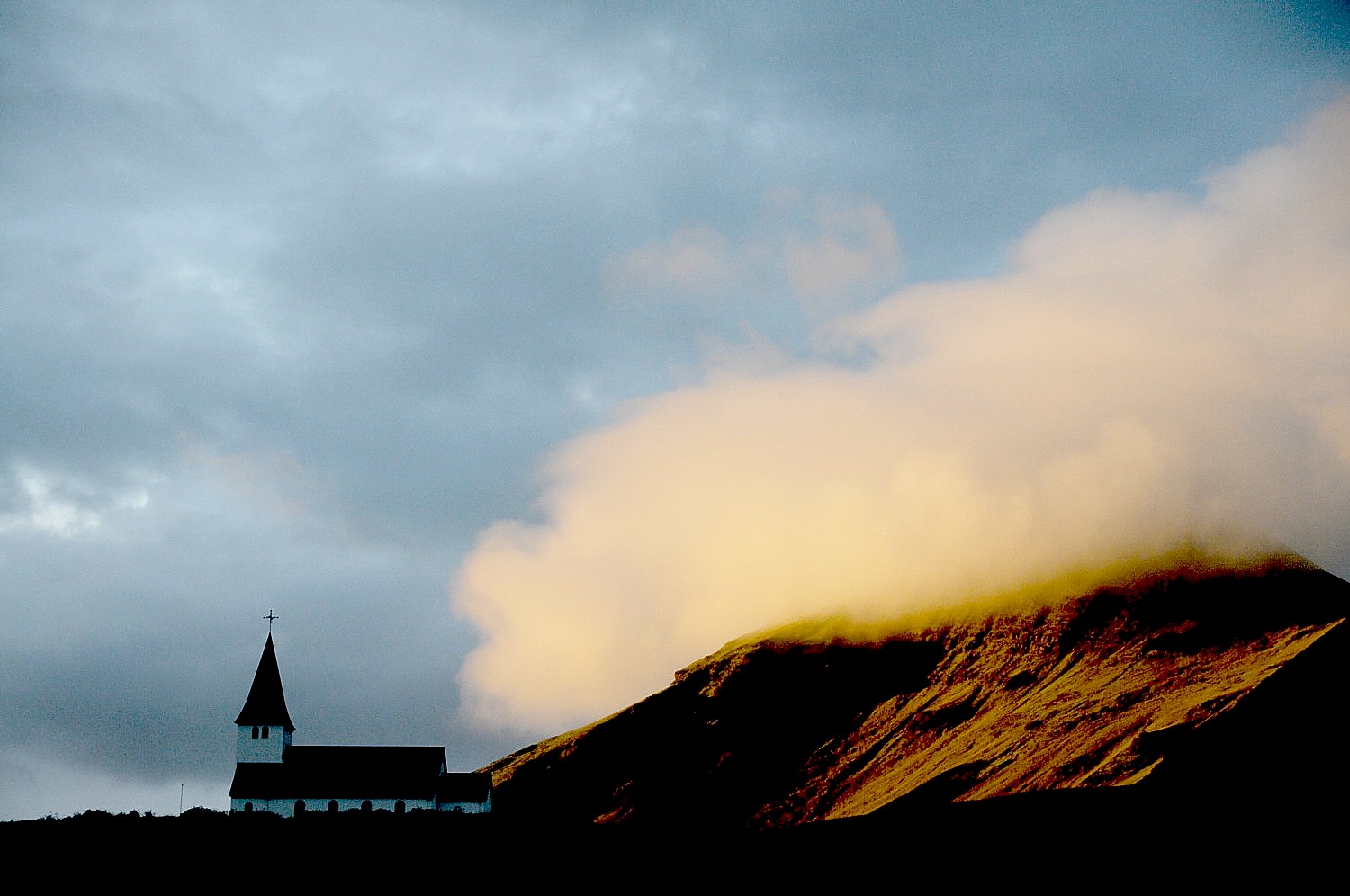
Iceland, a land of fire and ice, will be center stage for the August 12, 2026 total eclipse of the sun © Karen Rubin/goingplacesfarandnear.com

Hurtigruten (now HX Expeditions) offered a specific 2026 Solar Eclipse Expedition on the MS Spitsbergen, sailing from Svalbard (Norway) via Greenland to Iceland, focusing on East Greenland’s Blosseville Coast for the August 12, 2026 total solar eclipse, promising prime viewing in Scoresby Sound, with onboard experts and unique expedition experiences. The 17-day cruise departs August 3 (https://www.travelhx.com/en-us/cruises/solar-eclipse-expedition-2026-greenland-iceland-and-svalbard/)

Explore Worldwide, a small-groups operator with 40 years experience, is one of the tour companies offering solar eclipse itineraries in Spain and Iceland. In northern Spain, it is offering two itineraries a food tour in Catalonia and the Basque Country (8 days) where you’ll be well-placed in the limestone peaks of the Sierra de Prades mountains on eclipse day, or an amended itinerary of its -popular Walking in the Picos de Europa (8 days) optimized to see the solar eclipse. In Iceland, the company is offering a special departure of  Iceland-Land of the Midnight Sun (9 days) where you will on the beautiful Snaefellsness Peninsula for the eclipse. And for the truly dedicated, a 15-day  Spitsbergen, Greenland and Iceland Arctic expedition aboard the M/VGreg Mortimer which will sail directly into the path of totality for prime viewing from the deck of the expedition vessel. Other tours featuring the solar eclipse include: Classic Egypt and Eclipse (11 days); Highlights of Northern Morocco and Eclipse (9 Days); Tunisian Coast, Ancient Carthage and Eclipse (10 days). (https://www.exploreworldwide.com/experiences/eclipse-trips, Exploreworldwide.com , 877-956-9859)

National Eclipse has published a compendium of solar eclipse tours, (https://nationaleclipse.com/events/2026-total-solar-eclipse-tours.html)

Another source excellent source to find and book tours is tourradar.com, 833-895-6770, https://www.tourradar.com/i/western-europe-solar-eclipse

Book early – G Adventures and most Wilderness Travel itineraries are sold out; Smithsonian Journeys is waitlisted as of when we published.     

Rishikesh’s Spiritual Depth in the Himalayan Foothills

Long revered for its spiritual heritage, Rishikesh continues to be one of India’s most soulful destinations, where ancient rituals, wellness innovation, and inner awakening converge in the Himalayan foothills. Anchored by the International Yoga Festival (March 9–15, 2026) and a vibrant calendar of annual rituals, from the spring festival of colors, Holi (March 4), to purification ceremonies like Ganga Dussehra (May 25), and the summertime Kanwar Mela pilgrimage (July–August), the region pulses with devotion, classical music, riverside ceremonies, and communal celebration.

Ananda in the Himalayas, a world-renowned wellness retreat in the Himalayan foothills  (Photo courtesy of Ananda in the Himalayas)

At the heart of this is Ananda in the Himalayas, a globally acclaimed wellness retreat housed in the restored palace of the Maharaja of Tehri-Garhwal. Celebrating its 25th anniversary in 2025, Ananda enters 2026 with expanded offerings that reflect the future of holistic wellness. The retreat continues to lead in transformative programs across Ayurveda, yoga, emotional healing, and Traditional Chinese Medicine. New initiatives include Integrated Diabetes Management, women’s health, fertility, and sleep enhancement. Ananda’s 360-degree wellness system extends care beyond the stay through personalized diagnostics, daily therapies, and post-visit consultations. Signature programs such as Hormonal Balance, Yogic Detox, Panchakarma, and Ayurvedic Rejuvenation harmonize body and mind through traditional systems of healing, classical Hatha yoga, pranayama, and meditation

Kyoto’s Cultural Crescendo Rooted in Ritual and Renewal

In 2026, Kyoto offers a rare cultural crescendo, where centuries-old traditions, seasonal rituals, and landmark openings converge in one of Japan’s most spiritually resonant cities. The Miyako Odori returns to its original stage in Gion (April 1–30), with daily performances by geiko and maiko, now housed in the restored Gion Kobu Kaburenjo Theater, reborn as part of the Imperial Hotel, Kyoto, opening spring 2026. Designed by Obayashi Corporation for the exteriors and Tomoyuki Sakakida with New Material Research Laboratory for the interiors, the hotel preserves the 1936 Yasaka Kaikan structure using over 16,000 original tiles and offers just 55 rooms across three architecturally distinct wings. The property blends heritage architecture with contemporary Japanese design, offering curated calm in the heart of Gion.

Imperial Hotel, Kyoto, blending modern elegance with centuries of cultural heritage. (Photo courtesy of New Material Research Laboratory)

With Kyoto’s embrace of a more sustainable approach to tourism, travelers benefit from enhanced access, quieter moments and deeper cultural immersion in one of Japan’s most spiritually rich cities. Kyoto’s cultural calendar continues with the Gion Matsuri (July 1–31), featuring lantern-lit Yoiyama celebrations, Yamaboko float processions, and the Nagoshisai purification ritual. In September, the city marks the 400th anniversary of the Kan’ei Imperial Visit to Nijo Castle with reenactments, rare chamber access, and curated exhibitions. Seasonal temple openings and immersive installations offer deeper engagement. Infrastructure upgrades, including new EX100/EX101 buses and enhanced fare systems, make navigation seamless.

Monteverde’s Cloud Forest Regenerative Escape

In 2026, Monteverde welcomes travelers to a high-altitude sanctuary where misty forests, ecological milestones, and creative immersion converge. The region marks over 50 years of conservation since the founding of the Monteverde Cloud Forest Reserve, celebrated through legacy hikes, biodiversity exhibitions, and community-led programs. New interpretive trails connect to the Children’s Eternal Rainforest, while artisan showcases and solstice rituals reflect Monteverde’s evolving cultural rhythm. Infrastructure upgrades, including smoother access via Route 606 and expanded EV charging stations, make travel easier, especially with more international flights into Liberia Airport.

Hotel Belmar, a forest sanctuary celebrating 40 years of sustainability and style. (Photo courtesy of Hotel Belmar)

Central to this revival is Hotel Belmar, a family-owned eco-lodge perched above the forest canopy, known for alpine-inspired architecture, panoramic views, and sustainability leadership. In 2026, Hotel Belmar debuts nature-immersive wellness spaces and enhanced culinary offerings rooted in circular gastronomy. At Restaurante Celajes, regenerative menus honor Costa Rica’s agrarian traditions, using ingredients from Belmar’s organic farm and gardens. Overlooked crops, foraged herbs, and zero-waste techniques turn each dish into a tribute to biodiversity and soil health. Belmar’s Artist Residency Program invites creatives to live and work onsite, engaging guests through open studios, forest-inspired installations, and workshops.

Mongolia’s Living Traditions and a Journey into the Wild

In 2026, Mongolia emerges as one of the world’s most compelling destinations—not only for its vast, otherworldly landscapes but also for its global moment in the spotlight. The country will host COP17, the 17th Session of the Conference of the Parties to the United Nations Convention to Combat Desertification (UNCCD), from August 17–28 in Ulaanbaatar. This landmark event coincides with the UN’s International Year of Rangelands and Pastoralists, an initiative spearheaded by Mongolia to celebrate and protect nomadic cultures and ecosystems. These milestones underscore Mongolia’s leadership in environmental stewardship and its deep connection to land-based traditions—making 2026 an especially meaningful time to visit.

The Flaming Cliffs of Mongolia, a dramatic desert landmark and paleontological treasure (Photo courtesy of Pexels)

Cultural celebrations add further dimension: the Naadam Festival (July 11–12) showcases Mongolia’s national pride through wrestling, archery, and horse racing.  In early March, the Thousand Camel Festival in the Gobi Desert celebrates the magnificent Bactrian camel with races, polo, and traditional music. Adding to the momentum, Naya Traveler will debut its new Mongolia journeys in 2026, offering tailor-made itineraries that go far beyond the Golden Eagle Festival. Expect private access to cultural events, guided exploration of the Gobi Desert and Orkhon Valley, and meaningful encounters with herders and historians. These journeys reflect a growing trend toward regenerative, culturally attuned travel—where connection, context, and care shape every experience. With Mongolia joining Naya Traveler’s portfolio in 2026, the destination becomes part of a growing movement toward journeys that prioritize cultural depth, environmental awareness, and meaningful connection.

Amsterdam’s Cultural Renaissance Along the Canals

Following its milestone 750th anniversary in 2025, Amsterdam continues to dazzle in 2026 with a rich calendar of cultural events and sensory refinement. Spring brings the Tulip Festival (late March to mid-May) and the city-wide revelry of King’s Day (April 27). In May, food lovers flock to Rolling Kitchens (May 13–17), while August’s Grachtenfestival fills the canals with music. The Amsterdam Light Festival adds a luminous touch as winter approaches. Exhibitions at the Stedelijk, H’ART Museum, Eye Filmmuseum, and Fabrique des Lumières embrace immersive, interdisciplinary storytelling, reflecting the city’s forward-looking creative spirit.

Museum developments include the Zaanstad Amsterdam Museum (ZAMU), a contemporary art hub with installations spread across industrial buildings and a Piet Oudolf-designed wildflower garden just north of the city. While the Hartwig Art Foundation’s new museum is slated to open in 2028, it hosts temporary events until then. For a day trip, Rotterdam offers art lovers compelling attractions like the Depot Boijmans Van Beuningen and the Fenix Museum of Migration, which opened in 2025.

Restaurant Vinkeles at The Dylan Amsterdam, housed in a former 18th-century bakery in the heart of the canal district. (Photo courtesy of The Dylan Amsterdam)

Meanwhile, Amsterdam-Noord continues to evolve as a creative enclave, home to design studios, concept stores, and waterfront cafés. Culinary trends lean toward experiential intimacy and narrative-driven dining. At The Dylan Amsterdam, two-Michelin-starred Vinkeles offers moody interiors and seasonal French menus, while até presents a six-seat chef’s table. Bar Brasserie OCCO complements the stay with all-day dining in a stylish, contemporary setting and offers a creative High Wine tasting pairing four wines with four dishes. Reimagined by Studio Linse and Format Furniture in 2024, The Dylan anchors this renaissance with canal-side calm, Green Globe-certified hospitality, and curated access to the city’s evolving aesthetic.

__________________

© 2026 Travel Features Syndicate, a division of Workstyles, Inc. All rights reserved. Visit goingplacesfarandnear.com and travelwritersmagazine.com/TravelFeaturesSyndicate/. Blogging at goingplacesnearandfar.wordpress.com and moralcompasstravel.info. Visit instagram.com/going_places_far_and_near and instagram.com/bigbackpacktraveler/ Send comments or questions to FamTravLtr@aol.com. Bluesky: @newsphotosfeatures.bsky.social X: @TravelFeatures Threads: @news_and_photo_features ‘Like’ us at facebook.com/NewsPhotoFeatures

Travelers Navigate a Tricky Landscape in 2022

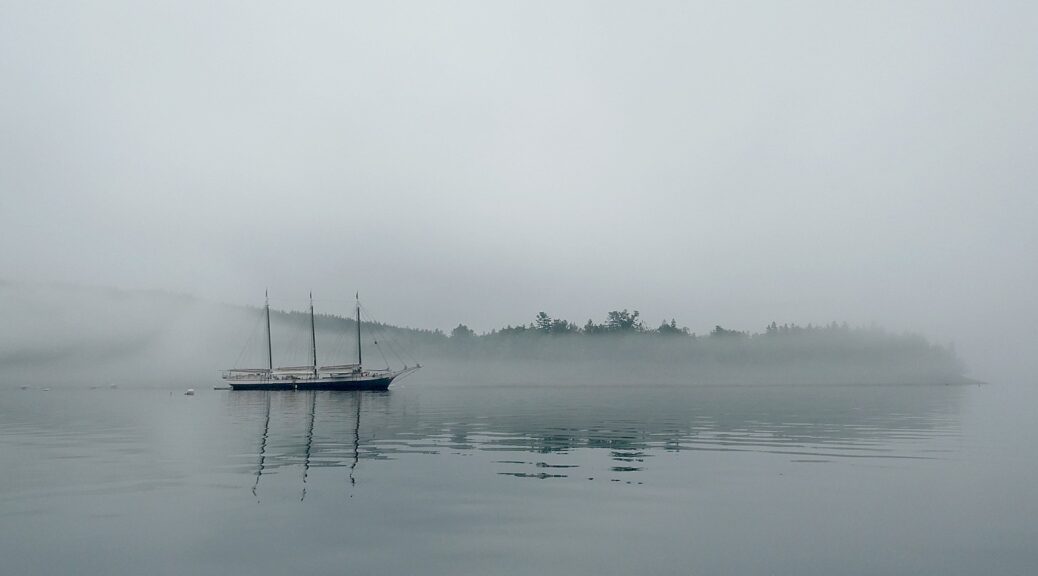
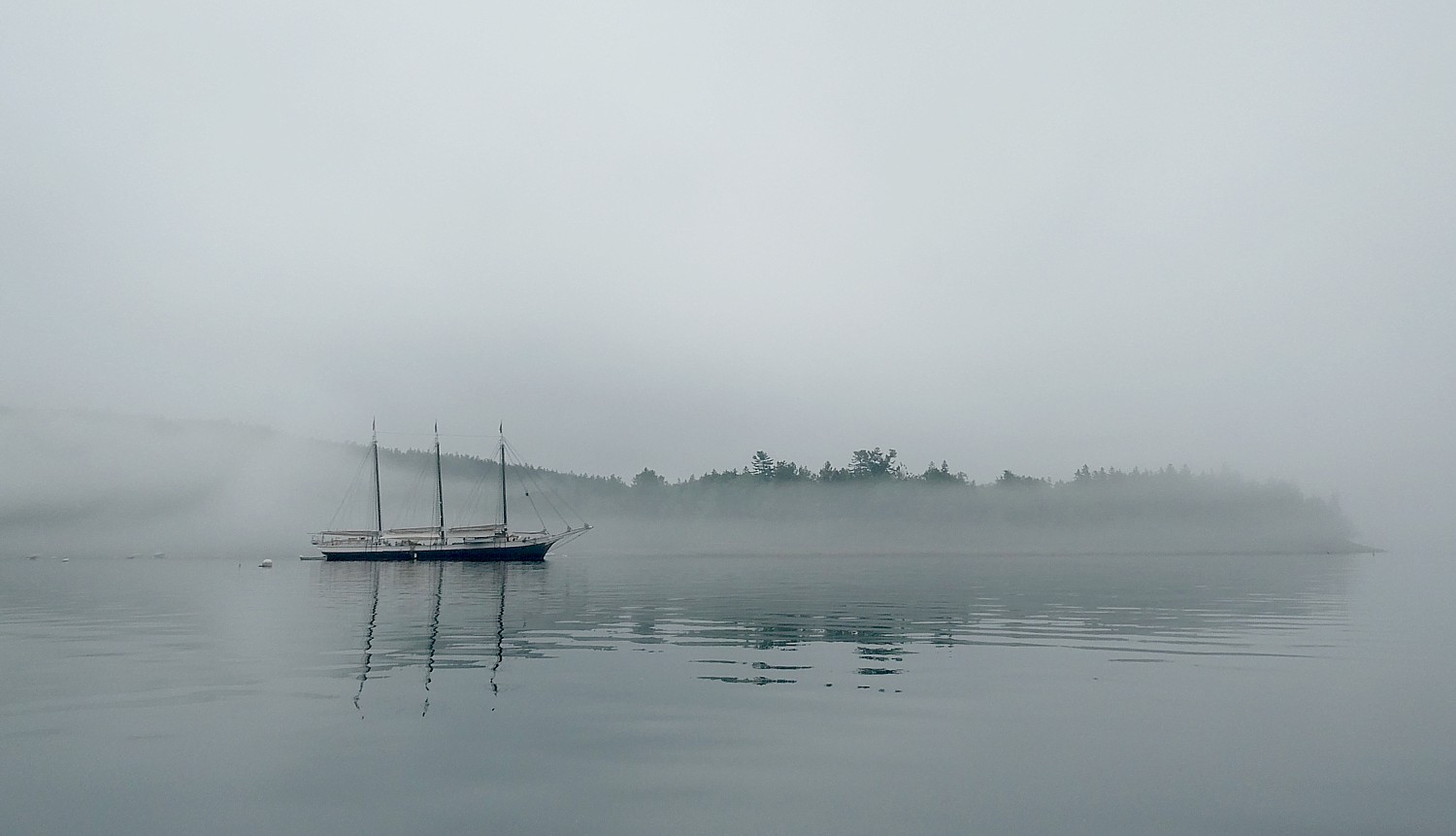
One of the historic Maine Windjammers, the Victory Chimes, is enveloped in fog. Big cruiseships may be a dubious proposition, but small ships – riverboats, barges – and even a self-piloted canalboat will be desirable ways to keep sailing © Karen Rubin/goingplacesfarandnear.com

Where to go in 2022 is as much a question of “how to go” and “why to go”.

By Karen Rubin, Travel Features Syndicate, goingplacesfarandnear.com

We can see just how important travel is in our lives – to our wellbeing, our growth, our connections to family and friends, and as literal ambassadors of peace, understanding and shared innovation.We know this from the huge surge that occurred during 2021, after the COVID-19 vaccine opened floodgates to travelers, by making it safe(r) to be out and about. Even during the worst of the pandemic, before a vaccine, people found a way to continue to embrace experiences, drawing upon the infinite possibilities to tailor something that felt right.

It may well be that the Omicron variant, by virtue of just how transmissible but less dangerous (at least for those who are vaccinated and use precautions like masking, social distancing) will help bring about the end of the global coronavirus pandemic, as more people develop immunity. Or not. It may well be that new variants will arise – perhaps progressively less dangerous. Or not. And it is more likely that some form of virus will be endemic and dealing with it will be part of the “new normal” of everyday life. And people will find a way to go on with their lives and have this in mind: life is precious and our time is finite, make the best of every day. And that includes sharing experiences with the ones you hold dear. And top of the list to achieve that is travel.

Where to go in 2022 is as much a question of “how to go” and “why to go”.

I’m thinking that many of the same trends of 2021 will hold in 2022 – a focus on outdoors activities, low-density destinations, open-spaces (national and state parks), bike trips, driveable destinations, RVs and camping.

Parks & Trails NY’s Cycle the Erie eight-day, 400-mile biking/camping trip will be back at full strength, 650 riders, July 10-17 © Karen Rubin/goingplacesfarandnear.com

Even if the Omicron variant of COVID-19 abates, as is expected, and is less dangerous than Delta, and travelers are much more likely (even required) to be vaccinated and show a negative test, people will be concerned about whether there is yet another variant around the corner that can break through, whether destinations will impose new restrictions, from mandated quarantines to capacity controls to shutting borders altogether (airlines, tour operators, hotels and the like must continue flexible cancellation policies if they want to stay in business at all). There likely will be the continued need for advance purchase of ticketing, and possibly a return to capacity controls, as well as requirements for masking and social distancing. This will define the new “normal” because the protocols won’t be going away any time soon – certainly not until there are months that go by without a coronavirus outbreak before anyone feels safe enough.

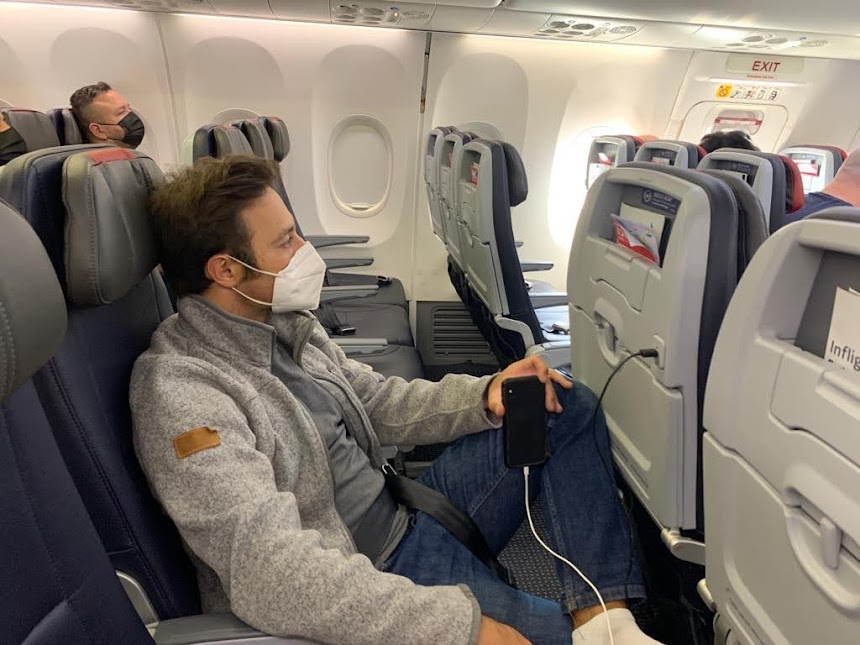
Taking a flight from Mexico just before the Christmas holiday rush and the onset of Omicron. There is increasing resolution that some form of COVID-19 will become endemic and become part of a “new normal” for travelers © Laini Miranda/goingplacesfarandnear.com

But because there is now widespread vaccinations, masking, and testing will be much more available (and free), people will continue to travel and live their lives. COVID will be “endemic” – embedded in how we live.

And the lure of travel – for all the benefits travel affords in terms of personal growth, renewal, bonding, discovery – will be very strong, even stronger. And where there is a will, there will be a way.

People will opt for travel that does not require a lot of connections (if taking air) or complicated itineraries, will many will seize opportunities to travel last minute because of the changeability of the situation. They will look for flexibility (and ability to cancel or change), and travel styles that give them more control.

Travel companies have already adapted: like G Adventures (gadventures.com), with a new “Travel with Confidence” policy; Moab Adventure Center (www.moabadventurecenter.com) and its parent, Western River Expeditions, which organize customized small-group trips.

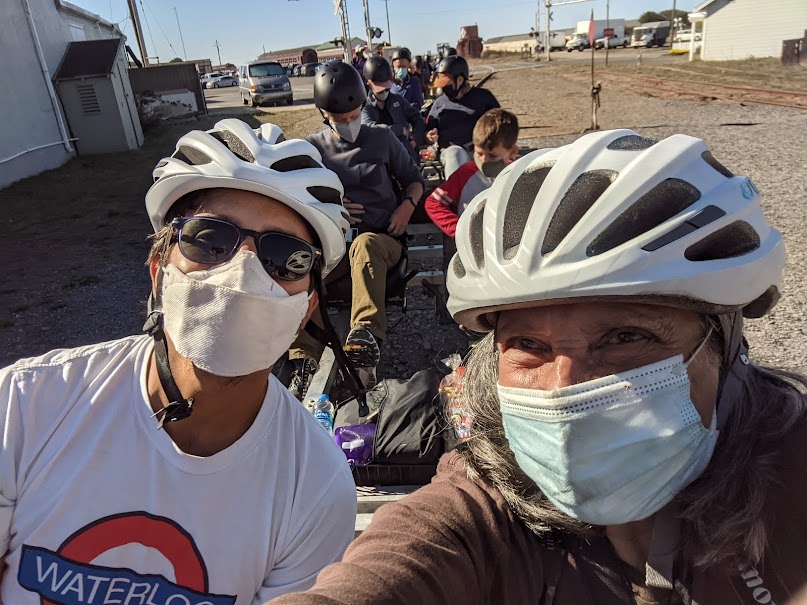
Attractions like the Skunk Train railbike in Fort Bragg, California, will likely continue with COVID-19 protocols © Karen Rubin/goingplacesfarandnear.com

The innovations and adaptations – on airlines, at hotels and resorts, attractions, restaurants –  that have already been put into place will be continued, improved, enhanced. Many have actually been very popular improvements.

Indoor attractions may well continue capacity limits, advance purchase and online/touchless ticketing.

A concern for health and wellness will likely overhang travel planning. People should be monitoring CDC and WTO health reports and State department – not just on infection rates, but what destinations, travel suppliers, hotels, restaurants are doing to take COVID-19 health protocols seriously. Use your own protocols – the more protective N95 masks, hand-sanitizing. (New: Fend Wellness Sanitizing Hand Wipe Mitts are wearable hand mitt wipes that provide a protective liner between you and all surfaces that come in contact with your hands, available on Amazon and online, fendwellness.com).

For complicated, long-distance and expensive itineraries, use a travel advisor (www.travelsense.org, www.virtuoso.com, ustoa.com, and the new Reco from Tripadvisor (helloreco.com). Try to make plans with flexible cancellations or change policies; use respected and well established tour operators and travel companies which can adapt quickly on the ground and revise itineraries as necessary and even extract you if conditions warrant. If traveling abroad, purchase travel insurance that incorporates health coverage (your domestic health insurance does not provide much coverage; my go-to travel insurance company is worldnomads.com)

Check with State Department (travel.state.gov) and CDC.gov as to conditions. Make sure vaccinations (and cards) are in order (many countries are much more restrictive than the United States). Sign up for the Smart Traveler Enrollment Program (STEP, Step.state.gov), which shares your contact information with the nearest U.S. embassy and sends travel alert notifications. The STEP app is worth downloading prior to traveling.

So high on our list for travel in 2022:

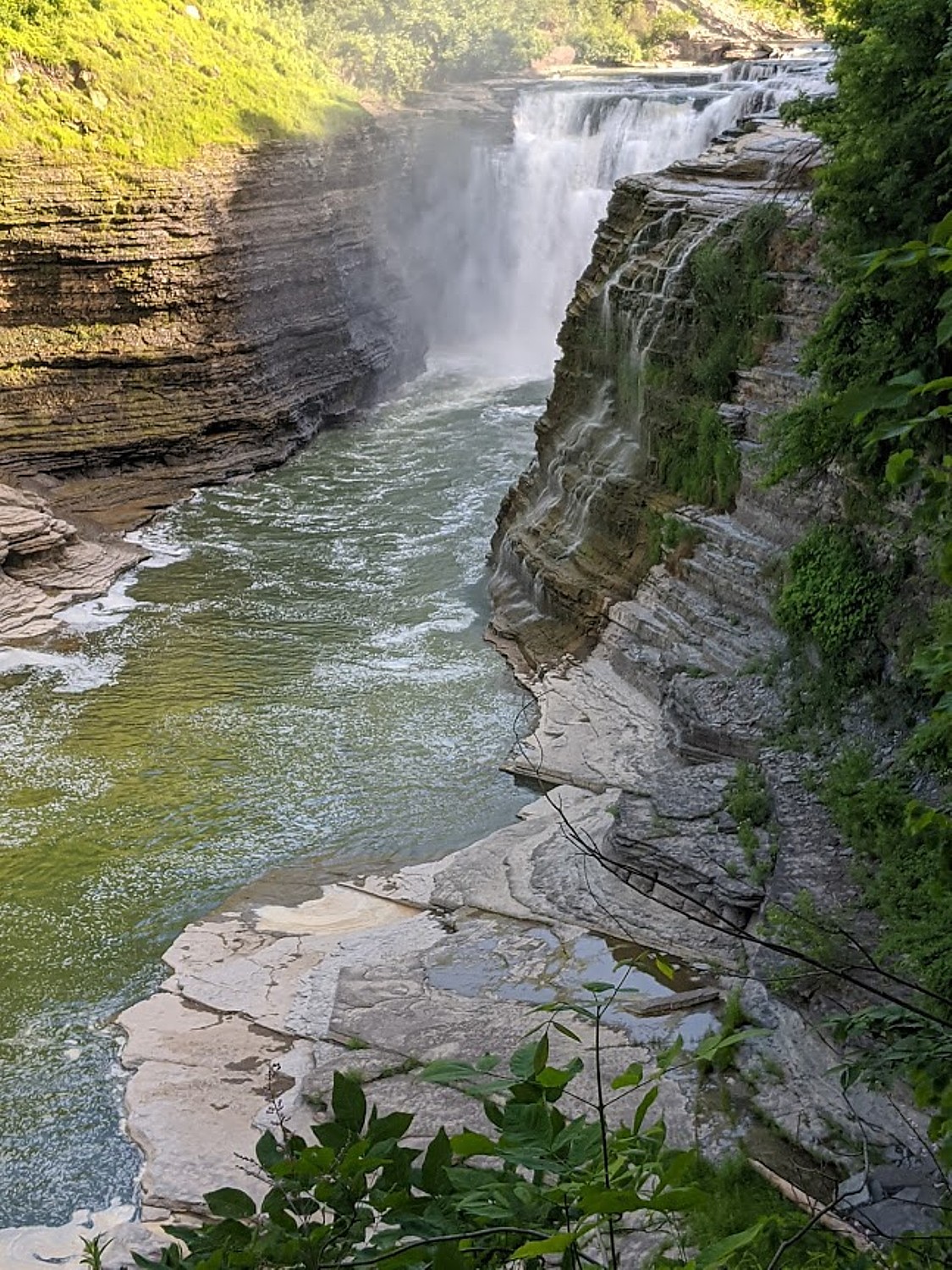
Letchworth State Park, New York, considered the “Grand Canyon of the East.” 2022 will still be a year of discovering fantastic attractions within driving distance © Karen Rubin/goingplacesfarandnear.com

Road Trip!: Continue to discover destinations, experiences within driveable distance, or, for long-distance holidays, revert to the old-school “road trip” and string together destinations in an itinerary that make a loop. An excellent way to do that is to go to historichotels.org because each of these 300 member properties from 44 states, the District of Columbia, the U.S. Virgin Islands, and Puerto Rico, are destinations in their own right. Hotels and resorts are being scrupulous about cleaning and sanitizing and have installed procedures and technology. You can also create your own itineraries using hotels.com (which offers extremely flexible cancellation policy), booking.com, airbnb.com.

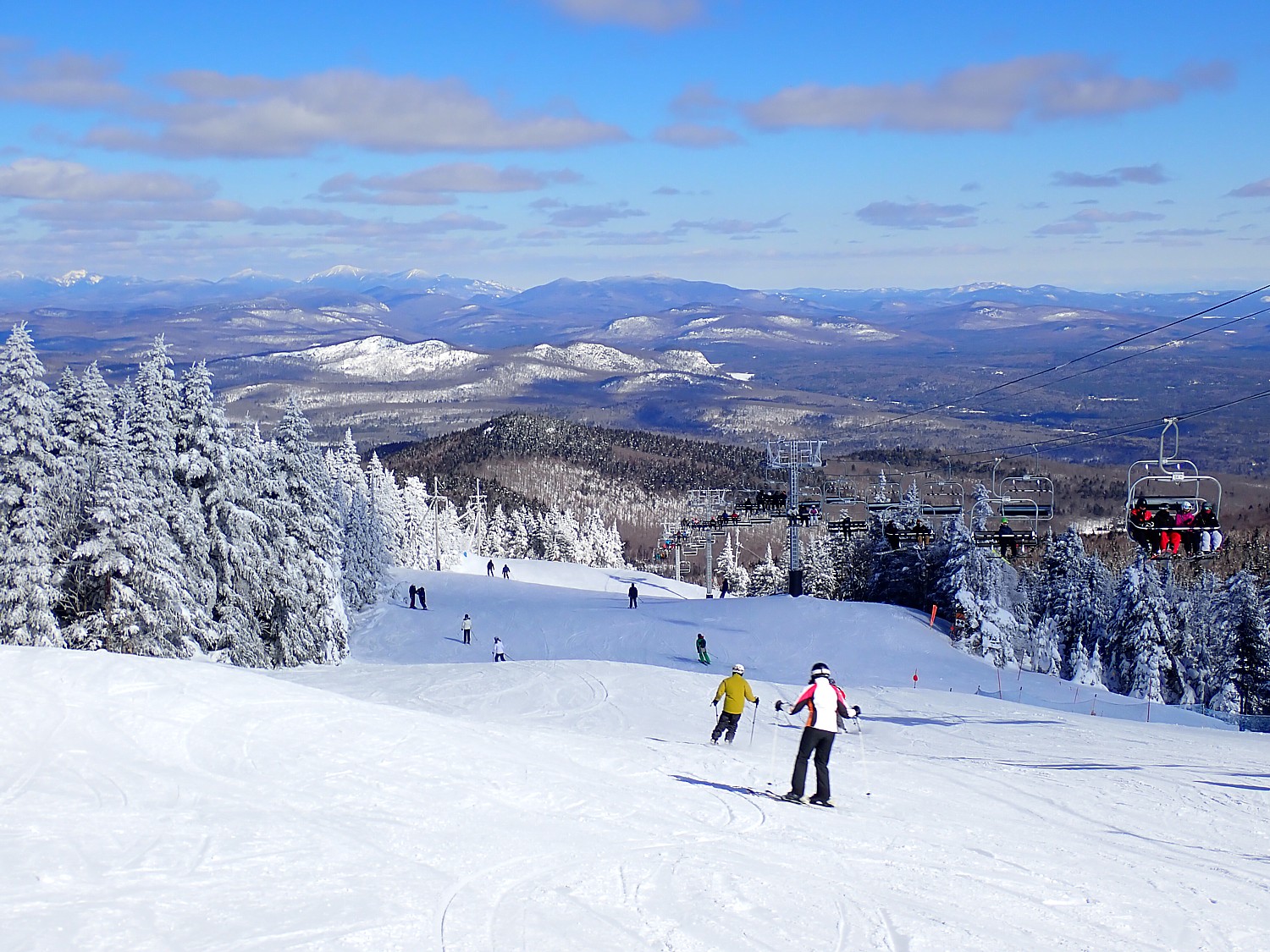
Major ski destinations, like Gore Mountain, in New York’s Adirondacks, are within driving distance of major metropolitan areas © Karen Rubin/goingplacesfarandnear.com

Ski/snowboarding/mountain resorts holidays – More people taking up skiing, snowboarding, snowshoeing, uphilling which are ideal outdoor activities during winter. Fortunately, there are many major ski areas within driving distance. Ski passes like Vail Resorts’ EpicPass and Alterra Mountain Company’s Ikon Pass, which provide access to dozens of destinations, let you really explore. And to help, Alterra just introduced the Ikon Pass Travel, a trip planning service (ikonpass.com/travel).

Renting a camper van, like this one from Moterra, to explore will continue to be a trend in 2022 © Sarah Falter/goingplacesfarandnear.com

Renting RVs/camper vans will continue – last year was a boom for camper van rental companies like Moterra (307-200-7220, gomoterra.com); Blacksford, offering an all-inclusive RV pricing with unlimited miles, 24-hour roadside assistance and a free annual pass to national parks (www.blacksford.com); and Tracks & Trails markets packaged national park RV vacations, 800-247-0970, www.tracks-trails.com). Another idea: pilot your own canalboat – like an RV on the water – on the Erie Canal (eriecanaladventures.com, 315-986-3011).

Pilot your own canalboat on the Erie Canal © Karen Rubin/goingplacesfarandnear.com

And while big cruiseships may be a dubious proposition, small ships like Blount (blountsmallshipadventures.com, 800-556-7450) and riverboats like CroisiEurope (croisieurope.com, 800-768-7232), and historic sailboats like the Maine Windjammers (800-807-WIND,  www.sailmainecoast.com) will be desirable ways to keep sailing.

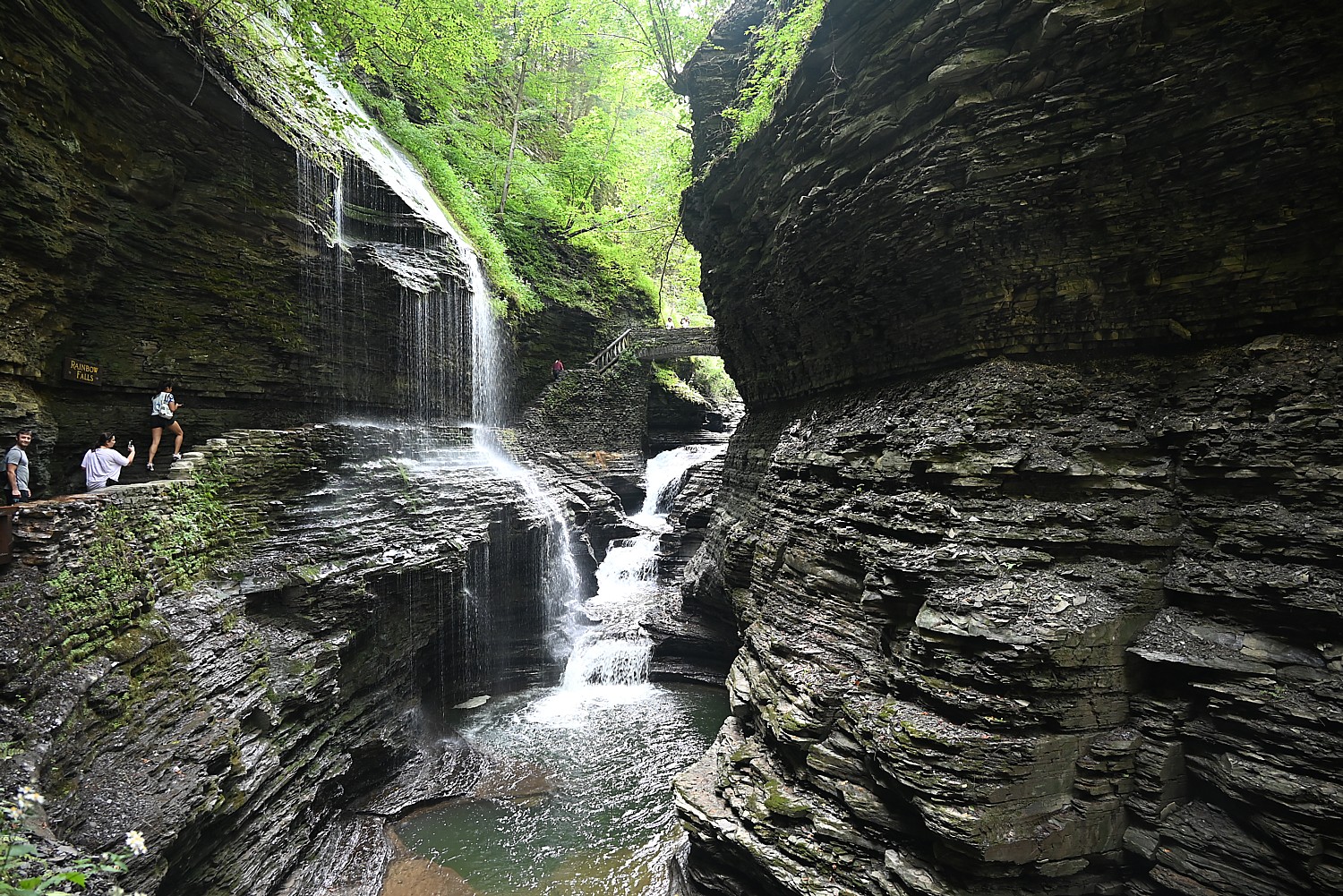
State parks like Watkins Glen in New York’s Finger Lakes will be a big draw in 2022 © Karen Rubin/goingplacesfarandnear.com

Camping/glamping –Check out New York State campgrounds in state parks like Watkins Glen and Letchworth State Park; book at 800-456-CAMP,  newyorkstateparks.reserveamerica.com). Last year, New York expanded glamping/camping opportunities along its picturesque canals through Tentrr (tentrr.com/nysp). To find private campgrounds, visit Campground Owners of New York, 585-586-4360, campnewyork.com, and Kampgrounds of America (our favorite: Herkimer Diamond Mines KOA, Herkimer, NY (315-891-7355, www.herkimerdiamond.com). If California is your destination, visit www.camp-california.com.

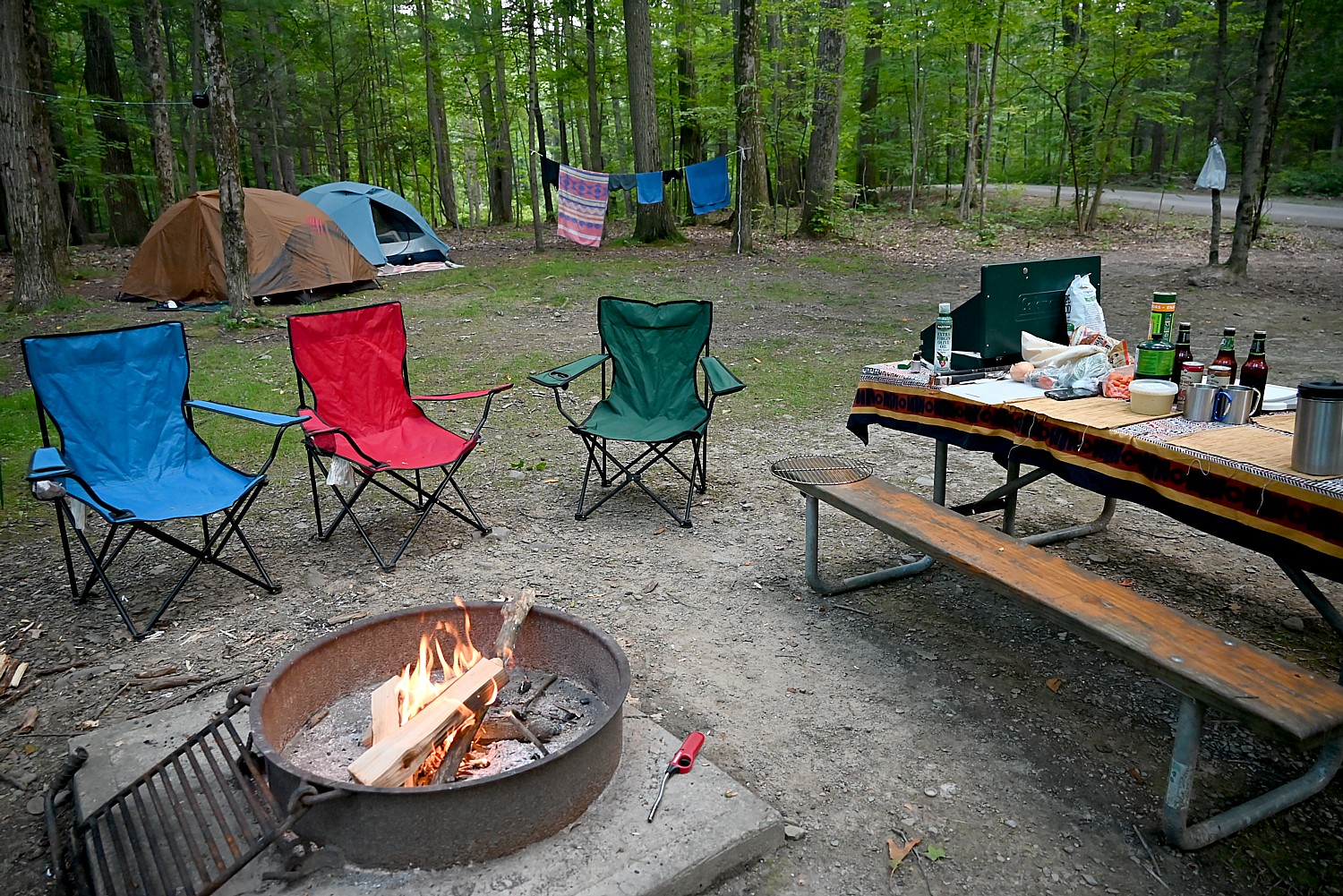
Our campsite at Watkins Glen State Park © Karen Rubin/goingplacesfarandnear.com

And nationally: Kampgrounds of America (koa.com); Yogi Bear’s Jellystone Park™ Camp-Resorts with 75 locations  throughout North America (pools, water slides, splashgrounds, activities, www.jellystonepark.com); and, internationally, Glamping Hub, with 22,000 locations around the world, from safari tents, yurts, treehouses, to cabins (glampinghub.com); and Pitchup, which has 5344 campgrounds, glamping sites throughout the Americas, Europe (www.pitchup.com)

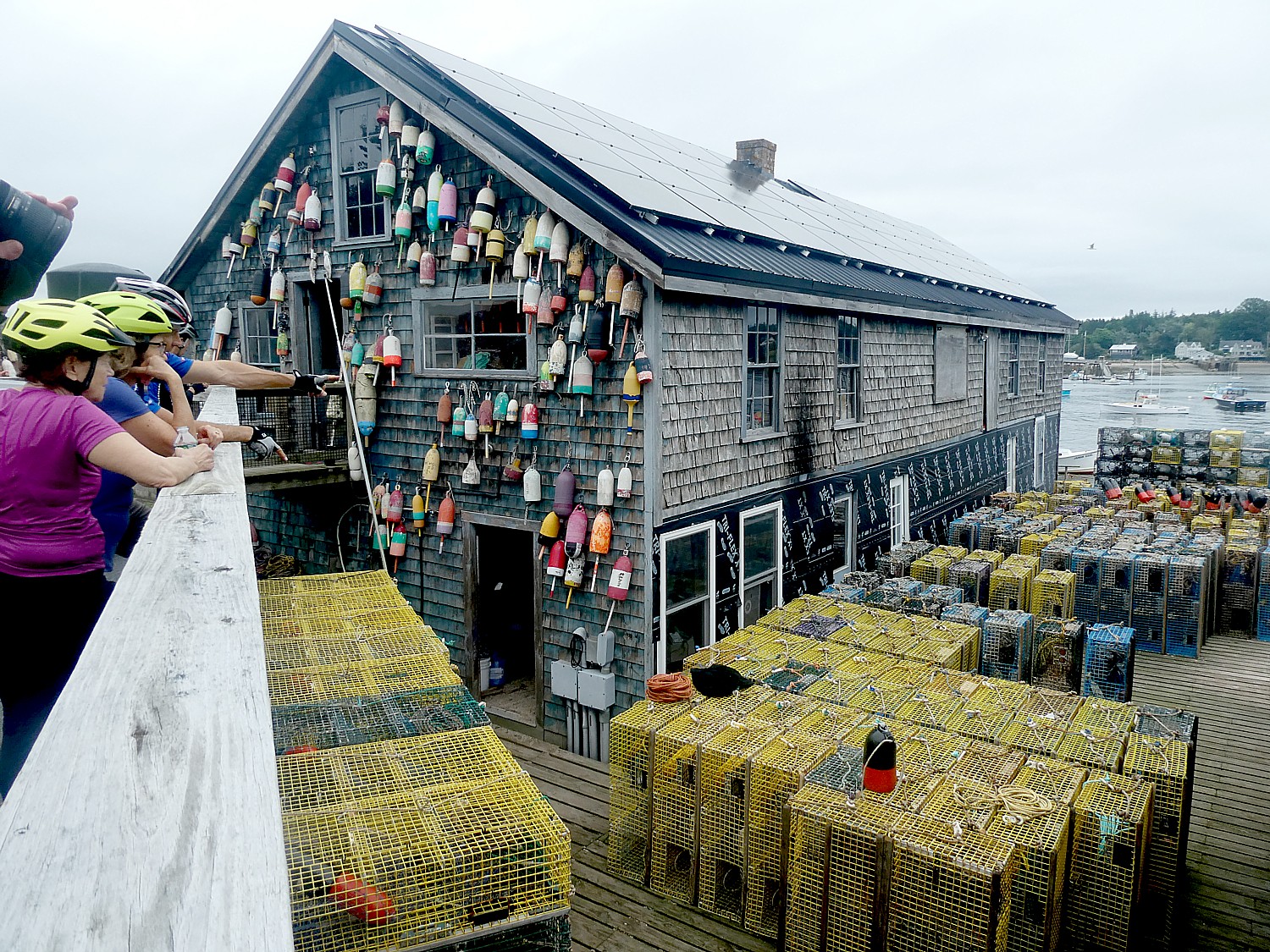
Bike tours, like Discovery Bicycle’s Maine Coast trip, afford the opportunity to get off the bike and enjoy the sights © Karen Rubin/goingplacesfarandnear.com

Bike tours are among our favorite modes of travel – a perfect pace and immersion into surroundings with scenic and important heritage routes, that are offered as inn-to-inn, bike/boat tours, or as bike/camping trips, and as guided tours or self-guided. Among our favorite bike tour companies: Bike Tours (biketours.com), Wilderness Voyageurs (855-550-7705, Wilderness-Voyageurs.com), Discovery Bicycle Tours, which has a new Vermont Gravel biking/camping trip (800-257-2226, discoverybicycletours.com). Also, Parks & Trails NY is back with its 24th Cycle the Erie Canal,  eight-day, 400-mile biking/camping trip, from Buffalo to Albany, (July 10-17); registration has just opened (https://www.ptny.org/cycle-the-erie-canal/annual-bike-tour)

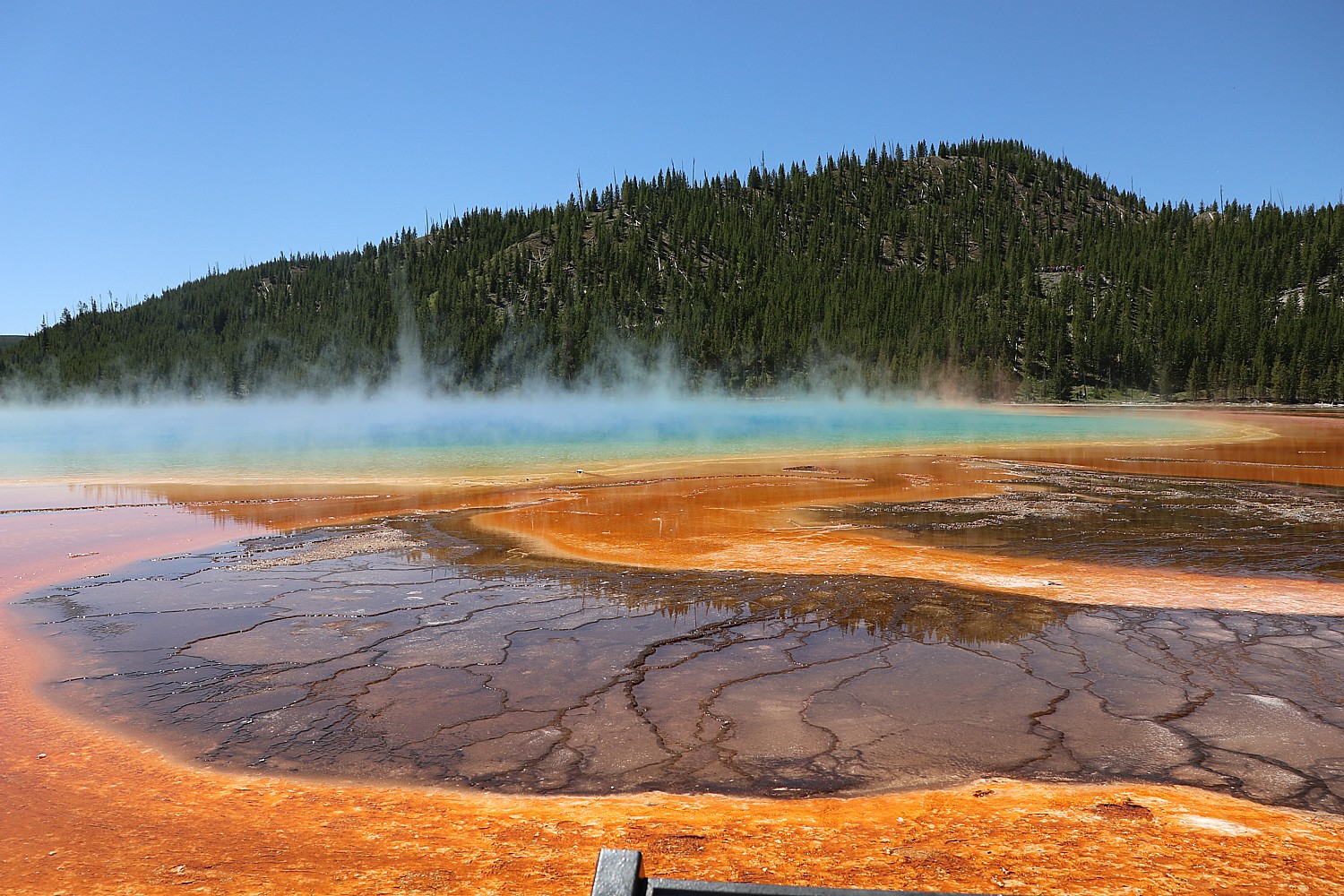
The Grand Prismatic, one of the most dramatic –and surreal – sights in Yellowstone National Park © Karen Rubin/goingplacesfarandnear.com

Visits to national and state parks will again be popular this year.  There are tour operators that have organized tours, and you can do what we did last year, go to AirBnB, hotels.com and booking.com to get availability, but there are two companies that dominate in-park lodging: Xanterra (xanterra.com) and Delaware North (delawarenorth.com)

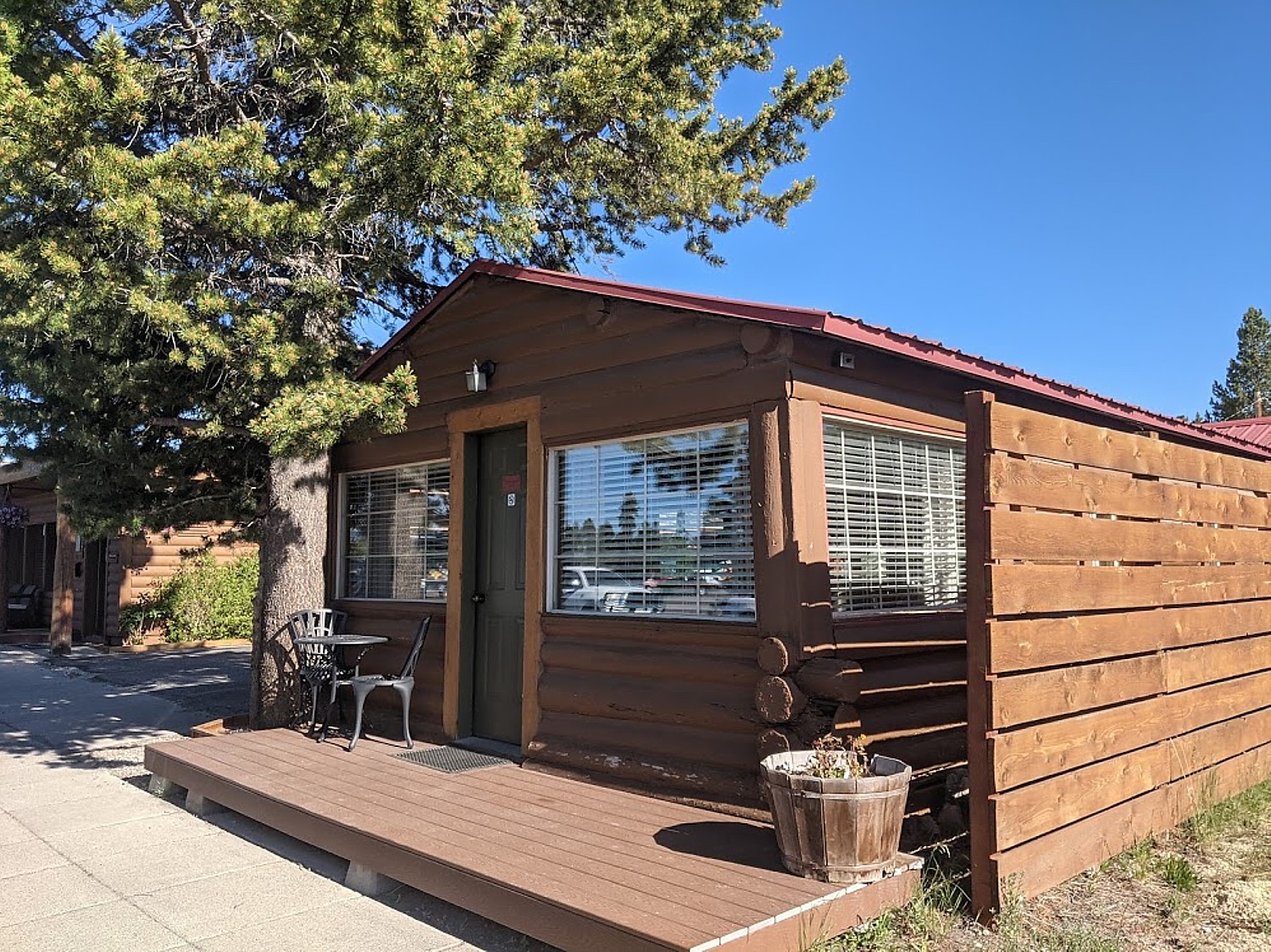
Our own cabin at the Elkhorn Inn, West Jackson, just outside the entrance to Yellowstone Park, booked on hotels.com © Karen Rubin/goingplacesfarandnear.com

Delaware North last year implemented its Rest Assured Commitment to Care comprehensive health and safety program at the lodging properties it operates, including re-engineered operating procedures to minimize contact risk and bolstered hygiene protocols aligned with guidelines of the U.S. Centers for Disease Control and Prevention (CDC). Delaware North Parks and Resorts operates lodging in and near many iconic national and state parks, including Grand Canyon, Yellowstone, Shenandoah, Sequoia & Kings Canyon and Olympic National Parks and Niagara Falls State Park, as well as at cultural attractions such as Kennedy Space Center Visitor Complex (www.delawarenorth.com/divisions/parks). 

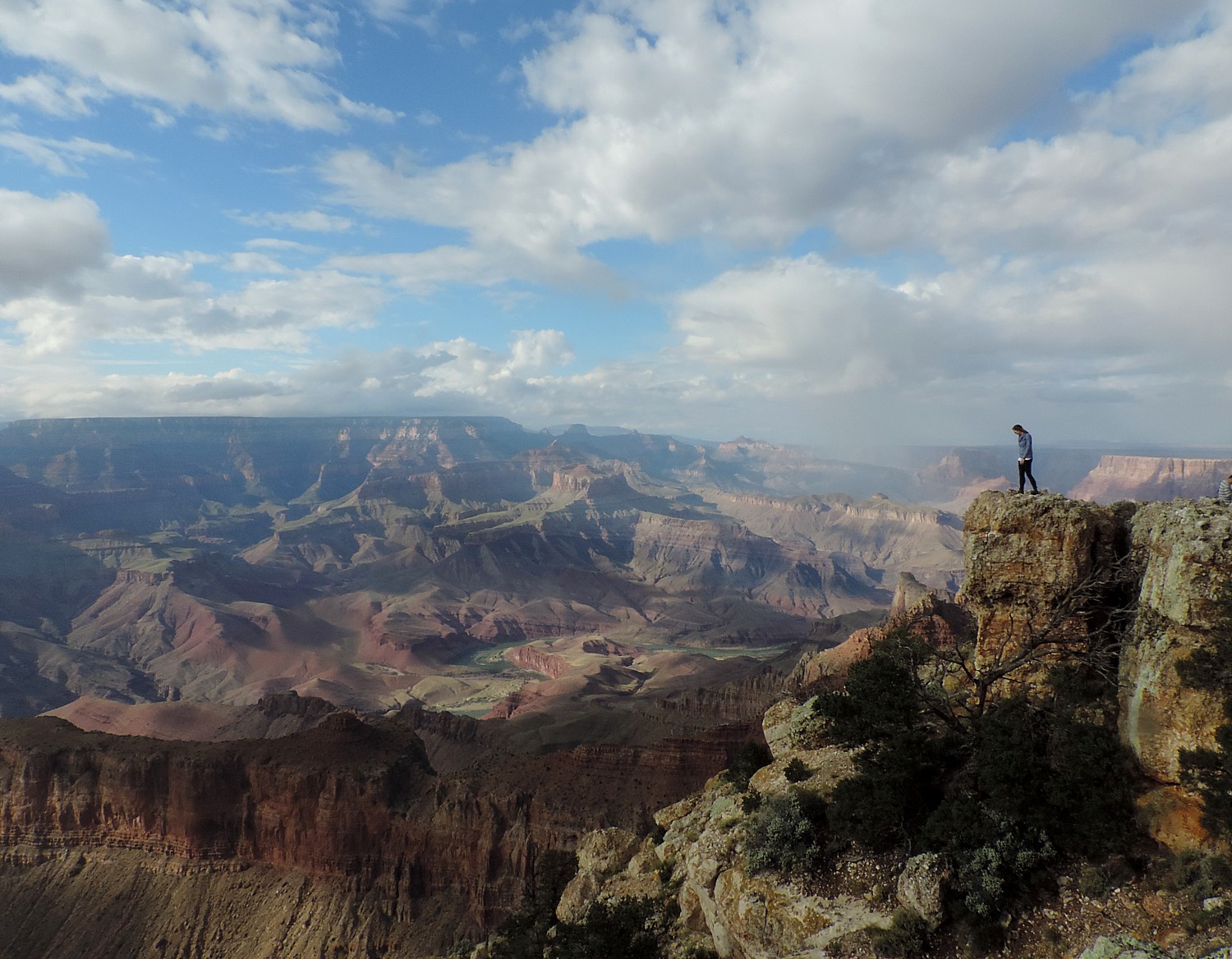
Book early if you want to visit the Grand Canyon National Park this year © Karen Rubin/goingplacesfarandnear.com

Known for its “Legendary Hospitality with a Softer Footprint,” Xanterra Travel Collection has operations in Grand Canyon, Yellowstone, Zion, Glacier, and Rocky Mountain National Parks, and Mount Rushmore National Memorial. Xanterra Travel Collection also owns and operates the Grand Canyon Railway & Hotel in Williams, Ariz., The Grand Hotel in Tusayan, Ariz., The Oasis at Death Valley in Death Valley Calif., Windstar Cruises, Holiday Vacations, VBT Bicycling and Walking Vacations, and Country Walkers.

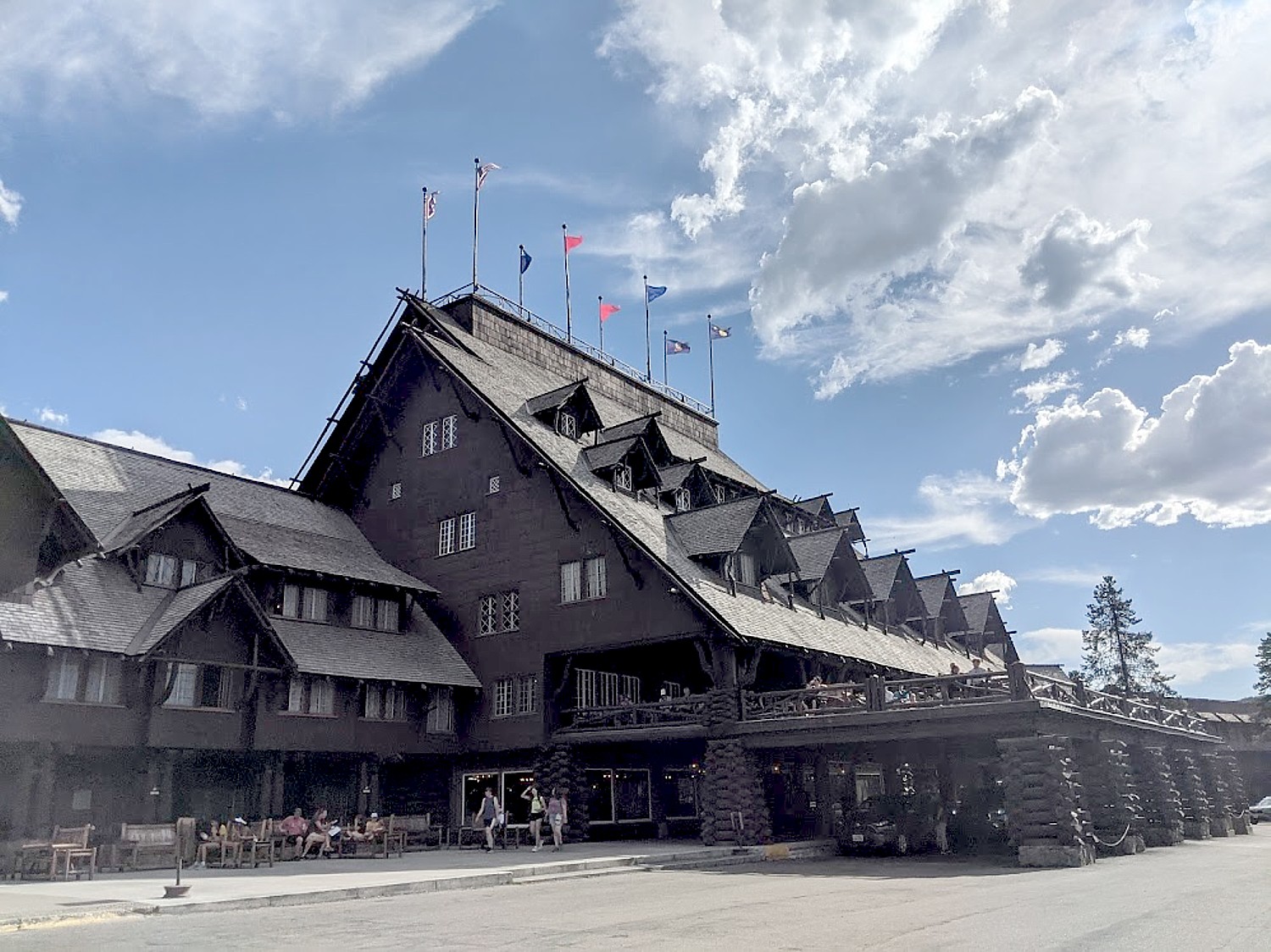
The historic Old Faithful Inn, Yellowstone National Park © Karen Rubin/goingplacesfarandnear.com

Wellness travel – There will be more interest in visiting resorts that cater to wellness (not the same thing as medical tourism), like Canyon Ranch or like the The Inn at Leola Village, Leola, PA, touting its Paid Time Off Wellness Package (theinnatleolavillage.com). The Global Wellness Institute defines wellness tourism as “travel associated with the pursuit of maintaining or enhancing one’s personal wellbeing…an opportunity to maintain and improve our holistic health.” A helpful source is spafinders.com.

Wellness and glamping combine at Picocanoa Rodavento, an eco-lodge in Veracruz, Mexico where thrill seekers can explore the surrounding jungle-clad hills by whitewater rafting, mountain biking, rock climbing and even zipping across the canyon and colorful treetops. The glamping site offers traditional wellness treatments, including a traditional Mayan temazcal prehispanico steam bath, as well as an outdoor pool and bar surrounded by lush greenery, a campfire for enjoying traditional batucada drum parties and safari tents and cabins that travelers can book for $98/night on outdoor accommodation website.

Beachfront resort, Nayarit, Mexico © Eric Leiberman/goingplacesfarandnear.com

Beach and golf resorts that afford lots of space, uncrowded, perhaps with own villas and beachfront will be in high demand. Many Caribbean and Mexican resorts, for example, are emphasizing their COVID-19 protocols and healthful ambiance. Club Med, a pioneer of the all-inclusive concept, for example, is touting its spacious low-density resorts surrounded by nature, spread across 50 acres, operating at a limited capacity, its enhanced safety and hygiene protocols, free onsite antigen testing, and free cancellation policy, as well as unlimited culinary options, and inclusive activities from skiing and snowboarding to standup paddle boarding and snorkeling and family activity programs (www.clubmed.us, 800-Club-Med)

A villa vacation in Sayulita, Nayarit, Mexico © Eric Leiberman/goingplacesfarandnear.com

Villa-style vacations, where you have a base to stay and go out from there, offer the advantage of being stand-alone. Many resorts offer villa accommodations, like Banyan Tree Mayakoba, an all-villa five-star eco resort on Mexico’s Riviera Maya (banyantree.com); also the Altamer Resort, Anguilla (altamer.com). Sources include villasofdistinction.com, thetopvillas.com, vrbo.com, airbnb.com/villas, exclusiveresorts.com.

Dude Ranches check off all the items on our list for being outside, inclusive and pure fun. New York State has a surprising number of these delightful venues. Among our favorites: Pine Ridge Dude Ranch (866-600-0859, www.pineridgeduderanch.com); Ridin’ Hy (518-494-2742, www.ridinhy.com); and the ever-popular Rocking Horse Ranch (877-605-6062, www.rockinghorseranch.com).

The Red Reflet Ranch, in Ten Sleep, Wyoming. Dude and guest ranches are ideal venues for 2022 family vacations © Karen Rubin/goingplacesfarandnear.com

Want the real West? Dude Ranch Association, with 100 members across the western United States and Canada, each entirely different from one another, can help you choose where to go (307-587-2339 duderanch.org); another source is the Colorado Dude Ranch Association (866-942-3472, coloradoranch.org).

More focus on experiential and purposeful travel – those bucketlist experiences that resonate at a fundamental level with one’s being, the experiences that are important enough to risk going outside one’s comfort zone. It could be anything: hiking/camping trip to Machu Picchu (alpacaexpeditions.com); wildlife safari in Kenya (EF Go Ahead experts navigate travel and health and safety guidelines and plan fully refundable trips with no change fees, 800, 590-1161, www.goaheadtours.com); a voyage to Antarctica (atlasoceanvoyages.com, 844-44-ATLAS) or a cooking class in Paris (cooknwithclass.com).

A wildlife safari in Kahna Tiger Preserve, India. Travelers will choose destinations and experiences with more intention and not put off what’s on their bucket-list © Karen Rubin/goingplacesfarandnear.com

A corollary of this is more focus on sustainable, responsible tourism and ecotourism. Even if much of society has become entrenched in “me-me-me” view, people who are travelers tend to have a more open, one-world sensibility, and are sensitive to the need to protect and appreciate environment, heritage, ecology. There is a lot more interest in seeking out travel experiences that immerse you in local cultures and use tourism to bolster local economies in order to sustain local communities and culture, and do as much good in the world as for oneself.

TRIPS by Culture Trip, is touting its “ extremely flexible and generous cancellation plan in place should Covid restrictions change your plans, including rebooking for free up to 48 hours before departure and if TRIPS by Culture Trip cannot change your booking dates, they will refund the booking (culturetrip.com/trips, 678-967-4965).

Even though you may want to hold out to survey the situation, you are best advised to book early because dates will fill, and take advantage of flexible cancellation or rebooking policies. National Plan for Vacation Day is January 25th.

______________________

© 2022 Travel Features Syndicate, a division of Workstyles, Inc. All rights reserved. Visit goingplacesfarandnear.com, www.huffingtonpost.com/author/karen-rubin, and travelwritersmagazine.com/TravelFeaturesSyndicate/. Blogging at goingplacesnearandfar.wordpress.com and moralcompasstravel.info. Send comments or questions to FamTravLtr@aol.com. Tweet @TravelFeatures. ‘Like’ us at facebook.com/NewsPhotoFeatures

NYT Travel Show: ‘1000 Places to See Before You Die’ Author Shares 20 Favorites for 2019

Iceland, Land of the Midnight Sun, offers other-worldly scenery and is on “1000 Places” Author Patricia Schultz list of recommended places for 2019 © Karen Rubin/goingplacesfarandnear.com

By Karen Rubin, Travel Features Syndicate, goingplacesfarandnear.com

Patricia Schultz, author of the New York Times best-seller, “1000 Places to See Before You Die” offered up some 20 of her favorites to consider for 2019 in her talk, “Global Travel Experiences” at the New York Times Travel Show.

In writing her book, though, she said, “I started off with 100 drop-dead places” but was encouraged to increase the number to 1000. It took 8 years to write the book.

 “I did all the homework. Are these your favorite 1000? Probably not. You may ask, ‘How will I ever see all 1000?’ But it’s not about seeing all 1000, it’s having those places that resonate, talk to you, realize that this is place you’ve always heard about, or never knew existed.”

Despite skepticism of how the book would be received, within days of publication, the book shot up to #1 on the New York Times best seller list. “And to prove I am still alive, I gave myself the gift of travel. I don’t need a special occasion.” But she notes that it was a landmark birthday, “so with a friend I went to Machu Picchu.”

Machu Picchu – You fly from Lima to Cuzco to see the Lost City, 11,000 ft above sea level. The risk here is altitude sickness. “I was cocky. All that mata de coca stuff in the lobby didn’t work. So I’m sitting with an oxygen mask in the lobby, and  engaged in conversation with a woman from Newark celebrating her 90th birthday with her first passport stamp. She spoke of having dropped out of school at age 11 during the Great Depression, put four children through university as a washerwoman – one became an attorney, another a gynecologist. As a gift for her 90th she told me, ‘Perhaps you heard of it, 1000 Places.’ They gave me a magic marker to highlight any place and they would send me.’”  Edith with her husband of 70 years gave me two wonderful quotes: ‘Your knees have expiration dates’ (and she was on her second set of replacements, titanium); and ‘You need to do the difficult places first.’”

Scotland: Isle of Skye, Inner Hebrides Islands– brooding, romantic, often misty, green (it rains a lot). Of the islands off Scotland’s west coast, one is connected by bridge. Skye is only 50 miles north to south – incredible to hike. There’s a whisky trail (The Scots love whisky); a castle trail. Edinburgh. Take the train from London– wild, unexpectedly beautiful. Edinburgh has one of best performing arts festivals in world, Edinburgh Arts Festival. Part of it is the Military Tattoo –tickets are hard to come by – there are drummers, bagpipers from all over the Commonwealth around the world, who perform at night in front of Edinburgh Castle.

Iceland’s main city, Reykjavik, is quirky, the smallest capital city in Europe with just 125,000 people but that’s still about half the entire country’s population © Karen Rubin/goingplacesfarandnear.com

Iceland is only about 5 hours flight (about as long as it takes to drive out to the Hamptons on Long Island’s eastern shore from New York City- Icelandic Air has discounted fares – often you can stay days or a week in Iceland enroute to/from 20 cities in Europe.  The main city, Reykjavik, is quirky, the smallest capital city in Europe, just 125,000 people but the entire country has a population of just 300,000, and most live in the southwest corner. Icelanders are unusual people, highly literate, cultured, well traveled, speak English. The scenery is other-worldly.

Iceland is probably best known for Northern Lights, a celestial spectacle, sublime and surreal. Vikings, Iceland’s indigenous people, always had an explanation for the spectacular display of lights that can last 5 minutes or 5 hours – green, blue – if you haven’t seen it, you have to. You can take Northern Lights packages – but stay at least 4 nights because they don’t happen all the time, you can’t guarantee.  In summer, you don’t see the Northern Lights; instead, you have the Midnight Sun.

(Hurtigruten offers a Northern Lights cruise through Norway – if you don’t see the Northern Lights, they reimburse you.)

St. Petersburg, Russia. Commissioned by the czars of Russia, St. Petersburg big port of call on Baltic cruises – second most popular European cruise (after Mediterranean and you don’t need to be 90) – visit Scandinavian cities, northern European – Taillin, Estonia, Gdansk in northern Poland – we sailed out of Copenhagen, capital of Denmark, sailed east then north up to St. Petersburg – so much to see, you get 5-8 hrs in ports, but in St. Petersburg, you overnight up to 3 days. The Winter Palace is grand – best known as the home of the Hermitage Art Collection (one of the three top art museums in the world, with Le Louvre in Paris and Metropolitan Museum in New York). The Heritage Museum, Russia’s Louvre, is one of world’s richest repositories of art. It holds the Guinness Book of Records for most paintings of any museum – most are stored in the basement . The crowds are crazy.

Bruges, Belgium is Brussels in miniature. Everyone goes to London, Paris, Berlin, fly into capital cities and sometimes that’s all you see – which gives you a distorted idea of a country. Brussels, the capital of Belgium, is a beautiful city but less than one hour by high-speed train (travel throughout Europe by train, makes Amtrak look medieval, embarrassing) from Brussels is Bruges. People go for a few hours, for lunch, the museums. It’s very picturesque.  Bruges was the seat of the Dukes of Burgundy in 15th century – the Venice of the north, a little Amsterdam also built on canals. Bruges is less than 2 hours from Amsterdam. Everything you experience in big cities like Brussels experience here.

Amsterdam: The canals in Amsterdam are 400 years old, a UNESCO World Heritage site. People think of cafes, marijuana, red light district. Amsterdam is so much more. I visited on an AMA Waterways river cruise that starts in Amsterdam, cruises on the Amstel River that connects with Rhine. The Christmas market season is magical. A walking tour of the Red Light District is fascinating; the district has changed generation to generation; there is much to be learned. 

Venice” taking advantage of nighttime hours to visit the Doge Palace in San Marco Square, you feel you have this extraordinary art, this spectacular space to yourself. © Karen Rubin/ goingplacesfarandnear.com

Venice, Italy – I took one of my first trips to Europe for ancestral purposes, to discover my roots – that’s a real thing, to explore your background, heritage, the reasons, traditions you grew up with. My mother was not from Venice, but from Puglia (on the heel of boot; Venice in northeast corner of ‘boot’ on a Peninsula). Venice was the seat of government; the Doge ruled this maritime republic that reached to Asia. San Marco was where the Doge lived and ruled; he built a cathedral to house St Mark’s bones, “borrowed” during the Crusades from the Holy Land. The Basilica of St. Mark was built over 1000 years ago – it’s not the oldest church in Italy but one of the most magnificent. It looks Byzantine, Arabesque because it was fashioned after Sophia in Constantinople. 

Istanbul, Turkey – rising above the chaos, where East meets West. There are other bi-continental countries (Russia), but Istanbul is the only city in the world that is bi-continental with one foot in Asia and one in Europe. Istanbul was a prime, super important hub on the Silk Road for millennia –merchants came with goods from China on their way to the Mediterranean and Venice – then loaded up European treasures to bring back. Over time, this commerce between East and West also resulted in an exchange of religion, ideology, DNA, cuisine, language, culture, everything imaginable. Built in the 6th century to spread Christianity (what was America was doing then?), Hagia Sophia was the inspiration for the Basilica St Marks in Venice. Today, it is no longer a cathedral or basilica; Ottomans stripped it of its Christian-ness and converted it into a mosque. The Muslims plastered the Christian frescoes over but did not destroy them, so some have been restored, so today, you can still see the fresco of Virgin Mary. Ataturk (who founded Turkey) made it into a museum, but it is still imbued with a spirituality; Muslims and Christians still pray here. Turkey has an incredible food scene, both traditional and contemporary. 

In Morocco, ride a camel at sunset into the Sahara desert where you overnight in a tented camp © David Leiberman/ goingplacesfarandnear.com

Marrakesh, Morocco is an everyday carnival at the heart of the Medina – Morocco is so much fun, offering Islamic welcome and history. Most Americans believe Morocco is in the Middle East, but in fact is in North Africa. One of the best food markets, Jenna el Fna Square, happens in the evening in Marrakesh (overly loved by tourists); from 5-6 pm, they set up the stalls – a lot of vendors sell the same secret ingredient specialty, 6 generations. You can smell bbq, couscous for miles. Atlas Mountains and Sahara – you travel like Bedouins by camels and can spend the night in a tented camp. One night is fine in the desert under the stars. 

Lalibela, Ethiopia –Ethiopia is known for coffee, who knew Ethiopia was Christian? St George, one of the most photographed and best known, is one of 11 medieval churches in Lalibela, named for King Lalibela, built underground. You go down 3 flights of stairs to the entrance –columns, vaulted ceilings, each column different, all one piece of stone, dating from the 11-12th century. How were they built? They say it was built by a legion of angels. This is one of nine UNESCO World Heritage sites in Ethiopia. You will also find some of nicest people. Coffee regions are lush – beautiful countryside – thought would be dusty scenes – but large parts lush. Very mountainous – Simien Mountains are among the highest in Africa; Simien National Park in Northern Ethiopia is a World Heritage Center site (simienpark.org)

Most go to Africa for the safari experience (“safari” is the Swahili word for “journey” ) – the big 5 Safari Countries: Botswana, Kenya, Tanzania, South Africa, Zambia.

In the Botswana’s Okavango Delta, you can go safari by mocoro canoe © Eric Leiberman/goingplacesfarandnear.com

Okavango Delta, Botswana –is an incomparable wildlife oasis, one of the best places for safari– irresistible for many reasons, especially wildlife – Okavango Delta is the 1000th UNESCO World Heritage site – people danced in the streets when it was designated 3-4 yrs ago. You go into the Delta – a territory the size of Switzerland –in  dugout canoes the locals make. This is the only place in Africa where you can go safari by canoe or walking with armed guard and trackers (most places go by open top jeep). If you see 10% of what sees you, it’s a good day.

Mountain Gorillas of Uganda – It’s not cheap, just to get there to see the mountain gorillas of Uganda. Daily permits cost $600. There are three neighborhing countries (Uganda, Rwanda and Congo) where gorillas – who don’t know national borders – wander through, but pretty much stay put. The three countries together understand gorilla tourism is a big thing – accommodations are modest, fine – but it is about experience. For $600, you get a million dollar experience. The gorillas are not easy to find, but that’s what trackers do early in the morning, and report by walkie talkie or cellphone that they have found family x. The gorilla families are habituated to homo sapiens.  When they find a family is habituated enough, they allow you to sit with them for one hour. You sit and eat in the company of our closest relative (we share 98% of the same DNA). A Silverback can grow to be 500-600 pounds, they can be up to 6 ft tall. Males communicate with grunts and groans (but not us, lest we give the wrong signal or message). Uganda is spectacularly beautiful – Winston Churchill called it the  ‘Pearl of Africa’ and Ugandans even among Africans are known to be the friendliest.

The world’s three monotheistic faiths converge in Jerusalem © Eric Leiberman/goingplacesfarandnear.com

Old Jerusalem, Israel – transcending time, place and faith. So many have been to Israel but if I had a dime for every time people ask, Isn’t it dangerous? We live in America – if you’ve looked at statistics of gun violence, worse off here than in Israel – all kinds of statistics that more likely to encounter risk in your bathroom – I just say go. World is big, wide, possibilities are endless, wonders are countless, and you won’t have the same experience if you just sit and watch beautiful documentaries. Get up, get out and do and visit the Holy Land. Regardless of your religion or inclination, the history is amazing –this is the only piece of real estate equally revered by three major religions, Judaism, Christianity, Islam. One of the most photographed sites in Israel is the Wailing Wall. Also the Church of Sepulcher, built on the spot where Christians believe Jesus was crucified; the Golden Dome revered by Muslims. Israel is quite small (size of New Jersey); there is a new high speed train from Tel Aviv (like South Beach on the Mediterranean) to Jerusalem.

Petra, Jordan – the Pink City is half as old as time. Just across the border from Israel is another holy city, more and more visited in the last 10 years. Petra hit its stride during the Arab Spring, then tourism came to a standstill. Petra is mentioned in the Old Testament 2000 years ago. It was on the trade caravan route – and had water – so caravans laden with incense, frankincense, myrrh – spices found almost exclusively on the Arabian Peninsula, sold throughout Europe and worth its weight in gold – would stop in Petra and be taxed heavily by Nabataeans who were fabulously wealthy. Petra is actually 100 sq miles – you hike, go by mule (it’s 110 degrees), follow a mile-long sikh (natural alleyway) from 3-4 story high cliffs, that open up to reveal the Treasury. Most people visit for 2-3 hours and go back to Amman or Wadi Rum – like our Red Rock Country – and down to Aqaba (Lawrence of Arabia Country, center of Arab revolt). But if you stay overnight, you can go back in the evening, the place lit by votive candles, and hear Bedouin musicians perform.

Samarkabnd, Uzbekistan –another timeless caravan stop along the fabled Silk Road. Of the 5 “stans,” Uzbekistan is the best. Tashkent, the capital, is actually very modern in a Dubai way – crazy architecture, lots of money – but there are corners of the capital that are locked in time. Cities like Samarkand which were stops along the Silk Road, are some of the oldest inhabited cities – the tiles you see are remarkable – but what knocked us over was the hospitality of the people. They have been welcoming foreigners –  wide eyed and fascinated – for thousands of years. It’s an exciting time to visit and not just for all the architecture, but for the food and the exchange of culinary traditions over millennia.

Mongolia – across the Steppes in the path of Genghis Khan. There is one asphalt road. The people live in white tented gers (yurt), which they roll up to follow the herd to the next place. The nomadic herdsman culture goes back to Genghis Khan – they say one out of three Mongolians has Genghis Khan’s DNA (Genghis Khan now rock star reputation). Mongolia has eternal blue sky – Montana on steroids – countryside is open, untrammeled – people have very hard scrabble life – winters are harsh – snow, horrific sub-zero weather but still live in yurts.

Kerala India – backwater lagoons with highland plantations – India has 39 states –a big country with a population of 1 billion –  but most tourists confine their visit to Rajasthan (the Taj Mahal in Agra, Jaipur). But this time, I went to Kerala in the south – you have to go. Kerala has the highest rate of literacy in India – this corner of India is very cultured – feels different – very hot, humid, and looks like Sri Lanka (which is nearby) – the highest population of Christianity but predominantly Hindu – also has one of the oldest Jewish communities in Asia, in Cochin (the traditional account is that traders of Judea arrived in Cochin in 562 BCE and more came as exiles after the destruction of the Second Temple in 70 CE). This place is what Vasco de Gama and Christopher Columbus were looking for when they were searching for a maritime route to India, what Henry Hudson was looking for when he wound up in Albany (de Gama found the route to India on his 1497-1499 voyage). Everything is wild here. The highlands have some of the largest tea and coffee plantations, and spices from here (black pepper was gold) made their way into the cuisine. They say there are 100 kinds of curries from coconut here. The backwaters offer hundreds of miles of lagoon labyrinth. You fly into Fort Cochin – we arrived in Tamil Nadu – on the triangular tip of southeast Asia.

Kyoto, Japan –It is surprisingly easy to get around Japan independently, but if you are concerned about language, go with a group.  But the independent experience is such a different thing. Especially in Japan, which is so safe.  We think New York City is big but it’s a village compared to Tokyo, with 33 million people, but one of safest, friendliest – if you like big cities you will love, Tokyo. But you get on the Bullet train to Kyoto, small by comparison – just 1 million people. Kyoto is a city of ancient temples and gardens amidst a modern cityscape – among the most important, Fushimi Inari Shrine. Everyone comes for shrines, temples (2000) – Inari, Shinto Shrine to saki, rice, business (mushed together) – magical – Kyoto also home to thriving geisha community, remarkable cuisine.

Sa Pa Vietnam – On the northernmost border with China – Yunan – over 30 ethnic hill tribes live in a concentration you don’t find in China.  

Ubud, Indonesia – of the 17,000 islands of Indonesia, Bali is the most visited– Australians go to Bali like we go to the Jersey Shore – package deals, spring breaks, bachelor parties. But leave Bali behind and go to the interior, to Ubud – predominantly Hindu – beyond the beaches on the island of the gods.

 _____________________________

© 2019 Travel Features Syndicate, a division of Workstyles, Inc. All rights reserved. Visit goingplacesfarandnear.com, www.huffingtonpost.com/author/karen-rubin, and travelwritersmagazine.com/TravelFeaturesSyndicate/. Blogging at goingplacesnearandfar.wordpress.com and moralcompasstravel.info. Send comments or questions to FamTravLtr@aol.com. Tweet @TravelFeatures. ‘Like’ us at facebook.com/NewsPhotoFeatures

NYT Travel Show: Pauline Frommer’s Picks for Best Places to Go in 2019 – and They’re Not the Most Famous

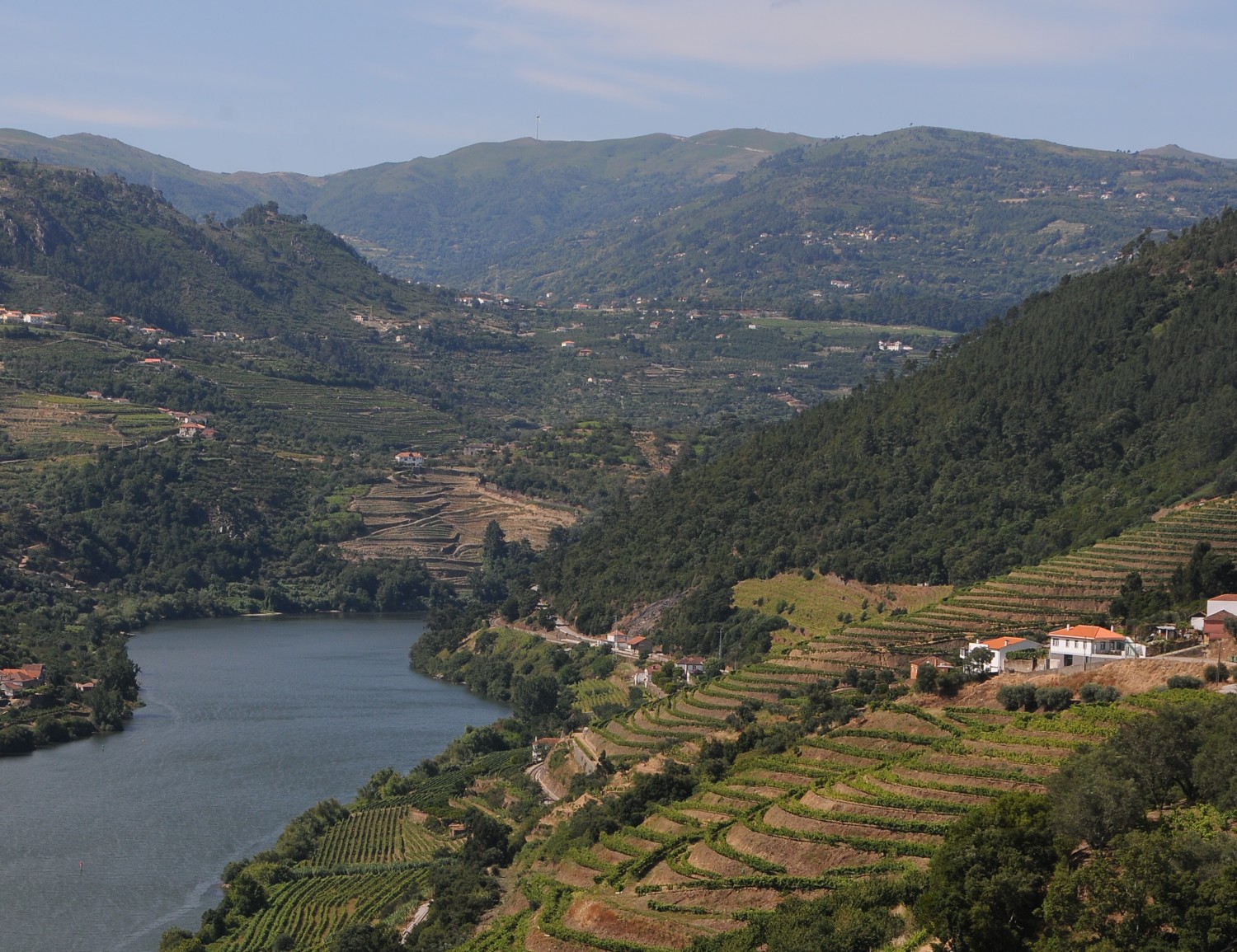
The Douro River Valley in Portugal, one of the oldest wine regions, should be on travelers’ lists, travel expert Pauline Frommer  tells the New York Times Travel Show © Karen Rubin/goingplacesfarandnear.com

By Karen Rubin, Travel Features Syndicate, goingplacesfarandnear.com

What places will be really exciting in 2019, unusually inexpensive, or offering special celebrations – in other words, that should be on the list to travel in 2019?

At the New York Times Travel Show, renowned travel expert Pauline Frommer offered her picks – notably they are alternatives to the most heavily trafficked places that are top-of-mind these days:

Austral Islands, Tahiti: inexpensive to get there now – air fare is low thanks to the arrival of an upstart carrier, French Bee, going directly from California to Tahiti, driving down fares on  competitors.  But once you get to Tahiti, she advises, don’t go to the popular Moorea or Bora Bora, where you will spend $400-500/night for a hotel on the beach. Instead, go to Austral Islands –you fly into Papeete and most take a short hop, 45 minutes to Moorea or Bora Bora; instead, it takes 1 hr 15 for Austral Islands).

“You will see Tahiti as when [the artist Paul] Gauguin was there – totally undeveloped – there are not even hotels, you stay in a local guest house –a main house and a lot of bungalows on the beach where you pay $75-100/night, where there are incredible caves to explore, rich Tahitian culture – but you will pay 30-40% less than just a year ago.”

Matera, Italy: A city in the region of Basilicata in southern Italy, Matera is one of longest continually inhabited places on earth. People have been living in the caves here since 7000 BC. It looks as if it is from the Biblical era – which is why Mel Gibson filmed “Temptation of Christ” here, and other biblical tv and movies filmed here.

“It’s a real success story. In the 1950s, Matera represented everything that was going wrong with Italy. Carlo Levi wrote a famous memoir, “Christ Stopped at Eboli,” about the area, the deep poverty that the south of Italy was living in. In Matera, people lived in caves with no electricity, plumbing, their livestock in the caves. As a result, the Italian government intervened, pulled people out of caves, and created a new city for them. Then in the 1980s, entrepreneurs came in and repurposed the caves to boutique hotels. This year there will be even more visitors because Matera will be one of two European cities of culture – 1000 artists will descend on Matera to create site-specific operas, dance, music. It will be so exciting to get there.”

“The government was supposed to create high speed rail from Rome to Matera, but, this being Italy, they didn’t, so it is a little difficult to get there. But there you will find warm people, great food, and an art scene this year.”

Olympic National Park –there is overtourism elsewhere in America’s national treasures, our national parks, but Olympic National Park is under-touristed. “It’s the size of state of Rhode Island but 95% of it has no roads. You get to the edges of park. To go deeper, there will be in pristine wilderness, two hours from Seattle. You will find glacial covered peaks, 70 miles of undeveloped coastline (the most in lower US), primordial rainforests with thick sweaters of moss, trees 300 feet tall – you feel as if there should be a dinosaur clomping through – so under-touristed. Rain – they get 16 feet of rain per year – that’s how moss gets so thick – but you can stay close by, in Sequim, one of driest places in the US (its lavender farms make it the Provence of US, the air scented with lavender). If you go to Washington State, visit Olympic National Park.”

Pousada do Porto, Freixo Palace Hotel, in Porto © Karen Rubin/goingplacesfarandnear.com

Estrada Nacional 2 Portugal:  “This is Portugal’s Route 66. Portugal is on the rise, everyone wants to go there. It has the cheapest prices in Western Europe, restaurants and hotels, gorgeous things to see and do. Estrada Nacional 2 goes north to south through Portugal’s interior – you see less visited places like medieval villages in the mountains, where you can visit farmers – cheese, wool – and wolves howl at night; the Douro River Valley, one of oldest wine regions in Europe. Spend a night in a 15th century quinta (manor house); visit ancient gothic houses, university cities. In many places you will see places slathered with gold. This is because in the 17th century, Portugal was the most important on earth in wealth, bringing galleons of gold from the New World, so you see gold slathered all over churches. Then, in 1755, Portugal had bad luck – a major earthquake stopped development, then, in the 20th century, Portugal was under the control of the dictator António de Oliveira Salazar. It had the deepest poverty in Europe, the worst rate of infant death rate in 1950s-60s. Then, after 1968, Portugal emerged from cloud – but is still not as developed as other parts of Europe, so feels more preserved. Do this wonderful road trip.”

New York State: “New York State is one of best places to go in 2019. There are all the glorious nature sites – Finger Lakes; Lake George (free music festivals in September, fireworks Thursday, dino themepark opening); the state has the most ski resorts of any state in the nation. But the reason we picked it as a top place in 2019 is that there are so many new developments.”

The Nest, one of the new attractions (under construction and due to open in 2019), located near the popular Highline and Javits Convention Center, along with special celebrations in New York City and around the state make New York one of the top destinations for 2019 © Karen Rubin/goingplacesfarandnear.com

In New York City, Hudson Yards, just across from the Javits Center in Manhattan, is a little controversial but will be catnip to tourists – in middle ‘The Nest’ – opening in April –you climb over it (which will likely be as popular as the fabulously popular Highline). There’s an arts center, The Shed, on wheels so artists can decide whether artwork should be seen inside or outside. Soon it will have going to have tallest observation deck in the hemisphere where you look down.

Jackie Robinson Museum, an 18,500 sq. ft museum at 75 Varick Street, in lower Manhattan, scheduled to open in spring2019.

2019 World Pride, commemorating the 50th anniversary of Stonewall uprising, taking place in June, is expected to draw millions of visitors to the city, and throughout the state. “There is a rumor Madonna will be performing; Niagara Falls will be decorated with rainbow colored lights. It will be amazing time.”

This year also marks the 50th anniversary of Woodstock, with two concerts, one by the original producers (not in the original place) and another in the original place with a mix of old/new artists.

Walt Whitman is turning 200, with exhibitions and commemorations, centered on “where it all began,” in Huntington, NY, with events throughout the year, but special birthday celebration on May 31: Walt Whitman’s 200th Birthday! (246 Old Walt Whitman Road, Huntington Station, NY 11746, www.waltwhitman.org).

Singapore is a huge movie star with “Crazy Rich Asians.” Singapore also has extraordinary cutting age architecture: “Super Trees” which are vertical gardens, with live plants growing along side and solar panels for energy. “People forget this is a culturally rich small nation, settled by people from Malaysia, China, India – a mix of cultures – little Indias, mosques, temples, museums to all the cultures, fabulous food (the only Michelin 4-star restaurant where you can get a meal for $1.50 – it’s actually a food stand in one of hawker centers). If you ever wanted to go to Singapore this is the year: commemorating milestones: Raffles, man who came and claimed Singapore, 200 years ago, exhibitions, in context of longer Singaporean history, culture.

Some trends that will shape travel in 2019:

Chinese New Year in Chinatown, New York City – the rise of 100 million travelers from China are changing the economics of travel around the Chinese New Year, no longer a “low season” for pricing, availability. © Karen Rubin/goingplacesfarandnear.com

Chinese tourism: Last year, 137 million Chinese travelers left China to venture to other parts of world. The World Tourism Organization (WTO) estimates their average spending double the international average, so the travel industry is bending over backwards to make Chinese tourists happy – hotels are replacing alcohol bars with tea bars, using feng shui design. This trend will affect Americans negatively by changing the seasons of travel: For example, January-February had been low season everywhere in the world (where you could expect low rates and few crowds), but that’s Chinese New Year, the time when Chinese go out to travel. That means  you will see spikes instead of dips in January-February around New Year, and around Golden Week, in September.

Iceland’s famous Blue Lagoon. Travel experts like Pauline Frommer fear such places are being “over loved” – there were more Americans visiting Iceland than Icelanders – and suggest some alternatives to “overtourism. © Karen Rubin/goingplacesfarandnear.com

Overtourism is a significant problem. “There are places that are over-loved,” she says, offering suggestions for alternatives:

Instead of Barcelona, travel to Girona, Figueres, Roses

Faroe Islands instead of Iceland (last year, there were more Americans in Iceland than Icelanders)

Komodo instead of Bali

Similan Islands of Thailand instead of Maya Bay (made popular by Leonardo DiCaprio’s movie, ‘The Beach,’ the government closed it to protect it from overtourism)

Choquequirao instead of Machu Picchu

Rovijn instead of Dubrovnik

Basilicat et Puglia instead of Cinque Terre et Amalfi Coast

“A lot of tour operators are working with this. They understand the problem”  that if a destination is overrun, the very thing that people are coming to experience will be destroyed, so are pushing clients to travel different times of year. “There are many more tours to Japan in the dead of winter – much of what there is to do is indoors, anyway, and it is wonderful to go to the baths in winter. (fyi: You won’t be able to use the baths if you have a tattoo, the mark of Mafia).”

The Frommers host a regular radio show, publish their famous guides and produce an outstanding travel site, Frommers.com.

See also: New York Times Travel Show: Pauline Frommer Offers Sage Advice to Satisfy Wanderlust

_____________________________

© 2019 Travel Features Syndicate, a division of Workstyles, Inc. All rights reserved. Visit goingplacesfarandnear.com, www.huffingtonpost.com/author/karen-rubin, and travelwritersmagazine.com/TravelFeaturesSyndicate/. Blogging at goingplacesnearandfar.wordpress.com and moralcompasstravel.info. Send comments or questions to FamTravLtr@aol.com. Tweet @TravelFeatures. ‘Like’ us at facebook.com/NewsPhotoFeatures

NYT Travel Show: Greenberg Tells Intrepid Travelers to Exploit ‘Brave New World of Travel’

Biking in Albania.Go beyond your bucket list, Greenberg says. Pick a place and go there. © Karen Rubin/goingplacesfarandnear.com

By Karen Rubin, Travel Features Syndicate, goingplacesfarandnear.com
According to travel expert Peter Greenberg, that dreaded four-letter word “fear” could actually work out to the benefit of Americans who want to explore the globe..

That, in combination with a strong dollar against just about every other currency, means that Americans have a buyers market in a “brave new world of travel” characterized by “disruption.”

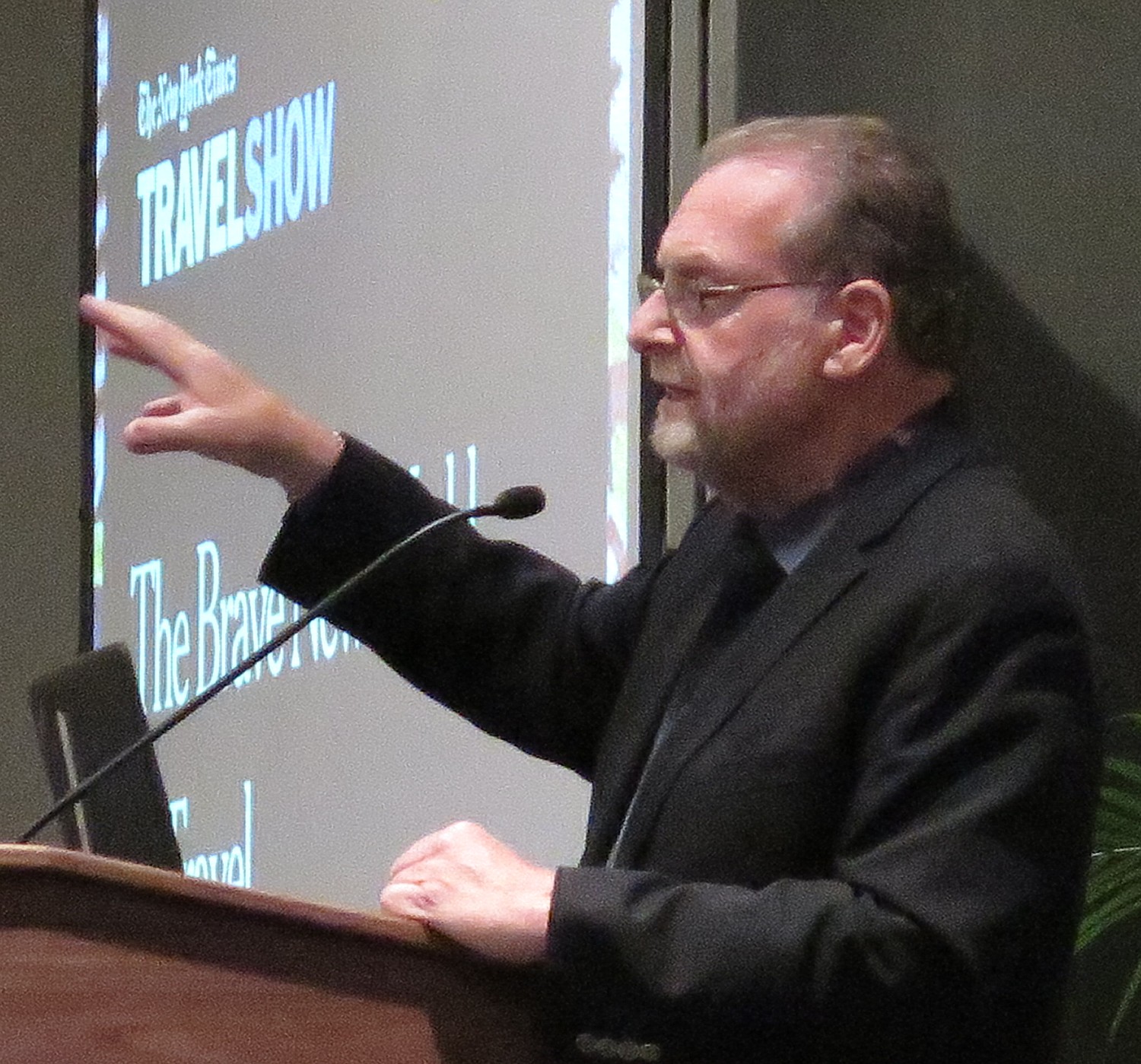
Travel expert Peter Greenberg gives tips on navigating the “Brave New World of Travel” at the 2017 New York Times Travel Show © Karen Rubin/ goingplacesfarandnear.com

Americans who travel abroad, though, tend to be open minded, able to adapt to different situations, and open to adventure and the unknown.

As it turns out, only 37% of Americans have passports (and, Greenberg notes, only 42% of members of Congress and Senate – a revealing aspect at why some have such an insular, provincial view, or who hold so ardently to the myth of American Exceptionalism. It’s easy to imagine America to be exceptional when you don’t actually see anything else first hand.)

“How can you make global policy if you have never left Kansas?,” Greenberg, a best selling author and TV travel commentator, asks the standing-room crowd  attending his seminar, “The Brave New World of Travel,” at the 2017 New York Times Travel Show  at the Javits Center in New York.

The Travel Show took place just as Trump’s Muslim/Travel ban was causing havoc and bringing out thousands of protesters at international airports across the country, an anathema to the people attending the show who clearly valued international travel as a bridge between peoples, cultures and politics.

The “disruption” that is at the heart of the “Brave New World of Travel,” is that there are more international airlines, creating more competition, more services, and keeping fares from rising, more competition among hotels and cruiselines. Even the uncertainty (insecurity) around global affairs creates a buyers’ market for intrepid travelers who see more reward than risk.

Since 2006, he says, there have been 75 new routes from such carriers as Turkish Airlines. Condor Airlines used to be a charter carrier, now is a scheduled carrier. Norwegian Airlines has really rocked the market with low fares.

It’s a buyers market in the hotel industry also, though it is harder to see why, with mergers and acquisitions like Marriott & Starwood giving a single entity even more control of the marketplace. It could be because after making their deals to sell inventory through online travel agencies (OTAs) like Expedia, now the hotel companies are trying to incentivize customers to book direct. “Why click around? They will give free WiFi and a donut.”

A boom in building new cruise ships – there are 56 cruise lines – has resulted in excess capacity. Last year, there were 18 new river cruise ships, and this year 10 new cruise ships.

How can you benefit? Greenberg says don’t book the newest ships (they aren’t discounting their fares); rather, “book the 2-3-4 year old ships that are just as good but have excess capacity.” Norwegian for example has fares as low as $65/night. “You can’t wake up in Brooklyn for that.”

Norwegian’s Breakaway in Bermuda. Greenberg advises that because of the onslaught of newer ships, look to cruiseships just 2-4 years old for better pricing. © Karen Rubin/ goingplacesfarandnear.com

“Now you know you can go, the question is how do you go.” When he asks people to raise their hands if they make their reservations online and most people in the room do, he comes back, “You’re all losers,” with a smile.

“You’re operating on myth that all inventory is online. But only 52% of inventory is online because that all the inventory that travel providers want to make available online.

“I know why you book online –because you can do it at 3 am and you don’t have to talk to anyone. You’re very happy to hit a key and book. But now you have disenfranchised yourself with 40% of inventory.”

He derides the “lost art of conversation,” and says, “it’s okay to research online, but don’t book online.”

He notes (what Pauline Frommer had observed in an earlier seminar also), that when you search for an airline fare, and happen to wait and return an hour later, you will find the fare has increased, perhaps $100 more.

That’s because the computer remembers you, appreciates a supply/demand market and can pitch you a higher fare. “Clean up your cookies or use somebody else’s computer.”

“When you have a conversation with an airline rep or a cruise rep, you may think it is about getting the best rate – losers! –It’s not about the rate, it’s about the value. The internet does nothing creativity, thinks literally, it can’t answer the questions you should ask.

“You might get a good rate online, but when you have a conversation directly with a hotel, you can ask for the hotel to throw in free WiFi, get rid of dreaded resort free, get the kids to stay free, eat free.

With a cruiseline, “it’s not about the cost of cabin, it’s about onboard credits, which excursion should or should not take.” [In this respect, you are much better off booking through a travel agent, who can usually get free upgrades, free drinks, perhaps even a shore excursion thrown in.]

Where do You Want to Go?

“Where do you want to go?” he asks. “This is where you get into trouble – how many have bucket list? He asks, and a few people raise their hands. “Loser,” is his retort.

“Everyone wants Paris, Hawaii. There are 196 countries in the world. Pick one. There are only four I wouldn’t go to (my metric is ‘Who is in control.’ – There are four countries where nobody is in control.)

He says he wouldn’t say no to going to North Korea (I know who is in control), Iran [which is actually become a hot destination for Americans, up until Trump’s election and the travel ban]. I would even go to Northern Iraq, because it is under control of Kurds, every airline goes there and is safe.” [Which might have been true before the Trump travel ban which Iraq retaliated against in kind.]’

“‘Fear’ is a four-letter word. Don’t be motivated, don’t be driven. How many read US State Department travel advisories – you should read them but when people hear there is an advisory, they don’t go.”

The State Department’s travel advisory for Turkey advises travelers that Turkish  drivers pass on the left and on the right. “Have they been on Southern State Parkway?” he jokes. “I was in Turkey 48 hours after the New Year’s Eve nightclub shooting. I did not feel threatened or afraid.

“The best time to go anywhere is after natural disaster, civil disturbance, terrorism.”

[Indeed, six countries have travel advisories against the United States because of the epidemic of gun violence.”

“Tourism creates jobs – these destinations that have been hurt by natural or manmade disasters are desperate to have you there. And who wants to stand on line? Go to a place that is happy to have you, a great deal, an amazing experience. And it sends a statement that we will not be beaten by that.

He notes that 707 Americans have been killed in acts of civil unrest of the past 28 years. “Put that in perspective: every week in this country 800 citizens are killed or injured in accidents in their bathtubs. People worry about shark attacks –after 1 person is attacked. More are killed in auto accidents abroad; the second greatest cause of death is by selfies – people fall off cliffs, are hit by trains – 100 people are killed by selfies. Put the numbers in perspective.”

“All these passport holders, you love to travel. Now you’ve got to use them – you are in the drivers seat – the most beneficial position.

The New York Times Travel Show cultural performances introduce intrepid travelers to destinations to explore © Karen Rubin/goingplacesfarandnear.com

“It’s not seasonal – there will be deals all year long because economies are taking longer to recover – Italy, France, Turkey – you can go anywhere – Brazil, Argentina. Then, there are the deals airlines are doing with stopovers, hotels, tours.

“Now think of what’s on your bucket list, burn it and figure a place where you can have great experience.”

Beating the Airlines at Their Own Frequent Flyer Game 

Airlines have radically changed their Frequent Flyer programs. “If you didn’t pay a lot [for a fare] you don’t get much [in points]. It’s not just hard to earn miles but hard to redeem them.”

In fact, Greenberg notes that there are some 23 trillion unredeemed miles outstanding.

“Airlines, he notes, are free to constantly change rules for using frequent flyer miles to their advantage because there is no regulation by attorney general. They are protected by deregulation and can change the rules any time, which means every day, they have outstanding miles as a liability but they don’t want to displace revenue passengers.

“There is no such thing as a free ticket anymore; every plane is full.”

But miles are great to use to “figure a place you’ve never been, never wanted to go, and go there. Pick 330 days out and go.”

Still, you may just want to go to Hawaii and Paris and use your unredeemed miles to get there.

Greenberg proposes a rather adventurous way to beat the restrictions that make it almost impossible to use frequent flyer points,

“Let’s say you want to go to Hawaii a week from today and have enough miles based on eligibility– The carrier indicates you can’t have the fare at 12,000 points, but you can at 50,000 (extortion).

“You call up the airline to redeem miles. ‘When in my lifetime will  there be a seat?’ The airline tells you after Thanksgiving. ‘I’ll take it.’

“Then pick an arbitrary day. But now you have a ticket that has the flight and the cities just not the date you want. So you hang up and call the regular reservations number. You  tell them you want to purchase six seats on that flight. You just want to know there are 6 seats on the flight.

So you send your bags ahead by Fed Ex, he says.

“You know there are seats – every day you call, you  pick the first flight of the day – go down on the day want to fly, NY-Hawaii – 5 am with ticket – fly standby, no bags. If there is a seat on the plane, they will let you on. Or if that is full, the next or the next (there are many flights during the day).

“If you ask if you can fly standby with a Frequent Flyer ticket,  they will say no, but the counter agent will say yes.”

[I find myself thinking this is all well and good and wonderfully adventurous, but how would this work for the return flight?]

“The rule is – don’t hoard miles. There is no upside.” On the other hand, you are a full if you redeem your miles for a magazine subscription.

“54% of all miles earned is earned on the ground – that means that to get 25,000 – you spent $14,000, not counting the 11,000 miles you paid for when you flew.” If the magazine subscription wants 2500 miles, you spent $1200 to accumulate those miles, or for 6500 points, Delta will give you a $40 box of Godiva chocolates, but you spent $3800, or $190 each bite.”

“Don’t succumb to those offers. Instead, think 333 days out and beat the airlines at their own game playing by their rules.”

At the New York Times Travel Show, travelers eager to learn about new destinations © Karen Rubin/goingplacesfarandnear.com

With the US dollar so strong, it isn’t just that the dollar has more purchasing power abroad, but that travel to the US becomes more expensive for people to come here. That means that it will be harder for airlines to fill their seats coming here.

(Of course, this, combined with the travel ban means that US inbound travel, a key export that contributes to a favorable trade balance and supports millions of US jobs and economic activity, will also be depressed, perhaps for Americans to fill the vacuum with domestic travel.)

“In a world of disruption, you get to disrupt. You have the knowledge. You can always go to Paris or Hawaii, but the world is open and [destinations] are ready.”

See also: 

Pauline Frommer at NYT Travel Show: How to Get Best Value for Your Travel Dollar in 2017

____________________

© 2017 Travel Features Syndicate, a division of Workstyles, Inc. All rights reserved. Visit goingplacesfarandnear.com and travelwritersmagazine.com/TravelFeaturesSyndicate/. Blogging at goingplacesnearandfar.wordpress.com and moralcompasstravel.info. Send comments or questions to FamTravLtr@aol.com. Tweet @TravelFeatures. ‘Like’ us at facebook.com/NewsPhotoFeatures