Tag Archives: historic places

36 Hours in Pittsburgh: Point State Park Proves Highlight of Walking Tour

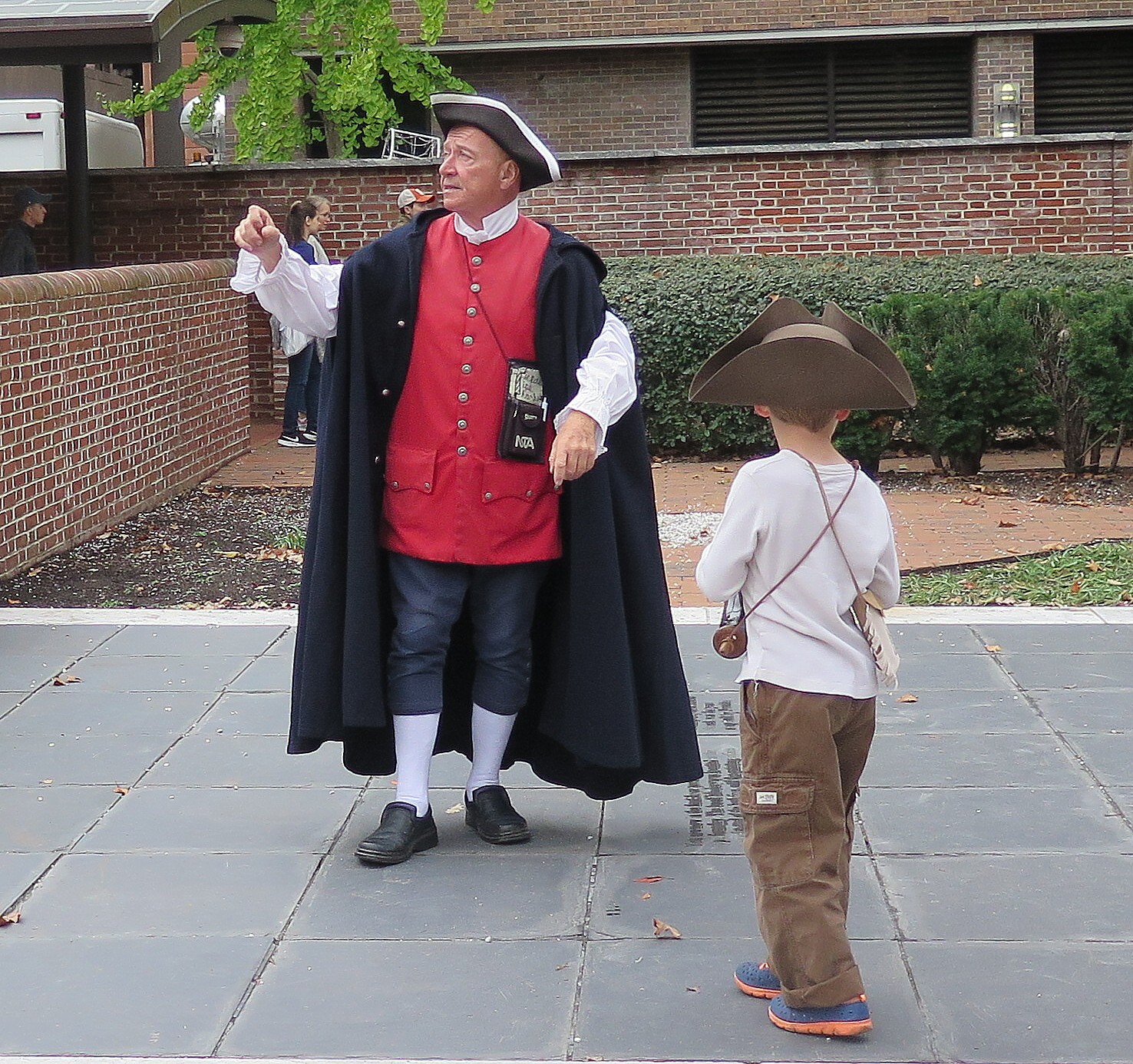
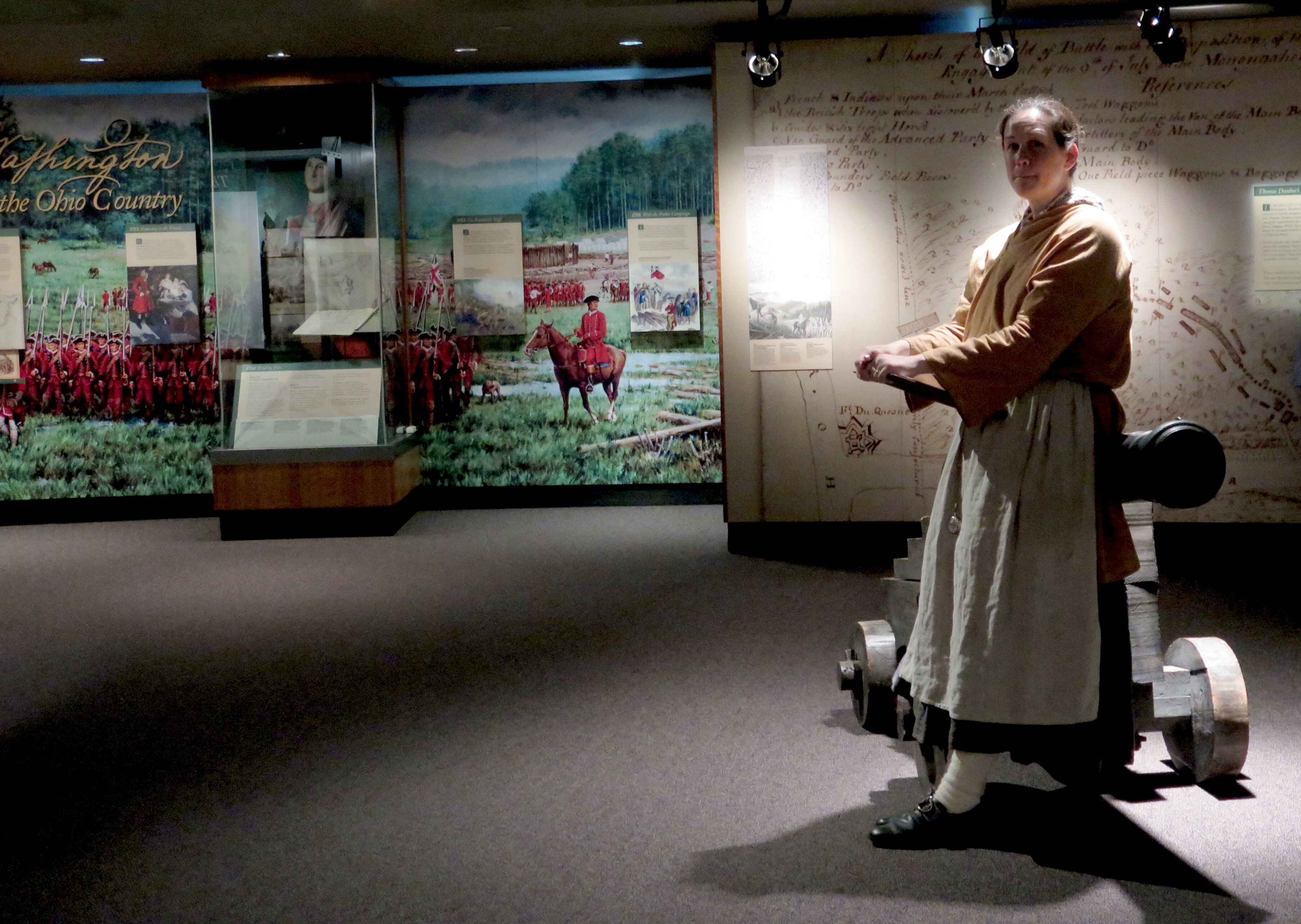
Costumed docent sends school kids off on a scavenger hunt at the Fort Pitt Museum © 2016 Karen Rubin/goingplacesfarandnear.com

by Karen Rubin, Travel Features Syndicate, goingplacesfarandnear.com

(I have come to Pittsburgh to join the Rails-to-Trails Conservancy’s Sojourn three-day, 120-mile bike tour on the Great Allegheny Passage. I only have one full day in the city, so I set out on a walking tour aimed at focusing on what is uniquely Pittsburgh’s heritage. In the first part of the series, I experienced the Monongahela Incline, Mount Washington, Grandview Avenue, and the Duquesne Incline. I continue my walking tour at Point State Park.)

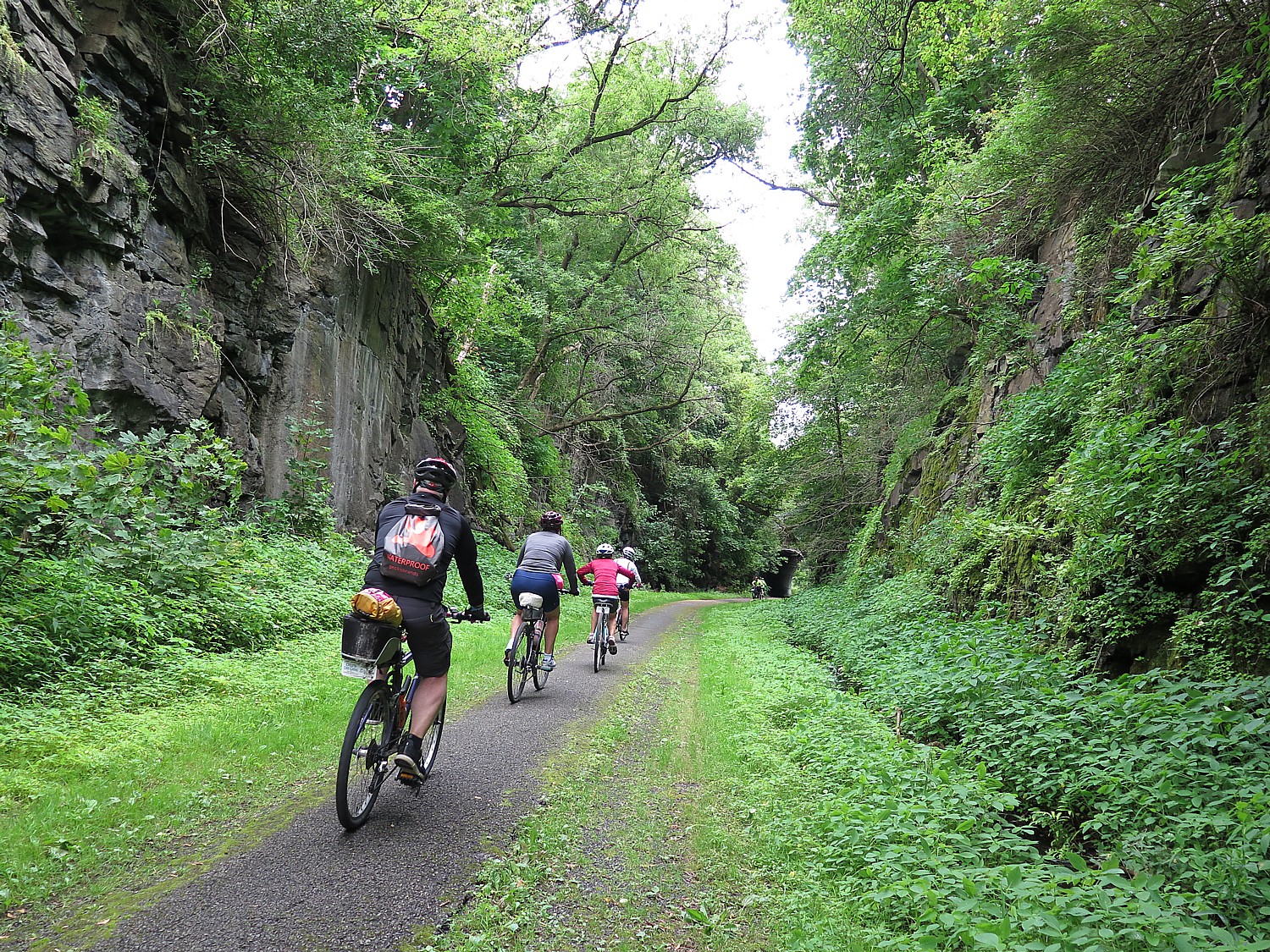
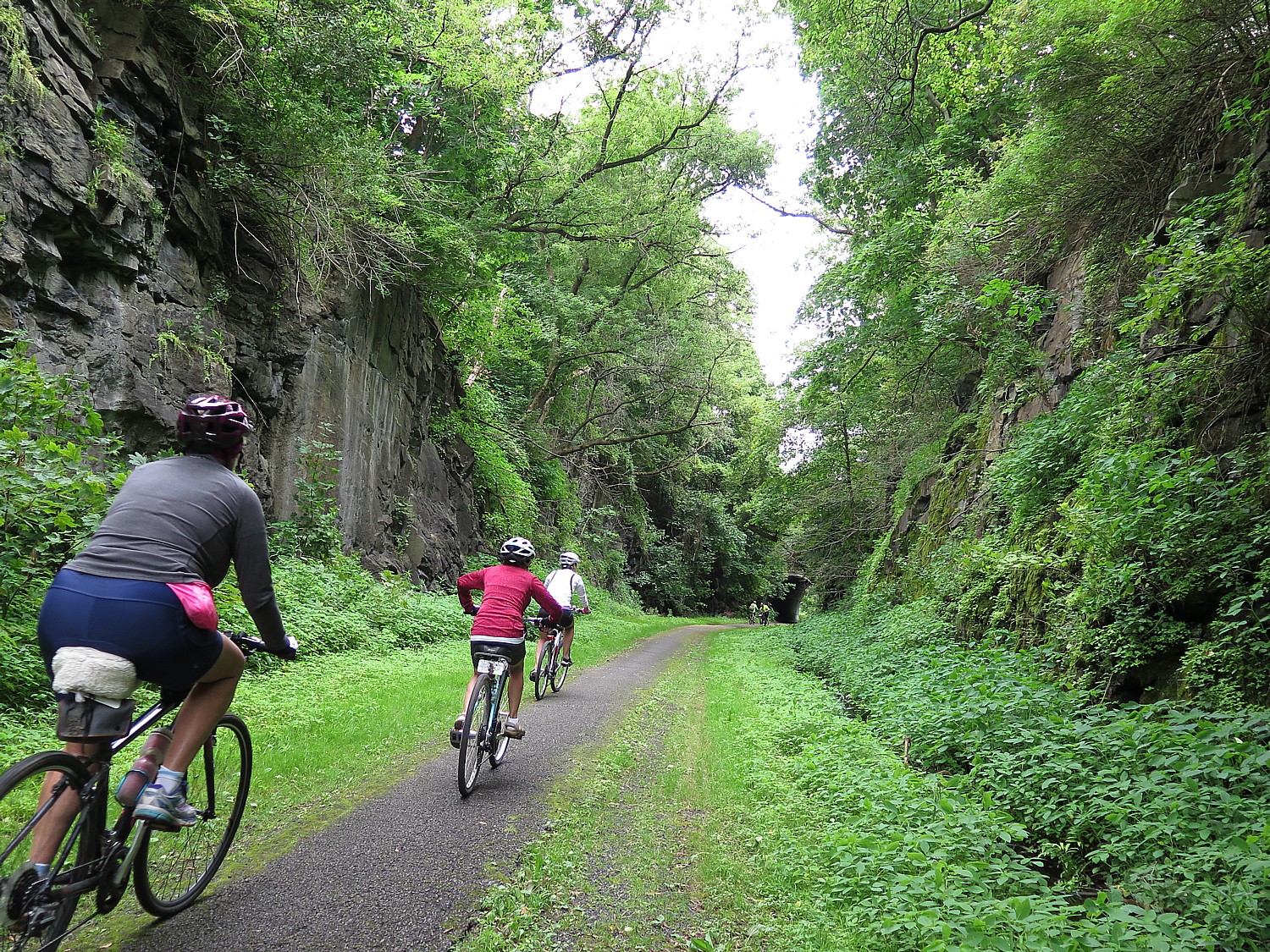
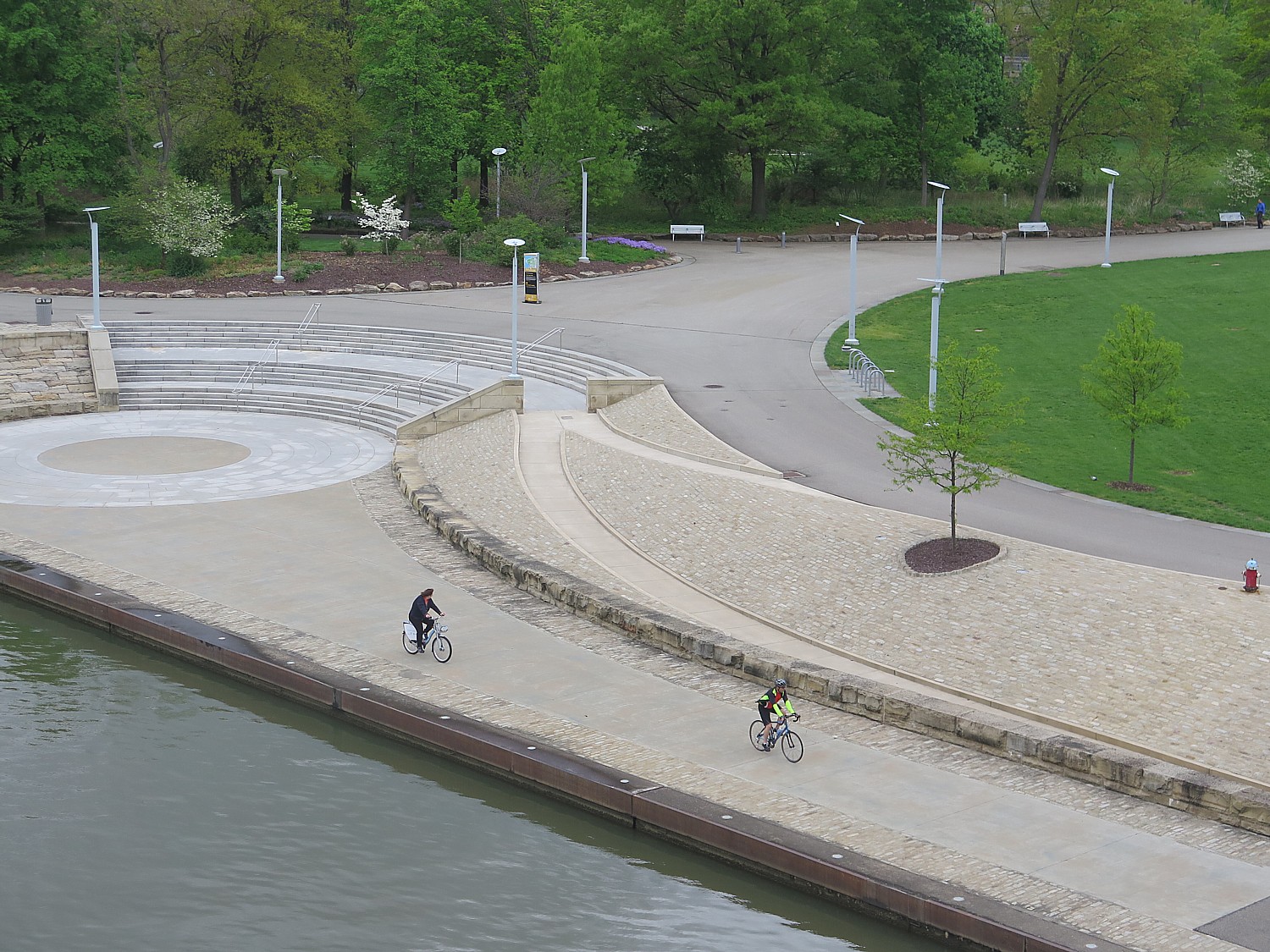
Biking around Point State Park © 2016 Karen Rubin/goingplacesfarandnear.com

What a jewel Pittsburgh’s Point State Park is, literally at the confluence of three rivers:  the Monongahela River at one side and where the Allegheny and Ohio Rivers meet on the other. Its location made it critical to control over this territory and later, the industrial and economic development of the nation.

The Point offers beautiful park land as well as some of Pittsburgh’s most significant heritage sites.

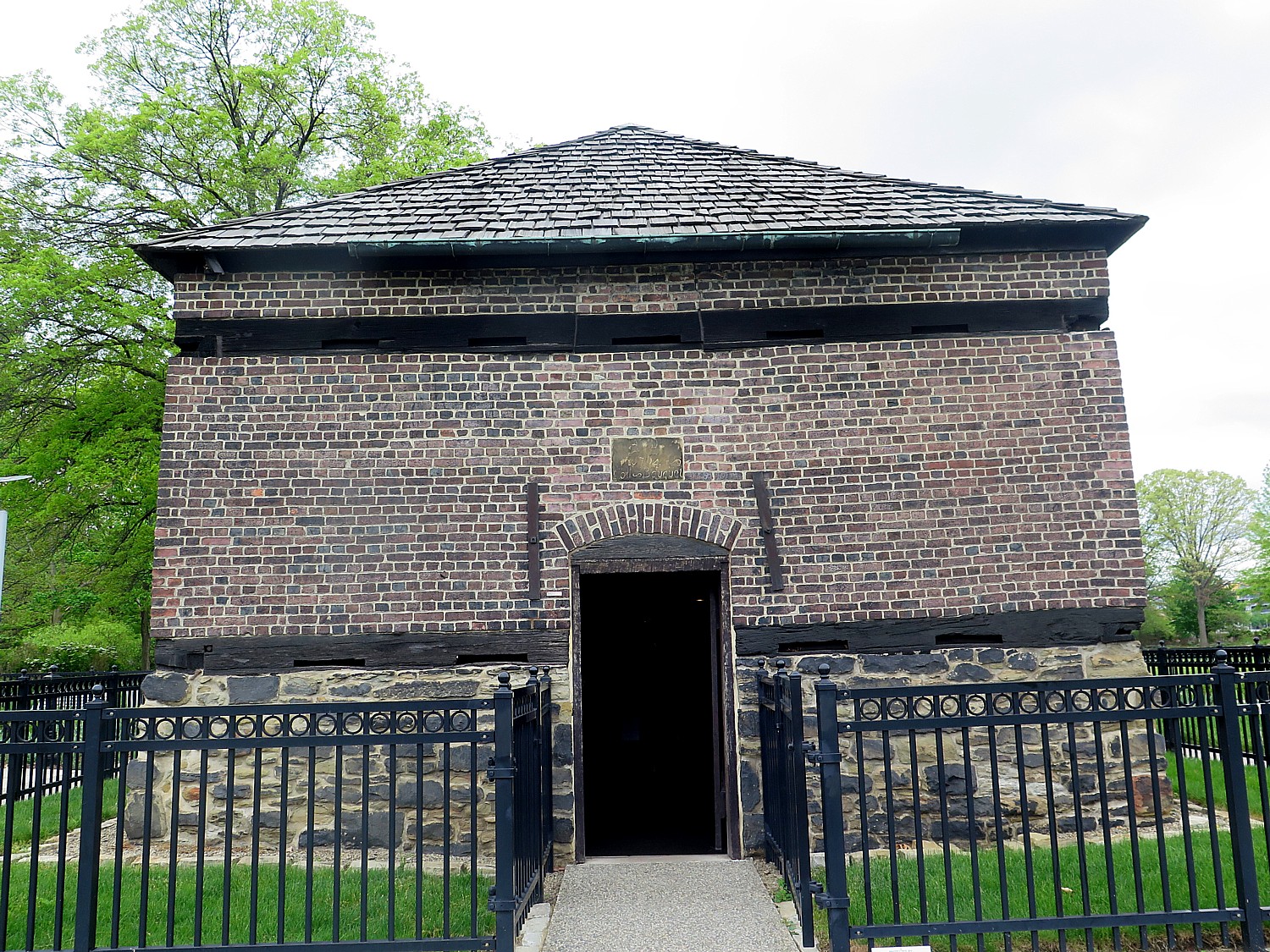
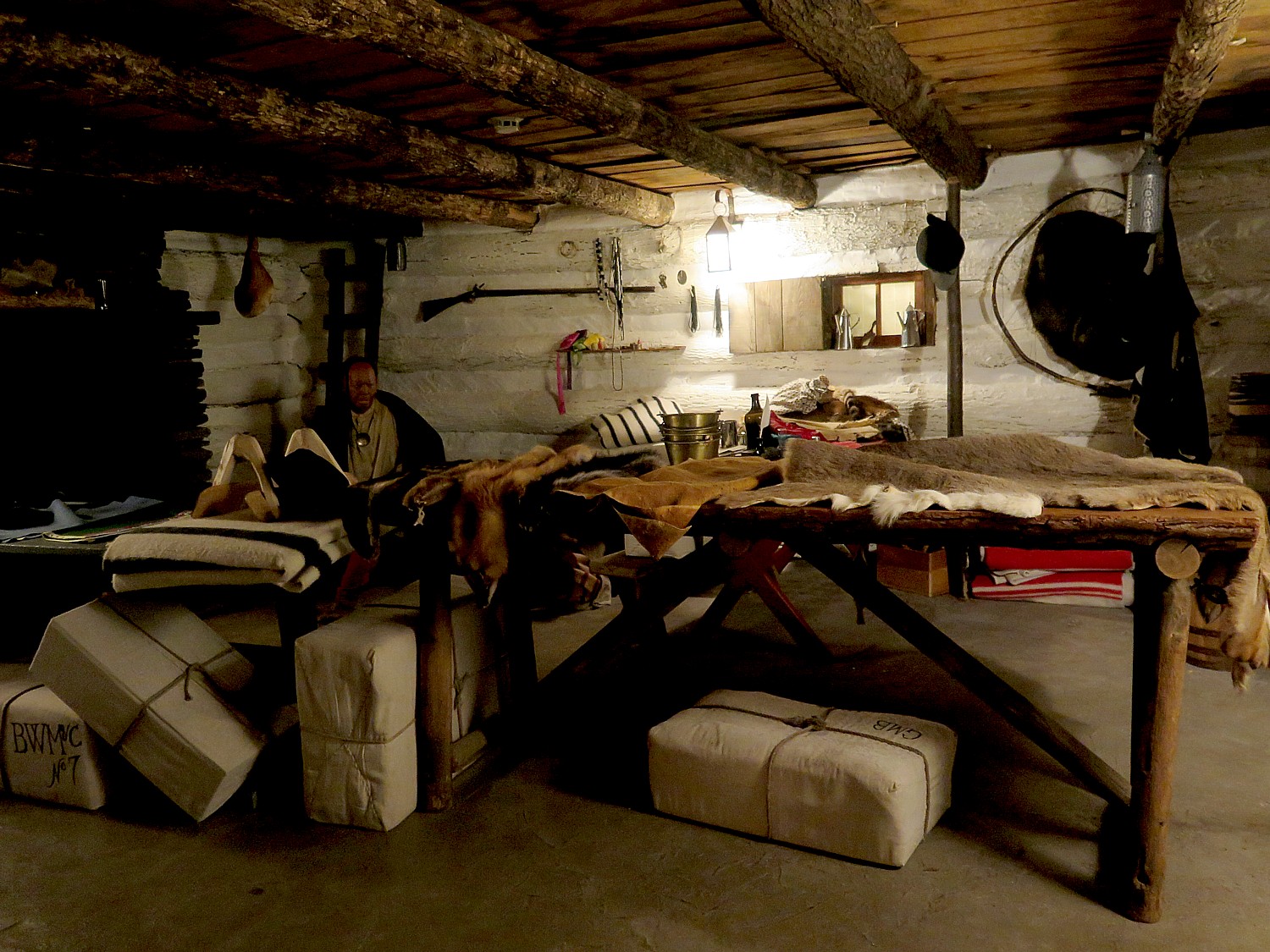
You first come upon the Fort Pitt Blockhouse, built in 1764, the oldest building in Pittsburgh and the only remaining structure from colonial times. Inside this small, dark space, it gives you a glimpse of western Pennsylvania’s role during the French & Indian War and the American Revolution (admission is free).

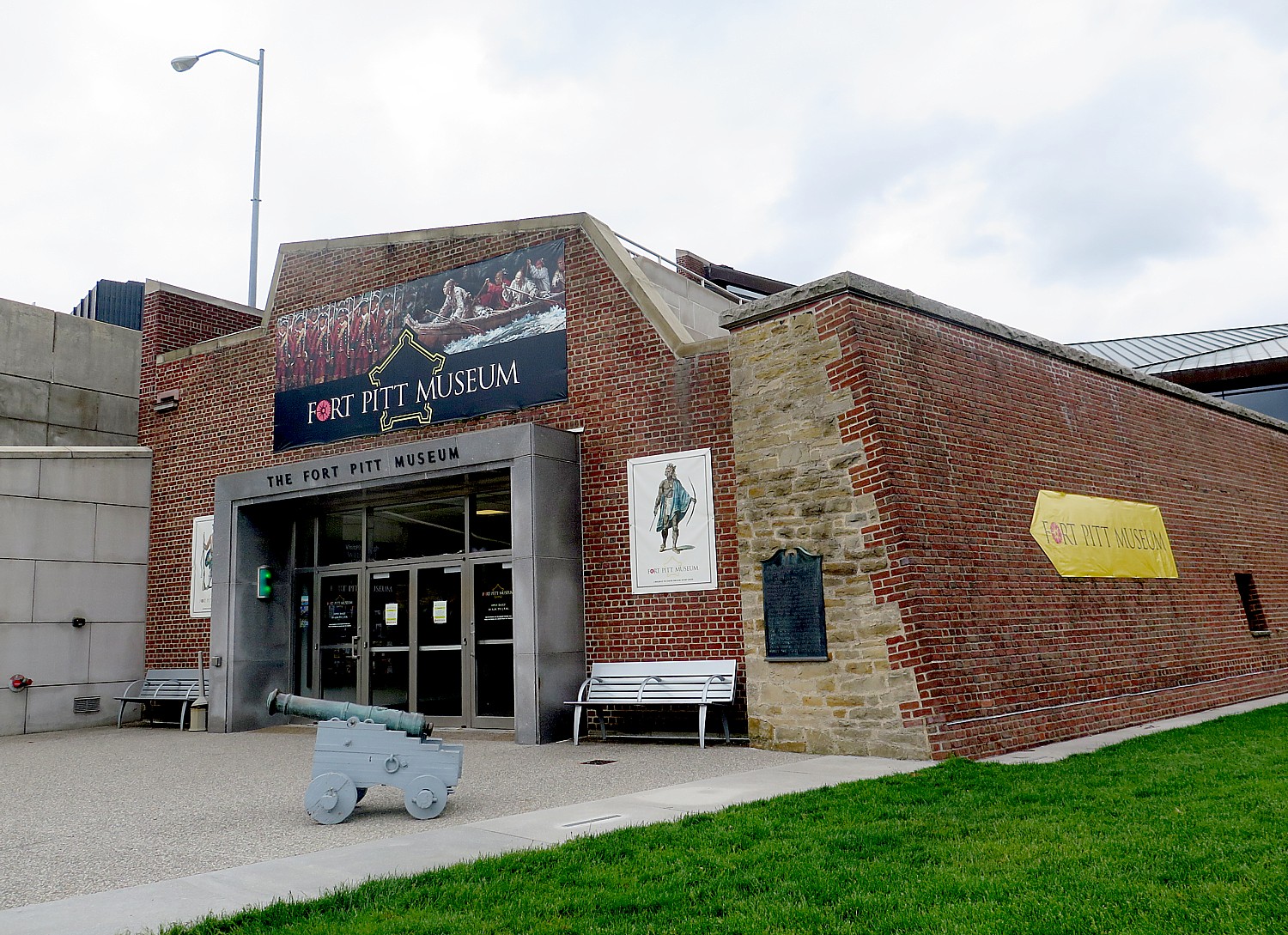
What proves to be the highlight of my visit to Pittsburgh is the Fort Pitt Museum (the newest member of the Senator John Heinz History Center, in association with the Smithsonian Institution), a modern, two-story, 12,000 square foot museum built on the site of Fort Pitt.

“From 1754 to today, Fort Pitt has shaped the course of American and world history as the birthplace of Pittsburgh.

Fort Pitt Blockhouse, built in 1764, is the oldest building in Pittsburgh and the only remaining structure from colonial times © 2016 Karen Rubin/goingplacesfarandnear.com

The presentations are absolutely thrilling in conveying how at a critical point in the settlement of the New World, this point was the epicenter of world-changing events.

The museum tells the story of Western Pennsylvania’s pivotal role during the French & Indian War, the American Revolution, and as the birthplace of Pittsburgh (William Pitt never actually visited). It offers extremely well crafted interactive exhibits, life-like historical figures, rare artifacts that let you come away with a new appreciation for the strategic role the region played.

Known as The Point, this was once one of the most strategic areas in North America, controlling access to Ohio and Mississippi Rivers and much of interior of North America; it was the intersection of cultural exchange with native people, and a departure point for settlers moving west.

I appreciated the balance in the presentations between points of view – the colonists (actually split between the British and the French) and the Indian tribes. There is a sensational video that presents the different perspectives (the Indians still come up short) – the different perspectives that the British and French brought, and the Indians whose culture did not acknowledge that a person could own land, but by this point, the Indian tribes had already had already become dependent economically on imported European goods.

British and French clashed for control of the New World colonies constantly from 1689-1748:  The French, most interested in trade, saw the Ohio River as a way to connect Canada and Louisiana and leverage their relations with Indians. The British, determined to control territory, also realized the strategic importance of this artery, “the Keystone of the Frontier.”

This becomes clear in a superbly produced video, “Whose Land?”: “The French couldn’t stand the British and the British wouldn’t rest until they owned [the territory].” Native Americans, were fully aware that they could not allow the Europeans to control the land, but they were caught in the middle – by this point, Indians were dependent upon trading for manufactured goods.

“The Indians negotiated with weight and authority. They had a powerful confederacy

Iroquois – Seneca, Cayuga, Mohawk, Oneida. They had sophisticated government, freedom, a rich culture, complex trading relations. Agriculture was central but they did not have private ownership. They took a cue from nature. They enjoyed trade – and were heavily dependent on some European goods, and even took up the European religion, but kept their own ways.”

“God created all people but different,” an Indian chief said in 1742.

With French dominion on one side of the river and English on the other, where does the Indian claim lie?

Indians became dependent upon European traders © 2016 Karen Rubin/goingplacesfarandnear.com

George Washington, a 21-year old major in 1753 with experience as a surveyor, was given a mission to explore to Fort LeBoeuf and recommended the site for Fort Prince George.

Washington “had no diplomatic experience, and couldn’t speak French yet he was selected to bring message to French. He was selected because of his close connection with Ohio corporations and other Virginian land speculators in land. He knew ‘the West’.”

In 1754, Fort Duquesne (which was renamed Fort Pitt when the British took over), was the largest French military installation in Ohio, and evicted the Virginians.

William Pitt, for which the fort is named, never came to the colonies. The city originally was called “Pittsboro”. The Fort – perhaps because it was so foreboding, was attacked only once, during Pontiac’s War of 1763.

Its location made Pittsburgh a boom town. The Ohio River carried 18,000 settlers through in 1788. The population of Pittsburgh, just 150 in 1780, grew to 4,800 by 1810, making it the third largest in Pennsylvania after Philadelphia and Lancaster.

Its economy developed from coal mining, glass making, and boat building, fueling the nation’s industrial and physical expansion. The city was incorporated in 1816.

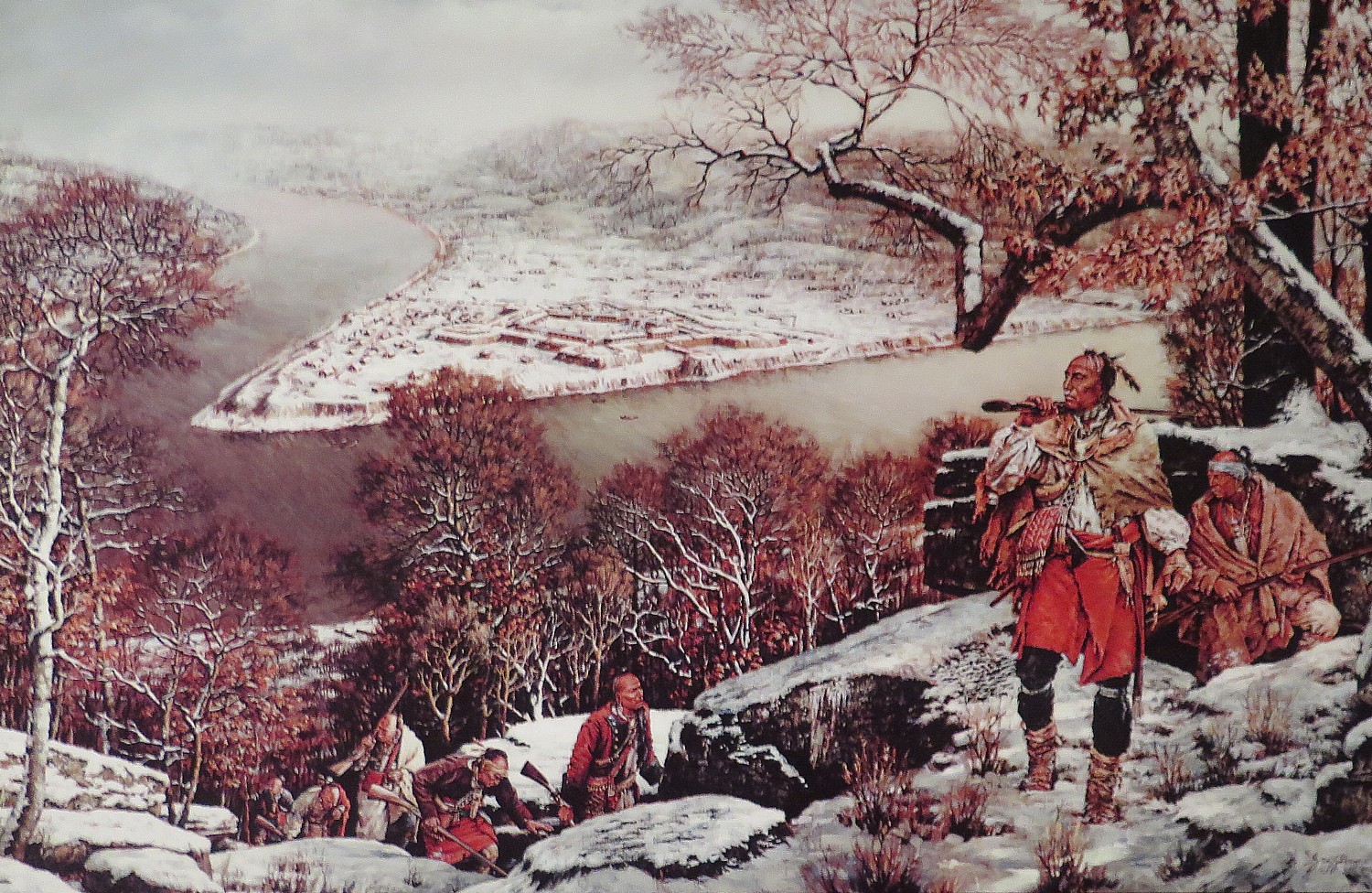
Illustration of Indians on what is now Mount Washington, with Fort Pitt below.

When I visit the museum, there are a number of school groups coming through. The school kids are sent out in teams on a scavenger hunt by a docent in period dress. What surprises the kids the most? That the Indians were not as primitive as they expected, she tells me. Indeed, many are pictured wearing European-style clothes and served in the military. By this point, the Indians were part of the world economy – the Indians traded their furs for items from as far away as China; the European traders were like Walmart to them. For the first time, I understand why the Indians did not kick the Europeans out when it was clear they were setting up outposts.

As I explore the exhibits, I learn of what may have been the first incidence of germ warfare: in 1763, an Indian trader, on orders from Ft. Pitt, is alleged to have given Indians two blankets and a handkerchief from the fort’s smallpox hospital.

I am most excited when I am introduced to an idea or a topic that I knew nothing about before, , that makes you really think.

‘Captured by Indians’ 

That experience happened at the Fort Pitt Museum, which happened to be presenting a fascinating exhibit, “Captured by Indians,” about European (white) colonists who were kidnapped by Indian tribes. The exhibit did not disguise the brutality, but most fascinating is that the individuals (who often were young when they were taken captive), particularly women, once they survived the arduous journey and a literal gauntlet (to weed out the weak), were adopted into the tribe, treated as equals, and generally had a better life than the colonial settlements they came from, especially if they were indentured servants or slaves or women, to the extent that when they had the chance to be “freed” and be returned to their community – such as in a hostage exchange – they would refuse and even escape back to the tribe.

The presentation, the artifacts and the connection to people living today, descendants of those people, was utterly fascinating.

“During the turbulent decades of the mid-18th century, thousands of European and African settlers were captured by American Indians whose dwindling numbers forced them to adopt non-Indians in an effort to survive. The subsequent experience of captivity and adoption forever altered both the captives and their captors as identities shifted, allegiances were tested, and once-rigid lines between cultures became forever blurred.”

The exhibit draws upon documentary evidence gleaned from 18th and early 19th century primary sources, dozens of rare artifacts, and a wide array of imagery, to examine the practice of captivity from its prehistoric roots to its impact on modern American Indians and other ethnicities.

The exhibit notes that the many of the wave of European settlers who came in the 18th century  sold their freedom to come as indentured servants. Most who came were poor. The borderlands were already bitterly contested by rival Europeans and native tribes. These settlers were viewed by colonial legislators as buffers against the Indians.

The captives taken in brutal raids, massacres and abductions were mainly of young who were physically fit and could assimilate and women who would be married off and bear children. They would size people up in a raid, and decide who to take.

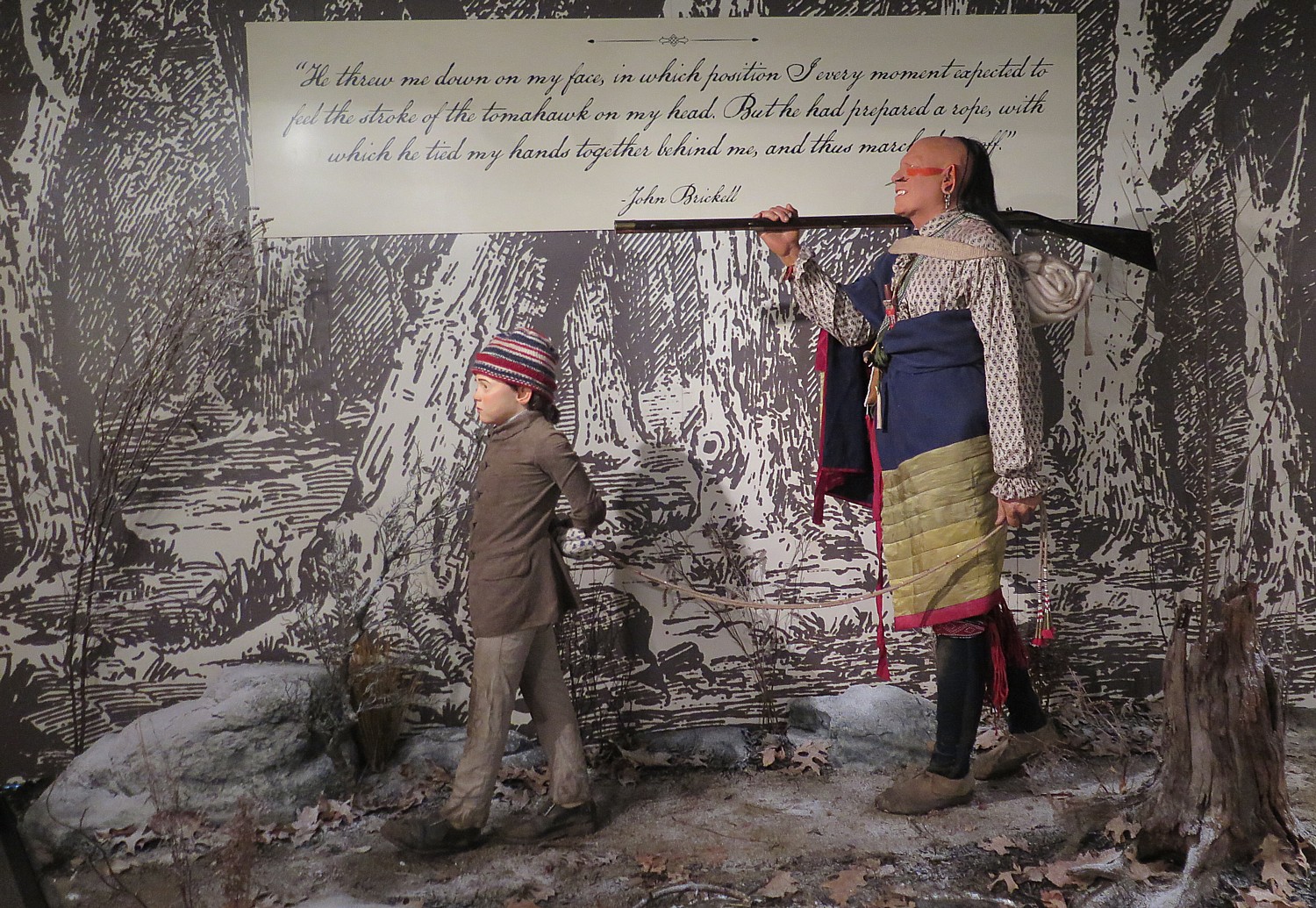
The exhibit tells the story through the experiences of real-life captives, and in stunning displays including three life-like vignettes that portray John Brickell, a local boy captured just a few miles from Fort Pitt at age 10; Massy Harbison, who heroically saved the life of her child after escaping from her captors; and the Kincade family, who were reunited on the Bouquet Expedition in 1764.

‘Captured by Indians’: A life-like vignette portrays the capture of 10-year old John Brickell, taken just a few miles from Fort Pitt © 2016 Karen Rubin/goingplacesfarandnear.com

The exhibit, which does an outstanding view of making this rarely discussed history, makes it personal, presenting biographies and stories, draws upon artifacts borrowed from descendants of the captives, which make it all the more real and present:

There are personal artifacts on display that make this rarely discussed history all the more real:

  • A bullet-ridden 18th century door from a cabin near Ligonier, Pa., that was attacked by Indians during the American Revolution;
  • A Logan war club which was left at the site of a brutal Indian raid in southwest Virginia in 1774 which belonged to John Smith
  • A rare prisoner cord, used to bind captives taken during raids on frontier settlements;
  • An American Indian horn spoon given to Catharine Bard by her Delaware captors in 1758 (the owner who provided it to the exhibit is in her 90s)
  • An original pencil sketch of Mary Jemison, who was captured during the French & Indian War and lived out the rest of her days among her adoptive people; and
  • The hat and waistcoat of Jacob Miller, a frontier settler who was killed during a raid on Miller’s Blockhouse in Washington County in 1782.

I am amazed to learn that many of the captives preferred Indian society: Colonial society could be brutal, especially for those at the bottom (like slaves and indentured servants and poor), women were property of husband. But in native society, they had equality. “Many adopted captives lived and died among chosen people.”

At the end is a large wall of photos of people today who trace their origins to these captives.

“While many captives were returned to the society of their birth after months or years among the Indians, many others lived out the remainder of their lives with their adoptive people. Today, the descendants of captives represent a wonderfully diverse cross section of American society. In many cases they are alive today because of crucial decisions made in an instant, two centuries ago. They represent the living legacy of captivity, reminding us not only of our connection to the past, but also to the future.”

The exhibit engendered controversy when it first opened, but was so well appreciated, they extended viewing to October 2016.

Fort Pitt Museum tells the story of Western Pennsylvania’s pivotal role during the French & Indian War, the American Revolution, and as the birthplace of Pittsburgh © 2016 Karen Rubin/goingplacesfarandnear.com

The school children now are gathered around a massive, detailed model of early Pittsburgh and the docent urges them to spot the tiny, anachronistic motorcycle (to make you more observant).

In summer, the museum offers living history programs and reenactments –with staff dressed in period costumes, firing off cannons, playing fife and drum, doing carpentry.

Fort Pitt Museum (open daily, 10 am – 5 pm, $5/adults, $4/seniors/ $3 students and children 4-17), 101 Commonwealth Place, Pittsburgh, PA, 15222, 412-281-9285, www.heinzhistorycenter.org/fort-pitt/ 

For more information, contact Visit Pittsburgh, 412-281-7711, 800-359-0758, 877-LOVE PGH (568-3744), info@visitpittsburgh.com, www.visitpittsburgh.com. 

Next: Pittsburgh Walking Tour Continues to National Aviary, Andy Warhol Museum

See also:

One Day, Two Nights in Pittsburgh: From Grey to Green, A Proud City Revitalized

____________________

© 2016 Travel Features Syndicate, a division of Workstyles, Inc. All rights reserved. Visit goingplacesfarandnear.com and travelwritersmagazine.com/TravelFeaturesSyndicate/. Blogging at goingplacesnearandfar.wordpress.com and moralcompasstravel.info. Send comments or questions to FamTravLtr@aol.com. Tweet @TravelFeatures. ‘Like’ us at facebook.com/NewsPhotoFeatures


Time Traveling in Sandwich, Cape Cod’s First Village

Dan’l Webster Inn & Spa is Perfect Time Capsule to Cocoon Visit

By Karen Rubin, Travel Features Syndicate
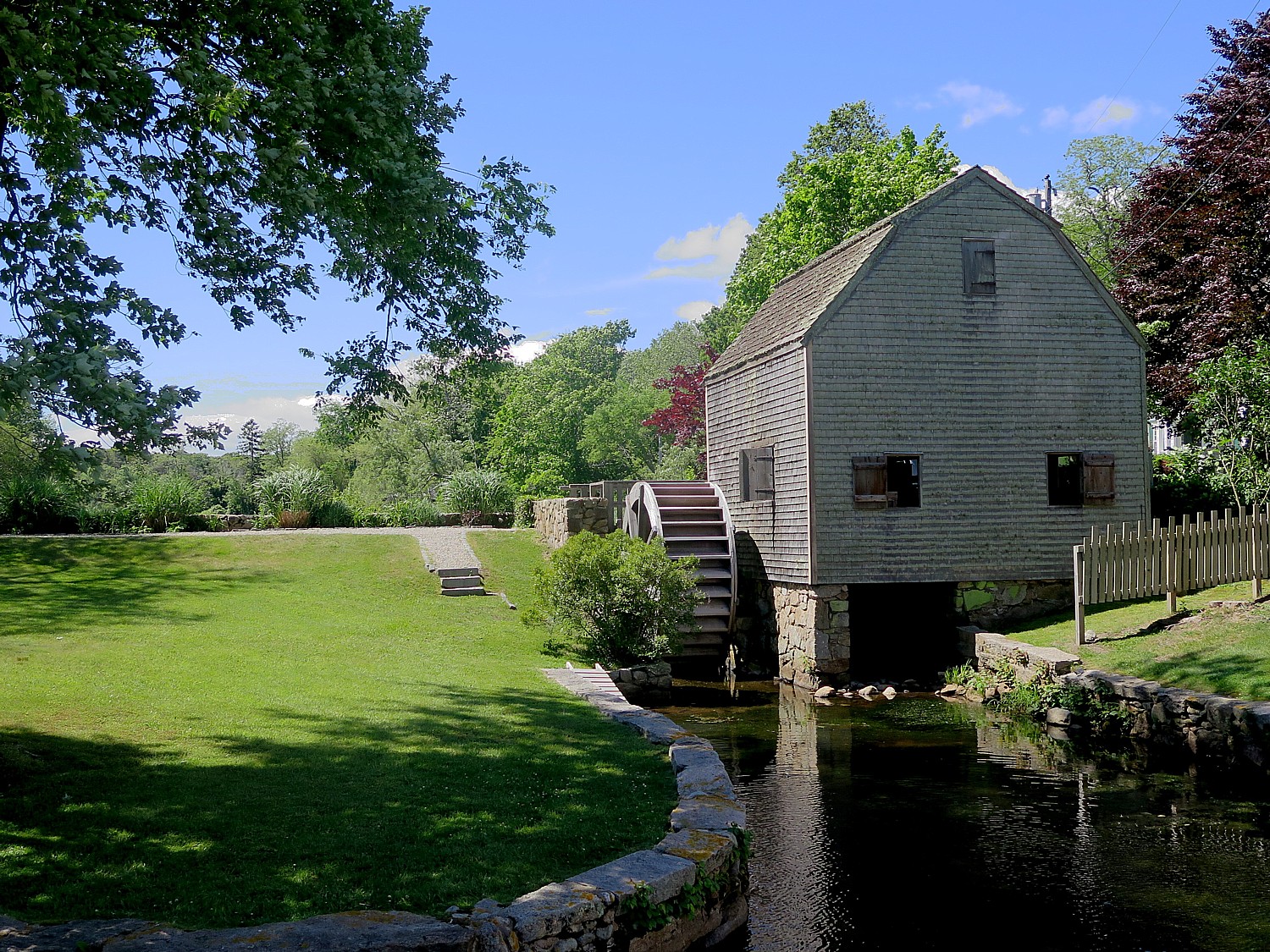
Dexter Grist Mill, a working grist mill in Sandwich on Cape Cod since 1654 where you can still buy ground cornmeal © 2016 Karen Rubin/news-photos-features.com

It’s remarkably easy to feel you have stepped back in time and forget what century you are actually in, in Sandwich, the first village settled on Cape Cod, in 1637. Sandwich is an enchanting jewel where history, exquisite architecture, fascinating attractions abound in a compact, walkable town, a short distance from the delightful Sandy Neck beach as well as the Cape Cod biking trail. It is quintessential New England, an idyllic place to visit, to stay, to make your hub for exploring Cape Cod. What is more, it is a real place where people live year-round, not just in summer, giving it much more substance than a place built around tourists.

And so, when I sought to choose a place that would express quintessential New England – encapsulating its architecture, heritage and culture  – to a California girl who had never been to this part of the country before, I honed in on Sandwich.

It is also the first village you come to when you drive over the Sagamore Bridge – which means that you avoid hours of traffic that holiday-goers face getting to and from other popular places, like Hyannis, Chatham, and at the furthest point, Provincetown. Instead, you can make Sandwich your base and, if you have exhausted all the fascinating places to explore in Sandwich (not likely), you can have day trips to explore the Cape Cod National Seashore, bike the Cape Cod Rail Trail (Cape Cod is one of the best biking destinations anywhere) and, just 30 minutes drive away, Falmouth and Woods Hole which offer a score of other fascinating attractions as well as beaches.

Many of these quaint historic houses and buildings (including a church) have been turned into the most charming bed-and-breakfast inns, but if you want to extend your time travel back to when the Patriots were debating revolution, the best place is the Dan’l Webster Inn and Spa, very much at the heart of the village. It is also is the most substantial in size, amenities and services, offering the best of past and present.

The Dan'l Webster Inn & Spa in the heart of Sandwich, the first village settled on Cape Cod, combines the best of past and present © 2016 Karen Rubin/news-photos-features.com
The Dan’l Webster Inn & Spa in the heart of Sandwich, the first village settled on Cape Cod, combines the best of past and present © 2016 Karen Rubin/news-photos-features.com

The Dan’l Webster is a 48-room country inn which remarkably maintains its historic feel and character even though it is totally rebuilt (the original was destroyed by fire in 1971) and has undergone a $2 million renovation. Each of the 48 guest rooms and suites are appointed with exquisite period furnishings, canopy and four-poster beds, fireplaces and oversized whirlpool tubs.

The present inn sits on property that was once a parsonage, built in 1692 by Rev. Roland Cotton; in the 1750s, it was converted in the Fessenden Tavern, one of the first and most famous of New England’s taverns and a Patriot headquarters during the American Revolution (the Newcomb Tavern, just across the pond, served as Tory headquarters).

In the late 1800s, the inn, then known as the Central House, hosted famous visitors including President Grover Cleveland and poet Henry David Thoreau. In 1980, the Dan’l Webster was acquired by the Catania family, which operates the popular Hearth n’ Kettle Restaurants, as well as the John Carver Inn in Plymouth and, most recently, the Cape Codder Resort, in Hyannis.

The Catania family acquired the Dan’l Webster and have restored it with exquisite taste and respect for its importance – there are antique furnishings and Sandwich glass. The Catania family also acquired the historic house next door.

A marker outside the house tells the story: Nancy Fessenden married Capt. Ezra Nye in 1826 and moved into the house following their wedding. She was the daughter of the innkeeper (now the Dan’l Webster Inn). Nye was a famous captain who broke the speed record by sailing his clipper ship from Liverpool in 20 days, in 1829. The house was restored by the Dan’l Webster Inn in 1982 and accommodates four luxury suites, each named after prominent people associated with the inn, dating back to 1692.

The Dan’l Webster has become an award-winning hotel, spa and dining destination. Recognized as a Distinguished Restaurant of North America (placing it in the top 1% of restaurants in the country) it offers a choice of the casual Tavern at the Inn. the cozy Music Room or the more formal (and romantic) ambiance in a lovely glass enclosed Conservatory. The four lovely dining rooms offer a choice of settings; candle-lit, fireside dining in the Music or Webster Rooms garden-side dining in the sun or moonlit Conservatory, cozy dining in the tavern or au natural dining outside on the patio. Several times during the summer, it also offers dinner and live entertainment.

The Tavern at the Dan’l Webster Inn is an authentic replica of the two-centuries-old tap room where Daniel Webster made regular visits. It also served as the meeting place for local Patriots during the Revolution © 2016 Karen Rubin/news-photos-features.com

The Tavern at the Inn is an authentic replica of the two-centuries-old tap room where Daniel Webster made regular visits. It also served as the meeting place for local Patriots during the Revolution.

The menu includes traditional favorites such as prime rib and filet mignon, alongside creative, contemporary entrees and seasonal dishes. Its wine cellar received The Wine Spectator’s prestigious Award of Excellence.

Its full service Beach Plum Spa, which Cape Cod Life has named Best Day Spa since 2006!, features body massages (romantic and holistic healing), manicures, pedicures. The spa figures prominently in the inn’s getaway packages, such as a Girls Overnight Getaway (includes Cranberry Pedicures with Cosmo Martinis, 50-minute Massages, Beach Bliss Customized Facials, spa gratuities and $50 toward meals); Suite Deal Package (includes 1 night plus 50-minute Beach Plum Wellness Massages, spa gratuities, chocolate and $50 toward meals); and Countdown to Baby Package (select 1 or 2 nights plus receive Beach Bliss Customized Facials, 50-minute Massages like a Mama Massage for the Mother-To-Be, Cranberry Spa Pedicure, bottle of non-alcoholic sparkling wine, chocolates, spa gratuities, $60 toward meals and a special gift for the baby).

The Dan’l Webster received TripAdvisor’s 2016 Certificate of Excellence award for the 6th year in a row for dining and lodging., as well as the Cape Cod Life Reader’s Choice Awards as Best Bed & Breakfast/Inn and Best Resort/Hotel.

In addition to the Dan’l Webster Inn & Spa, the Catania family also owns and operates:

Cape Codder Resort & Spa in Hyannis (capecodderresort.com) which is opening a new indoor waterpark, and offers 260 stately guest rooms and luxury, fireplace suites, on-premise dining in the Hearth ’n Kettle Restaurant or Grand Cru Wine Bar & Grill, plus the Cape’s largest Full-Service Spa, the Beach Plum Spa & Med-Spa, catering to men, women and children

Cape Codder Residence Club (capecodderresidenceclub.com), a premier fractional ownership property, located on the site of the Cape Codder Resort & Spa so that owners enjoy the benefits of a luxurious one, two or three bedroom residence plus world-class resort amenities, concierge service and options to exchange accommodations around the world.

John Carver Inn & Spa (johncarverinn.com) a full-service resort with indoor Pilgrim Cove theme pool and spa located on the site of the original Pilgrim settlement, only steps away from Plymouth’s many historic attraction

The Hearth ‘n Kettle Restaurants (hearthnkettle.com), in Hyannis, South Yarmouth, Orleans, Plymouth, and Weymouth, serving “Cape Cod Fresh” cooking for breakfast, lunch and dinner daily.

Dan’l Webster Inn & Spa 149 Main Street, Sandwich, MA 02563, 800-444-3566, info@DanlWebsterInn.com, www.DanlWebsterInn.com.

So Much to Do in Sandwich 

It’s remarkable how much there is to explore within steps of the Dan’l Webster Inn’s front door (where you will find a carriage, as well as stocks the Puritans used) – especially on a quiet, cool summer’s night with the glow of street lights.

Here you see the major ingredients to settlement: homes that bear the names of the ship captains who commanded the packet ships and clippers that made this area a mercantile center; the Sandwich Glass Museum, where a revolutionary process made glass available to the masses; the Dexter Gristmill, so important to farmers, it made the village a hub; a perpetually flowing fountain where residents come even today with their jugs to fill the pure water; scores of churches, several which have been converted to private uses, like the Belfry Inn and Bistro in a former Catholic church (built 1901), and the First Parish Meetinghouse, dating back to 1638, which, improbably, has become a private home (and during our visit, we take advantage of an estate sale).

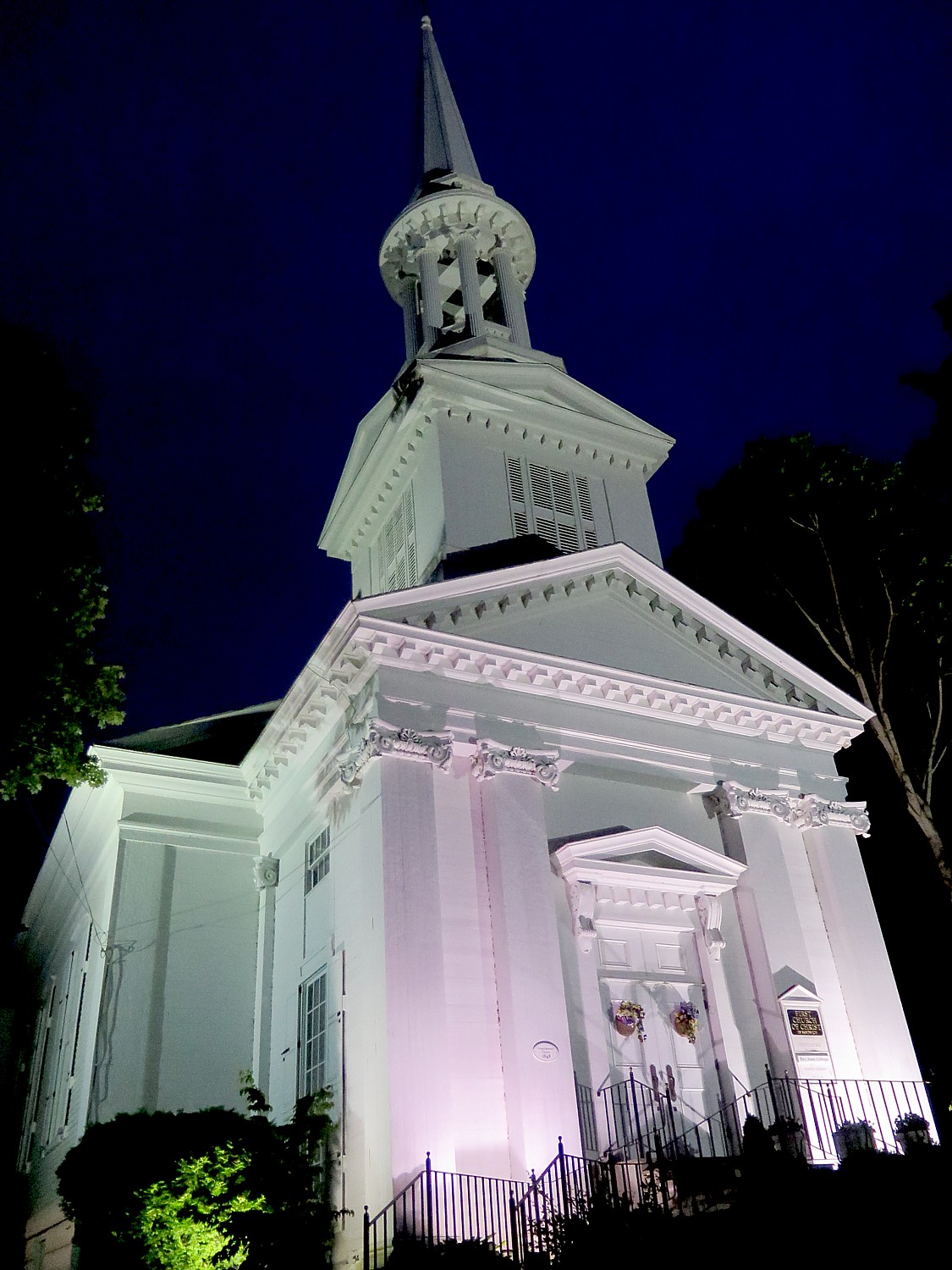
The First Parish Meetinghouse, which dates back to 1638, is a private residence today © 2016 Karen Rubin/news-photos-features.com

Many of the homes have historic name-plates and dates – a program by the Sandwich Historic Commission to highlight the depth of history in Sandwich and to recognize the original owners who built Sandwich and are an interwoven part of its history. It really connects the buildings to the people, so they are not simply structures but embodiments of a personal story.

What built Sandwich, though (and likely the reason that so many of its magnificent buildings reflect the prosperity of the early-1800s) was that in 1825, Deming Jarves built a glass factory (down by the site of the current Boardwalk). The factory grew rapidly to be one of the largest producers in the country with over 500 workers producing over five million pieces of glass annually by the 1850s. The technique made Sandwich glass objects affordable to the masses. By the 1880s, labor strikes, an economic depression, and new factories being built further closer to natural gas fuel sources forced the factory to close.

The Sandwich Glass Museum houses original pieces created during the 1800’s and provides demonstrations of glass blowing techniques. The museum’s theater shows a great documentary of the history of Sandwich. Throughout the village there are several glass blowers and artists with open studios to visit, creating a dynamic center for contemporary glass art (120 Main St., 508-833-1540, www.sandwichglassmuseum.org).

A short walk from the Dan’l Webster Inn is the Dexter Grist Mill, a working grist mill since 1654 where you can still buy ground cornmeal, or draw fresh water from the well (as many locals do for their personal supply).

The Hoxie House, built in 1675, was lived in until the 1970s but was never modernized with electricity or plumbing. This saltbox is named after a whaling captain who owned the house in the mid-1800s. it is now a wonderful little museum house showing what family life was like in the 1600s.

Sandwich, Cape Cod, Massachusetts © 2016 Karen Rubin/news-photos-features.com

Most fascinating is how many major religious buildings there are in Sandwich, and how many have been converted for secular use, very likely in keeping with Sandwich’s own tradition: the Puritan authorities of Plymouth branded Sandwich a “lax” town because church attendance and support were low, Native Americans were allowed to worship and Quakers were not shunned as in other Puritan communities. Indeed, at a time when the Pilgrims promoted anything but religious freedom and persecuted non-Puritans, Sandwich allowed Quakers to worship freely. The Sandwich Quaker Meetings are the oldest continuously kept Friends Meetings in the United States.

Most interesting is the building that was originally the First Parish Meetinghouse, dating back to 1638. It boasts a most magnificent clock tower, a gift to the people of Sandwich in 1808 from Titus Winchester, a former slave who had been freed by his master, Reverend Abraham Williams in 1784, and went on to great success. The four-faced clock we see today was installed in 1878 by Jonathan Bourne, a New Bedford whaling tycoon. It has since become a most extraordinary private residence, and we happen by as an estate sale is going on.

Benjamin Nye Homestead & Museum, is the 18th-century home of one of the first 50 men who settle in Sandwich (I take note that it is the same name as the Captain Nancy Fessenden married).

Also, the Wing Fort House, built in 1641, the oldest house in New England continuously owned and occupied by one family (63 Spring Hill Rd., 508-833-1540).

A short distance away, you can visit the Green Briar Nature Center & Jam Kitchen (6 Discovery Hill Road off Route 6A), which celebrates author and naturalist Thornton W. Burgess, who wrote the Peter Cottontail stories. There are nature programs, nature trails, a working 1903 Jam Kitchen, jam-making classes (508-888-6870, www.thortonburgess.org).

We also get to sample a regional specialty of Cape Cod: quahog –a clam exclusively here. A local restaurant, Marshland, has own recipe, showcased on the Food Network which has brought foodies from far and wide. It is a homey place that is a cross between a diner and a café and offers really marvelous home-cooked food.

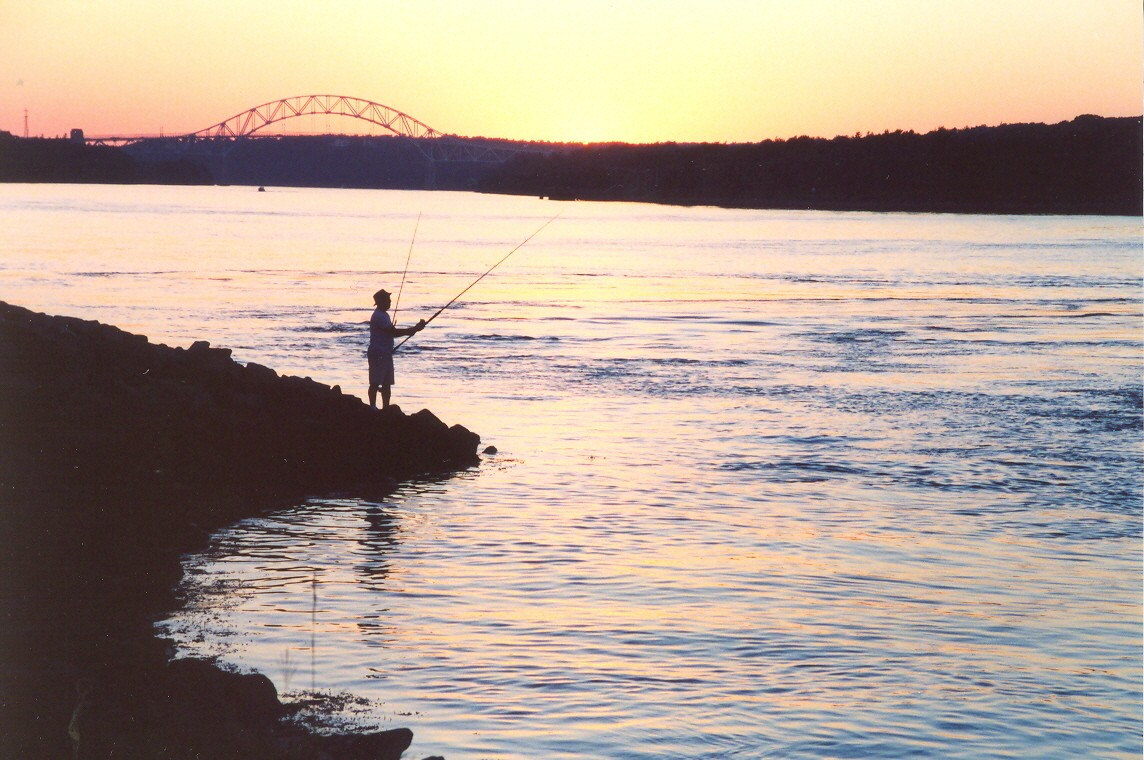
I relish the proximity of the Dan’l Webster Inn to the Cape Cod Canal and the 6.2 mile-long paved path for biking, roller blading or just walking (the banks of the canal are also popular for fishing). It is close enough to bike from the inn to the start of the trail. Along the trail, you can visit the Aptucxet Trading Post, built by the Pilgrims in 1627 to facilitate trade with the Dutch at New Amsterdam and the Narrangansett Indians.

Cape Cod Canal © 2016 Karen Rubin/news-photos-features.com

The Cape Cod Canal is a marvel (there is a visitor center on the mainland side that tells the history). The canal was constructed in 1914 – up until then, there were a tragic number of ships that were wrecked trying to sail around the peninsula. But it is astonishing to learn that interest in building the canal dated back to the earliest settlers: in 1623, Pilgrims scouted the area as the place best suited for a canal. In 1697 the General Court of Massachusetts considered a formal proposal to build a canal, but no action was taken. In 1776, George Washington, concerned about its military implications, had the location examined. But it wasn’t until 1909 that construction started (60 Ed Moffitt Dr., 508-833-9676, www.capecodcanal.us). 

Not to be Missed: Heritage Museum & Gardens

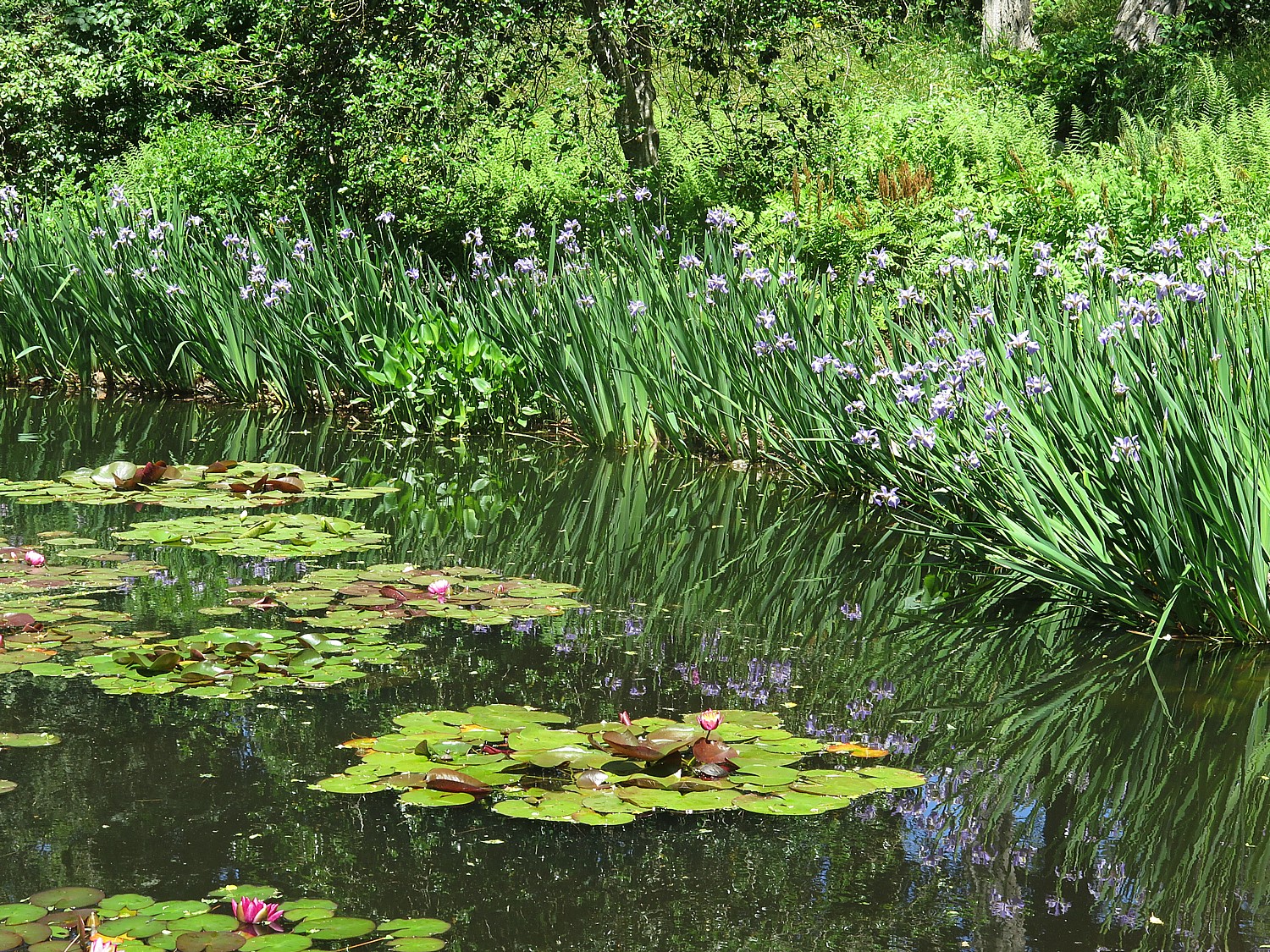
In a village of many substantial attractions and places of interest, what truly stands out is the Heritage Museum & Gardens – a destination attraction that can stand on its own to draw people to Sandwich, just as the beaches draw people to Cape Cod. It hits on a spectrum of cylinders – the vast, stunning and notable gardens, the JK Lilly III collection of cars and art, as well as art inside and out, the way it engages people of all ages – such as at the Hidden Hollow, a giant treehouse in a hollow where you are invited to participate in planting and other activities (you feel like an elf or those tiny creatures in the EPIC animated movie).

The gorgeous lily pond at Heritage Museum & Gardens in Sandwich, Cape Cod © 2016 Karen Rubin/news-photos-features.com

This year, the special exhibit on view is “CUT! Costume and the Cinema,” featuring 43 costumes representing five centuries of fashion and style as interpreted by award-winning costume designers and worn by favorite stars, which are presented along with props, movie clips and photos and movie memorabilia which you can see in very close proximity. There is also – imagine this – an adventure center where you can get a “squirrel’s perspective” of the forest. You should allocate the better part of a day to visit. (Heritage Museums & Gardens, 67 Grove Street, Sandwich, MA 02563, 508.888.3300, www.heritagemuseumsandgardens.org, open daily (See story).

Sandwich offers easy access to other marvelous places to visit on Cape Cod, but you should spend at least a day on the other side of the Sagamore Bridge, in Plymouth, to visit a score of historic attractions associated with the Pilgrims, including the Mayflower II (only recently reopened) and Plimoth Plantation (one of the best living history museums anywhere).

For more information, contact Sandwich Chamber of Commerce, 508-833-9755, www.sandwichchamber.com, info@sandwichchamber.com. 

See next: Heritage Museum & Gardens is Not-to-Be-Missed Attraction on Cape Cod

____________________

© 2016 Travel Features Syndicate, a division of Workstyles, Inc. All rights reserved. Visit goingplacesfarandnear.comwww.examiner.com/eclectic-travel-in-national/karen-rubin,www.examiner.com/eclectic-traveler-in-long-island/karen-rubin, www.examiner.com/international-travel-in-national/karen-rubin  and travelwritersmagazine.com/TravelFeaturesSyndicate/. Blogging at goingplacesnearandfar.wordpress.com and moralcompasstravel.info. Send comments or questions to FamTravLtr@aol.com. Tweet @TravelFeatures. ‘Like’ us at facebook.com/NewsPhotoFeatures