By Karen Rubin, editor@news-photos-features.com, news-photos-features.com
The US Navy Blue Angels headlined a very special Four Leaf Air Show at Jones Beach, this year honoring America’s 250th anniversary, so moved from the traditional Memorial Day Weekend to July 5 and 6. Some 268,000 turned out for the event on Monday; unfortunately, Tuesday’s show was cancelled for rain.
The Jones Beach event was special in other ways, as well, featuring more international participants than ever, including the first-ever visit to the United States by the United Arab Emirates aerobatic team, Fursan Al Emarat. The United Kingdom sent its Royal Air Force Aerobatic Team, the Red Arrows, and its British Army Parachute Display Team, the Red Devils, and Canada sent the Canadian Forces Snowbirds (431 Air Demonstration Squadron).
In a stunning and spectacular and surprising move, the Canadian Snowbirds joined the British Red Arrows to pay special honor for America’s 250th.
The event also featured Aaron Deliu, an Australian professional aerobatic pilot who is becoming a U.S. citizen, as well as local favorites, Farmingdale State College Flying Rams, historic “warbirds” from the American Airpower Museum, and the 106th Rescue Wing of the NY Air National Guard.
To mark the opening of the Tang Wing for American Democracy, The New York Historical has expanded hours until 8 pm on Thursdays through Saturdays from June 18 to July 4. Admission during expanded hours on those dates are pay-as-you-wish admission from 5-8 pm.
Also enjoy “Songs of America,” a vibrant lineup of live music performances taking place at the Museum in collaboration with Jazz at Lincoln Center, featuring music from across 250 years of the nation. Performances are free with pay-as-you-wish admission during expanded hours from June 18 to July 4.
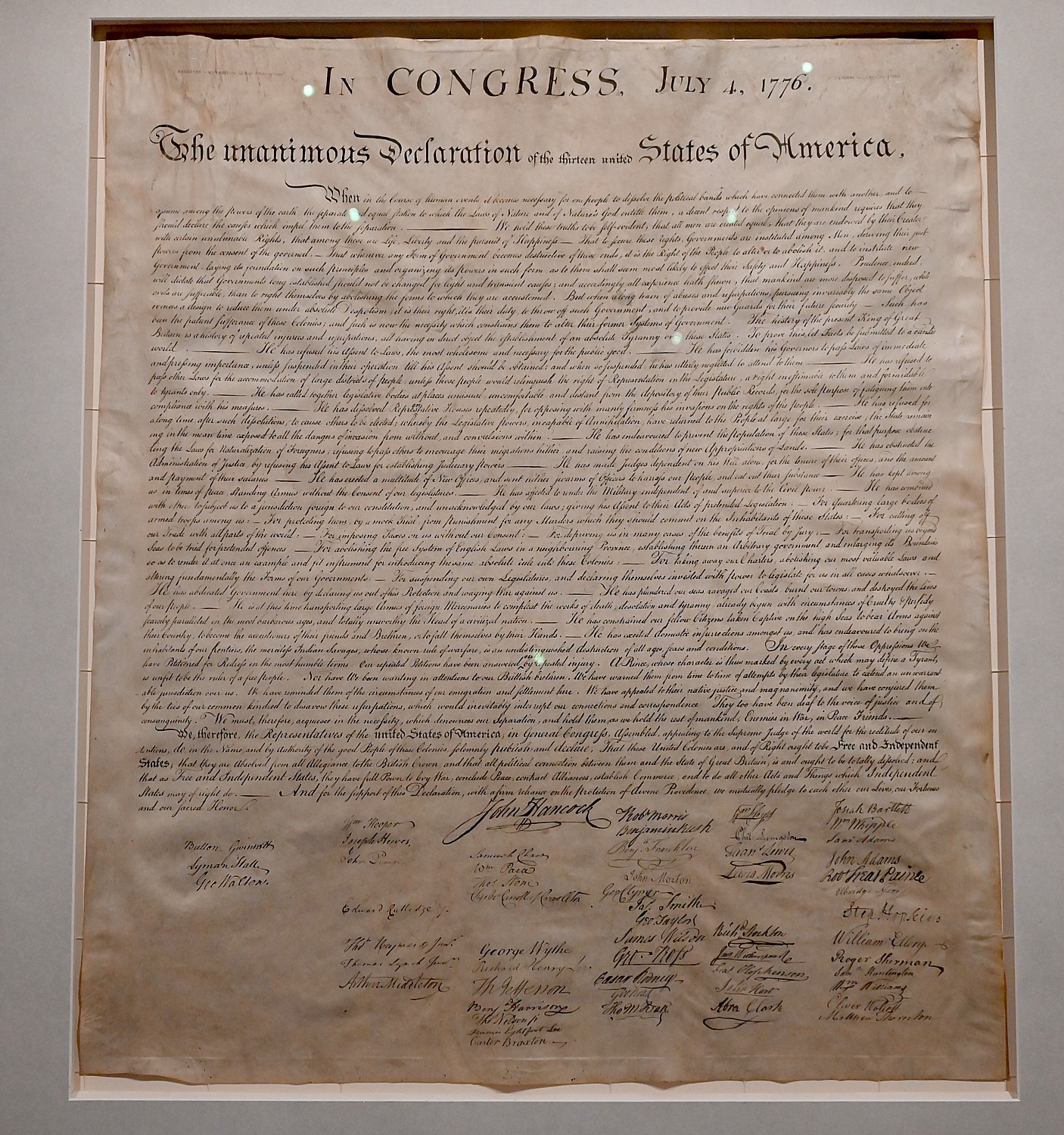
And see a rare printed copy of the Declaration of Independence, on view through July 5.
By Karen Rubin, Travel Features Syndicate, goingplacesfarandnear.com
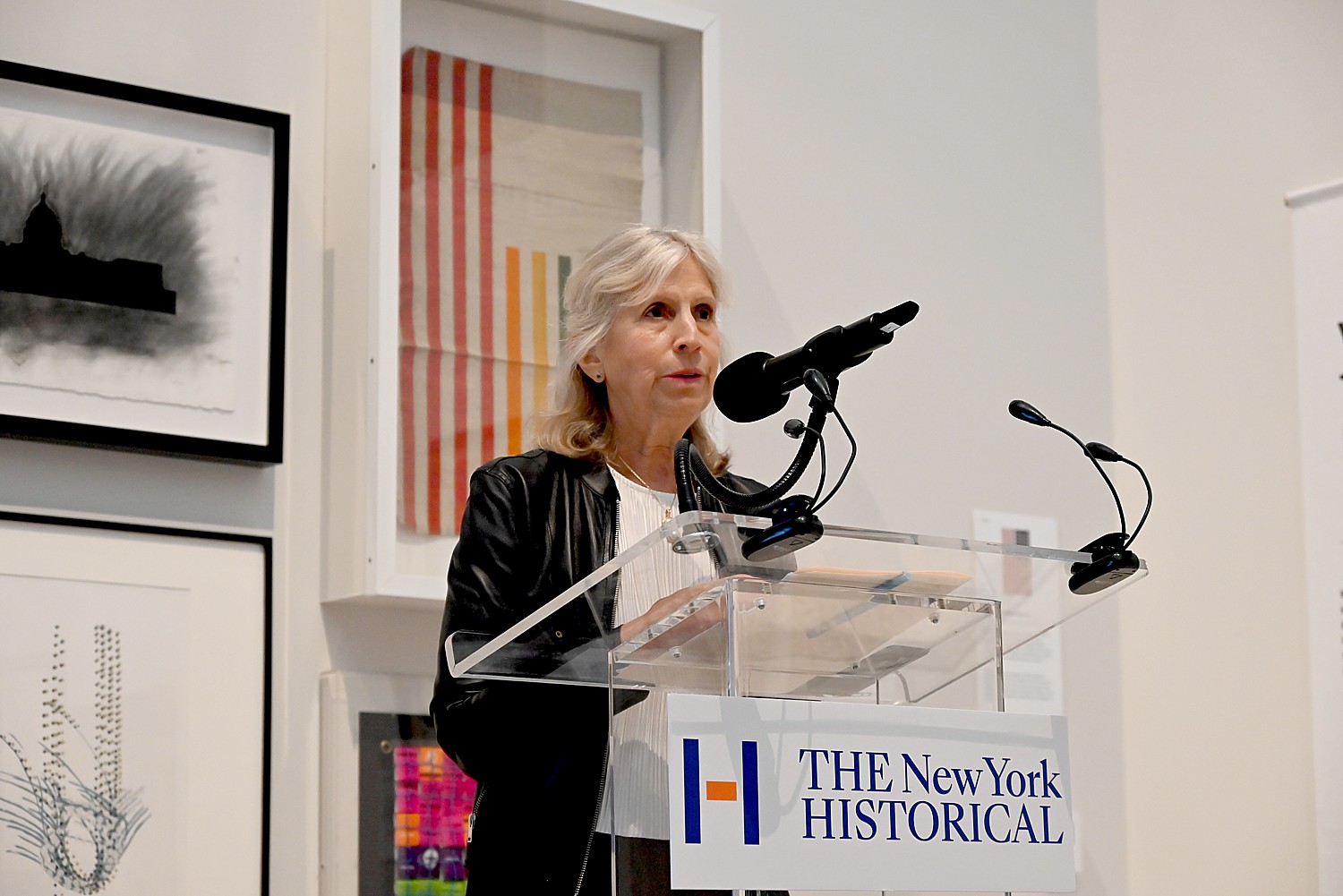
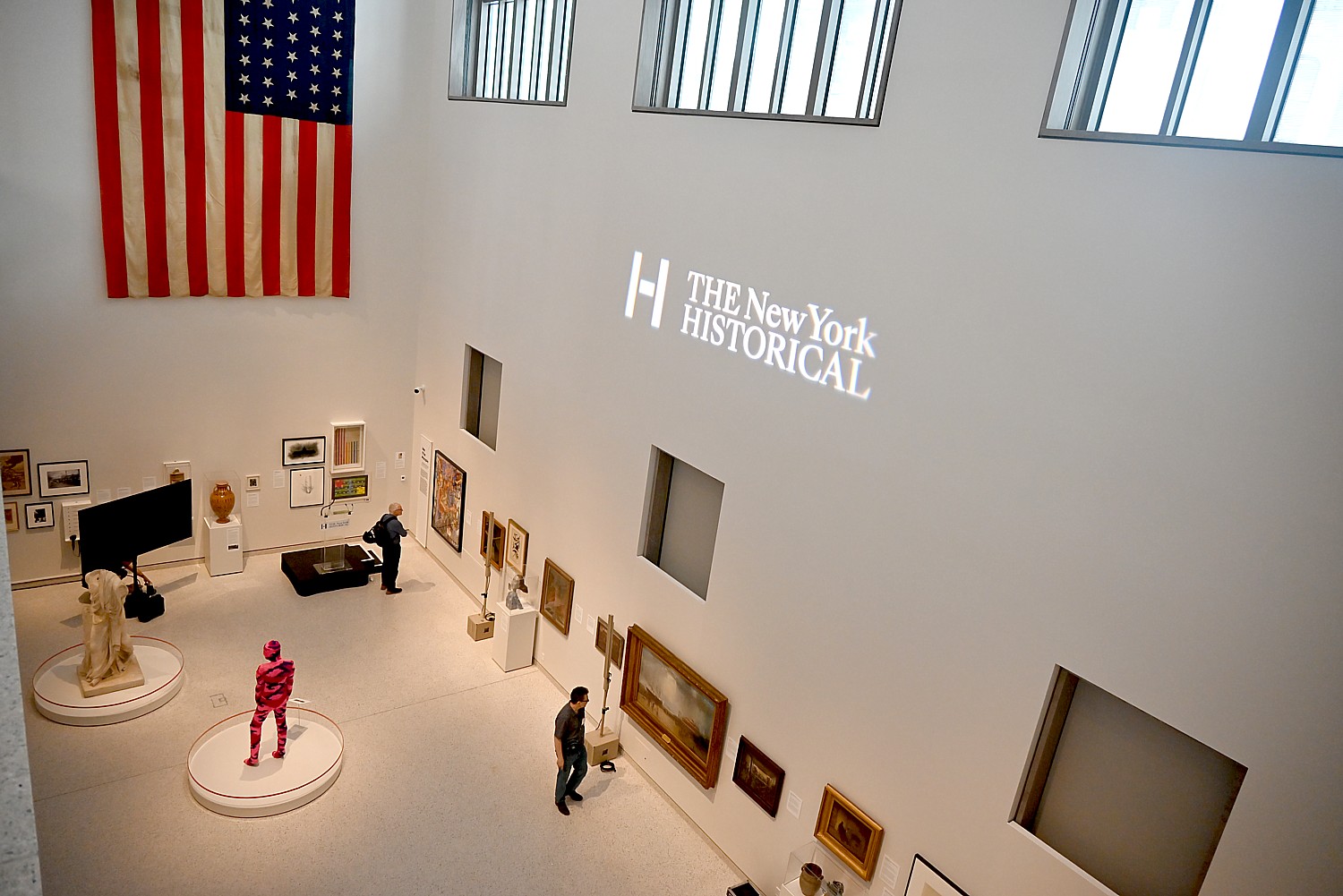
The timing couldn’t be more perfect, nor more necessary: The New York Historical, New York’s first museum, has just opened a major new expansion, the Tang Wing for American Democracy with a mission and a facility dedicated to teaching the history and future of the nation’s founding principles.
Opening in time for America’s 250th anniversary of the signing the foundational Declaration of Independence and audaciously creating the first government “of, by, and for the people” since antiquity, “This transformative new wing embodies The Historical’s mission of illuminating the complexities of the American story and inspiring engagement with the ideas and principles that define it,” said museum president and CEO Dr. Louise Mirrer. “As we approach the nation’s 250th anniversary, the Tang Wing will serve as both a beacon for civic learning and a space for reflection on the values that continue to shape our democracy. We are deeply grateful to Agnes Hsu-Tang and Oscar Tang for their extraordinary vision and generosity in making the Tang Wing for American Democracy possible.”
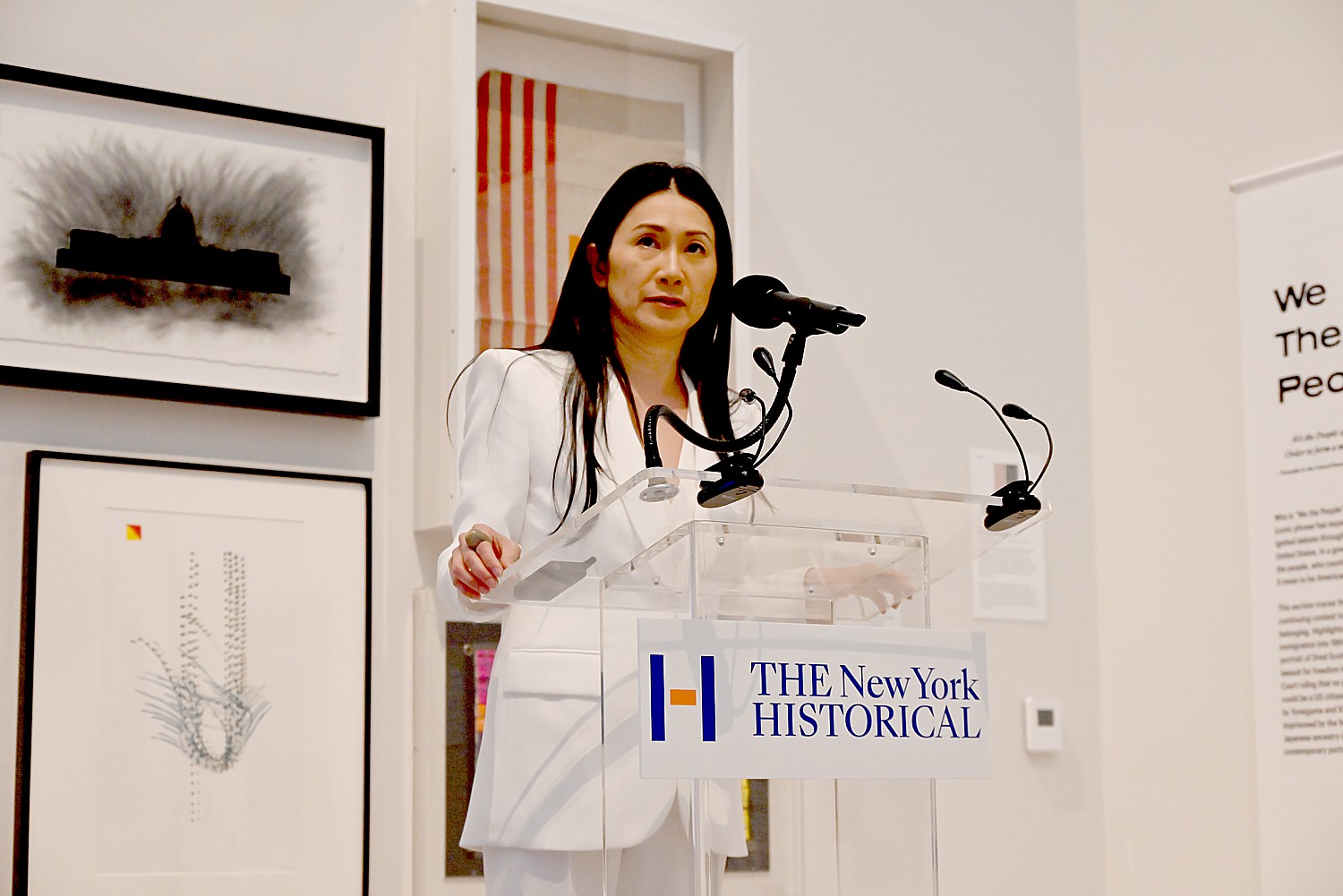
“The New York Historical’s origin story began with the American Revolution, and after 222 years we have achieved an institutional legacy as a steadfast witness to the history that shaped this nation,” said Dr. Agnes Hsu-Tang, who chairs The Historical’s Board of Trustees. “On the occasion of America’s semiquincentennial, this new wing shall rise as a self-evident embodiment of the American evolution—from its beginning as the world’s first modern democracy to the world’s longest continuing democracy.
“When New York Historical was founded in 1804, 222 years ago, Napoleon had crowned himself Emperor of France while Jefferson was reelected by the people of a young republic, the United States of America,” Dr. Tang said.
New York City, she noted, was the first capital of the United States of America, was where modern democracy and the American presidency originated.
“We are here today, because this very institution for 222 years has steadfastly safeguarded the evidence of our history, through wars and peace,” she said. “The new wing, dedicated to teaching of American history and democracy, is the culmination of 222 years of engaged citizenship and assiduous examination of American history – the good, bad, ugly and beautiful. Our history began as a revolution and endures and will endure as evolution of democracy for all.”
Since the museum’s founding as the New-York Historical Society, New York City has become a capital of modernity, culture and arts, Dr. Tang said. “The roots of the New York Historical are in New York City, but it has grown and evolved in mission and understanding of itself to become a national museum of national significance.”
The expanded space – 71,000 sq. ft – adds new galleries, classrooms, collections areas, a rooftop terrace and courtyard, and was designed to maintain and expand upon the Beaux-Arts style of the museum’s landmarked campus. The project also pursued LEED Gold Certification and includes state-of-the-art HVAC equipment anticipated to reduce energy consumption.
“It’s not just a new building but a tactical renovation of the existing building to knit it together with the new wing, aesthetically and functionally,” Dr. Mirrer said. “We are reimagining, reinventing this institution – what it is today and will become.”
The $175 million project represents the museum’s first expansion of its landmark campus in nearly a century and will significantly increase its capacity and ability to have exhibitions that could not be installed before, education, collections preservation and public programming. In addition to the newly constructed wing, the project included renovations to more than 30,000 square feet of existing museum space. The project was supported by $9.25 million from Empire State Development, along with $5 million from the New York State Council on the Arts.
Dr. Mirrer noted that the institution has sought an education wing going back to1937 “to educate about who we were as a people, so we can see who we should become. We sit in the new Klingenstein Family Gallery – a soaring light-filled space – where historical figures can tell their stories.”
The expansion will also support New York Historical’s education programs, including its award-winning Chang Chavin Academy for American Democracy four-day civics residency program, where 6th graders are brought to the museum to learn about democracy from its origins in antiquity – Greece and Rome – to today. With the additional classrooms – set along a gorgeous balcony – the museum expects to grow the program from 5,000 sixth-grade students served annually to 30,000 students per year. The Historical’s education programs currently reach more than 300,000 students and educators annually and help support the New York City Department of Education’s social studies curriculum.
“Hundreds of thousands of children receive education in civics here at a time when civics is under-taught in schools. New York Historical is picking up the ball, but we needed a facility,” Dr. Tang said.
Also newly opened in the Tang Wing, the Stuart and Jane Weitzman Shoe Museum, exhibits three centuries of American women’s lives through an extraordinary collection of historical footwear (check out Beyonce’s custom stiletto tour booties).
Like most of New York museums, the bulk of their collections are stored off site. The expansion includes crucial new on-site storage for The Historical’s invaluable Patricia D. Klingenstein Library, which holds the Robert A. Caro Archive, Time Inc. Archive, and Billie Jean King Archive as well as millions of manuscripts, maps, photographs, and prints documenting American history
Another significant improvement is that its conservation facilities, where its renowned collection of paintings and historical objects are restored and conserved, are now consolidated in a new state of the art facility in the lowest level.
And because the renovation has been at the highest level museum design standards, the New York Historical can now borrow rare and top quality artifacts from other institutions.
Also, the outdoor greenspace has been “recaptured” and now offers an accessible sculpture courtyard (where you will find the Hamilton and Burr statues, set at the exact distance apart as where they stood for their duel) and a new roof terrace atop the Tang Wing which will be lushly landscaped.
Interestingly, the granite used to build the Tang Wing (which was built over a vacant lot where three brownstones were razed 80 years ago) is the same as in the existing building, even though the quarry had closed in the 1920s. The quarry, on Deer Island, Maine, was reopened just for this project, architect Graham Wyatt, partner, RAMSA (Robert A.M. Stern Architects), tells us.
“Designing the new Tang Wing and related renovations for The New York Historical has been an extraordinary opportunity to engage with one of New York’s most important cultural institutions and historic landmarks,” Wyatt said.
“Our design completes a plan first contemplated almost a century ago and enters into dialogue with The New York Historical’s existing building and with the craftsmanship and materials of the original structure, while introducing new interior spaces that meet the Museum’s evolving mission and programs.” It also was the last project designed by Robert Stern before he passed away.
The Tang Wing ultimately will create the first permanent home for the American LGBTQ+ Museum – a collaborative institution that will join The New York Historical’s Center for Women’s History in advancing the narrative of civil rights for all Americans – opening in late 2027.
“New York’s cultural institutions tell our stories, strengthen our communities and power our tourism economy,” Governor Kathy Hochul stated. “For more than two centuries, the New York Historical has preserved the history of our state and nation, and the new Tang Wing will ensure that millions of visitors, students, scholars and families can continue to learn from that history for generations to come. As our nation prepares to celebrate its 250th anniversary, this expansion reaffirms New York’s role as a global capital of culture, education and ideas.”
Democracy Matters
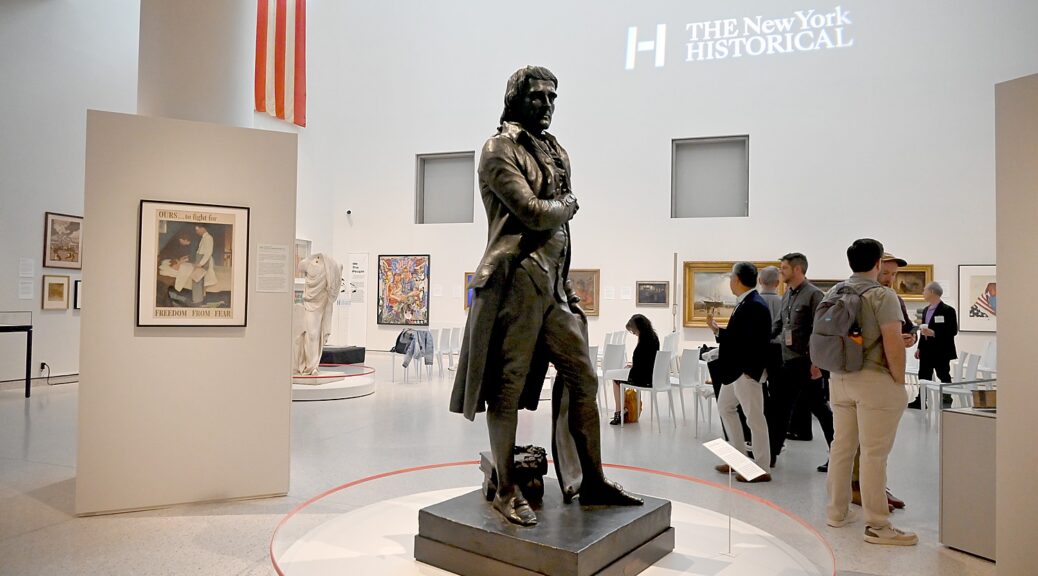
The opening of the Tang Wing coincides with New York Historical’s exhibition, Democracy Matters, in the new Klingenstein Family Gallery. Bringing together objects from The New York Historical’s collections, the exhibition explores how the concept of democracy has stretched, contracted, and shifted through key moments in the history of the nation; how competing understandings of it have come into conflict; and how those conflicts have reshaped its boundaries.
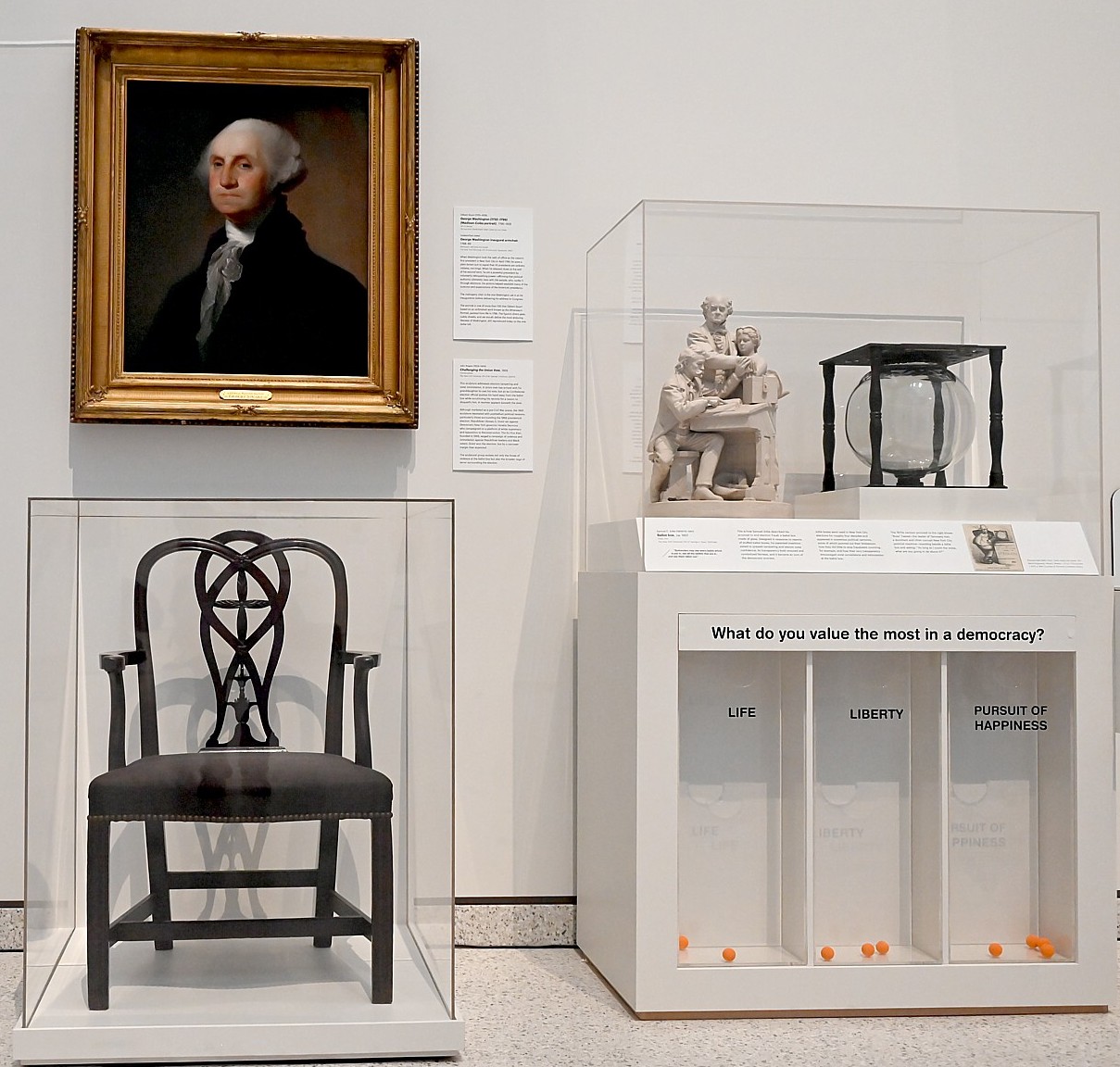
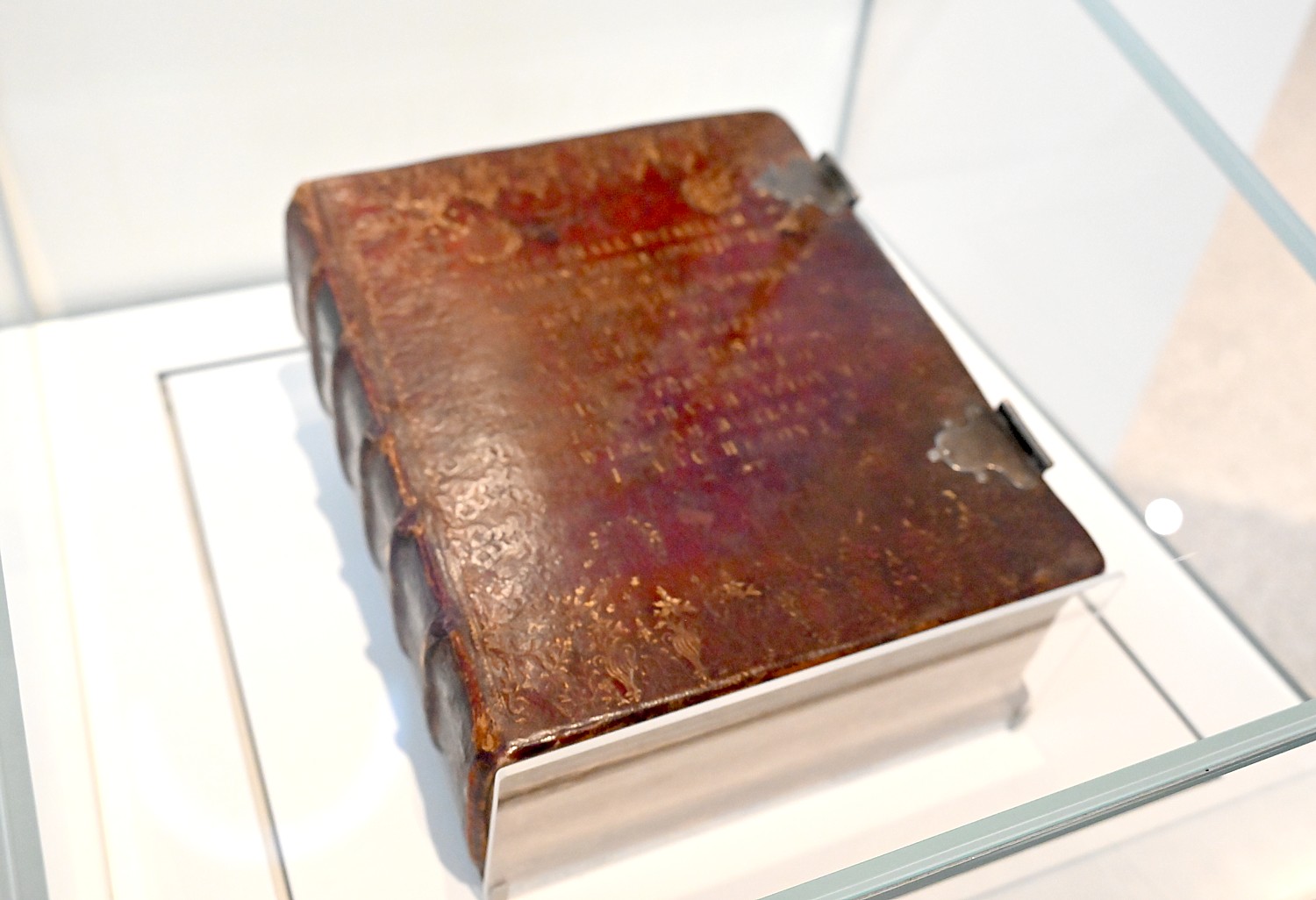
In 1789, George Washington was inaugurated the first president in lower Manhattan. He sat in a wooden chair, not the velvet cushioned, gilded throne of a king – indeed, the chair he used and the Bible he swore the newly written oath of office, are both on view in the new Klingenstein Gallery, where “Democracy Matters,” displaying essential artifacts organized around key moments in history and key pillars of our democracy – freedom of press, religion, free and fair elections, is on view through November 1.
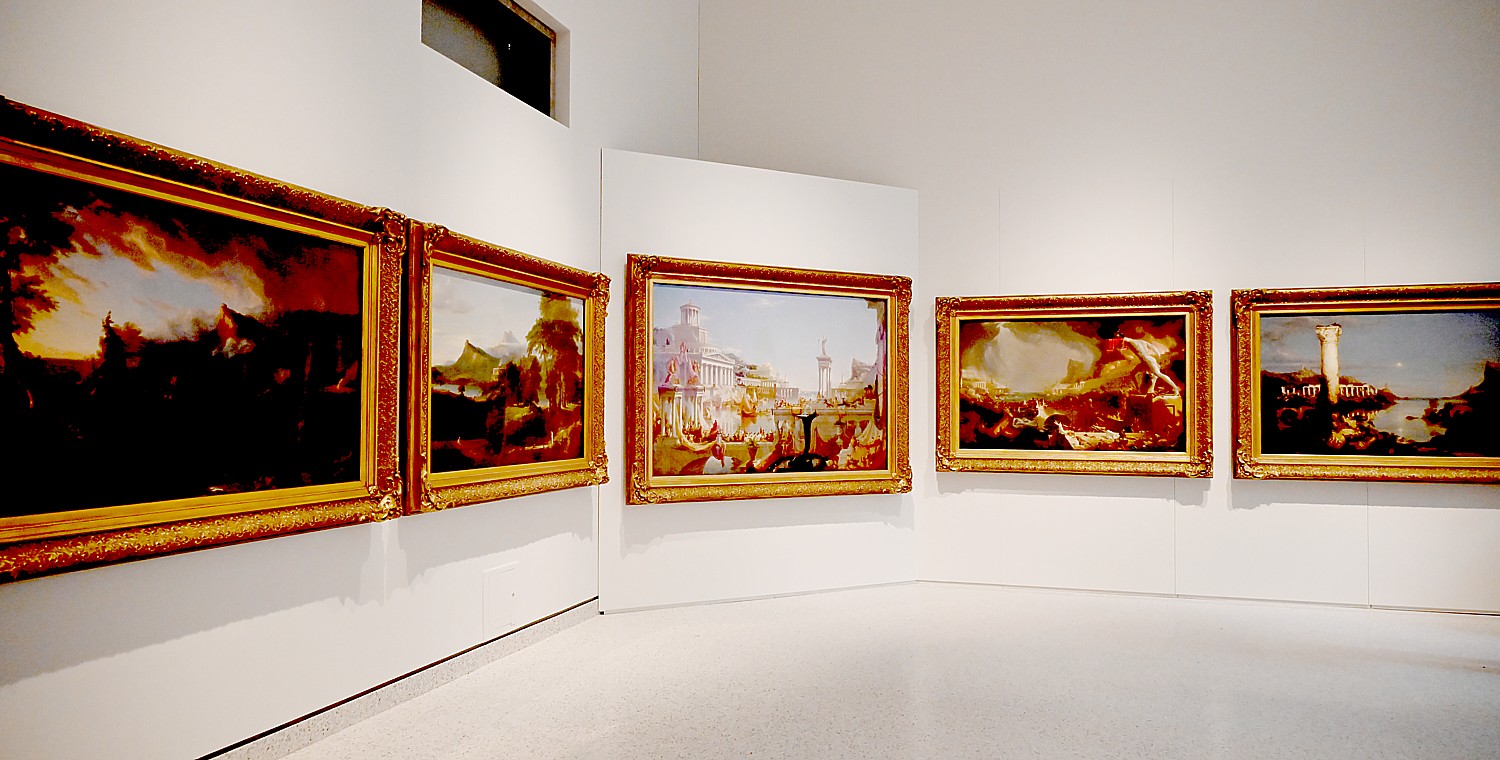
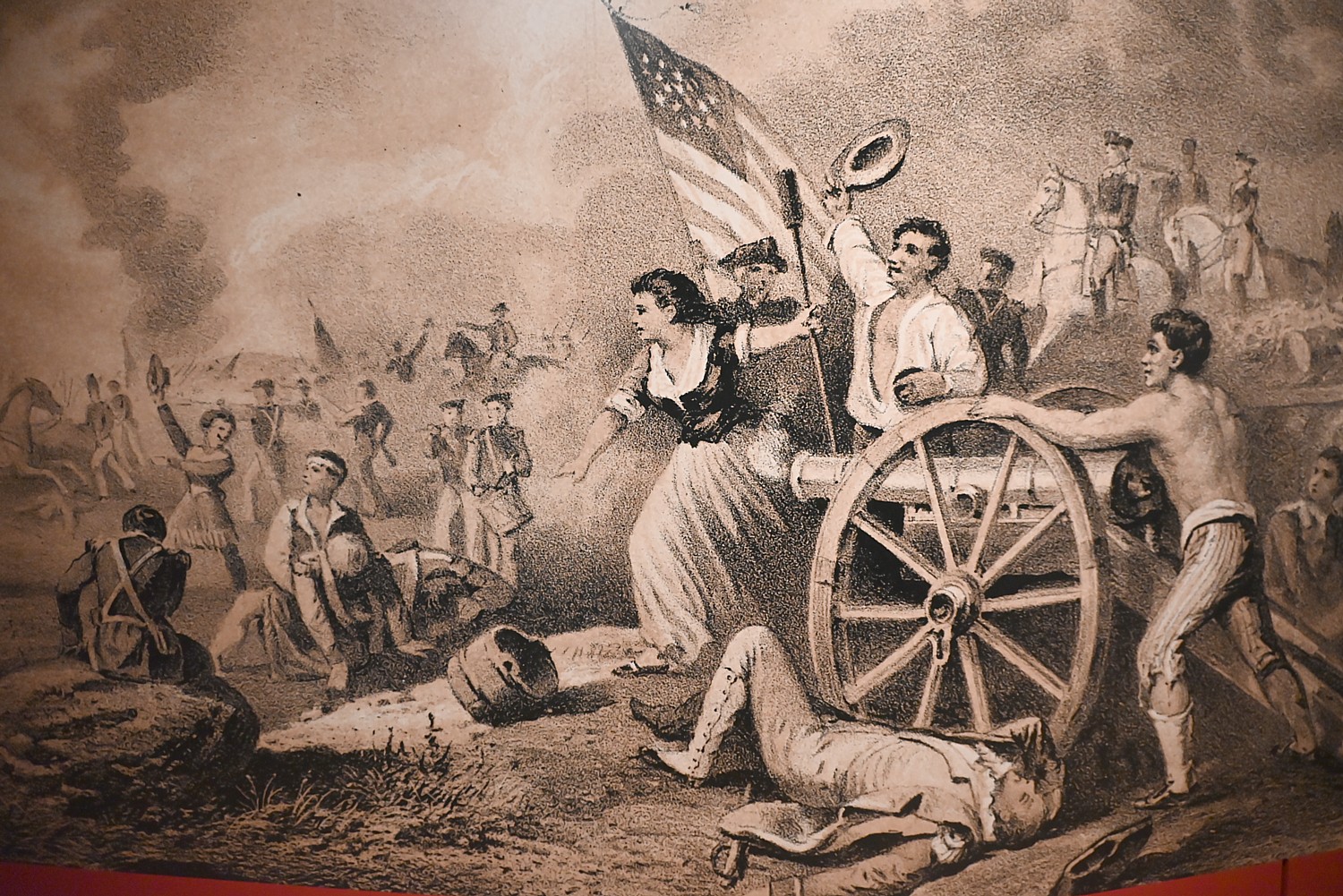
Also on view is a fragment from the King George III statue that was pulled down at Bowling Green after the Declaration of Independence was read, and a glass bowl that served as a ballot box (so votes were transparent), a Torah scroll among other religious objects that show Freedom of Religion, all five Thomas Cole’s Empire Series depicting the “Rise and Fall of Civilization.” There is also an odd, 34-star flag, dating back to the “darkest days of the Civil War. Even as the Confederacy adopted their own flag, Lincoln refused to accept the union could be broken,” Dr. Mirrer noted. The exhibits are also arranged to spark thought and interaction.
The New York Historical is continuing to present a slate of special exhibitions throughout the America 250th anniversary year, that have already included Declaring the Revolution: America’s Printed Path to Independence and Stirring the Melting Pot: Photographs from The New York Historical Collections.
Indeed, before there was a United States of America or a New York, there was a New Amsterdam, founded by the Dutch 400 years ago, which set the stage for America’s entrepreneurism, individualism and culture.
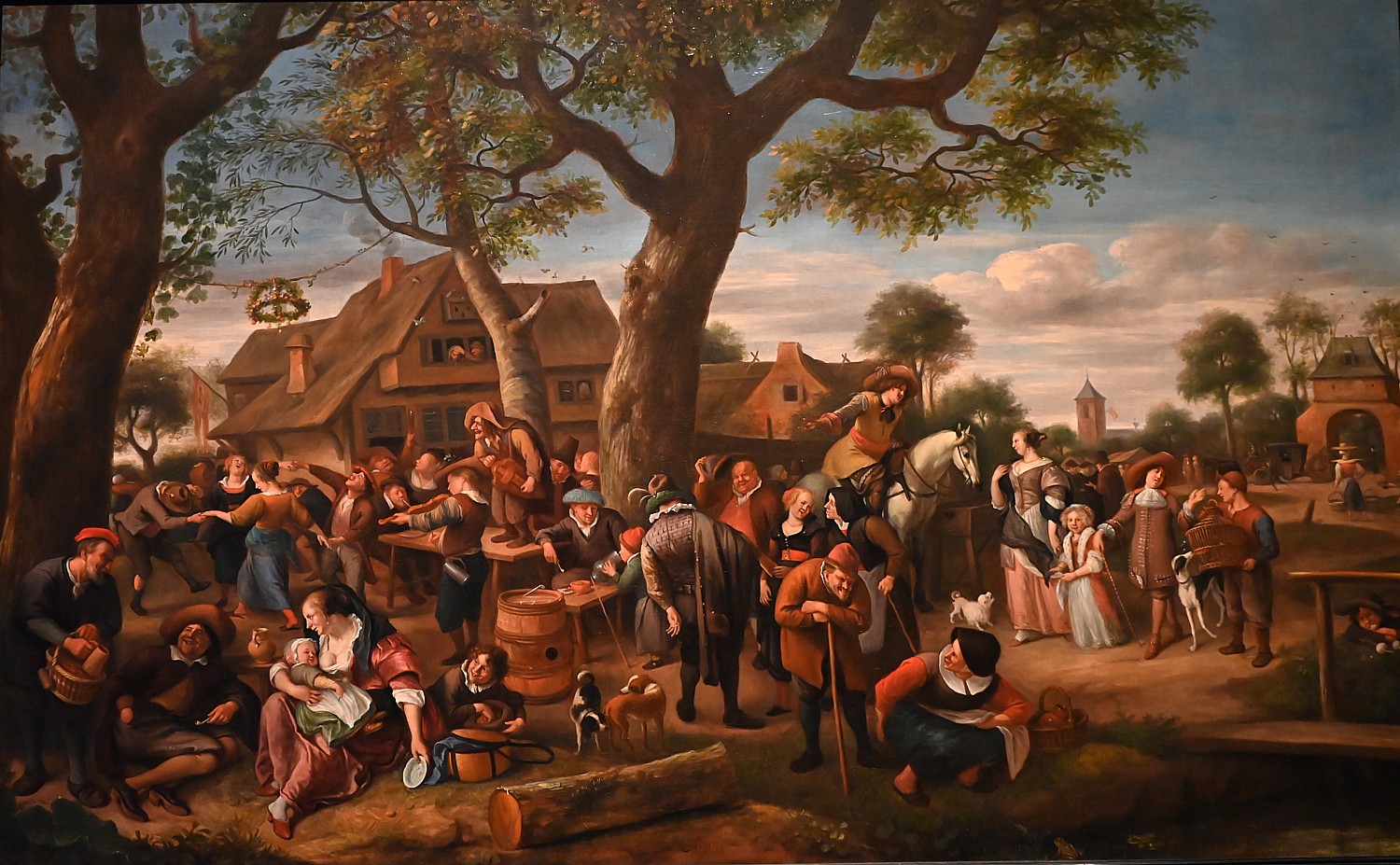
New-York Historical’s current blockbuster exhibition, Old Masters, New Amsterdam, celebrates the city’s founding 400 years ago with a fascinating look at life in New Amsterdam from the perspective of 17th century Dutch Masters including Rembrandt van Rijn, Frans Hals, and Jan Steen.
“The Dutch greatly enjoyed family festivities that included music, dancing, food, and drink,” said Arthur Wheelock, co-curator of the exhibition and senior advisor to the Leiden Collection. “Jan Steen’s joyous Peasants Merrymaking Outside an Inn, wonderfully captures the vibrancy and wide range of human interactions that could be found at a country fair, whether in the Netherlands or in New Amsterdam.”
“Four centuries ago, the Dutch founded an outpost at the tip of Manhattan Island—a humble but vibrant settlement that would give rise to New York,” said Russell Shorto, the exhibition’s co-curator, director of the New Amsterdam Project at The New York Historical. “Across the ocean, meanwhile, Rembrandt and his peers were transforming art, revealing the beauty and drama of everyday life. These Dutch artists never set foot in New Amsterdam, but their portraits, character studies, and depictions of daily life in the Netherlands provide real insight into the world of Manhattan’s 17th-century settlers.”
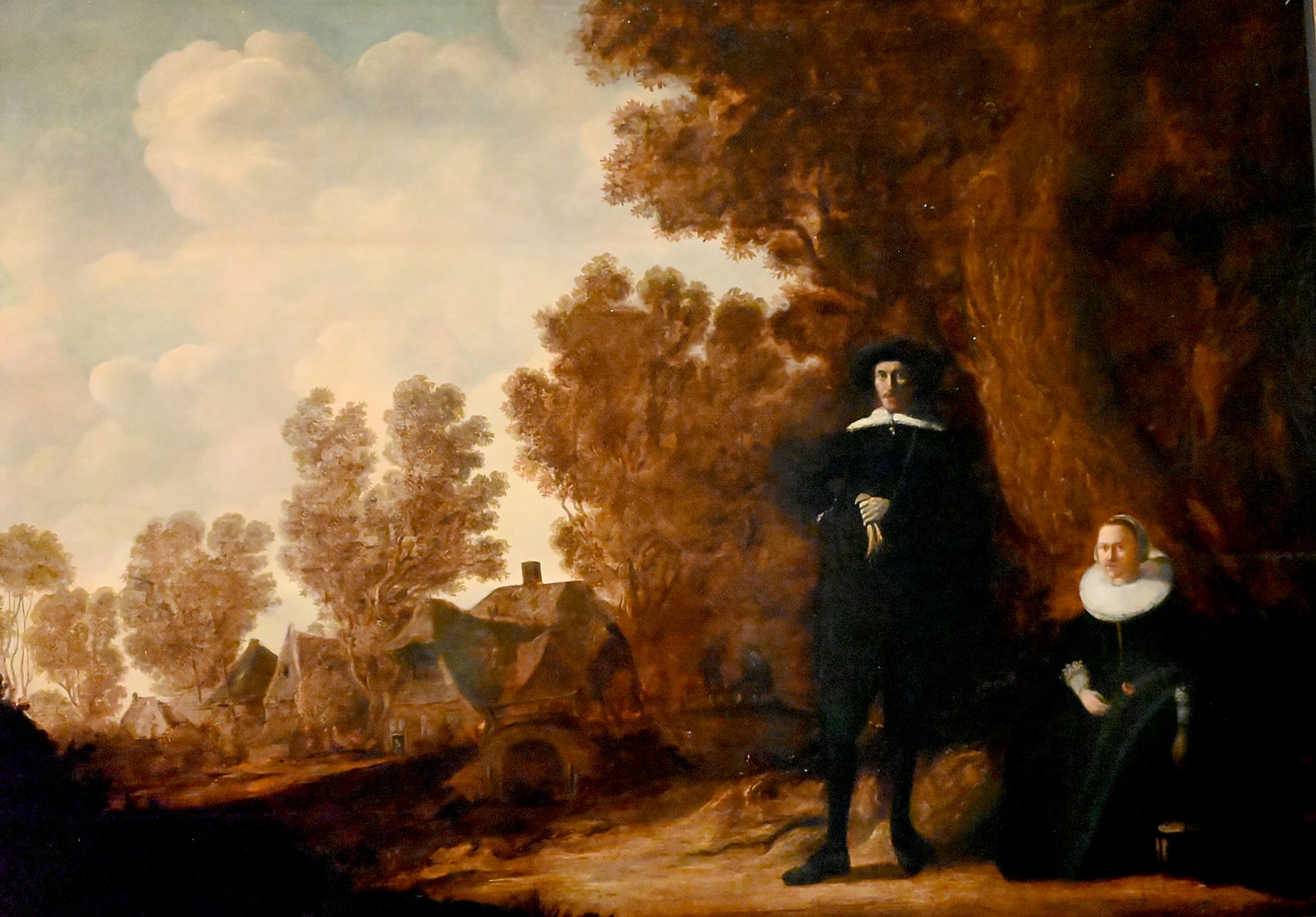
Gerard Donck and Frans de Hulst portrait of Mr. and Mrs. Samuel Bayard (1644) – Samuel Bayard and his wife Anna Stuyvesant Bayard (1644). After Samuel’s death, Anna emigrated to New Amsterdam where her brother Peter Stuyvesant was the colonial Director-General.
Some of the most intriguing objects in the exhibition are those from New York Historical’s own collection: the journal of John Bowne who was arrested for hosting a Quaker meeting and deported to the Netherlands in 1662, where the West India Company directed Stuyvesant to “allow every one to have his own belief.” setting the stage for freedom of religion in New York. Also, a property deed to Manuel de Spangle (dated January 18, 1651), who won his freedom (the first enslaved Africans probably arrived in New Amsterdam in 1627), which encouraged other slaves to sue for their freedom.
The exhibition ends with several paintings providing a glimpse into 1776 and beyond.
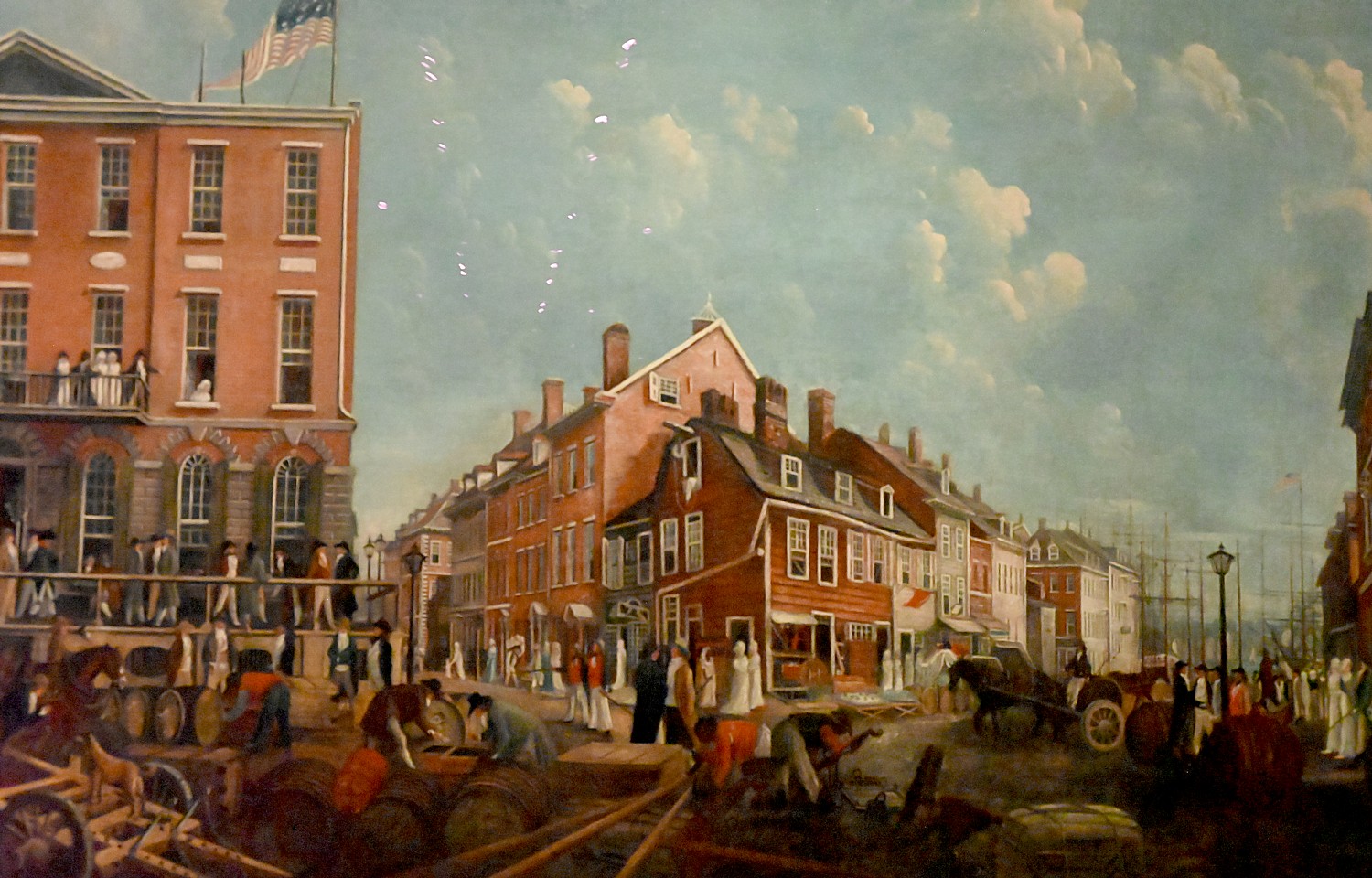
Francis Guy’s painting depicting theTontine Coffee House, NYC 1797: After American independence, merchants founded the Tontine Coffee House at the corner of Wall and Pearl Streets, as a place to conduct business. Trading of stocks in the coffee house eventually gave way to the New York Stock Exchange.
From The New York Historical’s collection, Francis Guy’s 1797 painting Tontine Coffee House, New York City, where commercial activity seemingly bursts across the canvas, shows the expansive growth of the city in the century after the Dutch founded New Amsterdam, at the place that became the stock exchange.
The individuality fostered in the Dutch era evolved into a New York hallmark: a brash, confident, entrepreneurial energy. On the eve of the American Revolution, the city’s diversity made it a cauldron of debate and unrest. Built on Dutch foundations and shaped by waves of newcomers, New York reflected the American experiment and propelled it forward.
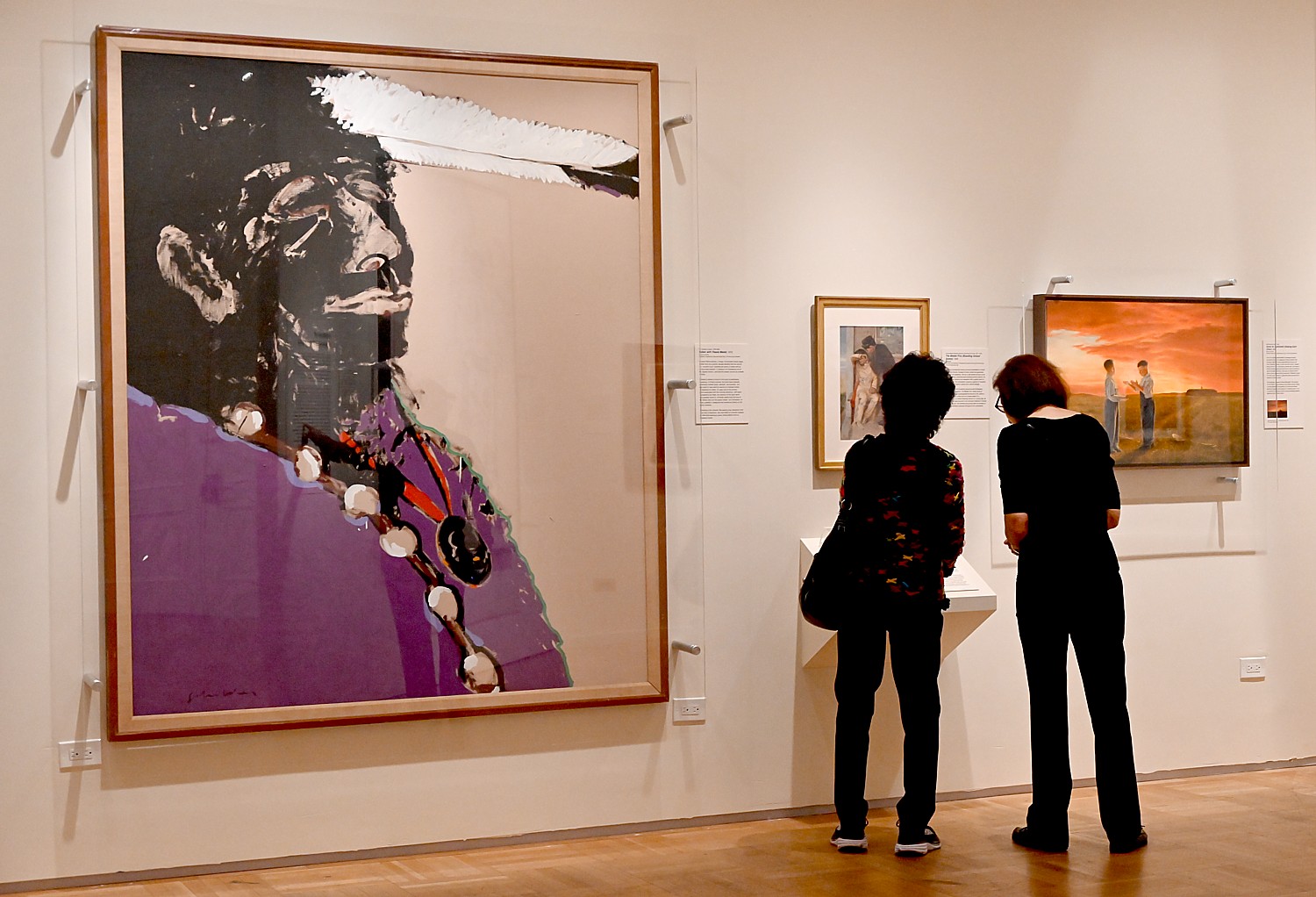
House Made of Dawn: Art by Native Americans, 1880-Now,: Drawing from a collection of more than 100 promised gifts of art, artifacts, and rare books created by Native American artists to The New York Historical by Board Chair Dr. Agnes Hsu-Tang and her husband Oscar Tang in celebration of the nation’s semiquincentennial, this exhibition presents distinct artistic expressions and practices of modernism by more than 85 artists of diverse Indigenous heritage (through August 2, 2026).
Revolutionary Women: The Center for Women’s History foregrounds the women of New York City whose contributions to the Revolutionary War effort have been little recognized—but whose experiences highlight the material realities of living in the war-torn city as well as the divergent, contested meanings of revolutionary liberty itself and its unfinished promise. Revolutionary Women dives deep into the stories of the women who left indelible marks on the fight for—and even against—independence and who helped create the foundations of a new government. Liberty, equality, and independence were key bywords for that emerging nation. But who did these concepts apply to? Revolutionary Women attempts to provide answers and deepen the history we all think we know with letters, poems, petitions, archeological objects, paintings, household objects, and more from our Patricia D. Klingenstein Library collection.
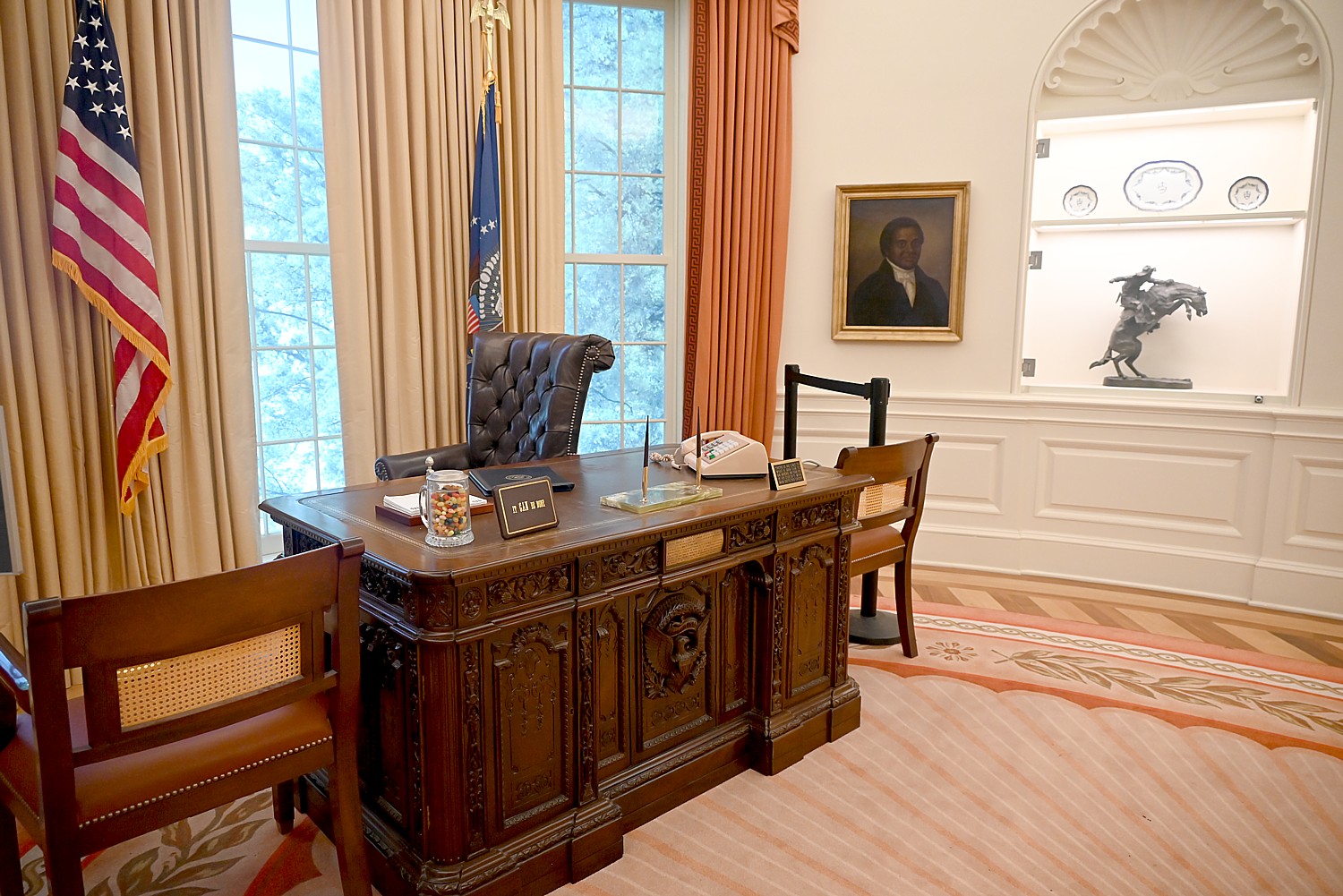
Also visit the fascinating exhibit dedicated to the Presidency (you can visit a replica of Reagan’s Oval Office and sit behind the Resolute desk) and our three co-equal branches of government.
“Songs of America,” a vibrant lineup of live music performances taking place at the Museum in collaboration with Jazz at Lincoln Center, features music from across two and a half centuries of the nation, from Revolutionary-era tunes, to blues, classic jazz, turn-of-the-century jazz, soul jazz and Americana. Performances are free with pay-as-you-wish admission during expanded hours from June 18 to July 4.
A rare printing of the Declaration of Independence, which has been in The Historical’s collections for generations though little was known about it, is on temporary view through July 5. It was likely printed by Samuel Loudon, a colonial New York printer who founded The New-York Packet newspaper. in the aftermath of July 4, 1776, and used to disseminate the new nation’s independence to the general public in town halls, houses of worship, and other meeting places.
To mark the opening of the Tang Wing for American Democracy, The New York Historical is hosting expanded hours until 8 pm on Thursdays through Saturdays from June 18 to July 4. Admission during expanded hours on those dates are pay-as-you-wish admission from 5-8 pm.
Founded in 1804, The New York Historical is New York City’s first museum and a nationally renowned research library, with holdings that include more than 14 million works of art, artifacts, documents and ephemera spanning four centuries of American history. Its collections document the founding of the United States, the evolution of New York and the stories of the people and communities that have shaped the nation.
In these unsettled times and despite high fuel prices (or perhaps because of them), the old-timey family Road Trip is enjoying renewed allure. Like comfort food from your childhood, the road trip evokes nostalgia for an imagined simpler, more innocent time. People like the freedom (from timetables, security lines, not having to agonize over what you can’t fit into your carry-on), the ability to spend as little or as much time, to come upon some serendipitous discovery, to immerse in local happenings and celebrations.
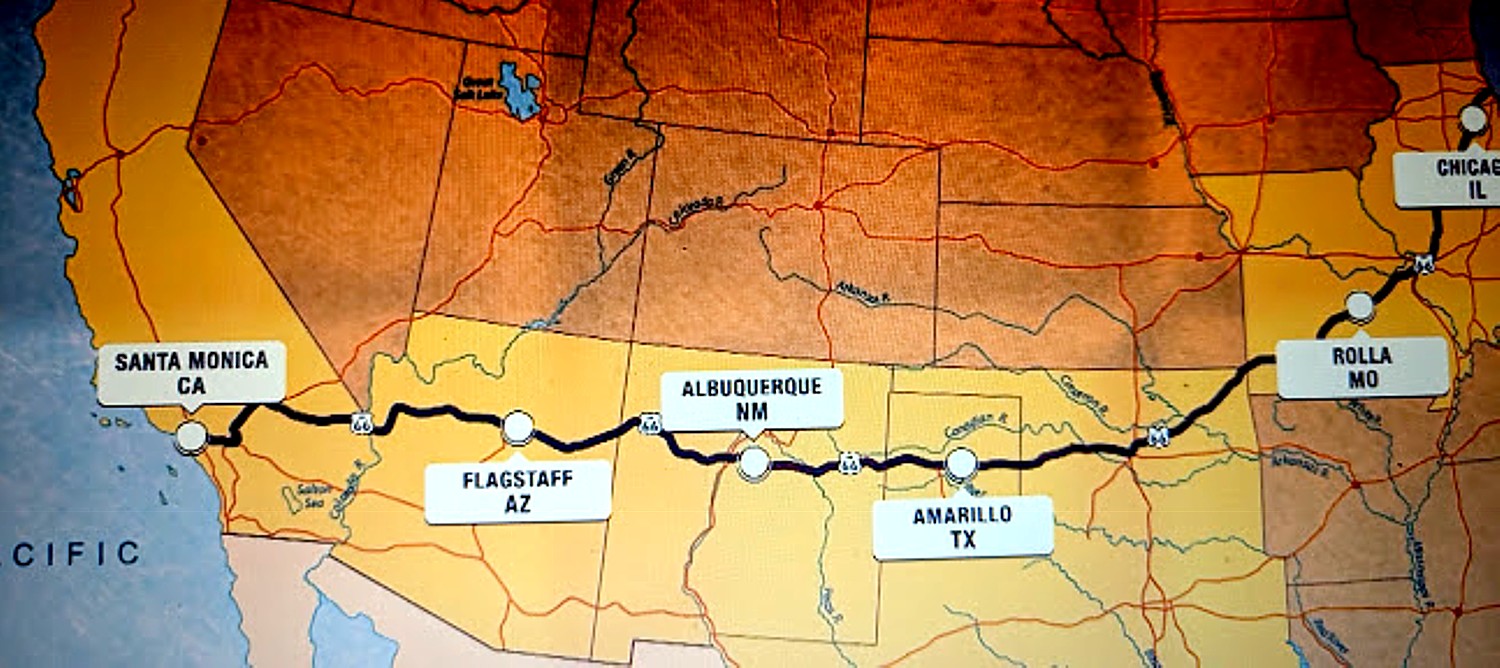
Map of Historic Route 66 (photo: www.route66roadtrip.com)
A key event sparking interest in the road trip this summer is the centennial celebration of Route 66. Spanning 2,448 miles across eight states from Chicago, Illinois to Santa Monica, California, Route 66 became synonymous with the ultimate road trip adventure, a symbol of American freedom on four wheels, as an industrializing America was rolling out highways and paving over dirt roads.
This year, the Route 66 Centennial Commission is inviting roadsters to step back in time and experience the retro charm, vintage vibes, small-town hospitality, and trendy twists on classic roadside dining.
Dubbed “the Mother Road” and the “Main Street of America,” states all along the route are featuring exhibits honoring 100 years of the highway that coincides with a focus on history because of America’s 250th.
Centennial Web Hubs: Discover more historical milestones and celebrations via the Route 66 Centennial site or check out the broader travel calendar on the Route 66 Centennial (route66-centennial.com).
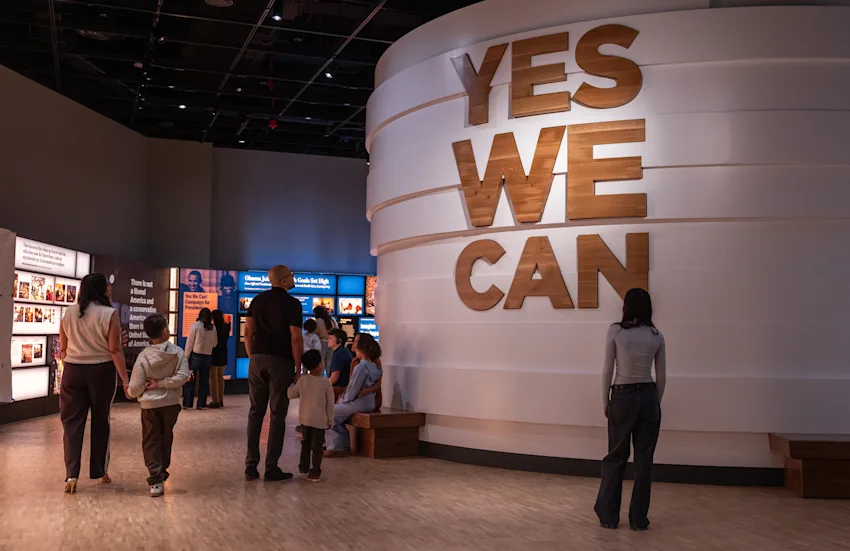
Chicago: Be among the first to visit the Obama Presidential Center (photo: Obama Presidential Center)
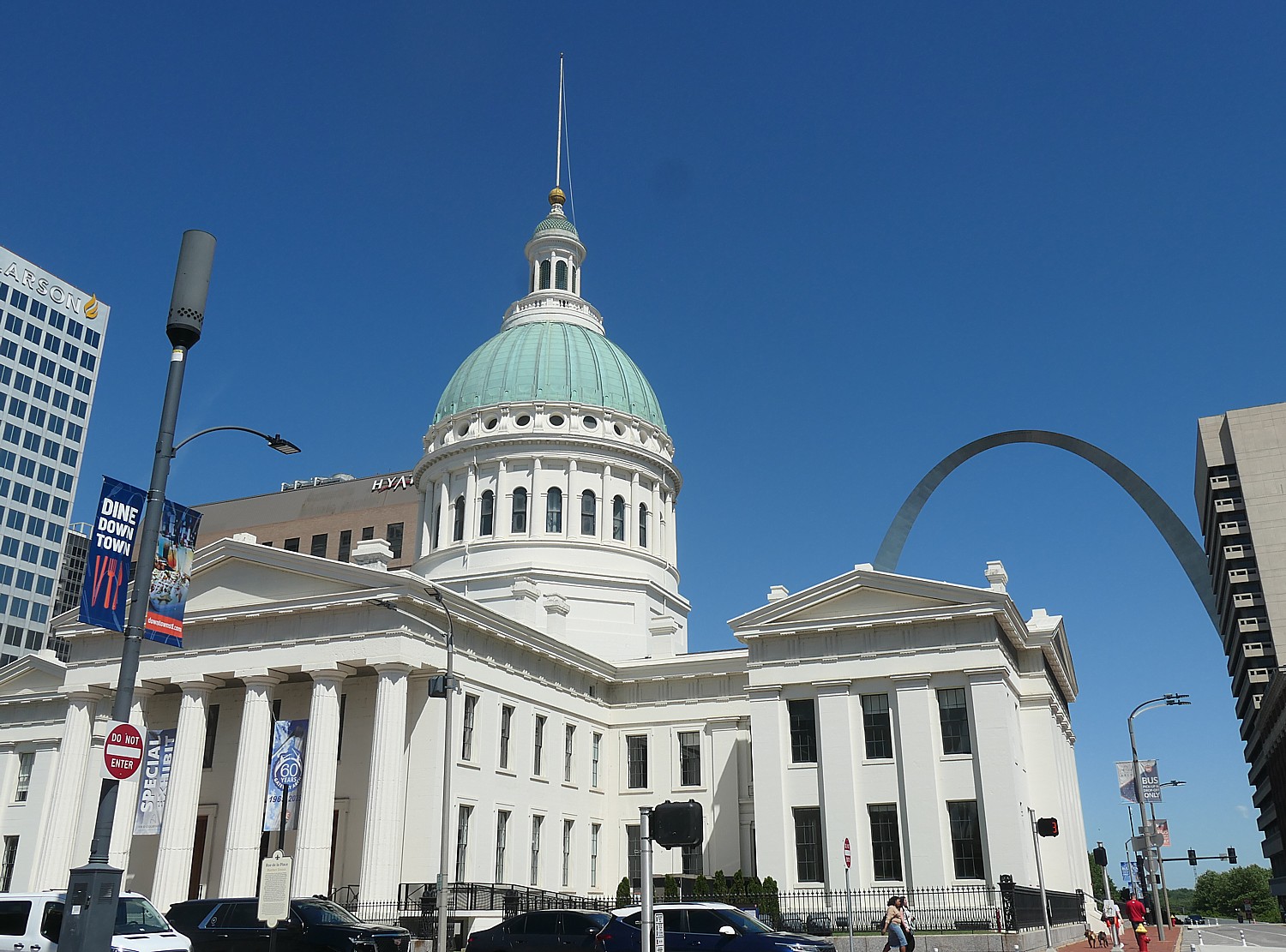
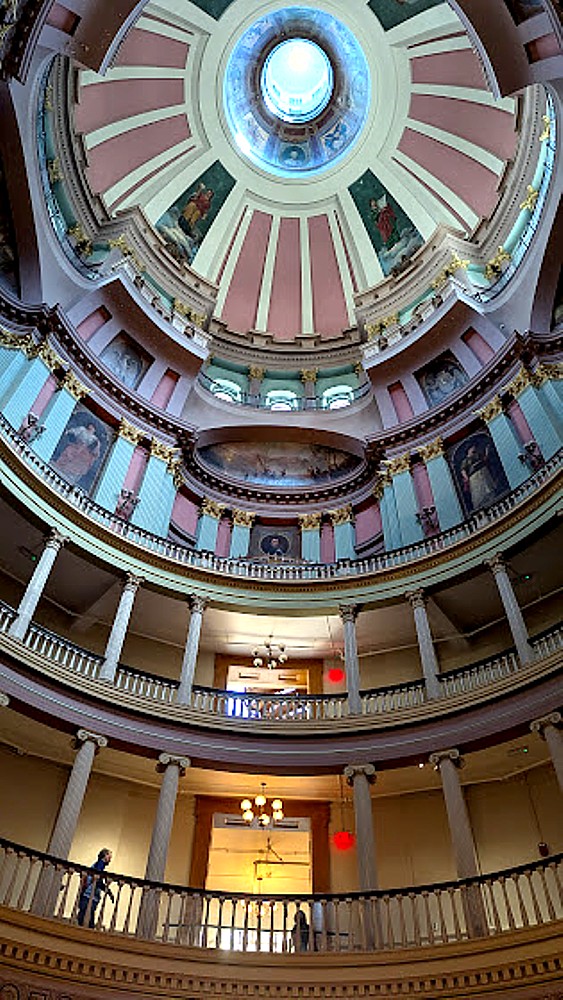
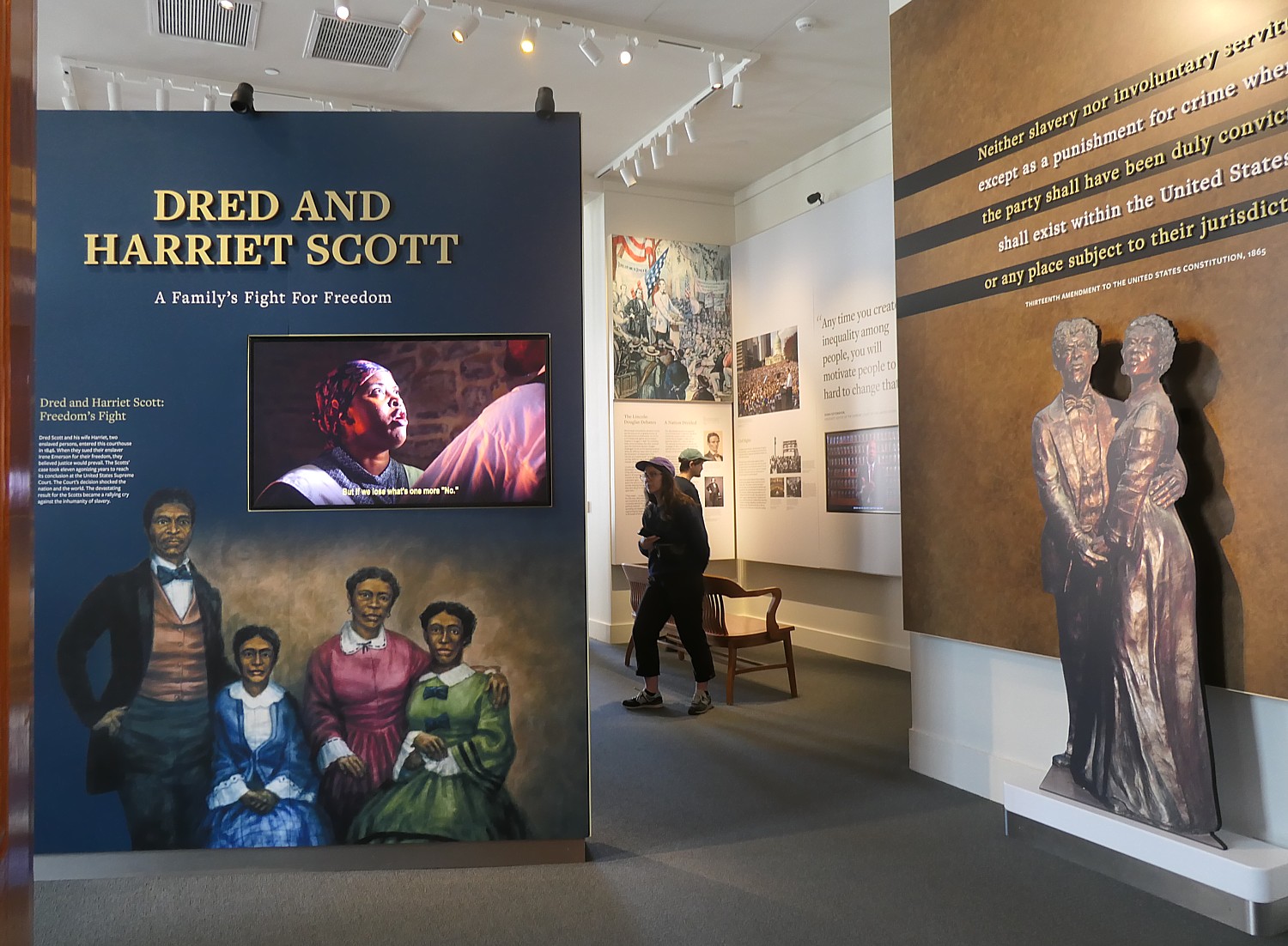
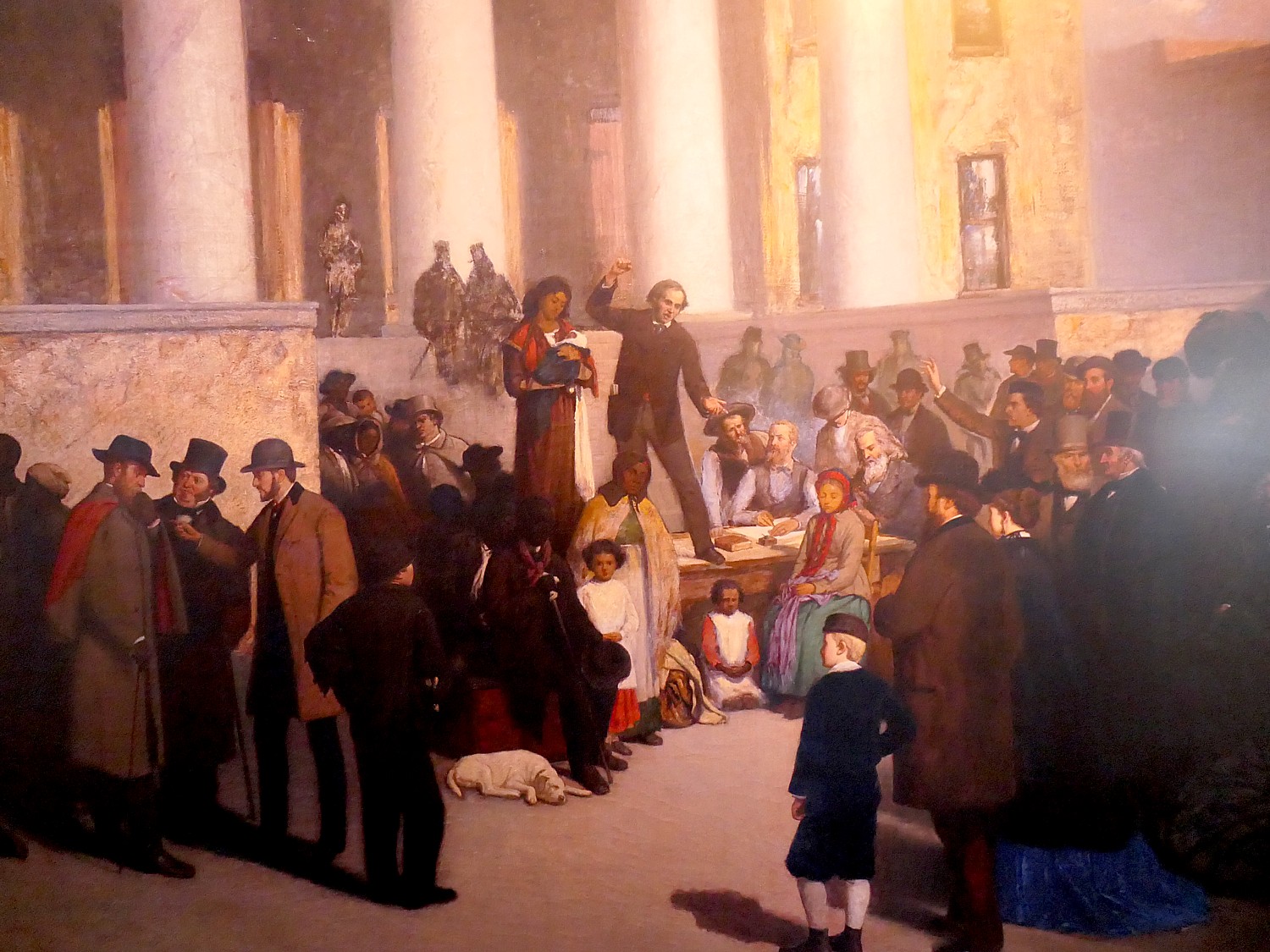
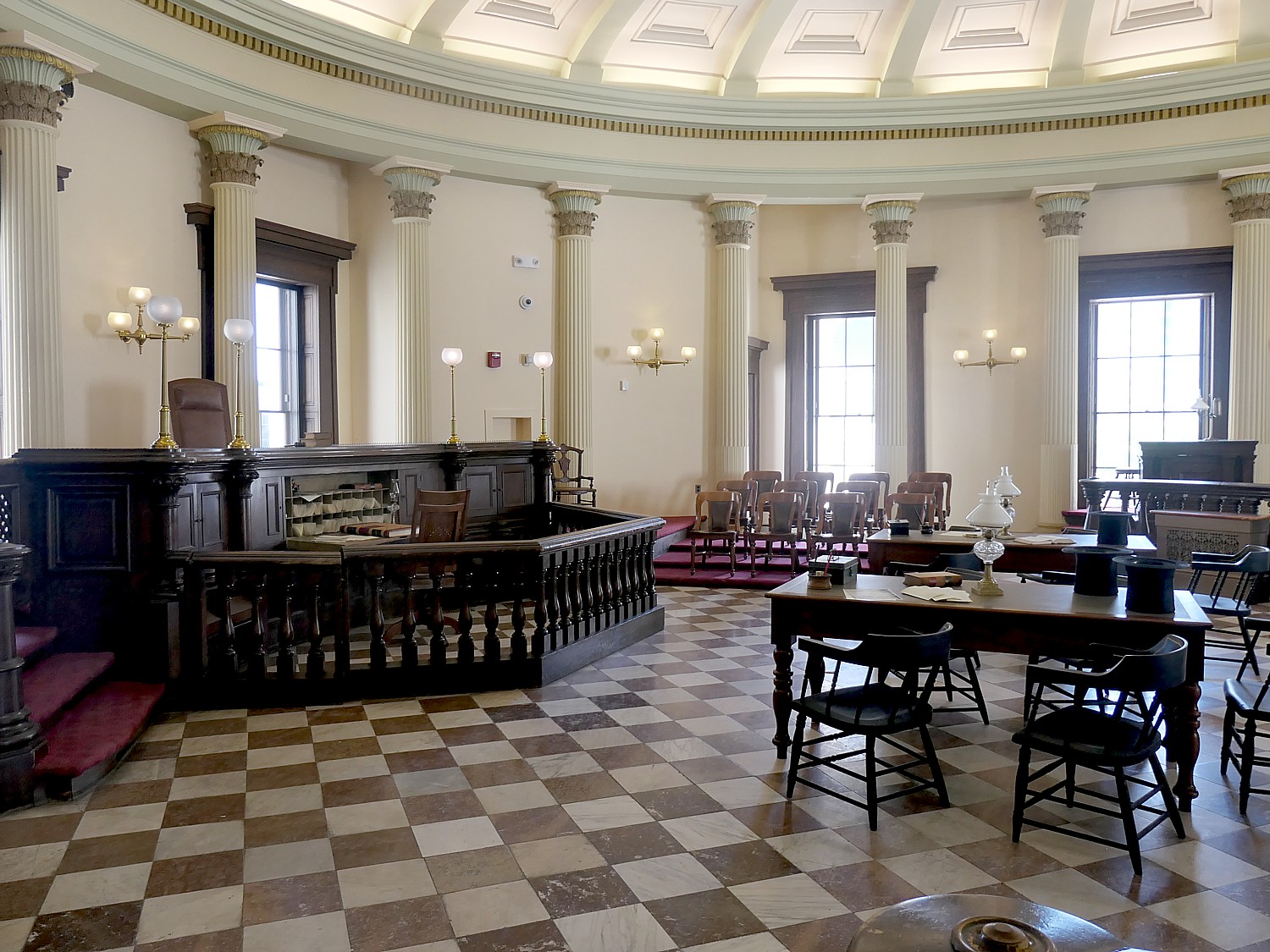
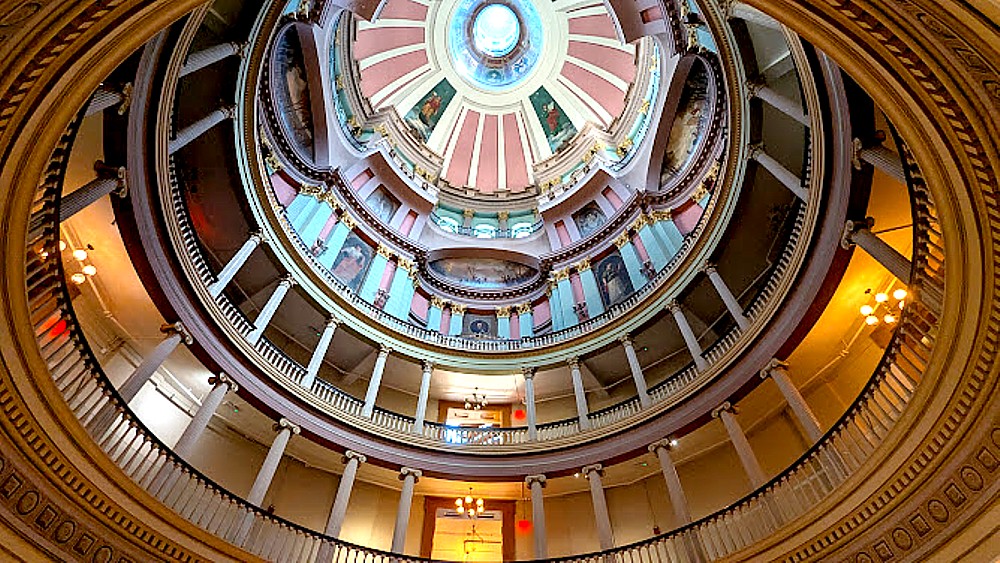
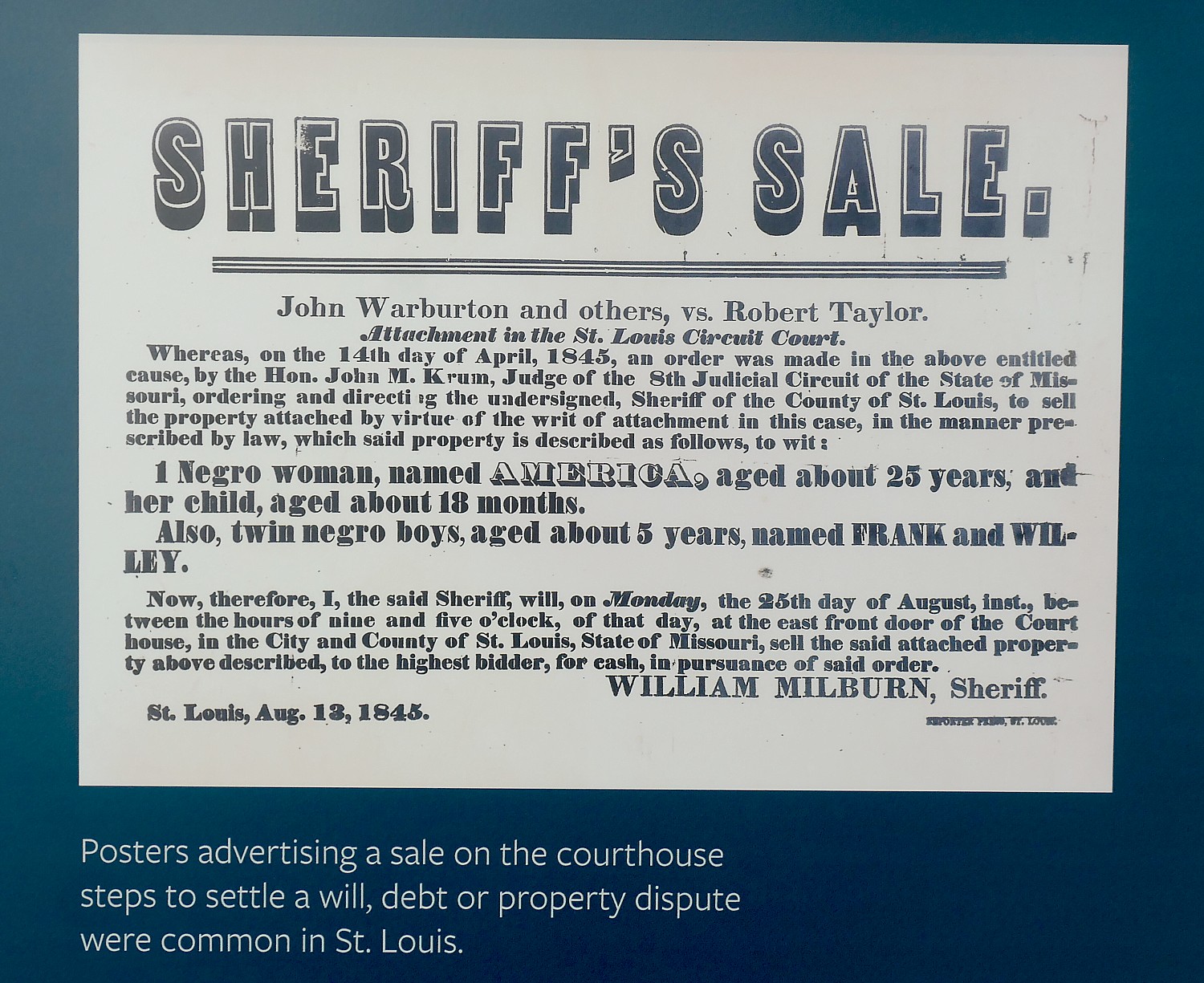
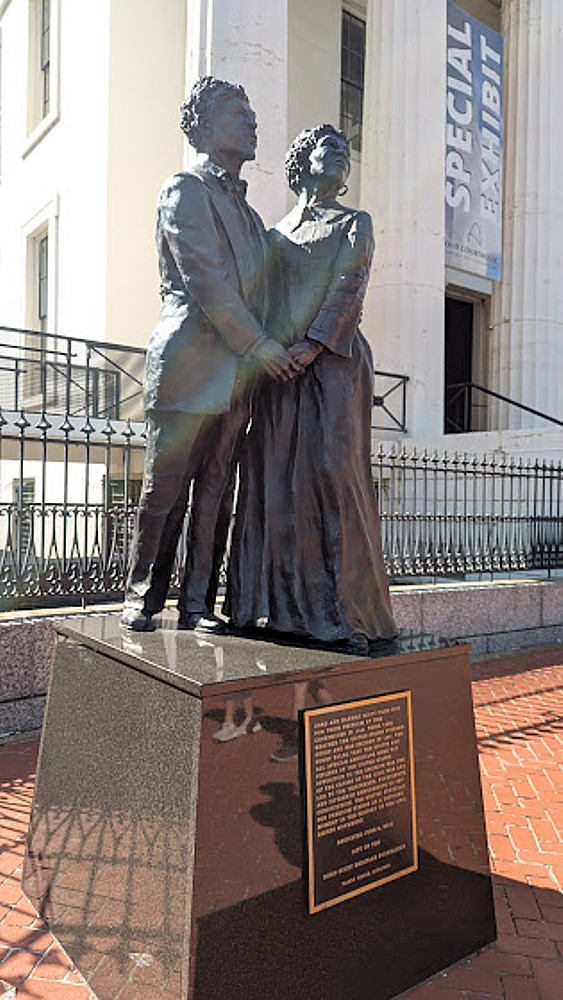
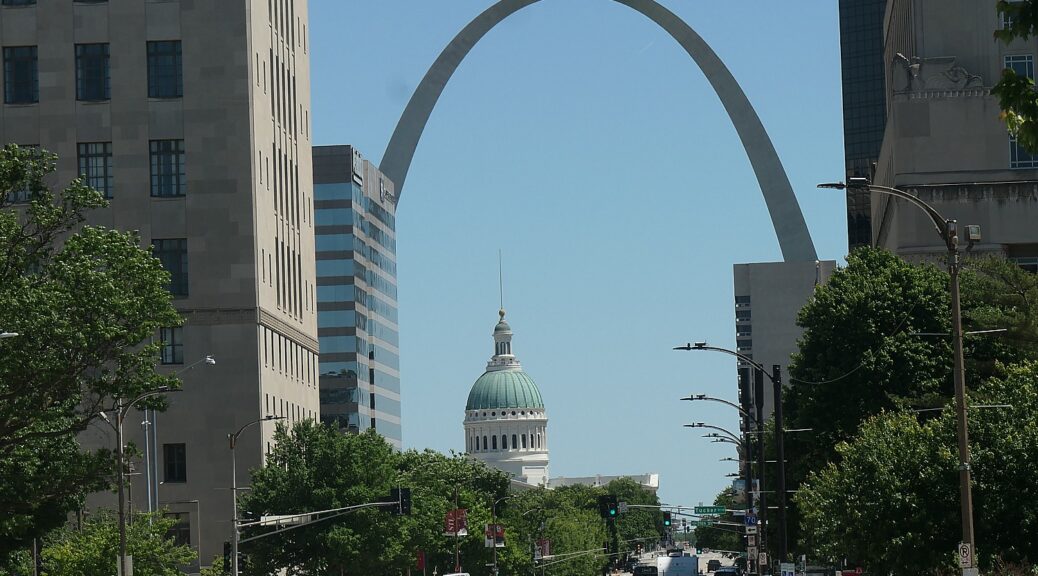
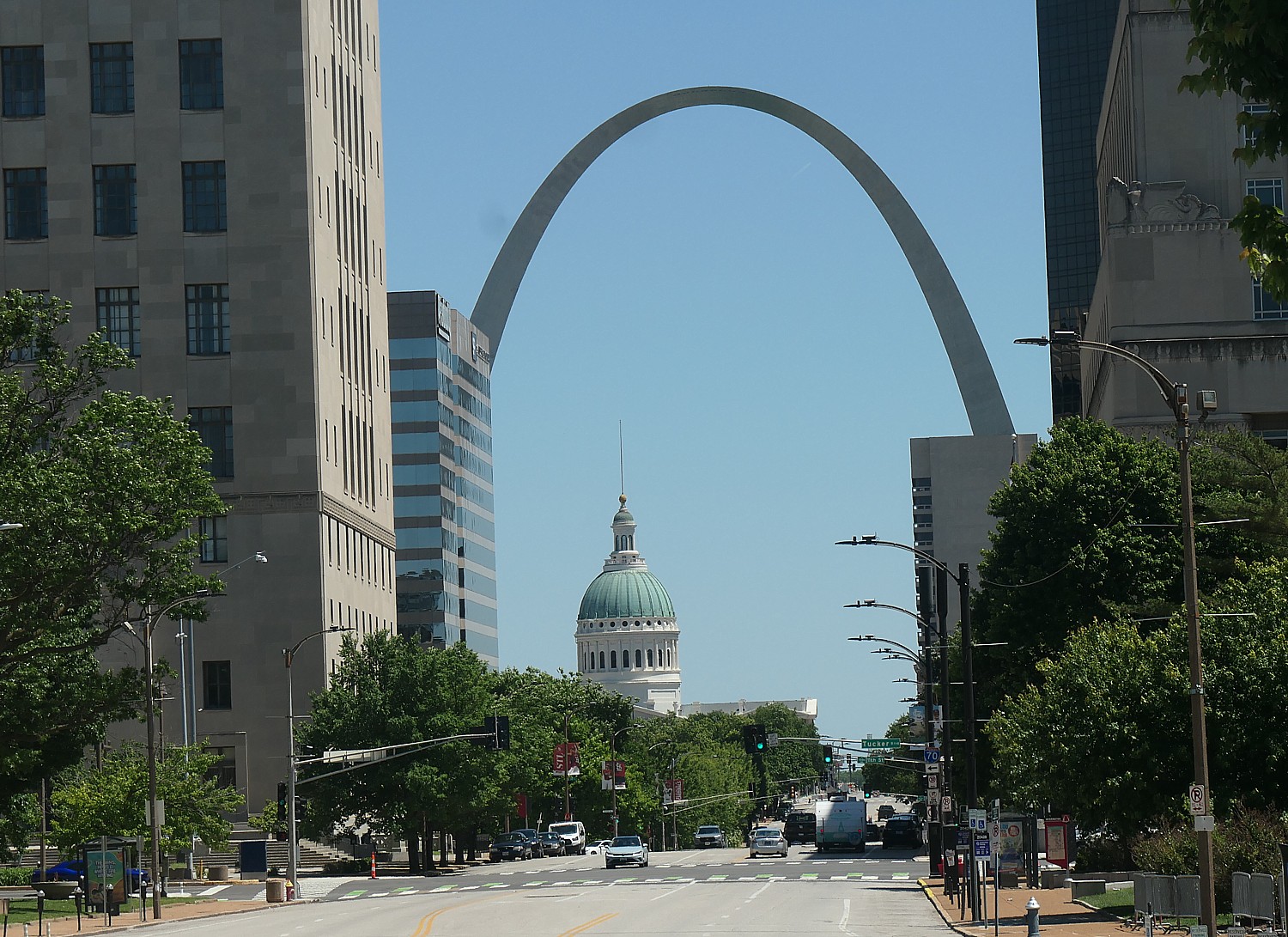
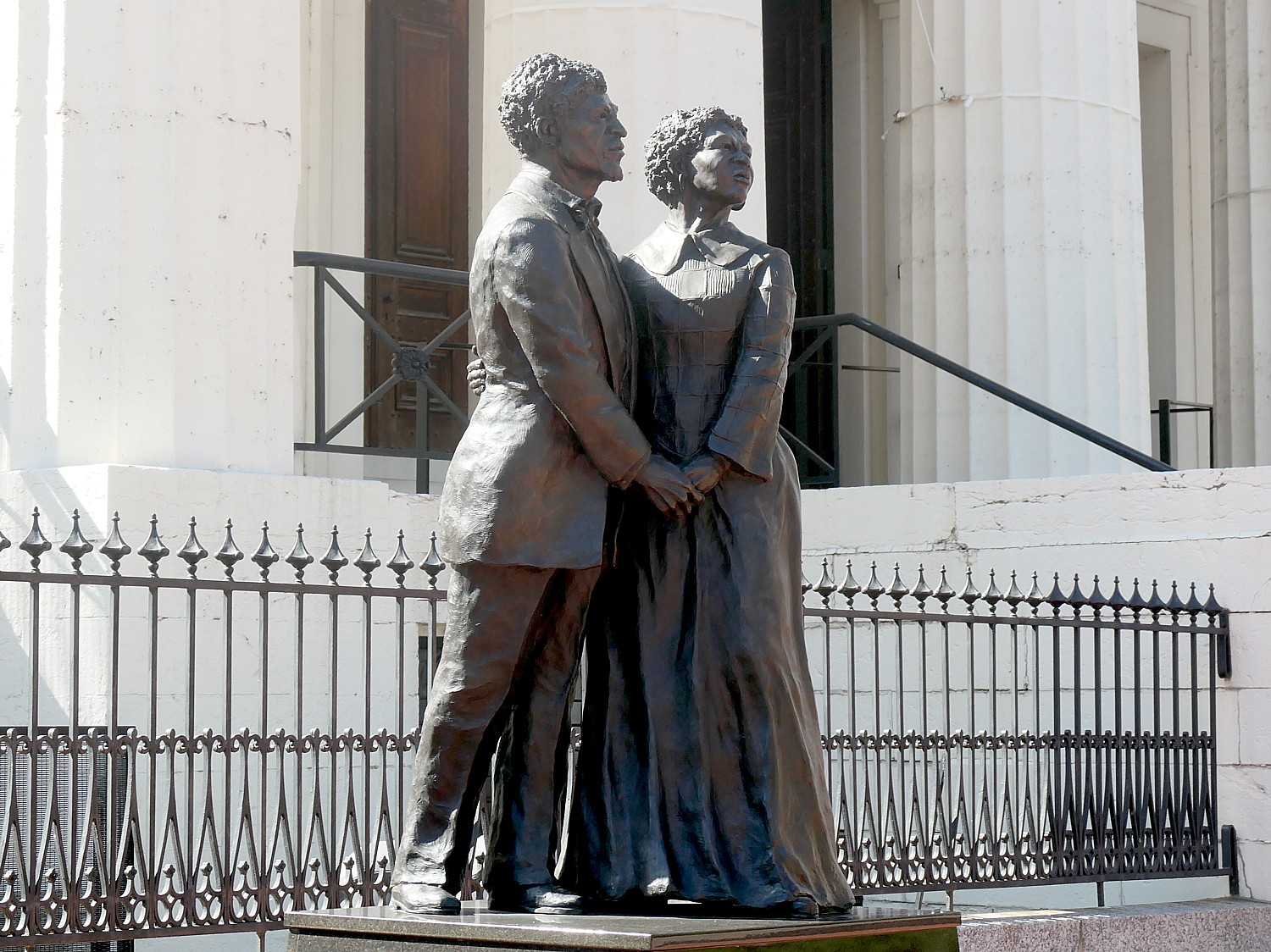
The legendary route serves up awe-inspiring scenery, cultural landmarks and nostalgic charm along the way. Starting out in Chicago, don’t miss an opportunity to be among the first to visit the Obama Presidential Center; in St. Louis, Gateway Arch National Park (and the museums underneath) and the Courthouse where the Dred Scott Decision began; Petrified Forest National Park, in Arizona, ending in Santa Monica at the famous pier.
Here are suggestions for an itinerary built around natural attractions:
Lake Michigan’s shores extend to four states – Illinois, Indiana, Wisconsin and Michigan. Chicago’s 42 kilometers of lakefront encompass public parks, gardens, paved trails and beaches. Take the South Shore Line commuter train from Chicago’s Union Station to Indiana Dunes National Park for a serene escape from the big city.
Meramec Caverns, Stanton, Missouri, an hour’s drive southwest of St. Louis, is an underground wonder, towering stalactites and shimmering mineral deposits, believed to have served as a hideout of famed outlaw Jesse James. Rent kayaks or canoes on the Meramec River.
Springfield Botanical Gardens is a free, picturesque sanctuary Springfield, Missouri, at Nathanael Greene/Close Memorial Park, Springfield, Missouri.
Turkey Mountain Urban Wilderness Area, a short drive from Tulsa, Oklahoma, offers forested hills, rocky outcrops and scenic overlooks of Turkey Mountain.
Palo Duro Canyon State Park, set in the Texas Panhandle near Amarillo, is the second-largest canyon in the USA.
Blue Hole, tucked away in the high desert town of Santa Rosa, New Mexico, a two-hour drive from Albuquerque, is where you can jump into the artesian spring from cliffs along its shores and scuba dive, and fish in the crystal clear waters.
When cruising Route 66 through Arizona, set aside time to visit the Grand Canyon National Park.
Mojave National Preserve, a lesser-known gem located a four-hour drive from Los Angeles or an hour’s drive from Las Vegas, Nevada. is a desert ecosystem of soaring sand dunes, forests of Joshua trees, ancient volcanic cinder cones and magma flows.
Amboy Crater is a dormant cinder cone volcano in Mojave Trails National Monument, located near Amboy, California, a three-hour drive from Los Angeles. Follow the Amboy Crater Rim Trail to circumnavigate the symmetrical cone, which was formed about 10,000 years ago. Due to minimal light pollution, it’s also a popular stargazing spot.
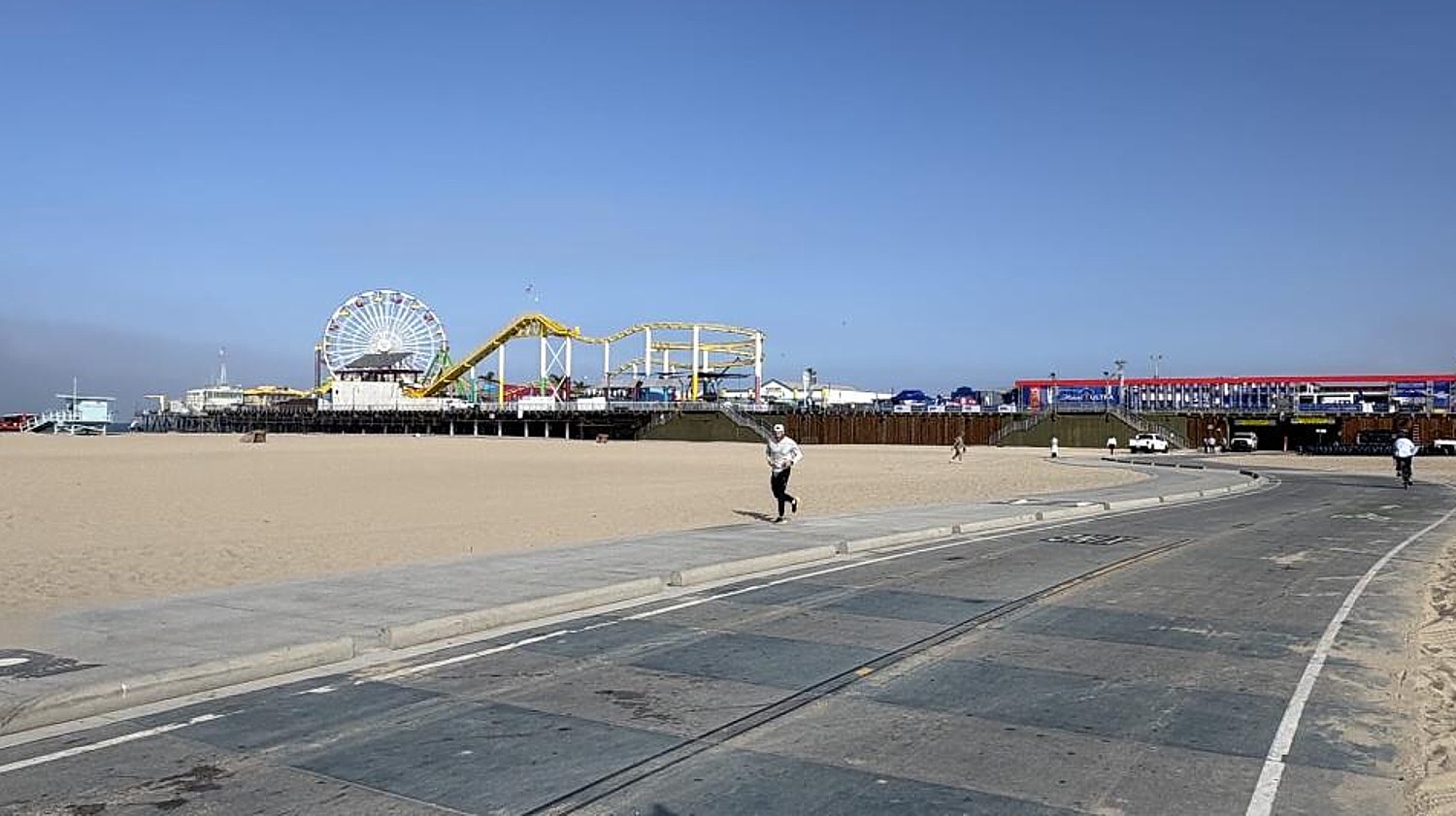
Santa Monica, California, at the western end of Route 66, on the Pacific Ocean, is famous for its beaches and the Santa Monica Pier, home to a popular amusement park.
Kampgrounds of America’s 6-Part Route 66 Itinerary
Want to take your Route 66 roadtrip adventure to the next-level? Plan to camp along the way. Kampgrounds of America (KOA) has created a 6-part itinerary (https://koa.com/blog/travel-route-66-in-6-parts/):
KOA and AdventureGenie have also teamed up to create ready-to-go itineraries. In each section, there is a link to a corresponding AdventureGenie trip that can be customized using their AI technology to add the activities and stops that fit your personal preferences —all in just a few clicks.
Some of America’s best summer getaways are closer than you think, conveniently located just off major highways and within an easy drive of key cities. Pack up the car, bring what and who you want, and hit the road to destinations for outdoor adventure, history, family fun and standout local flavors.
Shenandoah County, Virginia: Great Outdoors Road Trip: Tucked into the Shenandoah Valley, this stretch takes you to small mountain towns like Woodstock, Strasburg and Edinburg in Virginia (reached via Interstate 81) to immerse in the great outdoors:
Hiking or mountain biking at Bryce Resort, a year-round retreat that offers trails, lift-served biking and water sports at Lake Laura.
Kayaking, paddling and fishing along the Shenandoah River.
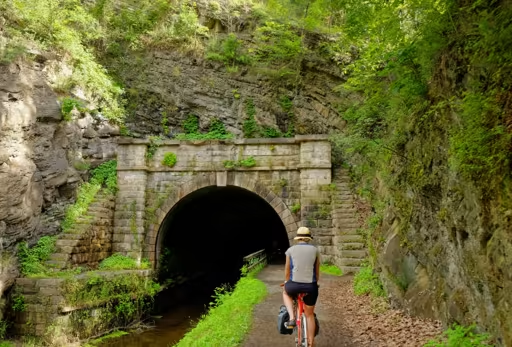
Ride or hike the towpath of the Chesapeake & Ohio Canal National Historic Park, the 184.5-mile historic waterway that connected the nation’s capital to the mountains of Western Maryland. (photo: Allegheny County Mountainside of Maryland)
Allegany County, Maryland: American History Road Trip: This part of Western Maryland (reached via Interstate 68) had a front-row seat to countless important moments in American history. Since the nation’s infancy, Cumberland has served as one of the United States’ most significant transportation hubs for covered wagons, canal boats, trains, automobiles and bicycles. Along the way, this region – affectionately dubbed “The Mountain Side of Maryland” – also played a quiet but important role in the journey to freedom via the Underground Railroad. A sampling of ways in which visitors can experience history in this mountain destination includes:
Start your journey at “Mile Marker Zero” of the old National Road. A small monument still exists downtown, situated right outside the historic Western Maryland Railway Station, a reminder that this city was also a significant railroad stop.
Sightsee on the Western Maryland Scenic Railroad: steam and diesel trains make the 16-mile loop between Cumberland and Frostburg year-round and offer themed seasonal rides such as ice cream trains and sunset on the mountain.
Explore the tunnels underneath the Emmanuel Episcopal Church, which was a stop along the Underground Railroad. Tours are available on request and subject to availability.
Ride or hike the towpath of the Chesapeake & Ohio Canal National Historic Park, the 184.5-mile historic waterway that connected the nation’s capital to the mountains of Western Maryland. Construction began in 1828, and by 1850 the canal reached its western terminus in Cumberland, still an engineering marvel.
Staying in a new (but old) hotel. An adaptive reuse project is breathing new life into a long-vacant Victorian-era building in historic downtown Cumberland. The Wills Hotel, set to welcome its first guests in June, is the destination’s first boutique property.
Bowling Green, Kentucky: Family-Friendly Road Trip: Located in South Central Kentucky via Interstate65, Bowling Green is ideal for a family summer vacation, offering classic Americana and plenty of sweet treats. Some of the top family-friendly activities in Bowling Green include:
Catch a Bowling Green Hot Rods baseball game at the downtown ballpark, where summer nights come with fireworks and a side of tasty snacks.
Cool off at Chaney’s Dairy Barn, known for farm-fresh ice cream, playground fun and the chance to meet adorable cows.
Explore Lost River Cave, where guided boat tours take visitors underground through one of Kentucky’s most unique natural attractions. During the summer, the cave’s former nightclub is transformed into an underground movie theater that features kid-friendly movies. (The movies are for members only, but an annual membership costs less than taking your family to a standard theater and it comes with other perks, too.)
Ascension Parish, Louisiana: Foodie Road Trip: Located along Interstate 10, the highway that connects New Orleans to Baton Rouge, Ascension Parish lives up to its nickname “Louisiana’s Sweet Spot.” This is a destination where food takes center stage. The menu of ways visitors can taste the incredible flavors of Ascension Parish includes:
Sip your way along the Louisiana’s Sweet Spot Cocktail Trail, which runs through July 31 and features locally inspired drinks offered by 20 participating restaurants and distilleries.
Taste something sweet at The Cane Sugar Toffee Company, a beloved stop for handmade confections that feature an agricultural staple of the parish … sugarcane!
Dig into the parish’s signature dish in Gonzales, the Jambalaya Capital of the World, where jambalaya shows up at festivals, restaurants and dinner tables alike.
Road Trip to Explore America’s Story in Central Pennsylvania
Central Pennsylvania offers a road trip that brings American history to life, ideal for a driveable summer getaway. Blending immersive museums, iconic landmarks, and family-friendly experiences across three easy-to-navigate days, this itinerary offers storytelling, hands-on activities, and scenic exploration, ideal for families, history enthusiasts, and cultural travelers.
Day 1: Industry, Innovation & the Civil War (Hershey & Harrisburg):
Start at The Hershey Story Museum, an interactive museum exploring the legacy of Milton Hershey, complete with chocolate tastings and hands-on experiences.
Head to theIndian Echo Caverns, an underground featuring guided cave tours, gem mining, and family-friendly activities.
End the day at the National Civil War Museum, one of the most comprehensive Civil War museums in the U.S., with artifacts tied to figures like Abraham Lincoln and Ulysses S. Grant.
Discover “101 Things to Do Just Off the 101” in California’s Conejo Valley
Visit Conejo Valley is inviting travelers to take the scenic route between Los Angeles and Santa Barbara in southern California, conveniently accessible from Highway 101, with the launch of its new “101 Things to Do Just Off the 101” guide, a curated collection of stops and activities.
Long considered a hidden gem, Conejo Valley blends outdoor adventure, dining and cultural attractions. Spend the day discovering oak-studded hiking paths, sipping small-batch craft brews, exploring local art and history museums or unwinding at open-air restaurants and lively community gathering spots.
The “101 Things to Do Just Off the 101” guide highlights attractions across Thousand Oaks, Agoura Hills and Newbury Park, featuring everything from horseback riding trails and local coffee shops to golf courses, breweries, performing arts venues and immersive cultural attractions. Among the featured 101 experiences: