Category Archives: Places of History

36 Hours in Pittsburgh: Point State Park Proves Highlight of Walking Tour

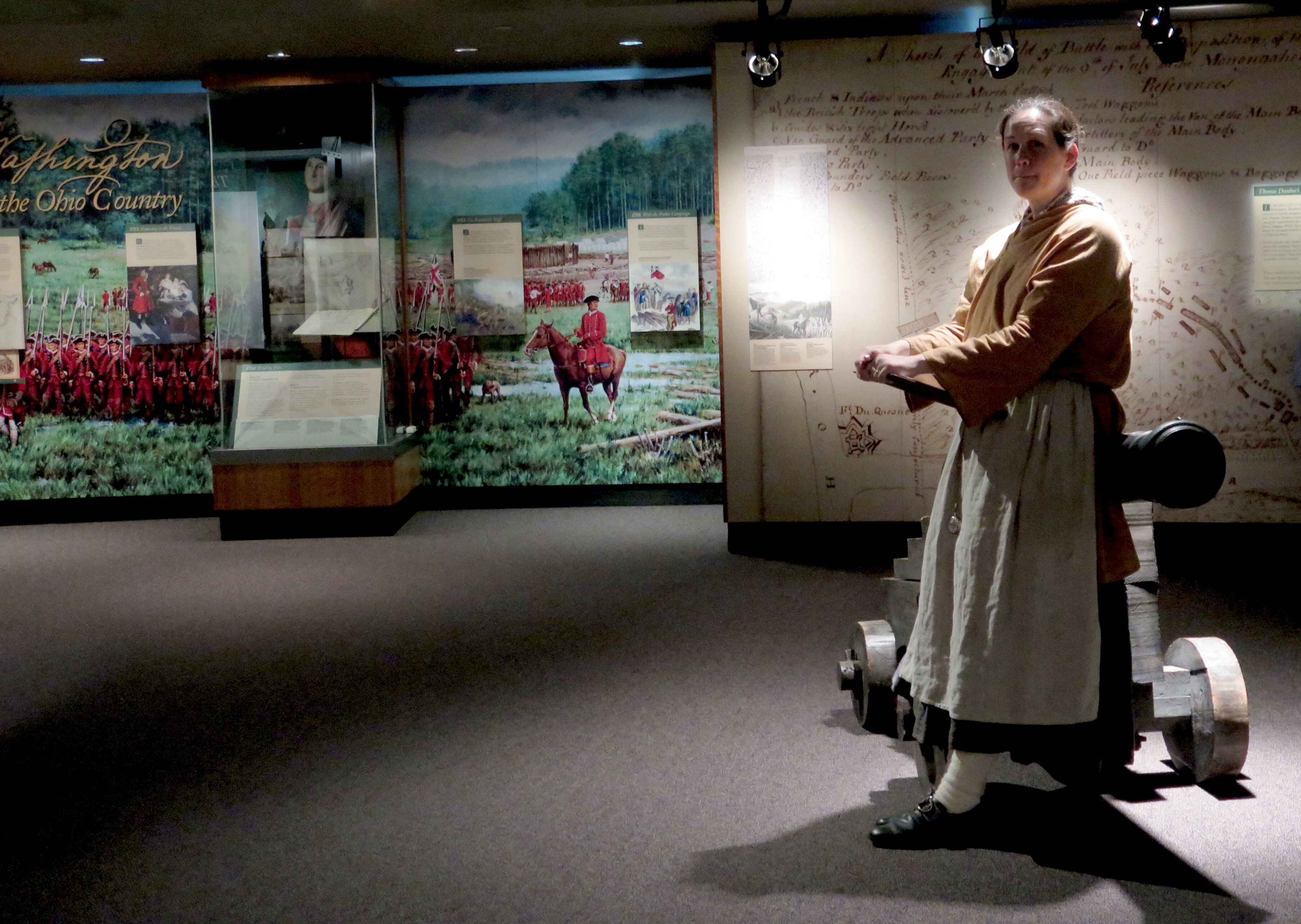
Costumed docent sends school kids off on a scavenger hunt at the Fort Pitt Museum © 2016 Karen Rubin/goingplacesfarandnear.com

by Karen Rubin, Travel Features Syndicate, goingplacesfarandnear.com

(I have come to Pittsburgh to join the Rails-to-Trails Conservancy’s Sojourn three-day, 120-mile bike tour on the Great Allegheny Passage. I only have one full day in the city, so I set out on a walking tour aimed at focusing on what is uniquely Pittsburgh’s heritage. In the first part of the series, I experienced the Monongahela Incline, Mount Washington, Grandview Avenue, and the Duquesne Incline. I continue my walking tour at Point State Park.)

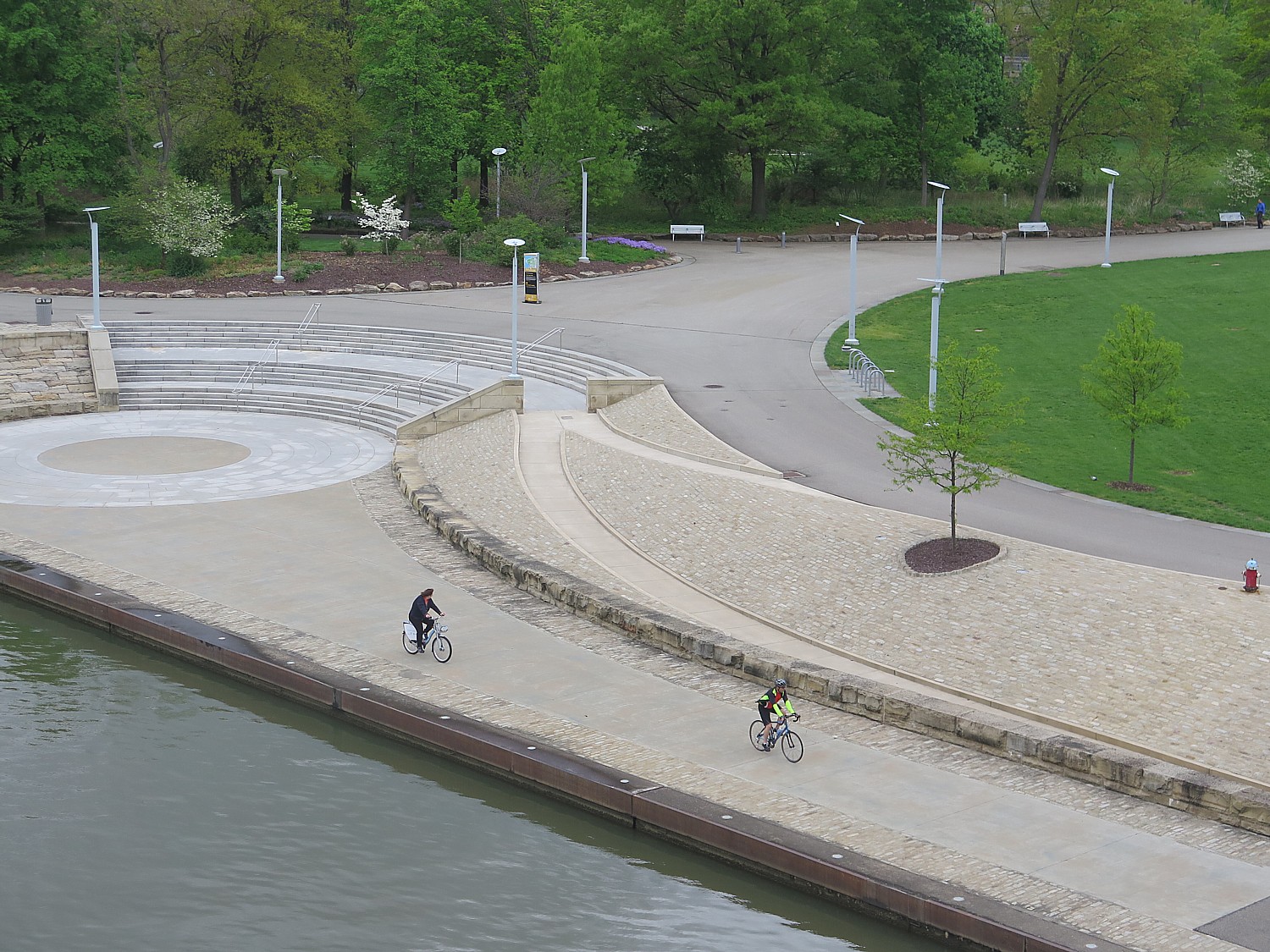
Biking around Point State Park © 2016 Karen Rubin/goingplacesfarandnear.com

What a jewel Pittsburgh’s Point State Park is, literally at the confluence of three rivers:  the Monongahela River at one side and where the Allegheny and Ohio Rivers meet on the other. Its location made it critical to control over this territory and later, the industrial and economic development of the nation.

The Point offers beautiful park land as well as some of Pittsburgh’s most significant heritage sites.

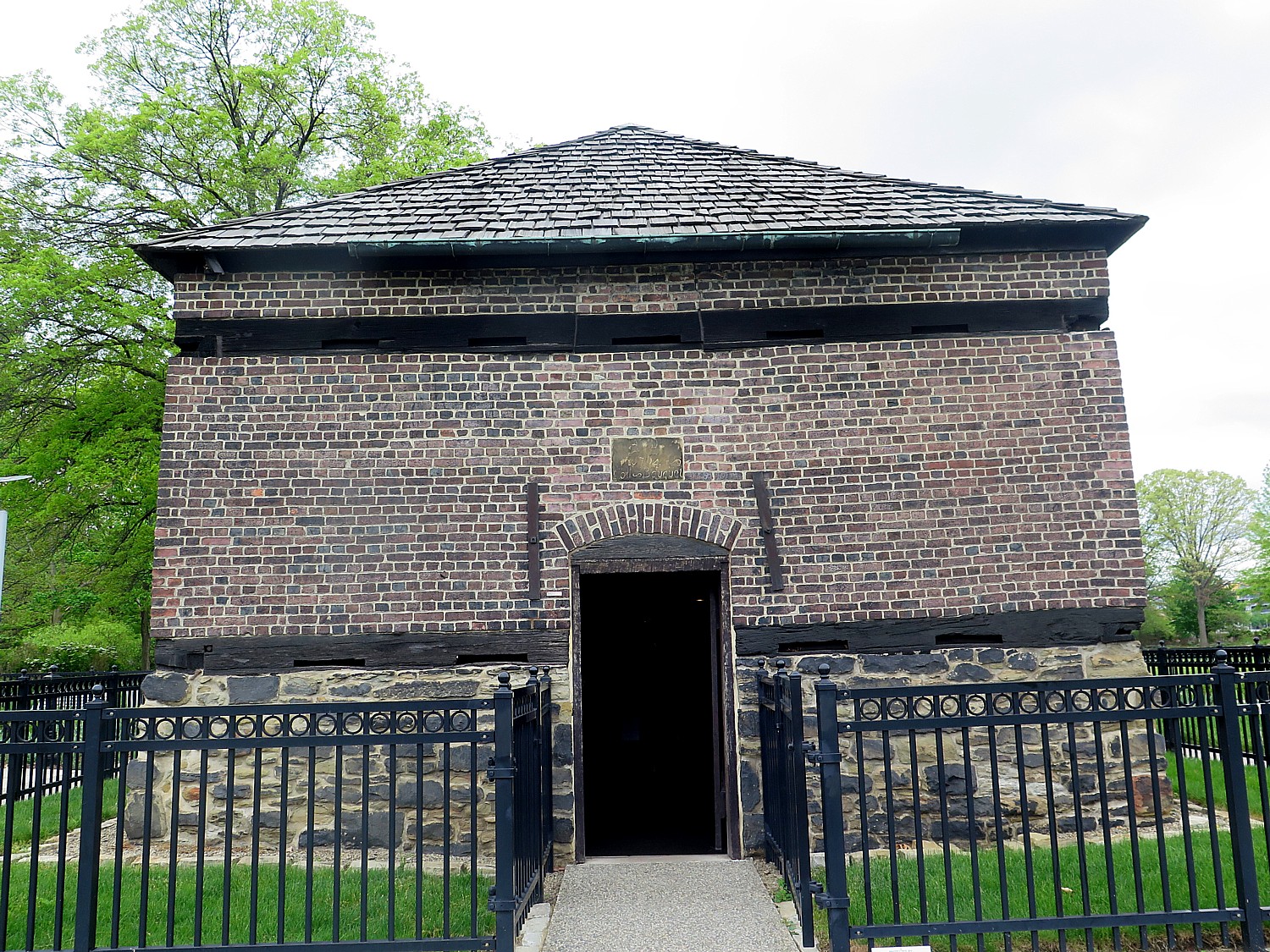
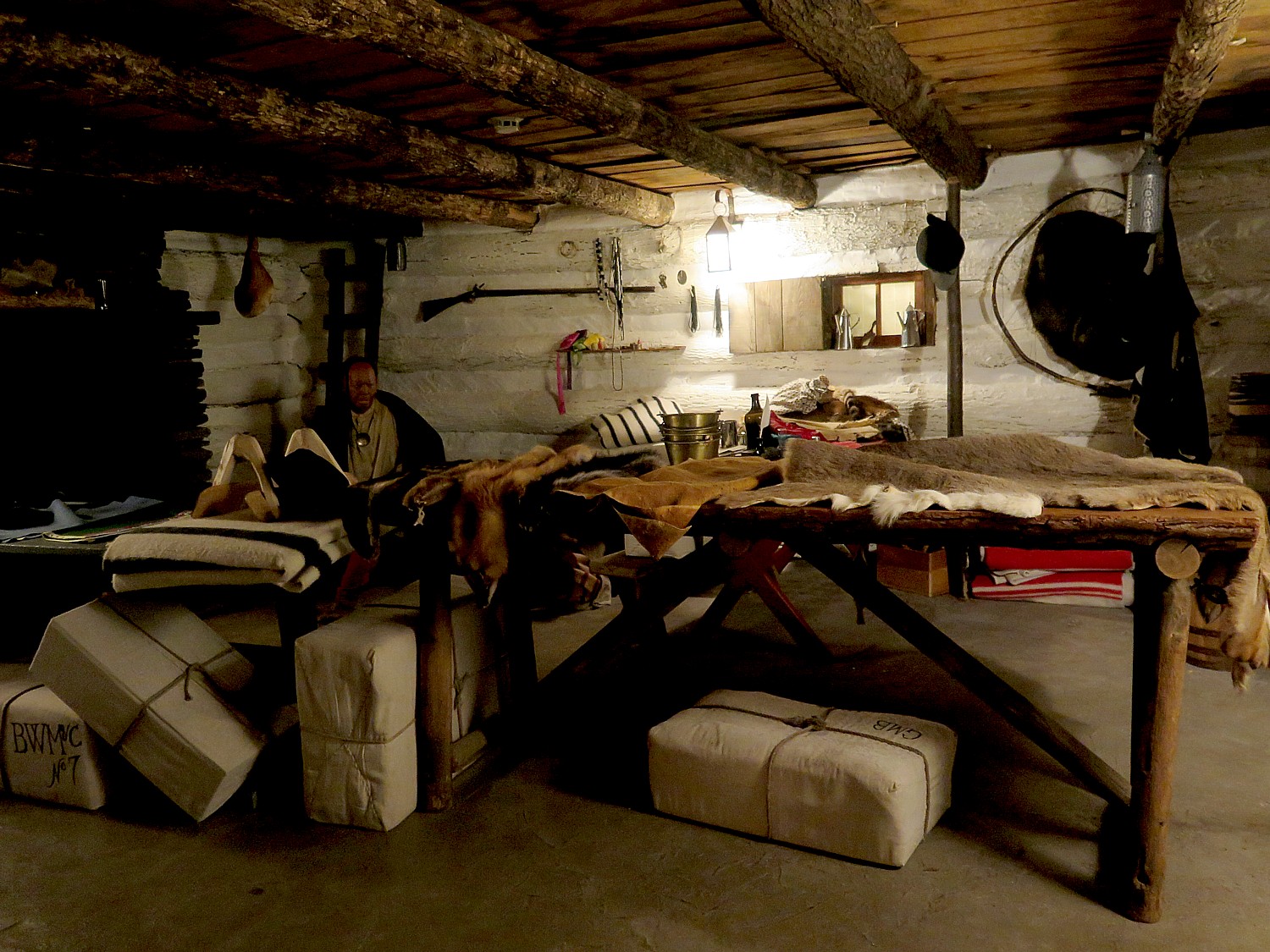
You first come upon the Fort Pitt Blockhouse, built in 1764, the oldest building in Pittsburgh and the only remaining structure from colonial times. Inside this small, dark space, it gives you a glimpse of western Pennsylvania’s role during the French & Indian War and the American Revolution (admission is free).

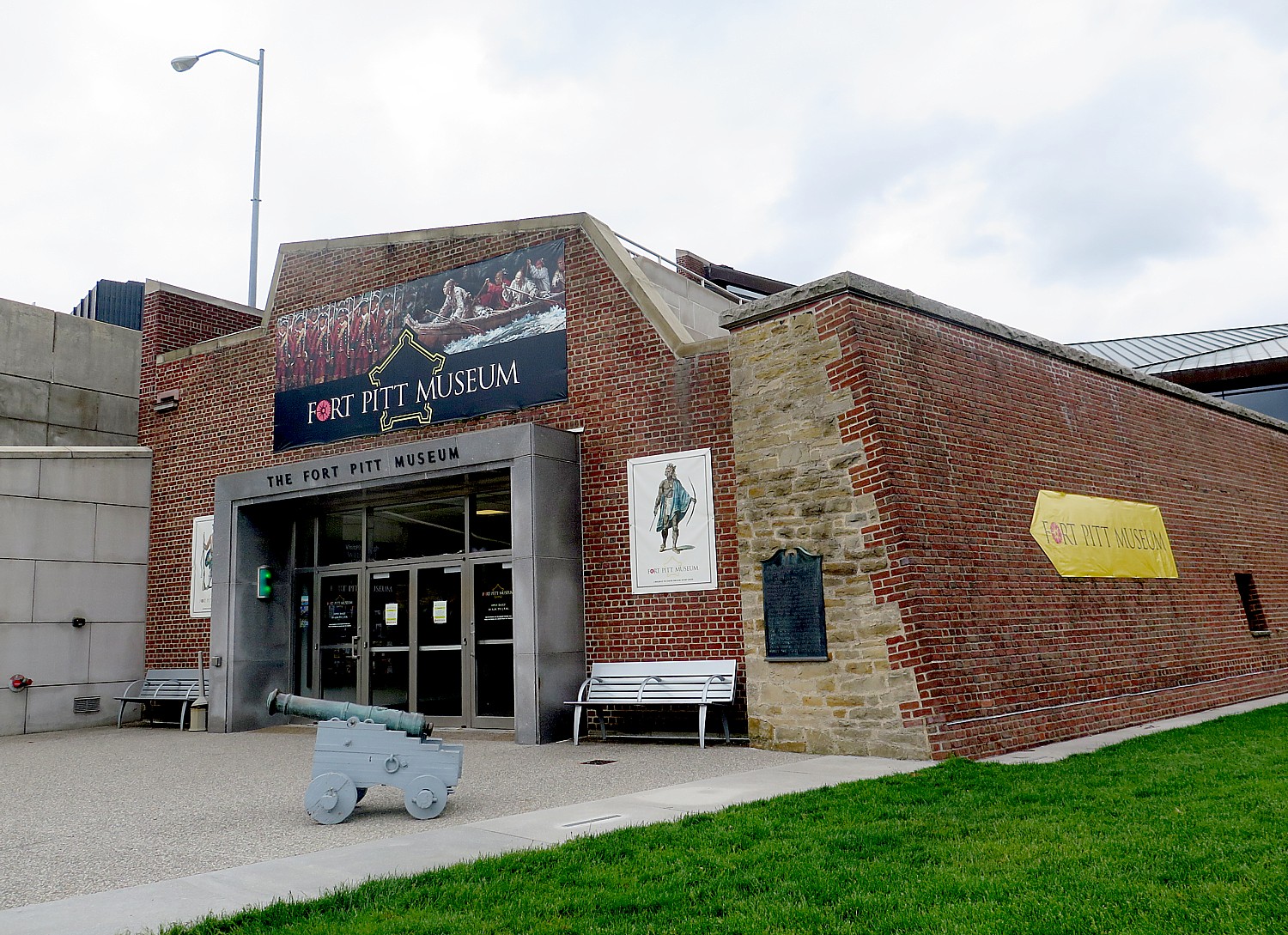
What proves to be the highlight of my visit to Pittsburgh is the Fort Pitt Museum (the newest member of the Senator John Heinz History Center, in association with the Smithsonian Institution), a modern, two-story, 12,000 square foot museum built on the site of Fort Pitt.

“From 1754 to today, Fort Pitt has shaped the course of American and world history as the birthplace of Pittsburgh.

Fort Pitt Blockhouse, built in 1764, is the oldest building in Pittsburgh and the only remaining structure from colonial times © 2016 Karen Rubin/goingplacesfarandnear.com

The presentations are absolutely thrilling in conveying how at a critical point in the settlement of the New World, this point was the epicenter of world-changing events.

The museum tells the story of Western Pennsylvania’s pivotal role during the French & Indian War, the American Revolution, and as the birthplace of Pittsburgh (William Pitt never actually visited). It offers extremely well crafted interactive exhibits, life-like historical figures, rare artifacts that let you come away with a new appreciation for the strategic role the region played.

Known as The Point, this was once one of the most strategic areas in North America, controlling access to Ohio and Mississippi Rivers and much of interior of North America; it was the intersection of cultural exchange with native people, and a departure point for settlers moving west.

I appreciated the balance in the presentations between points of view – the colonists (actually split between the British and the French) and the Indian tribes. There is a sensational video that presents the different perspectives (the Indians still come up short) – the different perspectives that the British and French brought, and the Indians whose culture did not acknowledge that a person could own land, but by this point, the Indian tribes had already had already become dependent economically on imported European goods.

British and French clashed for control of the New World colonies constantly from 1689-1748:  The French, most interested in trade, saw the Ohio River as a way to connect Canada and Louisiana and leverage their relations with Indians. The British, determined to control territory, also realized the strategic importance of this artery, “the Keystone of the Frontier.”

This becomes clear in a superbly produced video, “Whose Land?”: “The French couldn’t stand the British and the British wouldn’t rest until they owned [the territory].” Native Americans, were fully aware that they could not allow the Europeans to control the land, but they were caught in the middle – by this point, Indians were dependent upon trading for manufactured goods.

“The Indians negotiated with weight and authority. They had a powerful confederacy

Iroquois – Seneca, Cayuga, Mohawk, Oneida. They had sophisticated government, freedom, a rich culture, complex trading relations. Agriculture was central but they did not have private ownership. They took a cue from nature. They enjoyed trade – and were heavily dependent on some European goods, and even took up the European religion, but kept their own ways.”

“God created all people but different,” an Indian chief said in 1742.

With French dominion on one side of the river and English on the other, where does the Indian claim lie?

Indians became dependent upon European traders © 2016 Karen Rubin/goingplacesfarandnear.com

George Washington, a 21-year old major in 1753 with experience as a surveyor, was given a mission to explore to Fort LeBoeuf and recommended the site for Fort Prince George.

Washington “had no diplomatic experience, and couldn’t speak French yet he was selected to bring message to French. He was selected because of his close connection with Ohio corporations and other Virginian land speculators in land. He knew ‘the West’.”

In 1754, Fort Duquesne (which was renamed Fort Pitt when the British took over), was the largest French military installation in Ohio, and evicted the Virginians.

William Pitt, for which the fort is named, never came to the colonies. The city originally was called “Pittsboro”. The Fort – perhaps because it was so foreboding, was attacked only once, during Pontiac’s War of 1763.

Its location made Pittsburgh a boom town. The Ohio River carried 18,000 settlers through in 1788. The population of Pittsburgh, just 150 in 1780, grew to 4,800 by 1810, making it the third largest in Pennsylvania after Philadelphia and Lancaster.

Its economy developed from coal mining, glass making, and boat building, fueling the nation’s industrial and physical expansion. The city was incorporated in 1816.

Illustration of Indians on what is now Mount Washington, with Fort Pitt below.

When I visit the museum, there are a number of school groups coming through. The school kids are sent out in teams on a scavenger hunt by a docent in period dress. What surprises the kids the most? That the Indians were not as primitive as they expected, she tells me. Indeed, many are pictured wearing European-style clothes and served in the military. By this point, the Indians were part of the world economy – the Indians traded their furs for items from as far away as China; the European traders were like Walmart to them. For the first time, I understand why the Indians did not kick the Europeans out when it was clear they were setting up outposts.

As I explore the exhibits, I learn of what may have been the first incidence of germ warfare: in 1763, an Indian trader, on orders from Ft. Pitt, is alleged to have given Indians two blankets and a handkerchief from the fort’s smallpox hospital.

I am most excited when I am introduced to an idea or a topic that I knew nothing about before, , that makes you really think.

‘Captured by Indians’ 

That experience happened at the Fort Pitt Museum, which happened to be presenting a fascinating exhibit, “Captured by Indians,” about European (white) colonists who were kidnapped by Indian tribes. The exhibit did not disguise the brutality, but most fascinating is that the individuals (who often were young when they were taken captive), particularly women, once they survived the arduous journey and a literal gauntlet (to weed out the weak), were adopted into the tribe, treated as equals, and generally had a better life than the colonial settlements they came from, especially if they were indentured servants or slaves or women, to the extent that when they had the chance to be “freed” and be returned to their community – such as in a hostage exchange – they would refuse and even escape back to the tribe.

The presentation, the artifacts and the connection to people living today, descendants of those people, was utterly fascinating.

“During the turbulent decades of the mid-18th century, thousands of European and African settlers were captured by American Indians whose dwindling numbers forced them to adopt non-Indians in an effort to survive. The subsequent experience of captivity and adoption forever altered both the captives and their captors as identities shifted, allegiances were tested, and once-rigid lines between cultures became forever blurred.”

The exhibit draws upon documentary evidence gleaned from 18th and early 19th century primary sources, dozens of rare artifacts, and a wide array of imagery, to examine the practice of captivity from its prehistoric roots to its impact on modern American Indians and other ethnicities.

The exhibit notes that the many of the wave of European settlers who came in the 18th century  sold their freedom to come as indentured servants. Most who came were poor. The borderlands were already bitterly contested by rival Europeans and native tribes. These settlers were viewed by colonial legislators as buffers against the Indians.

The captives taken in brutal raids, massacres and abductions were mainly of young who were physically fit and could assimilate and women who would be married off and bear children. They would size people up in a raid, and decide who to take.

The exhibit tells the story through the experiences of real-life captives, and in stunning displays including three life-like vignettes that portray John Brickell, a local boy captured just a few miles from Fort Pitt at age 10; Massy Harbison, who heroically saved the life of her child after escaping from her captors; and the Kincade family, who were reunited on the Bouquet Expedition in 1764.

‘Captured by Indians’: A life-like vignette portrays the capture of 10-year old John Brickell, taken just a few miles from Fort Pitt © 2016 Karen Rubin/goingplacesfarandnear.com

The exhibit, which does an outstanding view of making this rarely discussed history, makes it personal, presenting biographies and stories, draws upon artifacts borrowed from descendants of the captives, which make it all the more real and present:

There are personal artifacts on display that make this rarely discussed history all the more real:

  • A bullet-ridden 18th century door from a cabin near Ligonier, Pa., that was attacked by Indians during the American Revolution;
  • A Logan war club which was left at the site of a brutal Indian raid in southwest Virginia in 1774 which belonged to John Smith
  • A rare prisoner cord, used to bind captives taken during raids on frontier settlements;
  • An American Indian horn spoon given to Catharine Bard by her Delaware captors in 1758 (the owner who provided it to the exhibit is in her 90s)
  • An original pencil sketch of Mary Jemison, who was captured during the French & Indian War and lived out the rest of her days among her adoptive people; and
  • The hat and waistcoat of Jacob Miller, a frontier settler who was killed during a raid on Miller’s Blockhouse in Washington County in 1782.

I am amazed to learn that many of the captives preferred Indian society: Colonial society could be brutal, especially for those at the bottom (like slaves and indentured servants and poor), women were property of husband. But in native society, they had equality. “Many adopted captives lived and died among chosen people.”

At the end is a large wall of photos of people today who trace their origins to these captives.

“While many captives were returned to the society of their birth after months or years among the Indians, many others lived out the remainder of their lives with their adoptive people. Today, the descendants of captives represent a wonderfully diverse cross section of American society. In many cases they are alive today because of crucial decisions made in an instant, two centuries ago. They represent the living legacy of captivity, reminding us not only of our connection to the past, but also to the future.”

The exhibit engendered controversy when it first opened, but was so well appreciated, they extended viewing to October 2016.

Fort Pitt Museum tells the story of Western Pennsylvania’s pivotal role during the French & Indian War, the American Revolution, and as the birthplace of Pittsburgh © 2016 Karen Rubin/goingplacesfarandnear.com

The school children now are gathered around a massive, detailed model of early Pittsburgh and the docent urges them to spot the tiny, anachronistic motorcycle (to make you more observant).

In summer, the museum offers living history programs and reenactments –with staff dressed in period costumes, firing off cannons, playing fife and drum, doing carpentry.

Fort Pitt Museum (open daily, 10 am – 5 pm, $5/adults, $4/seniors/ $3 students and children 4-17), 101 Commonwealth Place, Pittsburgh, PA, 15222, 412-281-9285, www.heinzhistorycenter.org/fort-pitt/ 

For more information, contact Visit Pittsburgh, 412-281-7711, 800-359-0758, 877-LOVE PGH (568-3744), info@visitpittsburgh.com, www.visitpittsburgh.com. 

Next: Pittsburgh Walking Tour Continues to National Aviary, Andy Warhol Museum

See also:

One Day, Two Nights in Pittsburgh: From Grey to Green, A Proud City Revitalized

____________________

© 2016 Travel Features Syndicate, a division of Workstyles, Inc. All rights reserved. Visit goingplacesfarandnear.com and travelwritersmagazine.com/TravelFeaturesSyndicate/. Blogging at goingplacesnearandfar.wordpress.com and moralcompasstravel.info. Send comments or questions to FamTravLtr@aol.com. Tweet @TravelFeatures. ‘Like’ us at facebook.com/NewsPhotoFeatures


Jewish Museum in Athens Honors Thousands of Years of History in Greece

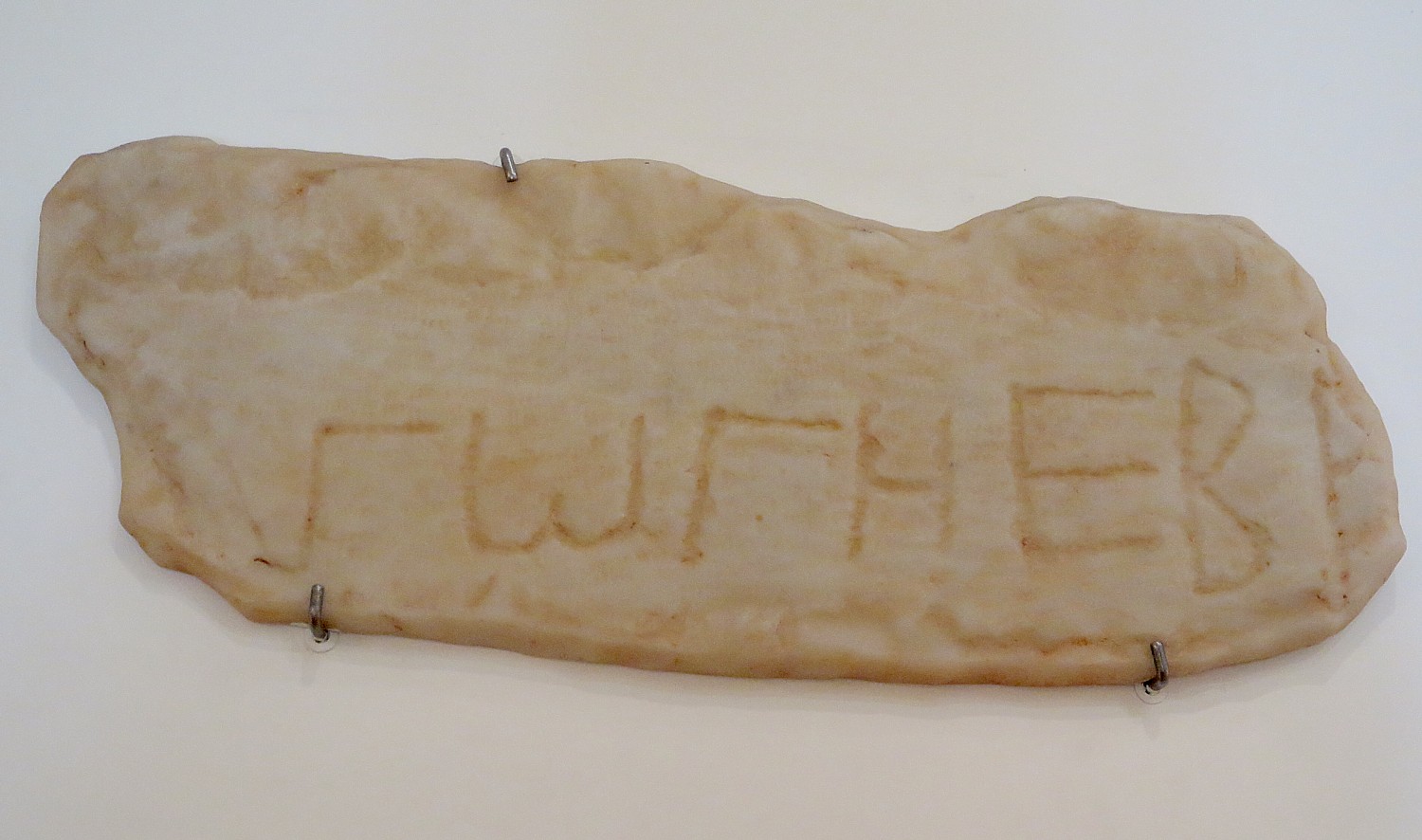
This way to the synagogue – 3rd C BC. A replica of an ancient marker taken from the Agora, walking distance from the Jewish Museum of Greece in Athens © 2016 Karen Rubin/news-photos-features.com

By Karen Rubin, Travel Features Syndicate

I first became introduced to the concept of Jews in Athens when I meet Vassilas, my Context Travel walking tour guide. He meets me in the district which is known today as Monasteraki, but as we walk through the flea market area, he mentions that it was originally called Yusurum  named for a Jewish family of tradesmen who built a store in the area.

Athens did not have a “Jewish Quarter” per se, he tells me, sensing my interest, but just a few blocks away, there once were a few Jewish synagogues, only one that is still in use today. (There is also a Holocaust Memorial in a small pocket park there, at the bottom of a street that leads up to the Acropolis.)

There is limited information, he tells me, about Jews in Athens during antiquity; most of the Jews who lived in Greece up until modern times came after the Spanish Inquisition,  in1492.

Athens, Greece
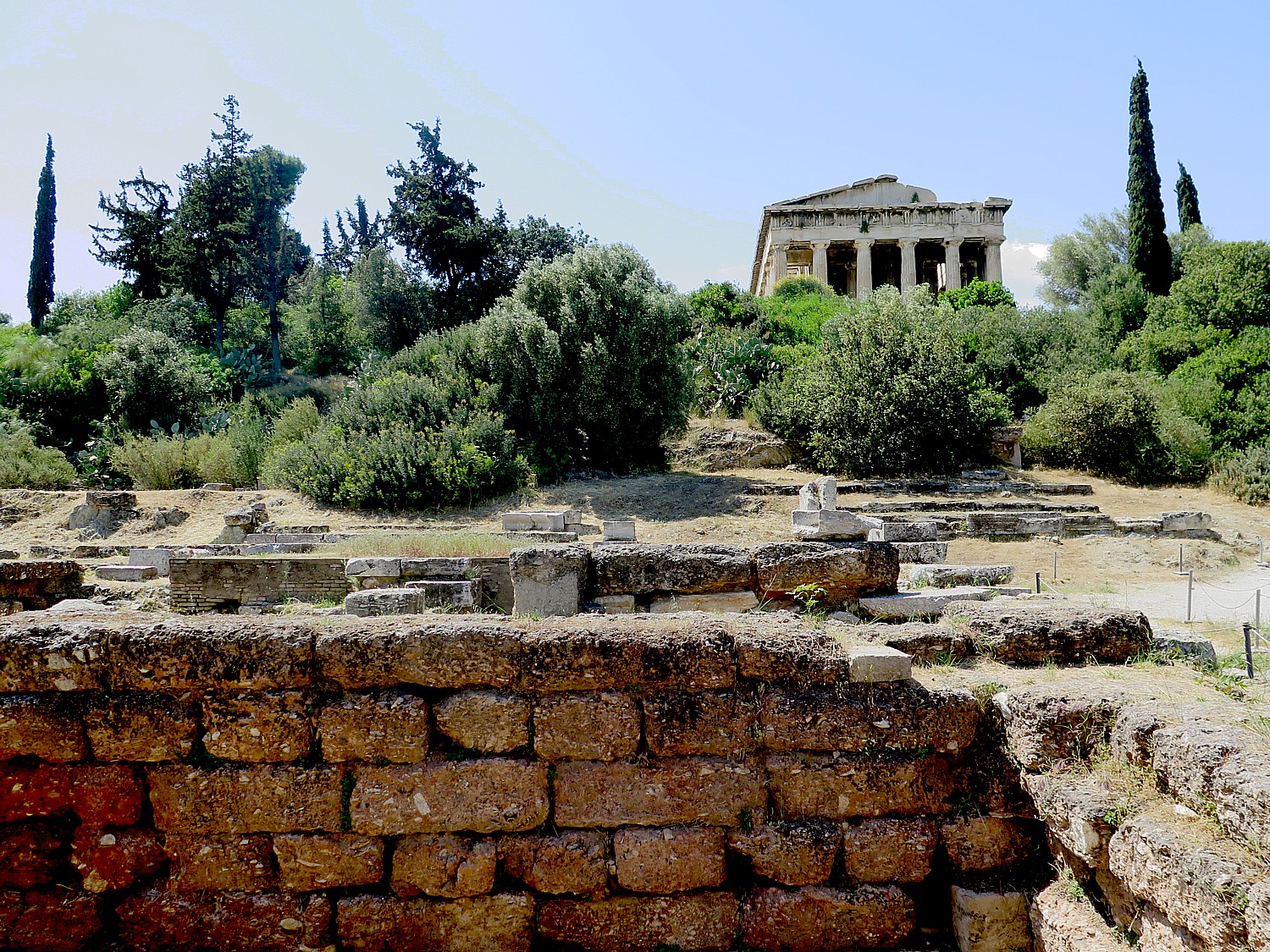
Ruins of humanity’s first Parliament overseen by a temple, in the Agora, Athens, Greece © 2016 Karen Rubin/news-photos-features.com

He is taking me on Context Travel’s “Everyday Greeks in Ancient Times” walking tour (www.contexttravel.com, info@contexttravel.com, 800.691.6036), and as and we stand before humanity’s first House of Parliament in the ancient Agora, ancient Athens’ political center, he points out that just off to the side a marble marker was found, indicating where one of the earliest synagogues very likely stood, dating from at least the 3rd C BC.

That’s when he mentioned that Athens has a Jewish Museum (not on any tourist map), but he put a dot on my map so I could walk there on my own.

When he takes me into the astonishingly fine museum at the Agora and points out a small decorated ceramic vessel that Socrates, himself, might have used to drink the poison hemlock, he gets me thinking: one of reasons why Socrates was executed by Athens was because he questioned its religious system of 12 gods. Plato, Socrates’ student, later wrote that Socrates said, ‘I hear the voice of a ‘god’ – a ‘demon’ (spirit) in me.” I wondered in that moment whether Socrates had been influenced at all by the Jews of Athens who would have believed in monotheism.

After my “Everyday Life in Ancient Greece Tour” with  Vassilas , I set out to find the Jewish Museum, indicated by the dot on a map

I don’t have a street address, and when I get to what I believe is the corner where it should be, I ask a private security guard who has no idea where it is. But an older gentleman overhears me and walks me around the corner to the Jewish Museum.

The Jewish Museum is only recently moved to this downtown location, but it offers a permanent collection and special exhibitions that tell the history of Greek Jews , which I am surprised to learn is the oldest Jewish community in Europe.

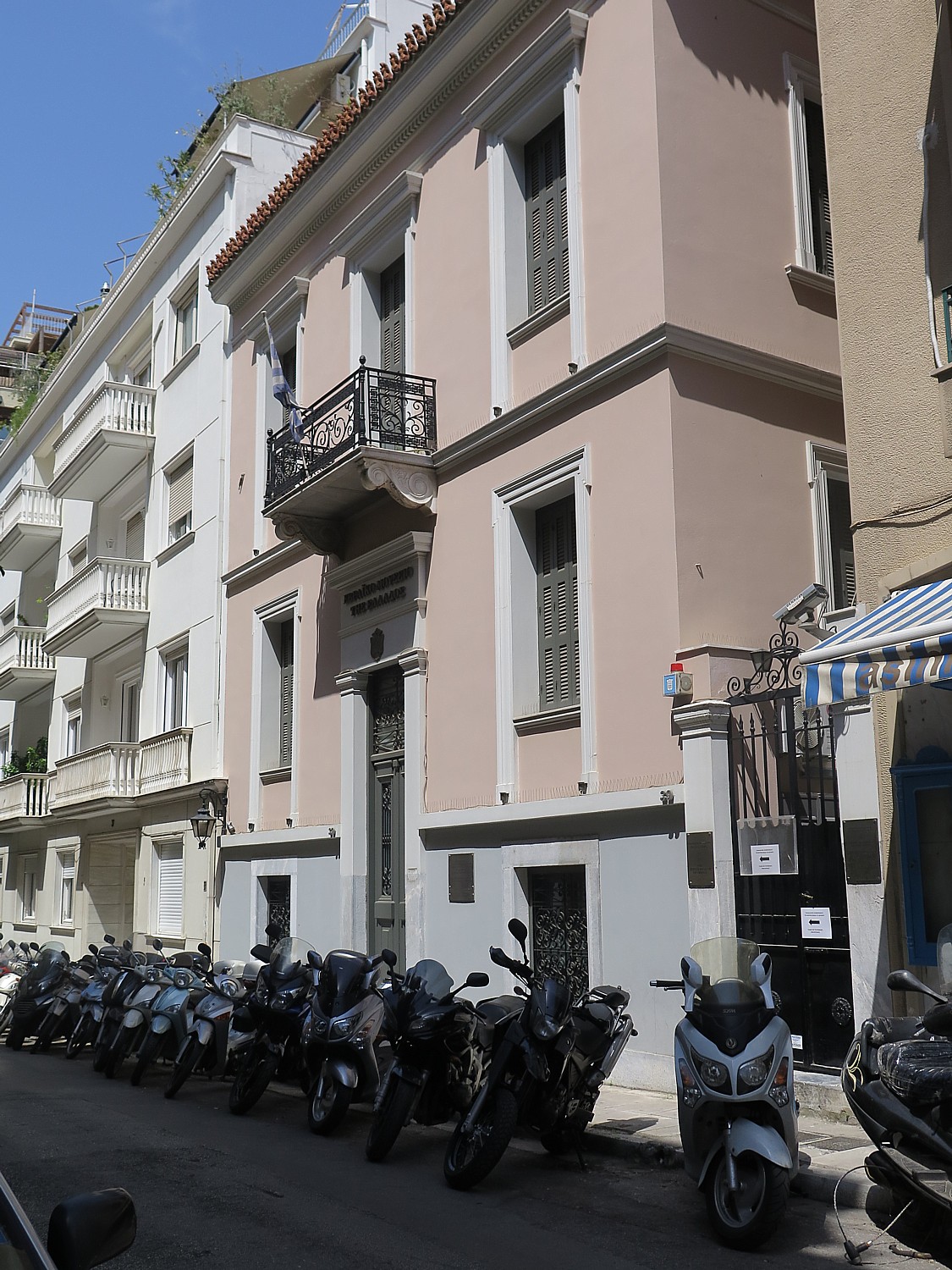
The Jewish Museum of Greece in Athens moved into this building in downtown © 2016 Karen Rubin/news-photos-features.com

Indeed, there is a replica of the marble sign from the Agora (the original is in the Agora Museum but not exhibited publicly), that dates from possibly the 5th C BC, which had set me on my quest.

Jews came to Greece before the destruction of the First Temple. They were merchants –

In Athens, Jews did not live in a Jewish Quarter, like in Corfu, Rhodes or Thessalonki, but lived around Athens, though they tended to live near the synagogue.

It is not known how many Jews lived in Greece at its peak – during the Holocaust, archives were burned. But prior to the war, Thessaloniki had 70,000 Jews; there were 29 communities.

Today, there are 5,000 Jews living in Greece – 3000 of them in Athens (a tiny number compared to the population). There are nine communities that are most active, with Jewish schools.

“It’s a challenge to keep the heritage,” a museum docent tells me. “Many come here and don’t expect fo find a Jewish community.”

It is 1:30 pm when I arrive at the Museum, which I discover is only open from 9 am-2:30 pm.  So I dash through to see as much as I can before it closes.

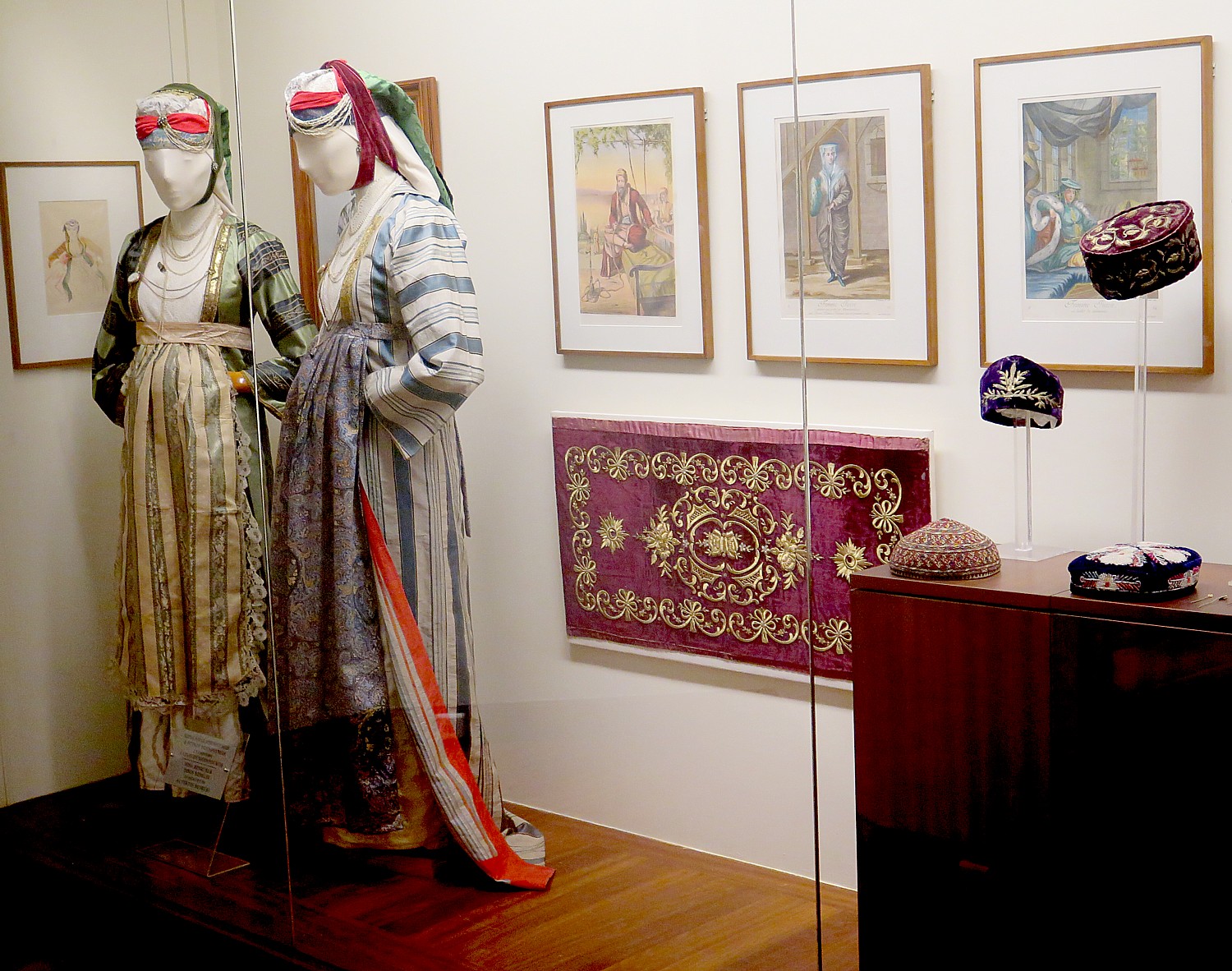
The Jewish Museum of Greece in Athens exhibits centuries-old everyday objects and clothes of the Jewish community © 2016 Karen Rubin/news-photos-features.com

The exhibits, which offer some fascinating artifacts, trace the history of Jewish settlement in Greece beginning 3 rd C BC. The collection contains more than 10,000 objects (some that can only be found here) pertaining to domestic and religious life. The oldest itemss are rare textiles and ante nuptial contracts from the 16th century C.E. Clothes and household items offer a vivid, personal picture of everyday life in the Greek Jewish communities from the mid-18th until the 20th century.

The exhibits are organized by themes, relating to history, the cycle of time and human life.

As I go about the museum (I only have an hour before it closes), I learn that in 48CE, there is evidence of the Apostle Paul preaching in synagogues of Corinth, Salonika  and Verola.

Later, when the Ottoman Empire took over, the Ottomans gave Jews equal rights with Christians (that is non-Muslims).

When Sephardic Jews were expelled from Spain at the end of the 15 th C, they settled in the Ottoman Empire, including Greece – with most going to Salonika.

Greece became a state in 1832, and the Greek Constitution of 1844 gave equal rights in 1844. In 1882-1920, the Jewish community was recognized as a legal body During this period, Zionism took hold and many Jews emigrated to Palestine under Ottoman Rule.

The Greek government of Eleftherios Kyriakou Venizelos supported the formation of Jewish state, even before the Balfour Declaration. The Greek Foreign Secretary Niolaos Politis said in 1917, “The foundation of a Jewish State in Palestine would end the injustice that weights on the whole of humanity for over 20 centuries.”

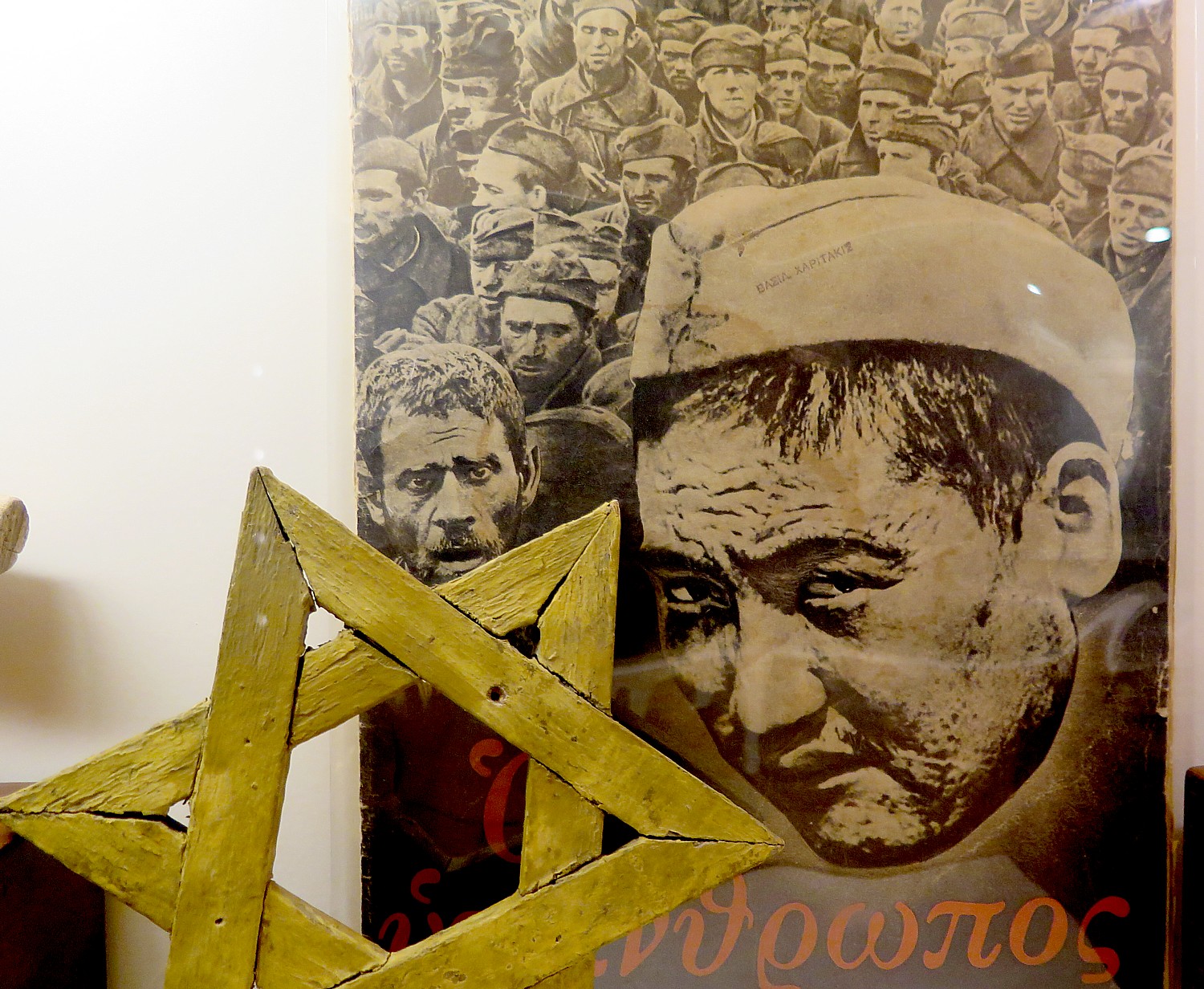
A display honoring the Jewish Resistance in Greece, at the Jewish Museum © 2016 Karen Rubin/news-photos-features.com

Prior to World War I, the number of Greek Jews grew to 100,000 (65,000 in Solinika), and  enjoyed  “peace, speech, assembly freedom and were admitted into mandatory army service .”

Then the Holocaust came. Many Greek Jews joined the Resistance. There are video stories of survivors of Shoah and lsits of family names like Nissm, Aruch, Yussuroum , Matathias, Bakolas, Yeshua, Kostis, Braki, Felou.

Support of the Greek Government

The Greek government has been supportive of sustaining its Jewish heritage (this despite the neo-Nazi group that has been voted into Parliament).

The Jewish Museum of Greece was founded in 1977 to collect, preserve, research and exhibit the material evidence of 2,300 years of Jewish life in Greece. As a historical and ethnographical museum its main interest is to provide a vivid picture of Jewish life and culture as it was during those centuries.

The new building is organized in permanent exhibition areas with thematic modular exhibits, an art gallery, a periodic exhibition space, a research library, a space for educational programs, a photo archive and laboratory and a conservation laboratory.

“The idea of building a Jewish Museum of Greece was first conceived in the 1970’s by members of the Jewish Community of Athens,” the literature states.  The Museum that was first established in 1977 consisted of a small room next to the city’s synagogue and housed objects salvaged from WW II, including artifacts, documents and manuscripts of the 19th and 20th centuries, jewelry of the Jews of Thrace that had been seized by the Bulgarians in 1943 (returned to the Greek government after the abdication of the Bulgarian king and the establishment of a communist regime in the country).

Over the years under Nikos Stavroulakis, director of the Museum until 1993, the collection expanded with rare books and publications, textiles, jewelry, domestic and religious artifacts.

The Museum soon began to attract the attention of many visitors, researchers and donors. In 1981, the Association of American Friends was founded, followed, a little later, by the Association of Friends of the Jewish Museum of Greece, with members of the Jewish Communities of Athens and Thessaloniki.

With substantial financial support from the Greek Ministry of Culture and the Associations of its Friends, the old building was renovated and, in late 1997, 20 years after it first opened its doors to the public, the Museum moved to 39 Nikis street, in the center of Athens.

The Museum’s collections include more than eight thousand original artifacts, testifying to more than 23 centuries of Jewish presence in Greece.

Centuries old temple artifacts of the Greek Jewish community on display at the Jewish Museum of Greece in Athens © 2016 Karen Rubin/news-photos-features.com

Besides a few objects which Asher Moissis, president of the Jewish Community of Athens, had collected after the war, the core of the initial collection was made up of items that had been returned to Greece by the Bulgarian government, after the establishment of a Communist regime in that country. These included personal effects, jewelry, domestic items, temple objects and documents, which belonged to the Jews of Eastern Macedonia and Thrace and were confiscated after 1941, when the area fell in the Bulgarian zone of occupation. The confiscated items had been meticulously recorded and became the first significant body of artifacts of the collection.

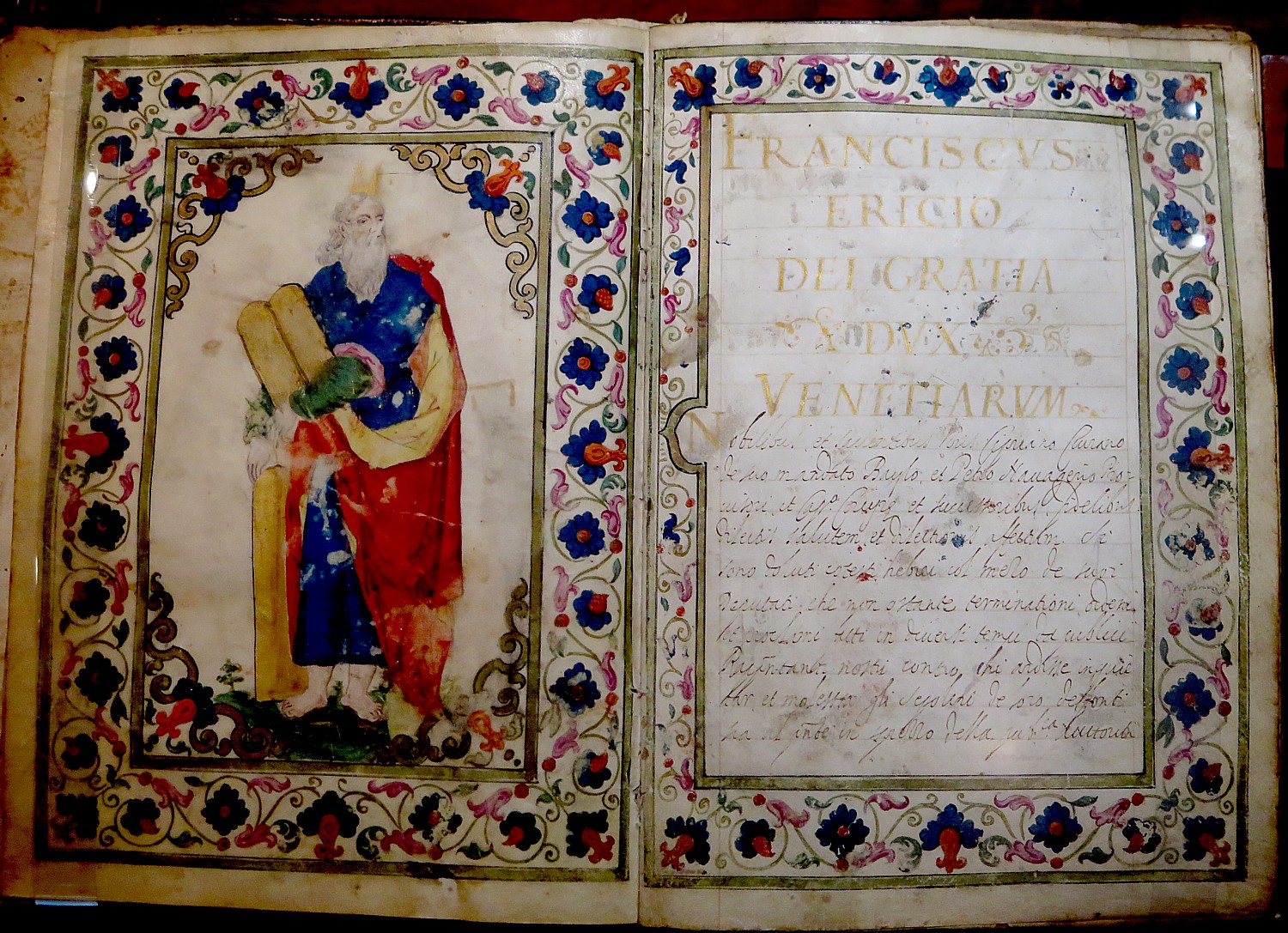
An ancient book depicting Moses holding the Ten Commandments on display at the Jewish Museum of Greece in Athens © 2016 Karen Rubin/news-photos-features.com

This core collection kept growing, mainly through the donations of individuals and communities, initially from the area of Thessaly, the island of Rhodes and the city of Ioannina. Besides rare 17th – 19th century books and publications, a significant number of ritual textiles was assembled, most dating from the Ottoman times (14th-19th centuries), and soon became one of the Museum’s main attractions for both visitors and researchers. In 1984 the Jewish Community of Patras was dissolved for lack of members and the interior of its synagogue, along with its textiles and ritual objects was bequeathed to the Museum. These religious artifacts are extremely significant, invaluable and irreplaceable, since they come, for the most part, from synagogues and communities, which no longer exist, according to the museum’s notes.

More donations from individuals and communities from both Greece and abroad continued to pour in, further enriching the collection. The Museum’s relocation to its new premises (1998) brought a renewal of public interest and more donations followed.

In general, the Museum has been receiving an average of 250-300 new artifacts every year, since the year 2000. Its unique collections, which are continuously being expanded, document more than four centuries of Jewish life in Greece, considering that the oldest textiles and antenuptial contracts date from the 16th century C.E.

Recent special exhibitions (on through September 2016) include “Hidden Children in Occupied Greece.”

Allocate at least two hours.

Jewish Museum of Greece, Nikis 39, Athens 105 57. Phone: 210 32 25 582, e-mail: info@jewishmuseum.gr, visit www.jewishmuseum.gr.

____________________

© 2016 Travel Features Syndicate, a division of Workstyles, Inc. All rights reserved. Visit goingplacesfarandnear.comwww.examiner.com/eclectic-travel-in-national/karen-rubin,www.examiner.com/eclectic-traveler-in-long-island/karen-rubin, www.examiner.com/international-travel-in-national/karen-rubin  and travelwritersmagazine.com/TravelFeaturesSyndicate/. Blogging at goingplacesnearandfar.wordpress.com and moralcompasstravel.info. Send comments or questions to FamTravLtr@aol.com. Tweet @TravelFeatures. ‘Like’ us at facebook.com/NewsPhotoFeatures
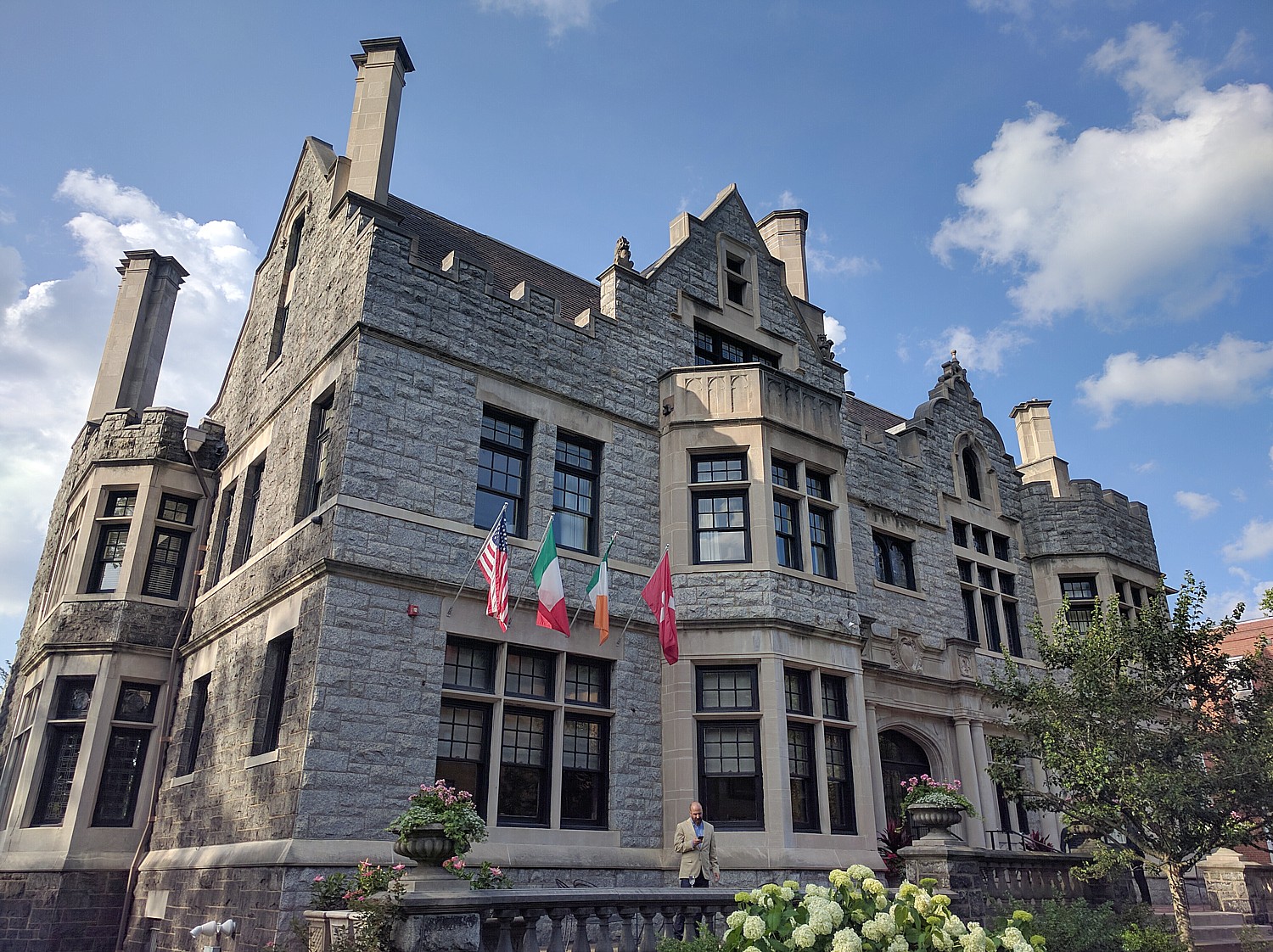
Lake Champlain Maritime Museum Engages Visitors in Vermont’s Living History

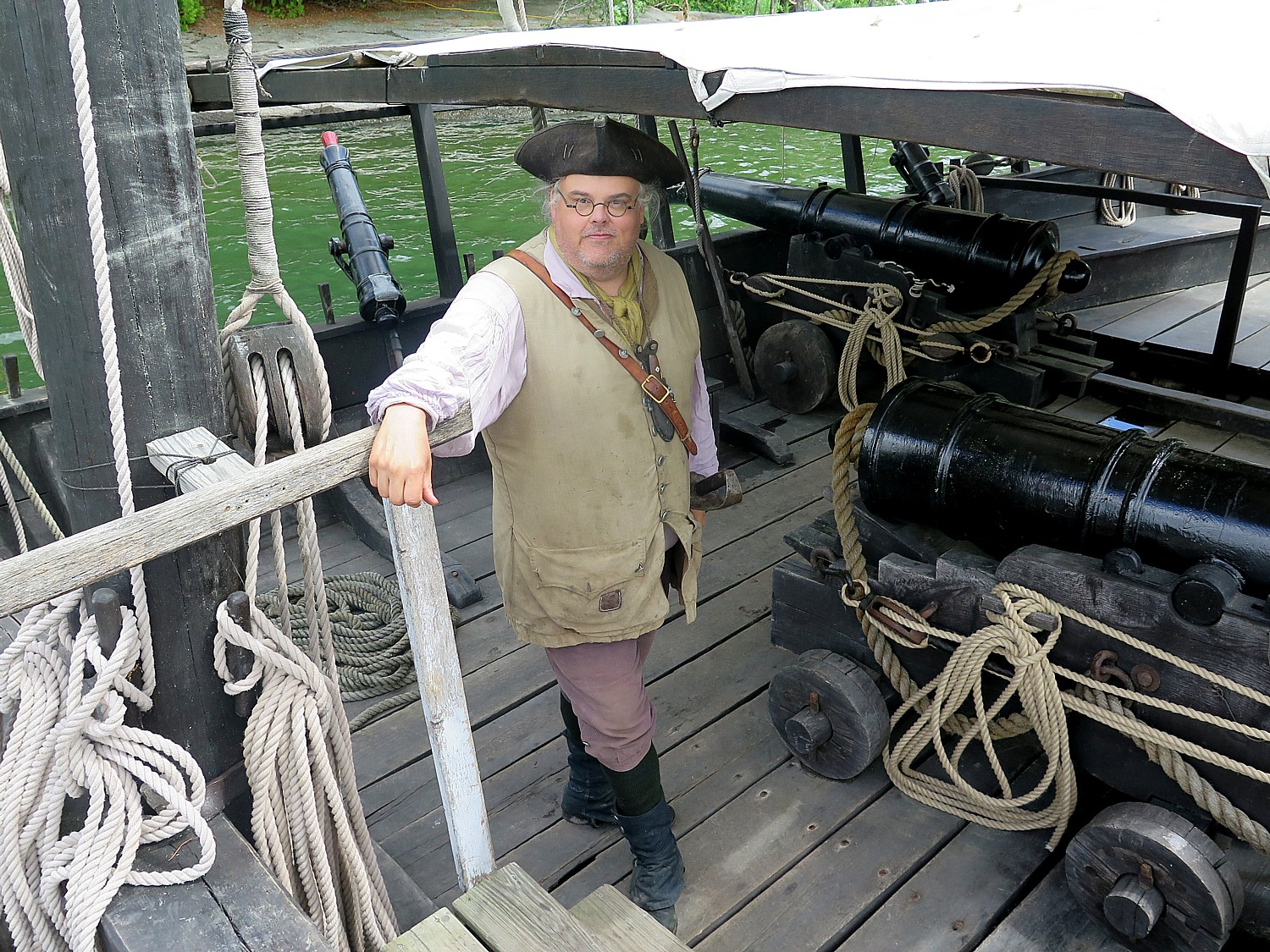
Come aboard the Philadelphia II, a replica of a Revolutionary War gunboat at the Lake Champlain Maritime Museum. Len Ruth portrays the first officer of the Philadelphia © 2016 Karen Rubin/news-photos-features.com

By Karen Rubin, Travel Features Syndicate

There is so much history around the Basin Harbor Club, a grand resort that celebrates its 130th season this year (see story 7/1), and much of it is encapsulated at the Lake Champlain Maritime Museum. It’s a great place to go, especially if it should rain or as a mid-day break. Children will be especially engaged, there is even an Adirondack-style cabin and a maritime playground, among the buildings arranged over a four-acre area that look like their own village.

Hands-on exhibits pay homage to the native peoples – the Contact of Cultures 1609: Abenaki Culture through the Centuries, housed in an 1818 stone schoolhouse from Panton, Vt.; the Hazelett Watercraft Center (featuring a 1902 ice yacht); the Key to Liberty Exhibit which describes the Revolutionary War in the Champlain Valley and the fate of shipwrecks from the 1776 fleet; Steam to Gasoline; a Nautical Archeology Center where you can peer into the Conservation Lab; a working 18th century-style blacksmith shop and more.

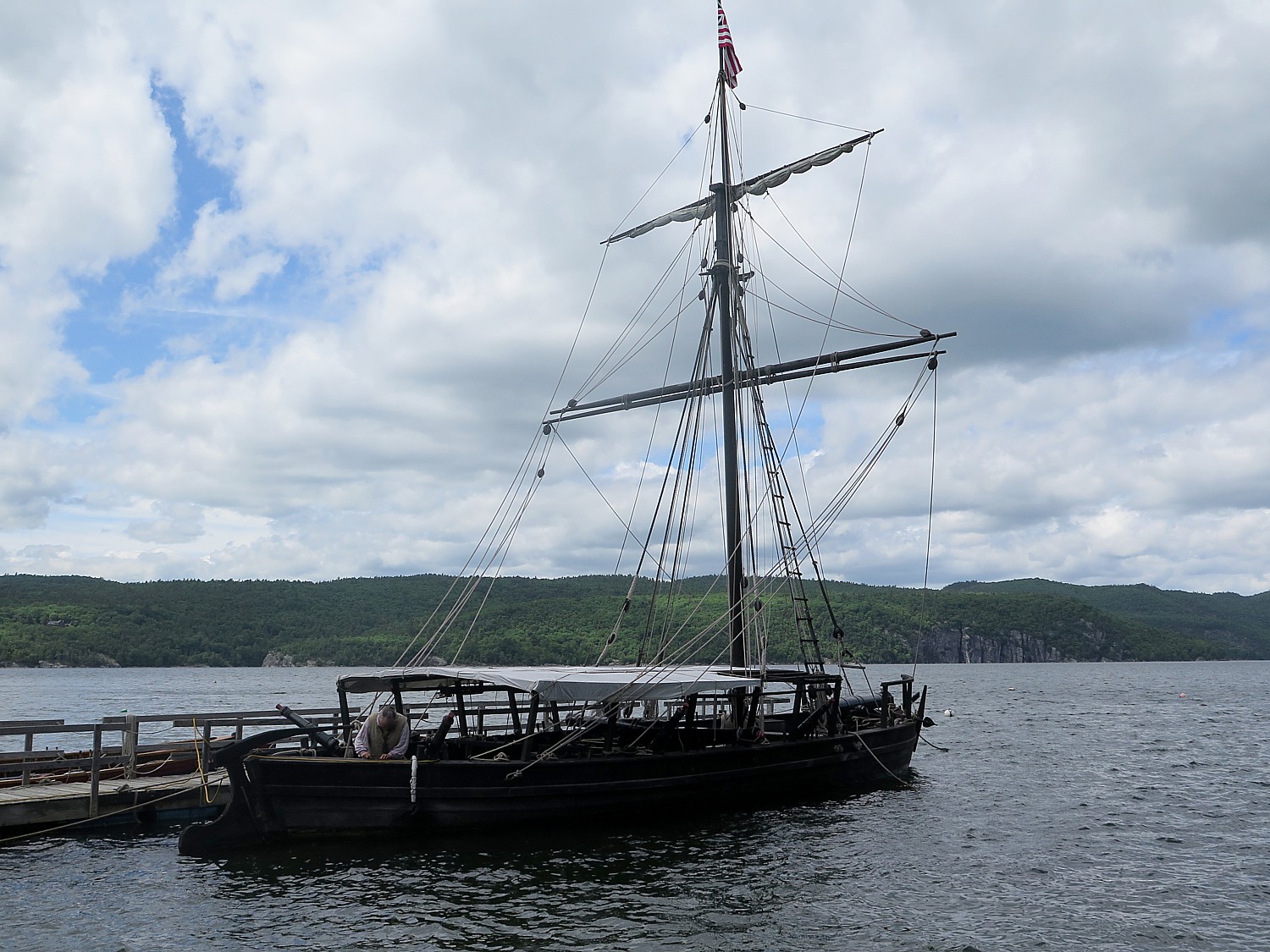
The crowning jewel here is the working replica of the 1776 gunboat Philadelphia II, which was built here on site (they have an active boat-building program that youngsters can engage in).

I am lucky enough to arrive just after a school group and find a costumed interpreter on board. Len Ruth portrays the first officer of the Philadelphia. He carries a sword as a symbol of his rank.

The Americans invaded Canada in 1775 taking everything but Quebec City. Then the British forced the Americans to retreat.

A replica of the Revolutionary War era gunboat, Philadelphia, is on view at Lake Champlain Maritime Museum. The boat was built here at the museum; the original is in the Smithsonian © 2016 Karen Rubin/news-photos-features.com

The gunboat Philadelphia was built in 1776 to prevent the British from continuing down from Canada at Champlain & Albany. Boats like these helped to slow the British down, but by the end of 1776, the British controlled Lake Champlain.

The hull was put together in a week, then it was rowed up to Ticonderoga for rigging and guns, then the mast. Only 8 of these gunboats were built.

The Philadelphia would have had a crew of 45 (it’s so small, it is almost impossible to conceive of that many onboard), and this would have been theor home for 6-8 weeks. We have put 45 reenactors onboard for a weekend. We had questions when we built it – how did it sail, how it ran. It was the least comfortable reenactment.”

Why so many crew? Half would have to be awake at any time. It took a dozen men to row – the oars were 20 ½ feet long and they had to stand to row, so they switched off after an hour.

One gun, 2,500 pounds, required nine men to operate; the bow gun, 4,000 lbs., required 12-13 man crew. The boat had at least four small guns, though they don’t know how many it had exactly because when it sunk, the crew were rescued by the Row Galley Washington and they stripped the boat. When the sunken ship was recovered, it had only one gun on it.

He points to where a center plank at the bow is split and says that the original Philadelphia, at the Smithsonian, ironically has the exact same split in the same plank.

He also tells us a fascinating story about Ethan Allen of the famous Green Mountain Boys, who apparently became a hero of the Patriot cause because he was upset that the British Parliament would not honor his purchase of land from New Hampshire. (Who knew?)

The museum also has long-boats, built by high school age kids, and a boat-building program.

They also built the whaleboat for the Charles W Morgan (at Mystic Seaport). “The kids built it, fit it and delivered it.”

Lake Champlain Museum offers engaging exhibits, an archeological laboratory, and various buildings to explore over a four-acre lakeside campus © 2016 Karen Rubin/news-photos-features.com

Founded in 1986 to preserve and share the maritime heritage of the Champlain Valley, The Lake Champlain Museum offers engaging exhibits, hands-on learning opportunities, an archeological laboratory, and various buildings to explore over a four-acre lakeside campus. It is open daily from the end of May 21 through early October.

Lake Champlain Maritime Museum, 4472 Basin Harbor Road, Vergennes, Vermont 05401, 802-475-2022, www.lcmm.org.

See: Basin Harbor Club Marks 130 years as Luxury Summer Retreat on Lake Champlain, Vermont

____________________

© 2016 Travel Features Syndicate, a division of Workstyles, Inc. All rights reserved. Visit goingplacesfarandnear.comwww.examiner.com/eclectic-travel-in-national/karen-rubin,www.examiner.com/eclectic-traveler-in-long-island/karen-rubin, www.examiner.com/international-travel-in-national/karen-rubin  and travelwritersmagazine.com/TravelFeaturesSyndicate/. Blogging at goingplacesnearandfar.wordpress.com and moralcompasstravel.info. Send comments or questions to FamTravLtr@aol.com. Tweet @TravelFeatures. ‘Like’ us at facebook.com/NewsPhotoFeatures
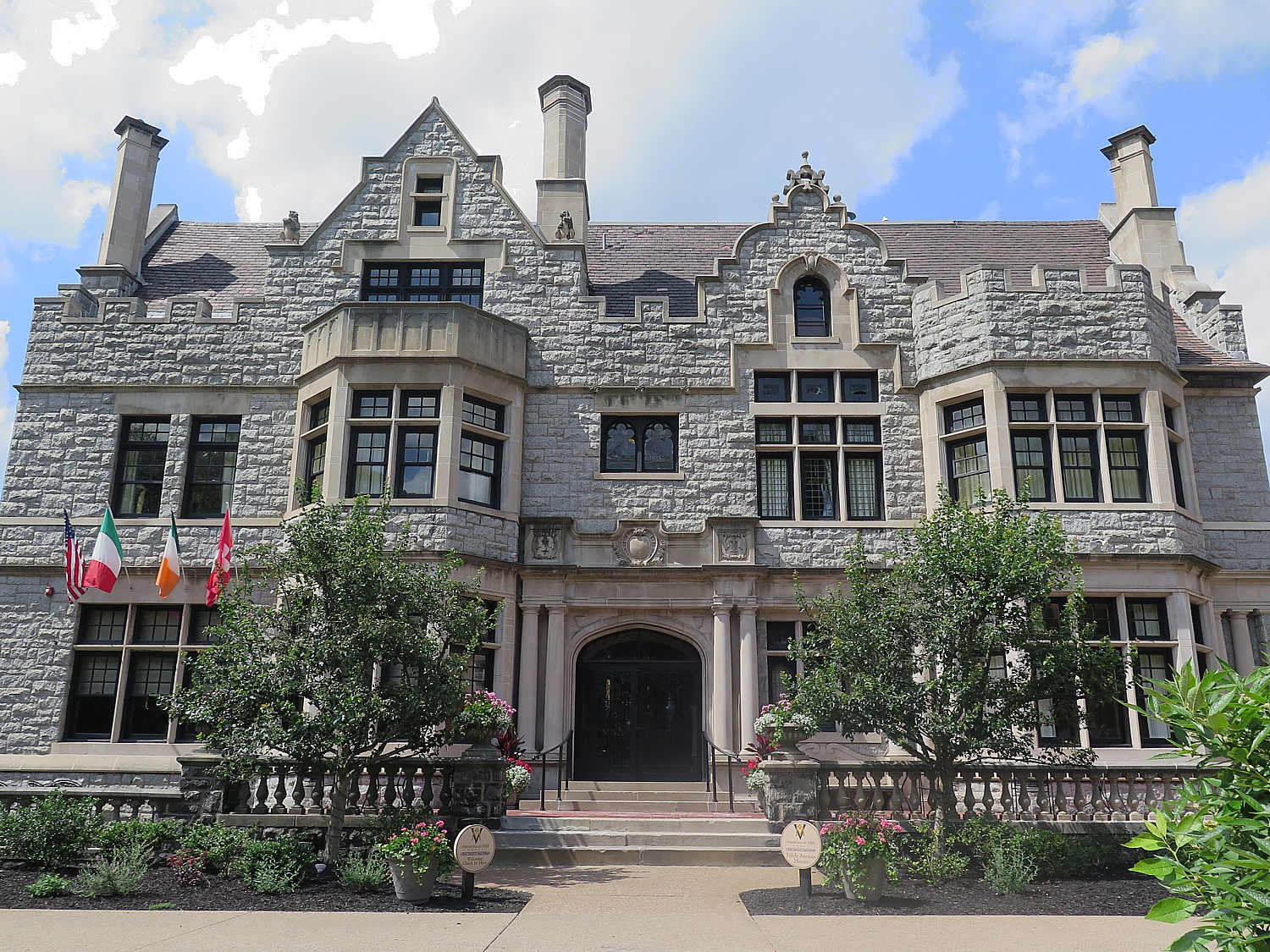
 

Basin Harbor Club Marks 130 years as Luxury Summer Retreat on Lake Champlain, Vermont


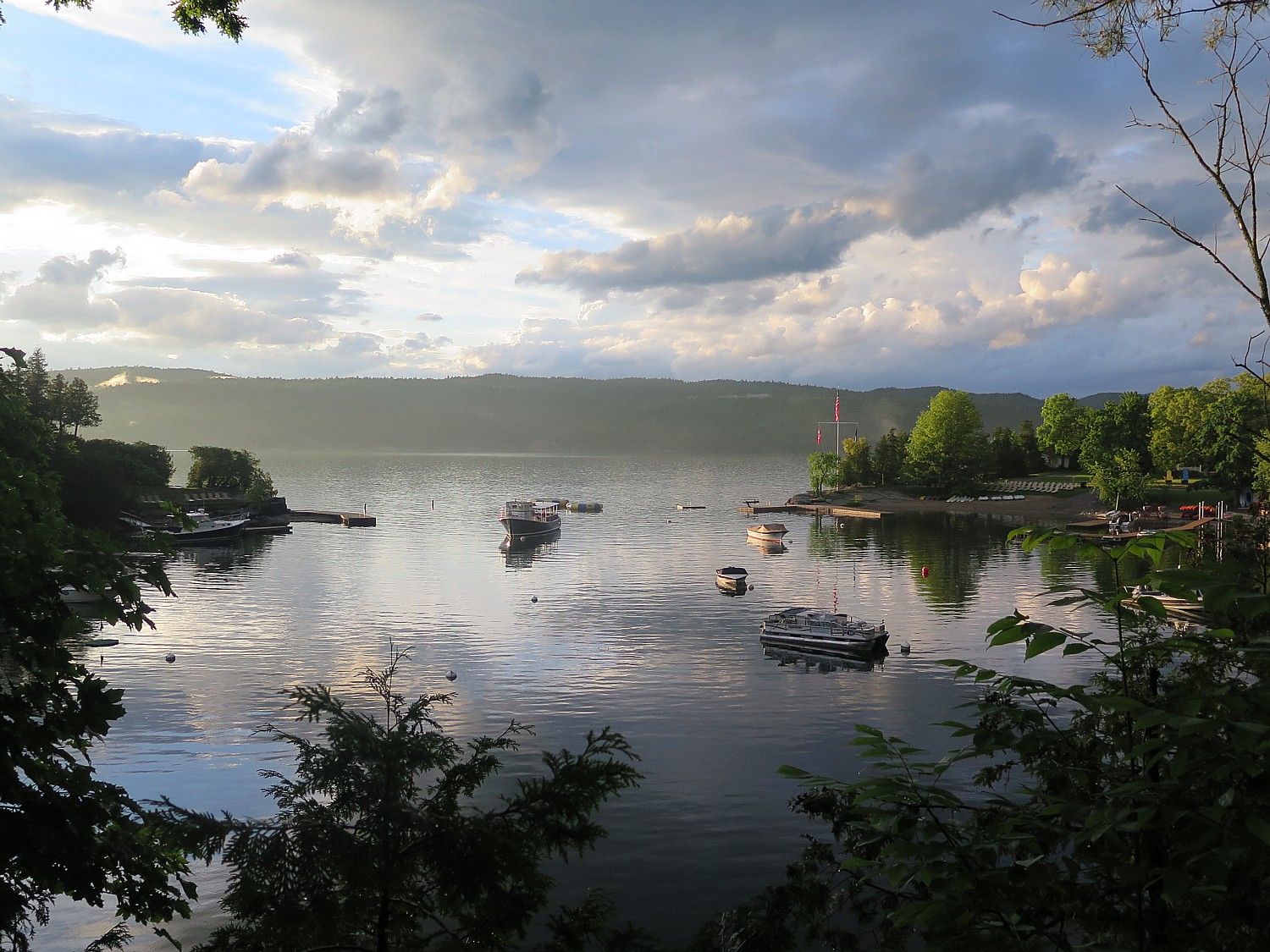
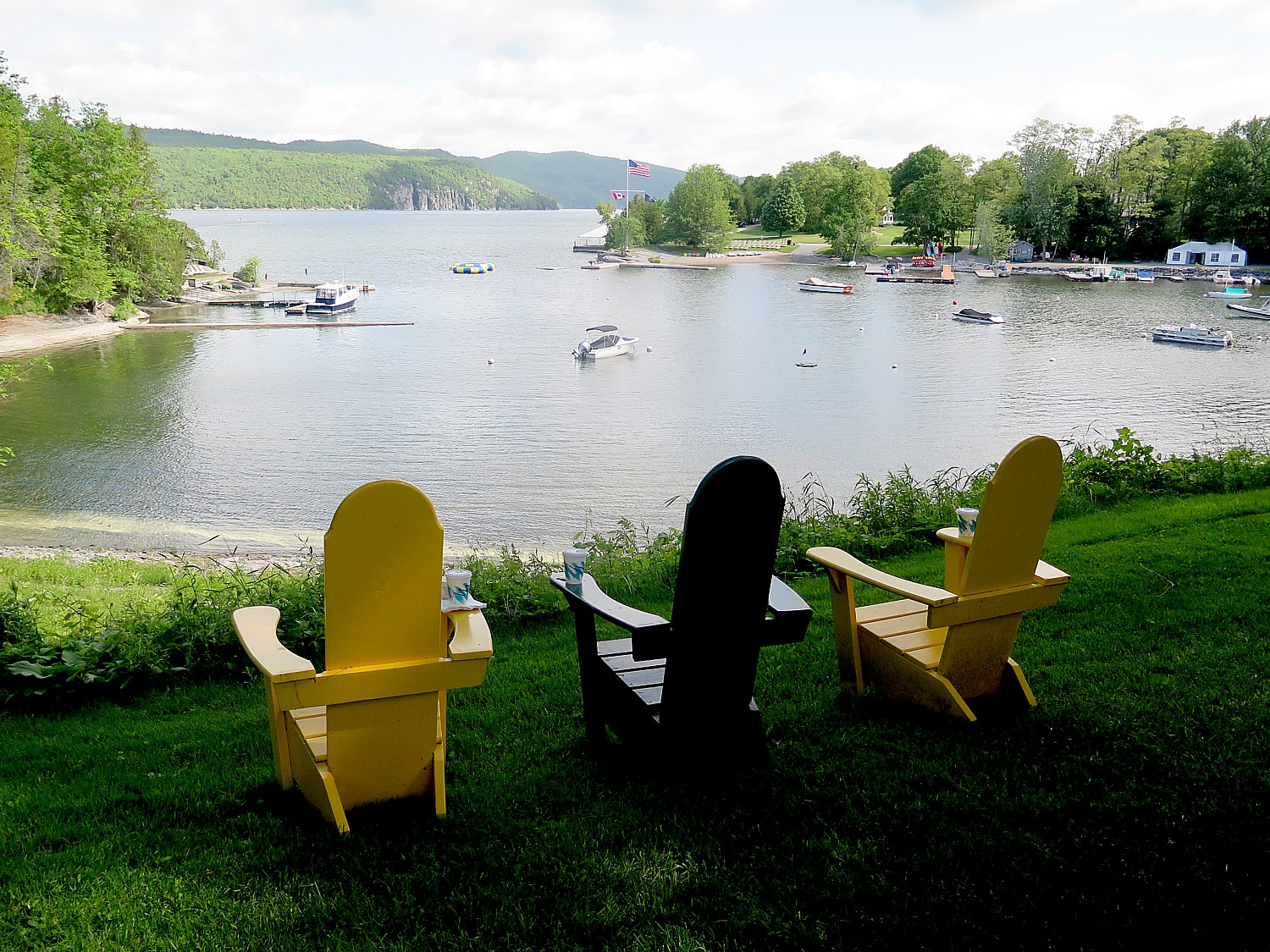
Basin Harbor Club, a luxury resort on Lake Champlain, Vt. that has been welcoming vacationers for 130 years, offers a mixture of activity and tranquility © 2016 Karen Rubin/news-photos-features.com

by Karen Rubin, Travel Features Syndicate

We come to the Basin Harbor Club by driving down a four-mile Vermont country road lined with classically picturesque farms. As we enter the grounds, we are overcome by the breath-taking beauty of the landscape and the surprising realization of just how enormous this place is – spanning 700 acres along Lake Champlain, with its own harbor and marina and beaches. Basin Harbor Club is more of a vacation village, a compound, than a mere resort.

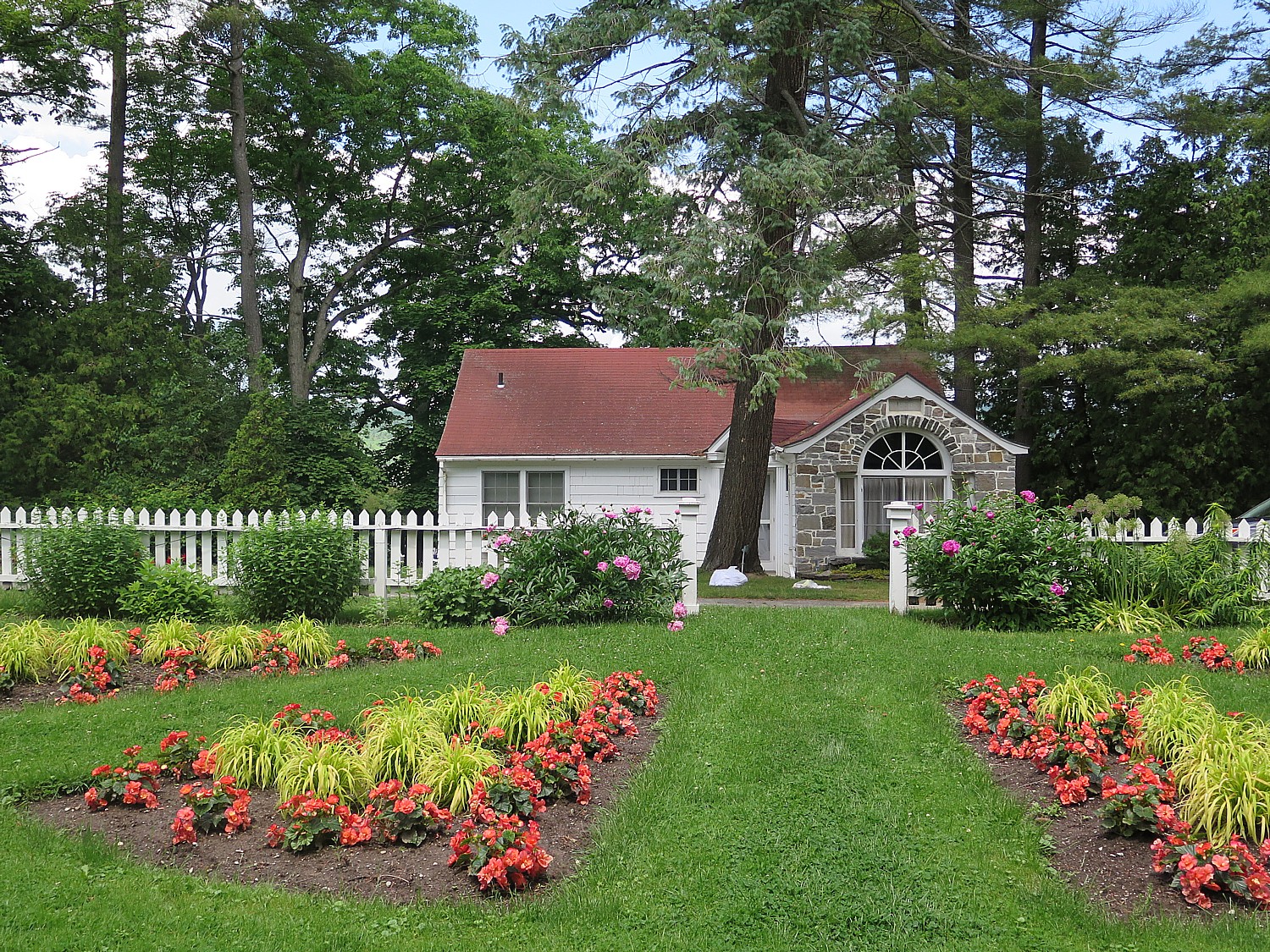
Then there is the absolute sense of peace and serenity that rushes over us when we enter our very own cottage, Sunny Pines, which bears the date 1938 etched in stone, set in the woods on a cliff, from which we can gaze out over Lake Champlain from the balcony and through the French windows from the living room. A master bedroom and second room on the first floor, and a spiral staircase down to another sprawling room with two queen beds. Perfect for our multi-generational family.

Basin Harbor Club has been greeting guests for 130 years. A seasonal resort open from May through October, Basin Harbor Club offers 77 individual cottages and another 47 guest rooms in a gracious manor house – accommodations for about 350 people at one time.

Sunny Pines, one of 77 unique cottages at Basin Harbor Club, a luxury resort on Lake Champlain, Vt. that has been welcoming vacationers for 130 years © 2016 Karen Rubin/news-photos-features.com

Each of the 77 cottages are different – built in the 1920s and 1930s according to the specifications provided by the original families who were invited to Basin Harbor Club by the Beach family and came back each summer to escape city heat.  In those early days, the first cottages were rustic – the equivalent of today’s glamping – wood with canvas roofs on a concrete slab. But today, the cottages are luxurious, each with its own history and sense of style, exuding grace and charm, most have fireplaces and decks or screened porches and are equipped with complimentary WiFi; refrigerators and coffeemakers (just don’t look for a TV).

I must confess that I had always imagined Basin Harbor Club, which is a member of the prestigious Historic Hotels of America (historichotels.org, 800-678-8946), as more rustic – more like a camp than a resort village. Instead, Basin Harbor Club manifests gentility, refinement, class, yet it is relaxed, casual, comfortable and completely unstuffy. You instantly feel you belong here. For the precious time you are at Basin Harbor, you feel less like a guest and more like you are at your summer home. All the activities they offer may make you feel you are in an adult camp, but the service, facilities, dining experiences make you feel like a country squire.

Guests, many who come year after year, generation after generation, are treated to a first class experience from top to bottom – from the exquisite, immaculately maintained grounds, to the impeccable service, to the top quality equipment and facilities.

I can’t list all the instances where we were greeted so warmly – like Ryan Baker who helps us get sunfish and kayaks into the water and sets us up with bikes, and Jamie McCatherin who leads us on a 2-mile hike on the opposite shore in the Adirondack State Park, Glenn Spence of Vermont who greets us warmly as we are deciding what to take from the buffet for breakfast; and the fellow working to ready the pool who runs to the front desk when I  ask what time the Escape cruise departs.

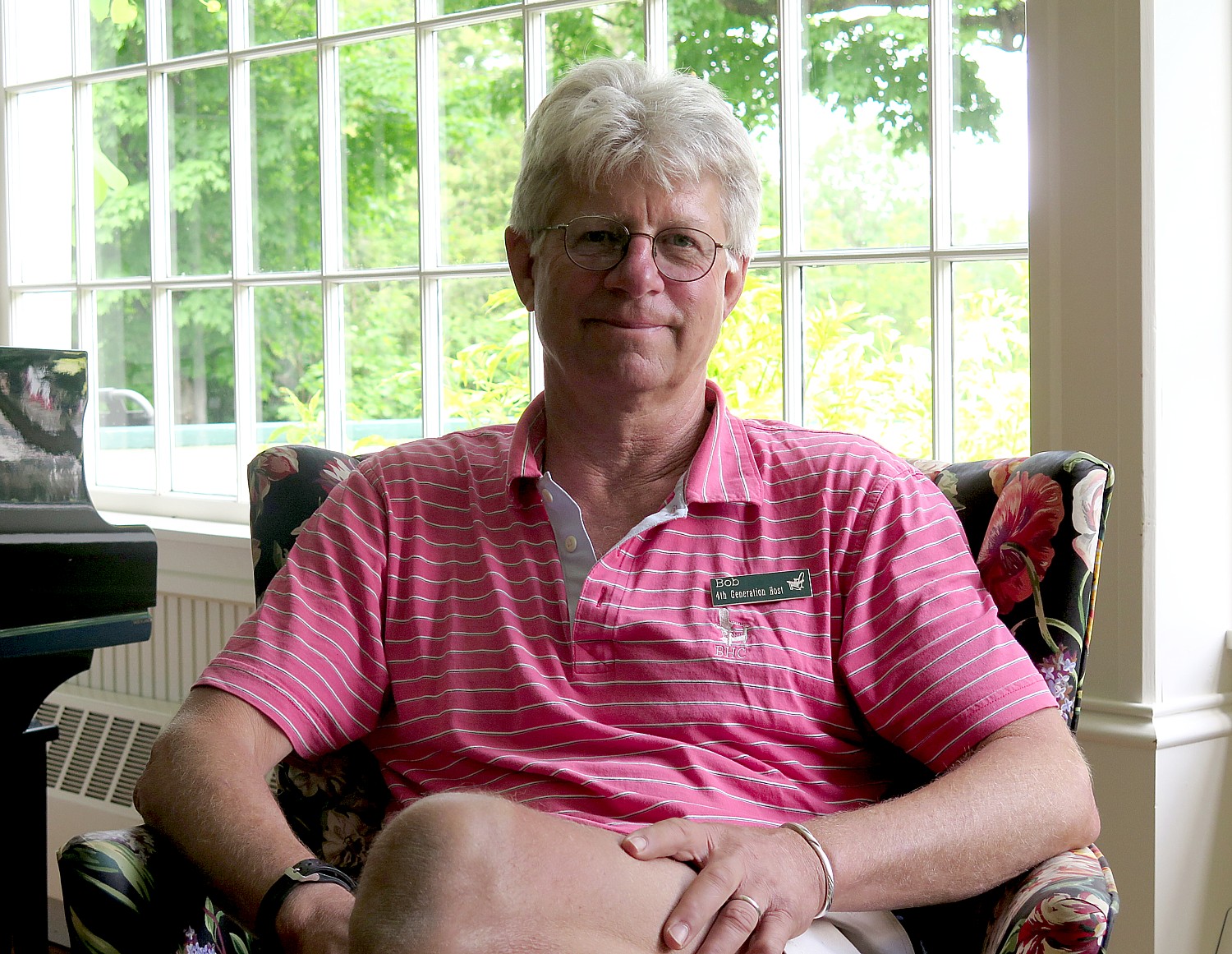
The cheery attitude starts with Bob Beach who I chance to meet not long after we arrive, as I explore the property. He is walking along to the marina with his two golden retrievers and engages in pleasant conversation. I find him again chatting with my kids playing shuffleboard. Later he tells me this is one of the ways he constantly gauges what might need adjustment, improvement or what services to add.

It is hard to imagine anything that should be added – everything you could want for a vacation retreat is already here.

In addition to the big things – a wonderful, walkable 18-hole, par-72 golf course that is sufficiently challenging but not frustrating, where you actually feel good about your game after your round (“It’s one of the most enjoyable courses in the state,” Herb Kessel, a regular, tells me. “You don’t get beaten up. It’s one of my favorite courses in Vermont.”); driving range (PGA instructor as well as electric carts available); outdoor lap pool heated to a perfect temperature; tennis courts; a marina with kayaks, canoes, sunfishes, paddleboards, waterskiing and tubing; diving board and two trampolines in the lake; plus bikes (top quality mountain and hybrid), and the Escape which takes people out on hour-long narrated cruises as well as special sunset cruises for groups) – there are also the pleasant diversions you happen upon, such as disc golf, badminton, croquet, ping pong. And while there isn’t an elaborate full-service spa, there are massage services available.

And that’s not even half of it. Basin Harbor spans 700 acres along the shores of Lake Champlain – one of the largest lakes in the country, which, because of where Basin Harbor is positioned, only a ½ miles across at this point, utterly stunning views of the Adirondack State Park on the New York Side. Just as you come to the entrance, you see the Lake Champlain Maritime Museum, founded by Bob Beach and is a substantial and important museum, with among other things, a perfect working replica of the 1776 gunboat Philadelphia (the original, razed from where it was sunk in Lake Champlain, is in the Smithsonian Institution in Washington DC).

Basin Harbor even has its own air strip – people come in their private planes just for lunch or a round of golf, and one family used to fly in their DC-10. (New England Aero Club has a fly-in with 200 planes and do aerial acrobatics.)

Hiking along the shore of Lake Champlain at Basin Harbor Club, Vergennes, Vt., © 2016 Karen Rubin/news-photos-features.com

The resort abuts Button Bay State Park, adding a whole other dimension to the stay. You can connect with hiking trails or bike into the park (though you are supposed to go in through the entrance off the Basin Harbor Road and pay the entrance fee). Bob Beach suggests going there (about 2 miles from the resort) for the sunset.

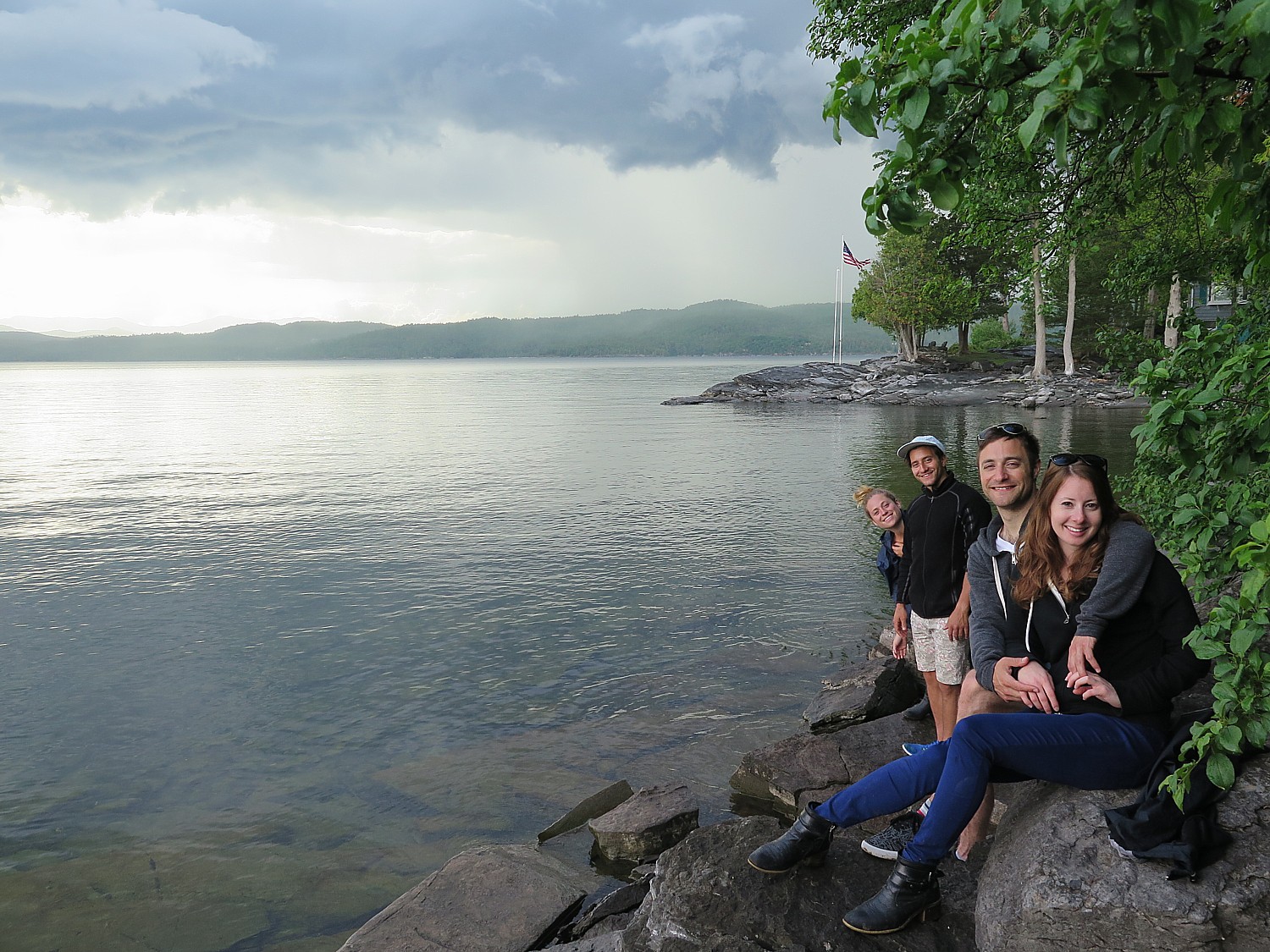
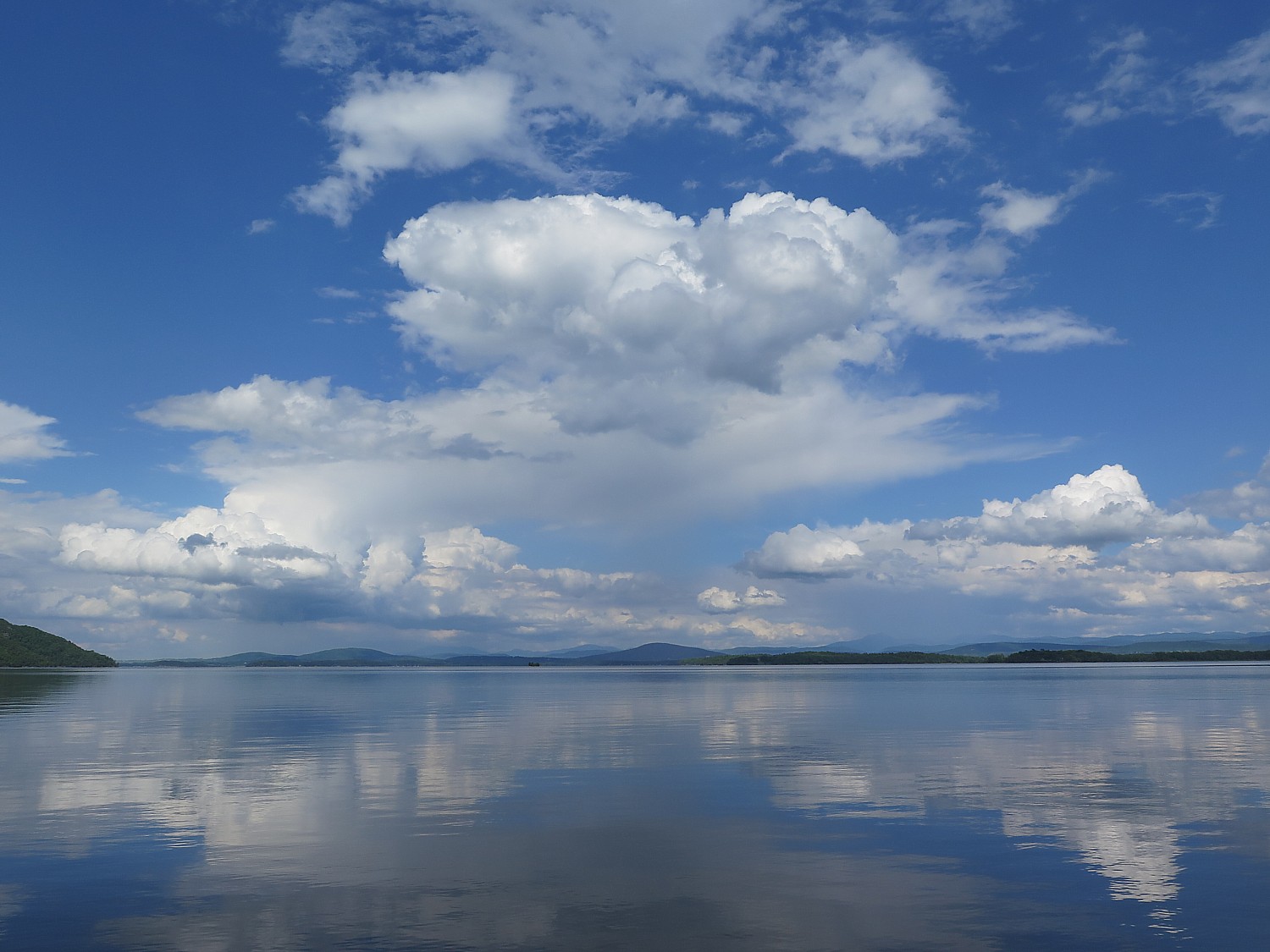
The hiking along the lake is utterly gorgeous – especially when the weather turns stormy and we watch the rain descend from clouds at first far away, over the Adirondacks to the east and Green Mountains to the north, and then closer and closer until we are caught in quite a deluge. No matter. It is tremendous fun. We find the gravel road from the Nature Center, and soon are on a scenic country road made all the more dramatic because of the breaks in the rolling clouds, the brilliant colors of the wet grass and soil, the blue mountains in the distance. Once out on the Basin Harbor Road, there are classic looking farms making the scenes even more picturesque.

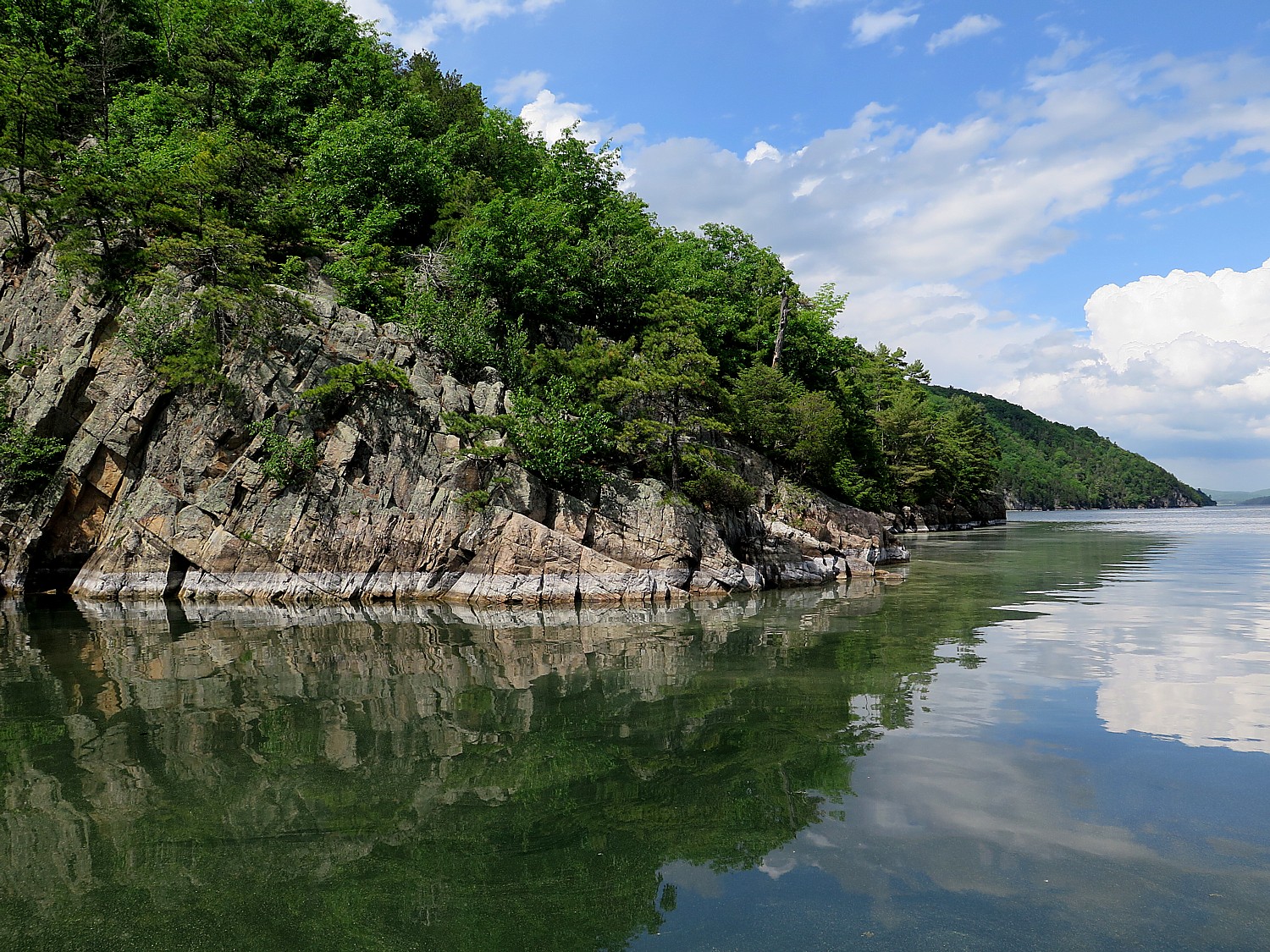
Basin Harbor Club offers a guided hike on the New York State side of Lake Champlain, in the Adirondack State Park © 2016 Karen Rubin/news-photos-features.com

You can be even more ambitious: kayaking 1 1/2 miles across Lake Champlain to the New York State side where Basin Harbor owns a tiny portion of the Adirondack State Park, where you can beach the kayak while you hike to a wonderful rocky promontory (locals jump into the water from here, about 75 feet up, but it is really dangerous). Or, you can take advantage of the guided hike Basin Harbor offers, where they take you over by motorboat and you hike two miles through the woods to another cove (hiking a small spur to an overlook from which you can peer into an eagle’s nest).

As for biking, you can do a four-mile loop from Basin Harbor, or go out to the Champlain Bikeway – really a designated portion on the road (Basin Harbor has excellent hybrid and mountain bikes for rent).

Basin Harbor Club on Lake Champlain offers tranquil places just to be together © 2016 Karen Rubin/news-photos-features.com

Basin Harbor Club offers all of these wonderful activities and amusements, but what it is best at is simply offering the space, ambiance, not to mention time just to be together. There are quaint sitting areas positioned to take advantage of the best views –with colorful Adirondack chairs, including some giant ones that make you feel like a small child, and child-sized ones. There are gorgeous gardens and colorful, whimsical mobile art all around that makes you smile, makes you feel peaceful, and places where you can light a campfire.

Space, ambiance and time are a powerful formula for forging bonds of family and friendship. Many Basin Harbor guests are regulars who return year after year, same week, same cottage each year.

In fact, this September, a couple who met at Basin Harbor Club as 10 year olds – one family from Massachusetts and the other from New Jersey – and came back the same week each year, then came back as counselors and became engaged here last July 4, will be married here.

Weddings here are idyllic –the setting is absolute exquisite on a vast lawn with views of Lake Champlain, lovely gardens (there’s always an indoor site in case the weather doesn’t cooperate). A wedding coordinator is available who can arrange for florist, photographer and such, as well as organize special activities – like bringing the bride and groom into the wedding on vintage Chris Craft boats, the rehearsal dinner followed by a hayride and bonfire (a sample itinerary is on the website), and arrange such novel activities as hot air ballooning or even sky diving.. “Our wedding planner assists with all the wedding details, whether it’s a traditional ceremony, elopement or our shotgun wedding.”

The facilities, the space, the setting and activities make Basin Harbor ideal for multigenerational family getaways, reunions, executive retreats, team-building programs (they can arrange for a ropes course), for incentive programs and corporate meetings, and especially think tanks. Self-contained with lots of activities so never bored, but also not distracted. As much or as little, as busy or as lazy as you like. Indeed, Basin Harbor strikes you as an adult summer camp, but actually, children have their own camp.

Children’s Programs 

Lots of resorts say they have a “kids camp” but here at Basin Harbor, it quite literally is a camp – each of five age groups has its own bunkhouse or headquarters. The 3-5s have the larger playhouse and playground; the 9-12s (preteens) have a building away from the other siblings (near the Red Mill Restaurant). Teenagers have their own “den” but because they tend to be “unpredictable”, Basin Harbor hosts a mocktail reception on Sunday when counselors meet so the teens can plan their own activities for the week together – kayaking, hiking and such.

Kids Camp is available for five different age groups, from 9:30am-1:30pm and/or 5:00-9:00pm (so there is also time for families to be together). The program runs daily from mid-June through Labor Day and on select weekends in spring and fall. Activities include arts and crafts, fishing, sports, games and educational hikes. The program is included for guests on the FAP (Full American meal plan) and the MAP (breakfast and dinner plan).

Activities Galore 

Take a guided cruise on Basin Harbor Club’s Escape to really enjoy Lake Champlain © 2016 Karen Rubin/news-photos-features.com

In classic resort style, there are all sorts of organized activities – bird-watching, geocaching, a ga-ga ball pit, night golf, barn dances, narrated lake cruises, art classes, wellness classes, property tours, history talks, dogs walks, and so much more.

Jamie McCatherin, whose title is Entertainment Ambassador, hosts guided hikes, special events, brewery tours, pool parties, arts and crafts programs and such.

“We tell the activities director not to take it personally if people don’t participate,” Beach says. That’s because there are so many things to do, to explore, to discover.”

Beach calls it “Active tranquility – do as much as you want to do. We offer a lot to do. It doesn’t matter if people don’t show up.”

Choices for Dining 

Basin Harbor is a classic resort where most guests still take advantage of a meal plan (MAP, which is breakfast and dinner, FAP, which is breakfast, lunch and dinner, or bed-and-breakfast). Led by Executive Chef Christian Kruse, the formal dining experience in the lakeside Main Dining Room has been enjoyed by generations.

During the summer months, the tradition of jacket and tie is maintained for gentleman over the age of 12. Outdoor dinners are enjoyed three times weekly and the Red Mill Restaurant offers casual, bistro style dining overlooking the grass airstrip.

Nearby Vergennes also offers several charming restaurants, cafes and eateries, including Antidote, Black Sheep Bistro and 3 Squares Café.

Five Generations of Beach Family History

Basin Harbor Club is celebrating its 130th anniversary this season – a mind-boggling reality. That puts Basin Harbor Club at the very beginning of tourism in America, coinciding with a rising middle class born of the Industrial Revolution and rise of American cities.

At a time when Gilded Age monied elites had their cottages in Newport and Bar Harbor, their “camps” in the Adirondacks and Cape Cod and private retreats on Jekyll Island, the first and second generation at Basin Harbor pioneered a new sort of tourism that catered to the rising middle class.

Bob Beach is the 4th generation host at Basin Harbor Club, a luxury resort on Lake Champlain, Vt. that has been welcoming vacationers for 130 years © 2016 Karen Rubin/news-photos-features.com

The 4th and 5th generations run the Basin Harbor Club now –Bob Beach and sister Pennie Beech and her daughter, Sarah Morris, who is the director of sales. They can be seen about. During the course of our all-too brief stay, I meet Bob with his 2 golden retrievers, his wife and daughter. Indeed, some 120 of the 240 employees at Basin Harbor live on the grounds.

I sit down with Bob Beach who tells me the history of Basin Harbor Club, which is also his family history:

Basin Harbor was a working farm when Beach’s great great aunt Ardelia Beach purchased it in 1886. She began offering rooms to city folk looking to get away and experience farm work in exchange for food. Her nephew, Allen Penfield Beach, came to work in the 1920s and eventually took over. While attending the University of Vermont he implemented changes, including giving up farming altogether and transforming the property into a full service resort with stables, golf course, airstrip and cottages built from guest sketches.

The history of tourism is also manifested in Basin Harbor’s golf course: in 1916, Basin Harbor had 3 holes of golf on what was a sheep meadow; then in 1927, they built a nine-hole course; in 1955, they added the back nine. The course, 6,500 yards long, was redesigned by famed designer Jeffrey Cornish. Now, a new superintendent has been making changes to make Basin Harbor a “noteworthy” golf destination. Part of this involves making the course faster – making the greens putt at 11 mph (“people like fast greens”) and cutting the fairways to less than 3/8 inch for faster play. There are practice greens, PGA certified instructors and electric carts are available. The BHC Golf Program is ideal for all levels of play. Daily clinics are open to men, women and junior golfers.

Bob Beach speaks of the challenge of being 4th and 5th generation hosts, maintaining a 130-year old institution. “Travelers are different today. Each generation brings new things. We have never been opposed to making changes, but we don’t make changes just for the sake of change. We have a certain tradition we continue. It’s a sense of stewardship.”

There is history all around: one of the larger stone buildings was the oldest operating inn on Lake Champlain when Ardela bought her farm; and in a small garden just below the shuffleboard courts, there is a stone marker, ”Site of Naval Shipyard, 1804-1812. Erected 1938”

Beach tells me of a shipwreck right in the cove, and once a week (on Monday), the hour-long narrated cruise on the Escape, turns into an expedition, using a ROV camera to view the wreck.

Take a guided cruise on Basin Harbor Club’s Escape to really enjoy Lake Champlain © 2016 Karen Rubin/news-photos-features.com

That afternoon, we get to take the 1 ¼ hour narrated cruise on the Escape (daily at 2:30 pm) is not only really interesting but also wonderfully scenic, as we come close to the dramatic stone cliffs on the New York State side where the captain points out an eagles nest and where an eagle is sitting in a tree, pass small private islands, see the vast Swift Gilded-Age mansion and 450-acre estate, and get a view of the gunboat Philadelphia II docked at the Lake Champlain Maritime Museum. The views are breathtaking.

Lake Champlain, we learn, is the largest lake in the US after the Finger Lakes and played an important role in colonial times, Revolutionary War period, and economic development of the region. Great steamships used to ply the waters, and even before the Erie Canal, a 60-mile long canal was built in 1823 to connect the Lake with the Hudson River, which created a waterway extending up to Canada.

Pet-Friendly: Basin Harbor Club is also the most pet-friendly place you can imagine. I meet a man walking his cat who comes every year – the cat is particular – it wants to stay in the room they had the year before.

For a daily fee of $15 per dog, BHC offers a resort vacation for your pets with activities and amenities including: biscuits made in Vermont, games of Pick Up Mitts, hundreds of acres available for playing and Fanny’s Beach — their own swimming area.  

Seasonal Events: Rocktoberfest (Bacon & Beer Festival), Festival of Fidos, Barbeque Bonanza, American Girl Teas, Harborween; and regular daily programming also offers guests a wide variety of entertainment.

Meeting Space: Over 9,000 square feet of meeting space provides an ideal setting for traditional board meetings, as well as multi-day retreats featuring activities like lake cruises and lobster bakes, team building, golf tournaments and banquets. You can arrange a small party or reserve the entire resort, with lakeside parties, beach bonfires and cocktail cruises. 

Come aboard the Philadelphia II, a replica of a Revolutionary War gunboat at the Lake Champlain Maritime Museum. Len Ruth portrays the first officer of the Philadelphia © 2016 Karen Rubin/news-photos-features.com

So much to do! In addition to the Lake Champlain Maritime Museum right at Basin Harbor Club, nearby attractions include: Dar John Strong Mansion Museum; Crown Point State Historic Site; Fort Ticonderoga; Mount Defiance; Carillion Cruises; Mount Independence State Historic Site; Chimney Point State Historic Site. Other sightseeing attractions: the Shelburne Museum, the Vermont Teddy Bear Factory, Ben & Jerry’s ice cream factory. Basin Harbor also has created biking routes; wine & beer routes; local cheeses; and historic drives 

Access: Set on the shores of Lake Champlain, surrounding a private harbor, the resort is just 45-minutes from Burlington International (BTV), Vermont’s largest commercial airport. BTV serves major commuter airlines, with connections from most cities in the Northeast. The resort is also accessible by private aircraft — Basin Harbor’s own 3,200-foot grass airstrip is one of the best in New England — as well as by boat. Greyhound and Megabus lines serve the Vergennes/Burlington area; transportation to Basin Harbor is available at a nominal fee. Basin Harbor Club is five hours from New York City metro; and 2 ½ hours from the Albany area.

Basin Harbor is a place you don’t want to leave and can’t wait to return.

Basin Harbor Club, 4800 Basin Harbor Road, Vergennes, VT 06490, 800.622.4000 or 802.475.2311, www.basinharbor.com

See next: Lake Champlain Maritime Museum

____________________

© 2016 Travel Features Syndicate, a division of Workstyles, Inc. All rights reserved. Visit goingplacesfarandnear.comwww.examiner.com/eclectic-travel-in-national/karen-rubin,www.examiner.com/eclectic-traveler-in-long-island/karen-rubin, www.examiner.com/international-travel-in-national/karen-rubin  and travelwritersmagazine.com/TravelFeaturesSyndicate/. Blogging at goingplacesnearandfar.wordpress.com and moralcompasstravel.info. Send comments or questions to FamTravLtr@aol.com. Tweet @TravelFeatures. ‘Like’ us at facebook.com/NewsPhotoFeatures
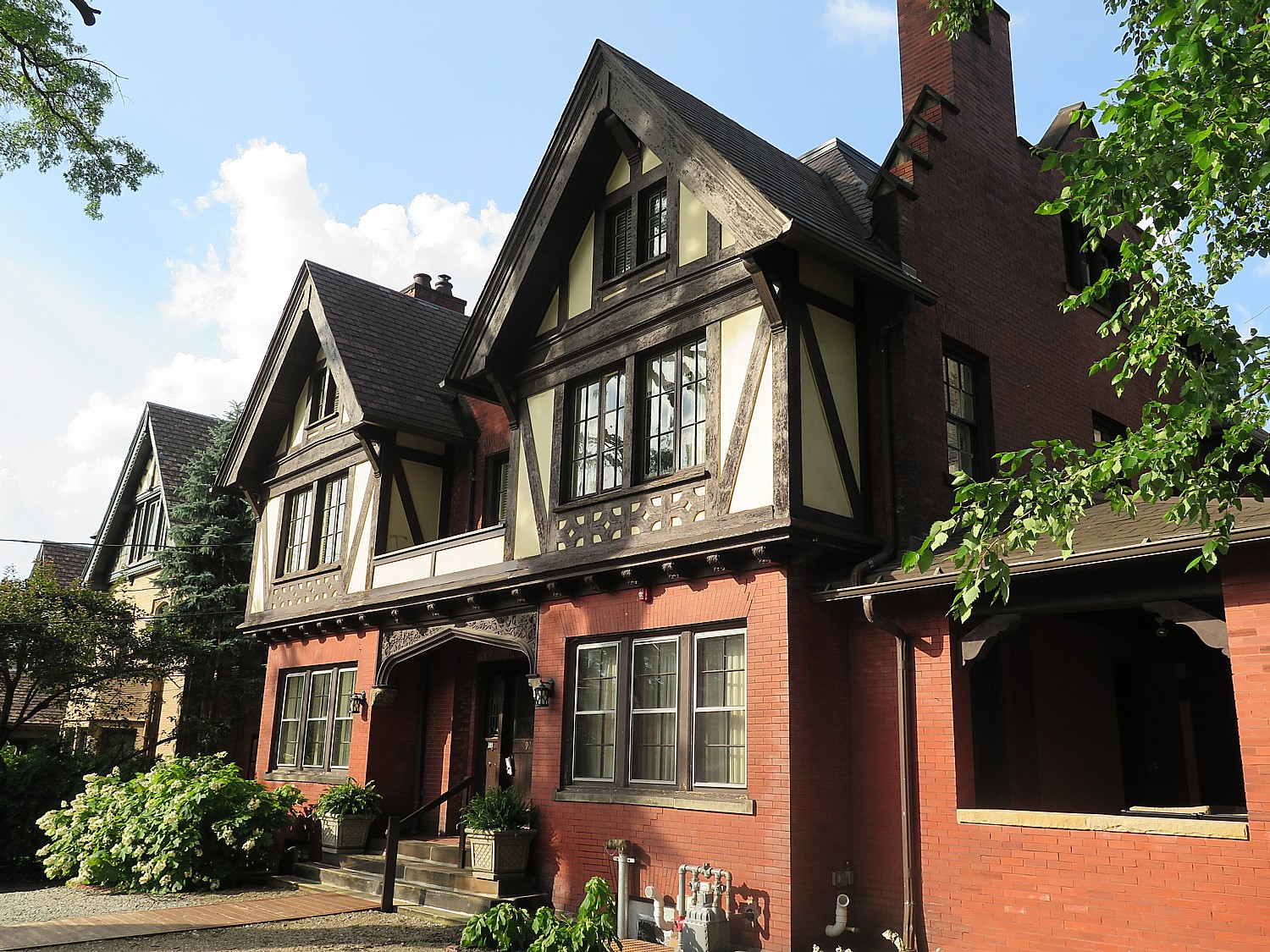
How to Spend a Perfect Day in Athens, Greece

View of Acropolis Hill at night, from Acropolis Hill Hotel's roof garden © 2015 Karen Rubin/news-photos-features.com
View of Acropolis Hill at night, from Acropolis Hill Hotel’s roof garden © 2015 Karen Rubin/news-photos-features.com

By Karen Rubin, Travel Features Syndicate
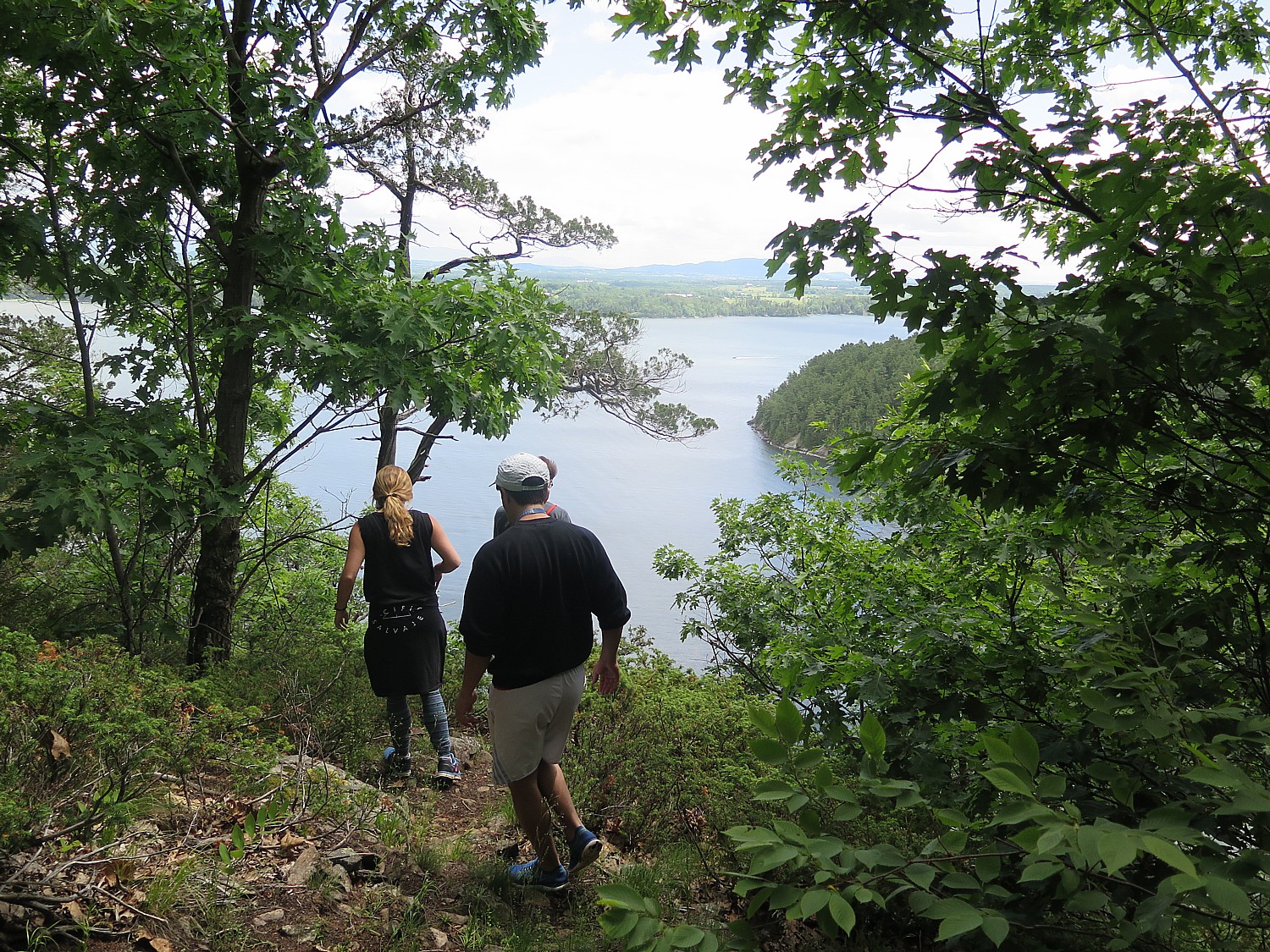
If you only have a single day to spend in Athens, resist the temptation to rush to the Acropolis Hill and the New Acropolis Museum first – these most popular sites in the city which birthed democracy and Western Civilization, are overrun by 9 am with tour groups (though you can visit as early as 8 am), creating a line of people like ants and a cacophony of sound like a noisy schoolyard. Instead, here is an itinerary that gives you the full span of history and culture and gives you time to really appreciate the marvels on display.

The stunning life-size bronze of an African boy jockey on a racehorse, one of only five bronzes to survive the ages, on view at the National Archeology Museum in Athens © 2015 Karen Rubin/news-photos-features.com

9:15 am: Start the day at the National Archaeology Museum, a 10-15 minute walk from the Omonia Metro Station (1.2E, about $1.50 a ride, or 4E for a full day of travel).Take a guided tour (50E for up to five people – we were lucky enough to have Andromache as our guide, Andromache.vl@gmail.com) – otherwise, you will be awed by what you see, but not understand their importance or context, even with the good labels and explanations in English. This is a spectacular museum that is not to be missed – only place where you will see archaeology representative of all regions of Greece over all its eons and periods (even surpassing the Metropolitan Museum of Art’s collection, and what a marvel to see the items in context): beginning with the Neolithic period, 6500-3300 BC (and what extraordinary pieces! including gold objects and stunning clay figures that showed a devotion to Mother Earth, Gaia, and hinted at the matriarchy that preceded a patriarchal religion and society).

The famous Mask of Agamemnon is thrilling to see "in the flesh" at the National Archaeological Museum, Athens © 2015 Karen Rubin/news-photos-features.com
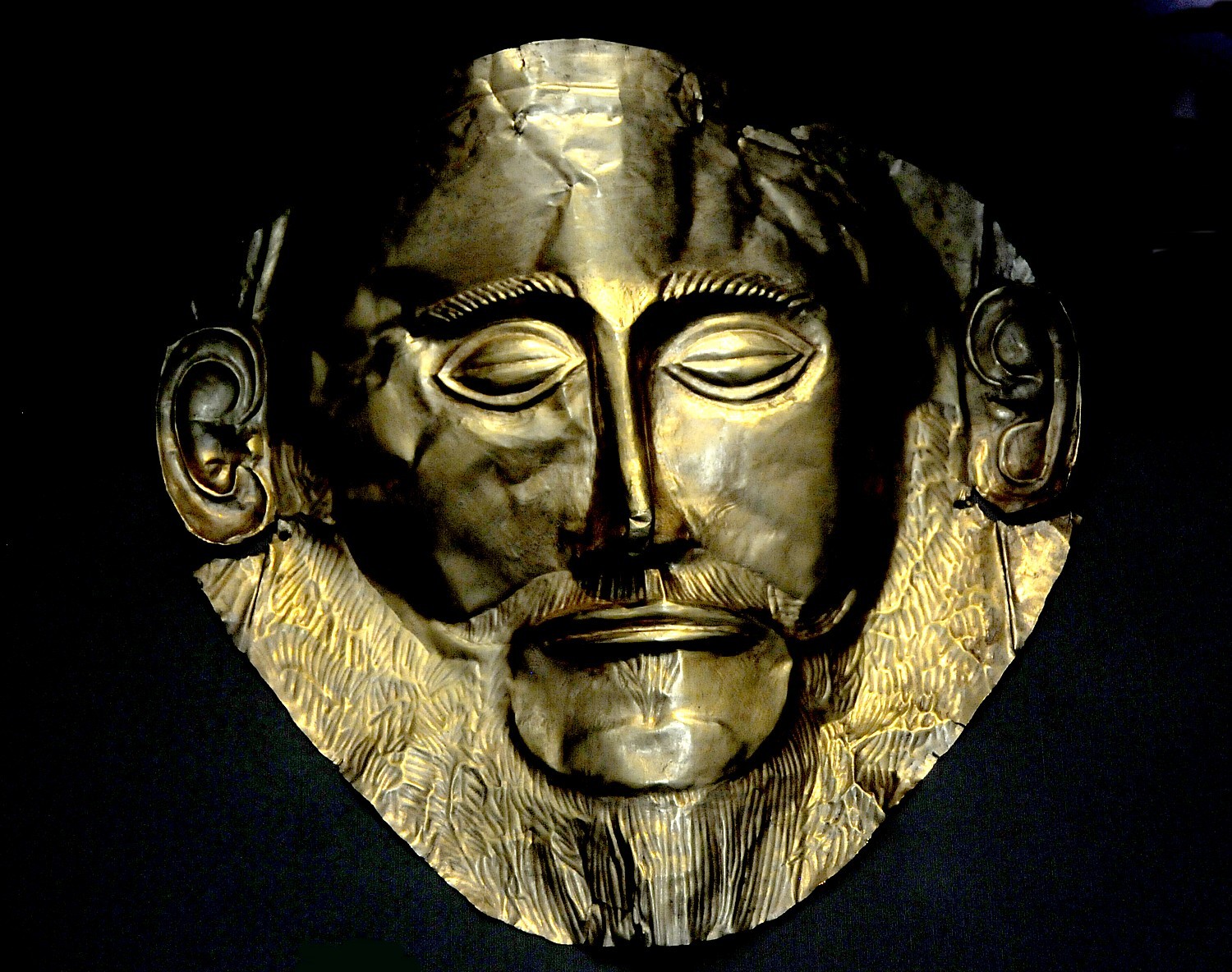
The famous Mask of Agamemnon is thrilling to see “in the flesh” at the National Archaeological Museum, Athens © 2015 Karen Rubin/news-photos-features.com

You will be able to see the Golden Mask of King Agamemnon, excavated by Heinrich Schliemann at Mycenae in 1876, (which we learn is actually centuries older than Agamemnon’s reign, but they keep the name for “marketing” purposes), spectacular gold ornaments and funeral objects that suggest a belief in an afterlife, There are two of only five full-scale bronzes left in the world – one, a national symbol of a standing god (Zeus or Poseidon, it isn’t clear because the tool that he would have held, a lightening bolt or a trident, perhaps, has been lost to time) was saved because as it was being taken to Rome by boat to be melted down for weapons, the boat sank and was found in 1926 by fisherman, plus a bronze statue of an African boy on a racing horse that was saved by being shipwrecked, made during the time of Alexander the Great, when the expansion of Greek’s empire brought exotic themes into the art (Alexander was also the first person to have a portrait in a statue). You also see a vase with the first sentence (or rather, the oldest known sentence) written in Greek language: “Now I belong to the man who is the best dancer.” (I think to myself, what pressure on a person to write the first sentence to go down in history! Or, for that matter, the inventor of the “space” between words, which had not existed in Greek.).

Also, there is an astonishing special exhibit,” The Antikythera Mechanism,” about an astrological clock invented in 150-100 BC – centuries before Columbus used an astrolobe to explore the globe – that could predict planetary events 19 years ahead. The Mechanism, made with the precision of a Swiss watchmaker (how did they get the parts so thin and flat?), was found in 1900-1, in the wreck of a ship sunk off Antikythera.  Seven large fragments and 75 minor pieces have survived. “Their exact position and the original structure of the Mechanism are still a matter of intense investigation,” though an extraordinary video suggests how the machine, containing at least 30 gearwheels as well as dials, scales, axles and pointers, was put together. The notes say that the Greek astronomical inscriptions on the surface of the Mechanism refer to astronomical and calendar calculations, while the inscriptions on its metal protective plates contain instructions for its use. The Mechanism was protected by a wooden case, which had a bronze plaque on the front and the back side.

“The Antikythera Mechanism is the earliest preserved portable astronomical calculator. It displayed the positions of the Sun, the Moon and most probably the five planets known in antiquity, Mercury, Venus, Mars, Jupiter and Saturn. It was used to predict solar and lunar eclipses, it kept an accurate calendar of many years, and displayed the date of Pan-Hellenic games that took place at Nemea, at Isthmia, at Delphi, at Dodona and at Olympia.

“Its construction dates to the second half of the 2nd century BC. Its technology, which recalls the successors of Archimedes and the school of Poseidonius on the island of Rhodes, was the result of the development of philosophy and of exact sciences that took place in Greece until this era, and also draws on knowledge of the Hellenistic Age (celestial parameters, mechanical design and use of epicyclic gearing). The Mechanism bears witness to the astronomical, mathematical andmechanical ingenuity of ancient Greeks in Late Hellenistic period.”

It was the computer, the cell phone and the calculator of its day, and makes you realize that in every age, it only takes one genius to transform the world.

(National Archaeology Museum, 44 Palision St., www.namuseum.gr)

View of Acropolis through Hadrian's Gate, once the entrance to Athens. © 2015 Karen Rubin/news-photos-features.com
View of Acropolis through Hadrian’s Gate, once the entrance to Athens. © 2015 Karen Rubin/news-photos-features.com

11:30 am: From the National Archaeology Museum, hop back on the metro (the stations are beautiful, and each one features an exhibit of archaeological discoveries excavated when they dug the metro, but you are repeatedly warned to watch out for pickpockets, and we personally know several people who were in fact pick-pocketed) to the Acropolis stop, and walk  through Hadrian’s Gate (the original entrance to Athens), to the Temple of Olympic Zeus, one of the largest temples in Greece.
12:15 pm Walking through the Plaka, we stop for lunch under an umbrella, beside an arbor – relaxing and checking WiFi (just about all the tavernas have free WiFi. Greece offers exceptional value now – not only is the dollar strong against the Euro, but prices in Greece have been cut with the economic downturn, to make them more affordable. Our lunch cost less than 30E for 3 people, or about $10.

1:15 pm We walk past The Library of Hadrian (a gift of the Roman Emperor supporting education and exercise in Athens) and the Roman Agora (a commercial marketplace) in order to have enough time in the Ancient Agora – an exceptionally important site, where you will stand over the first House of Parliament, literally the birthplace of democracy.

You need to allocate at least one hour at the Ancient Agora in order to have time to visit a superb museum, housed in the reconstructed Stoa of Attalos, a 2nd C BC building that was restored in 1952-56 by the American School of Classical Studies to exhibit the artifacts collected at the site (it was renovated in 2003-4). Here you will see how citizens (a minimum of 6000 were necessary) could vote to “ostracize” a politician accused of corruption. (Pericles, who we regard today as marshalling the Golden Age of Greece, received 43 of these “votes” recorded by scratching the name into a broken piece of pottery; to avoid prosecution, which could have resulted in being exiled for 10 years, Plutarch suggests that Pericles started the Peloponnesian War).

A lottery "machine" for selecting jurors, on display at the museum at the Ancient Agora. © 2015 Karen Rubin/news-photos-features.com
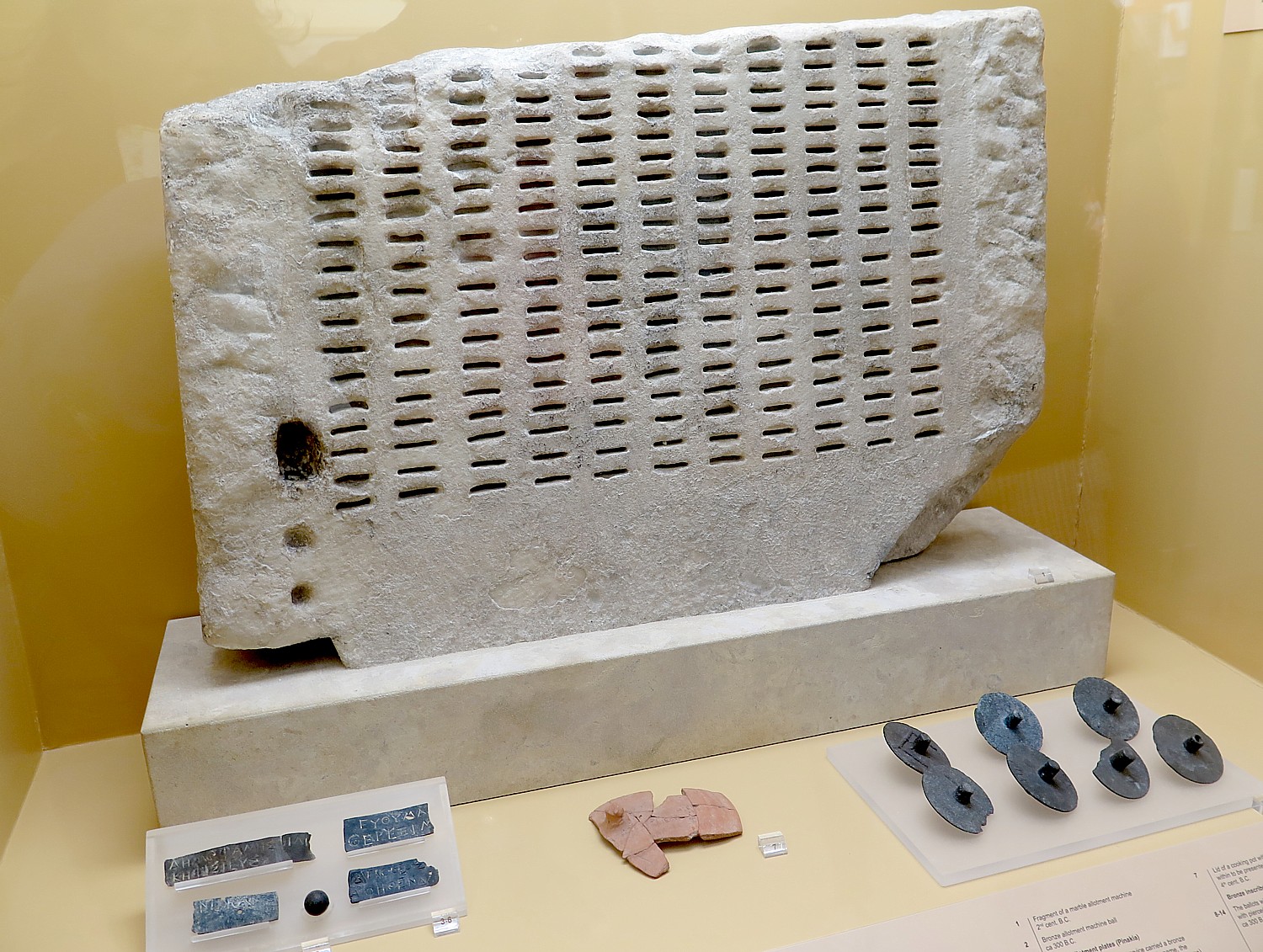
A lottery “machine” for selecting jurors, on display at the museum at the Ancient Agora. © 2015 Karen Rubin/news-photos-features.com

You also see the lottery system used to pick jurors (they paid 1/3 drachma to buy a strip in which to write their names, and if selected, would receive a drachma’s pay), and the devices used to record their verdict. Also, there are a collection of small cups used by prisoners to take hemlock – one of the cups could well have been used by Socrates, who was sentenced to death for teaching the heresy of denying 12 gods at a time when paganism was the official religion (he supported the idea of a single spirit, which gets me thinking that he might have been influenced by the Jewish community that was already established in Athens at the time – in fact, we visit the site where signs, etched in marble, announced the Jewish synagogue, near where the House of Parliament stood. The original artifacts are at the museum, but not on display).

Then walk down the street lined with statues of Giants (in Greek tradition, Titans were first, then the Giants, then the Olympian gods), to a headless torso of the Roman Emperor Hadrian, who respected and admired Athenian culture and enhanced it with his Library and other institutions, but threw Christians to the lions (and wasn’t so great for Jews, either). The homage paid to him by Athenians was shown in the decoration on his breastplate, depicting the goddess Athena standing on a wolf suckling the twins, Romulus and Remus, the mythical founders of Rome. But the headless statue was contemptuously thrown into the sewage ditch by early Christians (who also defiled the Parthenon and most of the statues denoting devotion to paganism), and only discovered in the sewer when they excavated.

The Hadrian Statue stands near the Bouleuterion, or Council House, where the 500 representatives of the 10 tribes met, would have been – in essence, the first House of Parliament.

Above, on a hillside, is the beautiful Temple of Hephaistos (5th C BC) but just to the side is believed to have been a synagogue, serving a Jewish community that had existed in Athens at least since 3 rd C BC and possibly as early as 6th C BC. This is based on finding etched marble – in essence, a sign for the synagogue, which comes from the Greek words “synagein,” which means “to bring together” and the same root word as “agora” which means “a place of assembly.”

The Agora was the political center for Athens, and because it was a gathering place, also became a commercial center. It was there that courts were held (but capital crimes were tried outside its boundary, so the blood on a murderers’ hands not pollute the public space).

2:30 pm: Walk around the Acropolis Hill up Apostolou Pavlou, a beautiful wide cobblestone boulevard, lined with crafts people, street musicians (and virtually no cars), where you also see ruins of early neighborhoods, as well as peer into contemporary neighborhoods.

For the moment, we bypass the entrance to Acropolis Hill and the Parthenon (though you can buy your ticket, 12E, which gives free entry to the New Acropolis Museum and four other important archaeological sites, which can be used for one visit each over the course of four days), and head straight to the New Acropolis Museum. The entrance to the Museum is on another marvelous cobblestone pedestrian boulevard, Dionysiou Areopagitou.

3 pm: The New Acropolis Museum: Here at the museum, you will get the best orientation to what you will see at the Acropolis – it is a modern museum that opened in 2009, displaying in the most magnificent fashion the most incredible statues and art gathered (saved, preserved and conserved) from the Acropolis. On the top floor, from which you see the Acropolis just in front of you through a wall of windows, the statues and art are arranged exactly in the same way as they would have been on the Parthenon itself – indeed, the room is the same size and proportion as the Parthenon, with columns spaced just as they would have been in marble. The presentation is exquisite.

Here, there is a superb video (presented in Greek and in English) that explains the history of the Acropolis, the artwork, and really prepares you for what you will see with a context. I watched the film in both Greek (English subtitles) and English (Greek subtitles), to absorb it all.

The second floor has statues and figures that are breathtaking – imagine, such features and dynamism in marble 2000 years before Europe’s Renaissance. Here we also see a “portrait” in marble of Alexander the Great – significant because he is the first person to have a likeness of himself in a statue.
We stop at the Museum’s gorgeous café, sitting outside on a rooftop restaurant just beneath the Acropolis, getting a pick-me-up with freddo cappuccino, freddo espresso and a double espresso (coffee and cocktails can be as expensive as a meal). The cafe is fabulous for lunch, as well.

Spend 2 1/2-3 hours going through the museum.

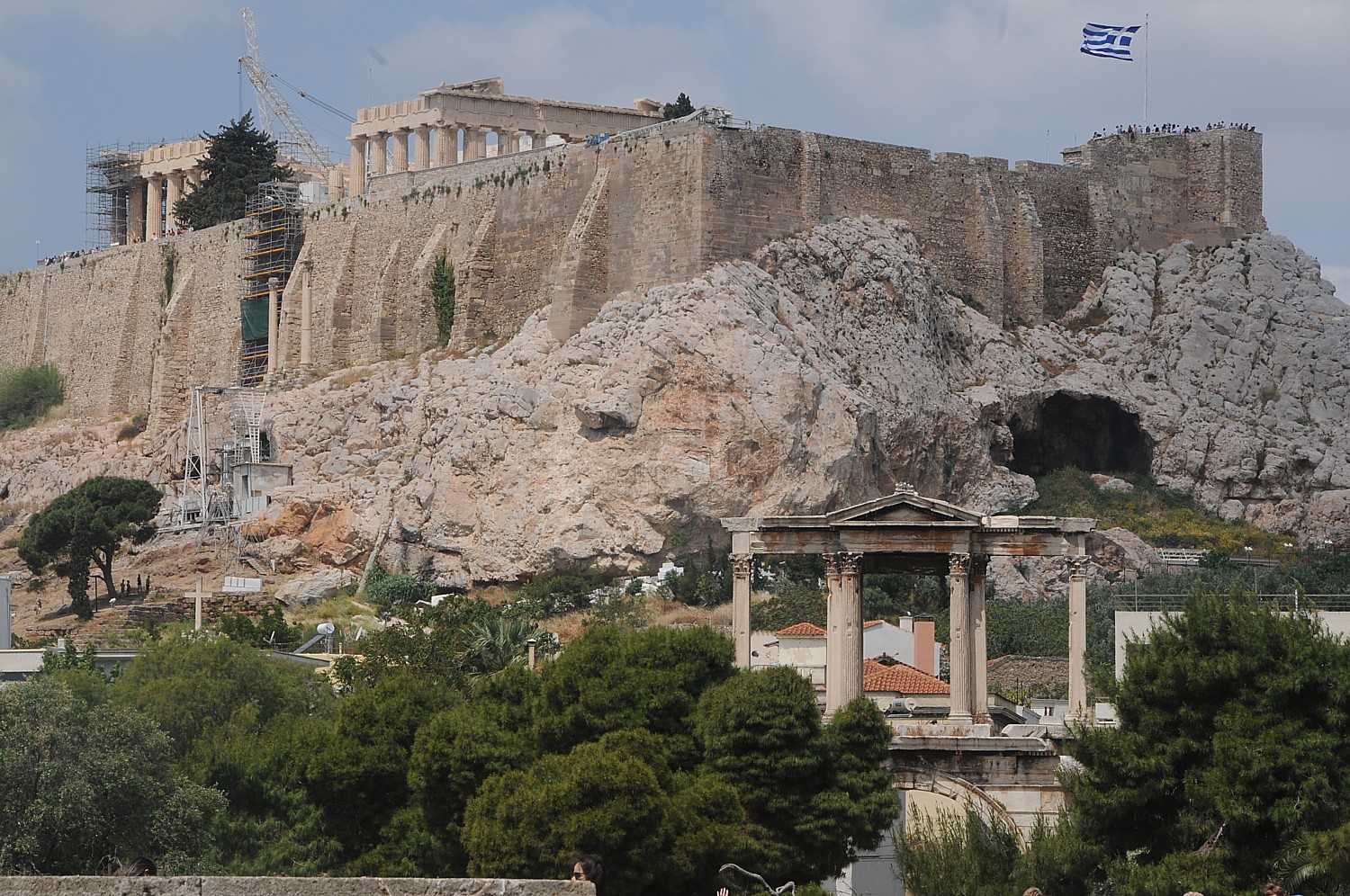
Parthenon, on Acropolis Hill, at the closing hour © 2015 Karen Rubin/news-photos-features.com

6 pm: Now walk back up Dionysiou Areopagitou to enter the Acropolis. This late in the afternoon is a magical time, when the city has cooled down and there are a fraction of the number of people who visit in droves during the morning hours. Now, it is so peaceful, you can linger, stroll around, read the markers, even get photos without hordes of people standing in front. We sit on a promontory that offers an amazing view of the city laid out in front of you, waiting for the sun to get lower and the colors to get more golden, and then go around shooting photos again, the colors of the stone columns becoming gold and orange. We even momentarily catch the Parthenon with no one else in front of it. For that instance, you feel as if the Parthenon is yours alone, as if you hold Western Civilization in your hands. I am struck by a bit of sadness, too, when I realize that the Parthenon is but a scabby skeleton of what it was (now that you have seen the video and the art in the museum), and what has been stripped away and lost forever. But the Greek Government is working to restore the Parthenon – a process that has been going on since Greece became an independent country, in 1821. After various false tries because of inadequate technology and knowledge in restoration, the government is working to replace the fabulous statuaries with replicas in just the exact places, leaving the originals in the museum where they are properly cared for.

(There is also a vigorous campaign to recover the artwork looted from the Acropolis by Lord Elgin when he was ambassador to the Ottoman Empire two centuries ago, and is pointedly made the villain in the museum’s video history of the Parthenon. Since 1816, the marble statues and reliefs taken by Elgin have been prize exhibits of the British Museum.  Meanwhile, the Greeks had to make do with the leftovers, housed in a ramshackle museum built in 1874, that is still on the Hill.  The Greeks built the New Acropolis Museum expressly as an argument that the Elgin marbles should be returned to Athens from the British Museum because there is finally a proper place to house and display them.)

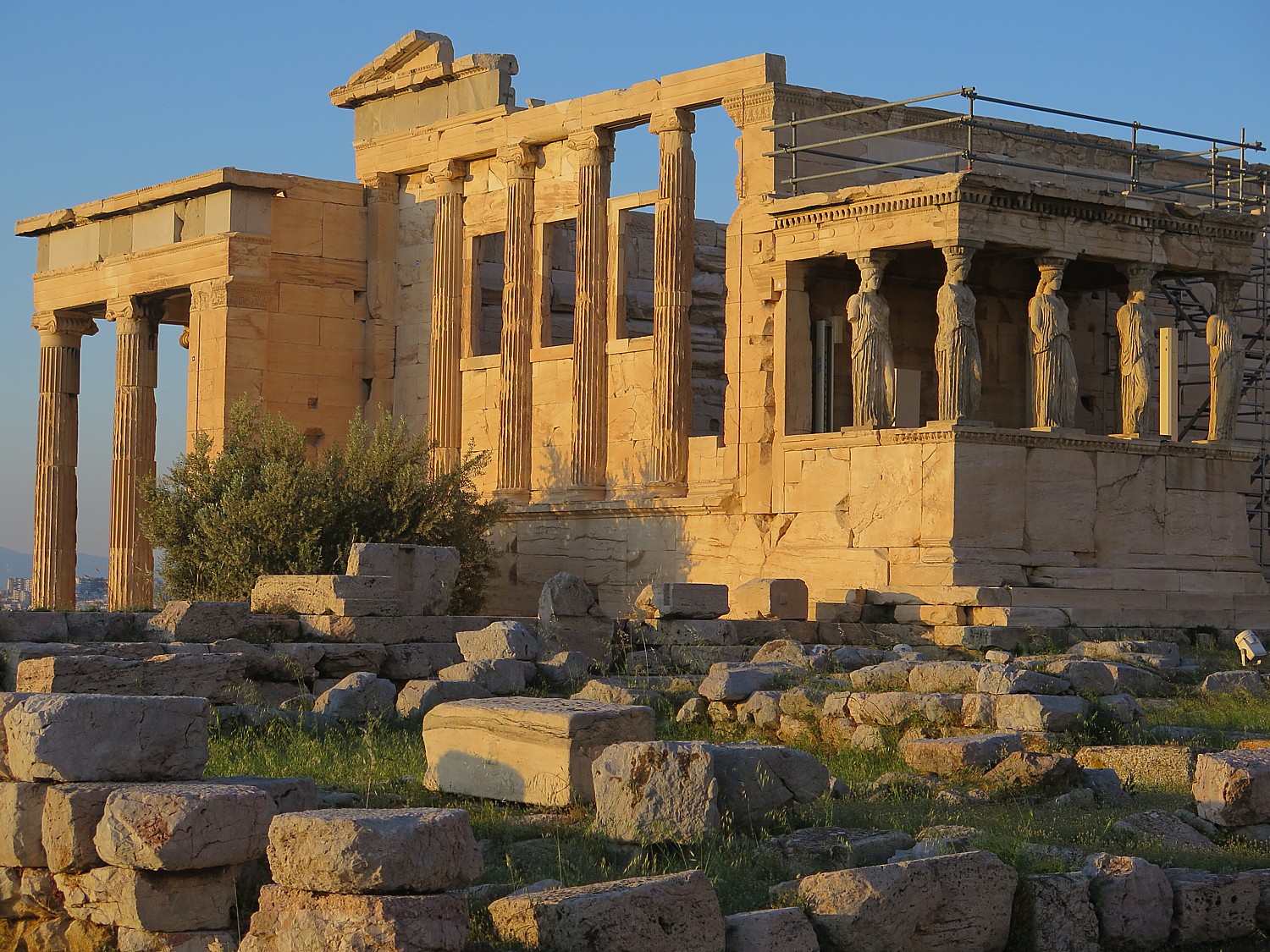
What gets my eye is the Erechtheion, built about 420 BC, an Ionic temple that on one side, is supported with the six Caryatids- stunning statues of women– five of the originals are at the New Acropolis Museum (the sixth was one of the many artworks taken from the Acropolis by the British Lord Elgin).

The city of Athens sprawls out in front of you from the Acropolis Hill © 2015 Karen Rubin/news-photos-features.com

People wait here until the light is best – you only have a 10-minute window or so when the light is great and before the guards shoo you out

We leave finally when we are pushed out at around 7:30 pm by the guards – and get to watch the nightly formality as a contingent of soldiers come to secure the Acropolis). We come down to where people are on a rocky hill, with an incredible view of the sunset. We climb up, too, to take in the view.

Our perfect day is far from over, though.

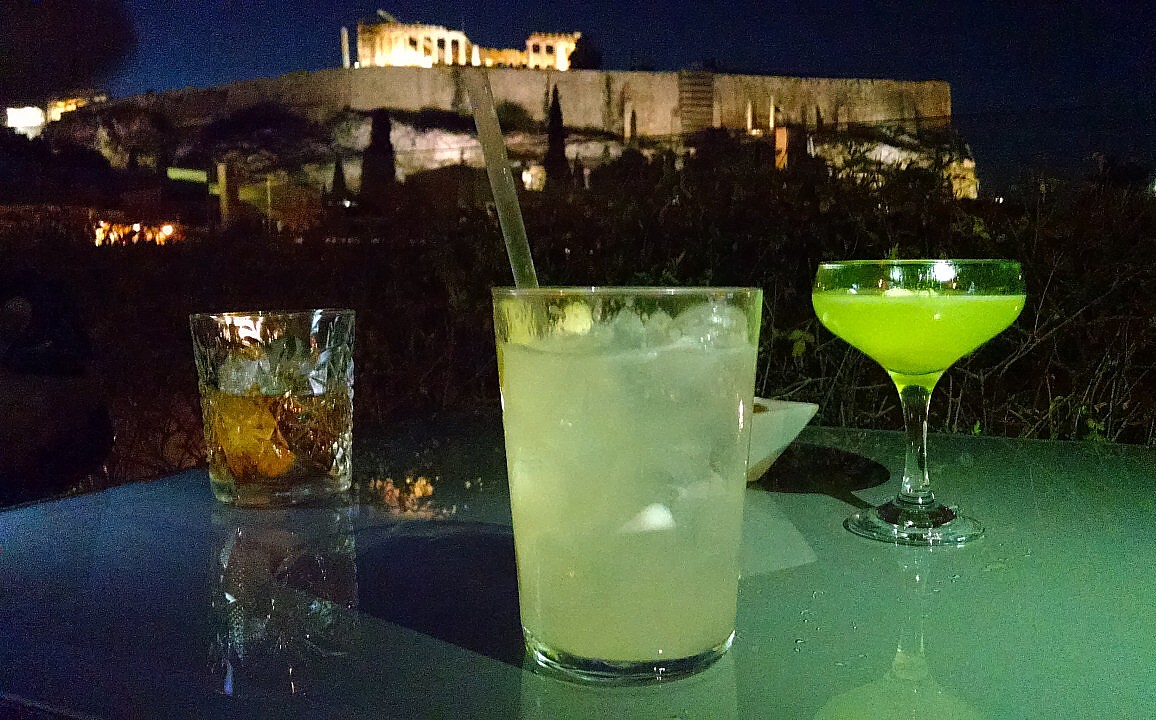
Cocktails at the Hedrion Hotel's Rooftop Garden Bar, with a splendid view of the Acropolis © 2015 Karen Rubin/news-photos-features.com
Cocktails at the Hedrion Hotel’s Rooftop Garden Bar, with a splendid view of the Acropolis © 2015 Karen Rubin/news-photos-features.com

8 pm: We walk down the Dionysiou Areopagitou (I use this wonderful boulevard as much as possible), cutting over to Rovertou Gali to the go to the Roof Garden Bar at the Hotel Herodion, with a stunning view of the Acropolis, lighted at night, a short walk after our late-afternoon visit, and a stone’s throw from the New Acropolis Museum (we can look through its windows at late-museum goers; the museum is open until 8 pm normally and until 10 pm on Friday nights). The Herodion’s bar offers a selection of imaginative cocktails. We enjoyed “Wisecrack Fizz,” with Pisco Barsol, st. Germain elderflower liqueur, fresh grapefruit juice, fresh lemon juice, and soda; a Hellas Fashioned, made with Metaxa 5, sugar, angostura bitters and rose water (one of the clever inventions of ‘Lefty’ the bartender), and 3 Cardinalsa, made with Midori, Frangelico, elderflower syrup, frsh lime juice and fresh orange juice, another of “Lefty’s” creations. the hotel also has a very fine restaurant (Hotel Herodion, 4 Rovertou Galli, Acropolis, Herodian.gr).

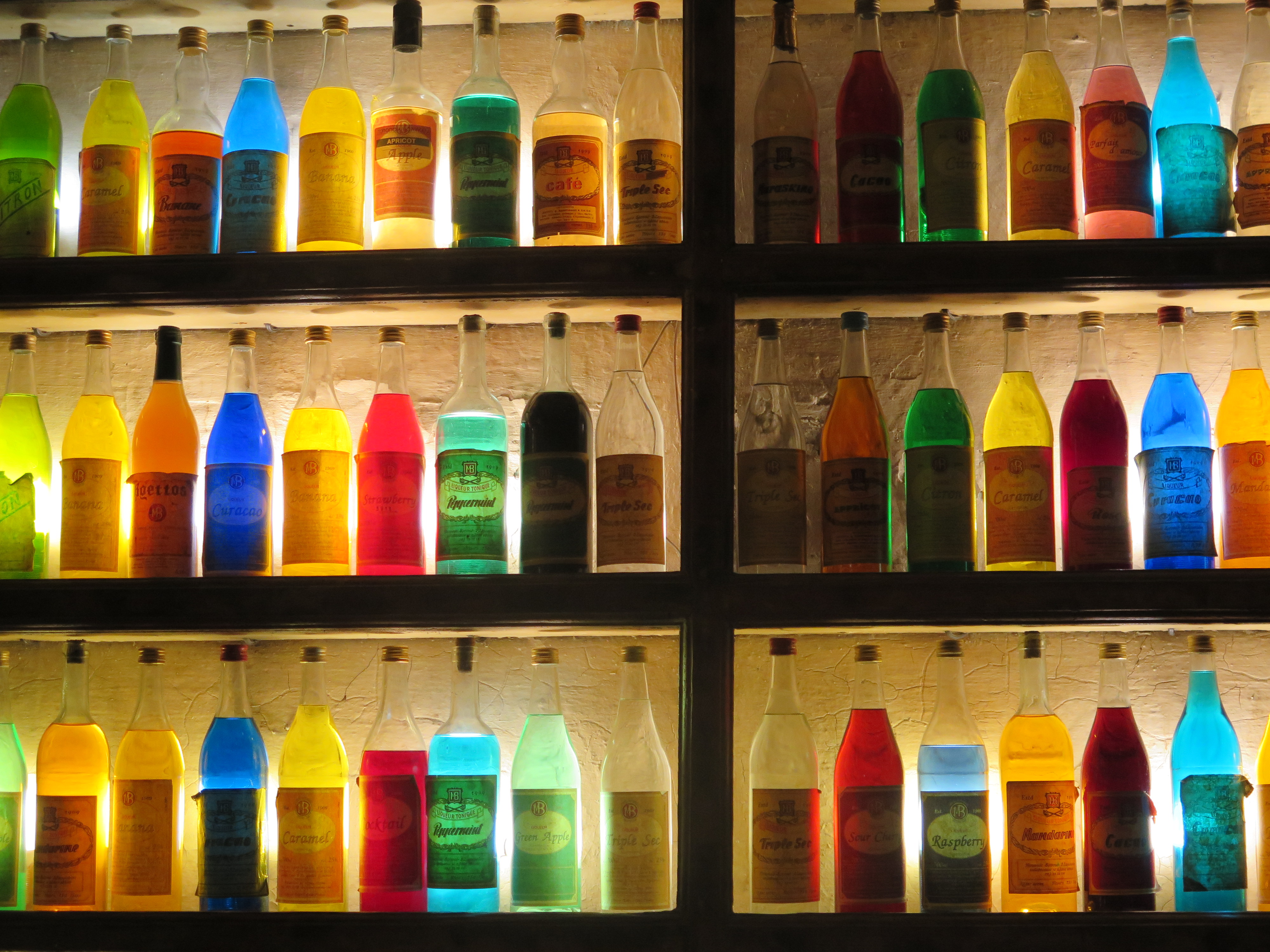
Nightlife in Athens © 2015 Karen Rubin/news-photos-features.com

9:15 pm We get a couple of suggestions for our dinner, which gives us another wonderful excuse to walk through the Plaka to the Monastiraki district.

Thanassou restaurant is packed with people – we notice they are not tourists, but local people, enjoying the souvlaki and gyros. This part of the Monastiraki district is a little outside the most popular tourist area – in fact, restaurants and bistros and clever bars and coffee houses are opening throughout the district taking over where shops – like fabric stores – have been shuttered. The chicken souvlaki, served on pita, with yogurt, onions and tomatoes and french fries, is well done (about $12).

Acropolis Hill Hotel

By now, it is nearly midnight and I walk back to the Dionysiou Areopagitou toward my hotel, the Acropolis Hill Hotel, enjoying the street musicians virtually all along the way,

The new Acropolis Hill Hotel, which opened in the fall of 2010, is an “urban chic” luxury boutique hotel (at three-star hotel prices), nestled in the serene green, upscale residential area of Filopappou, virtually under the sacred rock of the Acropolis and a 15-minute walk from the Plaka. From the roof garden, it offers a lovely view of the Acropolis. It also has an outdoor swimming pool (in season), a lovely breakfast room where an ample buffet is served daily (including freshly prepared eggs, bacon and sausage; a selection of cereals, breads, cheeses, yogurt and fresh fruits), and a lobby lounge, plus free WiFi. My room also has a balcony, refrigerator, and flat screen TV with a selection of programming (7 Mousson Street, Gr 11 742, Filoppapou, info@acropolishill.gr, www.acropolishill.gr.)

The Acropolis Hill Hotel is one of five hotels in the Tour Hotel Group group:

The Arion Athens Hotel offers a wonderful from the roof top garden, free Wifi  (18, Agio Dimitriou St., 105 54 Athens, www.arionhotel.gr, arion@tourhotel.gr).

Achilleas Hotel is a totally renovated hotel right in the heart of Athens commercial and business center, a two minute walk from Syntagma Square, a location next to the Acropolis Museums, Parliament, Emou shopping Street and the Syntagma metro station. It offers suite rooms ideal for families (Lekka 21 Str., 105 62 Athens, Greece, www.achilleashotel.gr, achilleas@tourhotel.gr).

For a different experience, the Kalamaki Beach Hotel is a resort-style property in the Peloponnese in a verdant area next to the emerald waters of the Saronic Gulf. It offers a swimming pool, tennis courts and children’s playground (www.kalamakibeach.gr).

(For more information, visit Tour Hotel Group, www.tourhotel.gr.)

If you have more time in Athens, here are some recommendations:

Take a walking tour such as Context Travel‘s “Acropolis Seminar” and Context Travel’s “Daily Life in Ancient Athens which together give a very comprehensive understanding of ancient Greece in a very intimate setting so that the guides can be very responsive to your interests and questions (info@contexttravel.com, www.contexttravel.com/city/athens (story to follow).

See Athens with a Native: “This is My Athens”  program offered through the official city of Athens visitors’ website  pairs visitors with a local Athenian volunteer who goes beyond the traditional guidebook sights to take you to local neighborhoods. You get matched with a volunteer by filling out a form at http://myathens.thisisathens.org/default.php?pname=homepage2&la=2 . For more info: http://myathens.thisisathens.org/ (story to follow)

The Jewish Museum of Greece offers fascinating exhibit where you can learn about Europe’s oldest Jewish settlement, 39 Nikis St., 105 57 Athens, Greece, info@jewishmuseum.gr, www.jewishmuseum.gr (hours are Monday-Friday, 9-2:30 pm, Sundays, 10-2 pm).

This is an exceptional time to visit Greece – the dollar is strong against the Euro and prices in Greece have been reduced. I had expected to see the kind of blight and deprivation that the US experienced as a result of the financial crisis of 2008, but apart from some graffiti (“We are artists, not vandals,” one proclaims), and some closed shops, the city is absolutely magnificent, vibrant and bustling, with many chic, new enterprises opening, and the people are welcoming and good natured.

Great planning tools are at www.thisisathens.org.

_______________________________

© 2015 Travel Features Syndicate, a division of Workstyles, Inc. All rights reserved. Visit www.examiner.com/eclectic-travel-in-national/karen-rubin, www.examiner.com/eclectic-traveler-in-long-island/karen-rubin, www.examiner.com/international-travel-in-national/karen-rubin, goingplacesfarandnear.com, and travelwritersmagazine.com/TravelFeaturesSyndicate/. Blogging at goingplacesnearandfar.wordpress.com and moralcompasstravel.info. Send comments or questions to FamTravLtr@aol.com. Tweet @TravelFeatures. ‘Like’ us at facebook.com/NewsPhotoFeatures. See our newest travel site at www.tidbitts.com/karen-rubin/where-in-the-world.
The Athens War Museum – A Walk Through the Pantheon of Ancient Military History

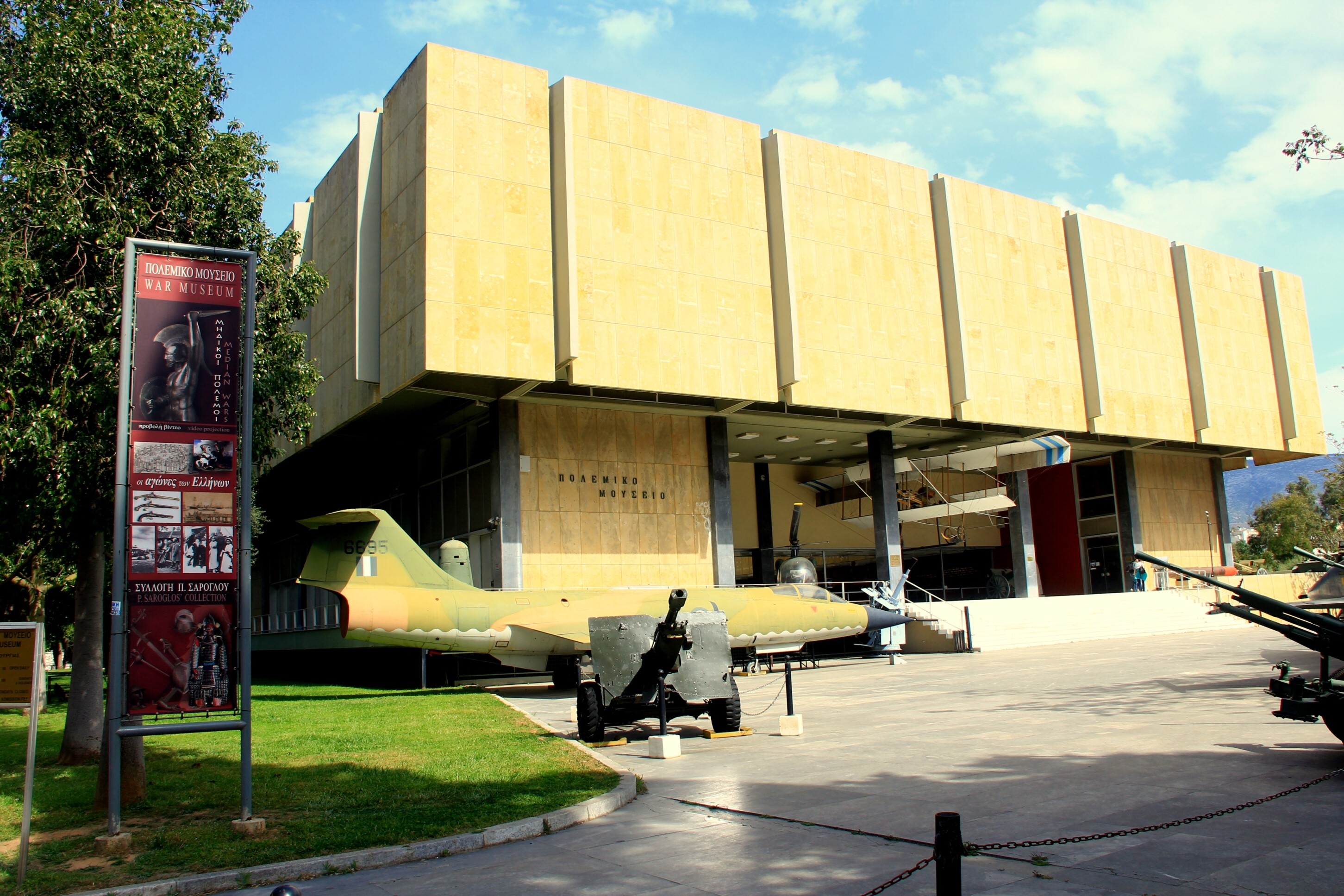
The Athens War Museum is a must-see for military history aficionados featuring four floors with artifacts from 3000 years of warfare, from the ancient times of Alexander the Great through to World War II (photo by Tim Campbell)

By Tim Campbell

About a half mile from Syntagma Square, the heartbeat of Athens, Greece, sits the giant Athens War Museum, covering 3000 years of military history. This must-visit museum for military history aficionados and militaria fans features four floors of ancient warfare, ranging from the ancient times of Alexander the Great right through to World War II.
Torn by millennia of conflict, Greece has witnessed innumerable battles. Battles it has won and lost against nation states like Macedonia, the Ottoman Empire, Italy and Germany. Funded by grants from the Greek armed forces and generous donations from individuals and companies, the Athens War Museum is loved by all visitors with even the slightest interest in military history and warfare.

My guide during my recent visit, Brigadier General Panagiotis Kaperonis, is a 37-year veteran of the Greek Army. Now 55 years old, Brigadier General Kaperonis was educated at the world famous Gordonstoun Academy in Scotland, and also spent time training at Fort Benning near Atlanta, Georgia, USA. Gordonstoun Academy is where Prince Charles went to school.

Designed by scientists, and headed by Professor Thoukidides Valentis, the Athens war museum was built in 1975 and opened that year by the then Greek Minister of Defense, Constantine Tsatsos. This year the museum celebrates its 40th anniversary.

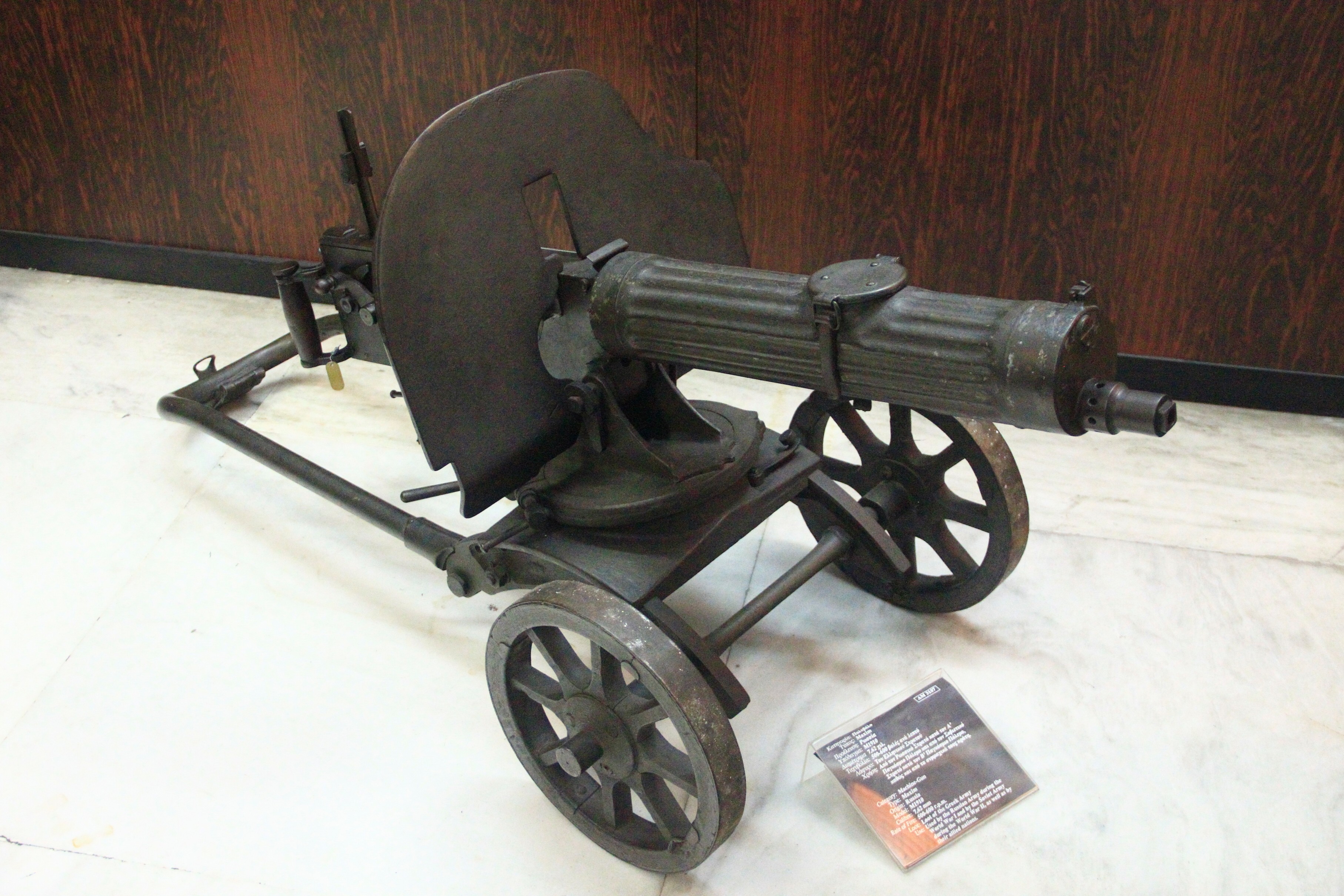
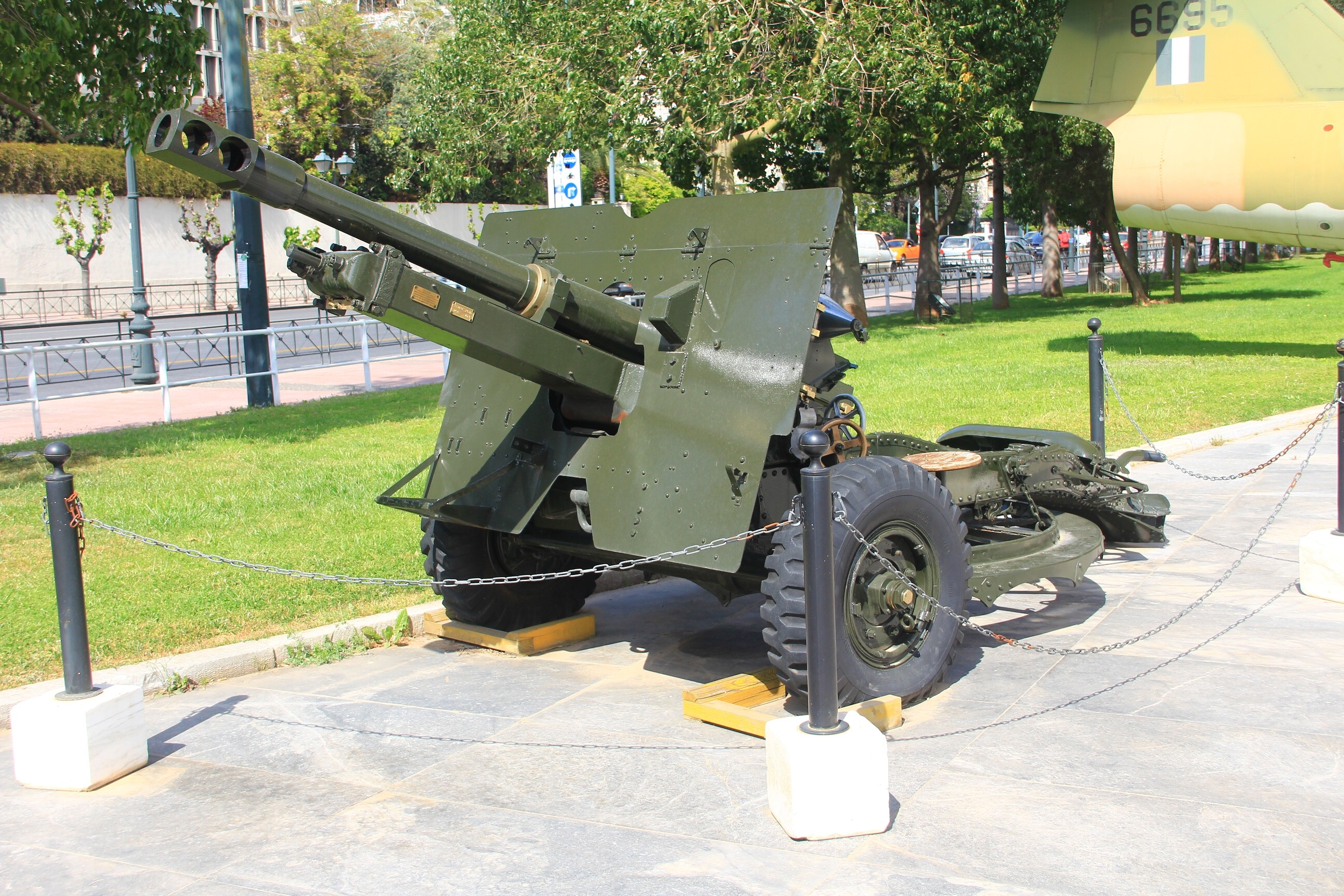
This bastion of all things military covers approximately 40,000 square feet, with four floors and a parking garage. An outside area, open to the public, is crammed with First and Second World War artillery and aircraft. The striking outdoor exhibition space displays Army, Navy and Air force militaria, including a helicopter, fighter jets, eighteenth century cannons, and several generations of artillery.

All the outdoor exhibits are being restored by professionals. When one is completed and returned to the museum, another departs. Each unit takes approximately two to three months for full restoration, the cost supported by grants from the Greek armed forces, depending on which military division the piece is from.

Inside, as we move from floor to floor, Brig.Gen. Kaperonis describes the various wars and battles that his Hellenic nation has been involved with over the centuries. He told me, “The lower floor is understandably the most popular with overseas visitors because it showcases the exploits of Greece’s most famous son and greatest legend, Alexander the Great”.

The lower floor contains many copies of priceless relics, the originals being stored in the National Museum next to the Acropolis. There are however, some rare original pieces, such as ancient Greek headgear, displayed in glass cases. These are at least two thousand years old, and some even older. The bronze Corinthian, Hoplite, and Spartan helmets were worn by soldiers dating from the Fifth century B.C.

Other interesting artifacts from the period of Alexander the Great include a crossbow and flamethrower. The crossbows were converted into giant-sized military hardware and fired at the enemy, no doubt bringing down several soldiers with each strike of their huge and formidable bolts.

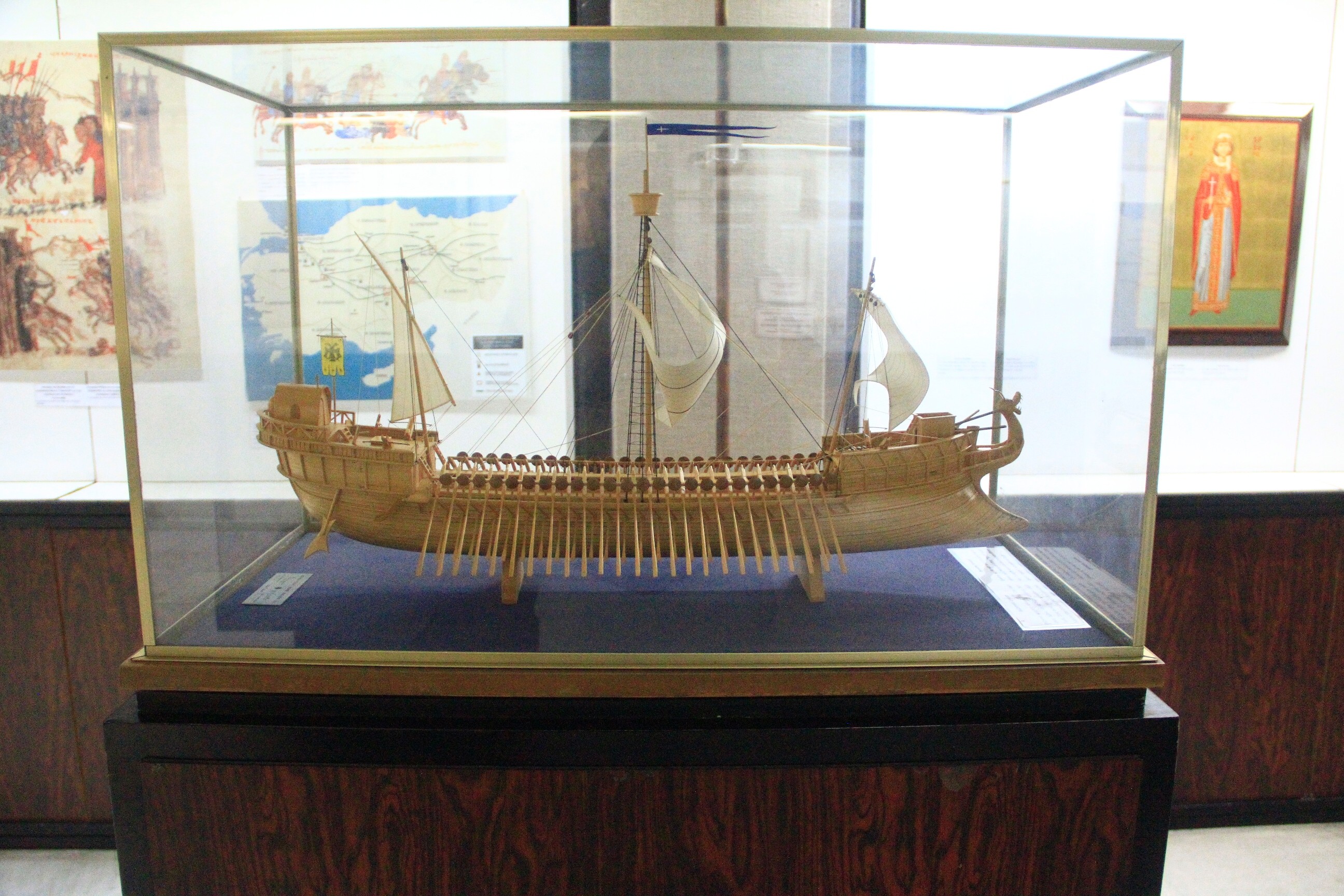
Naval Ship from the time of Alexander the Great. (Photo by Tim Campbell)

During sea battles, the crossbow arrows were set alight with pitch and fired at oncoming vessels. Another surprising weapon was the flamethrower. Pitch was set alight in a bronze barrel and blown by bellows against the enemy by ramming an end spike into the opposing ship. Pushing the bellows that blew air into the tube and through holes in the end, allowed the flames to set fire to the enemy’s wooden vessels. One wonders how many ships delivering the flame were accidentally set on fire!

Setting advancing ships on fire with these ancient flamethrowers was a tactic that made Alexander the Great victorious at sea on many occasions. His soldiers would also convert flamethrowers into hand held units that were used to set fire to masses of infantry and buildings. Models of these crossbows and flamethrowers, and the rock hurling catapults, can be seen in glass cases on the ground floor.

Other artifacts from the Persian, Peloponnesian, and Spartan wars can be viewed under glass covers. The underground floor also houses many prehistoric relics found during archaeological excavations in the city. Dating back to the Neolithic period, the priceless pieces of flint, obsidian and bone are housed in special cases to protect them from today’s temperatures and dust.
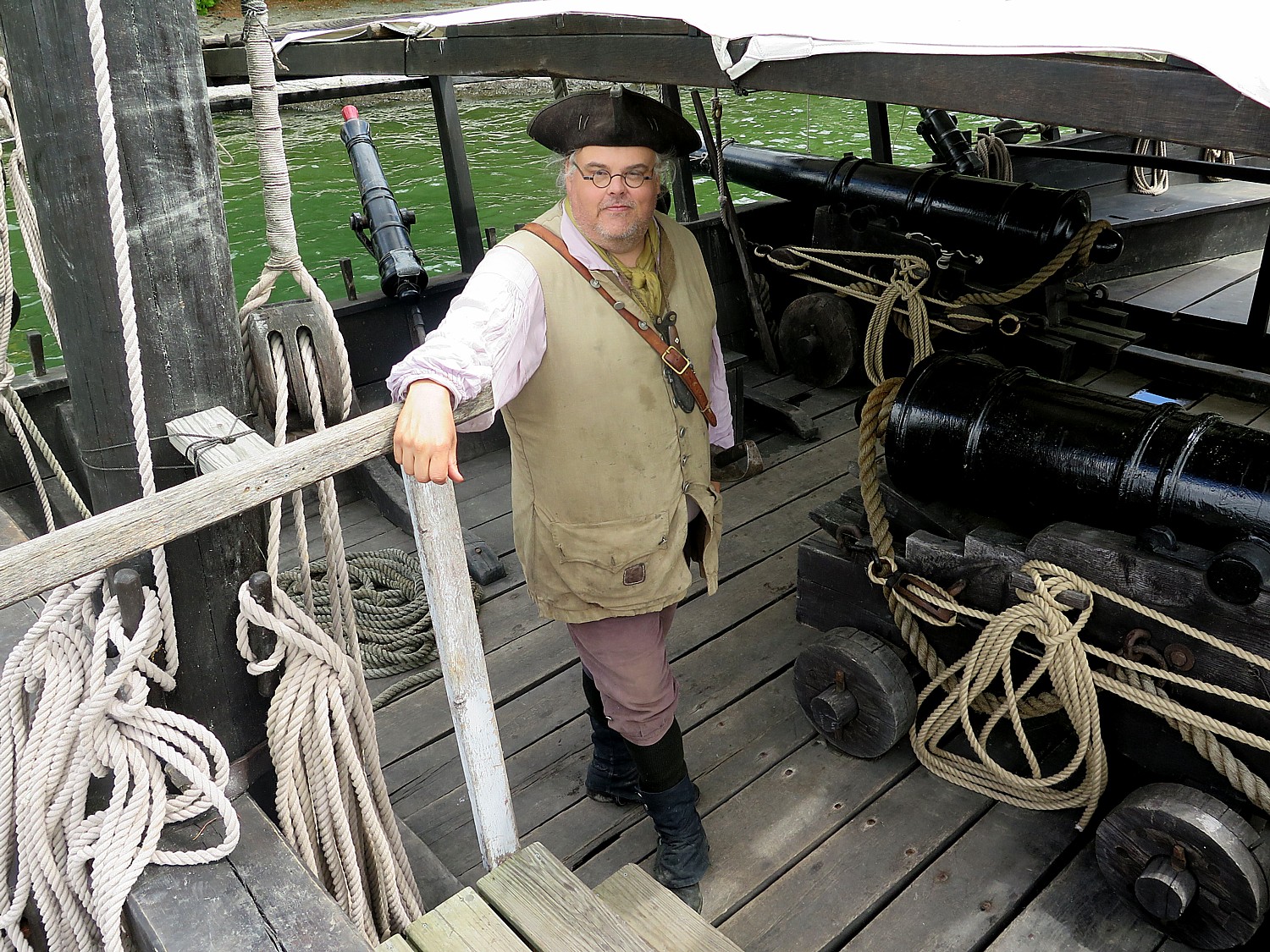
Many other pieces date back to the Bronze Age, featuring items from the Minoan, Cycladic and Mycenaean civilizations. However, many of these are copies of the originals from the National museum at the Acropolis. Despite this, I thought this museum would be practically a religious experience for followers of Homer’s Odyssey!
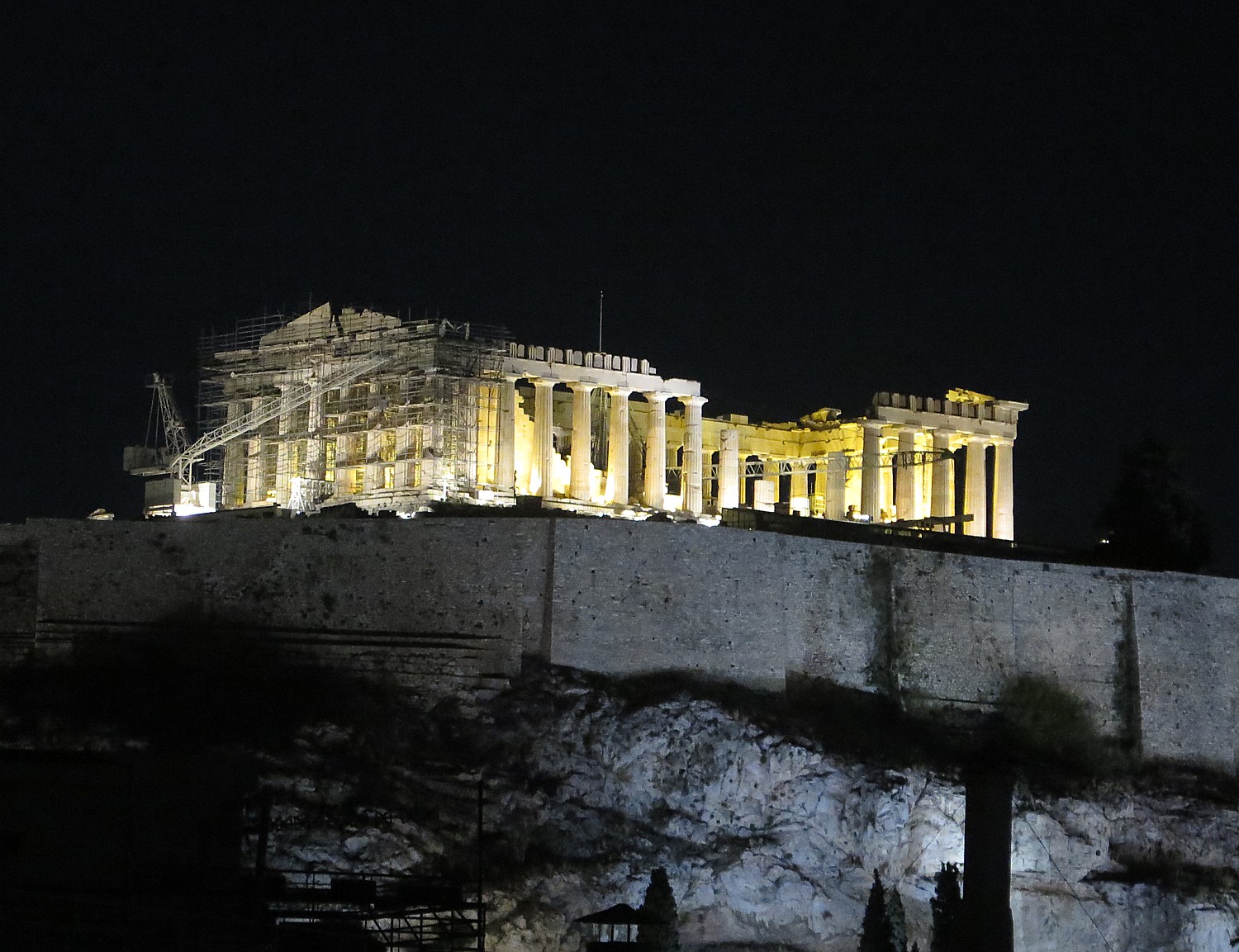
The main floor with the entrance has a dual purpose. Showcases displaying World War II uniforms and glass cases are packed full of medals, ribbons and emblems detailing various Greek armed forces over the centuries. The small arms hardware galleries are set up in various parts of the rectangular main floor with models of artillery and transport used in World War II. This is also where entry tickets are purchased.

A central atrium on the first floor exhibits statues of famous Greek figures from centuries of Greek history. These sculptures of Generals and mythical characters really bring this central atrium to life. The atrium’s marvelous open air design encourages visitors to wander and take the time to view each statue. Informational plaques describe each protagonist’s place in Greece’s volatile history.

American Gatling gun used during WW1. (Photo by Tim Campbell)

The first floor features hardware from World War One and the Balkan Wars. Comprised of small arms and models, these exhibits give the viewer a sense of the portability of the pieces. The lighter mortars and cannon, along with howitzers and 75mm guns, proved to be indispensible artillery in the mountain battles between the Greeks and their attackers.  These portable pieces allowed the armies to move around and above their invaders in the mountains, and fire down upon them with devastating effect.

The second (top) floor features hardware from the Second World War and scale models of various battles and naval vessels. Visitors from the U.K. will recognise the British uniforms and the numerous samples of British military hardware. As one of Greece’s staunchest allies over the centuries Britain has helped provide the Hellenic armies with funds and equipment, as well as uniforms for the Army, Navy, and Air Force.

Many of the pieces on display from WW2 were from captured enemy positions. They include German machine guns and Italian mortars and rifles. The WW1 items such as the rifles, artillery and Mauser machine guns were purchased from the Austrian Hungarian Empire but not with money or traded, they were bought with tons of tobacco grown in Greece.

Greece was devastated during the Second World War. As well as having the majority of Greek Jews being exterminated, the country suffered heavily losing 400,000 of its 4 million then inhabitants, almost 1 in 10 of the entire population. Many Greeks went overseas to both the USA and the UK, helping the war effort by returning funds and weapons to Greece from abroad.

While occupied by the Nazis, Greek partisans fought their battles mainly in the mountains until liberated by the Russians in October 1944. Scale models of some of these World War II battles can be seen in glass cases, the main feature being a replica of the famous Metaxas line of 19 forts across the north of Greece. The small arms display features Lee Enfield rifles, German Mauser guns, Italian mortars and other handguns and rifles.

WWII field gun used by the Greek Army. (Photo by Tim Campbell)

On display in the exterior exhibition are both jet aircraft and helicopters from the Air Force, and Navy sonar equipment. Anti tank weaponry can be seen outside as well as 16th century cannons, 75mm howitzers, rapid fire pom-pom guns, aircraft bombs and missiles. Brig.Gen. Kaperonis gave me detailed information on the items explaining his love of the infantry and how important the artillery was to them. He told me “Without the artillery the infantry cannot be effective, and vice versa”.

The Athens war museum is a highlight for any military veteran, and entry to the museum is only three Euros. To be able to see this much historical hardware through the centuries of Greek history for the price of an ice cream is great value.

People with a military background or anyone who just enjoys looking at original military equipment, can feast their eyes on this original collection found nowhere else in the world. It is an unforgettable experience for any trip to Athens.

Athens War Museum, Rizari 2, Athens. Open 9am to 6pm, closed on Mondays. Smoking is not allowed and there are no facilities to purchase food or drinks. The website for more information is www.warmuseum.gr/english/ and the telephone number of the museum is 210-7252974. If you’d like to meet Brigadier General Kaperonis or arrange a personal tour, contact info@warmuseum.gr.