Category Archives: Cultural travel

Saratoga Springs is Firmly En Pointe as Center for Dance, Culture

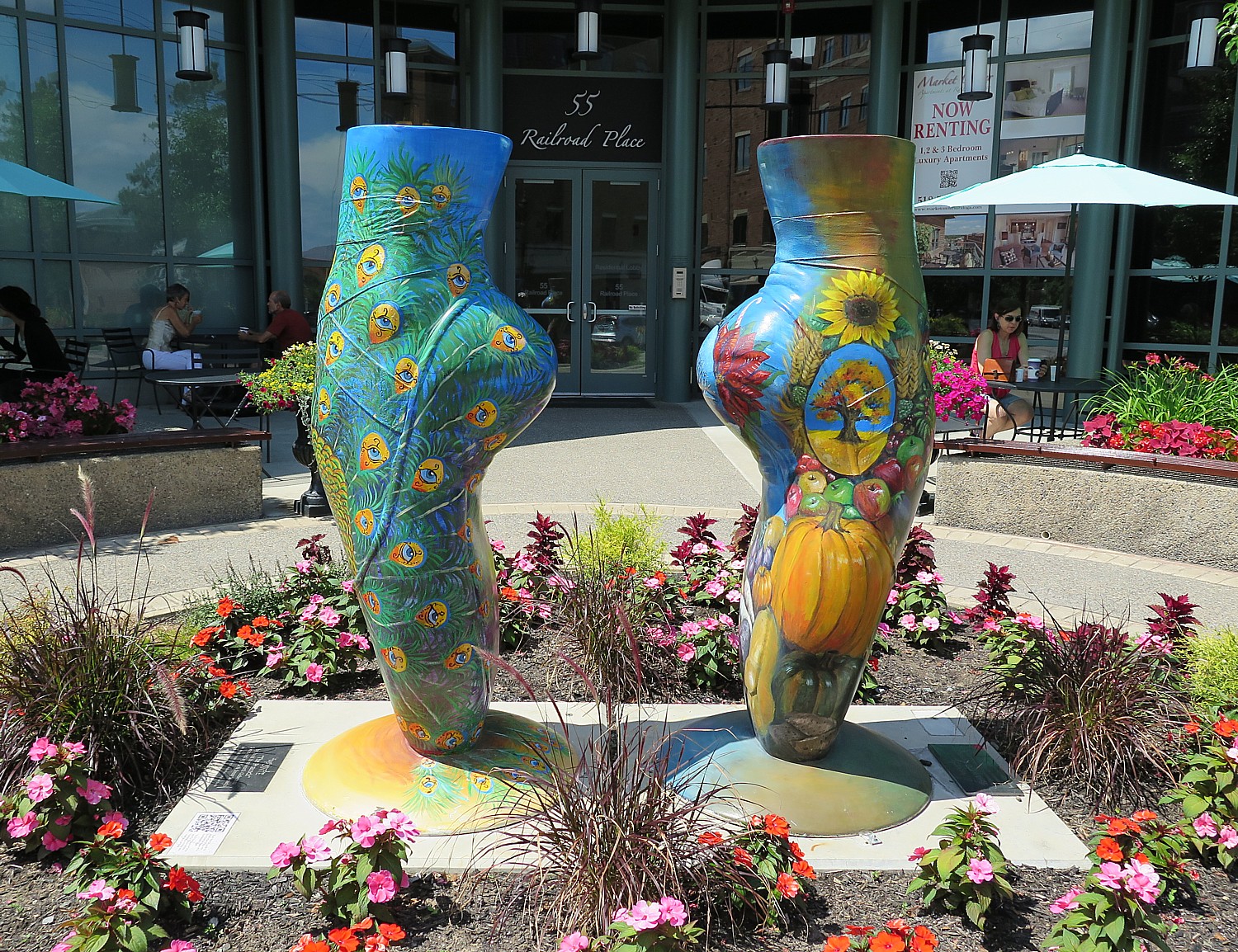
Saratoga Springs, which is the summer home of the New York City Ballet and the location for the National Museum of Dance, celebrates its connection to dance with painted shoes that decorate the streetscape © 2017 Karen Rubin/goingplacesfarandnear.com


By Karen Rubin, Travel Features Syndicate, goingplacesfarandnear.com


With just one full day to explore Saratoga Springs, I am still able to take in the high points that distinguish this town, which has been so popular a place for visitors going back to the 14th century, when its mineral springs were first discovered by Native Americans. Later, it became a major center for organized horse racing, a tradition which remains today, and draws the biggest crowds during the six-weeks of racing season. But Saratoga Springs, owing to the millionaires and elites and then the colleges including Skidmore, has also become a cultural mecca, especially for dance. The Saratoga Springs Performing Arts Center is the summer home for the New York City Ballet and now the home of the National Museum of Dance. 

National Museum of Dance

During my one full day in Saratoga Springs, after thoroughly exploring its horse-racing traditions at the race track and the National Museum of Racing, I next visit the National Museum of Dance, which is located just at the entrance to the Saratoga Spa State Park in what had been the historic Washington Bathhouse (there is still an exhibit to the historic spa). This is such a surprise.

It exquisitely reflects the visual as well as the athletics and art of dance; surprised at seeing video going back to 1895 of dance. All the dance legends are represented with stunning photos, videos, costumes.

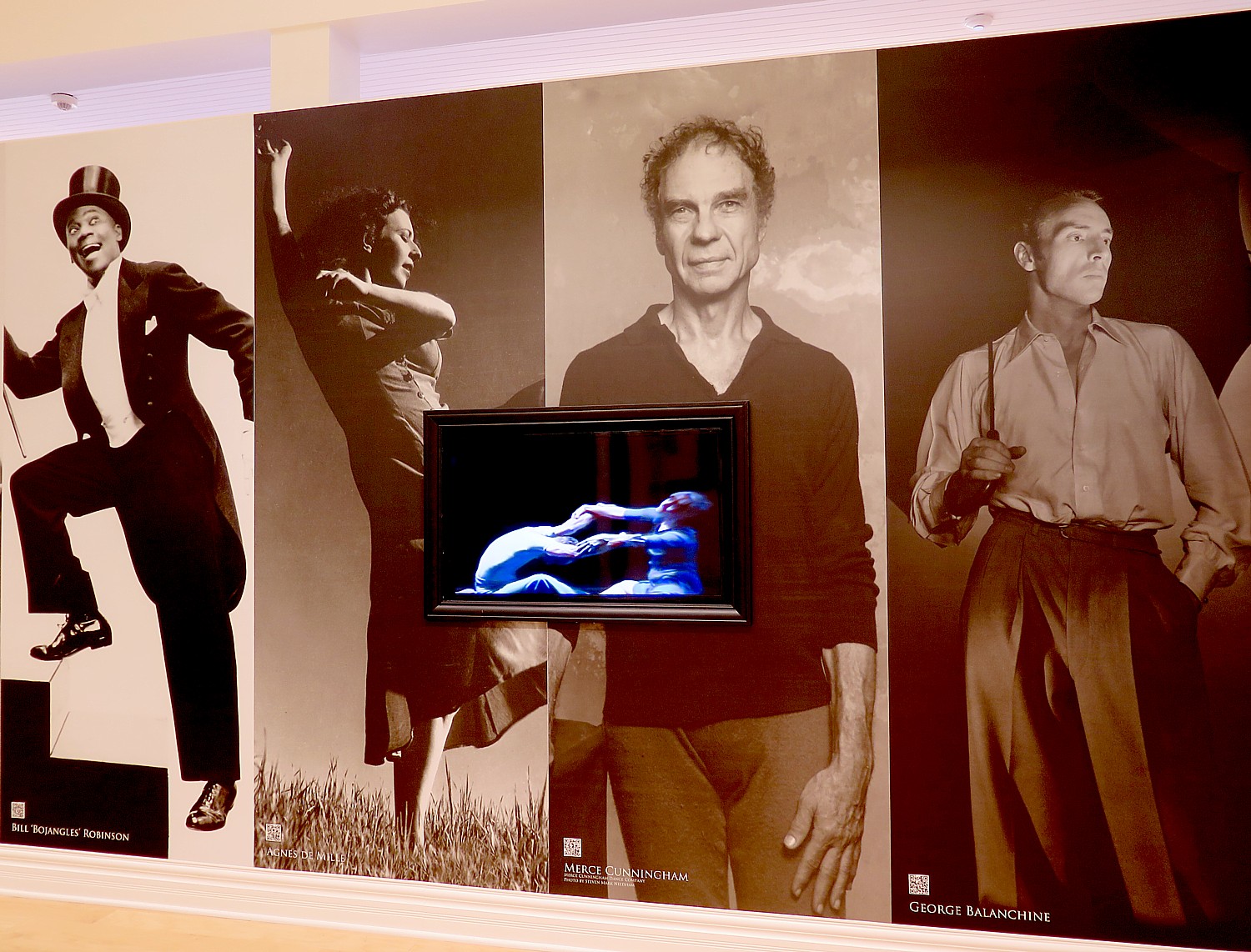
So far, 50 dance pioneers including dancers of all genres, choreographers, composers, writers and patrons have been inducted into the Dance Hall of Fame in Saratoga Springs © 2017 Karen Rubin/goingplacesfarandnear.com

Established in 1986, the National Museum of Dance & Hall of Fame is the only museum of its kind in the nation and one of only a few in the world dedicated to the art of dance (which is why they claim the name, “National.”)

It is set in the former Washington Bathhouse, a 1918 Arts & Crafts style building in the Saratoga Spa State Park which provided health spa treatments (there are rooms you can visit from that time).

The Museum’s archives house a growing collection of photographs, videos, costumes, documents, biographies and artifacts that honor all forms of dance throughout history.

The museum’s galleries feature rotating exhibits and three permanent exhibits including the Mr. and Mrs. Cornelius Vanderbilt Whitney Hall of Fame.

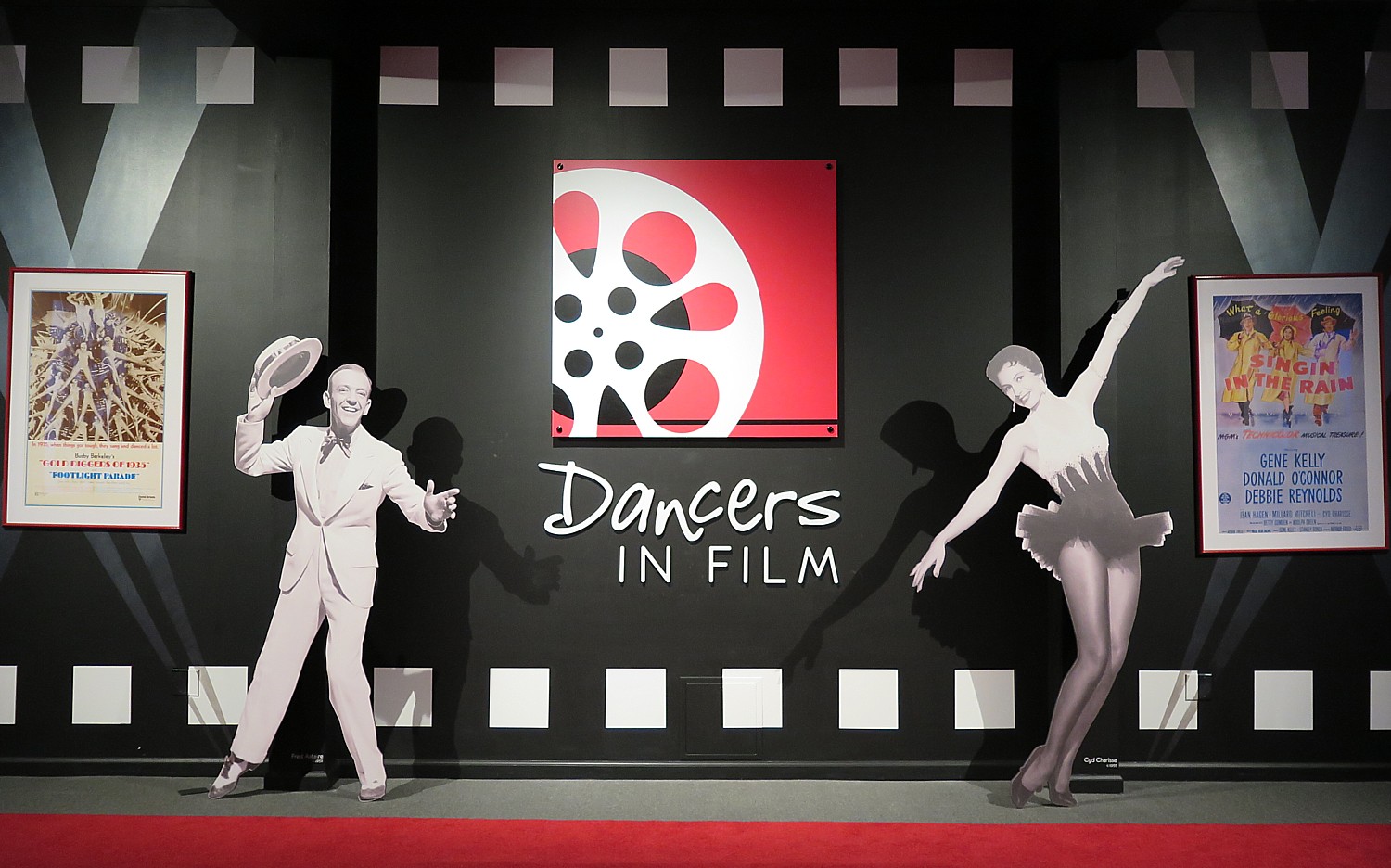
Dancers in Film is an enchanting ongoing exhibition at the National Museum of Dance © 2017 Karen Rubin/goingplacesfarandnear.com

Dancers in Film, a delightful ongoing exhibition, celebrates the relationship between dancers and film, and features both well-known dance stars and our favorite actors who have had world famous dance roles on the silver screen. Highlighted in the exhibit are Lifetime Achievement Award Recipients Ann-Margret (2010), John Travolta (2014), and Chita Rivera (2015). You will love sitting and watching the fast-changing videos. I am frankly amazed to see some of the oldest ones, even from 1895 (at the very dawn of movie-making).

Sparked by an abundant discourse both age-old and current, The Dancing Athlete is an innovative exhibition that explores the inherent connections between dance and sports, and dancers and athletes, and the influence and confluence of these forms throughout history. Through costumes, photographs, video, objects, and archival materials, the exhibit examines these relationships within several themes such as cross training and physiological impact, shared movement vocabularies, and sports-inspired choreography, among others. A select group of athletes and dancers including Lynn Swann, Sugar Ray Robinson, and Edward Villella are showcased as well as several choreographic works including Gene Kelly’s stunning  “A Man’s Game”. By highlighting the athletic prowess of dancers and injecting popular sports and athletes, boys, especially, will better appreciate dance.

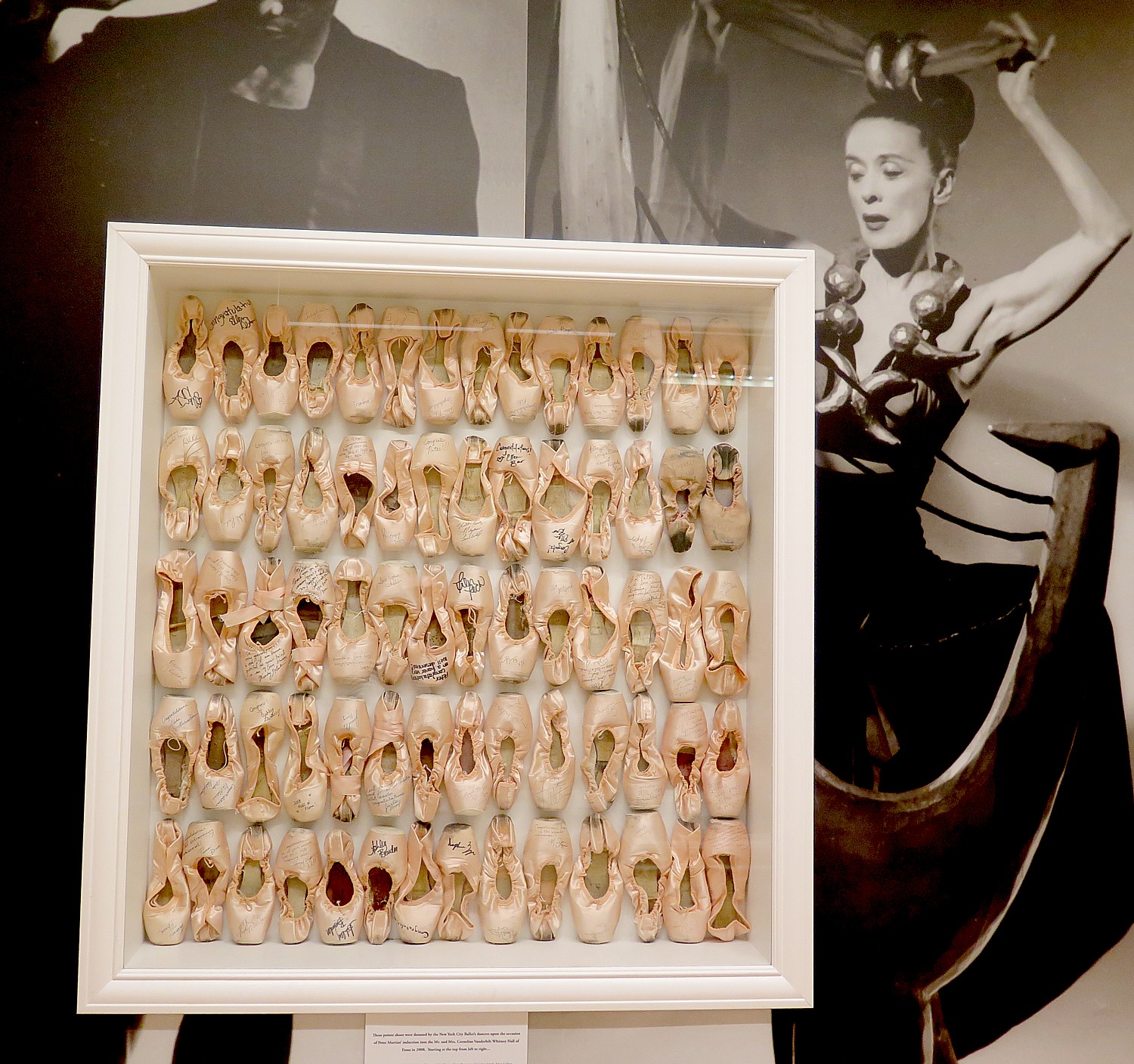
The New York City Ballet company presented their autographed pointe shoes in honor of Peter Martins’ induction into the Dance Hall of Fame © 2017 Karen Rubin/goingplacesfarandnear.com

Opened in 1987, the Dance Hall of Fame honors dance pioneers of all types whether they are choreographers, composers, writers, dancers, or patrons; there are more than 50 who are so far included in the Hall of Fame. Among them: Fred Astaire, George Balanchine, Agnes deMille, Rudolph Nureyev, Isadora Duncan, Martha Graham, Bill “Bojangles” Robinson, Busby Berkeley, Jerome Robbins, Alvin Ailey, Merce Cunningham, Paul Taylor, The Nicholas Brothers, Bob Fosse, Marge Champion, Tommy Tune, Edward Villella and Michael Jackson and the newest inductees, Gregory Hines and Patricia Wilde who are featured in special exhibits devoted to their careers  (see a complete list of the inductees, http://dancemuseum.org/exhibits/hof.html).

The Museum campus also includes the Lewis A. Swyer Studios, a building constructed specifically for the purpose of keeping live dance as part of the Museum’s offerings. The Swyer Studios welcome frequent master classes, lecture/demonstrations, residencies, and other programs, as well as the Museum’s very own dance school, the School of the Arts, which offers dance classes to all ages, levels, and interests. The Museum also offers a wide selection of special programs, events, and workshops throughout the year.

Twist! Jump! Play! Dance! The Alfred Z. Solomon Children’s Wing is an interactive space just for kids, with a video library, reading corner, movement and balance toys, and stage area. A Kids’ Gallery showcases rotating exhibits of children’s artwork and is where visitors can create their own masterpieces.

The museum also offers a Resource Room with thousands of books, periodicals, and print items for dance research available to the public.

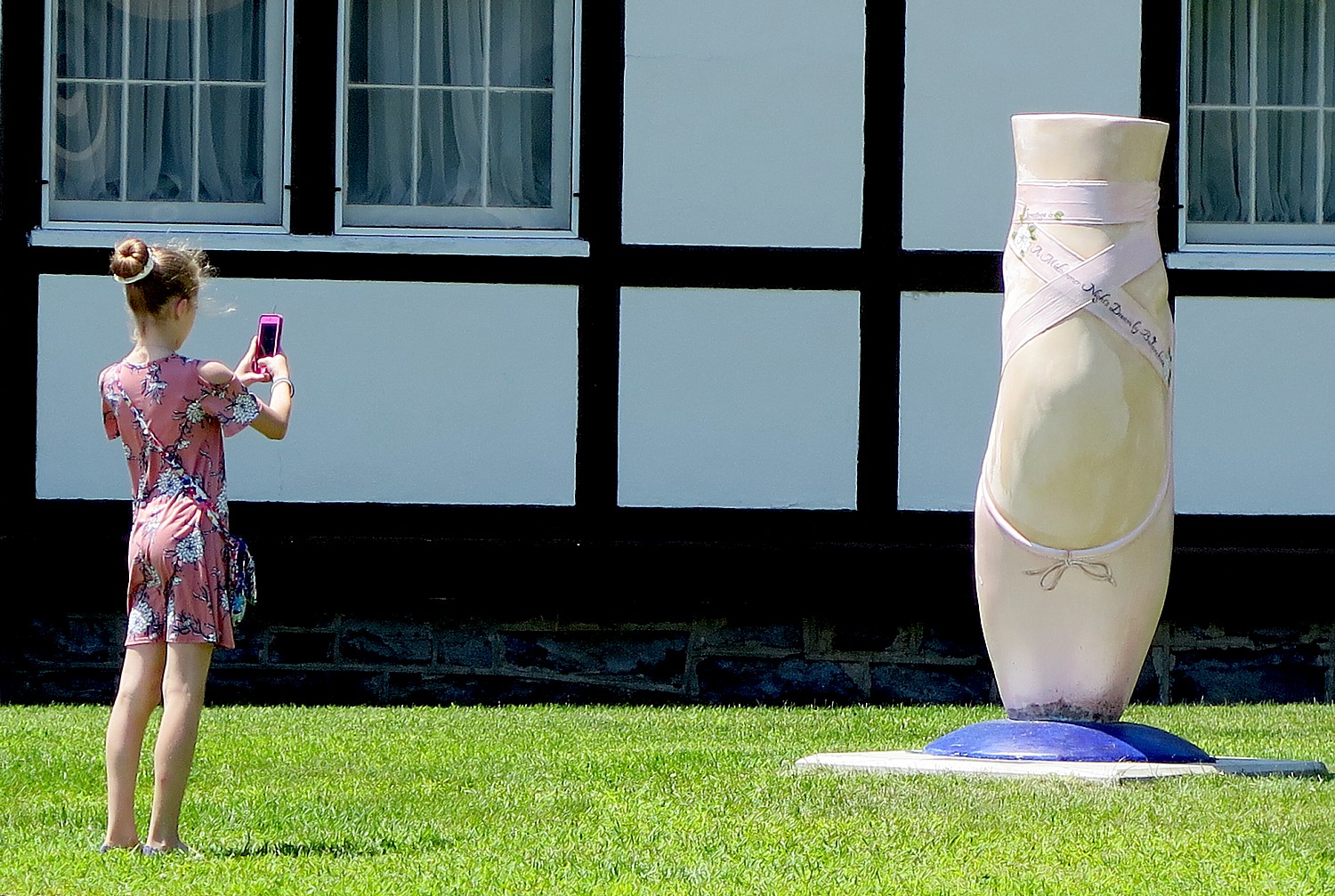
A young dancer photographs one of the ballet shoes outside the National Museum of Dance, which also has its own dance school on the site of the former Washington Bathhouse at Saratoga Spa State Park © 2017 Karen Rubin/ goingplacesfarandnear.com

When I visit, I notice young girls, their hair tied back in the bun typical of dancers, looking on with adoration. This is their Cooperstown.

National Museum of Dance, 99 South Broadway, Saratoga Springs, NY 12866, 518-584-2225, dancemuseum.org,  info@dancemuseum.org

There is a very good reason for the National Museum of Dance to be set at Saratoga Spa State Park: Saratoga Performing Arts Center (SPAC), a stunning amphitheater, is set in the heart of The Spa State Park and is the summer residence of the New York City Ballet as well as the Philadelphia Philharmonic Orchestra. Surrounded by 2,400 acres of green hills, geysers, natural mineral springs and hiking trails, you can enjoy jazz, pop and classical concerts. (108 Avenue of the Pines, Saratoga Springs, NY 12866, spac.org).

I didn’t get a chance to really explore the Saratoga Spa State Park, but it has a score of attractions contained within it, in addition to the National Museum of Dance and the Saratoga Performing Arts Center. It also has the Saratoga Automobile Museum, which this year is featuring as its main exhibit, “The Gavel: Cars of the Saratoga Auto Auction” which gives an insider look at the workings of the classic and collector automobile auctions that have become so popular with television viewers. Vehicles on display range from a 1931 Ford Model A Woody to a very rare 1957 Chrysler 300C standard shift, a 1957 Ford Thunderbird and a 1957 Continental Mark II. Imports represented include a 2003 Maserati Spyder convertible and a 2013 Lotus Exige Factory Cup on display.  These cars, along with hundreds of others, are on display until September 17, when they are all headed for the auction block in September at the Saratoga Auto Auction. (110 Ave of the Pines, Saratoga Springs, NY 12866 , 518-587-1935, www.saratogaautomuseum.org, Tuesday-Sunday, 10 am-5 pm).

The Saratoga Spa State Park Golf Course offers two beautiful golf courses; a championship 18-hole course and a challenging 9-hole course, complete with pro shop and restaurant. (Information and to reserve a tee time online visit: Saratoga Spa Golf).

Saratoga Spa State Park, distinguished by its classical architecture and listed as a National Historic Landmark, is noted for its diverse cultural, aesthetic and recreational resources. In addition to the nationally-known Saratoga Performing Arts Center, the Spa Little Theater, the National Museum of Dance, the Saratoga Automobile Museum, the Gideon Putnam Resort and Roosevelt Baths and Spa, Spa Golf Courses, the park offers a pool complex including slide complex and historic Victoria Pool surrounded by arched promenades; hiking and walking trails, running courses, picnic areas; winter activities include cross-country skiing on approximately 12 miles of trails, ice skating, ice hockey, and two golf courses.

Saratoga Spa State Park, 19 Roosevelt Drive, Saratoga Springs, NY 12866, 518-584-2535, saratogaspastatepark.org, https://parks.ny.gov/parks/saratogaspa.

Neighborhoods

Saratoga Springs, home to the national Museum of Dance and summer home of the New York City Ballet, celebrates its connection to dance with painted shoes that decorate the streetscape © 2017 Karen Rubin/ goingplacesfarandnear.com

My walking tours from the Inn at Saratoga take me passed and through Congress Park, where in 1792, New Hampshire Congressman John Gilman discovered a mineral spring. (I also take note of a free cutey-pie trolley that operates up Broadway, but I prefer to walk). In 1822, Dr. John Clarke purchased Congress Spring and surrounding land, drained the swamp and built a park where he offered concerts. He built his impressive Greek Revival home overlooking the park, as well as a bottling plant. In 1876, Frederick Law Olmsted, the famous landscape architect who designed New York’s Central Park, designed the gardens. The Park today harbors a visitor center (built in 1915 as a trolley station); the Casino (a gaming house for men built in 1870 by prize fighter, former Congressman and gambling entrepreneur who developed Saratoga horse racing, John Morrissey, which today houses the Saratoga Springs History Museum), Italian Gardens, Congress Park Carousel, and some wonderful sculptures, fountains and monuments.

John Morrissey’s casino in Congress Park has been turned into the Saratoga Springs Historical Museum © 2017 Karen Rubin/goingplacesfarandnear.com

At the visitor center you can pick up some wonderful self-guided tours, such as North Broadway, “a neighborhood of exceptional residential architecture”; West Side Neighborhood (“The City’s first prime residential location, where many of the people who owned, supported and worked in the bustling resort industry lived.:”and East Side Neighborhood, once home to Skidmore College, rich in history and spectacular architecture, including stunning examples of Greek Revival, Victorian, Gothic, Italianate, Second Empire and Queen Anne styles.

On the Friday night I am in Saratoga Springs, I have a plethora of choices: watching harness racing, polo matches, a performance of the New York City Ballet, and any number of live music venues, including Caffe Lena.

Caffè Lena, a famous folk-music venue since 1960, has just undergone a $2 million renovation but still offers an intimate space to appreciate folk, jazz, poetry and well-established performers as well as newcomers © 2017 Karen Rubin/ goingplacesfarandnear.com

I wander over to Caffè Lena, a famous folk-music venue which the New York times in 2013 called “Folk Music Heaven, was sporting a $2 million renovation, its first since opening in the 1960, and had people lined up out the door hoping to get through a wait-list for that evening’s performance. It actually offers a range of styles – folk, jazz, poetry night, open-mike night – and still retains the intimacy of a small room and small stage, so you are mere feet away from the performer. “Opened in a former woodworking shop in 1960, the café has helped launch many of America’s best loved songwriters, ranging from Bob Dylan in 1961 to Sawyer Fredericks in 2014, with an dazzling Who’s Who list in between. When founder Lena Spencer passed away in 1989, Caffè Lena was converted to a non-profit institution supported by concert revenue, private and corporate donors, grants and bequests, and an ever-evolving team of volunteers.” (Caffè Lena, 47 Phila Street, 518-583-0022, Tickets: 800-838-3006, email:  sales@caffelena.org. caffelena.org.) 

For more information or to help plan your visit, Saratoga Convention & Tourism Bureau, 60 Railroad Place, 855-424-6073, 518-584-1531, https://discoversaratoga.org/. 

Also, Saratoga Springs Heritage Area Visitor Center, 297 Broadway
Saratoga Springs, NY 12866, 518-587-3241, Email: visitorinfo@saratoga-springs.org,  www.saratogaspringsvisitorcenter.com

See also:

Historic Inn at Saratoga Captures Sense of Place, Gracious Victorian Style 

Saratoga Springs, Age-Old Mecca for Horse Racing, Gets Better with Age

____________________


© 2017 Travel Features Syndicate, a division of Workstyles, Inc. All rights reserved. Visit goingplacesfarandnear.com,  www.huffingtonpost.com/author/karen-rubin , and travelwritersmagazine.com/TravelFeaturesSyndicate/. Blogging at goingplacesnearandfar.wordpress.com and moralcompasstravel.info. Send comments or questions to FamTravLtr@aol.com. Tweet @TravelFeatures. ‘Like’ us at facebook.com/NewsPhotoFeatures


Saratoga Springs, Age-Old Mecca for Horse Racing, Gets Better with Age


Saratoga Springs, with its healthful mineral springs, has been attracting visitors since forever, but organized horse-racing is what put the village on the tourist map © 2017 Karen Rubin/goingplacesfarandnear.com


By Karen Rubin, Travel Features Syndicate, goingplacesfarandnear.com


Tucked just above Albany, New York, small-town Saratoga Springs’ fortunes have been tied to tourism since forever. Its mineral springs has been drawing visitors since the 14th century, when Native Americans first discovered the healing properties of the springs, and were the first lure to America’s earliest tourists. But along the way, the village also developed organized horseracing, which brought the elites, and later on, a rich cultural menu. And all of these come together during the six weeks of summer when racing is underway at the historic track, though Saratoga Springs is very much a four-season destination.

Saratoga Springs seems to have grown up around the Inn at Saratoga, which dates from 1843 and staying here gives you a sense of place. (The Inn at Saratoga, 231 Broadway, Saratoga Springs, NY 12866, 518-583-1890, 800-274-3573, theinnatsaratoga.com.)

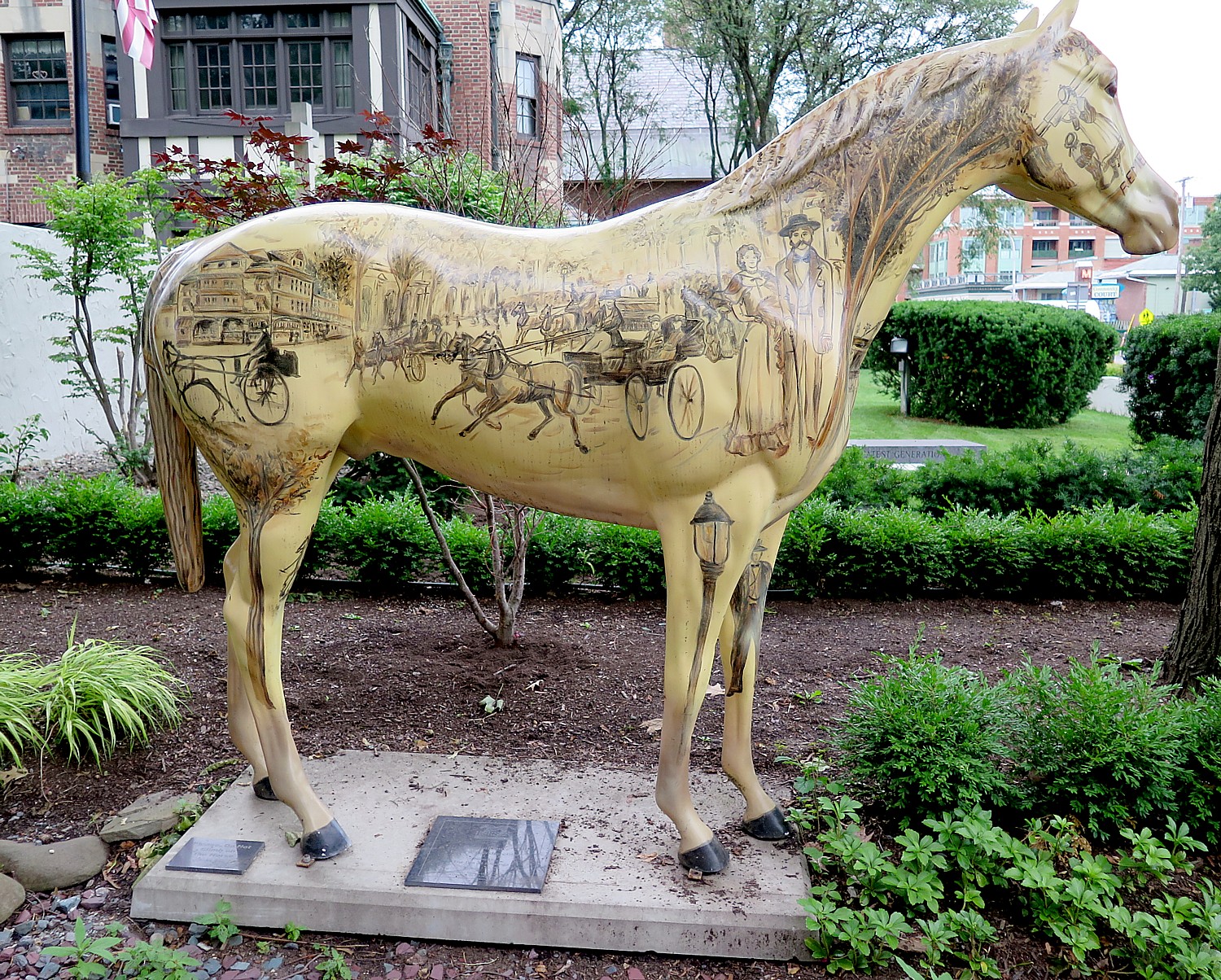
It’s just a very short walk from the inn down Broadway to the heart of the culturally vibrant community decorated with painted horses (evoking its historic racing tradition) and ballet shoes (a tip of the hat to its cultural heritage) and banners – a stunning streetscape lined with Victorian buildings, where I go the night I arrive. It is late but there are still some live music venues, pubs, pizza places (open til 3 am), and plenty of people out and about.

A marker in front of the historic Adelphi Hotel, which dates from 1877, makes you appreciate all the more the work underway ($30 million worth) to reopen the hotel , which has been closed for five years. It is where the colorful Irish-born prize-fighter,  gambling entrepreneur credited with establishing the Saratoga Race Course , New York State Senator and Tammany Hall enforcer John Morrissey, a regular of the hotel, died in 1878.

Prize-fighter John Morrissey, who brought organized horse-racing and gambling to Saratoga Springs, was a regular at the Adelphi Hotel and died there in 1878 just a year after the hotel opened; the historic hotel has been closed for five years, undergoing a $30 million restoration © 2017 Karen Rubin/ goingplacesfarandnear.com

Indeed, the immediate impression is that Saratoga Springs is a combination of Louisville, Kentucky with its strong racing tradition, and Lenox, Massachusetts, with its superlative cultural offerings, with mineral springs and health spa thrown in for good measure.

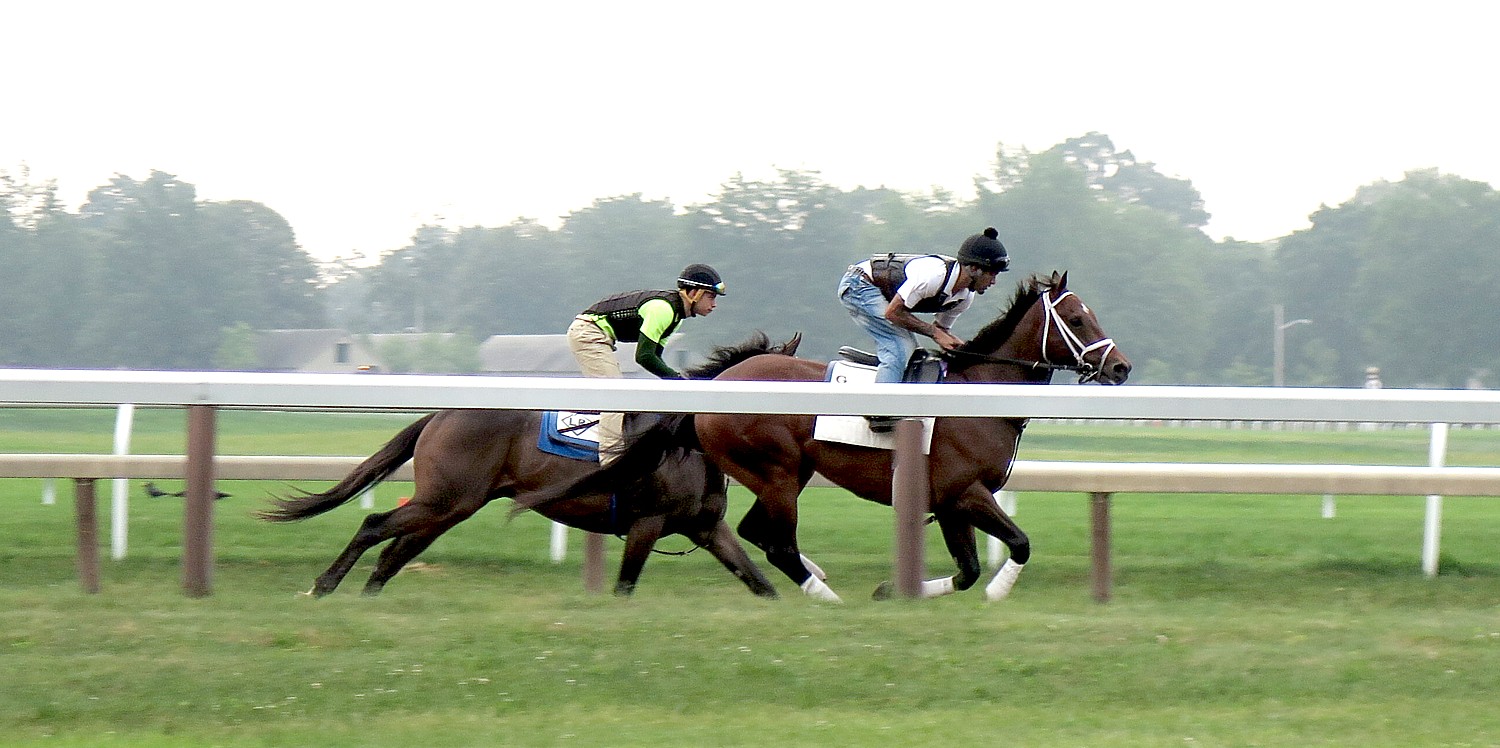
The next morning, after a delectable breakfast at the inn, I walk through Congress Park, passed the Morrissey Fountain and the Casino, the gaming house for men which Morrissey built (now home to the Saratoga Springs History Museum) to Union Street, where Skidmore College was once located (today there is the Empire College and absolutely stunning Victorian houses, several of which are bed-and-breakfast inns), to Saratoga’s historic racetrack. Passing by for the moment the National Museum of Racing, I stroll over to the track where riders are finishing up their morning workouts. The six-week racing season will begin in just a couple of weeks (July 21 this year), but there is already harness racing and polo underway.

One of the painted horses that decorate Saratoga Springs graces the Inn at Saratoga © 2017 Karen Rubin/goingplacesfarandnear.com

Thoroughbred racing did not actually begin in Saratoga Springs – the legacy heralds back to colonial days, 1665, with the establishment of the Newmarket course in Salisbury, New York, a section of what is now known as the Hempstead Plains of Long Island (attractive because it was flat), in the Westbury/East Garden City section of Nassau County. (Today, Belmont Park, the third leg of the prestigious Triple Crown races, is close to where the original track would have been. As I subsequently learn at the National Museum of Racing, August Belmont originally owned, Man o’War, one of the most famous horses in all of racing, who is heralded at the museum.

Horses are a key part of the Saratoga Springs experience © 2017 Karen Rubin/ goingplacesfarandnear.com

The Saratoga Race Course in Saratoga Springs, one of the most famous horseracing tracks in the world, boasts being America’s oldest sporting venue of any kind. In 1863, the former undefeated bare-knuckle boxing champion John Morrissey staged the first organized thoroughbred meeting here at an old trotting course. In 1864, the racetrack hosted the Travers Stakes, named for William Travers, making it the oldest major thoroughbred horse race in America.

The racetrack grew to prominence for hosting The Travers, nicknamed the Midsummer Derby, which brings together the greatest three-year-old horses to the race course to compete for the $1.25 million purse, and the track enjoyed prosperity, expanding in 1891-92. Millionaires moved in, including the DuPonts and the Whitneys.

By 1890, there were 314 tracks operating in the United States. And in 1893, there was the Great Panic that led to an economic depression on the scale of the 1930s. The Saratoga race course was forced to close in 1896 because of financial hardship.

But the track regained renown with the dramatic match-up between Man o’ War and appropriately named Upset in the 1919 Sanford Stakes, in which Man o’ War suffered his only career defeat (Man o’ War won the 1920 Travers).  .

When Triple Crown victor Gallant Fox was defeated by a horse (Jim Dandy) with 100-1 odds in 1930, Saratoga became known by an ominous nickname “The Graveyard of Champions.”

Saratoga has drawn the top names in thoroughbred racing – Secretariat, Seattle Slew, Affirmed, Rachel Alexandra, Curlin, Gallant Fox, the mighty Man o’ War, and American Pharoah.

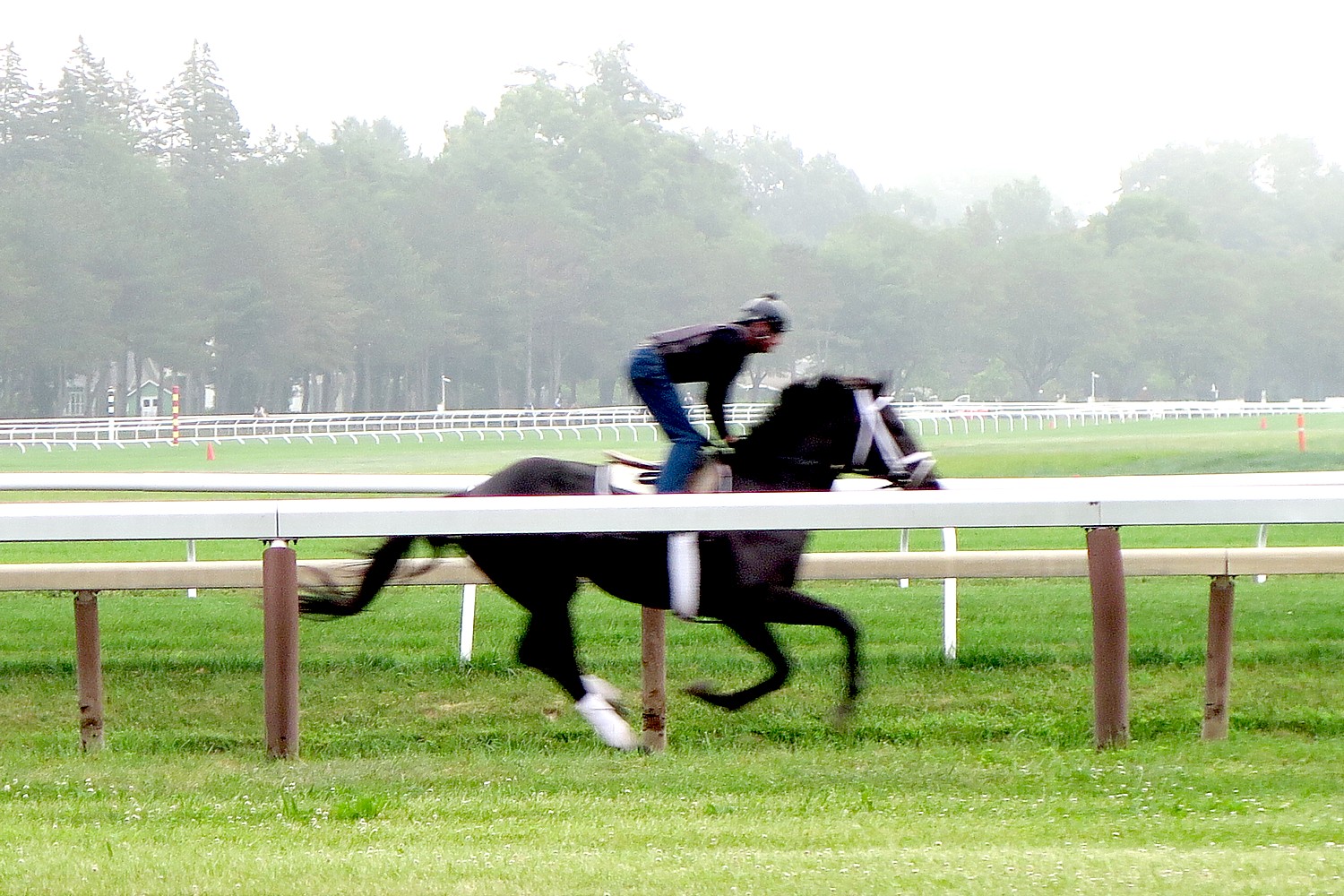
Come out early in the morning at watch the race horses working out © 2017 Karen Rubin/goingplacesfarandnear.com

One of the delightful aspects of the Saratoga race course is that horses walk right through the crowd, on a white-fenced path, to get to the paddock for their races so you get to see them up close. (I also find that you can come out around 5:30 am, and watch the horses being exercised from outside the fence.)

The course is stunning – with architectural majesty on par with Churchill Downs in Louisville, Kentucky – and it is interesting that it is here, rather than at one of the Triple Crown venues, that the Hall of Fame for thoroughbred horsing racing is located, honoring the most notable horses, jockeys, owners and trainers.

(Saratoga Race Course, 267 Union Avenue, Saratoga Springs, NY 12866; info about upcoming races at nyra.com.)

National Museum of Racing and Hall of Fame 

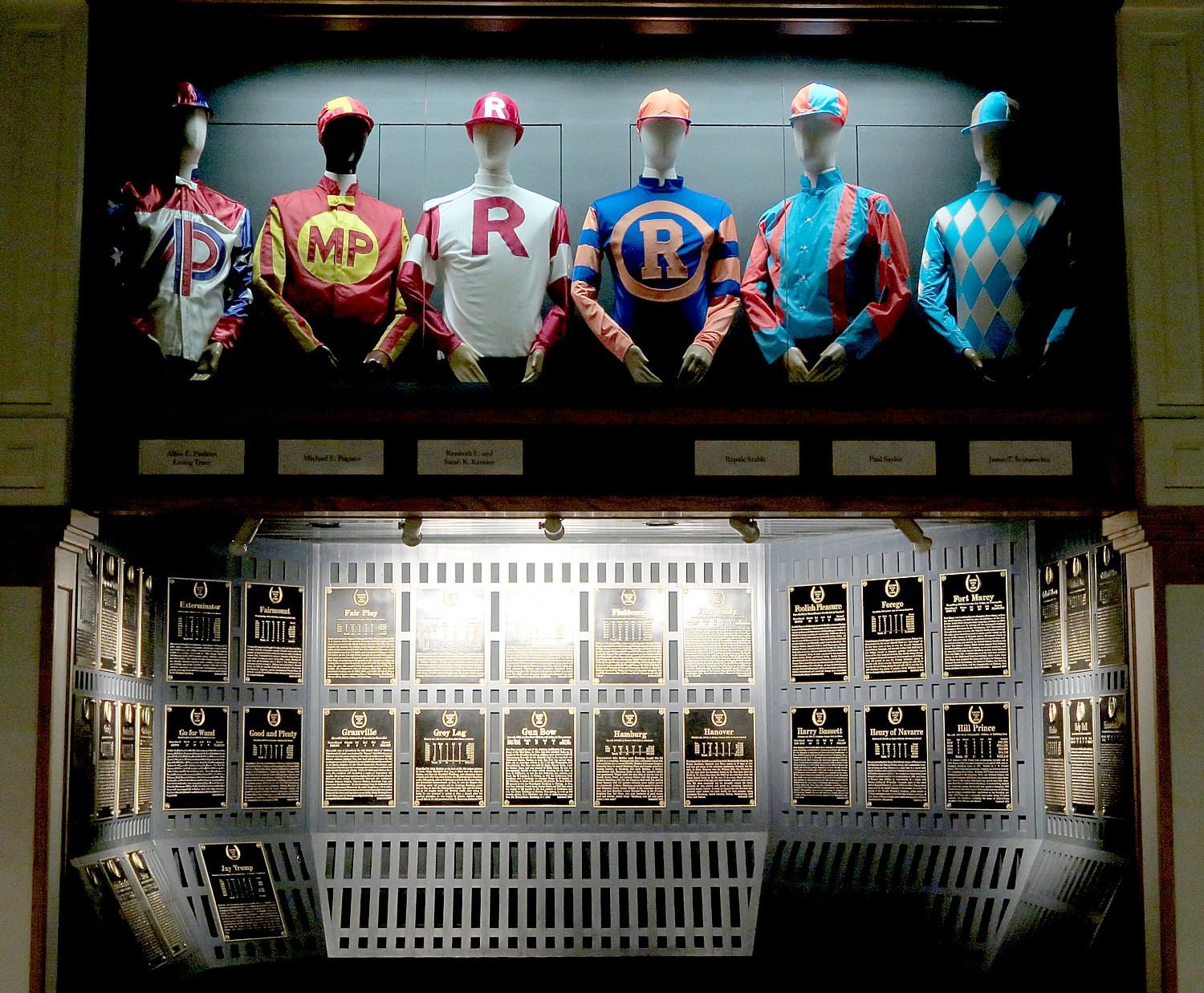
Visit the Racing Hall of Fame at the National Museum of Racing, where you can also see videos of Hall of Famers © 2017 Karen Rubin/ goingplacesfarandnear.com

Even if you are not particularly engaged in horse racing (and especially so), you will be fascinated to tour the National Museum of Racing and Hall of Fame, which opened in 1950 (located directly across the boulevard from the Saratoga Race Course) and has been expanded and improved since. You see in paintings, documents, artifacts, that show how engrained horse racing is in American culture, America’s first major organized sport going back to colonial times. Early presidents including George Washington, Thomas Jefferson, James Madison up through Ulysses S. Grant were avid race-goers. Andrew Jackson’s passion for horse racing and gambling was well known and he reputedly once fought a duel over a wager; Jackson also bred racehorses at the Hermitage and operated a racing stable from the White House during his presidency.

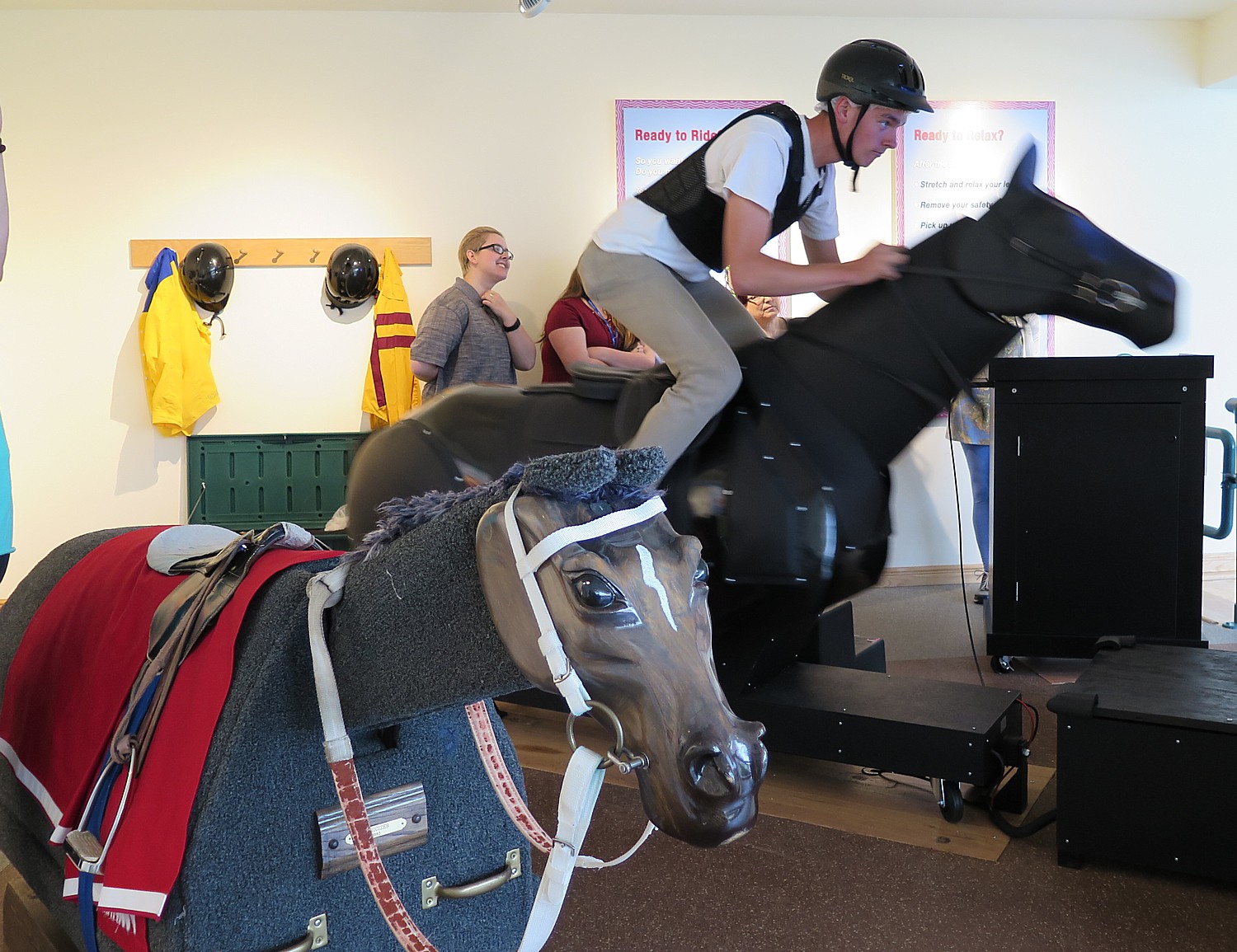
At the National Museum of Racing, you can ride a racing simulator to experience the thrill of the race from the jockey’s perspective © 2017 Karen Rubin/ goingplacesfarandnear.com

You get to see the lineage of the hall of fame horses (they all trace back to just a couple of horses). You can even try your hand on a racing simulator – a mechanical horse synchronized to move with jockey cam videos, so you experience a race from the jockey’s point of view, racing for the finish (this is actually much harder than you would think, and some riding experience is necessary). Horse racing is visually stunning, as much as it is dramatic, and this comes through in the exhibits.

The National Museum of Racing and Hall of Fame’s honorees include horses such as Man o’ War (1957), Seabiscuit (1958) and jockeys like Willie Shoemaker (1958), and you can also watch videos of the Hall of Famers. On view this year is a special exhibit for Man o’ War at 100 (through 2018).  The museum also hosts Oklahoma training track tours from June-October; reservations required. (191 Union Avenue, 518-584-0400, www.racingmuseum.org)

At Saratoga Springs, there are many ways to experience thoroughbred horseracing © 2017 Karen Rubin/goingplacesfarandnear.com

While thoroughbred racing had not yet started this season, harness racing and polo matches were already underway.

Saratoga Polo Matches are held every Wednesday, Friday, and Sunday night starting at 5:30 pm during the Saratoga Polo season, which runs from July 10 to Labor Day. Tickets may be purchased at the gate beginning at 4 pm the day of the match. Casual chic is the recommended attire at the highly social polo match gatherings. (Saratoga Polo Association, 2 Bloomfield Road, Greenfield Center, NY 12833, saratogapolo.com)

For more information or to help plan your visit, Saratoga Convention & Tourism Bureau, 60 Railroad Place, 855-424-6073, 518-584-1531, https://discoversaratoga.org/. 

Also, Saratoga Springs Heritage Area Visitor Center, 297 Broadway
Saratoga Springs, NY 12866, 518-587-3241, Email: visitorinfo@saratoga-springs.org,  www.saratogaspringsvisitorcenter.com

See next:

Saratoga Springs is Firmly En Pointe as Center for Dance, Culture

See also:

Historic Inn at Saratoga Captures Sense of Place, Gracious Victorian Style 

____________________

© 2017 Travel Features Syndicate, a division of Workstyles, Inc. All rights reserved. Visit goingplacesfarandnear.com,  www.huffingtonpost.com/author/karen-rubin , and travelwritersmagazine.com/TravelFeaturesSyndicate/. Blogging at goingplacesnearandfar.wordpress.com and moralcompasstravel.info. Send comments or questions to FamTravLtr@aol.com. Tweet @TravelFeatures. ‘Like’ us at facebook.com/NewsPhotoFeatures
Mansions on Fifth Historic Hotel is Steps Away from Pittsburgh’s Top Cultural Attractions

A parting shot of the Carnegie Museum of Art © 2017 Karen Rubin/ goingplacesfarandnear.com

By Karen Rubin, Travel Features Syndicate, goingplacesfarandnear.com

I must admit to relishing my stay in Pittsburgh’s Shadyside neighborhood, where I am staying at Mansions on Fifth, two mansion homes originally built in the early 1900s by Willis F. McCook, a prosperous attorney and legal counsel to steel and coke magnate Henry Clay Frick for himself, his wife Mary and their 10 children, that have been turned into a boutique hotel. The neighborhood was also home to most of the city’s (and therefore, the nation’s) leading industrialists, innovators and bankers, including George Westinghouse, Frick, Andrew Mellon, Andrew Carnegie and the rest of Pittsburgh’s exceptionally wealthy families of the era, and boasts stunning mansions, churches as well as some of the city’s most important cultural attractions.

Staying at the mansion, you really feel part of that whole privileged Gilded Age society.

A young woman from the hotel spends a lot of time with me suggesting how to best spend my afternoon exploring. It turns out, the hotel (a true mansion) is only a short walk to the Carnegie Museum of Art. She also tells me about the Cathedral of Learning a few blocks beyond, in what is technically the Oakland neighborhood.

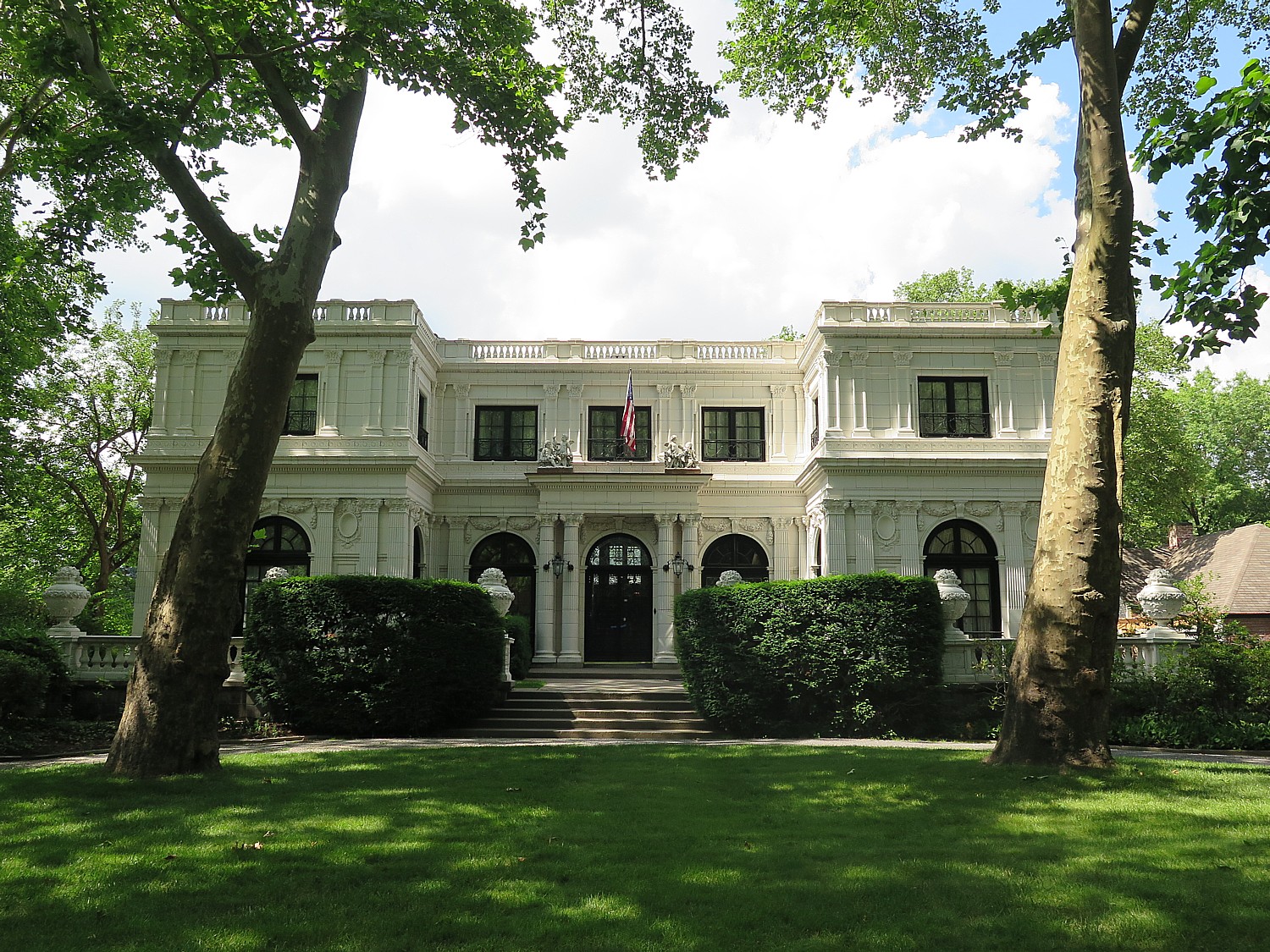
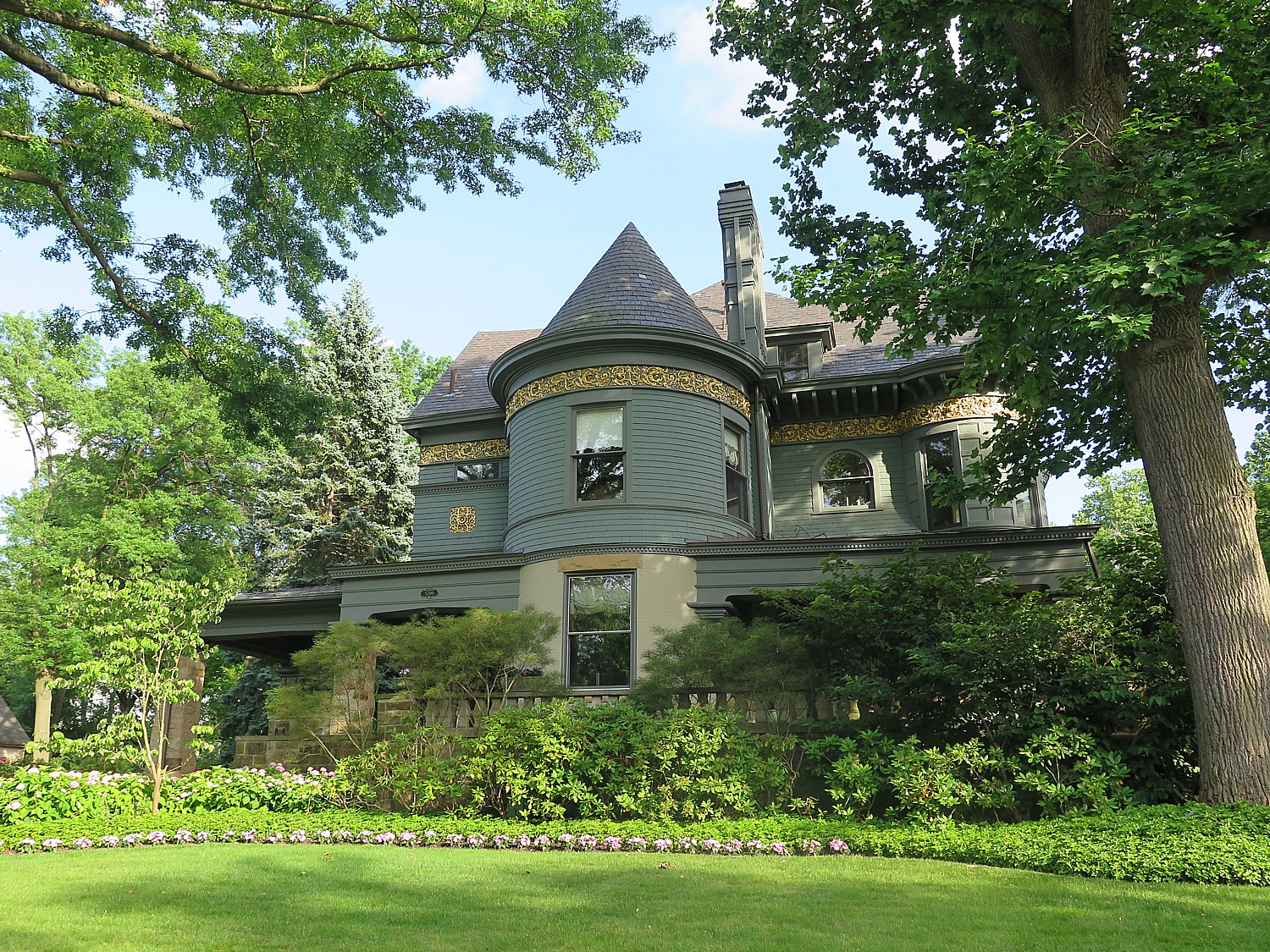
The neighboring mansion to Mansions on Fifth in Pittsburgh’s tony Shadyside neighborhood © 2017 Karen Rubin/goingplacesfarandnear.com

I set off for the short walk to Carnegie Museum of Art (it is attached to the Carnegie Museum of National History, two of four Carnegie museums; the others are the Carnegie Museum of Science and the Warhol Museum, downtown), dazzled when I pass the neighboring mansions along Fifth Avenue. It reminds me of Newport or Palm Beach.

The Carnegie Museum of Art is arguably the first museum of contemporary art in the United States, collecting the “Old Masters of tomorrow” since the inception of the Carnegie International in 1896 – held at various times, from which much of the present museum’s collection came (there are notes that say if the painting was in an exposition).

“While most art museums founded at the turn of the century focused on collections of well-known masters, Andrew Carnegie envisioned a museum collection consisting of the ‘Old Masters of tomorrow.’ In 1896, he initiated a series of exhibitions of contemporary art and proposed that the museum’s paintings collection be formed through purchases from this series. Carnegie, thereby, founded what is arguably the first museum of modern art in the United States. Early acquisitions of works by such artists as Winslow Homer, James McNeill Whistler, and Camille Pissarro laid the foundation for a collection that today is distinguished in American art from the mid-19th century to the present, in French Impressionist and Post-Impressionist paintings, and in significant late-20th-century works. Today the International remains an important source for the museum’s acquisitions of contemporary art. Presented every three to five years, it features works by contemporary artists from around the globe.”

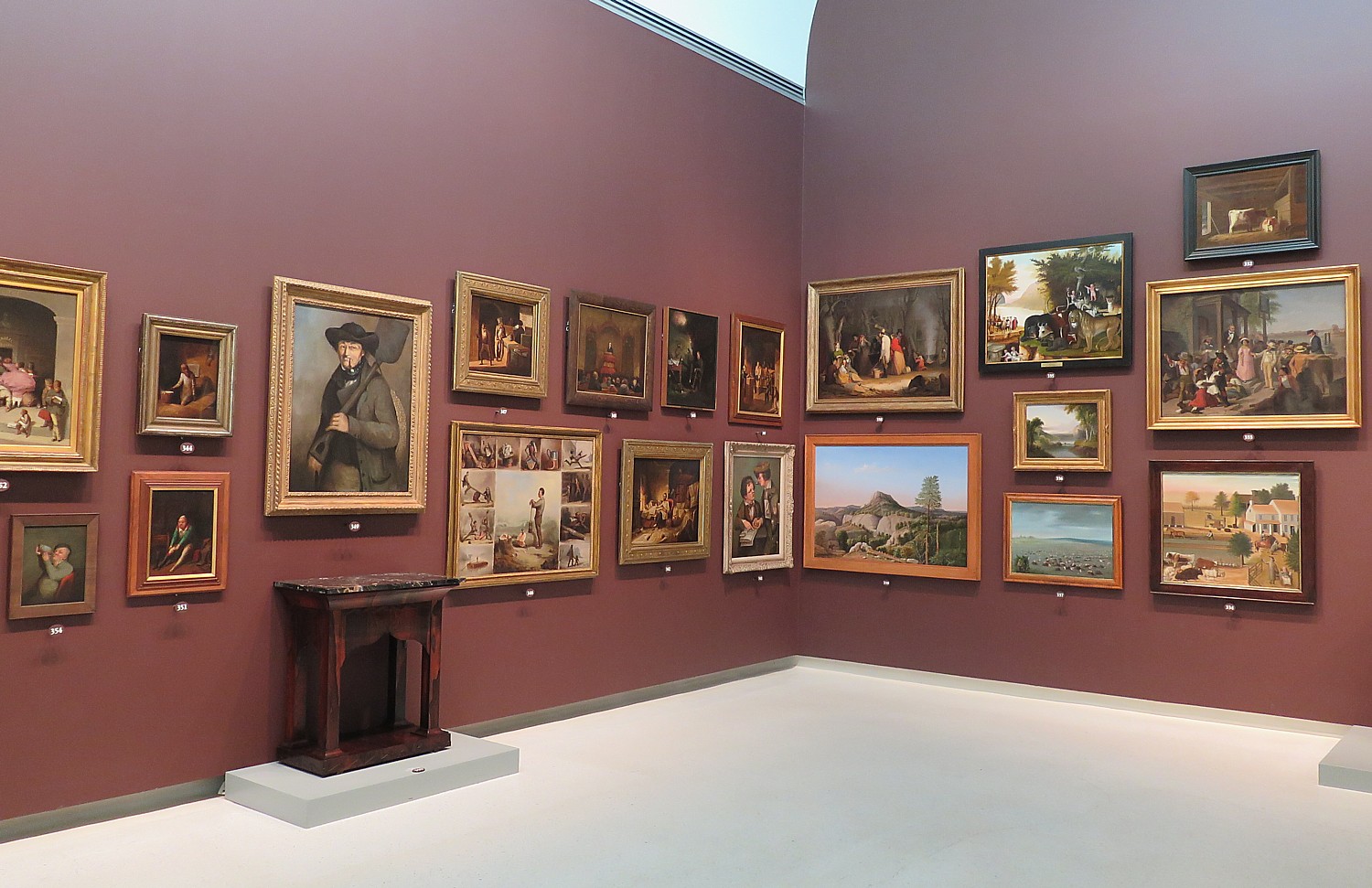
Some of the galleries at the Carnegie Museum of Art are organized as you might expect the Carnegie International exhibits of a century ago © 2017 Karen Rubin/goingplacesfarandnear.com

It is a stunning collection – much of it coming out of annual Carnegie International Art Expositions, or from other important benefactors including Mellon and Scaife. Some of the galleries are arranged much like those expositions, with multi-levels of paintings; some of the rooms are more intimate, like private collections, and some are more institutional. The notes and themes that accompany the rooms and individual pieces are wonderful.

Just about every artist of note is represented with at least one piece – including a superb collection of Impressionists and Post-Impressionists.

I take particular note of Childe Hassam’s snow scene, “Fifth Avenue in Winter,” of New York City, painted circa 1892, when here I am on Fifth Avenue, Pittsburgh.

The entire museum, though, is a reminder of how an economy that is designed to bestow such riches on a small segment, at the expense of the vast majority produces a society in which “the public” depends on the kindness and charity of the ultra-wealthy.

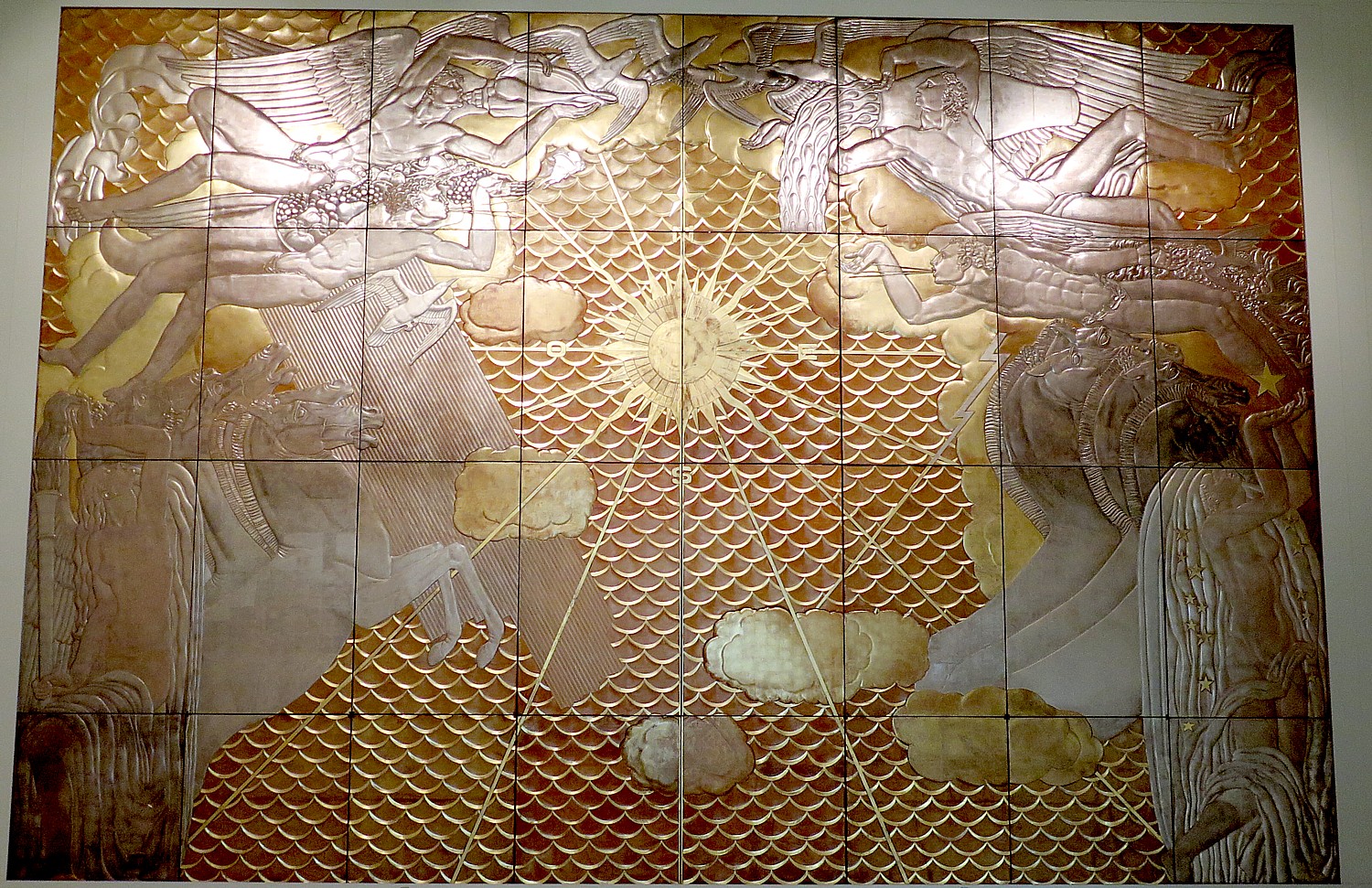
“The Chariot of Aurora,” an Art Deco bas-relief masterpiece, was a gift to the Carnegie Museum of Art by the renowned collector Frederick K. Koch in 1994 © 2017 Karen Rubin/goingplacesfarandnear.com

This juxtaposition was absolutely clear in one room where the massive (18 feet high and 26 feet long) gilded and lacquered relief, The Chariot of Aurora, takes up an entire wall. The stunning example of Art Deco was a gift of the renowned collector Frederick K. Koch in 1994 (brother of billionaires Charles and David Koch, who have their names on the Metropolitan Museum of Art, the Smithsonian, PBS, and scores others, as well as significant donors to political candidates and entities).

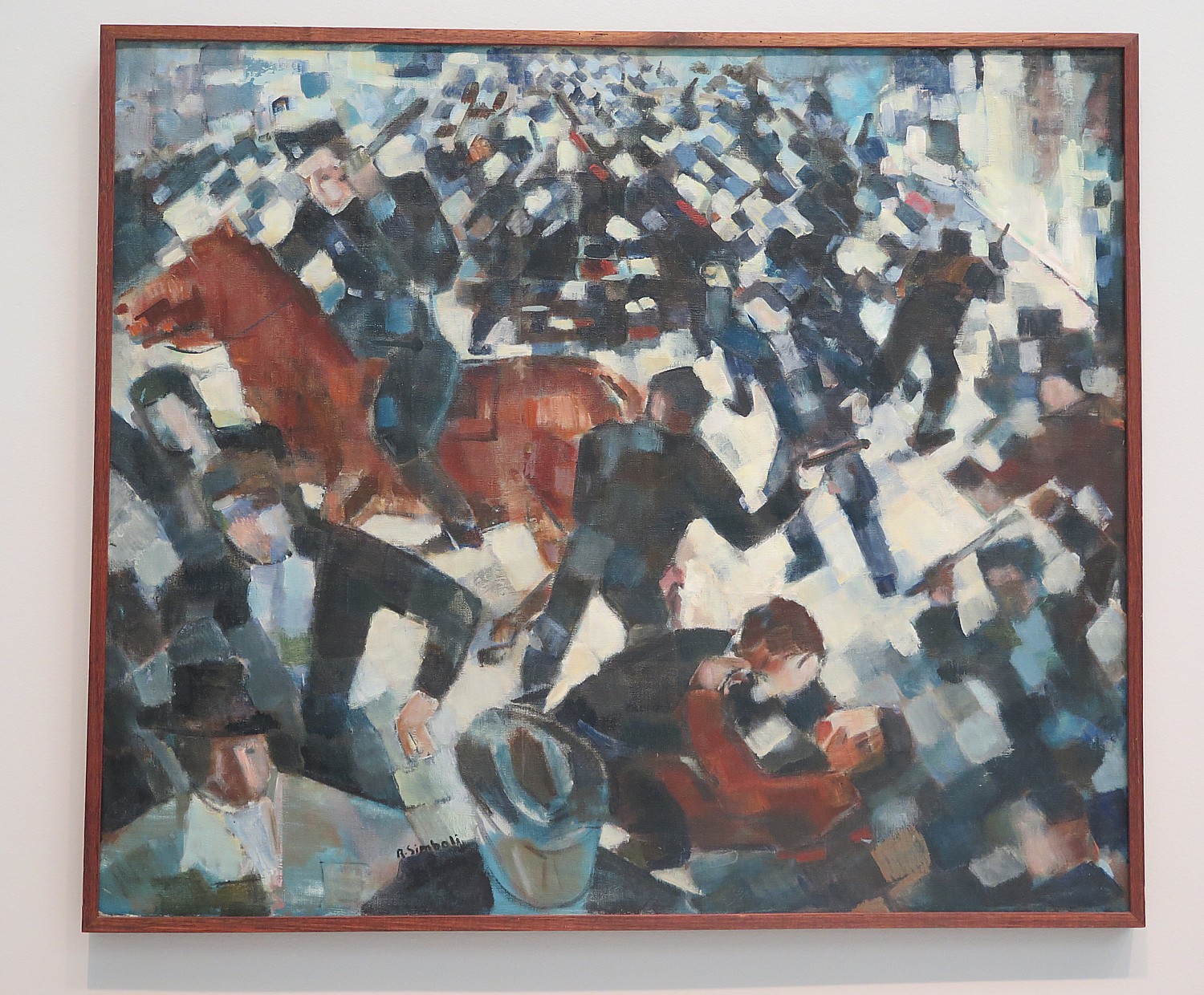
Pittsburgh artist Raymond Simboli’s “Pinkerton Riot” is an homage to the Homestead Strike at the Carnegie & Frick steel mills so brutally put down in 1892 © 2017 Karen Rubin/goingplacesfarandnear.com

Just next door is a room devoted to Pittsburgh artists, including Raymond Simboli,, whose “Pinkerton Riot” depicting the Homestead Strike at the Carnegie & Frick steel mills so brutally put down in 1892, uses the dress is of the 1940s. Another artist, Sam Rosenberg, similarly paints from the perspective of working class Pittsburghers in such stark contrast.

I set out for the Cathedral of Learning and find myself in the Carnegie Library, another cathedral of Learning, just across the street from the academic tower.

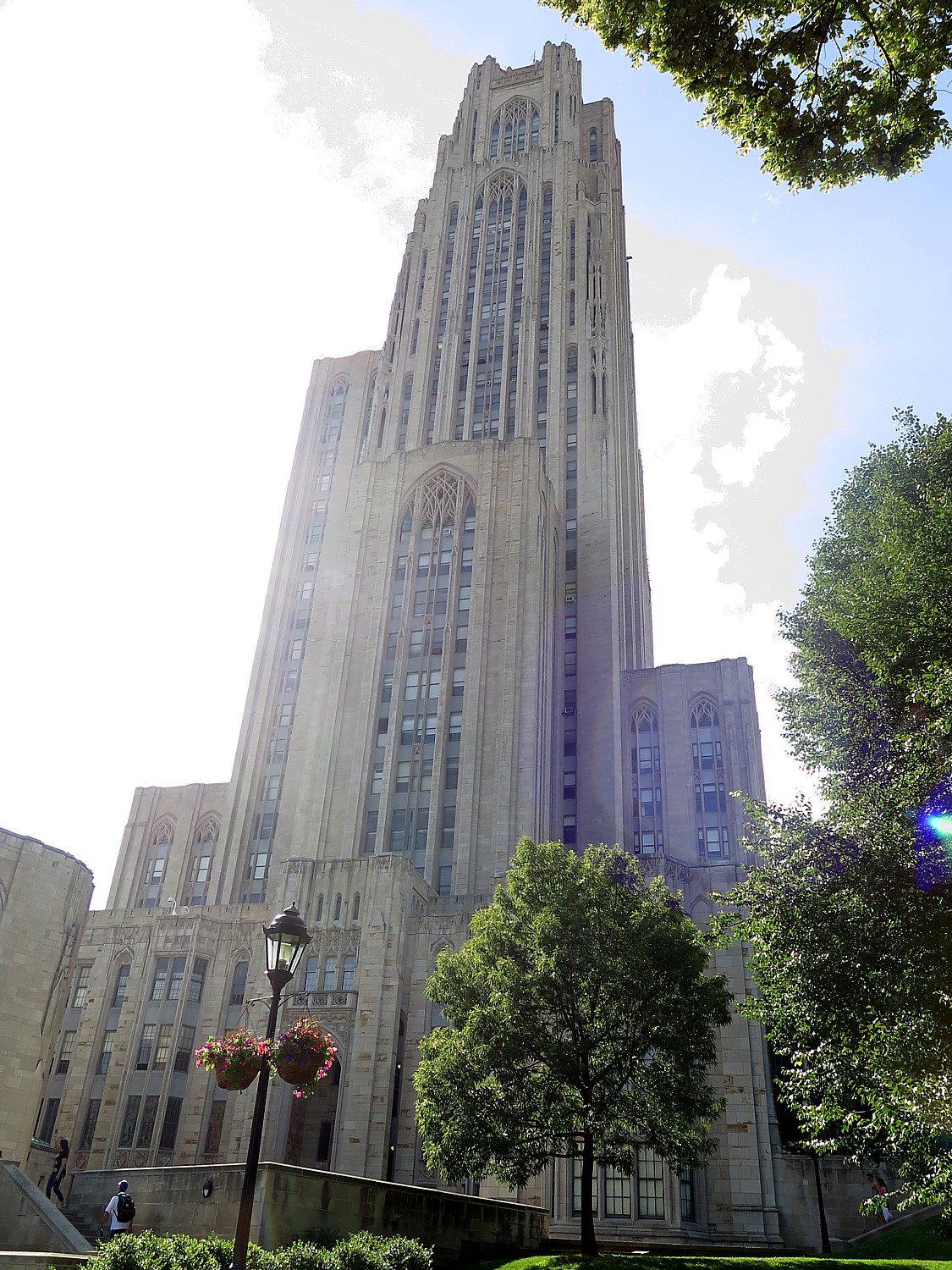
Truly an inspiring place, Pittsburgh’s Cathedral of Learning looms large over the city – in fact, I am told, the largest academic structure in North America.

The Cathedral of Learning, Pittsburgh Historic Landmark, 1926-37, Charles Z. Klauder, Architect © 2017 Karen Rubin/goingplacesfarandnear.com

It is part of the University of Pittsburgh which “was well on the way to becoming an acropolis of neoclassical buildings on an Oakland hillside when John G. Bowman became the University’s 10th chancellor in 1921. In those years following World War I, student enrollment had dramatically increased, causing a critical shortage of space. A 14-acre plot known as Frick Acres, which housed residences, gardens, and tennis courts, became the focus of Dr. Bowman’s plans to erect a monumental building. A structure expanding upward, though unorthodox, would solve the growing University’s problems of space and distance. More important, a tower would be a visible inspiration to all who approached the city. It would carry the message that education was the result of aspiring to great heights. The parallel lines of the truncated Gothic form, never meeting, would imply that learning is unending. The sweeping proportions would symbolize the spirit and achievement of Pittsburgh.  Architect Charles Z. Klauder translated these concepts into drawings that guided the placement of steel and stone.”

Chancellor John Gabbert Bowman, himself, offered the reasoning behind designing such a dramatic tower: “The building was to be more than a schoolhouse; it was to be a symbol of the life that Pittsburgh through the years had wanted to live. It was to make visible something of the spirit that was in the hearts of pioneers as, long ago, they sat in their log cabins and thought by candlelight of the great city that would sometime spread out beyond their three rivers and that even they were starting to build.”

The Cathedral of Learning is as much a monument to the immigrants who flooded its halls in their quest for education as a ticket to the American Dream.

Following World War I, Chancellor Bowman was charged with developing a great university in a city richly populated with first-generation immigrant families. He wanted to provide students with unique classrooms which would reflect a highly-creative period in the motherlands of Pittsburgh’s new citizens. He conceived the idea of inviting community representatives of diverse nations to plan and build classrooms depicting an era or aspect of the heritage they had brought to America – known today as the Nationality Rooms – appointing Ruth Crawford Mitchell as his special assistant. It took 30 years.

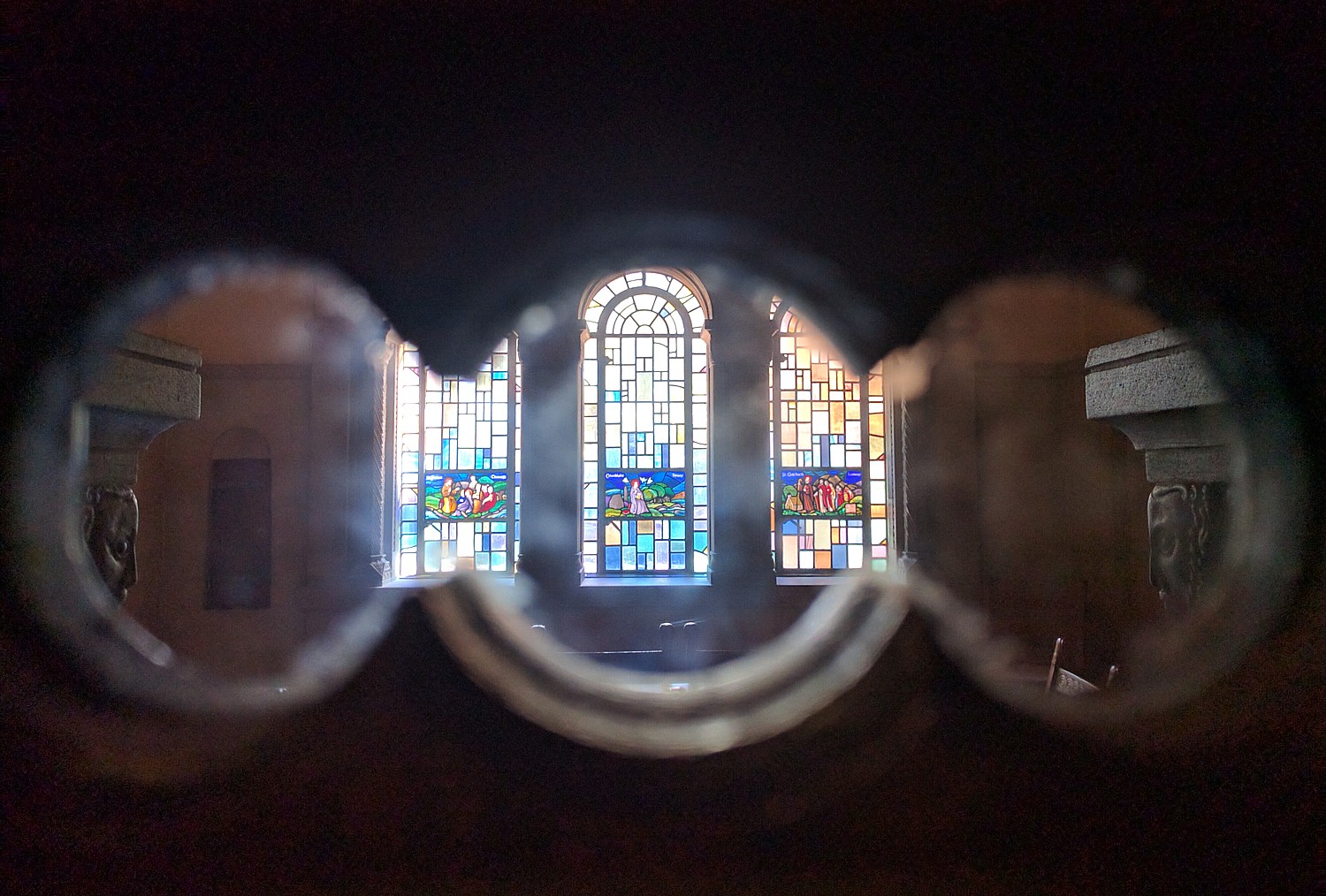
Peeking through peepholes to the Irish Room, one of dozens of Nationality Rooms in Pittsburgh’s Cathedral of Learning © 2017 Karen Rubin/ goingplacesfarandnear.com

At the Cathedral of Learning, I seek out the “Nationality Rooms” – each one for a different nationality, such as Irish, Hungarian, Polish, Armenian, of ethnic groups who settled in Allegheny County. Rooms were subsequently added – like the Israel Room, in 1987 after a 30-year hiatus, which is modeled after a 1st-century stone dwelling in Galilee.

Unfortunately, when I get to there, the rooms are locked for the weekend, but I get to peek through peep-holes to the Irish room (the other rooms have peep holes much too high).

Members of Quo Vadis, a student organization, conduct guided tours for nearly 30,000 visitors each year. Special interpretations are adapted for children, senior citizens, the handicapped, and groups with special interests such as architecture, interior design, art, mythology, or religion. (See http://www.nationalityrooms.pitt.edu/content/touring-options-requesting-group-tours ).


Pittsburgh Neighborhoods

Shadyside has been Pittsburgh’s premier upscale address for more than a century. It is fairly obvious that this was once home to Pittsburgh’s robber barons – who could enjoy the clean, cool air well away from the choking smoke belching from their steel mills that shrouded the rest of the city – and now features a legacy of stunning housing on leafy green streets, awe-inspiring churches, and two active and growing business districts (Walnut Street and Ellsworth Avenue) with retail stores and eating and drinking establishments, including several that are considered among the best in the city. Shadyside is also home to Carnegie Mellon University, Chatham University, Shadyside Hospital of UPMC, and the Hillman Cancer Center.

I take my bike for a spin around the neighborhood and am dazzled by the architecture.

Shadyside is distinguished with stunning homes built by Pittsburgh’s high society © 2017 Karen Rubin/goingplacesfarandnear.com

The large residential area includes beautifully restored Victorian mansions alongside modern homes and condos (I notice that many of the houses have lawn signs stating in three languages, “No matter where you are from, we are glad you’re our neighbor.”)

Shadyside is also walking (or an easy bikeride) distance from two other distinctive Pittsburgh neighborhoods:

Home to prestigious museums, world-class hospitals and universities and international cuisine, Oakland is considered the cultural, academic and medical center of Pittsburgh, where you will find the Carnegie Museums of Art and Natural History, the Carnegie Library and Cathedral of Learning, among other cultural venues.. It is also one of Pittsburgh’s liveliest neighborhoods, with cool coffee shops, multi-cultural eateries and interesting specialty shops alongside grand architecture. Oakland offers all of the attractions of a major university in terms of concerts, lectures, theater and other entertainment, along with a wide variety of retail offerings, bookstores, restaurants and bars (ethnic and otherwise). (onlyinoakland.org)

I am particularly intrigued as I drive to Mansions on Fifth from the highway, to pass a synagogue. This is Squirrel Hill, one of the fastest growing sections of Pittsburgh, which has also been a home to Pittsburgh’s Jewish community for many years. That history is reflected in the storefronts of the neighborhood’s two main business streets, Forbes Avenue and Forward Avenue, which feature a variety of grocery stores, retailers and restaurants honoring the Jewish heritage. But Squirrel Hill is also one of Pittsburgh’s most delightfully diverse neighborhoods as well, with residents (many connected to nearby universities and hospitals) from all over the world, reflected in the diversity of the cuisine of the various restaurants and eateries. Five minutes from downtown Pittsburgh, Squirrel Hill combines tree lined residential streets, a bustling business district, internationally recognized educational institutions, and two large public parks spanning 1100 acres.

Mansions on Fifth, 5105 Fifth Avenue, Pittsburgh, PA 15232, 412-381-5105, 800-465-9550, http://mansionsonfifth.com/.

For more information, contact Visit Pittsburgh, 412-281-7711, 800-359-0758, 877-LOVE PGH (568-3744), info@visitpittsburgh.comwww.visitpittsburgh.com.

See also:

Mansions on Fifth Historic Boutique Hotel in Pittsburgh’s Shadyside Sends You Back to Gilded Age

One Day, Two Nights in Pittsburgh: From Grey to Green, A Proud City Revitalized

36 Hours in Pittsburgh: Point State Park Proves Highlight of Walking Tour

36 Hours in Pittsburgh: Andy Warhol Museum is at Center of Revitalized City

36 Hours in Pittsburgh: Strip District Exemplifies City’s Past, Future

Two Nights, One Day in Pittsburgh: Historic Omni William Penn Hotel Connects to City’s Proud Heritage

Rails-to-Trails Conservancy’s BikeTour on Great Allegheny Passage Highlights Benefits of RailTrails

Rails-to-Trails Conservancy’s Sojourn Biketour on Great Allegheny Passage Showcases Forgotten Towns

‘World’s Largest’ Glass Sculpture with Trump Connection is Boon for Dunbar, Pennsylvania

____________________


© 2017 Travel Features Syndicate, a division of Workstyles, Inc. All rights reserved. Visit goingplacesfarandnear.com,  www.huffingtonpost.com/author/karen-rubin , and travelwritersmagazine.com/TravelFeaturesSyndicate/. Blogging at goingplacesnearandfar.wordpress.com and moralcompasstravel.info. Send comments or questions to FamTravLtr@aol.com. Tweet @TravelFeatures. ‘Like’ us at facebook.com/NewsPhotoFeatures
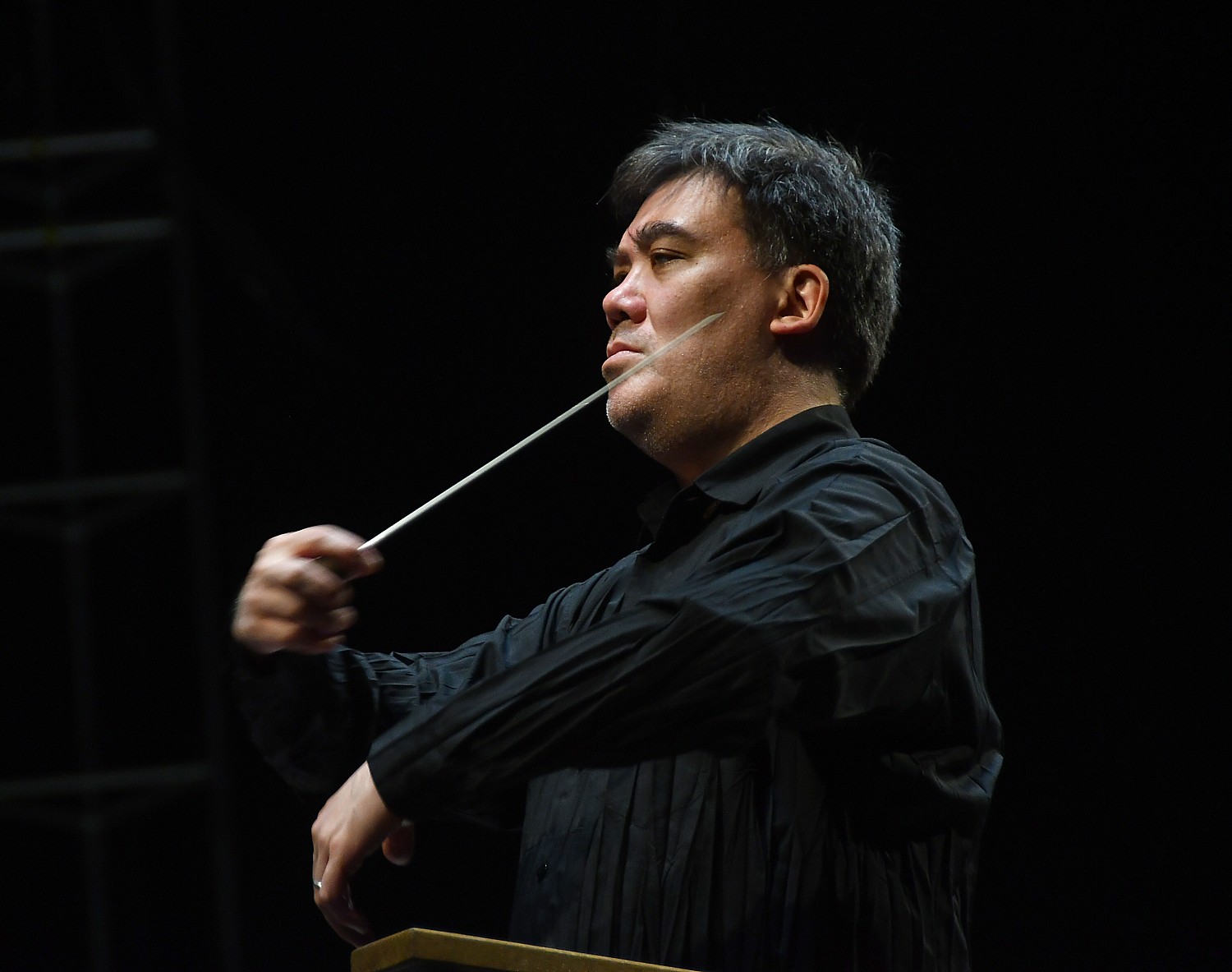
Alan Gilbert, in His Final Season Leading NY Philharmonic, Conducts Big Hug-and-Kiss to New Yorkers in Free Parks Concerts

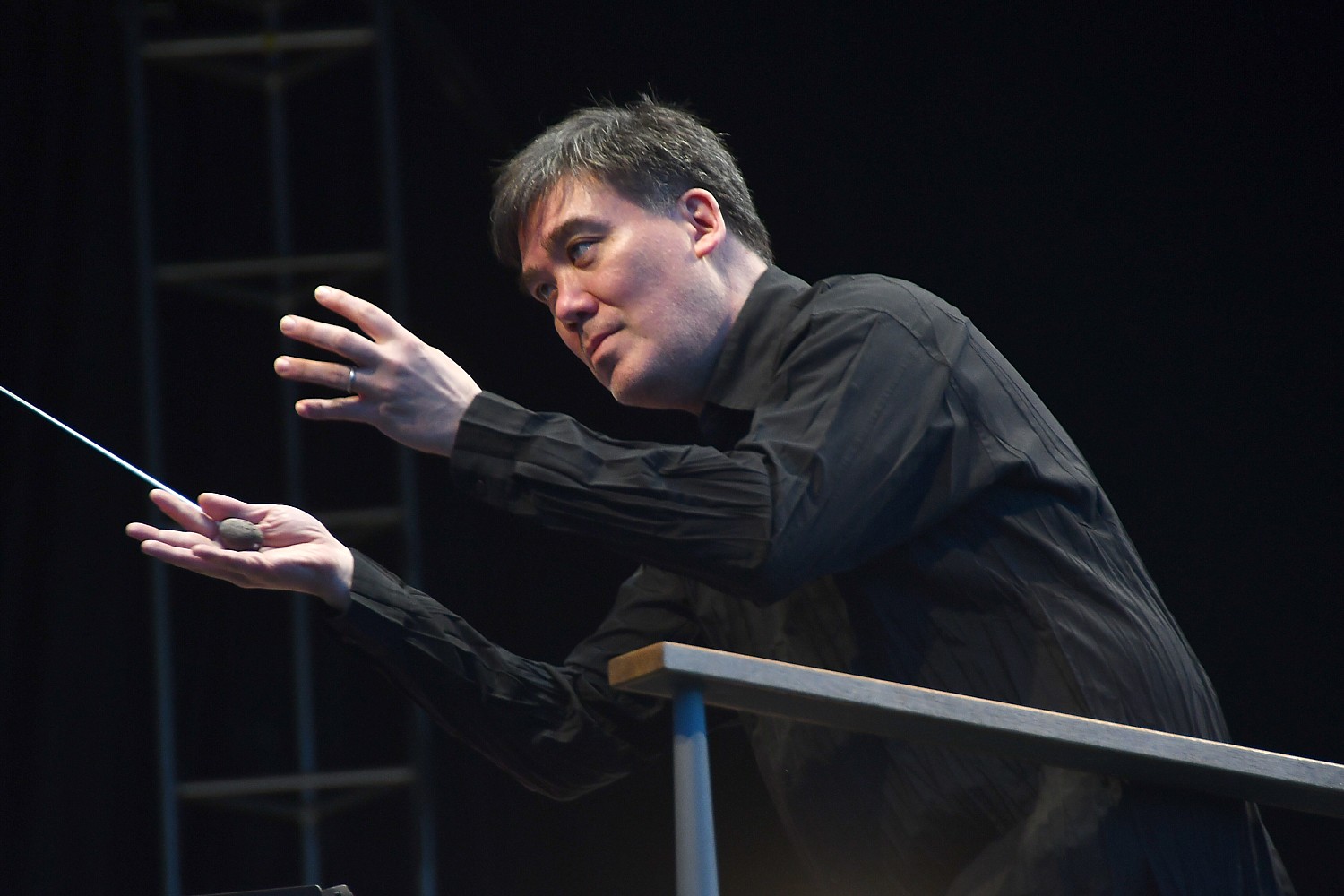
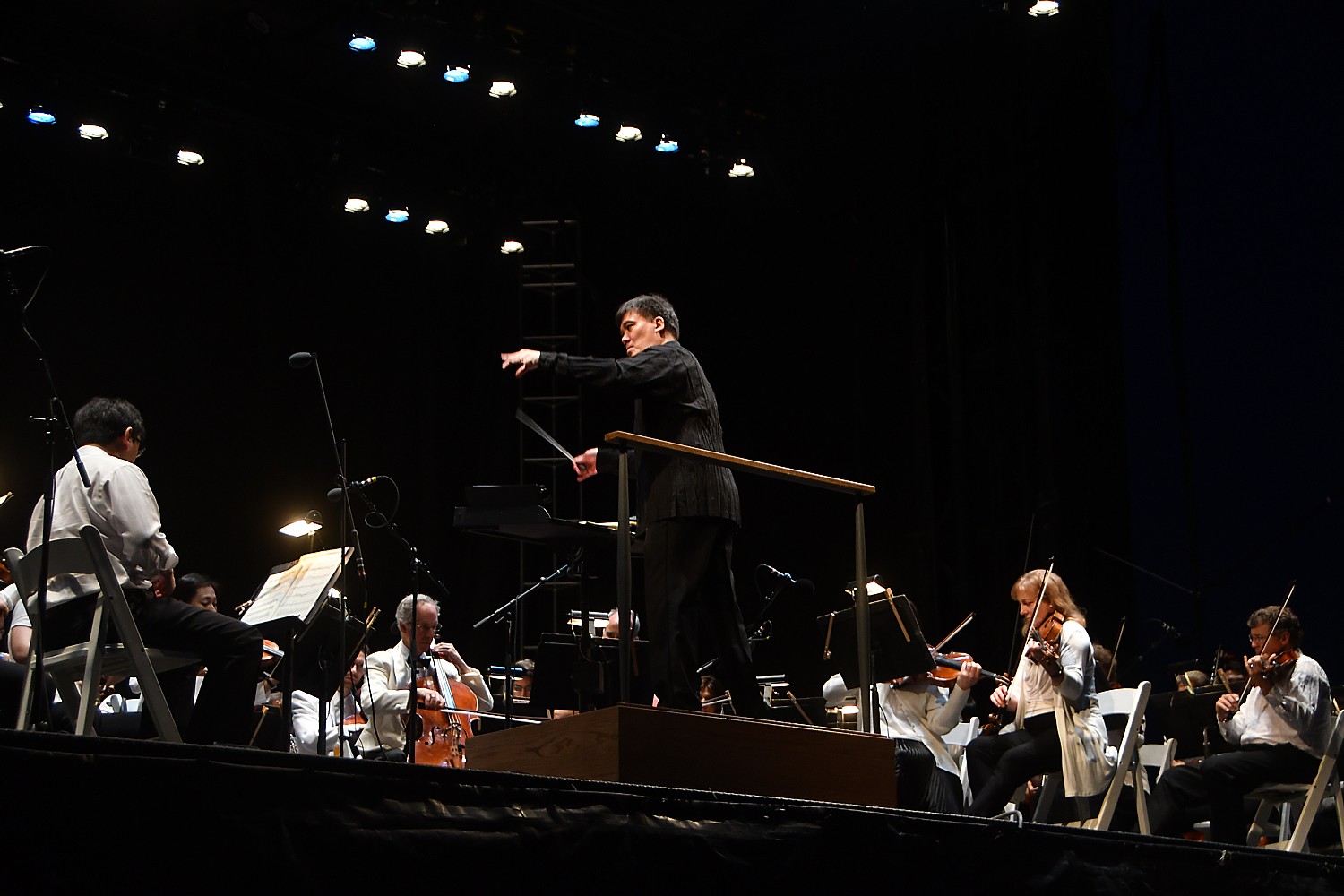
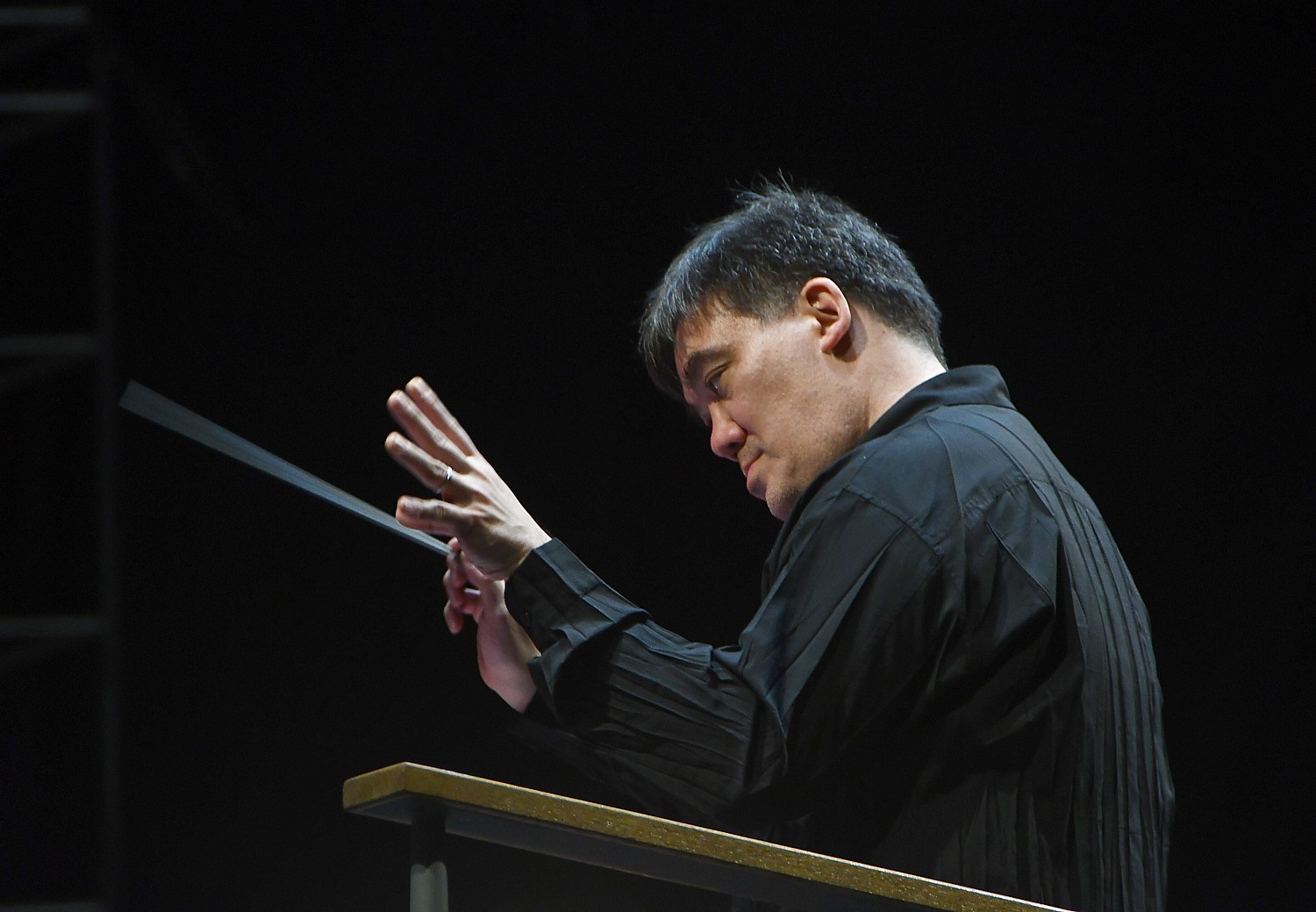
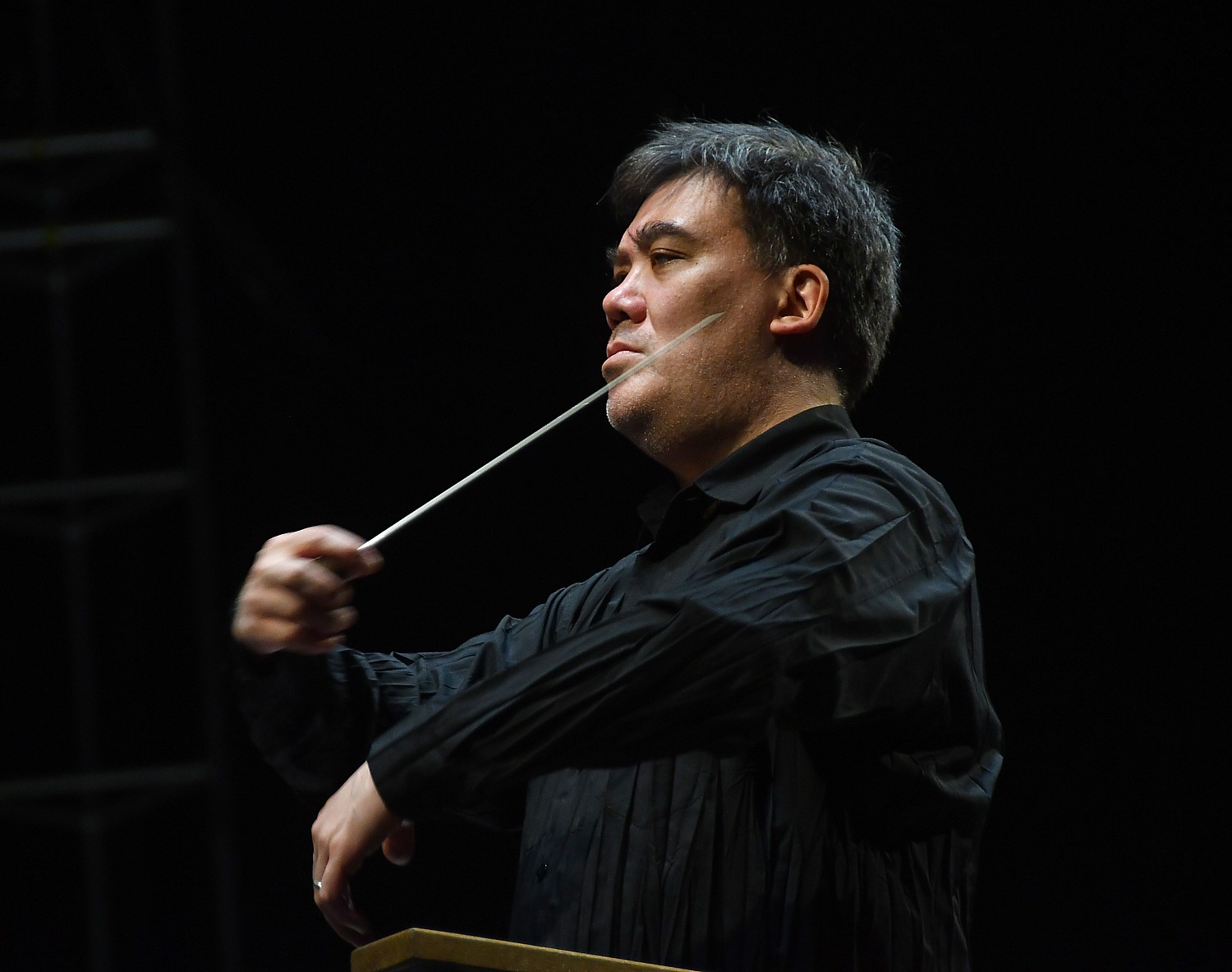
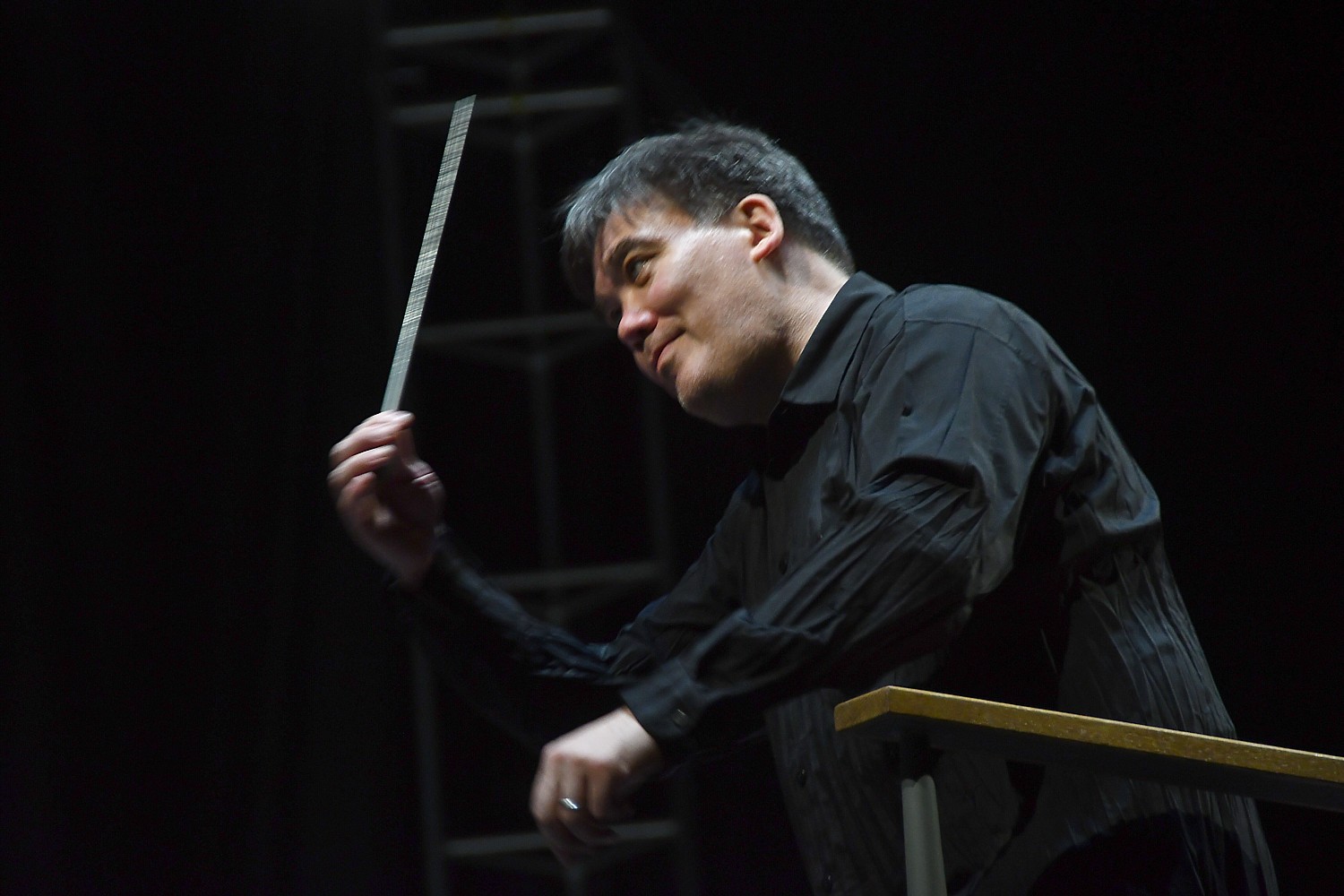
Alan Gilbert, in his final season as music director of the New York Philharmonic, conducts the orchestra in the free summer Concerts in the Parks series in Cunningham Park, Queens © 2017 Karen Rubin/ goingplacesfarandnear.com


By Karen Rubin, Travel Features Syndicate, goingplacesfarandnear.com


This year’s New York Philharmonic Concerts in the Parks – its 52nd summer – provided a way to say farewell to Music Director Alan Gilbert. The series, presented for the past 11 years by Didi and Oscar Schafer, was a hug and a kiss to the 100,000 music lovers who come out to the free summer concerts (“priceless music, absolutely free”), at the Great Lawn in Central Park, Manhattan; Cunningham Park, Queens; Prospect Park, Brooklyn and Van Cortlandt Park, Bronx. This season’s program was also the Philharmonic’s 175th anniversary season celebration of its hometown, featuring masterworks by Dvořák (Symphony No. 9, From the New World), Leonard Bernstein (Symphonic Dances from West Side Story), and George Gershwin (An American in Paris) — all written in New York and premiered by the Philharmonic  – and was the culmination of its season-long “The New World Initiative”.

Throughout the 2016–17 season, The New World Initiative has explored the New World Symphony’s theme of home and honors New York City and its role as an adopted home. The Philharmonic gave the World Premiere of the New World Symphony in 1893, marking the Orchestra’s first World Premiere of a work written in New York City that would become part of the standard repertoire. The Largo theme was later set to the words “Goin’ Home” by Dvořák’s student William Arms Fisher.

New York Philharmonic conductor Alan Gilbert conducts a community sing-along of “Goin Home” them from Dvořák’s New World Symphony, all part of The New World Initiative and the Philharmonic’s 175th anniversary season celebration of its hometown © 2017 Karen Rubin/ goingplacesfarandnear.com

The New York Philharmonic’s free parks concerts have become an iconic New York summer experience since they began in 1965, transforming parks throughout the New York area into a patchwork of picnickers, and providing music lovers with an opportunity to hear the best classical music under the stars. More than 14 million listeners have been delighted by the performances since their inception.

Before the New York Philharmonic takes the stage, it has become a new custom to “Share the Stage” with local musicians. This year, that included BombaYo (Van Cortlandt Park); The Ebony Hillbillies and Zulal (Central Park), The queen’s Cartoonists and Slum Suit (Cunningham Park) and The Side Project (Prospect Park).

And at this year’s concerts in the parks series, audiences joined the Orchestra in community performances of the “Goin’ Home” theme from Dvořák’s New World Symphony, all part of The New World Initiative and the Philharmonic’s 175th anniversary season celebration of its hometown. (Dvořák’s  symphony also incorporates the Shaker hymn, “Simple Gifts.”)

We caught the concert at Cunningham Park, in Queens, which also featured fireworks display.

Alan Gilbert, in his final season as music director of the New York Philharmonic, conducts the orchestra in the free summer Concerts in the Parks series in Cunningham Park, Queens © 2017 Karen Rubin/ goingplacesfarandnear.com

The program was a crowd-pleaser – the Symphonic Dances from West Side Story were simply transporting – and Gilbert looked extremely relaxed and joyful.

Alan Gilbert, who has stepped down as music director of NY Philharmonic, just revealed that he will be trading New York for Hamburg, Germany, leading the Elbphilharmonie Orchestra in the new Elbphilharmonie concert hall as chief conductor.

Alan Gilbert, in his final season as music director of the New York Philharmonic, conducts the orchestra in the free summer Concerts in the Parks series in Cunningham Park, Queens © 2017 Karen Rubin/goingplacesfarandnear.com

In a phone interview with the New York Times, Gilbert, a frequent guest conductor in Hamburg, said that the Elbphilharmonie’s vision aligned perfectly with his own paradigm for successful 21st-century orchestras. “It’s about how they connect to the cities they serve,” he said. “And one condition for that is the existence of a perfectly appropriate physical space. What’s going on there is related to what’s potentially going to happen here in New York with the idea of redoing David Geffen Hall.”

Gilbert bids farewell to New York in the parks concert program, writing, “It has been a privilege to stand upon this august platform and make decisions that have altered and enhanced New York City’s cultural landscape. When this Orchestra does artistic things, they are noticed, and they inspire others, far and wide. Ultimately, I know my tenure is just one chapter in the Philharmonic’s long story, and I look forward to seeing what comes next.”

Alan Gilbert, in his final season as music director of the New York Philharmonic, conducts the orchestra in the free summer Concerts in the Parks series in Cunningham Park, Queens © 2017 Karen Rubin/ goingplacesfarandnear.com

As Music Director of the New York Philharmonic since 2009, Alan Gilbert has introduced the positions of The Marie-Josée Kravis Composer-in-Residence, The Mary and James G. Wallach Artist-in-Residence, and Artist-in-Association; CONTACT!, the new-music series; the NY PHIL BIENNIAL, an exploration of today’s music; and the New York Philharmonic Global Academy, partnerships with cultural institutions to offer training of pre-professional musicians, often alongside performance residencies. The Financial Times called him “the imaginative maestro-impresario in residence.”

Alan Gilbert conducts the New York Philharmonic in Cunningham Park, Queens © 2017 Karen Rubin/goingplacesfarandnear.com

Alan Gilbert concludes his final season as Music Director with four programs that reflect themes, works, and musicians that hold particular meaning for him, including Beethoven’s Ninth Symphony alongside Schoenberg’s A Survivor from Warsaw, Wagner’s complete Das Rheingold in concert, and an exploration of how music can effect positive change in the world. Other highlights include four World Premieres, Mahler’s Fourth Symphony, Ligeti’s Mysteries of the Macabre, and Manhattan, performed live to film. He also leads the Orchestra on the EUROPE / SPRING 2017 tour and in performance residencies in Shanghai and Santa Barbara. Past highlights include acclaimed stagings of Ligeti’s Le Grand Macabre, Janáček’s The Cunning Little Vixen, Stephen Sondheim’s Sweeney Todd starring Bryn Terfel and Emma Thompson (2015 Emmy nomination), and Honegger’s Joan of Arc at the Stake starring Marion Cotillard; 28 World Premieres; a tribute to Boulez and Stucky during the 2016 NY PHIL BIENNIAL; The Nielsen Project; the Verdi Requiem and Bach’s B-minor Mass; the score from 2001: A Space Odyssey, performed live to film; Mahler’s Resurrection Symphony on the tenth anniversary of 9/11; performing violin in Messiaen’s Quartet for the End of Time; and ten tours around the world.

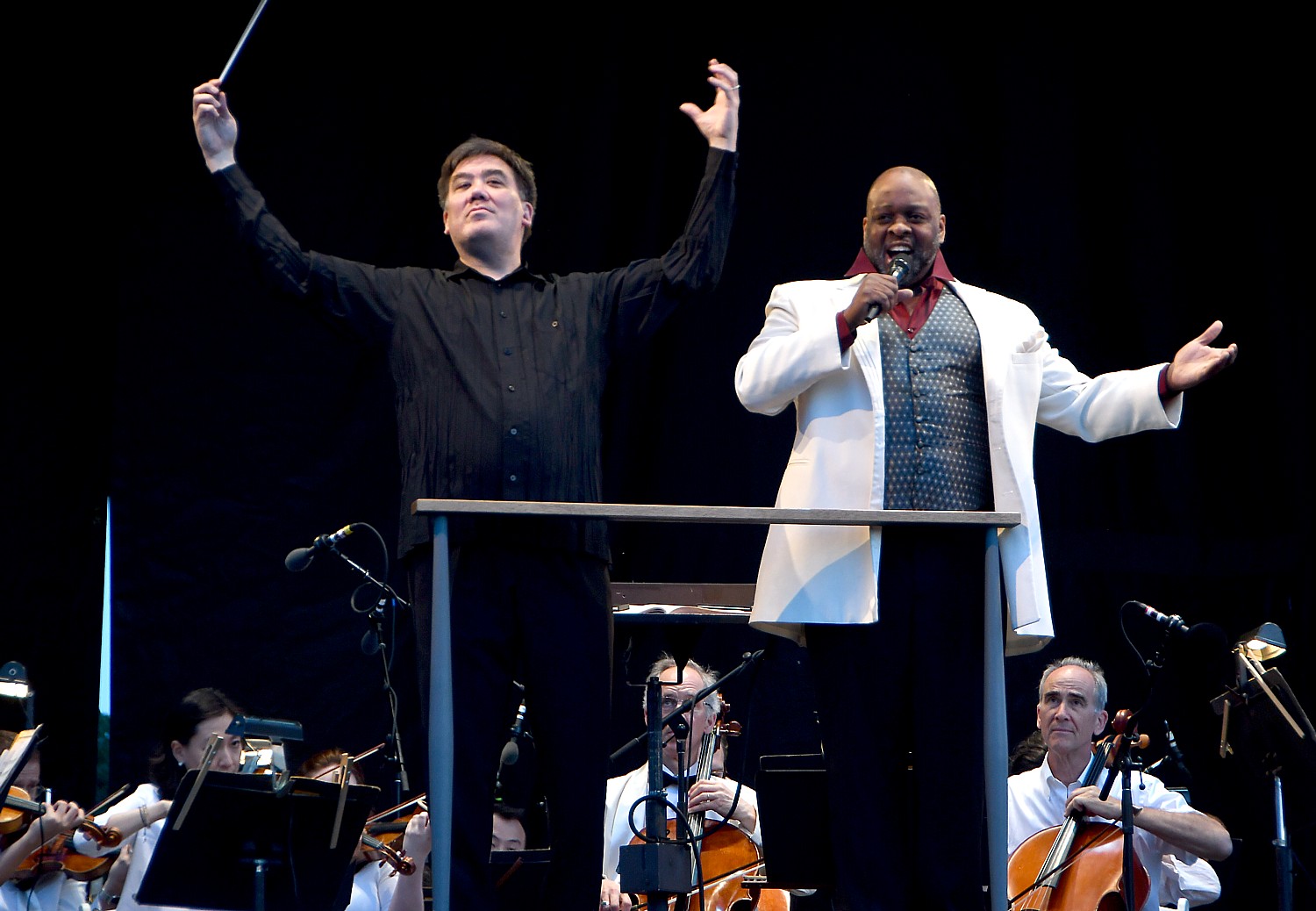
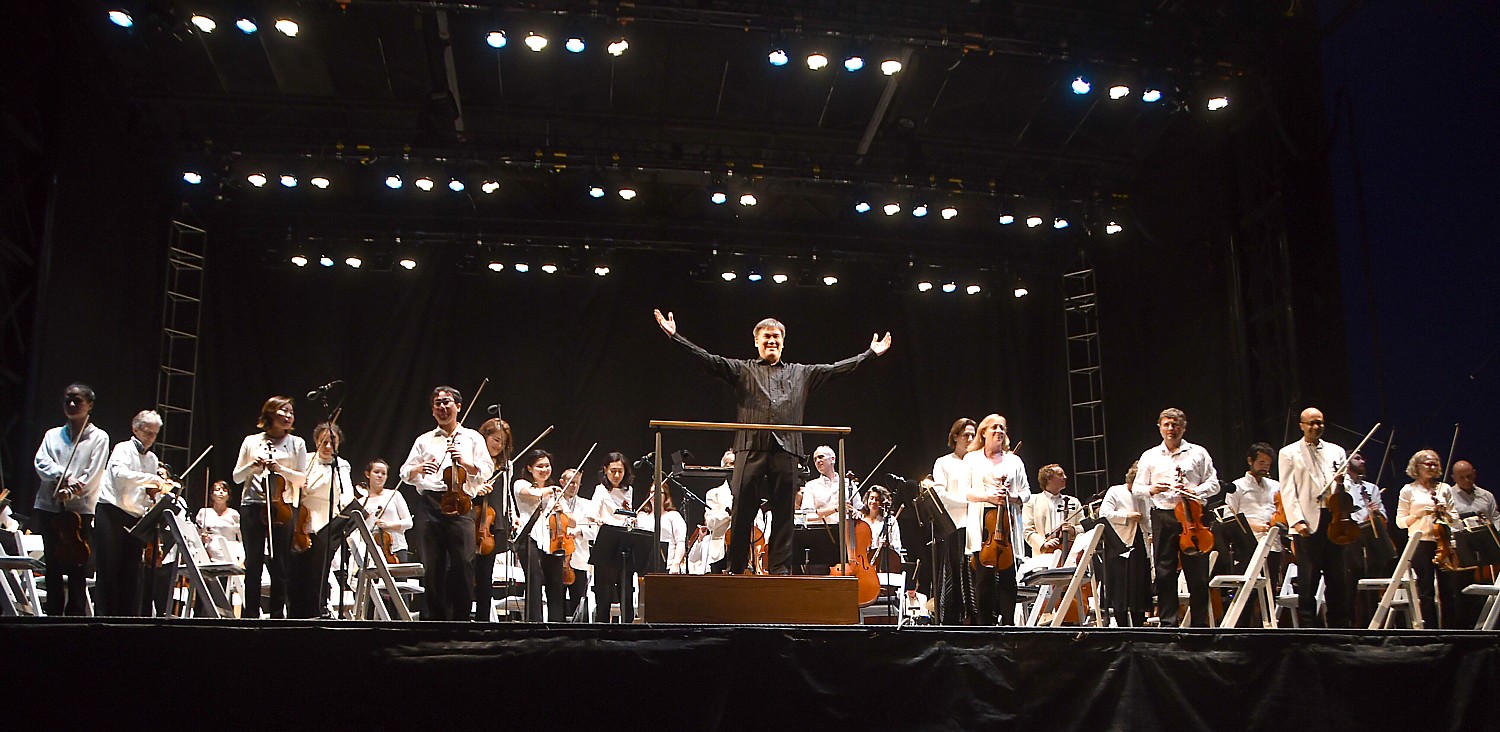
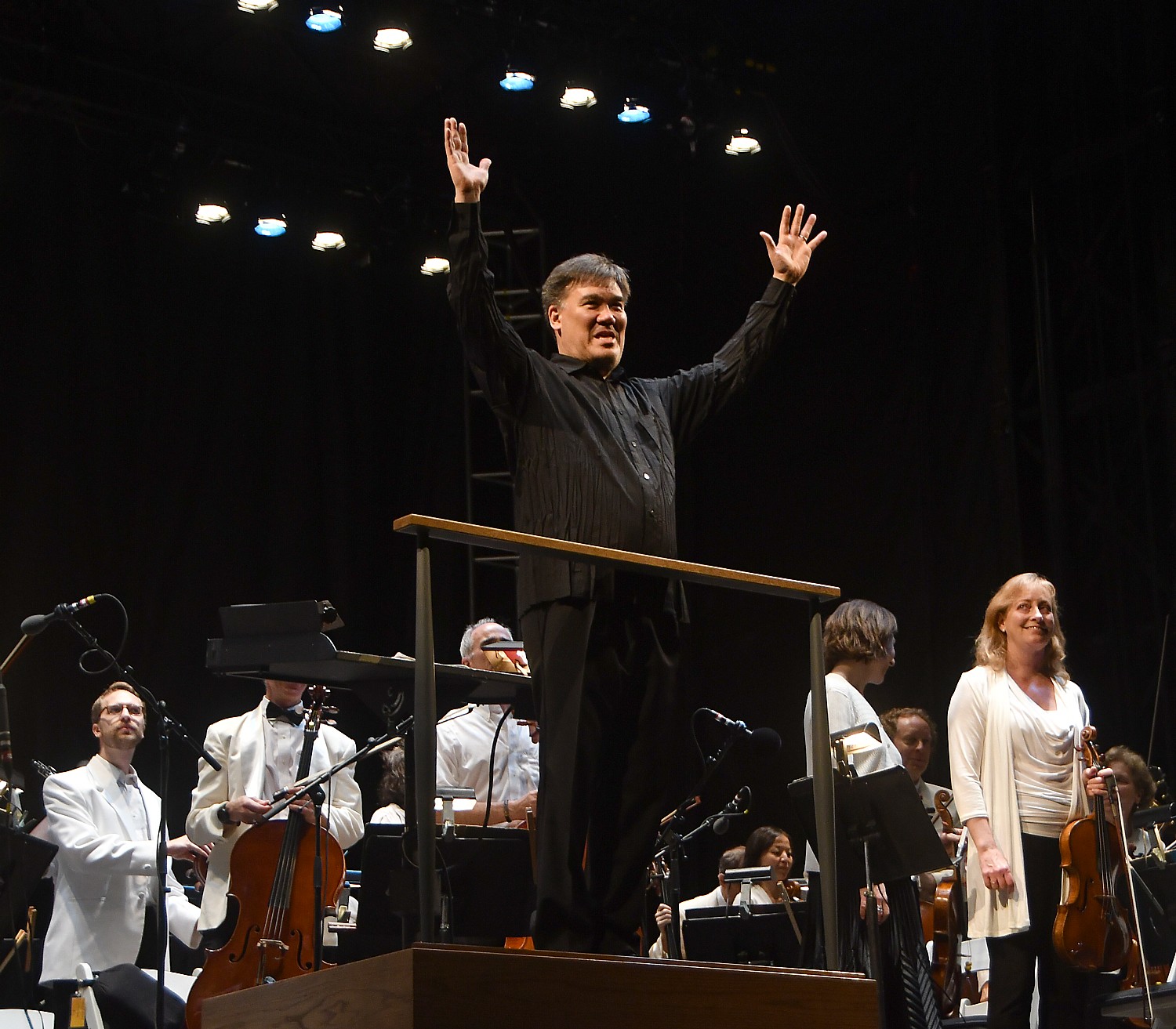
Alan Gilbert and the New York Philharmonic take bow at the end of the concert in Cunningham Park, Queens © 2017 Karen Rubin/ goingplacesfarandnear.com

Conductor laureate of the Royal Stockholm Philharmonic Orchestra and former principal guest conductor of Hamburg’s NDR Symphony Orchestra, Alan Gilbert regularly conducts leading orchestras around the world. This season he returns to the foremost European orchestras, including the Leipzig Gewandhaus, Munich Philharmonic, Amsterdam’s Royal Concertgebouw, and Orchestra dell’Accademia Nazionale di Santa Cecilia. He will record Beethoven’s complete piano concertos with the Academy of St Martin in the Fields and Inon Barnatan, and conduct Gershwin’s Porgy and Bess at Milan’s Teatro alla Scala, his first time leading a staged opera there. He made his acclaimed Metropolitan Opera debut conducting John Adams’s Doctor Atomic in 2008, the DVD of which received a Grammy Award, and he conducted Messiaen’s Des Canyons aux étoiles on a recent album recorded live at the Santa Fe Chamber Music Festival. Mr. Gilbert is Director of Conducting and Orchestral Studies at The Juilliard School, where he holds the William Schuman Chair in Musical Studies. His honors include Honorary Doctor of Music degrees from The Curtis Institute of Music (2010) and Westminster Choir College (2016), Columbia University’s Ditson Conductor’s Award (2011), election to The American Academy of Arts & Sciences (2014), a Foreign Policy Association Medal for his commitment to cultural diplomacy (2015), Officier de l’Ordre des Arts et des Lettres (2015), and New York University’s Lewis Rudin Award for Exemplary Service to New York City (2016).

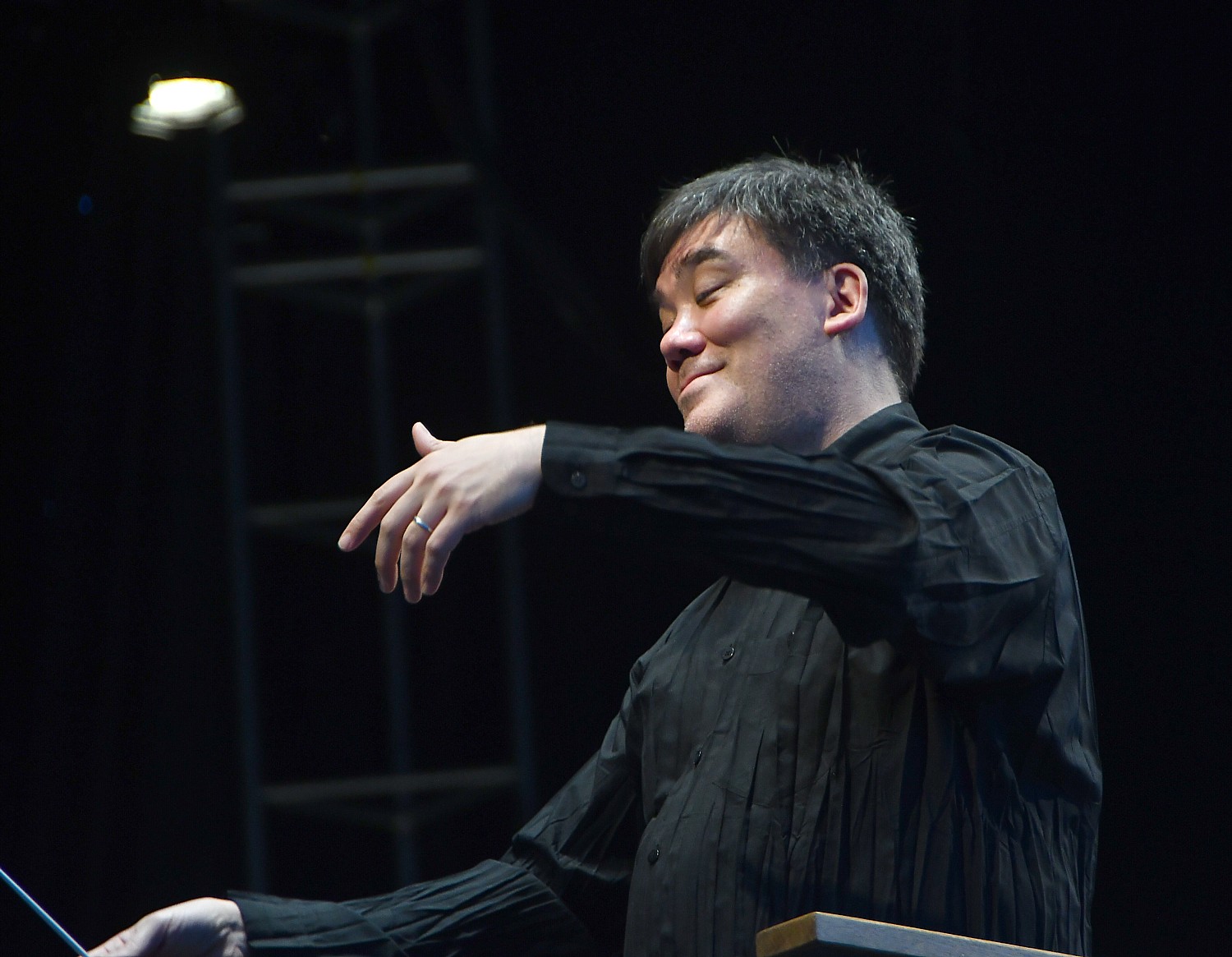
Here are some parting shots of the meistro.

Alan Gilbert conducts the New York Philharmonic in Cunningham Park, Queens © 2017 Karen Rubin/goingplacesfarandnear.com
Alan Gilbert and the New York Philharmonic take bow at the end of the concert in Cunningham Park, Queens © 2017 Karen Rubin/ goingplacesfarandnear.com

____________________


© 2017 Travel Features Syndicate, a division of Workstyles, Inc. All rights reserved. Visit goingplacesfarandnear.com,  www.huffingtonpost.com/author/karen-rubin , and travelwritersmagazine.com/TravelFeaturesSyndicate/. Blogging at goingplacesnearandfar.wordpress.com and moralcompasstravel.info. Send comments or questions to FamTravLtr@aol.com. Tweet @TravelFeatures. ‘Like’ us at facebook.com/NewsPhotoFeatures
 

Barging through Burgundy, Day 5-6: Walking Tour of Dijon’s Old City

The Caprice finishes its cruise of canals and rivers of Burgundy in Dijon © Karen Rubin/news-photos-features.com

by Karen Rubin, Travel Features Syndicate, goingplacesfarandnear.com

Thursday: Arrival in Dijon

We are only a few miles to the last lock before Dijon, the capital of Burgundy, and the French landscape, though still predominantly countryside, becomes more and more populated and commercial as we come closer.

After breakfast on board the Caprice, our charming barge hotel, we take bikes and explore a village.

Back on board the Caprice, Chef Herve treats us to a cooking demonstration – he is preparing salt-encrusted salmon, which is the lunch entree, along with a variety of salads.

The Caprice, one of France Cruises’ luxury hotel barges, floats up a canal in Burgundy © Karen Rubin/news-photos-features.com

The wine is a 2010 Musadet Sevre et Maine sur Lie, from the Loire Valley, with a fresh, sharp, neutral flavor to compliment fish; and a 2010 Burgundy red, Saint Armour, named for the village which was named for a martyred Roman soldier, with a fruity flavor of currants.

The last bridge before we enter Dijon’s port is one where we all have to duck – it seems the barge uses every inch of space above.

We come into the port of Dijon, where we will stay overnight.

Caprice’s Chef Herve serves the salt-encrusted salmon for lunch; earlier in the morning, he provided a cooking demonstration © Karen Rubin/news-photos-features.com

Guy, who has been our guide and bus driver throughout our journey, takes us for a guided tour into the Dijon’s old city, the climax to an incredible week-long journey into Burgundy’s countryside. Dijon is the crowning jewel.

The historic district is just a 15-20 minute from where the Caprice is docked, so we can return on our own and have a couple of extra hours to explore.

As always, Guy, who is a former journalist, is fascinating, illuminating with stories and anecdotes what we can appreciate visually.

He reminds us of the popular Burgundy drink, Kir, which was named for a mayor who served from 1946-1960, was a priest, a canon, and a member of Parliament- the famous drink is named for him. “He did nothing in Dijon – that was reason it is well preserved.” The current mayor, on the other hand, wants to modernize, and is constructing a street car (light rail).

The magnificent architecture of Dijon’s Old City © Karen Rubin/news-photos-features.com

Dijon is a household name because of the mustard, which is still produced here, but these days, they import seeds from Canada. It is also a center for artificial flavors and fragrances.

Dijon is the capital of Burgundy – hospitals, university, administrative services (government), and the main stop between Paris and Lyon.

Burgundy was an independent state, and allied with Britain against France. The last Duke was killed 1463 – his enemy was King Louis XI of France, known here as “the Sneaky One” because though France had a treaty with Burgundy but the King still invaded Dijon.

One of the highlights is the main indoor market – a marvel of steel architecture that goes back to Eiffel, though his colleague finished the project.

The Caprice squeaks under the bridge as we float into the port of Dijon © Karen Rubin/news-photos-features.com

It is just across from the church of Notre Dame with a marvelous bell clock. “The King of France tried to bribe a town in Burgundy to rebel, and when it did, the Duke besieged it and as punishment, in 1673, took the clock. At the time, it only had a man with the pipe; then in 17C, the people of Dijon (who have a good sense of humor), added a woman so the man wouldn’t be lonely, and in 18C, added two children.” The man strikes the bell on the hour; the woman on the half, and the children on the quarter hour.

Notre Dame has stunning gargoyles, but Guy tells us that a usurer was killed when a gargoyle broke off and fell on him. As a result, the “corporation” of loan sharks demanded they all be taken down; but finally, they were cleaned and replaced in 18C. Notre Dame was defaced during the 1793 Terror, and the anti-religious furor that swept through.

The Church of Notre Dame provides a dramatic backdrop at the end of the Rue Musette © Karen Rubin/news-photos-features.com

The owl is symbol of Dijon, and there is an owl on Notre Dame that legend says, you touch with your left hand to have a wish come true (it’s been rubbed smooth over time).

Here we come to the Maison Millière, the charming shop we had first encountered on our first afternoon in Dijon, which specializes in hand-crafted owls.

There are fabulous buildings – stately majestic public buildings, grand mansions that served the noble members of Parliament – through Dijon.

Many of the grand buildings have been “re-purposed” after the Revolution.

Guy, our guide from the Caprice, explains the legend of rubbing the owl that is on the side of the Church of Notre Dame, with your left hand: wishes come true © Karen Rubin/news-photos-features.com

The Plaza Royale was renamed Place de la Revolution, and the avenue renamed Avenue de la Liberte.

What is astonishing is how many famous people are associated with Dijon: the architect of Versailles, Jules Mansart, also designed the Plaza Royale; Francois Ronde, who designed the Arc d’Triomphe in Paris, is from here.

I wander on my own, and am fascinated with the street names, many with biographical information

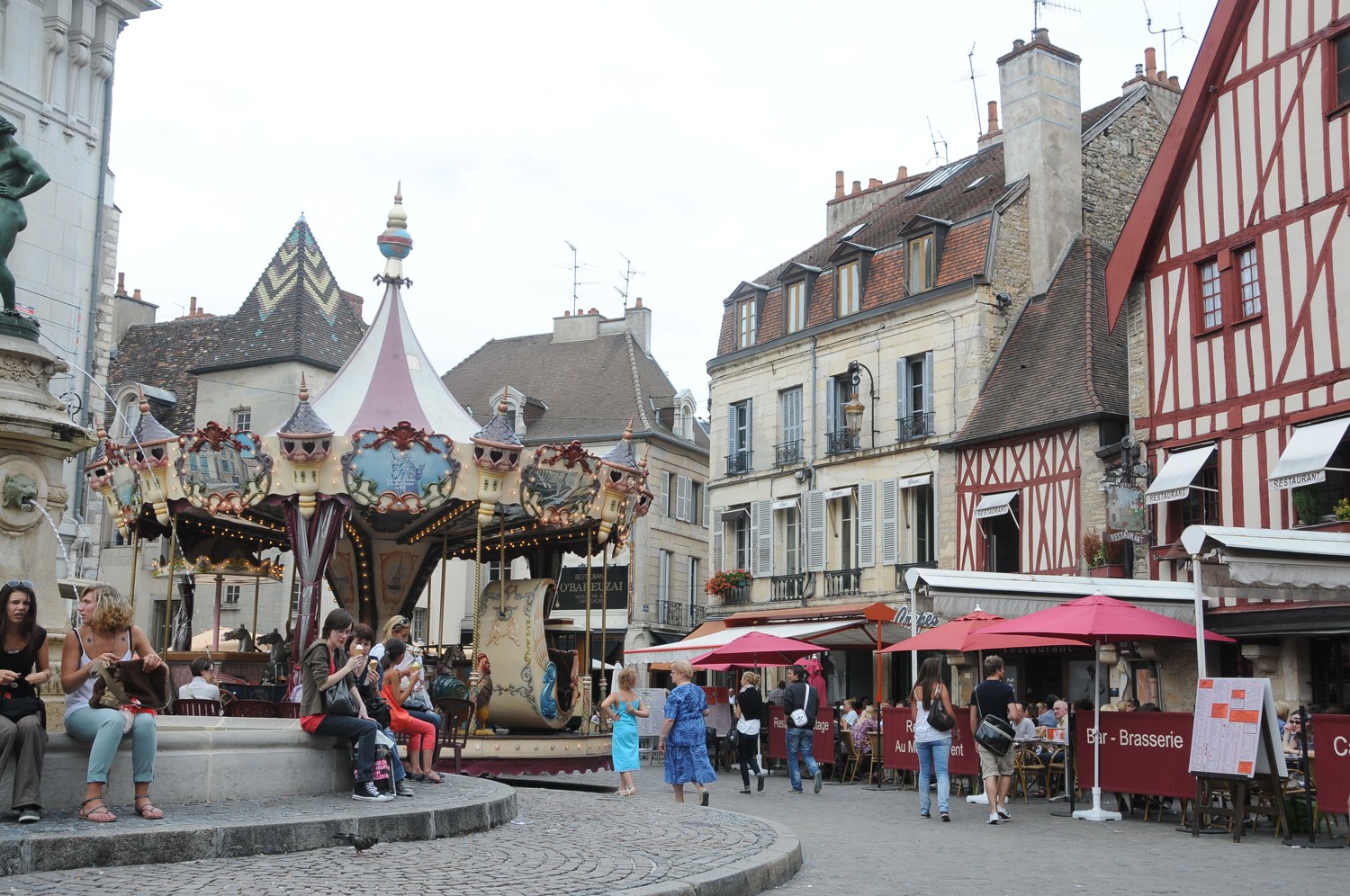
In the square of Dijon’s Old City, buildings from the Renaissance flank a carousel from 1865 © Karen Rubin/news-photos-features.com

Rue Danton was named for “conventionnel organisateur de la defense nationale, ne en 1759, mort sur l’echafaud en 1794.” I am fascinated and subsequently learn that Georges Danton was a French Revolutionary leader and orator, often credited as the chief force in the overthrow of the monarchy and the establishment of the First French Republic (September 21, 1792). He later became the first president of the Committee of Public Safety, but his increasing moderation and eventual opposition to the Reign of Terror led to his own death at the guillotine.

The clock above the church of Notre Dame, with the man who strikes the hour, his wife who strikes the half hour, and their two children who strike the quarter hour. © Karen Rubin/news-photos-features.com

I come upon Eglese Saint Philibert, originally built in 12th century, and destroyed in the Reign of Terror that followed the French Revolution. It is now undergoing a restoration.

I am so happy that I will have two extra days in Dijon (see story).

Gala Farewell

I walk back to the Caprice in time for our gala farewell dinner.

The last night of our cruise is a gala dinner (we “dress” in our finest, that is what we have with us) – the table, in a U-shaped banquet formation, is set magnificently, with fresh lilies and zinnias.

A fountain provides respite during a walking tour of Dijon’s historic district, spanning 97 hectares © Karen Rubin/news-photos-features.com

The menu consists of foie gras with leek salad with a sweet fig jam; filet de boeuf with red wine sauce, potatoes from Noirmoutier and mushrooms.

The 2007 Sainte Croix du Mont, a Sauvignon Blanc, Tina tells us, is produced at a vineyard on right bank of Bordeaux in southeast France, where there are early morning mists (usually not good for wine) is difficult to produce. “You need a lot of luck. The grapes have to develop a ‘local rot’ – a fungus – which actually produces a bursting sweetness. The yield is small – you have to pick the grapes by hand when ripest – a lot of work. It’s lighter than a dessert wine but full bodied.”

The red is a Grand Barrail Larose St Emilion 2009, a Bordeaux.

Three houses dating from the 1400s in Dijon’s Old City: the middle one is propped up by the two on either side © Karen Rubin/news-photos-features.com

The cheese tonight is a Roquefort – the quintessential sheep’s milk blue cheese from Avignon in the south of France, owes its distinctive character to a mold found in the soil of local caves

The second cheese is a Brie de Meaux, from the Ile de France, a creamy cow’s milk similar to Camembert. “King Louis XIV had 3 passions: poetry, wine and cheese,” Tina, the general manager, says. “He would send a damsel a cheese with a poem”

The dessert is a Chef’s surprise (actually a birthday cake for one of the guests).

Lunch onboard the Caprice always features red and white wines as well as cheeses © Karen Rubin/news-photos-features.com

Friday morning, after breakfast, we depart the Caprice. The whole crew, wearing their Barging Through France shirts, line up to greet us and bid us farewell. It is that most amazing and gratifying feeling that only travel provides when you get to realize how everyone has bonded and formed friendships in just a week’s time.

Incomparable Value in France Canal Cruising

In reflection, I think this is as perfect a trip as it could have been, vastly exceeding my expectations – in terms of the sights we have seen, the interesting attractions and excursions, the quality of the wining and dining, the cruise experience – France Cruises, the American agent for Barging through Burgundy which owns and operates the Caprice, really offers superb value for money.

The gala farewell banquet onboard the Caprice features a beef filet with red wine sauce © Karen Rubin/news-photos-features.com

The passengers onboard have really bonded – gives you plenty of opportunity – we are not on top of one another, but the meals, where you basically sit where you want or where there is room, so the table groupings always change, and you get to know one another, or when walking or biking along the canal, or on the bus or walking through the villages during our excursions, or in the evening sitting around in the lounge or on deck… people came from all over and many different backgrounds, but shared an interest and eagerness to learn and experience things, and we each shared from our own experience and knowledge base.

The immersion into French food and wine – especially with the selection of wines and cheeses at lunch and dinner – has been very satisfying and also interesting, since food and wine are so inextricably linked to culture and heritage of a place.

The size of the boat and the service makes it ideal for families, family reunions and groups of friends traveling together. There are barge boats that a single family can hire and guide themselves , though it seemed to me to be tricky process to go through the canals – some were automatic, operated by sensors, some had attendants, but some involved hand-cranking the bridge or pulling a chain to activate the doors.

Many people have the concern that you can get bored on a barge cruise or feel confined, but we are never bored or stir crazy – because of the opportunity to go off the boat and explore, especially by bike, and also the excursions. Those who want a more sedentary experience can have it, as well.

This size boat and the itinerary are perfect for us – not too small that you are forced to be on top of people or lacking in level and quality of service, and not too big.

The crew of the Caprice at the farewell gala banquet © Karen Rubin/news-photos-features.com

The daily excursions are marvelous and interesting and take you to places you might not have known to visit, and into the essence of what the region is -particularly the visit to the Chateau Rully with the Count – just seeing the portraits on wall of his ancestors, the very mug his 14th century ancestor had drunk from (that he still uses), the personal artifacts of the family were amazing.

Considering all that is provided, and the high level of service, the experience fulfills France Cruses’ boast that this cruise affords some of the best value in canal cruising in France (particularly with the special offers and packages that are available from time to time). I am a believer.

For information, contact France Cruises, Inc.,9901 IH 10 West, Suite 800 | San Antonio, TX 78230, 866-498-3920 or 210- 775-2184; Email:Marketing@FranceCruises.com, visit www.FranceCruises.com orwww.FranceCountryTours.com. Visit the blog The France Insider.

The cruise aboard the Caprice is now completely updated for next season:http://www.francecruises.com/barge-354-Caprice-742.html

Dijon is such a fascinating city, our exploration continues (see A Walk Through the Centuries in Dijon, France).

(Originally published in 2011)

____________________

© 2017 Travel Features Syndicate, a division of Workstyles, Inc. All rights reserved. Visit goingplacesfarandnear.com,  www.huffingtonpost.com/author/karen-rubin , and travelwritersmagazine.com/TravelFeaturesSyndicate/. Blogging at goingplacesnearandfar.wordpress.com and moralcompasstravel.info. Send comments or questions to FamTravLtr@aol.com. Tweet @TravelFeatures. ‘Like’ us at facebook.com/NewsPhotoFeatures
Barging through Burgundy, Day 2: Chateau de Rully

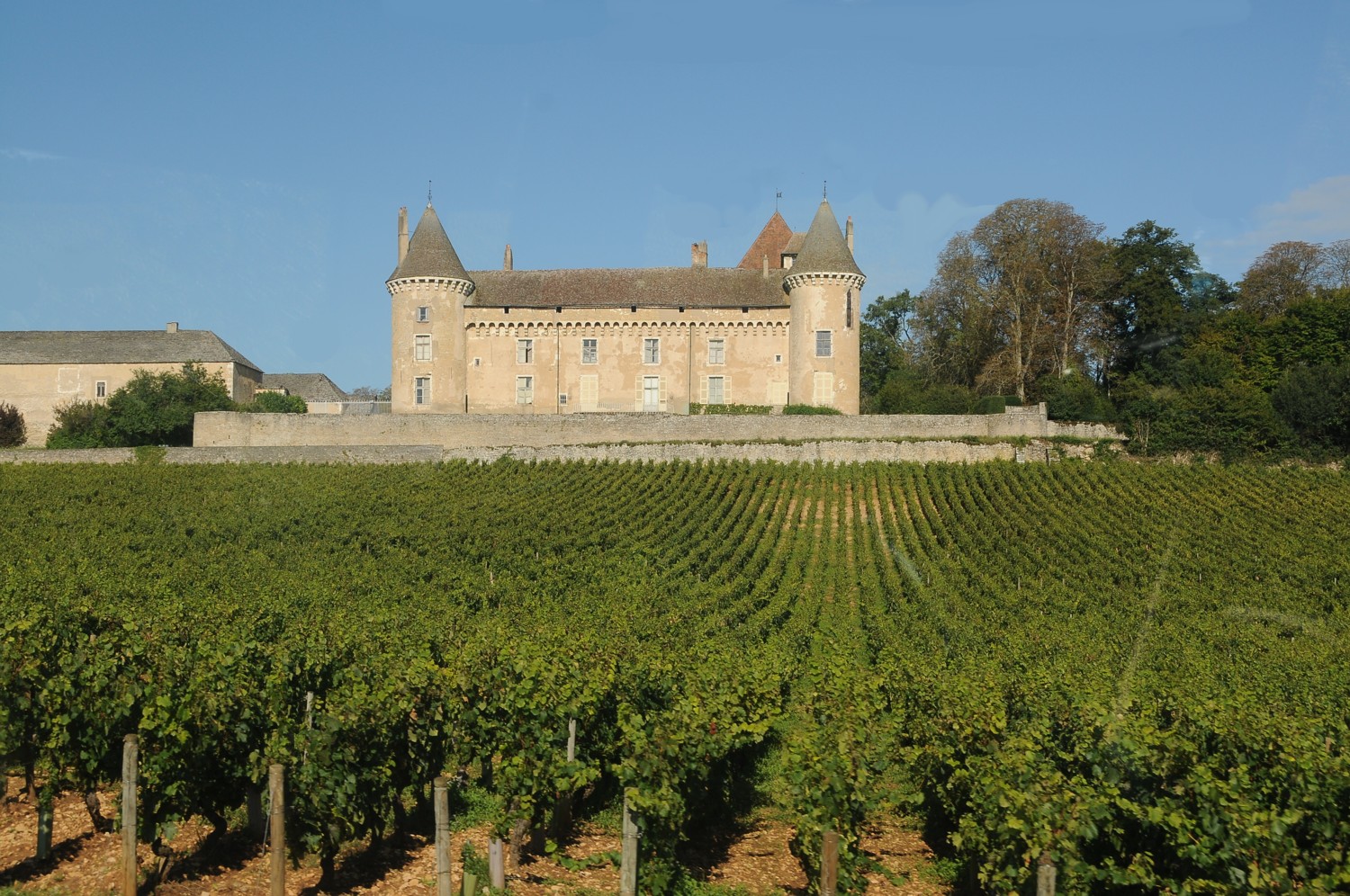
Chateau Rully in Burgundy, France. which has been in the same family for 900 years © Karen Rubin/news-photos-features.com

Day 2 aboard the Caprice barge hotel brings us to a castle in the same family for 900 years

by Karen Rubin, Travel Features Syndicate, goingplacesfarandnear.com

Our second day’s excursion through Burgundy, France, aboard the Caprice, a barge hotel, proves to be an extraordinary highlight.

We travel by bus to the Chateau Rully, dating back to the 12th century. Most incredibly, the chateau has remained in the same family for 900 years.

Compte Raoul de Ternay and family greet us at their home, the Chateau Rully in Burgundy, France. The chateau has been in the same family for 900 years © Karen Rubin/news-photos-features.com

It is a most impressive structure, as we drive up through acres of vineyards to what looks more like a castle than a chateau. We will have a private tour by the current owner.

As we walk up the stone path, we are met by the youngest heir, Comte Raoul de Ternay (the third generation of the Ternays), his wife pushing a stroller, and their young son.

This is the home he grew up in, and which is still the home for their extended family, including his mother and aunt.

The Chateau Rully is surrounded by vineyards © Karen Rubin/news-photos-features.com

He explains that the family name has changed over the centuries, when ownership transferred through the female line. The main family names have been Rully, Saint-Léger (until end of 16th century), Montessus (into the 20th century) and nowadays Ternay. Most fascinating are the portraits of these ancestors that line the walls.

Ternay took over when his father passed away 16 years ago; the family must maintain the chateau without any state support, so 10 years ago, he opened it up to visitors.

This is so much different than seeing a castle, but having some sense of the people who lived in it. But there is no denying, the structure is formidable.

Portrait of Marie Ferdinande Agathonge de Vaudrey, imprisoned during the French Revolution, the local people protested and demanded her liberation. She saved the chateau for the family © Karen Rubin/news-photos-features.com

This medieval fortress was built around a 12th century square keep (Donjon), the oldest part of the chateau that remains. It reveals some interesting features of medieval military architecture with its parapet walk, battlements, machicoulis and loopholes.

During the 14th century, the defense system was improved a path round, the battlements, with crenellations for firing weapons, merlons for protection, and loopholes for archers. A dry ditch (moat) was built around the château to reinforce the defense – the only way in was a drawbridge.

As we walk in, Ternay explains that the dry moat was removed by his great grandfather at the end of the 19th century, after he fell in.

Compte Raoul de Ternay hosts a wine tasting in the massive kitchen of the Chateau Rully © Karen Rubin/news-photos-features.com

We walk past a statue of Saint Mary. He tells us that the chateau was occupied by Germans during World War II for only about two months before D-Day, but for most of war, his great grandfather managed to keep them out, insisting that the historic building would be bombed if they occupied it. His grandmother installed the statue of Saint Mary, for having survived World War II.

It makes you think about how this building managed to survive through all the tumult over the centuries.

The main building dates back to the Renaissance.

Cote de Nuits, wine region in Burgund © Karen Rubin/news-photos-features.com

The current appearance of the chateau was designed in the 15th century with the addition of a small courtyard and North and East wings, turning the fortress into a manor house. Outbuildings, and the great and lower courtyards were added in the 18th century. An 18th century building boasts Burgundy’s largest stone roof.

The Chateau is by no means a museum and very much a private home, he tells us, so we will see a television among other modern accoutrements, and family photos – which to me, makes it all the more interesting.

We enter the home, where he tells us the main staircase dates from the 17th century – the weight is concentrated on the walls, making for an open entry space.

The pleasant dining room aboard the Caprice barge hotel © Karen Rubin/news-photos-features.com

“The staircase doesn’t creak,” he says, joking that he could sneak into house when he was younger.

We are ushered into a beautiful salon, which he says is used very few times a year because of the fragile furniture. There are two mirrors, made in two different eras: a 17th century mirror made in six parts because that is what the technology allowed (the Chateau de Versailles has same kind of mirror); the second was made in the 18th century, in two parts, because of the technological improvements.

Chalon sur Saone © Karen Rubin/news-photos-features.com

Most fascinating to me are the portraits we see of his ancestors – the great grandfather who protected the castle in World War II.

But most interesting of all is the portrait of Marie Ferdinande Agathonge de Vaudrey. Born in 1740, she was 16 when married and had 15 children by the time she was widowed at 32. She was imprisoned as an aristocrat during the French Revolution, but the local people protested and demanded her liberation, and finally, the authorities said, “Take her and get out.”

She spent much of the Revolution in the castle, protected the castle, and was largely responsible for keeping it in the family, he says.

Chalon Sur Saone © Karen Rubin/

news-photos-features.com

Asked how long was she in prison, he says that family tradition said just three or four days but he found documents that showed she was in prison for 8-9 months.

Still, he distinguishes how “there were two revolutions, the one in the cities, and the one in the towns. The Revolution in the countryside wasn’t so ‘dramatic,’ the count says.

Chalon Sur Saone

© Karen Rubin/news-photos-features.com

He points to a stunning wood cabinet that was made in 1899 by his great-great-grandfather, a master wood maker and artist, made of mahogany from Cuba.

We are brought into the kitchen – an amazingly massive room with vaulted ceilings built in the original keep, and a massive 1771 fireplace. It was “modernized” in the 19th century with a stove and the fireplace was no longer necessary. The stove itself, is fascinating to behold.

St Vincent Square, unchanged in centuries. The centerpiece is an 11th century cathedral © Karen Rubin/news-photos-features.com

Here Ternay hosts a wine tasting made from grapes from the Chateau Ruilly vineyards.

Everywhere you look in this great room, there is some fascinating artifact, including a 14th century old mug from one of his ancestors, which he says he still uses.

(Chateau de Rully 71150, 33 (0) – 385872089, chateauderully.com)

Cruising on the Canal

Wood decoration on a tudor building in Chalon Sur Saone © Karen Rubin/news-photos-features.com

We return to the Caprice for lunch: salads of carrots and coriander, lentils cooked in orange juice, a wonderful Quiche Lorraine, chocolate mousse for dessert; and enjoy Pinot Noir – Bourgogne 2009 and Pinot Gris Van D’Alonso 2009.

We float down the canal as we dine. You chat amiably, savor the flavors, and see the scenery flow by in slow motion.

Tapestry in St Vincent’s, Chalon sur Saone © Karen Rubin/news-photos-features.com

I am relishing the benefits of a cruise style of trip: you have all the relaxation and comforts of a resort-style vacation, with all the interest and variety of a sightseeing-style trip, and without the packing. We are, after all, immersed in a foreign country with a storied history. But the character and size of this barge makes it all the more special, and river cruises are particularly special because of the pace of the journey, and the fact you are always seeing interesting landscapes on both sides.

The 12th century cathedral, St. Vincent Square, Chalon sur Saone © Karen Rubin/news-photos-features.com

You notice everything: now we are going through the lock and going down. Lock 28 has the date in stone: 1862.

I am enjoying lunch so much, I lose track and realize I have just five minutes to prepare to get off at lock 28.

The Caprice barge hotel, tied at the steps to Chalon sur Saone © Karen Rubin/news-photos-features.com

Tina tells us we have to get back on by Lock 34 or else the towpath turns away from where the Caprice will go on to enter the River Saône.

The route here is gorgeous pastoral scenery of farms and fields.

We bike up to lock 34, have more time, so go back to 33, then walk back to 34.

It’s Lock 35 that has the severe drop, 55 feet, which brings us level to the river.

Biking along the towpath adjacent to the Canal du Centre © Karen Rubin/news-photos-features.com

We float into Ville Chalon sur Saône: you really appreciate arriving in the city by water: the view is stunning, dramatic, with the ancient city on both sides of the water, spanned by an elegant bridge.

Chalon was built alongside the Saône about 3000 years ago. It was a naval base even during Antiquity, hosted large fairs during the Middle Ages, and was a trading center into modern times. It has a magnificent old town, which is so revealing for the way the street names, etched in stone, have been replaced.

The magnificent scenery along the Canal du Centre, Burgundy © Karen Rubin/news-photos-features.com

We tie up right at the city’s stone steps that lead from the water.

We arrive mid afternoon. Guy leads us on a walking tour of the old town just after we arrive.

The picturesque scenery as we float along the Canal du Centre, Burgundy on the Caprice © Karen Rubin/news-photos-features.com

Chalon was important during Roman conquest of Gaul – Julius Caesar, 52 BC. This was last navigable port from Mediterranean. Roman ships carried wine northbound; that’s when the vineyards were started.

Chalon was part of Burgundy, which in the 12 C was an independent realm governed by a Duke (Dijon was the capital). Burgundy allied with England in the Hundred Years War. this brings up the story of Joan of Arc: in 1429, Joan of Arc began her quest to unite the French behind the future Charles VII and drive the English out of France. Joan was captured by Burgundian troops and handed over to the English, who burnt her as a witch (for wearing men’s clothes), at English-held Rouen in 1431. English Henry VI was crowned king of France in Paris.) We see what remains of a fortress.

The Caprice cruises the Canal du Centre © Karen Rubin/news-photos-features.com

During WWII when Germans invaded France, and the Demarcation line was drawn between Fermany and Vichy, it went through Chalon. Jewish resistance fighters went through (to get to Switzerland).

Just up from the stone steps where we tie up the barge, we come up into the square, where we see a statue to Nicephore Niepce who invented photography in 1765 (he was a colleague of Daguerre’s).

The beautiful Burgundy countryside beside the Canal du Centre. © Karen Rubin/news-photos-features.com

Guy guides us through the town for the first hour – his commentary is absolutely fascinating and the town has wonderful architecture. Soon we are in front of Niepce’s house, where he lived in 1765, looking probably much the same as when he left it, on a picturesque narrow street he would have loved to photograph.

We see how street names have changed with political tides – there is Rue Voltaire, named during the Restoration, in the 1820s.

The beautiful Burgundy countryside along the Canal du Centre © Karen Rubin/news-photos-features.com

We come upon the St Vincent Square, unchanged in centuries. The centerpiece is an 11th century cathedral – the façade has been replaced after it was destroyed, but even then, the “new” facade dates from 1780. The base of the tower dates to the 12th century; the base of the Church is Romanesque; the gallery is Gothic; the organ is Baroque. There are some magnificent examples of centuries-old tapestries.

After our walking tour, we still have an hour more to explore on our own before returning to the Caprice for dinner.

This isn’t just an old city, it is a bustling town of 80,000 with a vibrant shopping street, and if you cross the bridge, you get to a modern residential area.

The Caprice cruises the canal

© Karen Rubin/news-photos-features.com

The dinner, Monday, is another extraordinary event: escargots a la crème d’ail (snails in garlic sauce); breast of guinea fowl served with a honey and saffron sauce, baby vegetables.

The cheeses tonight are Brillat-Savarin, developed in the 1930s in the north of France and named after a renowned 18th century food writer Brillat Savarin.

Also Epoisses, a local Burgundy unpasteurized cheese from the village of Epoisses in the Cote d’Or, halfway between Dijon and Auxerre; the rind is washed with Marc de Bourgogne, a local pomance brandy.

Chalon sur Saone at night

© Karen Rubin/news-photos-features.com

The wines are a Petit Chablis and the red is a Moulin a Vent, a Beaujolais made from the Gamay grape which, we learn, has a thin skin and is low in tannins.

The desserts are an assortment of traditional Burgundy sweets.

Chalon is such a beautiful city, after dinner, we walk down the gangplank, up the Medieval stone steps back into the town to walk about the old city. Yellow lights hit the stone of the buildings, making the most stunning shadows, shapes and textures. (We need to return by 11 pm, because they take up the gangplank.)

The Caprice is owned by Barging Through France, and represented by France Cruises, Inc, San Antonio, Texas, 866-498-3920,www.francecruises.comwww.FranceCountryTours.com.

(Originally published 2011)

____________________

© 2017 Travel Features Syndicate, a division of Workstyles, Inc. All rights reserved. Visit goingplacesfarandnear.com,  www.huffingtonpost.com/author/karen-rubin , and travelwritersmagazine.com/TravelFeaturesSyndicate/. Blogging at goingplacesnearandfar.wordpress.com and moralcompasstravel.info. Send comments or questions to FamTravLtr@aol.com. Tweet @TravelFeatures. ‘Like’ us at facebook.com/NewsPhotoFeatures
 

San Francisco Goes All Out With Special Events, Exhibitions Marking 50th Anniversary of Summer of Love

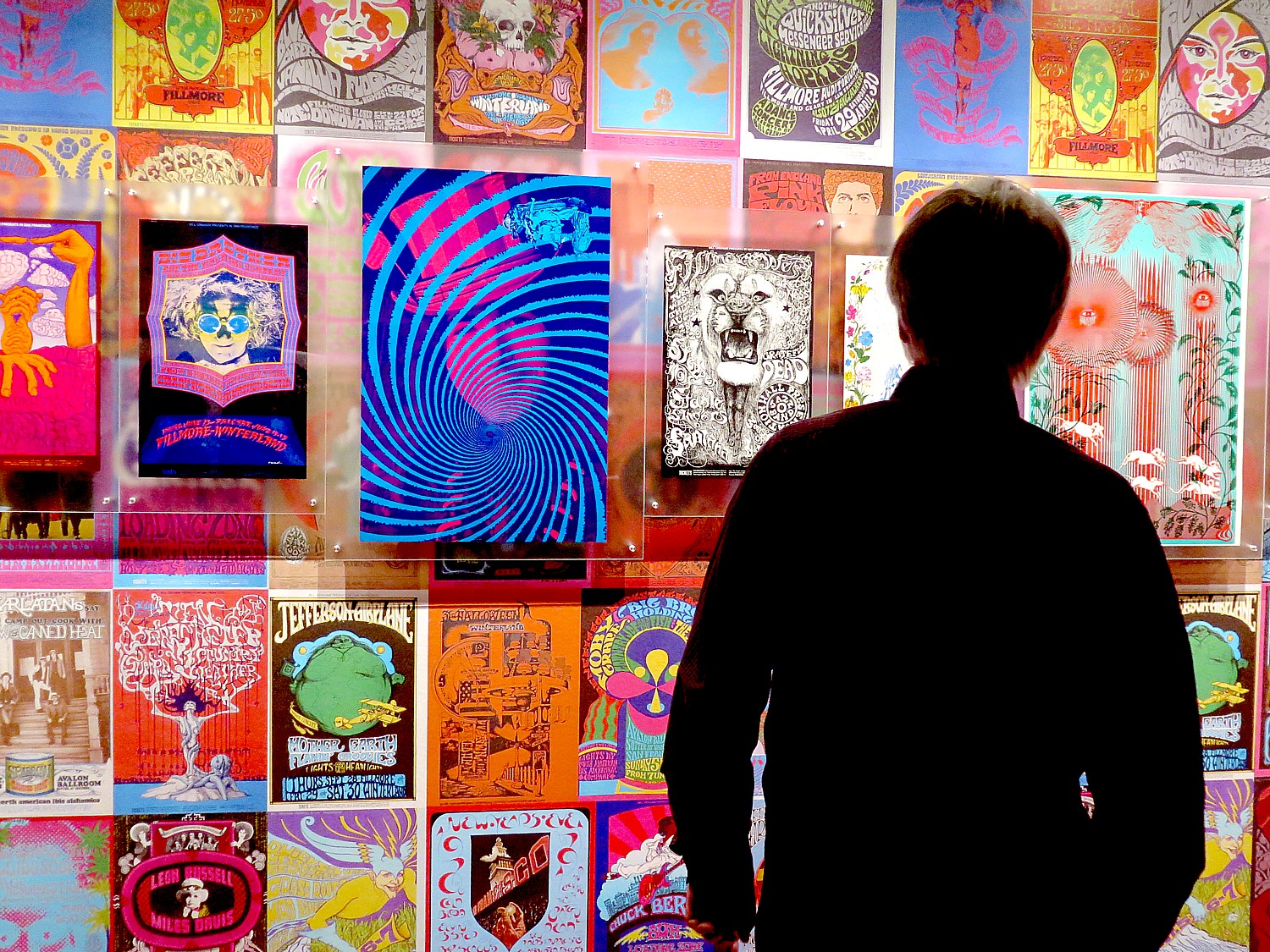
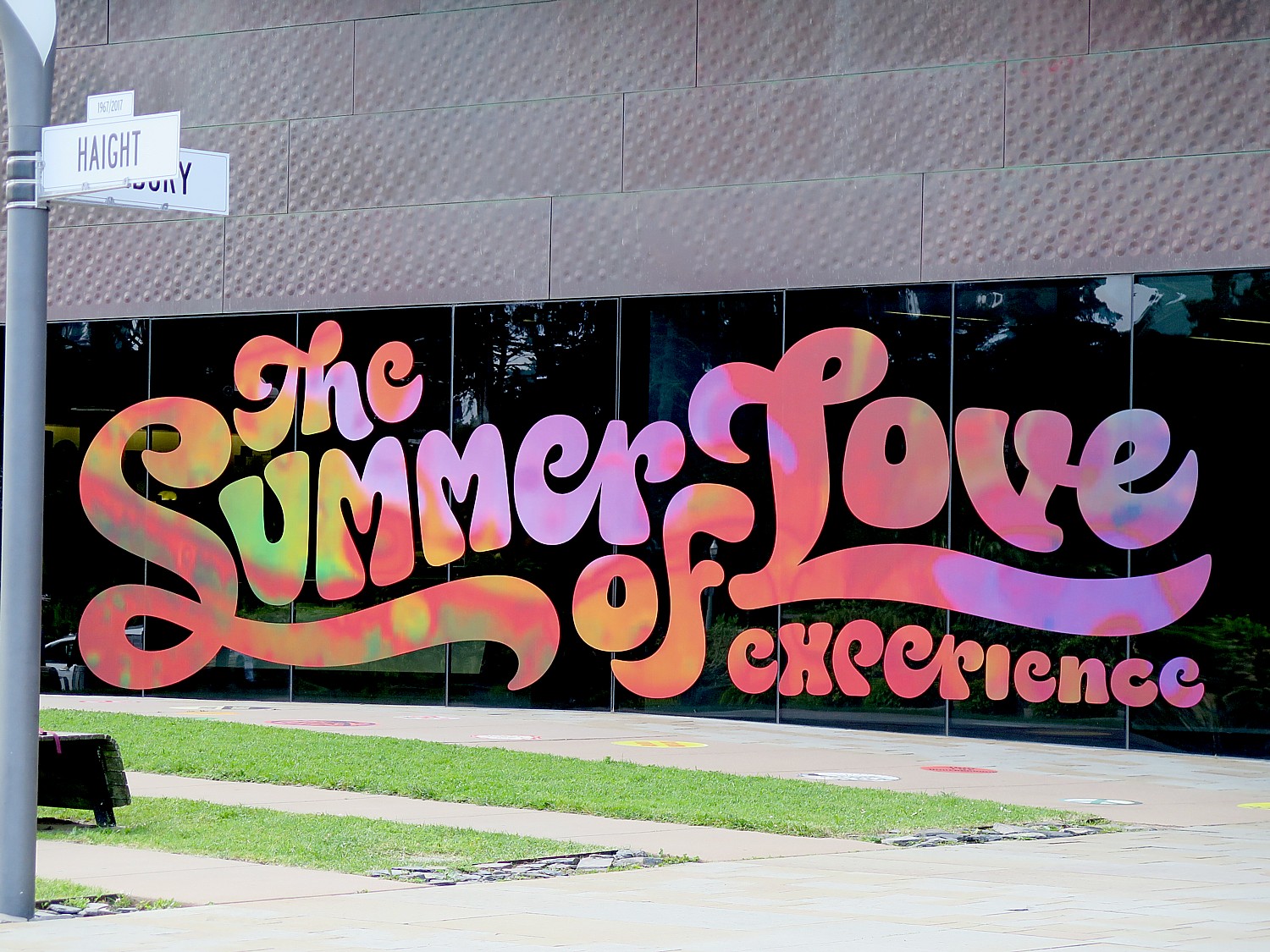
Blast from the past: reliving 1967 through poster art at San Francisco’s de Young Museum’s The Summer of Love Experience: Art, Fashion, and Rock & Roll on view through August 20 © 2017 Karen Rubin/ goingplacesfarandnear.com

By Karen Rubin,

Travel Features Syndicate, goingplacesfarandnear.com

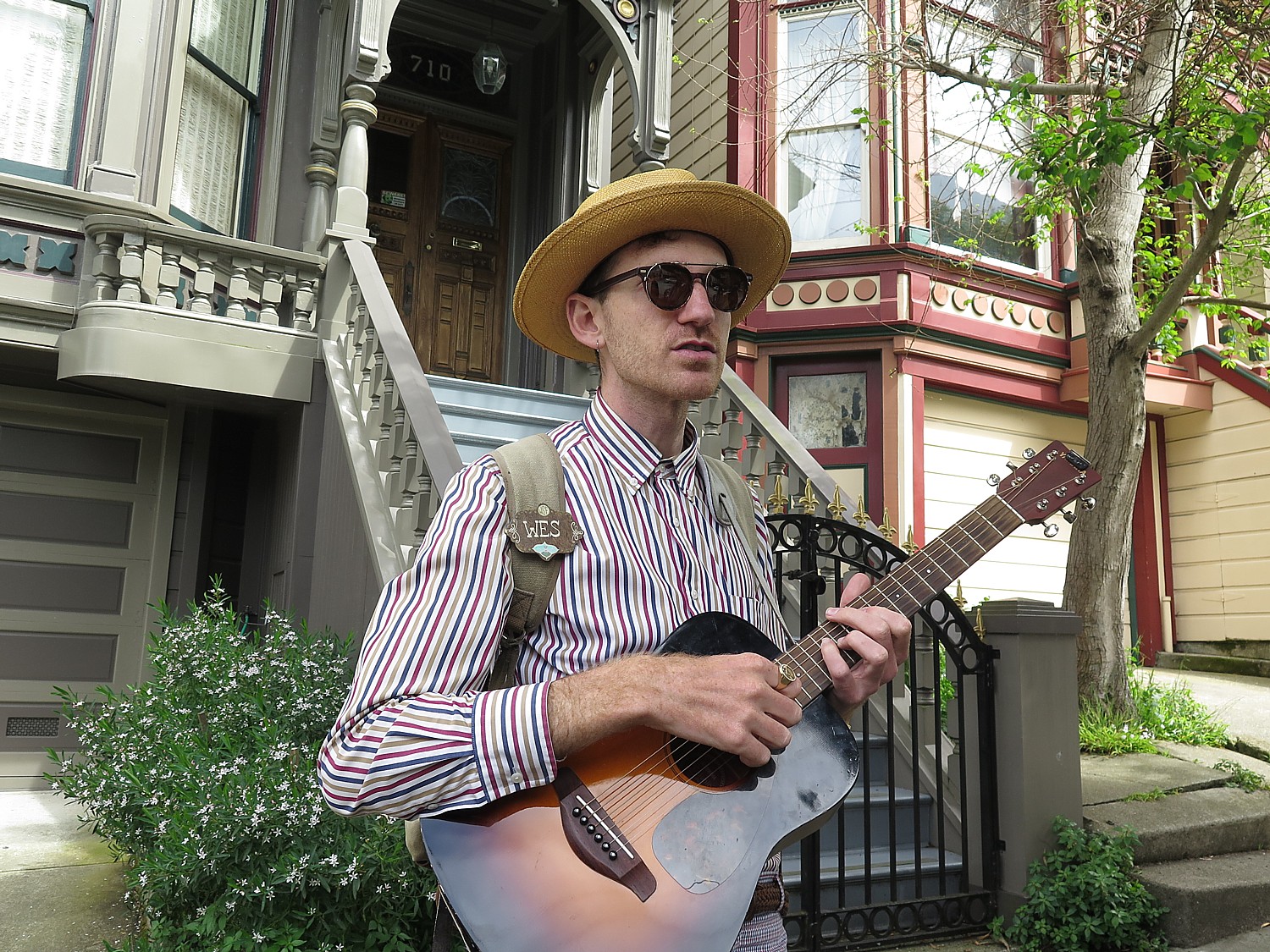
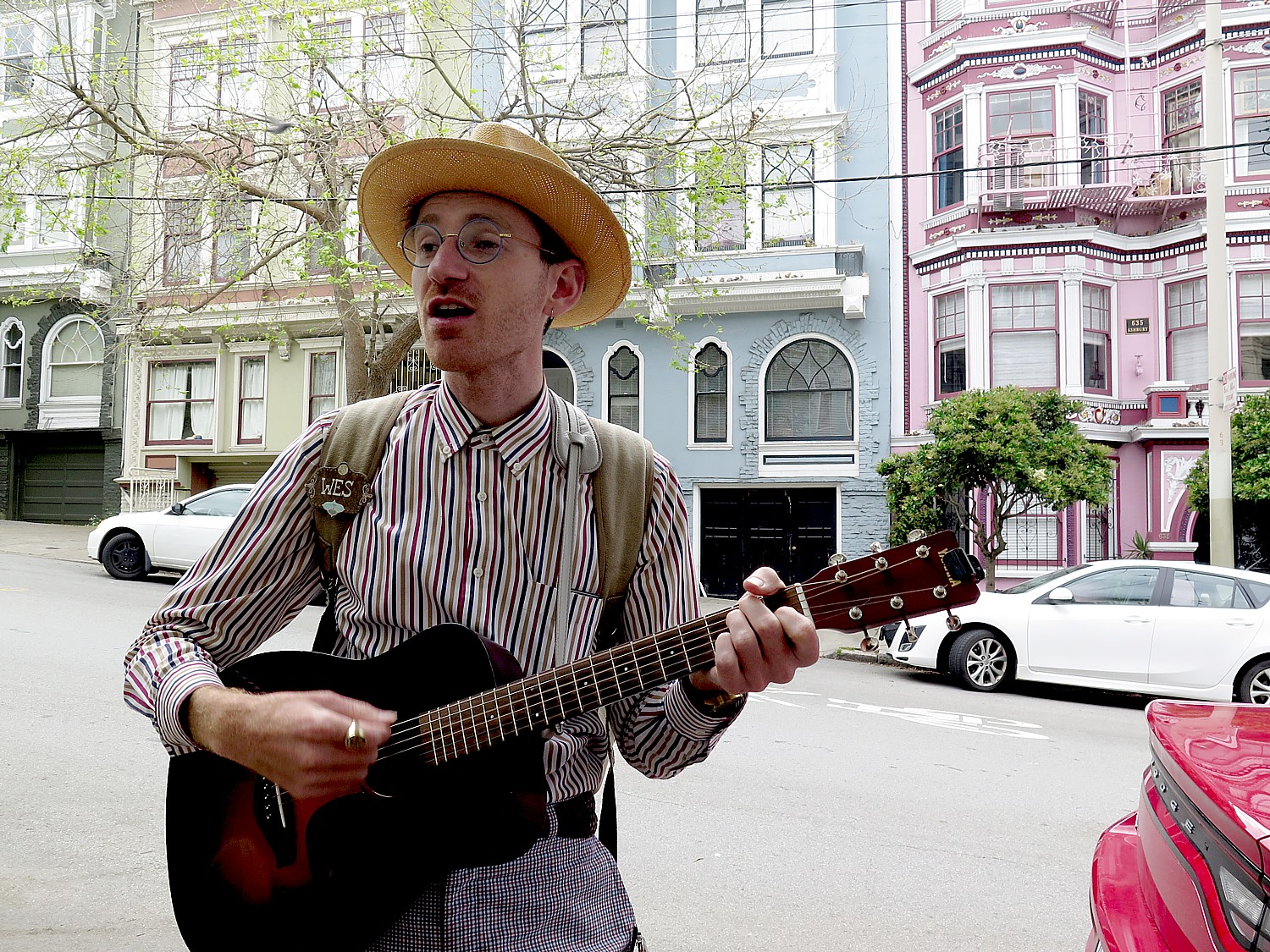
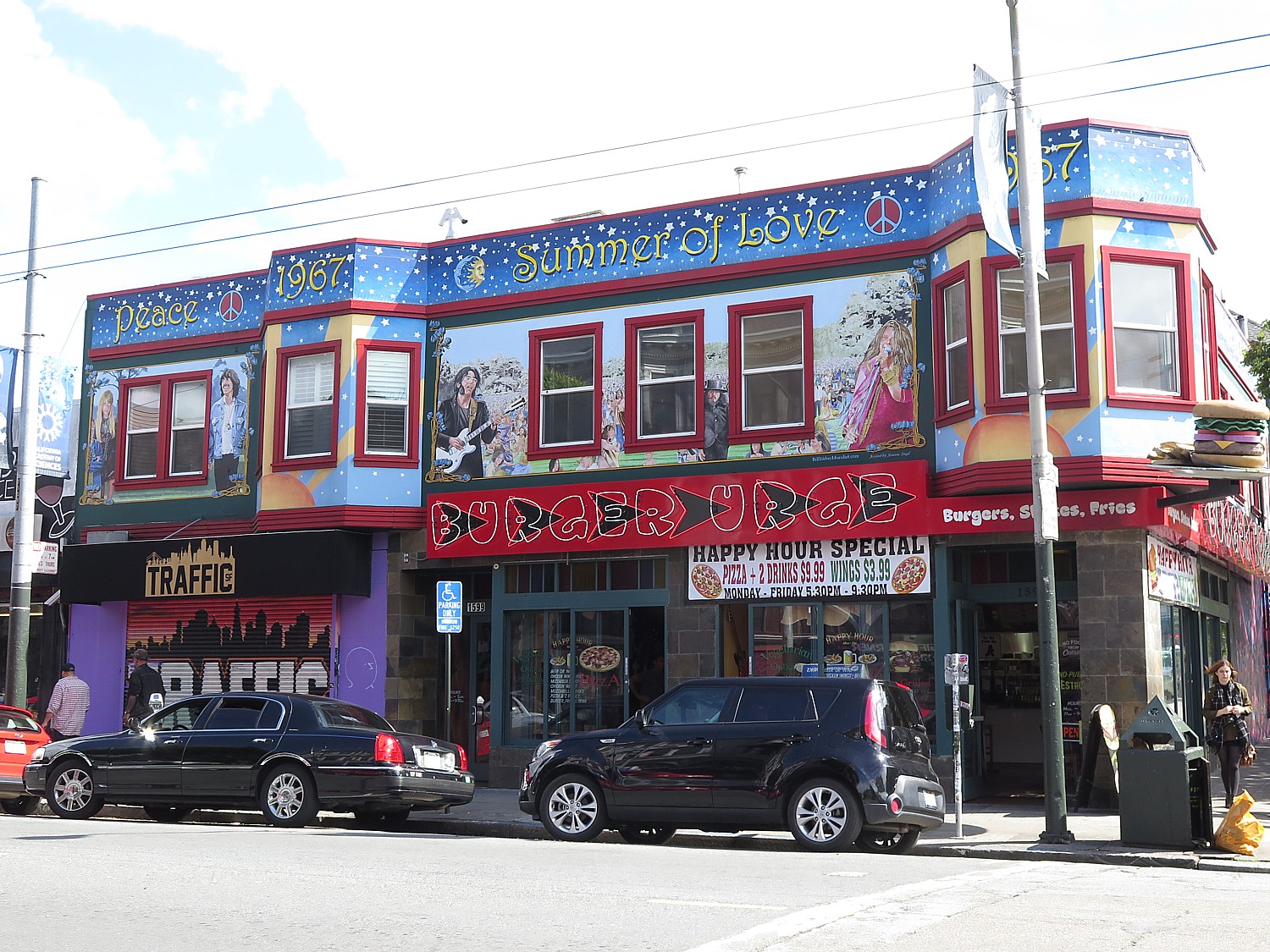
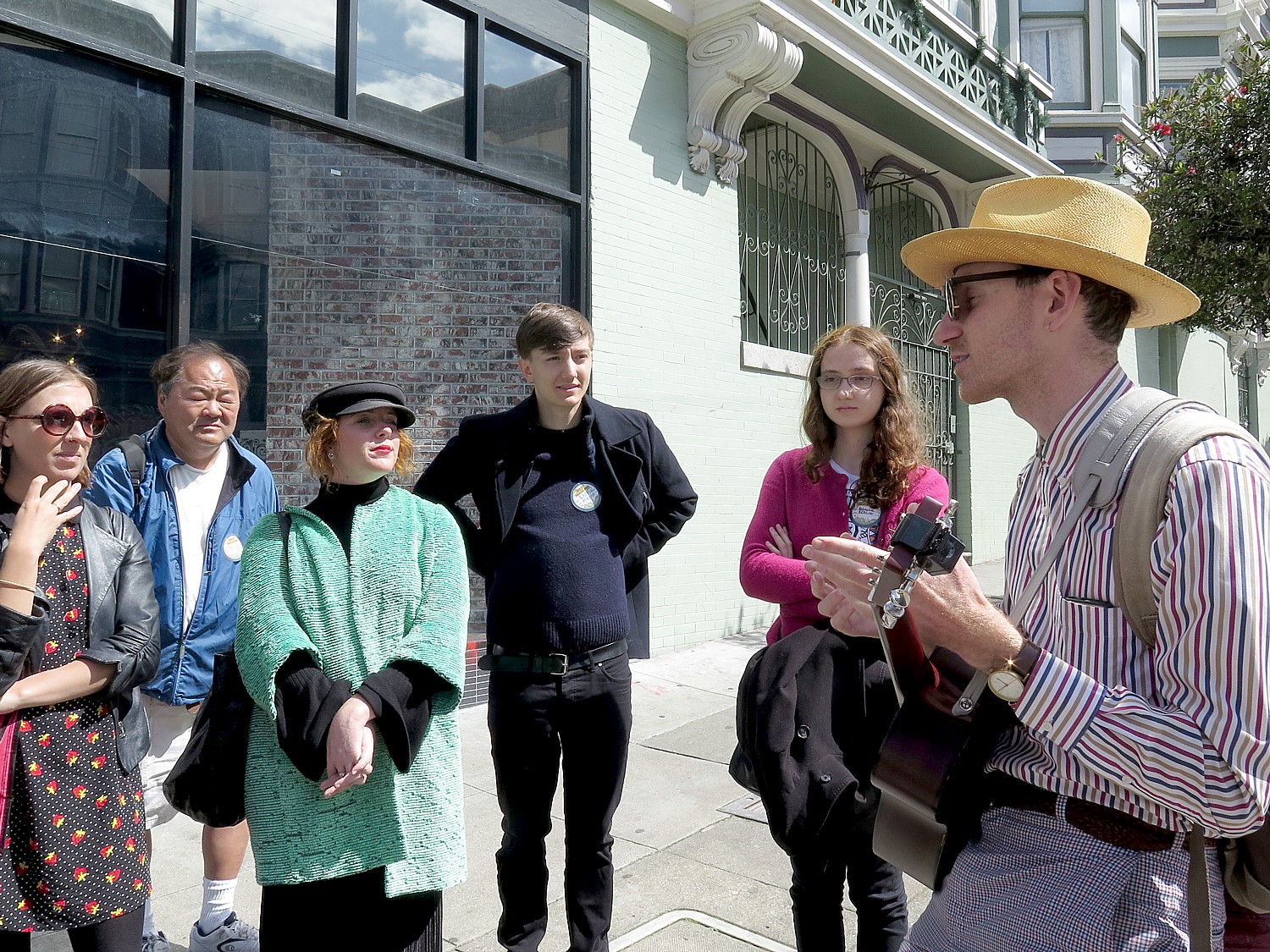
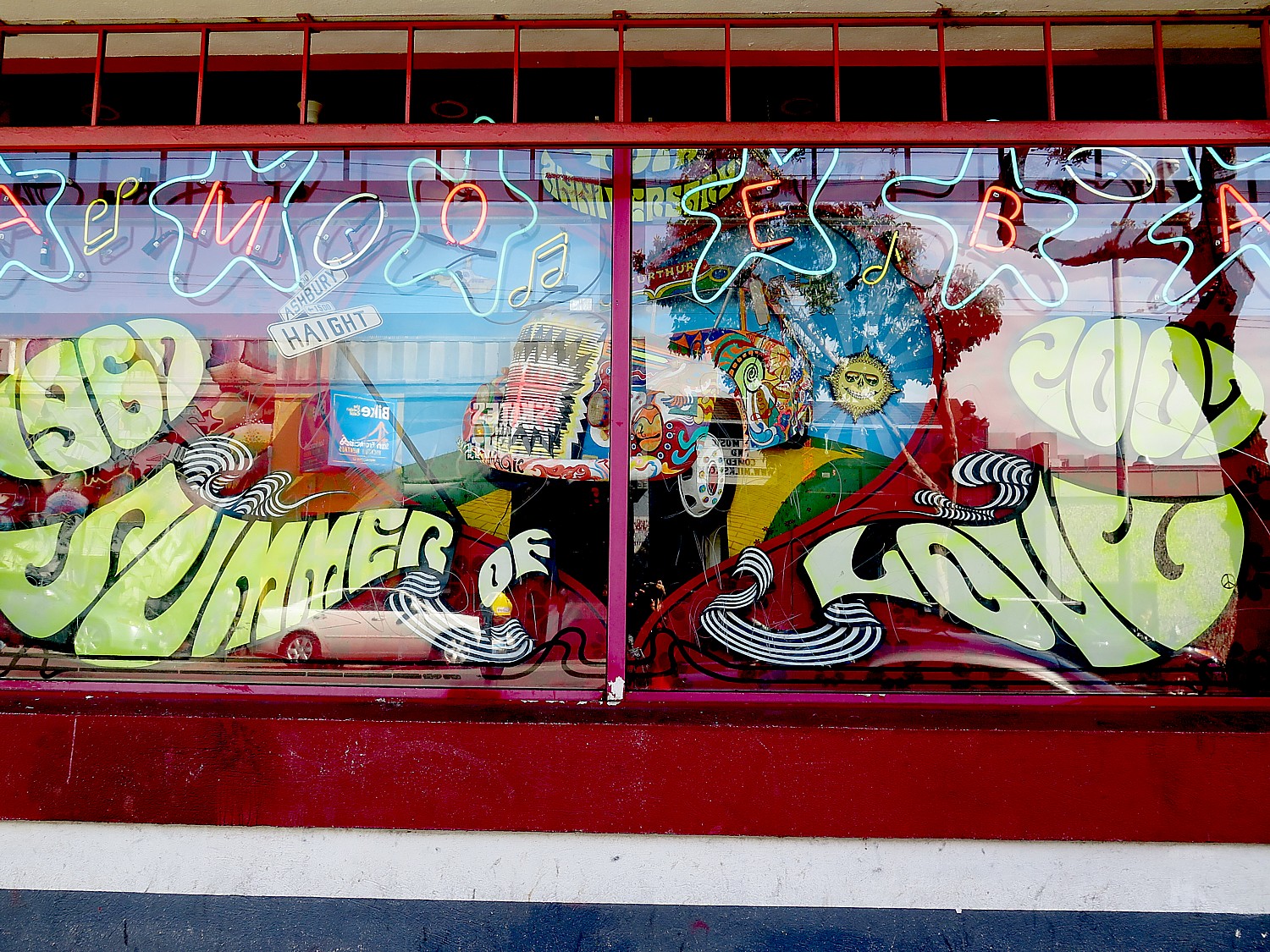
 Wes Leslie’s Wild San Francisco Summer of Love Musical Walking Tour finishes only a couple of blocks down from the entrance to Golden Gate Park (see story), which played such a role in the Hippie Movement, and where the De Young Museum is holding the Summer of Love Experience, one of the more than 60 events, exhibitions, concerts, tours and attractions taking place during this 50th Anniversary of the cosmic 1967 event when some 100,000 young people descended on the city. So, after walking around the famous Haight-Ashbury district – epicenter of the Hippie Movement – taking in the shops and scenes that slingshot you back to the 1960s, I stroll into Golden Gate Park to the museum.

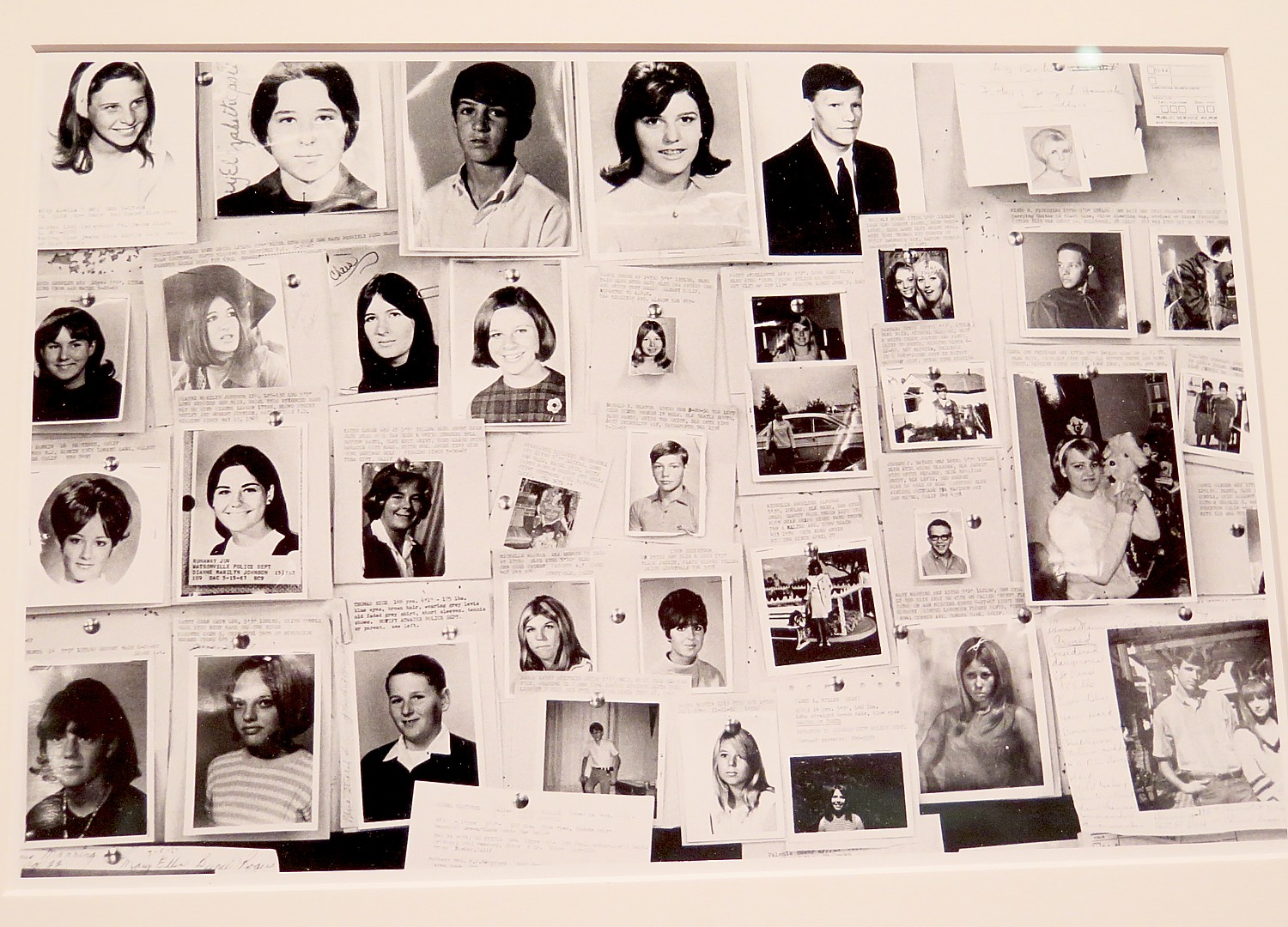
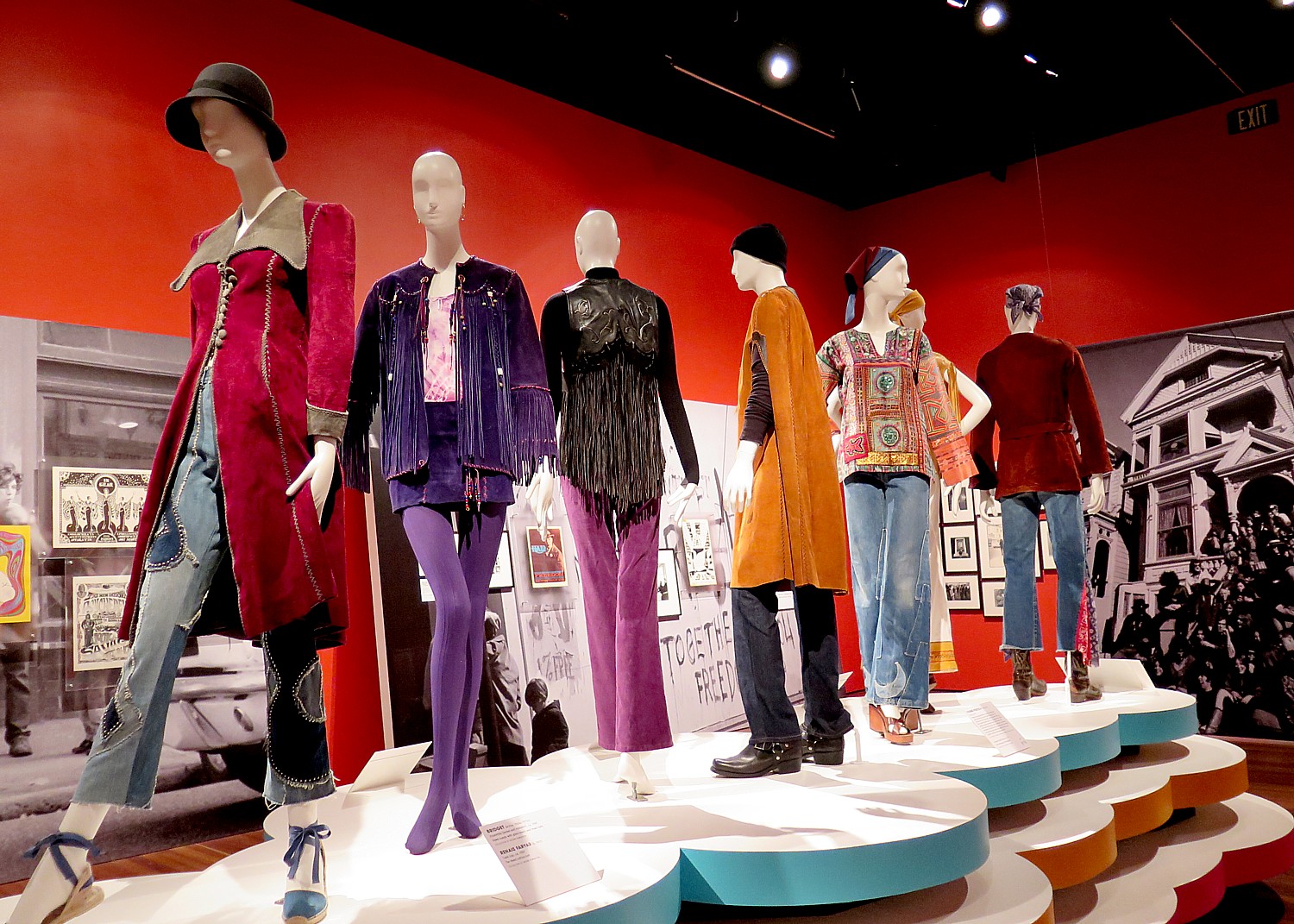
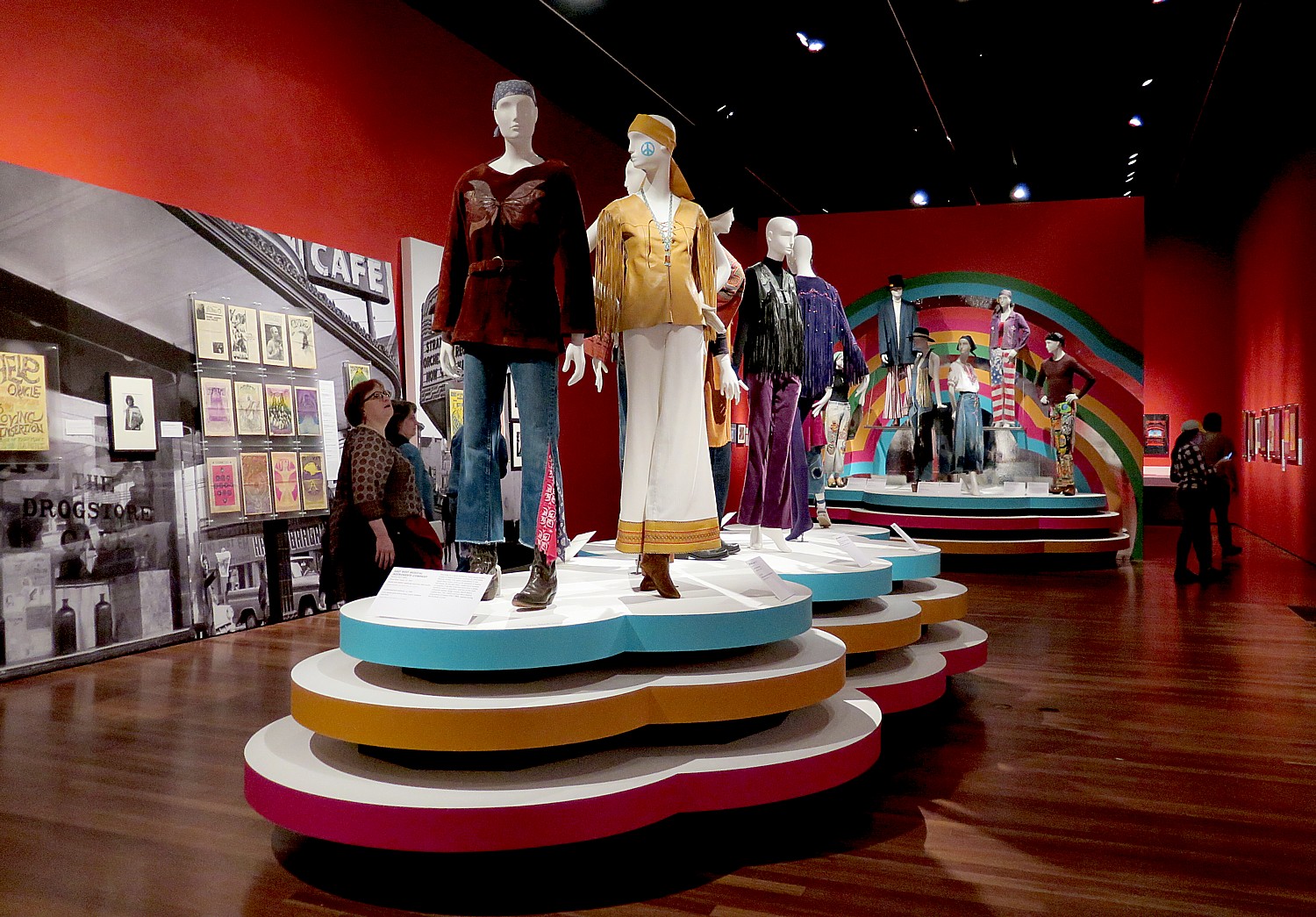
The Summer of Love Experience: Art, Fashion, and Rock & Roll, on view at the De Young Museum in Golden Gate Park through August 20, 2017, is an exhilarating exhibition of iconic rock posters, photographs, interactive music and light shows, costumes and textiles, ephemera, and avant-garde films. Part of the 50th anniversary celebration of the adventurous and colorful counterculture that blossomed in the years surrounding the legendary San Francisco summer of 1967, the exhibition presents more than 300  significant cultural artifacts of the time, including almost 150 objects from the Fine Arts Museums’ extensive permanent holdings, supplemented by key, iconic loans.

Pictoral iconic pins greet you as you enter San Francisco’s de Young Museum’s The Summer of Love Experience: Art, Fashion, and Rock & Roll © 2017 Karen Rubin/goingplacesfarandnear.com

As you walk in, you are immediately set on the crossroads  of Haight and Ashbury streets and the pins with the iconic phrases and issues that were top-of-mind of the time.

You literally step into the whirling dervish that was the times – psychedelic colored lights and brash, electrified music of Janis Joplin and others provide the beat and backdrop for the exhibit that includes a two-story square darkened room with colored projections of what appear to be the shapes inside a lava lamp and bean-bags to sit on.

Psychedelic experience in the de Young Museum © 2017 Karen Rubin/ goingplacesfarandnear.com

In the mid-1960s, artists, activists, writers, and musicians converged on Haight-Ashbury with hopes of creating a new social paradigm. By 1967, the neighborhood drew as many as 100,000 young people from all over the country to this tiny neighborhood, which became the epicenter for their activities, and nearby Golden Gate Park their playground.

The period was marked by groundbreaking developments in art, fashion, music, and politics (captured in the images of photojournalists and street photographers), which is what is so eloquently showcased in this exhibit.

Have you seen? Thousands of young people ran away from their homes to come to Haight-Ashbury during 1967 © 2017 Karen Rubin/ goingplacesfarandnear.com

Local bands such as Jefferson Airplane and the Grateful Dead were the progenitors of what would become known as the “San Francisco Sound,” music that found its visual counterpart in creative industries that sprang up throughout the region. Rock-poster artists such as Rick Griffin, Alton Kelley, Victor Moscoso, Stanley Mouse, and Wes Wilson generated an exciting array of distinctive works featuring distorted hand-lettering and vibrating colors, while wildly creative light shows, such as those by Bill Ham and Ben Van Meter, served as expressions of the new psychedelic impulse.

Distinctive codes of dress also set members of the Bay Area counterculture apart from mainstream America. Local designers began to create fantastic looks using a range of techniques and materials, including leatherwork, hand-painting, knitting and crotchet, embroidery, repurposed denim, and tie-dye. These innovators included Birgitta Bjerke, aka 100% Birgitta; Mickey McGowan, aka the Apple Cobbler; Burray Olson; and Jeanne Rose – whose creations are also on view.

De Young Museum exhibit explores fashion that came out of San Francisco’s Hippie Movement © 2017 Karen Rubin/ goingplacesfarandnear.com

The Summer of Love Experience: Art, Fashion, and Rock & Roll commemorates an “only in San Francisco” social and aesthetic movement, and will remind museum visitors that in a time of international upheaval, the city played a vital role in changing society and amplifying the pulse of the nation. 

de Young Museum, Golden Gate Park, 50 Hagiwara Tea Garden Drive, San Francisco, CA 94118, 415-750-3600, ttps://deyoung.famsf.org/summer-love-art-fashion-and-rock-roll.

San Francisco Goes All-Out for Summer of Love Celebration 

San Francisco Travel, the city’s visitors bureau, and the California Historical Society have joined forces on the 50th anniversary of the Summer of Love, offering more than 60 exhibitions and events, plus special tours like Wild SF’s Summer of Love walking tour.

At www.summerof.love, the California Historical Society provides the detailed factual and cultural context for this seminal summer through its own exhibition and work with cultural partners such as the de Young Museum.

San Francisco is going all out with special events, exhibitions marking the 50th Anniversary of the Summer of Love, such as the de Young Museum’s Summer of Love Experience: Art, Fashion, and Rock & Roll © 2017 Karen Rubin/goingplacesfarandnear.com

Here are more:

“The Hippies” at West County Museum in Sebastopol (Thru-Dec. 2017): The West County Museum in Sebastopol presents “The Hippies”.   The curators have collected memorabilia from the Hippie elders to recreate the environment that these rebels against consumerism and conformity built in the forests of Graton and Occidental 1966-1973.  Morning Star Ranch in Graton was owned by Lou Gottlieb, the bassist of The Limeliters, a hit folk group of the 60’s. He opened his property to all and refugees from the Haight quickly settled in. They built their own shacks, lived without electricity and often clothes and exchanged the work ethic for the ethics of living in nature in a state of “voluntary primitivism.” Sex and drugs, pot and LSD, guitars and any handy noise makers were freely enjoyed by the denizens but not by all of their neighbors. The County Sheriff and Health Department became involved after vociferous complaints and after many fines and much legal maneuvering by Gottlieb to keep his commune open, the County bulldozers destroyed the huts, and the suddenly homeless hippies were forced to relocate.  Some moved to Morning Star East in New Mexico, but others went a few miles away in Occidental where Bill Wheeler felt that he had enough land to share and the hippies moved in. The land was free to all but the living was too free for a neighbor who felt that the lifestyle was a threat to his children. Again, after legal action, the bulldozers moved in and the hippie commune era in Sonoma County came to an end.  The West County Museum, 261 S. Main Street, Sebastopol, is open Thursday to Sunday, from 1 p.m. to 4 p.m.

Monterey Regional Airport: “Feeling Groovy,” Art at the Airport (Thru  Fall 2017): The exhibit showcases collections that reflect music, entertainment and home life in 1960s Monterey County.  Artifacts featured in the exhibit are diverse, ranging from the ordinary to the extraordinary. Visitors can view everyday objects from a 1960s kitchen, iconic fashions ranging from pill box hats to Beatle boots, and beloved games, toys and comic books. See Nancy Carlen’s collection from the Big Sur Folk Festival, the first time these rare photographs and objects have been exhibited. Go back to June 1967 when the Monterey Pop Festival welcomed Jimi Hendrix, Janis Joplin and Otis Redding – and ushered in The Summer of Love. Each object – from transistor radios to martini glasses – will transport you back to this transformative decade.

2017 Summer of Love Street Celebrations with It’s Your District and Sunday Streets (Thru Oct. 1, 2017): In conjunction with Sunday Streets, the non-profit It’s Your District (IYD) is hosting the 2017 Summer of Love Street Celebrations. Block parties will be held at the eight Sunday Street locations, and will include Summer of Love exhibitions, art projects, live performances and family-friendly activities. In keeping with IYD’s mission, these celebrations will bring in and promote Bay Area non-profits, businesses, arts, cultural and community organizations, socially conscious enterprises and individuals who are committed to bringing forth the unheard voices of residents and in sustaining the vitality of our community district by district. Sunday Streets engages some 120,000 people annually and this number continues to grow.

One highlight of the celebration is the Public Mural Art Project which creates murals designed to educate members of the community about the history of their respective neighborhoods. The art will focus on prominent heroes and the events that have contributed to the development of San Francisco districts from the 1960s to present day.

Lavender-Tinted Glasses: A Groovy Gay Look at the Summer of Love” at the GLBT History Museum (April 7-Sept. 27, 2017): An exhibition highlighting the gay, lesbian, bisexual and transgender participants in the 1967 Summer of Love in San Francisco. The show also will explore the LGBTQ community’s own simultaneous cultural revolution in the city’s Tenderloin neighborhood. The stories of queer poets, philosophers, filmmakers and musicians integral to the era will be celebrated through historic photographs, artwork, film and documents from the archives of the GLBT Historical Society and private collections.

De Young Museum, San Francisco, presents Summer of Love Experience: Art, Fashion, and Rock & Roll © 2017 Karen Rubin/ goingplacesfarandnear.com

de Young Museum; “The Summer of Love Experience: Art, Fashion and Rock & Roll” (April 8-Aug. 20, 2017): Through a wide array of iconic rock posters, interactive music and light shows, “out-of-this-world” clothing and photographs, “Summer of Love” celebrates the city’s rebellious and colorful counterculture and explores the visual and material cultures of a generation searching for personal fulfillment through social change. The exhibition includes rock posters by artists including Victor Moscoso, Stanley Mouse and Wes Wilson along with examples of the handcrafted, one-of-a-kind garments created by such designers as Brigitta Bjerke, K. Lee Manuel and Jeanne Rose.

“Love or Confusion: Jimi Hendrix in 1967” at the Museum of the African Diaspora (MoAD) (April 26-Aug. 27, 2017): As Jimi Hendrix walked out onto the stage at Monterey Pop, he was also stepping out for his American rock and roll debut. Playing as “The Jimi Hendrix Experience,” Hendrix was introduced to California at the festival before the U.S. release of his first album. A performance enlivened with rock theatrics, sexual flamboyance and magnetic guitar riffs, this moment solidified Hendrix as a rock idol. An integrated band with a black front man, “The Jimi Hendrix Experience” represented racial and sexual freedom and the goals of the 1906s counterculture.  Composed of photographs taken of Jimi Hendrix in 1967, this exhibition celebrates the 50th anniversary of the famous Summer of Love and the introduction of Jimi Hendrix as one the greatest instrumentalists of all time.

“Elaine Mayes: It Happened in Monterey” at SFO Museum (May 4-Aug. 10, 2017): SFO Museum will present an exhibition of photographs by Elaine Mayes (whose work is also included in the de Young Museum exhibit) taken at the Summer of Love’s legendary rock concert, the 1967 Monterey Pop Festival.  The exhibition is located post-security in Terminal 3.

California Historical Society; “On the Road to the Summer of Love (May 12-Sept. 10, 2017): Guest-curated by Grateful Dead historian Dennis McNally, this photographic exhibition will start in the 1950’s with “HOWL” and the Beat Generation and move through the free speech movement to LSD, rock and roll and the Haight in the 60’s.

The Cartoon Art Museum; “Comix from the Summer of Love(June-Sept., 2017): The Cartoon Art Museum celebrates the Summer of Love with a selection of underground comix from Bay Area creators Lee Marrs (Pudge, Girl Blimp), Trina Robbins (Wimmen¹s Comix) and highlights from the collection of Ron Turner, founder of famed San Francisco publisher Last Gasp.

“A Night with Janis Joplin” at American Conservatory Theater (June 7-July 2, 2017): Like a comet that burns far too brightly to last, Janis Joplin exploded onto the music scene in 1967 and, almost overnight, became the queen of rock ’n’ roll. The unmistakable voice, laced with raw emotion and Southern Comfort, made her a must-see headliner from Monterey to Woodstock. A.C.T. presents an evening with the woman and her influences in the Bay Area premiere of the hit Broadway musical “A Night with Janis Joplin” at the Geary Theater.   Fueled by such unforgettable songs as “Me and Bobby McGee,” “Piece of My Heart,” “Mercedes Benz,” “Cry Baby,” and “Summertime,” a remarkable cast and breakout performances.

San Francisco Public Library: 50th Anniversary of Love and Haight (July 15-Oct. 29, 2017): In this exhibit, historical photographs, grass roots newspapers, posters and flyers, record albums and manuscript materials from community groups and City of San Francisco collections will document the social and political upheaval of the summer of 1967 and how the city responded.

Attractions:

The legendary Fillmore Auditorium offers performances throughout the year and launched the careers of greats including James Brown, Ike and Tina Turner, the Grateful Dead, the Jefferson Airplane, Santana and more. Famous for printing posters for every single show played at the venue, the poster room is just shy of 1,000 posters since officially opening its doors in the mid-60s. Celebrate the 50th anniversary of Bill Graham’s first show at the Fillmore, which was December 10, 1965. (http://thefillmore.com/about/)

Harkening back to The Psychedelic Shop, which opened on January 3, 1966, as the first head shop in America, Love on Haight is a boutique dedicated to keeping the memory of the Summer of Love alive (www.loveonhaightsf.com).

You can see music memorabilia of Grateful Dead and other notables from the 1967 Summer of Love at the Hard Rock Café at Pier 39 © 2017 Karen Rubin/goingplacesfarandnear.com

Check out the autographed Grateful Dead guitar, a painting of Jerry Garcia by Grace Slick of the Jefferson Airplane, Jerry Garcia’s bomber jacket, Jimi Hendrix’ jacket and one of the last photos of Janice Joplin. at the Hard Rock Café at PIER 39. www.hardrock.com/cafes/san-francisco/

At Madame Tussauds, rub shoulders with iconic stars and free thinkers of the Summer of Love such as Jerry Garcia, Janis Joplin, Carlos Santana and Steve Jobs. (www.madametussauds.com)

Founded in 1959 with avant-garde performance events, today The San Francisco Mime Troupe (SFMT) produces social and politically relevant theater performances full of dance, song, satire and comedy all year long. In 1965 future rock impresario Bill Graham, then the company’s business manager, organized his first rock dance/light show at the Fillmore Auditorium as a bail benefit for the SFMT and in 1967 The Troupe clinched its radical reputation with a comedy updated to satirize the Vietnam War (www.sfmt.org/company).

Viceroy Hotel Group’s brand new Hotel Zeppelin has been reinvented as a modern take on the countercultural rebellion of the 1960s. Its historic architecture dating back to 1918 is highlighted with Instagram worthy design elements that truly exude the Summer of Love vibe. From the Giant 12 foot (and climbable) Peace Sign constructed of repurposed license plates from roadtrips long forgotten, to blacklight graffiti murals fading in and out of view at their Fireside neighborhood bar – even the guest rooms feature vintage Bill Graham posters and rockband clad wallpaper that will transport you straight to the 1960s Fillmore. Grab a drink at their signature bar and restaurant Rambler and meander your way down to their massive “Den” arcade featuring vintage games like shuffleboard, skeeball, quick shot basketball, bingo and more (www.viceroyhotelsandresorts.com/en/zeppelin).

S.O.U.L. (Summer of Unconditional LOVE), a new, non-profit, online media organization, chronicles the happenings of the 50th Anniversary of the Summer of Love, with a focus on broadcasting stories of individuals and organizations implementing solutions inspired by the ideals and wisdom of the 60’s cultural movements. The information shared is intended to help people manifest a more loving and less fearful world by giving them hope and inspiring new action to be taken.  “Come join us, and discover what you can do to participate in accelerating humanity’s shift into the Love Paradigm,” say Founders Evan Hirsch and Kip Baldwin www.nowsharelove.org).

To help visitors plan their “trip,” the San Francisco Travel Association has launched a special website, www.summeroflove2017.com, which provides an ever-expanding guide to the whole groovy scene, including events and itinerary ideas.  (San Francisco Travel. 415-391‑2000, www.sftravel.com)

See also:

San Francisco Throwing Year-Long 50th Anniversary Celebration of Summer of Love – Be Prepared to Be Blasted into the Past

____________________

© 2017 Travel Features Syndicate, a division of Workstyles, Inc. All rights reserved. Visit goingplacesfarandnear.com www.huffingtonpost.com/author/karen-rubin , and travelwritersmagazine.com/TravelFeaturesSyndicate/. Blogging at goingplacesnearandfar.wordpress.com and moralcompasstravel.info. Send comments or questions to FamTravLtr@aol.com. Tweet @TravelFeatures. ‘Like’ us at facebook.com/NewsPhotoFeatures
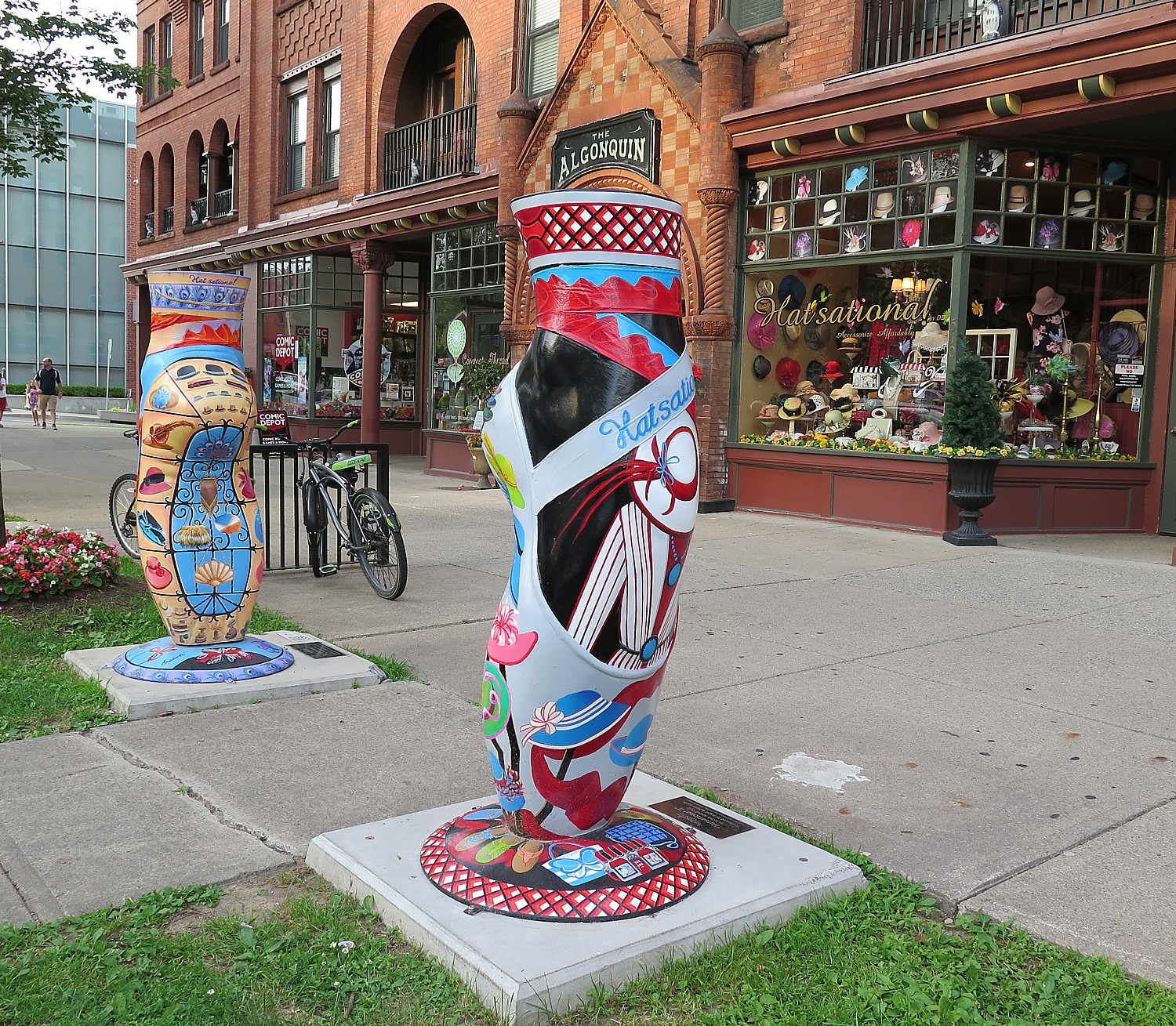
San Francisco Throwing Year-Long 50th Anniversary Celebration of Summer of Love – Be Prepared to Be Blasted into the Past

Wes Leslie, co founder of Wild San Francisco tours, is offering Haight-Ashbury Walking Tour: A Musical Trip of The 60’s for free during the 50th Anniversary of the Summer of Love © 2017 Karen Rubin/goingplacesfarandnear.com

By Karen Rubin, Travel Features Syndicate, goingplacesfarandnear.com

My, how time flies!

It’s the 50th anniversary of San Francisco’s Summer of Love, when, in 1967, nearly 100,000 young people converged on the Haight-Ashbury neighborhood, turning San Francisco into the epicenter of a cultural phenomenon known as the Summer of Love. It was a transformative time, when music, fashion, art and new ideas flourished and there was a feeling that everything was possible.

“The city of San Francisco was a magnet for musicians, artists and social rebels in the mid-to-late 1960s. They created a counterculture bound by leftist politics, tribal spirit, music and art. Long stamped a literary bohemia, attracting nonconformists like the Beat Generation writers of the Fifties, it was a natural progression for free-thinking San Francisco to give birth to a radical new movement eventually embraced by the rest of the world.”

The 50th Anniversary Celebration – with some 60 different events, special tours, concerts – is already  well underway in San Francisco and I’m guessing that tens of thousands of Baby Boomers will grab their tie-dye t-shirts, bell-bottom jeans, and put a flower in their hair and join in for a mind-blowing time-travel blast back into the past.

You feel you are in a time warp in Haight-Ashbury district, celebrating the 50th Anniversary of the Summer of Love © 2017 Karen Rubin/ goingplacesfarandnear.com

I’ve just returned from my own magical mystery tour – more precisely, Haight-Ashbury Walking Tour: A Musical Trip of The 60’s, a musical Summer of Love walking tour with Wes Leslie of Wild San Francisco Tours – when I was stunningly, and eerily transported back to my past.

Let me say at the outset that I can’t recall taking a historical tour where I personally lived the history.

Wes (he jokes that he is called “Wild Wes”) is perfect to lead this tour, using his guitar at opportune points – in front of the homes where the Jerry Garcia and the Grateful Dead, Janis Joplin, Country Joe (of the Fish) and others lived – to recreate the iconic music of that era. What is more, in keeping with the spirit of the Hippie Movement, the tour during this anniversary year is “free” (you pay a suggested donation at the end).

Though I lived through that era – memories came flooding back with Wes’ narration – there is so much more of the inside, behind-the-scenes, backstage stuff that I hadn’t known. It is kind of like sitting around a table with relatives and finding out inside scoop you hadn’t realized went on.

Wes’ anecdotes and folksy style make the tour as entertaining and fun as it is informative from a historical and cultural point of view.

Earthsong shop on Haight Street © 2017 Karen Rubin/ goingplacesfarandnear.com

What I come away with is a realization that the Summer of Love would not have happened without The Pill and how that spurred cultural changes – most significantly a willingness to challenge the entrenched White Patriarchy and Power Structure. I come away with is a new appreciation of how the Women’s Liberation movement actually fueled the Hippie movement, which, through its counter-cultural, anti-establishment, anti-institutionalism, then paved the way for civil rights, gay rights and peace movements – methods and organizations and themes which are eerily resurgent today.

During this Wild San Francisco walking tour through Haight-Ashbury (with music!), I learn about the rise – and fall– of the Hippie Movement that reached its pinnacle during that Summer of Love, when some 100,000 descended and overwhelmed San Francisco (consider that the city has a population today of 800,000), much to the horror of local Hippies who decried that famous song, “If you’re going to San Francisco, be sure to wear flowers in your hair.”

The popularity of “If you’re going to San Francisco/Be sure to wear some flowers in your hair,” Scott McKenzie’s song, contributed to the undoing of the Hippie Movement in Haight-Ashbury after the 1967 Summer of Love © 2017 Karen Rubin/goingplacesfarandnear.com

The very “success” of the Summer of Love proved the undoing of the Hippie Movement, much to the delight of Mayor Shelley at the time, who went after the hippies with such vengeance that he told area hospitals not to help young runaway teens who OD’d, and told the police to stand down so that chaos would reign. It is a complete surprise to me to learn about how brief this movement was in Haight-Ashbury – like a brief, shining light.

The Hippie Movement, which emerged 1965-1967, was aimed at overturning the 1950s culture of uniformity, conformity and obeisance to The Man (whether that is the Capitalist or the Authority of the white patriarchy power elite). The “Hippies” (named because they were the next-gen Beatniks but not quite the Hipsters the Beatniks were, according to San Francisco Chronicle columnist Herb Caen who coined the names for both) renounced capitalism and embraced everything “free” (free food, free concerts, free health clinics, free love), which is why they were considered so dangerously radical (Communists!) and vilified by The Establishment. After all, America was still in the throes of the Cold War.

The social, political ideologues shaping the movement were The Diggers, Wes explains (a group I had never heard of before even though I lived through this era) and must have been news to the other people on our tour, who hailed from Wales, Australia, Hungary, Berlin and Los Angeles (that fellow had taken two other tours with Wes).

San Francisco’s Haight-Ashbury district has the most magnificent surviving Victorian-era homes, like the one known locally as Hippie Temptation © 2017 Karen Rubin/goingplacesfarandnear.com

The Haight-Ashbury district, where the Hippies were concentrated, today seems an odd locale for these counter-culture radicals, because this district is dominated by the most magnificently preserved (expensive!) Victorian-era homes, some dating from the 1890s, surviving the 1906 San Francisco earthquake and fire which destroyed 80 percent of the city. Wes explains that by the 1960s, the district was run-down and cheap to live in after white flight to the suburbs. Back then, you could rent an entire Victorian house for $175 a month and divide that among 10 people (amounting to $80 a month per person in today’s money, compared to the $3400/month rent for an apartment the district now commands). So naturally, it attracted artists, writers and musicians.

In the 1960s, half the American population was under 25 years old. These were the Baby Boomers and they were coming of age, disillusioned with income inequality, segregation, the assassination of President John F. Kennedy.

“Maybe they hadn’t figured out the solutions but they wanted whatever was furthest from whatever set those things into motion,” Wes tells us as we face one of the most magnificent Victorians, known as “Hippie Temptation”, so they reclaimed the derelict urban cities, swore off capitalism, and embraced drugs that were emerging and love and a philosophy of individual discovery and expression.

They picked up where Jack Kerouac (“On the Road” was a handbook for the Beat Generation) and Alan Ginsberg (“Howl”) left off.

Wes Leslie across from pink house where Janis Joplin used to live in Haight-Ashbury © 2017 Karen Rubin/goingplacesfarandnear.com

The emergence of drugs (and the drug culture) was a significant element that led to the rise of the Hippie Movement– like LSD (which was legal), which led to the rise of “psychedelic” experimentation and provided the subtext for culture of “seeing the world in a new way” and a devotion to individual expression, rather than conformity. “Turn on, tune in, drop out,” declared Timothy Leary.

The Diggers, Wes explains, took their name from a 17th century group of anarchists in England who would take over unplowed fields and would give away the harvest to end inequality.

San Francisco didn’t have farms, but it did have food waste, so the Diggers would go dumpster diving and brought the food to All Saints Parish Church (where we find ourselves standing) and would make a pot of Hippie Stew which they would bring to Panhandle Park (where our tour began, named for the shape, not for handouts), to distribute for free. (The church still gives away food weekly.).

One day, The Diggers gave away free food on the steps of City Hall, which enraged San Francisco’s mayor. “’We are not a charity,’ the Diggers declared,” Wes tells us. “’We are an anarchist organization doing what government should do’.” (a philosophy that is reemergent with the anti-Trump activism) It was the act of it, in contrast to the liberals at Berkeley, the intellectual kids, who were theorizing.

“The Diggers said, ‘Just do it, don’t theorize.’ The Diggers started putting ‘free’ in front of everything: free food, free concerts, free health care.”

San Francisco’s famous Haight-Ashbury district has resurrected the psychedelic look and feel of its mid-1960s heyday © 2017 Karen Rubin/goingplacesfarandnear.com

Wes traces the actual beginning of the Hippie Movement that led up to the Summer of Love to “The Death of Money” March the Diggers put on. The Diggers, he says, were the activist branch of the San Francisco Mime Troupe, a political satire and theater group.

Hundreds came out wearing dark clothing and carrying a coffin filled with cash and coins – “50 years before the Occupy Wall Street movement and Bitcoin.”

They opened a free store, stocked with contributions from shopkeepers and what they could scavenge. Tie-dye? That gender-bending fashion innovation developed, Wes says, because the Diggers would get contributions of white shirts and would die them.

Interestingly, Wes points out, there was a revolution within the Diggers because the men were writing the manifestos but the women were actually doing the work.

Ultimately, he relates, “the structure of the Diggers – who eschewed “leadership” (they were anarchists) – falls apart.” But they will be forever remembered for coining the famous phrase: “Today marks the first day of the rest of your life.” And for providing the template for social innovations that followed.

Jerry Garcia of the Grateful Dead, still beloved in Haight-Ashbury, immortalized in a mural © 2017 Karen Rubin/goingplacesfarandnear.com

By now, we are standing in front of the most famous house in Haight-Ashbury: the “crash pad” for the Grateful Dead, the most beloved group in San Francisco, “hallowed ground for Haight-Ashbury.”

As Wes is talking, a 60ish man in long white beard, long flowing hair, wearing a tie-dye shirt and bright colored vest comes out of his bright colored house and into his red car, looking every bit the part.

Wes regales us with stories about Jerry Garcia, the Grateful Dead, the Hells Angels, Country Joe and the Fish, Janis Joplin as we visit their houses and important landmarks.

The Hippie Movement had its “greatest moment” not in the Summer of Love, but in January 1967, with a Human “Be-In” in Golden Gate Park. It was supposed to attract a few hundred people. Instead, some 20,000 turned out. The Diggers provided free food; the Hells Angels provided child care, Wes says. (Photos of the event are on view at the De Young Museum in Golden Gate Park, which this season has a special “Summer of Love Experience” exhibit.)

Kids 12 to 14 years old were running away from home to join the Haight-Ashbury scene, and they were overdosing on the ubiquitous drugs.

“Wild Wes” of Wild San Francisco Tours relates the history of Haight-Asbury’s free clinic during his musical walking tour of the district © 2017 Karen Rubin/goingplacesfarandnear.com

Dr. David Smith, who was then a 28-year old medical intern (he still lives here), decided to do something and opened a free medical clinic in June 1967, which despite Mayor Jack Shelley’s efforts to shut it down, actually still exists (as we discover that we are standing in front of it) and has served as the model for some 2,000 free clinics since.

As the Summer of Love event approached, the city was freaking out at what would likely be an invasion of some 50,000 (the museum says 100,000 came). Mayor Shelley shut down the clinic and the police, hoping people would be turned off from coming.

Instead, the locals who occupied those Victorian houses turned over their keys to The Diggers, so that the visitors would have some place to sleep, and left town themselves. The Diggers opened “The Switchboard” putting visitors in touch with apartments (sounds like a forerunner of Air BnB), with jobs, and provided a central place for parents to send messages to their runaway kids.

The “success” of the Summer of Love was actually the undoing of the movement, which unraveled after that, Wes explains.

The Grateful Dead left, the Hippies moved to North Bay where they created a farming commune, the Diggers disbanded.

“The Last Hurrah was the ‘Death of Hippies’ march” paralleling the “Death of Money” march which initiated the movement. The Diggers, again wearing dark clothing, carried another coffin, this time with a Hippie inside, covered with flowers and incense.

The Hippie Movement, they said, “was killed off by fame,” adding, “If you care about this, take what you learned and radicalize it.”

Indeed, they did: the Hippies willingness to take on the Establishment unleashed the Women’s Movement, the Civil Rights Movement, Gay Rights Movement and Peace Movement.

Amoeba Records, world’s largest independent record store, still has its psychedelic location at 1855 Haight Street © 2017 Karen Rubin/ goingplacesfarandnear.com

But Haight-Ashbury sunk further and further into decline, becoming an outright derelict and dangerous place, until the Dot.Com resurgence of San Francisco in the early 2000s, and tourism which has resurrected the colorfully decorated shops, including Earthsong, and Amoeba (which Wes says is the world’s largest independent record-album store).

Wild San Francisco’s other tours – such as “Radical SF”, a walking tour through the Mission and Castro districts – are focused on the people’s history and social movements (there is also a historical ghost tour for good measure).

Wild San Francisco’s co-founder Wes Leslie is a third-generation San Francisco Bay native (I admire his ring with the insignia of the Golden Gate Bridge and 3 diamonds, which he tells me was his grandfather’s, a transit driver for 3 decades). He makes “bedroom soul” music as Wes Leslie, the Bedroom Player (wesleslie.com) and fixes cocktails at Mrs. Jones on Market Street.

Contact Wild San Francisco Tours, 415-580-1849, http://wildsftours.com/, info@wildsftours.com

Special Tours Celebrate Summer of Love Anniversary 

2017, the 50th Anniversary of the Summer of Love, is being marked with a year-long celebration of San Francisco’s counter culture with a 1960s throwback including some 60 exhibitions, performances, literary events, tribute concerts and recognition of significant moments in time.

While the Summer of Love remains a key moment in history, the free love movement can be experienced through a number of geography specific tours, neighborhoods and performances throughout the year.  In addition to Wild San Francisco’s offerings, other tours include:

A variety of San Francisco tour companies are offering special Summer of Love programs through Haight-Ashbury district in 2017© 2017 Karen Rubin/goingplacesfarandnear.com

Flower Power Walking Tours: Walk in the footsteps of Janice Joplin and the Grateful Dead on the Haight Ashbury Flower Power Walking Tours touching on the history of it all, from rock and roll to art, fashion and architecture. (www.haightashburytour.com/)

FOOT! Fun Walking Tours:  is presenting a special tour, Flashback: From the Summer of Love to the Winter of Discontent, from the highs of the summer of 1967 to the restlessness that followed. Follow in the footsteps of music legends like Janis Joplin and Jerry Garcia with this walking tour in the iconic Haight Ashbury neighborhood.(www.foottours.com).

San Francisco City Guides Haight-Ashbury Tour: Explore streets, sidewalks, parks and vistas that tell the story of a Victorian era resort site subsequently developed by comfortable merchants, whose gingerbread homes still grace its streets. Offered most Sundays, see website for details.  Somewhat strenuous.    San Francisco City Guides offers free (donations welcome), volunteer-led tours of a variety of neighborhoods, landmarks and topics. To bring eight or more walkers to a regular tour, click here for information on private group tours. (www.sfcityguides.org, tours@sfcityguides.org.

Detour’s Walking Tour: Walk through the epicenter of the Summer of Love with Detour’s Walking Tour of the Haight, narrated by one of the activists who was at its center, Peter Coyote. (www.detour.com/san-francisco/haight-ashbury).

Avital Food Tours, Haight Ashbury: Did you know that local food co-ops were born out of this era? Delve into one of the world’s best food scenes to hear the stories of restaurant owners, chefs and industry experts for a culinary experience in San Francisco.  Walking tours are available in iconic neighborhoods across the city including Haight Ashbury (http://avitaltours.com/san-francisco/).

San Francisco Love Tours: Ride a VW hippie bus with San Francisco Love Tours and experience modern day San Francisco infused with the spirit of the 60’s (http://sanfranciscolovetours.com/).

Magic Bus Experience: This two-hour+ adventure, “Time Machine to the 60’s,” is a “mind-bending” combination of professional theater, film, music and sightseeing that allows tour goers to travel back in time to the summer of 1967.  The Magic Bus is an actual bus colorfully painted and filled with a sound system, micro projectors and screens that periodically lower over the windows making the bus into a moving movie theater (http://magicbussf.com).

To help visitors plan their “trip,” the San Francisco Travel Association has launched a special website, www.summeroflove2017.com, which provides an ever-expanding guide to the whole groovy scene, including events and itinerary ideas. (San Francisco Travel. 415-391‑2000, www.sftravel.com)

Next: Special Events, Exhibitions Planned for San Francisco’s 50th Anniversary Summer of Love

____________________

© 2017 Travel Features Syndicate, a division of Workstyles, Inc. All rights reserved. Visit goingplacesfarandnear.com www.huffingtonpost.com/author/karen-rubin , and travelwritersmagazine.com/TravelFeaturesSyndicate/. Blogging at goingplacesnearandfar.wordpress.com and moralcompasstravel.info. Send comments or questions to FamTravLtr@aol.com. Tweet @TravelFeatures. ‘Like’ us at facebook.com/NewsPhotoFeatures
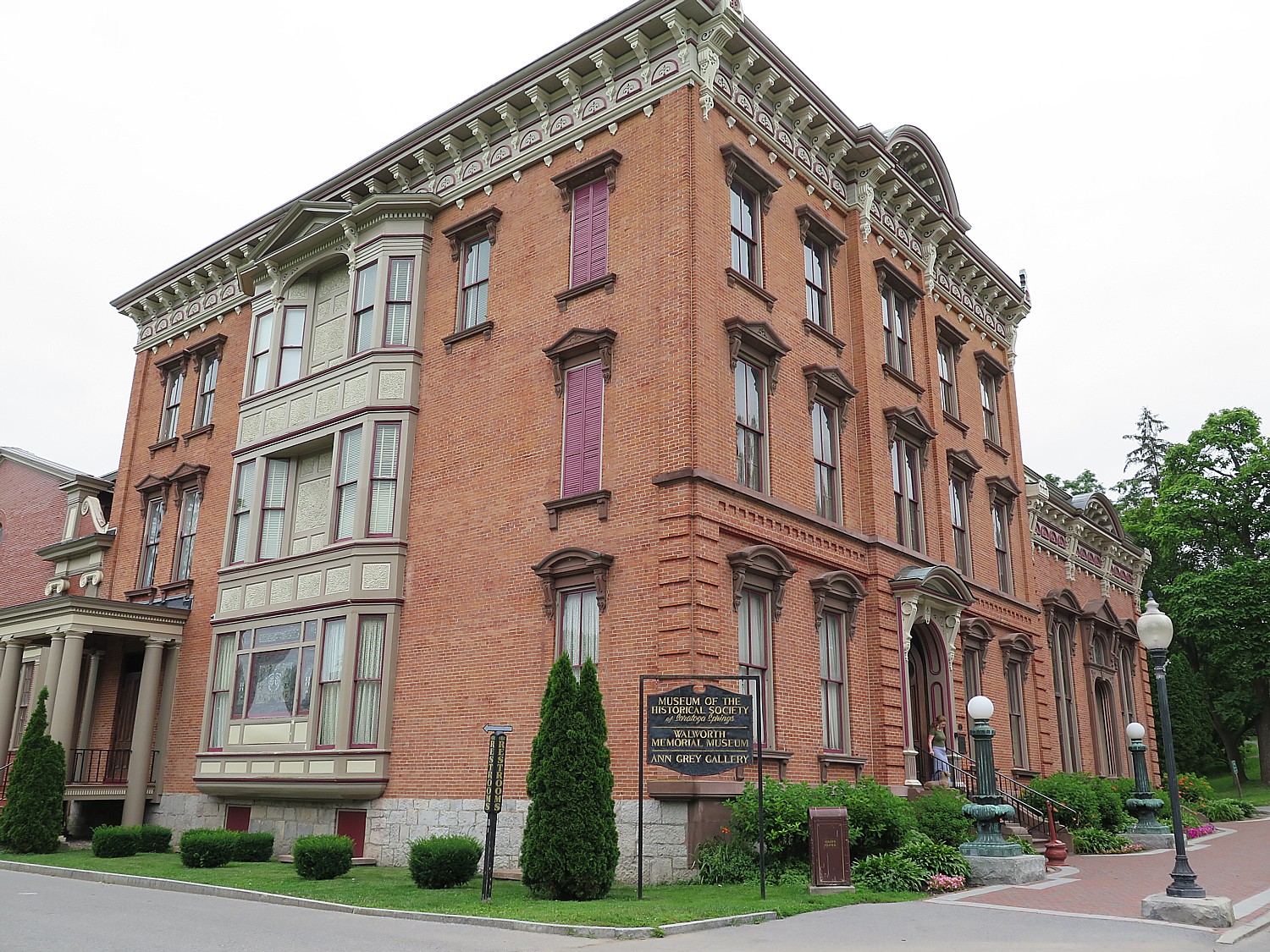
 

New ‘Mummies’ Exhibit at American Museum of Natural History Lets You Peer Through Wrappings, Peel Away Layers of Time

Haunting images: the coffin that still harbor the thousands-year old mummified remains of a teenage boy who lived in Ancient Egypt thousands of years ago, and his scanned image reflected in his glass case. © 2017 Karen Rubin/ goingplacesfarandnear.com

By Karen Rubin, Travel Features Syndicate, goingplacesfarandnear.com

The Gilded Lady seems to be resting peacefully, her painted visage staring up to the sky. But inside this container are the remains of a real woman who lived nearly 2000 years ago, and for the first time, the ancient coalesces with 21st century scientific techniques: we actually get to peer inside, probing down layer by layer to her mortal remains, and then, at a digitally reconstructed, 3-D image of her as she lived: this middle-aged woman was beautiful.

She has already traveled from Chicago where she lives at the Field Museum, to Los Angeles, Minneapolis, Denver and now she is reposing here in New York as part of Mummies, an extraordinary exhibit featuring one of the largest collections of mummies housed in North America that just opened at the American Museum of Natural History through January 7, 2018.

The Gilded Lady, the gold-masked coffin of a middle-aged woman who was mummified during the Roman Period (30BC-AD 395) © 2017 Karen Rubin/ goingplacesfarandnear.com

The exhibit provides an unparalleled glimpse into the lives and traditions of people from ancient cultures. It puts us face to face, head to head with people who lived their lives thousands of years ago, in Egypt and in Peru – two of the many cultures that practiced mummification. The contrasts and the similarities are striking, and just as their similarities speak to a unity of humanity, this extraordinary way of connecting past to present connects us as human beings. (And to bring about an even broader connection, increasing the span from thousands to 100s of thousands of years ago, be sure to visit the AMNH’s Human Evolution wing.)

Ellen V. Futter, President of the American Museum of Natural History © 2017 Karen Rubin/ goingplacesfarandnear.com

“Mummies have long been fascinating, and now the intersection of these ancient relics and cutting-edge technology is revealing new and intriguing secrets,” said Ellen V. Futter, President of the American Museum of Natural History. “For generations, the Museum has studied and presented the diverse cultures of humanity, past and present, to help us better understand one another and ourselves. Today, when such understanding is more important than ever, Mummies invites us all to consider both what may be distinct among cultures and what is universal in the human condition.”

On a special, limited tour from the collections of The Field Museum in Chicago — and presented for the first time on the East Coast (the traveling exhibition has already been on view in Los Angeles, Minneapolis and Denver), Mummies showcases the ritually preserved remains of 18 individuals from ancient Egypt and pre-Columbian Peru. The Peruvian mummies that are on display have not been seen since they were exhibited at the 1893 Chicago World’s Fair.

Significantly, you get to discover how modern imaging techniques have transformed the study of mummification by letting researchers peer inside centuries-old mummies without disturbing or damaging them. Digital touchscreens let you “virtually” peer into Peruvian mummy bundles, layer by layer from the skin to the bones, as well as animal mummies buried as offerings to Egyptian gods. You also get to handle 3D-printed figurines of burial goods that were encased within mummy wrappings for millennia and only recently revealed.

“You may think you know mummies,” Futter said at a press preview, pointing to the most popular representations in horror movies. “That’s not what this show is about. This is serious business that simultaneously offers a window to the past – two different ancient worlds – and into the latest technology and study. You get a glimpse of actual people entombed – who they were, what their lives were like, what they looked like.”

“They are like messages from a different time – they are our sisters and brothers in a shared humanity. It may not be as sensational as a [horror] movie, but more amazing than you would have imagined.”

Scan of a bundle from Peru reveals a woman in her 20s with two children, around six and two years old who died of unknown causes © 2017 Karen Rubin/ goingplacesfarandnear.com

Indeed, most people – especially  young people – have never actually seen a dead body before. The most profound experience in the exhibit is seeing the remains of a woman who lived 5500 years ago, whose bundled body was left in the Egyptian desert where it naturally mummified.

Indeed, it wasn’t just pharaohs and their spouses and other royal figures who were mummified, though their tombs and the possessions that were left with them reflected their station. This was the common practice – as people were lower and lower down the economic totem pole, the possessions that they would have been buried with were more and more modest.

In Egyptian society, it was also common for animals to be mummified and buried – there is a baboon and a crocodile in the exhibit. Cats were actually popular and David Hurst Thomas, the co-curator of the exhibit, said that archaeologists found cemeteries of a million mummified cats, manufactured  for sale to be entombed with the loved one.

Michael Novacek, Senior Vice President, Provost of Science and Curator, division of Paleontology and David Hurst Thomas, curator of North American archaeology and co-curator of Mummies, American Museum of Natural History © 2017 Karen Rubin/goingplacesfarandnear.com

It is fascinating to have this view to contrast the Peruvian mummies (I’m betting few people have even realized that pre-Colombian Peruvian peoples practiced mummification), with the Egyptian burial practices. The two civilizations never interacted – mummification developed independently, indeed, on every continent but Antarctica, Dr. David Hurst Thomas, curator of North American archaeology, division of Anthropology and co-Curator of the Mummies exhibit, said at a press preview of the exhibit.

In Peru, mummification was intended to enable the living to stay connected with their loved ones. The body was carefully prepared and wrapped and then a mask was placed on top the canvas.

One of the scans of a bundle reveals that it is a woman with two children. The scans also show artifacts that have been buried with the individual.

The ancient Egyptians, in contrast, mummified their dead so that they could live on – their limbs intact – in the next world. The earliest mummies, like the 5500-year old woman, were not buried in elaborate pyramids or tombs, but were put into a pit grave. Over the centuries, the mummification process became more and more elaborate – organs were preserved in canopic jars and bodies placed in magnificently painted coffins with gilded masks.

By using these new technologies – most that have come from medicine – the scientists have been able to see artifacts that were buried with them, how a mother is buried with her two children (how did they die?).

“They have so much to teach us – medical infirmities, migration, interaction of societies,”

The Gilded Lady, for example, is utterly fascinating – you see her in her magnificently decorated coffin, and on the wall are the slides that show how her hair was curled, had a damaged spine, possibly as a result  of tuberculosis. Based on the scan of her skull, they made a 3-D reconstruction using a 3-D printer, and from that, like a forensic scientist, re-created what she likely looked like in life – all of this in one view.

Gilded Lady with the scans that show what she likely looked like © 2017 Karen Rubin/goingplacesfarandnear.com

The gilded mask that we see was not meant to illustrate how the woman looked in life, but was an idealized portrait that had a purpose: the Ancient Egyptians believed that in the afterlife, the dead would need their faculties – eyesight, hearing, taste and smell. The masks allowed them to maintain these senses. The golden skin was used to show divinity: after death, the dead would be transformed into the god Osiris, who, like most gods, had skin of gold.

The Gilded Lady lays across the room from another mummy, named Minirdis according to the hieroglyphs on the coffin. The coffin was opened for the first time in a century for this exhibition. In examining the remains, researchers discovered the teenaged boy inside was mummified around 250 BC, or 200 years after the coffin was made, construction of the coffin, indicating that the mummified individual wasn’t Minirdis after all, and confirming that coffins were occasionally recycled (though might not the inscription have been added when the boy was buried?)

The hieroglyphs on the coffin say the name of the mummy who is supposed to go inside it – Minirdis, son of a priest. Preserving the person’s name was essential for their soul to reach the afterlife. Minirdis means “Min is the one who gave him,” and Min was a god of fertility. The inscription also says that Minirdis’ father, Inaros was a priest, in charge of purifying and clothing the god’s statue. The only problem was that the boy inside was mummified around 250 BC, or 200 years after the coffin was made, indicating that the mummified individual wasn’t Minirdis after all, but also confirming that coffins were occasionally recycled.

The scans of the body show that the coffin was too large for the body inside and the bones hadn’t fused, indicating that the body was a teenage boy.

Ancient culture meets Modern science: A mummy as it would go through the CT scanner, on view at the American Museum of Natural History © 2017 Karen Rubin/goingplacesfarandnear.com

The CT scans enabled scientists to generate 3D-printed skull reconstructions of both the “Gilded Lady” and Minirdis. Then, artist Elisabeth Daynès studied the replicas and built facial muscles and skin layer by layer. The hyper-realistic portraits in 3D. we meet at the end of the exhibit let us come face-to-face with these ancient people, seeing them as they may have looked in life —while their mummified remains sleep peacefully.

Peruvian Mummies On View for the First Time in a Century

We are much more familiar with Egyptian mummies, particularly with the sensational exhibits of King Tut and the artifacts uncovered from his tomb in the Valley of Kings, as well as the scientific analysis of his mummified remains. But this exhibit goes much further in its exploration of the cultural significance of the burial practice.

The first part of the exhibit focuses on the collection of Peruvian Mummies, which had not been seen in public since they were on display in the 1893 Chicago World’s Fair.

People living along the Pacific coast of South America in what is now Peru began to mummify their dead more than 5,000 years ago. Scholars think that the Chinchorro culture (5,000–2,000 BC)—the world’s first practitioners of mummification—prepared the bodies of their loved ones personally, removing the deceased’s skin, de-fleshing the bones, and removing the organs before reinforcing the skeleton with reeds and clay and reattaching the skin. The mummy was then painted black or red and given a wig and an individualized clay portrait of the deceased.

In addition to the Chinchorro, dozens of societies in the region mummified their dead to remember and remain connected with the departed.

As we walk through the  Mummies exhibit, we encounter a number of Peruvian mummy bundles, including the mummified remains of three children from the Chancay culture (AD 1000–1400), which placed their dead into a sitting position and wrapped them in layers of cloth.

The exhibit is very much hands-on, interactive, if you can believe it, because you get to do what scientists do, in penetrating the layers of scans to reveal the body contained in the wrappings, through the skin layer, to the bones.

There are digital touchscreens, where you can examine composite CT scans of these mummies and virtually “unwrap” them to reveal figurines and other burial offerings that are contained within, becoming surprised as surely the scientists were, when a scan reveals a mother with two children bundled together, or seeing the objects that were personal or prized which reveal so much about who they were in life.

A life-sized diorama of a Chancay pit burial demonstrates the common practice of interring members of an extended family together © 2017 Karen Rubin/ goingplacesfarandnear.com

A life-sized diorama of a Chancay pit burial demonstrates the common practice of interring members of an extended family together. These burial pits were accessible to living family members, allowing relatives to bring food or drink to their loved ones’ graves, or even to remove mummies to take them to festivals or other special events. We see examples of real burial offerings such as chicha (corn beer) pots.

Jim Phillips, curator of The Field Museum, tells me that the Peruvian mummies were uncovered on expeditions in the 1880s and 1890. This means they would have been recent finds – the most modern discoveries – when they were displayed at the 1893 Chicago World’s Fair.

Jim Phillips, curator of The Field Museum, with the Gilded Lady and the scan that shows how imaging techniques helped reconstruct her face © 2017 Karen Rubin/goingplacesfarandnear.com

Egyptian Mummies of the Nile Valley 

Unlike people in Peru, ancient Egyptians believed the dead could live on in the next world if provided with a physical home, preferably within the body itself. This belief made it essential to preserve the corpse, and Egyptians used an elaborate process of mummification to halt the natural process of decay. Scholars posit that natural mummification—an example of which can be seen in the remains of a woman whose preservation occurred naturally in the hot, dry sand about 5,500 years ago—gave Egyptians the idea for artificial mummification.

Mummies invites visitors to compare and contrast burial practices of Egypt (statue of Osiris on left) and Peru © 2017 Karen Rubin/ goingplacesfarandnear.com

Within centuries, ritual burial in Egypt evolved into a complex practice that included elaborate embalming, brilliantly decorated sarcophagi, and grandiose tombs designed to deter grave-robbers (we see magnificent limestone busts from sarcophagi that were an added layer of security to those who could afford this extra protection and would have weighed thousands of pounds). Organs that would hasten decay—the liver, lungs, intestines, and stomach—were removed, preserved, wrapped, and housed in separate containers. The heart—thought to be the source of emotion and intellect—often stayed in place, since it would be necessary in the afterlife, while the brain, thought to have no use, was removed through the nose. Forty days in salt desiccated the body, and embalmers then used resins, oils, and padding to restore its appearance before wrapping it in linen. Artifacts on view include a Ptolemaic Period mummy (332-30 BC) along with canopic jars containing the person’s organs. Here, there are stations where you can handle 3D-printed burial figurines that depict ancient Egyptian gods provide visitors with an opportunity to explore the hidden artifacts within its wrappings.

Students get to discover burial practices of ancient peoples. The exhibit is designed to be “family friendly”; the notes that accompany the exhibit are easy to understand © 2017 Karen Rubin/goingplacesfarandnear.com

The objects found in Egyptian tombs were meant to provide for the deceased in the afterlife. Burials of wealthy Egyptians include their servants, represented by figurines called shawabti; ideally there would be 365 of these, one for each day of the year, with 36 overseers, one for each week in the Egyptian calendar. Even mummified animals were included in tombs, and archaeologists have uncovered cemeteries containing millions of animal mummies, including cats, baboons, gazelles, birds and even crocodiles, some of which are on view. Grave-robbing was rampant in ancient Egypt, and an Egyptian tomb diorama represents a type of crypt that Egyptians with rank or wealth constructed to guard against such thefts. Within the tomb, a plain stone sarcophagus contains a smaller stone sarcophagus and a wooden coffin from the Late Period (525-343 BC) covered in hieroglyphs. Most of the imagery on the coffin was inspired by scenes in The Book of the Dead, a collection of funerary texts believed to assist a person’s journey into the afterlife.

Dr. Thomas says the Gilded Lady steals the show, and indeed she does. She was mummified during the Roman Period (30 BC-AD 395), a period when we see in the exhibit the most magnificently painted coffins. There is one of a woman whose coffin is a stunning piece of artwork – it has a magnificent gilded mask and the body had pronounced breasts. Why? The anthropologists could not say, showing that there is still so much more to be learned.

Magnificently decorated coffin from Egypt’s Roman Period (30 BC-AD 395) © 2017 Karen Rubin/goingplacesfarandnear.com

Mummies is on view in New York through January 7, 2018. The exhibition is co-curated at the American Museum of Natural History by David Hurst Thomas, Curator of North American Archaeology in the Division of Anthropology, and John J. Flynn, Frick Curator of Fossil Mammals in the Division of Paleontology. 

Mummies was developed by The Field Museum, Chicago, and will go back there for an exhibition after its New York showing.

Explorer

Mummies is featured in the Museum’s recently re-launched Explorer app, developed with support from Bloomberg Philanthropies, which lets visitors think like an explorer by personalizing their onsite experience using cutting-edge location-aware technology that provides unique journeys through the Museum’s 45 permanent halls.

More information about the exhibit is available at amnh.org/mummies.

A Major Scientific Research Institution

When we see these fantastic exhibits, we don’t necessarily see behind them, to the fact that the American Museum of Natural History, founded in 1869, is one of the world’s preeminent scientific, educational, and cultural institutions, whose research has contributed not only to their discovery, but to the understanding of what is displayed.

Indeed, the press tour takes us behind the scenes to the institution’s Microscopy and Imaging Facility – the technology that would have been used to scan the mummies. The equipment is shared by all five departments of the institution, whether AMNH scientists are studying fossils, cultural artifacts, planets or solar systems, the cutting-edge imaging technologies in the facility make it possible to examine details that were previously unobservable. While earlier studies often required unwrapping mummies – which could have damaged them – tools like high-resolution computerized tomography (CT) scanner provide scientists with non-invasive methods to examine them. MIF technician Morgan Hill walked us through the process, along with Zachary Calamari, a Ph.D. student in comparative biology program at the Museum’s Richard Gilder Graduate School, who showed us how the scans help in research of two naturally-mummified newborn wooly mammoths – one who was mummified by being frozen and the other who was “pickled.”

Zachary Calamari, Ph.D. student at the Museum’s Richard Gilder Graduate School, shows scan of a naturally mummified newborn wooley mammoth © 2017 Karen Rubin/goingplacesfarandnear.com.

During our visit, the CT scanner is doing an image of a rabbit. It is this ability to understand the internal aspects of dinosaurs and fossils that have led scientists to rejigger Evolution’s schema, to redefine who is related to who and what is connected to what.

The Museum’s five active research divisions and three cross-disciplinary centers support approximately 200 scientists, whose work draws on a world-class permanent collection of more than 33 million specimens and artifacts, as well as specialized collections for frozen tissue and genomic and astrophysical data, and one of the largest natural history libraries in the world. Through its Richard Gilder Graduate School, it is the only American museum authorized to grant the Ph.D. degree and the Master of Arts in Teaching degree.

The Museum encompasses 45 permanent exhibition halls, including the Rose Center for Earth and Space and the Hayden Planetarium, as well as galleries for temporary exhibitions. It is home to the Theodore Roosevelt Memorial, New York State’s official memorial to its 33rd governor and the nation’s 26th president, and a tribute to Roosevelt’s enduring legacy of conservation.

The museum gets 5 million visitors a year and the Museum’s exhibitions and Space Shows can be seen in venues on five continents. The Museum’s website and apps for mobile devices extend its collections, exhibitions, and educational programs to millions more beyond its walls.

American Museum of Natural History, Central Park West at 79th Street, New York, NY 10024-5192, 212-769-5100. Open daily from 10 am-5:45 pm except on Thanksgiving and Christmas. Visit amnh.org for more information. 

Become a fan of the American Museum of Natural History on Facebook at facebook.com/naturalhistory, follow us on Instagram at @AMNH, Tumblr at amnhnyc, or Twitter at twitter.com/AMNH

____________________

© 2017 Travel Features Syndicate, a division of Workstyles, Inc. All rights reserved. Visit goingplacesfarandnear.comwww.huffingtonpost.com/author/karen-rubin , and travelwritersmagazine.com/TravelFeaturesSyndicate/. Blogging at goingplacesnearandfar.wordpress.com and moralcompasstravel.info. Send comments or questions to FamTravLtr@aol.com. Tweet @TravelFeatures. ‘Like’ us at facebook.com/NewsPhotoFeatures
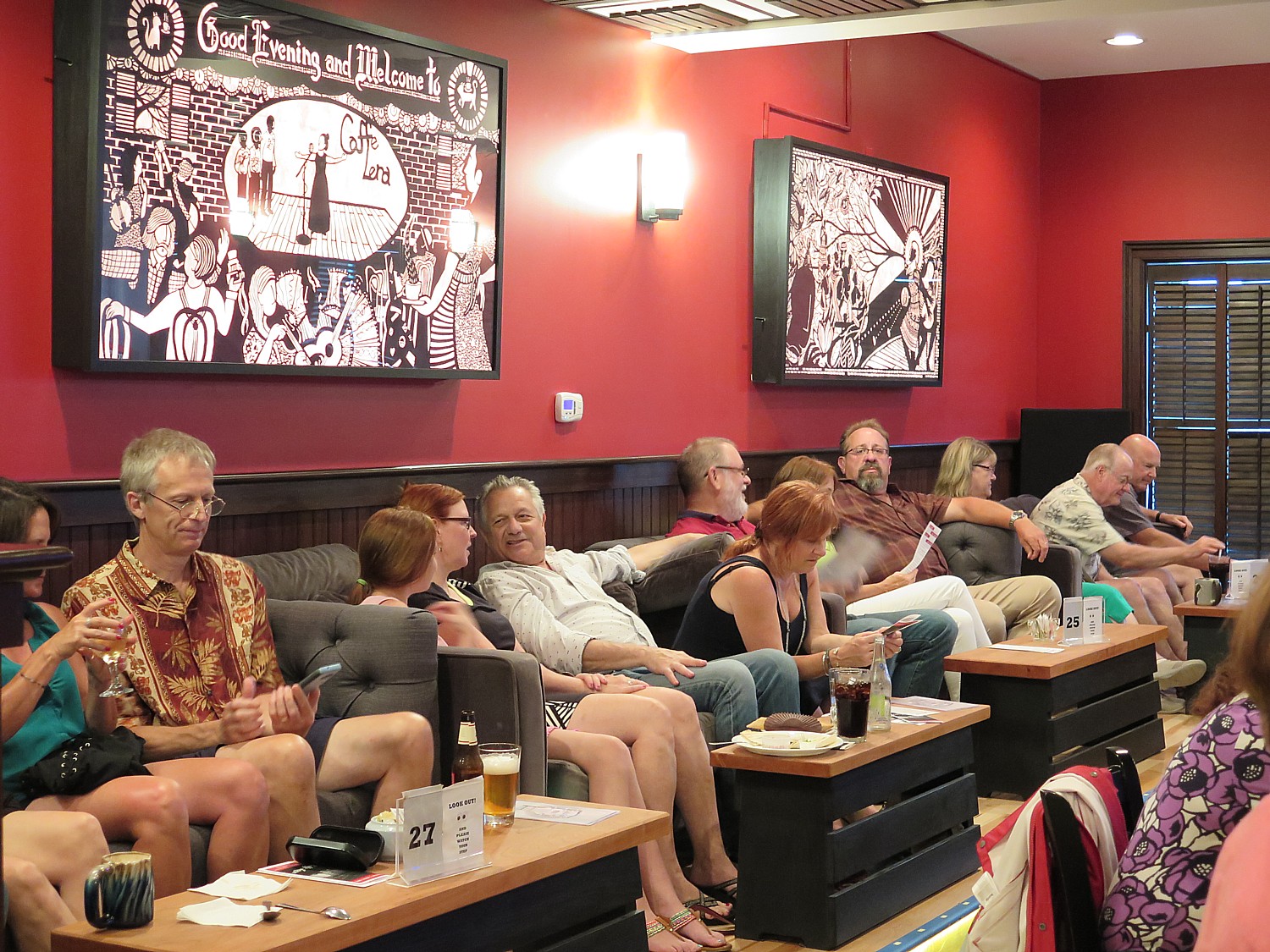
NYT Travel Show: Greenberg Tells Intrepid Travelers to Exploit ‘Brave New World of Travel’

Biking in Albania.Go beyond your bucket list, Greenberg says. Pick a place and go there. © Karen Rubin/goingplacesfarandnear.com

By Karen Rubin, Travel Features Syndicate, goingplacesfarandnear.com
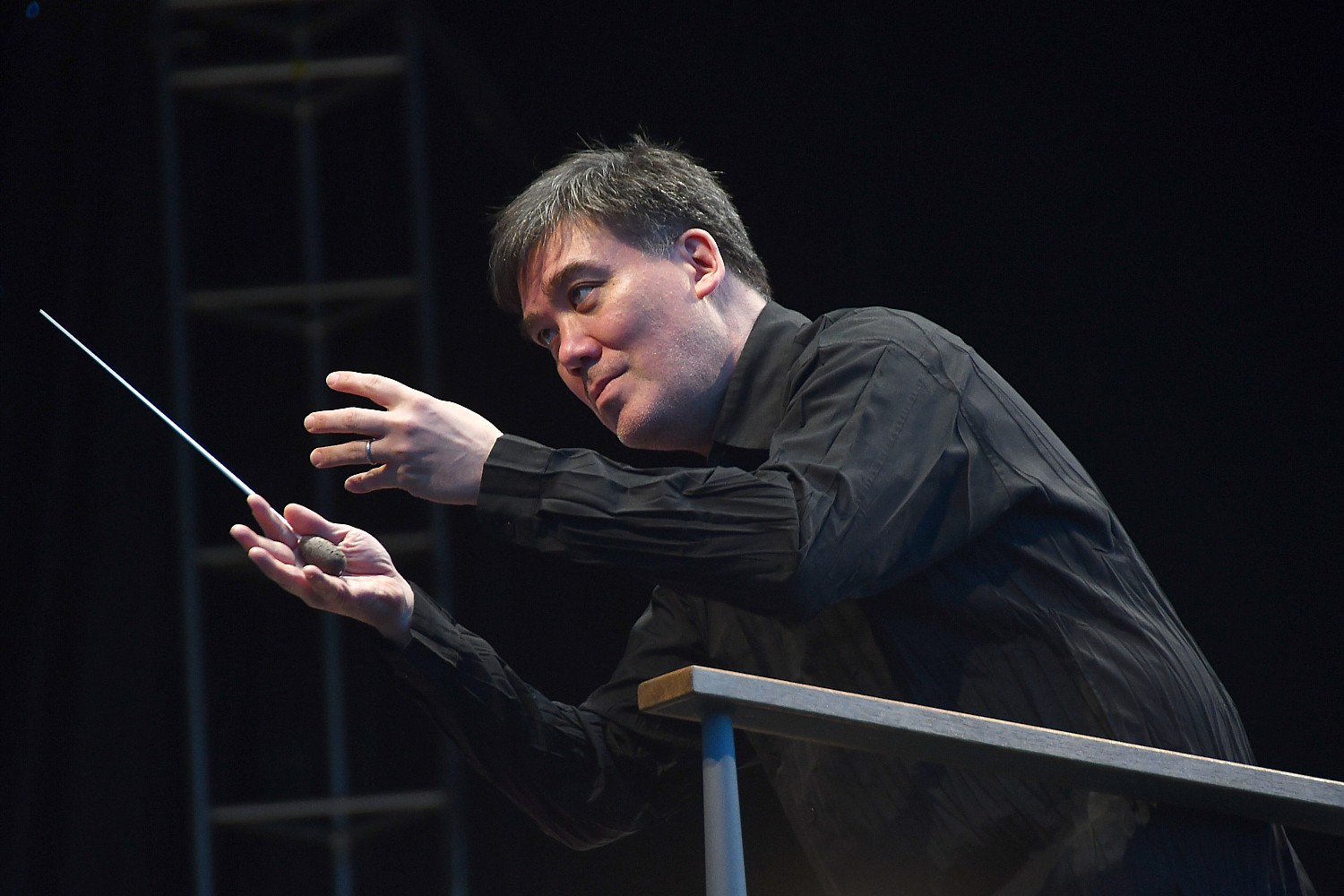
According to travel expert Peter Greenberg, that dreaded four-letter word “fear” could actually work out to the benefit of Americans who want to explore the globe..

That, in combination with a strong dollar against just about every other currency, means that Americans have a buyers market in a “brave new world of travel” characterized by “disruption.”

Travel expert Peter Greenberg gives tips on navigating the “Brave New World of Travel” at the 2017 New York Times Travel Show © Karen Rubin/ goingplacesfarandnear.com

Americans who travel abroad, though, tend to be open minded, able to adapt to different situations, and open to adventure and the unknown.

As it turns out, only 37% of Americans have passports (and, Greenberg notes, only 42% of members of Congress and Senate – a revealing aspect at why some have such an insular, provincial view, or who hold so ardently to the myth of American Exceptionalism. It’s easy to imagine America to be exceptional when you don’t actually see anything else first hand.)

“How can you make global policy if you have never left Kansas?,” Greenberg, a best selling author and TV travel commentator, asks the standing-room crowd  attending his seminar, “The Brave New World of Travel,” at the 2017 New York Times Travel Show  at the Javits Center in New York.

The Travel Show took place just as Trump’s Muslim/Travel ban was causing havoc and bringing out thousands of protesters at international airports across the country, an anathema to the people attending the show who clearly valued international travel as a bridge between peoples, cultures and politics.

The “disruption” that is at the heart of the “Brave New World of Travel,” is that there are more international airlines, creating more competition, more services, and keeping fares from rising, more competition among hotels and cruiselines. Even the uncertainty (insecurity) around global affairs creates a buyers’ market for intrepid travelers who see more reward than risk.

Since 2006, he says, there have been 75 new routes from such carriers as Turkish Airlines. Condor Airlines used to be a charter carrier, now is a scheduled carrier. Norwegian Airlines has really rocked the market with low fares.

It’s a buyers market in the hotel industry also, though it is harder to see why, with mergers and acquisitions like Marriott & Starwood giving a single entity even more control of the marketplace. It could be because after making their deals to sell inventory through online travel agencies (OTAs) like Expedia, now the hotel companies are trying to incentivize customers to book direct. “Why click around? They will give free WiFi and a donut.”

A boom in building new cruise ships – there are 56 cruise lines – has resulted in excess capacity. Last year, there were 18 new river cruise ships, and this year 10 new cruise ships.

How can you benefit? Greenberg says don’t book the newest ships (they aren’t discounting their fares); rather, “book the 2-3-4 year old ships that are just as good but have excess capacity.” Norwegian for example has fares as low as $65/night. “You can’t wake up in Brooklyn for that.”

Norwegian’s Breakaway in Bermuda. Greenberg advises that because of the onslaught of newer ships, look to cruiseships just 2-4 years old for better pricing. © Karen Rubin/ goingplacesfarandnear.com

“Now you know you can go, the question is how do you go.” When he asks people to raise their hands if they make their reservations online and most people in the room do, he comes back, “You’re all losers,” with a smile.

“You’re operating on myth that all inventory is online. But only 52% of inventory is online because that all the inventory that travel providers want to make available online.

“I know why you book online –because you can do it at 3 am and you don’t have to talk to anyone. You’re very happy to hit a key and book. But now you have disenfranchised yourself with 40% of inventory.”

He derides the “lost art of conversation,” and says, “it’s okay to research online, but don’t book online.”

He notes (what Pauline Frommer had observed in an earlier seminar also), that when you search for an airline fare, and happen to wait and return an hour later, you will find the fare has increased, perhaps $100 more.

That’s because the computer remembers you, appreciates a supply/demand market and can pitch you a higher fare. “Clean up your cookies or use somebody else’s computer.”

“When you have a conversation with an airline rep or a cruise rep, you may think it is about getting the best rate – losers! –It’s not about the rate, it’s about the value. The internet does nothing creativity, thinks literally, it can’t answer the questions you should ask.

“You might get a good rate online, but when you have a conversation directly with a hotel, you can ask for the hotel to throw in free WiFi, get rid of dreaded resort free, get the kids to stay free, eat free.

With a cruiseline, “it’s not about the cost of cabin, it’s about onboard credits, which excursion should or should not take.” [In this respect, you are much better off booking through a travel agent, who can usually get free upgrades, free drinks, perhaps even a shore excursion thrown in.]

Where do You Want to Go?

“Where do you want to go?” he asks. “This is where you get into trouble – how many have bucket list? He asks, and a few people raise their hands. “Loser,” is his retort.

“Everyone wants Paris, Hawaii. There are 196 countries in the world. Pick one. There are only four I wouldn’t go to (my metric is ‘Who is in control.’ – There are four countries where nobody is in control.)

He says he wouldn’t say no to going to North Korea (I know who is in control), Iran [which is actually become a hot destination for Americans, up until Trump’s election and the travel ban]. I would even go to Northern Iraq, because it is under control of Kurds, every airline goes there and is safe.” [Which might have been true before the Trump travel ban which Iraq retaliated against in kind.]’

“‘Fear’ is a four-letter word. Don’t be motivated, don’t be driven. How many read US State Department travel advisories – you should read them but when people hear there is an advisory, they don’t go.”

The State Department’s travel advisory for Turkey advises travelers that Turkish  drivers pass on the left and on the right. “Have they been on Southern State Parkway?” he jokes. “I was in Turkey 48 hours after the New Year’s Eve nightclub shooting. I did not feel threatened or afraid.

“The best time to go anywhere is after natural disaster, civil disturbance, terrorism.”

[Indeed, six countries have travel advisories against the United States because of the epidemic of gun violence.”

“Tourism creates jobs – these destinations that have been hurt by natural or manmade disasters are desperate to have you there. And who wants to stand on line? Go to a place that is happy to have you, a great deal, an amazing experience. And it sends a statement that we will not be beaten by that.

He notes that 707 Americans have been killed in acts of civil unrest of the past 28 years. “Put that in perspective: every week in this country 800 citizens are killed or injured in accidents in their bathtubs. People worry about shark attacks –after 1 person is attacked. More are killed in auto accidents abroad; the second greatest cause of death is by selfies – people fall off cliffs, are hit by trains – 100 people are killed by selfies. Put the numbers in perspective.”

“All these passport holders, you love to travel. Now you’ve got to use them – you are in the drivers seat – the most beneficial position.

The New York Times Travel Show cultural performances introduce intrepid travelers to destinations to explore © Karen Rubin/goingplacesfarandnear.com

“It’s not seasonal – there will be deals all year long because economies are taking longer to recover – Italy, France, Turkey – you can go anywhere – Brazil, Argentina. Then, there are the deals airlines are doing with stopovers, hotels, tours.

“Now think of what’s on your bucket list, burn it and figure a place where you can have great experience.”

Beating the Airlines at Their Own Frequent Flyer Game 

Airlines have radically changed their Frequent Flyer programs. “If you didn’t pay a lot [for a fare] you don’t get much [in points]. It’s not just hard to earn miles but hard to redeem them.”

In fact, Greenberg notes that there are some 23 trillion unredeemed miles outstanding.

“Airlines, he notes, are free to constantly change rules for using frequent flyer miles to their advantage because there is no regulation by attorney general. They are protected by deregulation and can change the rules any time, which means every day, they have outstanding miles as a liability but they don’t want to displace revenue passengers.

“There is no such thing as a free ticket anymore; every plane is full.”

But miles are great to use to “figure a place you’ve never been, never wanted to go, and go there. Pick 330 days out and go.”

Still, you may just want to go to Hawaii and Paris and use your unredeemed miles to get there.

Greenberg proposes a rather adventurous way to beat the restrictions that make it almost impossible to use frequent flyer points,

“Let’s say you want to go to Hawaii a week from today and have enough miles based on eligibility– The carrier indicates you can’t have the fare at 12,000 points, but you can at 50,000 (extortion).

“You call up the airline to redeem miles. ‘When in my lifetime will  there be a seat?’ The airline tells you after Thanksgiving. ‘I’ll take it.’

“Then pick an arbitrary day. But now you have a ticket that has the flight and the cities just not the date you want. So you hang up and call the regular reservations number. You  tell them you want to purchase six seats on that flight. You just want to know there are 6 seats on the flight.

So you send your bags ahead by Fed Ex, he says.

“You know there are seats – every day you call, you  pick the first flight of the day – go down on the day want to fly, NY-Hawaii – 5 am with ticket – fly standby, no bags. If there is a seat on the plane, they will let you on. Or if that is full, the next or the next (there are many flights during the day).

“If you ask if you can fly standby with a Frequent Flyer ticket,  they will say no, but the counter agent will say yes.”

[I find myself thinking this is all well and good and wonderfully adventurous, but how would this work for the return flight?]

“The rule is – don’t hoard miles. There is no upside.” On the other hand, you are a full if you redeem your miles for a magazine subscription.

“54% of all miles earned is earned on the ground – that means that to get 25,000 – you spent $14,000, not counting the 11,000 miles you paid for when you flew.” If the magazine subscription wants 2500 miles, you spent $1200 to accumulate those miles, or for 6500 points, Delta will give you a $40 box of Godiva chocolates, but you spent $3800, or $190 each bite.”

“Don’t succumb to those offers. Instead, think 333 days out and beat the airlines at their own game playing by their rules.”

At the New York Times Travel Show, travelers eager to learn about new destinations © Karen Rubin/goingplacesfarandnear.com

With the US dollar so strong, it isn’t just that the dollar has more purchasing power abroad, but that travel to the US becomes more expensive for people to come here. That means that it will be harder for airlines to fill their seats coming here.

(Of course, this, combined with the travel ban means that US inbound travel, a key export that contributes to a favorable trade balance and supports millions of US jobs and economic activity, will also be depressed, perhaps for Americans to fill the vacuum with domestic travel.)

“In a world of disruption, you get to disrupt. You have the knowledge. You can always go to Paris or Hawaii, but the world is open and [destinations] are ready.”

See also: 

Pauline Frommer at NYT Travel Show: How to Get Best Value for Your Travel Dollar in 2017

____________________

© 2017 Travel Features Syndicate, a division of Workstyles, Inc. All rights reserved. Visit goingplacesfarandnear.com and travelwritersmagazine.com/TravelFeaturesSyndicate/. Blogging at goingplacesnearandfar.wordpress.com and moralcompasstravel.info. Send comments or questions to FamTravLtr@aol.com. Tweet @TravelFeatures. ‘Like’ us at facebook.com/NewsPhotoFeatures