By Karen Rubin, Travel Features Syndicate, goingplacesfarandnear.com
For my second full day in Prague, I head out to what is appropriately its most important attraction, Prague Castle. I walk over the Charles Bridge (Karlov Most), which was built by Charles IV in 1357, and then up, up, and up (you can take a tram) to the castle gate. I flash my Prague Cool Pass app on my phone at the ticket window and get a ticket that you present at for entry to each of the various attractions within the castle complex, which dates back to the 9th century.
I am so happy to have the time to just wander and read the various notes that are provided (I opt out of renting the audio tour), and will return the next day with a guide from the CroisiEurope Elbe Princess who will point out the details that I have missed in the famed St. Vitus Cathedral, Royal Palace and Basilica of St George (I note the relief outside of St. George slaying the dragon, symbolic of the Church defeating paganism). (Some of the Castle sites were closed, including the Rosenberg Palace).
The Castle is a vast complex and today is the seat of the Czech Republic’s government (a flag is raised when the president is in).
A few tidbits: Cathedral St. Vitus was built between 1344 and not finished until 1929. Half of the Cathedral is “new”. The two original architects are buried within the Cathedral, and in the most elaborate tomb of all is Charles IV, himself, who did so much to build the “New Town” of Prague, the cathedral, and the university. The Bohemian Crown jewels are kept within a hidden room inside, and seven keys – each one held by a different official – are needed to open it. In a small chapel, I note actual skeleton remains peeking out through a window.
There are horrific stories, too. Ludmilla, with her husband sought to convert the country to Christianity, was killed assassins hired by her daughter-in-law, Drahomira of Stodor, who was jealous of Ludmila’s influence over Wenceslaus (her son and Ludmilla’s grandson). Soon after Ludmilla was canonized. Wenceslaus (widely referred to as Good King Wenceslaus) was killed by his brother around 935 and also was made a saint.
It’s interesting who becomes a saint. An extremely popular saint, prominent in the cathedral, is St. John of Nepomuk, the court priest of King Wenceslas IV. Legend has it that he was killed by request of the king, because he refused to tell the king about the queen’s confession, and his body thrown off the Charles Bridge. When you go to the Charles Bridge, you can see the statue (one of 30 that line the bridge) depicting this story, where the tradition is to touch his image in order to return to Prague, and walk a few steps to the place where his body was thrown into the water, in 1383.
In the Royal Palace, we go into a gigantic hall, that dates from 1492, where jousts (on horseback) were held. It is an architectural achievement because it was built without supports for the ceiling.
We learn that Empress Maria Theresa, who brought compulsory education to Europe and was responsible for a major rebuilding of the castle, was the mother of 16 including Joseph II who ruled from 1780-90 and freed the serfs (as well as liberalizing restrictions on the Jews); his sister was Marie Antoinette who lost her head in the French Revolution.
There is a portrait of Joseph II in a ceremonial room where there are replicas of the crown and septre that are hidden away.
The best part is going into the room that was the scene of the “Defenestration of Prague,” a key event in European history. In 1618, the Protestant rebels threw two Catholic Imperial Ministers and their secretary out of these windows. Surviving the fall (they fell on a pile of refuse in the moat), they took refuge in the adjoining Lobkowicz Palace where they were protected by Polyxena. (The scene is immortalized in a painting which you can view in the palace.) The Defenestration of Prague signaled the beginning of a Bohemian revolt against the Habsburg emperor Ferdinand II, leading to the Thirty Years’ War.
But I am grateful for having the time to really linger on the Golden Lane, my favorite part of the castle – there is simply so much to see.
This, I grin to myself, is where the “tiny house” trend was born.
Golden Lane has a marvelous history. It’s an irregular strip of land, varying in width from 4-8 meters between the older (12th C) Romanesque walls and the later (15th C) walls that form the outer north fortification of Prague Castle on the edge of a natural ravine, the Stag Moat. Three defensive towers are attached to the castle wall (up to 320 cm thick): Powder Tower on the west, Dalibor Tower on the east and between them, White Tower. And between Dalibor and White towers, 12 vaults, each 720 cm deep and 600-660cm wide, were used as makeshift dwellings.
The oldest written reports are from 1560s when the lane was called Goldsmith’s Lane – its residents were probably “lesser” goldsmiths who had fled the strictly enforced guild laws in Prague’s three towns of Old Town, New Town and Lesser Town. We get to see one of these tiny houses, Number 15, as it would have been when the Goldsmith occupied it (there is a bird cage to alert the goldsmith when there were toxic fumes).
In 1597, artillerymen at the gates asked Emperor Rudolf II for permission to build little rooms within the newly repaired walls. The Red Artillerymen (named for their uniform) had to build their dwellings at their own expense, and bought and sold them. We get to see one of the houses, Number 13, that would have been inhabited by a Red Artilleryman.
The Red Artillerymen served without fixed salary but were exempt from paying tax and lived in the castle for nothing. There were 24 Red Artillerymen guarding the gates and were subordinate to the Castle Governor. In 1597, they asked Emperor Rudolf II for permission to block the niches in the newly reconstructed castle walls and establish rooms. Their most important source of revenue came from services they performed for the nobles who were imprisoned in the White Tower and Dalibor Tower – they acted as servants, cooks, stokers, and mail carriers in addition to being prison guards. The Red Artillerymen unit was disbanded by Emperor Joseph II in 1784.
Not long after, little houses began to expand into the lane with the addition and fireplaces; new additions made. Hardly idyllic, conditions for basic hygiene remained backward. In the 18th century, there was only one privy for all the houses, a second one was only installed in the 19th century. Water pipes were laid in 1877, but it wasn’t until 1942 that the house at Number 24 had running water.
In 1953, the office of Czech president (which is within the Castle complex) expropriated the little houses from their owners. The lane was restored in 1955 by architect Pavel Janik, and the façade colors chosen by painter and animator Jiri Trnka. The last reconstruction of Golden Lane took place in 2010-11, with a new drainage system and repaving, the tiny houses were underpinned and repaired, the facades repainted, and the Defense Passage and White Tower restored.
Right up to the departure of the last tenant, in 1952, the Golden Lane community was very colorful. At first, it consisted of Castle employees – gatekeepers, guards, bellringers –and later, people who rented, many who appreciated this place as a source of inspiration.
When you see groups of tiny children coming through, you realize what a fantasy place this is – they stop in front of one that seems out of a fairytale.
Several names in the land records that have been preserved are notable:
No 22 was the home of Franz Kafka in 1916 and 1917, who rented it from his sister. It was here that he wrote “The Country Doctor.” (The house is now a bookshop with Kafka’s books prominently featured; several other tiny houses have been turned into marvelous shops.)
House No 12 was in the late 1930s the temporary home of the dramatist and writer of prose fiction Jiri Maranek. “In the romantic atmosphere of the lane and in everyday contact with the past, he found inspiration for his writing, particularly for his historical novels and short stories”
No 14 still has an old sign with playing cards, an owl and a crystal ball. For years this was the home of the renowned Prague tarot-card reader and clairvoyant Madame de Thebes. Before the Second World War, Matylda Prusova (her real name), the widow of a phamarcist, drew attention from afar with her black clothing and old-fashioned hat adorned with ostrich feathers. Since 1914, she had waited in vain for the return of her son who was killed in the first World War. Clients came daily to her cozy room, stuffed with bizarre objects, to have her look into their future. Because of her frequent predictions about an early end to the war and the fall of the Third Reich, she was arrested by the Gestapo and tortured to death.
No 24 was the House of Mrs. Magdalena. By the early 20th c, Golden Lane was already famous and she charged the growing number of tourists and history lovers to see her tiny house. Other enterprising owners rented to artists, writers looking for inspiration.
Number 27 was the Herbalist’s house. This essential skill of treating wounds, curing diseases, and easing suffering was always managed by one of the servants of the Castle, the notes say. Folk healers and herbalists often had enough experience to carry a certificate stating that someone was successfully cured by them. Herbalists used herbs and botanical extracts but also magic and incantation. The herbalist’s household resembled an apothecary – bottles, jugs, boxes containing nectars from plants, purgative and tonic opiates, powders for curing teeth, throat and roundworm, plasters, seeds and sugar coated flowers. A trunk or cupboard would contain snail shells, human craniums, pig’s teeth, bones from the sea spider (octopus) and dried frogs. Ceramic jars had lards from dog, human, tom cat, stork, rabbit, bear and snake.
It’s especially fun to wander through the house of a film critic – seeing the old movie posters, the clutter of cans of film, the movie projectors, as if he recently left.
I climb a narrow, spiral staircase to an upper floor where there is an astonishing exhibit of arms and armor (really intimidating helmets). And in the Dalibor Tower, a prison from 1496 to 1781, there is a horrifying display of implements of torture. You realize that those movies depicting Dark Ages brutality were not fiction or fantasy. You can see the rack, a skeleton hung in a cage, the “Spanish boot.”
We are told that the most famous of the prisoners was the knight Dalibor Kozojed, imprisoned because he backed rebels and confiscated property. After two years of bread and water, he was sentenced to forfeit “his chattels, his honour and his head” and was executed in the courtyard in 1498. Much later, the romantic legend of Dalibor and his fiddle emerged: Supposedly, out of boredom, he played the violin so masterfully in prison that people came from far and wide to listen, enraptured. But it turns out that “fiddle” was a nickname for an instrument of torture: a rack (which we see) on which the convicted man was stretched until he began “to fiddle” – change his tune and confess.
I find the place extremely disturbing (a skeleton is in a cage dangling from the ceiling as you walk down the stone stairs), but a group of school kids seem enthralled.
When I come out from Golden Lane, I look across to see the Lobkowicz Palace and realize it is included on the Prague Cool Pass (praguecoolpass.com). This turns out to be the absolute highlight for me in Prague. The Palace, itself, is fabulous, owned by a noble family that was once one of the richest in the land. The collection inside is breathtaking. And the family’s story is utterly fascinating.
By Karen Rubin, Travel Features Syndicate, goingplacesfarandnear.com
I was so glad I had the cleverness to arrange three full days to explore Prague on my own before embarking on CroisiEurope’s Prague-Berlin river cruise aboard the Elbe Princesse. I could wander, linger, get lost amid the narrow cobblestone streets, be surprised and delighted upon coming upon stunning views of the Prague Castle from the Charles Bridge across the Vltava, the Old Town Square, the Astronomical Clock at night (the most underwhelming scene you can’t miss), contemplate the Lennon Wall, discover the personalities who occupied the tiny houses on Golden Lane in the wall of Prague Castle, follow whimsy and pop into the Lobkowicz Palace to be dazzled, and have the time to really muse over the exhibits, displays and notes in the Jewish Quarter and Prague Castle, and for good measure, visit the National Museum.
And the Prague Cool Pass, which provides free access to over 70 attractions, tours, river cruises, plus discounts to concerts, entertainment and activities, helped maximize my enjoyment and how much I could see and experience in this all too brief time in such a phenomenal destination (praguecoolpass.com).
I lose the better part of a full day when my Delta flight from JFK to Amsterdam was delayed, causing me to miss my connection to Prague (I knew the 50 minute-connection was too good to work out). But if you have to wait eight hours in an airport, Schiphol is one of the most pleasant. Still, instead of arriving at 8 am, I arrive at 5:30 pm, but still in a good mood – largely because I had made a fantastic choice of hotel, the EA ApartHotel Melantrich, which I found on hotels.com, and pre-arranged an airport pick-up through the hotel.
I actually have an entire apartment on a street that strikes me as comparable to New York’s Fifth Avenue – actually Welcelas Square – with the National Museum at one end, and Old Town at the other, walking distance to everything I want to see in my all-too-short time. (Further benefits: the hotel has a gorgeous dining room where an enormous smorgasbord breakfast is served, an outdoor landscaped sitting area, an indoor pool, elevator, bar/lounge.) (EA ApartHotel Melantrich, Praha 1-Vaclavska Namesti 36 Stare Mes Prague, phone +420734596570).
I had used my time in the airport wisely, looking over “Top Attractions in Prague” and “Three Days in Prague” and there was consistency in the must-see list. I only needed to plot out the logistics (only a little tricky because the map (I LOVE a paper map) is in Czech (it takes me a day to figure it out – but I soon figure out that there are also helpful signposts pointing the direction and distance to what most people are looking for). Still, each time I set out, I get a little lost, or rather find a different way, and each time I am surprised and delighted at what I stumble upon.
I drop my bags at the hotel and the concierge points me in the right direction to walk to the Charles Bridge, which has to be the absolute best place to be at sunset. I get there just as the final patches of orange and pink break through clouds. (It turns out was the best of all three nights, proving my maxim to seize every moment) and I get caught up in that whole vibe. There is music, hawkers, a constant flow of people.
I walk back to Old Town Square and come upon the Astronomical Clock (on the hour, there is a 45-second display – the most underwhelming must-see attraction anywhere, but nonetheless, hundreds wait each hour for the show). The square is absolutely stunning. I find my way back to hotel.
The next day, I set out for the Jewish Quarter, stopping again at the Old Town Square and the Astronomical Clock (you can’t resist). I present my Prague Cool Pass at the Jewish Museum – actually seven separate sites that each tell a different part of the story of the Jewish experience in Prague, going back to the 13th century. I kind of do the sites in reverse order, which I actually appreciate more.
I start at the Old-New Synagogue, the oldest landmark of “Jewish Town” in Prague and one of the oldest surviving synagogues in Europe. It has served for more than 700 years as the main synagogue of the Prague’s Jewish community. Why “old new”? Because it wasn’t the oldest or first synagogue – that one was a shul on the site where the Spanish Synagogue, built in 1867, now sits. You go in and see the traditional way the synagogue was laid out – with a bima in center and seats all around the walls (women on other side of the wall). Each of the chairs still has the name plate of the family that has inherited it; one of the chairs has the name of former US Ambassador Norman Eisen, whose family came from here, and the Israeli Ambassador. A banner that hangs high is adorned with a Star of David with a golden hat in the center – the hat was original required for Jewish men to wear, but instead of a humiliation, the Jews made it a badge of identity, so incorporated it into the symbol of the Jewish Quarter.
I go next to the Ceremonial Hall, adjacent to the Jewish Cemetery, which discusses and describes Jewish burial rituals as well as medical care. Next to the Klausen Synagogue, where the exhibits describe Jewish life – you get the sense that the Prague Jews were actually well off, especially compared to the images you typically see of impoverished Jews in the Russian shetls – and you learn that under Joseph II, who reigned from 1780-90, laws governing Jews were liberalized.
Then on to the Pinkus Synagogue, which dates from 1530, where I was surprised to find it has become a memorial to the Shoah. Some 80,000 names of Jews killed just from this region of Bohemia and Moravia are inscribed all over the walls (you can do a search for names on a computer). A gallery in one room displays paintings by Jewish children who had been deported to Terezin, organized by different themes: longing for home, a dream of Palestine, being taken away, memories of family, with the names of the child and the dates of their birth and too soon death.
Their teacher was Friedle Dicker-Brandeis (born in 1898 in Vienna, died 1944 in Auschwitz), who, from the beginning of her internment in Terezin, devoted herself to drawing lessons for the children in the ghetto. Children signed their drawings and wrote their room number, the group to which they belonged, and lesson hour. Then she classified them. She scoured the camp for paper and paint. When she was deported from Terezin to Auschwitz in a “liquidation” transport, she left behind two suitcases with more than 4000 children’s drawings. This display is heart wrenching.
Outside the synagogue, there is a photo exhibit, “Journeys With No Return,” documenting the Nazi removal.
Then you go through a courtyard to enter the Jewish cemetery. There are some 12,000 tombstones in a tumult – crowded together, pushed over in all directions over time and flooding – but actually some 100,000 are buried here. But after going through the Holocaust Memorial, I felt these people at least had a grave, they had people who buried them, said prayers over them, placed stones to show they had come to pay respects.
Having had this tour, I now go to the Maisel Synagogue (marked as the #1 site) which is a museum that describes the history of Jews in the Bohemian lands from the 10th to 18th centuries, and for me, provides a context for what I had been seeing.
Notably, during the reign of Joseph II (1780-90), Jews could attend university and higher education, but their schools were taught in German instead of Hebrew; under special conditions they were allowed to rent land, learn trades and set up factories, and no longer had to wear “identifying marks.” On the other hand, Jews were compelled to adopt fixed first names and surnames (1787), and only the eldest son was allowed to marry; also the Jewish judiciary was abolished (1784) and Jews now had compulsory military service (1788). It is interesting that the Jewish Quarter is named for Joseph II.
In one of the displays, having to do with the effort to assimilate, integrate and convert Jews, I see an etching of the statue of Jesus that is on the Charles Bridge, which I had noted because of the Hebrew lettering, and in Latin, the word for blasphemy. The notes state that “in 1696, the Hebrew inscription ‘Kadosh, Kadosh, Kadosh’ (holy, holy holy) on the statue was paid for by a fine imposed on the Jews Elias Backoffen and Berl Tabor for alleged blasphemy against the cross in a coded letter. The letter in question, however, was never deciphered by the authorities.”
(I wondered how these structures, these monuments and artifacts survived the Holocaust. I read somewhere that Hitler loved Prague and had thought to “retire” here. He allowed the Jewish Quarter to survive as a “museum to an extinct [extinguished?} people.” The docent at the Old New Synagogue, though, could not or would not confirm.)
On my way to the Spanish Synagogue, I wander into a gallery devoted to Robert Guttmann, “the Oldest Zionist in Prague”, who was famous in his day – a celebrity – for his long-range hikes and travels that might take 14 ½ weeks at a time (people were in disbelief, so beginning in 1903, he kept diaries). He sketched himself with famous people – very possibly the first great self-promoter, like Dali or Andy Warhol. “He belonged to Prague like the Charles Bridge, the Golem, Kampa Island or the Apostles on the Astronomical Clock. It was impossible to imagine Prague without ‘Professor’ Guttmann, the ‘renowned painter’.”
Then on to the Spanish Synagogue (more accurately known as the Temple on Dusoni Street), built 1867-8 on the site of the demolished oldest shul. It deserves its boast to be “the most beautiful synagogue in Europe.” It’s magnificent, but not so large and overwhelming that you feel enveloped by its beauty. Its design reflects a movement of “Jewish Enlightenment,” under the auspices of the Society for the Improvement of Israelite Religious Worship in Prague that followed a relative emancipation of 1848, aimed at promoting assimilation and integration into the “mainstream.”
The change in synagogue design – which moved the bima to the front from the center to increase the seating in pews – came in conjunction with changes to the liturgy and introduction of music.
Indeed, Frantisek Skroup (1801-1862), the organist here from 1836-45, composed the Czech national anthem, and the reformed worship music introduced by Skroup later spread to most other synagogues in Bohemia.
There is a 7 pm concert at the synagogue consisting of favorite compositions of favorite composers – Bach, Mozart, Vivaldi, Rossini, Verdi, Bizet, Smetana, Dvorak, Bernstein and Gershwin. I purchase a ticket. (Actually, it is amazing how many of the important churches and sites hold concerts almost nightly, including the St. Francis of Assisi Church, right at the entrance to the Charles Bridge, which claims the second oldest organ in Prague, 1702, which Mozart played, www.organconcerts.cz).
Just outside the Spanish Synagogue is a terrific sculpture of Franz Kafka (a square at the entrance to the Jewish Quarter is named for him, where the National Library is located.
Next, I go in search of the Lennon Wall, on Kampa Island, just under the Charles Bridge. In my search, I come upon a fascinating historical display documenting the 1967 uprising against the Communist Regime, led by university students. One of the panels notes that the American beat poet Alan Ginsburg who describes being detained by police, deported, and writing “this poem on a jet seat in mid Heaven.”
I ask a woman I see walking through the park where the Lennon Wall is and she says she works at the French Embassy, directly across from the Wall, so we walk there together. (To get to the Wall, walk down stairs from Charles Bridge, turn right on Hroznova.)
Notably, John Lennon never visited Prague, but the wall began as street art, capturing his spirit of peace. The wall keeps changing – people add to it, and all of it is whitewashed so the process begins again. At this time, poems printed on paper in support of Ukraine, are hung on string in front.
“The John Lennon Wall was chosen to host the event because of its apparent symbolism. For decades the wall has served as a place to share messages of peace, love and hope. Lennon, former lead singer of the Beatles, was an avid anti-war activist, who, until the day he died, encouraged the world to ‘Give Peace a Chance’.“
I still have some time before I need to go back to the Spanish Synagogue for the concert, so I walk over to the National Museum, and flash my Prague Cool Pass. There is a very condensed history (actually there is a second building), so I find it quite interesting that there is a note that after Joseph II’s liberalization of laws suppressing Jews, repression was reestablished with the rise of a nationalist movement. Emancipation did not come until 1848. And there is one panel that refers to ‘The culmination of anti-Semitism was the so-called Hilsner Affair, 1899-1900), in which T.G. Masaryk, a founder of Czechoslovakia and its first president, stood up for Hilsner, a Jew convicted in a show trial of ritual murder. It draws a parallel to the Dreyfus Affair in France, when an accused Jewish officer was defended by the writer Emile Zola.
In addition to history, the museum also contains exhibits of Czechia’s natural history. I take note of the country’s gold rush, when I visit the Golden Lane in Prague Castle.
After stopping off at my hotel to regroup, I walk back to the Spanish Synagogue. The concert is one of the best I’ve ever heard – the five musicians of the Czech Collegium, plus soprano Michaela Srumova and trumpeter Miroslav Kejmar sound like an orchestra of 60 and perform one of the most thoroughly magnificent programs.
After the concert, I wander back to the Charles Bridge and catch the end of the setting sun’s afterglow, linger in Old Town Square, before making my way back to the hotel.
Eric and Sarah are on a 6-month around-the-world sabbatical, joining a huge movement of young people who are choosing to live the nomadic life (at least for a time) and travel or work remotely, becoming immersed in local life and culture. They are filing these dispatches periodically. They previously reported about their adventures in Mexico, South Korea, Vietnam, Malaysia and Cambodia. Here’s their dispatch (#4) from Indonesia:
Oddly enough, we write this from basically our last day of summer, as we wrap our 3 months of traveling Southeast Asia and head south to Melbourne, Australia tonight where deep winter awaits. If ya’ll are wondering how we are possibly spending every minute of every day together, the answer is our deep, eternal bond and newfound zen mentality. JUST KIDDING, the answer is podcasts, we listen to a lot of podcasts.
We kickstarted the month of June with an overnight layover at the Singapore airport, which we were somehow excited for (what is wrong with us?). Perhaps because we expected that we could make our experience at least as good as glamping at this airport-from-the-future. We peacefully strolled the airport’s mall and butterfly garden, and even peeped into the medical center and movie theater (sadly no movies during the pandemic), all the while unknowingly giving up any and all of the free sleeping pods. The airport hotels and spas were grossly out of budget, so when 10 PM rolled around, cut to Eric on the floor with his trusty eye mask and earplugs, and Sarah curled up on a hard chair with a true-crime podcast to lull her to sleep.
A short plane-ride later we touched down in Java, Indonesia’s most populous island, where we encountered probably the most difficult language barrier of the trip thus far. We also found ourselves consuming some form of fried rice or noodle, sprinkled with egg, meat and veggies for breakfast, lunch, and dinner. But our main mission here was tackling two volcano treks.
First up: Mount Bromo. We set out on the sunrise trek to the viewpoint of this beautiful volcano at 3:30 AM. Along the way we’d come to understand that treks in Indonesia have accessible peaks by many means-jeeps, motorbikes, horses, and even human carts (yes, you can pay approx $35 USD to have three men push you in a rickshaw/adult stroller up the extremely steep face of a volcano).
At first, Sarah found the many options beyond hiking really cool from an accessibility standpoint (you can take the OT on a sabbatical, but you can’t take the OT out of the OT on the sabbatical.. or whatever). But, we came to find these avenues (including the cart) are utilized by fit people, even dressed in hiking gear (!?). The views were incredible, and we were proud of ourselves for earning the trek, but the peaks were super crowded.
Second, we journeyed to Mount Ijen in far east Java. Mount Ijen is unique in that it is home to one of the last sulfur mines still mined exclusively by hand, and the most sulfuric lake in the world (with a pH of 0.2). Sulfur vents burn neon blue flames in the middle of the night, which is what we were aiming to see when we woke up at 1 AM and motorbiked up the dark and steep winding mountain roads to begin the trek at 2 AM.
The trek itself involved hiking up to the top of the crater, then down into it (with gasmask in hand because of the sulfur fumes) alongside the sulfur miners who do this backbreaking trek with 150–200 lbs of sulfur bricks multiple times a day (!!). We cheaped-out and didn’t hire a guide, so we stuck close to a guided group during the crater descent for some free information. The one thing we heard: “Be careful this water is very hot” as we came upon a creek. But uncoordinated and distracted Sarah (remember the part above about the murder podcasts?) stepped on the first rock jutting out of the stream, immediately panicked, wobbled, and stepped off her rock, one foot, then two.. *SPLASH* right into water more acidic than battery acid. She quickly scampered to the side, gritted her teeth, and waited for her feet to dissolve. BUT PHEW, by some good fortune, absolutely no harm was done.
The blue fire was cool but Eric was sure we were doing lifelong damage to our eyes and lungs so we snapped some pictures and got THE HELL out of there. We walked back up the crater rim to see the sunrise, and chivalrous Eric lent his dry hiking socks to Sarah before we scurried down the mountain to try to beat the rickshaws.
We went home to crash at our accommodation down the hill from Ijen–a bamboo hut with curtains instead of walls–which looked quite dreamy online, but the constant ripping from sleep by the sound of critters scurrying around, and in, our hut (and Eric’s accompanying yelps) made this a true instagram-vs-reality situation. The hosts were very sweet, but we were excited to get THE HELL out of there (again).. we packed our bags and took the $1 ferry east to Bali.
Indonesia as a whole has a Muslim-majority population, but the island of Bali is predominantly Hindu. We observed their appreciation and respect for nature when they’d place offerings of flowers, fruits, and leaves on their doorsteps each day to nourish the gods. North Bali felt largely untouched by mass tourism, and we took serious advantage of the empty beaches and $5 fish dinners (for two).
Once we made our way south to Ubud, we were transported to another world of pre-pandemic travel. Streets full of tourists flocked to cafes where the most popular item on the menu was something like Buddha Bowl, or Keto Kale Bowl. We dabbled in many different yoga classes (even accidentally signing up for 90 minutes of breath work), and ate smoothie bowls to our hearts’ content.
Further south in Canggu and Uluwatu we sat on many-a-beach watching absolutely insane surfer talent, on literally every wave. Though we must admit the beaches weren’t the best for the non-surfers; sticky sand, lots of rocks, and strong currents.
In very Bali fashion, we lunched next to surfer Kelly Slater in west Uluwatu. Unfortunately, it was at this spot that Eric’s burrito fell apart as soon as he picked it up. As he was putting it back together, he spotted a worm crawling through the lettuce. Eric plucked it out and we watched it inch across his hand. We had to act cool in front of Kelly of course, so we just made pity faces at each other and shrugged. Eric blissfully chewed on while Sarah stared off in space, thinking about all the bugs we’ve likely consumed, buried in street food this trip.
Before leaving the island of Bali, we followed a friend’s recommendation of spending an evening at The Istana: a luxury wellness and “biohacking” center on the edge of a cliff. After locking up our phones, per policy, we explored the various hot/cold pools and chatted with the characters (mostly expat locals) who frequent The Istana. Along the way we met Poppy, a ~12 year old girl (?? she didn’t actually know how old she was) who was born to British and Swedish parents on a sailboat in Panama when her parents were living at sea for 6 years. She told us she goes to forest school in Uluwatu with 4 other expat kids in her age group, and that her older brother (who sounds like he’ll be a professional surfer) was pulled out of school because his parents thought he was being taught “too many sad things”. Hippie parents take on entirely new meaning in Bali.
Our last stop in Indonesia (where we write this dispatch) is the island of Flores, a plane-ride east of Bali. This leg of the trip started great – we spent 3 nights on a remote island living in a beach hut, playing ping pong and attending movie nights & bonfires with the same 30 people every day (essentially Jewish summer camp). But when we got back to mainland Flores, things took a turn..
We didn’t intend to spend an entire week at the port-town of Labuan Bajo, but we did. Did we like Labuan Bajo? Let’s just say we ate pizza for four consecutive nights and our highlight each day was going to Starbucks and ordering an iced matcha/espresso hybrid (the classic coffee is tragically bad in Indonesia-mostly instant coffee or pour-over in your mug that’s watery and gritty, which while drinking Eric constantly remarked, “HOW IS IT SO BAD, THEY GROW IT RIGHT THERE?! [points to any mountain in the vicinity]”).
This town is known basically for one thing, and that is its proximity to Komodo National Park, a boat ride away. Eric be-friended (then be-enemied) all of the local guys in town running the racket of booking boats. We’d come to learn that the dozen of them are all in cahoots, upselling while funneling you to the same 1-2 boats actually in the harbor. Our boats were confirmed, deposits paid, and then canceled the night before for varying fabricated reasons, keeping us in the vortex of this mind-numbing town for more days than we’ve spent in any single town on this trip (read: gut-wrenching). We finally got a boat on our last day in Indonesia, and saw the elusive Komodo, which exists in the wild only here (it’s a carnivore and cannibal, mothers even eat their own babies so the little ones hide in trees for the first three years of their lives- WTF). Our boat also plopped us on an island with a pink sand beach for an hour, so we left happy 🙂
By Karen Rubin, Travel Features Syndicate, goingplacesfarandnear.com
The visit to the Museum of Jewish Heritage’s new exhibit, “The Holocaust: What Hate Can Do” kind of bookended for me my recent trip to Europe, where I started in Prague and visited the Jewish Quarter and Shoah Memorial, on through Dresden, Meissen, Wittenberg and Magdeburg t, into Berlin. In Dordrecht, Netherlands, I walked on a sidewalk with metal plaques recalling the names of the Jewish families taken from here, and onward to Amsterdam where I visited its Jewish Quarter, with its Holocaust Memorial and Jewish Museum (couldn’t get into the Anne Frank house though because tickets book up well in advance.)..
In this exhibit, I see the faces and personal effects of people who would have come from these places – a shaving brush that belonged to Yaacov Mordechai Satt in the Lodz ghetto has a hollowed out handle as a hiding place for a gold chain given to him by his mother; a piece of soap given to Esther Tikotzki to wash with after she was deported to Theresienstadt (Terezin), just outside Prague; a wooden ornament made by a pharmacist, later murdered at Auschwitz, given to Erika Jolinkova who was deported from Prague with her school friend Gertrude Jojtasova to Theresienstadt (Terezin).
The Museum of Jewish Heritage is devoted to keeping alive the lessons of the Holocaust, which are resonating with all the more volume and pitch today. Putin’s brutal, torturous invasion of Ukraine. The Christo Fascist Supreme Court ending women’s reproductive freedom, autonomy and self-determination, immediately turning half the population into 3/5 of a person. Deciding cases based on Christian orthodoxy; overturning the Separation of Church and State, from Hobby Lobby to allowing a coach to proselytize to players. Marginalizing gays, criminalizing speech, banning books, an attempted violent overthrow of a democratically elected government. A record number of antisemitic hate crimes, as political terror, intimidation and violence take hold in mainstream political life.
What you realize as you go through the first floor of the exhibit is how the cancer takes hold – starting slow and steadily but the coup de gras coming even overnight. Women in the United States can now see this exhibit with different eyes, having gone to sleep believing they had freedom and equality and waking up second-class citizens, lacking bodily autonomy, self-determination and in some places, having their movements tracked and their ability to travel curtailed.
And implicit is the question of the choices and decisions that are made. “Who could have imagined?” can no longer be an excuse for standing by.
“Sadly, the exhibit has taken on new urgency: resistance, immigration, invasion taken on new meaning,” says Michael Berenbaum, consulting curator. “Solidarity in the wake of evil takes on new meaning. We thought this was ancient history. We little imagined how vital the message is in this day, in our time.
“Events that gave rise to Holocaust are thought to only be in the past, but echoes in our world. This reminds people…They understand more clearly what it means to fight for honor, to resist. They understand when seeing people fleeing for life, they need to be welcomed. If this causes people to think twice, to reflect, to imagine what you can do to make a better world, then we have succeeded,” Berenbaum says during a press preview.
The 12,000-square-foot exhibition features over 750 original objects and survivor testimonies from the Museum’s collection. Together, these objects tell a global story through a local lens, rooted in objects donated by survivors and their families, many of whom settled in New York and nearby places, which is resonating with eerie and frightening relevance today.
In keeping with the Museum’s mission to educate people of all ages and backgrounds on the broad tapestry of Jewish life before, during, and after the Holocaust, the exhibition features countless beginnings, middles, and too many endings that make up the stories of The Holocaust: What Hate Can Do. Each room, and each object, contains generations of experiences and information about who Jews are, what sustains Jewish communities, and what life was like during the period of European modernization, World War I, and the political and social movements that brought about the rise of the Nazi Party. Within the Holocaust experiences of legalized racism and fascism, pogroms, ghettos, mass murder, and concentration camps are instances of personal and global decision-making, escape, resistance, and resilience, and ultimately liberation and new beginnings.
“The title of our new exhibition speaks to our institution’s very reason for being,” says Museum President & CEO Jack Kliger. “Antisemitism and fascism are again on the rise throughout the world. Right here in New York, we have witnessed not only a surge in antisemitism but an uptick in violence and harassment targeting many marginalized groups. The time to speak out and act is upon us, and it is urgent. We hope The Holocaust: What Hate Can Do will educate and inspire our visitors and honor those who perished in the Holocaust, whose memories are a blessing.”
Paul Salmons, consulting curator and creative developer of the digital guide that accompanies the exhibit, and is available to all on Bloomberg Connects, raises the question of “what was known, what choices, what decisions, what significance of their action. The Holocaust is not a story of faceless victims or bystanders. It is a profoundly human story. That was our challenge when we created the audio guide. The intensely personal stories behind the artifacts, the documents, the personal stories of ordinary people living through extraordinary times.”
Indeed, so many of the objects on view are those everyday items –an engagement ring fashioned from a silver spoon given by Eli Rigman to Henny Rosenbaum on August 22, 1943, to mark their engagement while they were imprisoned in the Riga ghetto. She kept it on even after Eli was killed cleaning minefields, even as she was deported to several camps and during forced labor in 1944, her fingers swelled from the cold causing the ring to crack, even so, she kept the engagement ring on”. There is a photo that brings chills, of the happy couple celebrating with their friends, another photo of Henny Rosenbaum from 1937 shows this happy young woman.
They create a thread for the visitor to follow one family – the bag used to scavenge scarce food in the ghetto, the cooking pot the family used. The wonder is how they were able to trace back these objects to the people, connect with their stories, even photographs.
“We address common myths and misconception that Jews didn’t fight back or resist.” On display is a shirt that one of the freedom fighters wore in the forest – there were 30,000 Jewish partisan fighters in the forests of Eastern Europe. They fought the German occupation and rescued Jews – 1200 Jewish refugees lived in one camp which had its own medical center and school.
They fought back and resisted in other ways, as the exhibit shows. Fighting the dehumanization, they fashioned ID bracelet; a Star of David necklace made by Margit Rosenfeld in Auschwitz using material from the inside of her shoes and brown thread from her garments. “Something of their identity, their past life in a place of utter dehumanization.” They also secretly observed religious service, taught school, some were able to create art, music.
The films that have been made, the powerful survivors testimony, and the audio notes narrated by … are available to museum goers as well as people who do not personally visit, on Bloomberg Connects app, which can be downloaded for free. The Bloomberg Connects partnership allows access to the museum’s collections and educational resources. “The partnership demonstrates the commitment of the museum to make this vital story accessible.”
Toby Levy, a Holocaust survivor and a member of the museum’s Speakers Bureau, relates, “The year I was born, in Poland (now Ukraine, near Lebov), was the same year Hitler came to power. Jews lived in this place for 1000 years. Life was OK. My father was a merchant – I don’t remember much. We lived nicely until 1939. In a divided Europe, our part was in Russia. But in 1941, Germany broke the pact. We tried to run, but there was no place to run. We were locked in and out. No help from anywhere, especially in my part of Poland. The first day the Germans walked in, they made it clear who they are and who we are and where we’re going.
“My father realized immediately that none of us will make it, even though my father had been a German soldier in World War I. He realized these weren’t the same Germans, that the Germans were lying. Germans used the language of deception when they said they would relocate Jews. There were 5000 Jews in our town. Some say Jews followed like sheep. But we had no place to go.
“My father approached many people to try to find someone who would hide us. Stephanie Struck said she would. We were a family of four, then my aunt and uncle and their children, grandparent, we became 9 people. Two Ukrainians saved 9.” The family remained in hiding in her barn from 1942-1944.
“In hiding, my father talked had a tallit and whatever money he had; he gave material to Stephanie for food. We were four children – 4, 6, 8, 12 years old. I was 8. My father tried to teach us not to hate. “Hate will bring you to where you are today. Be kind, be moral, be a good person.”
“I have my revenge,” she says. “I am alive, enjoying my life, have Jewish children, grand children, great grand children.”
But she warned that antisemitism is very much revived. I’m scared now, not for me – I’m old – but for my children, grandchildren. Everyone must become a witness. Be a witness for me when I’m gone. Understand what it is to be antisemitic. That’s how started in Germany – language, media has to understand what anti-Semite is. Colleges are full of it. Our children are not prepared because they take for granted [religious freedom in the United States].”
Indeed, one of America’s great historic figures, a leading capitalist, Henry Ford, was a leading proponent and propagandist for antisemitism. I knew he was an anti-Semite but did not realize that he propagated antisemitism through his newspaper, in which he serialized the Protocols of the elders of Zion.
“The Protocols of the Elders of Zion fabricated records detailing secret meetings of Jewish leaders planning world domination – is the most widely circulated antisemitic text of modern times,” the notes that accompany copies say. Plagiarized from a 19th century French book unrelated to the Jews, Protocols (author unknown) it was first published in Russia at the turn of the 20th century. In 1920 Henry Ford used it as the basis for ‘The International Jew’ article series in his newspaper. In 1938, American priest Father Charles Coughlin serialized The Protocols in new newspaper, ‘Social Justice,’ and the book played an important role in the Nazis’ antisemitic propaganda campaign. “Some still believe its claims today.” Indeed, the imagery of an international Jewish cabal of financiers and media moguls is being used by MAGA candidates and elected and is so often connected to charges of those who advocate for social justice and economic opportunity as socialists and communists.
So it is understandable why Henry Ford, a pioneering industrialist, would embrace anti-Semitism.
The exhibit notes, “Antisemitism flourished in early 20th century America. The Great Wave of Immigration (1881-1914) brought 2.2 million Eastern European Jews to America, fleeing persecution and seeking opportunity. They were often met with suspicion, and even violence. The 1917 Russian Revolution raised fears of Jewish immigrants being internationalists and Bolsheviks. In 1915, an Atlanta mob hung Leo Frank, accused of murdering a 13-year old girl. During the 1920s, the Ku Klux Klan targeted Blacks, Catholics and Jews. Car manufacturer Henry Ford published the International Jew in his Dearborn Independent newspaper. Based on the Protocols of the Elders of Zion, which described an international Jewish ruling conspiracy, the article series alleged such a conspiracy was infiltrating America. It ran from 1920 to 1924, reaching hundreds of thousands of readers.”
(Also on view is a letter of apology that Henry Ford was forced to write under a legal settlement after being sued by for by Jewish publisher Herman Bernstein for libel against himself and against the Jews of America. See https://mjhnyc.org/blog/herman-bernsteins-fight-for-truth/).
The letter of apology that Henry Ford was forced to write under a legal settlement after being sued by for by Jewish publisher Herman Bernstein for libel against himself and against the Jews of America is on view.
It is an important exercise to see how antisemitism is cultivated, developed, spread and used as a weapon of power – the theme that dominates the first floor of the exhibit – and then the effect on ordinary people, how their lives are upended, a dominant theme of the second-floor of the exhibit.
But there is a flip side – the story of resilience, resistance and survival – and ultimately the responsibility of the others – the leaders of other countries, the foundations and organizations, the bystanders. The exhibit concludes with the formation of Israel, the immigration of Jews to America and other places, the Nuremburg trials which were supposed to make Hitler-wannabes think twice.
I learn for the first time of the Ritchie Boys – German-Jewish refugees, originally considered “enemy aliens” who were recruited to be an advanced intelligence combat unit. Trained at Fort Ritchie, Maryland, they were returned to Europe where they had just escaped, risking their lives to use their linguistic and cultural skills for combat, interrogation and lie detection. They fought in major battles and succeeded in gleaning tactical information from captured German soldiers. After the Allied victory, the Ritchie Boys interrogated thousands of war criminals and civilians. We meet “Ritchie Boy” Fred Neumann who emigrated to the US in the 1930s, enlisted in 1942, and worked as an interrogator and investigated the Ohrdruf and Buchenwald concentration camps.
“Working on The Holocaust: What Hate Can Do has been one of the high points of my professional career,” says co-curator Judith Tydor Baumel-Schwartz, Professor and Director of Holocaust Research in the Department of Jewish History and Contemporary Jewry at Bar-Ilan University in Israel. “As a historian specializing in the Holocaust, I have always taught my students, through stories and documentation, about what happened, and why it happened. Here, for the first time, I can actually show people how it happened and to whom it happened through hundreds of objects and graphics, most from the Museum’s collection, via the stories of the people behind the artifacts, through wall texts and an audio guide, documentary films and survivor testimonies, all put together in a unique and thought-provoking display. The Holocaust may be part of the past, but hatred, and what it can do, are very much part of our present. This path-breaking exhibition serves as a stark reminder of what can happen if that hatred is not stopped in time.”
The exhibition was curated by a team of esteemed Holocaust scholars, historians, and Museum curators that included Professor Baumel-Schwartz, Scott Miller, Ilona Moradof, and Rebecca Frank, and consulting curators Professor Michael Berenbaum and Paul Salmons. The Scholars Advisory Group included Dr. Mehnaz M. Afridi, Dr. Charles L. Chavis, Jr., Rabbi Sholom Friedmann, Atina Grossman, and Paul Wasserman.
“It is a particular point of pride for our institution that this exhibition gives new life to the Museum’s collection. The hundreds of artifacts, many of them donated by survivors, that visitors will experience were all donated to our institution with extraordinary trust and vision, and we are grateful. Each offers up its own story, and together these artifacts present an irrefutable record of history,” says the Museum’s Chairman of the Board of Trustees, Bruce Ratner.
The Holocaust: What Hate Can Do is the Museum’s first exhibition to open in its core galleries since its award-winning and widely acclaimed Auschwitz. Not Long ago. Not far away. concluded last spring.
“We are proud and honored to be long-time supporters of The Museum of Jewish Heritage, an eternal memorial to those who perished, but also a beacon of hope: the hope that through learning from history we can avoid repeating the tragedies of the past. We are privileged to support this important new exhibition and the expansion of the Museum’s vital educational mission,” says Lily Safra, Chairwoman of the Edmond J. Safra Foundation, a lead funder of the exhibition.
“The Holocaust: What Hate Can Do is an important exhibit, highlighting the impact of unchecked hatred. It is imperative that future generations understand that the Holocaust was not only a state-sponsored murder of the Jews but was, in many cases, also a communal act of complacency. Only through education can we begin to understand the outcomes bigotry and social silence inflicted on the Jewish people during the Holocaust. It is our job to give voice to the 6 million Jews who were murdered in that annihilation and to help future generations avoid the same complacency,” says Gideon Taylor, President of the Conference on Jewish Material Claims Against Germany, a lead funder of the exhibition.
Photos of Child Prisoners at Auschwitz: Auschwitz-Birkenau identification photos of child inmates were taken by Polish portrait photographer and prisoner Wilhem Brasse,, ordered to document prisoners in the camp by SS administrators. From top left to bottom right: an unidentified Ukrainian boy, Mamet Merenstein, Anatol Wanukiewicz, Anna Weclawik, Czeslawa Kwoka, Janina Bleiberg, Helena Zalewska, Jadwiga Repec, Jozefa Glazowska, Alex Meller, Krystyna Trzesniewska, and Emilia Lis.
“We were eight brothers and one sister with loving parents; only me and my brother Yankel survived. I am from Lodz and was in the Lodz and Warsaw ghettos, the Deblin and Auschwitz death camps, and on the death march from Magdeburg. As a survivor, number 189897, I feel a responsibility to teach the lessons of the Holocaust—that hate is an insidious murderer of humanity. May we never forget those who perished in the Holocaust, and may we always be courageous in standing up to hate. This is why I am so happy to support the work that the Museum of Jewish Heritage is doing, especially in such an important city like New York, that embraces its diversity as a strength,” says benefactor David Wiener.
“Eighty years ago, on May 29,1942, my great grandparents Berel and Sara Fish Hy”d and Velvel and Zissel Poltorak Hy”d perished in mass shootings alongside 287 other Jewish families (over 800 people), all of whom were relatives and friends in Yanushpol (renamed Ivanapol after the War), Ukraine,” says Eli Gurfel, a major donor. “I honor their memories with my support of the Museum of Jewish Heritage, and the importance it places on diverse Holocaust scholarship to broaden Holocaust awareness and education. As Elie Weisel said, ‘Whoever listens to a witness, becomes a witness.’ Especially given current events in Ukraine, my hope is visitors will see this exhibition and come away with broader understandings of what happens when hate and bigotry go unchecked.”
The audio tour guide accompanying the exhibition, available for download through the free Bloomberg Connects app, features narration from actress Julianna Margulies, winner of eight Screen Actors Guild Awards, three Primetime Emmy Awards, and a Golden Globe, and Eleanor Reissa, the Tony-nominated director, Broadway and television actress, prize-winning playwright, author of the memoir “The Letters Project: A Daughter’s Journey,” and former artistic director of the National Yiddish Theatre Folksbiene. Anthony Mordechai Tzvi Russell, acclaimed vocalist and Yiddishist, and actress Lauren Lebowitz are also featured on the audio guide, for which Paul Salmons Associates provided creative development (Paul Salmons, tour concept and historical interpretation; Leah Kharibian, scriptwriter).
The Holocaust: What Hate Can Do is made possible with leadership support from The Conference on Jewish Material Claims Against Germany, The Oster Family, Patti Askwith Kenner and Family, Edmond J. Safra Foundation, and Evelyn Seroy in memory of her parents Julius & Ruth Eggener.
For more information or to purchase tickets, click here ($18/Adults, $12 ADA/Access, Seniors, Students, Veterans; FREE to children under 12 and NYC DOE K-12 students; FREE to Holocaust Survivors, active members of the military, first responders).
Museum hours: Sunday, Wednesday, Friday: 10AM to 5PM; Thursday: 10AM to 8PM; closed on all other days, on Jewish Holidays, and on Thanksgiving.
A Living Memorial to the Holocaust
The Museum of Jewish Heritage – A Living Memorial to the Holocaust is New York’s contribution to the global responsibility to never forget. The Museum is committed to the crucial mission of educating diverse visitors about Jewish life before, during, and after the Holocaust. The third-largest Holocaust museum in the world and the second-largest in North America, the Museum of Jewish Heritage anchors the southernmost tip of Manhattan, completing the cultural and educational landscape it shares with the Statue of Liberty and Ellis Island.
The Museum of Jewish Heritage maintains a collection of almost 40,000 artifacts, photographs, documentary films, and survivor testimonies and contains classrooms, a 375-seat theater (Edmond J. Safra Hall), special exhibition galleries, a resource center for educators, and a memorial art installation, Garden of Stones, designed by internationally acclaimed sculptor Andy Goldsworthy. The Museum is the home of National Yiddish Theatre Folksbiene and JewishGen.
Each year, the Museum presents over 60 public programs, connecting our community in person and virtually through lectures, book talks, concerts, and more. For more info visit: mjhnyc.org/events.
The Museum receives general operating support from the New York City Department of Cultural Affairs and New York State Council on the Arts.
Museum of Jewish Heritage – A Living Memorial to the Holocaust, 36 Battery Place, New York City, mjhnyc.org,646-437-4202.
By Karen Rubin, Travel Features Syndicate, goingplacesfarandnear.com
The 2022 New York Philharmonic Concerts in the Parks, Presented by Didi and Oscar Schafer, made a triumphant return to Central Park on Wednesday, June 15, marking the return of the beloved series following two years of cancellations due to the pandemic. It was the second of four free outdoor concerts conducted by Music Director Jaap van Zweden – the first had taken place at Van Cortlandt Park, Bronx on June 14, followed by Cunningham Park, Queens (June 16); and Prospect Park, Brooklyn (June 17). All four outdoor performances conclude with a fireworks display.
The stunning program includes Wagner’s Prelude to Act I of Die Meistersinger von Nürnberg, Bruch’s Violin Concerto No. 1 with a masterful performance by Bomsori Kim as soloist, Dvořák’s Symphony No. 7, and works by New York Philharmonic Very Young Composers: 14- year-old Naama Rolnick’s Keep Walking, who wrote her sensational piece at the age of 10 and who flew in from her home in Israel to enjoy hearing it played by the New York Philharmonic, and 17-year-old Alexander Rothschild Douaihy’s thrilling “A Human Rhapsody,’ which he composed at the age of 15.
In addition, Musicians from the New York Philharmonic are perform inga Free Indoor Concert, on Sunday, June 19, 2022, at 4 p.m., at St. George Theatre in Staten Island. (Tickets are free but required.)
“Like so many New Yorkers, Didi and I missed tremendously the Concerts in the Parks these past two summers,” said Philharmonic Chairman Emeritus Oscar S. Schafer. “We love the parks, and we love this orchestra, so we’ve been eagerly awaiting their return. We look forward to seeing people come together in these beautiful parks across the boroughs to enjoy magnificent music performed by this virtuosic orchestra. It will truly mean that New York City is back!”
“What a joy to be returning to the Parks of New York after two years of not being able to perform for the Parks’ audiences,” said Music Director Jaap van Zweden. “Music speaks to our hearts better than any language, and the New York Philharmonic players and I cannot wait to reconnect with the thousands and thousands of people throughout the Boroughs of New York who come to the Parks to hear us.”
“We are so excited to welcome back the New York Philharmonic for the iconic Concerts in the Parks series!” said NYC Parks Commissioner Sue Donoghue. “This series brings together people from all backgrounds to enjoy world class music for free, in some of our most picturesque parks — this is summer in New York at its best!”
The New York Philharmonic’s free parks concerts have become an iconic New York summer experience since they began in 1965, transforming parks throughout the New York area into a patchwork of picnickers, and providing music lovers with an opportunity to enjoy “priceless music absolutely free, under the stars”. More than 15 million listeners have been delighted by the performances since their inception. All programs are subject to change.
By Eric Leiberman and Sarah Falter, Travel Features Syndicate, goingplacesfarandnear.com
Eric and Sarah are on a 6-month around-the-world sabbatical, joining a huge movement of young people who are choosing to live the nomadic life (at least for a time) and travel or work remotely, becoming immersed in local life and culture. They are filing these dispatches periodically. They previously reported about their adventures in Mexico, South Korea and Vietnam. Here’s their dispatch from Malaysia and Cambodia:
Salutations from the two-shower-a-day club! We both agree that if these last four weeks of our trip had a title it’d be “Never Not Sweating”. The combination of oppressive humidity and laundry machines that never seem to get our clothes fully clean nor fully dry (could definitely be user error, still unclear) make us think the clothes we brought will never smell normal again. BUT the lingering scent of delicious food past, present & future prevails!
Since our last update, our love fest for Vietnam continued a couple weeks longer with visits to Cat Ba island (including an epic stay on a houseboat amongst a floating village of 200+ dwellings), Central Vietnam (Hoi An & Da Nang for a change up of beach yoga, morning runs, and smoothie bowls), and Ho Chi Minh city before boarding our flights to Malaysia. We definitely squeezed out every last drop of our hard-earned 30-day visas.
Malaysia really surprised us in the best way. We immediately appreciated the multiculturalism and quieter calm of daily life, which was a pretty stark contrast to our previous month in Vietnam. The melting pot of Indian, Chinese & Malay populations with all the many permutations of ethnic and religious cultures within each group made for a wide sampling of options every meal. And we were reintroduced to traffic lights and crosswalks, adding the months back to our lives that we likely lost from the heart palpitations navigating the streets and highways of Vietnam.
The places we visited were a pretty broad sampling of western Malaysia. Penang, a gorgeous UNESCO World Heritage site, is a food stall mecca with funky street art woven throughout. It scores extra cuteness points for being home to the smallest national park in the world. Langkawi feels like how we’ve heard/imagined Kauai to be, amazingly lush and mountainous with lots of wildlife and white sand beaches. Here, we treated ourselves and balled out on Eric’s Marriott Bonvoy points at the Ritz Carlton, enjoying every free amenity the hotel had to offer and surviving almost solely on contraband fruit, cereal, instant noodles and turn-down snacks (hey, we’re on a budget y’all.. don’t judge!).
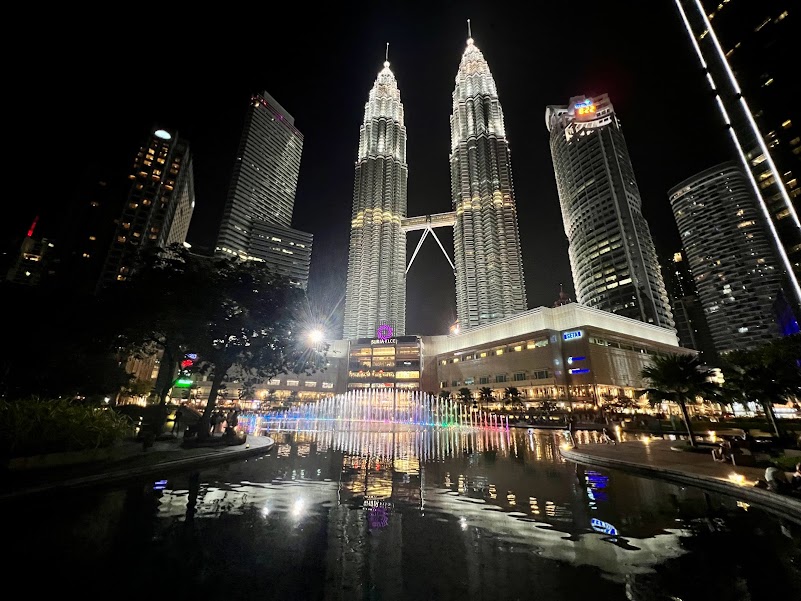
And our last stop in Malaysia landed us in Kuala Lumpur, which has a cool hybrid feel of both East and Southeast Asian megacities with its traditional houses and stray animals juxtaposed next to sleek luxury skyscrapers (spectacular infinity pools with massive skyline views are a dime a dozen).
In our experience, the only thing we found to be stronger than the infinity pool game in Malaysia was the army of monkeys. We encountered them pretty much everywhere we went – during both city and jungle explorations, on beaches, and even on our hotel balcony. It was cute and fun for a while, but it got personal when Sarah was peacefully enjoying her apple with peanut butter, only to look up (at first excitedly) to see monkeys gripping the balcony rails. This excitement quickly turned to terror as the gaggle of conspirators jumped to her, and one mother monkey with baby hanging on ripped the PB jar right from Sarah’s grasp (which is quite strong, not sure if anyone here has ever tried to take PB from Sarah). Sarah is trying her best not to now think of them as glorified rats, and has Eric to remind her diligently of our shared ancestry (monkeys are Eric’s favorite animal.. shocker). Yesterday, a new friend we met on the train told us a monkey recently ripped her pants attempting to get a snack from her pocket! No thanks. Sarah’s mind is set for now.
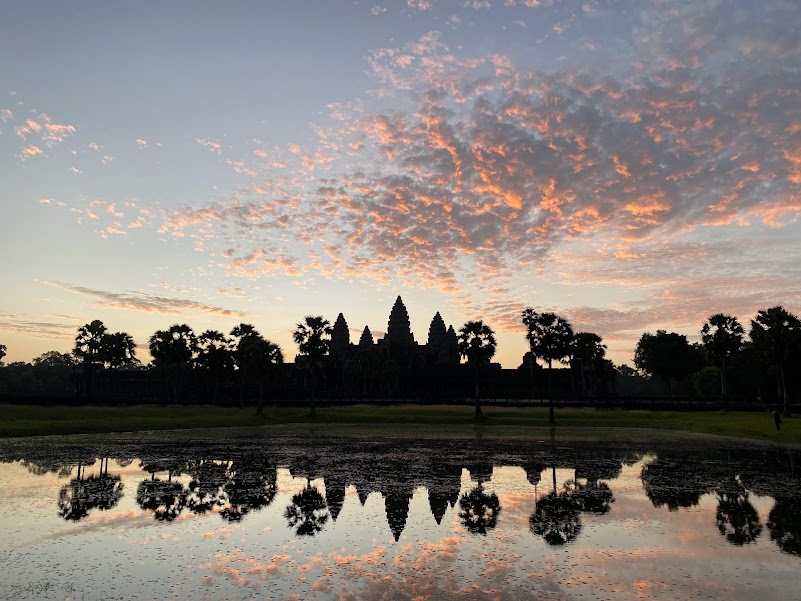
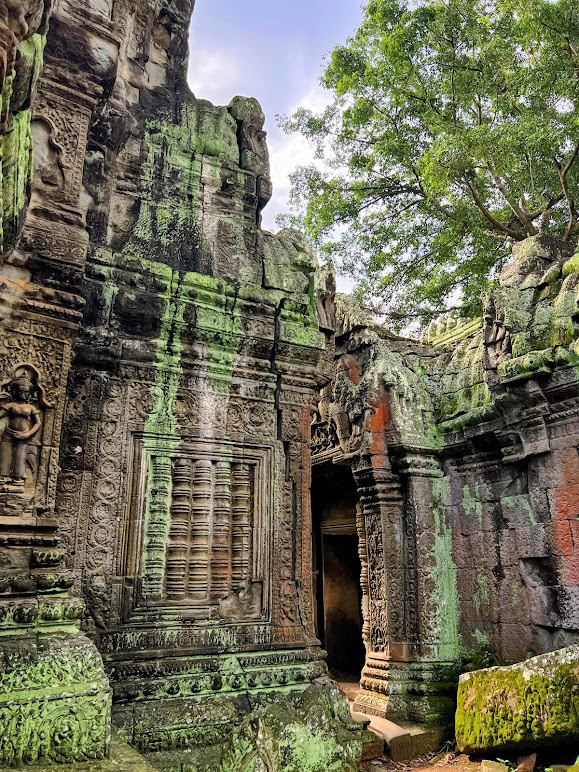
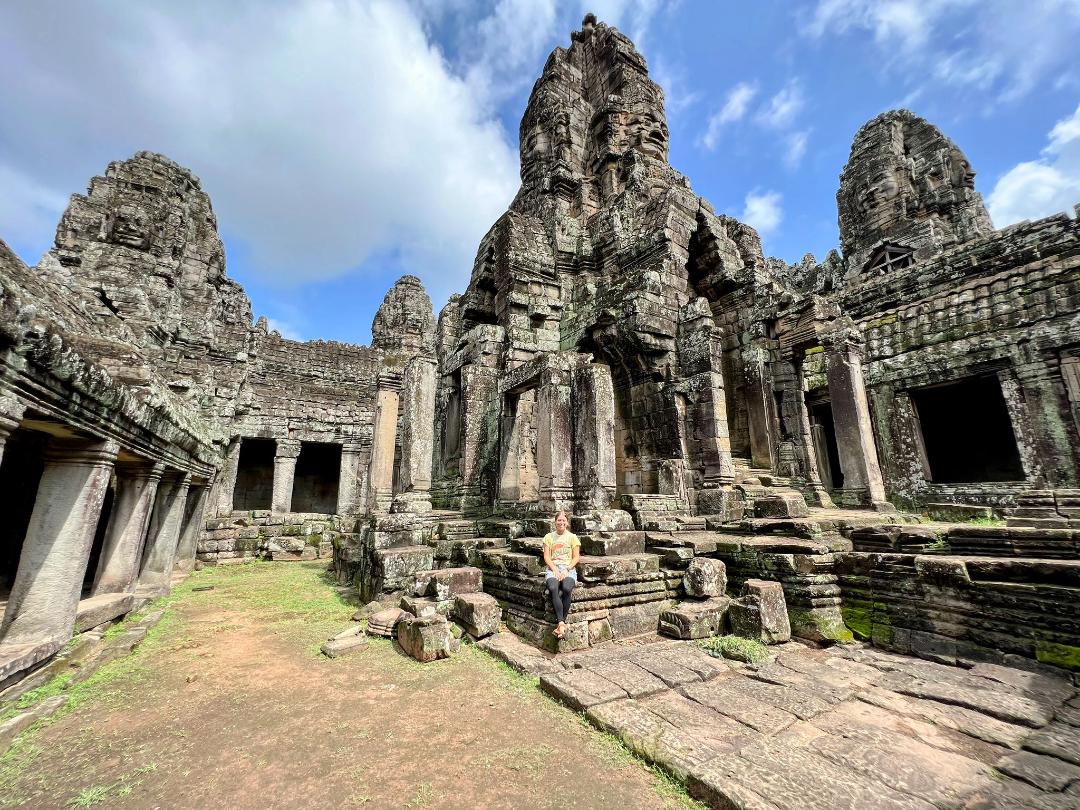
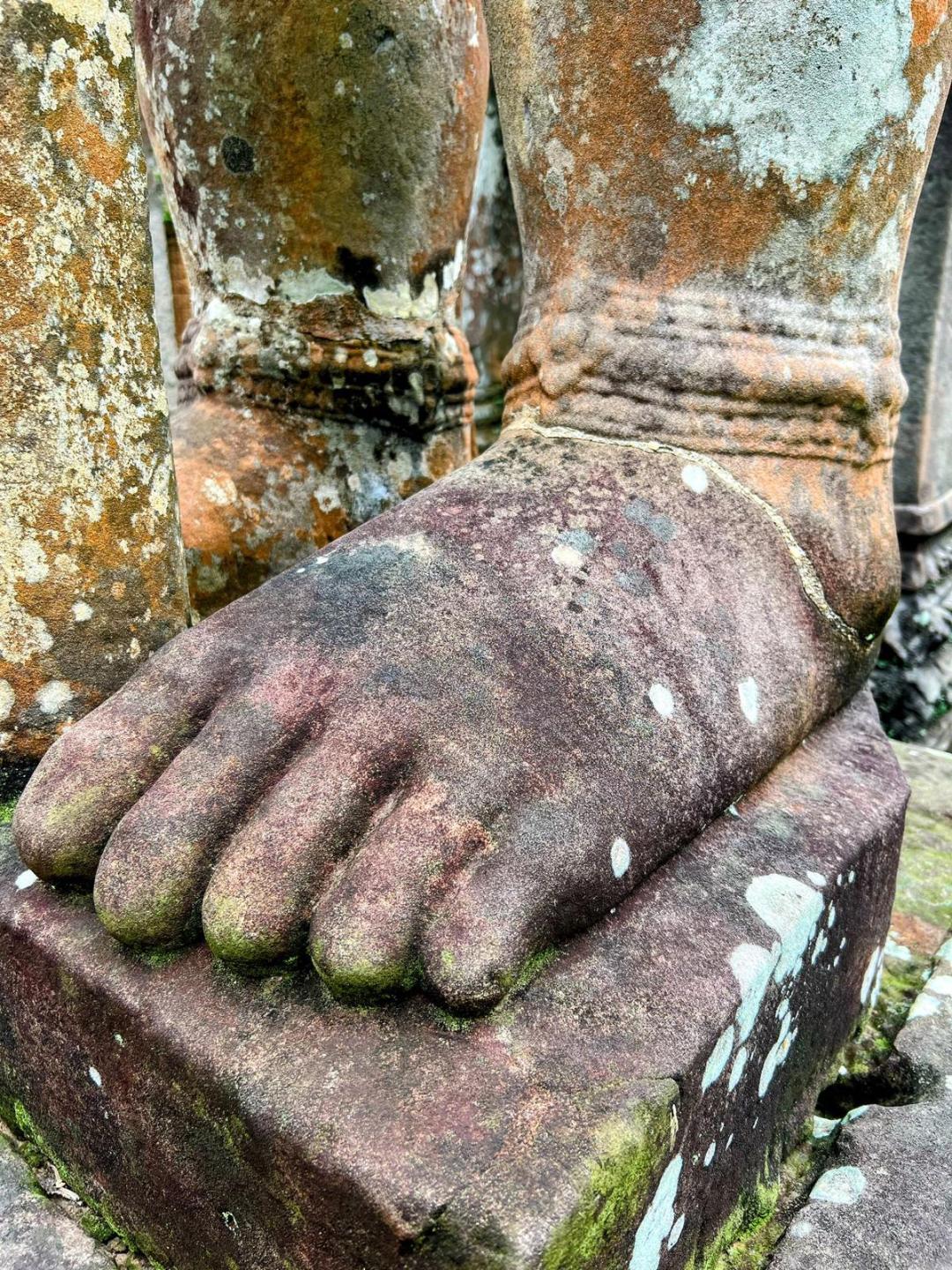
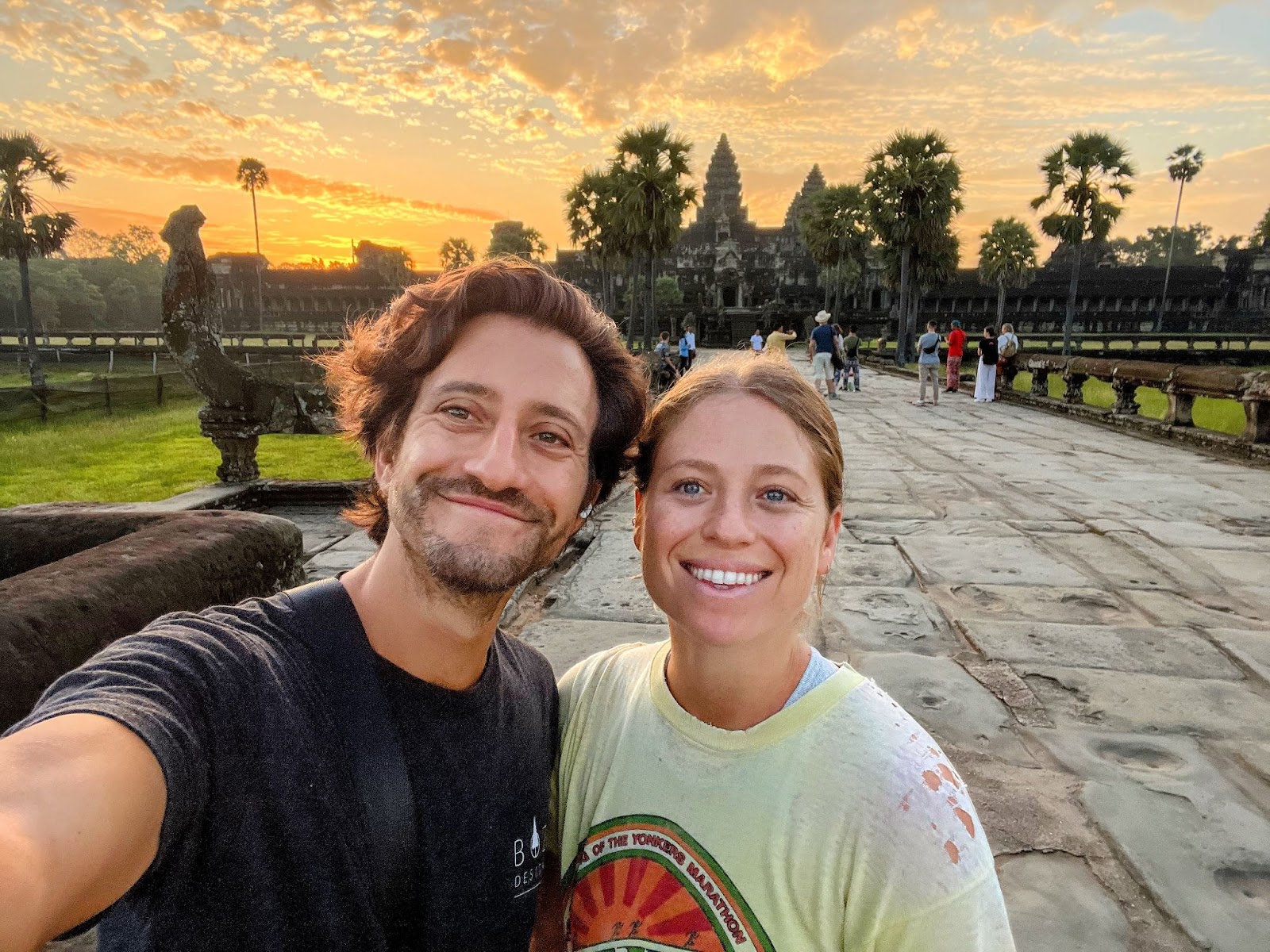
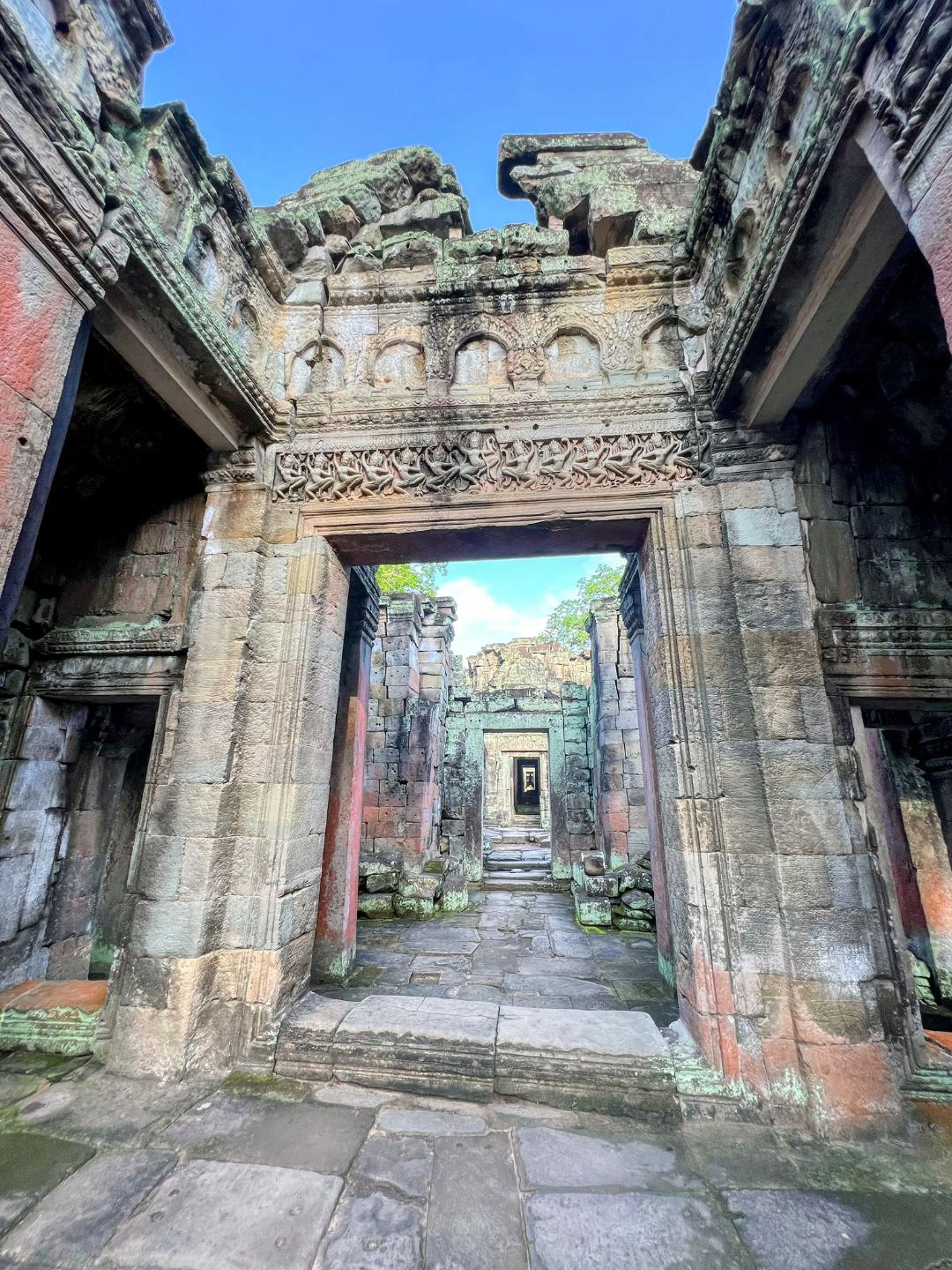
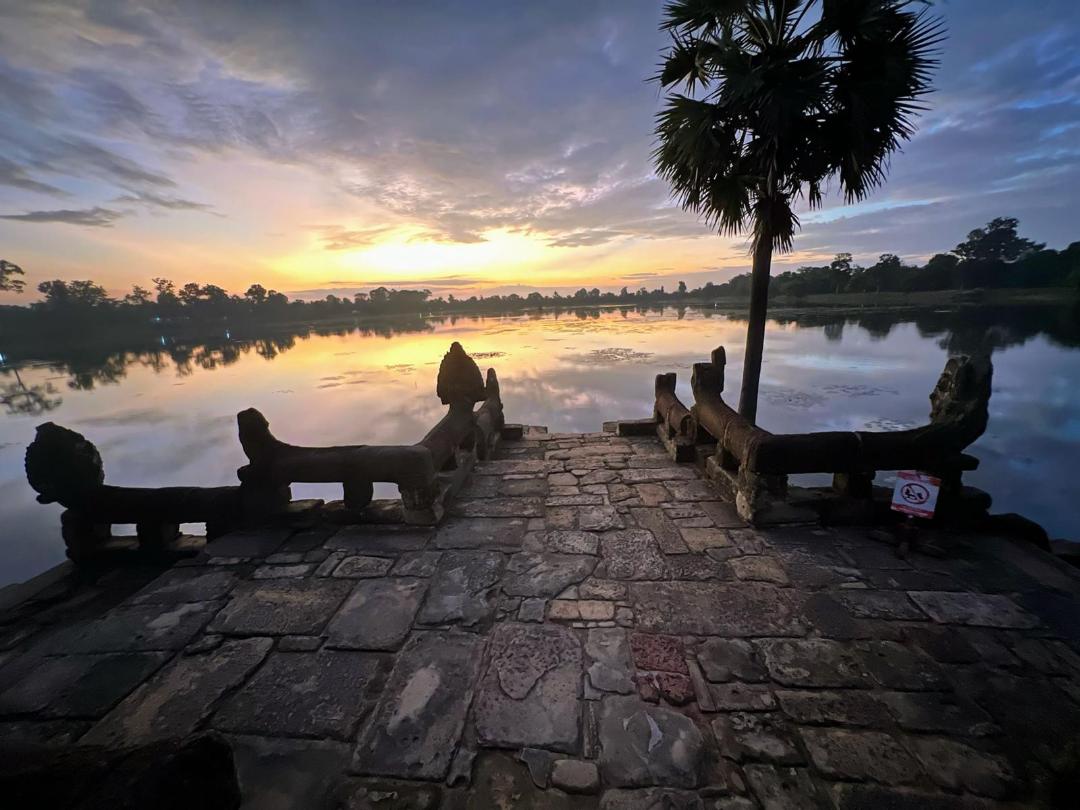
Next, we skipped over to Cambodia to see the ancient temples of Angkor, just north of the town of Siem Reap. We were blown away to learn that this site was home to 1 million people at its height about 900 years ago (the largest pre-industrial city in the world, with 1/400 people on the PLANET living there). The temples throughout the 250 square mile archaeological park are in varying states of being consumed by the jungle due to a combination of factors over the years – namely neglect, war, vandalism and (thankfully) restoration efforts.
More fun factoids – the temples have changed hands (and actual coats of paint) between different religions over the years, based on the beliefs of whoever ruled at the time. Originally Hindu, then swapped to Buddhist, then back to Hindu again when the leading man embraced Brahmanism. Many of the Buddha statues were defaced in some way (missing a head or an arm). But can you blame the people?!.. sounds very confusing to be constantly switching horses on the path to salvation! -Editor’s note: Eric thought that was funny; Sarah thought offensive.
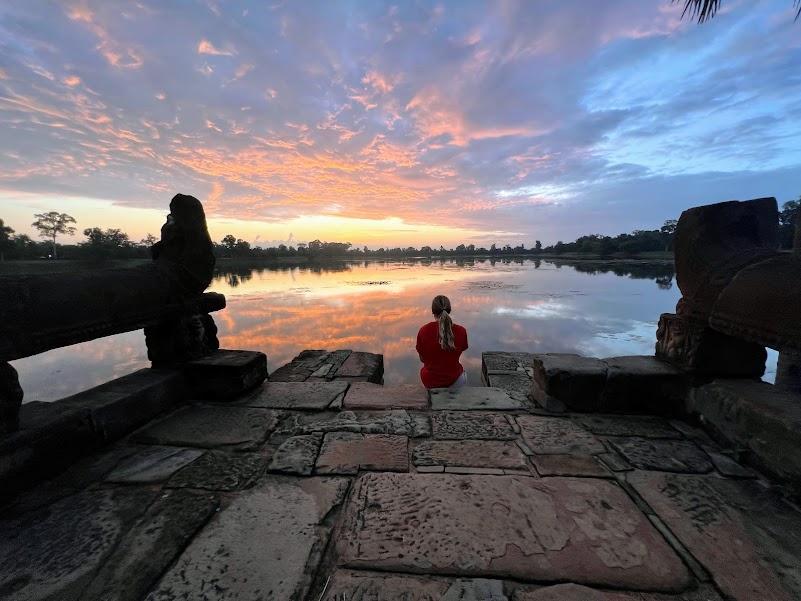
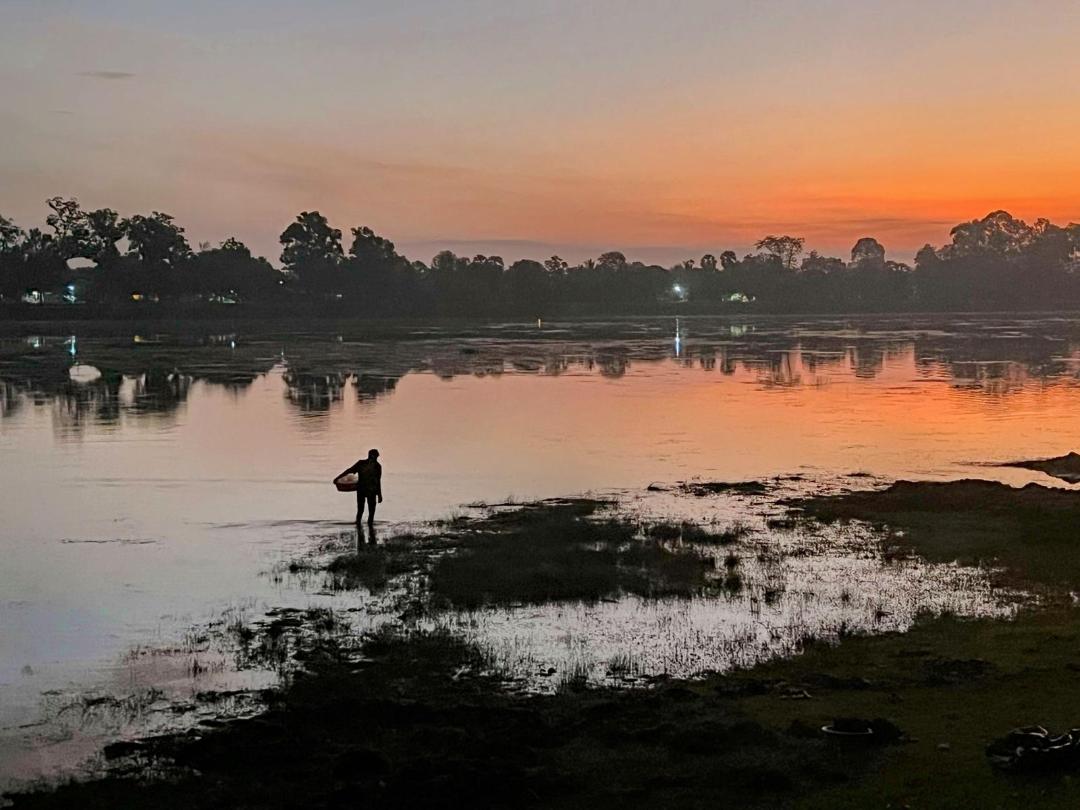
Eric dragged Sarah out of bed at 4AM three consecutive days in a row in order to be at the Angkor temples for sunrise. But Sarah admits it was pretty special to be on the scooter on those dark mornings, slowly making our way through Siem Reap with the few locals and shopkeepers awake at that hour. It was also so worth it to escape the heat of the day and have many of the temples all to ourselves (our guide told us that pre-Covid this site could see 12,000-13,000 tourists per day, compared with 400-500 right now). We feel lucky to be able to tour the utterly magnificent sites with such freedom, but heartbroken at the economic impact the pandemic has had on so many in the tourism industry. Some we’ve met have lost their homes/homestays/hotels, and many changed their jobs entirely (to farming, fishing..) to make ends meet. They all vocalize that they can’t wait to see more and more tourists again.
We went on to continue the whole not-really-sleeping thing for our first week in Indonesia, first due to an overnight layover at the Singapore airport, and then chasing first light for some epic volcanoes in Java. We’ll be making our way east in Indonesia over the next month, so please send over any/all recommendations! Sarah is 50/50 at this point in thinking we should do a week-long silent retreat.
By Eric Leiberman and Sarah Falter, Travel Features Syndicate, goingplacesfarandnear.com
Eric and Sarah are on a 6-month around-the-world sabbatical, joining a huge movement of young people who are choosing to live the nomadic life (at least for a time) and travel or work remotely, becoming immersed in local life and culture. They are filing these dispatches periodically. They previously reported about their month in Mexico. Here’s their report from South Korea and Vietnam:
“This is the way so many of the great meals of my life have been enjoyed. Sitting in the street, eating something out of a bowl that I’m not exactly sure what it is. And scooters going by. So delicious. I feel like an animal. Where have you been all my life?” -Anthony Bourdain eating in Vietnam (and we couldn’t agree more).
We write this second installment of our sabbatical dispatch from Phu Quoc, Vietnam (an island in the Gulf of Thailand very close to the Cambodian border). We were very stoked to make it into Asia just a couple of weeks after border re-openings, and it’s been fascinating (and at times eerie) to be some of the first tourists here.
We spent our first week traveling Asia in Seoul after Eric was denied entry into Vietnam because he accidentally mistyped the entry month on his e-visa (*Note: if you want to read Eric’s best Aaron Sorkin impression in further documenting the gripping drama of being turned away at the border, see the PS). In South Korea we saw 100% mask compliance inside and outside everywhere we went (though those smoking cigarettes on the street get a nonsensical pass hehe), and never in our lives have we seen every single person in sight staring at their smartphone! It can look dystopian at times. Sarah happily embraced the quiet, introverted culture. Eric had to fight the impulse to chat up uninterested locals.
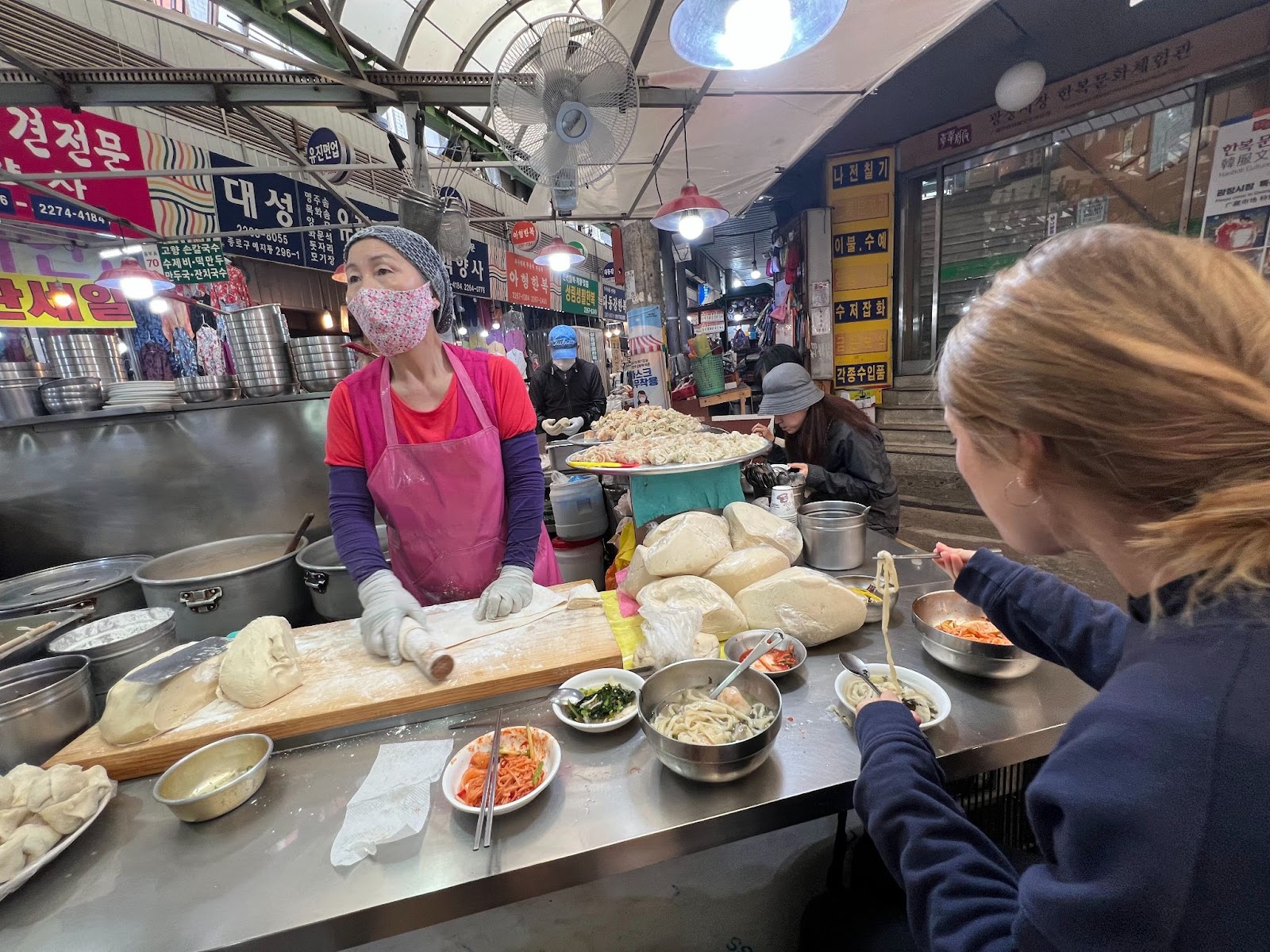
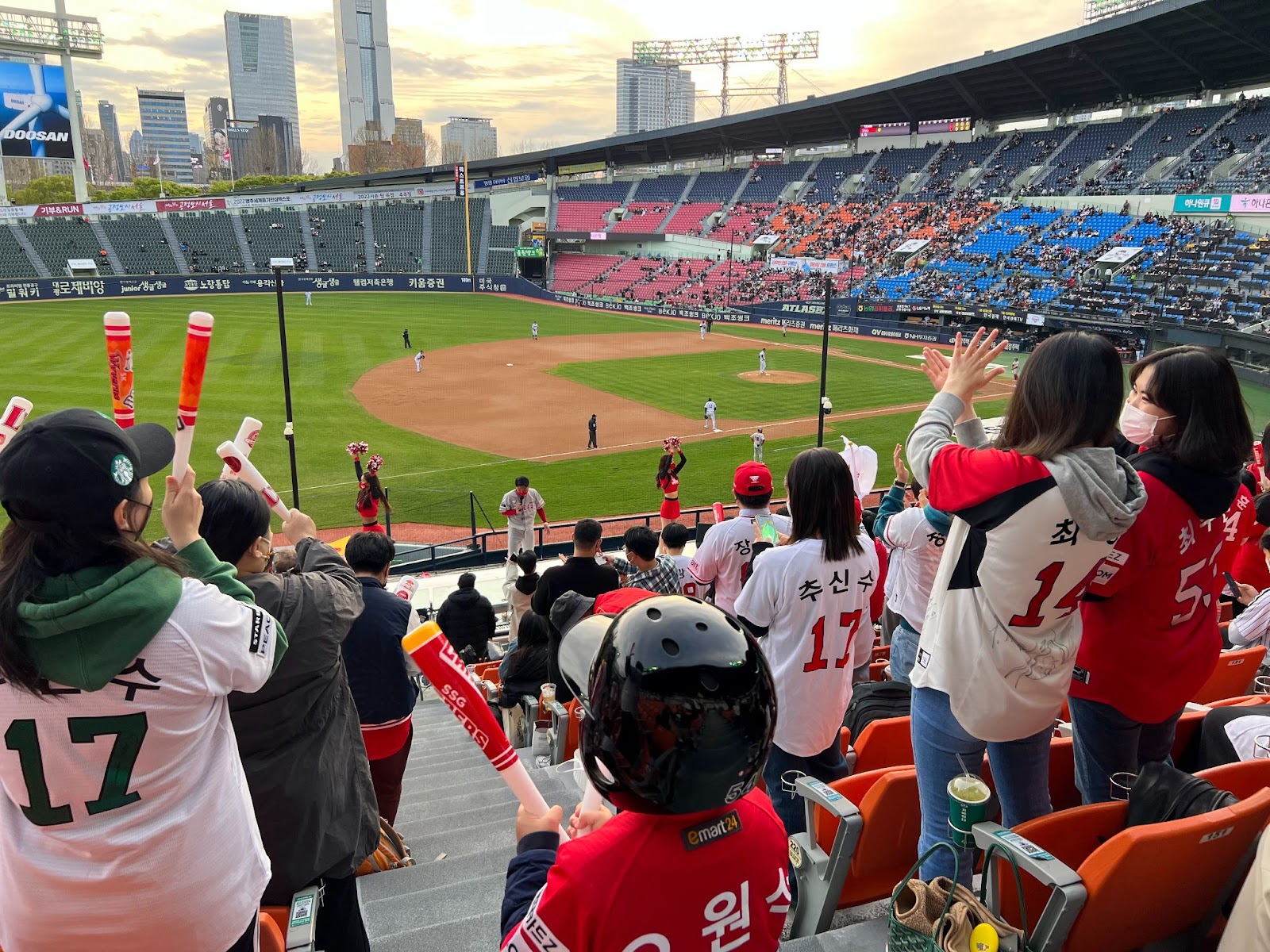
But, we came together in our love for chilly mornings spent at the market scarfing down some impressive form of dumpling/kimchi soup while seated on heated benches, saving room for lots of lunch/dinner Korean bbq (and in Seoul you don’t lift a finger when prepping your bbq–it’s all done for you by extremely impressive waiters who manage 8+ grills at once). We also checked out a local baseball game where cheering is technically banned because of Covid (cheer in your heart), though when a team scores, their fans impulsively scream anyway. To our delight, the stadium allows BYO beer/soju and fried chicken, all conveniently sold right outside.
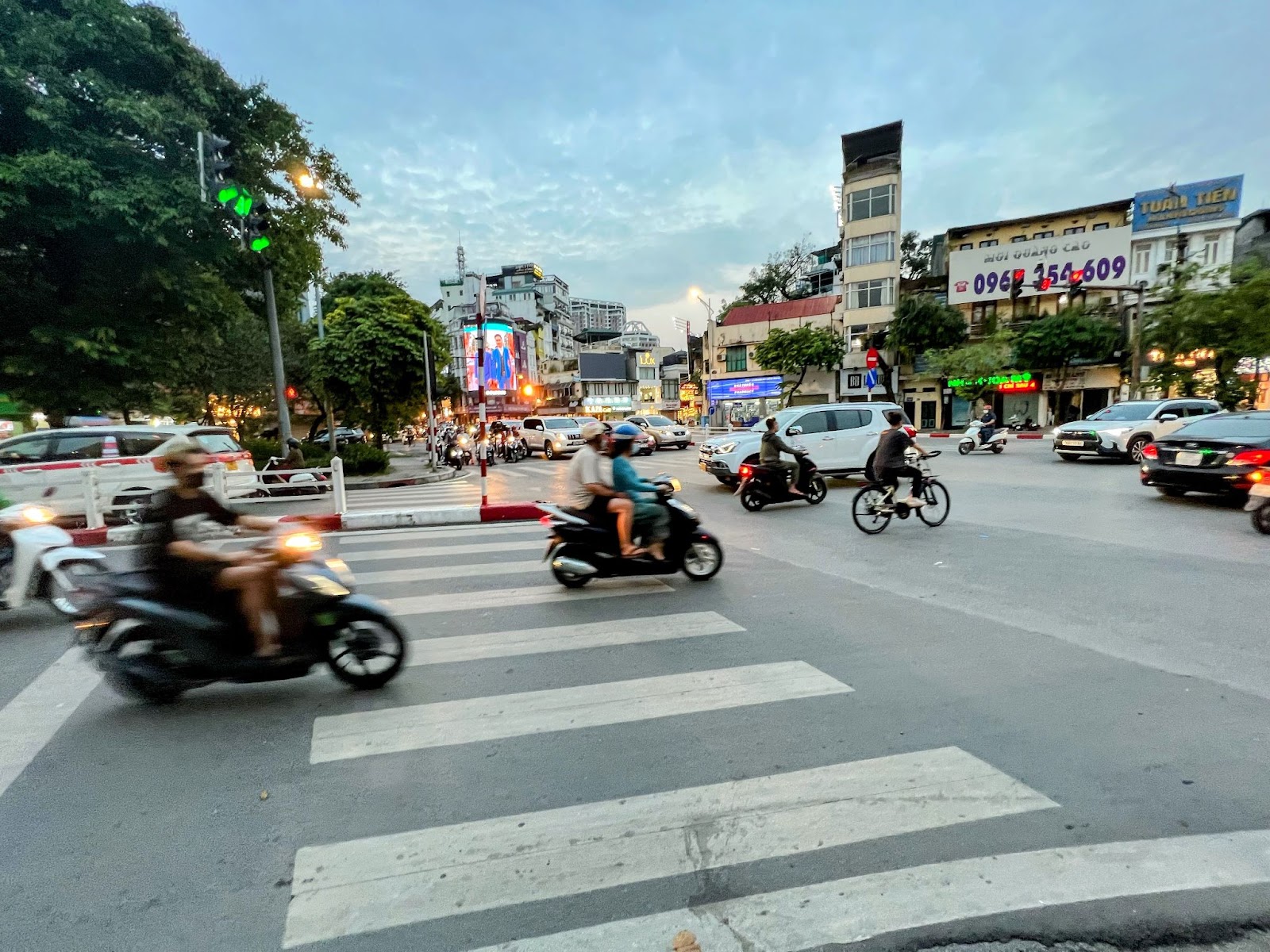
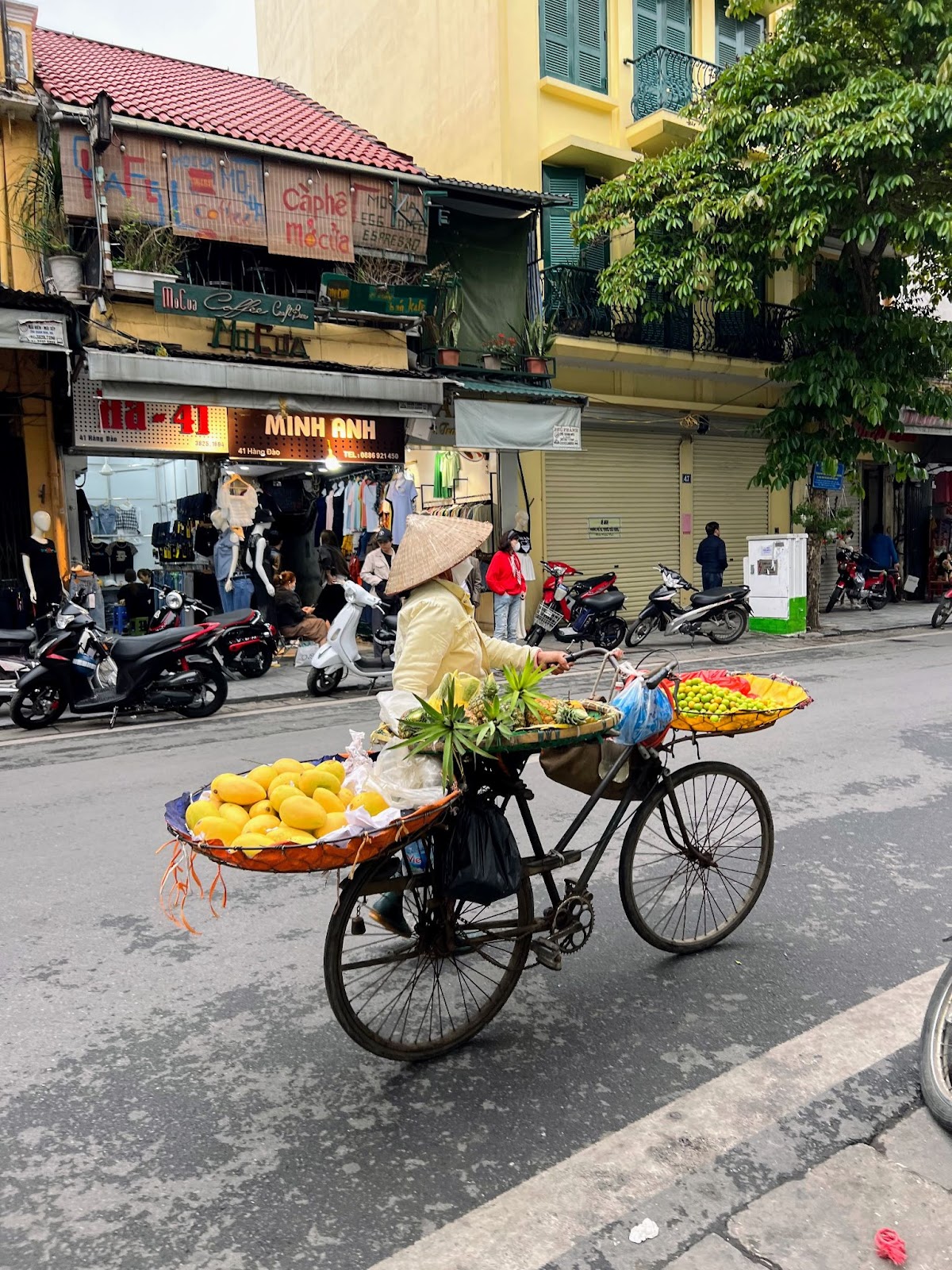
Our second attempt at clearing customs in Hanoi went off without a hitch (thanks to Sarah triple checking all of Eric’s documents), and being able to finally taste the forbidden fruit made it all the more sweet! We immediately felt invigorated by the delicious smells coming from every direction, and having to be on our toes when crossing the street (the rushing river of cars/scooters never stop, they just, without fail, go around you). We loved figuring out that what seems like complete and utter chaos really has a very predictable and harmonious rhythm to it.
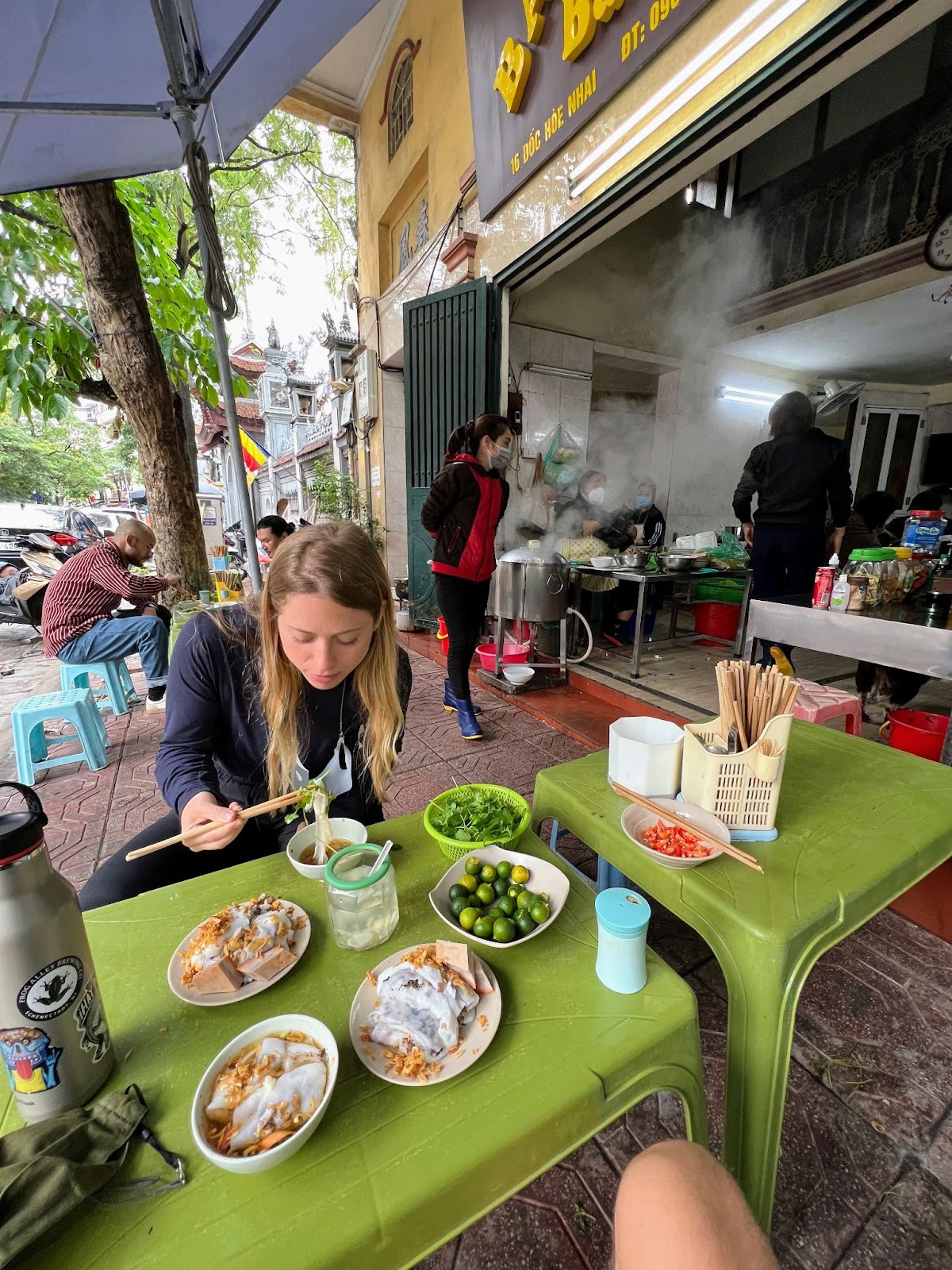
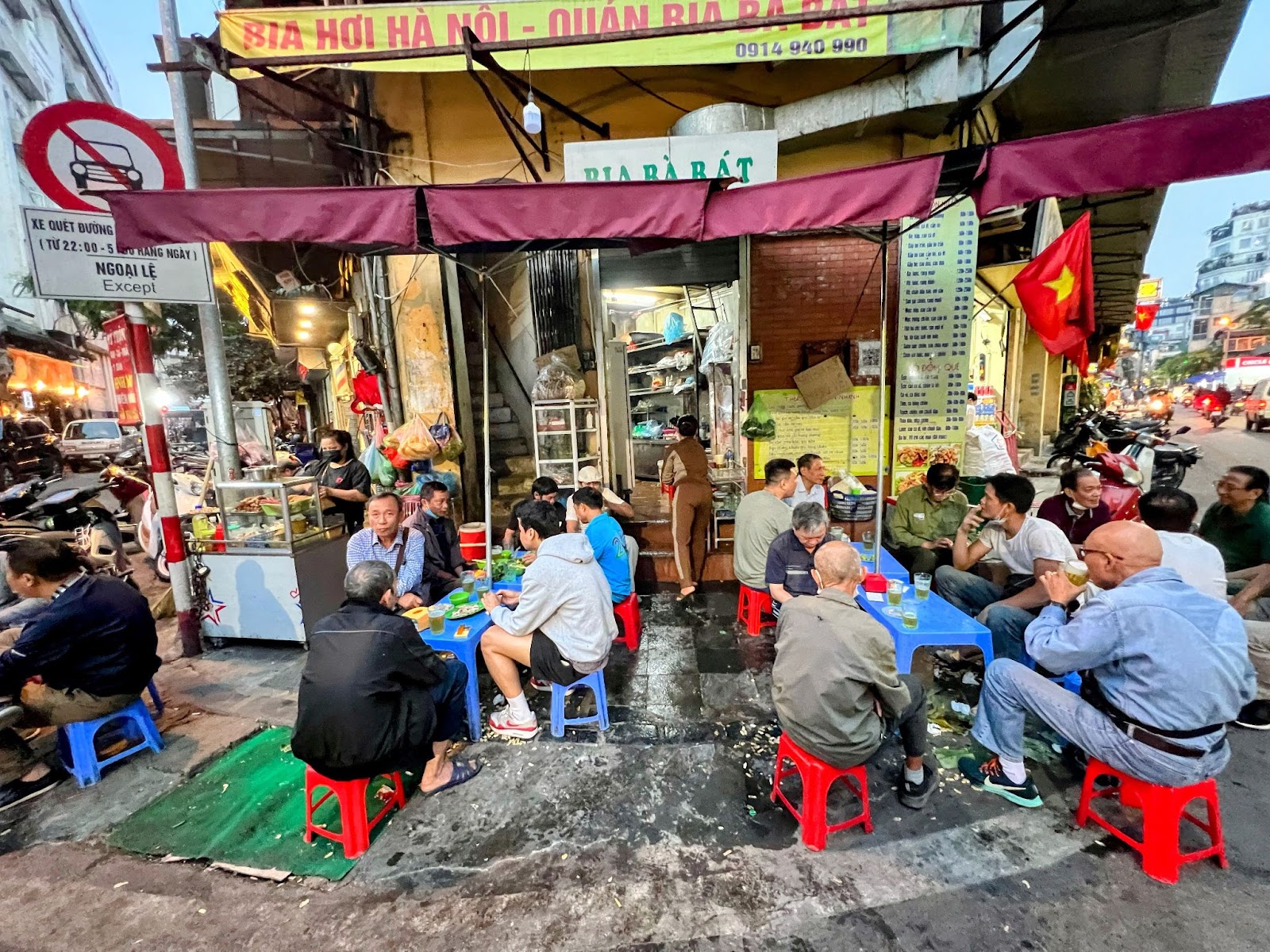
In the food department, we quickly realized that the best meals come from street stalls with tiny plastic chairs and just one thing on the menu. The insane combination of unlimited chewy rice noodles, tangy broth, chilis, crunchy peanuts, and mountains of herbs make every dish a choose-your-own adventure of deliciousness. We could’ve been convinced that some of the street food we were eating for $1-2 came off a Michelin tasting menu – the Bun Cha and Banh Cuon were especially incredible. We also learned that the French colonial rule in Vietnam is what sparked the popularity of bread here, consumed daily by millions in Banh Mi, and re-invented with rice flour here. We’ve enjoyed the food scene endlessly, but there is also a hint of sadness in this reopening world. Many stalls/restaurants we research and can’t wait to try have no reviews the last two years, and, we come to find, have just disappeared.
Continuing on in Hanoi (our favorite city in Vietnam) we were captivated by the Hoa Lo Prison, where French colonists imprisoned and killed Vietnamese political activists in the late 1800s through the mid 1900s, and this same location is where American POWs were incarcerated during the Vietnam War. Learning about the many generations of occupation that the Vietnamese have endured brought us deeper meaning and reflection as we thought about the US’s recent departure from Afghanistan and Russia’s recent invasion of Ukraine. And we also really enjoyed the Vietnamese Women’s Museum, where we learned how valued women are in the work and family unit in northern Vietnam, and that Vietnamese women even propose marriage.
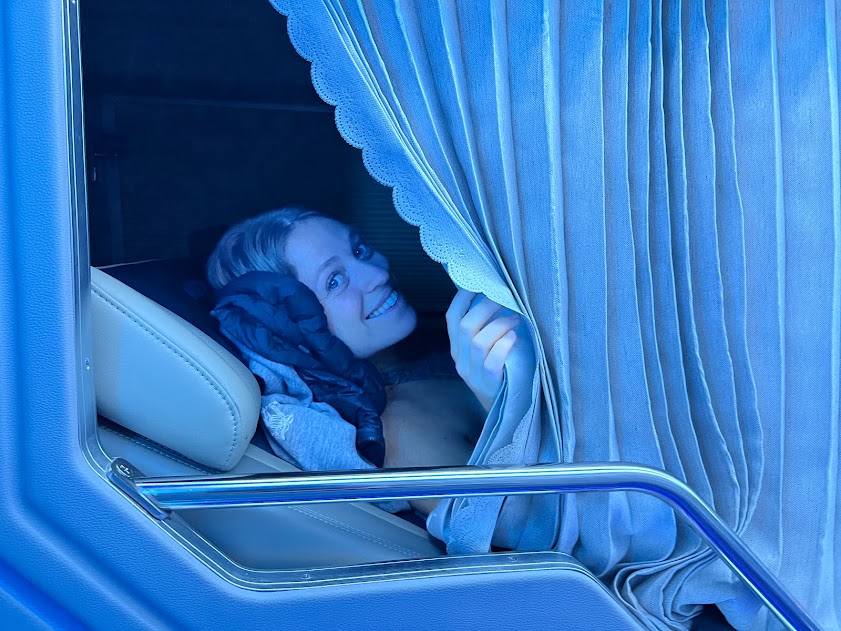
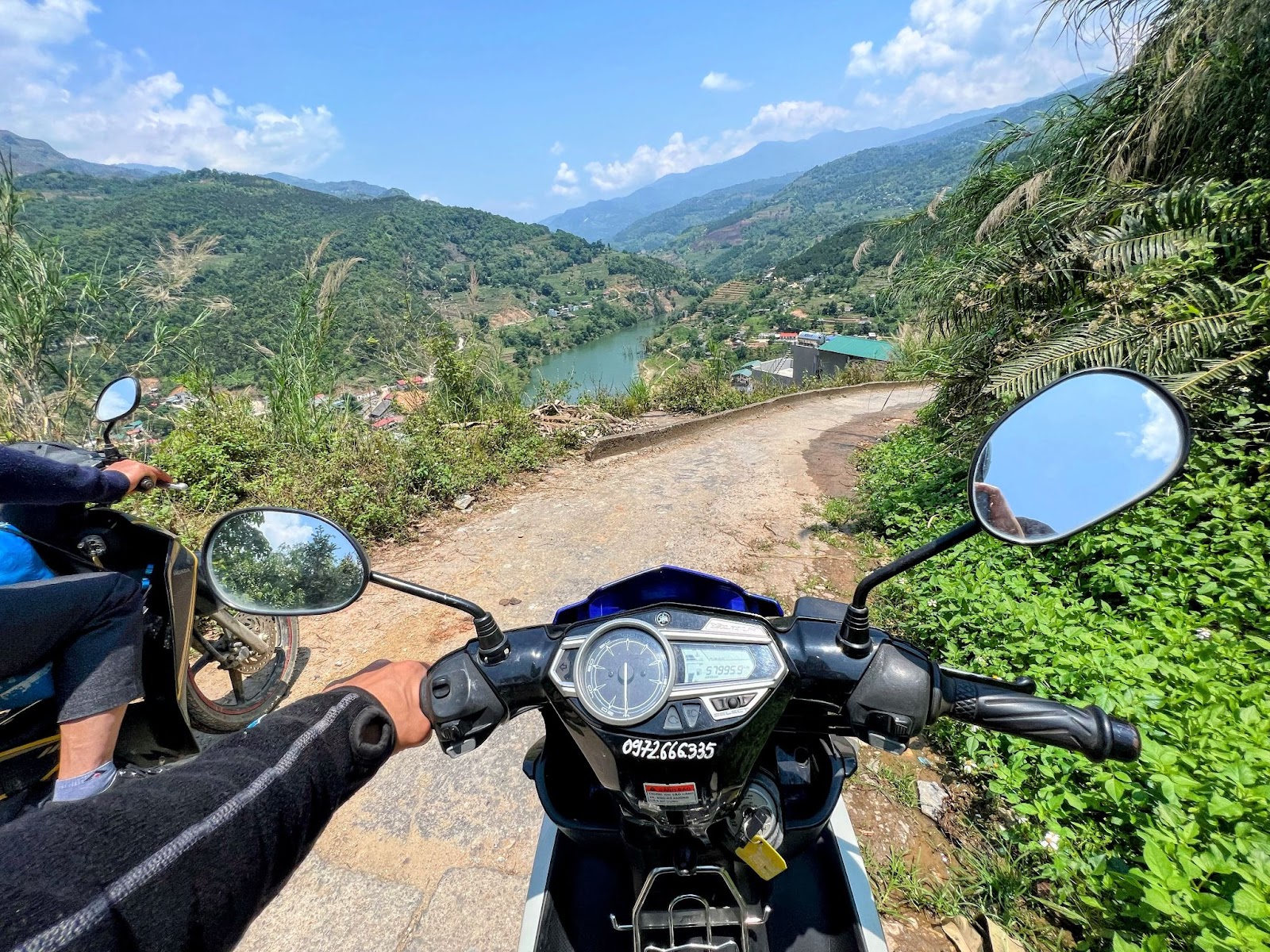
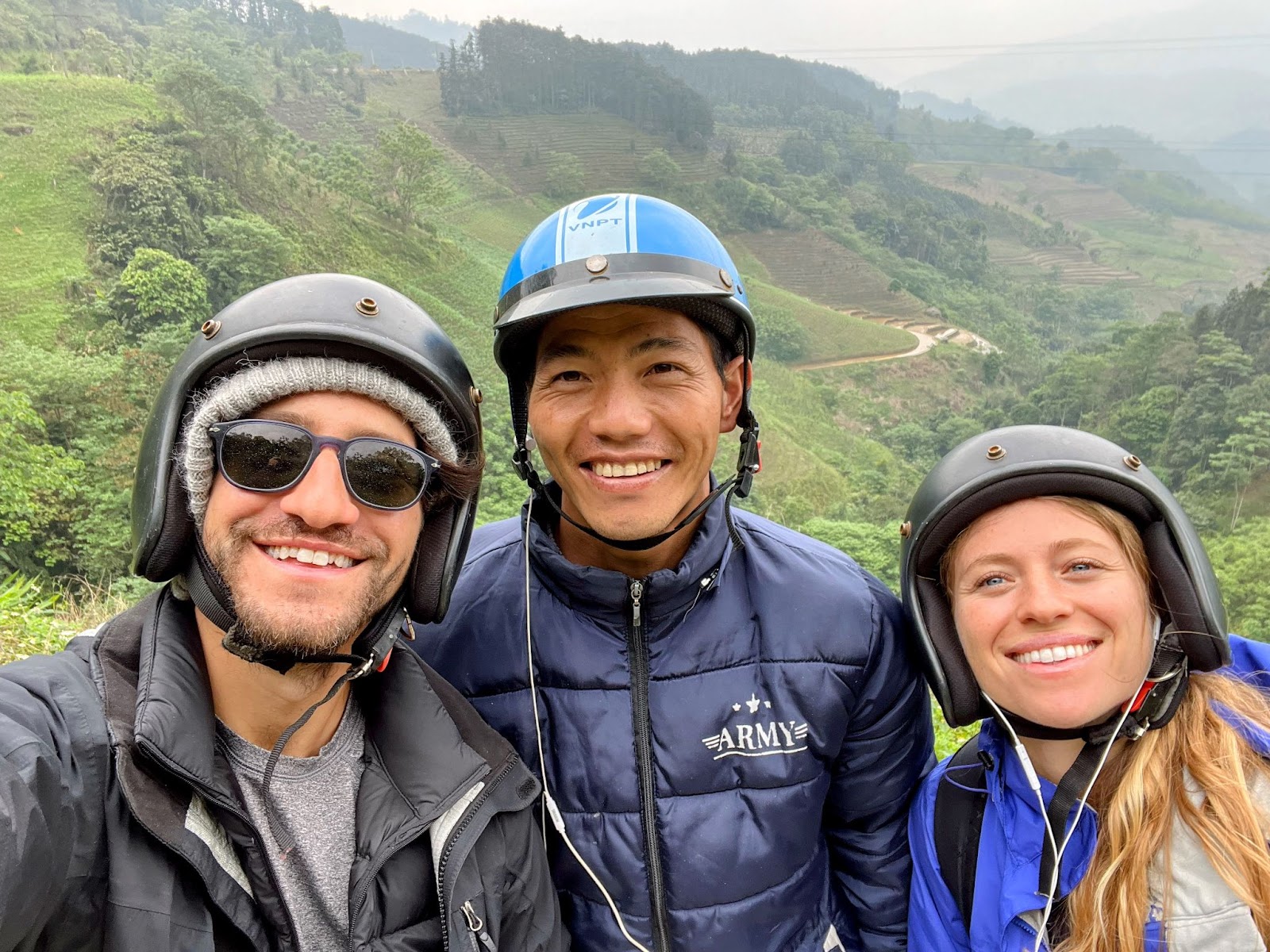
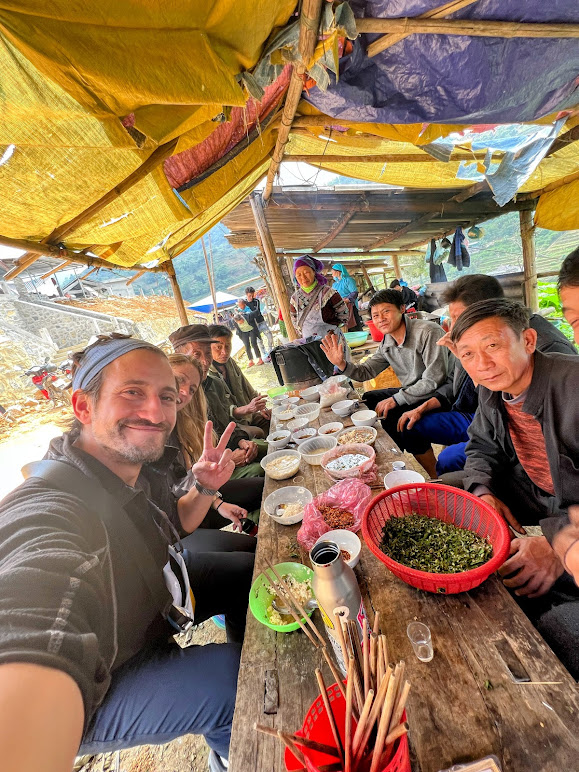
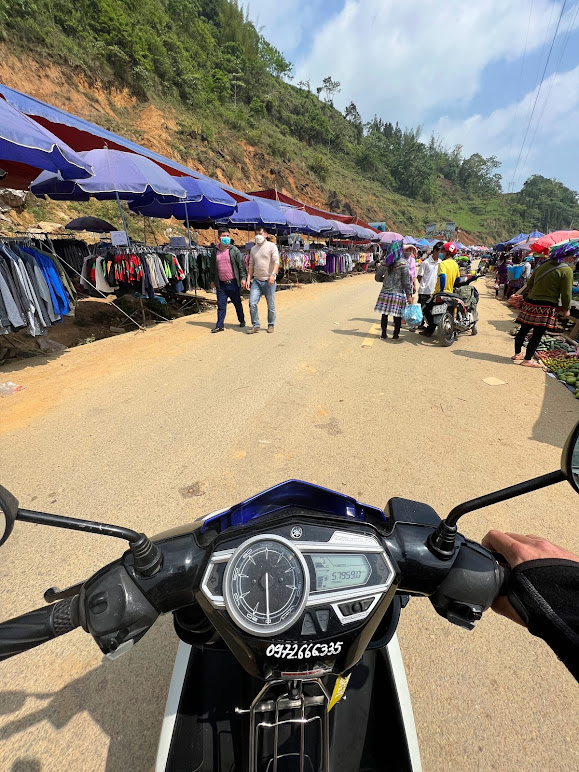
With the constant beat of vehicle horns in the air in Hanoi, Eric was beginning to itch to get on a motorbike (no shock there). So, we hopped on an overnight bus north to Sa Pa and hired a motorbike guide named Kin- a pure soul, the same age as Sarah and a father of three. Kind Kin said yes to all of Eric’s crazy ideas and before we knew it we were motorbiking from Sa Pa to Ha Giang along the Chinese border (a total of about500km over 3 days) stopping at small homestays on our scenic way.
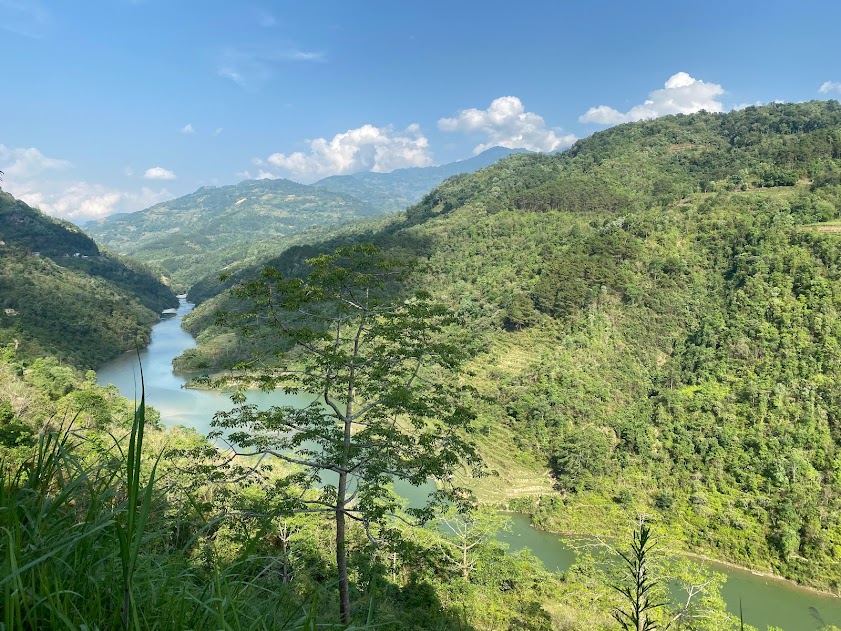
Eric did all of the driving while Sarah dutifully snapped pictures and videos from the bumpy backseat. The scenery was absolutely stunning-terraced rice paddies (which we learned are made that way for irrigation) every shade of green, heaps of green tea drying in the sun, and farmers markets where locals insist we sit down for “Happy Water”–Vietnamese moonshine–which Sarah does happily and Eric does also happily but with more responsibility because he is our forever DD. Lots of fog rolled in in the north, which made us appreciate the views when it did clear, even more.
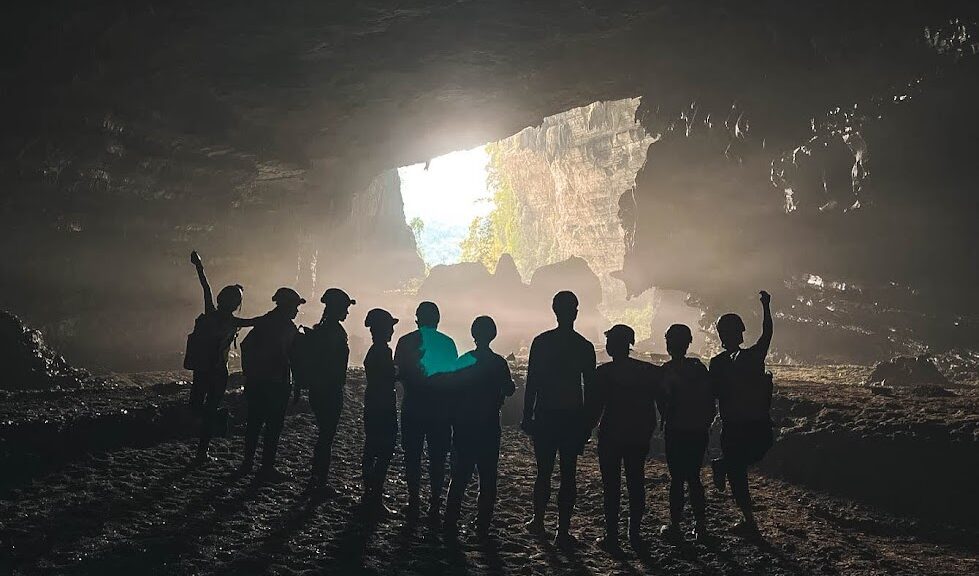
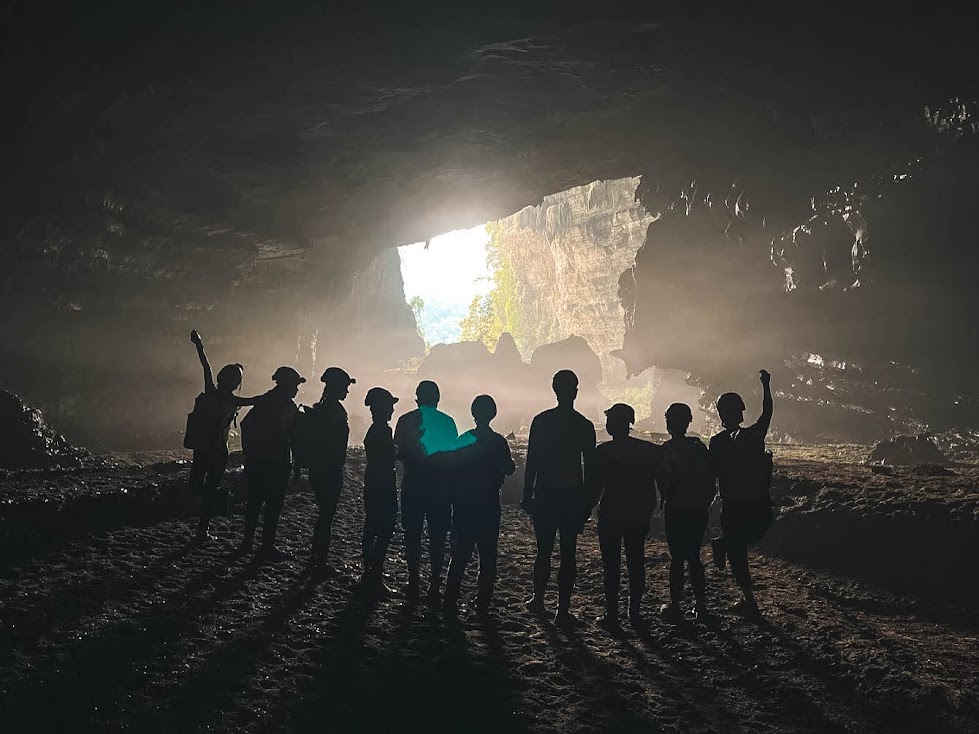
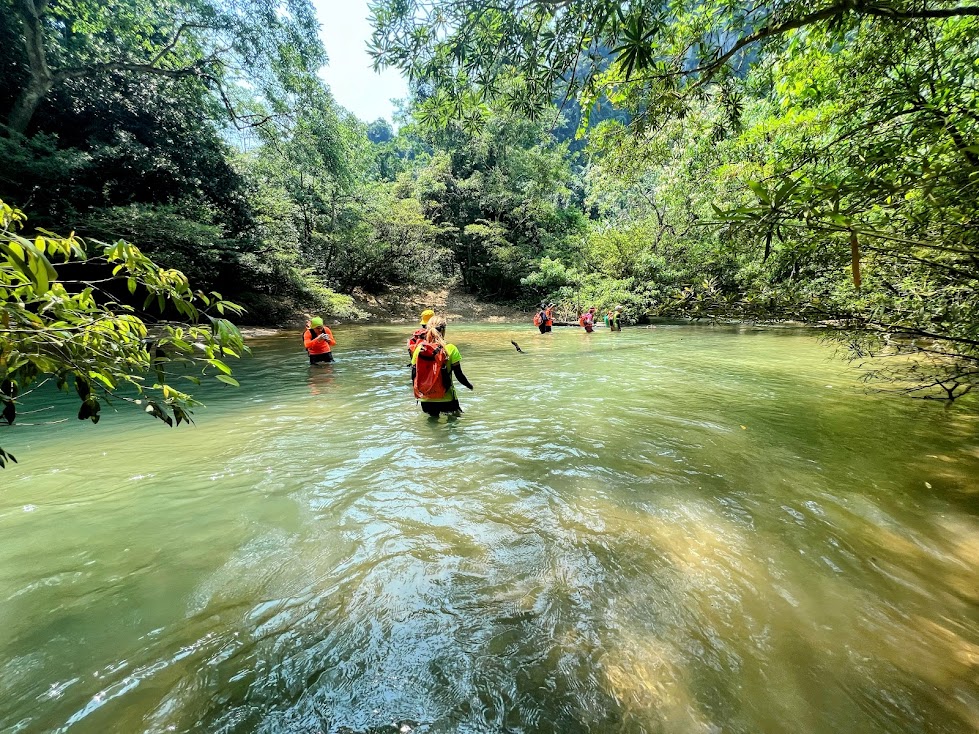
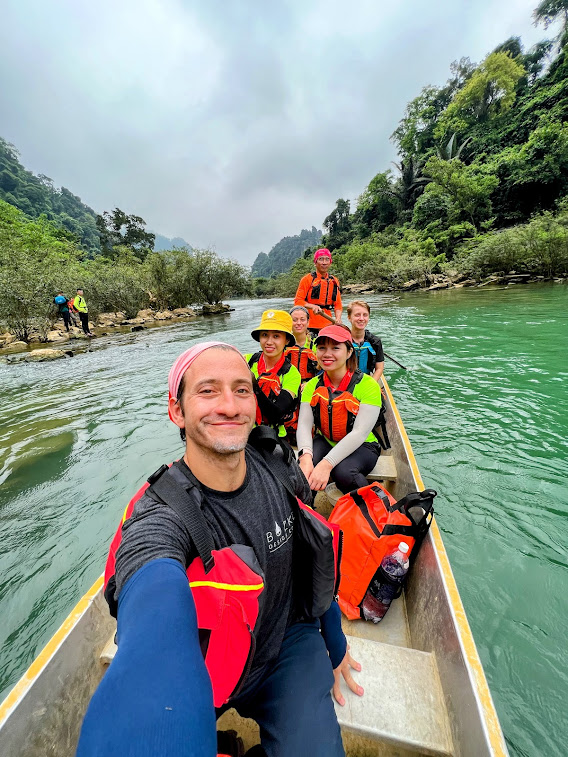
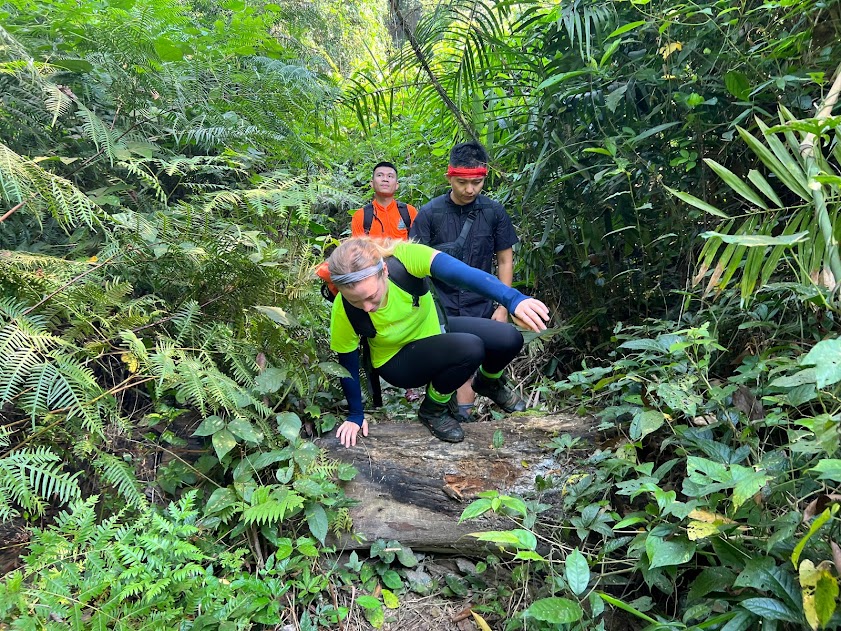
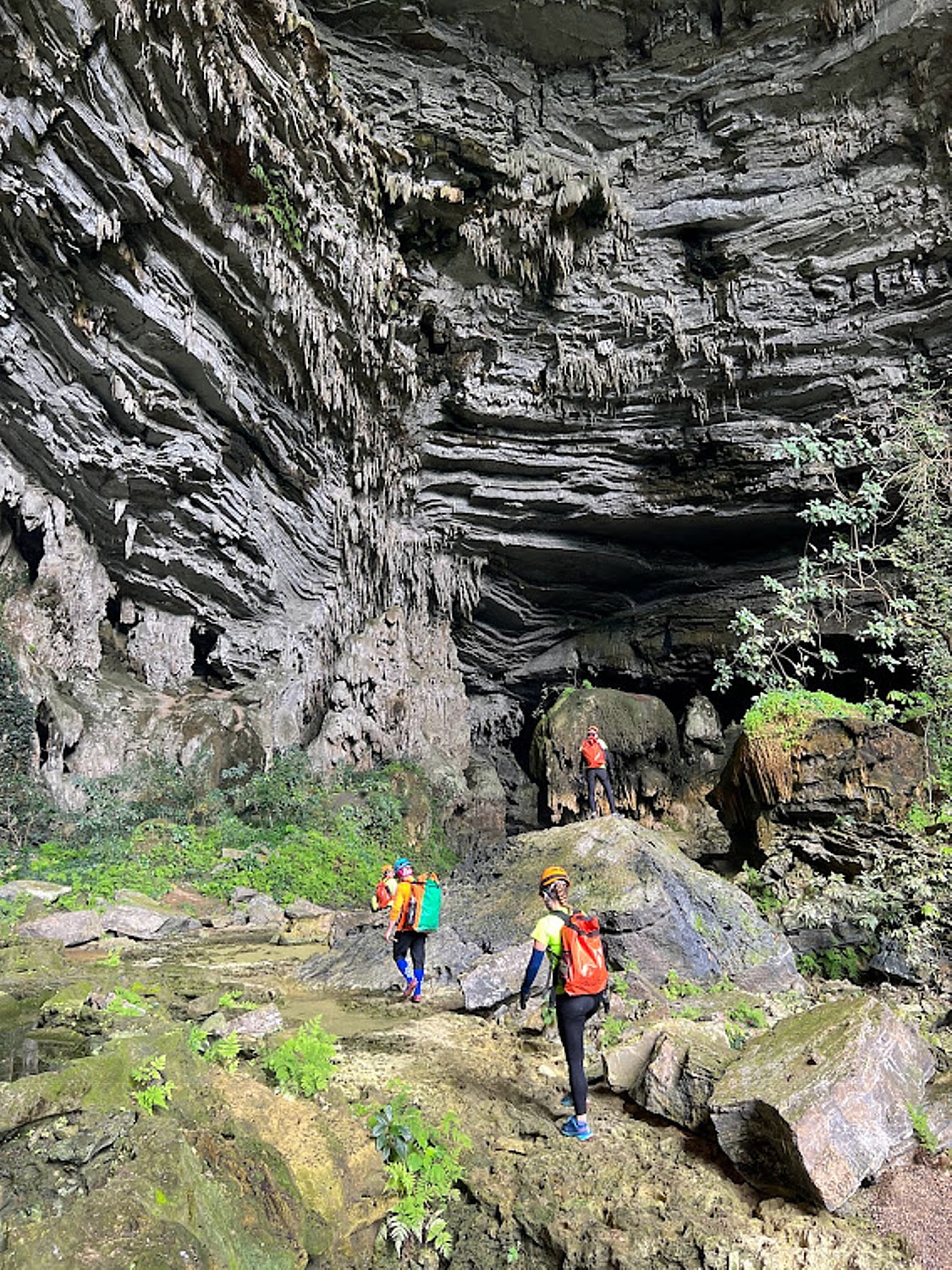
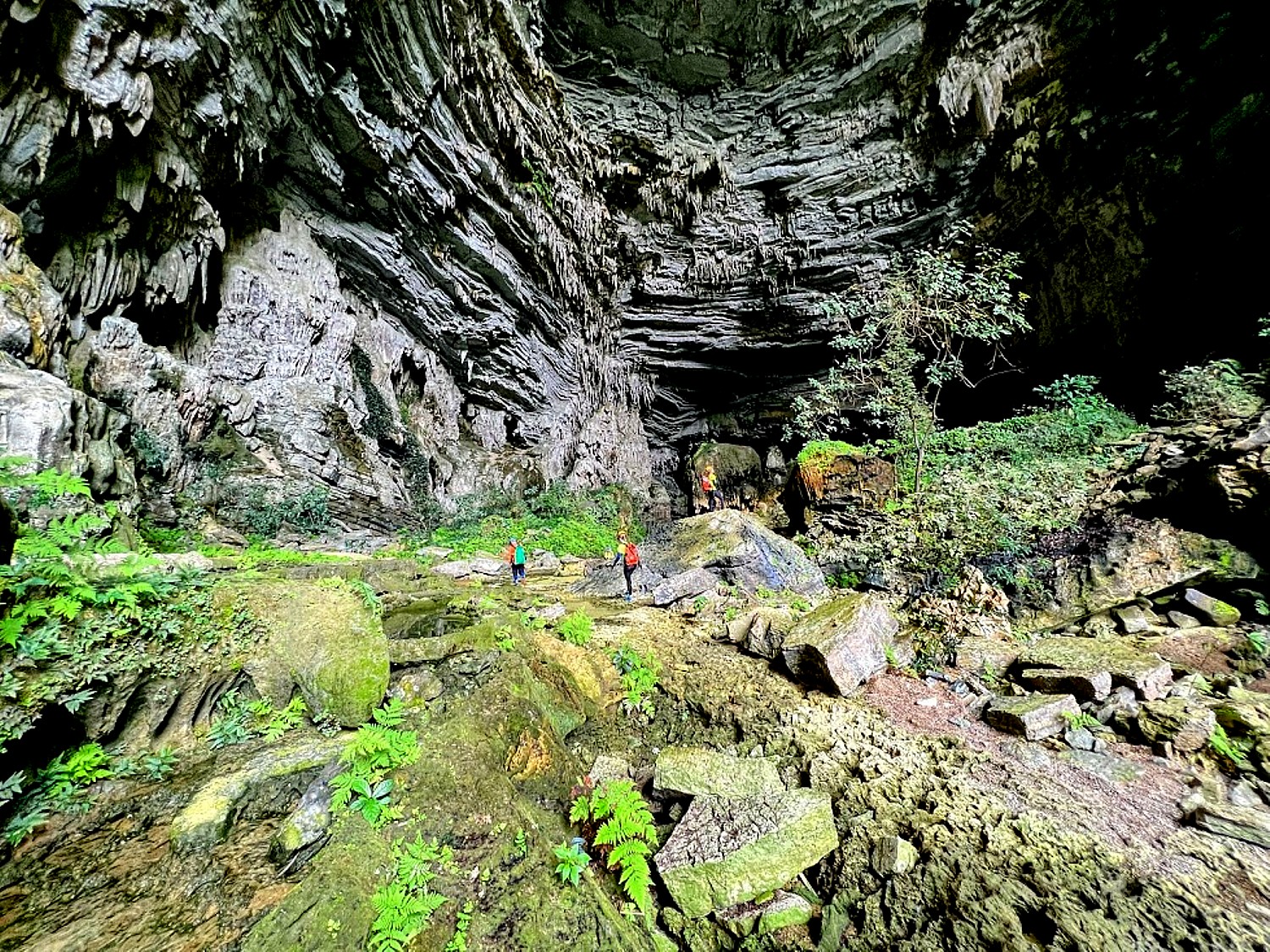
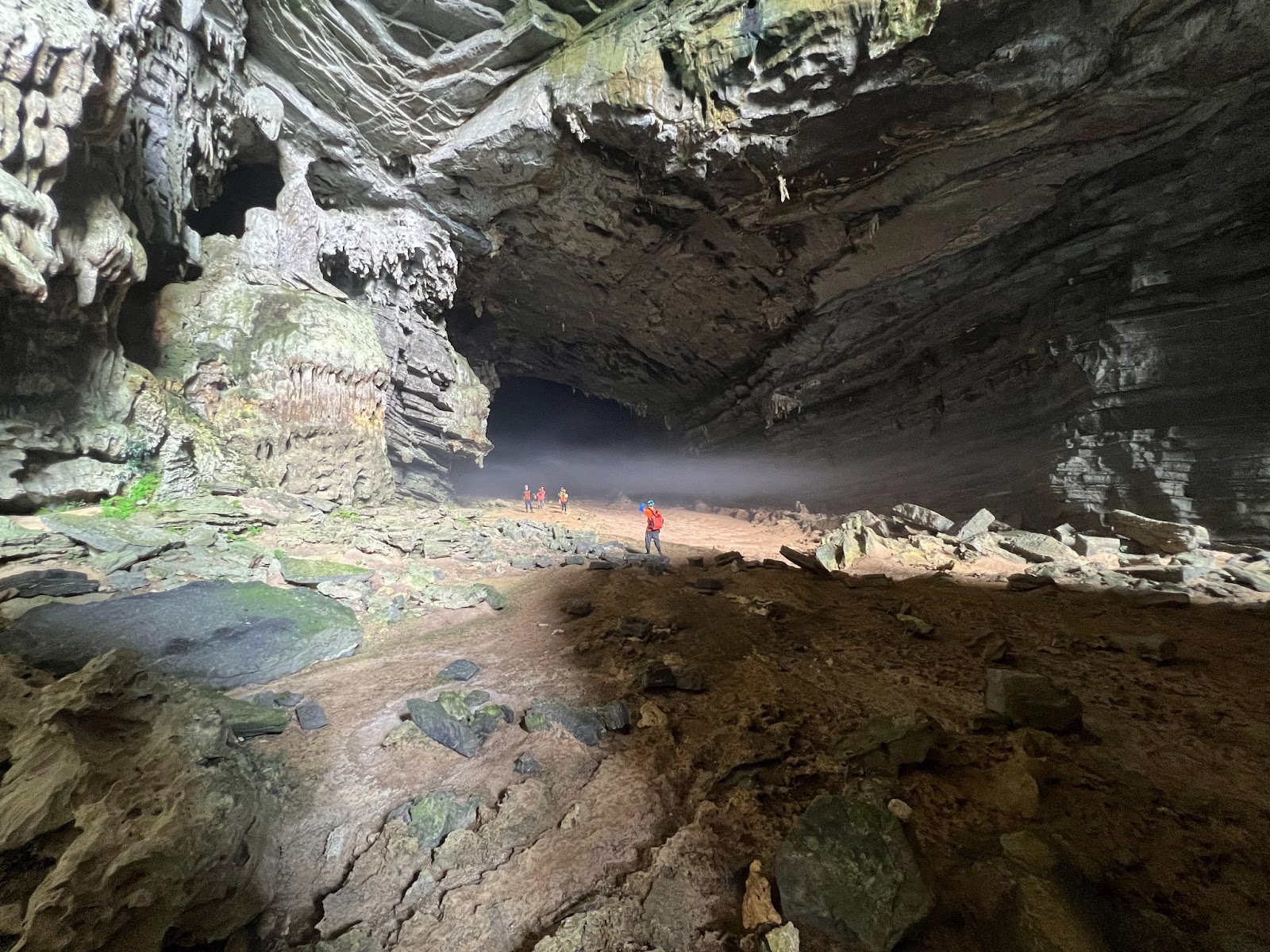
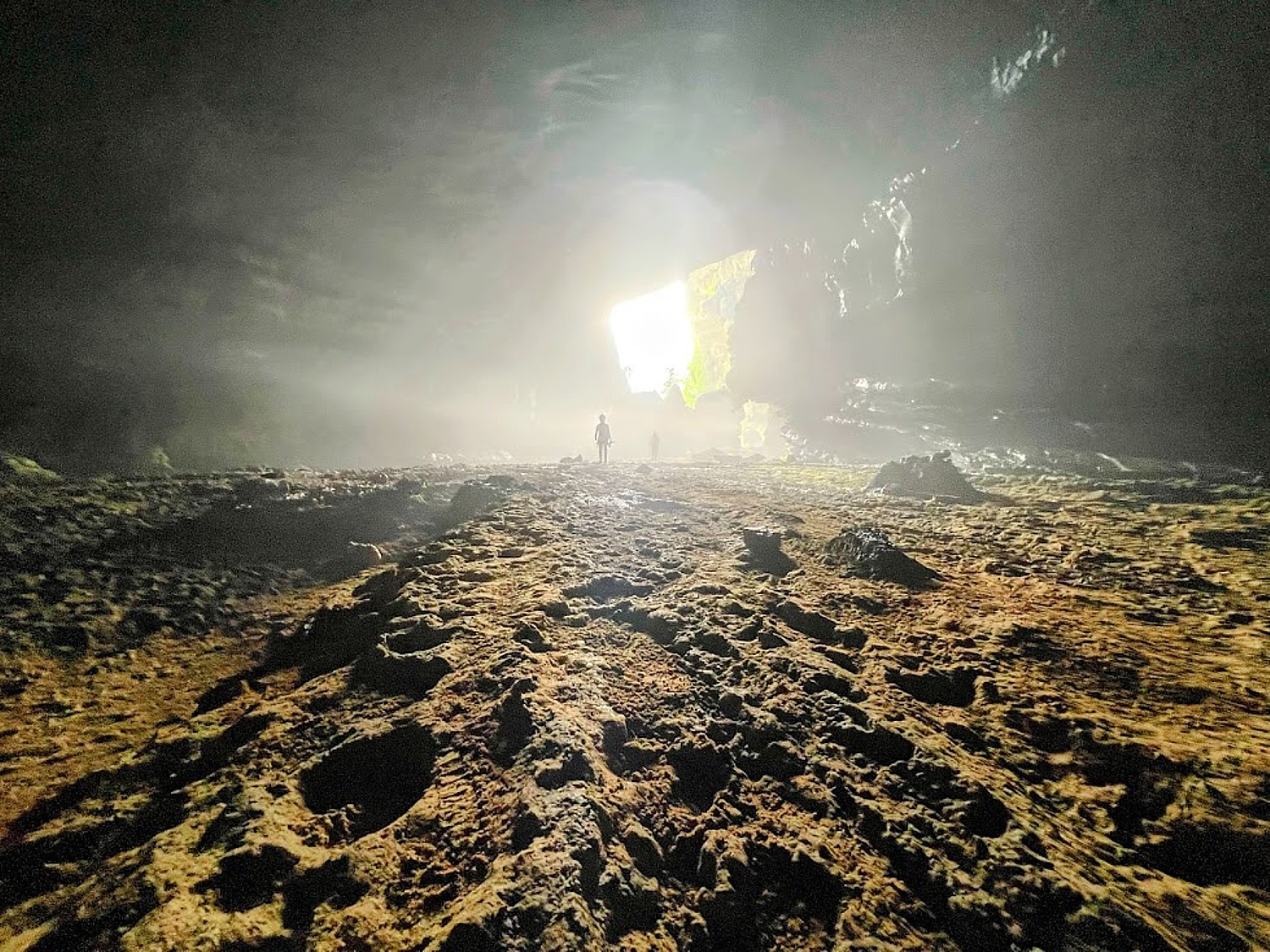
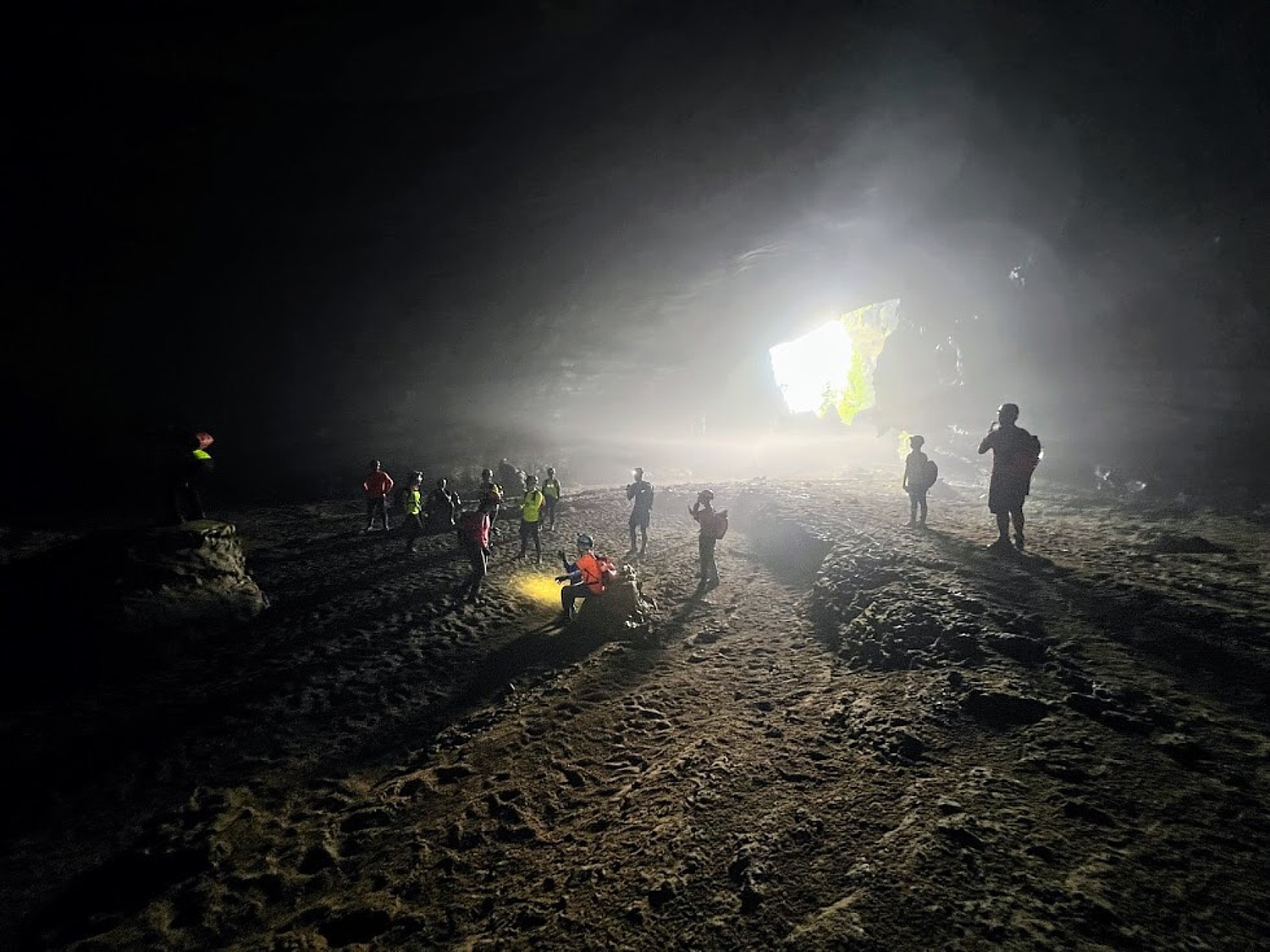
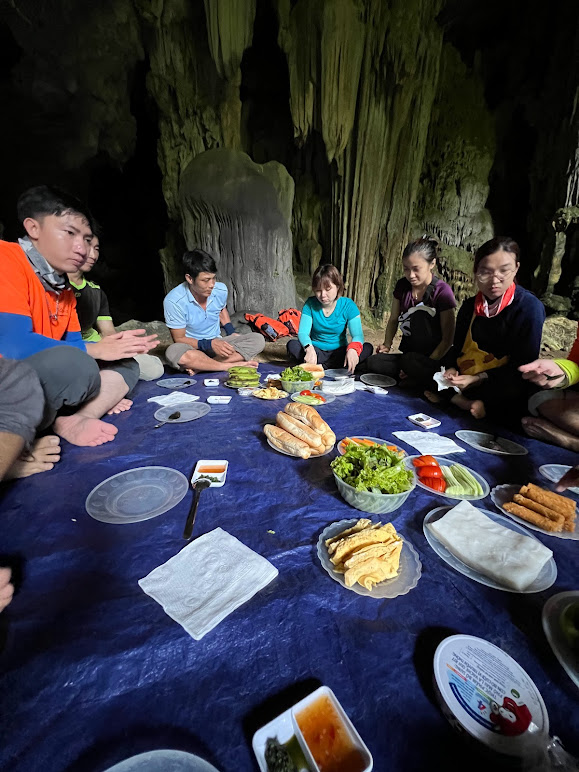
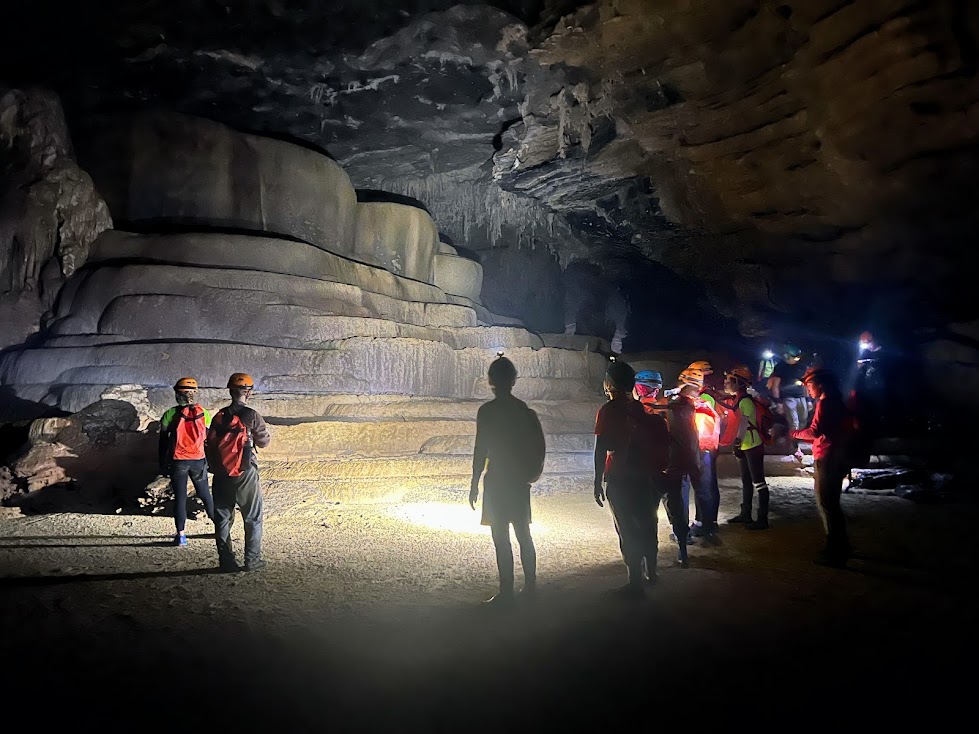
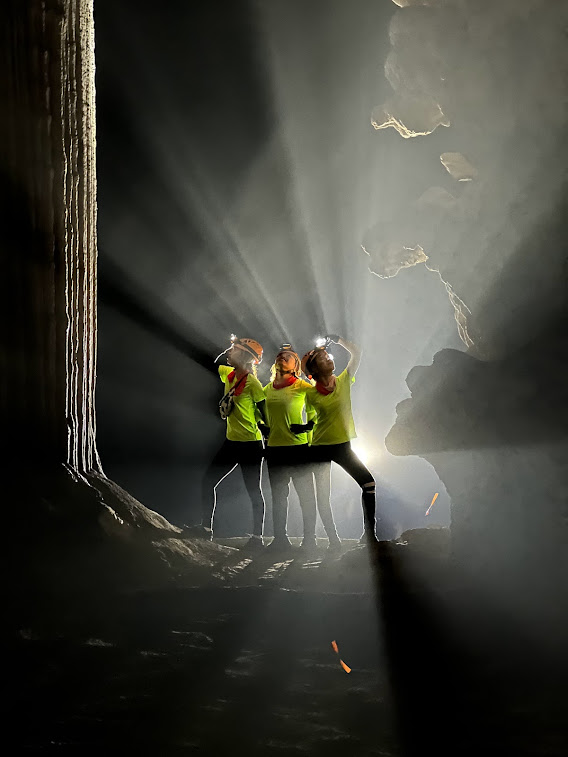
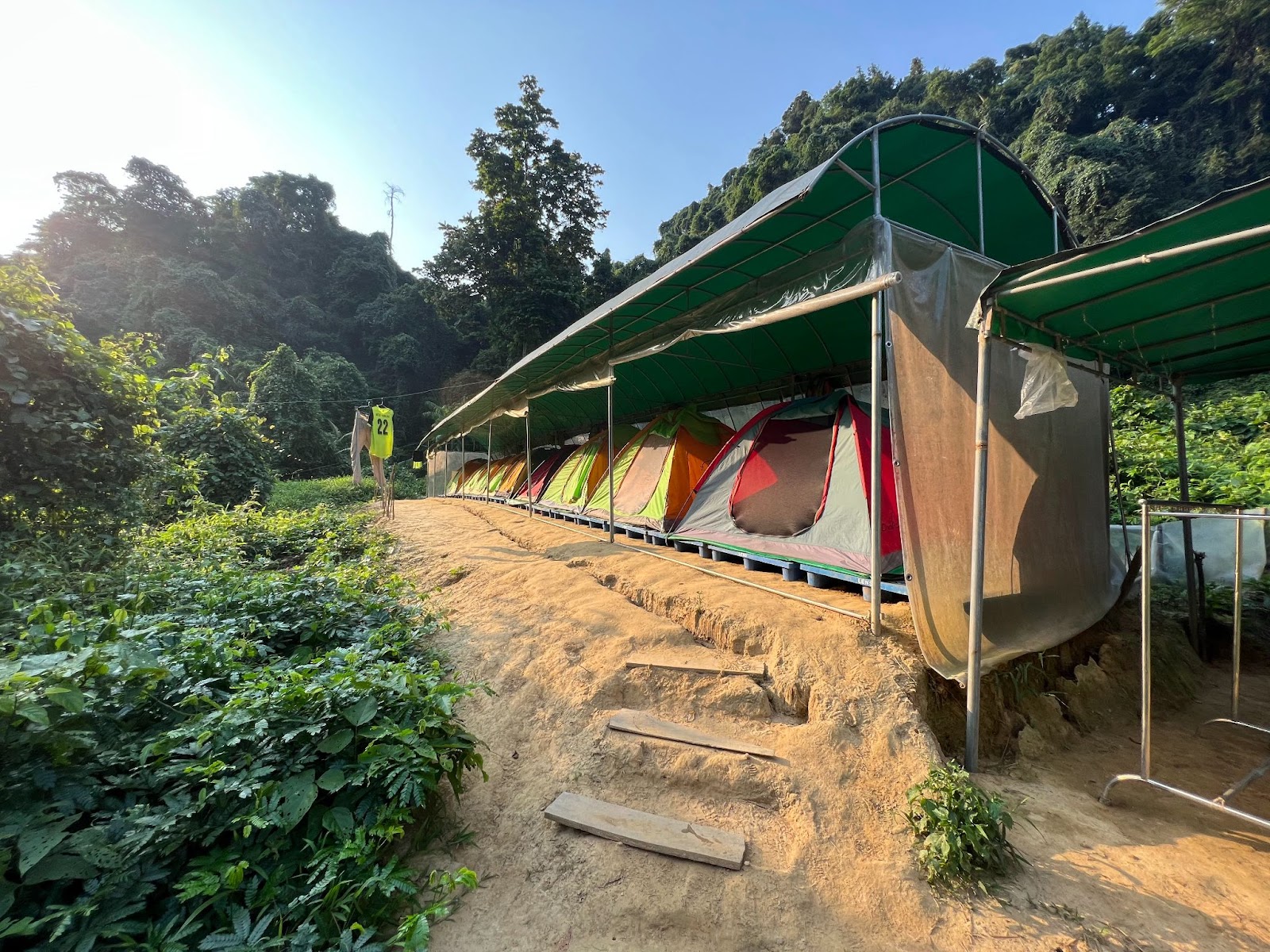
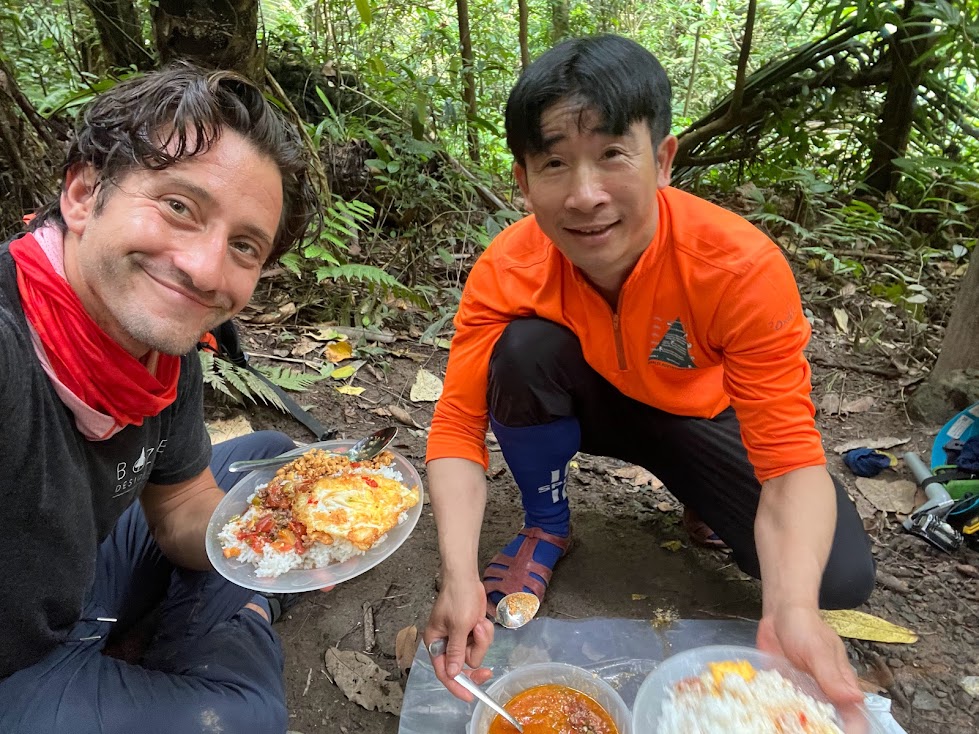
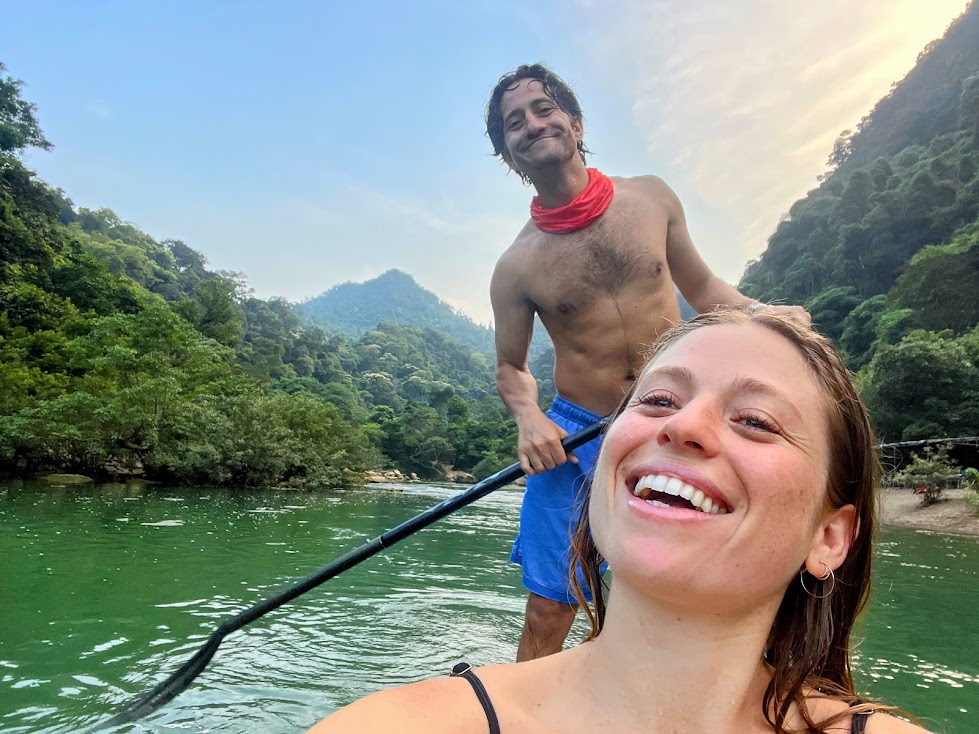
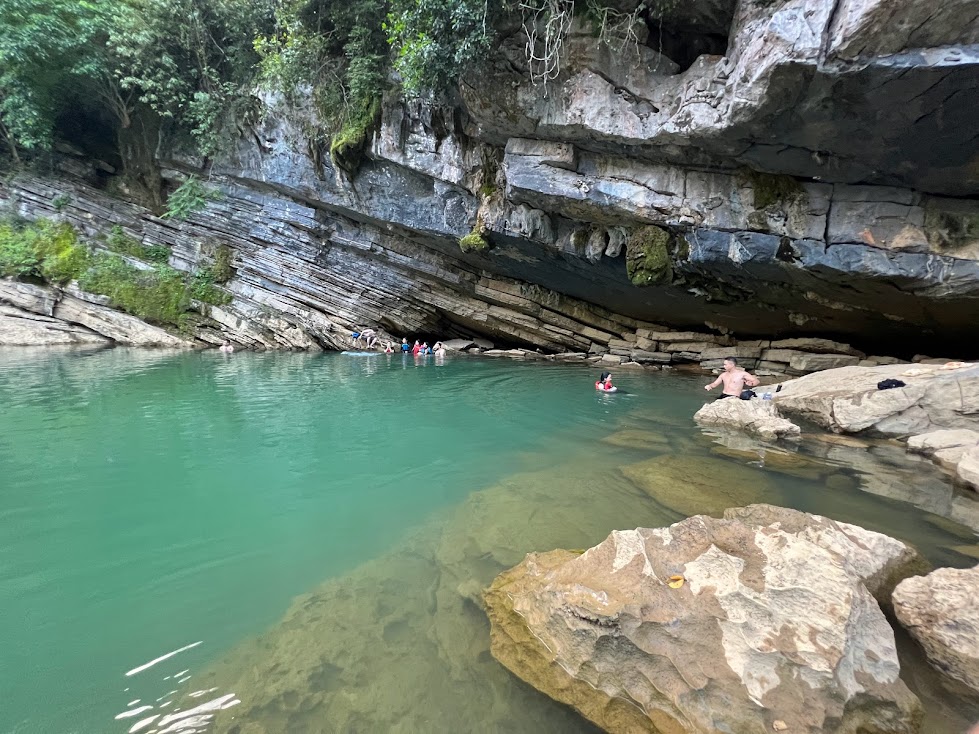
We moved south to central Vietnam so that Sarah could realize her bootcamp potential, signing up for a multi-day jungle trekking & caving tour. The caves in Phong Nha, Vietnam, are otherworldly. In fact, the world’s largest cave is here (Hang Son Doong–first discovered by a farmer by accident just three decades ago, and so big it has its own rainforest!). We found availability on a tour of the Hang Tien cave system with the tour company Oxalis (highly recommend), so we strapped on our provided army boots, and spent the next three days walking straight through rivers and caves (fully clothed in long layers to protect against plants and insects), and then scaling rocks up and down in order to capture some incredible Vietnamese nature. Our group of 10 (5 domestic and 5 foreign travelers) bonded Birthright style during the tentside hangouts, and we were fed constantly (and deliciously) which kept us smiling 🙂 despite the unrelenting heat and humidity. (https://oxalisadventure.com/ contact@oxalisadventure.com)
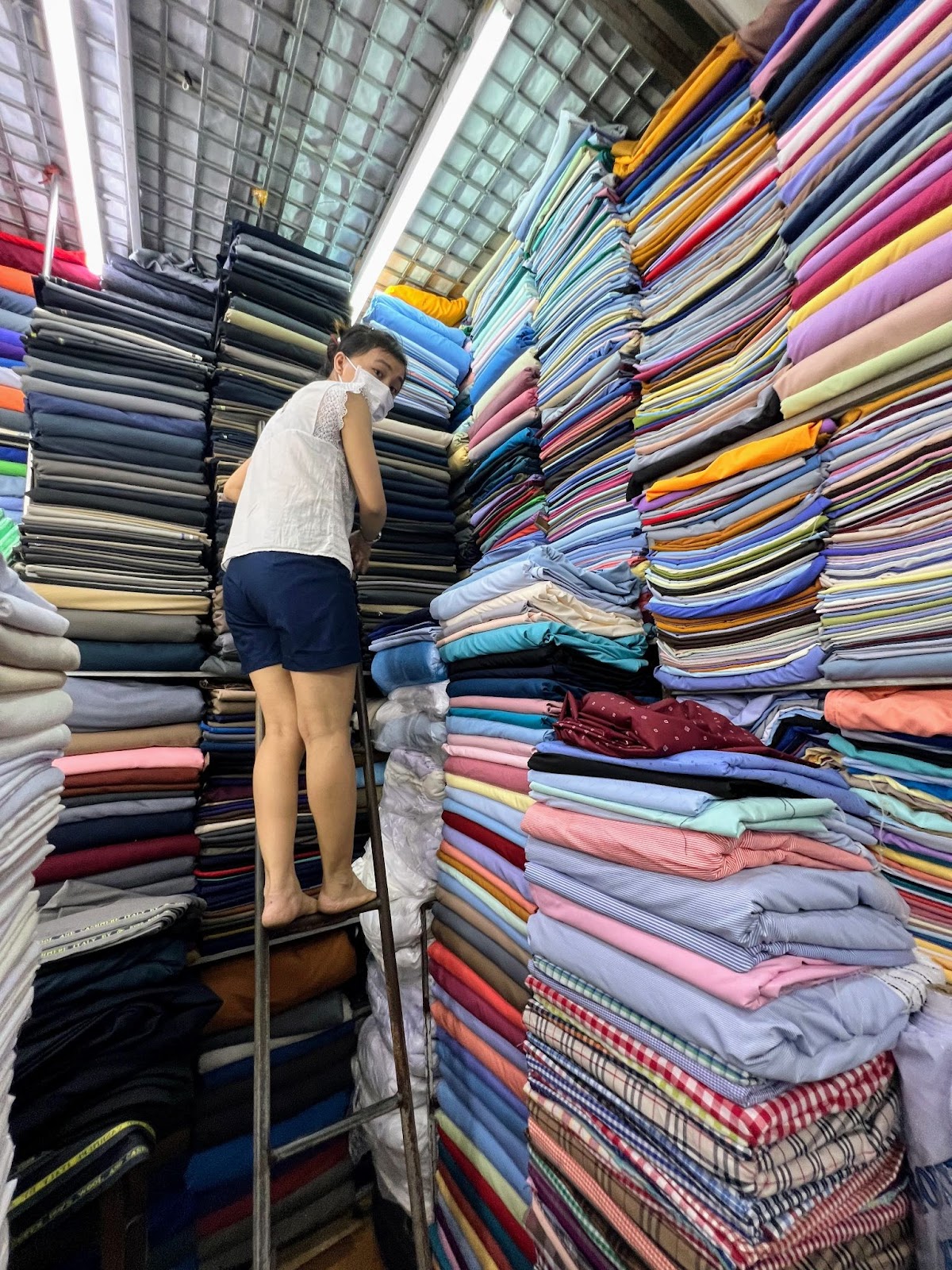
After a desperate shower and laundry session we made our way to Hue, also in central Vietnam. Eric wasted no time seeking out a tailor for his absolute favorite–custom clothes. His request was so specific, that our amazing tailor Bo (we really have met people unbelievably patient with Eric here) offered to take us to the fabric market to pick one out that she didn’t carry at her shop. One scooter ride together and a couple of hours later she nailed it! Sarah also got her first custom clothing with Bo and agrees, it is really fun. Another highlight of Hue-the salt coffee. Each region of Vietnam highlights a unique version of their rich coffee, but our favorite variation is this one–salted cream that perfectly compliments the strong black coffee blend creating an almost caramel taste.
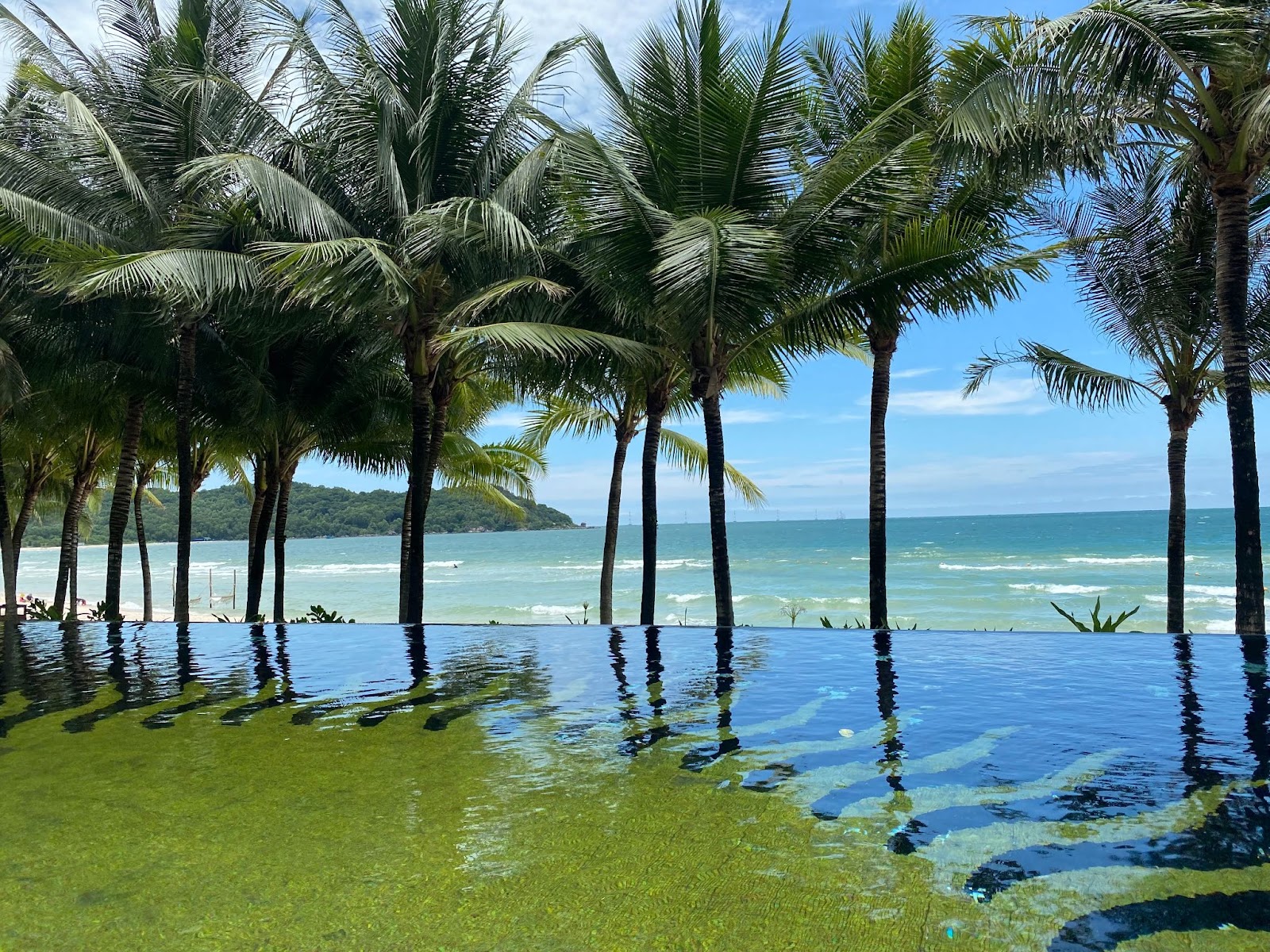
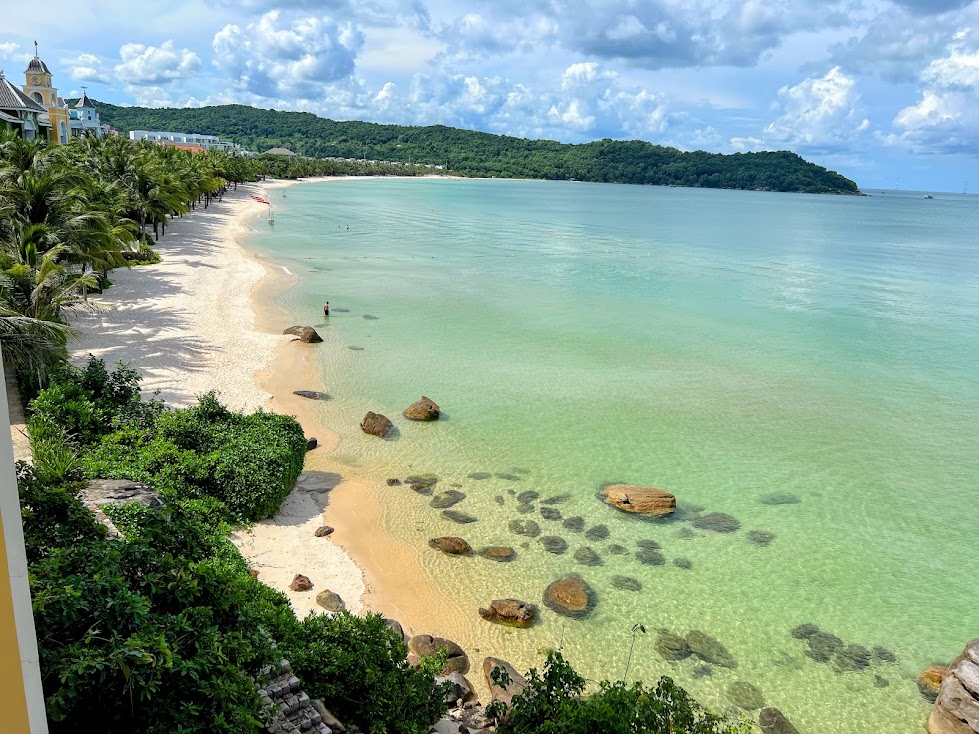
We now find ourselves on the beach in Phu Quoc, southern Vietnam. Sarah is wrapping up book number three and Eric is taking the hotel’s paddleboard about 100 times further than the buoy’s limits. The hotel seems to be approximately 10% full. Seeing as we now recognize every fellow guest were living out our White Lotus moment giving them all backstories and deciding who will get murdered (just kidding!! and watch the show White Lotus if you haven’t yet!). We continue to thrive on almost strictly street food–we went to a nightmarket the other night with a German couple from our cave tour and to Eric’s delight, found Banh Mi with steak and runny white cheese a la the Philly Cheesesteak, and sea urchin with herbs and peanuts. No food is left untried. And while Eric has been brave enough to weigh himself this week (somehow lost weight!?), Sarah continues on in ignorant bliss.
PS – So there we were..3 flights and 36 hours of travel from Mexico City to Hanoi (by way of Dallas and Tokyo). It was 11PM. We were beyond exhausted because we had to wake up at 2:30AM in Mexico City to return our rental car and get to our first flight. We slept but a wink on the planes, but the in-flight viewing of the Anthony Bourdain and Alpinist docs (both must-sees btw) sustained us and we were stoked to have touched down in Asia.
BUT NOT SO FAST the travel gods said. At immigration in Hanoi, Sarah lifted her bucket hat and mask, flashed her million dollar smile and breezed right through to the promised land. But the immigration officer looked longer at Eric’s documents. “You have to go over there,” the officer said after a few minutes of scrutinizing the documents. A lot of back-and-forth with immigration officers and airline attendants facilitated by the Google Translate app ensued, and Eric came to realize that the dates on his e-visa were wrong – it was for a May 9th entry, not April 9th. An hour of pleading for a date change on the existing visa or the issuing of a new visa on arrival fell on deaf ears. “You need to get on this plane back to Tokyo now,” the officers forcefully told him. “But my partner is on the other side,” he pleaded.
The airline officer ran to retrieve Sarah while Eric placed dead end calls to the US embassies in Vietnam, Korea and Japan. Pleading to let us book different flights to countries that were newly open to US tourists like Thailand, Singapore or Korea (instead of Japan, which was still closed, and we expected once we got there they’d tell us we needed to go all the way back to the US) didn’t work either because these countries, while open, still needed processing time for visa/Covid paperwork.
After fortunately being reunited at the boarding gate (and Sarah’s last attempt at pleas to stay), the officers forced us onto the plane for Tokyo stating our passports were now being held in the cockpit and that we’d be blacklisted from ever entering Vietnam if we didn’t board the plane NOW. We felt beyond exhausted and defeated, but quickly fired up our laptop for the 6hr redeye flight back to Tokyo to investigate our options.
Thanks to persistence and a lot of help from our travel savvy family, we were able to show proof of flights and visa documentation in Tokyo to ensure we could enter Korea and wouldn’t need to be forced all the way back to the US (and btdubs for future reference, when something like this happens, you are responsible for paying whatever the flights costs which is astronomical because of the same day booking rate; so tl;dr don’t be like Eric and always quadruple check the dates on your visas!)
By Eric Leiberman and Sarah Falter, Travel Features Syndicate, goingplacesfarandnear.com
Eric and Sarah are on a 6-month around-the-world sabbatical, and are filing these dispatches periodically. Here’s their report after a month in Mexico before moving on to Asia.
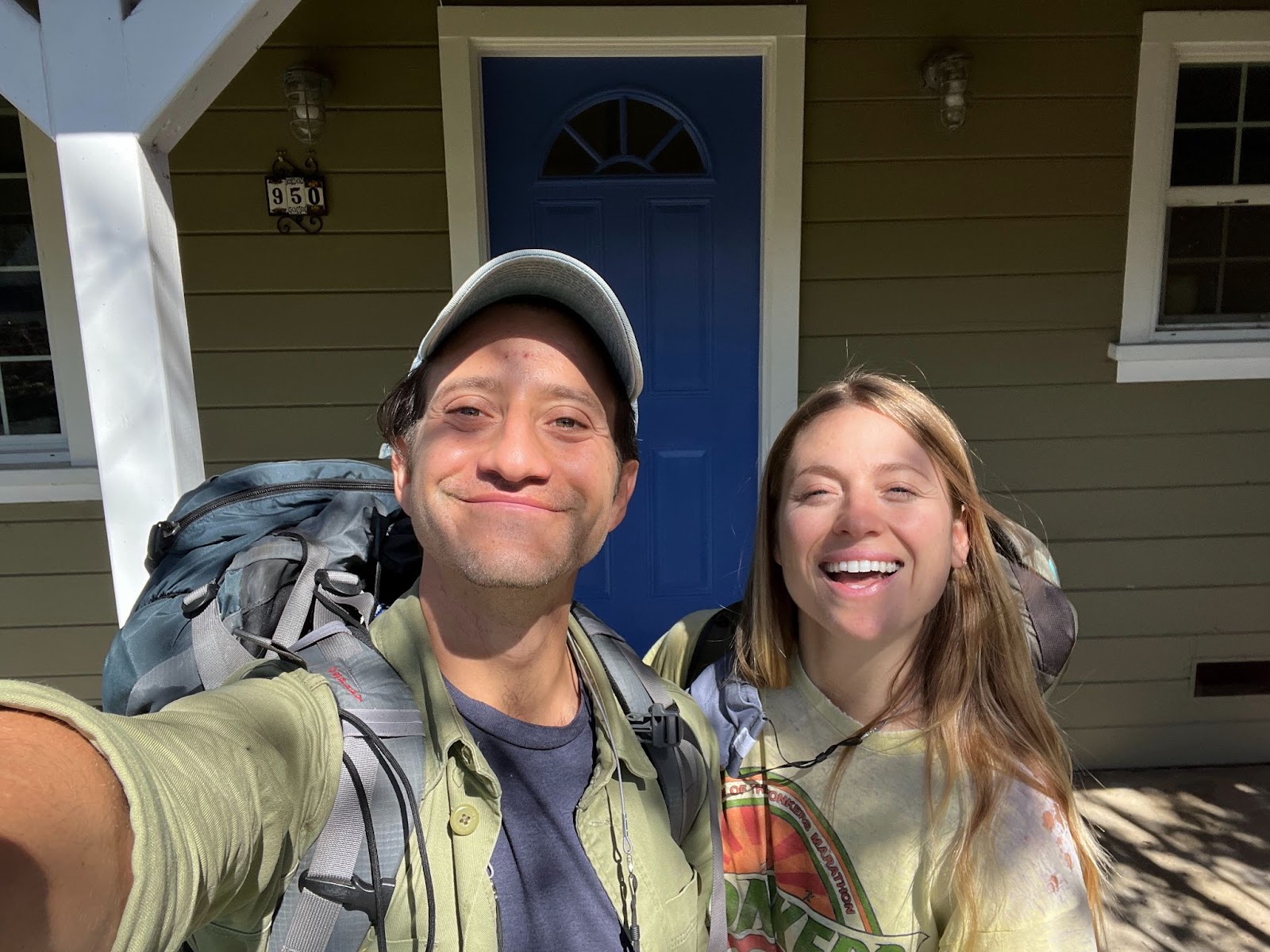
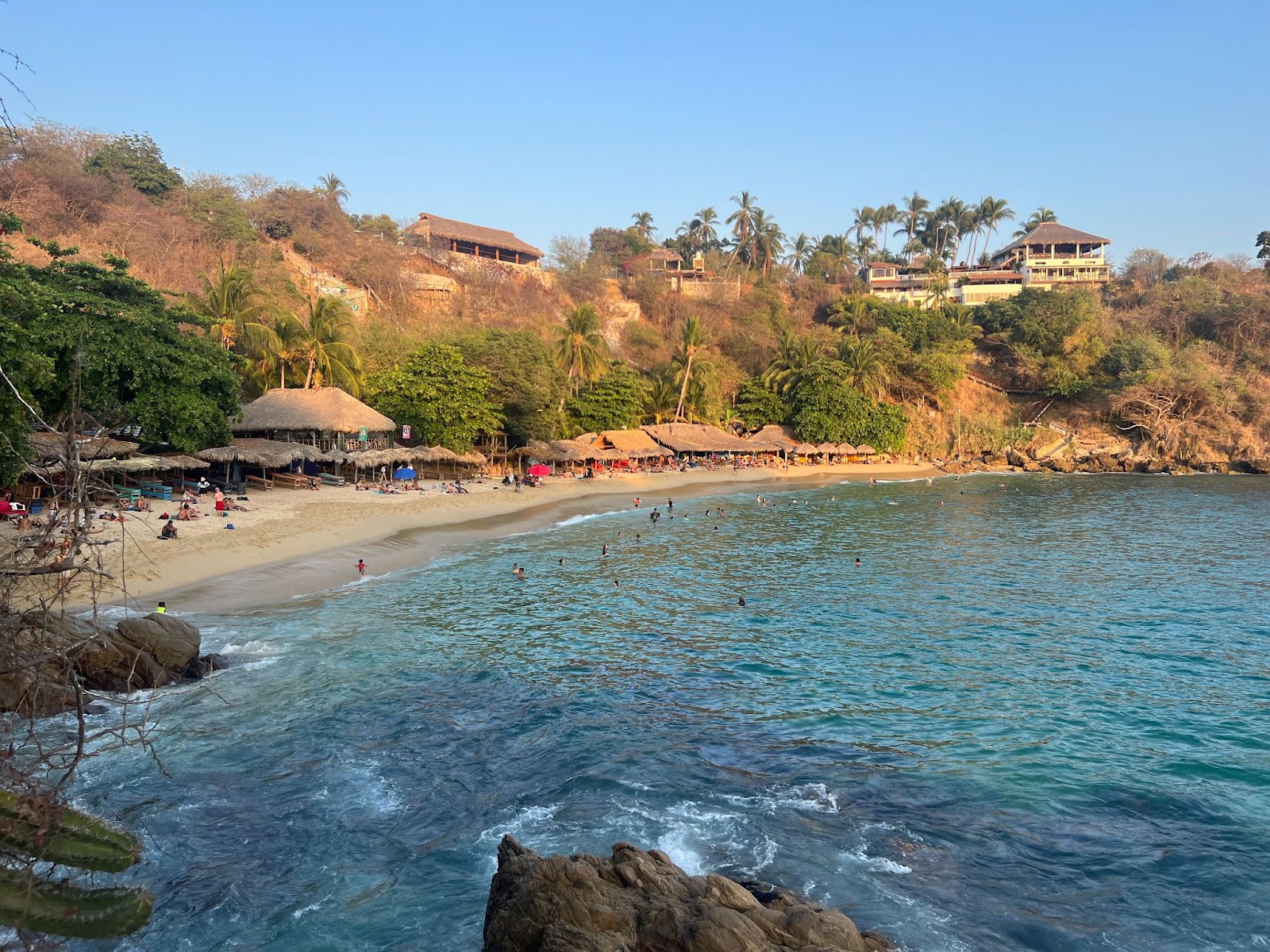
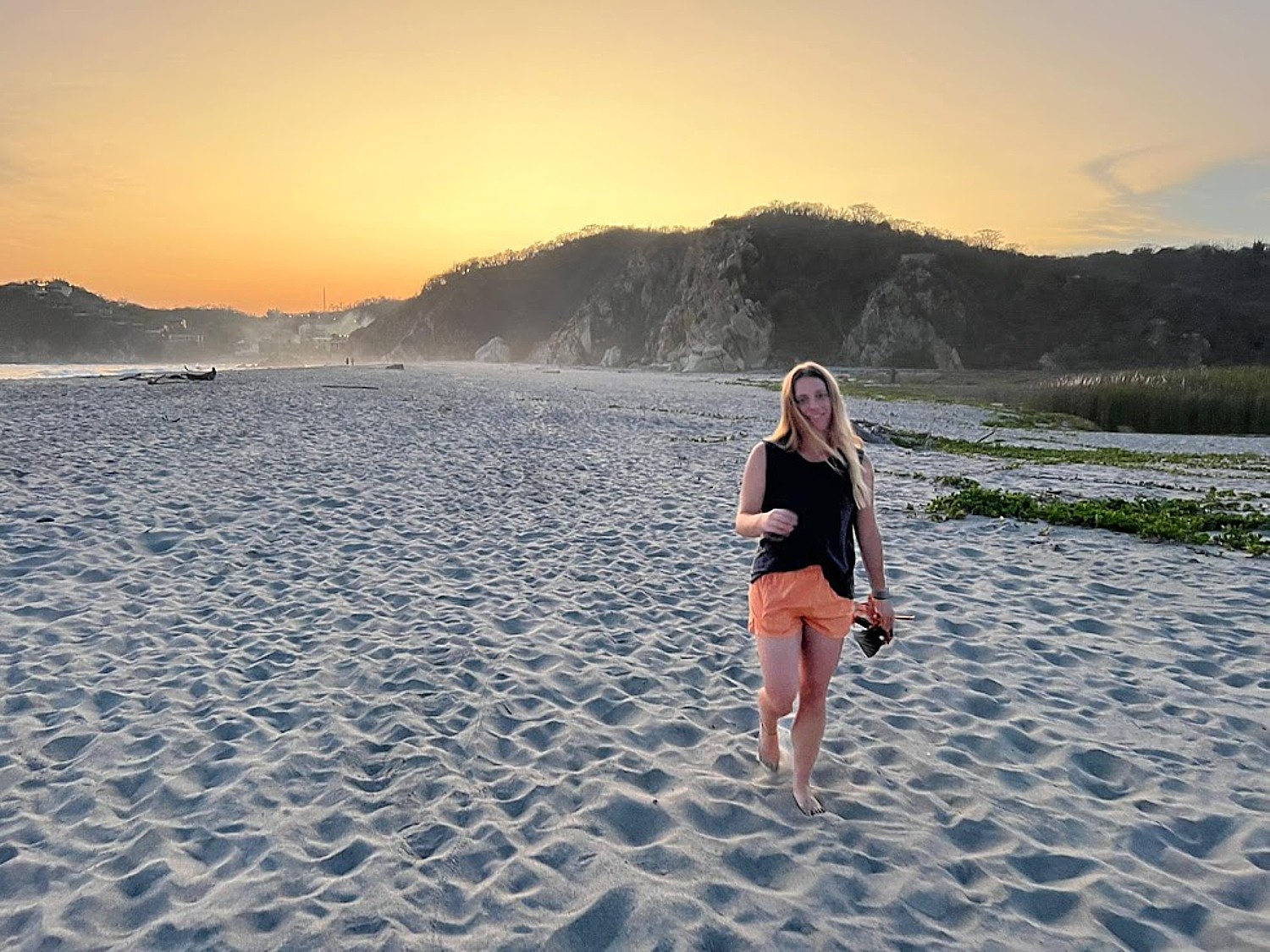
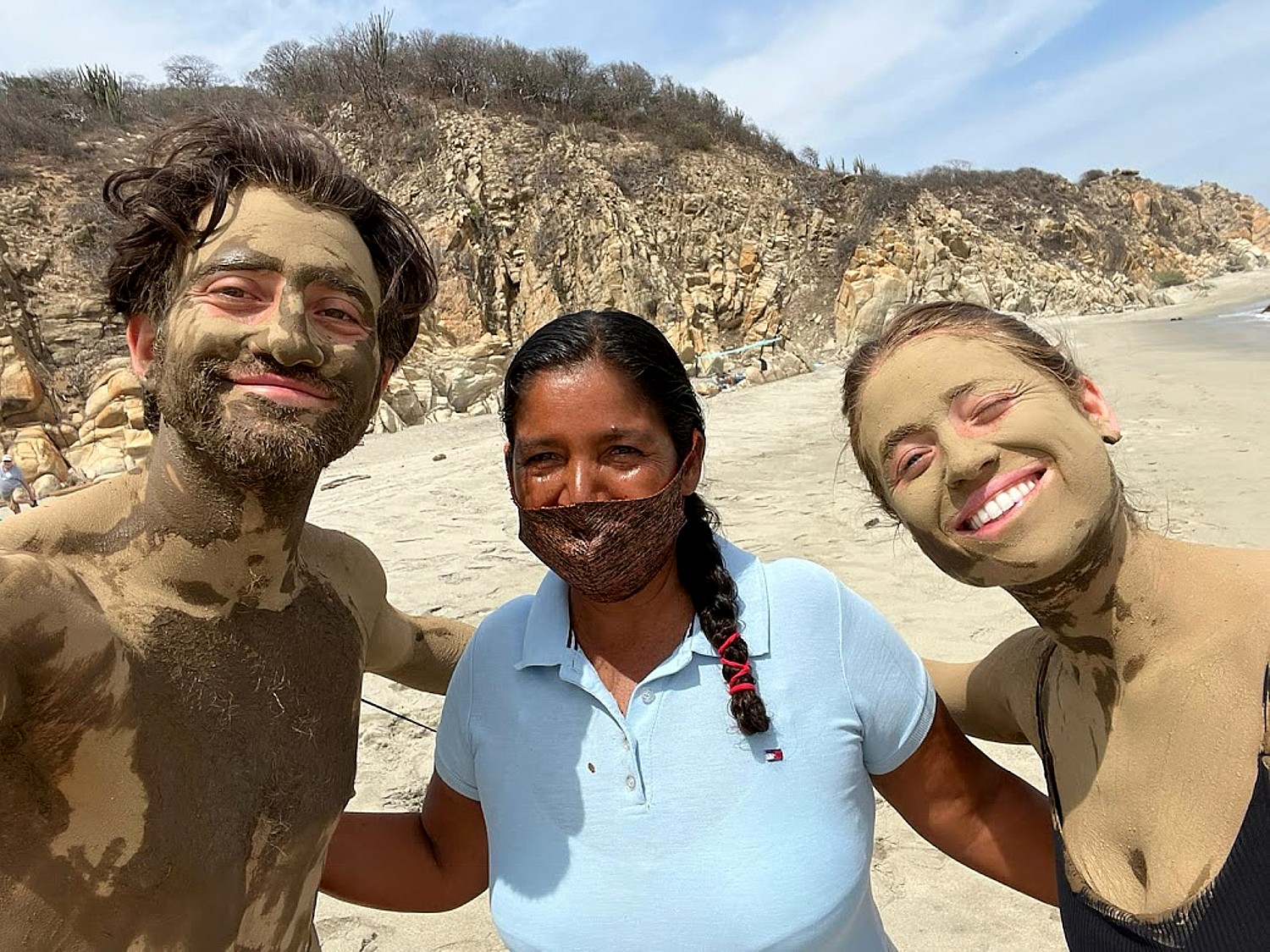
We finally did it–rented out our house, packed a tiny sliver of our possessions into four packing cubes inside a large backpack, strapped on our water shoes and hit the road for the adventure of a lifetime–six months of uninterrupted travel! We have now been traveling together for exactly five weeks and we’re delighted to share that we still like each other!!
We’d come to learn that this sort of deep, bold and soulful flavor was uniquely Oaxacan, and was pervasive throughout their history, cuisine & art. They have a fascinating history of protest and human rights advocacy that permeates the art all throughout the city – from the large format street murals to the gallery walls in fine art museums. It is dark and expressive with lots of skulls, fire, protest depiction & political symbols. Learning more about this history brought new meaning to the intense flavors of mole and mezcal.
We continued our journey on a 7-hour drive almost entirely on mountain roads with dramatic switchbacks to the coast of Oaxaca (Eric drove and Sarah passed out on drowsy Dramamine). Over the next week, we made stops at three beach towns: Puerto Escondidio, Mazunte, and Playa Bocana. Puerto Escondido prevails for its cliff-like coast line and amazing street entertainment (imagine our surprise when a man with a guitar and an amp shows up on the beach, usually a nightmare scenario at any Bay Area park, and ends up providing the most perfect sunset vibes)!
Mazunte gave us some good laughs because its “hippie” vibe is out of control and almost cartoonish; you’re weird if you actually wear shoes around town/on hikes, and if you don’t like acai and bulle proof coffee you need to get your ass out of there. But, thankfully, we (gladly) dabble in some aspects of the hippie lifestyle, so the vegan nomz, acai bowls & a two-hour (very stinky) yoga class were a welcome change-of-pace. Eric even bought a turquoise pendant (maybe a Buddhist symbol? We’re not sure; we’re posers) there that he wears most days now as a lucky charm 🙂
And the last stop on the Oaxacan beach tour was La Bocana; a true surprise gem. It is a tiny town with just two restaurants, one boutique hotel and several local women who provide mud scrubs (with the special mud from this beach) daily.
Our cute little airbnb was a mere 50 yards from a spectacular long stretch of beach that felt like it was all ours. And when we started exploring the beach, we’d come to discover that a 15-minute walk up the beach led to the intersection of a gorgeous river with the ocean; which was utterly picturesque and made for a best-of-both-worlds situation of enjoying the beach while swimming in the calm of the river. During our short stay at La Bocana beach, we made both sunset and sunrise pilgrimages to this beautiful spot. Anyone who knows Eric knows he can’t resist a sunrise/sunset swim. And we ate delicious camarones a la diabla (shrimp in spicy sauce) and fresh langosta from that river basically every meal there, happily.
The return to Mexico City was a happy one because we were excited to spend more time exploring and Sarah’s mom Marci came to join for a week! Major highlights included visiting a Luis Barragan house, discovering more neighborhoods/parks & going to the Mexico vs. El Salvador World Cup qualifying futbol game (where we tried nearly every food item sold in the stadium.. even Cup of Noodles with shrimp & hot sauce which yes, is cold and soggy by the time they sell it to you at your seat!)
Another gem we discovered in Mexico City is the weekly shut down of major streets on Sundays (up to 50km we learned) to promote safe and uninterrupted biking/running/roller blading. We stumbled upon this by accident in our first CDMX stint, and were so excited to show Sarah’s mom! We went basically the entire route out to the big park, down to the neighborhood of Coyoacan, and back. Mexico City is truly as lovely and vibrant as everyone says it is. It’s like the best of both worlds of East and West Coast US cities; it has the serendipitous cosmopolitan feel of NYC with the wide open green spaces of LA/SF. Everyone is in love with Mexico City these days and it’s obvious why.
Last stop on the tour landed us in San Miguel de Allende, a shorter 3-4 hour drive from Mexico City. San Miguel is a very charming town, known for its colonial architecture which drew many artists in the 20th century. It’s a must to find a terrace to enjoy the sunset, taking in the gorgeous pink church and red rooftops while obliging every other couple’s request for a photo (Eric is a hot commodity because he takes multiple angles and never skimps on the portrait mode). Eric did finally succumb to the first round of food poisoning of the trip here (which is shocking given what he’d eaten in the previous 4+ weeks), though he recovered in a day and we’re happy to report that Sarah’s stomach of steel is still going strong (knock on wood).
Eric and Sarah in San Miguel de Allende, get ready to continue their around-the-world odyssey in Asia.
At the present moment, we’re in Seoul after a failed attempt at Vietnam entry (and over 50 straight hours of travel), but were super stoked to begin the Asia chapter of our travels, where Sarah’s love for headbands and bucket hats is bound to flourish. It’s crazy and refreshing how “home” has become having each other, and our backpacks….
By Karen Rubin, Travel Features Syndicate, goingplacesfarandnear.com
The US Navy Blue Angels were the headliners at the 2022 Bethpage Air Show at Jones Beach State Park, Long Island, over Memorial Day weekend, performing their heart-stopping maneuvers in their F/A-18 Super Hornets.
The Blue Angels were formed in 1946 by Chief of Naval Operations, Admiral Chester Nimitz, who had a vision to create a flight exhibition team to raise the public’s interest in naval aviation and boost Navy morale (and likely Congressional funding). In the 1940’s, the demonstration team thrilled audiences with precision combat maneuvers in the F6 Hellcat, the F8 Bearcat and the F9 Panther. During the 1950’s, they flew their aerobatic maneuvers in the F9 Cougar and F-11 Tiger and introduced the first six-plane delta formation, still flown to this day. By the end of the 1960’s, the team was flying the F-4 Phantom, the only two seat aircraft flown by the delta formation. In 1974, the Blue Angels transitioned to the A-4 Skyhawk, a smaller and lighter aircraft with a tighter turning radius allowing for a more dynamic flight demonstration. In 1986, the Blue Angels celebrated its 40th Anniversary by unveiling the Boeing F/A-18 Hornet. In 2021, the team began flying its current aircraft, the Boeing F/A-18 Super Hornet and celebrated its 75th anniversary.
A total of 17 officers voluntarily serve with the Blue Angels at one time, according to the Blue Angels’ website www.blueangels.navy.mil/. Each year the team typically selects three tactical (fighter or fighter/attack) jet pilots, two support officers and one Marine Corps C-130 pilot to relieve departing members. They typically serve two years with the team and then return to the fleet after their tours of duty.
Who gets selected? “The Chief of Naval Air Training selects the “Boss,” the Blue Angels Commanding Officer. Boss must have at least 3,000 tactical jet flight-hours and have commanded a tactical jet squadron. The Commanding Officer flies the Number 1 jet. The Chief of Naval Air Training also selects the “XO,” the Blue Angels Executive Officer. XO is a Naval Flight Officer (NFO) or Naval Aviator with at least 1,750 flight-hours.
“Career-oriented Navy and Marine Corps jet pilots with an aircraft carrier qualification and a minimum of 1,250 tactical jet flight-hours are eligible for positions flying jets Number 2 through 7. The Events Coordinator, Number 8, is a Naval Flight Officer (NFO) or Naval Aviator who has finished their first tour. The Marine Corps pilots flying the C-130J Hercules aircraft, affectionately known as “Fat Albert,” must be aircraft commander qualified with at least 1,200 flight hours.
“The mission of the Blue Angels is to showcase the teamwork and professionalism of the United States Navy and Marine Corps through flight demonstrations and community outreach while inspiring a culture of excellence and service to country.”
Just about every two years, the Blue Angels come to the Bethpage Air Show at Jones Beach to thrill audiences. This year, they performed in front of a capacity crowd of 181,000. Here are photo highlights.
The Blue Angels typically alternate with the U.S. Air Force Thunderbirds who are scheduled to headline 2023 Bethpage Air Show at Jones Beach next Memorial Day weekend.
By Karen Rubin, Travel Features Syndicate, goingplacesfarandnear.com
A capacity crowd of 181,000 turned out at Jones Beach State Park for the 2022 Bethpage Air Show on Sunday, May 29 (after the Saturday show was all but cancelled due to poor weather).
Viewers were thrilled to see The United States Army Golden Knights Parachute Team making their 16th appearance at Jones Beach, military performers including the Air Combat Command F-22 Raptor, the U.S. Navy F-35C Tac Demonstration Team, the U.S. Coast Guard, and the 106th Rescue Wing NY Air National Guard HC – 130 / HH 60 Demonstration Team.
They witnessed the daring do of Jessy Panzer, a renowned female aerobatic pilot, flying for her second time at Jones Beach in a bi-plane; three of the American Air Power Museum’s flying fleet of Warbirds; the SUNY Farmingdale State College Flying Rams; Long Island’s own David Windmiller; and Mike Goulian, the most decorated aerobatic pilot in North America.
Also, the world-famous Skytypers, who are based at Republic Airport (and basically invented and patented skytyping) demonstrated thrilling combat maneuvers in their flight squadron of five vintage WWII aircraft.
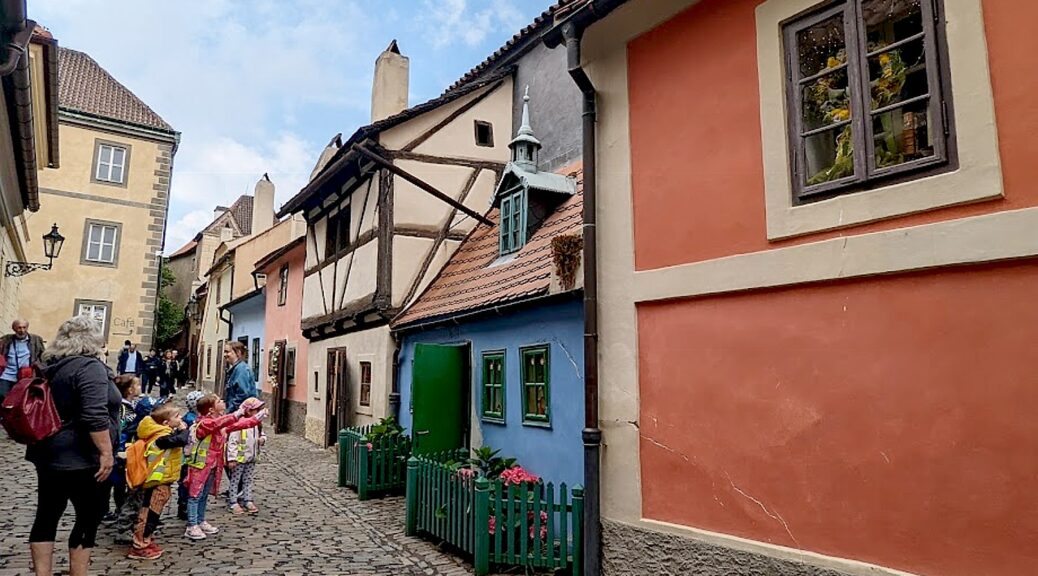
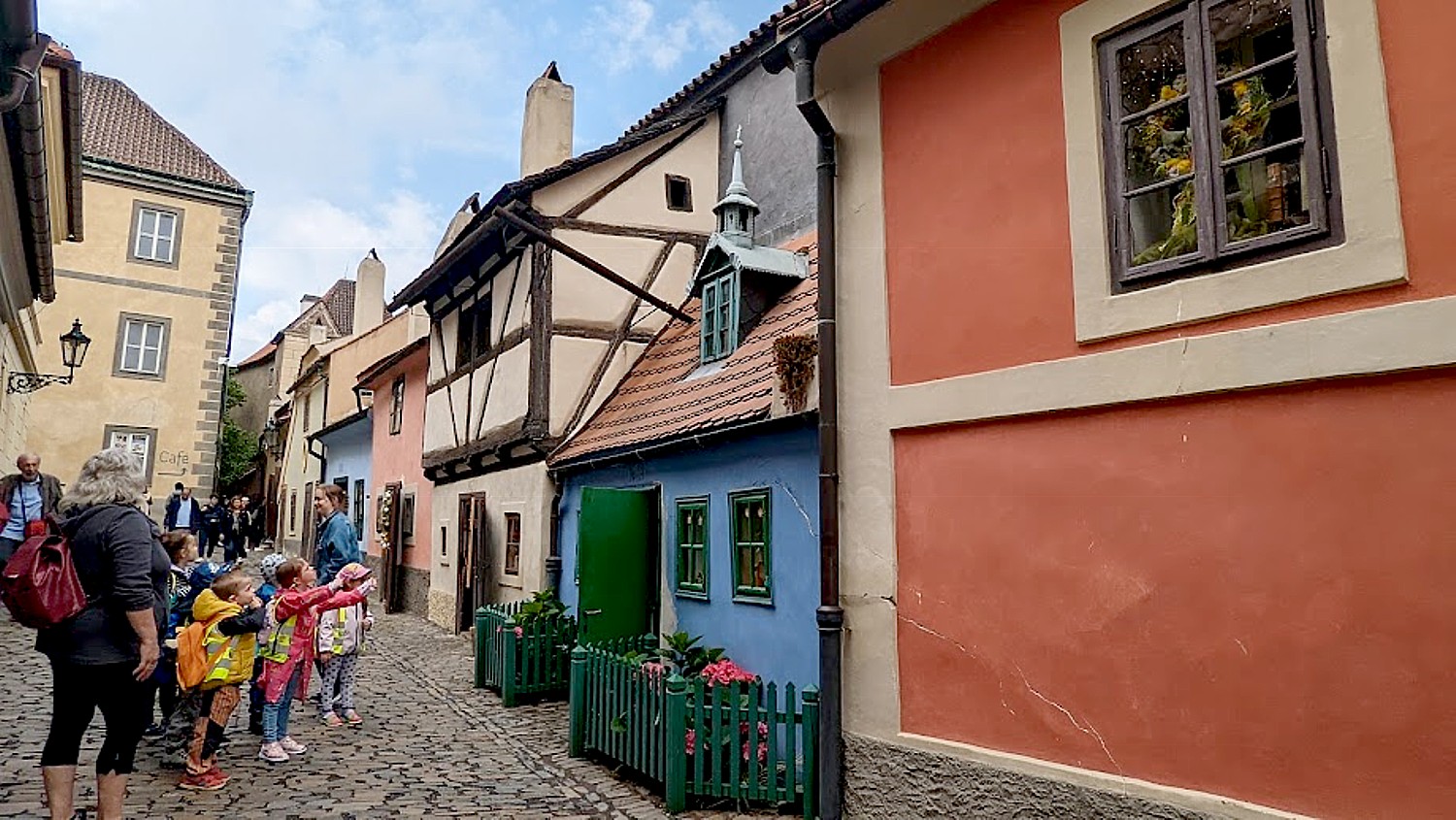
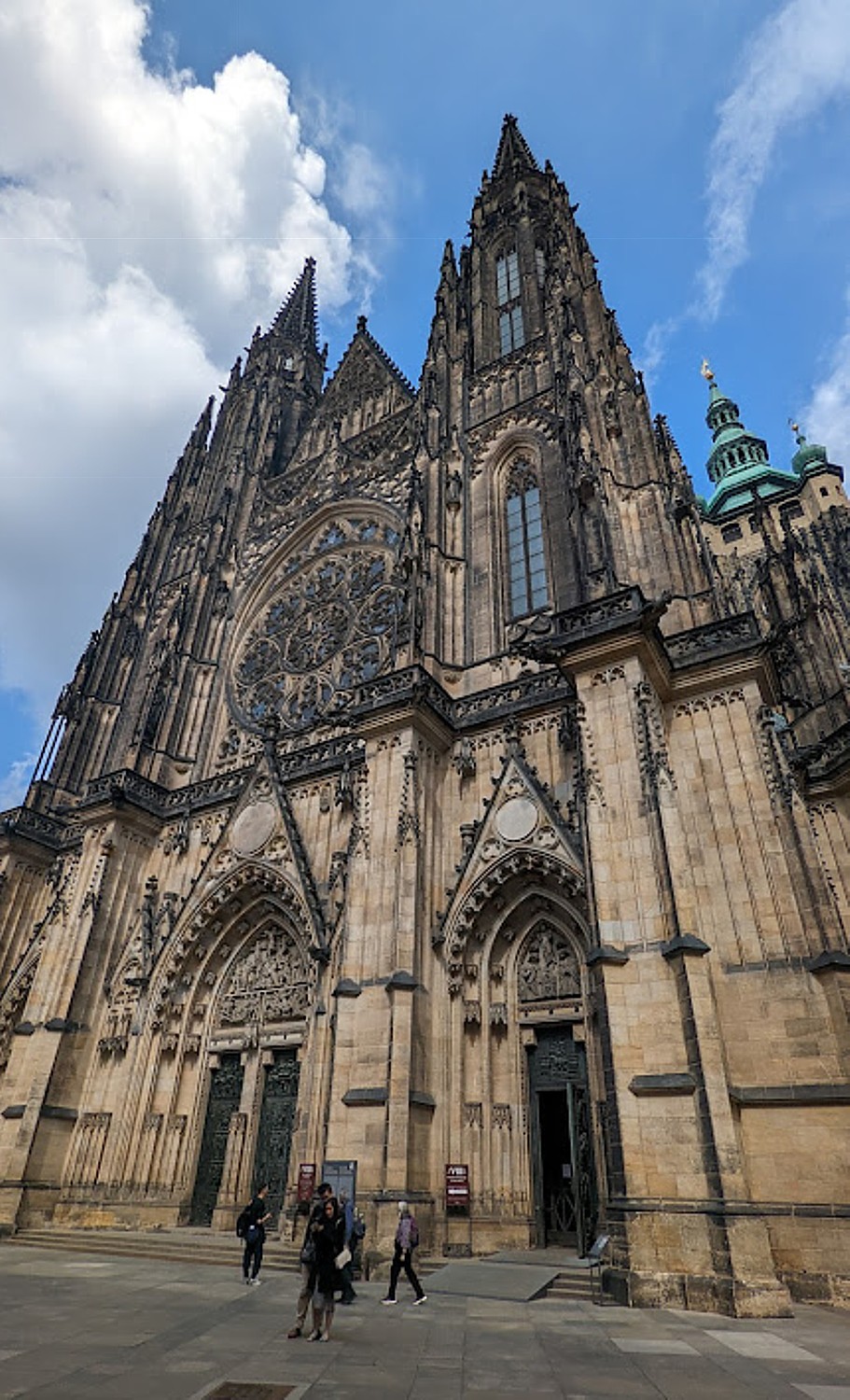
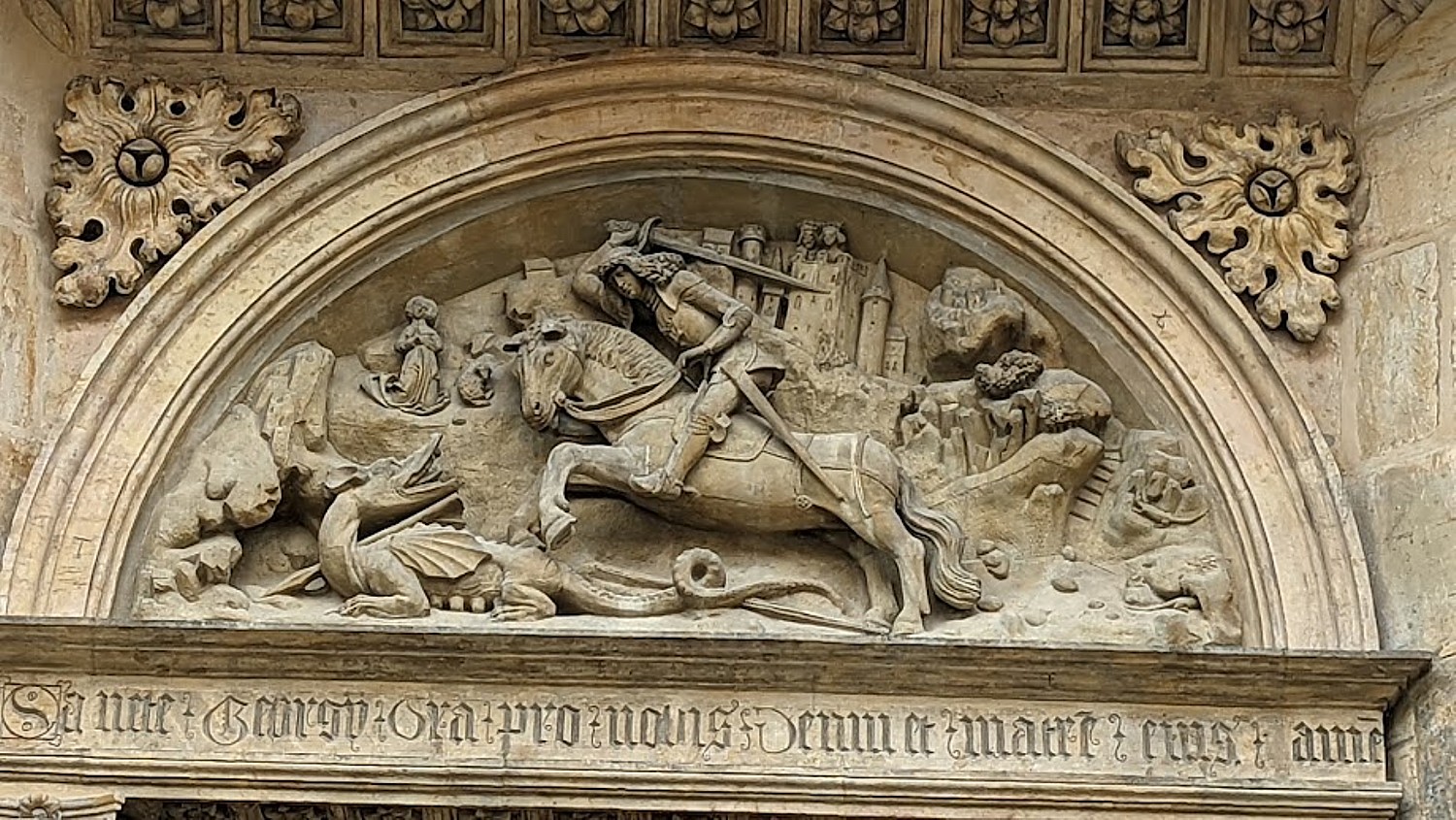
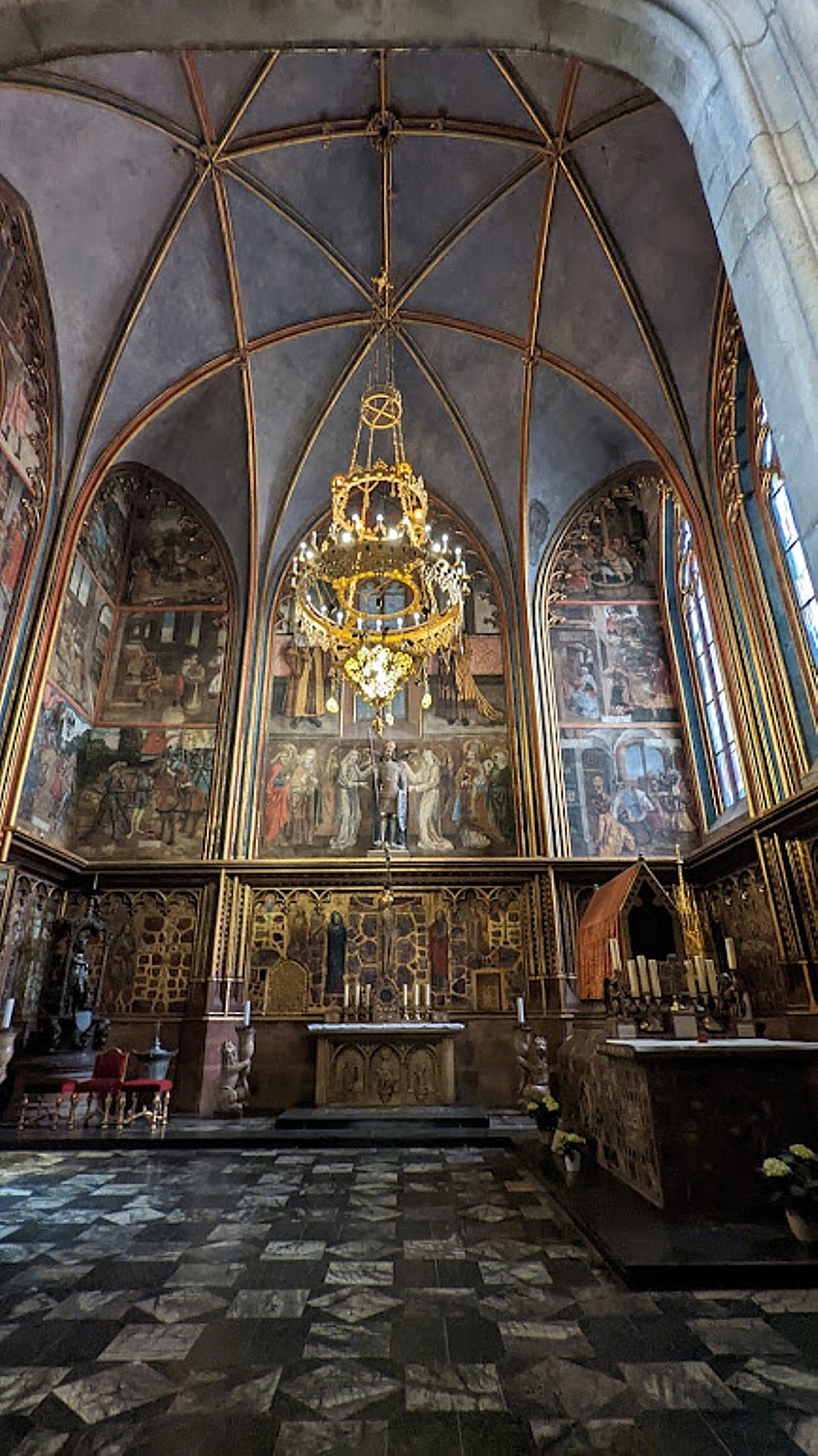
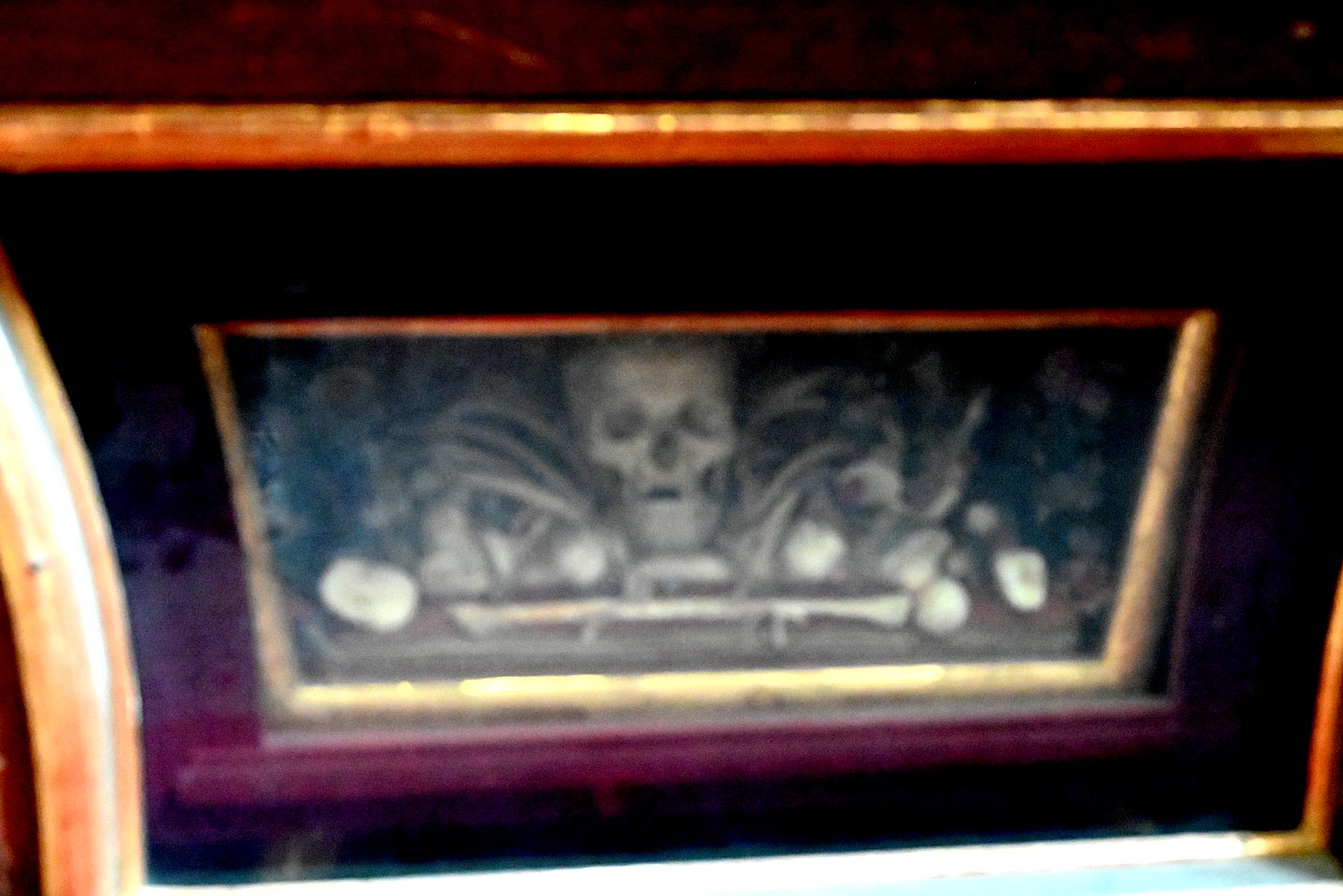
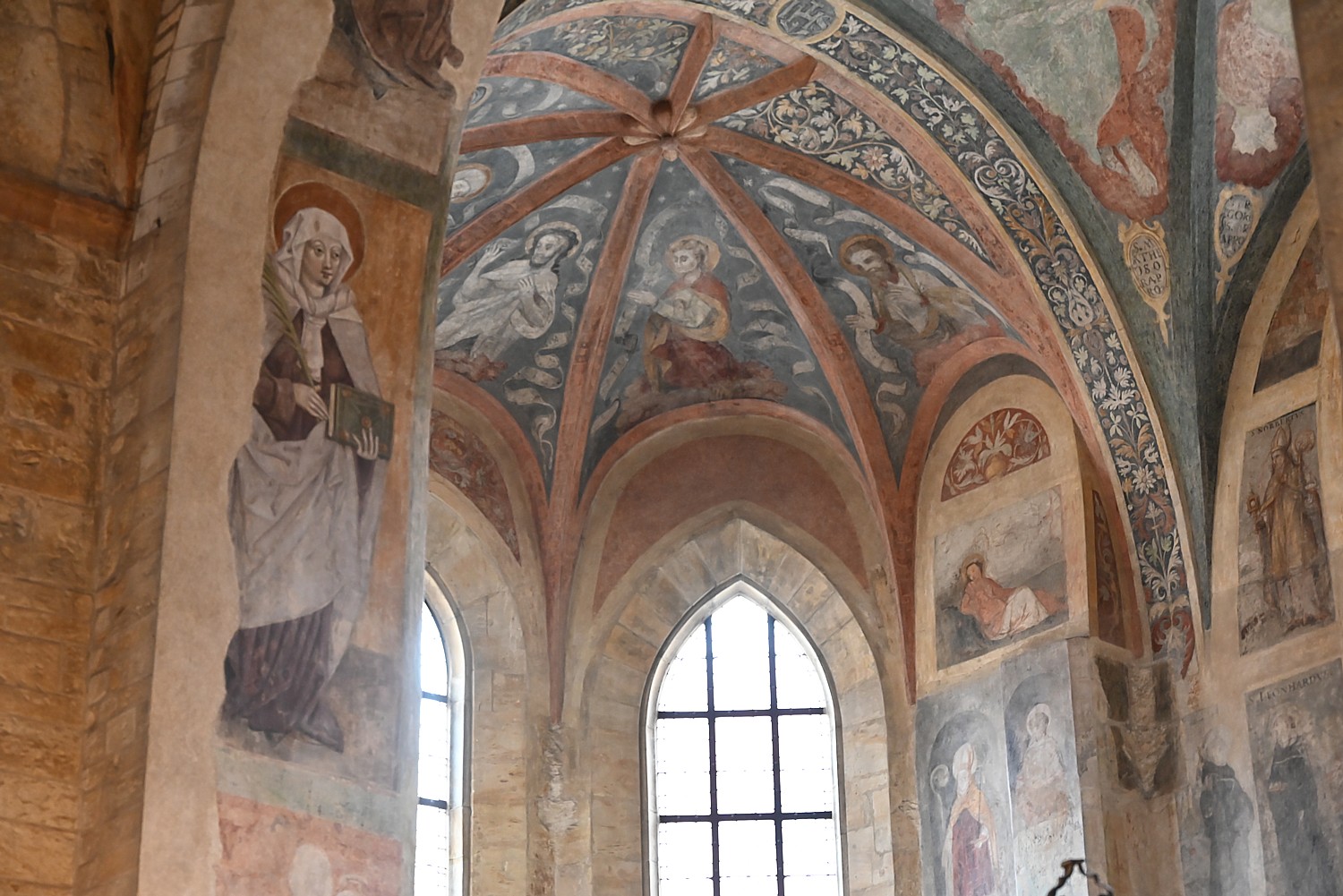
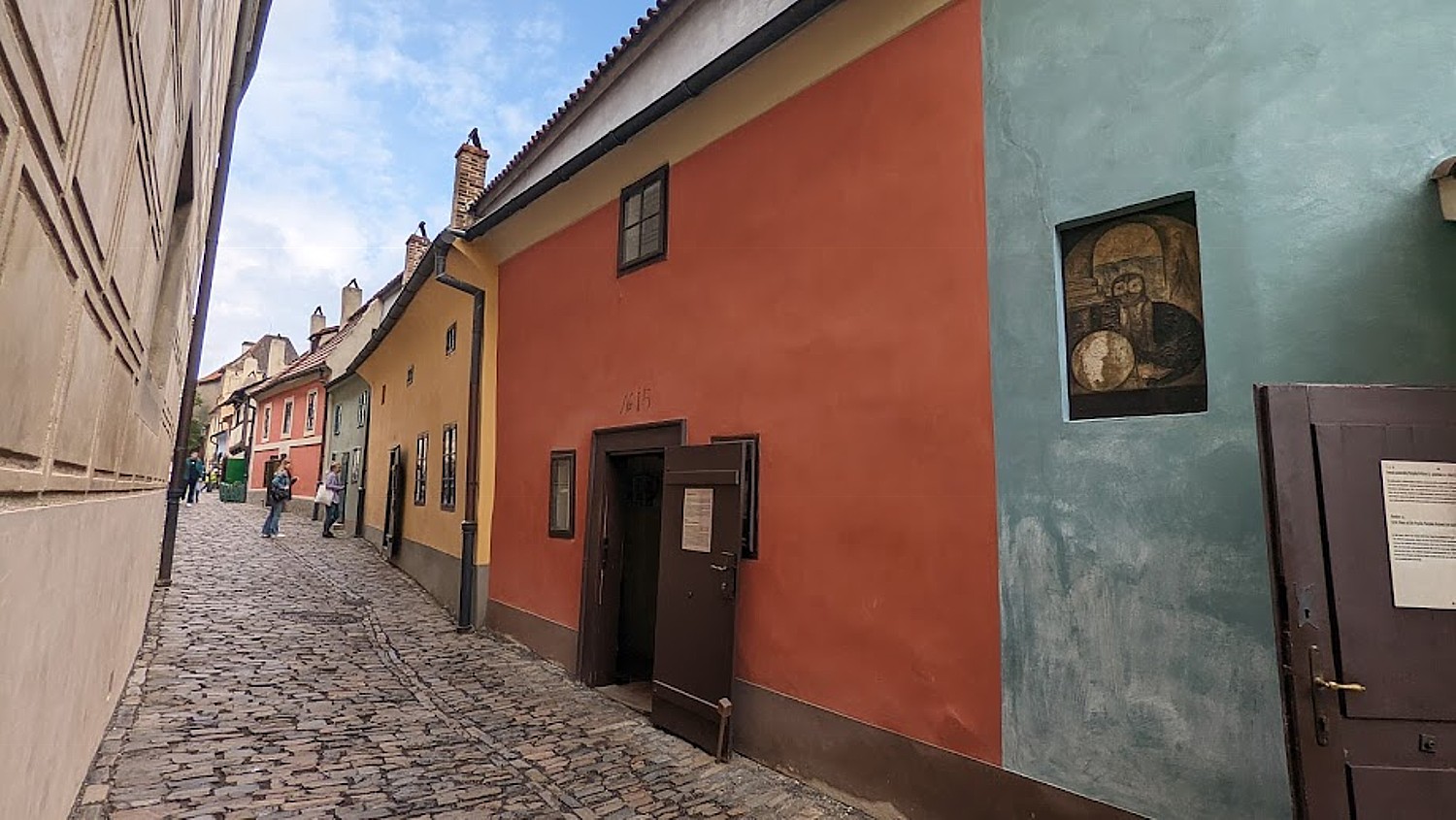


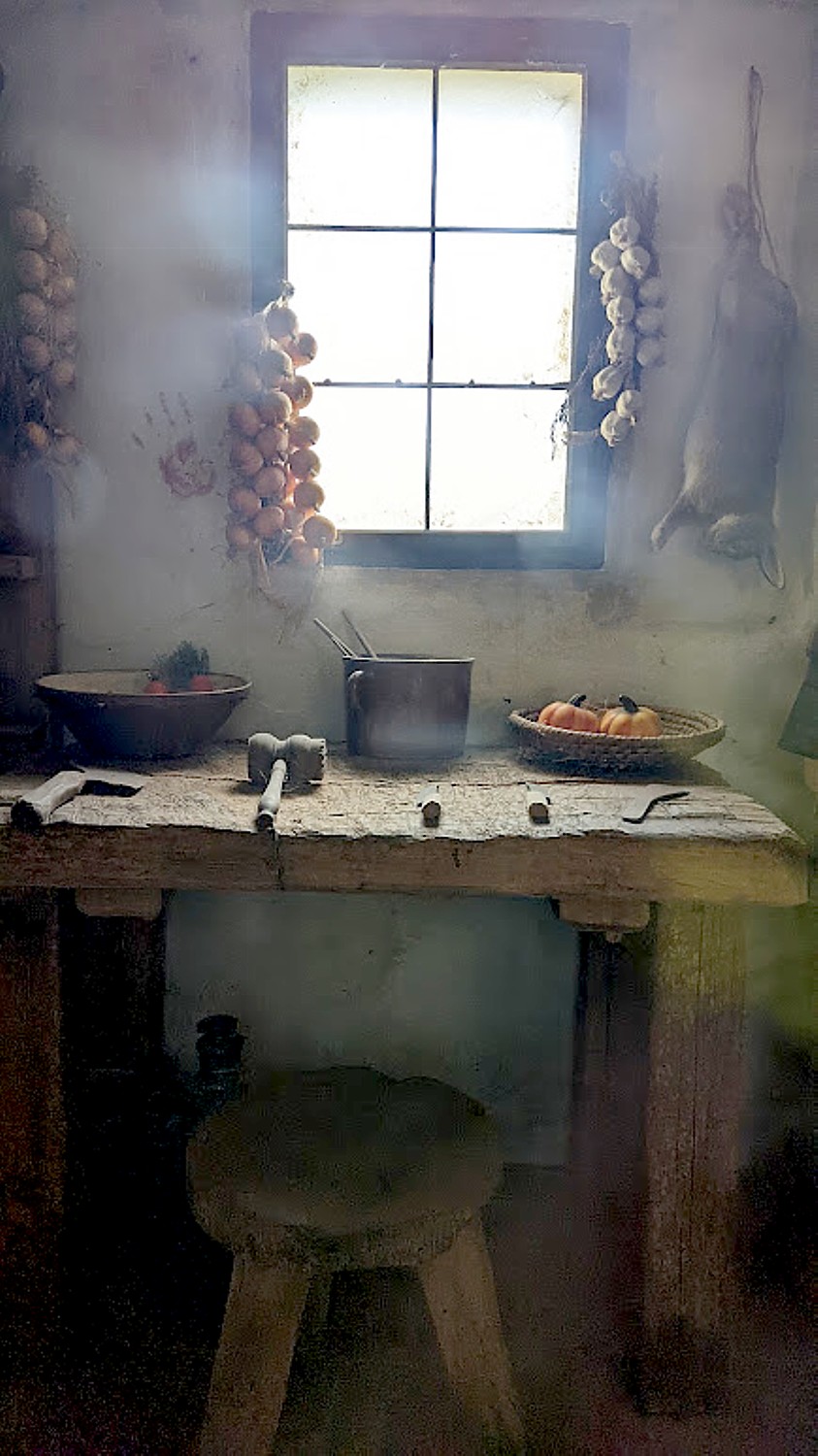

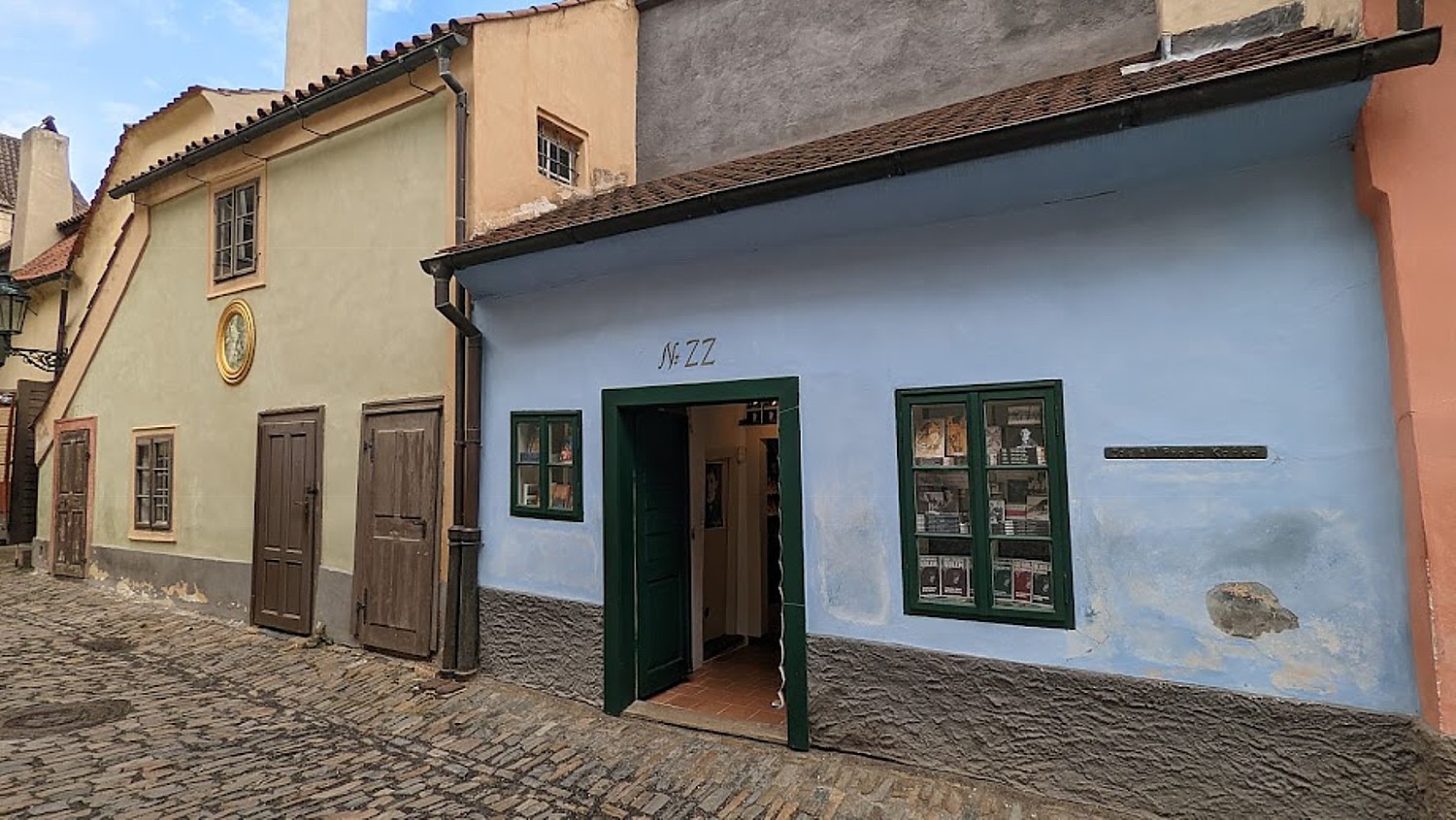

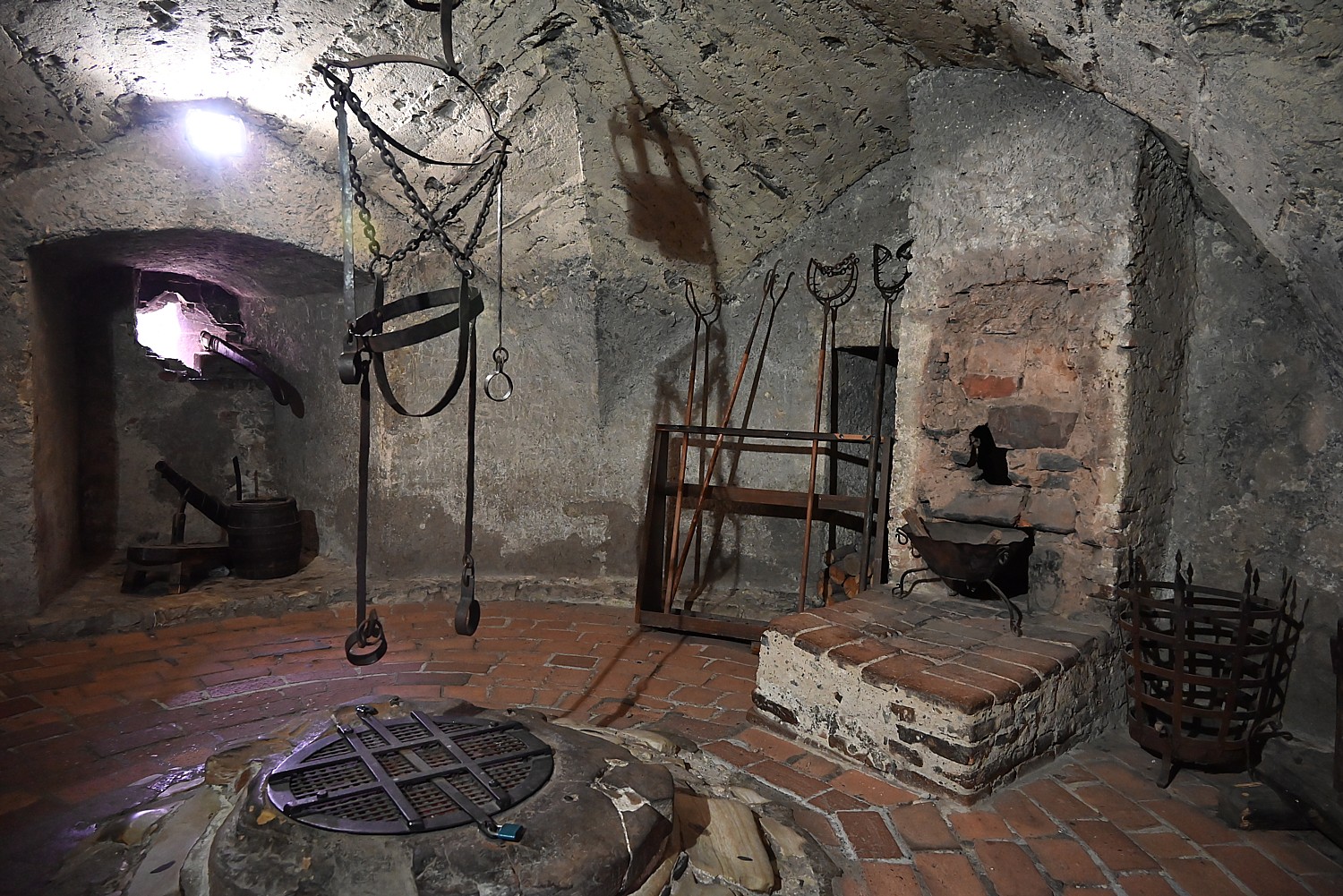
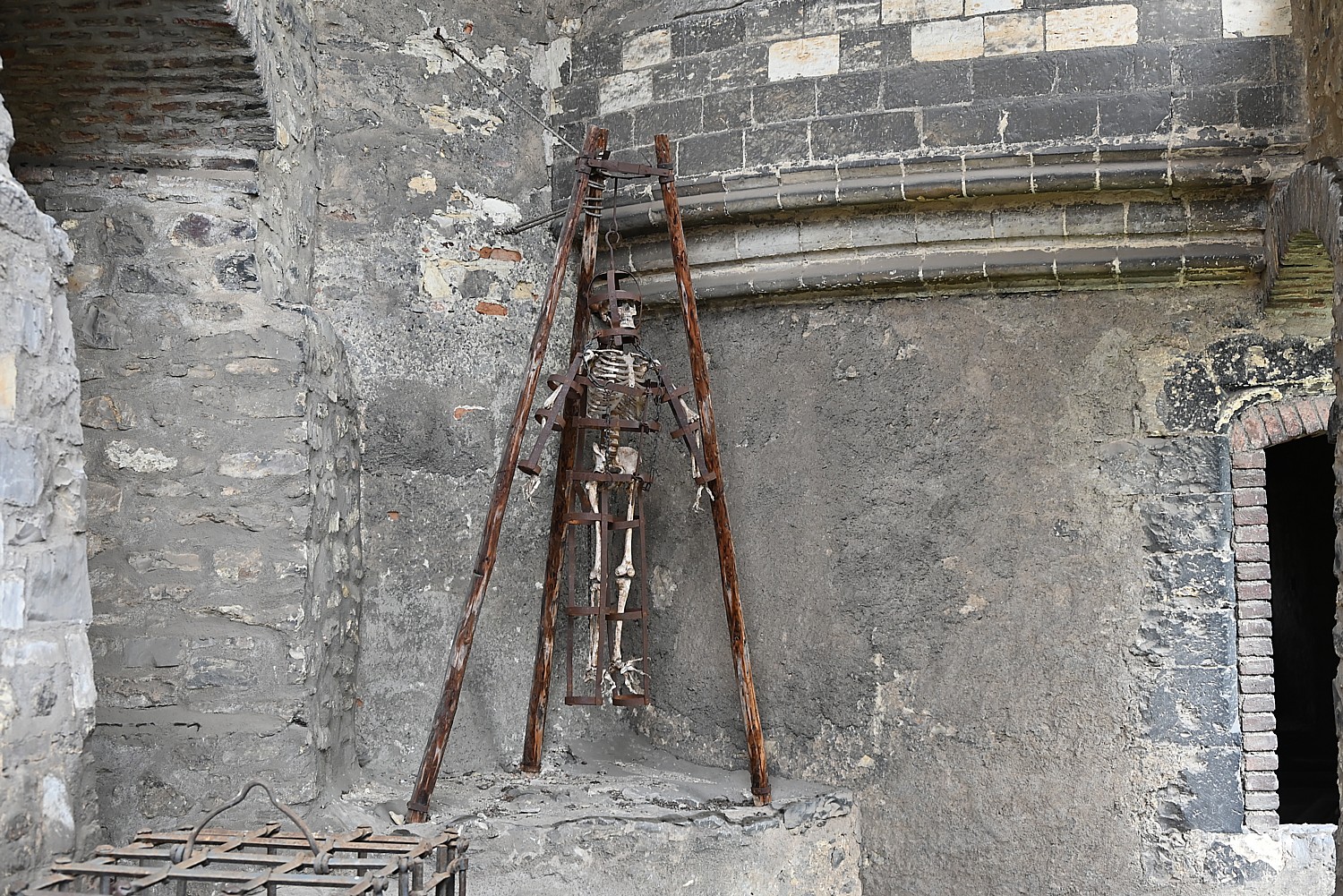

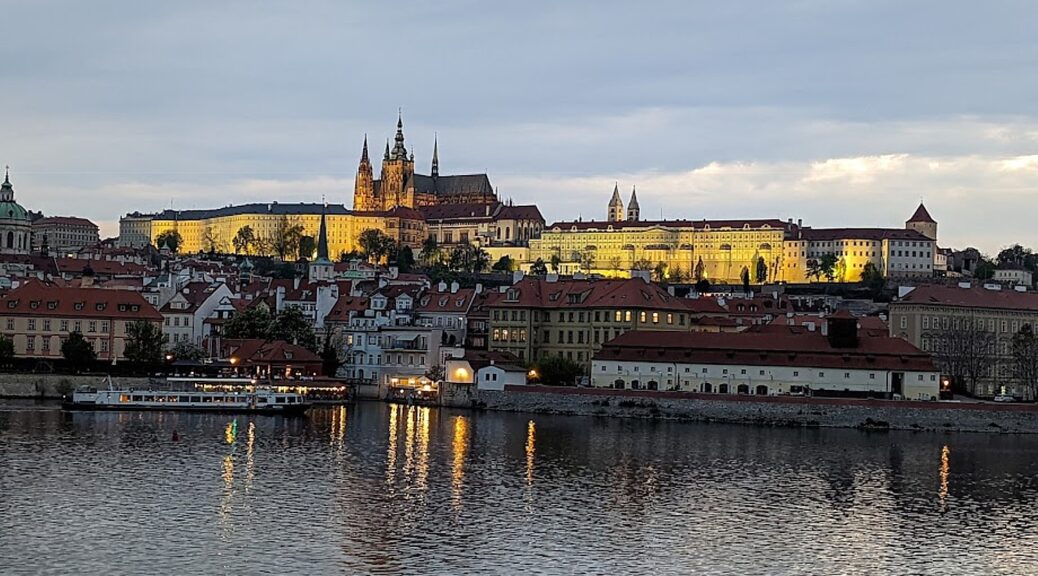
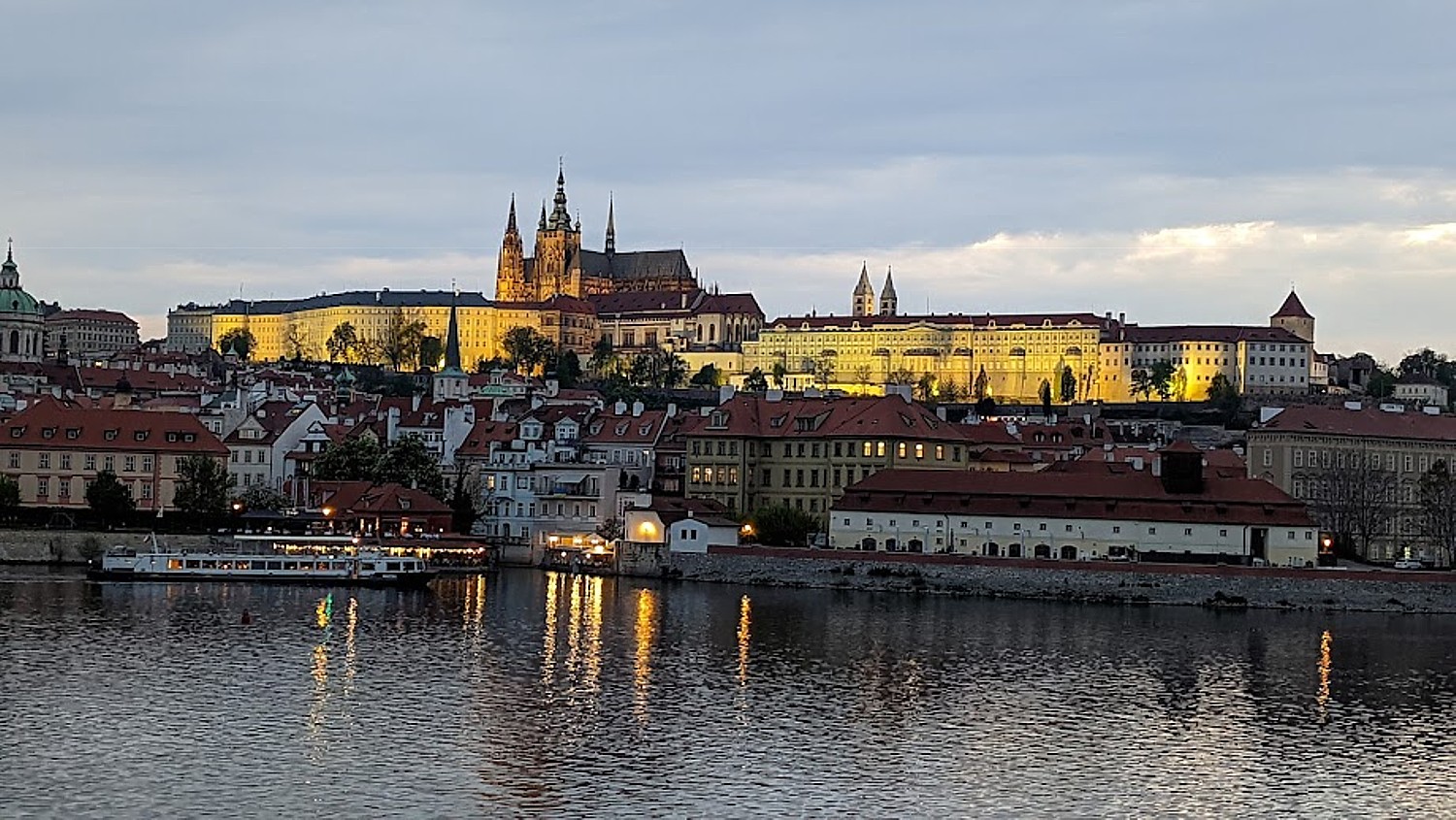

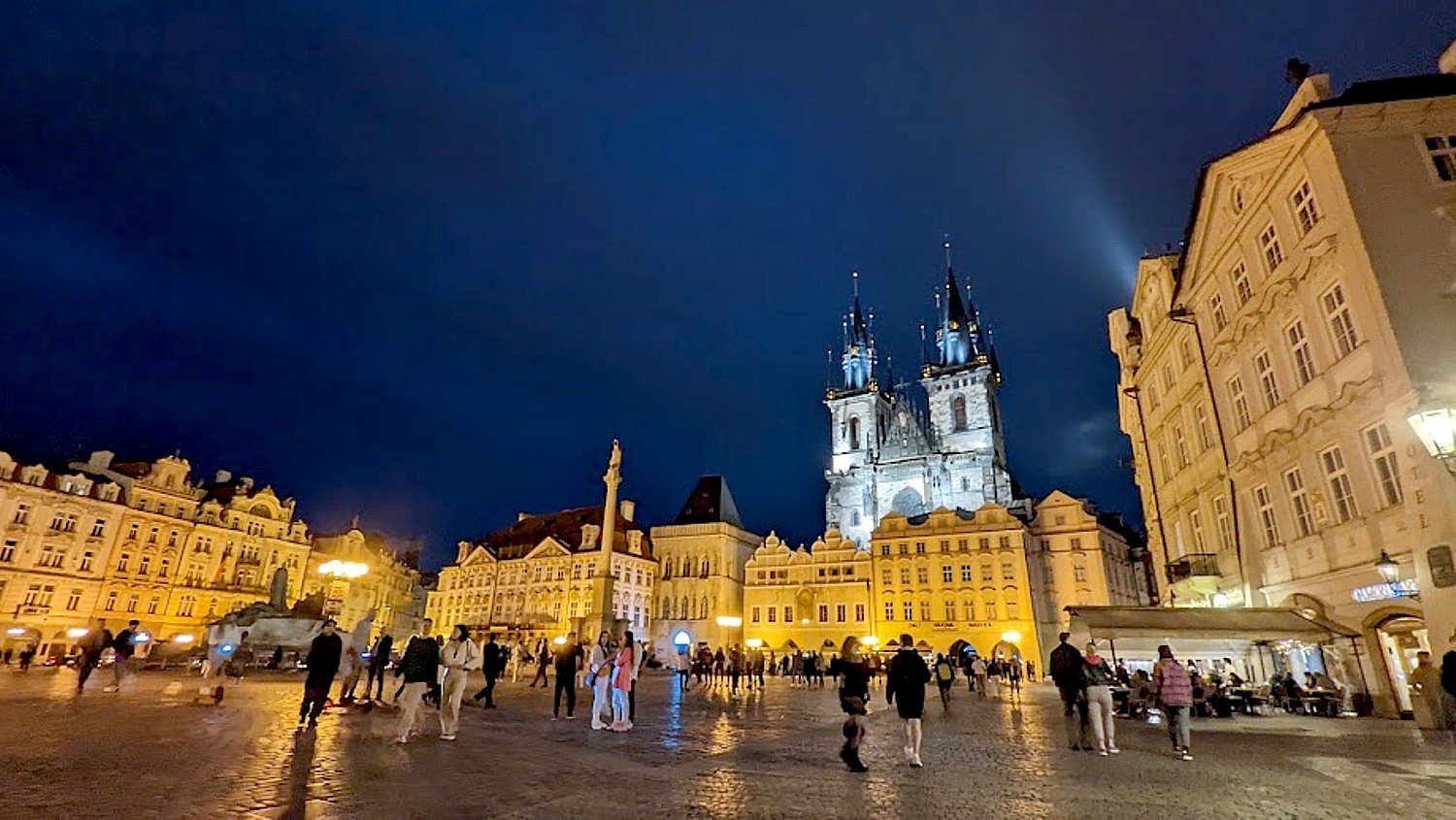

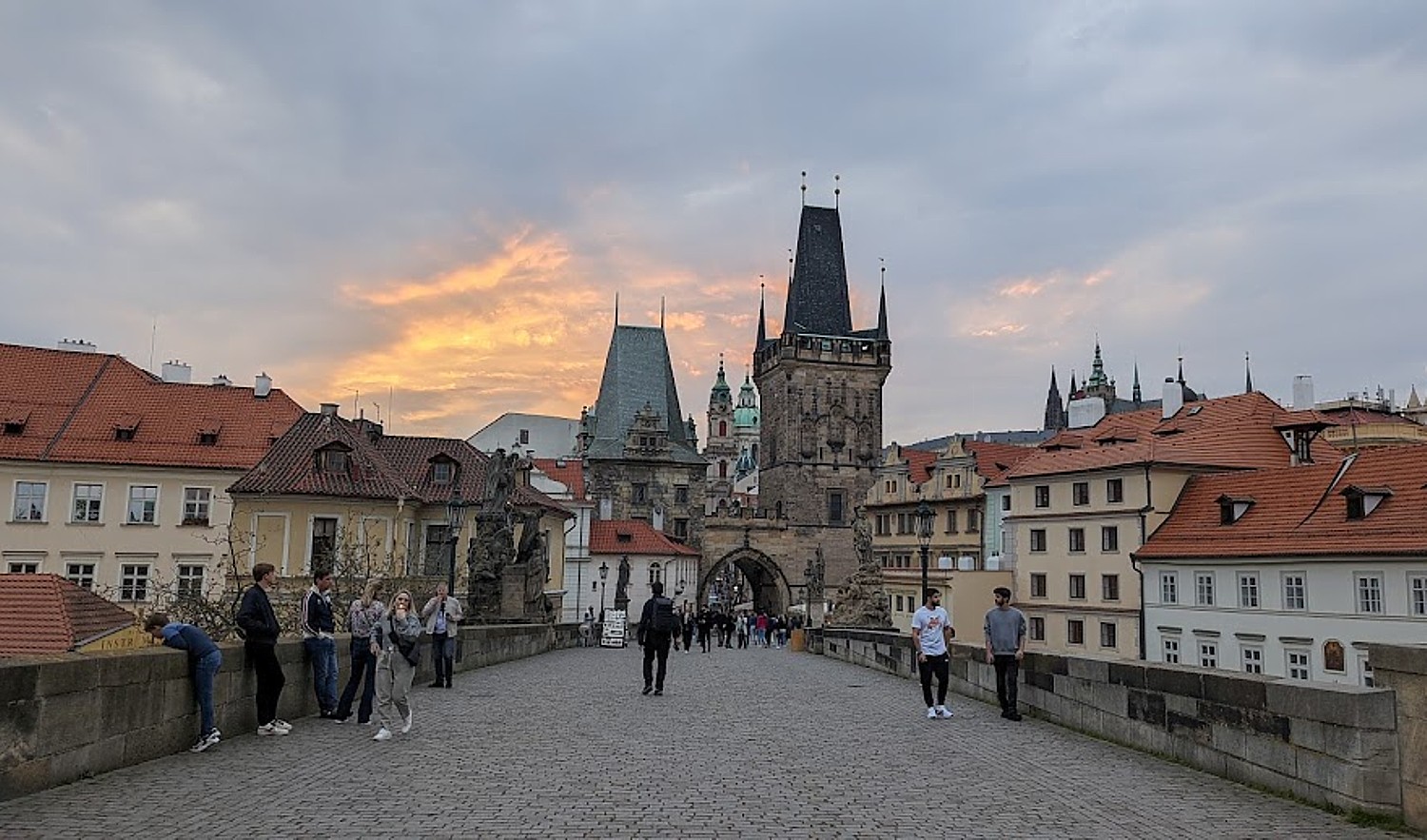

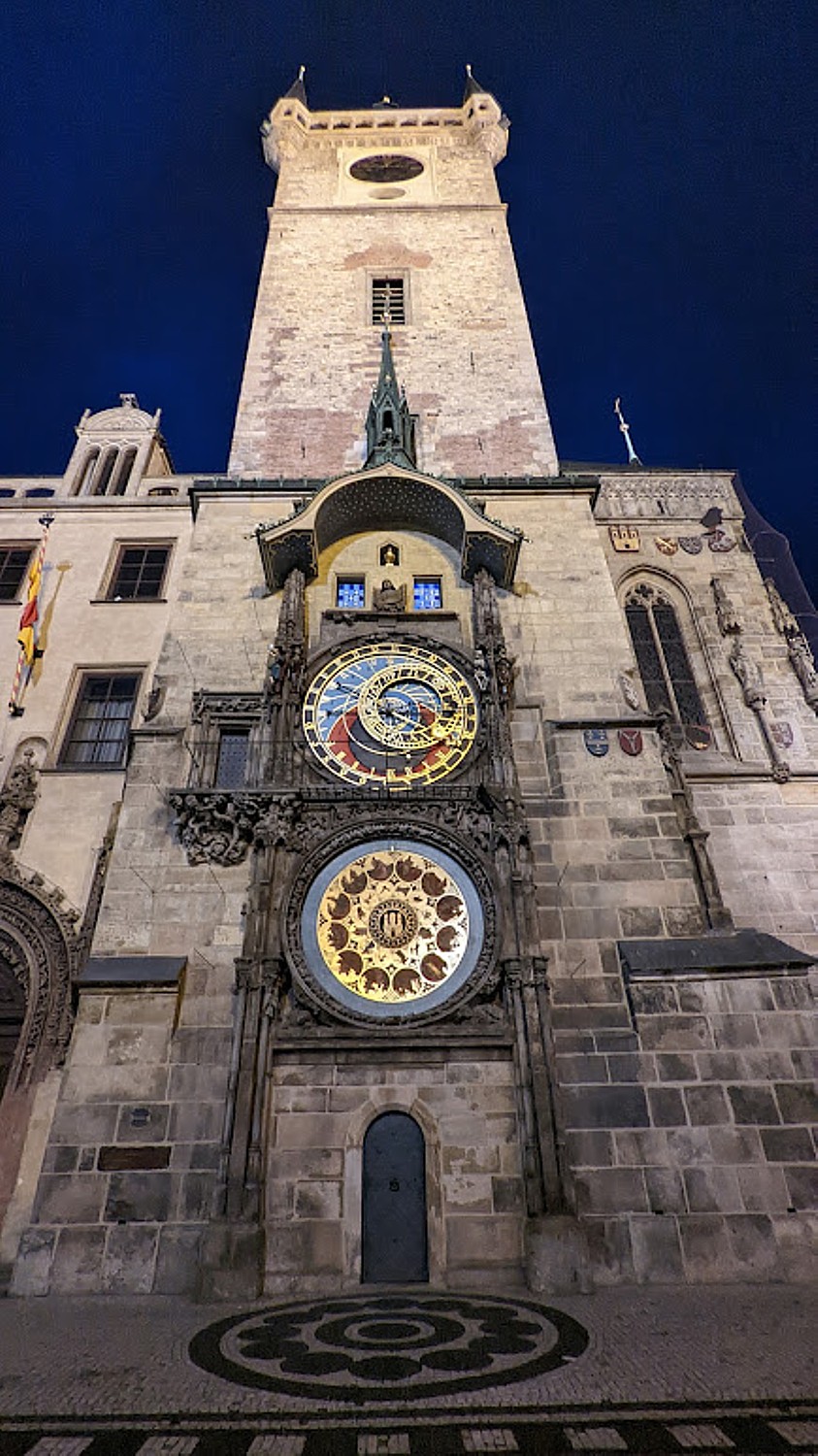
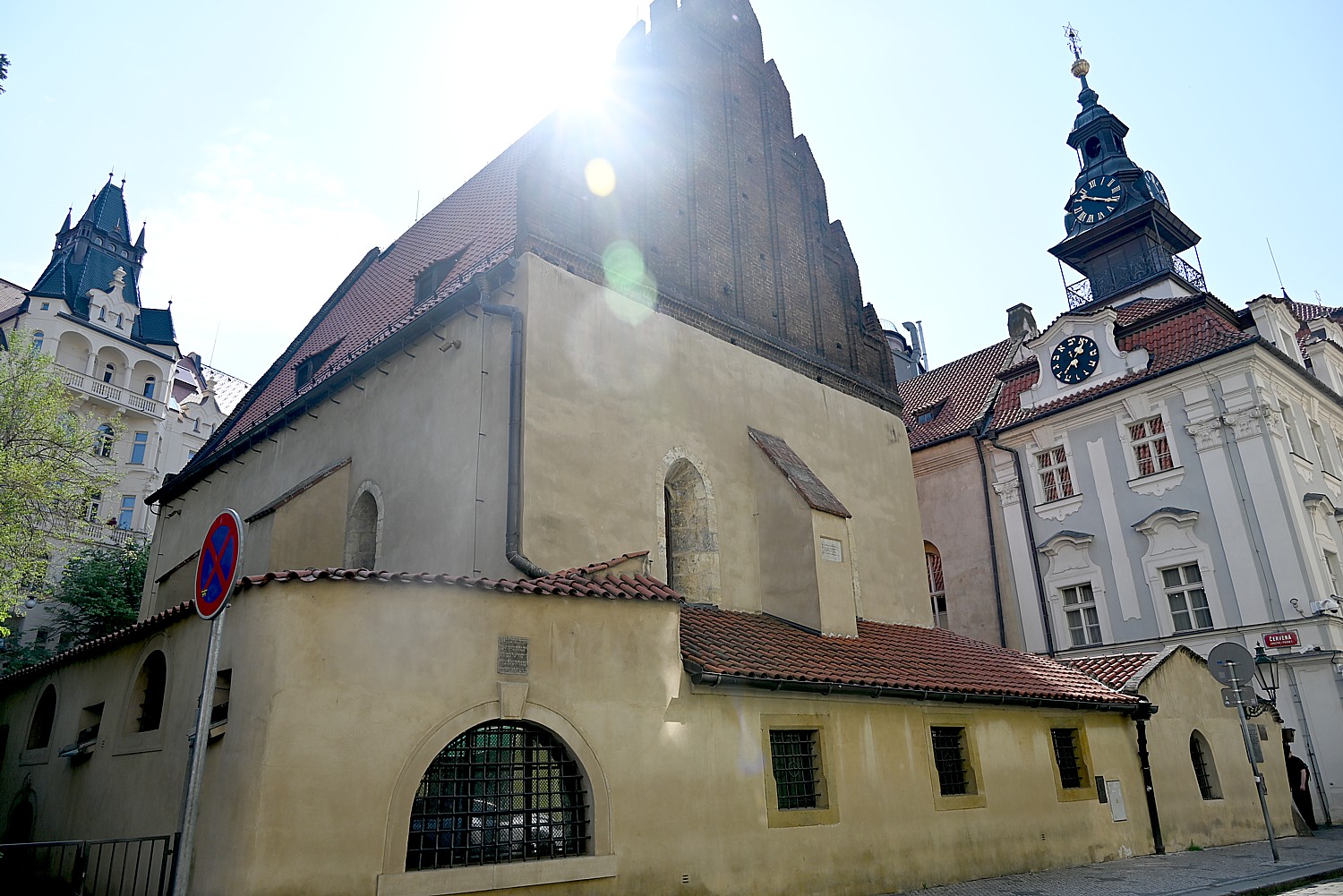
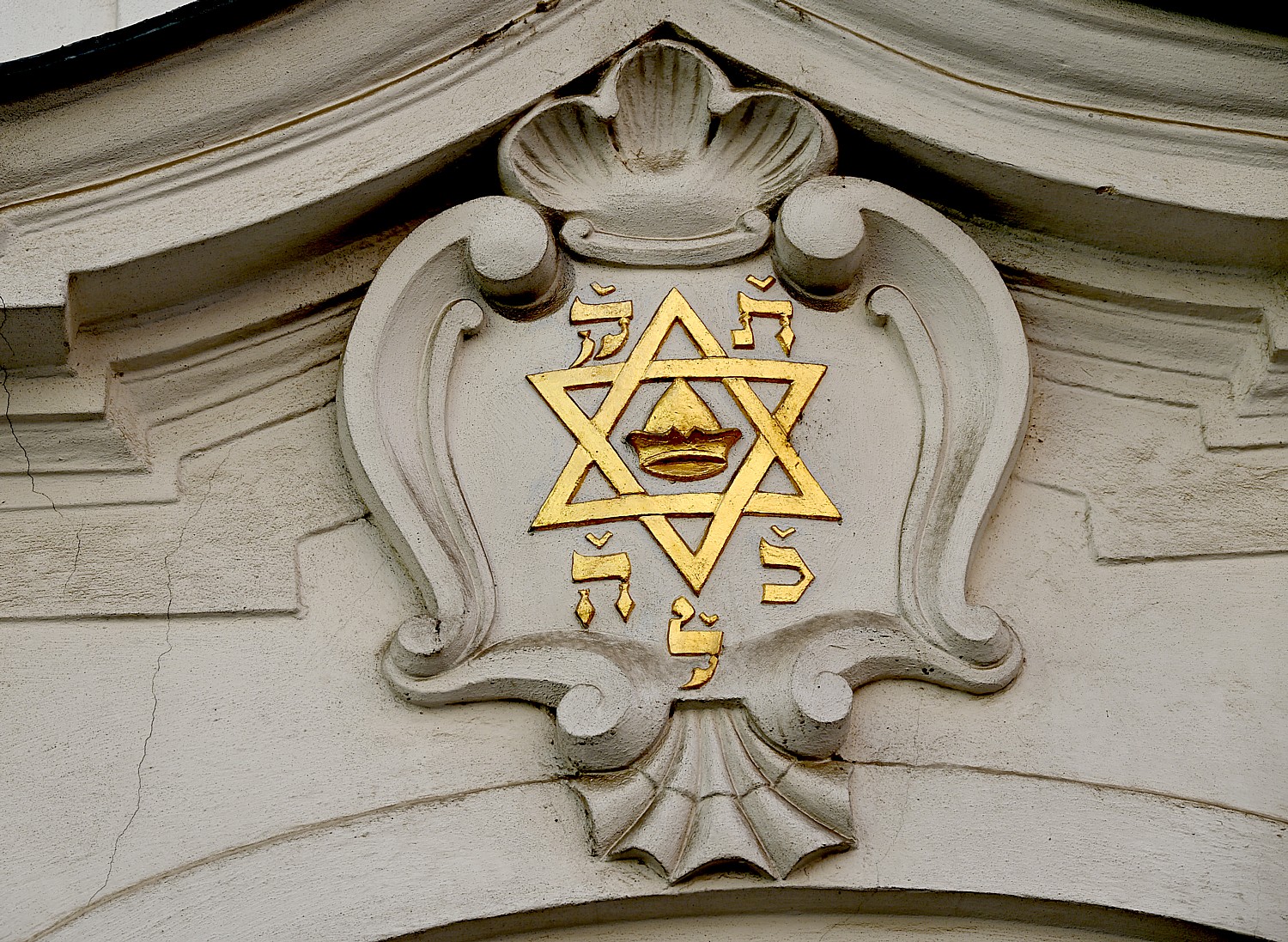
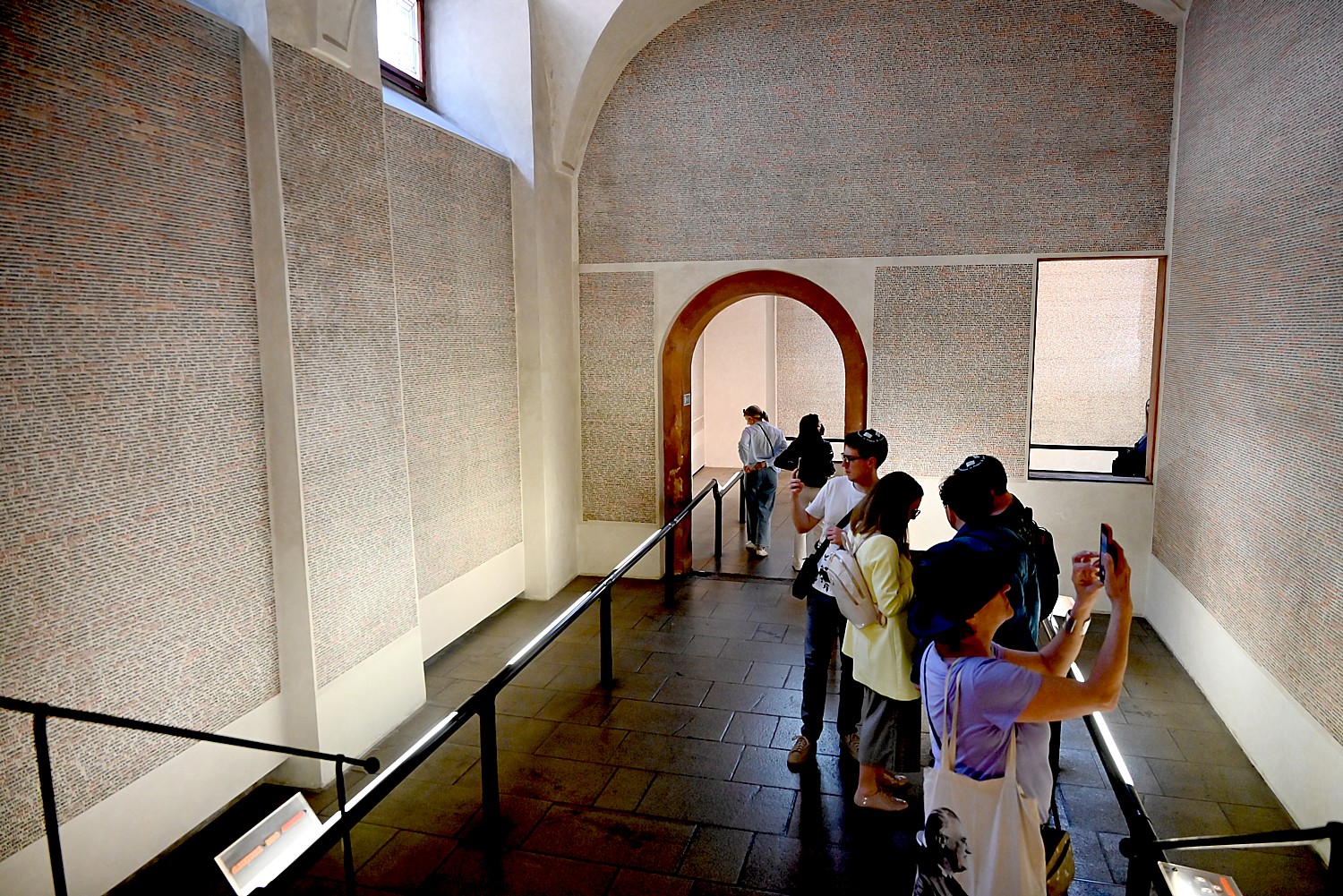
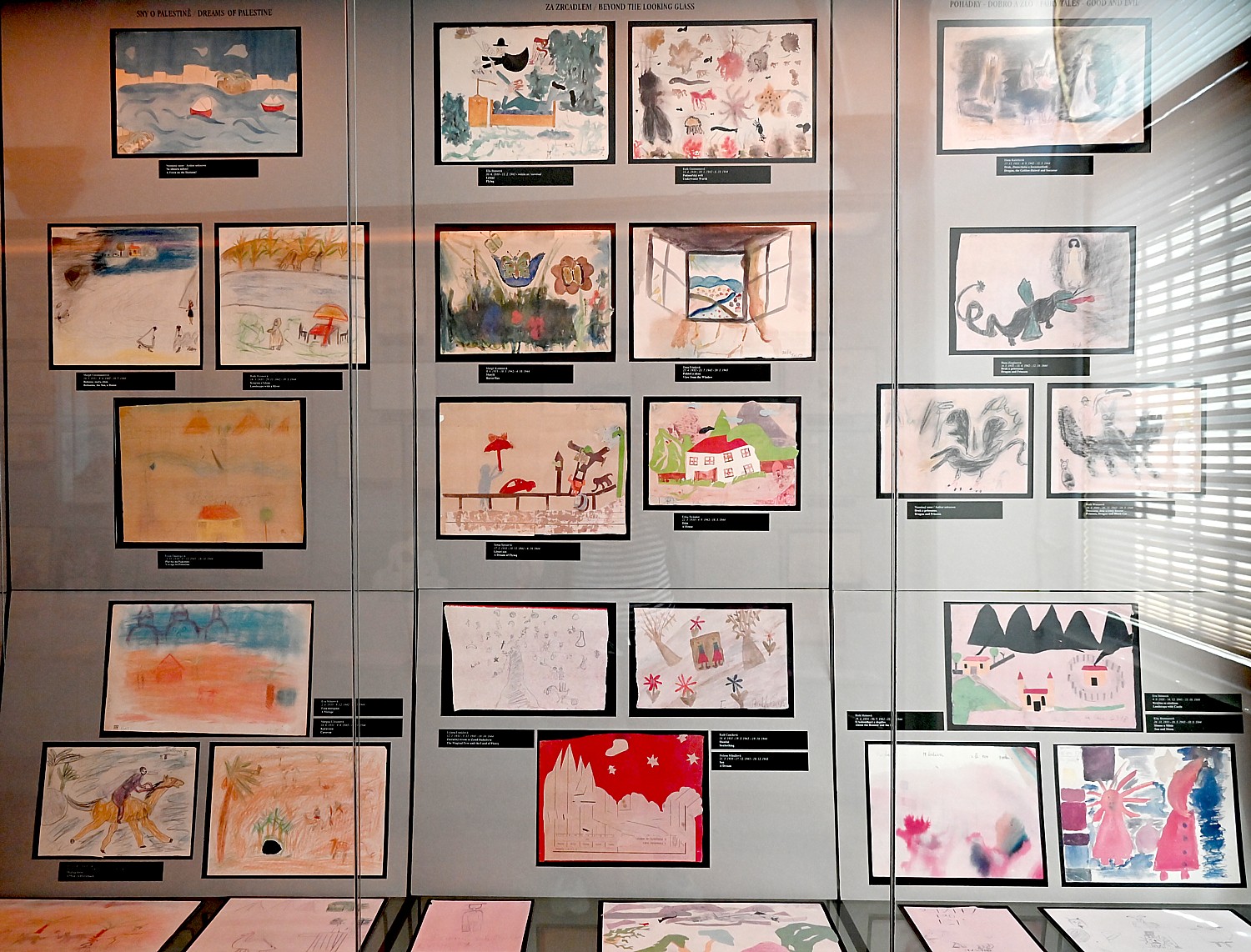
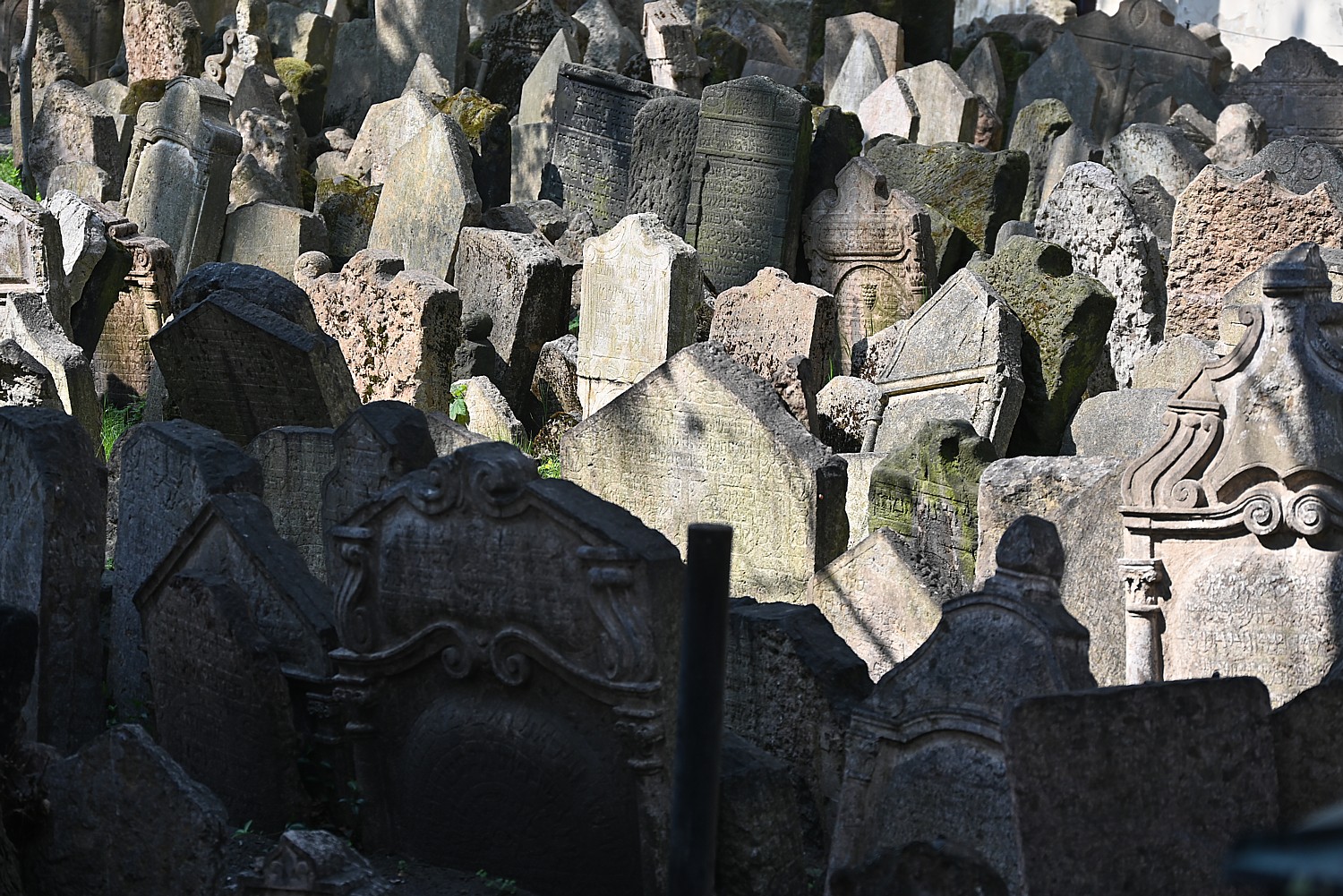

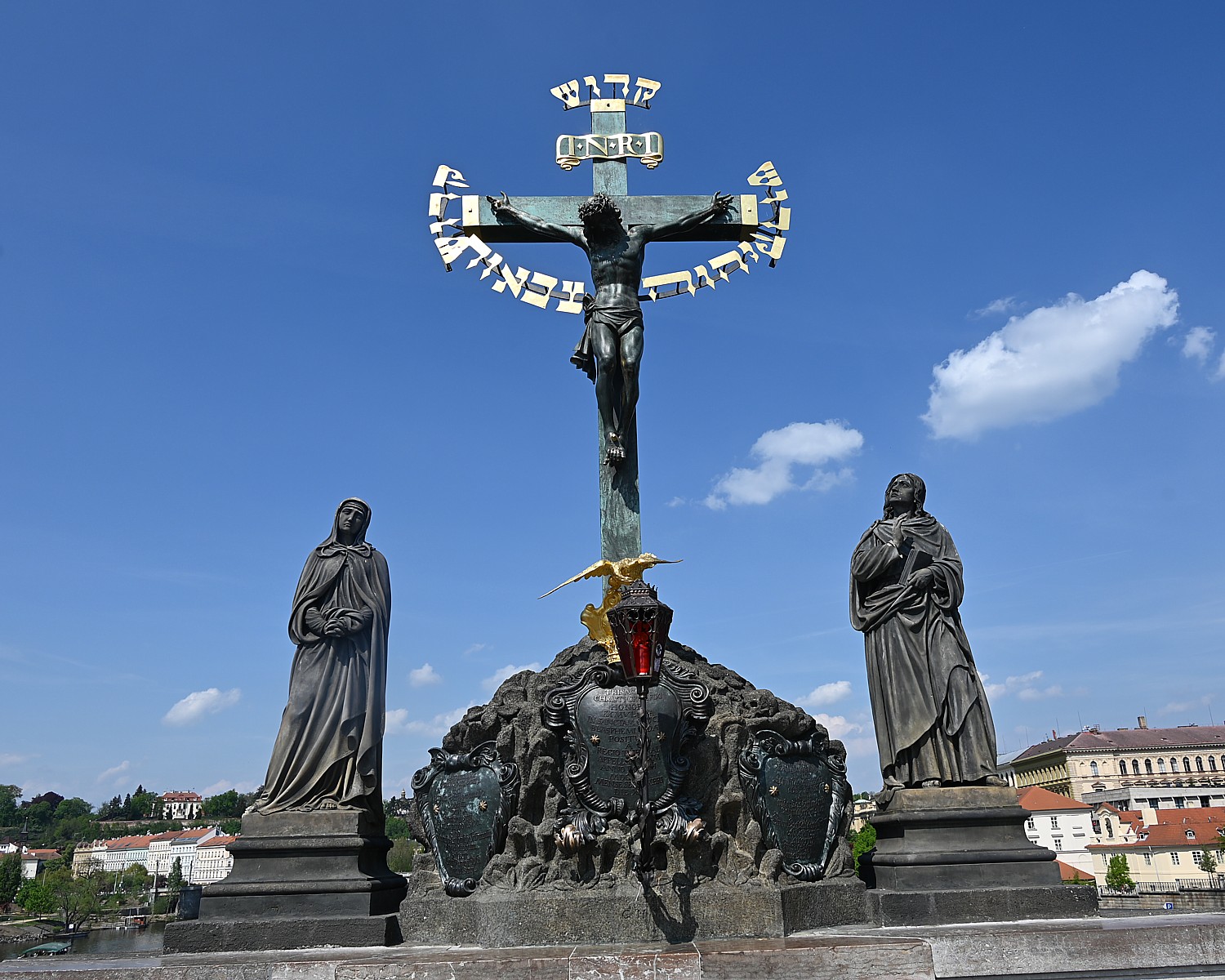
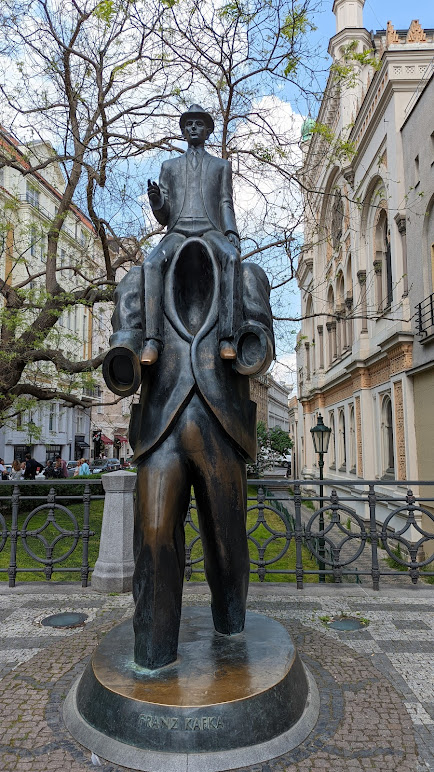
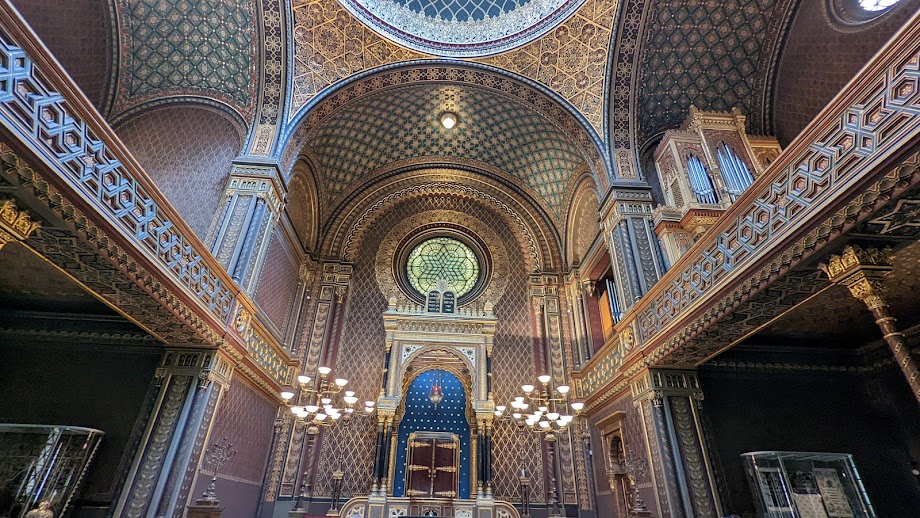
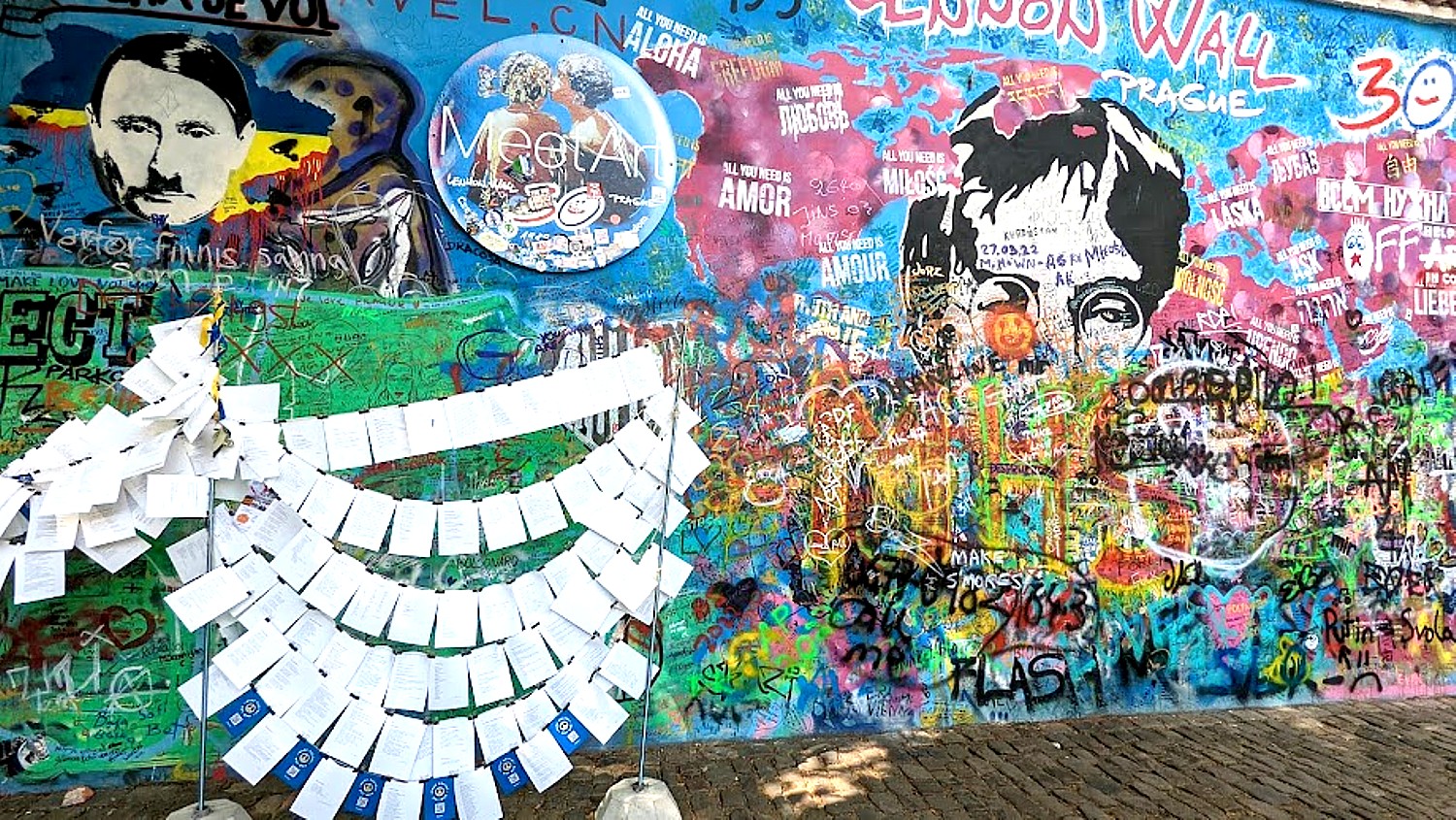
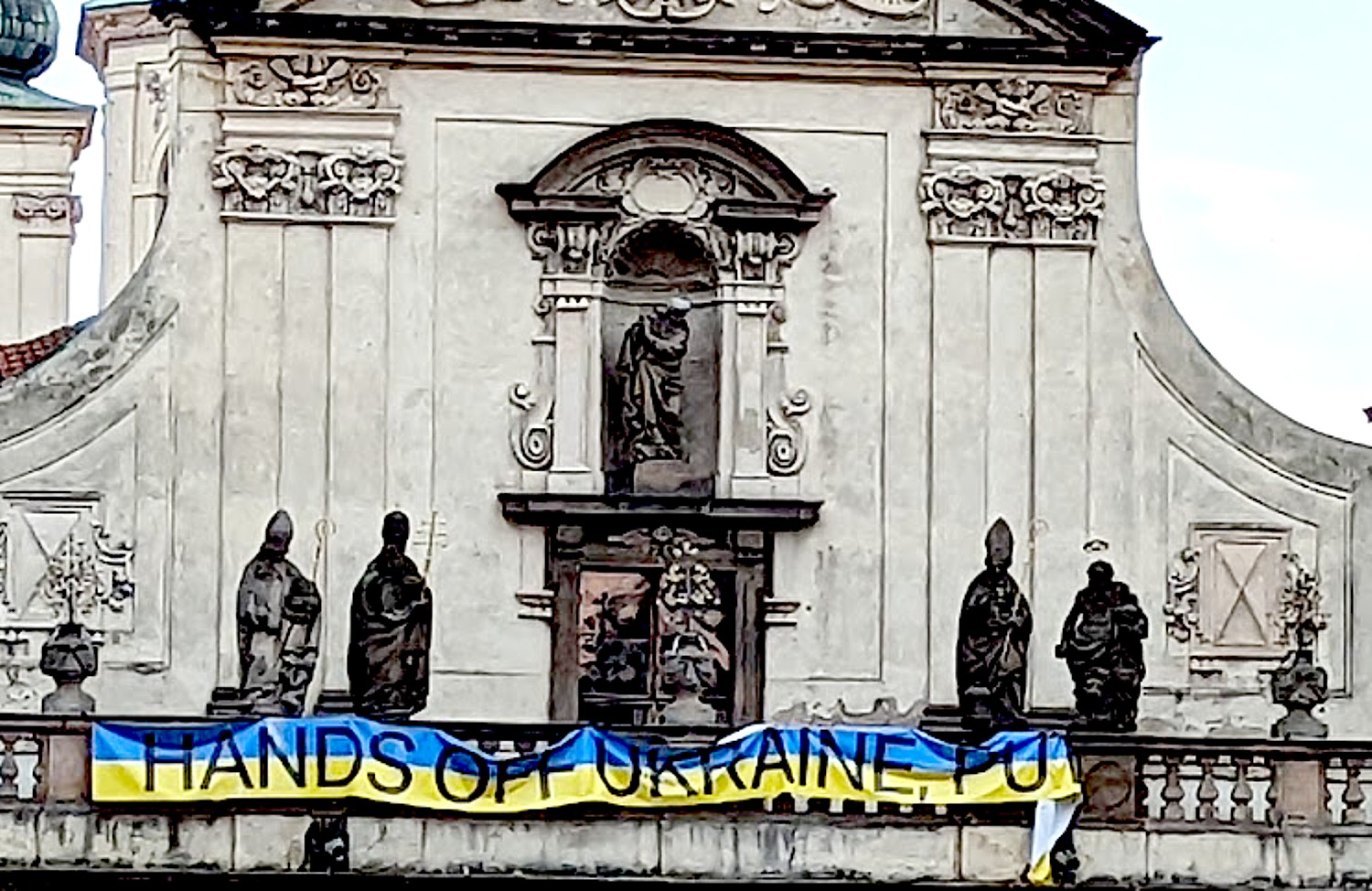
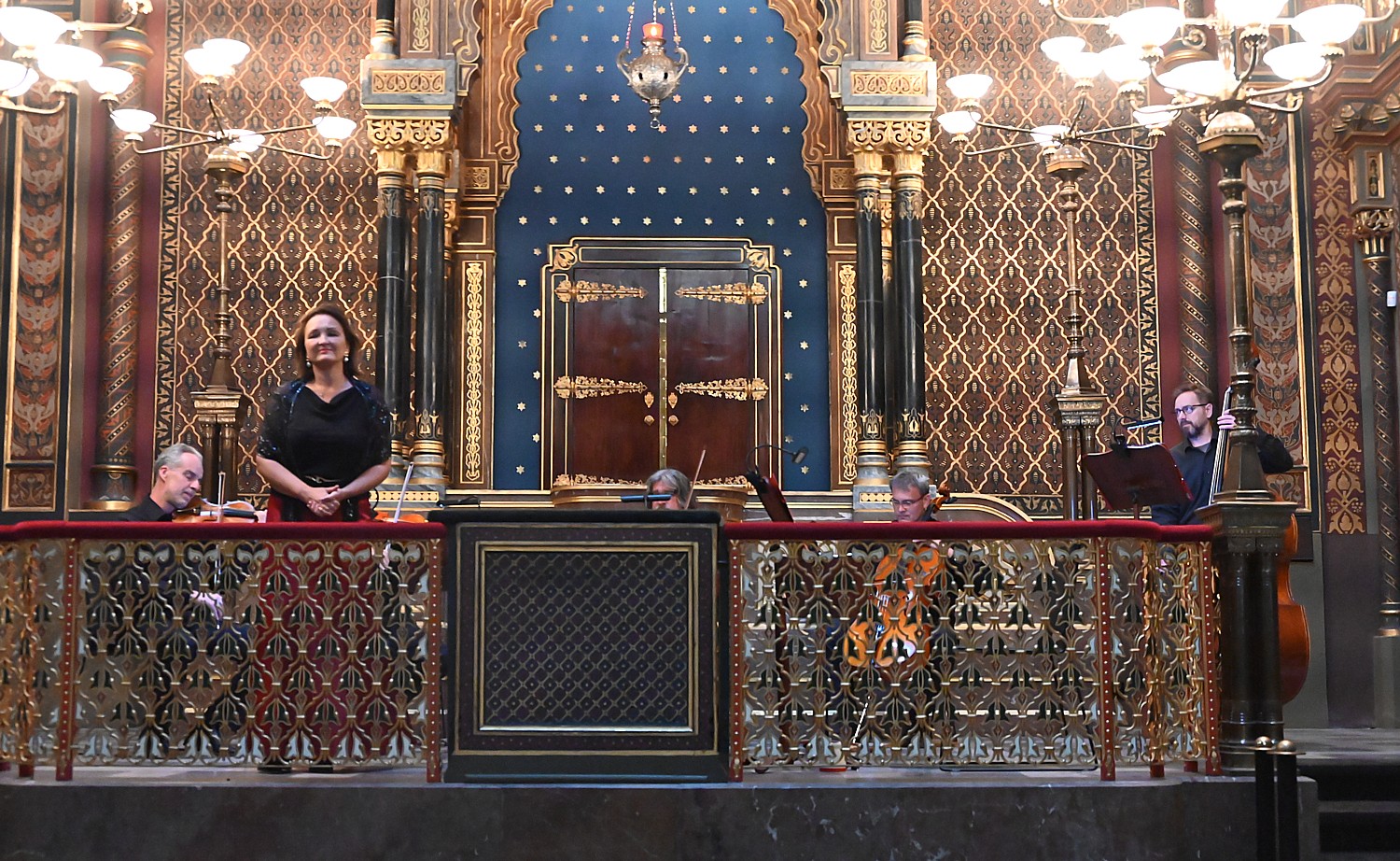
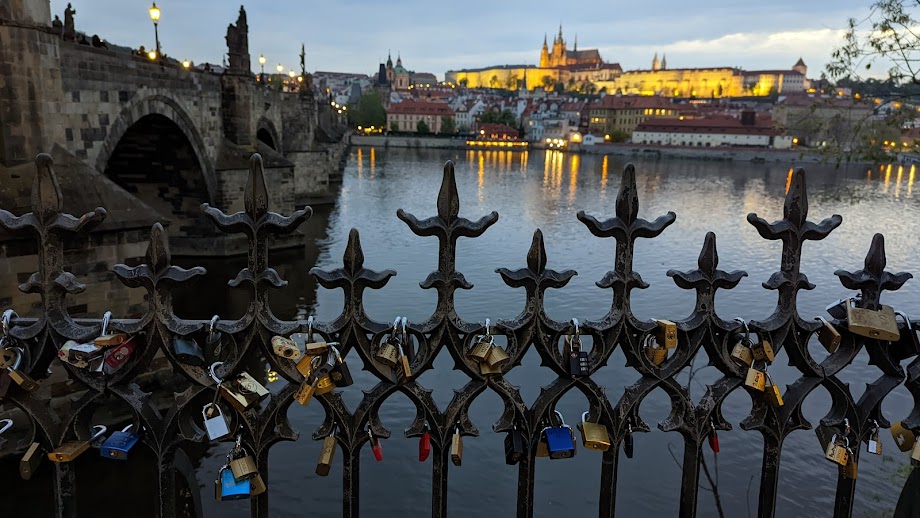
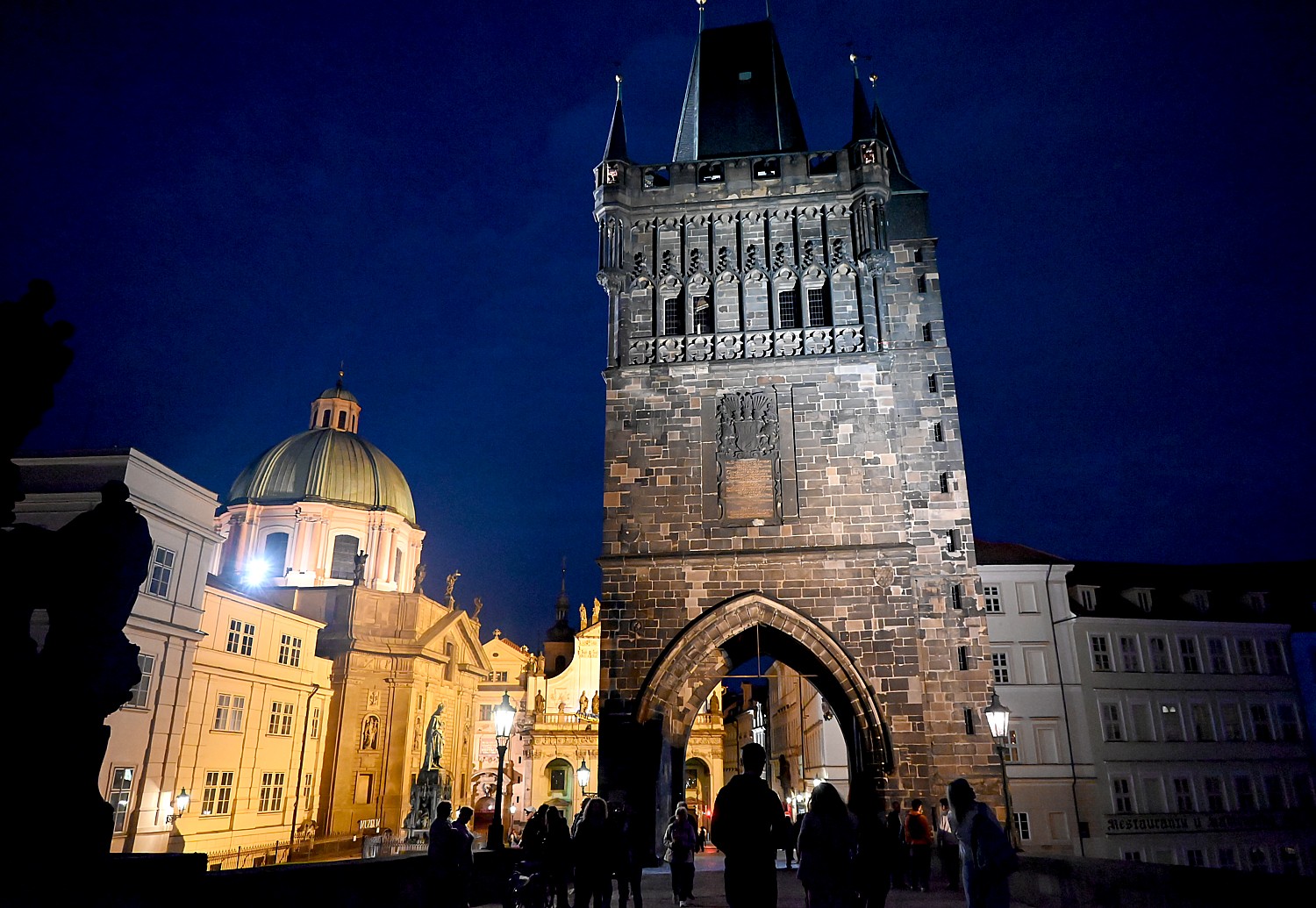
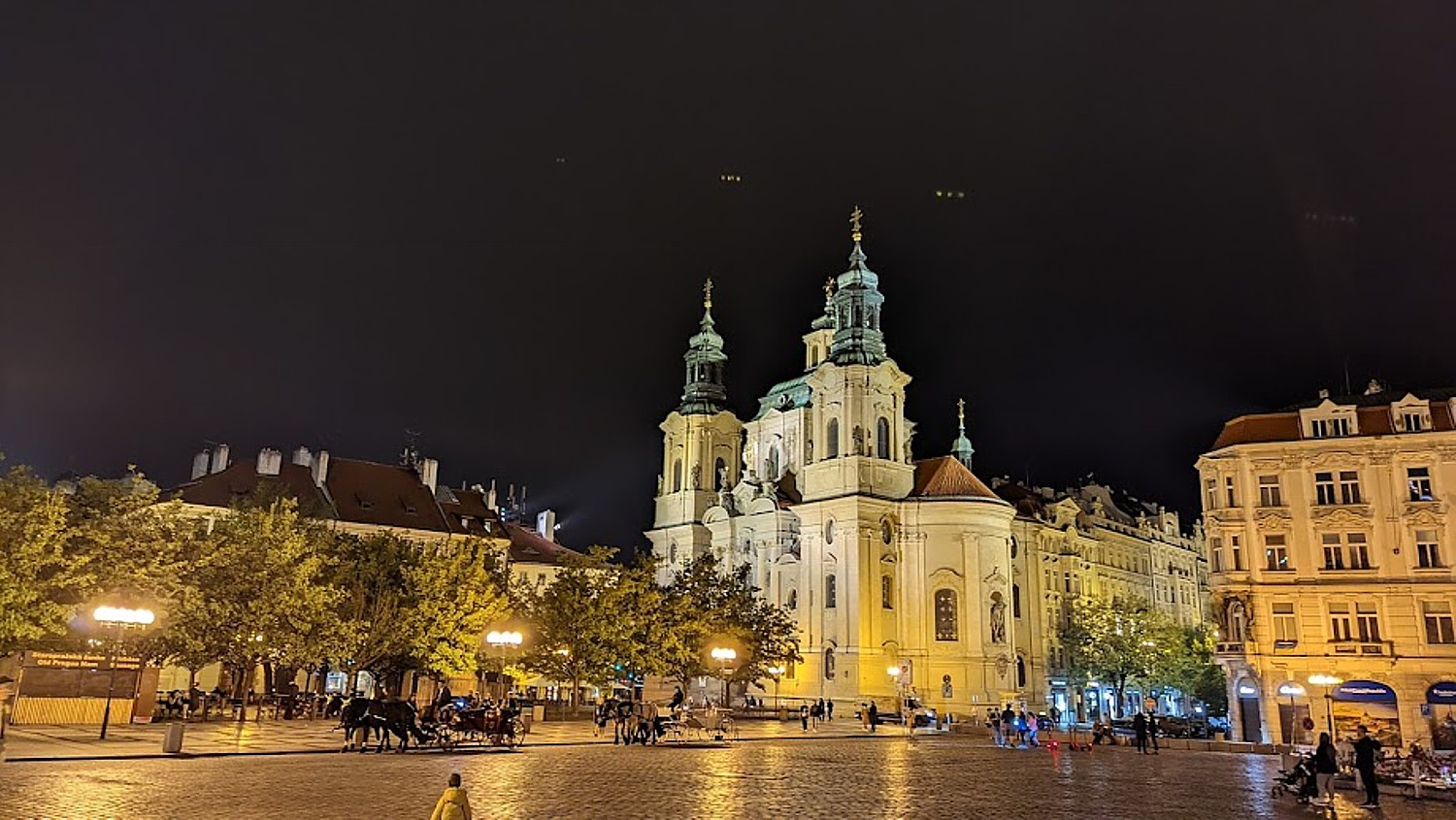



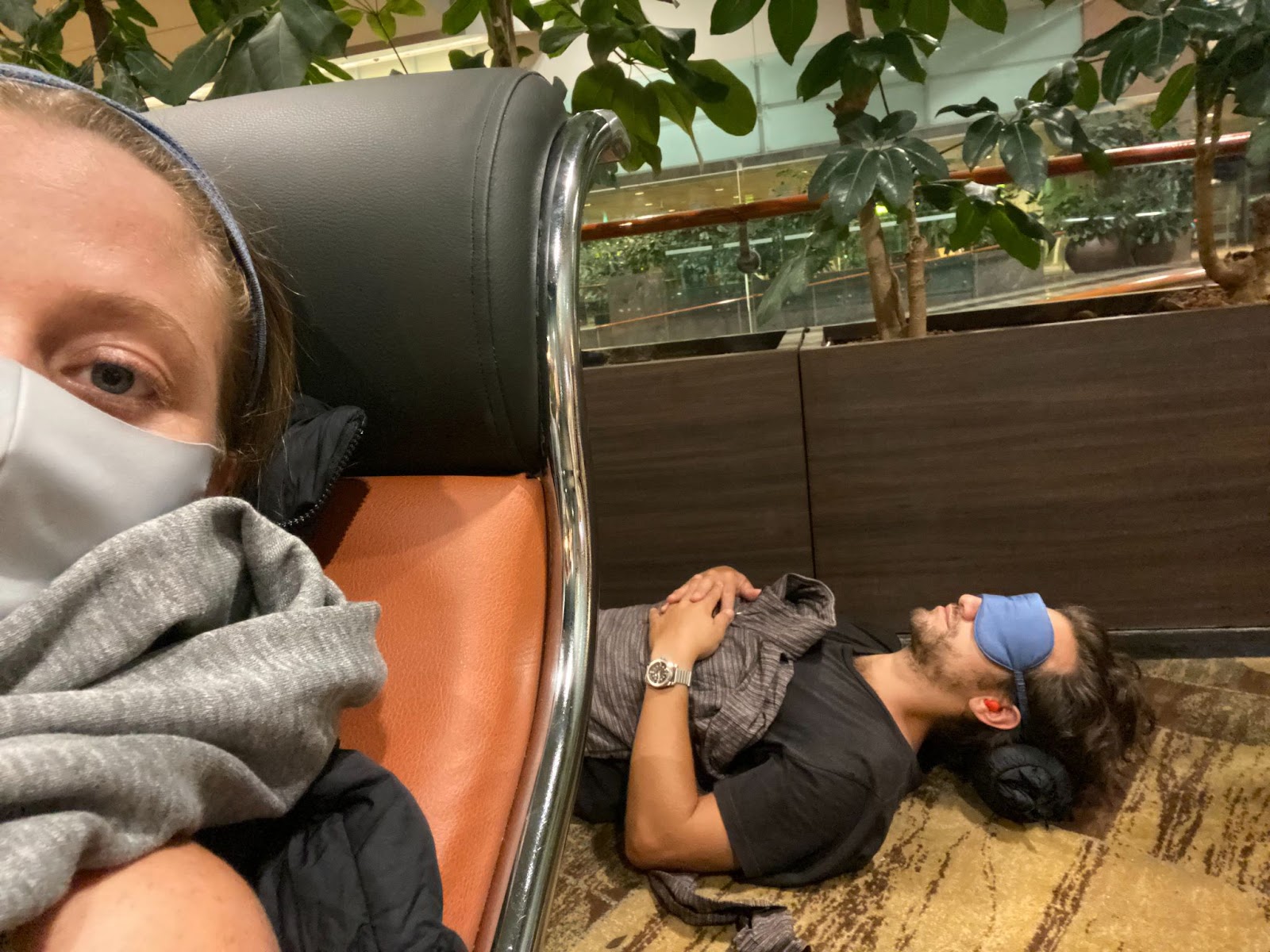
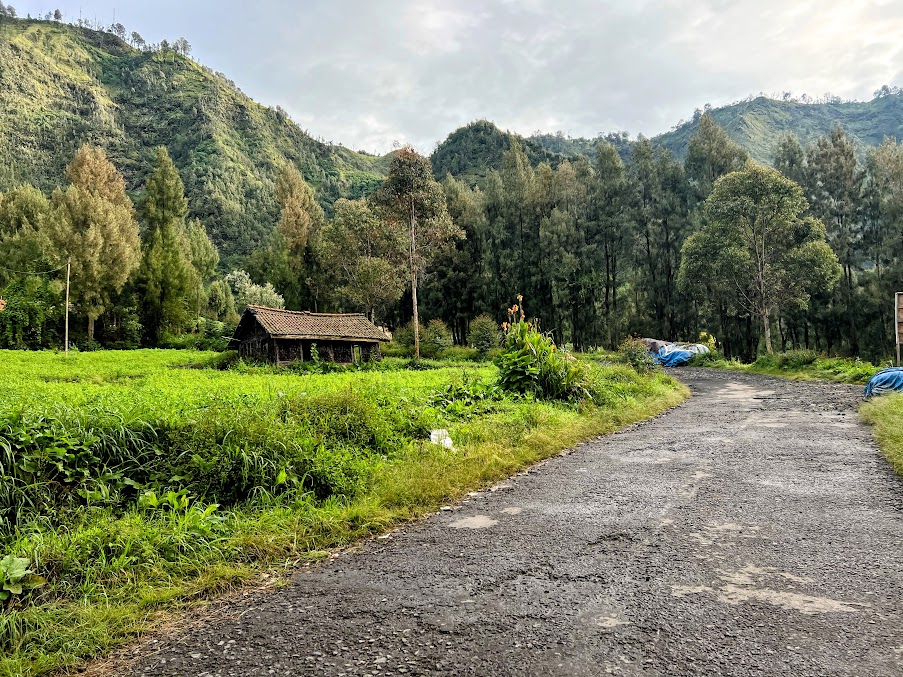
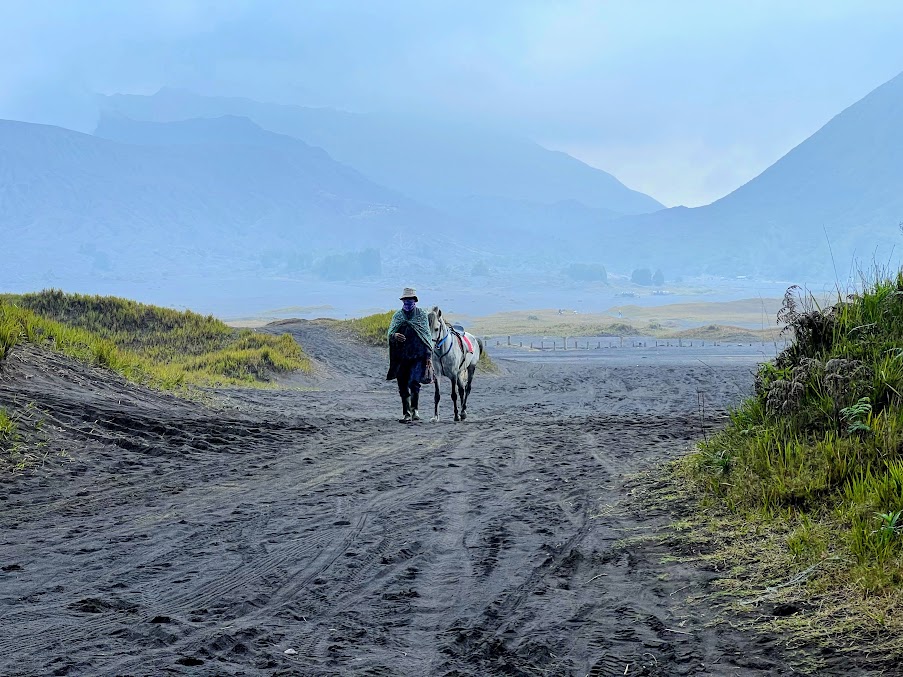
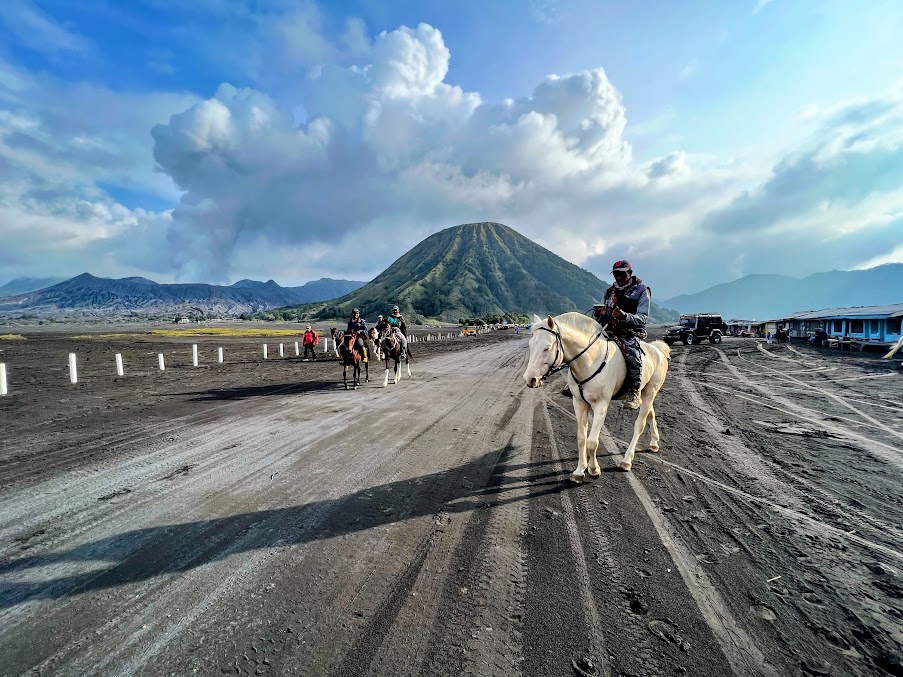


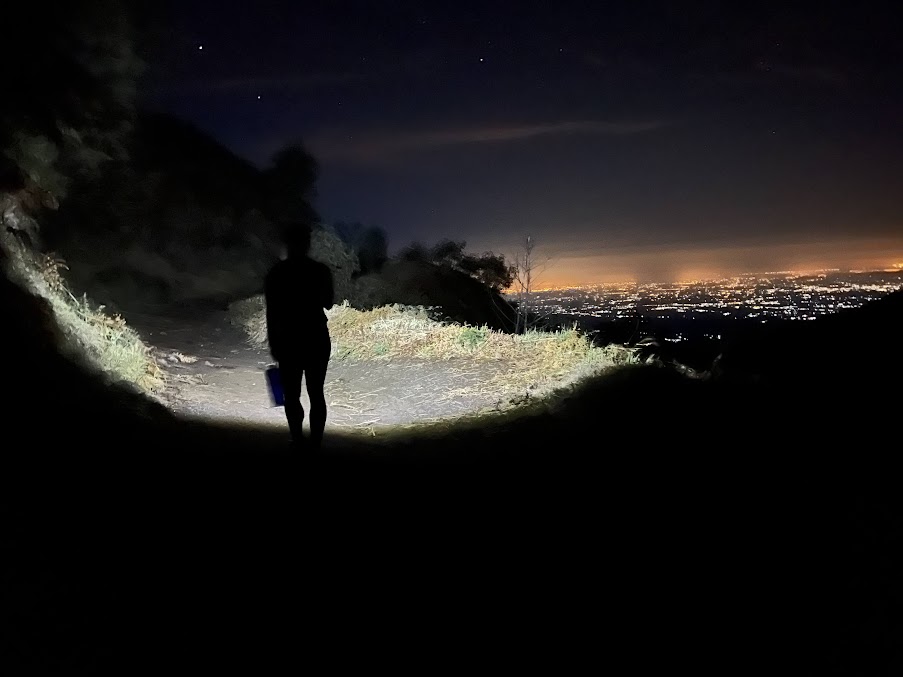
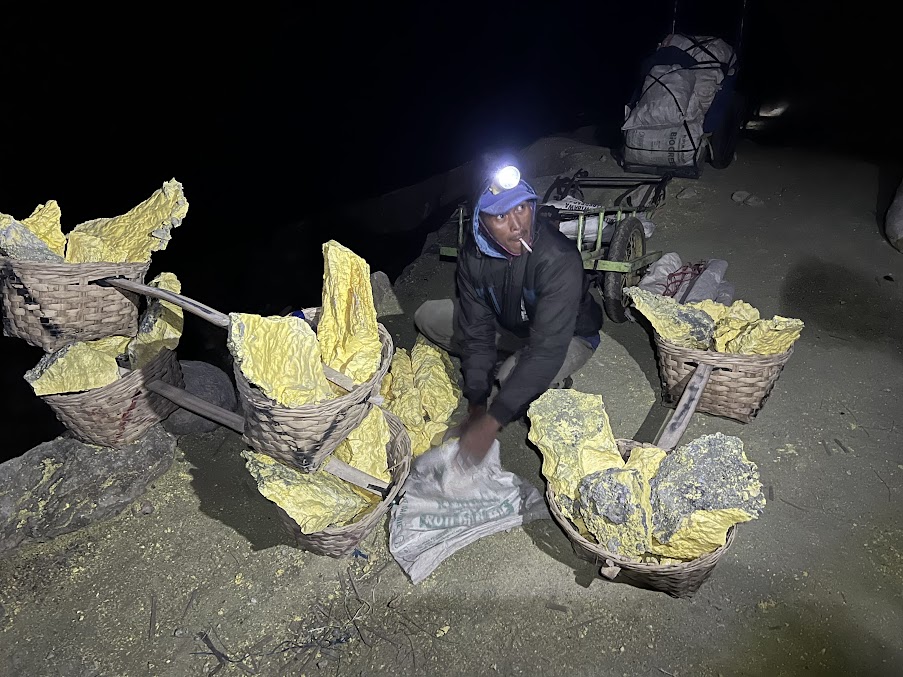
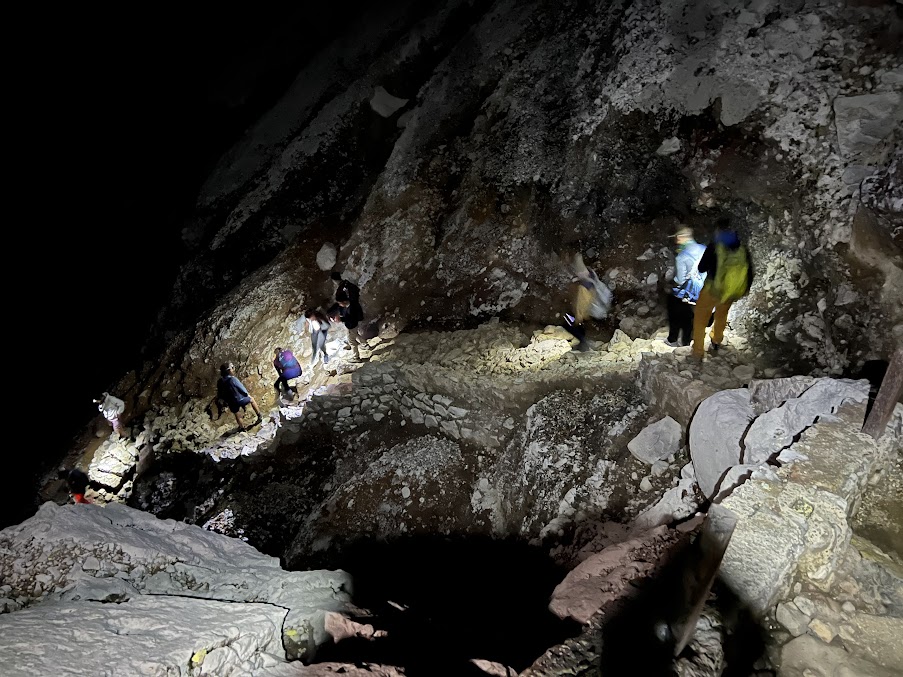
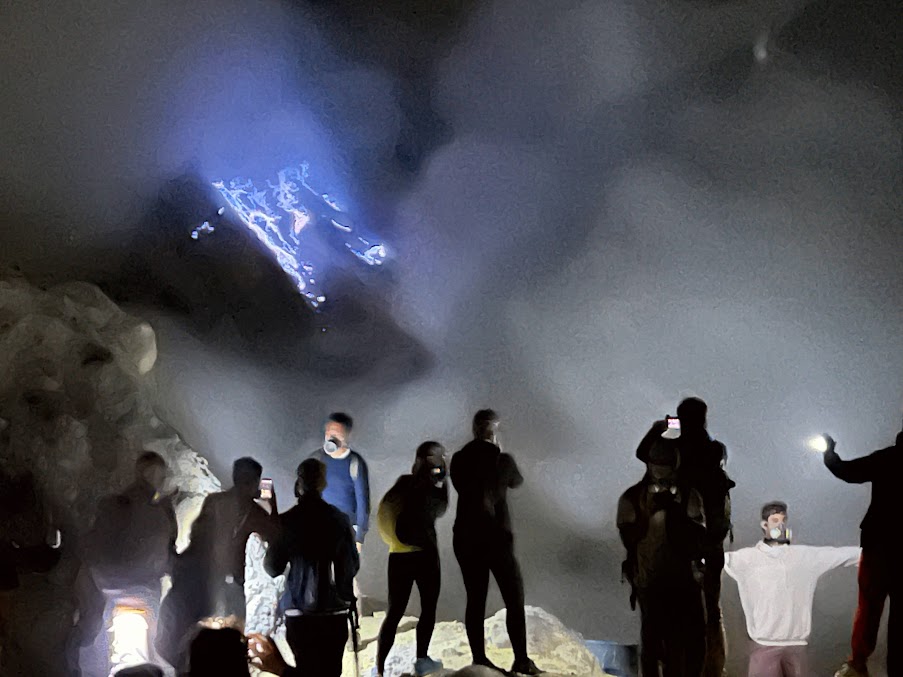
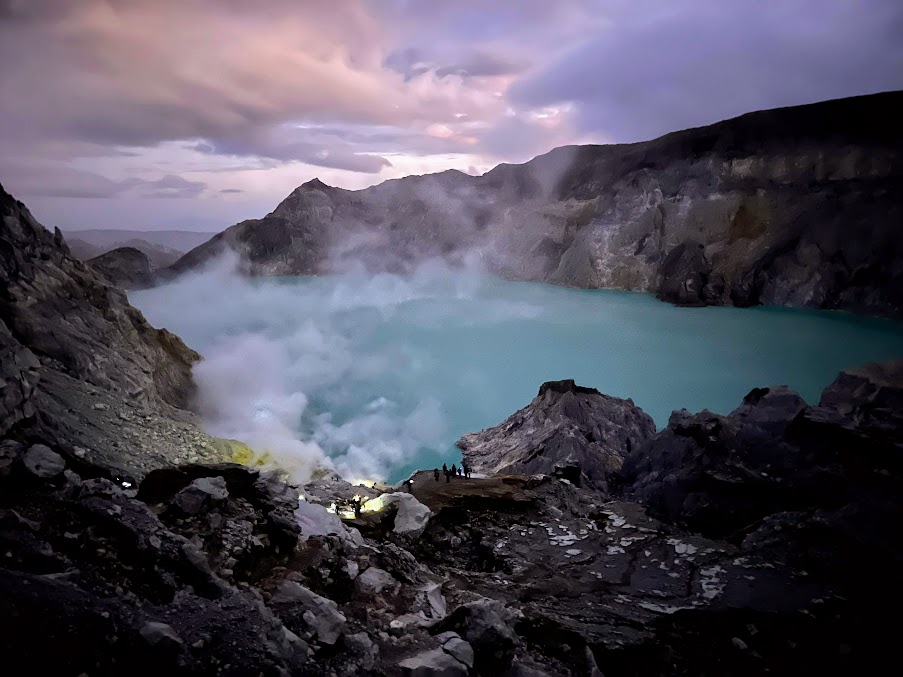
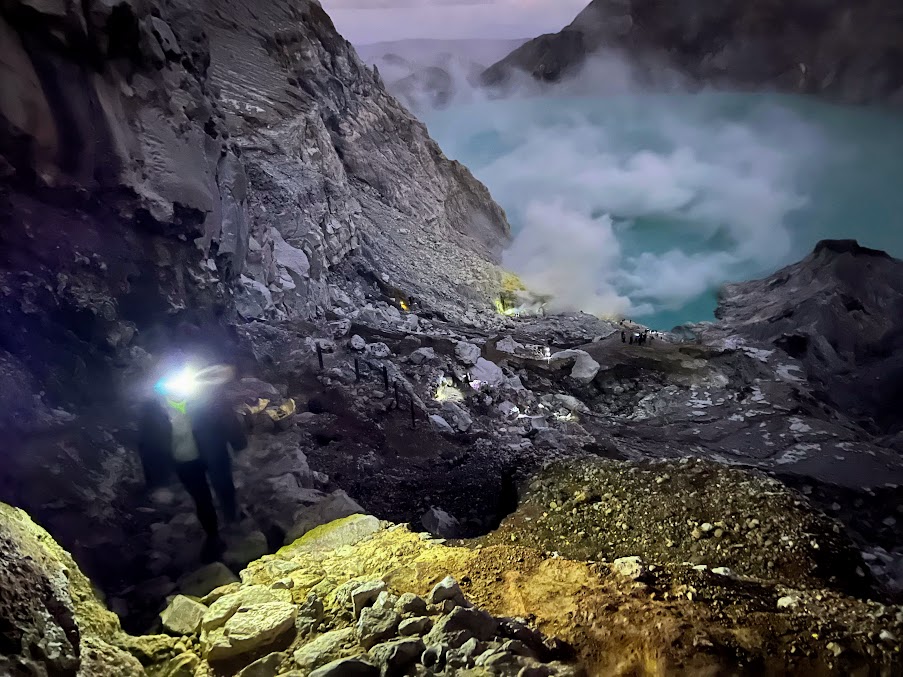
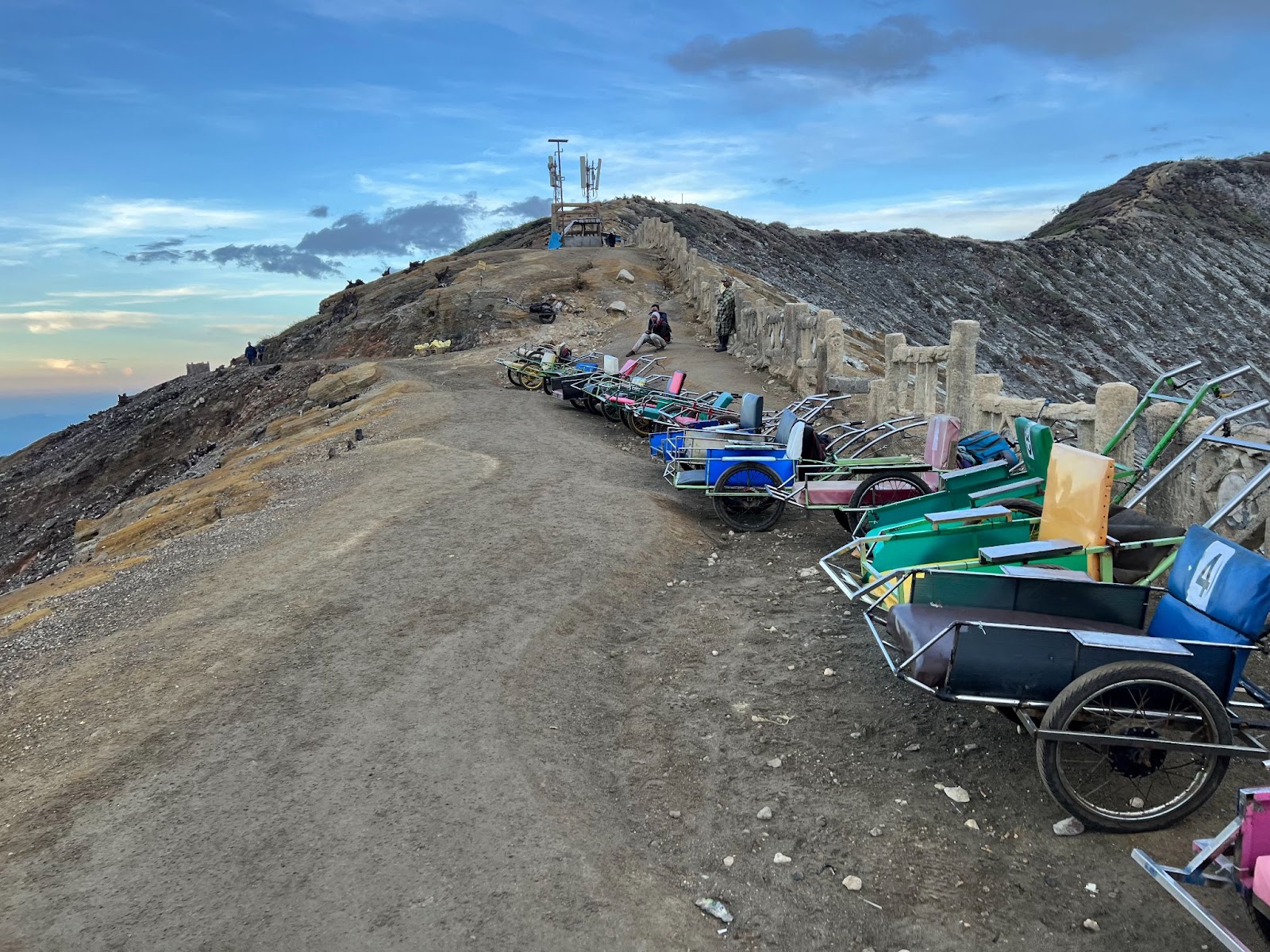
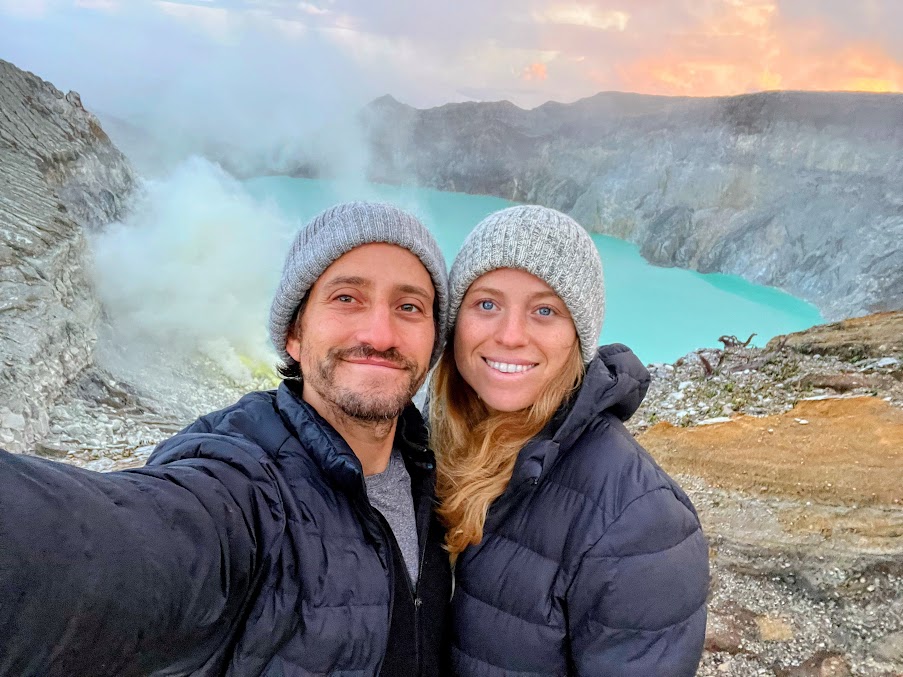
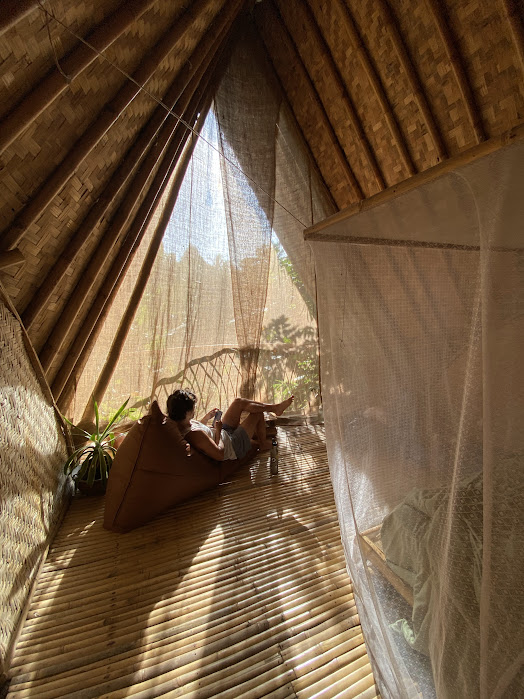
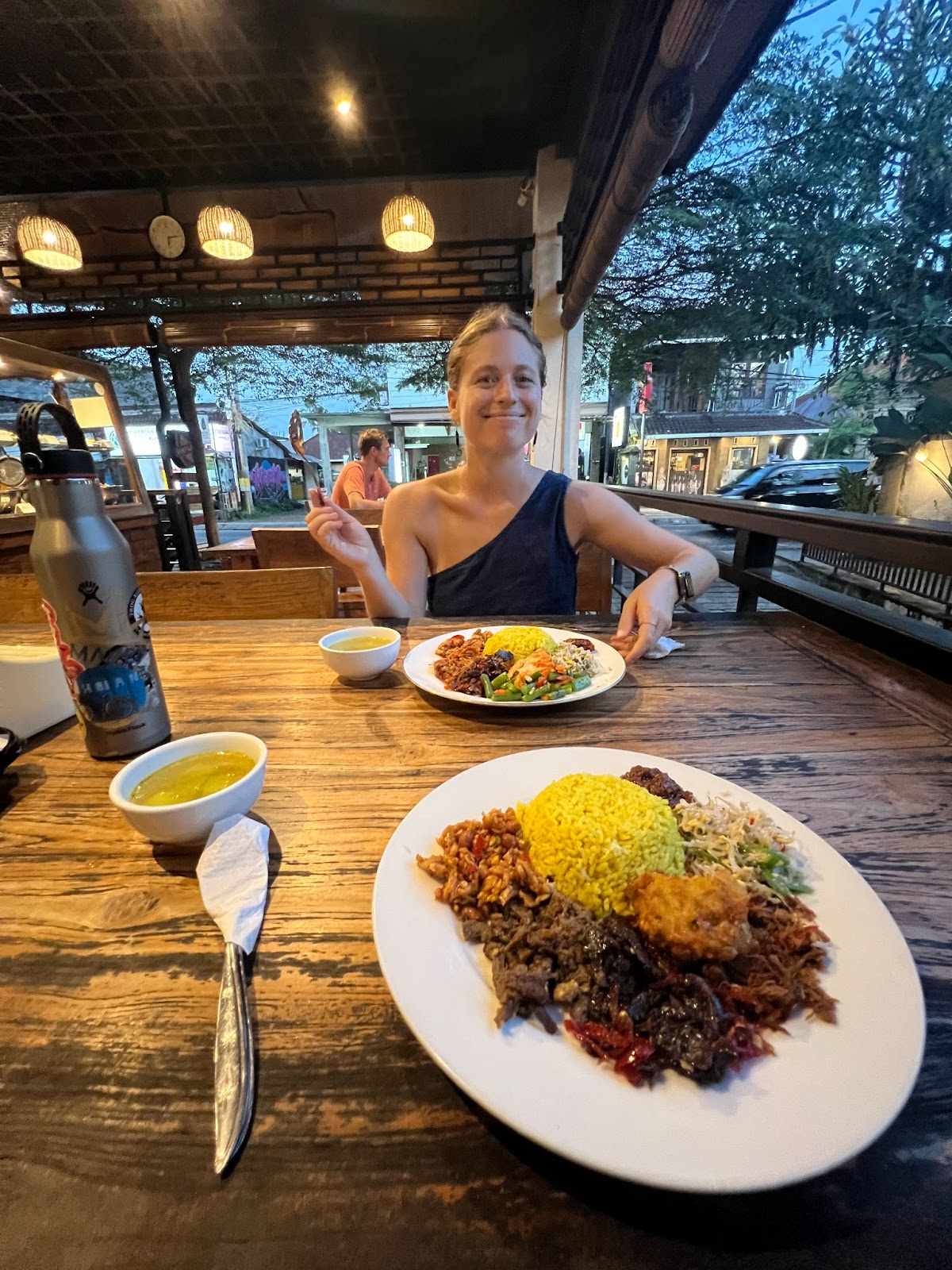
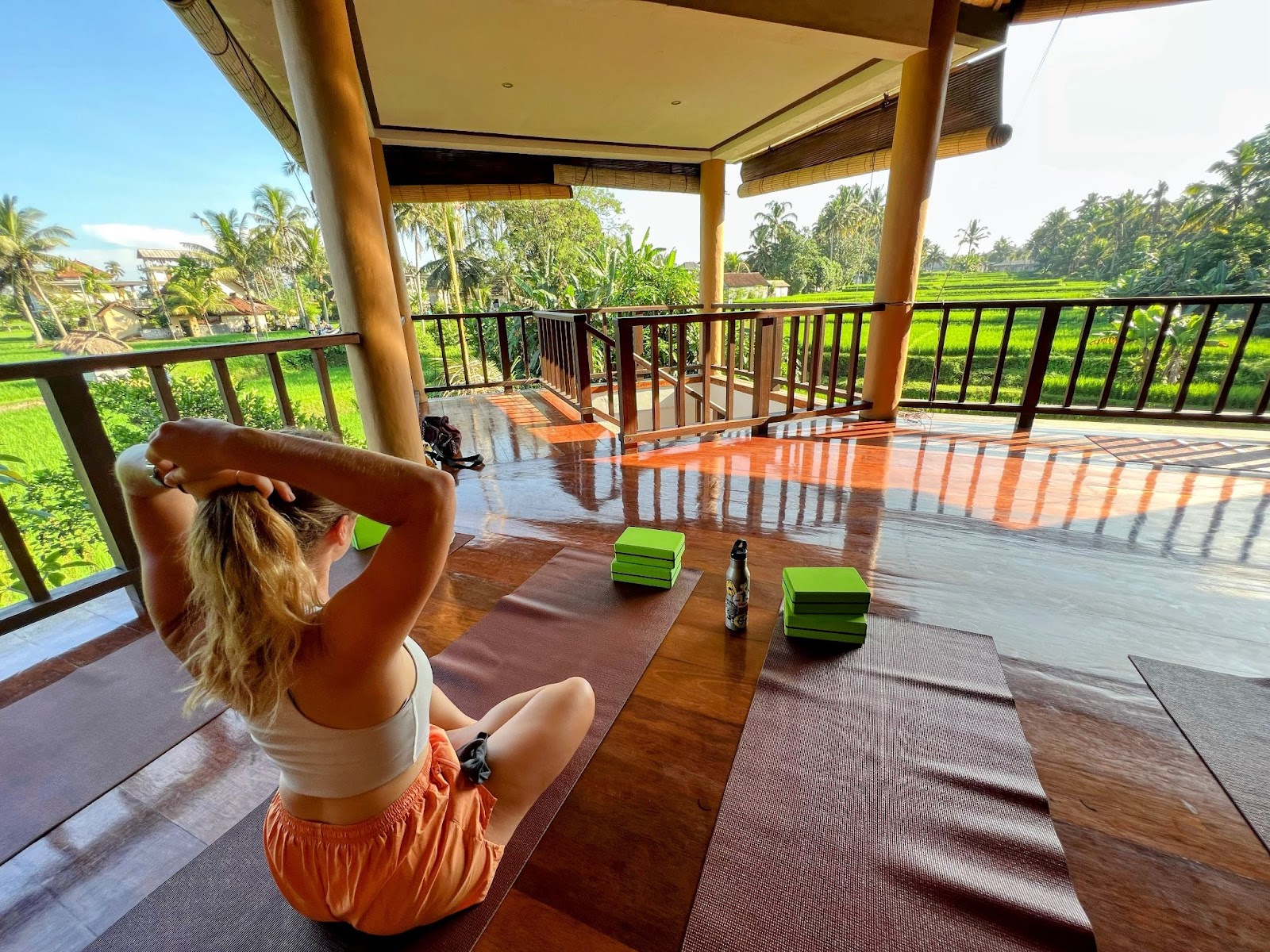
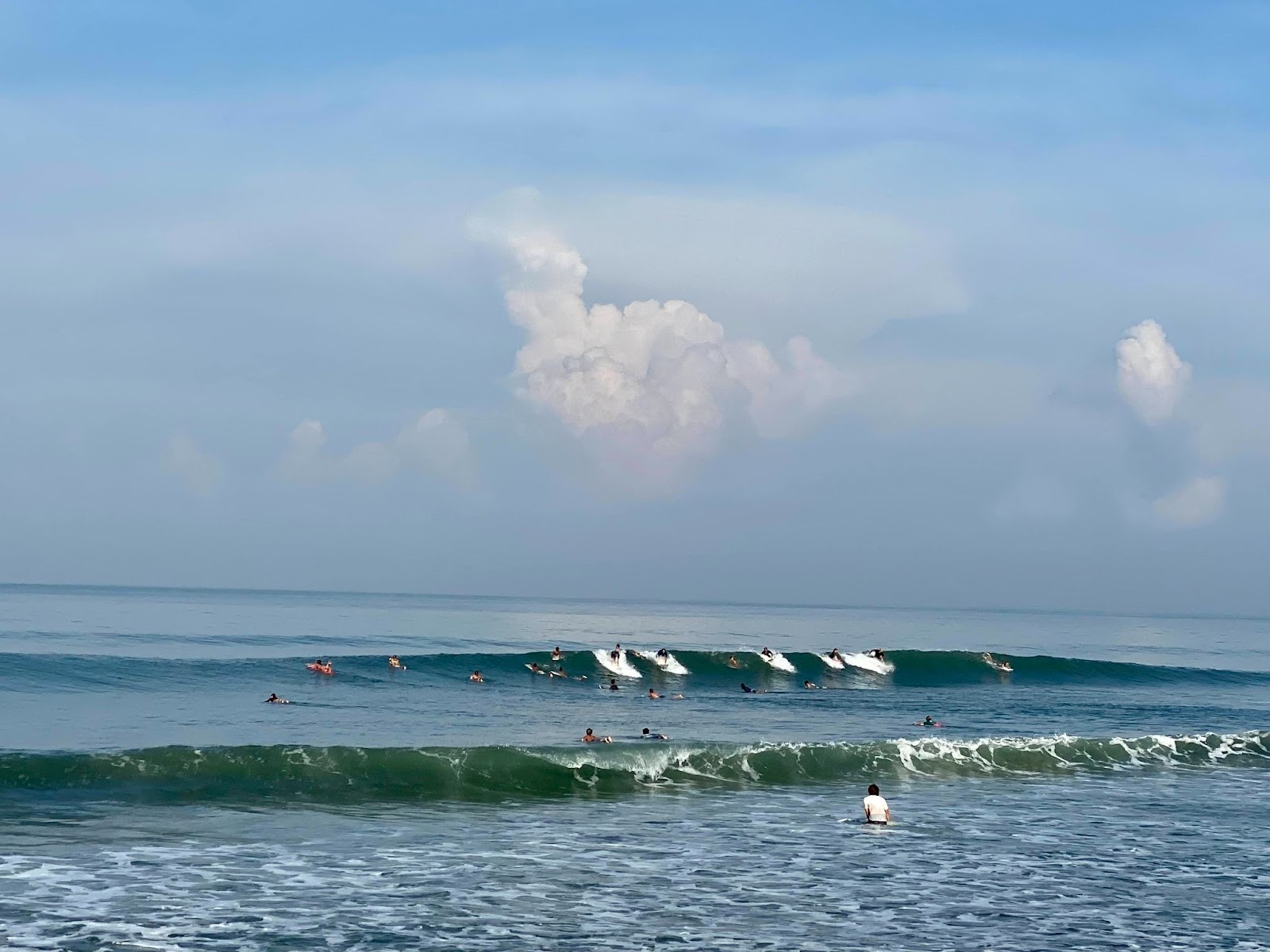
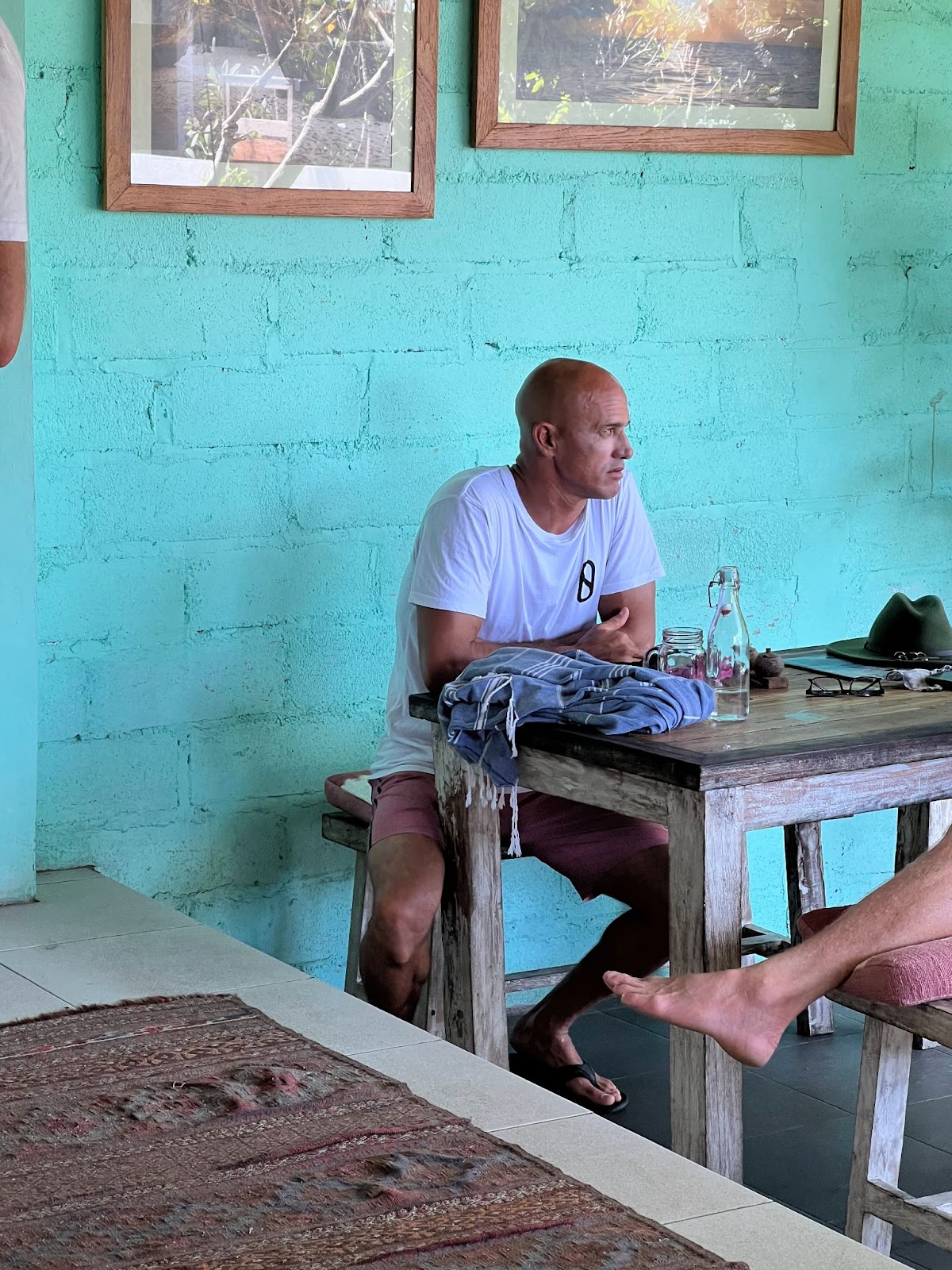
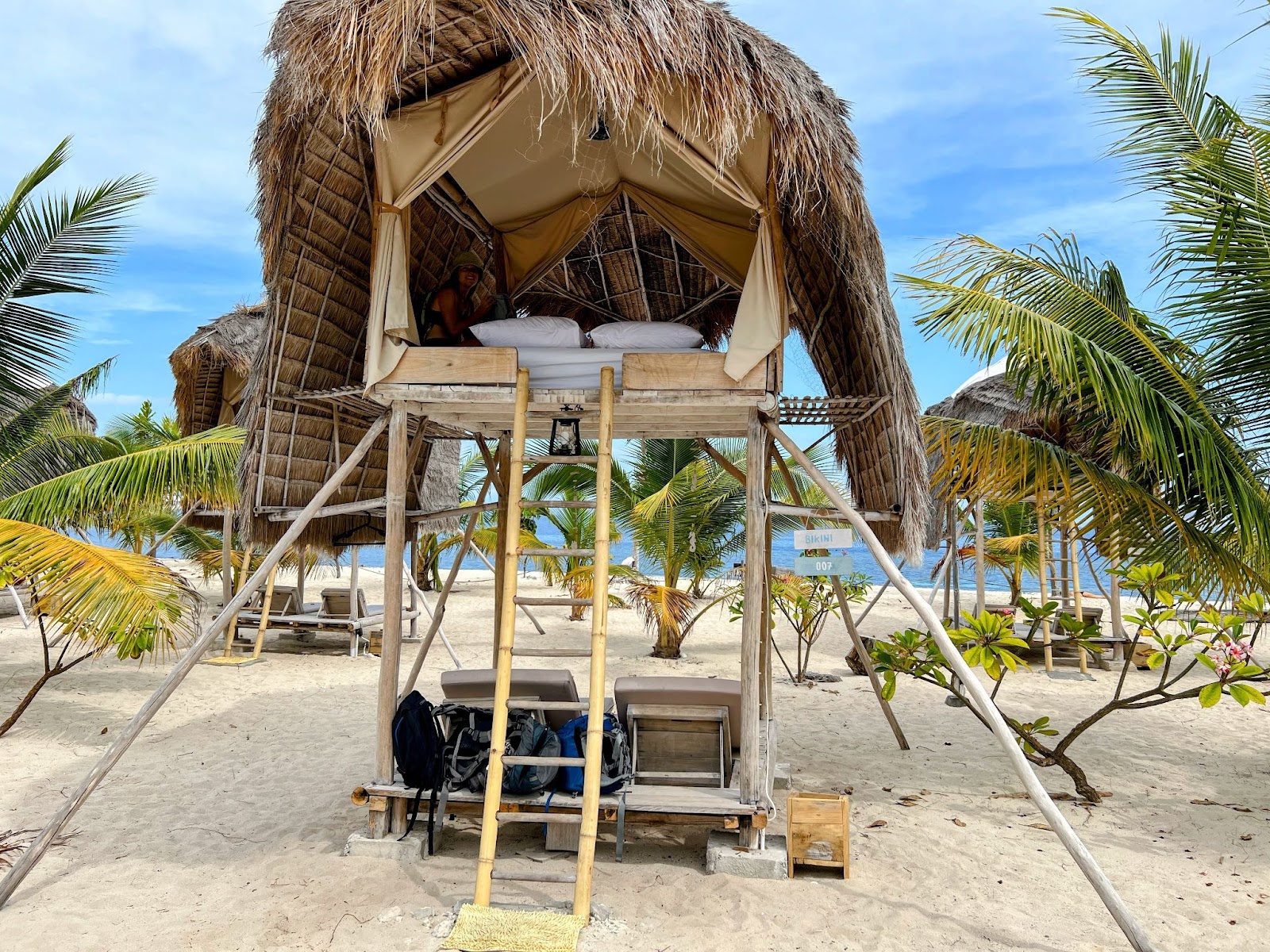
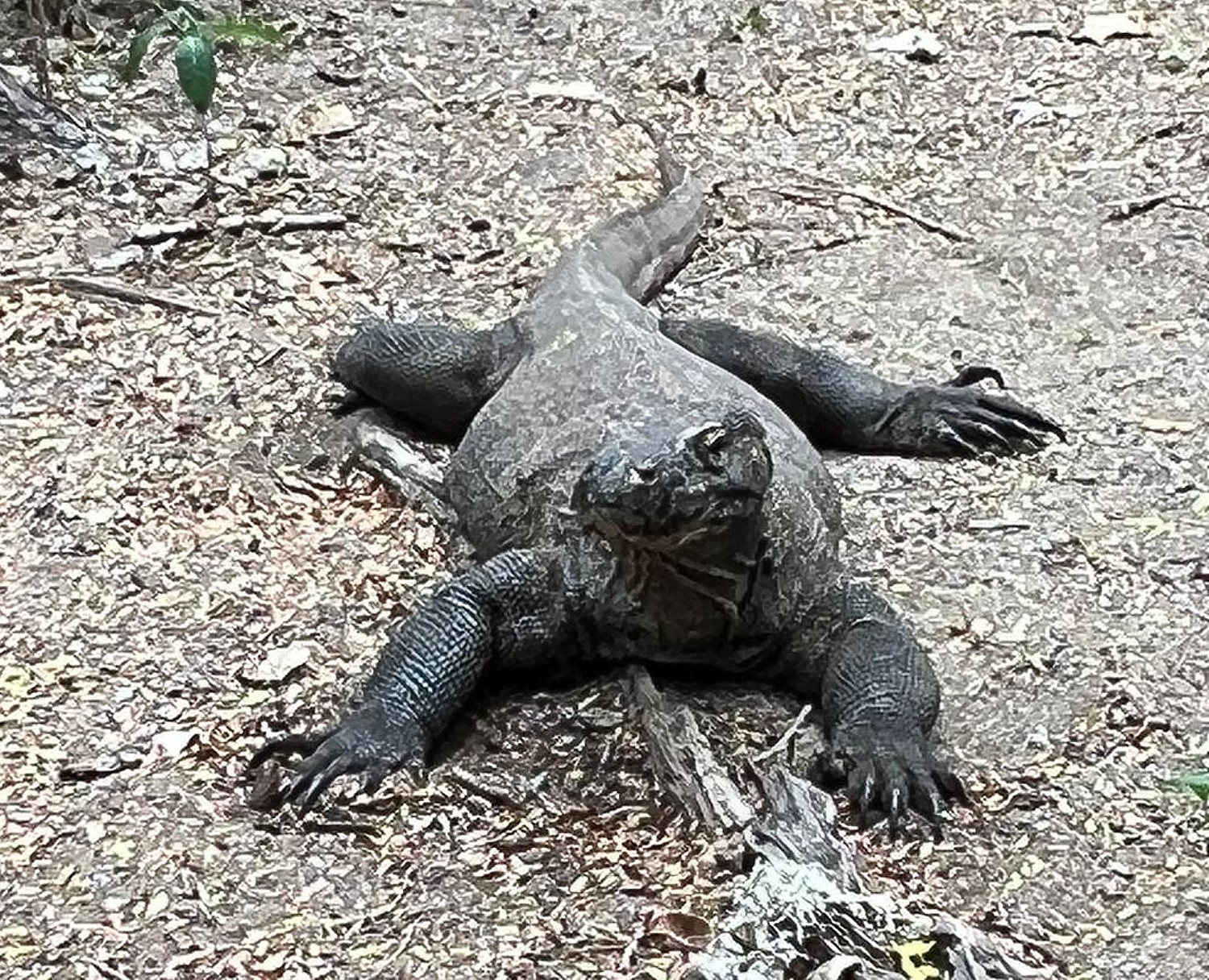
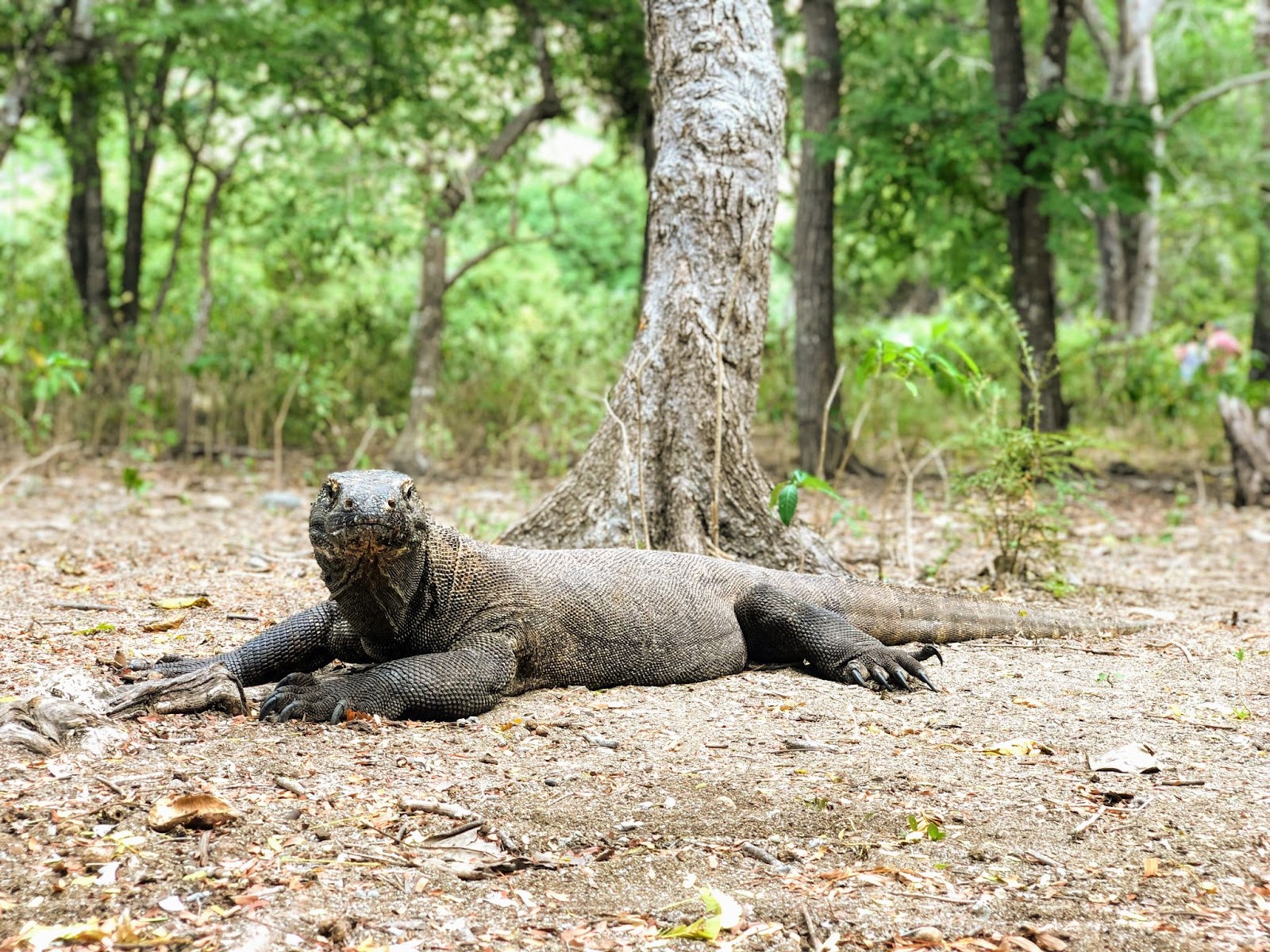

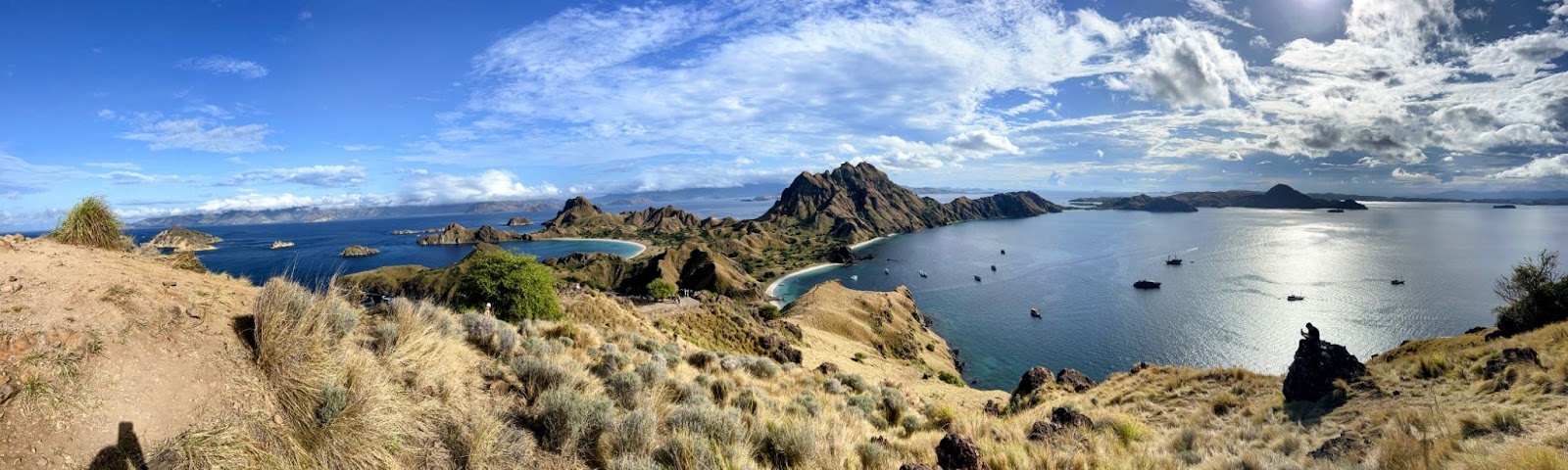

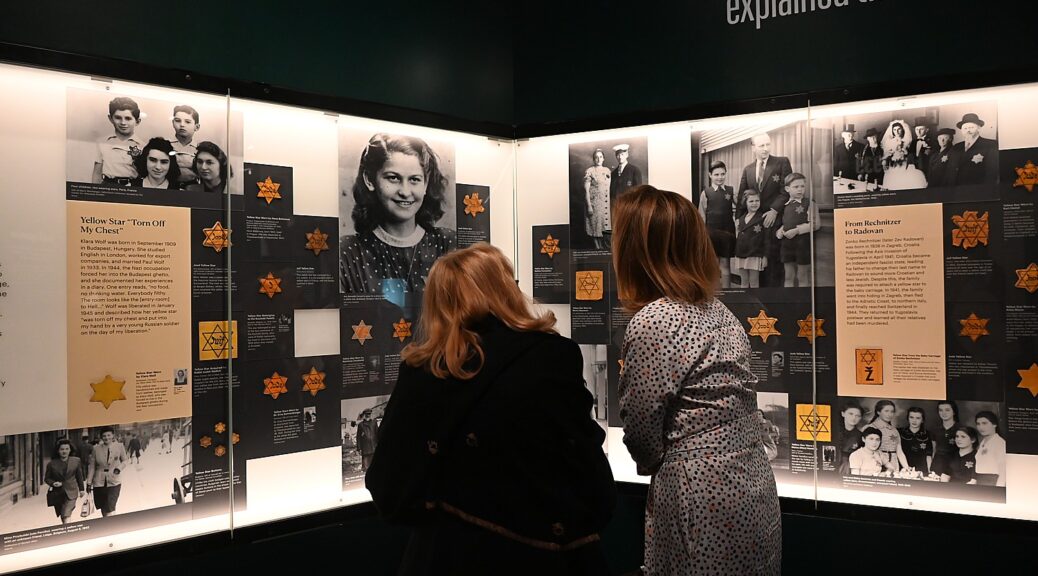

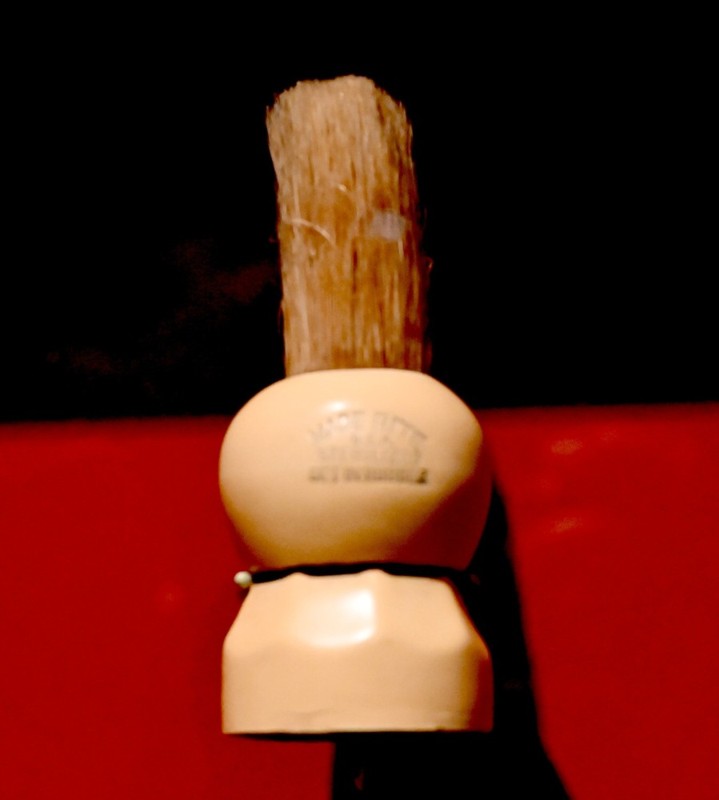


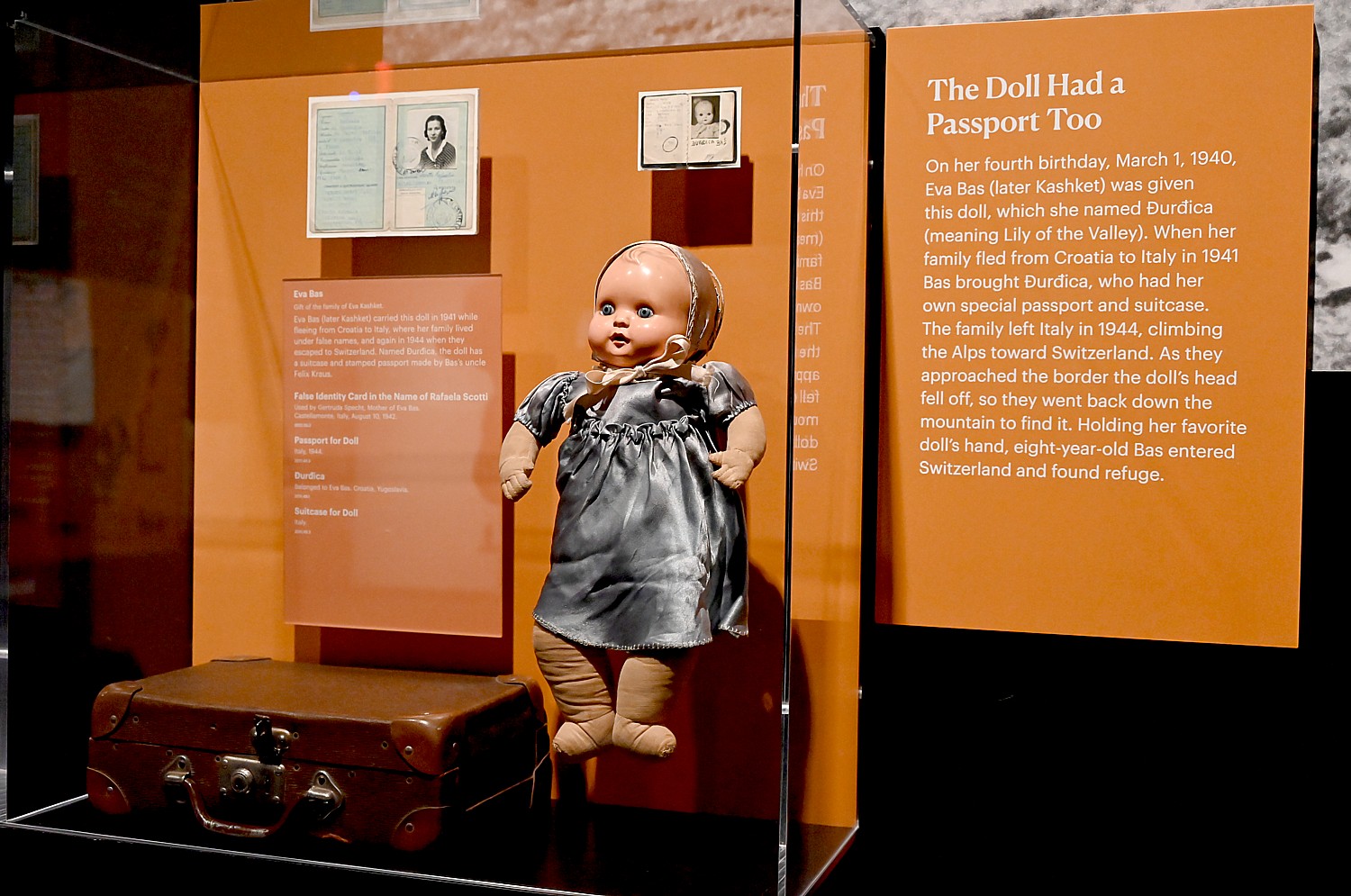
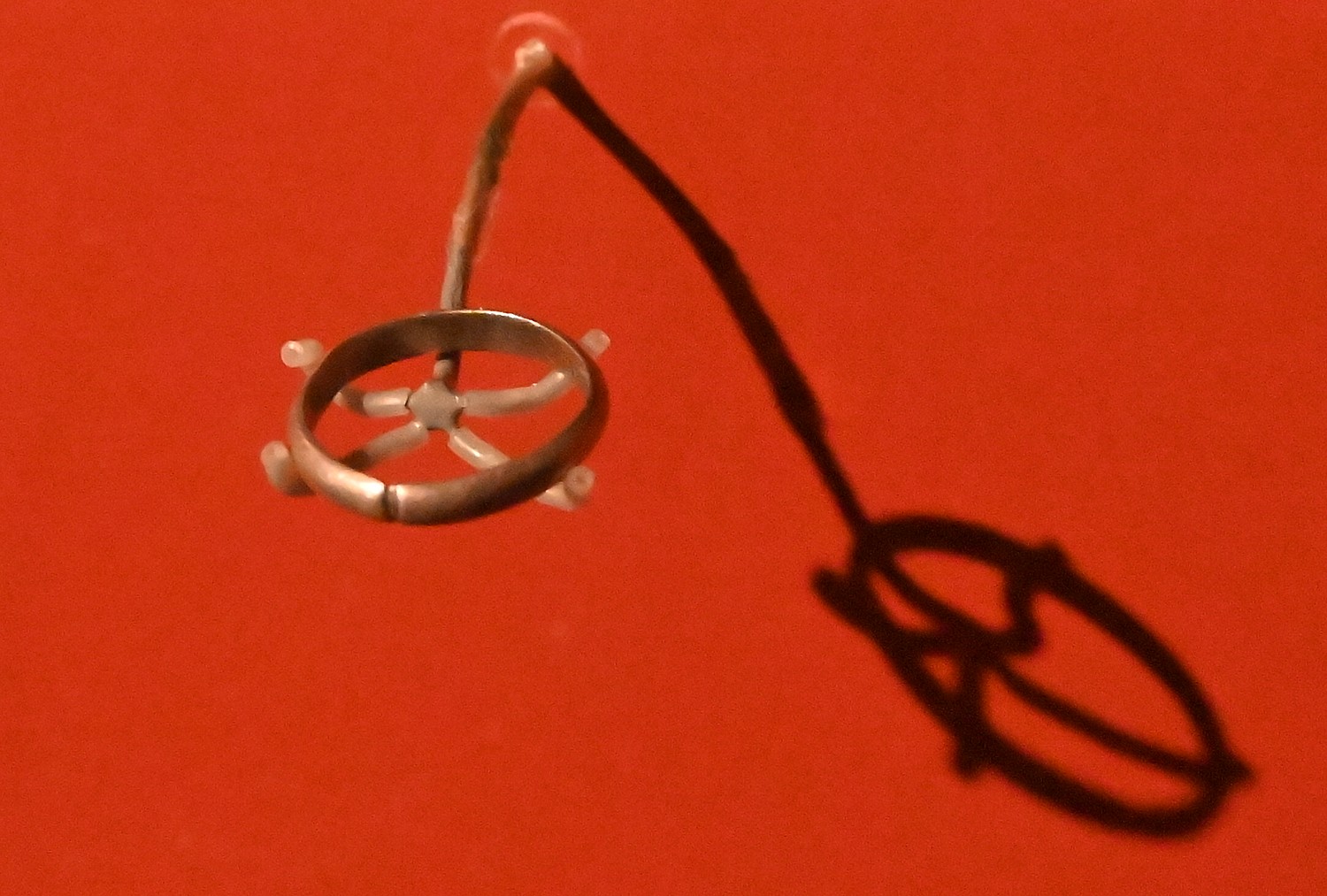
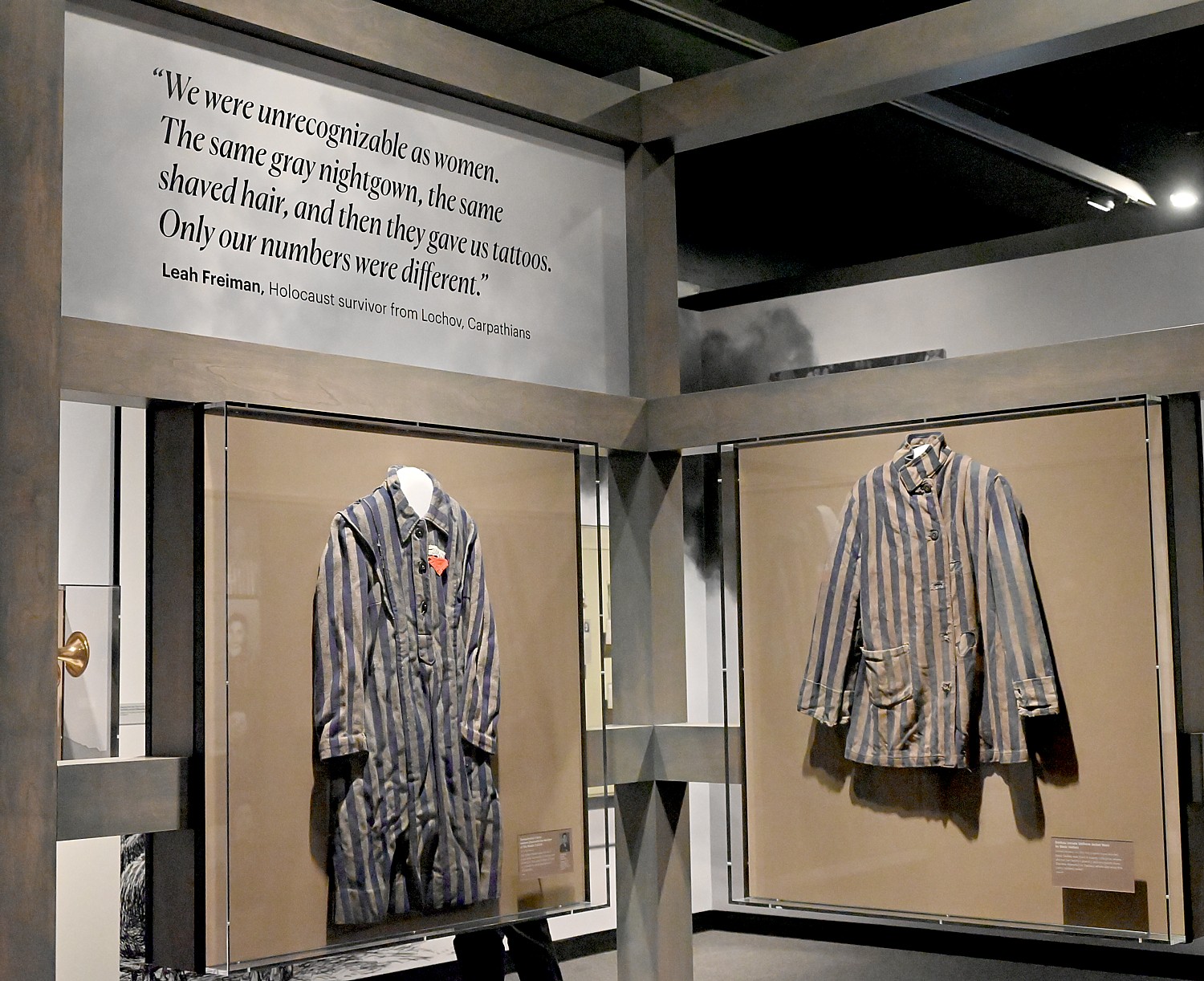

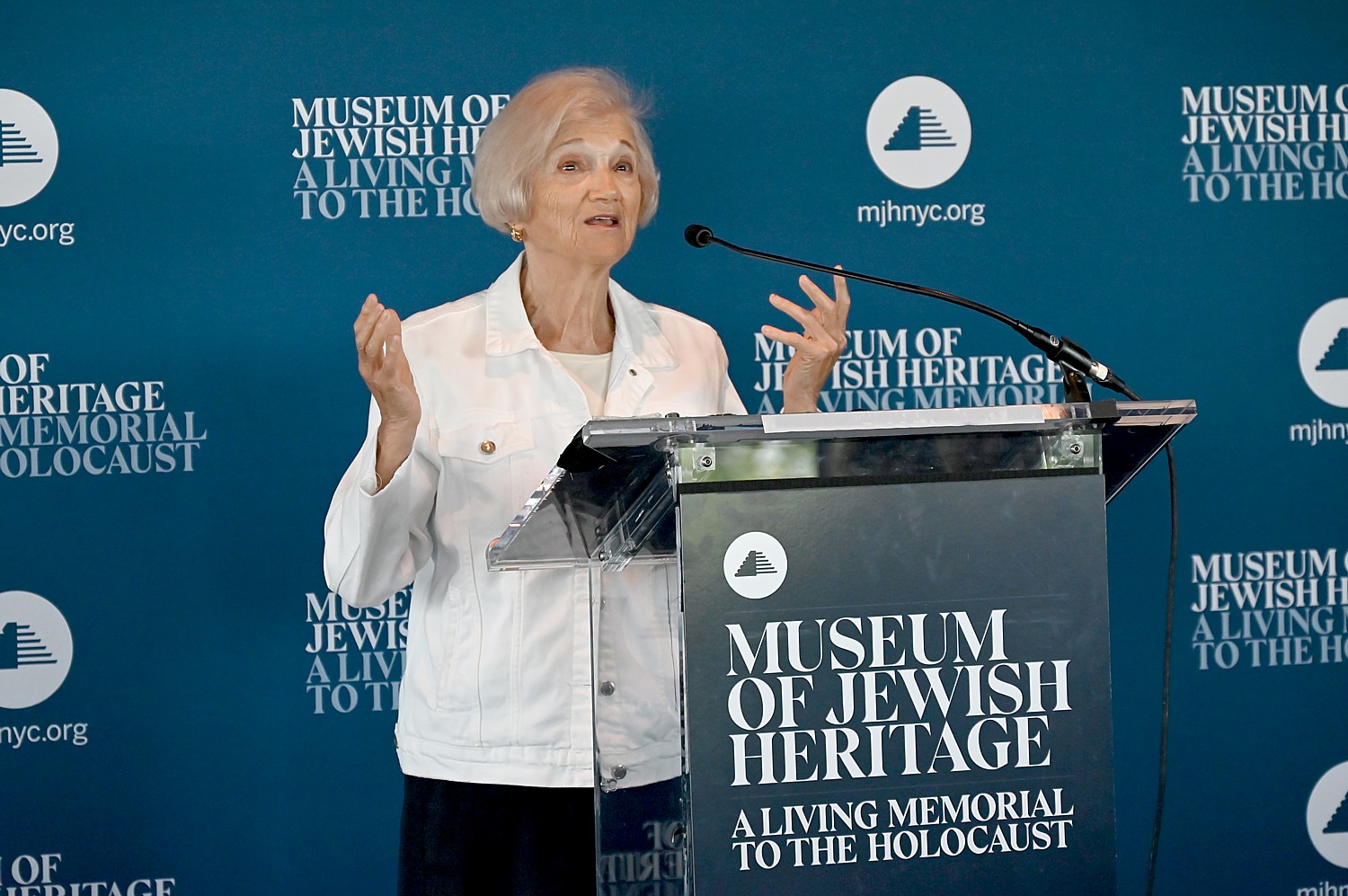

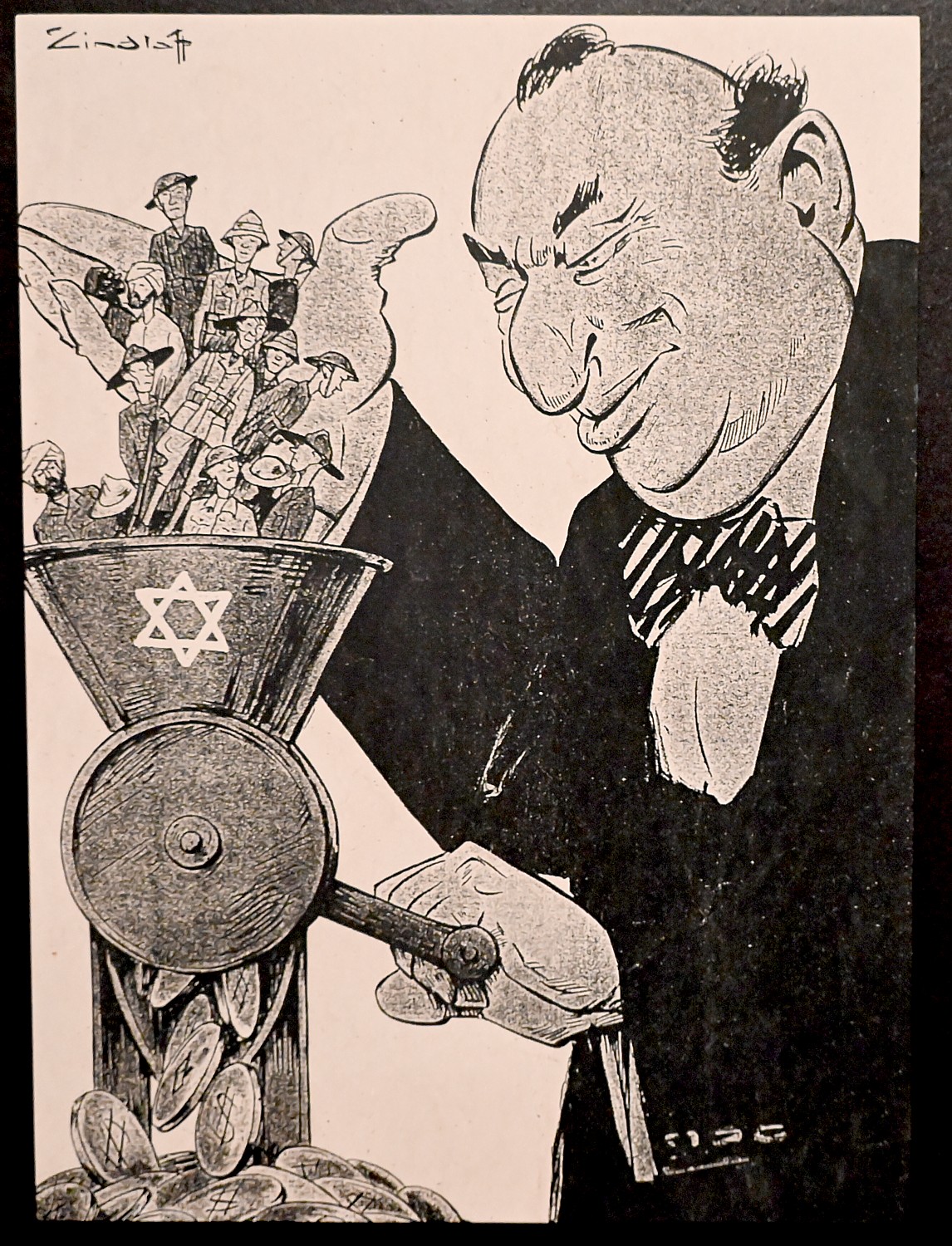
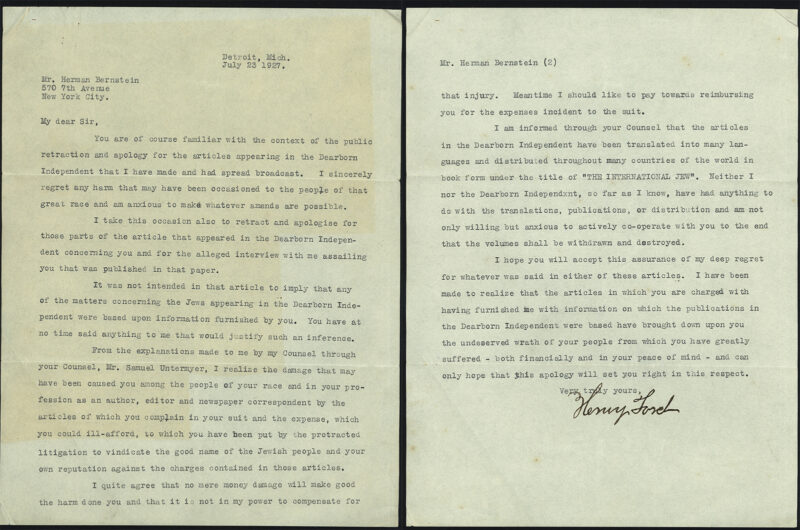
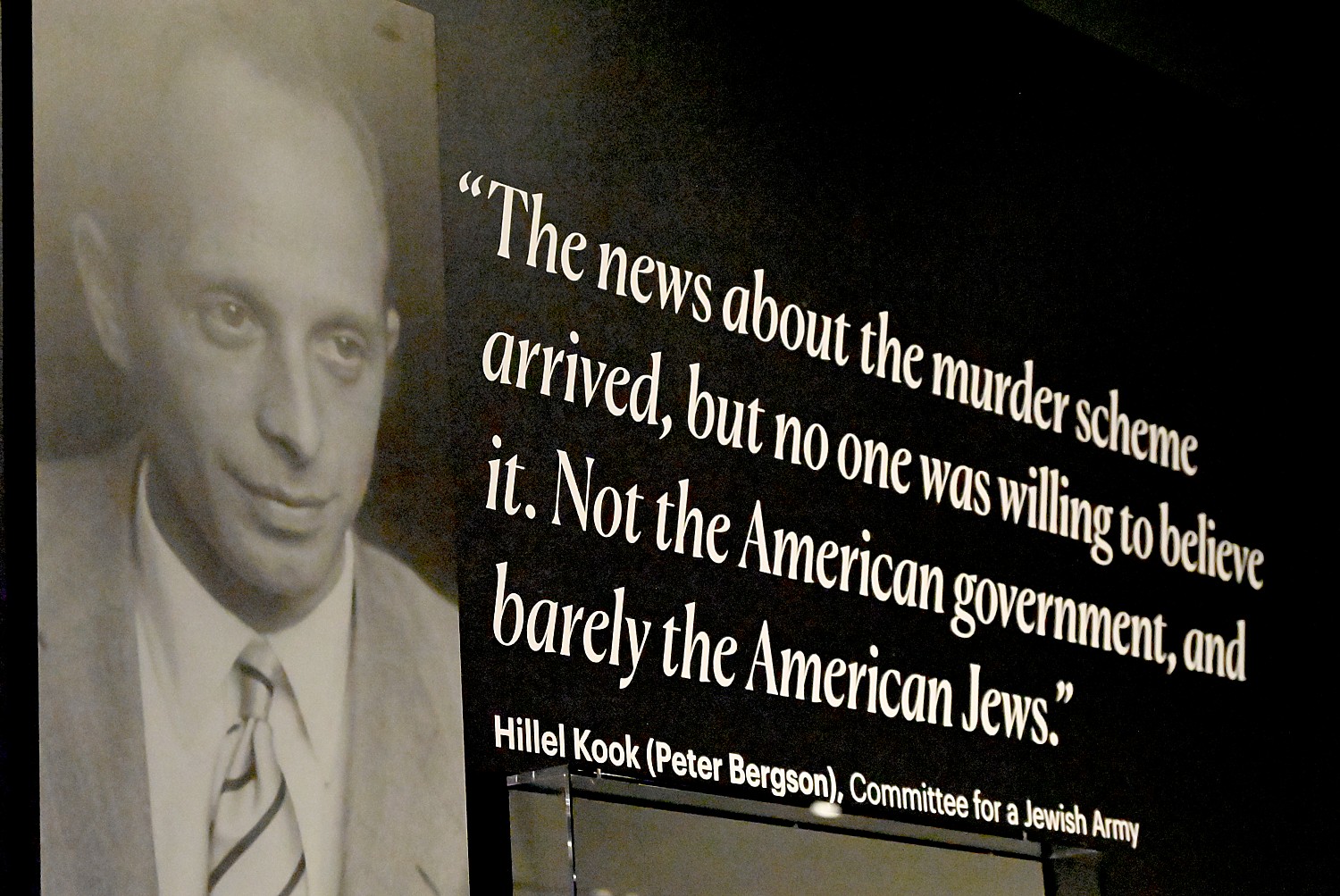
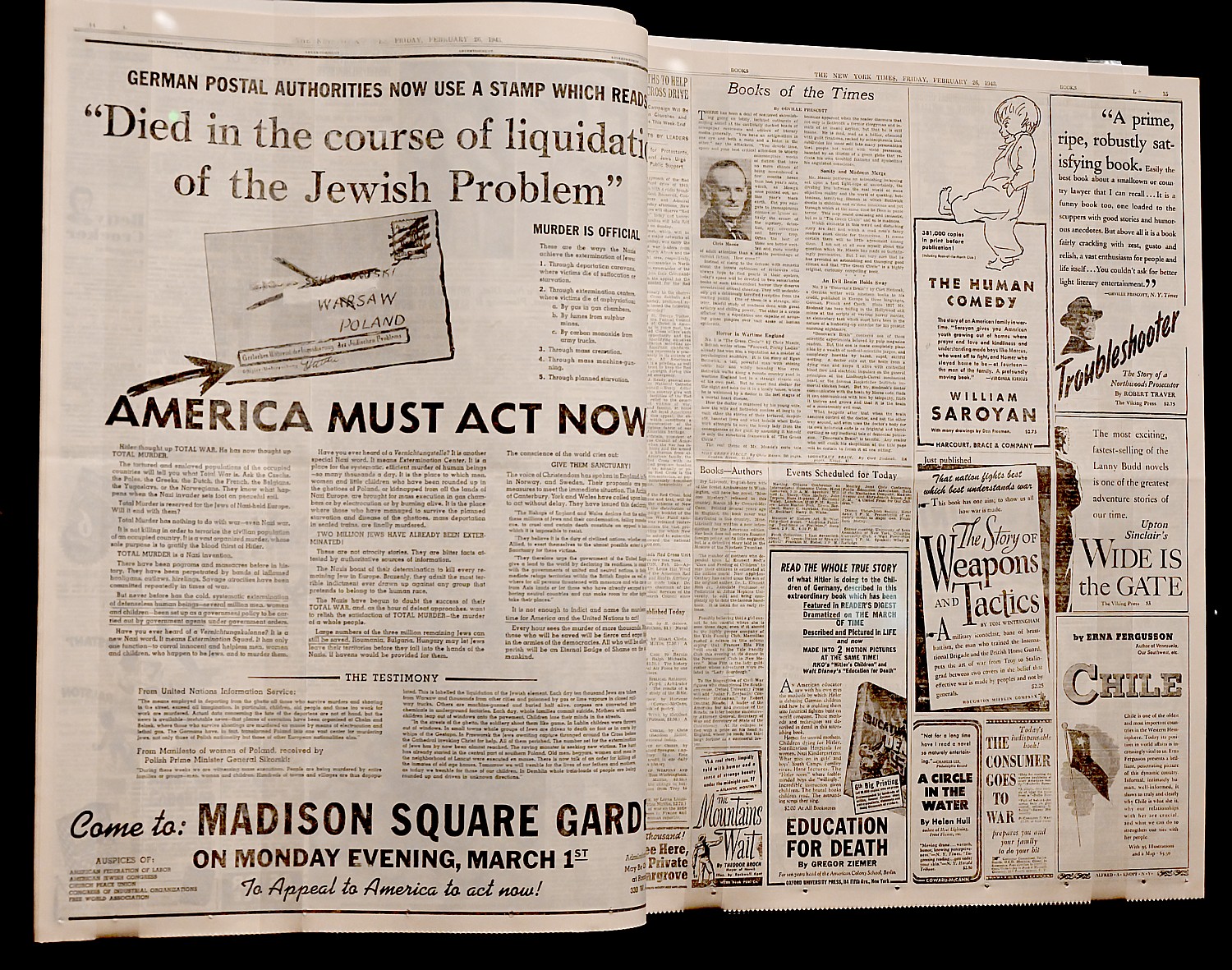
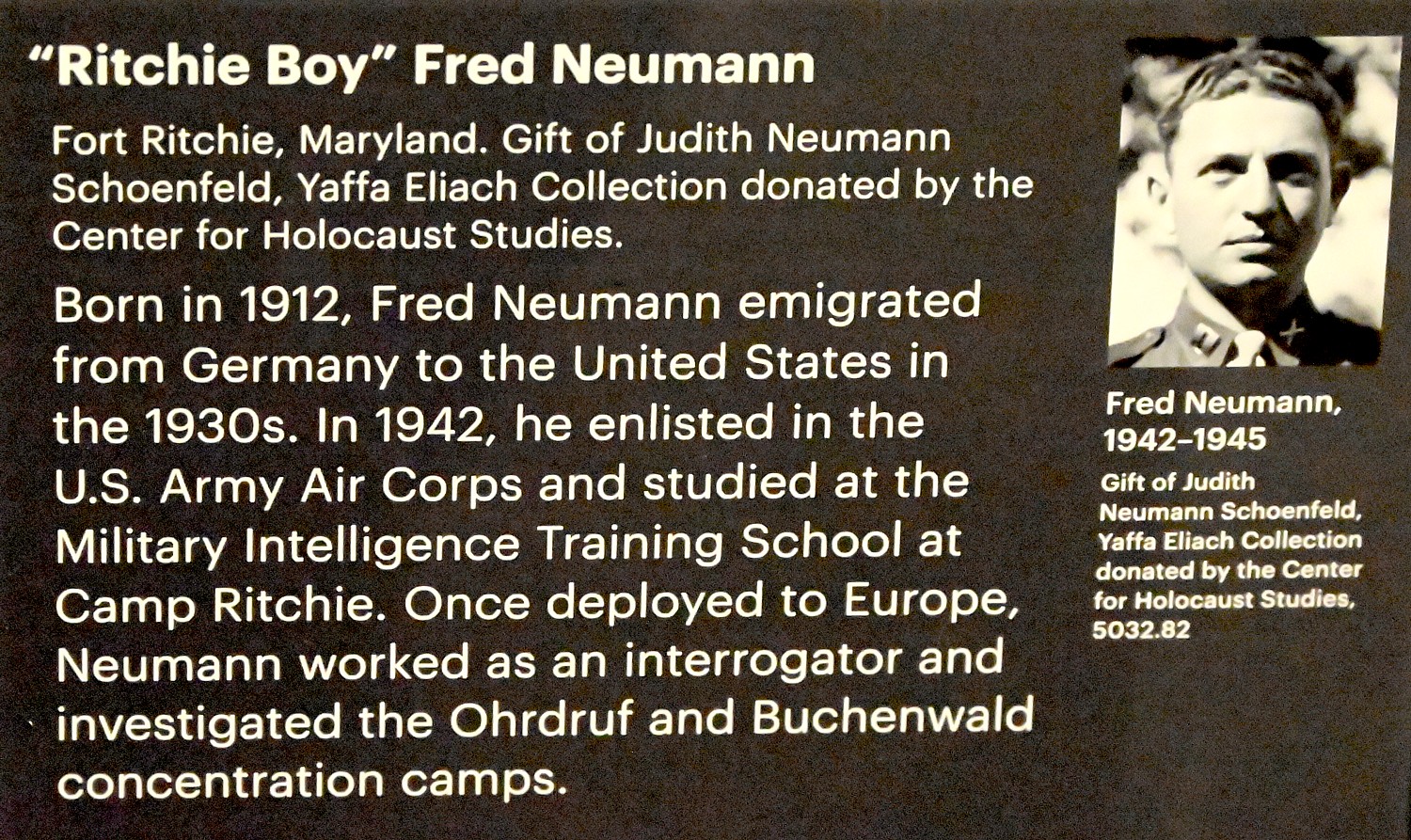
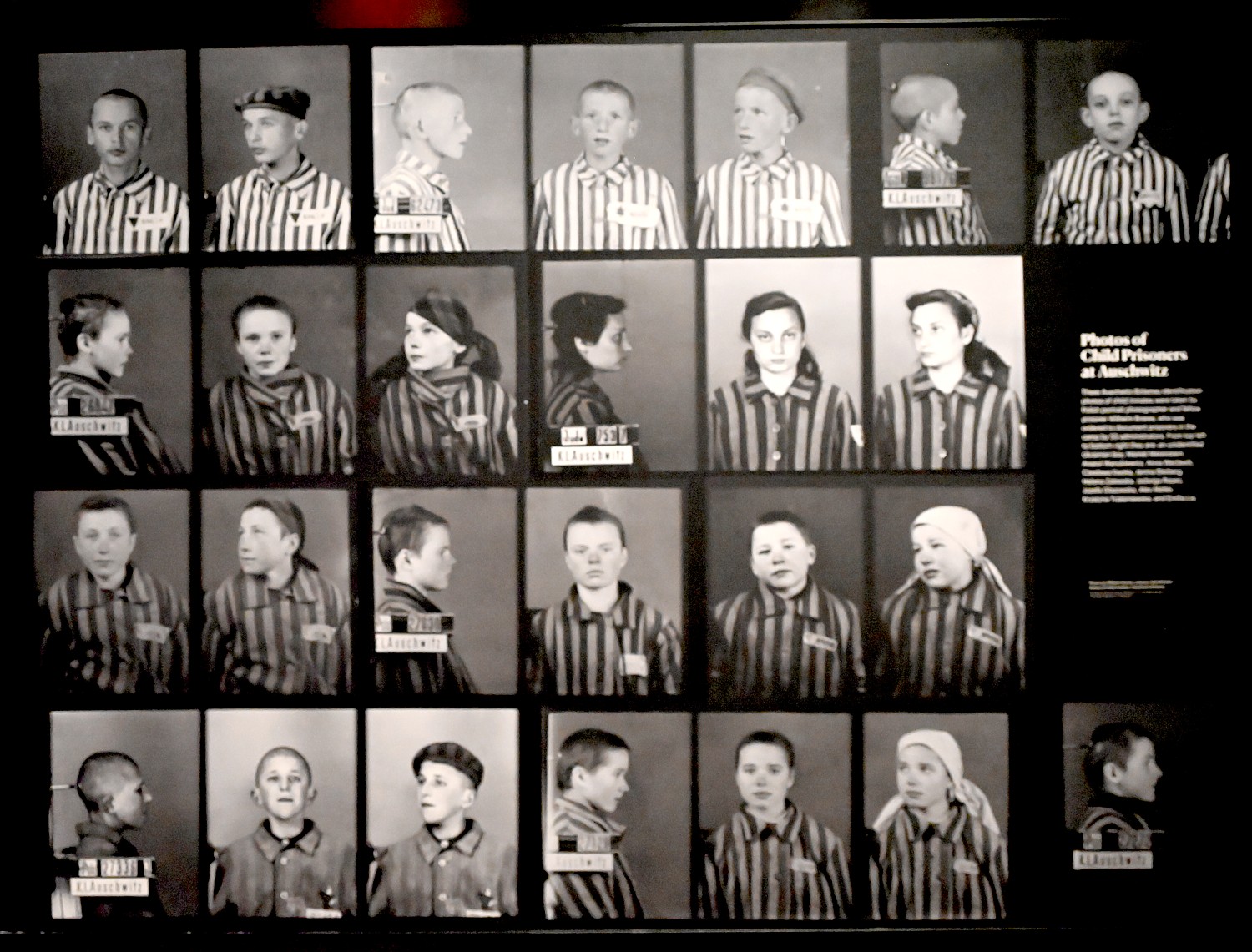
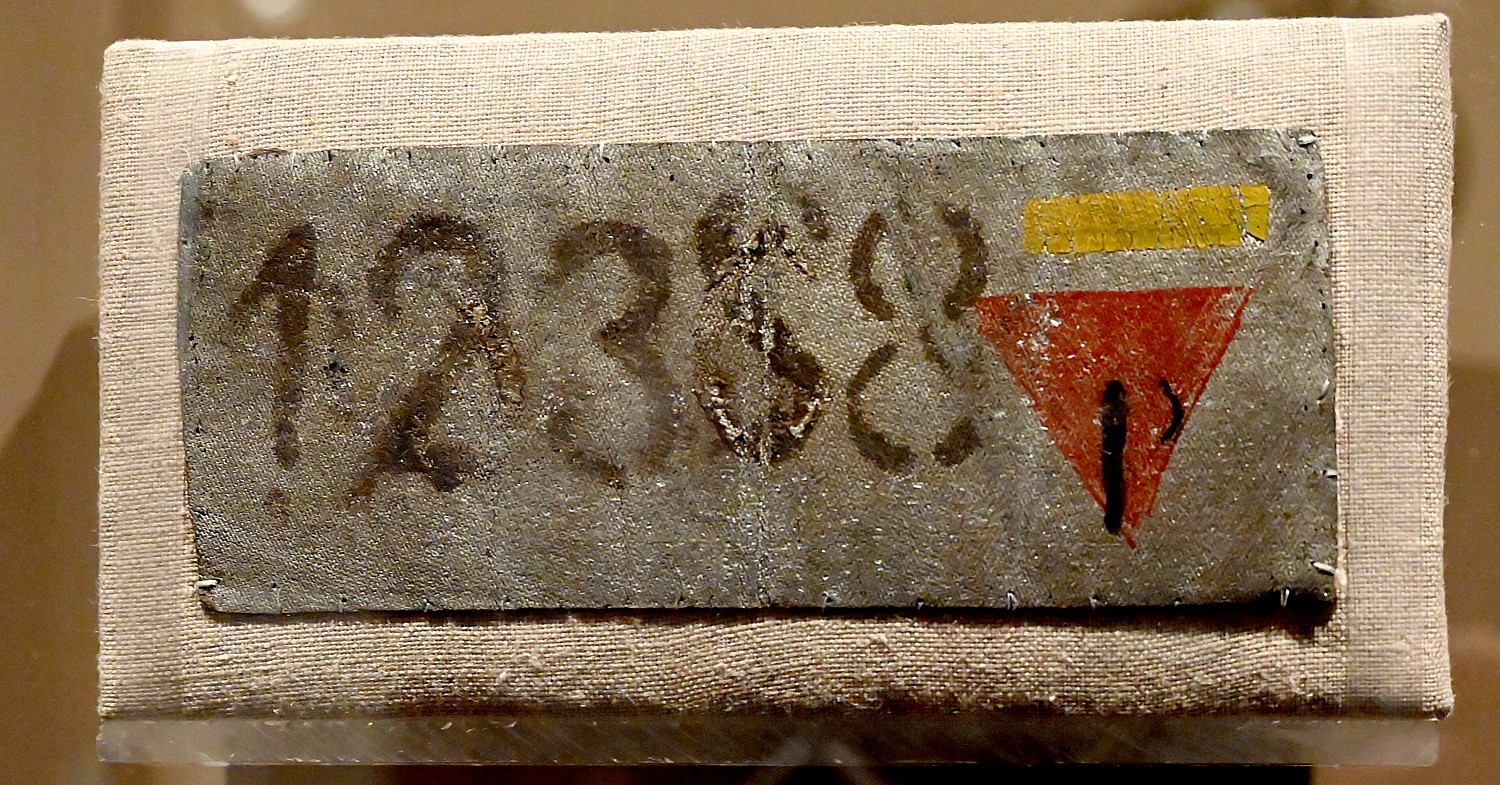

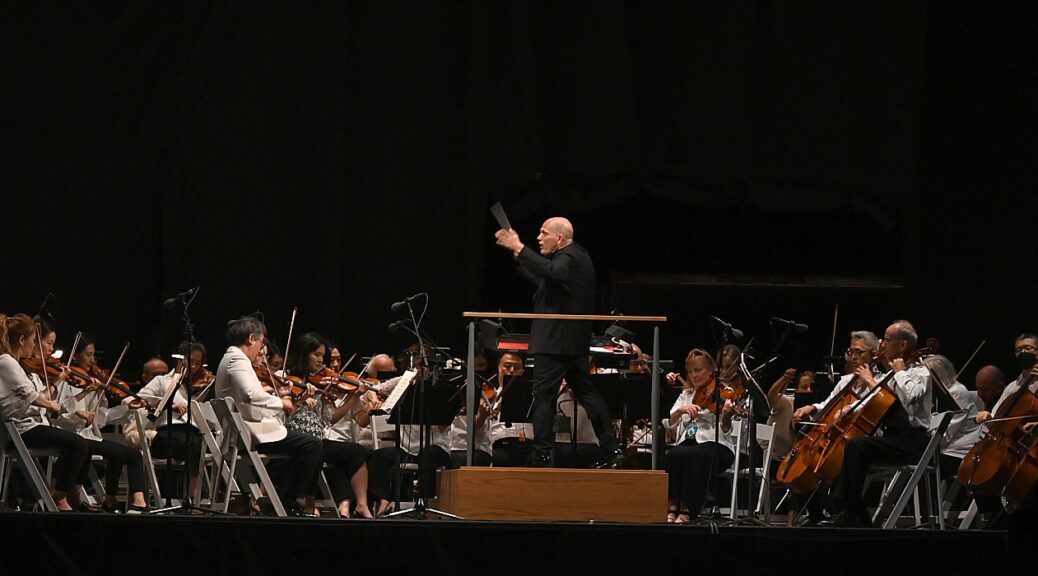
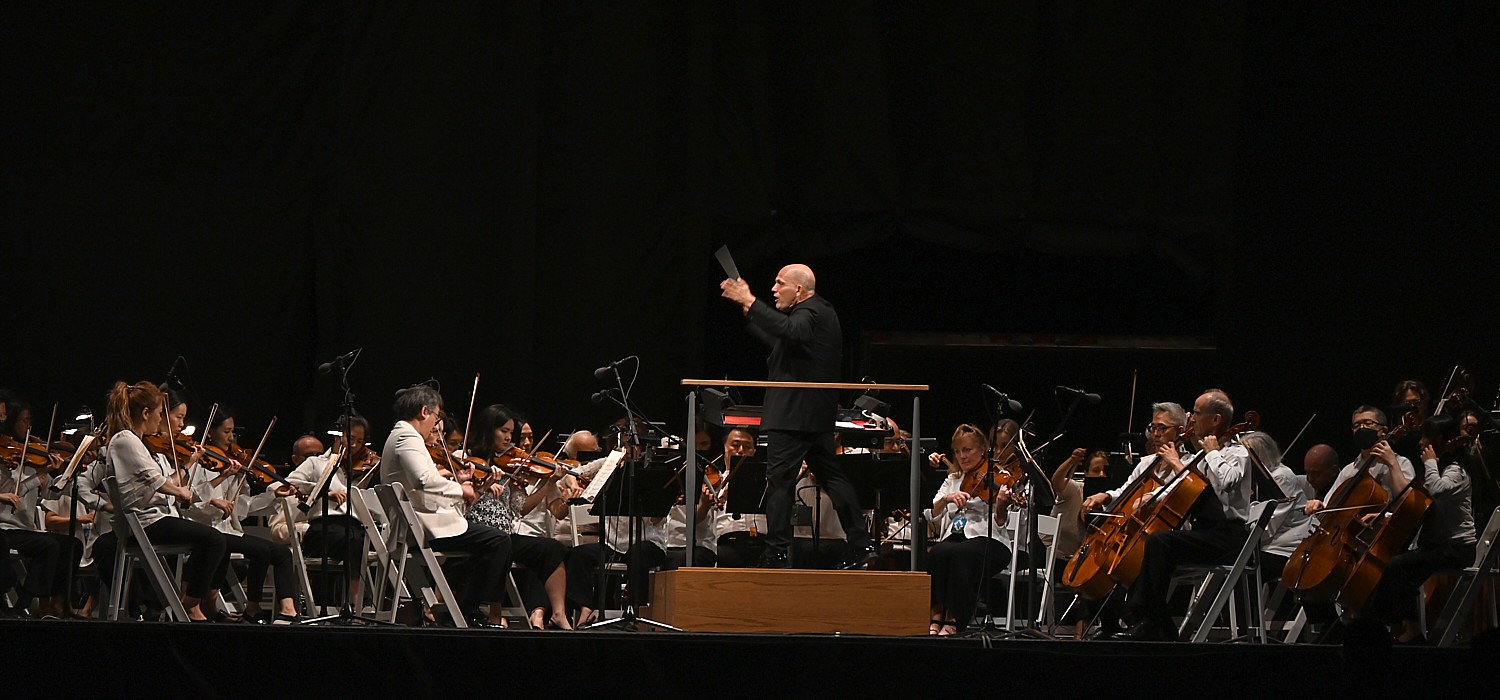
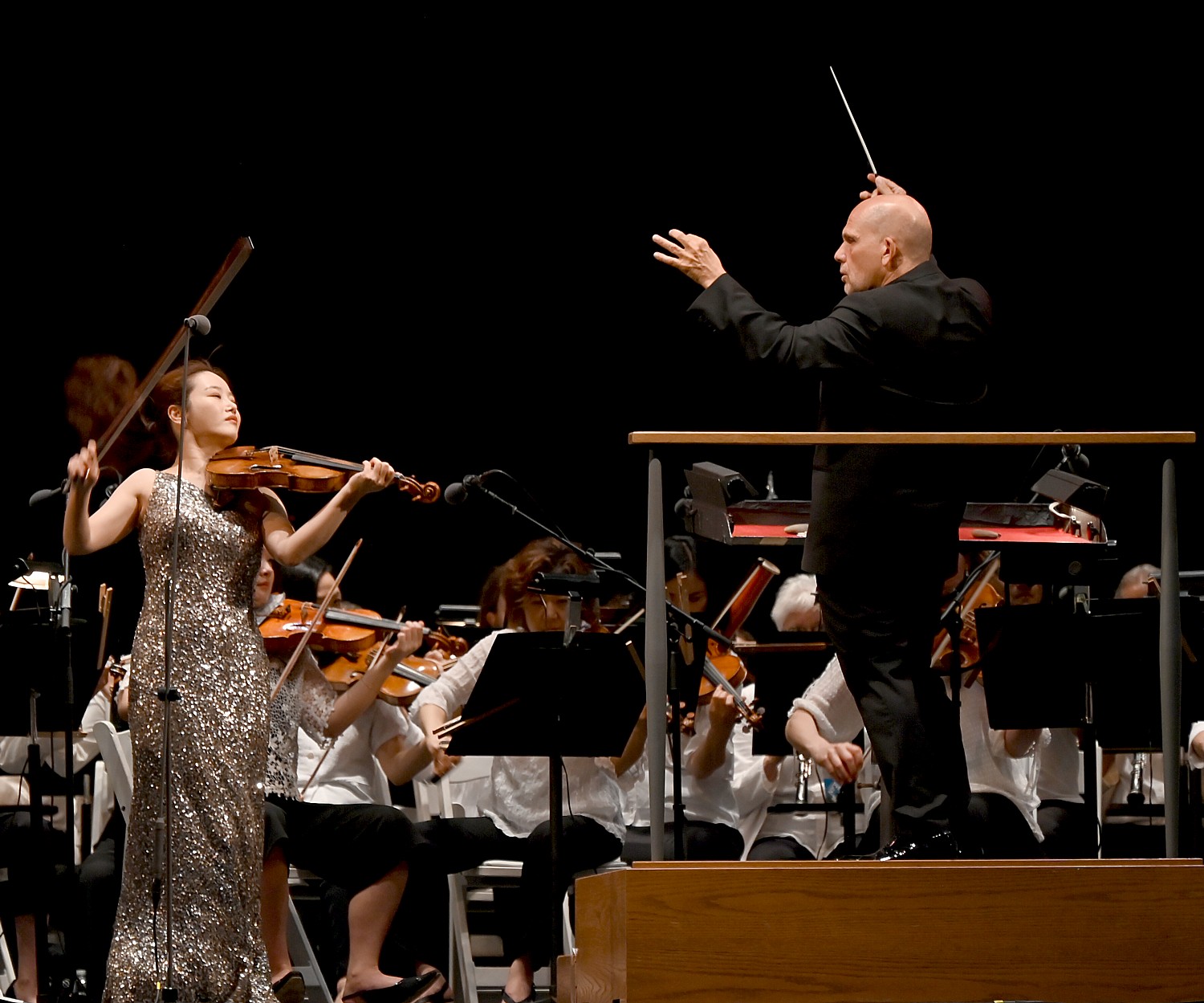
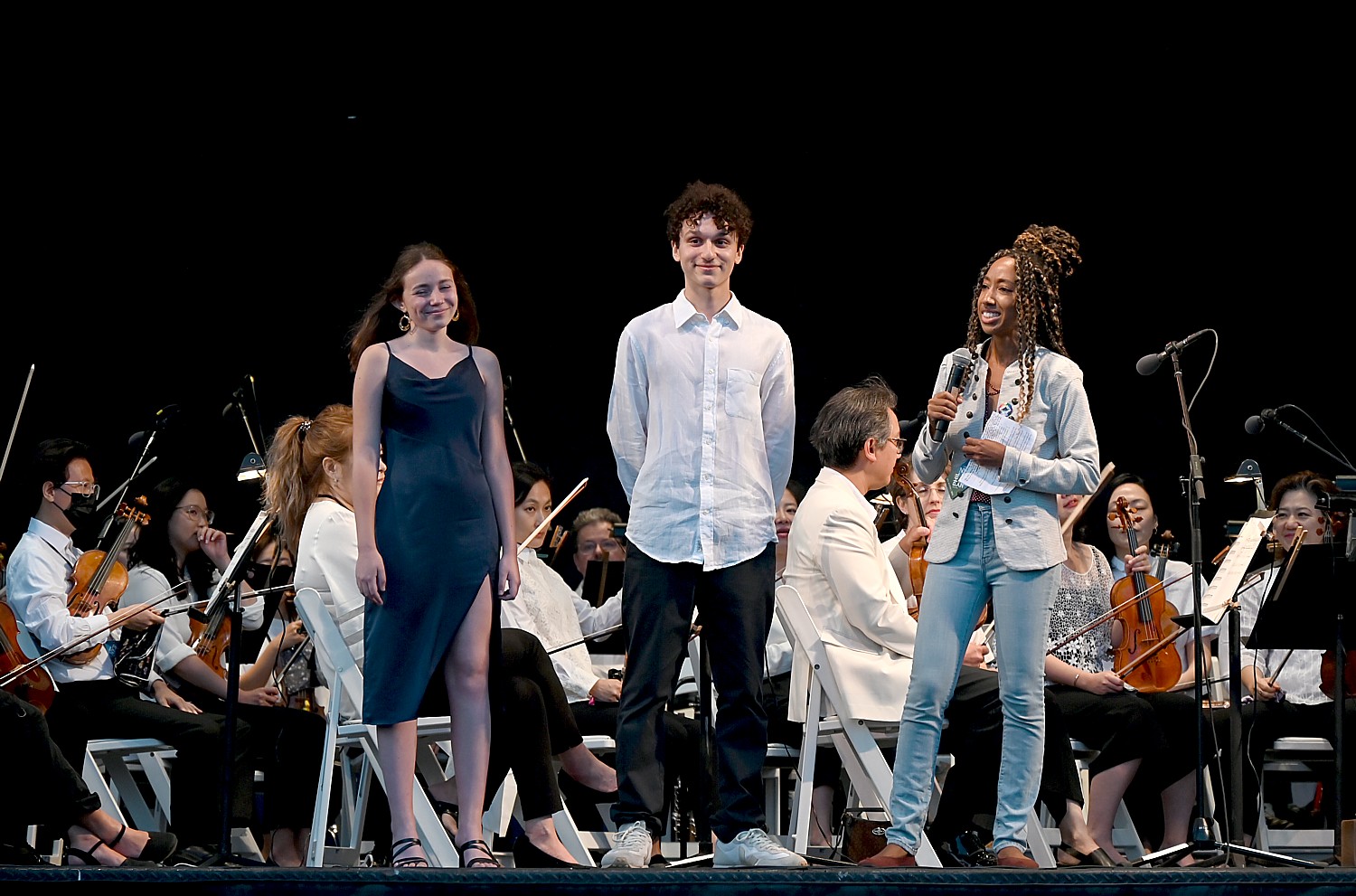
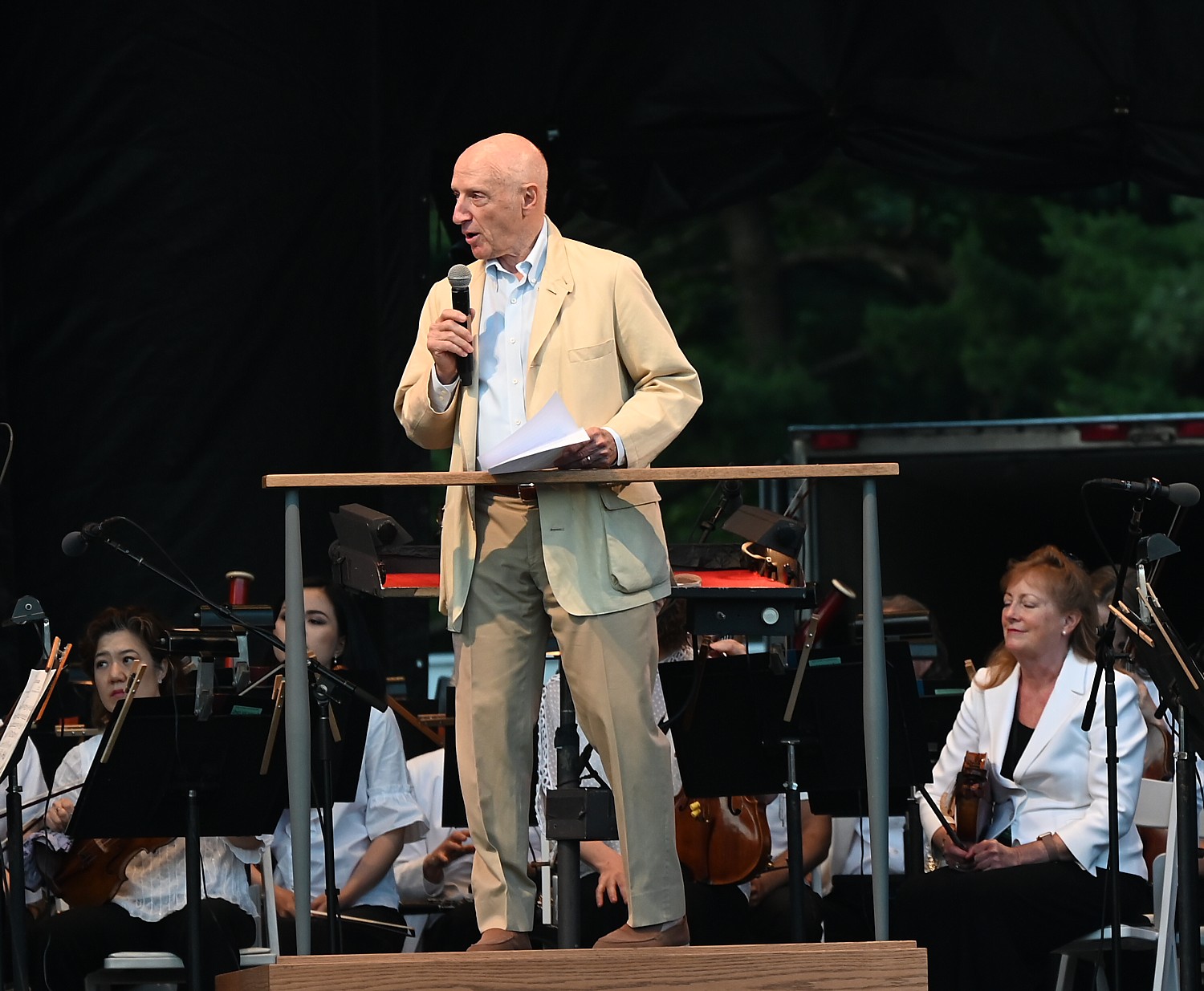



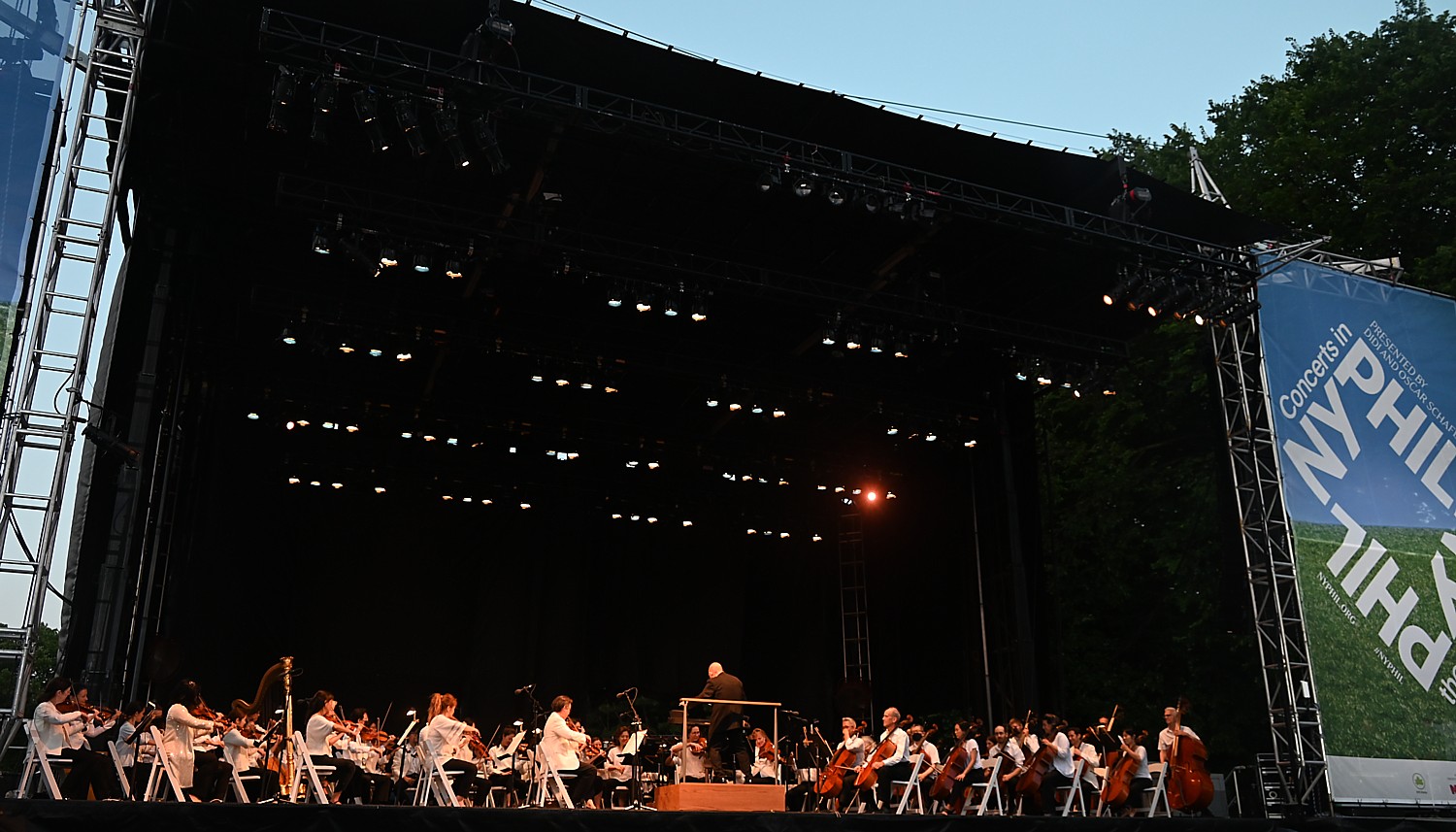
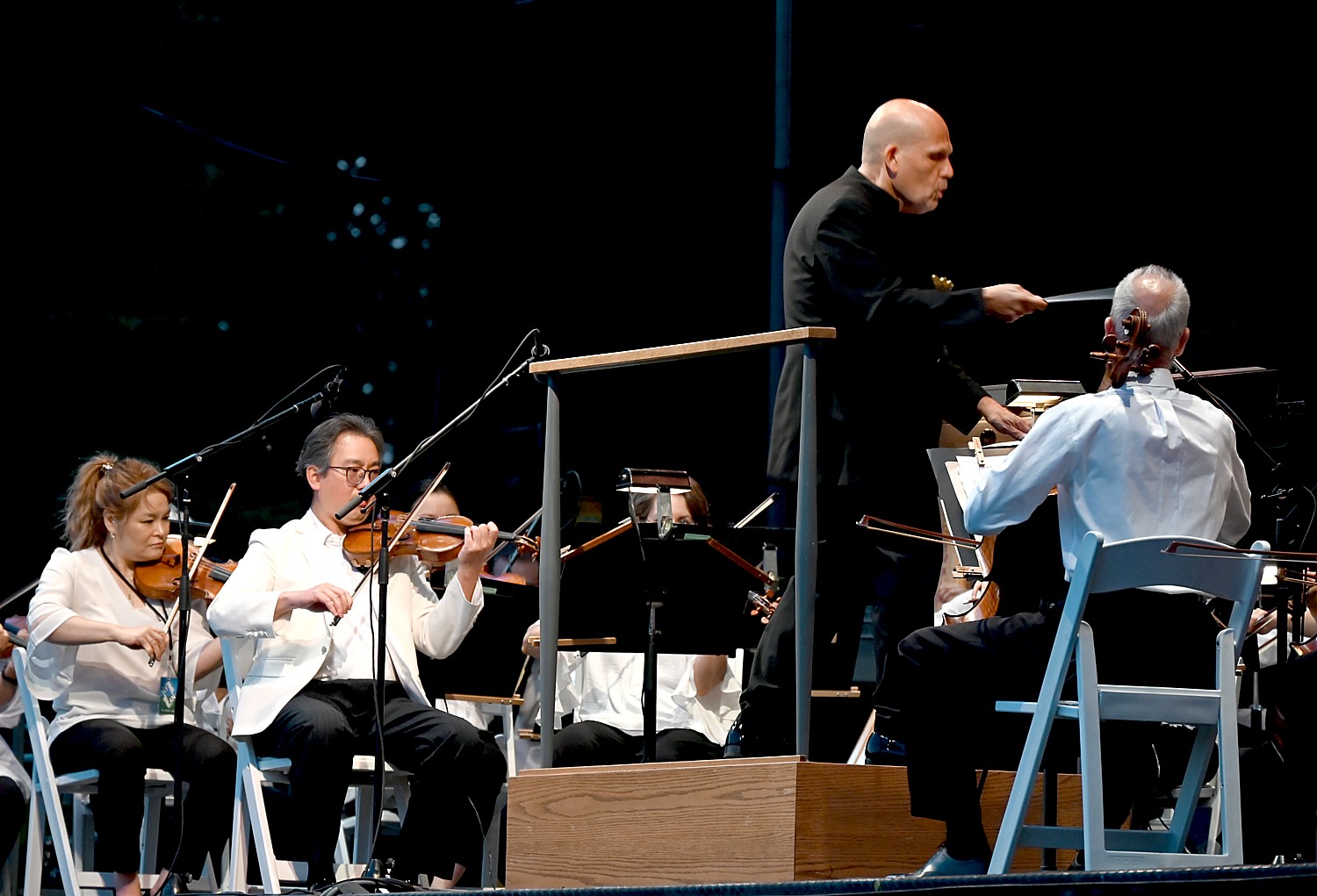
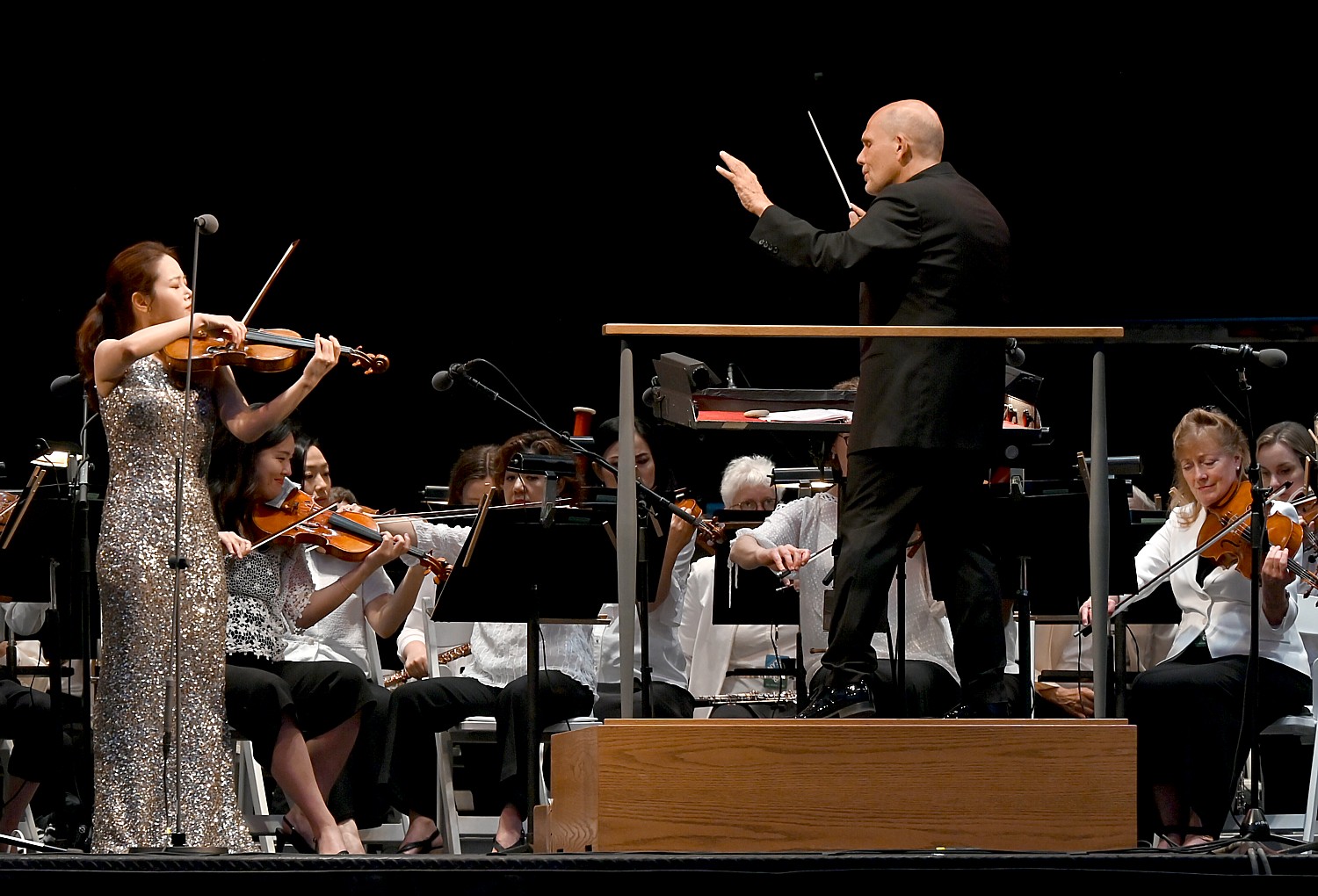

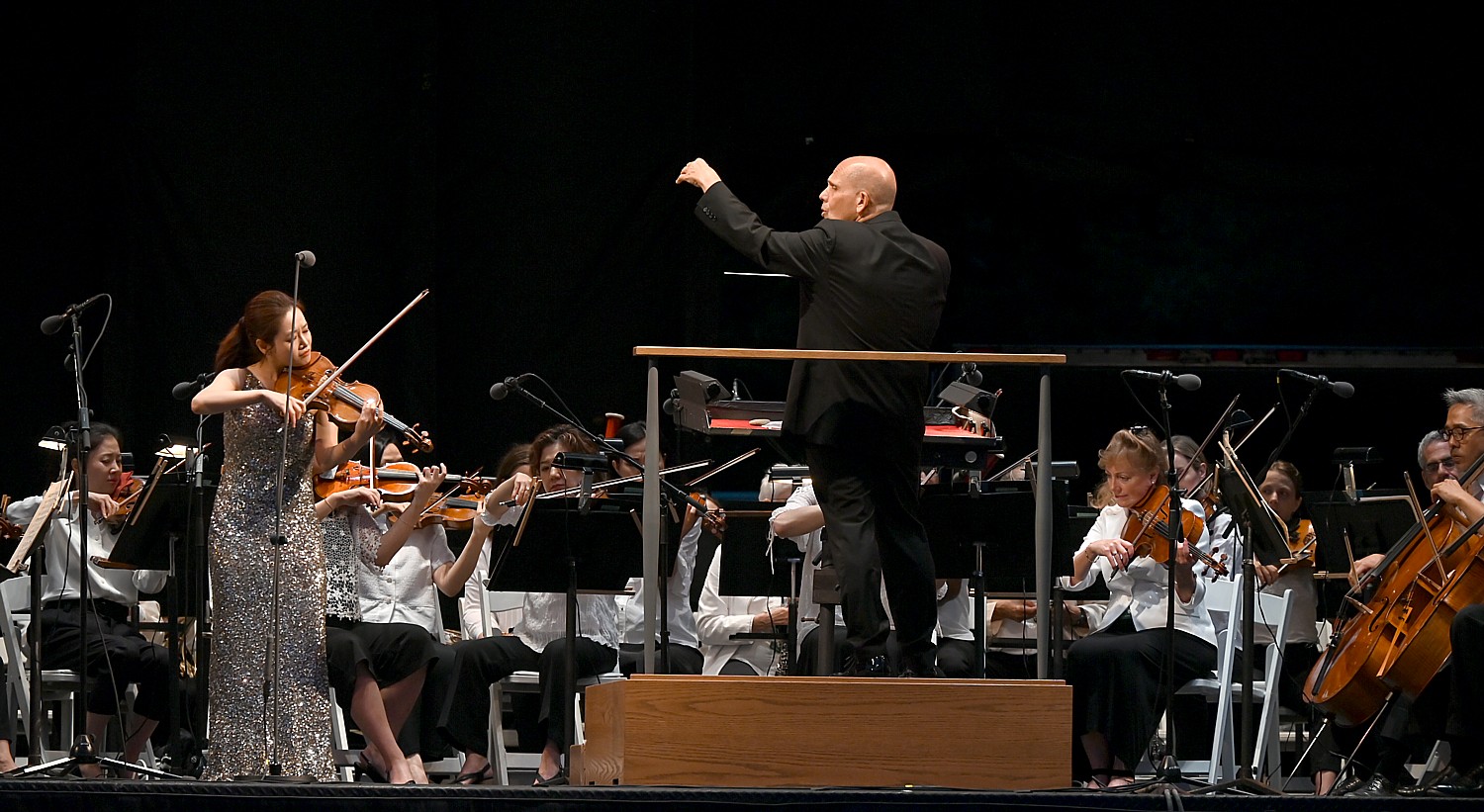
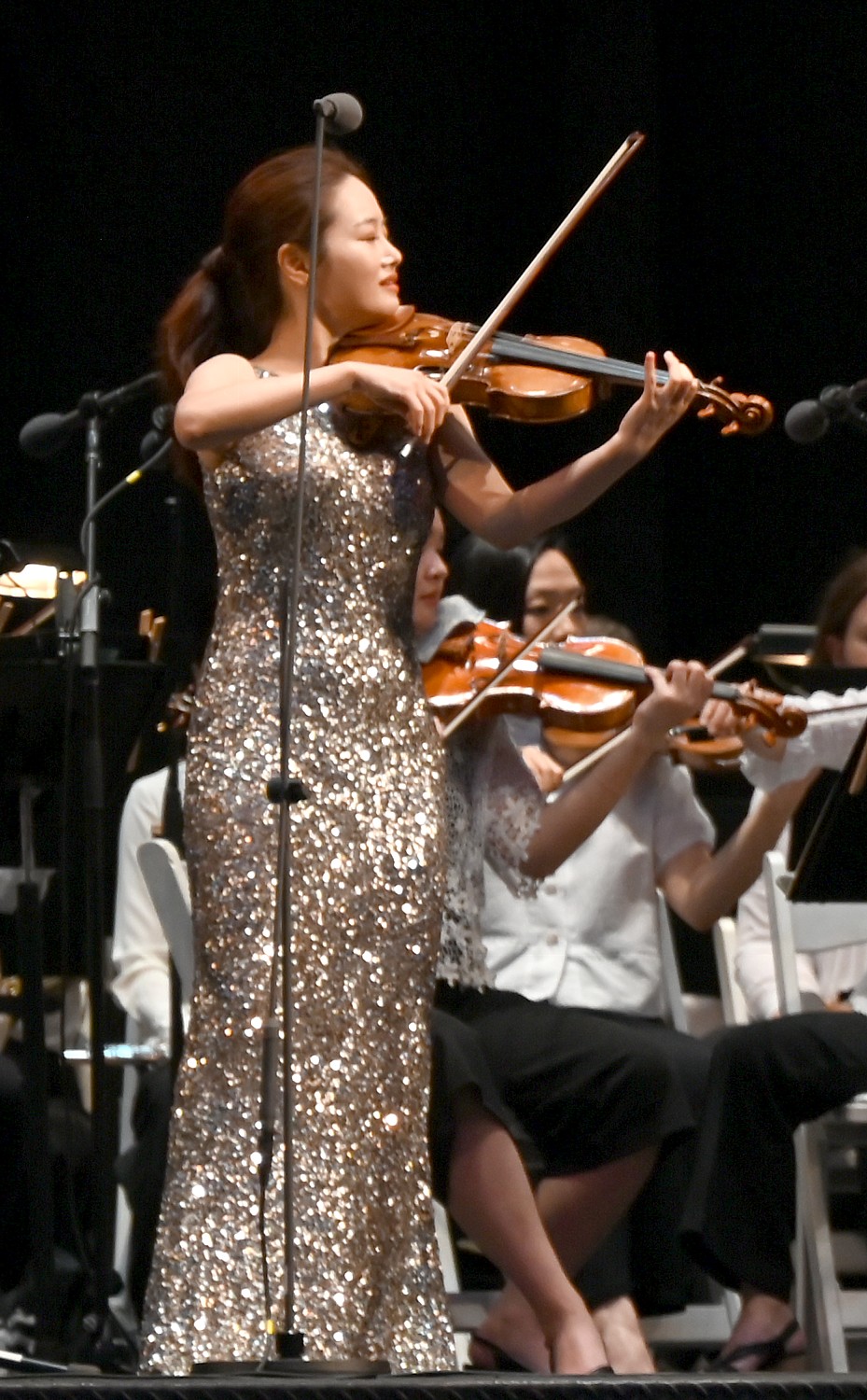
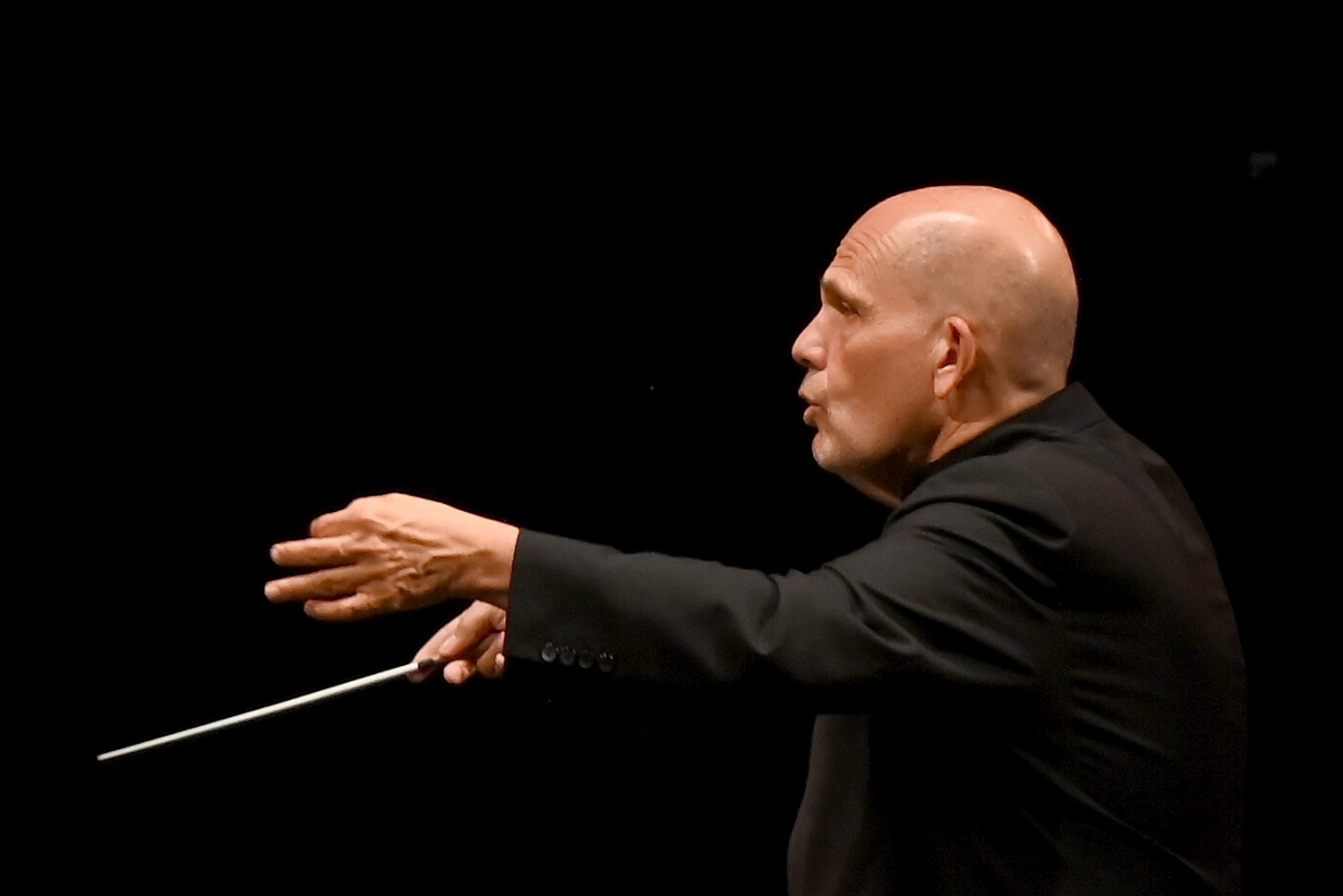

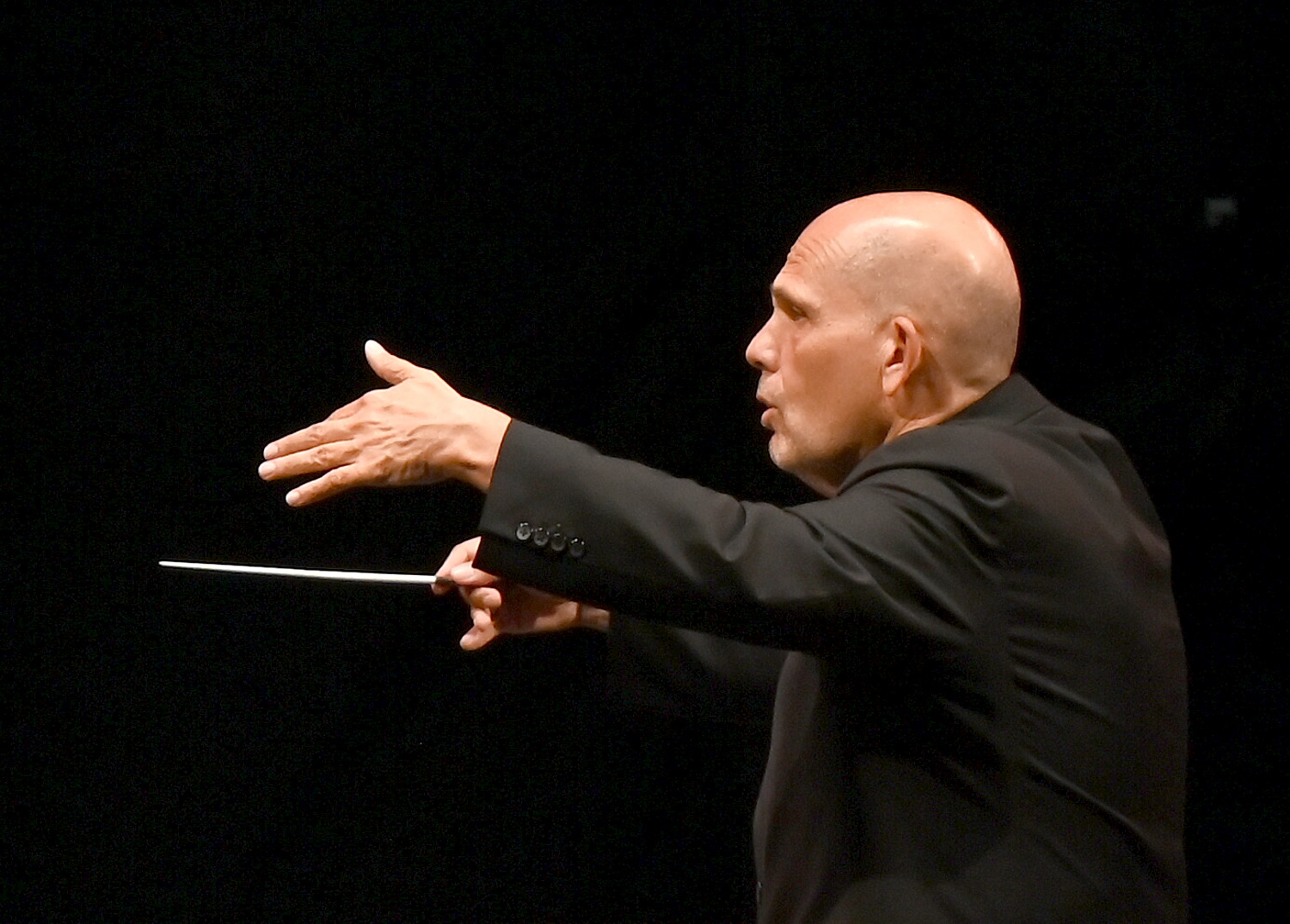

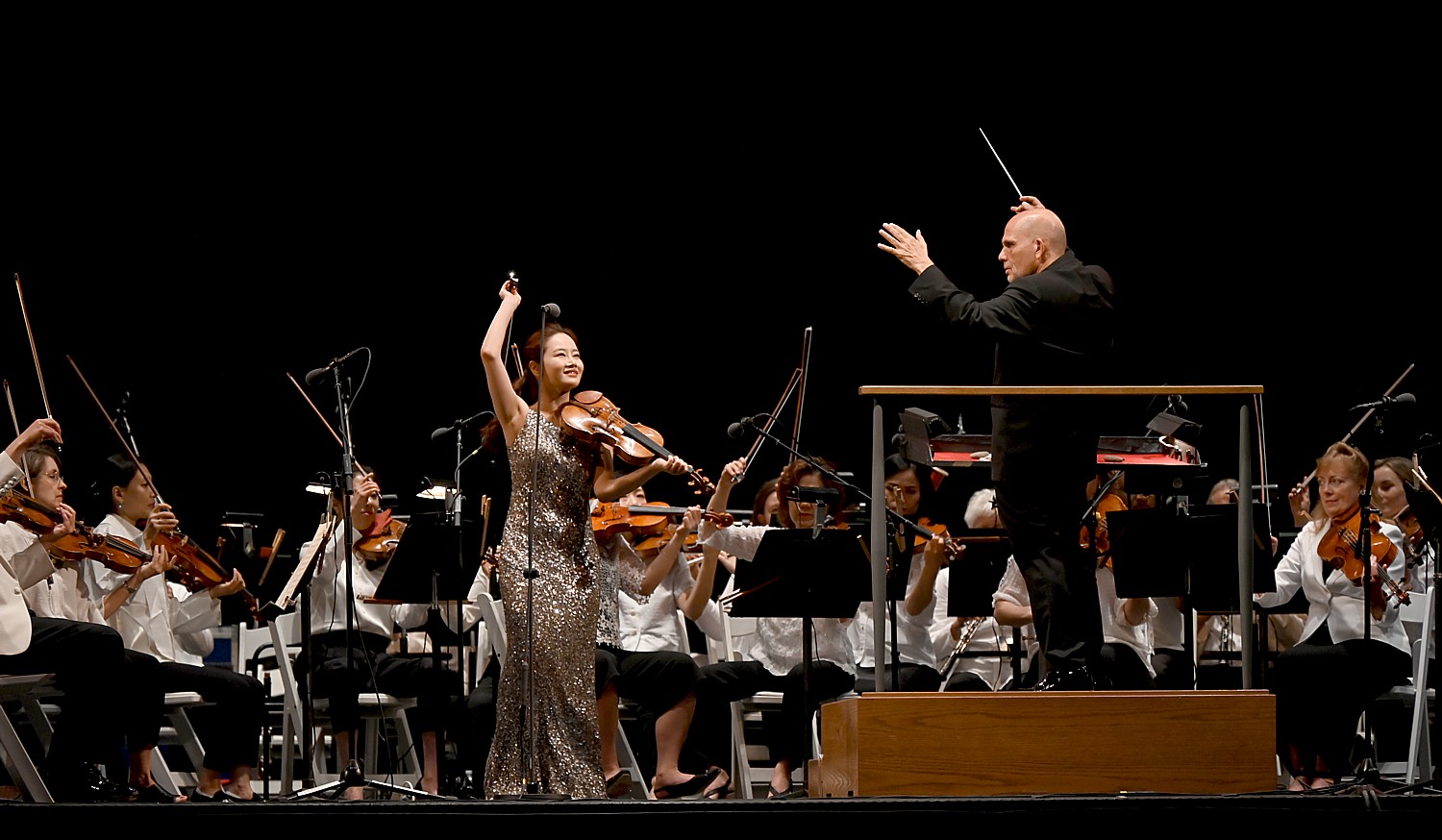
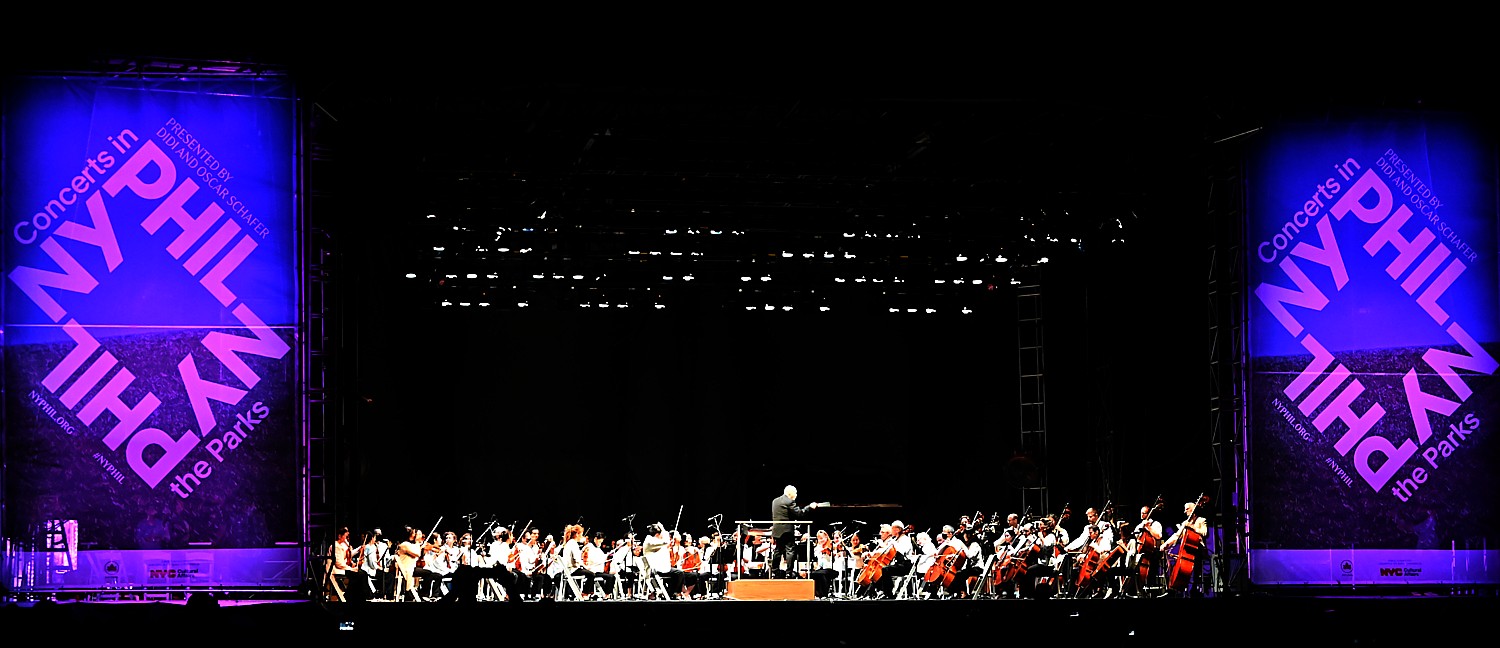
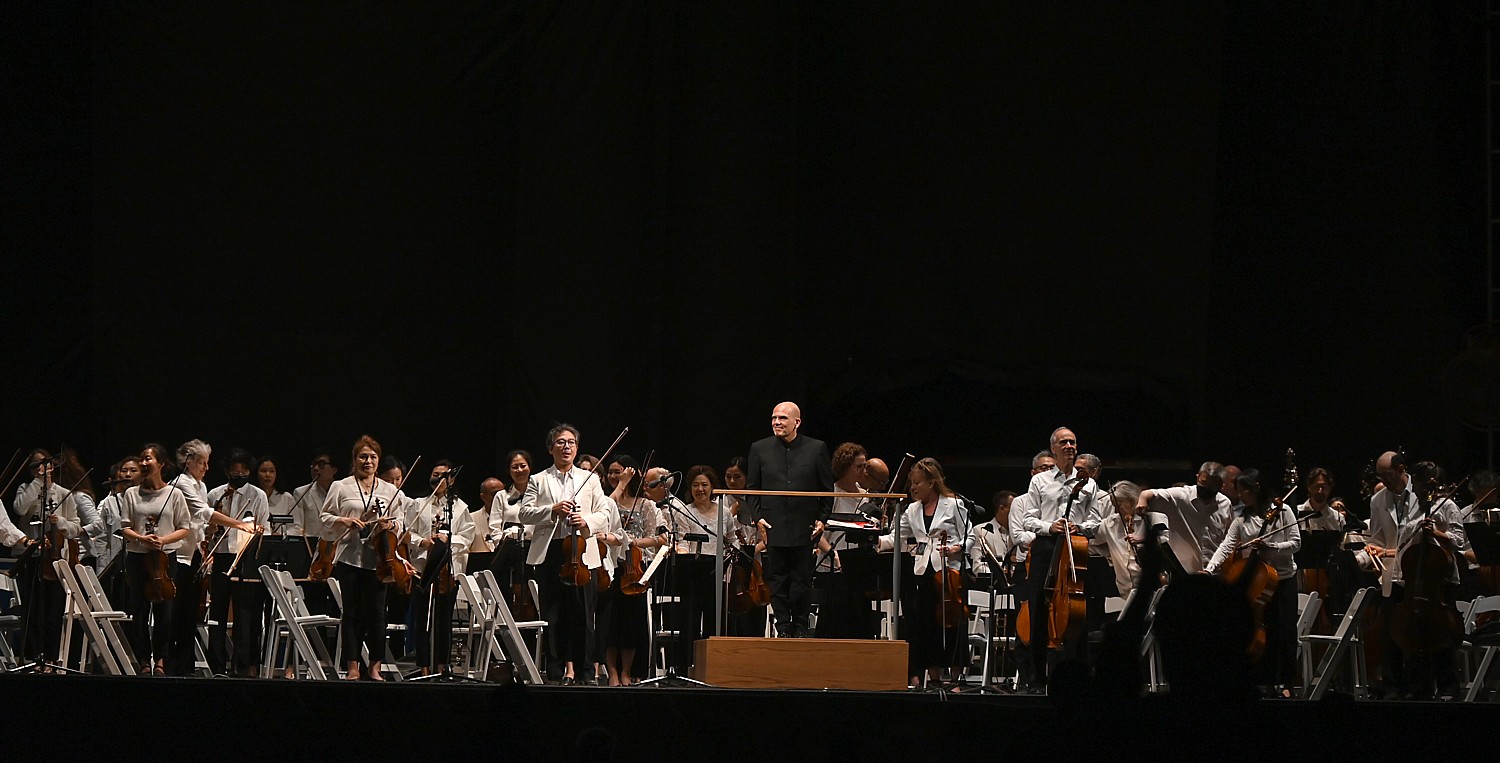

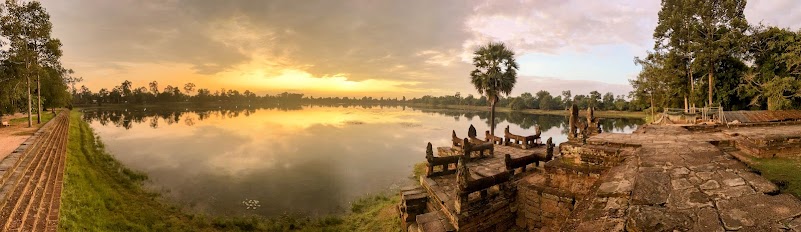

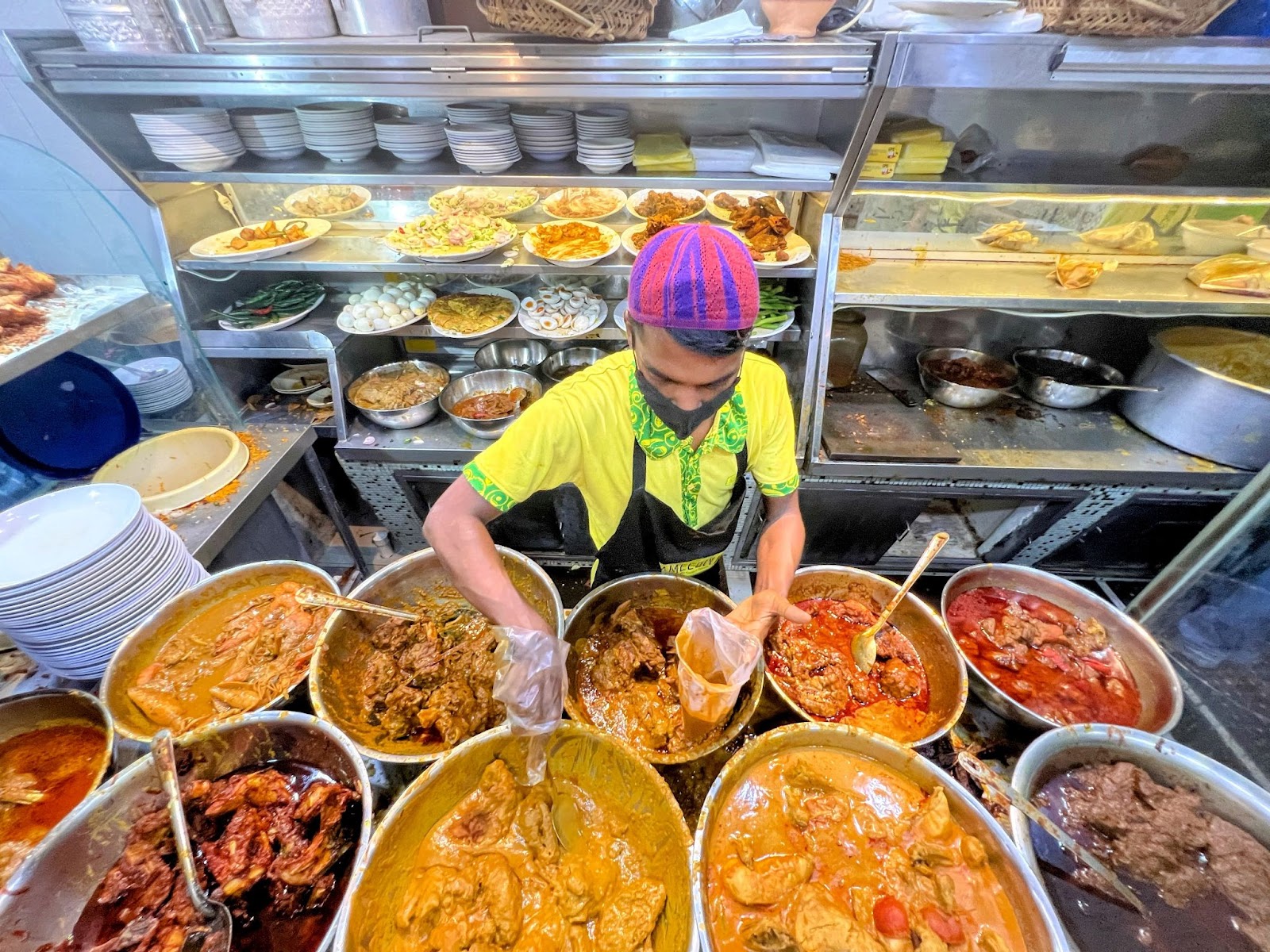
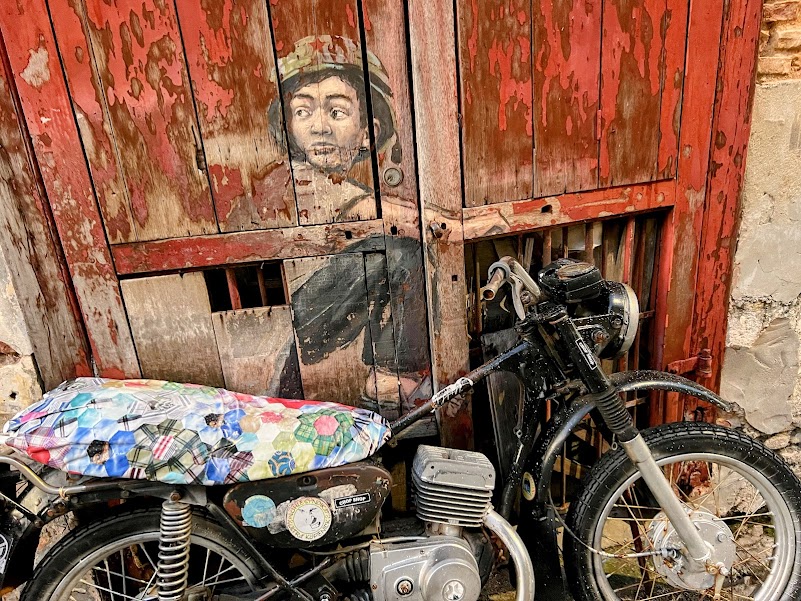

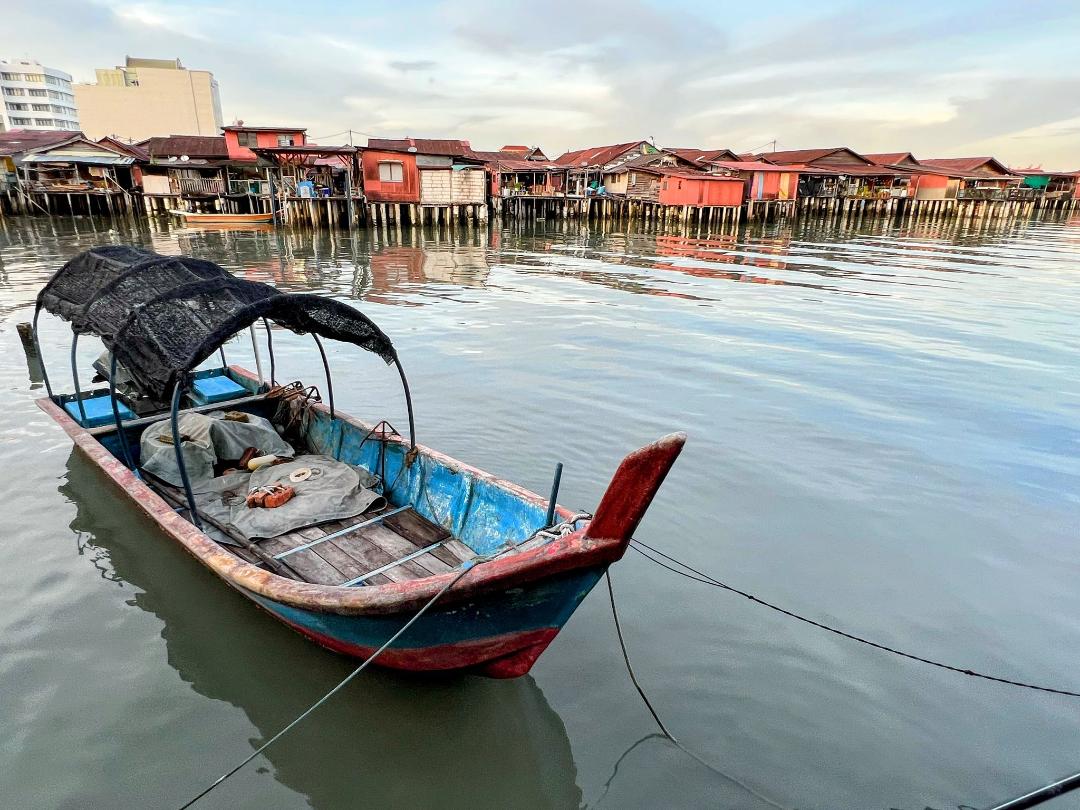
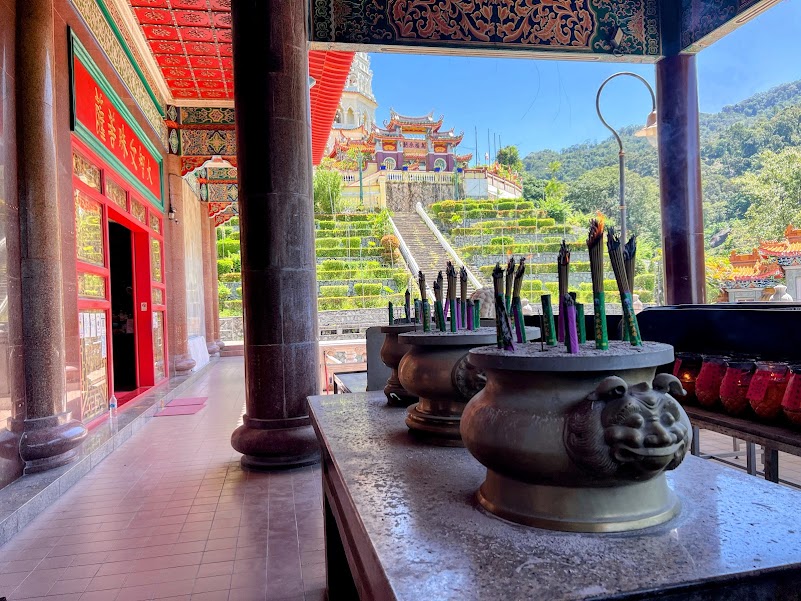

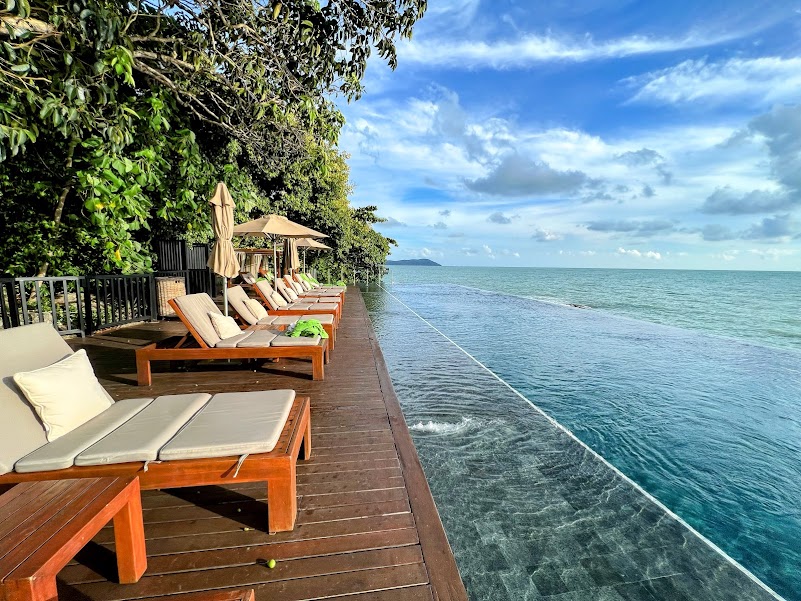
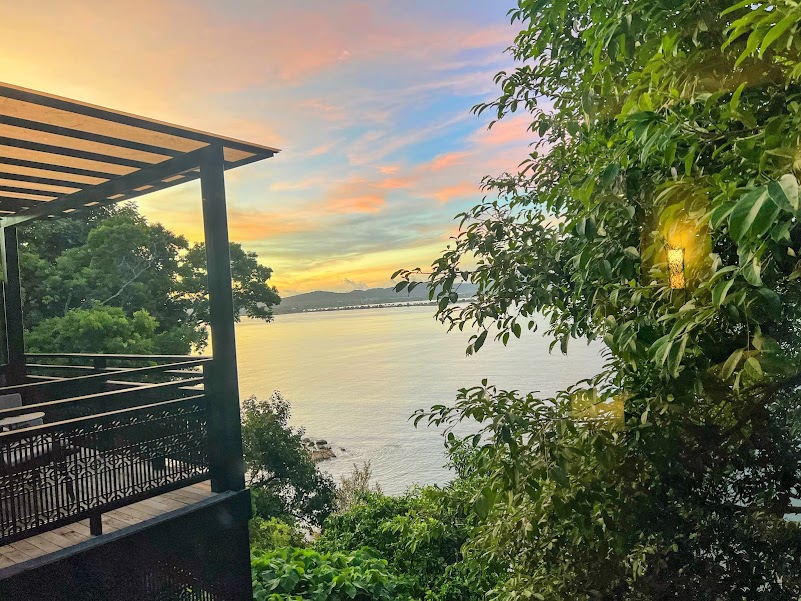
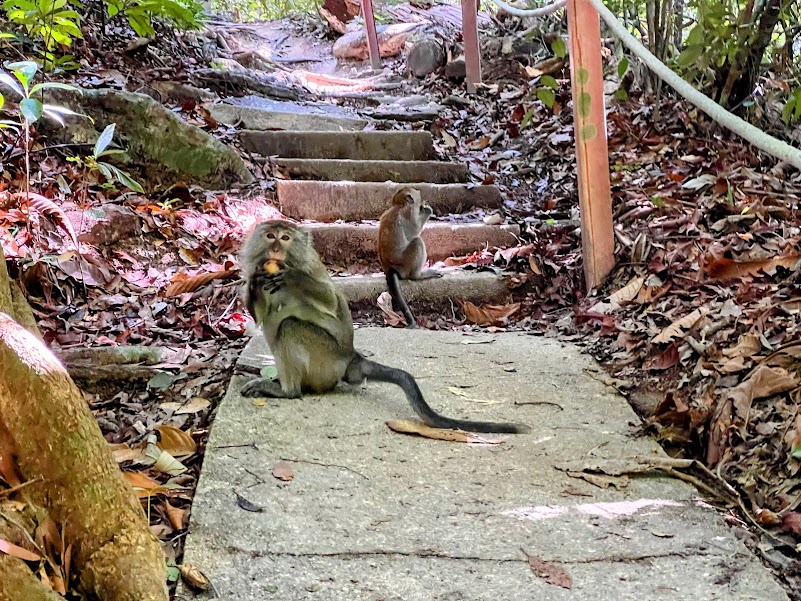
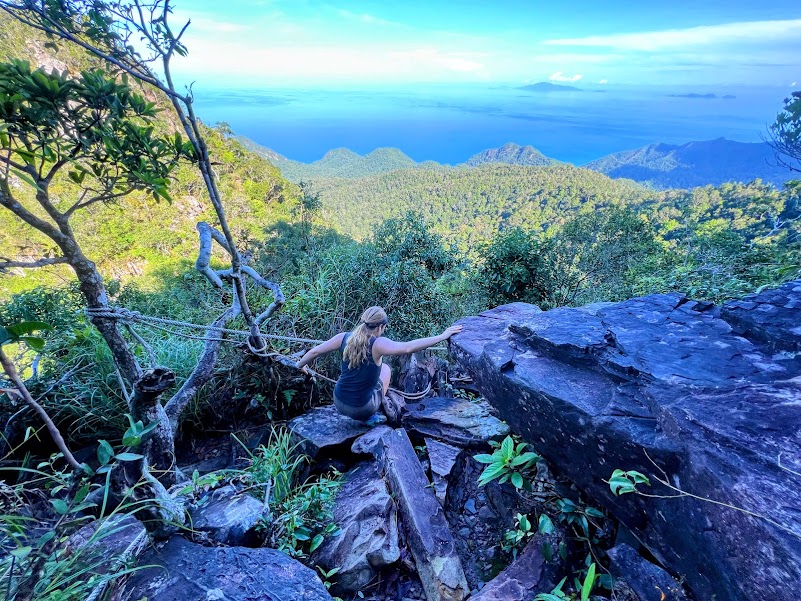
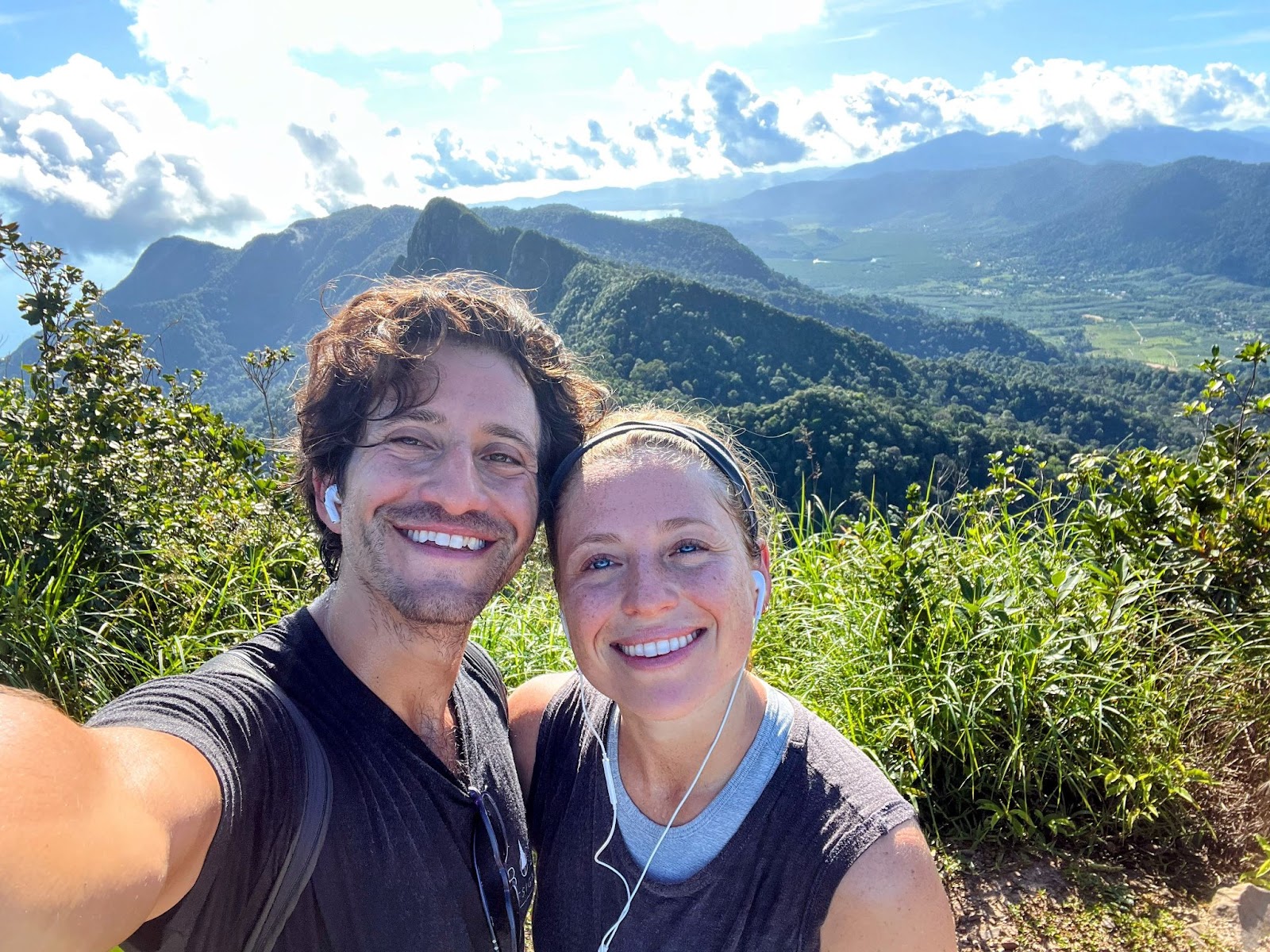
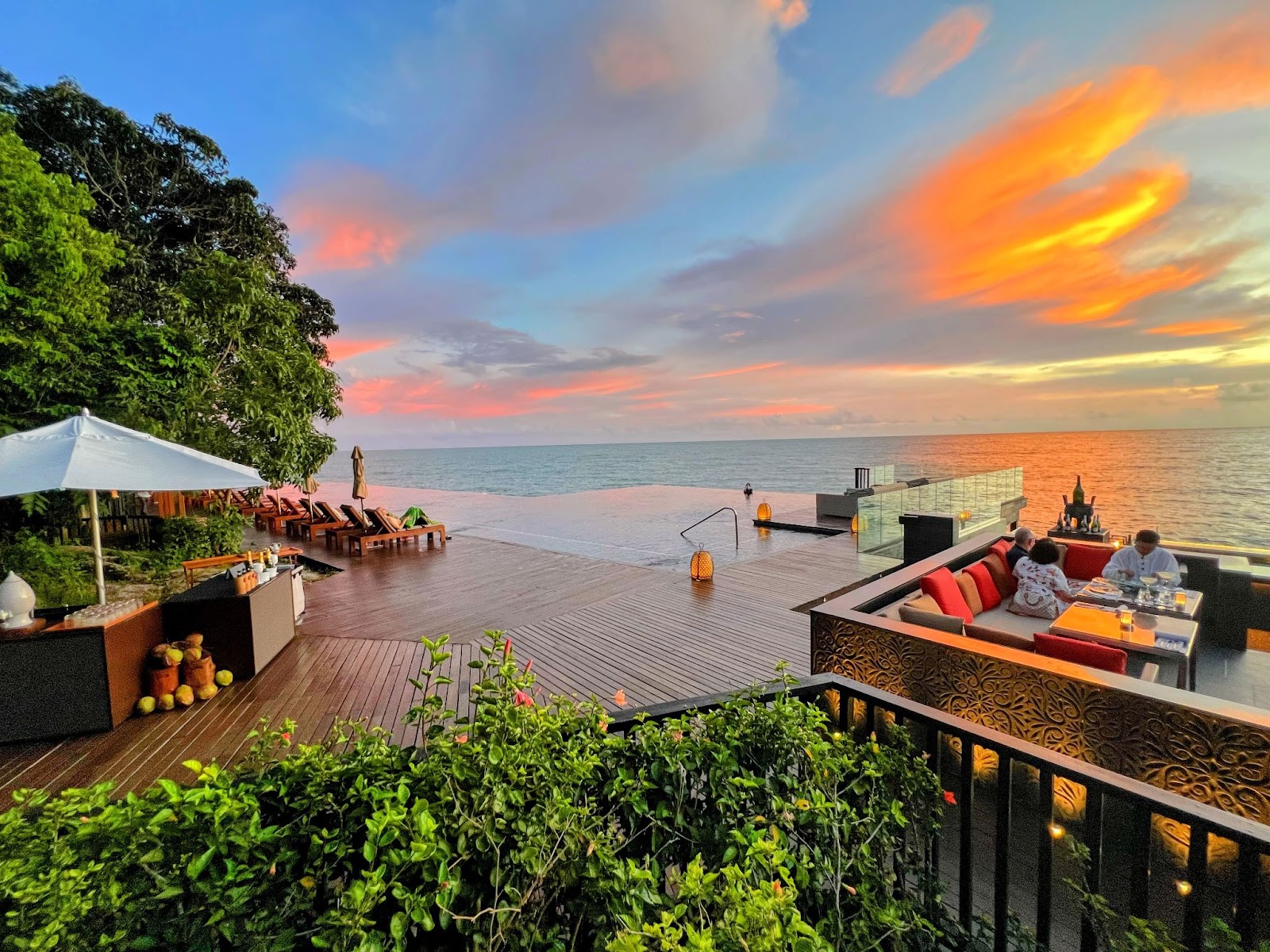
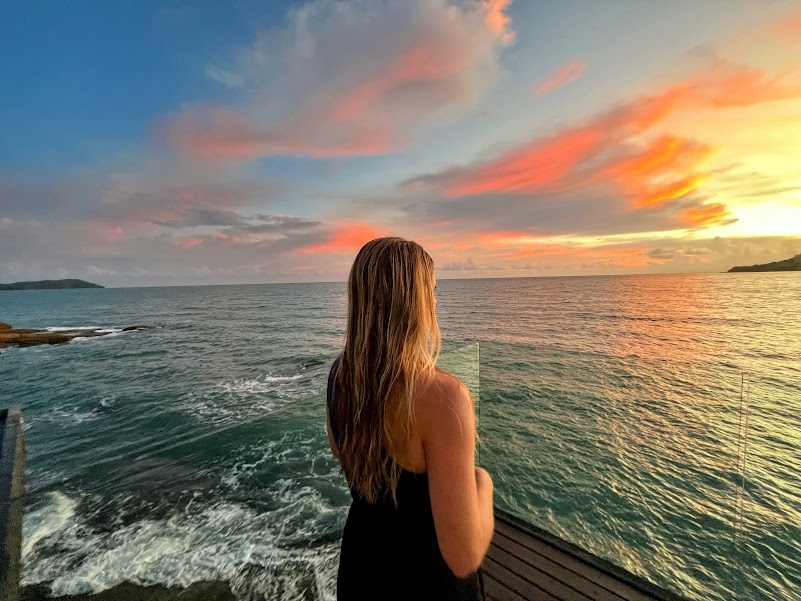
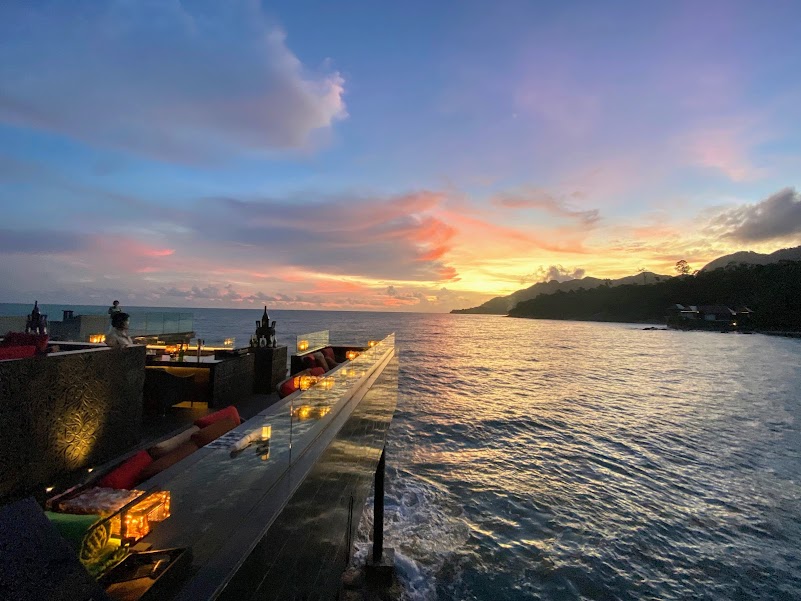
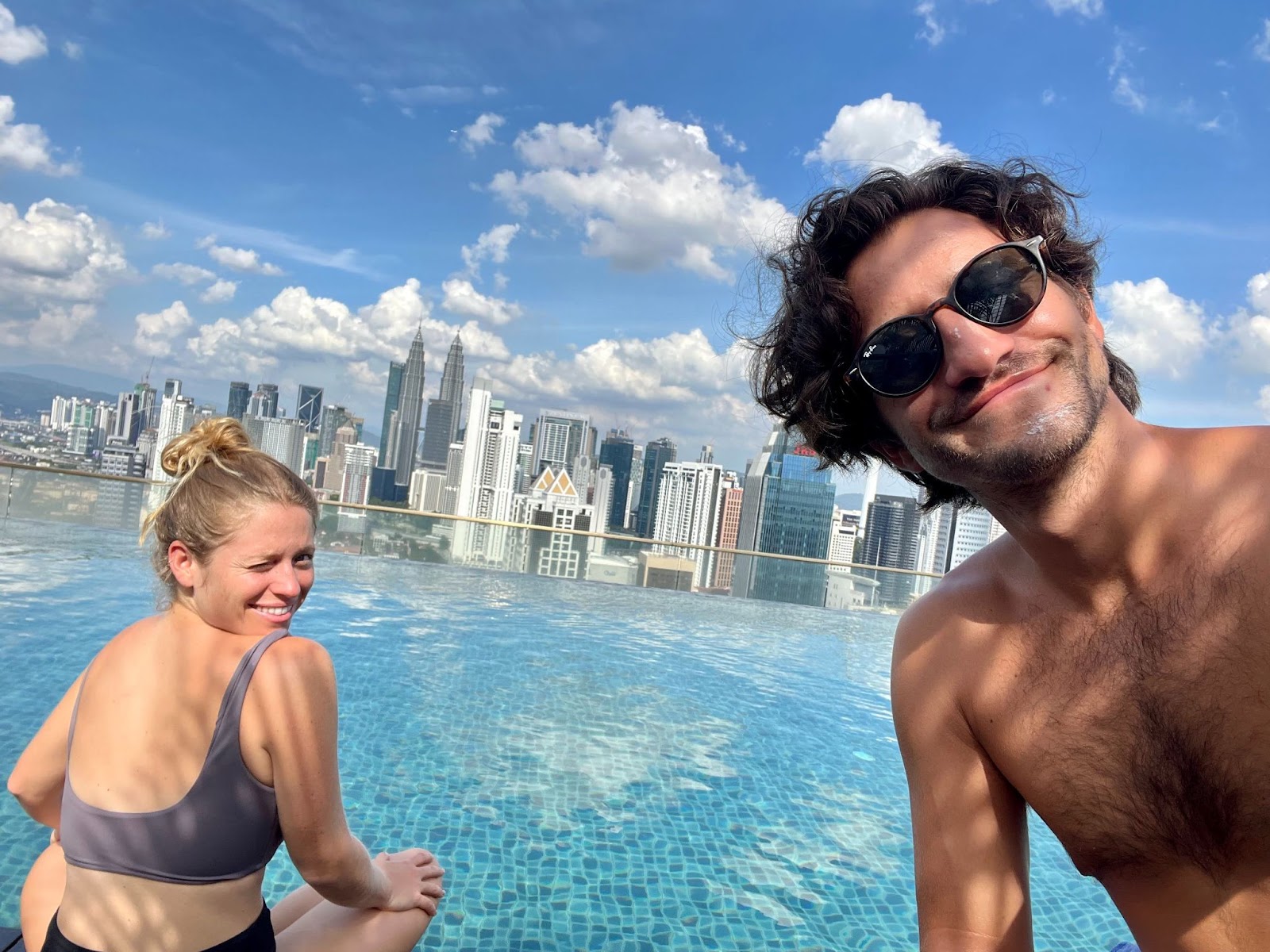
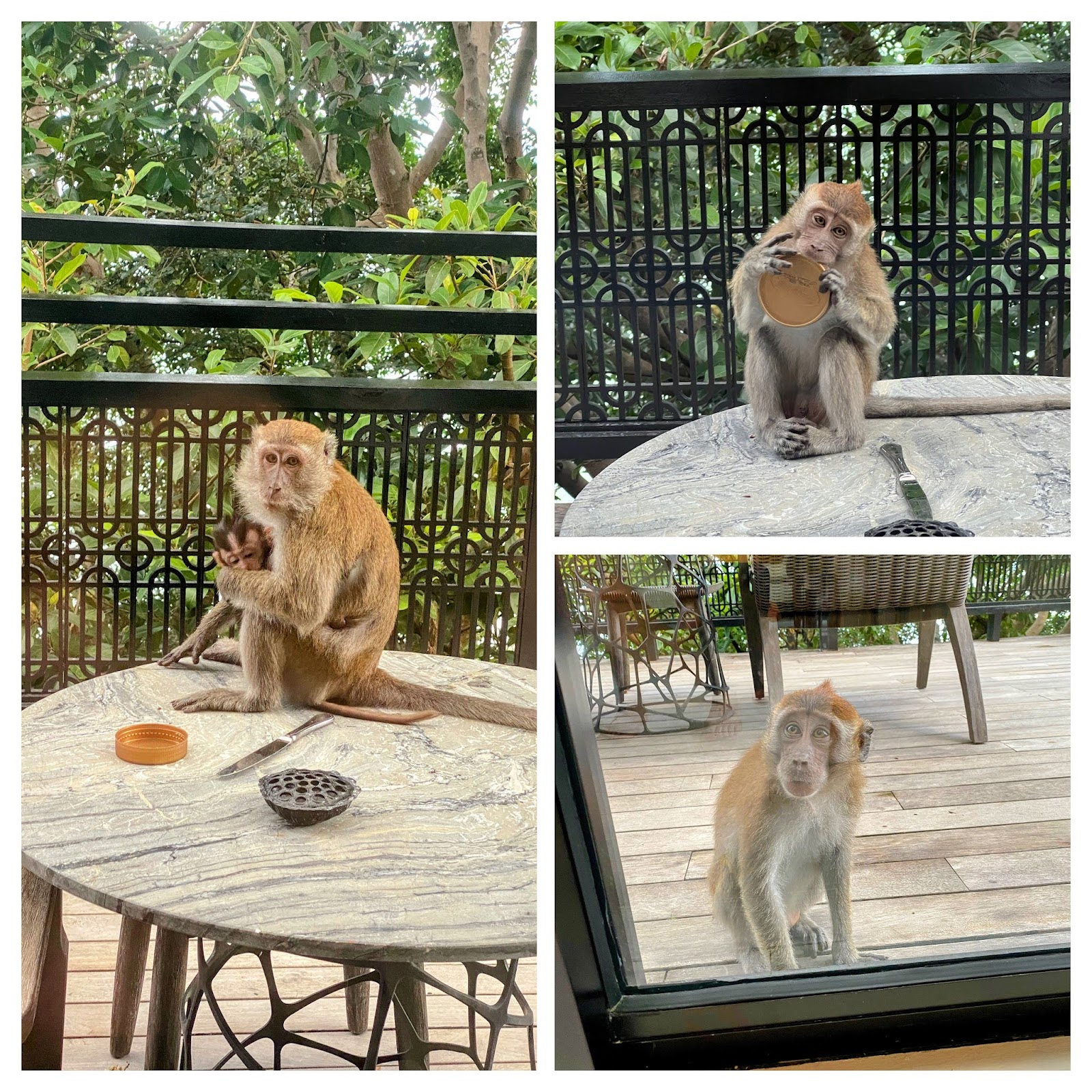 Malaysia © Eric Leiberman/goingplacesfarandnear.com