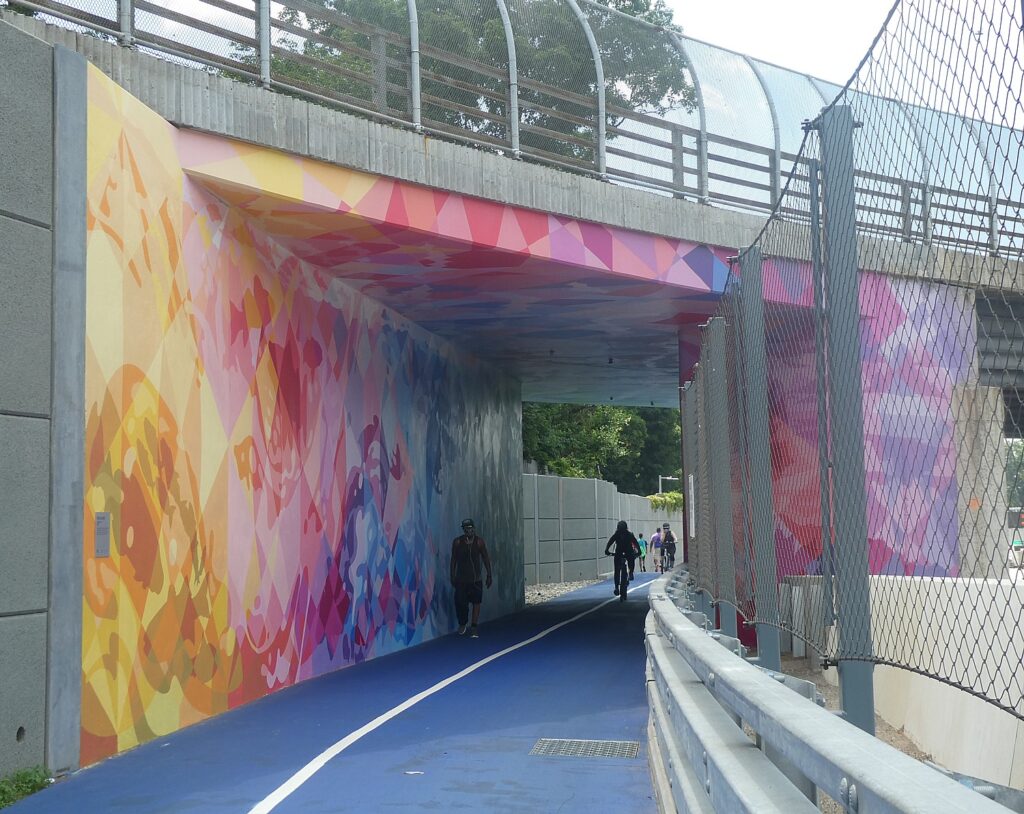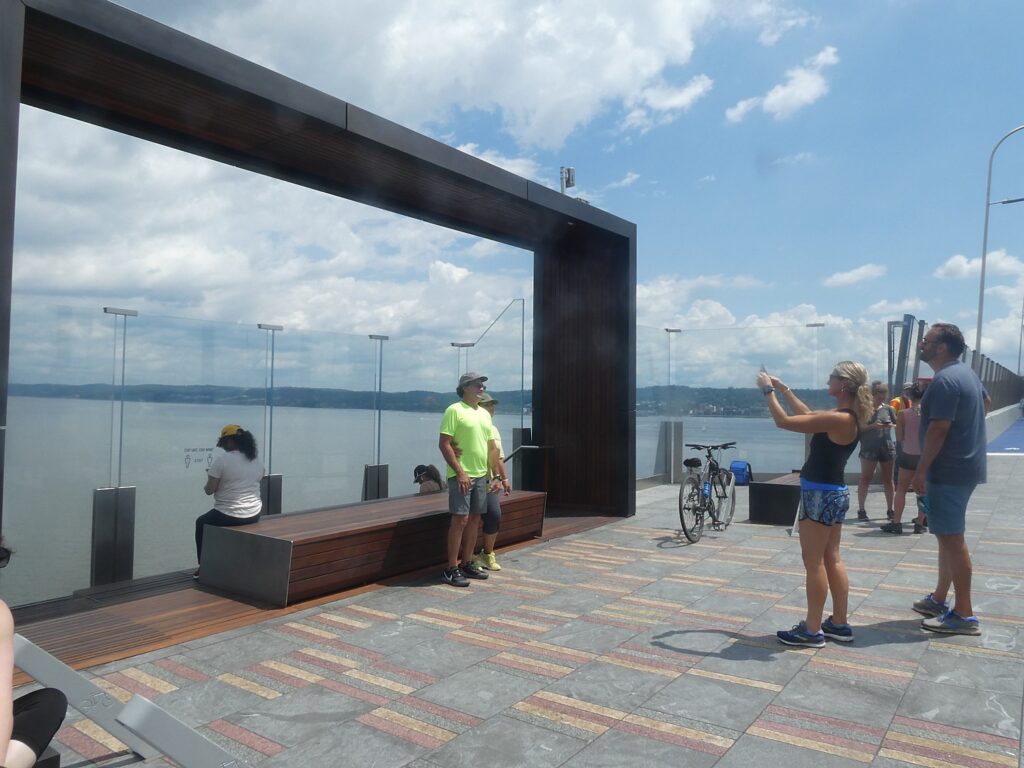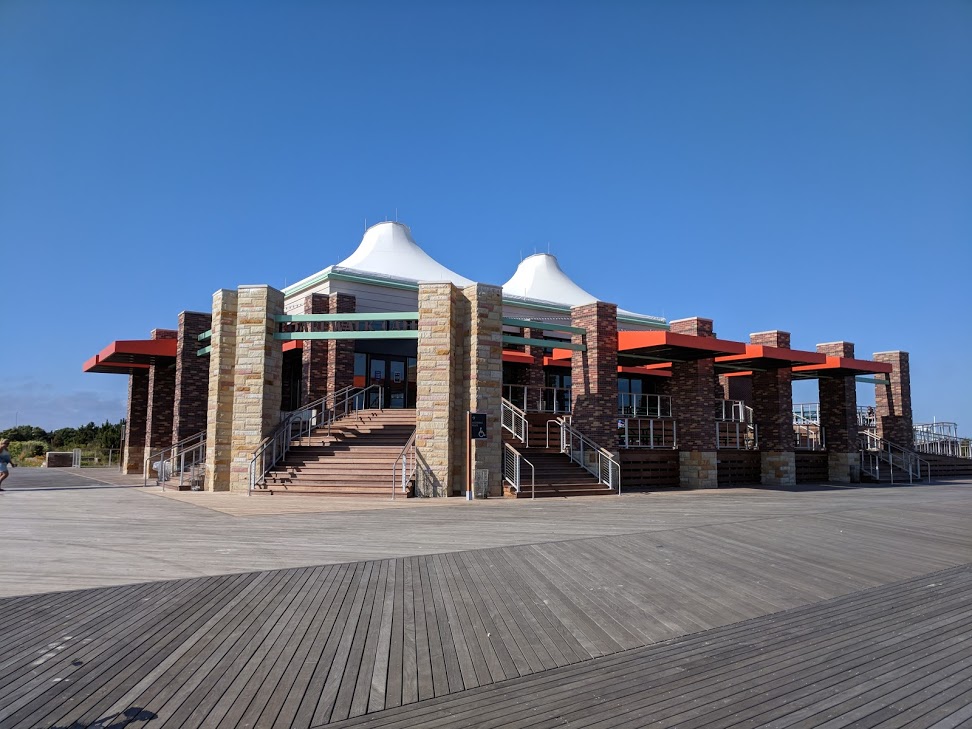
The $20 million Jones Beach Boardwalk Café is finally open for business after a 14-year absence, bringing back a popular dining option and renewed vitality to Central Mall at the heart of Jones Beach State Park. The revitalization of Long Island’s most-visited state park (and one of the best white-sand beaches in the world) is part of the Governor Andrew Cuomo’s NY Parks 2020 multi-year commitment of $900 million in private and public funding to modernize New York’s state parks.
“The grand opening of the Boardwalk Café highlights New York’s progress in restoring the historic vitality of Jones Beach State Park,” Governor Cuomo said. “I encourage everyone to visit Jones Beach this summer and experience for themselves the transformation that has taken place at one of Long Island’s true natural wonders.”
The new 7,700-square-foot café, featuring an open and airy Market Hall dining concept and distinctive tensile roof, will bring back food and beverage to the Central Mall that has been absent since 2004 (for a long-time it was bogged down in a fight with Donald Trump who wanted to ignore environmental restrictions), when the previous building was demolished due to structural failure. The café will be operated by Centerplate, a concessionaire offering hospitality services at the park. There will also be a Taste NY Grab and Go component to the Café with more than 20 New York-produced items.
The Boardwalk Café anchors newly installed activities including the refurbished East Games Area and the new splash pad adjacent to the Central Mall and the adventure course to be constructed this summer and offers outdoor shaded seating options, with commanding views of the ocean, beach and boardwalk. It was designed to withstand severe coastal storms and flooding with a reinforced design built on piles that elevates the main floor 20 feet above sea level, while honoring the park’s heritage with brick, sandstone and limestone to match those materials utilized in the historic 1920/30s buildings in the park era, a large and historic photo of the Park in the interior, and restored symmetry of the Central Mall.
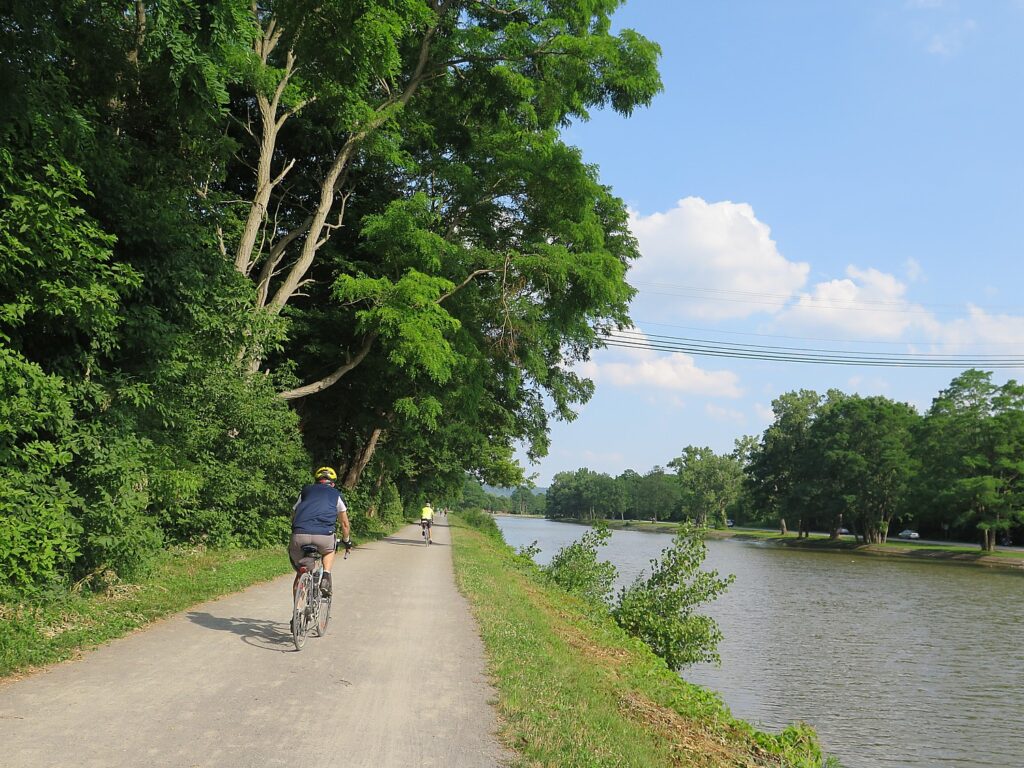
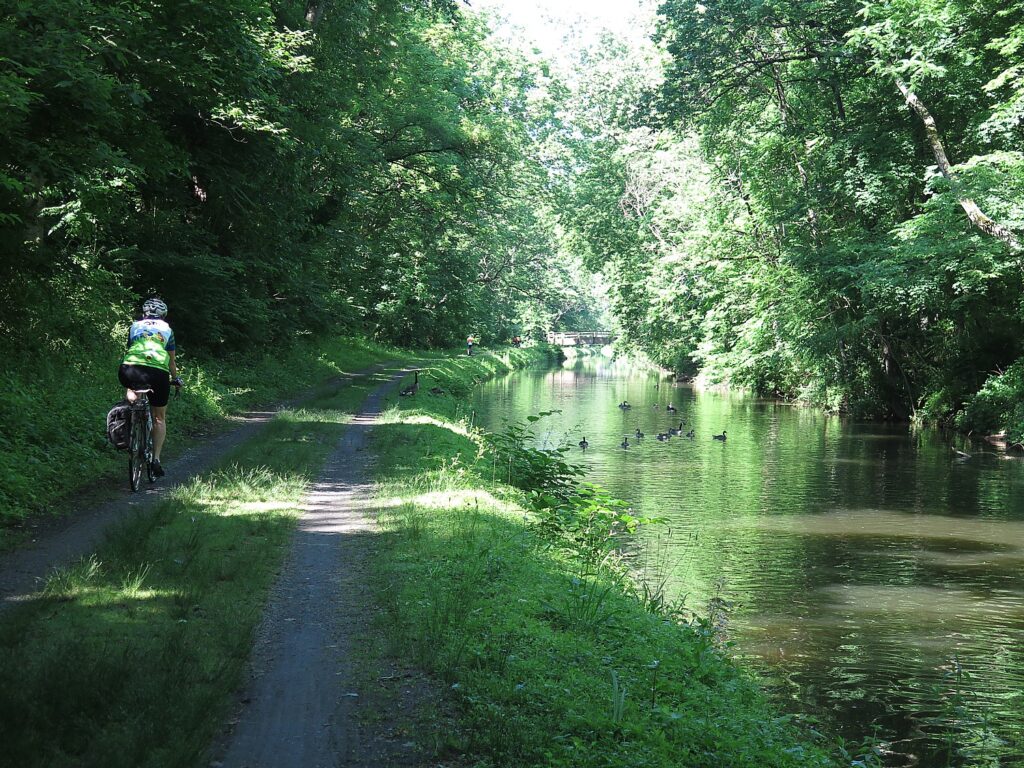
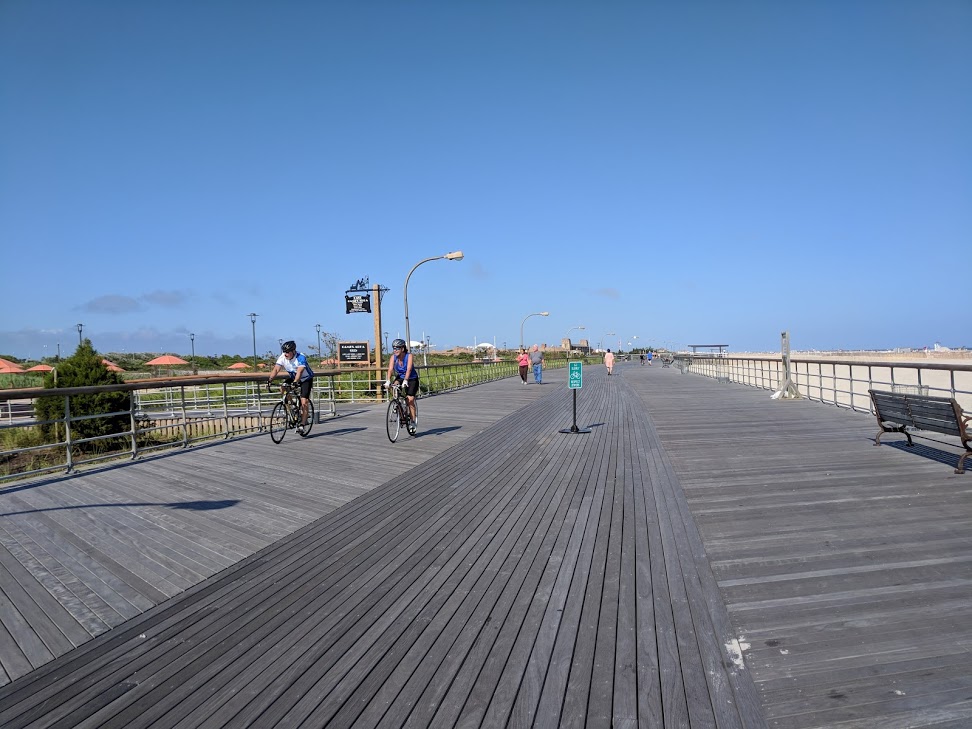
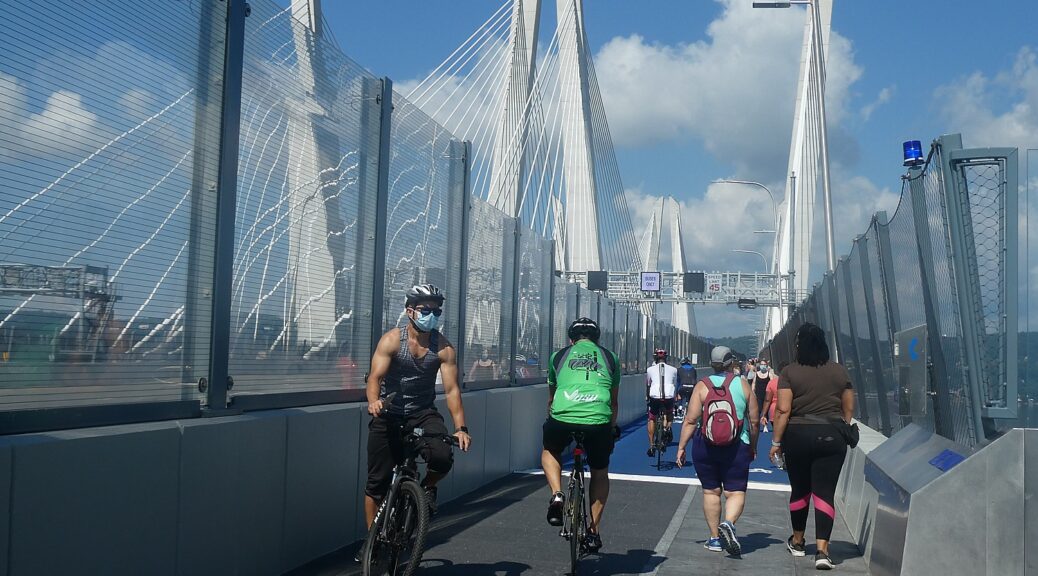
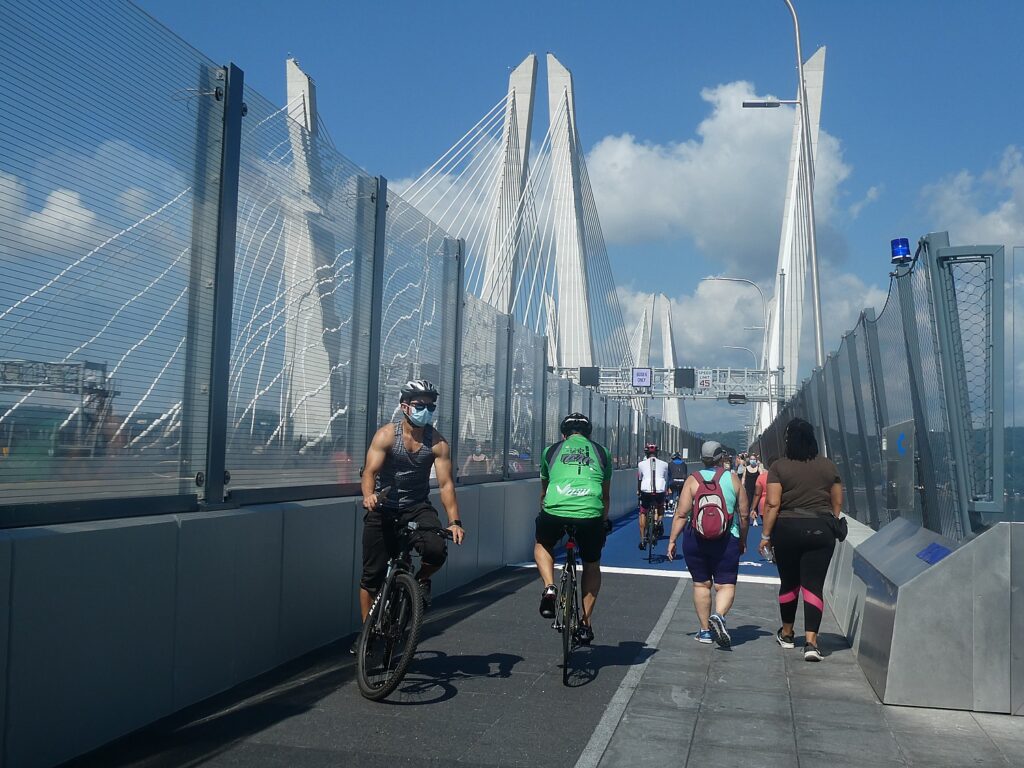
Another wonderful improvement to Jones Beach is that the dedicated bike path that starts at Cedar Creek Park and goes alongside the Wantagh Parkway has been extended 3.5 miles along Ocean Parkway, passing by the Bay and Jones Beach Theater. What is more, you can now bike on the boardwalk during the summer (respecting walkers).
Since 2011, State Parks has committed $65 million through 2020 in projects to restore Jones Beach State Park’s historic grandeur, attract new visitors and create new recreational facilities as part of a multi-year revitalization plan. Projects completed include the rehabilitation of the West Bathhouse and Field 6 Bathhouse, restoration of the historic park mosaics, new playgrounds and West Games Area and Zach’s Bay, new gateway signage and boardwalk upgrades.
“Investing in the Jones Beach State Park is a common sense way to help grow the local economy and revitalize our entire community,” Senator John Brooks said. “I commend the Governor for his efforts and I look forward to visiting the Central Mall and enjoying the renovated Boardwalk Cafe. I encourage Long Islanders, and all New Yorkers, to come to Jones Beach State Park this summer and enjoy all of the great activities, restaurants, and natural beauty this community has to offer.”
“The Boardwalk Café is an important part of our area’s history that honors our community’s past with its beautiful Art-deco designs, while also adapting to our present and future needs,” Town of Hempstead Supervisor Laura Gillen said. “We are grateful to Governor Cuomo for making this treasured building more resilient to withstand future storms and open in time for the busy July 4th weekend.”
“Jones Beach is the crown jewel of the south shore of Long Island. No matter the season, locals and tourists come to Jones Beach for the boardwalk, ocean views, concerts, and sporting events,” Assemblywoman Christine Pellegrino said. “The restoration of the Boardwalk Cafe is a welcomed addition and I am grateful to the governor for the investment in this important project.”
“The new Boardwalk Café is a wonderful step towards growing the vision for what Nassau County should look like in the future,” Nassau County Executive Laura Curran said.
Travel Features Syndicate, goingplacesfarandnear.com
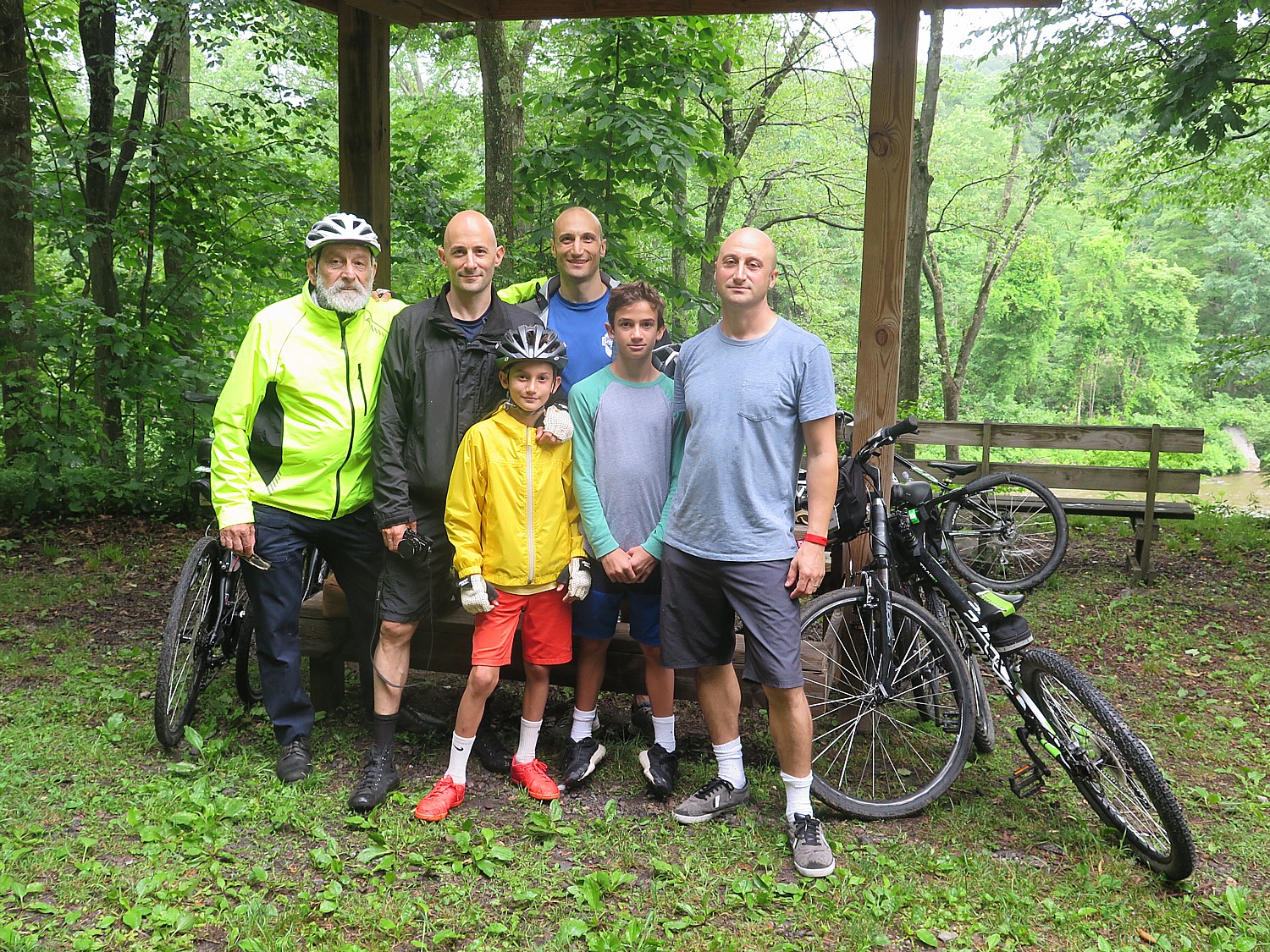
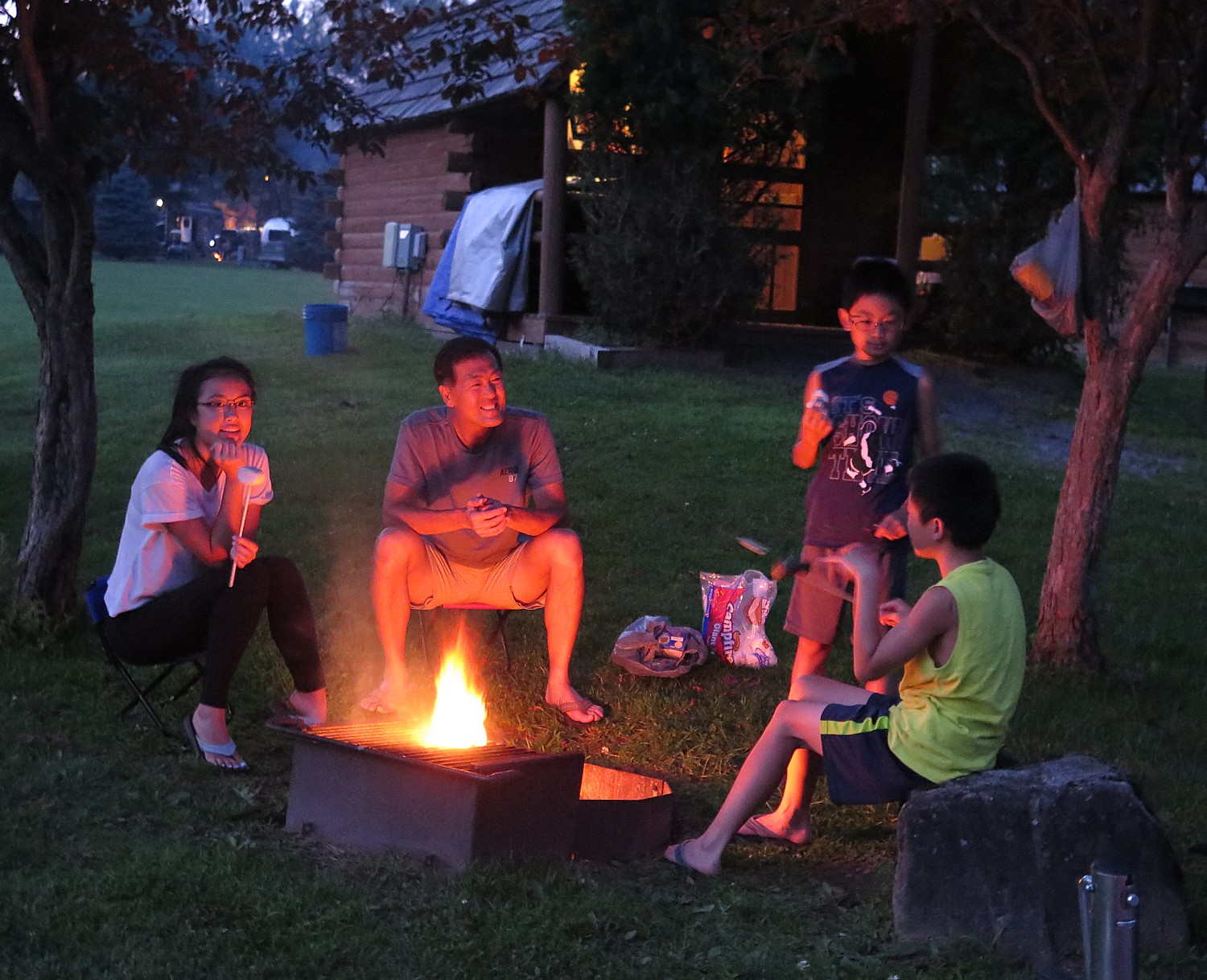
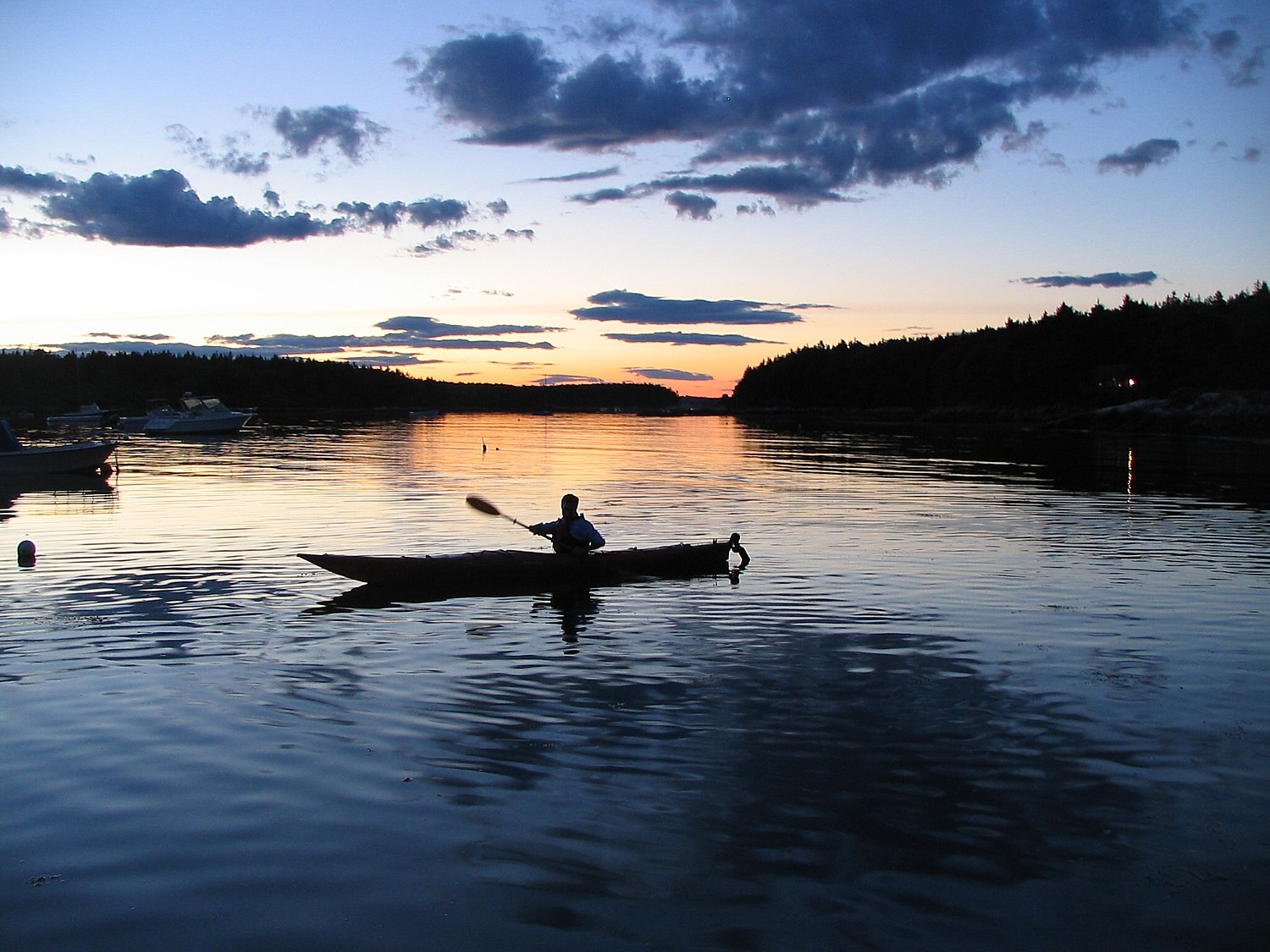
It’s officially the start of the summer family vacation season! It is widely known that getting out and experiencing things first hand is the best way to cultivate learning. The experiences also engage children, forge bonds and provide lifelong memories. Here are “get out there and do it” summer family vacation ideas.
Looking for adventure, for discovery, for immersion in culture, heritage or the natural world? Many of the most respected ecotourism operators offer special itineraries tailored for families:
Smithsonian Family Journeys by Perillo’s Learning Journeys has created a series of multi-generational itineraries, including Discover Japan (meet students of anime), Iceland Explorer, Exploring London and Paris (take a scavenger hunt through the Louvre), and Discover Ireland (learn to speak Gaelic). (Visit https://www.learningjourneys.com/family-journeys/smithsonian, 855-215-8691; Perillo’s Learning Journeys, www.learningjourneys.com, 888-884-8259; www.SmithsonianJourneys.org).
Wild Women Expeditions’ globe-spanning roster of women-only itineraries also beckons adventurous mothers to join their daughters on journeys into the wilderness that can re-cement relationships. One adventure just for moms and girls ages 10 to 16 is on horseback in Iceland. The other for moms and daughters ages 8 to 13 is closer to home in canoes on a lake in Canada. (888-993-1222, info@wildwomenexpeditions.com, https://wildwomenexpeditions.com/).
Wild Planet Adventures has family-focused departures in Costa Rica, Africa, Borneo, Brazil, Costa Rica, Galapagos, India, Laos, Nepal, Panama, Peru, Thailand and Zambia (800-990-4376, www.wildplanetadventures.com, email trips@wildplanetadventures.com.
Other adventure operators that offer family-focused trips:
Kids-Friendly Walking Tours: Perhaps you are exploring roots or your heritage in a foreign country. Context Travel, which specializes in walking tours, has designed programs specifically for families with interactive experiences: a private tennis lesson on Henry VIII’s court in London; turn the whole family into samurais for the day in Kyoto; sweet immersion into French food in Paris; go underground to the forgotten streets and houses buried under Rome. Family walks also are available in cities across Europe, Asia, North America and Australia. Context also can create a custom family tour in the 37 cities where it offers programs across the globe. Contact info@contexttravel.com, 800.691.6036, www.contexttravel.com.
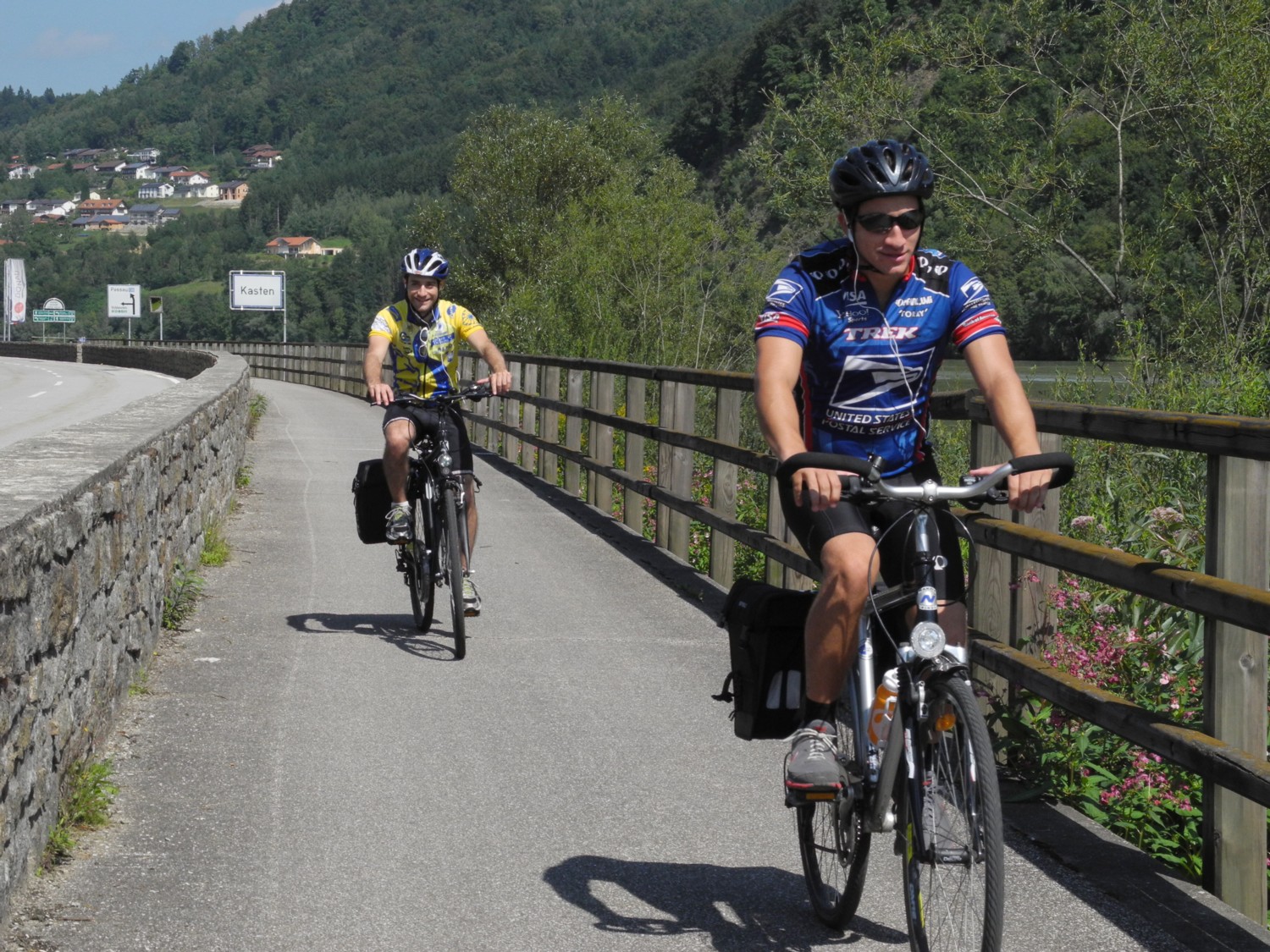
Bike Tours: Biketours.com which specializes in Europe has recommended itineraries for families; I can personally recommend the Danube Bike Trail, Passau to Vienna, which I did with my sons – one of the best trips of my life. You can do it as a self-guided tour – it is very easy to follow, and that gives you more control over your schedule, as well as excellent value. BikeTours.com also offers an itinerary specially tailored for families with children (1222 Tremont Street, Chattanooga, TN 37377 ,877-462-2423, 423-756-8907, info@biketours.com, biketours.com).
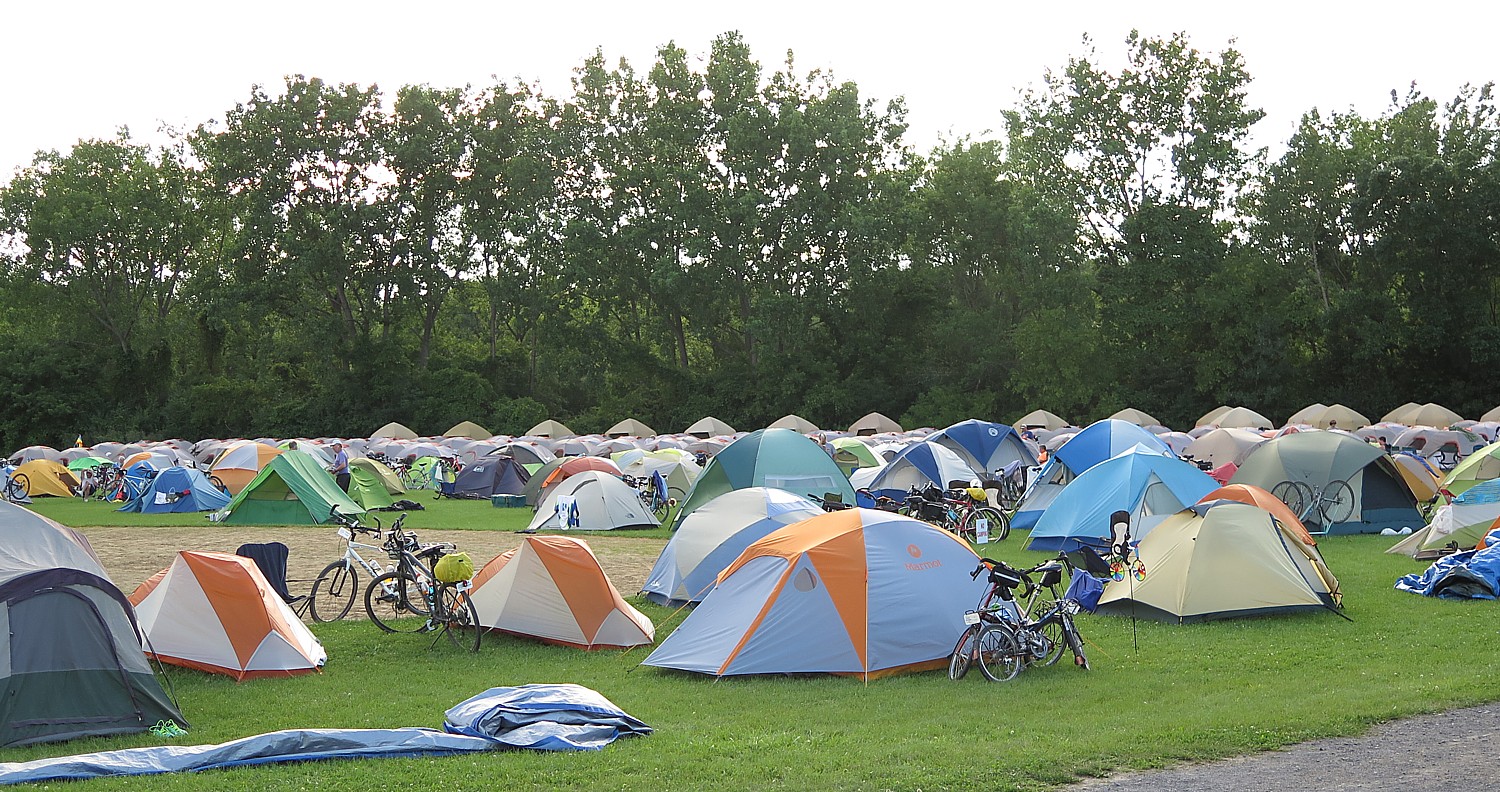
We’ve also recommended outstanding biketours close at home that do good while giving everybody a great time: Parks & Trails NY, which offers the annual 8-day 400-mile Cycle the Erie ride, which is a camping and biking adventure that draws families with tiny tots in tow, as well as self-pedalers as young as 10 years old. A major highlight is camping out at Fort Stanwix, Rome NY, an 18th century living-history experience. (Parks & Trails New York at 518-434-1583 or visit www.ptny.org).
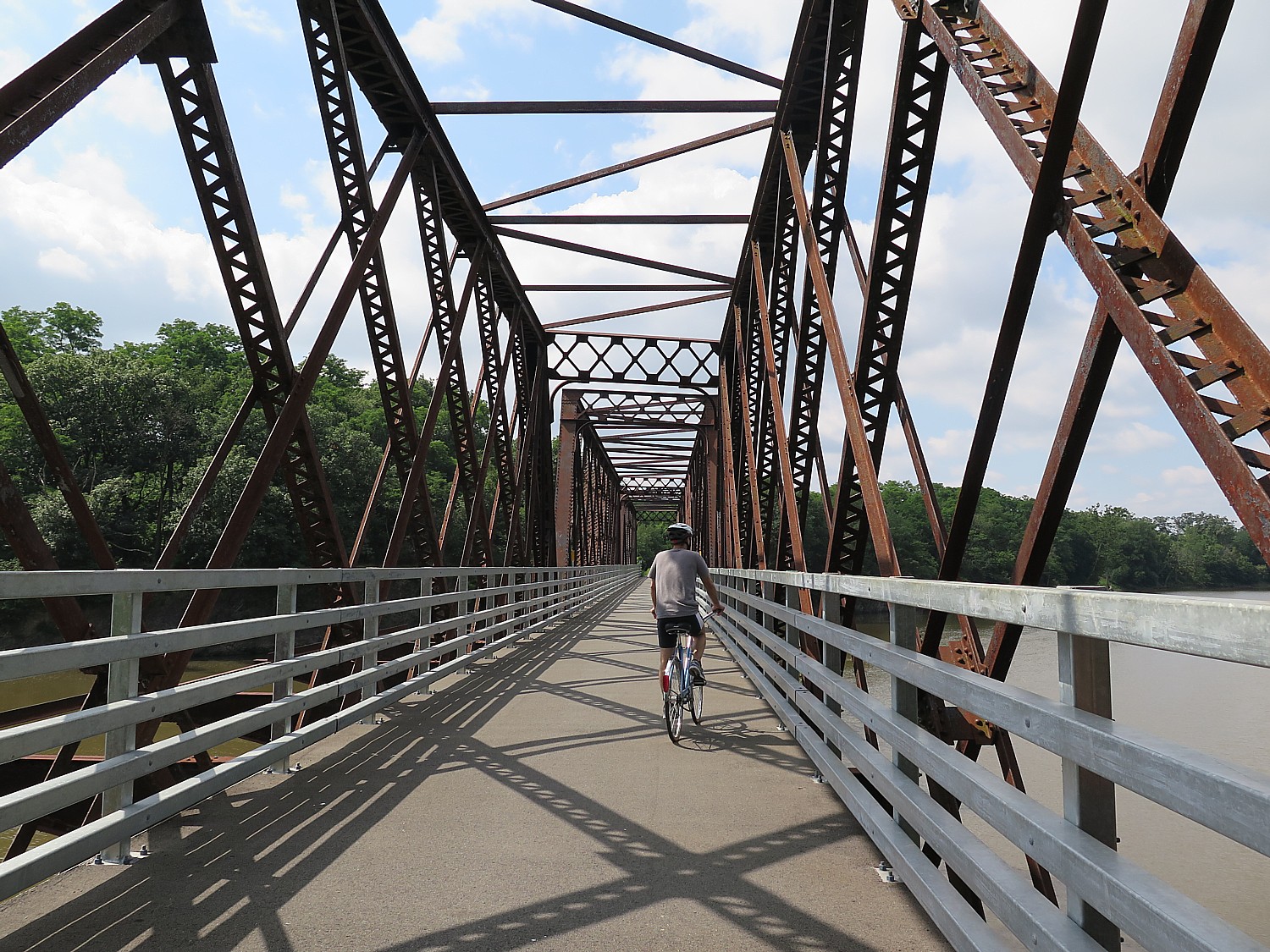
Similarly Rails-to-Trails Conservancy (202-974-5150, Railstotrails.org, TrailLink.com) sponsors an annual Sojourn supported biketour that showcases bikeways that have been converted from old rail lines; their annual ride is organized by Wilderness Voyageurs, which offers Ride the GAP trips with bed-and-breakfast accommodations (they portage luggage from inn to inn), as well as a full catalog of guided bike tours that includes Colorado; Missouri’s Katy Trail; Idaho’s Hiawatha & Coeur D’Alene; South Dakota’s Mickelson & the Badlands; the Erie Canal, Finger Lakes, and Adirondacks in New York; Shenandoah and the Civil War; Gettysburg & the Civil War; Maryland’s Chesapeake Bay; Pittsburgh to DC on the GAP & C&O; Pennsylvania’s Amish Country; Kentucky’s Bike & Bourbon; Georgia’s Gold Coast; and a biking trip in Cuba. (855-550-7705, Wilderness-Voyageurs.com)
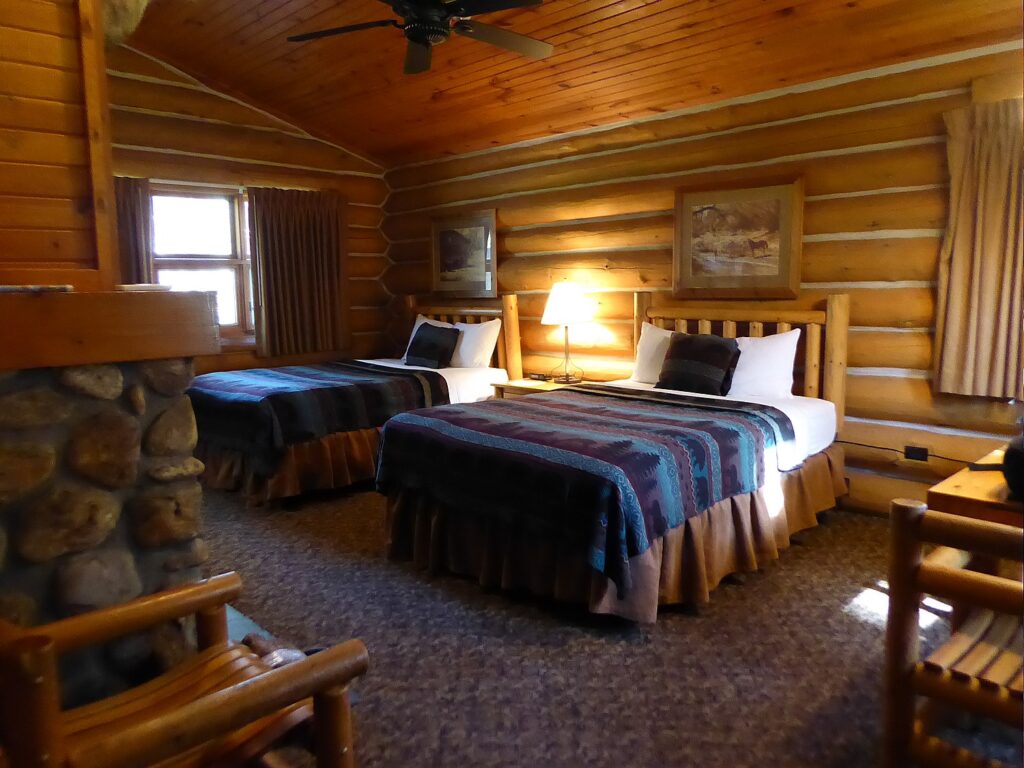
Camping: Camping has really changed over time, frequently offering a range of experiences from rustic adventures to resort-style all in the same venue. Kampgrounds of America, with 485 locations in North America, makes it easy to find camping resorts by destination, amenities and programming (www.KOA.com). We have a personal favorite: the Herkimer Diamond Mines KOA is a true camping resort, set along a creek (tubing, fishing) and close by the Erie Canal (cruises, biking), and most unique of all, a chance to mine for Herkimer diamonds! The Herkimer KOA offers unbelievably delightful themed cabins (would you believe a cabin with its own planetarium?), fabulous activities. Choose a cabin, cottage or RV or tent site. (Herkimer Diamond KOA, 4626 State Route 28, Herkimer, NY 13350, 315-891-7355, E-mail: hdmkoa@ntcnet.com, www.herkimerdiamond.com; mining info at 315-717-0175,diamonds@ntcnet.com.)
The most intriguing in my book is the full-service Lion Country Safari’s award winning KOA campground located adjacent to a 320 acre drive through wild animal preserve and theme park, yet secluded enough for a restful campout (though you are apt to hear the lions roaring), offering RV sites, tent sites and rustic cabins (http://www.lioncountrysafari.com/koa/, 561-793-1084).
Sandy Pines Campground in Kennebunkport, Maine, opened for its second season with a roster of curated new experiences, custom designed glamping accommodations and engaging programming, Kids Camp and entertainment for every level and style of camper – from RVers and traditional tent campers to glampers. (277 Mills Road, Kennebunkport, Maine 04046, 207-967-2483, www.sandypinescamping.com)
Point Sebago is a resort spanning 775-acres on the shore of Sebago Lake in Casco, Maine. It has its roots as a campground, but while there are still 100 RV, travel trailer and tent sites available, it is a well-equipped resort affording small two-bedroom cabins, with a mile of sandy beach, an 18-hole, par-72 championship golf course that is hailed as one of the finest in Maine. There is a full activities program for kids and families – like a summer camp – with camp counselors, mini-golf, arts and crafts, kayaking, canoe races, boat rentals, fishing, swimming, sand volleyball, shuffleboard, golf, tennis, basketball, games, happy hours with entertainment and free hors d’oeuvres, nightly entertainment for families and adults, dancing, shows, and s’mores by the campfire, free wireless internet access. Also, great bass and landlocked salmon fishing. The resort is next to Maine State Park at Sebago Park where there are hiking trails. (Point Sebago, 261 Point Sebago Road, Route 302, Casco, ME 04015, 800-530-1555, 207-655-3821,info@pointsebago.com.
Stay in a Dude Ranch – One of the best family experiences is on a dude ranch. New York State actually has several of them, such as Rocking Horse Ranch Resort, Highland, Hudson Valley, (845-691-2927, www.rockinghorseranch.com), which has been delighting generations of families with its all-inclusive fun (meals, entertainment, activities and riding). Pine Ridge Dude Ranch (the new owners of the venerable Pinegrove Ranch), 30 Cherrytown Rd, Kerhonkson, NY 12446-2148, 866-600-0859, www.pineridgeduderanch.com, reservations @pineridgeduderanch.com). Ridin’ Hy, an absolutely delightful guest ranch in the Adirondack State Park, near Lake George, Warrensburg, NY, Warrensburg, NY 12885, 518-494-2742, www.ridinhy.com.
Further afield, check out the Colorado Dude & Guest Ranch Association members (www.coloradoranch.com, 866-942-3472), like the luxurious C Lazy U Ranch which since 1919 has provided highest level of personalized service, professional horsemanship programs, first-class amenities, enriching children’s programs, gourmet meals and upscale accommodations; or the Bar Lazy J Guest Ranch, which opened in 1912 and considered the oldest continuously operating guest ranch in Colorado, is also ideally located just southwest of Rocky Mountain National Park and nestled in a peaceful valley along the Colorado River.
Resorts with a Twist
Sebasco Harbor Resort, Mid-Coast, Maine: This resort (“Pure Maine”) manages to be a delightful cross between a fine resort and a camp, with plenty of opportunity be outdoors, while still enjoying such refinements as golf on a superb course, full-service waterfront Fairwinds Spa, plus marvelous activities like kayaking (do the moonlight kayak trip, it is beyond fabulous), boating.. Actually, you can imagine Sebasco being the kind of “camp” that the Gilded Age moguls would have for one of their holiday homes. Nestled among whispering pines on the rugged coast Sebasco is tucked away on 550 acres with breathtaking views and a wealth of activities the entire family can enjoy. We stayed in the converted Lighthouse for the most magical experience. Check out special deals. (Sebasco Harbor Resort, 29 Kenyon Rd., Sebasco Estates, ME, 04565, 877-389-1161, info@sebasco.com, www.sebasco.com).
Among our favorite grand, historic resorts for families for facilities, activities programs, destination, sense of heritage and “place,” and overall ahhh experience:
Basin Harbor Club, Vergennes, Vermont on 700 acres of Lake Champlain shoreline is about the best family-friendly luxury resort you can imagine with golf, hiking, biking, kayaking, cruises on Lake Champlain, fishing, watersports, tennis, outdoor pool children’s activities program (4800 Basin Harbor Road Vergennes, VT 05491 info@basinharbor.com, 800.622.4000 or 802.475.2311, www.basinharbor.com).
Mountain Top Inn & Resort, tucked in a Courier & Ives landscape in Chittenden, Vermont, near Killington, has all the charm, the warmth, the cozy, intimate hospitality of a country inn, and all the luxury, amenities, activities and quality dining of a resort. It offers just about every outdoors activity you can imagine, even an equestrian center, private lakeside beach, children’s adventure camp, tennis, disc golf, clay-bird shooting, and hiking, biking, golf nearby. (195 Mountain Top Road, Chittenden, Vermont 05737, 802-483-2311, www.MountainTopInn.com)
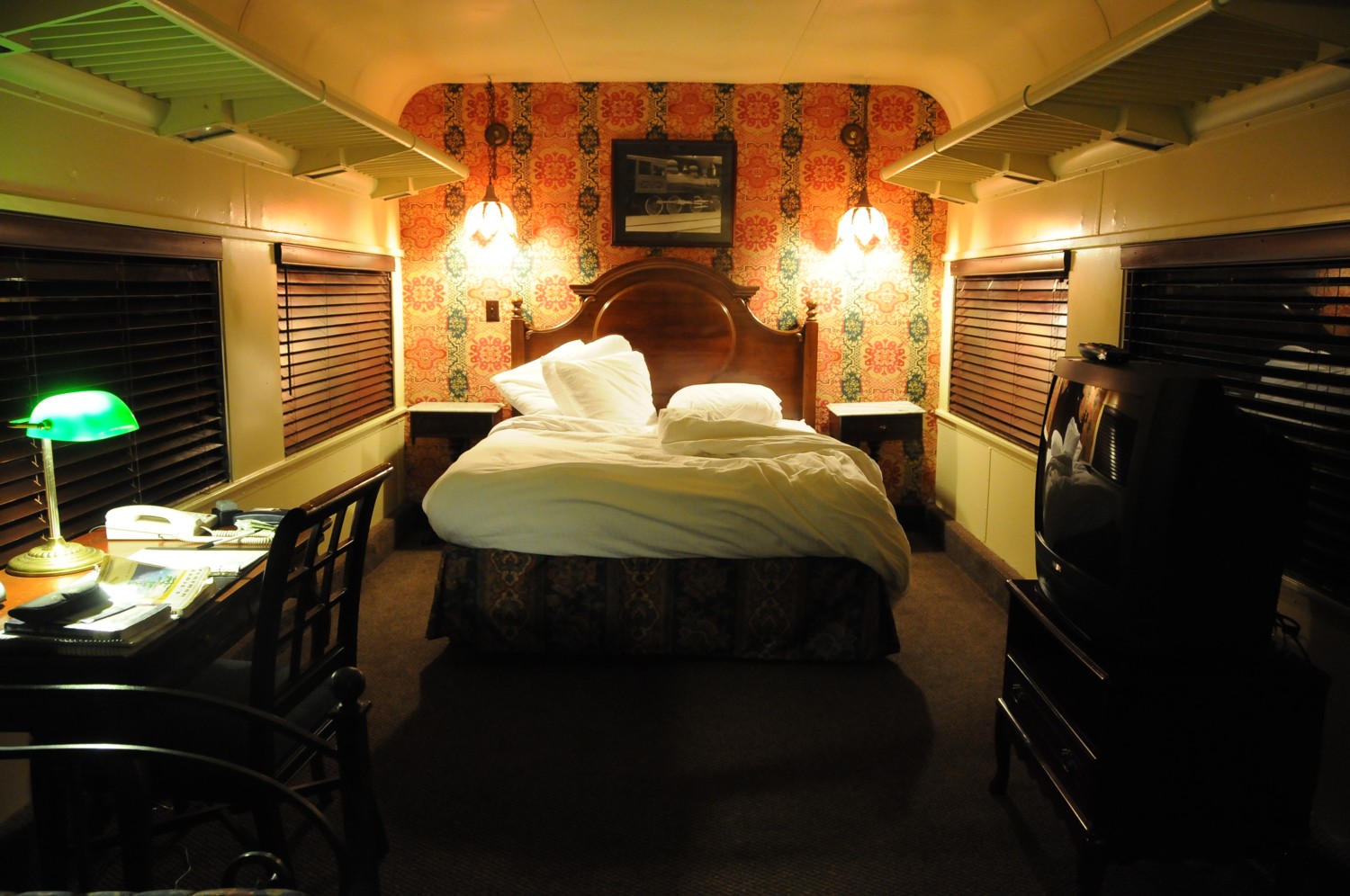
A real novelty in historic hotels (and a fantastic city to visit) is the Choo Choo Train Hotel in Chattanooga, TN, where you actually stay in a historic train car (motel rooms also available), and the station is the restaurant and lobby (1400 Market Street, Chattanooga, TN 37402, 423-266-5000, 800-Track29, choochoo.com)
Cruising is always a great choice for families – a way to see lots of different places with minimal hassle. Best itineraries (and cruiselines that have best family programs) are to Alaska, the Galapagos (really a favorite for grandparents to take their grandkids).
For those who want a floating resort with rock walls, ropes course, ziplines, glitzy Broadway and Las Vegas-style entertainment and great supervised children’s activity programs, the most acclaimed lines are Royal Caribbean (Anthem, Symphony, Harmony, Allure, Oasis of the Seas); Norwegian Cruise Line (Norwegian Escape, Breakaway, Getaway, Epic); Carnival Cruise Line (Carnival Vista, Breeze, Dream, Magic); Disney Cruise Line (Disney Dream, Fantasy, Magic) and Princess Cruises. (See more at www.cruisecritic.com).
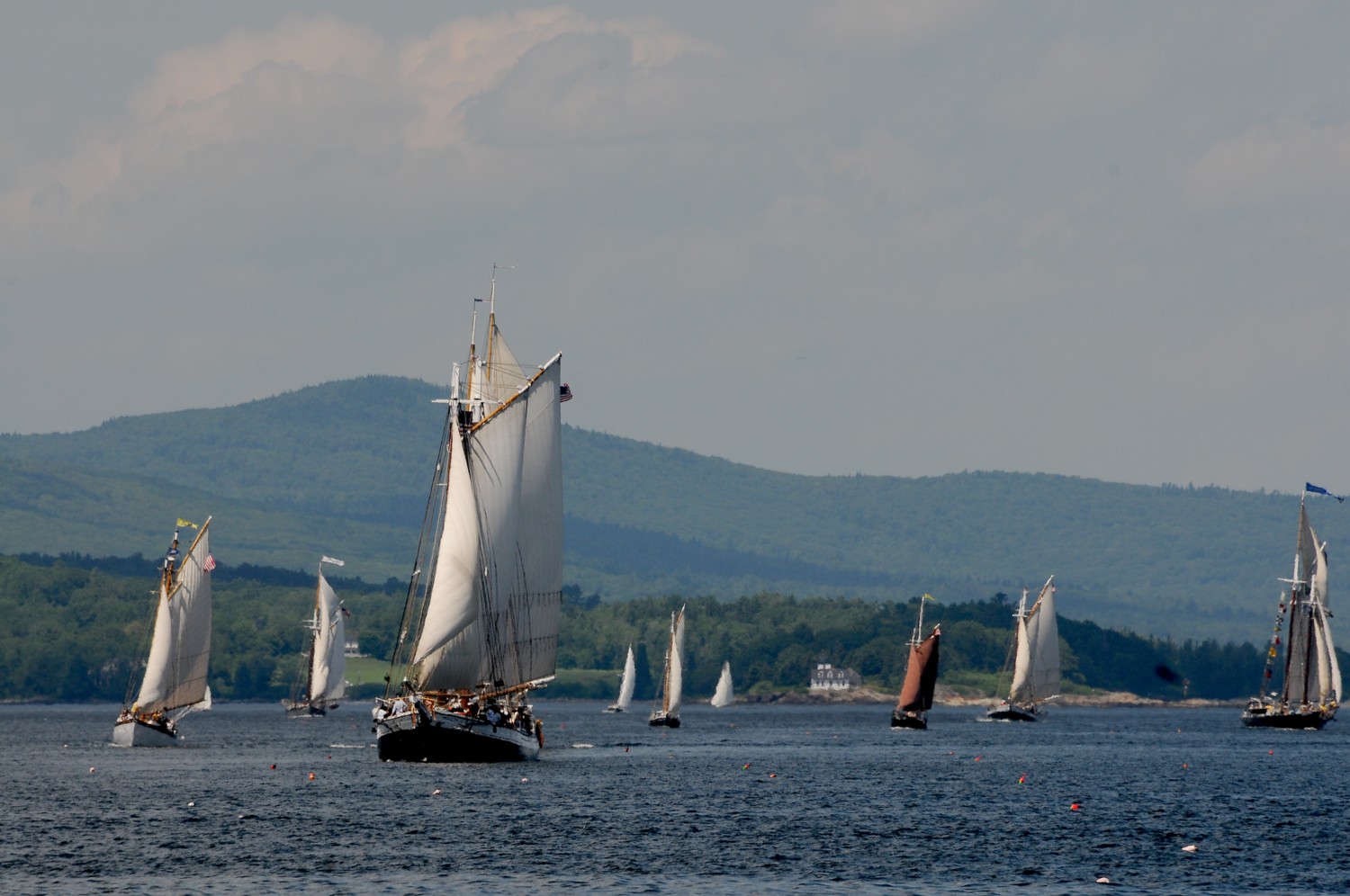
But here is a novel choice: Maine Windjammer Cruises – these are historic sailing vessels repurposed for passengers, that ply the waters around Rockland and Camden, Maine in the Penobscot Bay. The experience is more rustic (part of the fun!), where passengers can help raise and lower sails, even steer, help serve and gather the plates for meals served in the galley or on deck. You can even choose to sleep out under the stars instead of in the cabin, which is outfitted more like you would expect of summer camp, with bunk beds and shared bathroom facilities (hot showers are available). All the cruises typically include a lobster bake on a secluded beach.
Many of the cruises have special-interest themes, and some are very dramatic, that include a Schooner Gam, where all the historic schooners gather in one place and tie up and passengers can go and visit; there is also an annual Schooner Race which is tremendous fun. Visit the Maine Windjammer Association for a list and description of age-appropriate sailings (usually 10 years old). In the past, we have sailed on the Victory Chimes (the largest in the fleet), the American Eagle and the Isaac H Evans (www.sailmainecoast.com/ 800-807-9463).
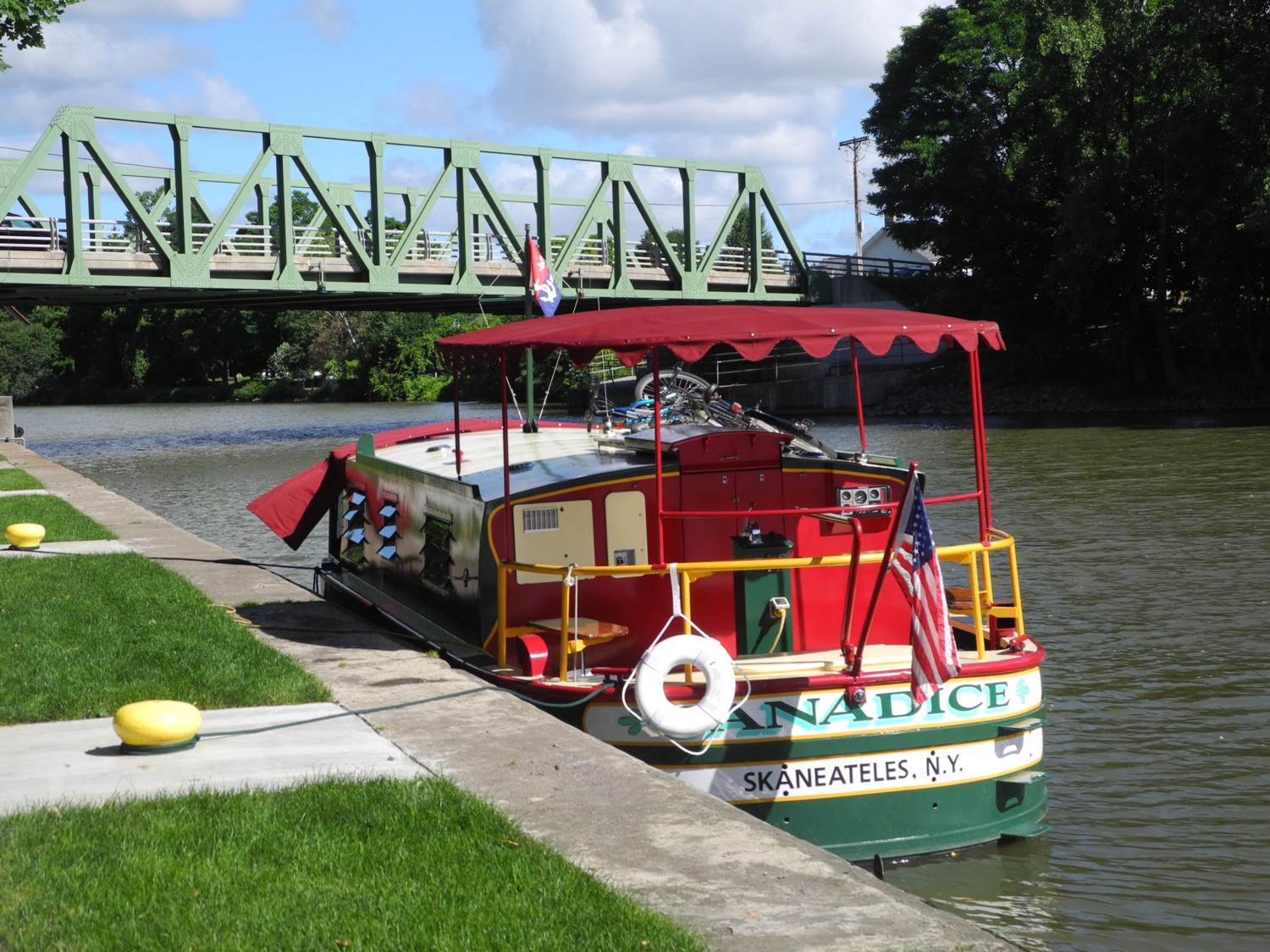
Another novel experience is renting a canalboat on the Erie Canal, tying up where whimsy takes you and exploring the canaltowns on foot and by bike on the tow-path that has been turned into a bikeway. It’s an amazing way to immerse yourself in history, and terrific fun to go through the locks, and have the bridges lift just for you. Mid-Lakes Navigation, Skaneateles, has these specially designed Lockmaster canalboats that are easy to maneuver, very comfortable, and oh so charming. (800-545-4318, info@midlakesnav.com, midlakesnav.com).
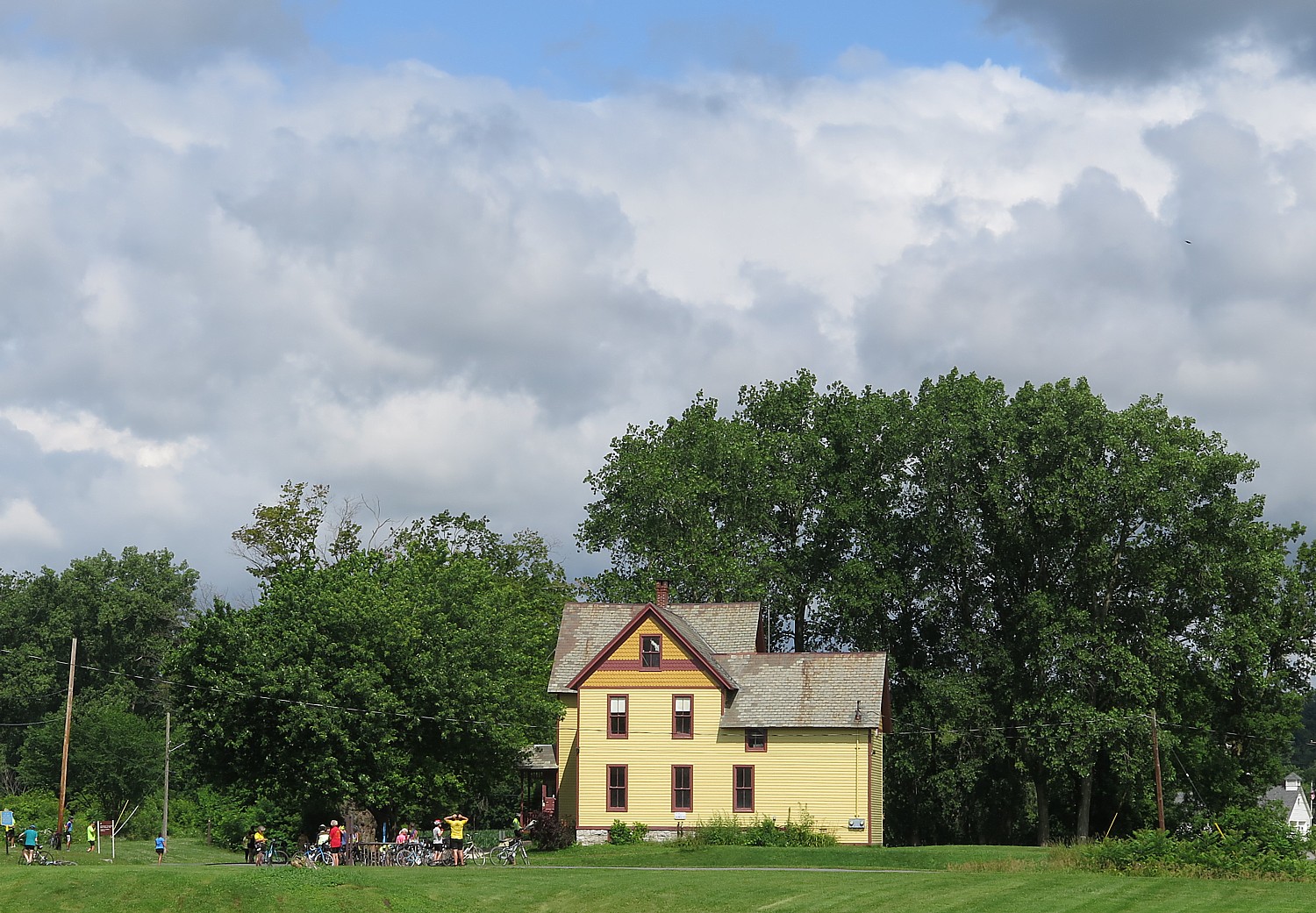
A highlight on Day 7 of Parks & Trails NY’s annual 8-day, 400-mile Cycle the Erie biketour from Buffalo to Albany is Schoharie Crossing State Historic Site. It looks fairly innocuous at first, a farm house along the canal, but here is the only place where you can see all three alignments of the Erie Canal – the 1825 “Clinton’s Ditch”, the 1836 expanded canal and the modern, 1918 “Barge Canal.” The house, now a visitor center, contains a fascinating exhibit and is adjacent to outlines of Fort Hunter, an 18th century fort and trading post, remarkably only discovered after Hurricane Irene in 2011.
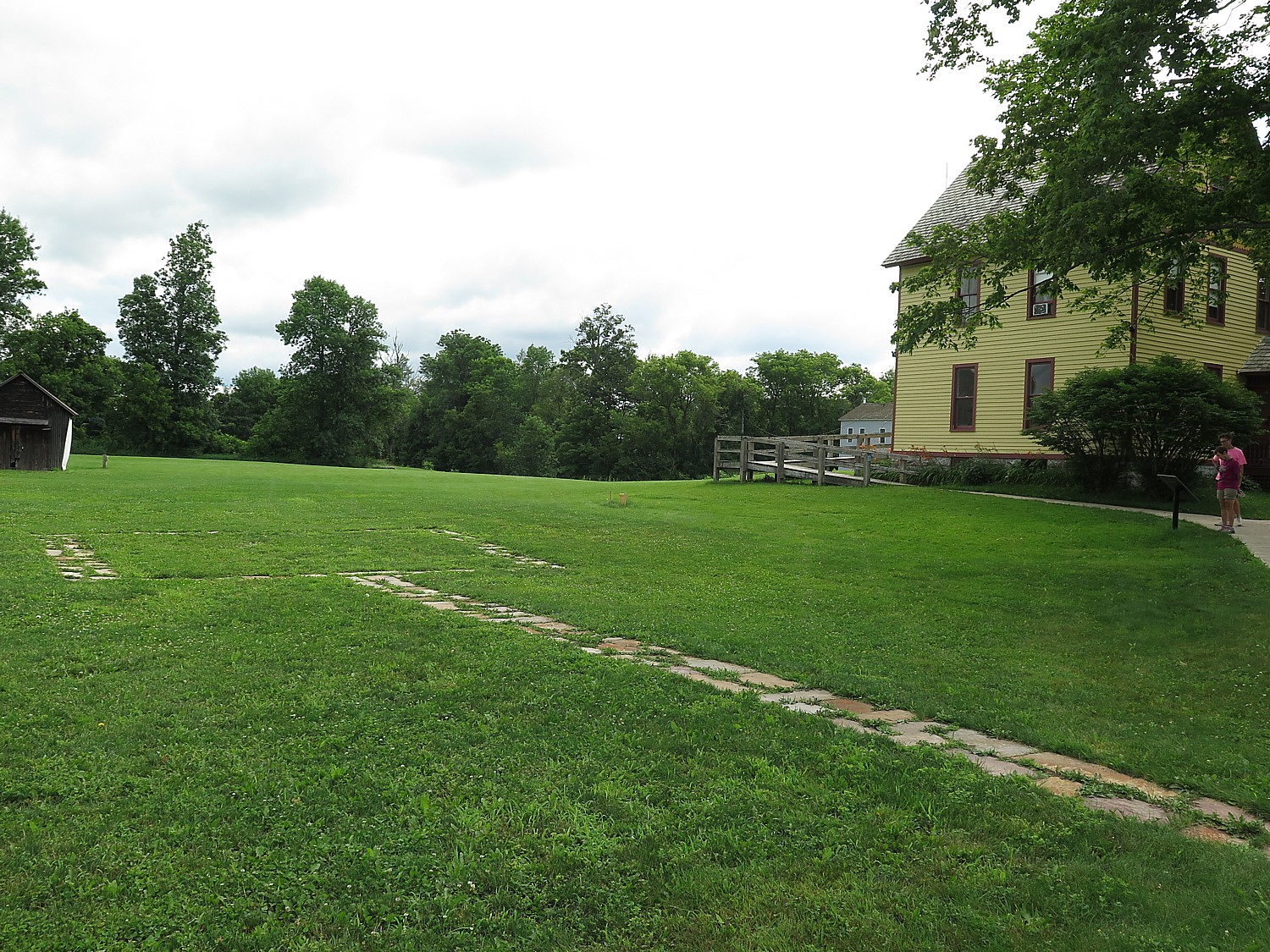
The historic flooding caused the Schoharie Creek to breach its banks and destroyed the site’s parking lot. After the flood water receded, a number of stone walls and numerous artifacts associated with Fort Hunter emerged. Excavations revealed flat stone foundations upon which a fort wall and 24-foot square blockhouse would have been constructed.
After the archaeological work was completed, these original fort foundations were preserved by reburying them. Their exact locations are now represented on the surface with modern stone pavers. Artifacts recovered during excavation included a mix of domestic and military objects that represent the site’s Mohawk and British occupants. Dates associated with the artifacts suggest that the blockhouse saw greatest use from the 1740s to 1760.
Though you don’t really see anything of Fort Hunter, it points to how significant this area was in colonial times: Schoharie was a place of key interactions between Europeans and Indians, setting up a later clash of cultures.
During the 1600s, the British and French competed for control here. In the 1690s, the British forged an alliance with the Iroquois to establish a permanent structure – a fort/trading post – in order to solidify their standing.
The Indians at the time of the Revolutionary War were settled on farms and in towns. They employed European style farming techniques, lived in houses, and the gender roles started to shift away from the matriarchal society to male-dominated, copying the Europeans.
By the time of the Revolutionary War, there might have been about 10,000 Indians living in the area.
“They didn’t have a concept of property ownership. They were outnumbered early on” largely because of the diseases the Europeans brought that wiped out large numbers of the population, and over-trapping which pushed many further west.
“They were very good at diplomacy – well organized – and controlled access to the waterways. They played the European powers,” David Brooks, Education Coordinator says.
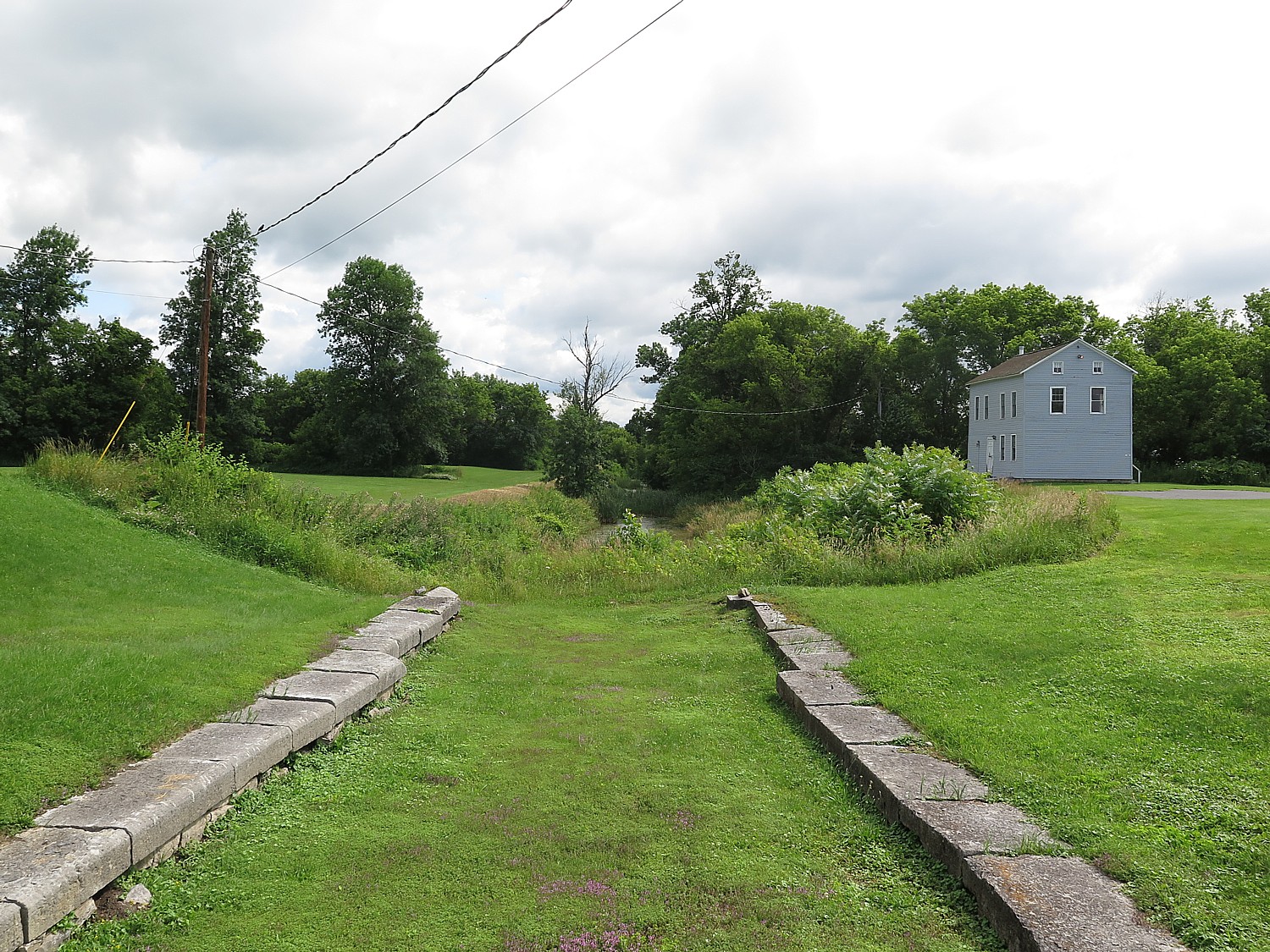
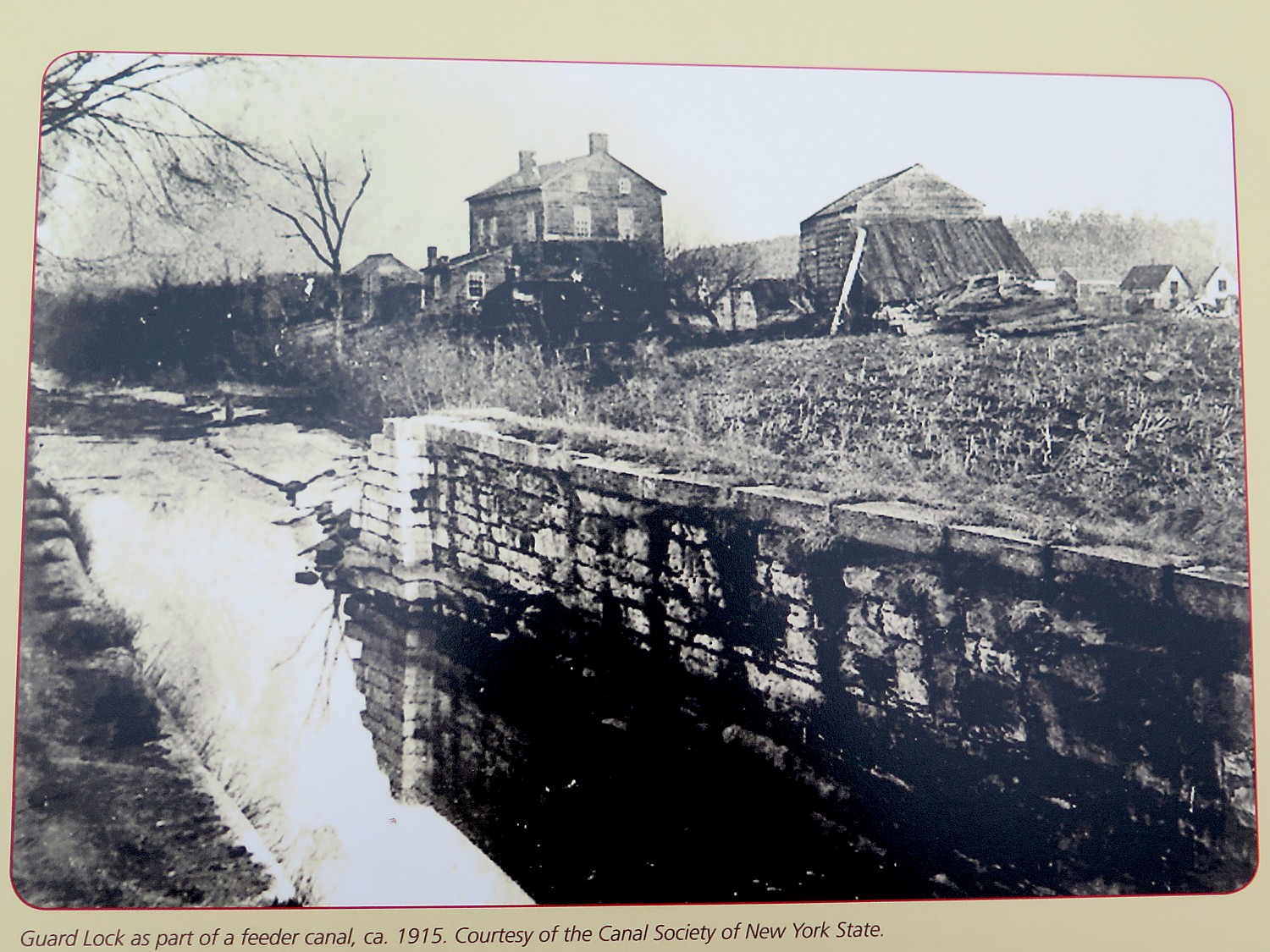
Most interesting at Schoharie Crossing is you can stand over the East Guard Lock – the original 1820s “Clinton Ditch” canal (now overgrown) – and see the same scene, minus water, as depicted in a historic photo.
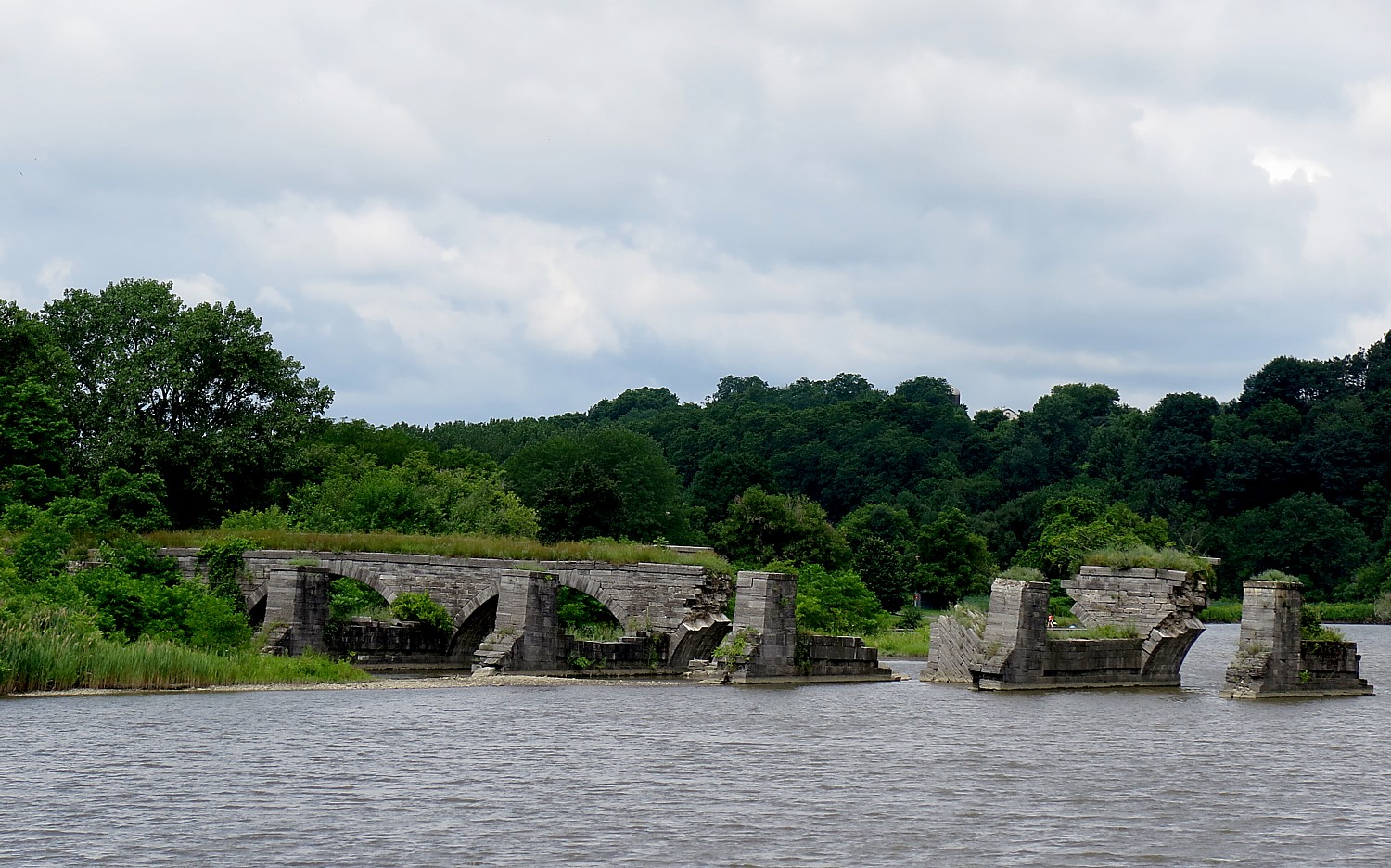
Facing the other direction, standing beside the water, you can look over to what remains of the Schoharie Creek Aqueduct, built between 1835 and 1841 for the enlarged canal. This once grand 14-arch, 624-foot long aqueduct carried the canal above and apart from the Schoharie Creek (it enabled the canal to continue to function during flooding). The aqueduct was abandoned in 1917 when the Barge Canal opened on the Mohawk River, and over the years it declined so only six of the arches remain.
The initial appeal for me to join Parks & Trails NY’s annual Cycle the Erie bike tour was the exciting prospect of biking 400 miles, point to point, mostly without cars (and mostly on a flat trail), across New York State, with support services to carry our gear and host meals. But each and every day, I am pleasantly amazed at the array of sites to explore and discover. The Parks & Trails NY people who have designed the tour not only arrange visits at important sites along the way, but for morning and afternoon rest stops at interesting attractions that you might not have considered visiting on your own.
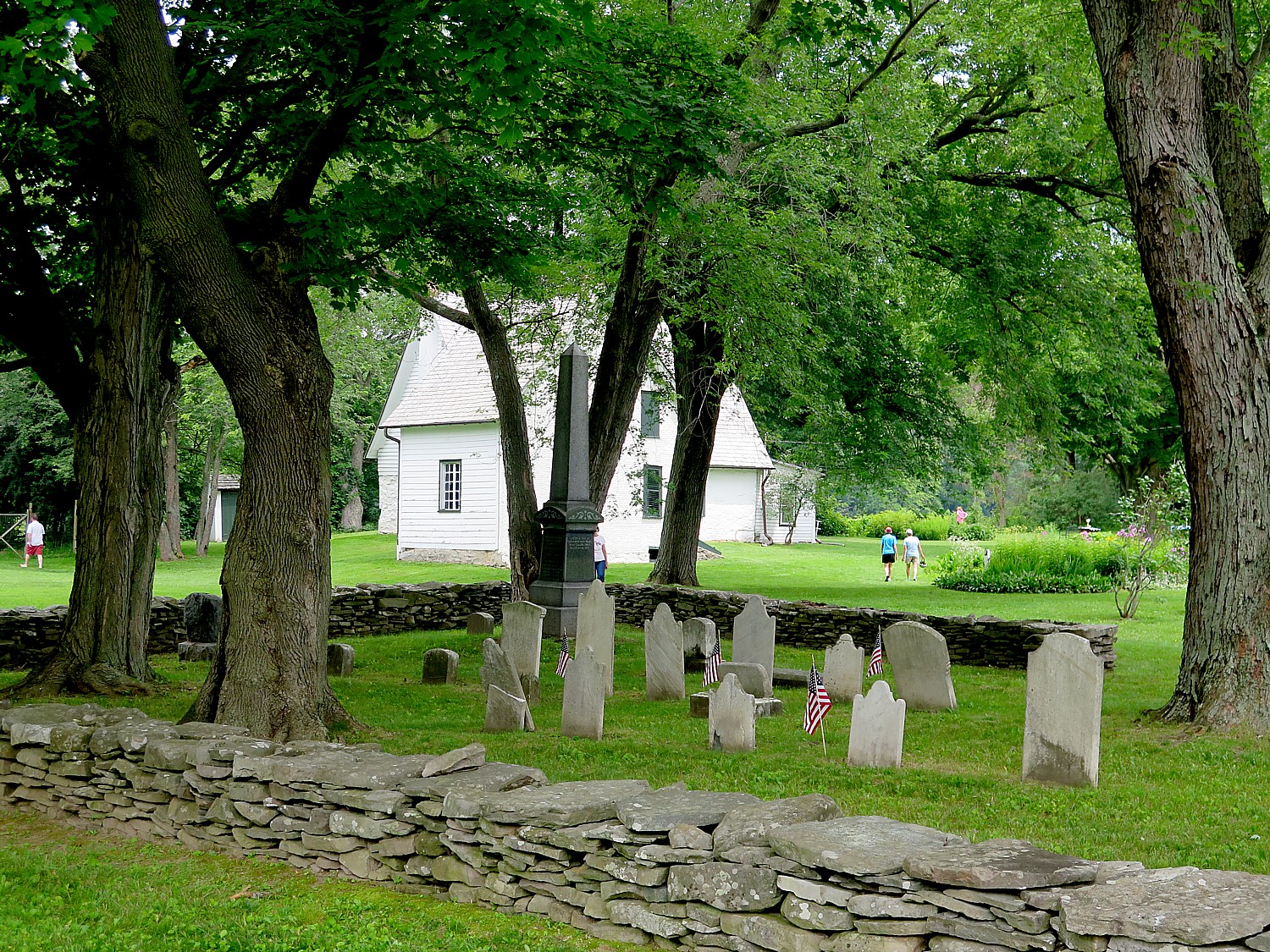
This is the case for our afternoon rest stop (at Mile 33.6), at the Mabee Farm Historic Site, which also houses the Schenectady Historical Society Museum.
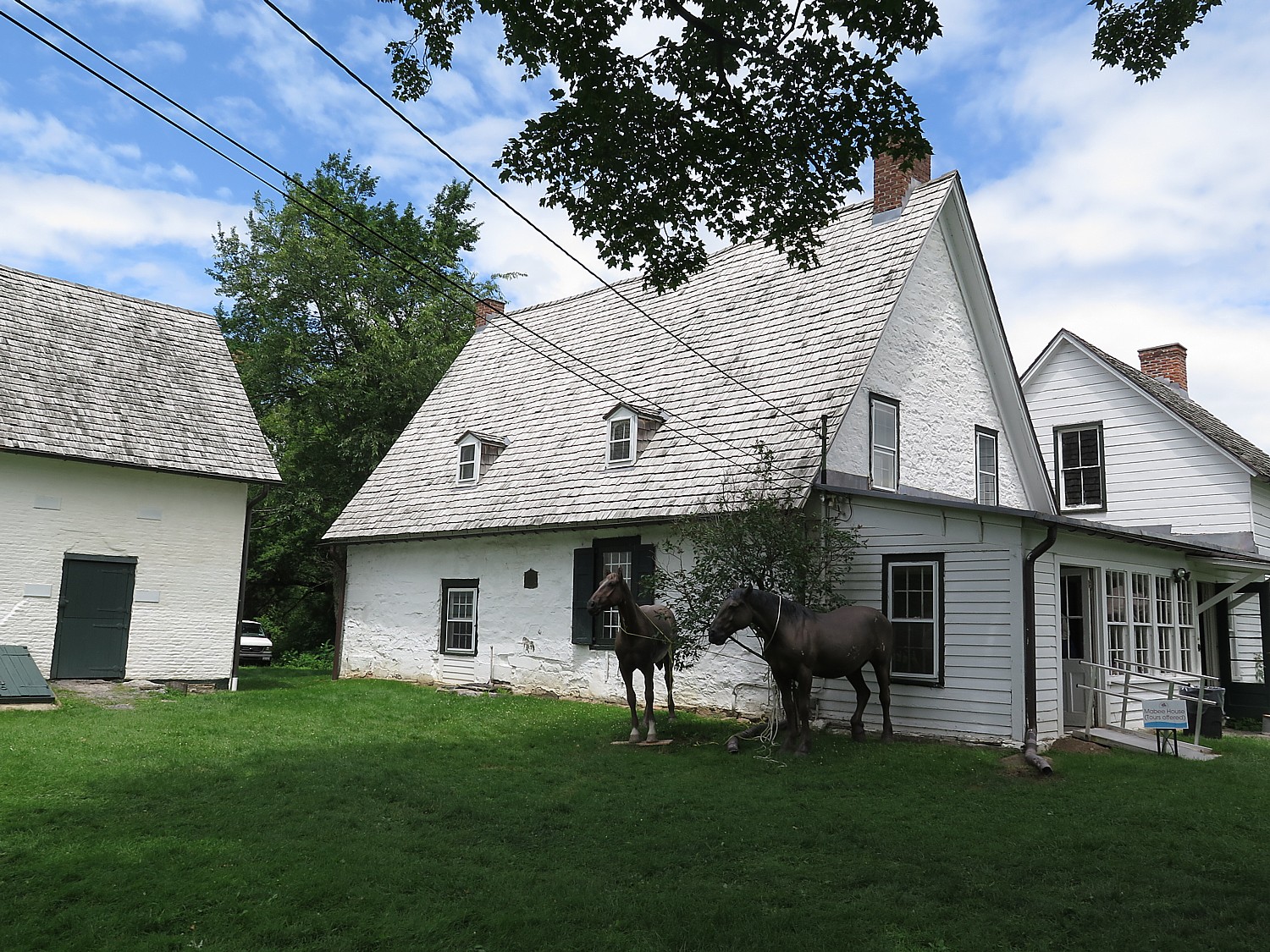
Here, you can visit the Mabee’s 1705 Dutch-style Stone House, which was owned by the Mabee family until 1999.
This is one of the oldest homes in New York State and the oldest in the Mohawk Valley. It was first built in 1670 by Daniel Janse Van Antwerpen, who, it is believed, opened it as a fur-trading post. The property was sold to Jan Pieterse Mabee in 1705 and the house stayed in the Mabee family for a remarkable 288 years. It was given to the Schenectady County Historical Society in 1993 by George Franchere, the last descendant of the Mabee line, for the purpose of being a museum and education center.
It is a surprise to most who visit these colonial sites to learn that slavery was practiced here, beginning after Jan Mabee’s death in 1725 and ended 100 years later in 1827 with Jacob Mabee, his great grandson (when New York State abolished slavery). Among the 583 original documents from the farm are three bills of sale for slaves, wills giving slaves to children and a receipt from the Crown Point Expedition in 1755 when a trusted slave, Jack, was sent to Fort Edward and Lake George with supplies, two weeks before the Battle of Lake George.
“What is significant about the Mabee family is that they were ordinary,” the docent says.
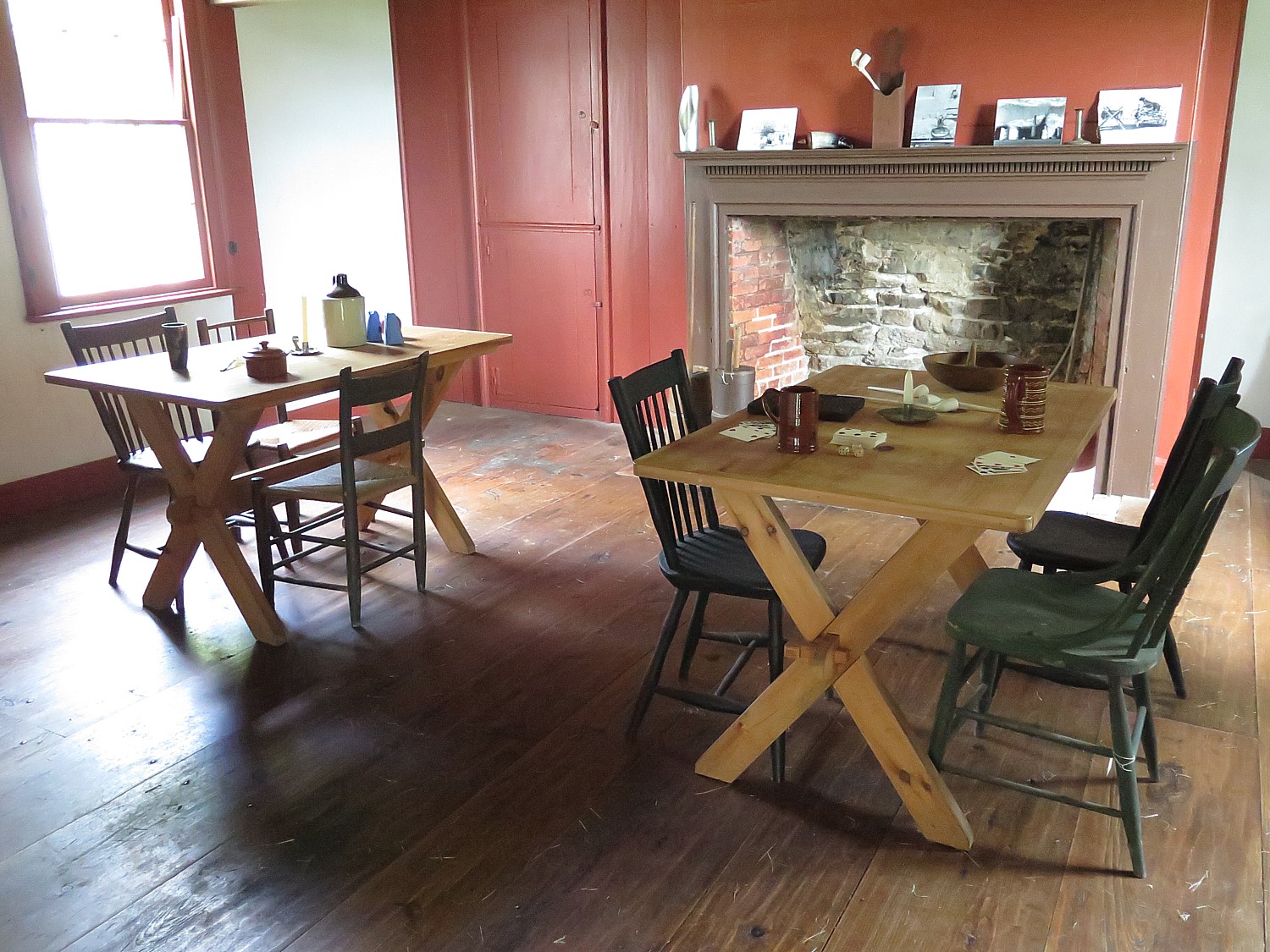
Jan Mabee, born in Holland, bought the property from a neighbor in 1705, and lived in the cellar as he built the house. Jan and his wife Annette had 8 kids.
The house partly made out of stone; the wood beams are 1000 years old.
Jan was likely involved in the illegal trapping business. His wife was part Mohawk so they had a good relationship with the local Indians. The Dutch were tolerant and fair with the tribes (it was the British and French who cheated them).
Over the years, the house was turned into the Mabee Inn. Simon Mabee farmed the land and when he died, he left everything but the Inn to his son, Jacob; he left the inn to his two sisters.
It turns out that the Mabee farm is more than a history lesson, but a study of a dysfunctional family.
“Jacob was not a nice man. Jacob evicted them. He hired a carpenter and flipped the staircase around so they have no way to get up to the second floor. He built a new door. The sisters lived in one room. Jacob died 6 years later and the land passed to Margaret.”
Just outside the house is the family cemetery. You can visit the 1760s Nilsen Dutch Barn, see the beautiful Mohawk River flow alongside the site. Tied to the dock or parked behind the Dutch Barn is a reproduction 18th century bateaux, the De Sagar and the Bobbie G , which provides an idea of how goods were shipped up and down the river.
(Mabee Farm Historic Site, 100 Main St (Rte 5s), Rotterdam Junction, NY 12150, 518-887-5073, schenectadyhistorical.org/sites).
The Schenectady History Museum offers wonderful exhibits that follow the history of the county from the early settlers who traded with the Indians and farmed, to the 19th and 20th century. There is a collection of early American artifacts of the American Revolution era, the impact of the Erie Canal, and artifacts that show the role this area played in technological innovation and industrialization because of General Electric and the American Locomotive Company.
In Schenectady, they have arranged for us to leave our bikes in a “corral” so we can explore the city.
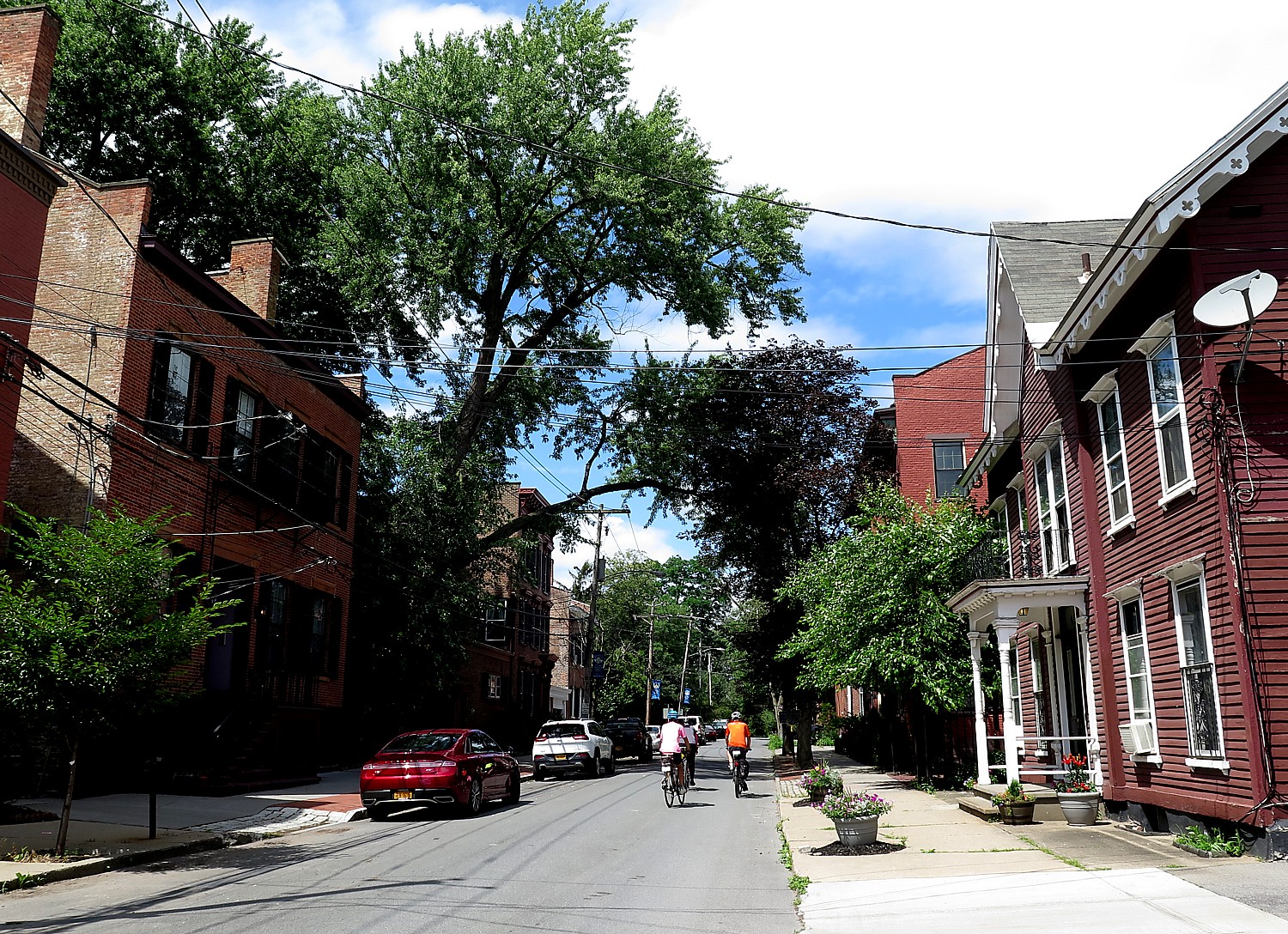
I spend my time riding through The Stockade District. The oldest neighborhood in Schenectady, the Stockade District has been continuously inhabited for over 300 years, and is New York State’s first Historic District (since 1962) with an amazing assortment of historic buildings with more than 40 pre-Revolutionary houses and architectural styles that include Dutch Colonial, Georgia, Federal and Victorian.(You can access a cell phone walking tour at www.historicstockade.com.)
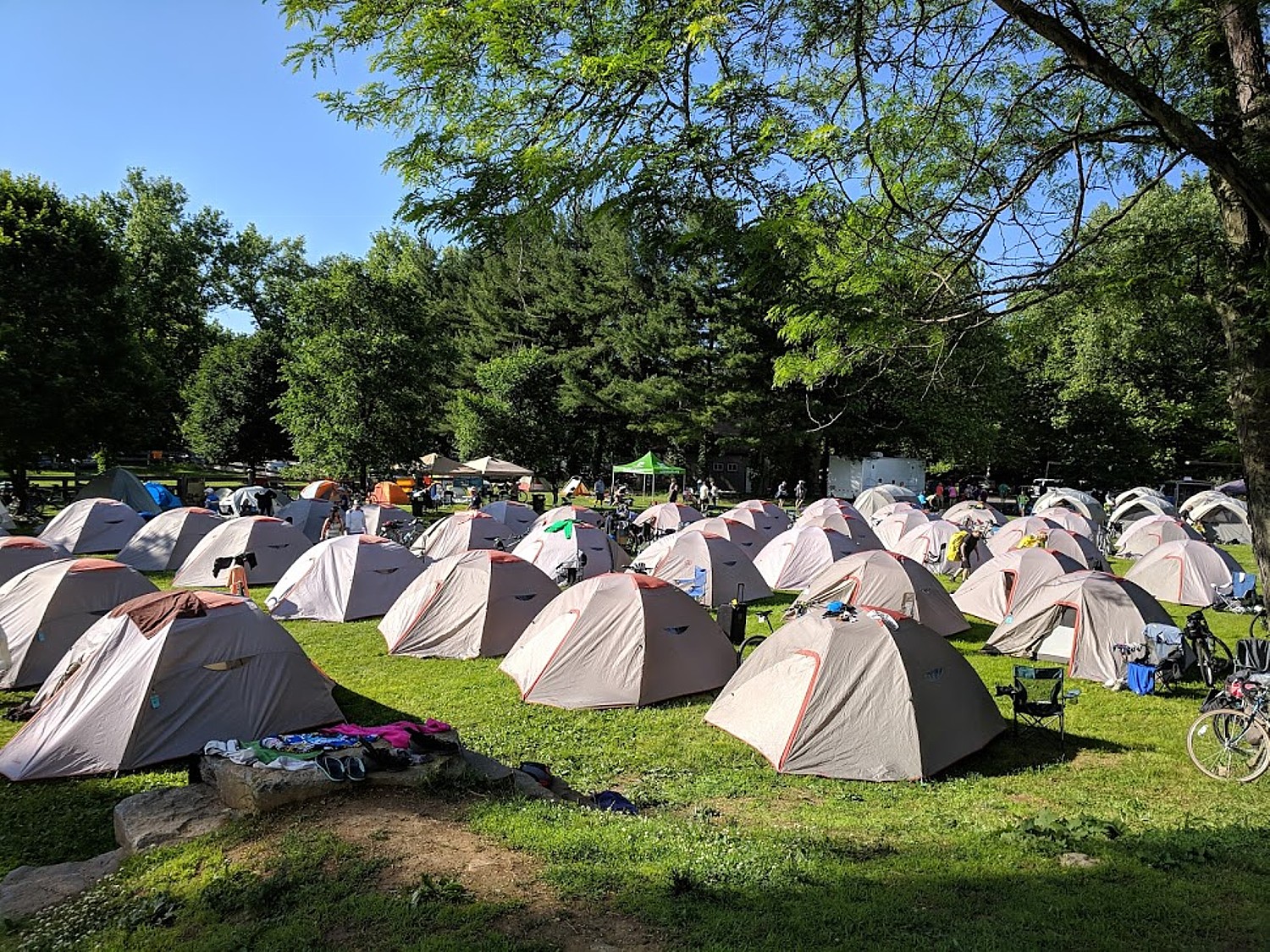
I pull myself away to finish the ride to get to the Jewish Community Center at Niskayuna, a suburban neighborhood of Schenectady, where we camp. This is an incredible facility with a country-club like outdoor pool (indoor pool also). I get there in time to swim.
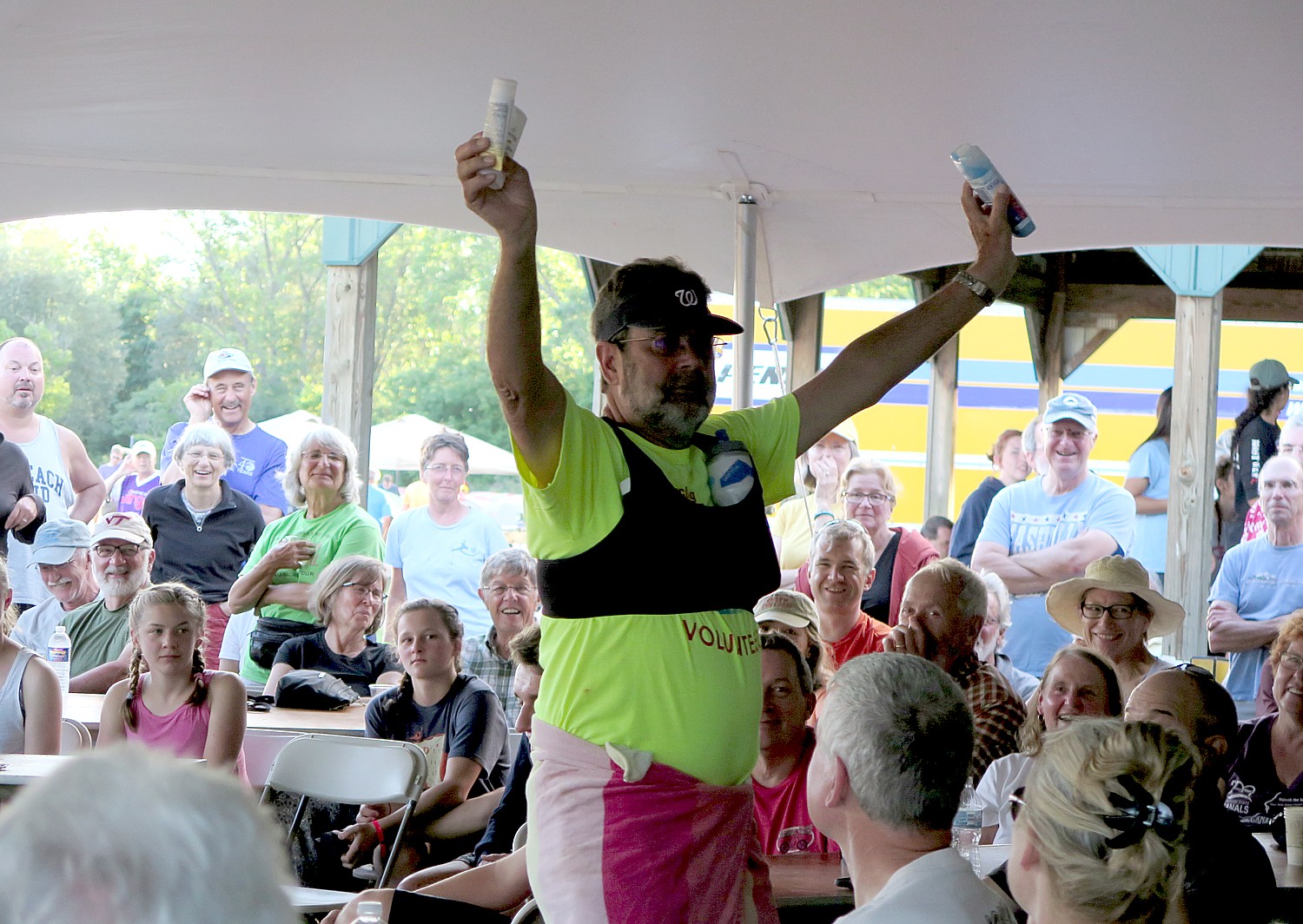
This is the last night of our journey – and what a journey it has been. They have an elaborate “gala” dinner starting with beer and wine and hors d’oeuves, a fantastic catered dinner, and a “No Talent” talent show and a fashion show put on by the van drivers and baggage handlers of all the stuff that is still in the Lost & Found. And awards: like the most bones broken; the most crashes (5); most flat tires (4); the youngest solo peddling cyclist (8), the oldest cyclist (84). Side-splitting fun.
Our last day, the eighth of our 400-mile journey which began in Buffalo, is a breeze. Just 31 miles from Niskayuna into downtown Albany where most of us have parked our cars to take the bus to Buffalo for the start of the tour. The weather is perfect – sunny, cool.
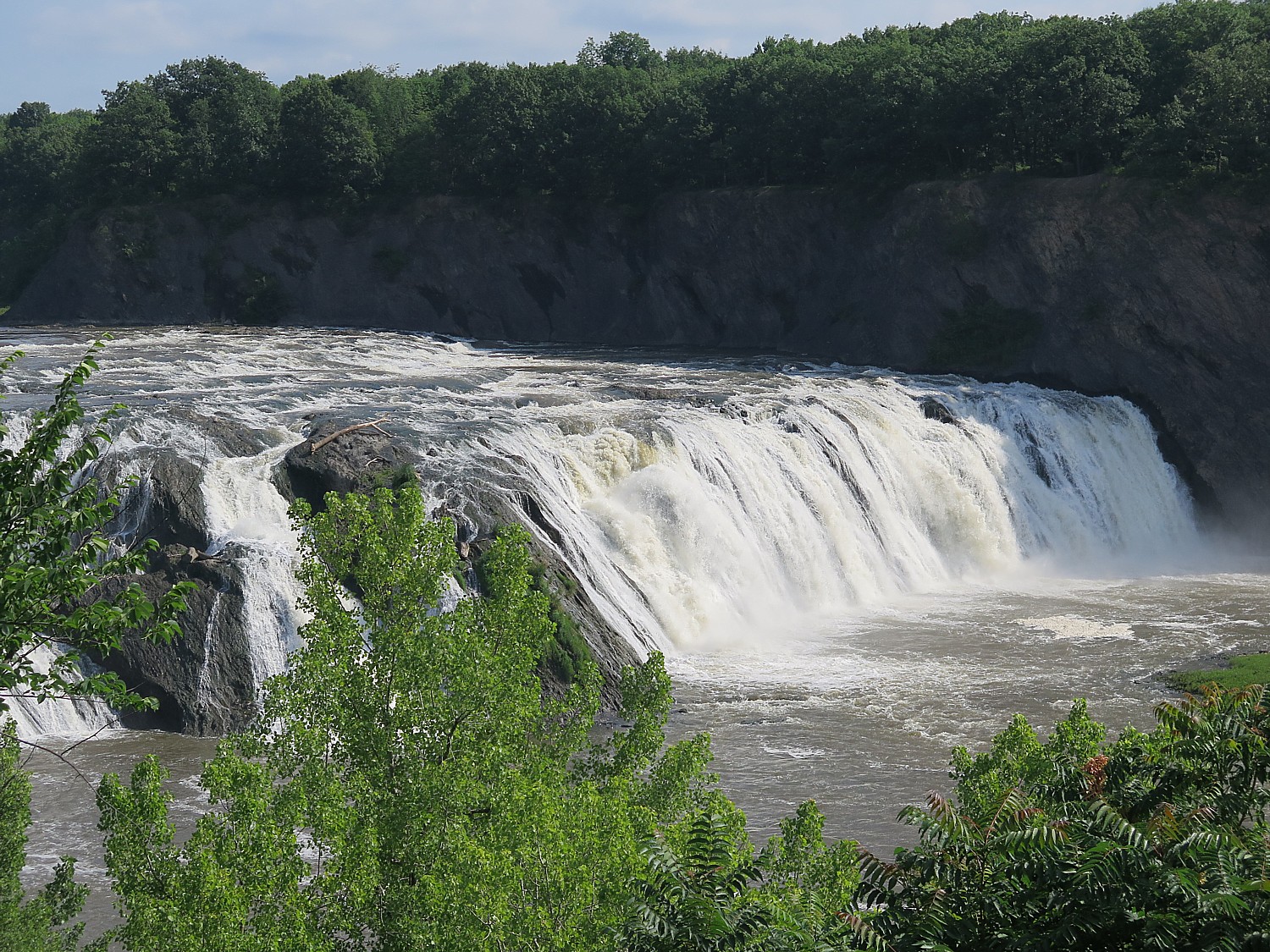
The highlight of today’s ride comes at Mile 12: Cohoes Falls, one of the most powerful falls east of the Rockies which posed a major challenge for the Erie Canal engineers. Some of our riders who started in Buffalo were able to visit Niagara Falls and now are ending with Cohoes Falls, outside of Albany. What a way to bookend this journey.
Just next to the falls are 19th century brick structures, built as factories that have been repurposed to apartments.
Our ride takes us onto Peebles Island State Park, Waterford, where our final rest stop of our journey is arranged at the Erie Canalway Visitor Center. During the Revolutionary War, American forces prepared defenses here to make a final stand against the British. (518-237-7000, www.eriecanalway.org).
We ride through city streets – notable for the American flags that are flying – neighborhoods that have seen better days but nonetheless evoke a folksy feel of Americana.
Now, we come to the Hudson River, a goal in itself. We ride along a beautiful paved trail beside the Hudson that takes us into downtown Albany, New York State’s 300-year-old capital, and finally, cross the finish line, 400 miles.
You realize you haven’t just traveled 400 miles, but 400 years of American history, back to its very founding. And you understand so much better, the trajectory from colonialism and the clash of cultures with Native Americans, the transition from an agrarian economy to the Industrial Revolution, the wave of immigration and innovation, the progressive movements that followed and precipitated the explosive changes in society: labor, Women’s Rights, abolition. Most interesting of all, is how all of these seeds still flower in contemporary culture and politics. All of this unfolds before our eyes, mile by mile.
Biking adds an extra dimension to sight-seeing. It’s physical participation, an endorphin rush, an immersion. It puts you into the scene rather than merely observing – a participant, a part of the scene, rather than apart from it.
The tour is meticulously planned, well organized and supported, and how we have such wonderful opportunities to meet people from around the country (36 states are represented) and around the world (travelers from a half-dozen countries are here). A gathering like this prompts such fascinating interactions as people share their backgrounds, perspectives.
All of us have been so impressed by how well organized the trip is – from the truck drivers who pick up and drop off our gear each day, to the people who set up our breakfast and dinners and the morning and afternoon rest stops, to the SAG drivers and the riders who are there to assist if we have a problem. To the lecturers, the massage therapist and bike mechanics who travel along with us like camp followers.
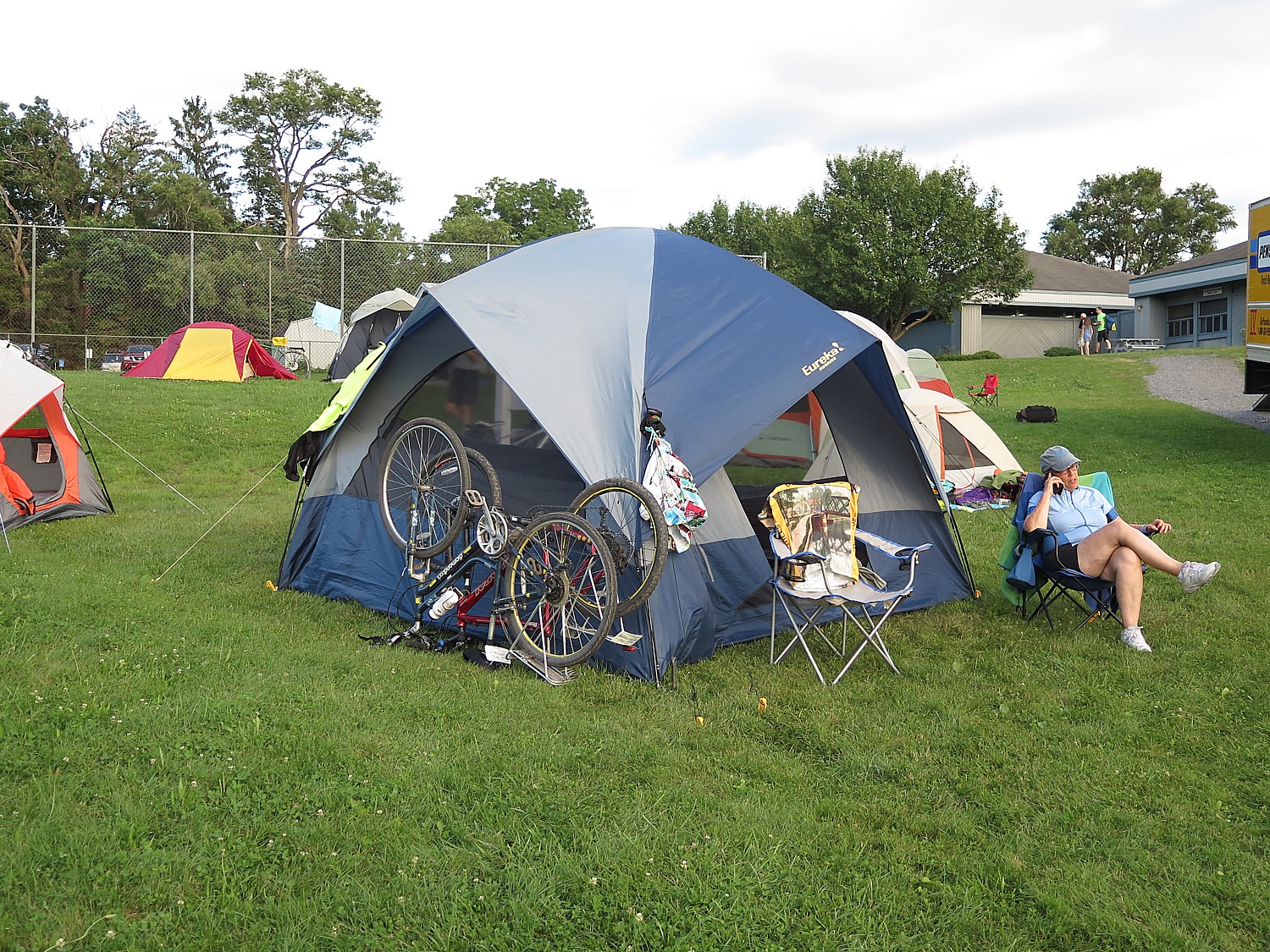
For those who prefer not to set up their own tent (or take advantage of “indoor camping”) there is Comfy Campers, the closest thing to “glamping”. You have the luxury of having someone set up tent so it’s ready when you arrive, especially if it is raining, where you get a remarkably comfortable air mattress to put your sleeping bag on (amazing what a difference this makes), and take the tent down in the morning so you can just hit the trail again. Not to mention a fresh towel each day! Also, they set up a separate comfortable sitting area under canvas with charging stations. Those who want can also pay for coffee in the morning.
We are told that the finish line right at the Albany visitor center closes at 2 pm; UPS is on hand for those who need to ship their bikes home; a shower is made available nearby at the North YMCA; the municipal parking lot where many of us have parked our car is just next door; our luggage is deposited in the parking lot behind the visitor center for us to claim; some of us will take the shuttle bus back to Buffalo.
This has been one of the best, most memorable trips I have ever taken because the end-to-end Cycle the Erie ride hits on all cylinders: physically active and challenging so you feel you have really accomplished something at the end; communal – being with like-minded people from all over the country and the world, rich in heritage, scenic, affording real exploration and enlightenment. It’s no wonder that so many of us (myself included) have done it multiple times. (On this trip, the oldest cyclist, 84-year old, has done the tour 12 times.)
Cycle the Erie is an annual event, but you can download the route and do it all, or do segments as you like. A novel way to do it is by houseboat through companies like Mid-Lakes Navigation Co., Ltd. (11 Jordan St., PO Box 61, Skaneateles, NY 13152, 315-685-8500, 800-545-4318, info@midlakesnav.com,www.midlakesnav.com, and take a bike onboard, providing a unique experience. (Be aware: they pull the plug on the Erie Canal – actually drain the water – from November through April).
The 20th Annual Cycle the Erie Canal ride is scheduled July 8 – 15, 2018 (www.ptny.org/canaltour). In the meantime, you can cycle the trail on your own – detailed info and interactive map is at the ptny.org site (www.ptny.org/bikecanal), including suggested lodgings. For more information on Cycle the Erie Canal, contact Parks & Trails New York at 518-434-1583 or visit www.ptny.org.
The entire Erie Canal corridor has been designated the Erie Canalway National Heritage Corridor, Waterford, NY 12188, 518-237-7000, www.eriecanalway.org.
More information about traveling on the Erie Canal is available from New York State Canal Corporation, www.canals.ny.gov.
It’s Day 6 of our 8-day, 400-mile Parks & Trails NY’s annual Buffalo to Albany Cycle the Erie bike tour following the Erie Canalway. I was lucky last night when the deluge we had while biking stopped just as I came into the campsite and I was able to set up my tent on the grassy area surrounding Fort Stanwix, in Rome. This morning, I am awakened at 4:15 am to another massive downpour. I check weather.com app on my cellphone which says the rain would stop by 5:45 am. So I get up at 5:45 am (which is not unusual for the Erie Canal cyclists) and sure enough, the rain has stopped. I take advantage of the dry spell to organize my packing and take down the tent to avoid more rain.
Our breakfast – freshly prepared pancakes which we consume at long tables laid out with pretty placemats – is at the local YMCA before we head out onto the Canalway for our 63-mile ride to Canajoharie – the longest ride of our trip, there are actually three rest stops along the ride today, at mile 14, 41.5 and 52.5).
Yesterday’s rain has made the trail muddy, and when we go off the trail onto the road, there are serious headwinds and some significant hills, and my gears aren’t working properly.
We ride past the Remington Arms Factory housed in a massive 19th century complex of brick buildings (the factory opened in 1816 and employed hundreds of people from here, which helps explain the pro-gun voting sentiment in this part of upstate New York). Two years ago, on my first Cycle the Erie biketour, I visited the Remington Museum (a highlight was seeing how they branded and marketed the guns, making a promotion deal with the celebrated Annie Oakley, for example; and how the company also produced other things, like bridges and typewriters but guns were the cash cow). I was looking forward to visiting again but it is closed and the cyclists are clearly not invited anywhere near the premises. (News update: the Remington Arms company has filed for bankruptcy protection – and I am reminded of several other periods of financial woes in its history – but I’m betting it won’t actually go out of the business of manufacturing guns.)
I come upon Historic Fort Herkimer Church, built around 1767 which is thought to be the second-oldest surviving church. From my visits to Fort Stanwix last evening, I understand why General Herkimer is known as “the most important hero of the American Revolution that few have heard of “. General Herkimer led that ill-fated group of 800 volunteers who were ambushed at Oriskany on their way to reinforce Fort Stanwix. Oriskany turned out to be one of the bloodiest battles of the Revolutionary War, with 600 killed in the space of an hour, but by a weird chain of events, indirectly altered the course of the Revolutionary War which the Americans were losing. Herkimer died here. Later (at Mile 43.4), we pass directly in front of Herkimer’s mansion home that is literally along the Erie Canal Trail, so I take a few minutes to walk the grounds before continuing on my way, paying respects to an unsung hero.
The second rest stop is at a beautiful visitor center at the Little Falls Canal Park on the bank of the river where I buy a long-sleeve t-shirt for added warmth). The weather improves after, with 25 miles to go, and I don’t need to wear the extra shirt.
Just beyond our rest stop at mile 41.5 at the Little Falls Rotary Canal Park, at mile 42.6, we can explore the glacial potholes of Moss Island, a National Natural Landmark and Lock 17, the highest lift lock on the Erie Canal (located .8 miles off the route but you don’t have to go back up). The geology here is most impressive: Moss Island trails let you see prehistoric potholes, extensive growth of mosses and lichens and some of the oldest rocks in North America. The Mohawk River Valley, the marker says, is the only horizontal break in the Appalachian mountain chain, which is what made it possible for the Erie Canal to be built and provide a water route west for trade and settlement of the United States interior.
We pass German Flatts townpark, which you are unlikely to take note of, except that in Fort Stanwix, I had learned that German Flatts had been burned to the ground by Loyalists, part of the brutal scorched-earth strategy waged by both sides in the Revolutionary War.
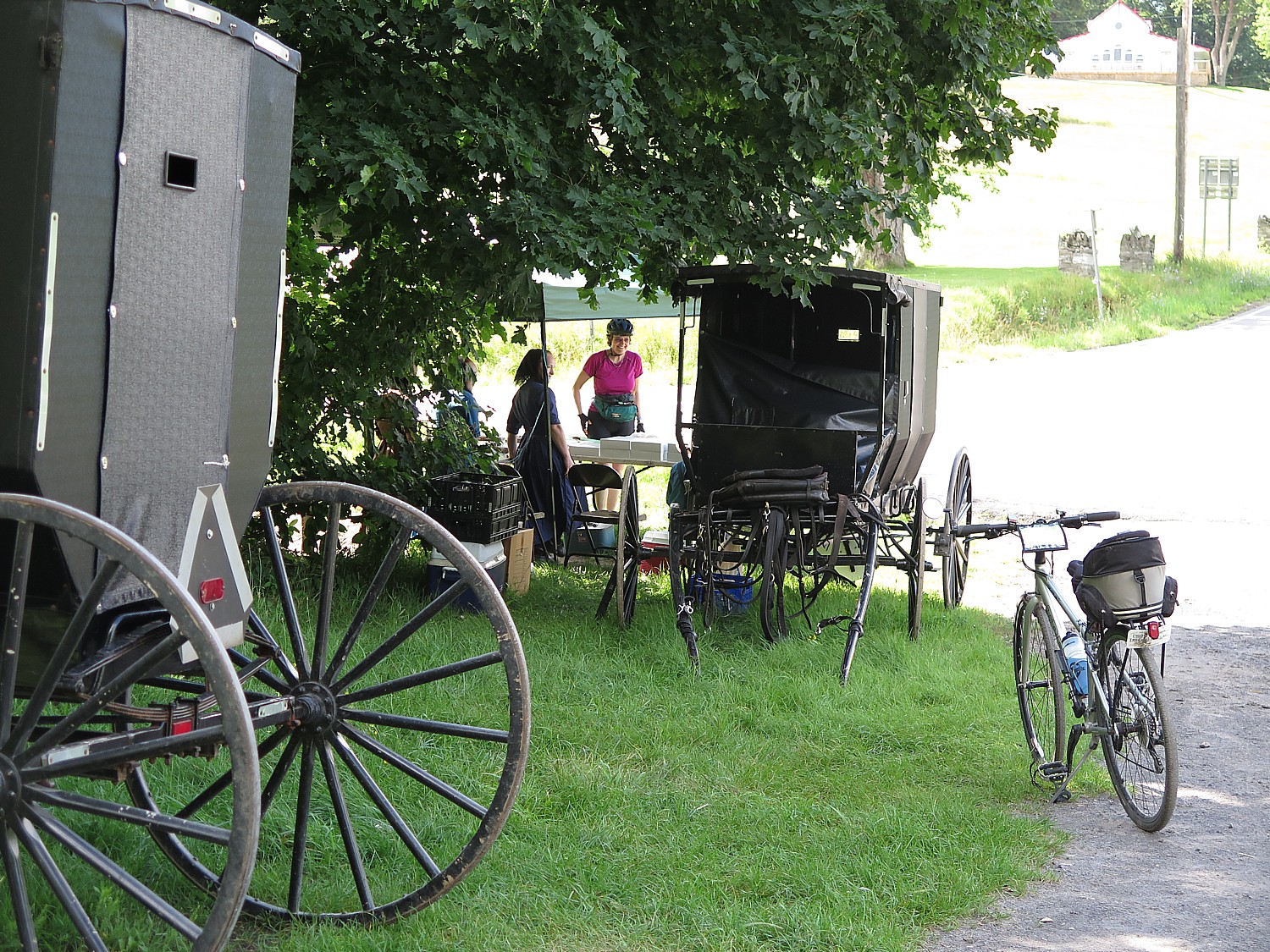
This part of our ride immerses us in colonial-era America. At mile 52.5, we have an option of two routes to take into Canajoharie and consistent with my plan to do as much as possible differently from my first Erie Canal ride, I take the blue trail option along the road to three historic sites (I miss the first one, the Nellis Tavern built in 1747, which was serving travelers along this route well before the Erie Canal was opened, in 1825); I stop at Fort Klock, built in the 18th century where there is a 1750 farmhouse, a schoolhouse and a blacksmith shop); I see the Palatine church, built in 1770 by Palatine Lutherans, from across the busy road. But I also see Amish (or Mennonite) workers using a power saw, one gets into truck; an Amish horse and buggy passes by. I am happy with my decision.
One of the challenges of the entire 400-mile ride now faces us: the last mile is the steepest climb of the trip, up to the Canajoharie High School at the very top where we will camp. There is a t-shirt for anyone who makes the climb. (I almost make it but my gears fail me, and I give up.)
The Parks & Trails NY biketour organizers mercifully have arranged buses to take us back down into the town center to the Arkell Art Museum where we are being treated to a fantastic barbecue chicken dinner, and the museum is staying open for us until 7:30 pm (at a reduced fee of $5).
The Arkell Art Museum was established by the millionaire founder and first president of the Beech-Nut Packing Company. I hadn’t visited the museum the last time (when we also had a fantastic chicken barbeque dinner here), so I made a point of visiting this time.
Bartlett Arkell, built the original Canajoharie Gallery in 1927 based on galleries he had visited on his travels to Europe. A museum designed by Ann Beha and DesignLAB Architects was added in 2007 to the existing Canajoharie Library and Art Gallery to provide new space for exhibitions and programs.
“Almost all of the paintings in the permanent collection were purchased by Bartlett Arkell for the people of Canajoharie. The American painting collection includes 21 works by Winslow Homer, and significant paintings by many distinguished artists, including George Inness, William M. Chase, Childe Hassam, Mary Cassatt, Georgia O’Keeffe, Robert Henri, and other members of The Eight. Permanent and changing exhibitions also feature selections from the museum’s Mohawk Valley History collection as well as the Beech-Nut as the Beech-Nut archives of early twentieth-century advertising material.”
I am even more intrigued by the exhibit that tells the story of Arkell and the Beech-Nut company, which (at least the photos suggest) was the Google of its day in terms of providing a cafeteria for its workers and other employee niceties.
I learn that the key renovation that led to Beech-Nut’s success was the invention of the flour bag and that Beech-Nut began as a packaging enterprise; gum and candy came later (and used the peppermint oil from Hotchkiss Oil company in Lyons which we had visited).
You can see the old Beech-Nut factory (now shuttered) across the street; Beech-Nut was acquired by another company which has a new factory nearby.
From the village center, we see the old high school, a cold, gothic style structure, up on another hill. The new high school, where we are camping, is luxurious. We wander around the quaint village, which has some striking Victorian architecture as a tribute to its wealth, before taking the shuttle bus back up the hill to our campsite.
I get back to the school in time for a rock n’ roll concert in the auditorium.
Day 7: Canajoharie to Schenectady, 46 Miles
It is Day 7 of our 8-day ride and we are already feeling nostalgic that the end of our 400-mile journey from Buffalo to Albany is near. It’s a nice day for biking the 46 miles to Schenectady: perfect temperature, little wind, morning sun. The trail is nice, with a slight downhill tilt.
A fellow has stopped on the trail and I look to where he is looking and see “Big Nose & Little Nose” – where a glacier cut a path through Appalachians which is why this was always the place where the Erie Canal could be constructed (it’s hard to appreciate because of the overgrowth of trees).
A highlight of this day’s ride is the new pedestrian/bicycle bridge across the Mohawk River connecting to Amsterdam.
The bridge is fabulous, much like the Walkway over the Hudson in Poughkeepsie (now one of New York State’s most popular attractions). I meet Michelle Eggleston who is a good-will ambassador for the town of Amsterdam, who tells me, “The bridge gives the community a sense of place,” she tells me. “More people are enjoying the river. My daughter started a kayak business, Down by the River Kayak. There are more boats on the river.”
Amsterdam used to be a center of carpet manufacturing factories which shut down, bringing down with them the economy and living standard of the city. Now many of these buildings have been repurposed to business incubators; there is ballroom in the clock tower.
“New people are moving in. Two of my four kids bought houses in Amsterdam. They are seeing it as a great place to live – the waterfront, the bike trail, restaurants they can walk to. Other business are seeing that and that Amsterdam is a great place to be, and are coming in. We had the Albany Symphony here on July 4 – thousands of people on the bridge. I’ve lived in Montgomery County my whole life – I’ve never seen that before. We have been given a sense of place; people are proud of our town.”
In one fell swoop of the space of our bikeride, today, we have gone from colonial times to the Industrial Revolution, to the post-Industrial Revolution.
Next: Schoharie Crossing, Mabee Farm, Cohoes Falls and Finish Line of 8-Day, 400-Mile Cycle the Erie BikeTour
The 20th Annual Cycle the Erie Canal ride is scheduled July 8 – 15, 2018 (www.ptny.org/canaltour). In the meantime, you can cycle the trail on your own – detailed info and interactive map is at the ptny.org site (www.ptny.org/bikecanal), including suggested lodgings. For more information on Cycle the Erie Canal, contact Parks & Trails New York at 518-434-1583 or visit www.ptny.org.
The entire Erie Canal corridor has been designated the Erie Canalway National Heritage Corridor, Waterford, NY 12188, 518-237-7000, www.eriecanalway.org.
More information about traveling on the Erie Canal is available from New York State Canal Corporation, www.canals.ny.gov.
Fort Stanwix, in Rome, New York, is a revelation. Hardly anyone knows of it – it doesn’t even seem to merit a footnote in history – but it played a role in two incidents, one during French & Indian War and one during Revolutionary War, that proved pivotal for American history, like a tiny peg in the giant cogwheel of history.
A National Historic Site, Fort Stanwix also offers one of the best presentations of tribal Indians and European settlers in the colonial and Revolutionary War period. Indeed, the Erie Canal was built across what was the Oneida Carrying Place, vital to the earliest traders. This fort is where the British negotiated and signed the 1768 treaty with the Six Nations of the Iroquois Confederacy. I suspect this area is also where Melinda Gage drew upon what she learned of the Oneida Indian women to form key planks of women’s rights movement.
The presentation here (in contrast to how pitiful the Womens Rights National Site in Seneca Falls is) is fantastic, both in the exhibits and the commentary. Engaging, informative, dramatic, thoughtful. Also, the park rangers are in period dress so you really feel as if you have stepped back in history. You wind up speaking to these people as if it was 250 years ago.
This part of the eight-day Cycle the Erie bike tour, 400 miles from Buffalo to Albany organized annually through Parks & Trails NY, takes us back to the very beginning of the United States, to its native American origins, European colonization and its emergence as an independent nation. It is 400 miles and 400 years of history.
At Fort Stanwix National Monument in Rome (where the 750 of us actually camp out outside the fort, making it look like an army bivouac), we are put squarely into the drama of the American Revolution. Interpreters in period dress take on the roles of American soldiers and British prisoners in period dress – creating such realism that you appreciate so much more the context and the conditions. Most surprising, is that it also tells the story of the Native Peoples, almost entirely forgotten as having an equal stake in the Revolution. (It didn’t go well.)
The reconstruction of Fort Stanwix comes alive through the personal stories recounted inside the fort. You get to experience the American Revolution and the Siege of Fort Stanwix through the eyes of soldiers and their families, American Indians and traders. This is accomplished through the realistic recreations (especially of the fort), the costumed interpreters, outstanding markers, artifacts, the art, portraits and graphics, and superb videos. They create characters who are composites of actual people, and you hear their voices in a context.
It’s humbling to realize how little you actually know about Colonial America and the American Revolution.
The Fort puts the competing interests of the Patriots, Loyalists and Indian peoples into balance. You have empathy for each. (Especially the Native Americans, who were dragged into the fight, upsetting a long-standing peace among the Confederacy of Iroquois nations, found their whole society upended, and were literally screwed by every European and American they dealt with. George Washington, shockingly, even betrayed the Indians who were allied with the Patriots). But you also understand better the Loyalists, whose property was being seized by the Patriots, and the Patriots, who were not necessarily British subjects, but German and Dutch colonists – whose property was being burned by the Loyalists.
The National Park Service is keeping the fort open late for us and hosting tours, and is keeping the visitors center open all night (the indoor camping location, though, is off-site at a local YMCA).
We arrive at Fort Stanwix after biking 50 miles from Syracuse, a good chunk of our Day 5 ride in drenching rain. I set up my tent (fortunately, the rain stopped just as I came into Rome), grab a shower, and race over to the visitor center to join a guided tour. I am so lucky to attach myself to the same Park Ranger as I toured with two years ago, on my first Cycle the Erie tour.
Fort Stanwix as we see it today literally rose out of ash heap of history – reclaimed from earthly grave.
At one point, the fort was the reason Rome developed at all, but ultimately Rome grew up over its ruins, from fire and neglect. Then the city Rome went through a decline. But in 1960s, as part of urban renewal, planners wanted to redevelop the dilapidated downtown. A grassroots movement grew up to excavate the fort; meticulous archaeology unearthed some 400,000 artifacts. (Visitors can actually get a back-stage view of the archaeology being done during summer tours.)
The National Park Service was faced with a quandary – its mission at the time discouraged reproduction or re-creation of a historical site. But there were strong arguments in favor of reconstructing the fort: they found the original fireplace (the only part of the fort that remains of the original, which we get to see); had the original plans (obtained from British archives); plus papers and drawings so they could reproduce it accurately; and letters of soldiers so they had a better idea of what happened here.
The location of this fort is significant. It sits along “Six Miles that Changed the Course of America,” reads the National Park Service brochure. “For thousands of years, the ancient trail that connects the Mohawk River and Wood Creek served as a vital link for people traveling between the Atlantic Ocean and Lake Ontario. Travelers used this well-worn route through Oneida Indian territory to carry trade goods and news, as well as diseases, to others far away. When Europeans arrived, they called this trail the Oneida Carrying Place and inaugurated a significant period in American history – a period when nations fought for control of not only the Oneida Carrying Place, but the Mohawk Valley, the homelands of the Six Nations Confederacy and the rich resources of North America as well. In this struggle Fort Stanwix would play a vital role.”
The British built the fort in 1758 with the permission of the Oneida to protect their commerce, but abandoned it to cut back on spending after the French & Indian War (taxes imposed by Britain to recoup their expenditures is what incited the American Revolution).
The fort was never put to the test, because the French were defeated elsewhere. But though Fort Stanwix fell into decay, the site was still important for trade and relations with the Six Nations.
It is here at Fort Stanwix, in 1768, after the Europeans had spread into “empty” spaces and fought with the Indians, that Sir William Johnson, Indian Supervisor, negotiated a treaty with the Six Nations of the Confederacy, basically laying out the terms that everything east of the fort would be for Europeans, and everything west would be for Indians.
“Over 3,000 American Indians from the Six Nations, Shawnee, Delaware, Mingo and other dependent tribes attended the treaty negotiations,” the notes read. “Ignoring British Crown instructions, Sir William Johnson encouraged the Six Nations to draw a new boundary line favorable to their mutual interests. Rather than settling tensions, frontier strife between colonists and American Indians increased.”
“I can never look upon that (Proclamation of 1763) in any other light… than as .. temporary expedient to quiet the mind of the Indians,” land speculator George Washington wrote to surveyor William Crawford, 1767. “Any person… who neglects the opportunity of hunting out good lands…for his own, in order to keep others from settling them, will never regain it.”
Meanwhile, British attempts to govern the growing colonies from afar and the associated costs led to strained relations. Hoping to defray the cost of colonial administration, the British parliament taxed many goods arriving in North America. But growing independence and identification as Americans caused many colonists to question British rule. Tensions steadily increased until American “Patriots” declared their independence in 1776.
The exhibit gives me a new perspective: a good number of colonists were not British – they came from Germany, Holland and other places. I realize that becoming a Patriot would not have been such a hard choice as for those with British ties.
“For colonists living on the frontier, the issues included British imposed restrictions on trade, limits on settlement, and continuing violence with American Indians. As war approached, many colonists had to choose between remaining loyal to the King or joining the movement to American independence.” Each side considered themselves “patriots”. But those who stayed loyal to the Crown became known as “Loyalists,” while those who sought independence called themselves “Patriots.”
In 1775, Patriots and Loyalists began struggling for control of the New York frontier. The British invaded the Mohawk Valley in 1777. Their strategy was to capture an important east-west supply route, deprive American soldiers of food grown in the valley, and strengthen Six Nation and Loyalist Alliances, and slice the colonies.
British General John Burgoyne led an invasion of New York from the north and west. His army advanced from Montreal towards Albany. A second force commanded by General Barry St. Leger invaded the Mohawk Valley. Strategically, St. Leger aimed to control the Oneida Carrying Place, create a diversion to split Patriot forces, and reinforce Burgoyne. Politically, he wanted to rally support among American Indian allies and Loyalists.
Patriots had taken over Fort Stanwix in 1777 and renamed it for General Schuyler. The fort was under the command of Col. Peter Gansvoort when it came under siege by the British. Some 2,000 British troops set up a blockade, helped by Indians allied with the British, which went on for months.
General Nicholas Herkimer assembled an 800-man militia to come to the fort’s aid, but was betrayed (by Molly Brant, a Mohawk woman allied with the British, and the second wife of Sir William Johnson). Herkimer’s militia was ambushed along the way at Oriskany. This became one of the bloodiest battles of the Revolutionary War, in which 600 were killed in a matter of hours. General Herkimer, himself, was fatally wounded, dying 10 days later. (Later in our trip, we pass Herkimer Church where he died, and his home.)
But the Indians allied with the British, hearing that the Americans had plundered their encampments, left the fort to go to their families’ aid. Fearing that more American reenforcements were on the way, the British retreated, handing the Patriots their first victory (of sorts) of the Revolutionary War. This, critically, boosted the Americans’ morale, and helped set the stage for the Patriots’ victory at Saratoga (under General Benedict Arnold).
This, then, is what changed the course of the war. Because of the victory at Saratoga, which was the unanticipated consequence of what happened at Oriskany and Fort Stanwix, Americans won the critical support of France (long time enemy of Britain), without which, the Americans could not have defeated the British and the British were forced to fight a world war.
In 1778, the British again attempted a formal invasion of New York, planning to burn the Mohawk Valley fields of grain that supplied the Continental Army.
The last battle here took place in 1780, when a work party outside the fort was ambushed by British-allied Indians and Loyalists.
But for most of the Revolutionary War, “It is frustrating for the troops to be here, the backwater of the Revolution,” Park Ranger Bill Sawyer, who is dressed in the uniform of the 3rd New York regiment, tells us. The men were upset because they were far from the fighting. But “Washington was vindicated in his decision to keep it fortified because the British refortified Fort Ontario. Washington wanted to block the British.”
And I am certain that those disgruntled soldiers confined to Fort Stanwix never appreciated that as a result of these events at Fort Stanwix, the British grand plan to slice off New York from the rebelling colonies and cut off the Continental Army’s source of food, failed. Instead, the Americans had the critical support of France.
Fort Stanwix: Living History
After this introduction in the Visitors Center, Park Ranger Bill Sawyer, walks us into the Fort, where we are greeted by costumed interpreters dressed as American soldiers. A couple of teenage boys (summer interns at the fort) patrol the ramparts of the fort. You are immediately transported back centuries.
This fort is a nearly complete reconstruction on the original foundation – the only thing original is a fireplace (that can be seen in one of the rooms). Over the decades, Rome was built up on top of the fort. Archaeological excavations conducted in 1970-73 uncovered the site, but all the artifacts were removed, the site completely cleared, and the fort rebuilt with new materials.
The fort held 800 soldiers (twice the number the fort was built to hold); families of soldiers (who couldn’t afford to maintain them in their homes) camped in the ditch outside the wall; women would try to get jobs within the fort. People died of disease and winter cold.
By February 1778, the soldiers’ clothing was reduced to rags, they hardly had any bedding left or blankets. They would have been stationed here for anywhere from 4 months to 2 years. Morale was terrible.
We see the harsh living conditions. Artillery men, though, had somewhat better accommodations, because they were specialists. “They had to have knowledge of math and the use of measuring tools to calculate the trajectory of cannon and mortar. They had better pay and living conditions.”
We visit the different rooms for the junior officers, a family quarters, the officers’ lodging, the orderly room, the surgeon’s day room. The Commandant’s HQ had a fine room befitting his wealth and high station and had a private assigned.
On my first visit, two years ago, I was able to see an outstanding film that depicted life in the fort and how the soldiers suffered. “The walls imprisoned them, supplies cut off. They were overcome by boredom and hunger. They wanted to go fight. Five men deserted, headed to Canada. Gansvoort sent out a band of Indians to recapture them. They were executed as an example to the rest….It was a forsaken place. Finally, they were sent to war.”
On my first visit, one of our cyclists, Peter Reeve, was British, though living in Maryland since 1981, and gave me the British perspective: “The British people didn’t care to keep America,” Reeve told me. “They didn’t want to spend the money fighting the Revolution. Most British generals were against the tax acts. General Howell supported the Americans’ grievance.”
While major battles took place in the South, minor battles and guerrilla-style warfare characterized the fighting in New York. General Washington lamented that crops that were being destroyed in these raids were needed to feed his army surrounding New York City. These raids and counter-raids were waged by Patriots, Loyalists, American Indians, British and British-allied Germans, alike, often against civilians, and were among the most brutal of the war.
The fort served as an isolated outpost for another four years after the siege. The inaction drained morale and the constant shortage of food and munitions made the soldier’s life insufferable. Regular petitions for transfer and increasing desertions reflected the wretched conditions.
By 1779, British strategy changed and they invaded the other colonies. Though Britain won most of the battles, they failed to destroy the Patriot army. Outmaneuvered, the British surrendered at Yorktown in 1781, bringing an unofficial end to the war.
Following their 1781 defeat at Yorktown, the English saw little value in continuing large scale war in America. Two years later, war ended with the signing of the Treaty of Paris by the US, France and Britain. As the British Army withdrew, Loyalists migrated to Canada and elsewhere.
American Independence Voids Treaty with Indians
The 1783 Treaty of Paris officially ended the war – at least between the British and the colonists. However, no terms of peace were negotiated for the American Indians. In later years, American Indians negotiated their own treaties with the Patriots (who tossed out the Treaty of 1768.)
The focus at Fort Stanwix on Indian history is very clear from the first display that greets you as you enter the Visitors Center – of trappers trading with Indians.
American Indians’ history, NPS Ranger Sawyer says, “was long ignored. Now we interpret to include it.”
Indeed, Fort Stanwix offers one of the most interesting and informative presentations about American Indians outside of the Smithsonian’s Museum of the American Indian in Washington DC.
I am most surprised to see that the Indians lived in villages, with a grid street plan; they wore western-style shirts and many had European names. They had many of the same household goods as the colonists – an indication of how well-developed trade had become, and in fact, how dependent the Indians had become on trade.
The constant theme in the history between the Indians and European settlers, though, was how the Indians were constantly betrayed.
The Indians wanted no part of the Revolutionary War and tried to stay neutral. That changed with the Battle of Oriskany, though.
The Revolutionary War split the Iroquois Confederacy (“Iroquois” was the French name for the Haudenosaunee, “People of the Longhouse”). Mohawks led by Joseph Brant (the brother of Molly Brant who triggered the ambush of Herkimer’s militia at Oriskany) adhered to their long-standing allegiance to the British, and eventually most Cayugas, Onondagas, and Senecas joined them. But Oneidas and Tuscaroras sided with the Americans, owing in large measure to the efforts of their Presbyterian missionary Samuel Kirkland. The Revolution became a civil war for the Iroquois, as Oneidas clashed with Senecas at the Battle of Oriskany in 1777. (“Centuries of peace upended in a single day,” the notes read.) Iroquois suffering was compounded in 1779 when General John Sullivan, on orders of General Washington, led an American army through their lands, burning 40 towns and destroying crops.
Both sides practiced a scorched earth strategy. “Raids by Loyalists and British-allied American Indians in 1778 destroyed Patriot settlements in Pennsylvania and New York. In 1779, General Washington ordered Generals Sullivan and Clinton to retaliate and destroy Six Nation towns, homes and food. Soldiers from Fort Stanwix tricked Patriot-allied Oneida warriors into raiding the British supply depot at Oswegatchie before leaving to destroy Onondaga towns. These raids and counter-raids continued until 1783.” Afterwards, General George Washington was given the name “Town Destroyer” by the Seneca people.
The Americans, who always wanted to take over Indian lands (another sore point that led to wanting independence from Britain), nullified the treaty of 1768 as soon as they won independence in 1783, claiming it was negotiated with the British and did not apply to the new nation. The Americans voided the treaty with the Cayuga, Canandagua and Mohicans claiming that these nations sided with the British, and pushed them further west.
In 1784, Governor George Clinton (uncle of Dewitt Clinton who launched the Erie Canal project), who was not a supporter of the federal Constitution, decided to make his own treaty. The new treaty, negotiated at Fort Stanwix with the Oneida who allied with the Patriots, effectively relegated three Oneida Indian nations to a measly 32 acres, in which they were surrounded on all sides by settlers. (The Oneida tribe had already split, with half moving to Wisconsin).
“Now, for first time in history, the Indian nation is relegated to a reservation, surrounded by Europeans (whites),” Sawyer tells us.
By the 1790s, houses were built by the fort; by the mid-1800s, the fort was demolished and the city of Rome built on top of the ruins. In 1935, a national monument established, though by then the site a commercial district with no trace of the fort.
By the 1960s,a grassroots urban renewal effort was underway to revitalize the downtown and restore the fort, but this required the National Park Service to go against its long-standing policy: “We protect, preserve, interpret any natural thing, but nothing was left of fort.” But political pressure mounted to create a new Revolutionary War “themed park” to open in time for the bicentennial in 1976.
A massive excavation got underway by local volunteers and in the process, 400,000 artifacts were uncovered in three years of archaeological work.
They had a the foundation plus they had the original plans (from the British museum) and maps, clothing and receipts, enough to reconstruct the fort exactly as it would have looked.
Ranger Sawyer, who tells me his interest in becoming a park ranger was ignited during summer internship at the fort when he was a teenager and got “hooked”, says that the 400,000 artifacts are housed in a cultural conservation center in the Visitors Center.
In summer, on Wednesdays & Thursdays, at 11:15 & 1 pm, they open up back area to guided tours to see archaeologists working with the artifacts.
I am literally the last person out of the fort when they close at 9 pm, and walk a block to get some pizza for dinner (this is one of two nights when we are on our own for dinner and the city of Rome has provided a list of eateries.)
The 20th Annual Cycle the Erie Canal ride is scheduled July 8 – 15, 2018 (www.ptny.org/canaltour). In the meantime, you can cycle the trail on your own – detailed info and interactive map is at the ptny.org site (www.ptny.org/bikecanal), including suggested lodgings. For more information on Cycle the Erie Canal, contact Parks & Trails New York at 518-434-1583 or visit www.ptny.org.
The entire Erie Canal corridor has been designated the Erie Canalway National Heritage Corridor, Waterford, NY 12188, 518-237-7000, www.eriecanalway.org.
More information about traveling on the Erie Canal is available from New York State Canal Corporation, www.canals.ny.gov.
Next: Cycle the Erie, Days 6-7: Erie Canal Promotes Rise of America as Global Industrial Power
Day 5 of our 8-day, 400 mile Cycle the Erie biketour from Buffalo to Albany offers a deep-dive into the history of the Erie Canal, an appreciation for the engineering marvel that it was, and how it changed American culture and society, as our 50-mile ride today brings us to a sequence of museums and historic sites.
We begin the day riding into downtown Syracuse from our campsite at Burnet Park, adjacent to the Rosamond Gifford Zoo (we are so close, some said they could hear the animals during the night). A highlight for the entire trip is visiting the Syracuse Eric Canal Museum, which has opened early, from 7 am, especially for us. It is not to be missed and I plan to spend a couple of hours here. (The museum also was open especially for us last evening, with shuttle bus transportation from our campsite, to accommodate our riders, but I chose to visit the zoo.)
The downtown of Syracuse has gone through an amazing renaissance.
Erie Canal at one time went through Syracuse but President Roosevelt wanted a “modern” canal built and largely replaced the original canal.
Today, in a magnificent plaza there is an impressive Jerry Rescue Monument to William “Jerry” Henry, a freemason taken into custody under Fugitive Slave Act, despite the fact that New York State abolished slavery in 1820.
Daniel Webster, who was secretary of state under President Millard Filmore, came to Syracuse in1851 and declared that Syracuse (which was a stop on the Underground Railroad) was “a laboratory of abolitionism, libel, and treason” and warning local abolitionists and abetting slaves that any violation of the Fugitive Slave Law, which called for returning those in flight into bondage, would be “treason, treason and nothing else.”
A few months later, on October 1, a mob stormed a downtown police station, knocked down the doors and freed Jerry, and put him on a carriage traveling toward Canada.
Syracuse Canal Museum
All along our Cycle the Erie route – mostly following the 353-mile long Erie Canalway – we have visited small canal museums and historical societies which each tell a part of the Erie Canal epic drama. At Lockport, which is itself a living-history museum, on the first day of our ride, we saw the astonishing “Flight of Five” locks and its small museum. At Camillus, the half-way mark of our 400-mile ride from Buffalo to Albany, we visited Sims Store, a re-creation of a 19th century general store that would have served the boats traveling along the canal. Still to come (later today), the Chittenango Landing Boat Museum which offers a look at how the canal boats were built and we get to look inside a reconstruction; Canastota, which offers a delightful Canal Town Museum in a tiny house that was once a bakery. Further on, we will see the Schoharie Crossing State Historic Site, featuring sections of all three alignments of the Erie Canal and a fascinating historic exhibit in a house-turned-museum.
But Syracuse is the “official” Erie Canal Museum – it offers the most expansive collection of artifacts, the most comprehensive history, starting the story well before Governor Dewitt Clinton pushed so obsessively for his Ditch. It offers the most sophisticated presentations, including lots of interactive exhibits and opportunities to engage. It is all the more remarkable because it is a maritime museum which is not on the water – indeed, the expanded canal was moved north of the city.
One of the unique features of the Canal Museum – indeed, the “most unique thing about Syracuse” – is the chance to visit the Weighlock Building, built in1850 – the only remaining weighlock building in America. You can walk aboard a replica passenger packet boat in the weighlock and get a real impression of how the Erie Canal transformed culture and society in America.
And, as we ride into the downtown historic district, with some magnificent architectural jewels (like the Niagara-Mohawk building, an Art Deco palace that is simply breathtaking), what we appreciate most is how the Erie Canal was the “Mother of Cities” – as historian Ben Willis has said – and how Syracuse is one of her children.
A chart in the museum graphs the explosive growth in population of Albany, Syracuse, Buffalo, and even small canaltowns like Lockport because of the Erie Canal, “It was the 8th Wonder of the World, the pathway to an empire, and a school of engineering.”
Indeed, in 1820, Syracuse was but a swampy settlement on Genesee Turnpike, its primary industry was salt production (a key reason that banks had already established themselves in Syracuse, before the canal). Because of the canal (“The Mother of Cities”) the population of Syracuse swelled 40-fold in just 10 years, from 250 in 1820, to 11,064 in 1830, and by 1920, a city of 171,717.
“German masons who came for the canal, stayed to build cobblestone houses, churches. The canal was a whole way of life.”
Before the Canal, it would take 6 to 8 weeks for a mule to carry less than a ton, versus 6 to8 days to transport up to 200 tons of freight on the canal. The cost dropped to one-tenth, $12 per ton and 60c for barrel of salt.
Each day, some 1,800 immigrants would come through Syracuse on the Erie Canal on their way to the west, paying 10c to travel from one town to the next.
“Land was free, you just had to get there, settle on it for a number of years. Often pioneers would work on the boat in exchange for transportation,” the notes read.
New York State financed the building of the Erie Canal (without any federal help) by selling $7.7 million in bonds; the state earned back revenue from fees on goods shipped and taxes on salt (because salt was brought out of salt springs that were owned by the state).
The success of Clinton’s Ditch was quickly apparent and in just 10 years (after paying off the $7.7 million), the Erie Canal had to be rebuilt and expanded to handle all the traffic.
There were no real engineers when they began to build the canal. The initial designers were surveyors. “They knew how to do property lines but were not engineers.” The biggest problem was figuring out the elevations. But when they completed the canal, these self-taught engineers started the engineering school, Rensselaer Polytechnic Institute (RPI) in Troy.
One of the innovative methods devised was a stump puller to clear the trees – a contraption that looks like a military armament, but actually had giant wheels to move it and give leverage to pull out stumps.
There is so much that is so engaging in the museum – even the staircases are made so you can see the elevations of the different locks along the entire canal, and the elevator is painted so you feel you are stepping into a lock, yourself.
Indeed, a key message you come away with from the Erie Canal Museum, is how the canal keeps reinventing itself, and with it, the society around it.
Peak use of the Erie Canal was 1951, but it was also a time when the canal was fetid with pollution – oil slicks and raw sewage. Then the Clean Water Act of 1972, prohibiting dumping and requiring municipalities to have treatment plants, changed the way shippers and factories could do business. (My suspicion is that environmental protection and worker protections, not free trade, is what led to the demise of American manufacturing.)
So, up until the 1980s, the canal was almost exclusively for commercial traffic and was too polluted, fetid and crowded for the recreational boater, or, in fact, residential buildings anywhere near the canal. That’s all changed. Now, the canal is predominantly used for recreational purposes, there are lovely housing developments along the canal. But a changing upstate economy is seeing a resurgence of manufacturing and more commercial shipping is coming to the canal.
There are many other uses of the Erie Canal other than shipping and transportation. The canal is the largest source of irrigation for upstate agriculture. People don’t think of New York as agricultural, but it rivals other states, producing a range of foodstuffs – orchards, vineyards, dairy operations. Riding along the canal trail, you see the white pipes of the irrigation system. The canal also provides for flood control for upstate New York. Many of the dams generate electricity.
Here, I appreciate the ecology of the Erie Canal – not just for the people whose towns, livelihoods and lives revolved around the canal, but how it impacted the environment.
And you can see the social ecology as well – as the canal is cleaned up, there are new housing developments that are popping up alongside, as we saw at Rochester, Spencerport, Fairport, changing the economic base for these communities. (They are not intrusive, though – indeed, the entire Barge Canal was just placed on the National Register of Historic Places and is part of New York State’s Heritage Corridor). The small canaltowns are reinventing themselves – and the structures that had been factories and silos and such in places like Pittsford and Cohoes have been re-purposed for condos and offices, as well as to cater to new manufacturing ventures like manufacturing wind turbines.
“Everything reinvents itself – just like the Canal,” says Daniel Ward, who curated the exhibit. “When I was boy, there was no accommodation for pleasure craft, no tie ups. It was a barge canal. Now there is balance.
“Often the Erie Canal gets separated in people’s minds from the Port of New York, but New York City is the terminal port of the canal system. Our current work is trying to reconnect idea of New York City – we’re coming up to the bicentennial of the opening of the canal (2025), which was a celebration in New York Harbor.”
The museum has a marvelous animated display of Governor Dewitt Clinton sailing into New York City to spill water from Lake Erie into the Hudson River in a ceremony called, “The Wedding of the Waters” with simulated fireworks. (There were cannons set up all along the route and it took hours for the sound that started in Buffalo to make its way to New York City.)
He points to the Mount Vernon Museum, at 421 East 61st Street, which was a hotel that opened in the 1820s to accommodate visitors who wanted to travel on the Erie Canal on packet boats.
Before the Erie Canal, “New York City was an insignificant port city, dwarfed by Boston and Philadelphia, and became a great city, as a result of this engineering.”
What I come away with: It wasn’t that people were different in 1817 when construction of the Erie Canal began, that they had more guts, gumption, daring, pioneering spirit. If anything, what this journey back in time shows is that people are exactly the same – Governor DeWitt Clinton was mocked for the project, which was called “Clinton’s Folly” and “Clinton’s Ditch”; President James Madison refused to give federal funding, questioning the role of the federal government.
“Farmers didn’t want to give right of way,” Ward tells me, “they didn’t envision a global economy. It turned out to be great for them. They went from local subsistence economy to global. When the Erie Canal was built, it was the wave of future.”
So many morals to be drawn to today.
You can easily spend two to three hours at the Erie Canal Museum, which I happily do, even with 50 more miles to travel today.
My deep dive into the Erie Canal’s history continues on this day’s ride.
I am fairly amazed to find some of the cyclists still at the morning rest stop when I arrive at Chittenango Landing Boat Museum, which, through preservation, reproduction, construction, and interpretation of the Chittenango Landing industrial complex, instructs about the construction and repair of canal boats and the social history of the Erie Canal era. There are people in period dress and it looks like a historic village. Here, I get to poke inside a re-creation of a canalboat, and see where the mules would have been housed on the boat with the family. (7010 Lakeport Rd, Chittenango, NY 13037, 315-687-3801, clcbm.org/)
Chittenango is also the birthplace of L. Frank Blum who wrote “Wizard of Oz” (his mother-in-law was the mother of the Women’s Rights movement, Melinda Gates), and I am told the village has a yellow-brick road.
Once again, I am determined not to miss the things that I missed on my first Cycle the Erie ride two years before. I ride up the main street looking for evidence of Frank Blum – I find the yellow brick sidewalk, but before I can get to the All Things Oz Museum, which has family photos, early posters from musicals and movies before the 1939 MGM film, collectibles, it starts to rain. (Open year-round or by appointment, 219 Genesee St., Chittenango, NY 13037, 315-687-7772, allthingsoz.org).
It is a drenching rain by the time I get to Canastota, where I remember there is a delightful Canal Town Museum which I visited on my first Cycle the Erie ride. Inside, I find other Erie Canal cyclists huddled together in the back, happily watching a video while they get warm.
Housed in a former bakery and residence dating from 1873, Canastota Canal Town Museum is a major surprise. From the outside, you wouldn’t think much at all of the tiny frame structure, but once inside, it’s like a Harry Potter experience – the rooms are chockablock full of fascinating artifacts and portraits that make the inside seem enormous. It is a surprisingly fine museum, which adds pieces of understanding to the historic puzzle of the Erie Canal and the rise of the United States. Here the focus is on people – including important people who contributed to building the canal, like Nathan Roberts (a Canastota native who devised the ingenious “Flight of Five” Locks in Lockport which we saw on our first day of the ride); there is a portrait of him by an important 19th century artist, Frederick R. Spencer, and portraits of others who owned the very existence of their town to the canal.
In addition to the ingenious engineering of Nathan Roberts’ lock system, I realize an amazing array of inventions came out of this tiny village: it was the birthplace of the American Microscope Industry; early movie and projection film industry.
I spot a photo on the wall referring to a action-adventure-comedy, “The Great Race” (1965), and only in that moment realize the movie was based on an actual event: the 1908 automobile race from New York to Paris, by way of Albany, Chicago, San Francisco, Seattle, Valdez Alaska, Japan, Vladivostok, Omsk, Moscow, St. Petersburg, Berlin and finally Paris. I learn that it was only made possible because of an innovation by Weed Chains of Canastota that enabled a car to drive across frozen Siberia. The 1908 Race was won by the American Thomas Flyer driven by George Schuster Sr. of Buffalo, NY. There is even a connection between Amelia Earhart and Canastota’s Airport opening in 1928. I am dazzled.
(Canastota Canal Town Museum, 122 Canal St., Canastota, NY 13032, 315-697-5002, www.canastota-canal.com)
Of the 50 miles between Syracuse and Rome that we ride today, 36 miles are in the Old Erie Canal New York State Park – rural, quaint, with wildlife, five aqueducts, and very flat. This is where the Erie Canal building began, in the “Long Level”. And just outside of our destination for today’s ride, Fort Stanwix in the center of Rome, we come to the historic marker where the very first shovel to dig the canal went into the ground on July 4, 1817.
Mercifully, just as I ride into Rome, the rain stops, and I am able to set up my tent right outside Fort Stanwix, take a shower at the shower truck, change into dry clothes, and rush over to the Fort where they have arranged for guided tours (by costumed rangers) until 9 pm. I am literally the last one out of the Fort at closing. I walk a couple of blocks to a pizza shop for dinner (this is one of two nights that we are on our own for dinner). The National Park Rangers keep the Visitor Center open for us all night long, and I love to really linger over the exhibits.
The 20th Annual Cycle the Erie Canal ride is scheduled July 8 – 15, 2018 (www.ptny.org/canaltour). In the meantime, you can cycle the trail on your own – detailed info and interactive map is at the ptny.org site (www.ptny.org/bikecanal), including suggested lodgings. For more information on Cycle the Erie Canal, contact Parks & Trails New York at 518-434-1583 or visit www.ptny.org.
The entire Erie Canal corridor has been designated the Erie Canalway National Heritage Corridor, Waterford, NY 12188, 518-237-7000, www.eriecanalway.org.
More information about traveling on the Erie Canal is available from New York State Canal Corporation, www.canals.ny.gov.
Next: Cycle the Erie: At Fort Stanwix, Time Travel Back to America’s Colonial, Native American Past
Day 4, Waterloo/Seneca Falls to Syracuse, 39 Miles
Leaving our campsite at Mynderse Academy in Seneca Falls for Day 4 of our 8-day, 400-mile Cycle the Erie biketour, I make a point this time of stopping into the Montezuma National Wildlife Refuge, keeping to my plan of doing everything I did not get to do on my first Erie Canalway ride two years before. I take care to cross the busy thoroughfare (this section of the ride is on roads rather than the non-motorized trail).
The Refuge is a breeding ground for bald eagles; unfortunately, perhaps because of the season, time of day, or that’s just the way the cookie crumbles, I don’t get to see any birds at all. But I still get to notch another one of the sites that I missed before, realizing that the time spent here is time lost to explore another point of interest. (3395 Rte 5 & 20 E, Seneca Falls, 315-568-5987, www.fws.gov/r5mnwr).
This part of the ride – on country roads – brings us through pastoral scenery.
Our rest stop – laid out with snacks, fresh fruit, water as well as our trusty bike mechanic – is at the brand new Port Byron Erie Canal Heritage Park (great bathrooms), where we get to visit the new historic displays before getting back on the Canalway.
We ride into the quaint village of Jordan, distinctive for the lovely murals of historic scenes of the canal on a 19th century brick building. The Canalway – which was the original towpath – comes through though the Erie Canal was relocated when it was enlarged; the lock has been turned into a small park. Here, you can see what it means for a community to lose the canal. A historic marker notes: Opened 1819, abandoned, fall 1917. Aqueduct built 1841 when the canal was enlarged. Canal park built 1932.”
Just up from Jordan, on a particularly scenic section of the trail that passes Memphis, locals greet us with ice pops; one of the ladies is responsible for creating a gorgeous garden right on the trail in memory of her son and tells us that she tenders it 6-8 hours a week.
We come to Camillus, where we are greeted with signs and cheers of “Half way!” as we cross the 200-mile mark, from where we started out in Buffalo. The rest stop has been set up for us here, and inside the Sims Store, they offer us refreshments, as well.
The Sims Store is a replica of the original canal store which would have been located two miles east. You enter the store where two years ago, a woman in period dress was there to show off the sort of stuff that would have been on sale to serve the boats. There is an excellent local history section, an Erie Canal Barge display, an 1800’s room, and a section describing the building of the canal including some of the tools used. There is also a wonderful wall-mural of a boat traveling over the Nine Mile Creek Aqueduct on the second floor.
The artifacts on display are very interesting. The docent shows a map of New York State which shows why the Erie Canal was the only route to the West: a relatively flat, open portion cutting through a break between the Adirondacks and the Appalachians.
The Sims Store is part of a 164-acre Camillus Erie Canal Park, a town park that preserves a seven mile stretch of the Erie Canal. It includes the impressive Nine Mile Creek Aqueduct, which is listed on the National Register of Historic Places. From the Sims Store you can take a boat ride on the old canal, which several of our cyclists are taking advantage of; they operate dinner cruises as well, (www.eriecanalcamillus.com/museum.htm)
At this point, we ride along the trail (the original towpath), but this part of what would have been the canal is no longer part of the Erie Canal – what looks like a stream now is where the original canal would have been and the water what is naturally collected.
We come to Nine Mile Creek Aqueduct, which is a stunning example of engineering. The aqueduct is a water-filled bridge that carried canal boats over rivers, streams or valleys. This 144 foot waterway enabled the first enlargement of the Erie Canal to be carried over Nine Mile Creek and is listed as the smallest of the larger aqueducts. Four stone arches made of fine Onondaga limestone quarried from Split Rock supported the towpath. Of the 32 original aqueducts on the First Enlargement, only about seven remain intact.
I try to rush to get to camp in time to also visit the Rosamond Gifford Zoo in Syracuse, which will close at 4:30 pm. (The organizers have also arranged for us to be able to visit the Syracuse Canal Museum this evening, with shuttle bus transportation into the downtown; I plan to visit the museum the next morning.)
It’s just about 3 pm when I arrive at our campsite in Burnet Park, alongside the Zoo. At the park, we can use the swimming pool and “indoor” campers can set themselves up on the hockey rink. Instantly, a whole tent city rises in front of the houses across the street from the park.
I promptly drop my things at the hockey rink, so I don’t lose time setting up the tent (also the forecast is for rain tonight). I walk directly to the zoo so I can see the animals before they are brought in at 4 pm. We also will be having a delightful barbecue dinner at the zoo this evening and a lecture in the visitor center auditorium.
Yesterday’s ride to Seneca Falls was 62 miles over rolling country roads but I didn’t feel tired at all and was able to explore the attractions that evening, perhaps because of my excitement at being there. But even though today’s ride was a mere 39 miles, I am heat-exhausted. I drag myself around the zoo, spending more time sitting on a bench and looking into animal cages than I do walking around.
Last time, I missed the excellent lecture that was held in the Rosamond Gifford Zoo’s visitor center auditorium by a representative of the Syracuse Canal Museum about the Erie Canal’s engineering. This time I wasn’t going to make the same mistake.
Sam Clemence presents “Engineering the Erie Canal” this year, and his talk is all the more fascinating because we have been riding alongside the canal and can appreciate the scale, the geography, the lift system, the aqueducts that made the Erie Canal an engineering marvel. And this evening, we not only appreciate the brilliant engineering, but what the canal meant in terms of transforming the United States into an industrial and global power, how it changed the face of the country quite literally in terms of population – bringing the immigrants to build and man factories, the settlers and pioneers through the west, unifying the nation, bringing down the cost of goods and improving living standards, and creating jobs and commerce.
Indeed, the idea for the Erie Canal goes back to George Washington and the French and Indian War. Thomas Jefferson, the guy responsible for such bold visionary enterprises as the Louisiana Purchase and the Lewis & Clark Expedition, said in 1809, “It is little short of madness to think of it this day – a splendid project and may be executed 100 years from today.” Just eight years later, because of New York Governor Dewitt Clinton’s determination (and state financing), the first shovel went into the ground.
Before the canal, it would take three weeks to travel from Albany to Buffalo on sparse roads, involving fjording rivers and surmounting the Cohoes Falls, and would have cost $100 a ton to transport wheat; $6 a barrel to transport salt.
But a wheat importer named, Jesse Hawley, sitting in debtor’s prison, 1808-9, wrote a letter to the Genesee Messenger newspaper, using the nom de plume of “Hercules” and proposed the idea of building the canal for $6 million. His letter caught the attention of DeWitt Clinton.
“The USA in 1800 was a new country, with an expanding frontier, diverse and abundant resources, and a shortage of labor. The new nation had an experimental form of government. It manifested confidence, embraced technology, epitomized ‘Ingenious Yankees’ – self-sufficient, versatile.”
But when they started to build the Erie Canal, there were fewer than 10 engineers in the whole country; by 1816 there were 37; by 1850 there were 50.
The two who headed up the Erie Canal project, Benjamin Wright and James Geddes (a surveyor and lawyer) were really county judges. Clinton hired them in 1811 to survey the route. They first thought to build a route along the Mohawk River (there were no dams then), but that was considered an unreliable source of water. So they decided to build a lock canal, fed by 12 feeder streams. This required building 185 locks, 18 aqueducts over the 363 miles from Lake Erie to the Hudson River.
The biggest challenge was the Niagara Escarpment, which we saw at Lockport – where they had to surmount a 60-foot elevation. “In those days [before steel], they could only hold back 12 feet of water [with wooden gates].”
But they knew that the canal would go through the Mohawk Valley – the gateway to West. It was the lowest canyon, the only place with a break in the Appalachian mountain range, from Maine to Alabama. It’s called “Little Nose” and “Big Nose” (and we are alert to seek it out on tomorrow’s ride.)
Construction began on July 4, 1817 in Rome, the very center of the state where the ground was flat. Clinton wanted to get as many people to see it and built out. And he realized that if building started, it would be easier to get more money, if necessary.
They looked to English canal building as well as Leonardo Da Vinci’s gate system, and imported Irish immigrants who were paid $8-12/month and a ration of rum (the pay was pretty good for the time), but three-fourths of the laborers were US citizens (mainly farmers).
In the first two years, they only built 15 miles. Clinton was excoriated. “That Federalist Son of a [expletive] taxes our dollars to build a Ditch.”
Built at a cost of $7,700,000 (equivalent to $159 billion in 2018 dollars), the canal opened Oct. 20, 1825 and was an immediate success, bringing down the cost of commerce and transportation to a fraction of what it was.
We learn that at one time, more than 50,000 people depended on the Erie Canal for their livelihood. A whole culture developed around canal life. For many, canal boats were floating houses, traveling from town to town: the father was the captain, the mother cooked for family and crew and children would serve as “hoggees,” leading the mules as they towed the boats. (At Chittenango Landing Boat Museum we see a model boat and how the mules lived onboard.) He tells us that one of the US presidents was a hoggee in his youth: James A. Garfield.
I can imagine how for those who traveled along the Canal in packet boats or passenger vessels, the Canal was an exciting place. Gambling and entertainment were frequent pastimes on the Canal and often, families would meet each year at the same locations to share stories and adventures.
Amazingly, by 1836, the very success of the original canal – which was a mere 4 feet deep and 40 feet wide (to permit east and west traffic), affording just 6 inches of draft below the boat –had not only paid back the original investment, but rendered it obsolete. An enlarged canal, 7-feet deep with locks 110 feet long and 18 feet wide, was built. That one, too, was replaced in 1905 with the New York State Barge Canal System; built for self-propelled vessels, it uses canalized rivers, lakes and land-cut sections with a minimum depth of 12 feet and electrically-powered locks 300-feet long, that still operate today.
The Erie Canal is called “The Mother of Cities” – a fact that is made eminently clear when I visit the Syracuse Canal Museum, which displays a graph showing the growth in population of cities like Syracuse before and after.
A heavy rainstorm is expected tonight, and I am happy to be doing my “indoor camping” in the hockey rink at Burnet Park, literally adjacent to the zoo. I hear from a few campers in the morning that they could hear the animals at night.
The 20th Annual Cycle the Erie Canal ride is scheduled July 8 – 15, 2018 (www.ptny.org/canaltour). In the meantime, you can cycle the trail on your own – detailed info and interactive map is at the ptny.org site (www.ptny.org/bikecanal), including suggested lodgings. For more information on Cycle the Erie Canal, contact Parks & Trails New York at 518-434-1583 or visit www.ptny.org.
Information is also available from the Erie Canalway National Heritage Corridor, Waterford, NY 12188, 518-237-7000, www.eriecanalway.org.
More information about traveling on the Erie Canal is available from New York State Canal Corporation, www.canals.ny.gov.
Next: Cycle the Erie, Day 5: Syracuse’s Erie Canal Museum
Immediately upon leaving Medina on Day 2 of Parks & Trails NY’s 19th annual 8-day, 400-mile Cycle the Erie biketour, which transverses New York State from Buffalo to Albany, we reach one of the highlights of the Erie Canalway: you ride over a concrete embankment that goes over a waterfall which turns at a hard angle. You marvel at the construction as much as the view – the quaint Industrial-era town on one side, the dramatic forest and falls on the other. I stop at one of the many historic markers that are along the trail to learn about the special mortar they had to devise to accomplish this engineering feat.
Just a little further is another remarkable feature of the Erie Canalway, the multi-use trail built mainly upon the original towpath that makes biking so pleasant: the culvert. We leave our bikes on the trail and climb down an embankment to where this tunnel has been cut under the canal. Here you can really appreciate just how shallow the Erie Canal is – really just a bathtub. This is the only place on the 353-mile long canal where a road is built under the canal – and is quite a dramatic scene.
This is also one of the more scenic parts of the trail, at least to an urban Downstater like me: here we see sprawling farmland. I later learn that the Erie Canal does not just play a role in transportation (now more recreational than commercial), but in irrigation and flood control.
We come into Albion, one of the charming canaltowns we travel through, so rich in history, where you see in the stunning architecture, and the opulence that the canal and the Industrial Revolution created – civic buildings, churches, banks.
Because I had been here before, I knew to ride a short distance up Main Street from the canal where there are churches and a Town Hall on four corners.
One of the churches, Pullman Memorial, has drop-dead magnificent Tiffany stained glass windows. I meet Bill Lattin, a church volunteer, and here is one time that my tardiness in leaving our campsite is rewarded: he wasn’t informed (as usual) that the 750 Cycle the Erie riders (a record) were coming through this morning, so no one was at the church to open it up for visits, but as he was coming in to town, he saw us and opened the church just in time for my visit.
George M. Pullman (1831-1897), who made his fortune manufacturing the luxurious railroad sleeper cars, was born in Albion. He had long before moved away but remained close to people in his hometown and one of his friends, Charles A. Danolds, in 1890, convinced him to donate $67,000 to build the church.
Shanties were set up to house the stonecutters who managed to complete the building in less than a year’s time and the church was dedicated January 1895. Pullman’s daughter bequeathed $5,000 to maintain the exquisite stainless glass window of Jesus which was created in the Tiffany Studios in New York (look closely to see the Tiffany signature etched in a corner) – an early example of Art Nouveau. There is also a 1,248-pipe organ with pipes of gold leaf decorated by Tiffany Studios. Lattin tells me that there are only 30 people left in the congregation (Albion has a population of 5,000). (10 East Park St., Albion, NY `14411, 585-589-7181, PullmanMemorial.org).
At Mile 21, we come to a small town of Holley, settled in 1812 and established on the original Erie Canal. Originally, this was an enormous and complicated loop that was straightened out when the canal, already hugely successful in its first several years, was expanded, putting the town a few blocks from the repositioned canal. The restored railroad depot (circa 1907) is now a museum. Holley was the center of a community of Italian immigrants who were brought over to work in Medina’s sandstone quarry (the sign says, “affectionately called, Podunk”).
As we ride into Brockport, where one of the State University of New York campuses is located as well as a prison, we are greeted with water, lemonade, and free stamped postcards. Brockport has a charming Main Street. Brockport, it turns out, was where Cyrus McCormick contracted a factory to manufacture his reapers (there is a marker near the dock), seeing that the reapers could be shipped on the canal to the Midwest where he was getting orders from the large farms.
We ride passed Adams Basin and Spencerport (recommended for our lunch stop), where a unique lift bridge carries Main Street over the canal.
The part of the ride that goes into Rochester is some of the toughest – a series of up-and-down hills and dales, twists and turns, but from the perches we can see how the canal was sheer-cut into high rock faces.
We ride over a bridge from which we can have a dramatic view of where the Erie Canal crosses the Oswego River. (I’ve done this by canalboat, a floating RV, which you can rent through Mid-Lakes Navigation, Skaneateles. So much fun to go through the canal locks, under the lift bridges, tying up where whimsy takes you. 800-545-4318, info@midlakesnav.com, midlakesnav.com.)
Our rest stop is here at Rochester (mile 45.8) is at a beautiful park along the Genesee Valley Waterway Center, where the organizers have arranged for us to go swimming, canoeing and kayaking, as well as for escorted bike rides to High Falls – a phenomenal sight – in downtown Rochester. REI has sponsored the stop, as well as bike repair.
The Erie Canal, known as “The Mother of Cities,” turned tiny Rochesterville into an American “boom town” and today, is the third largest city in New York State, the brochure says. The canal first went through the center of the city, across an 800-foot aqueduct over the Genesee River – a major engineering achievement at the time. A second, sturdier version, built in 1842 to replace the original aqueduct, can be seen at the base of the Broad Street ridge. Eventually, as Rochester was built up and the canal interfered with traffic, the canal was rerouted to bypass the city.
But as we leave Rochester, we see how the Erie Canal is still the “mother of communities” – along much of the trail, we see new housing developments that come right up to the Canalway.
We now ride along the Great Embankment, yet another engineering marvel. At the evening lecture, we had learned that they actually had to move a creek and flood a town in order to straighten out the canal, but this required engineering that had not yet been invented.
“You can get a lot done when you don’t have to file environmental impact statements. They moved the canal, redirected the creek, to create the Great Embankment.”
They put in floors of concrete and the re-done canal opened in May, 1912. But just a few months later,, in September, there was a break at Bushnell’s Basin and it collapsed.
They managed to keep navigation flowing by creating 70-foot high stilts to support a wooden trough while they rebuilt the Great Embankment from the bottom up (quite literally a concrete bathtub). There is a photo from May 1918 of the men standing in it when it reopened.
This day’s route has us riding through a sequence of charming canaltowns – Spencerport, Brockport, Pittsford (one of my favorites), and finally, our destination for the night, Fairport (my favorite) – which are experiencing the most marvelous renaissance because of the repurposed Erie Canal: no longer a polluted cesspool of stinky commercial boats, foul water and even fouler boatmen, but pastoral scenes of non-intrusive recreational boats. Indeed, there are charming residential communities – among them, at Buffalo, Rochester, Pittsford and Fairport – that are sprouting up right along the canal. Some like in Rochester are a planned community of single-homes built around a recreation center, and others, like in Spencerport and Fairport, are townhomes that seem ideal for empty-nesters (or people escaping summer heat in Florida).
Pittsford and Fairport are the best examples of this renaissance. In Pittsford (where I tied up one summer in the canalboat to overnight), you can see what was a grain silo repurposed as an office tower, and other structures turned into charming restaurants and boutiques.
The lift bridges are themselves an attraction – Fairport’s lift bridge, which celebrated its centennial in 2014 is a particular attraction because it has no right angles.
Our campsite tonight is at the Minerva DeLand School in Fairport, and they have arranged for shuttle buses to take us back into Fairport to enjoy the lovely restaurants and shops. But I don’t want to miss the talk by Andy Beers, director of the Empire State Trail about the Erie CanalwayTrail and New York State’s plans to build a new Empire State Trail – for a total of 750 miles of dedicated biking and walking trails. The plan is to complete the Erie Canalway from Buffalo to Albany (long the goal of Parks & Trails NY and this annual Cycle the Erie ride), and also to link and build new trails that will extend from the tip of New York City (the Hudson River trail) north to the Canadian border, making the longest state ‘shared use’ trail in the nation.
Day 3: Fairport to Waterloo/Seneca Falls, 62 Miles
This is my second time doing the Cycle the Erie ride, and I am attuned to the things I did not get to do the first time. So, leaving Fairport to start Day 3’s ride, I am alert to stopping off the trail (crossing over the canal) to visit Macedon, where you follow a nature trail to the end and come to a point where you can see where all three canals – the original 1825 canal, the expanded canal, and the Modern Barge canal – converge together.
Our rest stop is in Palmyra, a 19th century village which predates the Erie Canal (that’s why it isn’t called Palmyraport), which has 200 buildings on the Historic Register in one square mile, and where Joseph Smith founded the Mormon religion (you can visit his farmhouse). I take time to ride through Palmyra, which I had visited more extensively on a prior trip, by Mid Lakes Navigation canalboat (like an RV on the water) to enjoy its architecture. (www.palmyrany.com, 315-597-4849).
There is an unexpected treat at Newark, where the community has set up a welcome table for us at the canal park. You walk down to the canalside walkway (excellent rest facilities) and there are the most magnificent murals painted on the base of the bridge that tell the story of life for canalers on the Erie Canal with reflections on the Civil War era, some of which can only be fully appreciated if you come by boat.
On my first Cycle the Erie ride, because I was in a hurry to get ahead of the rain (it didn’t work), I missed the Peppermint Museum in Lyons, where a clever food scientist (not sure that is what he was known as), H.G. Hotchkiss, revolutionized the use of peppermint oil, so I was intent to visit this time. Once again, this is a tiny site that you might miss except if you were looking for it, and it proves fascinating in ways you never expected.
The Erie Canal is what brought Hiram Hotchkiss to Lyons in 1841. Indeed, there was an oversupply of peppermint oil, an herb that was grown extensively in fields around Lyons. But because of the Erie Canal, Hotchkiss had the idea to export the peppermint oil to Europe. Europe already had its own peppermint oil and his product was at first met with skepticism. But Hotchkiss perfected the process and his product won medals. The long success of H.G. Hotchkiss Company in peppermint and other essential oils made Lyons, New York, the Peppermint Capital of the world for many years. Indeed, at one time, Hotchkiss was responsible for half the annual production of peppermint oil in the United States. Canallers would say they could tell when they were approaching the village by the smell.
Until Hotchkiss, peppermint oil was used for medicinal purposes and to make tea. But Hotchkiss expanded its use – Beech-Nut (which has a factory in Canajoharie, another town where we will stay) first started using peppermint in candy and gum.
Hotchkiss, who was brilliant at branding and packaging in gorgeous blue glass bottles manufactured at the Clyde Glassworks (another town we visit) became a millionaire. He had a 42-room home a few blocks up the hill, which a couple from New York City purchased.
We get to visit Hotchkiss’ laboratory and warehouse; the parlor offers an exhibit honoring suffragettes. Indeed, we learn that Lissat Hotchkiss Parshall (1840-1913),one of Hotchkiss’ seven daughters, was a suffragette and Anne Hotchkiss (1914-2010),was the company’s fourth president (1963-1984), and one of the first women to become president of a company. This is most fitting because we will wind up this day in Seneca Falls, the birthplace of Women’s Rights.
Gradually, though, Lyons farmers started planting apples and switched to dairy production; and the peppermint factory closed in 1990. The town just about forgot about its peppermint past and locals didn’t know what the building was until the Lyons Heritage Society reopened it as a museum.
(The Peppermint Museum, an absolute jewel, is open by appointment only; you can arrange a tour by calling Patty Alena at the Lyons Heritage Society, 315-946-4596; 95 Water Street, Lyons, NY 14489, www.lyonsheritagesociety.com).
We have our afternoon rest stop in Clyde (the townspeople have gone all out on the Village Green with music and ice cream for us) and then go off the Canalway trail onto country roads through Amish Country (who knew there was an Amish country in New York State?), some of the prettiest farmland anywhere. On my last visit, it started pouring immediately as we left Clyde, and I was unable to capture these exquisite scenes that evoke Currier & Ives, in photos. This time, I am lucky because it is sunny and some of the farmers are out. I pass the barn where last time we took shelter from lightening.
Our 51-mile ride ends Day 3 of our 8-day, 400-mile Cycle the Erie biketour at another stunning school campus, Mynderse Academy in Seneca Falls.
Because I want to have as much time as possible in Seneca Falls, where the Women’s Rights National Park and other sites are staying open until 8 pm for us, I drop my things in the school gymnasium for “indoor camping,” (the school even has a TV where we get to watch the All-Stars baseball game at night) and rush out to the school bus which is shuttling us into town. Tonight is one of the two during our eight-day trip where we are on our own for dinner, but I occupy my time touring the attractions dedicated to Women’s Suffrage (New York State is making a big deal of the centennial of the 19th Amendment that is coming in 2020) and exploring Seneca Falls.
The 20th Annual Cycle the Erie Canal ride is scheduled July 8 – 15, 2018 (www.ptny.org/canaltour). In the meantime, you can cycle the trail on your own – detailed info and interactive map is at the ptny.org site (www.ptny.org/bikecanal), including suggested lodgings. For more information on Cycle the Erie Canal, contact Parks & Trails New York at 518-434-1583 or visit www.ptny.org.
Information is also available from the Erie Canalway National Heritage Corridor, Waterford, NY 12188, 518-237-7000, www.eriecanalway.org.
More information about traveling on the Erie Canal is available from New York State Canal Corporation, www.canals.ny.gov.
Next: Seneca Falls Hails its Role in Birthing Women’s Rights
Believe it or not, New York State, with more than 50 ski areas, has more ski areas than any other state in the country and the biggest vertical ski drop east of the Mississippi; New York is the 4th in terms of skier visits, after Colorado, California and Vermont. The ski areas range from pleasant family-friendly nearby areas that are ideal to learn to ski or ride, to the two-time Olympic mountain, Whiteface.
The three ski areas owned and under the aegis of New York State’s Olympic Regional Development Agency (ORDA) – Whiteface, Gore and Belleayre – are continuing to implement dramatic improvements and programs like SkiNY3 and Parallel from the Start programs, along with state-wide-programs like free skiing programs for 3rd and 4th graders, to entice new skiers.
The three ORDA areas have multi-lesson packages and lift tickets that allow the flexibility of using them on nonconsecutive days and at the different areas.
Already this season, major competitions have been held to decide who the athletes to represent the United States at the Winter Olympics in Pyeongchang, South Korea, including five major international events at Whiteface – in bob sled and skeleton, figure skating, luge, freestyle aerial.
Whiteface Mountain, Lake Placid
Whiteface is New York State’s Olympic Mountain, with actual Olympic facilities all around Lake Placid that you can take part in, as well as special attractions that altogether make for a unique winter experience: skating on the Olympic Speedskating Oval, plunging down the Olympic Bobsled Track where you can try bobsled or skeleton (truly thrilling); touring the Ski Jumping Complex; Nordic skiing on the Olympic course, and testing your own mettle at the biathlon, a sport that combines cross-country skiing with riflery (lesson available), visiting the Olympic Museum.
Whiteface offers the greatest vertical (3,430 ft. of any lift-serviced mountain in the Northeast, mile after mile of groomed cruising trails with 98% snowmaking coverage.
This is a serious mountain, with more expert terrain, more long, rolling groomers (including the longest single intermediate run in the Northeast, the 2.1 mile-long Wilmington Trail). Whiteface summit is a 4,867 ft.; Lookout Mountain tops at 4,000 ft.; Little Whiteface at 3,676 ft.. Whiteface offers the highest skiable terrain, The Slides, at 4,650 ft. elevation. In all, explore 288 skiable acres including 35 inbounds, off-piste double-black diamond wilderness terrain (“The Sliders”, conditions permitting) and 58 acres of tree skiing. There is terrain for everyone: 38% rated expert; 42% intermediate and 20% beginner. Among the lifts is an eight-passenger gondola and a high-speed detachable quad.
There have been extensive improvements on the mountain over the past three years.
There’s so much to do in and around Lake Placid (even a slide onto the lake once it freezes over), that it actually competes for time on the mountain, but richly fills the time after the lifts close down; an all-access Olympic Sites Passport is $35 (provides discounts on attractions and experiences): the Lake Placid Olympic Museum; speed skating oval, Olympic Jumping Complex, Snow Tubing, Bobsled and skeleton experiences, cross country skiing, biathalon.
Save up to 50% on lift tickets by purchasing in advance online at whiteface.com; Frequent skier cards, valid at Whiteface, Gore and Belleayre give you the first day free, 50% off nonholiday weekday skiing, 25% off weekends and holidays and every 6th day free ($99 for ages 20+, $79 for students 13-19; $59 for ages 7-12).
There is no lodging on the mountain (it’s a wilderness area, after all), but many lovely inns, bnbs, hotels and resorts nearby, including the Whiteface Lodge Resort & Spa, Mirror Lake Inn Resort & Spa. We thoroughly enjoyed our stay at the Golden Arrow Lakeside Resort, conveniently located in Lake Placid village, walking distance to everything, and accessible to a convenient shuttle bus to the mountain (www.golden-arrow.com).
Whiteface, Lake Placid, 800-462-6236, 518-946-2223; Olympic Center, 518-523-1655; vacation planning assistance at whitefacenewyork.com, lakeplacid.com, whiteface.com.
Gore Mountain
Gore Mountain is one of my favorite places to ski. Nestled in the Adirondacks, it offers expansive views of a real wilderness. You actually feel as if you were in the Rockies.
This season, guests will benefit from major renovations to three lodges.
At the base area there are two two large additions which will streamline the rental process and facilitate getting back on the mountain.
Last season, Gore introduced Nordic skiing, turning its old tubing park into a cross-country ski area –– which will have snowmaking on 3.7 km of its 5 km trails. The new area was so successful last year (even opening by Thanksgiving) that Gore is hosting the NYS Nordic Championships. The Ski Bowl where the Nordic area is also has a half pipe, border skier cross and twilight skiing (til 9 pm).
Gore participates in the I Ski NY Free Passport for 3rd graders; also, kids under 19 ski free with an adult.
Gore Mountain is 30 miles away from Lake George and the magnificent grand, historic Sagamore Resort & Spa, Bolton Landing (www.thesagamore.com).
We loved our stay at the delightful Copperfield Inn in North Creek (www.copperfieldinn.com/), a truly charming village that is just outside the entrance to Gore Mountain, with lovely bistro restaurants and shops. A shuttle bus operates from North Creek and the surrounding properties to the mountain, as well as the train station.
Gore Mountain, 793 Peaceful Valley Road, North Creek, NY 12853, Snow Phone: 518-251-5026, info 518-251-2411,goremountain.com.
Belleayre Mountain
Belleayre boasts a new gondola this season (part of an $8 million investment in the mountain), the first one in the Catskills (third in New York State). The 60-car gondola whisks guests from the lower lodge to the summit, bottom to top in just 7 minutes.
A new trail was opened in conjunction with the new gondola: the Deer Run extension trail starts just to the right of Tomahawk Lift parking lot, crosses under the access road via a skier tunnel, and winds down to the lower area popping out just above Running Bear into Iroquois. The mid-section of Deer Run, just above the shale bank, is widened to create a more natural fall line, while on the upper sections, the natural rollers are filled in, creating less of a pitch for easier intermediate skiing from the summit.
This season, Belleayre opens the new Catskill Thunder gondola.
The new “Catskill Thunder” gondola will operate year-round – and open up the mountain for mountain biking (now you have to hike up) as well as for wedding and party rentals at the summit. In the next five years, there are plans to open cross-country skiing on the summit’s plateau with snowmaking – which will make for a fairly unique experience.
Belleayre is bigger than people realize but what is especially wonderful about Belleayre, particularly for families, is the natural separation between the beginner area on the lower mountain, and the intermediate and advanced trails at the top. It’s snowmaking and grooming is highly rated. This year, beginner terrain has been doubled in area, and separates snowsports lessons from the general public. Also, gladed terrain is being expanded.
Belleayre is a very family-friendly, comfortable mountain, all the more popular because of its close proximity to New York City – just about 2 ½ hours away.
Belleayre offers a Learn to Ski package at $79 that includes a lift ticket for the lower mountain, rental, two-hour lesson; a three-day package is $169 (it doesn’t have to be consecutive days, you can split them up), and even take the lessons among the three ORDA mountains, Gore and Whiteface.
You can save up to 40% on the price of a lift ticket by purchasing in advance online.
Belleayre does not have lodging at the mountain but there are delightful BnBs, lodges and inns close by (check the website for lodges that offer Ski & Stay packages which provide savings up to 50% on lift tickets.)
Belleayre Mountain is located off of State Route 28 in Highmount, NY, just hours from New York City.
(Belleayre, Highmount, NY 12441, 800-942-6904, 845-254,5600, www.belleayre.com).
I Ski NY
The Discover NY Ski Day will be held on Thursday January 18th and offers discounted lift tickets starting at $12 and discounted learn-to-ski/snowboard packages start at $25. It is open for all and the tickets are typically 8 hour tickets. The Learn-To-Ski/Snowboard packages start at $25 and give people who never skied or snowboarded or haven’t been on the slopes in a long time the opportunity to get on the slopes again. Full details and sales at https://www.iskiny.com/ski-deals/discover-ny-ski-day.
NYC Winter Jam, a free winter sports festival for New Yorkers of all ages will return on January 27, 2018. Presented by NYC Parks, I Love NY, I SKI NY, and the Olympic Regional Development Authority, Winter Jam is a great opportunity to experience skiing, snowshoeing, and winter as a whole. Gore Mountain will blow lots of fresh snow in the heart of Manhattan for all to enjoy. Location and time yet to be determined. Details will be available at nycgovparks.org.
The I SKI NY Free For Kids Passport Program returns for the 2017-18 ski season. For the 2017-18 ski season, I SKI NY is once again offering the award winning “Free for Kids Passport” program for 3rd and 4th graders. The program allows a 3rd or 4th grader to learn to ski or ride for free at all participating ski areas and / or also ski for free when an adult ticket is purchased. The program is free, but there is a small processing fee to enroll. More information at ISKINY.com.
Ski & Stay: The Ski Areas of New York (ISKINY) has teamed up with lodging properties to bring you three special ski & stay weekends this winter (January 5 – 6, February 2 – 3, March 2 – 3). Ski and stay two nights you get a third one free.
Guests can choose to add on the Thursday night before or the Sunday night after for their free lodging and skiing. The promotion is subject to availability and may not be combined with any other offers. The third night lodging and day skiing can be used for a Thursday stay Friday day skiing/riding or Sunday stay Monday day skiing/riding. Lodging for two nights and lift tickets must be purchased for the two days and you will get third free.
Contact the selected hotel directly and identify this promotion as “I SKI NY SKI and STAY” to arrange reservations. Lift tickets will be provided at check in or at the resort ticket window.
Time is running out to purchase Vail Resorts’ Epic Pass and for the first time, because of Vail’s acquisition of Stowe Mountain in Vermont – its first Eastern resort – it makes epic sense for Northeastern skiers. The deadline to purchase is November 19.
Considered one of the best values among ski passes, Vail Resorts’ Epic Pass gives you full unlimited, unrestricted access to 15 resorts in three countries (just three weekend visits to Stowe pays for the Epic Pass) plus limited access to 30 European ski resorts.
New for the 2017-2018 season, the Epic Pass also provides unlimited, unrestricted access to its newest acquisitions, Whistler Blackcomb in Canada (the largest ski resort in North America) and Stowe Mountain in Vermont, as well as at Vail, Beaver Creek, Breckenridge, Keystone and Arapahoe Basin in Colorado; Park City in Utah (the largest ski resort in the US); Heavenly, Northstar and Kirkwood in Lake Tahoe; Afton Alps near Minneapolis, Mt. Brighton near Detroit, Wilmot Mountain near Chicago, and the 2018 Perisher season in Australia. Also, Epic Pass holders again enjoy limited access to 30 European ski resorts including Verbier and Les 4 Vallées in Switzerland, Les 3 Vallées in France; Arlberg in Austria; and Skirama Dolomiti Adamello Brenta in Italy.
Season pass holders save more than 40 percent compared to lift ticket window prices.
2017-2018 Ski and Snowboard Season Pass Options
Epic Pass™: Ski unlimited and unrestricted from opening day to closing day for only $899. The Epic Pass pays for itself in just over four days of skiing or snowboarding. Enjoy full access to Vail, Beaver Creek, Breckenridge, Keystone and Arapahoe Basin in Colorado; Park City in Utah; Heavenly, Northstar and Kirkwood at Lake Tahoe; Stowe Mountain Resort in Vermont; Afton Alps in Minnesota; Mt. Brighton in Michigan; Wilmot Mountain in Wisconsin; Whistler Blackcomb in Canada; and Perisher in Australia for the 2018 season. The Epic Pass grants limited access to Les 3 Vallées, Paradiski and Tignes-Val D’Isere in France; 4 Vallées in Switzerland; Arlberg in Austria and Skirama Dolomiti in Italy. A child pass (ages five to 12) is $469.
Epic Local Pass™: For $679, receive unlimited and unrestricted skiing or riding at Breckenridge, Keystone, Arapahoe Basin, Wilmot, Afton Alps and Mt. Brighton with limited restrictions at Park City, Heavenly, Northstar and Kirkwood, plus a total of 10 days at Vail, Beaver Creek, Stowe, and Whistler Blackcomb with holiday restrictions. The Epic Local Pass pays for itself in just over three days. A child pass (ages five to 12) is $359.
Epic 4-Day™: A convenient option for a short ski trip. The pass pays for itself in just over two days andincludes a total of four unrestricted days valid at Whistler Blackcomb, Vail, Beaver Creek, Breckenridge, Keystone, Park City, Heavenly, Northstar, Kirkwood, Stowe and Arapahoe Basin, plus four additional free days at Afton Alps, Mt. Brighton or Wilmot Mountain. The Epic 4-Day Pass is $459 for adults and $249 for children (ages five to 12).
The deadline to purchase a 2017-2018 season pass is Sunday, Nov. 19. For additional information on season pass options and to purchase, visit EpicPass.com.
EpicMix Time Insights
New for 2017-18, Vail Resorts has launched EpicMix Time Insights, a website designed to help guests make the most of planning their ski day at Vail, Beaver Creek, Breckenridge, Keystone and Park City by providing full visibility into lift line wait times. Vail Resorts is the first in the mountain resort industry to provide guests full transparency on historic lift line wait times, setting a new guest service standard for the industry. Guests can select a specific resort and date from last season to access resort trail maps that display individual lift line wait times for every lift collected by the EpicMix Time app during the 2016-17 season, sliding across the day in 15-minute increments from the time the lifts open until they close. Insights also highlights new lift upgrades for the 2017-18 winter season and provides mountain tips on how to best navigate each resort. Insights offers guests full visibility on actual lift line data from last ski season so they can maximize their day on the mountain during their next trip. To explore Insights, visit Time.EpicMix.com
Here are highlights of what is new for the 2017-18 season at Vail Resorts:
Stowe Mountain, Vermont
Stowe Mountain, Vermont, is Vail Resorts’ first acquisition in the East.
Stowe Adventure Center opens at Stowe Mountain. This $30 million, state-of-the art facility literally sets a new standard in the industry for kids and family amenities. Located at Spruce Peak, Stowe’s Adventure Center is home to all the children’s programs. From beautiful daycare facilities to ski and ride programs for kids 3 and up, the new Adventure Center has significantly advanced and expanded luxurious family amenities and services at the resort. The building also includes new shops, an Indoor Climbing Center (called Stowe Rocks) and family-friendly dining in The Canteen restaurant
Outdoor Ice Skating Rink. Also new for Stowe is the Spruce Peak outdoor Ice Skating rink, Ice skating is complimentary and open to the public daily from 11am to 9pm. Skate rentals are available.
New Spruce Peak Village Center Includes: Vermont crepe restaurant, Skinny Pancake, gourmet food and beverage markets, an artisan coffee shop and retail shopping. Spruce Peak is also home to the relatively new Stowe Mountain Lodge, one of the most awarded new ski-in ski-out luxury hotels & spas in the world.
Whistler Blackcomb, British Colombia
New this season is the WhistlerPeak Suspension Bridge and West Ridge Viewpoint. The Whistler Peak Suspension Bridge spans 426.5 ft from Whistler Peak to the West Ridge Viewpoint, a multi-tiered viewing platform with 360° views, offering guests a thrilling new way to experience this iconic spot. The cantilevered walkway extends 40.7 ft out from the West Ridge and an exhilarating 164 ft. above Whistler Bowl.
Signature Experiences t Whistler Blackcomb include Ski With An Olympian. Ski with an Olympian is Snow School’s most exclusive program and allows guests to experience a full day private lesson with an Olympian, so you can follow in their tracks, copy their technique and hear neat stories.
Fresh Tracks Mountain-Top Breakfast, presented by The Globe and Mail, lets you board the Whistler Village Gondola at 7:15 am and head up to the Roundhouse Lodge for the ultimate mountain-sized breakfast buffet. Then, as an added bonus, you get to ski fresh powder or perfectly groomed corduroy on the upper mountain before the rest of world is even out of bed. This unique experience is not limited to skiers and boarders; sightseers can get an early jump on the day by enjoying a Fresh Tracks mountain top breakfast before setting out on the PEAK 2 PEAK.
Whistler Heli-Skiing is the pinnacle of Whistler’s skiing experience. With exclusive rights to 432,000 acres of big mountain terrain that includes 173 glaciers and 475 runs, Whistler Heli-Skiing offers a variety of packages for everyone, from strong intermediates to seasoned experts. All heli-adventures are lead by a professional, certified heli-ski guide and include the use of avalanche transceiver, on mountain lunch and return ground transportation from Whistler Village. The Guide will choose the best ski area for the day and will ski or board with the group.
With acquisition and connection with Canyons, Park City is now the largest ski resort in the United States, and one of the easiest to reach, just about 45 minutes from Salt Lake City airport (so you can actually fly from New York and be on the slopes by noon).
$15 Million Grand Summit Hotel Renovation: Now a RockResorts Property: The Grand Summit Hotel, located in Canyons Village, opened for the season after an extensive $15 million renovation and has been branded as a RockResorts property. The renovation included a complete overhaul of all 212 suites, including new interior finishes, furnishings, soft goods, appliances, artwork and technology. The property’s communal spaces were also incorporated into the renovation, including the lobby and front desk, full remodel of the on-site spa, café and general store, and refresh of the meeting spaces. More information here.
New Signature Experience: Silver to Slopes Historic Mining Tour: New this season, Park City Mountain will debut the Silver to Slopes Historic Mining Tour. On this complimentary, guided ski tour, guests will explore the mountain with an expert guide and uncover the historic mining buildings and hidden relics scattered across the resort. They’ll learn how Park City Mountain evolved from a silver mining camp to an internationally recognized winter sports destination and hear the stories behind the authentic mining structures seen on the mountain. Tours are recommended for intermediate level skiers/riders and above and depart daily from the Park City Resort Mountain Village at 10 a.m. and at the Trail Map near the top of Bonanza lift at 1 p.m. After the tour, participants will receive a signature pin to commemorate their visit to Park City Mountain.
Special Events: Park City Mountain is making the holidays even more special for guests by hosting unforgettable holiday events this Christmas, New Years and Spring Break. The Holiday Season kicks off on Saturday, Dec. 16 with Park City Mountain’s annual Snowfest Celebration, a 16-day festival including morning and après musical acts, village entertainers, annual torchlight parade, fireworks and a special visit from Santa on Town Lift. Park City Mountain’s annual Spring Grüv Celebration will return just in time for Spring Break this March with 16 days of free concerts and the famous Pond Skimming Contest. Beyond the holidays, Park City Mountain hosts free concerts, family activities and events all season long at both base areas including free s’mores on Saturdays and Sundays and an hour to meet the avalanche dogs on Fridays and Saturdays.
New Event: Seven Summits Challenge: Can you hit seven summits and cover 7,300 acres of terrain in one day? Brand new this season, Park City Mountain will host the inaugural Seven Summits Challenge on Saturday, Feb. 24. Participants will conquer a pre-set course that takes them on a journey across Park City Mountain’s seven peaks and 7,300 acres in one day. It’s the ultimate adventure at the largest ski resort in the United States. More details, including a course description, will be announced in January.
New Beginner Ski and Snowboard Area at the Park City Mountain Village: This summer, Park City Mountain installed a new, enclosed surface lift and a new designated beginner trail to serve entry-level skiers and snowboarders at the Park City Mountain Village. The new area will provide a comfortable and spacious learning area for those just starting to ski or ride.
Ski and Snowboard School: Your Personal Guide to 7,300 Acres of Terrain. Park City Mountain’s signature Peak-to-Peak Guided Mountain Tour pairs you up with an expert guide who will take you peak to peak uncovering the best runs and conditions on the mountain. And if you’re skiing with the whole family, a Private Family Lesson is a great way to learn and transform your day on the slopes into a real family adventure.
The new Red Cliffs Family Lodge features family activities every weekend. Enjoy family movie night each Friday with popcorn, snacks, hot cocoa, beer, wine, s’mores. Themed nights throughout the season, events and parties such as family feud night, ski trivia night and holiday themed evenings. The Red Cliffs Family lodge also has board games, corn hole, foosball, air hockey, giant jenga and checkers.
Women’s Clinics and Camps for all ages and skill levels. This experience is about escaping, having fun, developing friendships, seeking adventure and doing something just for you. Throughout the day you tackle a variety of terrain and snow conditions while working on the terrain selection, tactical approach and off-piste skiing and riding technique.
New GoPro Ski and Ride School is an instructed lesson where you learn how to use a GoPro camera to capture first-person footage of Heavenly’s secret stashes and powder pockets. You get to keep your memory card full of the day’s footage and can purchase a GoPro at discount in the Heavenly Sports stores.
Expedition: Kirkwood combines Kirkwood Mountain Resort’s legendary terrain and secret powder pockets with qualified guides and expert coaches. Elevating safety and avalanche education will allow you to hone in on your skills while navigating Kirkwood’s signature chutes, cornices, and bowls led by our team.
Northstar California
Specialty Experiences, Instruction and Guiding. Northstar California’s new Platinum program allows skiers and snowboarders with Platinum Season or Day Passes gain access to the exclusive run offered on Saturdays, experiencing the best conditions throughout the day Platinum Season and Day Passes are perfect for skiers and snowboarders seeking solitude by unlocking private gates at the front of each lift line. Other experiences in the Platinum family include Platinum Lockers, featuring private boot warmers and house-made sweets, and Platinum tōst, a European-style lunch paired with Veuve Clicquot off East Ridge Run.
Northstar Traditions Every afternoon skiers and snowboarders gather off of East Ridge Run for a complimentary glass of champagne or sparkling cider and tōst to the mountains, Lake Tahoe, and friends and family. After ski school gets out each day, S’mores Ambassadors descend upon the Village carrying silver platters covered in ooey-gooey chocolate, graham cracker and marshmallow treats.
Set at Zephyr Lodge, the Mountain Table Dinner Series marries food and wine for a private dinner culminating with a surprise transportation twist. This winter’s series features SIMI, Prisoner, Charles Krug and Rodney Strong Vineyards.
New: First Tracks, where Adventure Guiding and Learning Center mountain guides take two intimate groups on a tour of the mountain before lifts open to the public. This shamelessly indulgent experience gives private access to freshly groomed runs and sparkling powder across the entire mountain. Convenient and inviting, the Adventure Guiding and Learning Center welcomes guests into the lounge with fresh espresso and custom equipment fitting, prior to meeting a hand-picked mountain guide. Northstar mountain guides and instructors provide what you need – including tours to the most serene locations on the mountain. After a full day of skiing Northstar like a local, visitors return to the Village for a well-earned champagne toast. Next door at the exclusive Burton Snowboard Academy, snowboarders of all levels enter a realm of terrain-based learning. Leather-seated couches and a fireplace surrounded by top-of-the-line Burton equipment make for a cozy setting to lace up boots. On-mountain, little tykes learn the essentials in the Ripperoo Riglet Park, while more mature boarders progress on the trail, in one of the five nationally-renowned progression parks or off-piste. For breaks, the private Burton Academy Lounge at Mid-Mountain offers one-on-one time with Burton-certified instructors, hot cocoa and fire pits.
Vail
New:Six-Passenger Northwoods Express Lift (#11) marks the 10th lift replacement in the last 11 years at Vail. Northwoods Express is a primary lift on the front side of Vail Mountain, serving intermediate and advanced terrain. The new lift reduces wait times and increases capacity by 25%. The increase also improves the flow of skiers and snowboarders to the legendary Back Bowls and Blue Sky Basin throughout the day, as well as creates a better flow of traffic exiting Blue Sky Basin and moving across the mountain at the end of the day.
The Arrabelle at Vail Square, A RockResort, celebrates 10 years in January 2018. A celebration of the anniversary will take place in December and special activities will be held in Vail Square including musicians and ice sculptures during the winter season.
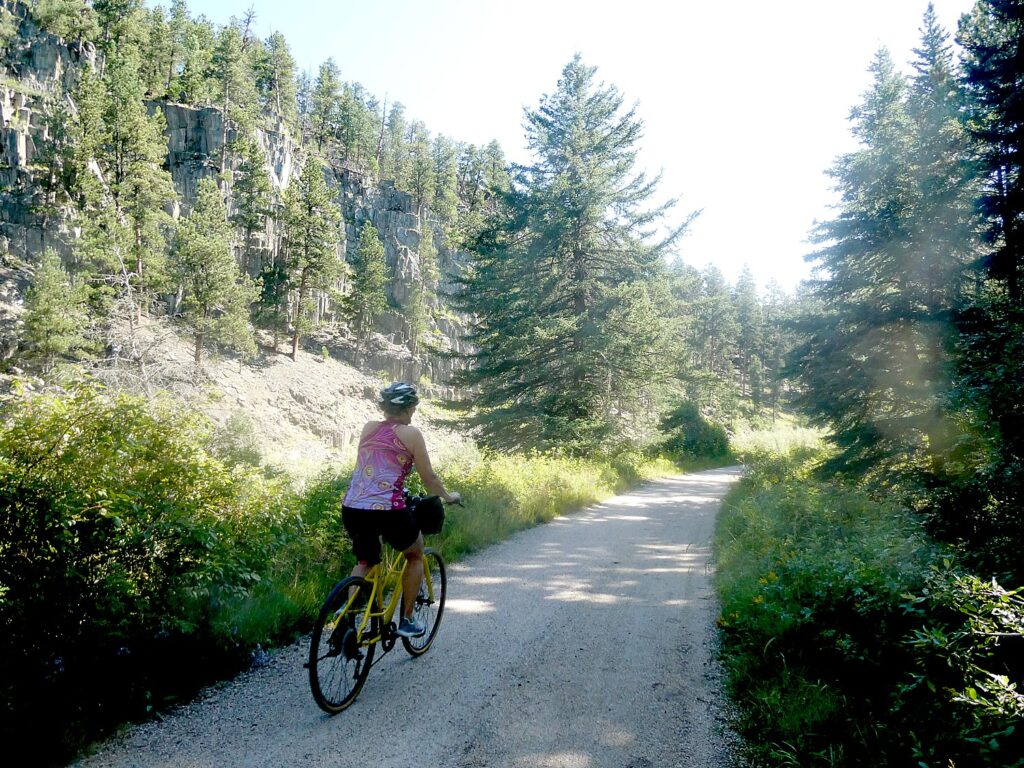
New: Beaver Creek’s Red Buffalo Park Adventure 200-acre family learning area accessed by a new high-speed lift. Located at the mountain’s highest elevation, 11,440 feet, Red Buffalo Park provides 13 trails designated as a family adventure zone and features family-friendly amenities such as snow sculptures through the park, Kids Adventure Zones and a dedicated Ski School Skills Zone. Guests enrolled in Beaver Creek Ski School will have exclusive access to the Cookie Cabin, a mountaintop refuge serving up Beaver Creek’s famed, fresh-baked chocolate chip cookies all-day long. At the heart of the experience, the new Red Buffalo Express Lift (#5), a high-speed quad, allows for easier access to the dedicated beginner terrain while decreasing lift lines and providing a shorter, 4.3-minute ride to the top of the mountain.
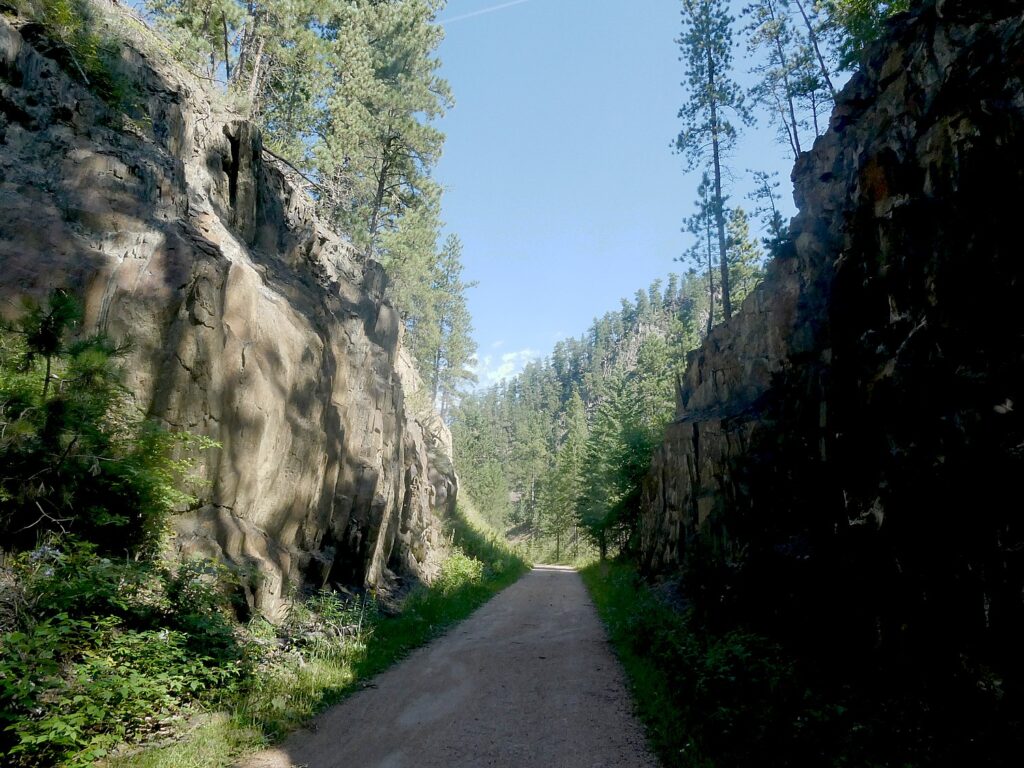
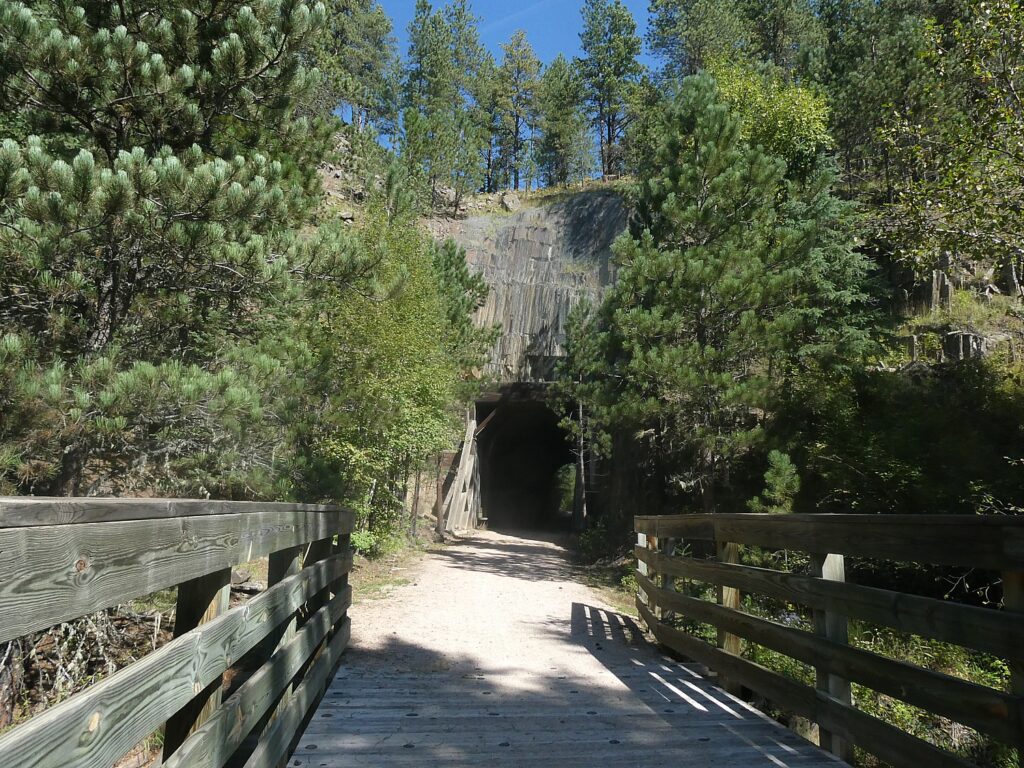

White Carpet Club is an exclusive, private retreat within the heart of Beaver Creek Village which you can join for the duration of your visit. Located steps from the escalator leading to Centennial Express Lift, the White Carpet Club hosts spacious lockers for storing apparel and accessories; boot dryers; a continental service offering coffees, teas, cocoa, and decadent morsels; private restroom facilities and an intimate lounge adorned with soft, cozy seating. The dedicated on-site concierge offers instant assistance with lift ticket and pass purchases, as well as dinner and activity guidance and reservations. Priority access to SaddleRidge Restaurant – renowned for ski-in fine dining during lunch and dinner – is also a distinct benefit. Other benefits include preferred parking and slope side equipment-check.
Beaver Creek’s First Tracks experience invites guests to cherish unrivaled scenic beauty at sunrise, delight over premier access to flawless snow surface conditions, and savor a five-star gourmet breakfast on the mountain at the exclusive Allie’s Cabin. Guests board the Centennial Express Lift at 7:30 a.m., enjoy a private, guided tour of the mountain’s flawlessly curated slopes and relax over breakfast – all before the resort opens for the day. (Reserve First Tracks by dialing +1-866.250.1679 or +1.970.754.5310.)
Allie’s CabinWine Dinners and Family Dinners via Open Sleigh. Allie’s Cabin, a fine dining retreat atop a peaceful aspen grove on Beaver Creek Mountain, features Wine Dinners with a celebrated group of wineries, accompanied by a stunning fireworks display over Beaver Creek Village. On select Thursday evenings December through March, guests arrive via open-air sleigh for a gourmet culinary experience in the cozy cabin. While savoring exquisite food and wine pairings, guests enjoy a warm fireplace and sweeping views of the Beaver Creek Village, illuminated by Thursday Night Lights Fireworks. Classic contemporary regional fare has been crafted to offer the perfect pairing for the featured wines of the evening. New this winter and offered during select weekends, Allie’s Cabin Family Dinners welcome guests to savor gourmet fare which caters exclusively to children and families.
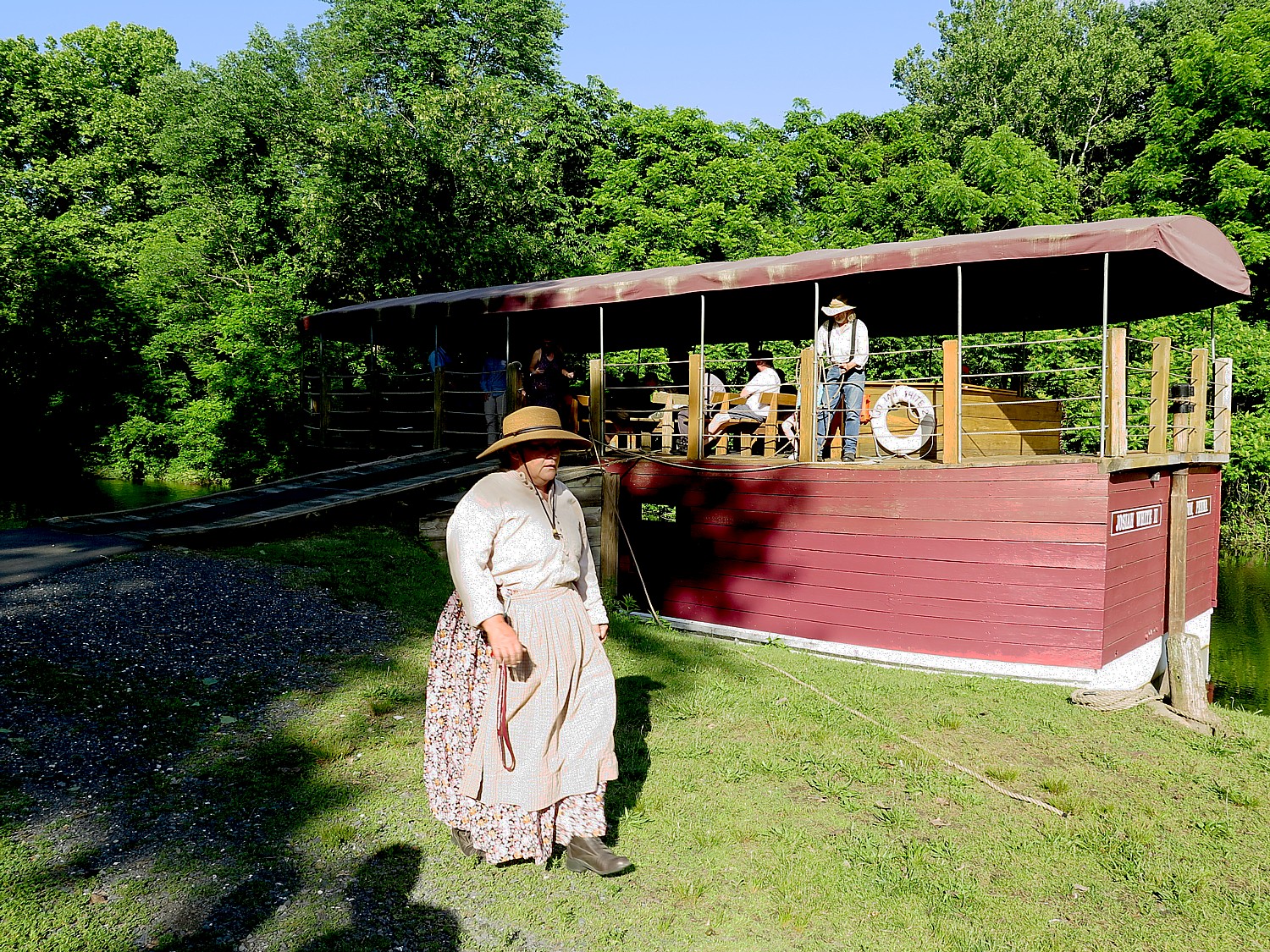
Artisan Chocolates found pnly at Beaver Creek Candy Cabin Located at the top of Strawberry Park Express and Upper Beaver Creek Mountain Express lifts, myriad palate-pleasing sweets are created locally by fifth-generation chocolatier, Michael Mootz, presented in a custom Beaver Creek gold box; individual chocolate snowflakes, snowmen or ski boots.
Breckenridge
The Falcon SuperChair is being upgraded from a quad to a high-speed, six-passenger lift, offering an easier and faster ride up Peak 10. Breck’s Ten Mile Station is going a little “Willy Wonka” this winter season, adding an old fashioned sweet shop. It’s sure to guarantee you a sugar high as you ascend the Imperial Express, North America’s highest chairlift! The resort’s newest restaurant, Pioneer Crossing (opened December 2016), is also sweetening up its menu, adding sweet and savory crepes to its breakfast lineup this winter. Located just steps from the top of the Independence SuperChair on Peak 7 – one of the resort’s five iconic peaks on the north side of the mountain – the slope-side restaurant offers panoramic views of the mountain and Summit County. Also on the menu, a variety of house made options like fresh made salads to order, signature dishes like Pioneer Lamb Pie and a Mediterranean inspired station.
The Dew Tour returns to Breck for its 10th year, December 14-17, 2017 (presented by Mountain Dew® and TEN: The Enthusiast Network), as an Olympic qualifying event for the 2018 Winter Games in PyeongChang, South Korea. The four-day event kicks off the competition season, featuring individual superpipe and slopestyle competitions with the best skiers and snowboarders in the world, along with live concerts, the interactive Dew Tour Experience and in-town events. The Team Challenge is also back for another year and features invited teams of riders representing the biggest brands competing on a unique three-course layout.
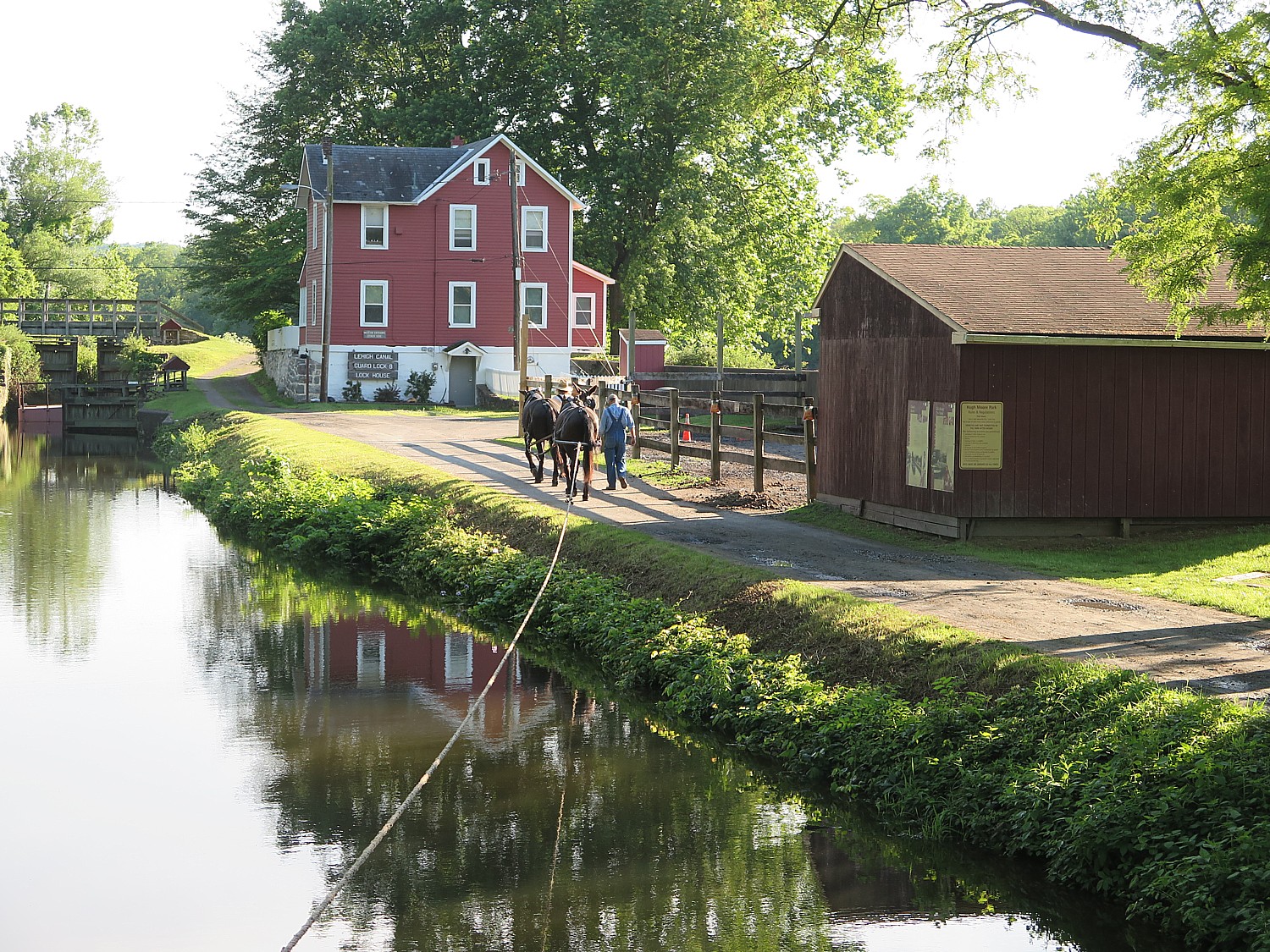
Spring Fever! Breck will be one of the last major resorts still open when the biggest spring skiing party in the Rocky Mountains returns March 17 through April 22, 2018. Breckenridge’s elevation – 9,600 feet in town – makes the snow last longer and the bluebird spring days even sweeter. To celebrate, Spring Fever brings a month-long lineup of activities for families, beer drinkers, music lovers, mountaineers and more. www.BreckSpringFever.com
Breck Into Epic Above Tree-Line Terrain and Bowls From Blues and Blacks to Double Diamonds, Breck’s 11 bowls truly offer some of the best above tree-line skiing and snowboarding in North America. Hop off the Imperial Express, North America’s highest chairlift, and it’s like being transported to a winter vacation in the Alps. On a clear day Peak 8’s treeless, powdery slopes offer views for miles, and a bird’s eye look at historic Breckenridge. For a snow-sensory overload drop in on E.S.P. on powder days. Sign up for a Breck Guide for the day, for the inside scoop on hidden powder stashes and top terrain.
Keystone Resort
Visitors will find The Montezuma Express Lift, a primary lift on Dercum Mountain serving popular intermediate and beginner ski terrain, has been replaced with a high-speed six-passenger chair that increases efficiency and capacity by up to 25 percent, while improving skier and snowboarder circulation on the mountain.
Kids Still Ski Free. Every day, all season long, kids 12 and younger ski for free at Keystone with no blackout dates when family’s book two or more nights in one of Keystone’s numerous accommodation options, which span from affordable hotel rooms to family-sized condominiums. (Keystone is one of the only Colorado ski resorts offering nighttime skiing; it also provides access on its ticket to ski Arapahoe Basin.)
Kidtopia: Free Family Programming Offered Every Day of the Season. The Kidtopia lineup includes activities such as the village parade and fireworks, snowball launches, ice cream parties and meeting Keystone’s Ski Patrol rescue dogs. All Kidtopia programs are free.
New for 2017-2018, the Kidtopia Signature Event Series will feature three distinct events throughout the winter to complement the family experience at Keystone. The Kidtopia Spectacular, Dec. 15-24, marks the first signature event of the winter and kicks off the holiday season with a bounce house party, a mountaintop celebration and lighting ceremony of the world’s largest snow fort, and an evening with Santa Claus himself. The first-ever Kidtopia Culinary Festival debuts for the 2017-2018 winter, Feb. 9-17, with a savory lineup tailored to the youngest of foodies with cooking demonstrations, chocolate fountains, bakery tours, dessert specials and a celebrity chef event. The Kidtopia Music Experience, March 2-10, is the last of the signature event series and kicks-off the spring skiing and snowboarding season with music-themed fun including rock ‘n’ roll themed parties and the Snow Pants Dance Party, featuring live outdoor music performances from popular kid-friendly acts.
The Inn at Keystone is being rebranded to Hyatt Place Keystone following a significant renovation of the property. The rebranding marks the first significant hotel brand in Keystone as well as the first Hyatt select service hotel to be announced for the Colorado Rocky Mountains. Guests of the hotel will also be able to enjoy a new fitness center, an alternative grab-and-go dining option and new outdoor communal spaces.