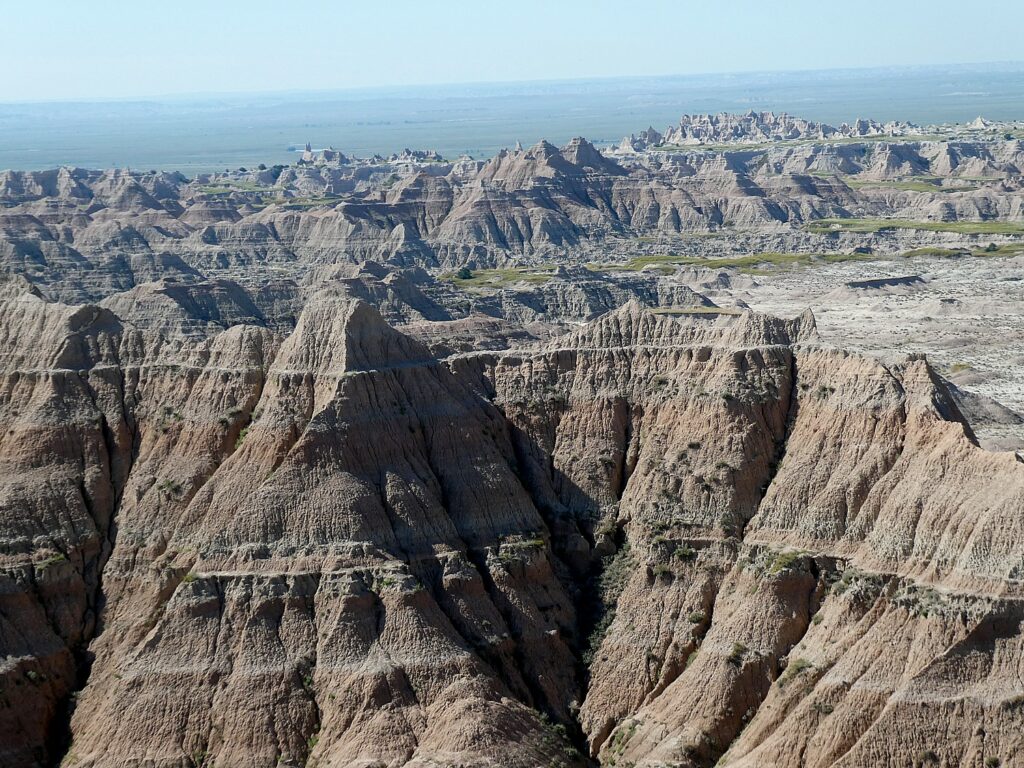
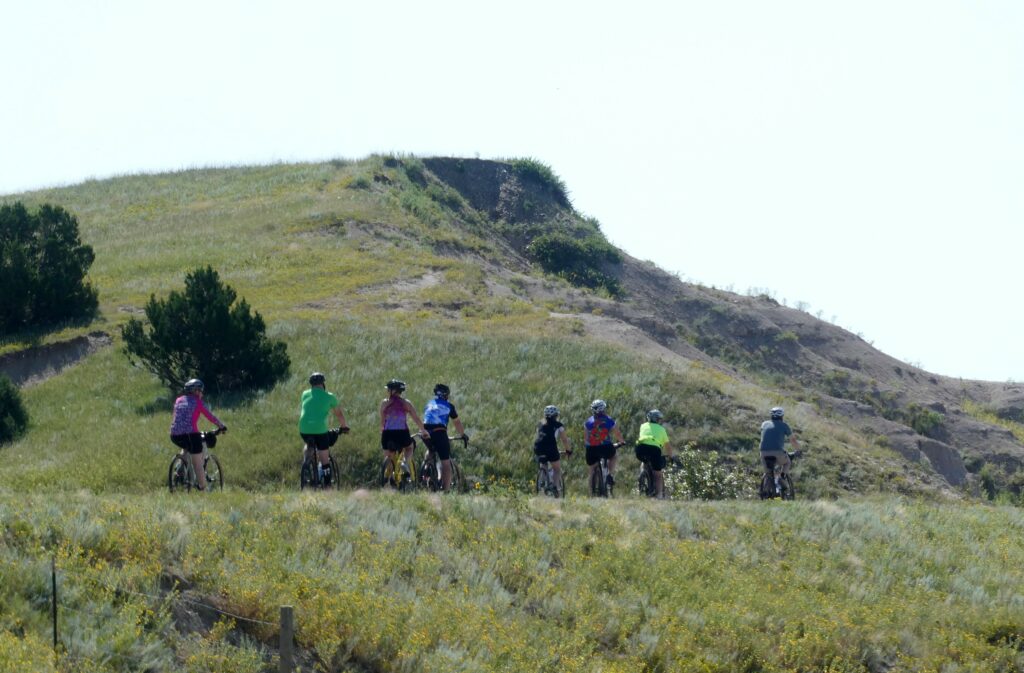
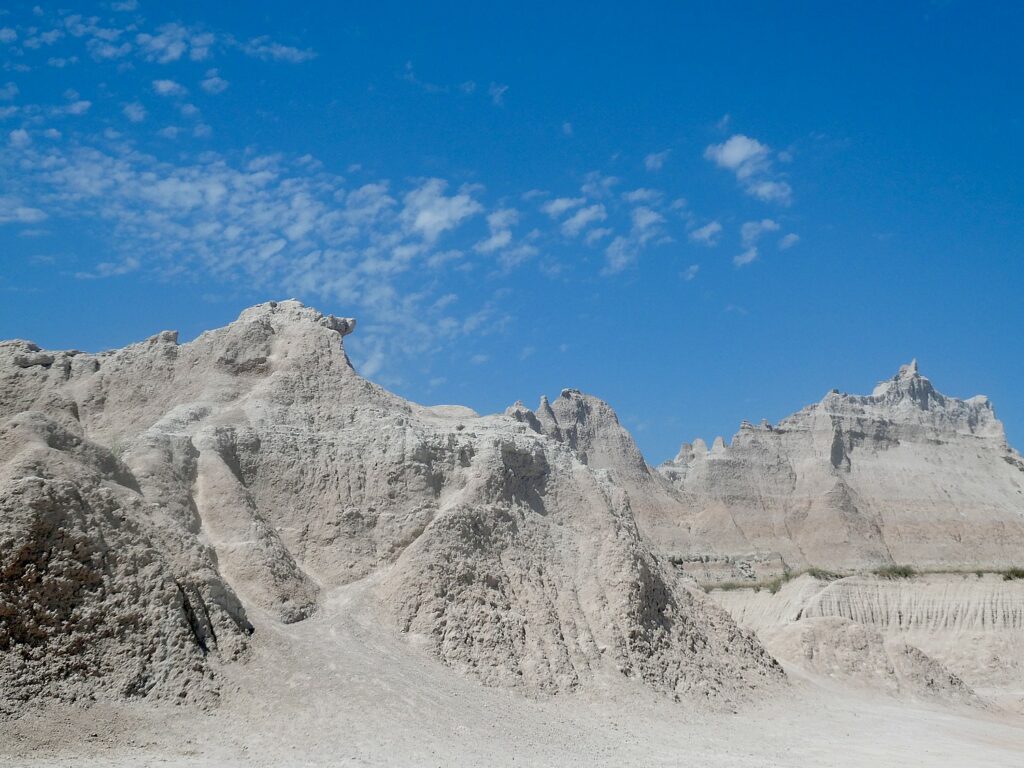
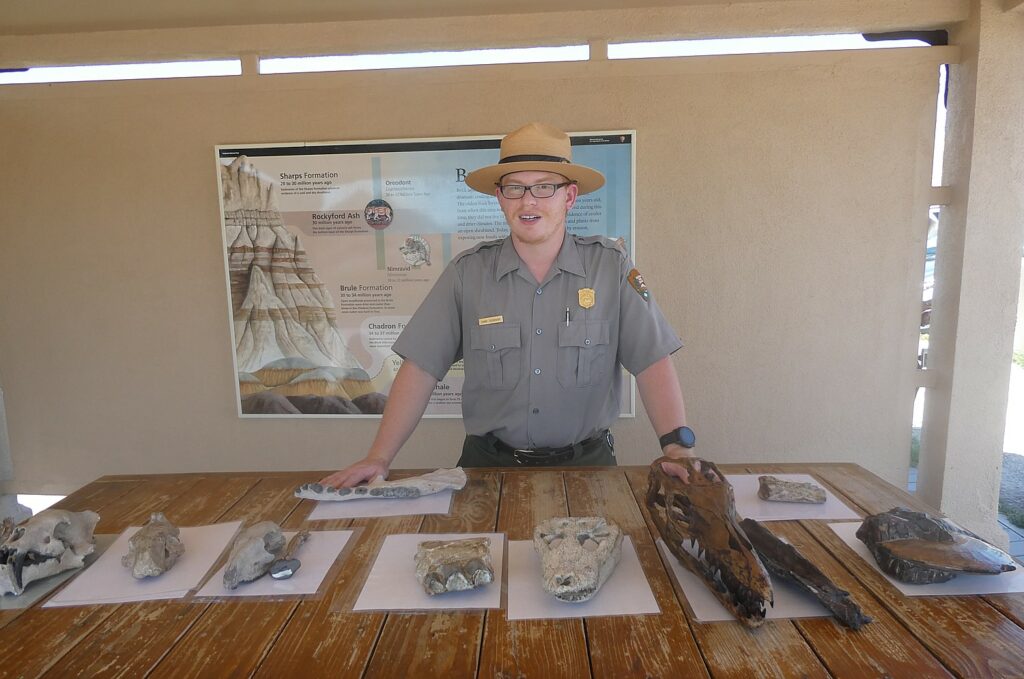
by Karen
Rubin, Travel Features Syndicate, goingplacesfarandnear.com
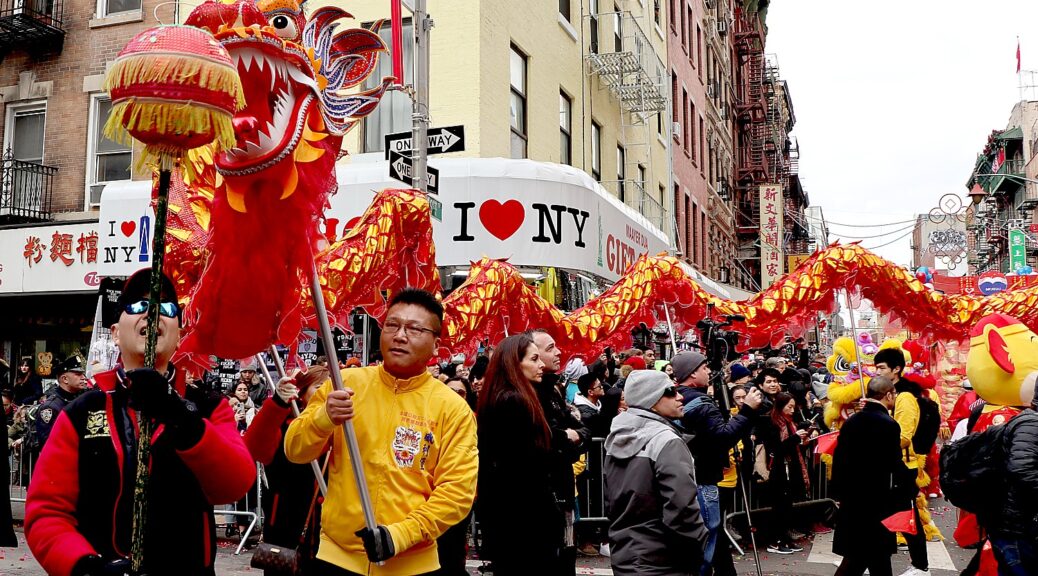
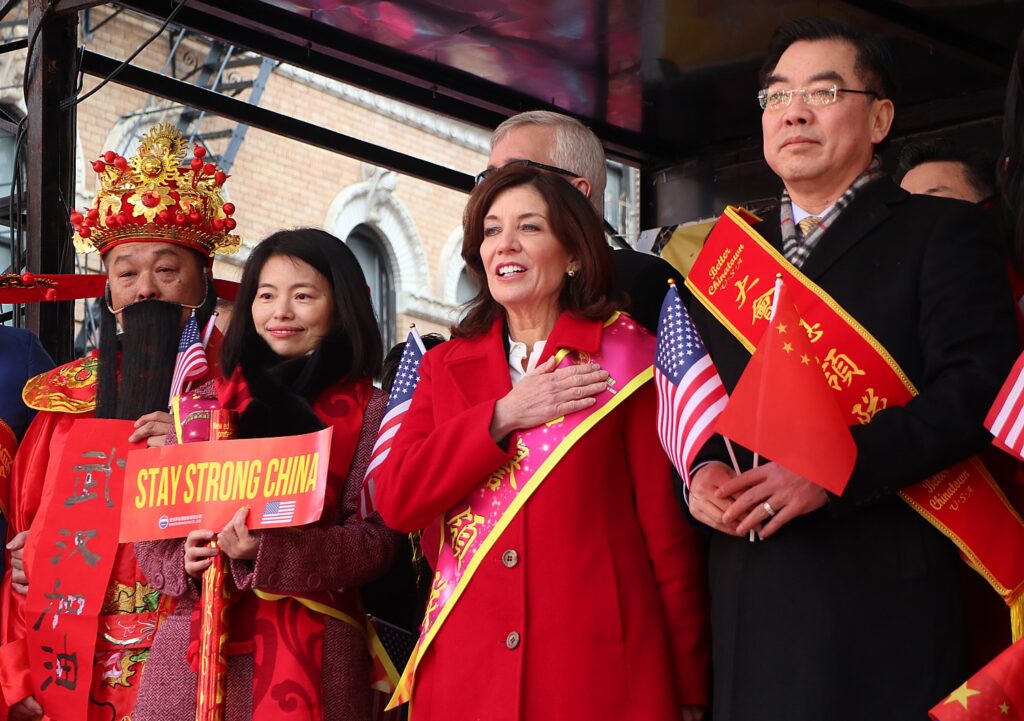
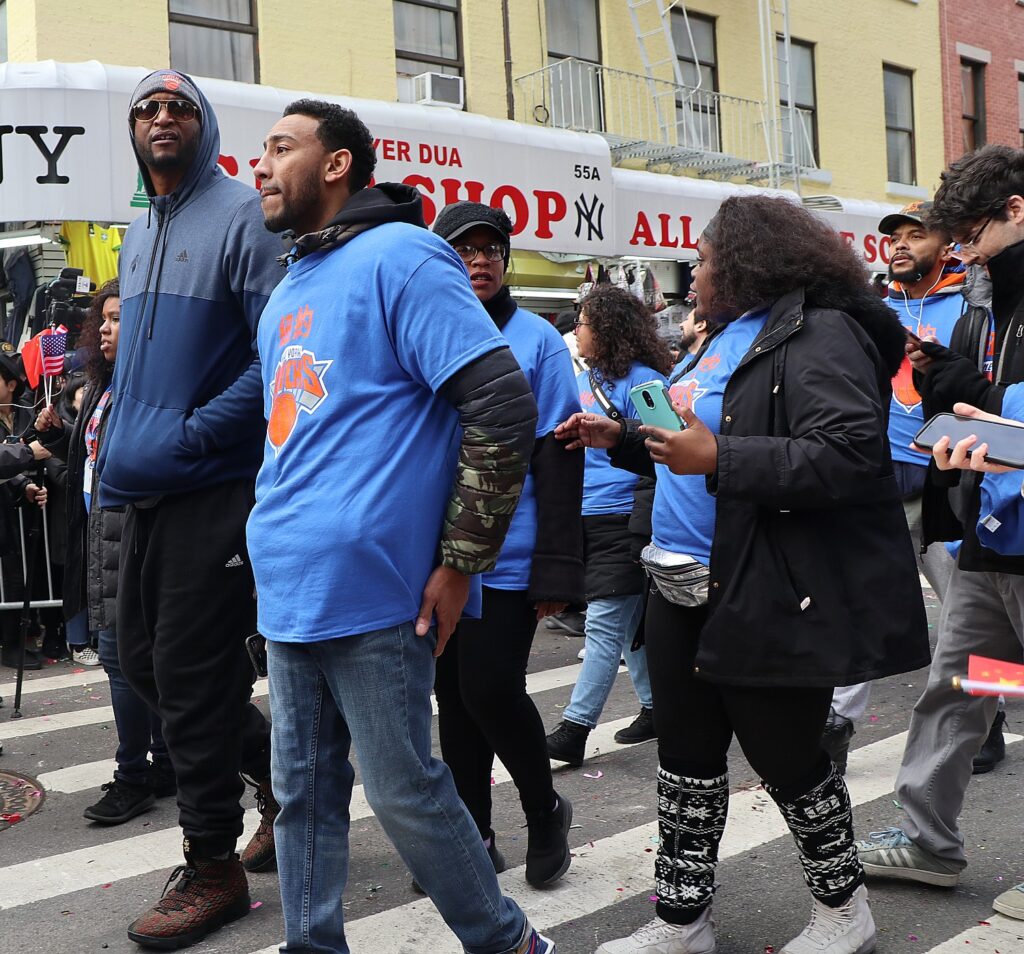
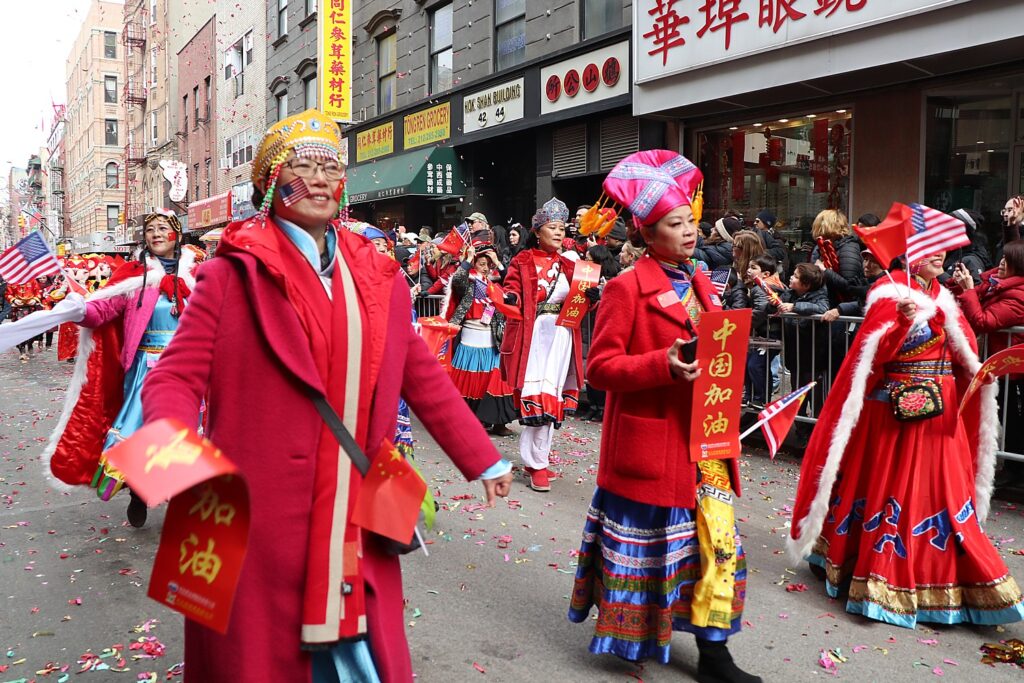
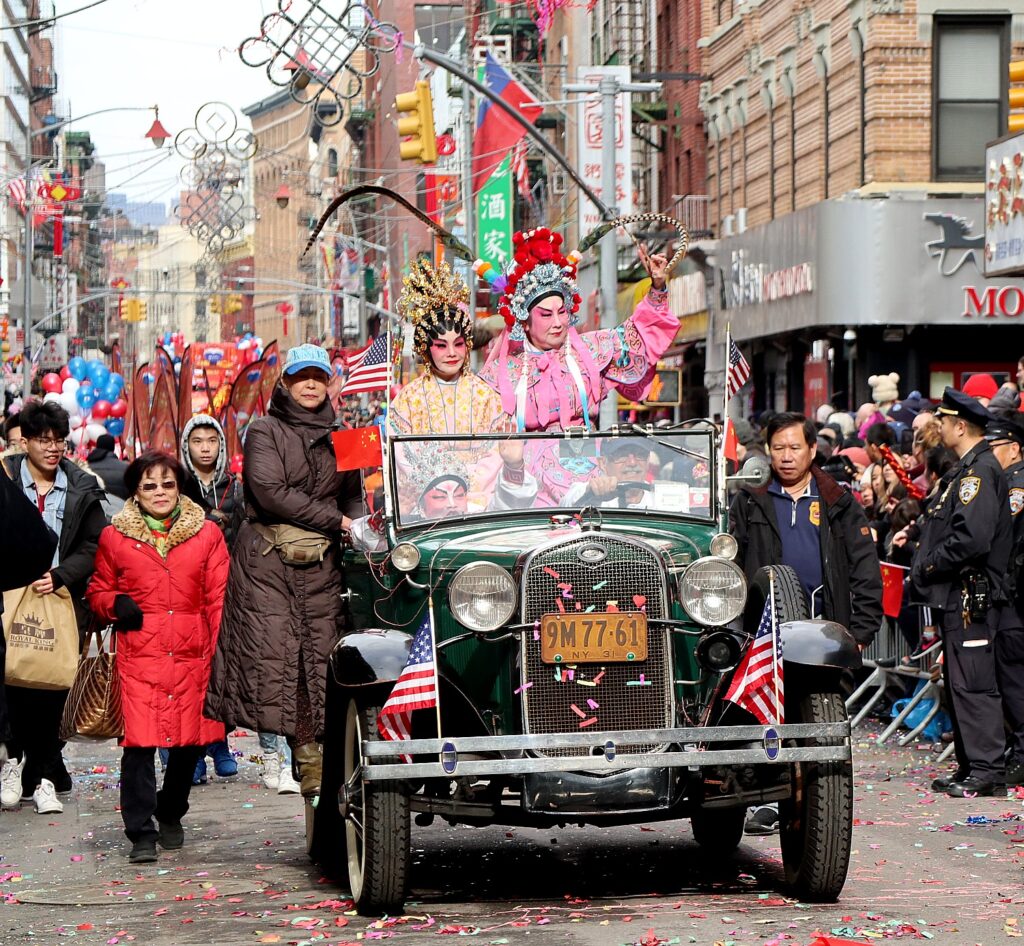
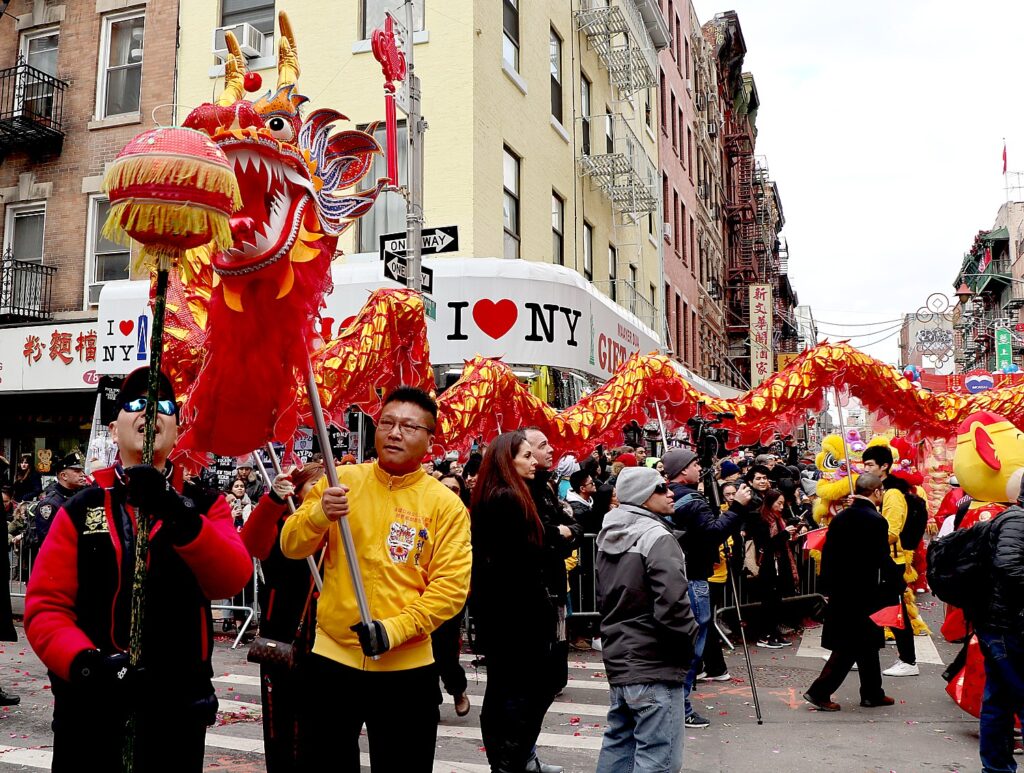
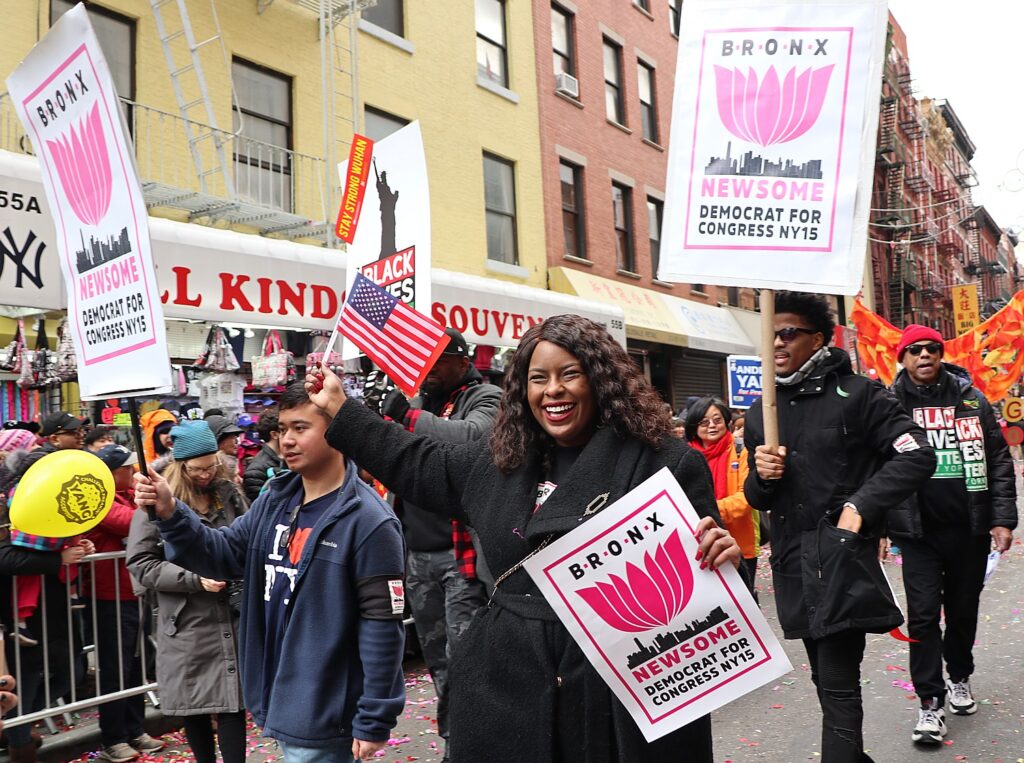
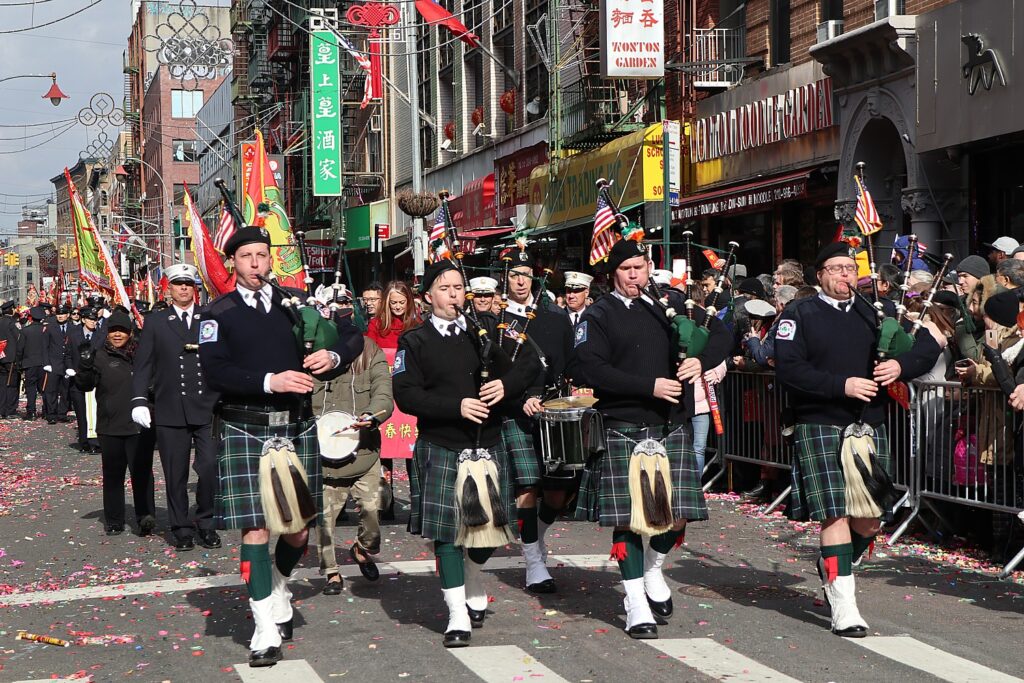
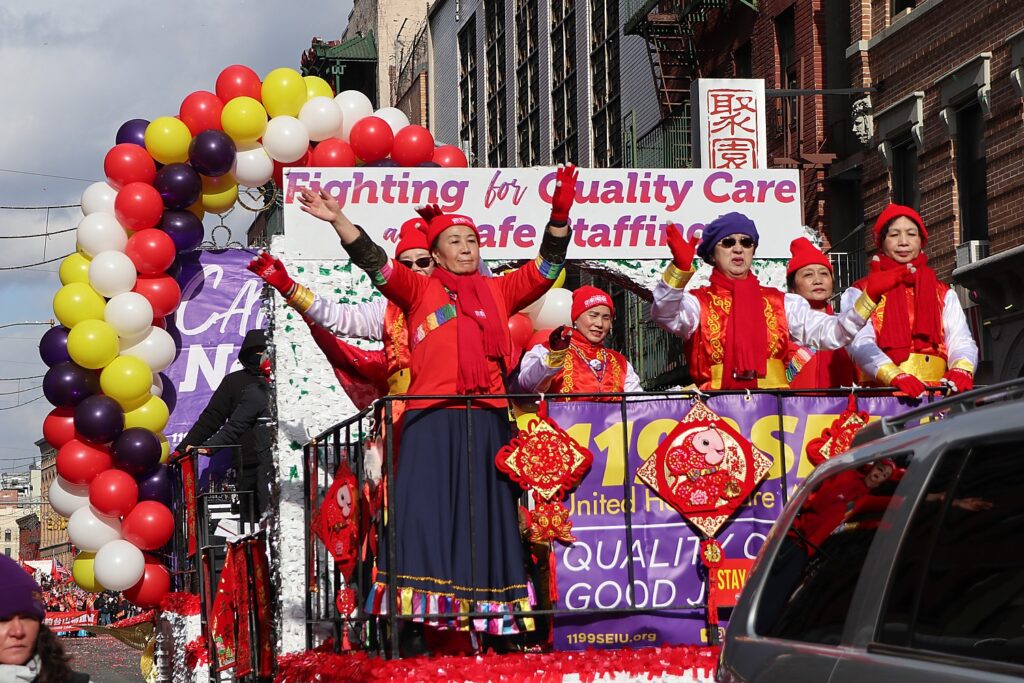
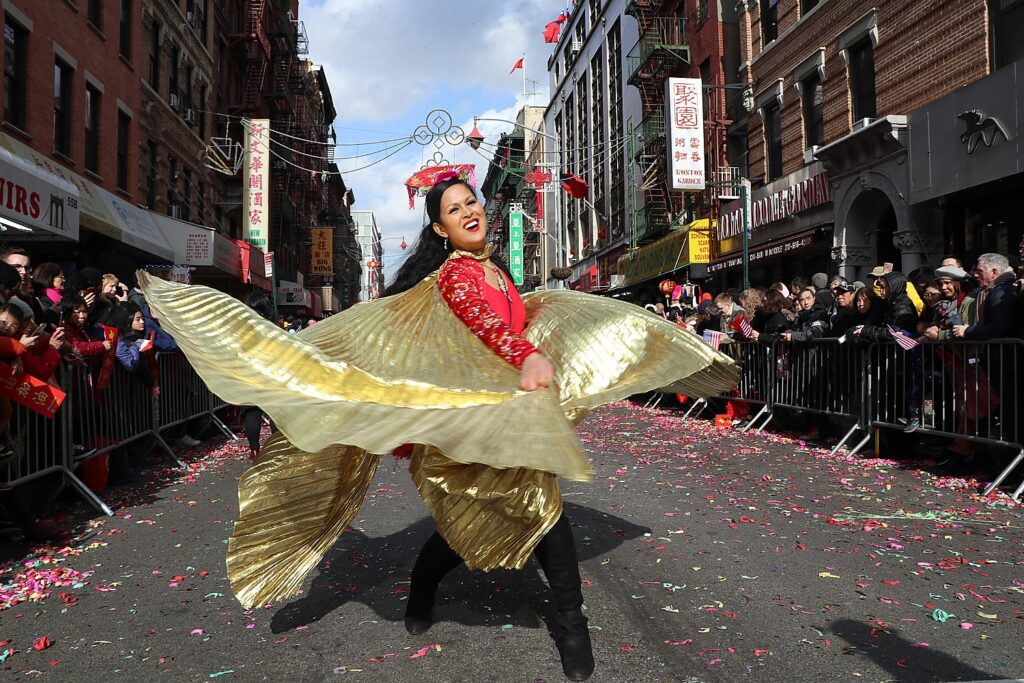
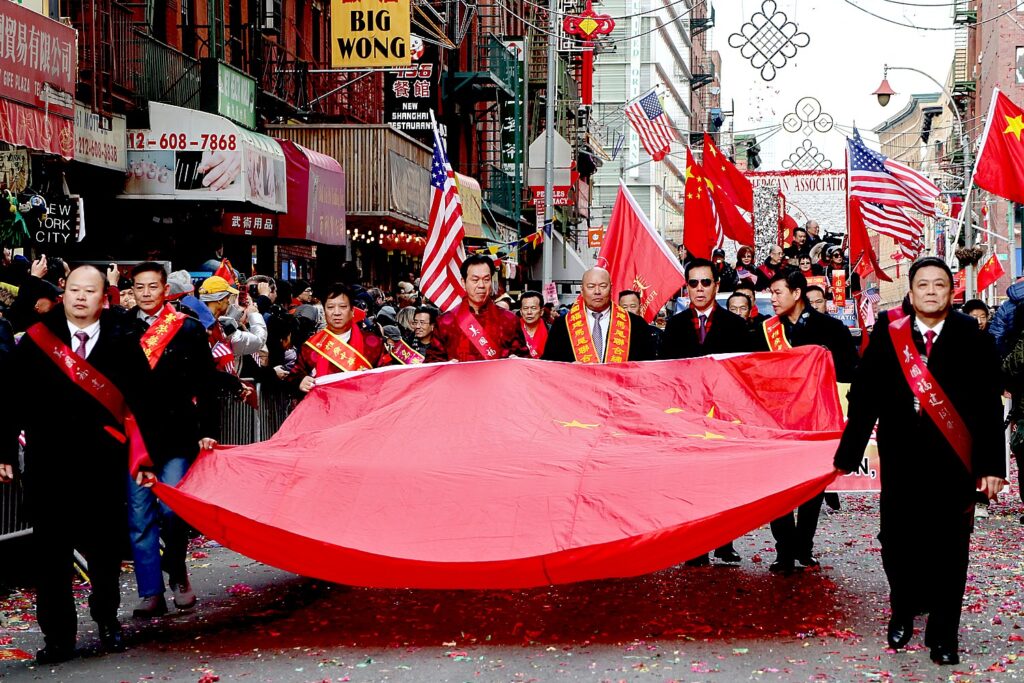
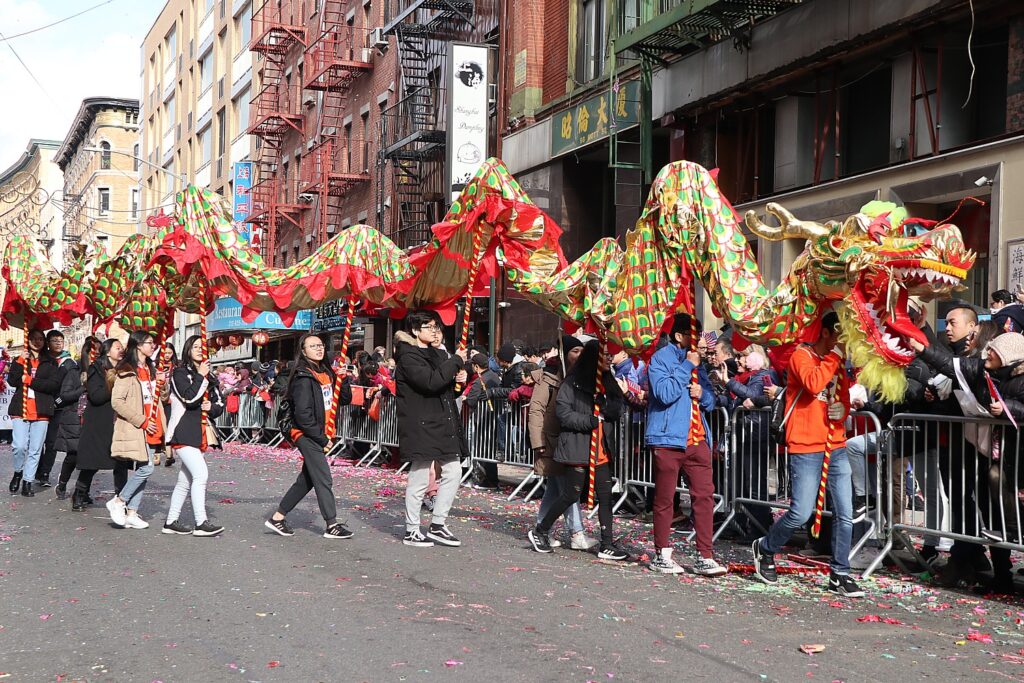
Always a show of support, solidarity and respect for the Chinese and Asian community in New York City, this year’s Lunar New Year parade in Chinatown in downtown Manhattan, welcoming the Year of the Rat, took on added urgency because of the coronavirus afflicting Wuhan, China, and the recent fire that destroyed a building housing much of the collection of the Museum of Chinese in America.
People
held up signs, “Stay Strong Wuhan,” but even though there have been no
instances of the coronavirus in New York City, visits to Chinatown, normally at
peak during the Lunar New Year celebration, have declined and business has been
affected.
The
parade route went just passed 70 Mulberry Street, where on the night of Thursday,
January 16, a fire destroyed most of the 85,000 items stored there for the
Museum of Chinese in America, housed nearby in a new building on Centre Street
since 2009. The rare and cherished items preserved the rich and challenging
story of the Chinese migration to the United States through such personal
objects as textiles, restaurant menus, handwritten letters, tickets for ship’s
passage, traditional wedding dresses (cheongsam).
The building, a former school that educated generations of
immigrants, is a community center that housed a senior center, the Chen Dance
Center and several community groups, in addition to storing the museum’s artifacts
that were not on display.
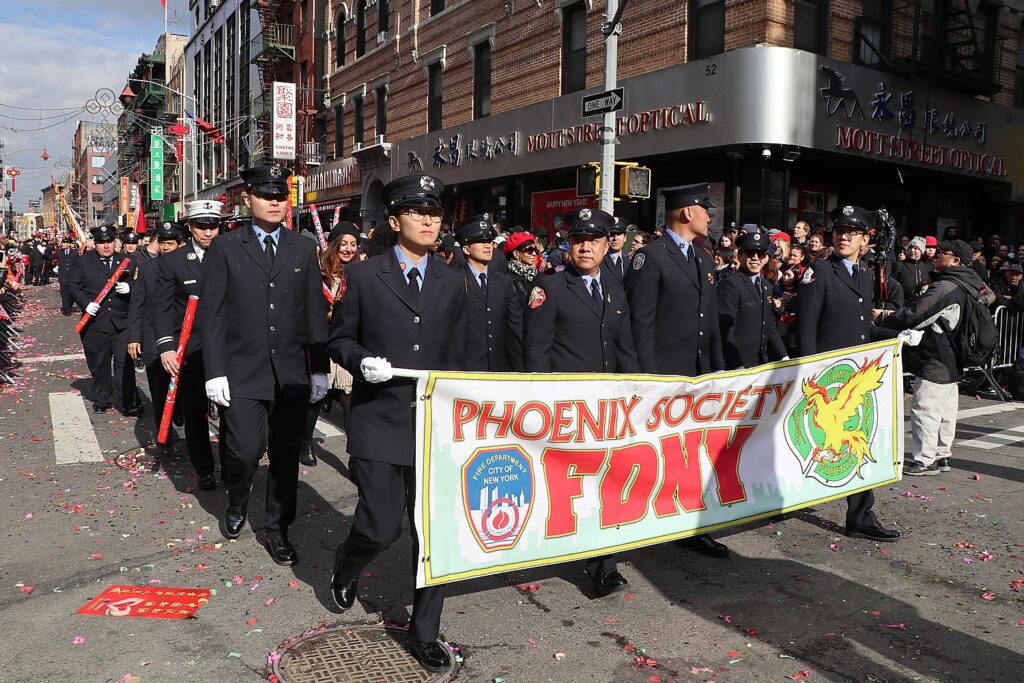
Political and parade officials praised the New York Fire
Department, which had a prominent place – bagpipers and all – in the parade.
Meanwhile, fear over the virus has kept people from Chinatown
and Chinese restaurants during what should have been the busiest time of year,
the Lunar New Year celebration.
Elected officials are urging the public to take normal
precautions against illness, but not to let fears concerning coronavirus stop
them from participating in the event. “It’s really important in this
moment where everyone is understandably worried about the coronavirus, we need
to be factual, we need to be scientific, and we need to be calm,” NYC
Council Speaker Corey Johnson said.
The annual event has not only paid tribute to the
contribution the Asian community has made to the city, state and nation, but
immigration as a whole.
New York City Mayor Bill De Blasio, reading from a
proclamation, said, “As a city built by immigrations, New York is the proud
home to residents who hail from every corner of the map and speak a multitude
of languages. This unparalleled diversity is the source of our singularity and
strength and it is exemplified by our thriving population of Asian Americans
that has made invaluable contributions to the cultural, civic and economic life
of the five boroughs. On the occasion of the 21st Chinatown Lunar
New Year Parade and Festival, hosted by Beter Chinatown U.S.A. I am pleased to
recognize the indelible imprint this vital community has made on our great and
global city.
“New York is fortunate to have an abundance of organizations
devoted to advancing positive change. Established in 2001, Better Chinatown
U.S.A. is guided by its mission to improve quality of life in Manhattan’s
Chinatown and promote it as a destination of choice for our diverse residents
and visitors. Its annual Lunar New Year Parade is a much anticipated event
attracting thousands of spectators from far and wide for a pageant of traditional
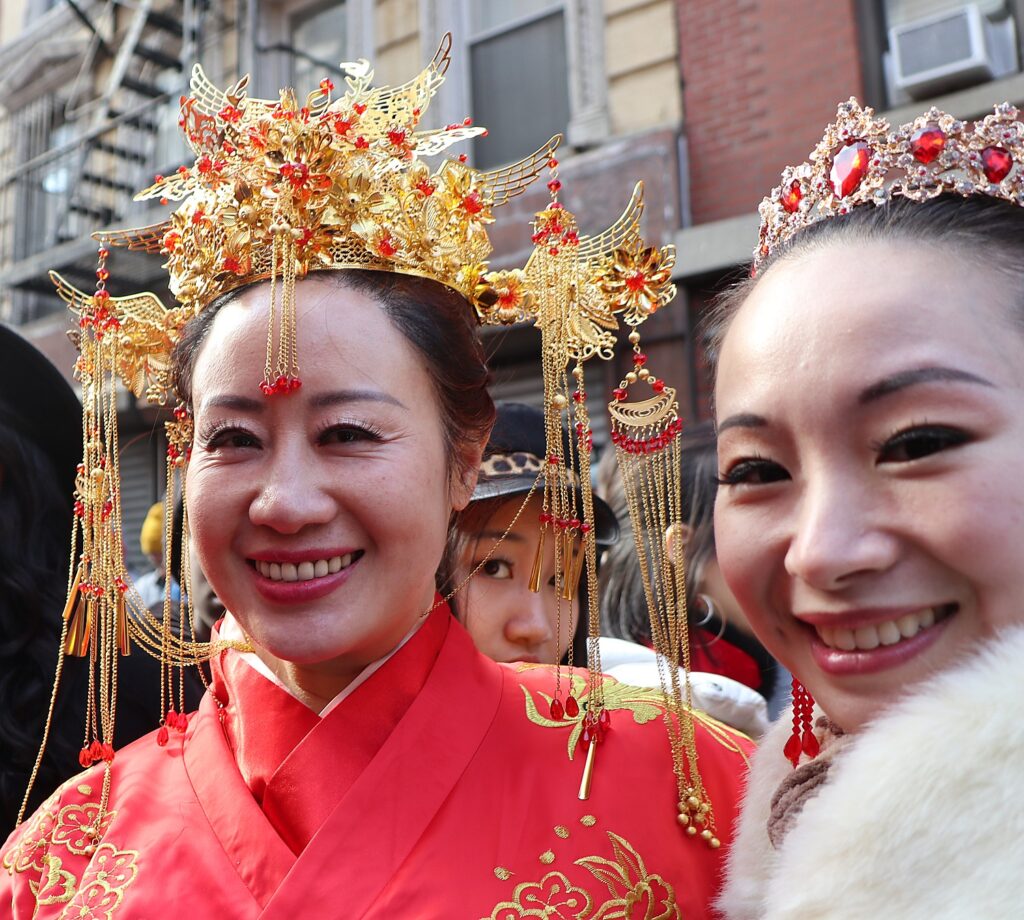
lion dances, music ensembles, and dancers in colorful folk costumes, followed
by a party in Sara D. Roosevelt Park featuring Chinese food and cultural performances.”
Congresswoman Nydia Velázquez,
one of the Grand Marshals, spoke of the resilience of the Chinese community,
and how the community “contributes to the fabric of our city, our nation.”
“I’m here to say that Chinatown is open for business and we
are behind you and we will remain strong,” Velazquez said. “Last night, I was
here dining in a restaurant in Chinatown. I welcome everyone to come here and
celebrate the culture and beauty of this community.”
China’s Consul General Huang Ping said “China is doing
everything to confront the coronavirus. We have mobilized forces. We have
strong leadership, resources, are working with the international community. Be
strong China. Be strong Wuhan.”
Lt Governor Kathy Hochul, “We stand together at one family. Stay strong China. Stay strong Wuhan.”
Other dignitaries participating State Senator Brian
Kavanaugh, Brooklyn Borough President Eric Adams, Manhattan Borough President
Gale Brewer, City Council Speaker Corey Johnson, Public Advocate Jumaane D. Williams, Assemblyman David Webrin.
New York City Mayor Bill De Blasio declared the city
stands in solidarity with China and the Asian community, “no matter what is
thrown at us.” New York has the largest Chinese community outside Asia “and we
are proud of that.” The city made the Lunar New Year a school holiday and
teaches Mandarin as early as pre-K, and is actively promoting participation in
the 2020 Census.
“In China, there
are so many of loved ones, faced with coronavirus and we stand together as
community,” De Blasio said. “We celebrate New Year together – we are united,
and we celebrate this extraordinary Chinese community the largest of any city
outside of Asia.”
He also presented a
Proclamation to parade organizer Steven Ting day for his continued work on the
parade, proclaiming February 9 “Steven Ting Day.”
US Senator Charles Schumer used a bull horn as he marched in
the parade to cheer for immigration. “New Yorkers are proud people, who come
from all over the world. We fight those who oppose us.”
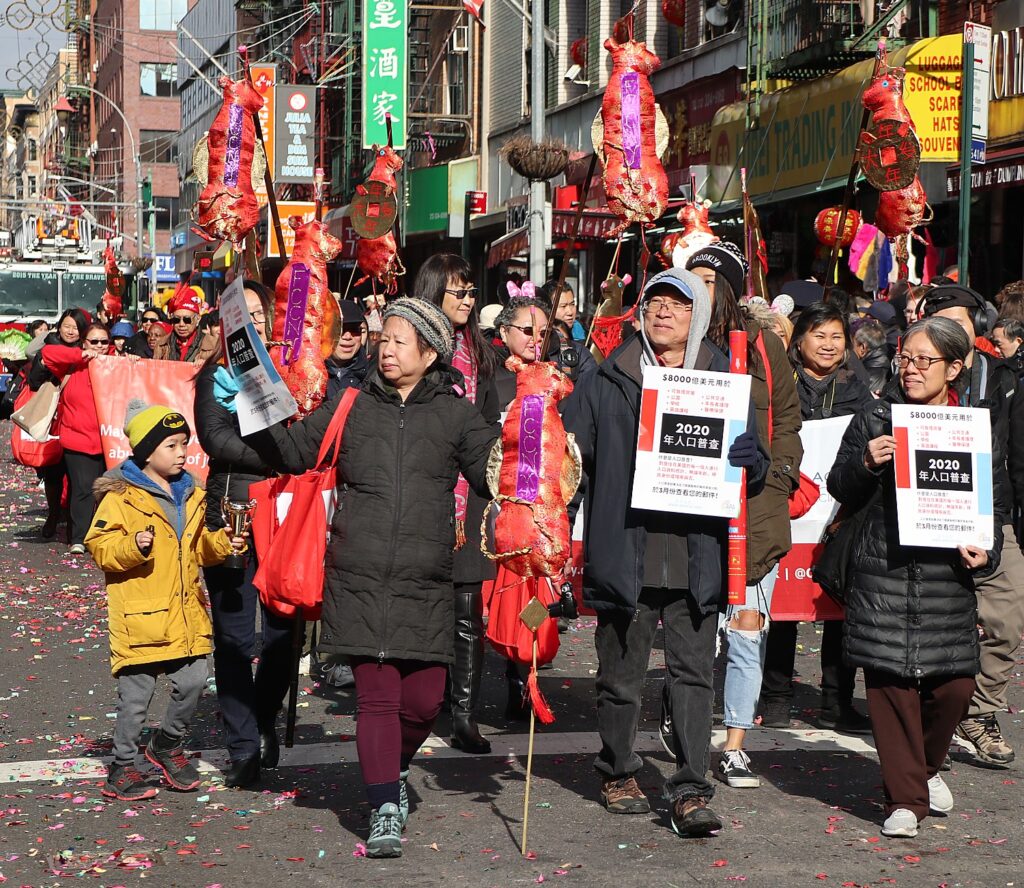
And on that score, the parade was also used to promote the
importance of being counted in the 2020 Census, with one group of even handing out
flyers to recruit census takers ($28/hr, flexible hours).
by
Karen Rubin, Travel Features Syndicate, goingplacesfarandnear.com
If
Deadwood, South Dakota – the endpoint of the 109-mile Mickelson Trail on the Wilderness
Voyageurs’ six-day “Badlands and Mickelson Trail” bike tour – is a shrine to
the Old Wild West, Rapid City is what the American West is today.
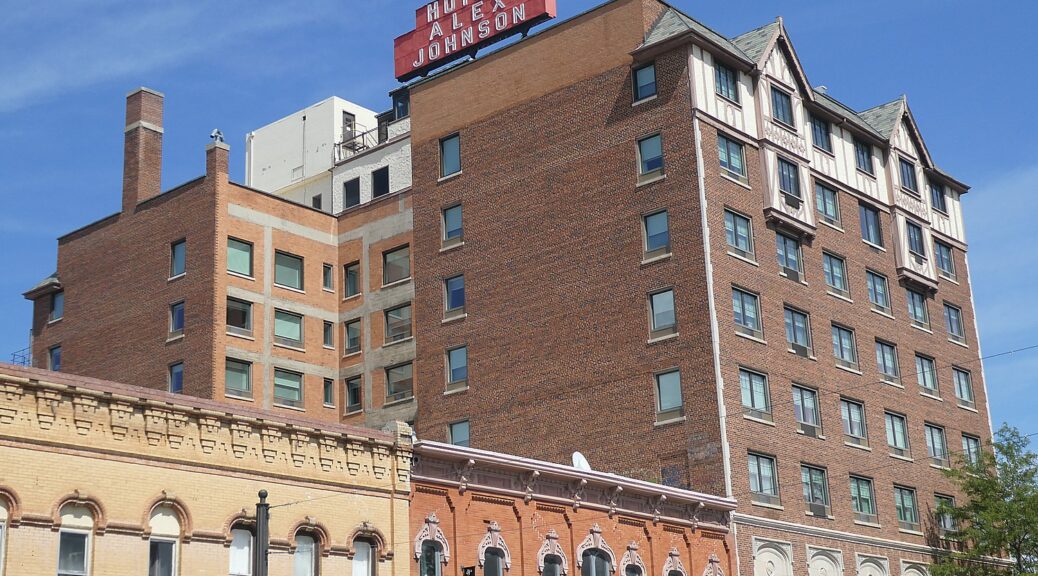
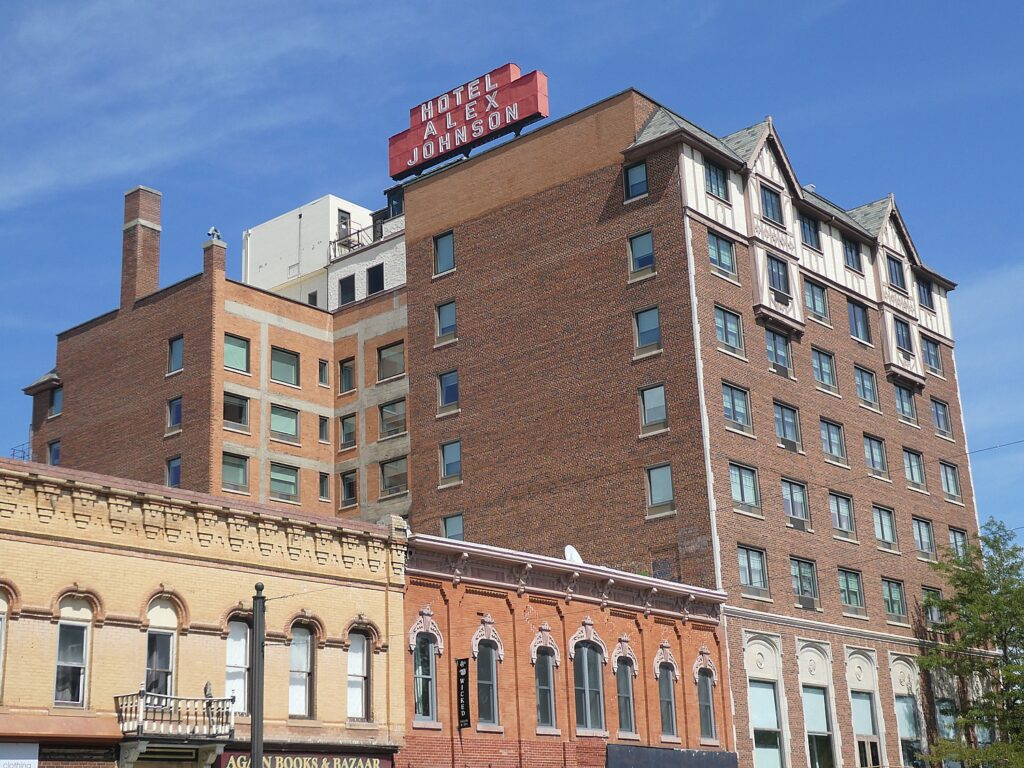
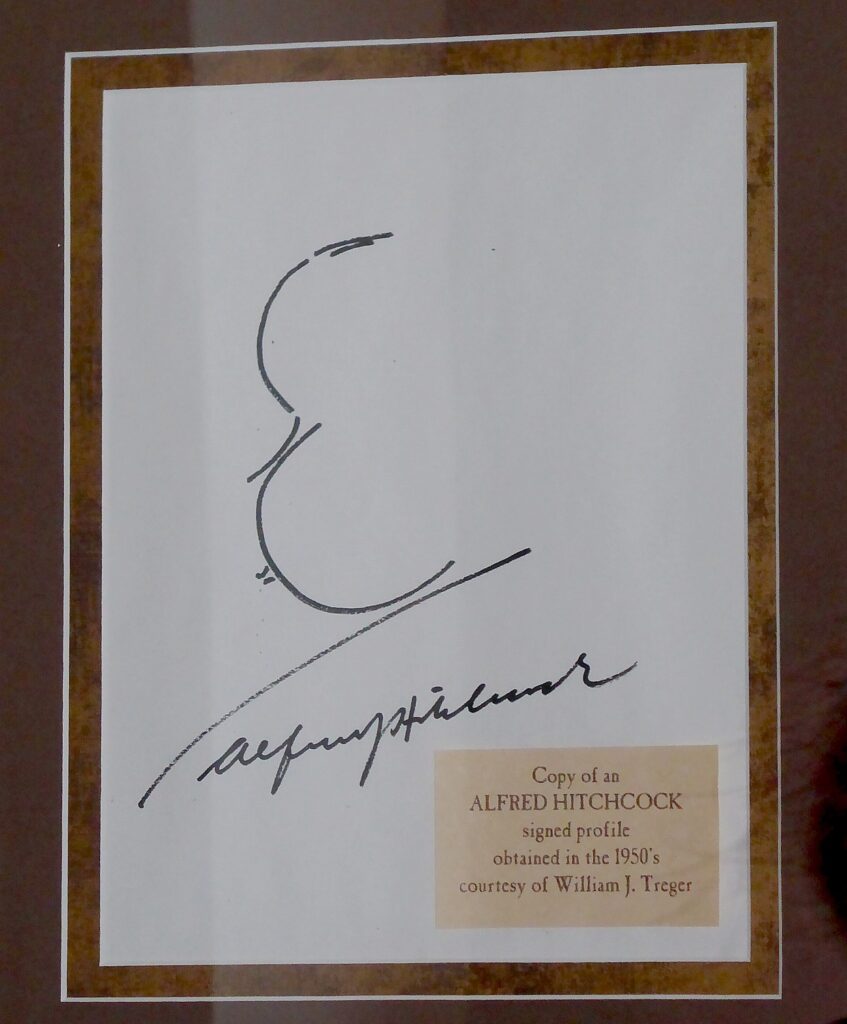
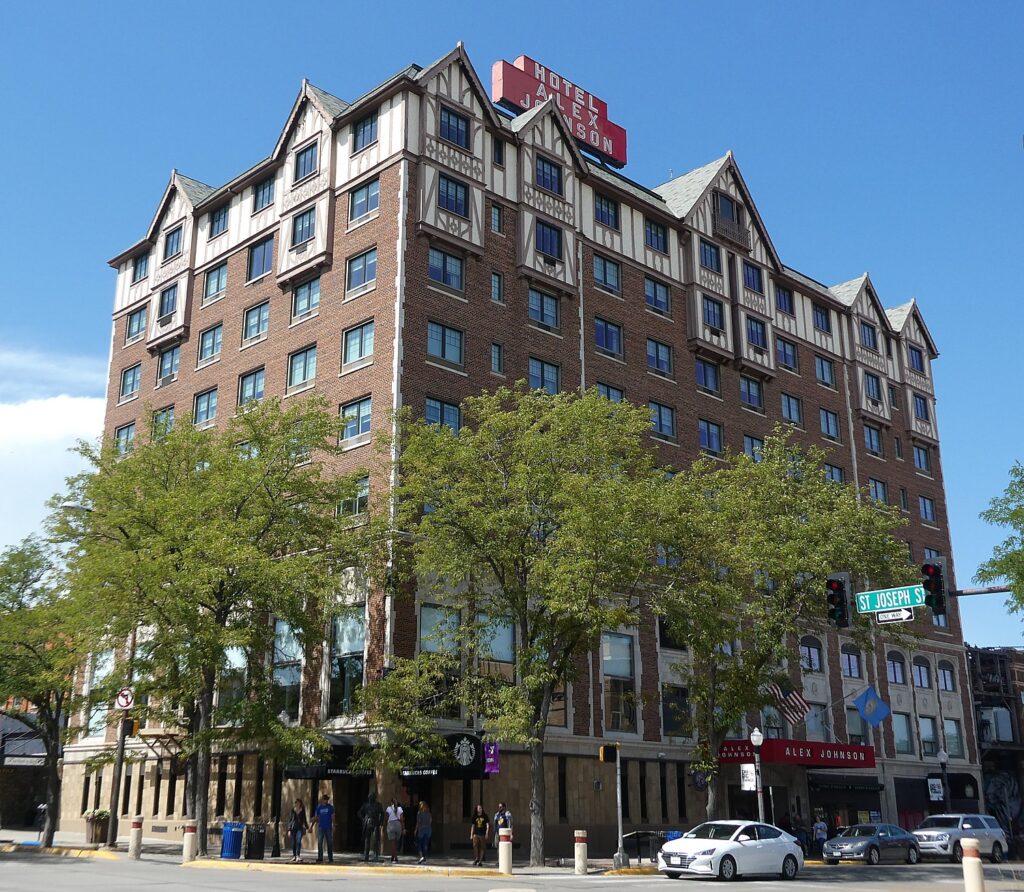
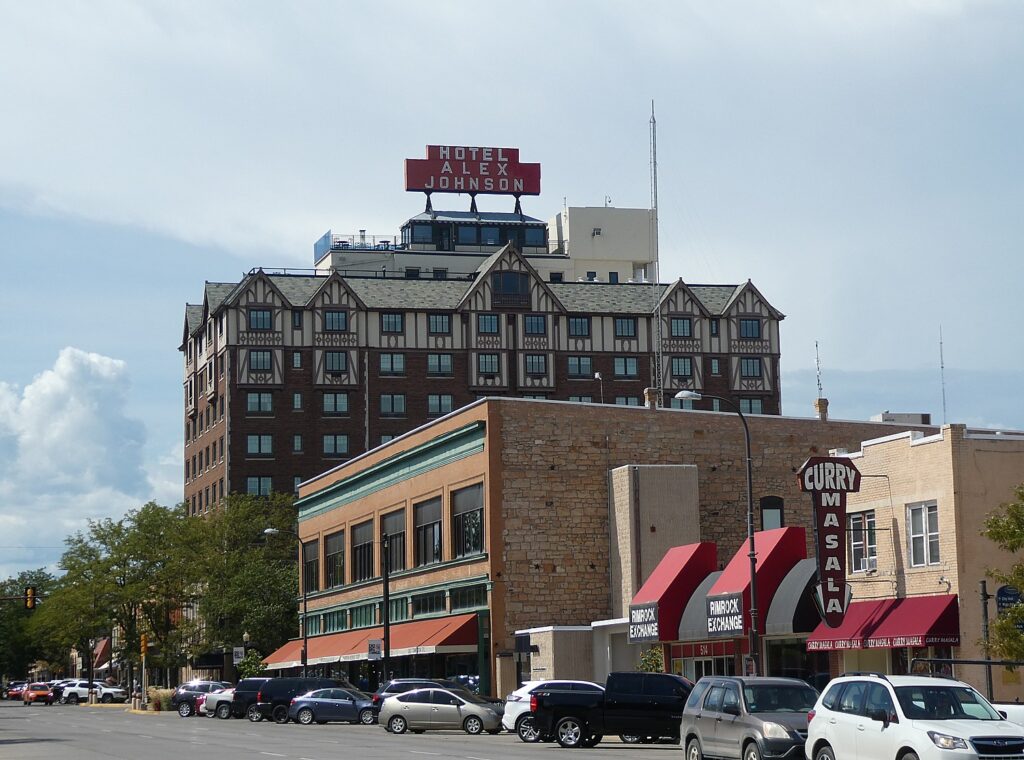
The Wilderness-Voyageurs Badlands trip (800-272-4141, Wilderness-Voyageurs.com) starts in Rapid City where I cleverly organize my trip to arrive the day before, staying at the famous, historic Alex Johnson Hotel (famous on its own, but made eternally famous for the part it played in Alfred Hitchcock’s classic film, “North by Northwest” – an autographed caricature of Hitchcock is behind the front desk).
Indeed, the Alex Johnson Hotel is a major attraction in itself (it’s red and white sign atop the building is iconic symbol of the city) – the hotel, still the third tallest in South Dakota, even provides a walking tour of many artifacts and architectural features that in their own way tell the story of Rapid City.
The Alex Johnson Hotel is listed on the National Register of Historic Places and a member of Historic Hotels of America, which means that successive owners have recognized their responsibility as stewards of these place-making hotels that harbor the story of their respective destination. To be accepted into the prestigious HHA program, which has nearly 300 members, a hotel has to faithfully maintain authenticity, sense of place and architectural integrity, be at least 50 years old; designated by the U.S. Secretary of the Interior as a National Historic Landmark or listed in or eligible for listing in the National Register of Historic Places; and recognized as having historic significance. (More information at HistoricHotels.org)
The Alex Johnson Hotel is all of these things and more. The hotel
was built by Alex Carlton Johnson (1861-1938), who was vice president of the
Chicago and Northwestern Railroad. Johnson was unusual for his time in that he
respected and admired the Native Americans who lived in the area and developed
his hotel as a tribute to the Sioux Indian Nation and honor its heritage. The
structural design of the hotel integrates the heritage of the Plains Indians
and the Germanic Tudor architecture representing German immigration into the
Dakotas.
Construction began in 1927, coincidentally, just the day before work began on nearby Mount Rushmore. The hotel opened less than a year later, on July 1, 1928.
I
follow the walking tour:
At
the entrance of the hotel are sculpted Indian heads, taken from the design of
Indian-head nickels and pennies.
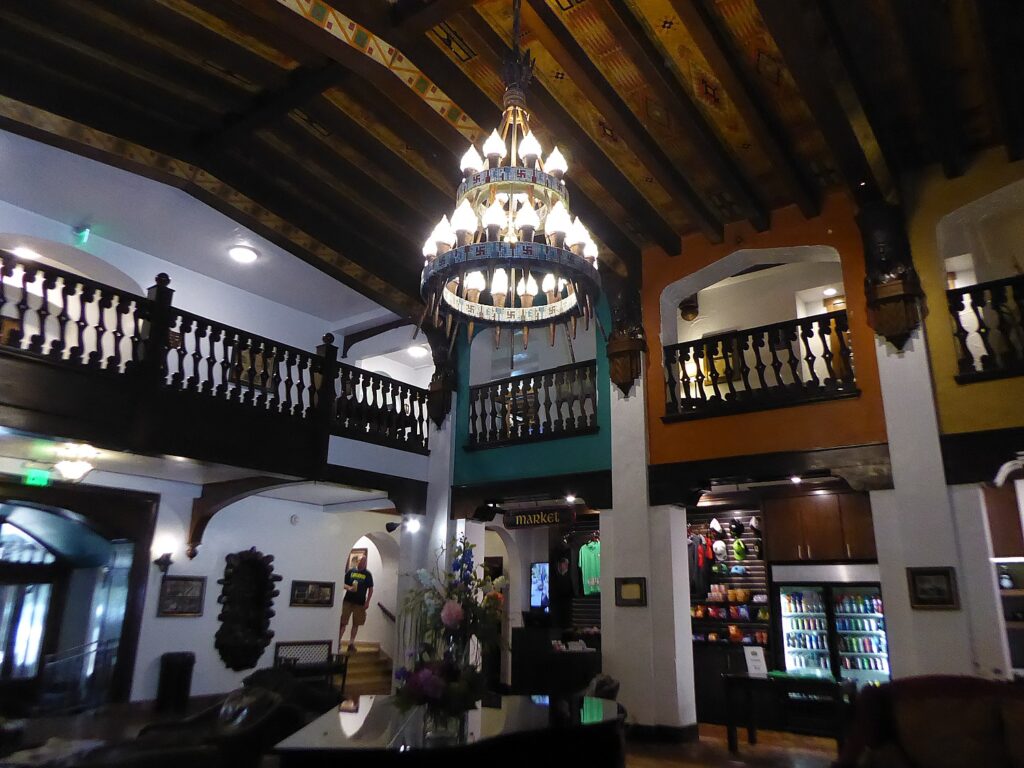
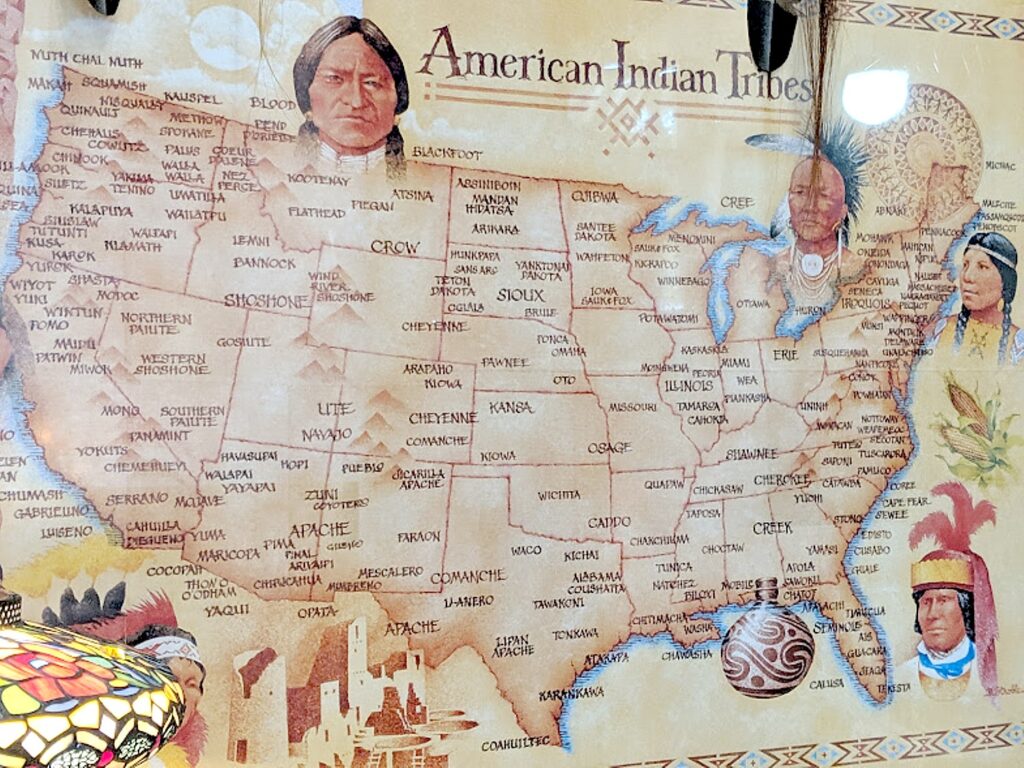
The entrance has an “AJ” tepee symbol embedded in the entry walkway. The lobby itself is designed in Native American tradition with “Sacred Four Directions” integrated in the lobby tiles. The Lakota Sioux people believed their four sacred powers were derived from the four directions: north (white) a symbol for the “Cleansing Snow.”; east (red), the “Morning Star” which gives “Daybreak Knowledge”; south (yellow) is “Warm Winds” which replenishes the land; west (black) is “Thunder Being,” giving strength and power in times of trouble. Among the signs is a symbol that resembles a swastika, but was long used by Native Americans since prehistoric times.
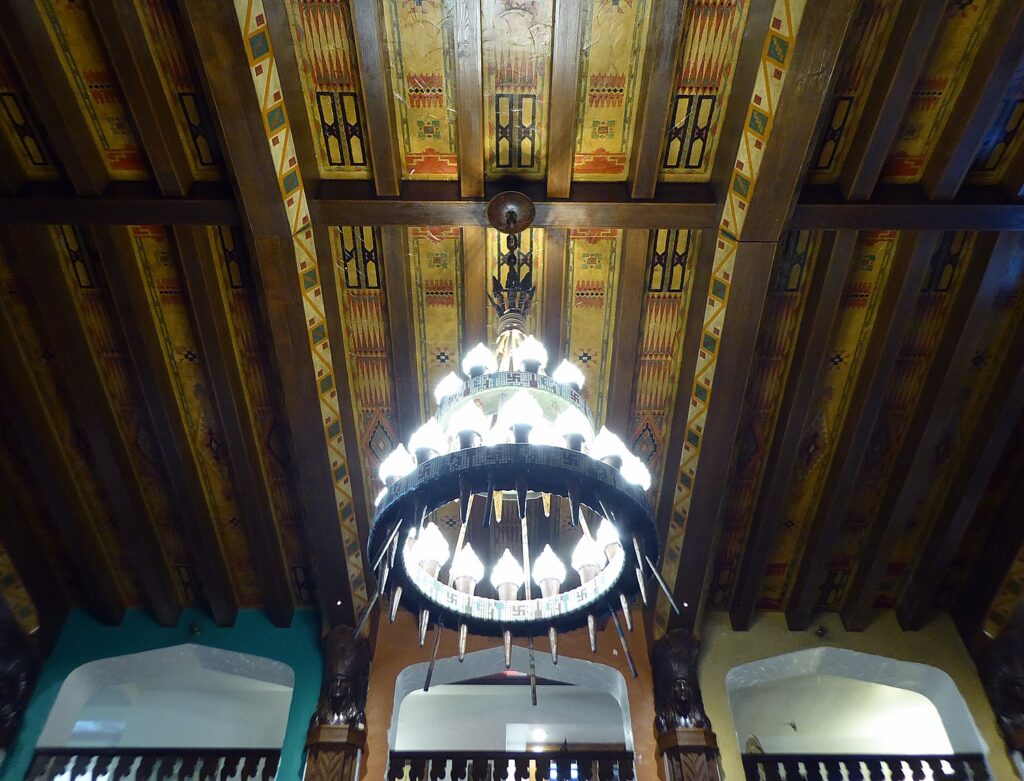
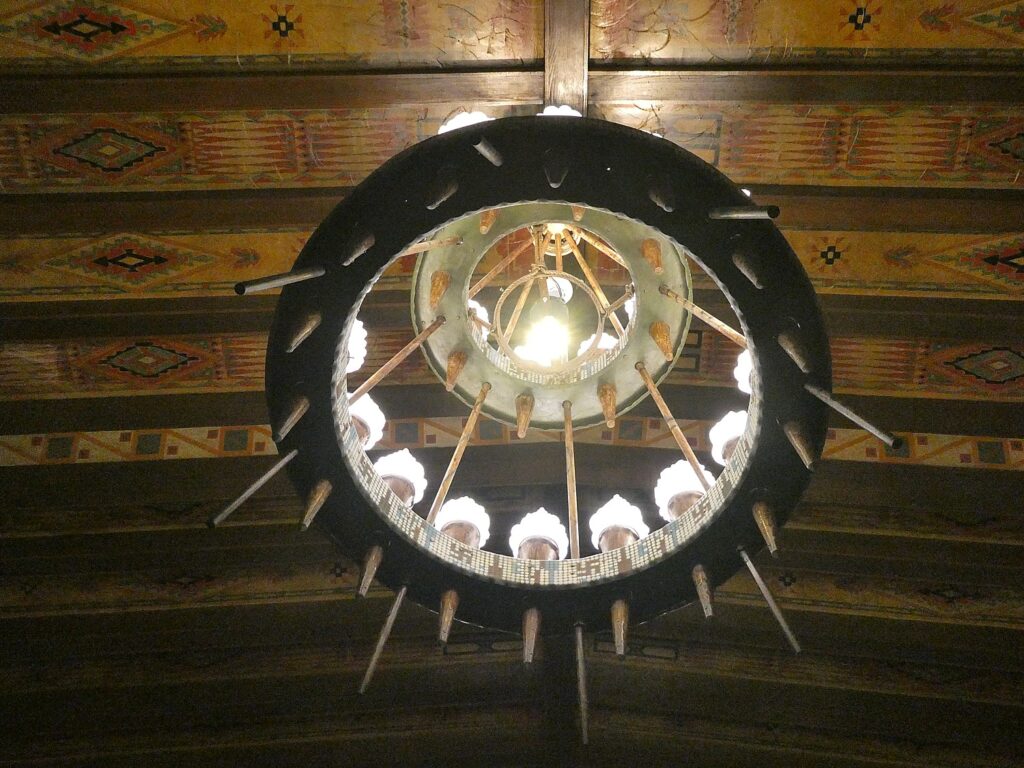
Suspended with chains, the chandelier that dominates the center is actually formed of war lances. It is in the shape of a teepee and made of concentric, decreasing-sized copper-clad wooden rings. The rings are decorated in authentic Sioux patterns.
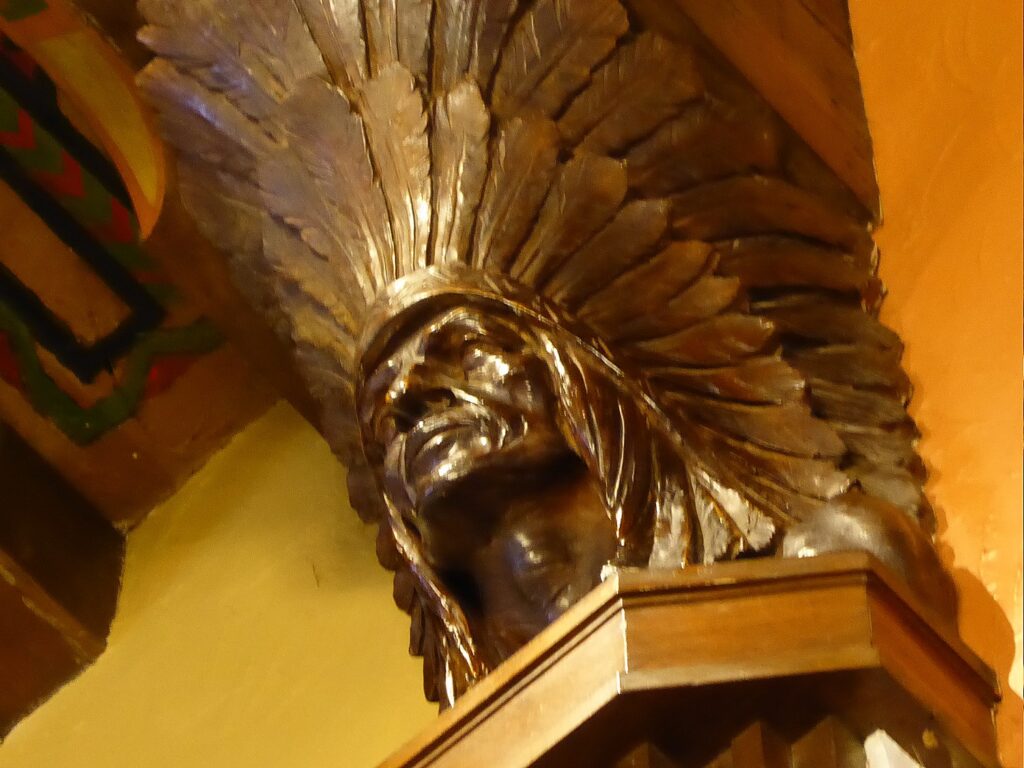
The exquisite ceiling incorporates stenciled Sioux designs between open beams. The brightly-colored patterns, originally painted with natural materials, are in the traditional “box and border” design. There are eight plaster-cast busts of Indian men that hold the beams.
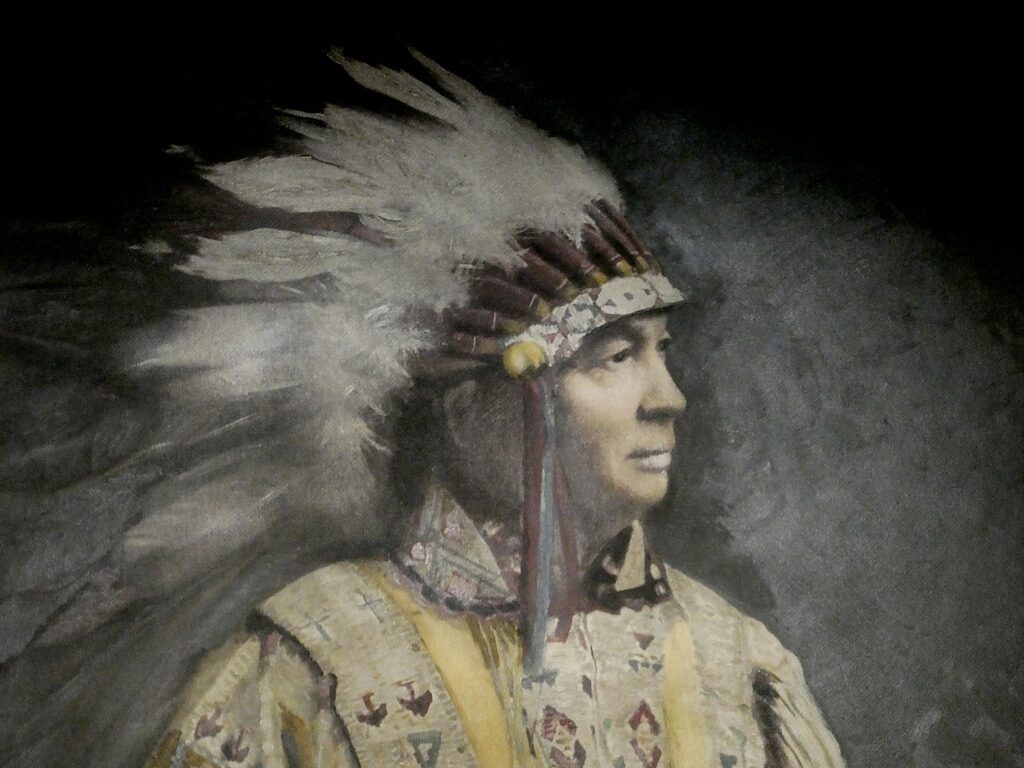
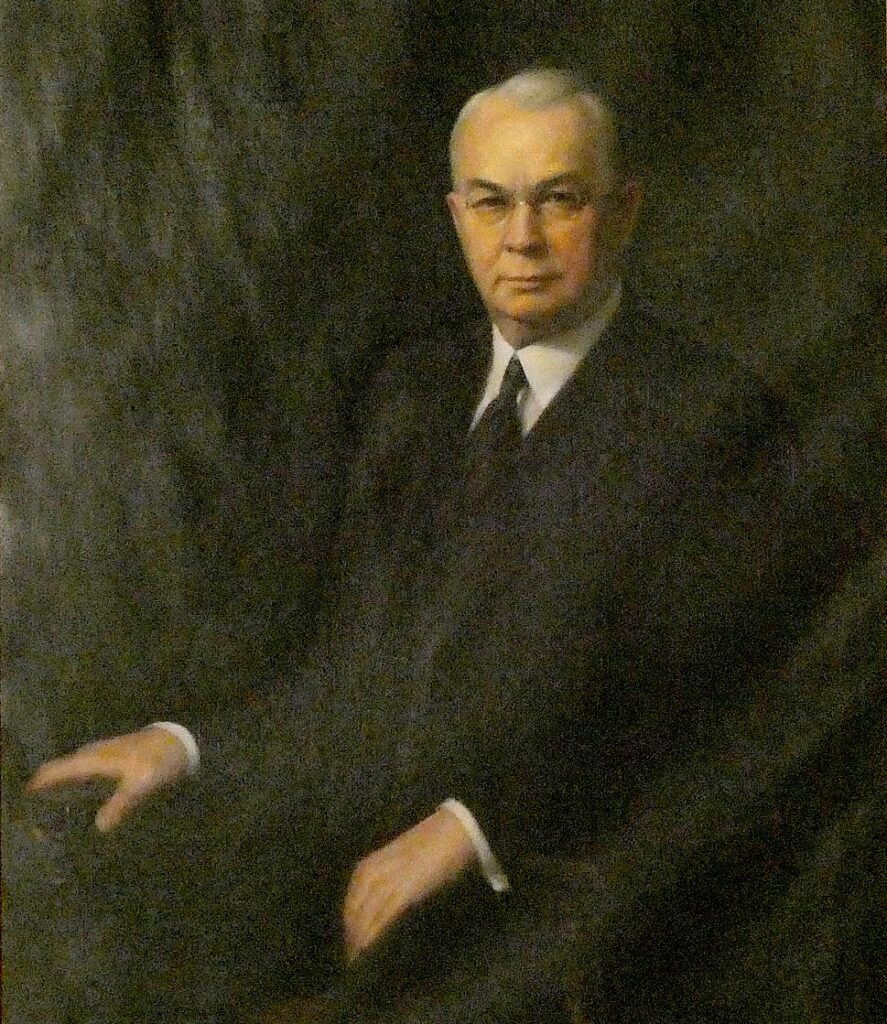
The fireplace is formed of Black Hills stones. A huge rock in the keystone was selected for its resemblance to a buffalo head. The mantle is decorated with brands of local ranchers. Above the fireplace is a striking portrait of Alex Johnson in Sioux attire. Johnson was made an honorary blood brother of Chief Iron Horse in 1933, and named “Chief Red Star.” Another portrait of Johnson, in a more typical businessman pose, was commissioned by the 580 members of the Chicago Rotary Club in appreciation for his service as president (1924-25).
Alex Johnson, who founded the Alex Johnson Hotel, Rapid City, South Dakota (c) Karen Rubin/goingplacesfarandnear.com
There are two bison heads mounted over the southwest entrance of the AJ’s Mercantile shop (American buffalo are apparently not buffalo at all, but one of two species of bison). I learn that “buffalo” was a corruption of “boeuf,” the name the French explorers used for the animal.
The
mezzanine and second floor are graced with carved wood railings and provide a
gorgeous vantage point to appreciate the Indian busts, ceiling painting and
chandelier,
The ballroom, which also served as a nightclub back in the day, has four murals painted by Max Rheiner, an artist from Chicago, that realistically depict four well known areas of the region: Harney Peak, the Needles (which we will soon visit on the bike tour), the Badlands (we will soon visit) and Spearfish Canyon.
The
Lincoln Room, the site of the original restaurant, has been restored to its
original elegance. The ceiling lights are original. The wallpaper custom,
hand-printed paper and the same design used in Abraham Lincoln’s home in
Springfield Illinois. An original 19th century Lincoln print is on
the wall. Meeting rooms are named after the four presidents on Mount Rushmore.
The hotel also offers Paddy O’Neill’s Irish Pub and Grill, named after the hotel’s first guest.
There
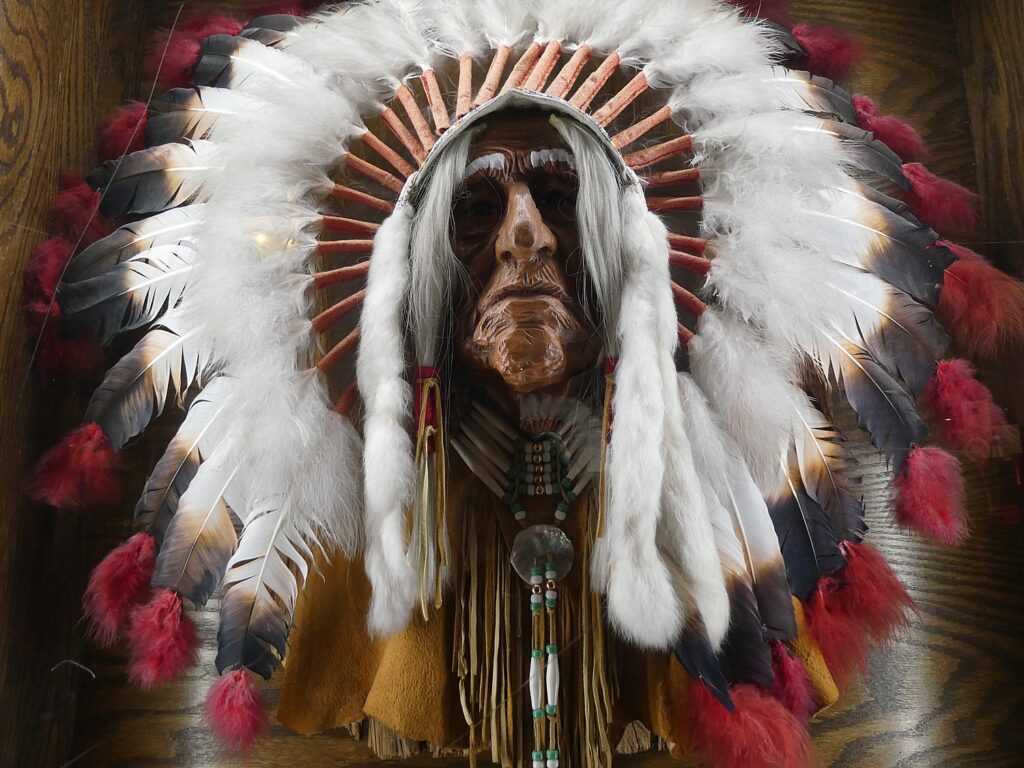
is a kind of museum of exhibits – you can see Johnson’s actual headdress and
other artifacts.
But
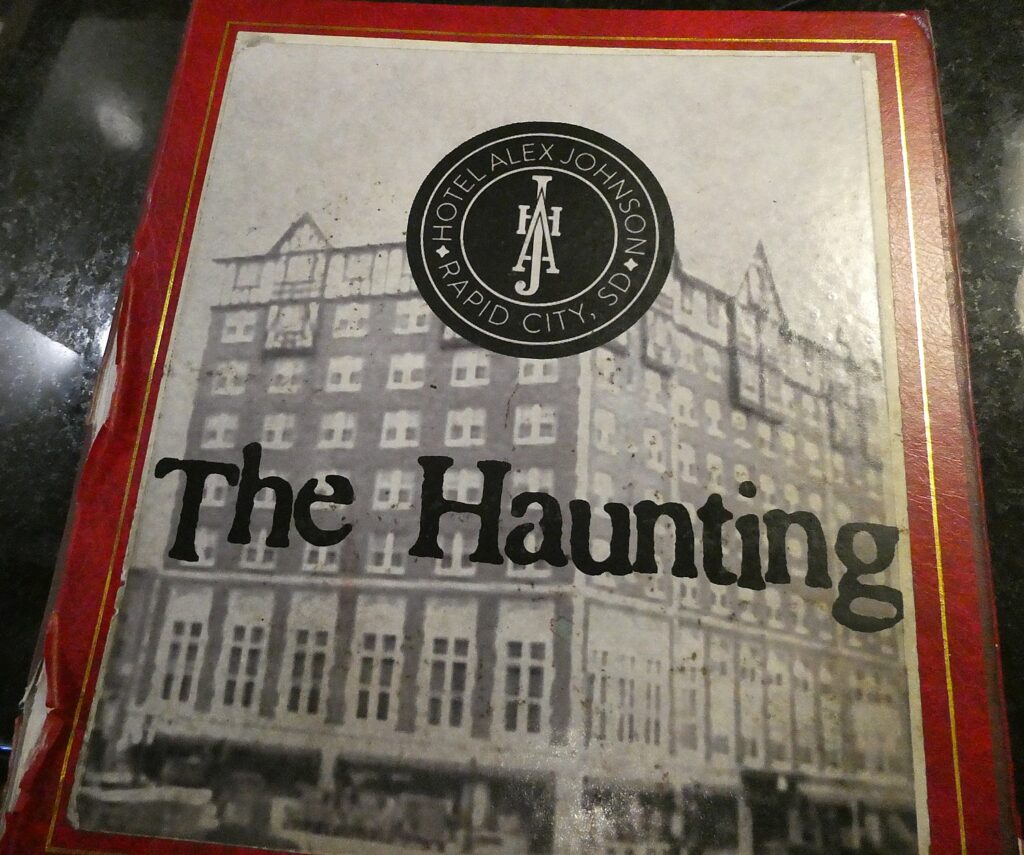
that is not all. I learn that the Alex Johnson hotel is haunted – there is an
entire book of testimonials from guests who have had sightings, and recently.
Ross Goldman, the front-desk fellow who has been giving me an orientation to the hotel and to Rapid City, points me to an entire Haunting book filled with people’s letters and descriptions of encounters.
One
of the rooms that is supposedly haunted, 304, was Alex Johnson’s private room
where he stayed when he was in Rapid City, and where he died at the age of 90.
But years before, his young daughter died in that room. People, especially
children, say they have seen a child ghost
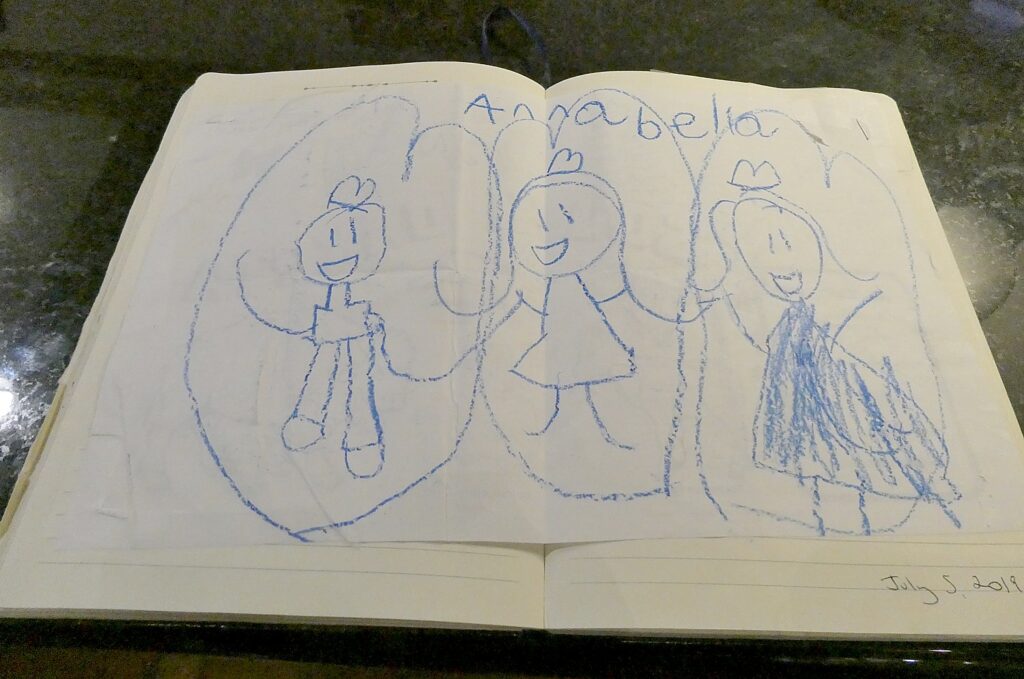
In the Haunting book, I find a drawing by a little girl who stayed in
room 304, who drew herself, her brother, and another girl with a dark, long dress
you can see through (the ghost), dated July 5 2019. Children say they see ball
rolling and that there is a knock on doors all at once.
Another
haunted room, 812, was where 60 years ago, a bride on her wedding night jumped,
was pushed or fell out of window. Guests say that doors open, lights go on and
some say when they sleep, they feel something pressing on their chest.
The
macabre legends must have appealed to Alfred Hitchcock who used the Alex Johnson
Hotel in his iconic thriller, “North by Northwest” and stayed here through the
filming of the Mount Rushmore scenes– there is an autographed photo of
Hitchcock behind reception desk (the lobby seemed much larger in the movie).
Goldman
(the only Goldman in South Dakota, he notes), tells me his father is from
Brooklyn, and came to Rapid City for his medical residency and stayed. What a
small world: Goldman’s cousins live on my block in Long Island, New York. (He
says there are just 300 Jews in the entire state; they hold their Passover
seder in the hotel’s ballroom).
Later,
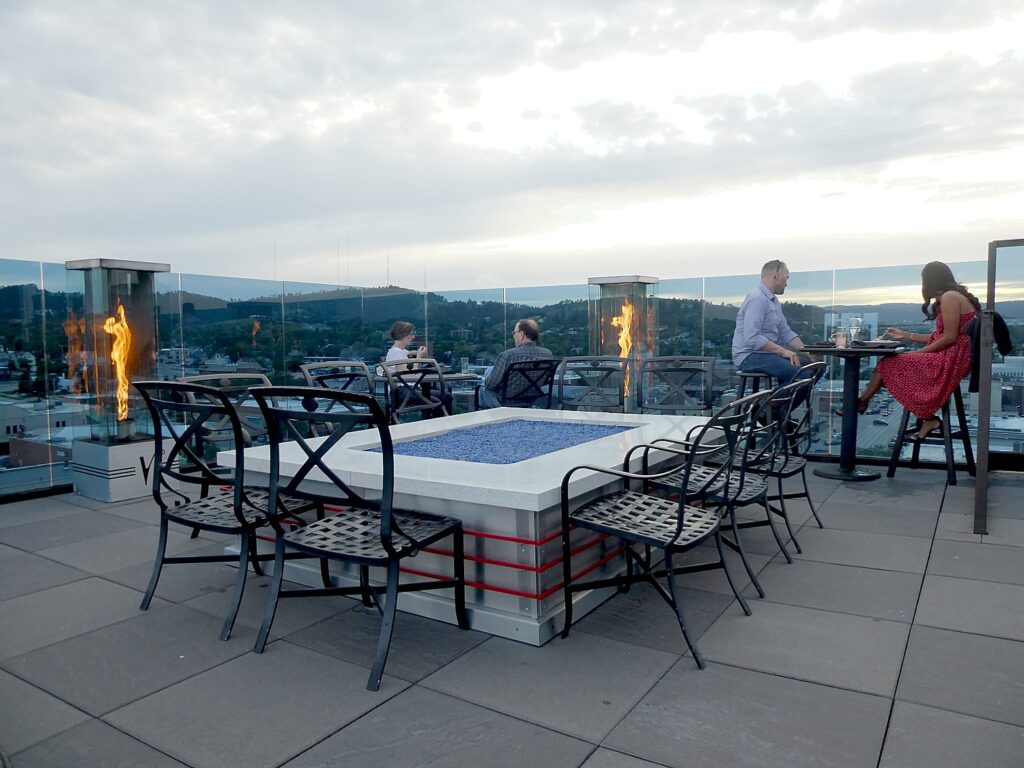
after exploring Rapid City, I get to appreciate the Vertex Sky Bar on the
hotel’s tenth floor (the Alex Johnson hotel is the third tallest building in
South Dakota). Originally, there was a solarium here and an observation tower
that was later used by KOTA radio station. Today, it is an upscale rooftop bar exclusively
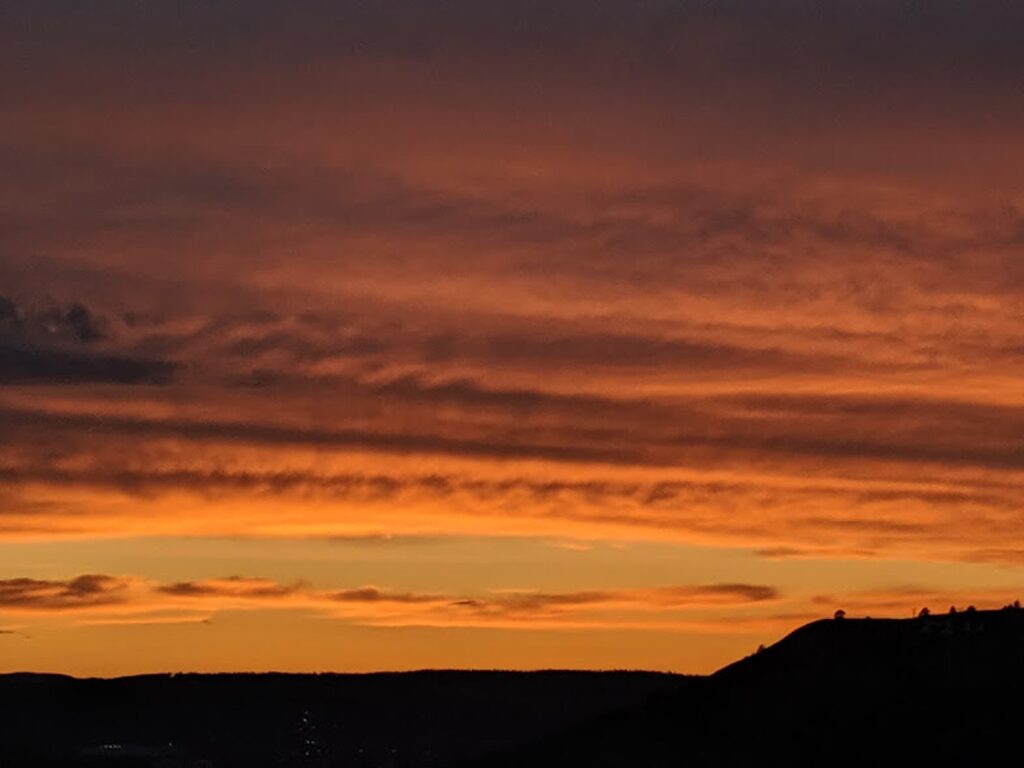
for members and hotel guests. It provides a wonderful view for the sunset
behind the hills.
Goldman gives me some great tips for our bike trip – especially in Deadwood City, where he tells me to be sure to visit the cemetery where Wild Bill Hickok and Calamity Jane are buried, and where there is also a Jewish section.
And
he orients me to Rapid City: Memorial Park was created after a major flood in
1972 collapsed the dam, in which 238 people died (signs in the park tell the
story), leveling the poorest section of city. He tells me where to get the best
buffalo burger (Thirsty’s).
And
so I am off to discover Rapid City.
Rapid
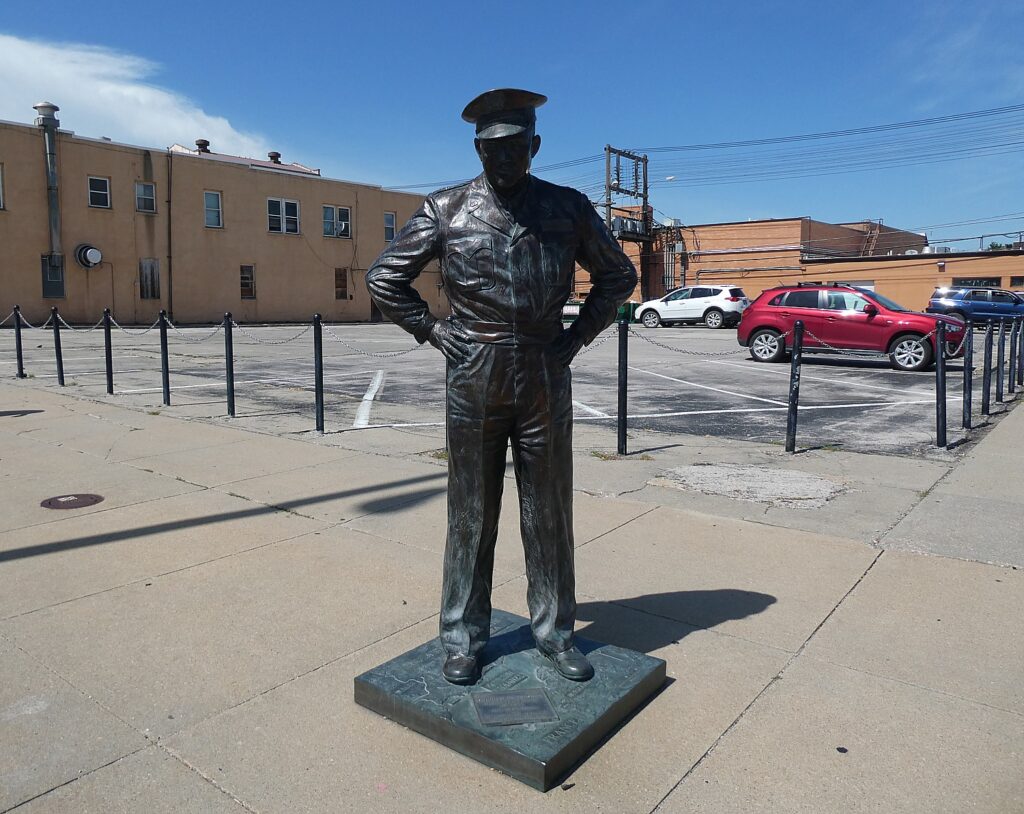
City makes the absolute most of whatever it has. The architecture except for a
small historic district is mostly nondescript, but there is sheer brilliance in
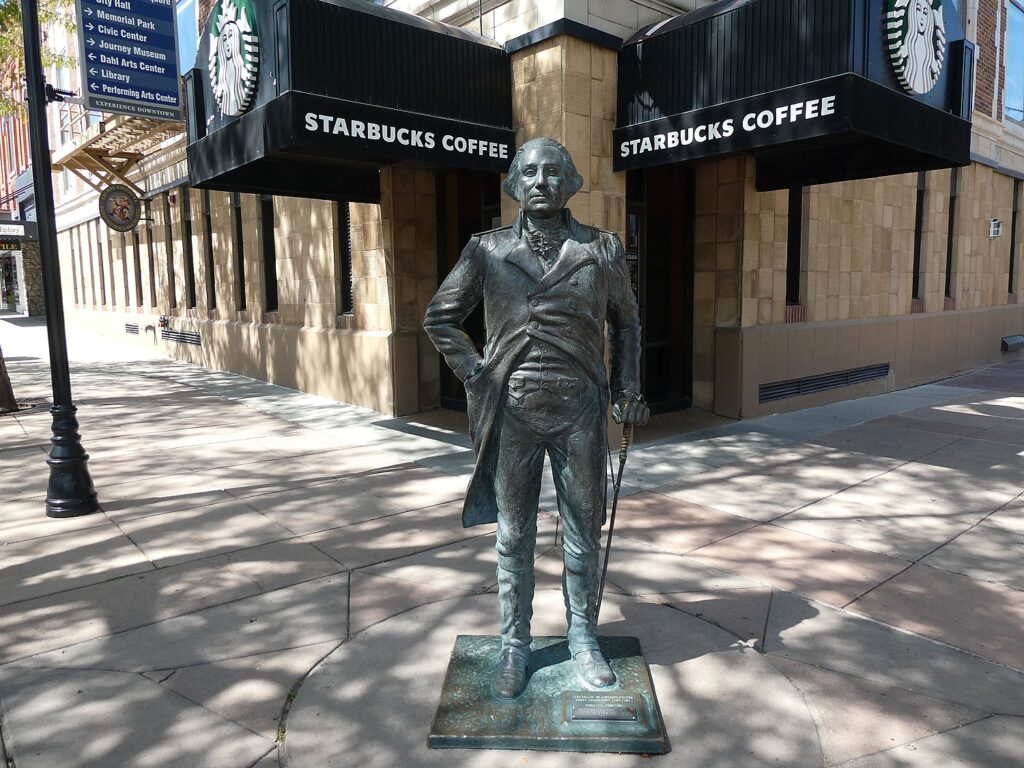
that 20 years ago, an artist began an ambitious program to have almost
life-sized sculptures of every president on every corner of the two downtown
boulevards, Main Street and St. Joseph’s Boulevard. This turned Rapid City into
“The City of Presidents.”
It
is fascinating and fun to go in search of them (they aren’t in chronological or
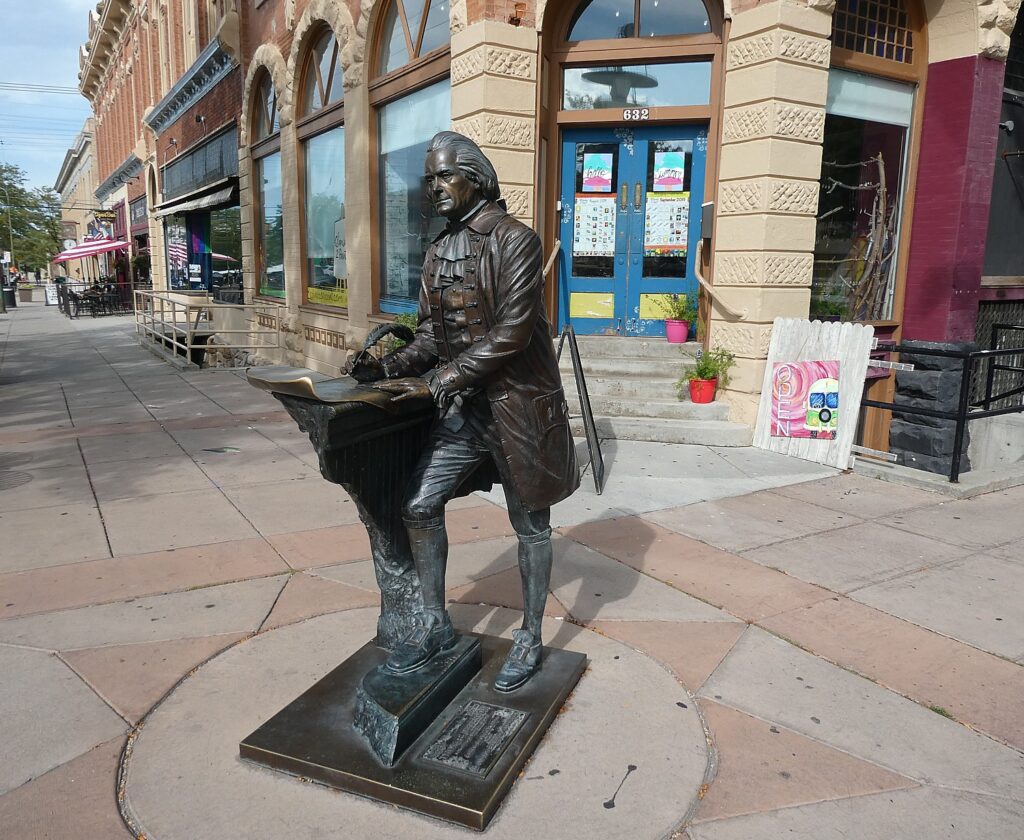
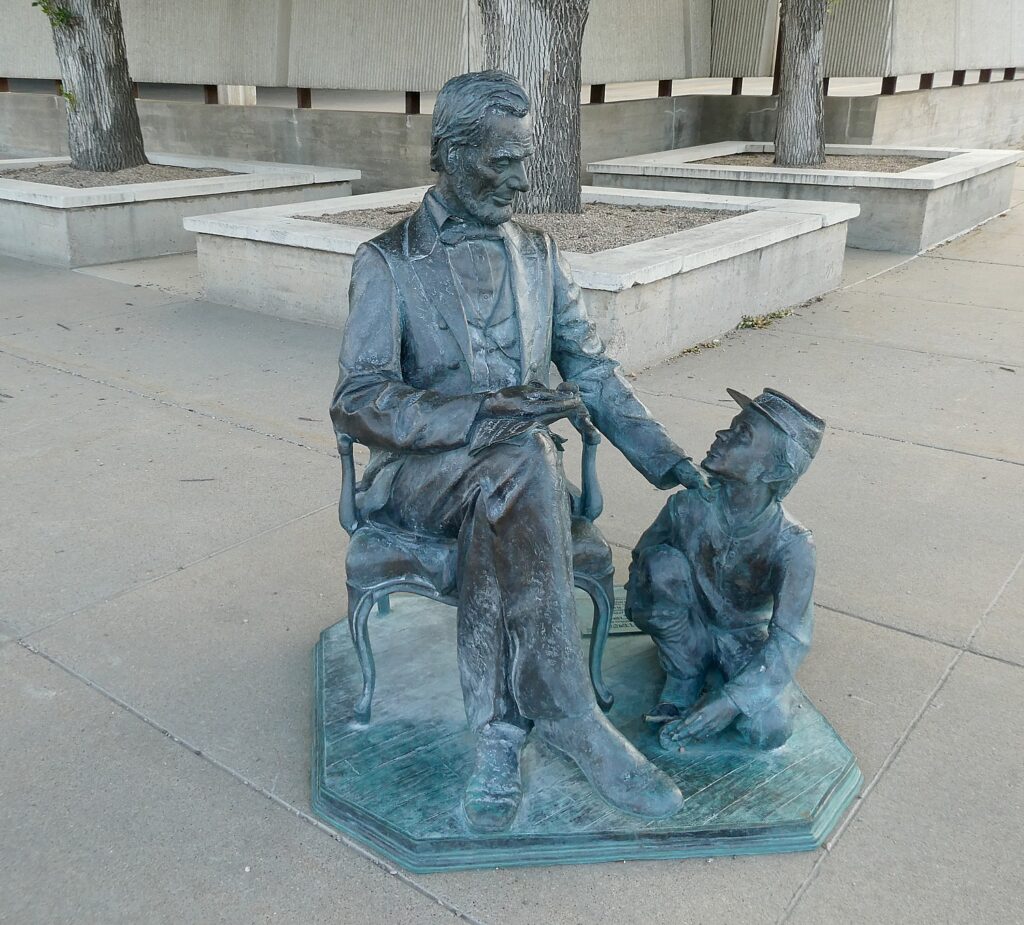
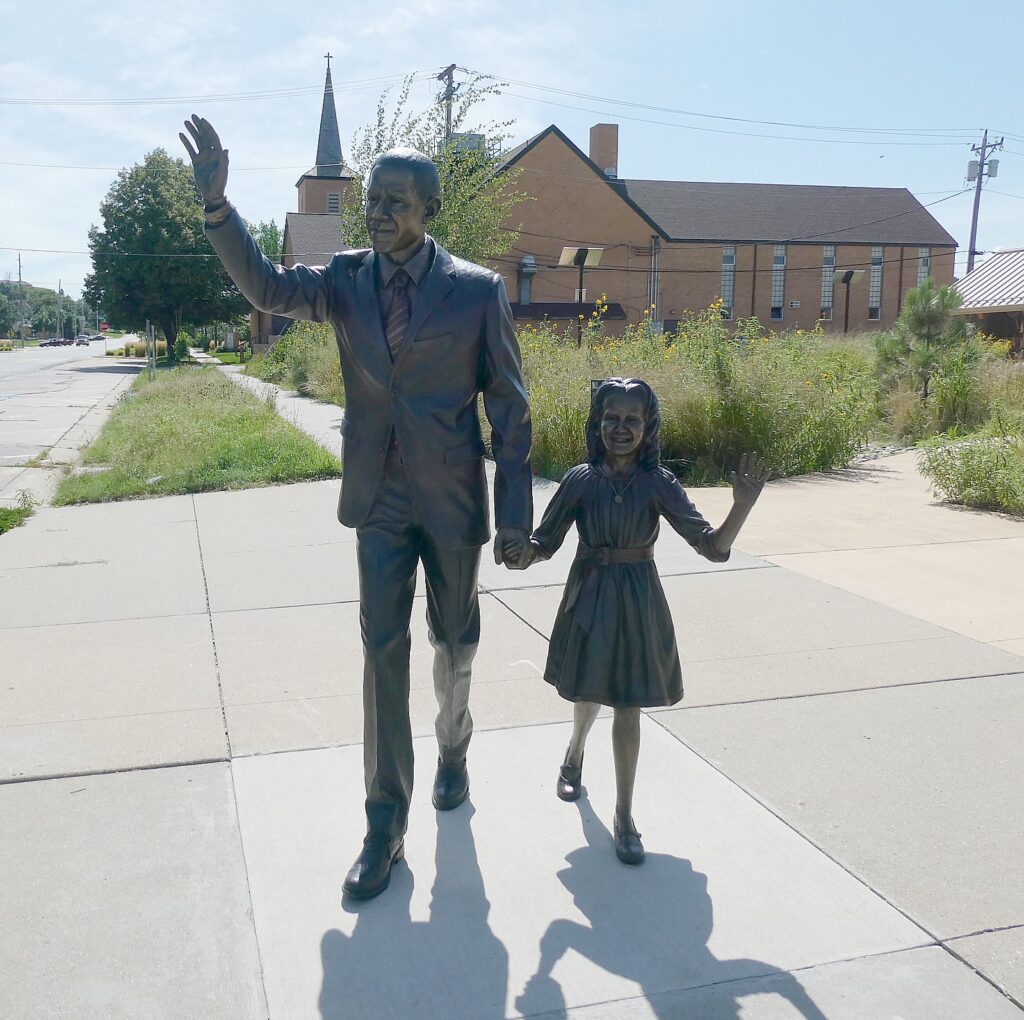
alphabetical order). Six artists produced the 43 sculptures, beginning in 2000:Obama’s
statue, depicting the Election night scene when he came out holding his
daughter’s hand, only went up a couple of months before; Lincoln is also
portrayed with his son, Tad; FDR is shown standing at a podium with radio mics;
Taft looking amazingly svelte, shown as the first president to throw out the
first pitch at a baseball game. There is a self-guided walking tour and a
Presidential Scavenger Hunt. It is really fun to try to see all of the
presidents. What is most interesting is how these significant personages are
set in such ordinary circumstance on nondescript small-town America street
corners.
A
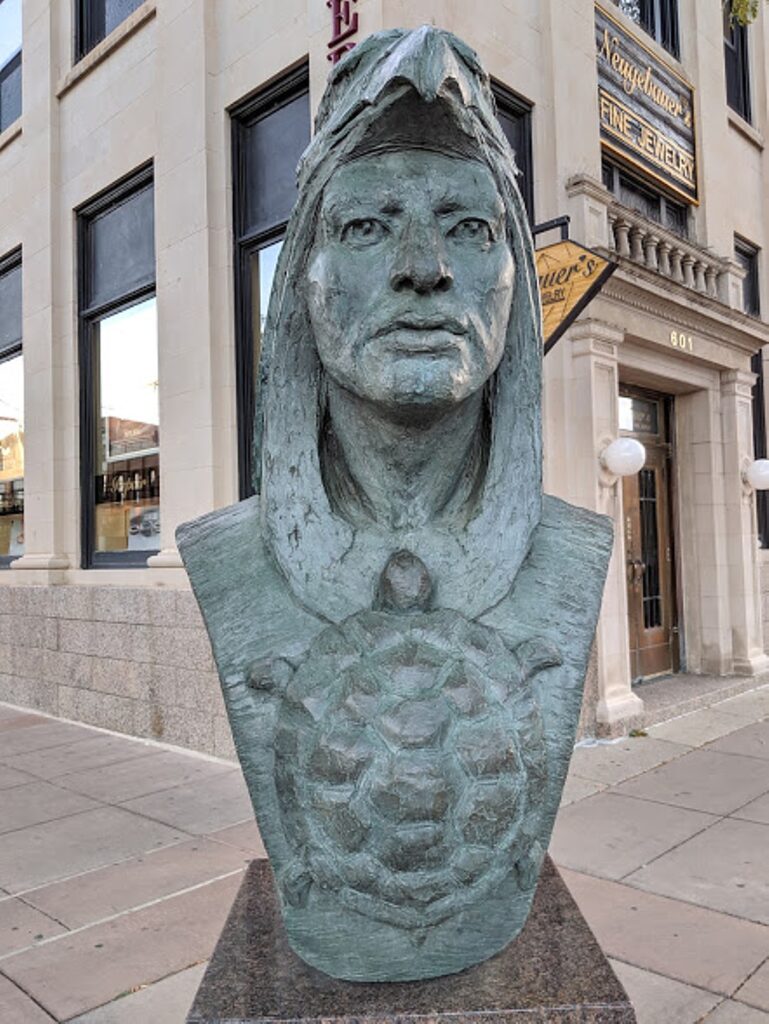
notable exception to the presidents is a bust, “Mitakuye Oyasin” (“We are all
related”) by DC Lamphere, from a drawing by Richard Under Baggage, representing
“hope for reconciliation, dignity and respect for all the human race.” The
earth is in the shape of a hoop or circle of life; crossed pipes represent
world peace; the eagle symbolizes all flying creatures, and communication with
Tunka Sila; wisdom and the healing arts are represented by a grizzly bear, and
a long and productive life is symbolized by a turtle. “The bison reminds us of
our ancestors’ healthy lifestyles, free from famine, and also of the white
Buffalo Calf Woman who brought us the pipe.”
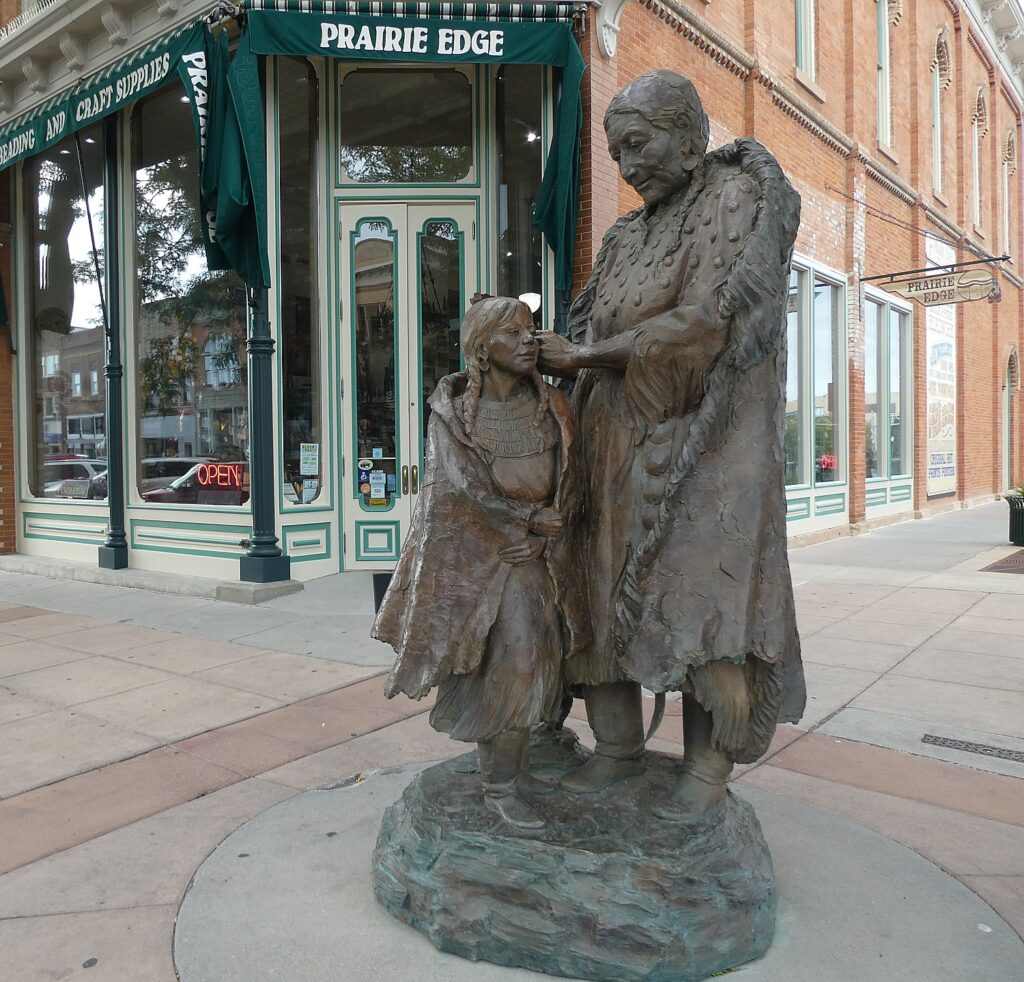
Another marked contrast to the presidents on every other corner is outside a remarkable shop, Prairie Edge: “Hunkayapi” also was created by local artist Dale Lamphere. The statue, depicting a Lakota naming ceremony, is intended to reflect the warmth in Lakota families, the wisdom of a Lakota elder and the teaching of the Lakota heritage to the next generation.
Prairie
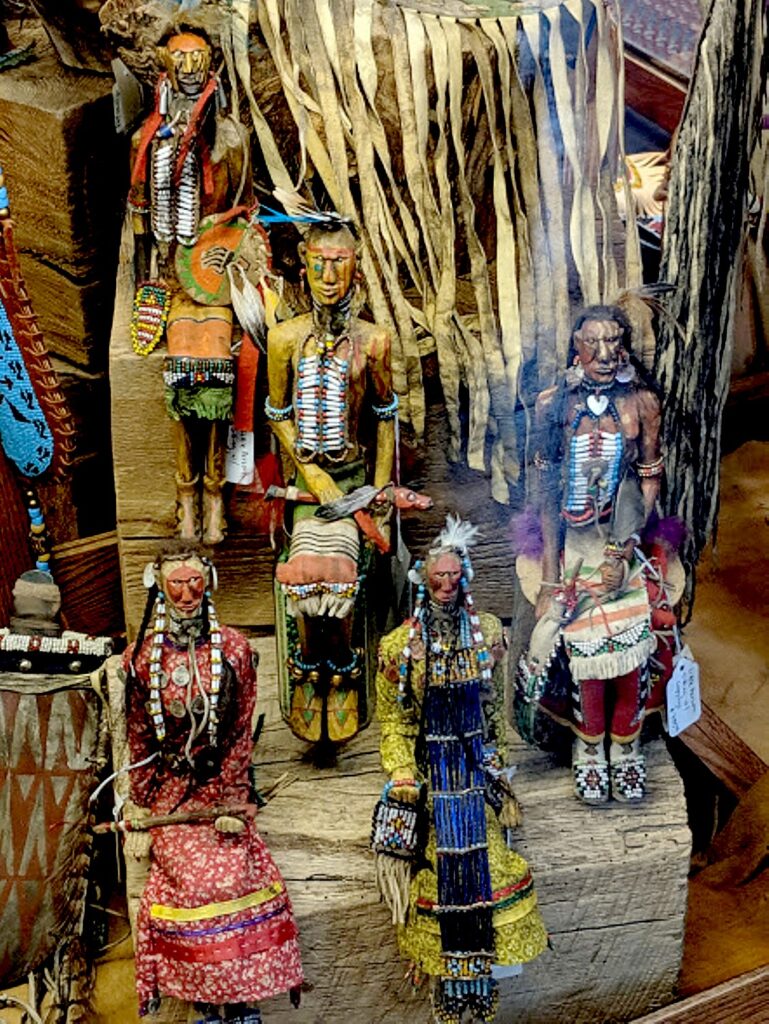
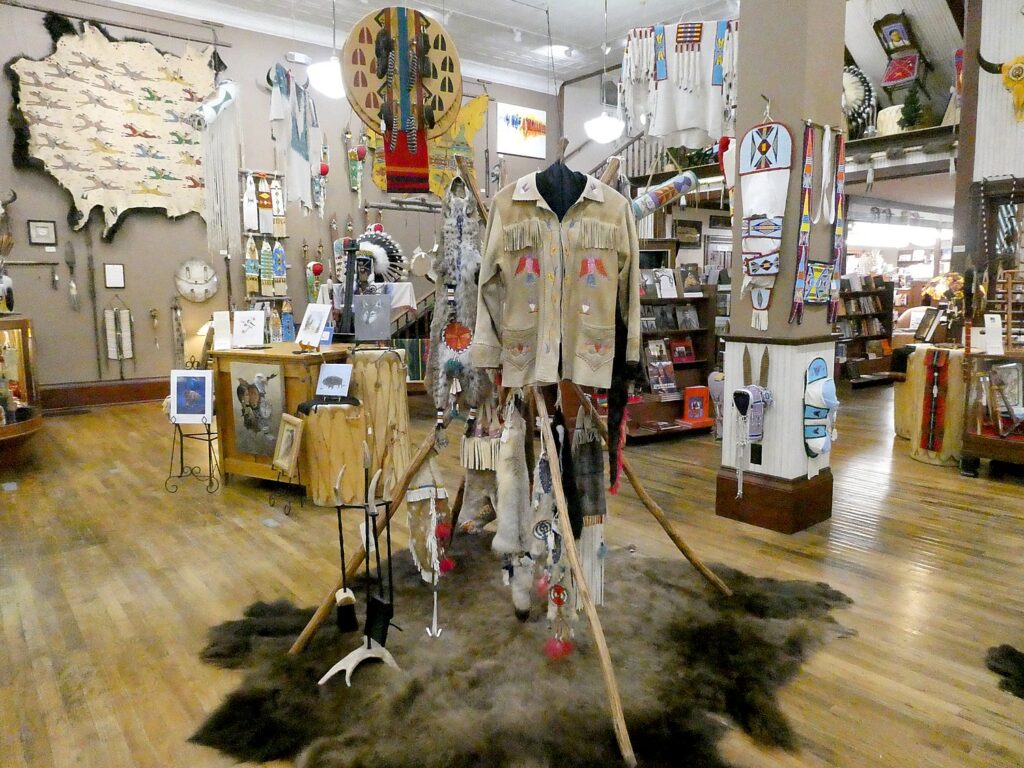
Edge is one of the most fantastic Native American shops anywhere. It is almost
a museum, with numerous contemporary Native artists who have their own
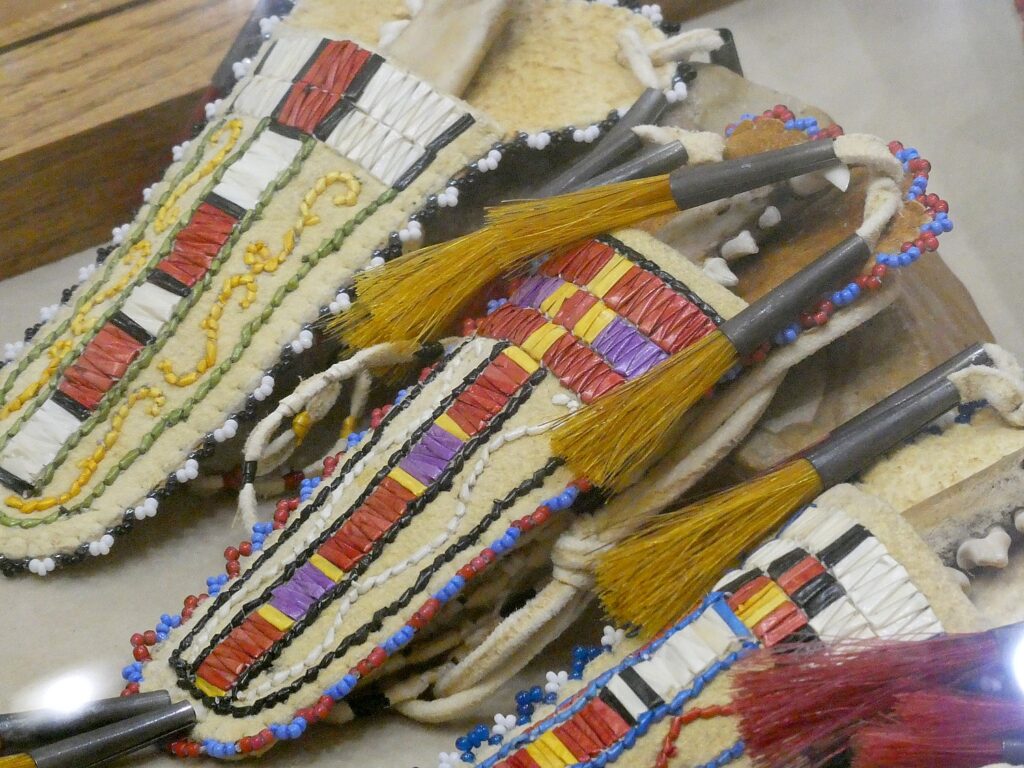
displays, biography and museum-quality art (I learn about quillwork). There is
also clothing, including Pendleton & Pilson, blankets and housewares, books
and music, and a Sioux Trading Post, and tee shirts and souvenirs and yes items
popular in tourist shops on sale, like an old-fashioned mercantile store.
The
shop contains a fine art Plains Indian Gallery, a Buffalo Room with bison
leather furnishings. There is also the Italian glass bead library boasting the
world’s largest selection of glass beads, with over 2,600 different styles and colors, from
the same Venetian guild that supplied fur traders in the 19th
century used for trade, including used in trade for the island of Manhattan;
after the Societa Veneziana Conterie closed in 1992, Prairie Edge bought the
remaining inventory of 70 tons of beads. (Prairie Edge, 606 Main Street, Rapid
City SD 57701, 800-541-2388, 605-342-3086, www.prairieedge.com).
I think about what Goldman told me about continued tension between Native Americans and the “settlers” (for lack of a better word), “Other places are more assimilated. South Dakota has nine Indian reservations. The two largest reservations – Pine Ridge, Rosebud – make Appalachia look like Beverly Hills.,” he told me. And his remarks echo for me later when I visit the Crazy Horse Memorial on our Mickelson Trail ride.
Prairie
Edge is housed in an 1886 building in Italianate style that began as the L.
Morris Dry Goods and Clothing store with a dentist’s office on the second floor
and rooms to rent. Known as the Clower Building, it is most famously remembered
as the Jack Clower Saloon (1895-1917), a cowboy bar ion its day. It is one of
the most beautiful buildings in Rapid City.
What
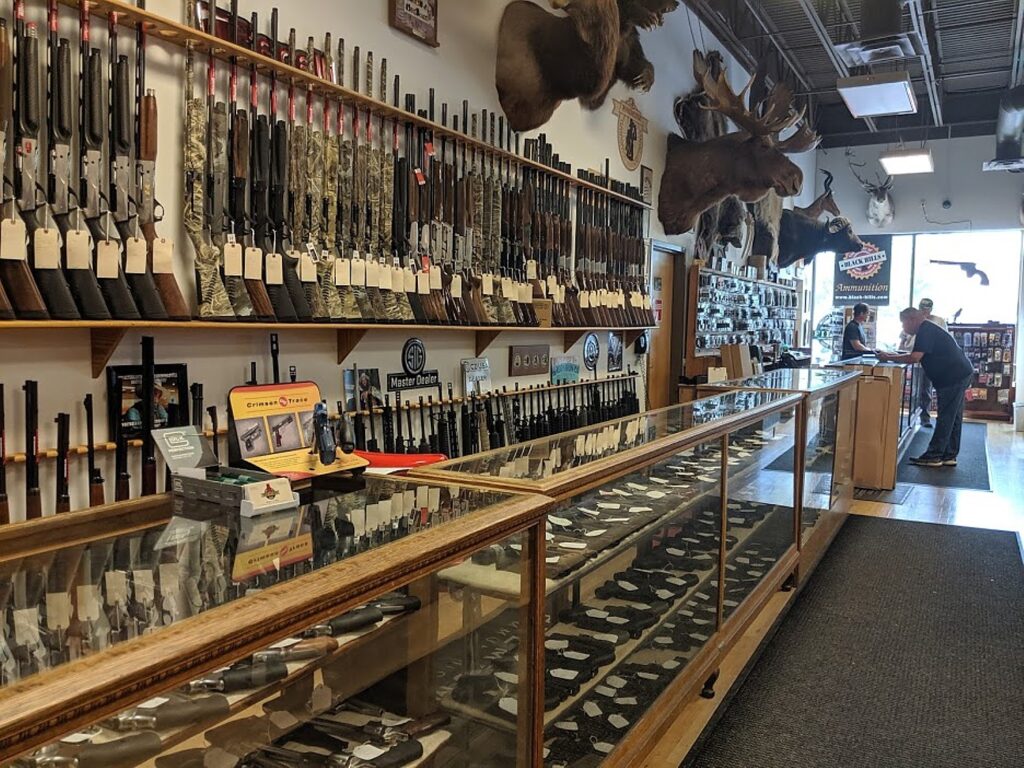
you do expect in an open-carry state that still prides itself as being the wild
west, are the gun shops. There is the biggest gun shop I’ve ever seen, First
Stop Gun & Coin. (I am amazed at how heavy rifles are; there are “My First
Rifle,” child-sized like starter violins, and some pink and decorated rifles
geared for women.
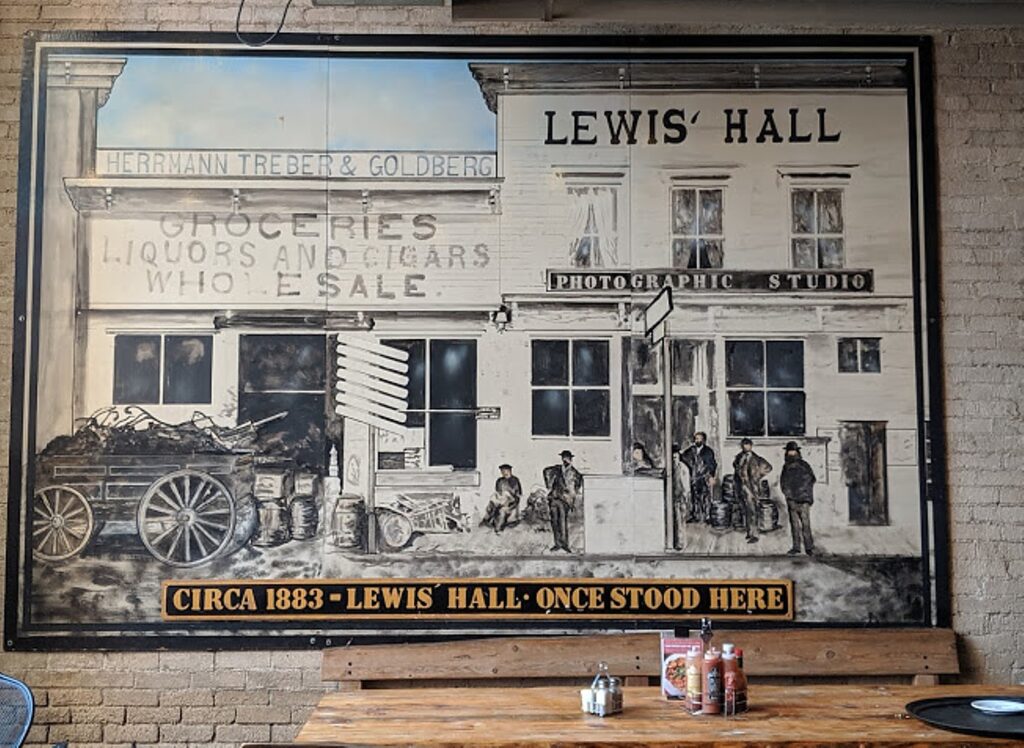
There is a surprising variety of restaurants you wouldn’t expect in a place that calls itself “City of Presidents” – Nepali, Mexican (considering how far from the Mexican border we are). Goldman has recommended Thirsty’s, which looks like a pool hall, as having the best buffalo burger in town. I opt for the Firehouse Brewing Company in the historic firehouse next door to Prairie Edge. I take note of a large 1883 photo mural depicting the store that had stood on the site with store names of Jewish proprietors: Herrmann Treber & Goldberg Groceries, Liquors and Cigars Wholesale.
Back at the Alex Johnson Hotel, I go up to the Vertex Sky Bar on the 10th floor to take in the sunset.
The Alex Johnson Hotel today is independently owned by the Bradsky family of Rapid City, acquired in 2008 on the hotel’s 80th anniversary, and refurbished with respect and sense of stewardship for its historic significance and importance to the city. (The family owns several properties, under the Liv Hospitality banner, in Deadwood and Rapid City, including Cadillac Jack’s and Tin Lizzie’s in Deadwood and Watiki water park in Rapid City. (www.LivHotelGroup.com)
Hotel Alex Johnson Rapid City, Curio Collection by Hilton, 523 Sixth Street, Rapid City SD 57701, 605-342-1210, alexjohnson.com.
More information at Visit Rapid City, 512 Main Street, Rapid City SD 57701, 800-487-3223, 605-718-8484, www.VisitRapidCity.com.
Minuteman
Missile National Historic Site
With better planning, I would have also
plugged into my itinerary a visit to Minuteman Missile National Historic Site. The
site provides an opportunity to explore the Minuteman II system’s role as a
nuclear deterrent during the Cold War and visit sites rarely seen by civilians
while in use, but that nevertheless loomed large on the geo-political
landscape, and in these tense times, be reminded about what a threat nuclear
weapons are.
I first became aware of the site
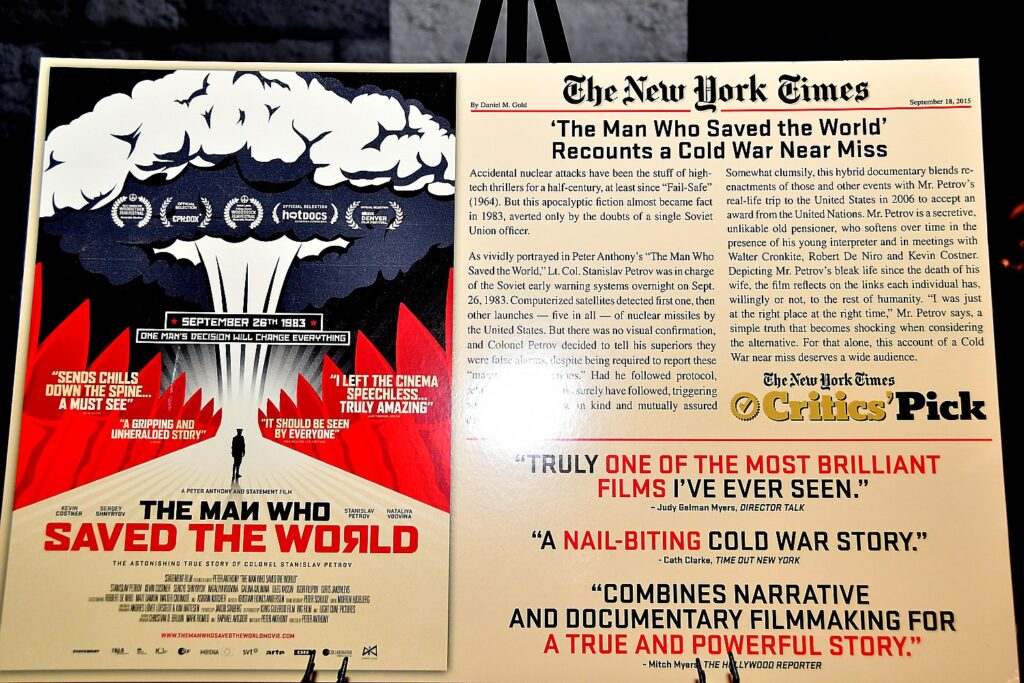
watching an extraordinary documentary, “The Man who Saved the World,” about
Stanislav Petrov, a former
lieutenant colonel of the Soviet Air
Defense Forces and his role in preventing the 1983 Soviet nuclear false alarm incident from leading
to nuclear holocaust. Now, with Trump and Putin at odds over
renegotiating a nuclear arms treaty while boasting about new weapons, it is
more important than ever to be reminded of how quickly things can go
astronomically wrong.
by
Karen Rubin, Travel Features Syndicate, goingplacesfarandnear.com
It’s our last
day of the Wilderness Voyageurs six-day “Badlands and Mickelson Trail” bike
tour of South Dakota, when we would have biked back a portion of the Mickelson
Trail that we cycled yesterday before visiting Mount Rushmore. But as luck
would have it (and it is actually lucky), it rains as we leave Deadwood. It is
lucky because the rest of our rides have been glorious and we did get to
complete the 109-mile long Mickelson Trail, in addition to riding through
Badlands National Park and Custer State Park. Our guides, James Oerding and
John Buehlhorn, offer us alternatives: instead of doing the Mickelson 18 miles
from Dumont to Mystic (the same trail we did yesterday but downhill) we go
directly to Mount Rushmore and see if the weather dries out.
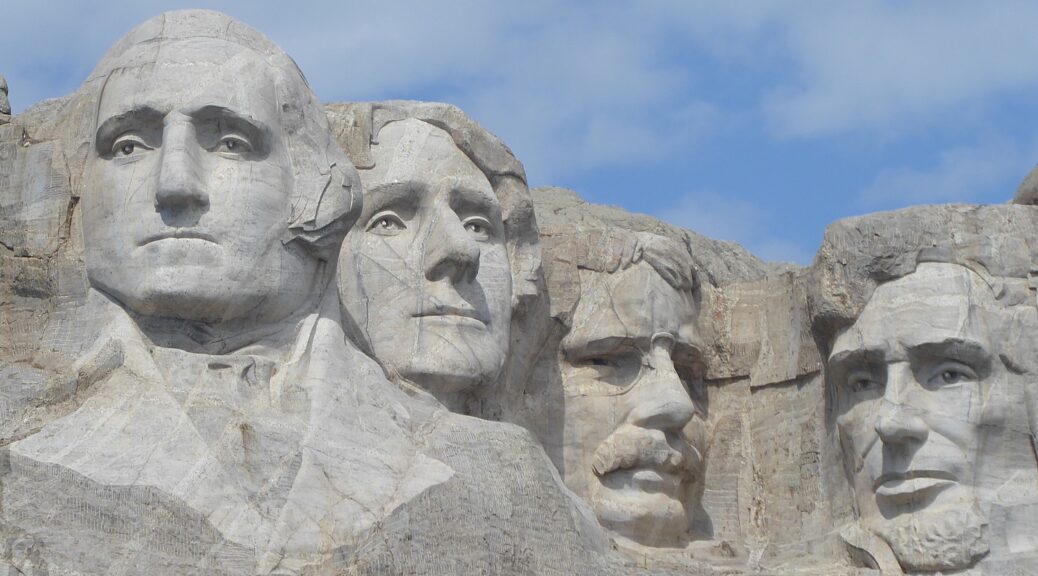
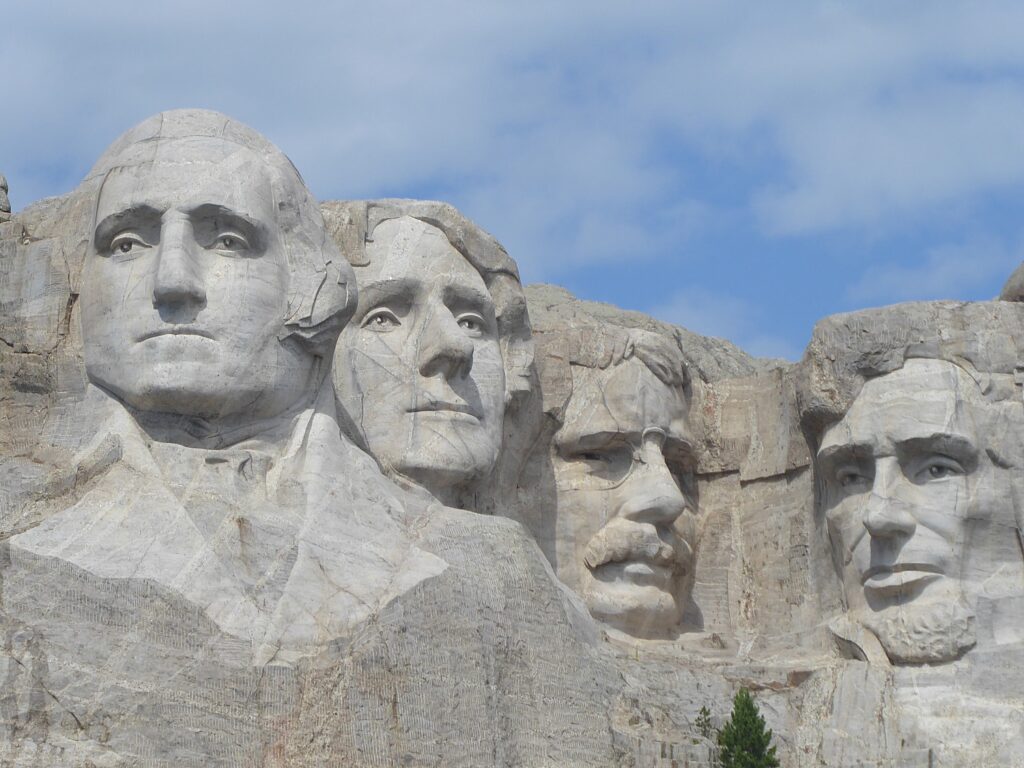
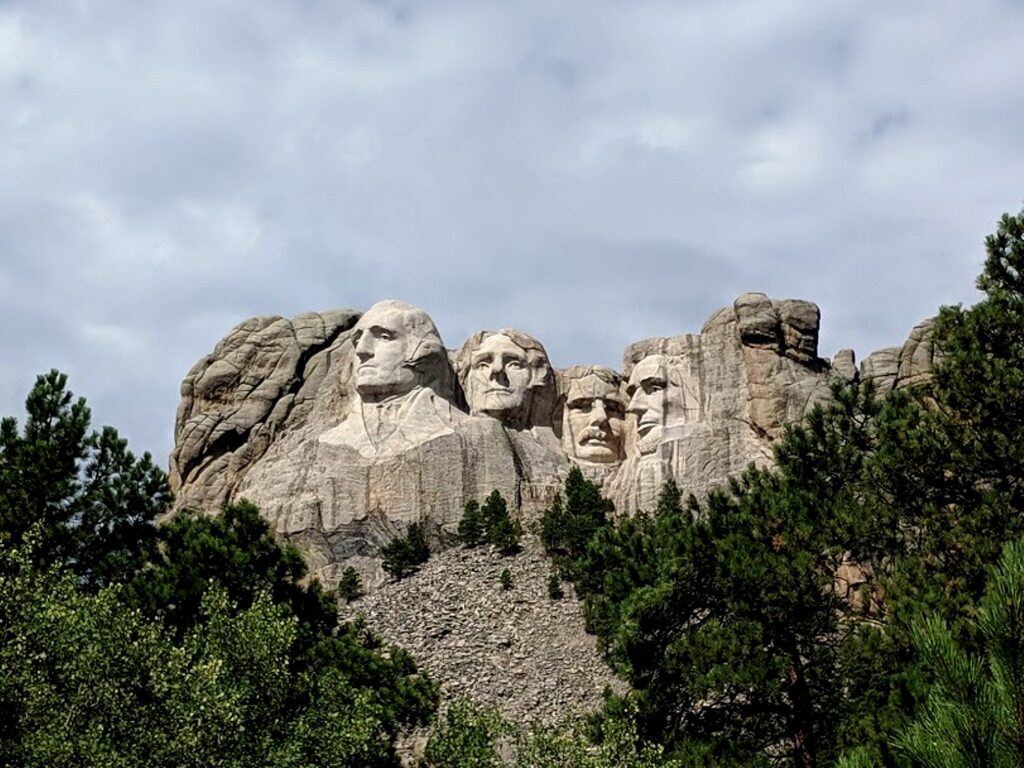
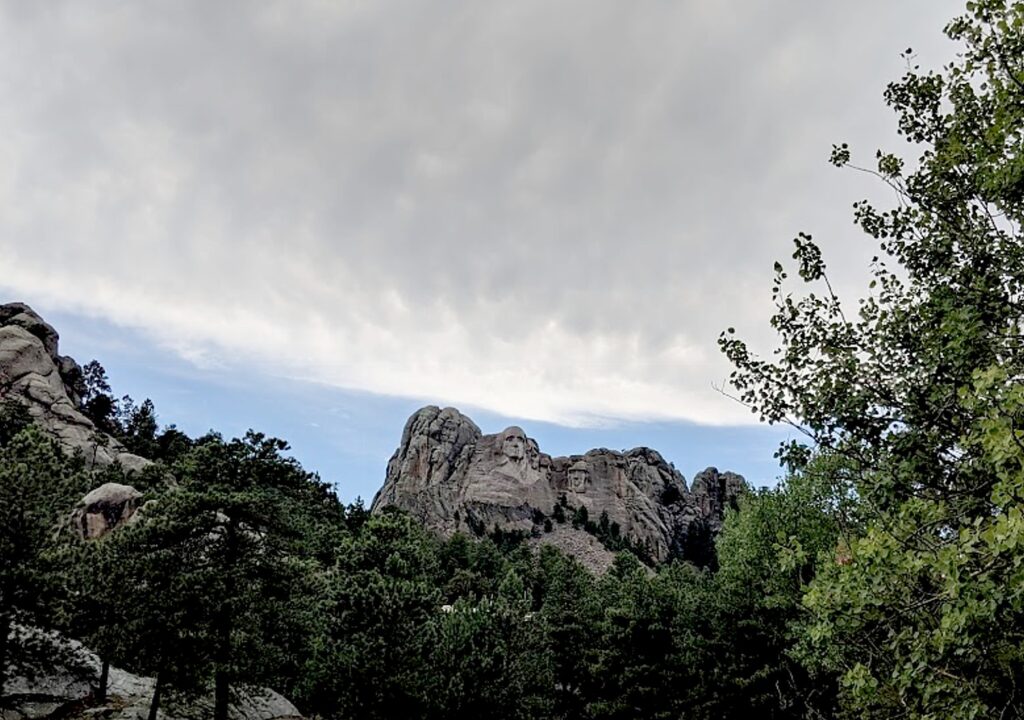
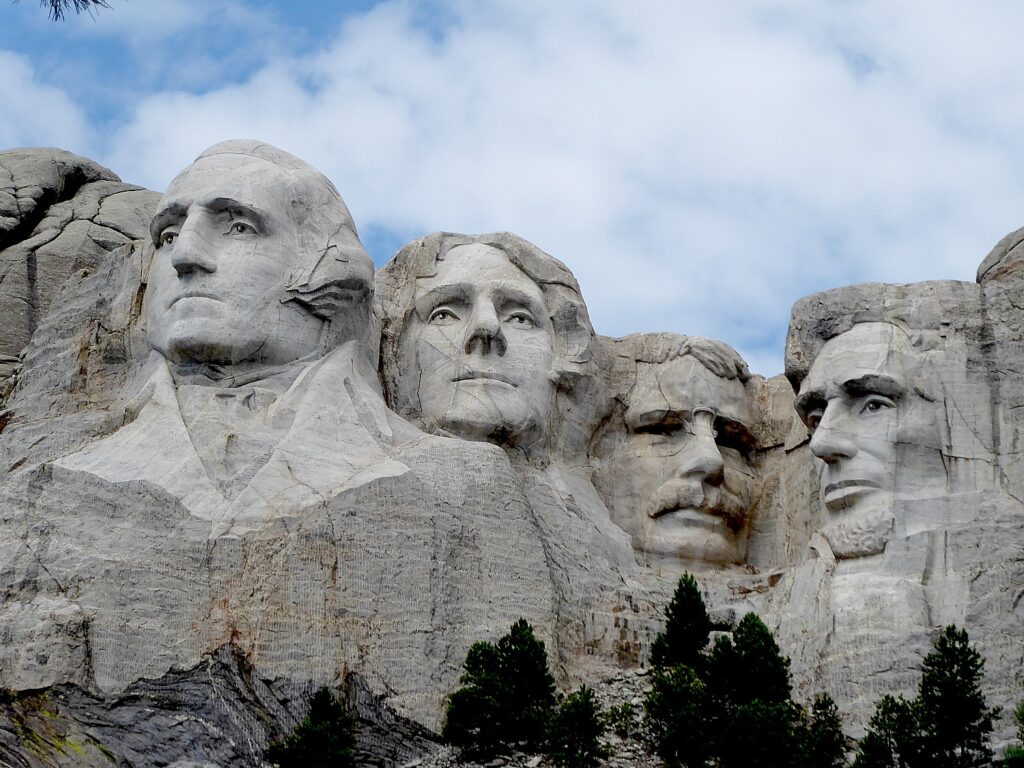
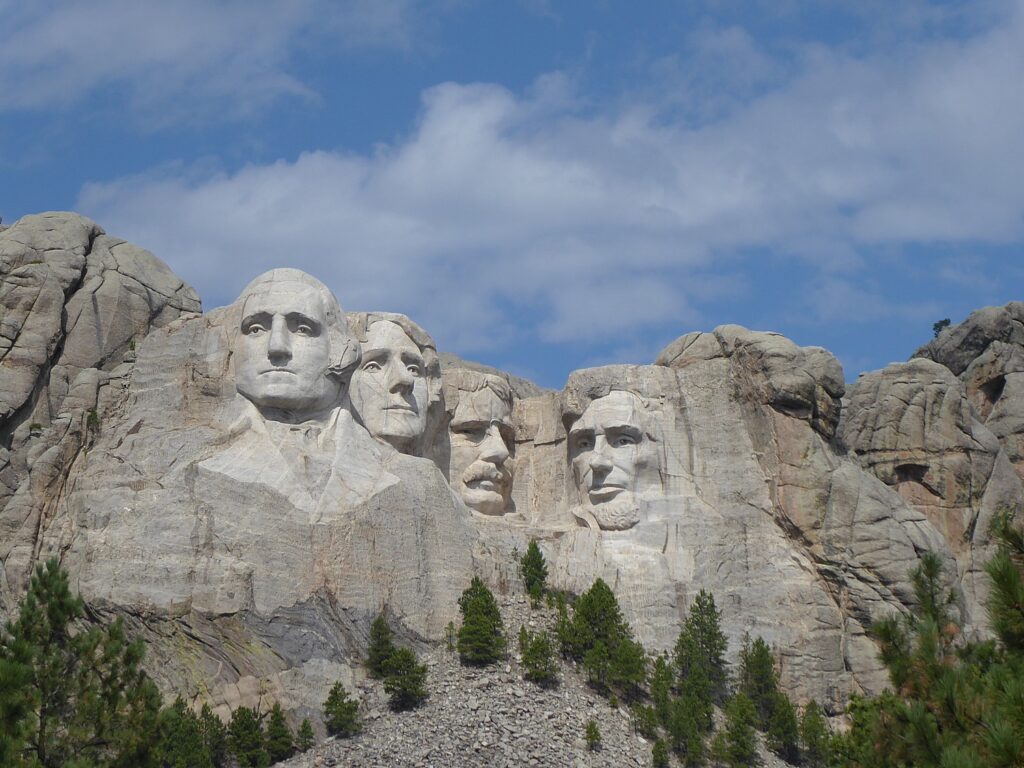
Mount
Rushmore is such a familiar American icon, it may be a cliché. But seeing it “in
person” makes you rethink what it is all about.
The
sculptor, Gutzon Borglum, wrote “Let us place
there, carved high, as close to heaven as we can, the words of our leaders,
their faces, to show posterity what manner of men they were. Then breathe a
prayer that these records will endure until the wind and the rain alone shall
wear them away.”
Borglum also wrote, “The purpose of
the memorial is to communicate the founding, expansion, preservation, and
unification of the United States with colossal statues of Washington,
Jefferson, Lincoln, and Theodore Roosevelt.”
The
National Park Service offers this about Mount Rushmore National Monument:
“Majestic figures of George Washington, Thomas Jefferson, Theodore Roosevelt
and Abraham Lincoln, surrounded by the beauty of the Black Hills of South
Dakota, tell the story of the birth, growth, development and preservation of
this country. From the history of the first inhabitants to the diversity of
America today, Mount Rushmore brings visitors face to face with the rich
heritage we all share.”
The NPS posits that Borglum “selected these four presidents
because from his perspective, they represented the most important events in the
history of the United States. Would another artist at that time, or perhaps a
modern artist choose differently? As you read more about Borglum’s choices,
think about what you might have done if the decision was up to you.”
I stumble upon a
15-minute Ranger talk in the Sculptor’s Studio about Gutzon Borglum,
the carving process and the lives of the workers – how they
dynamited away 90 percent of the stone, leaving just 3 to 6 inches of material
to chisel off by hand, how they hang a weight to where the nose should be and
create the facial features from that reference point.
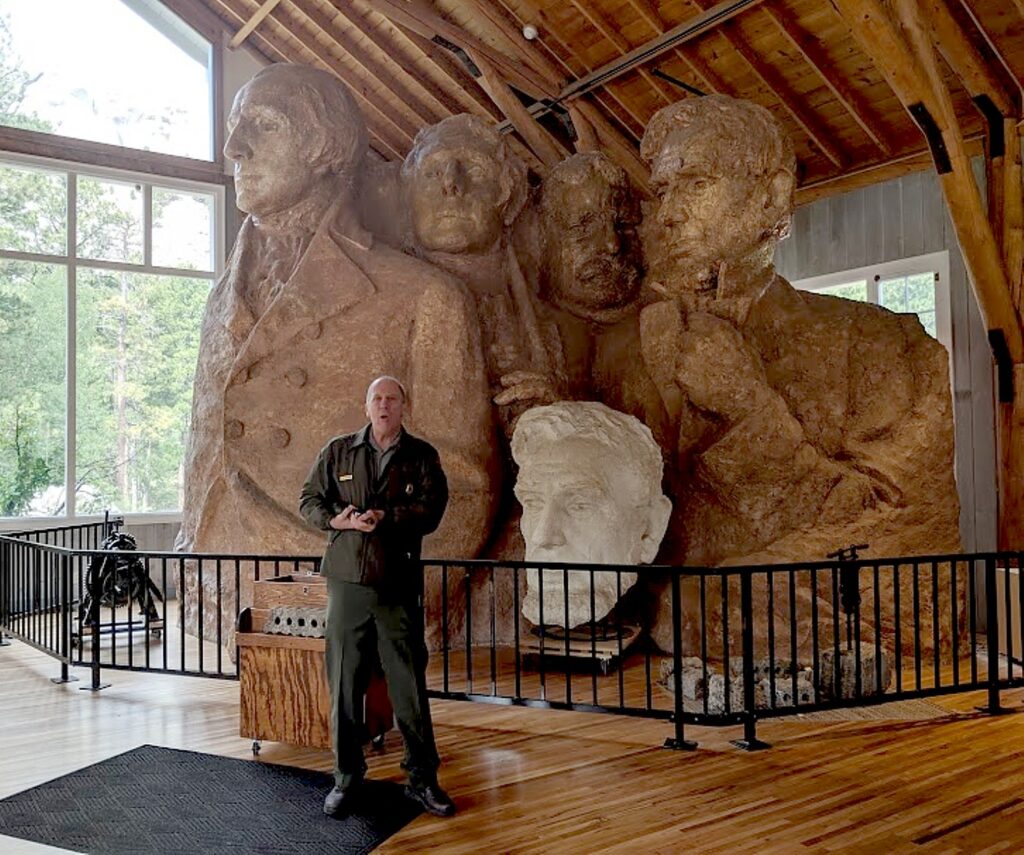
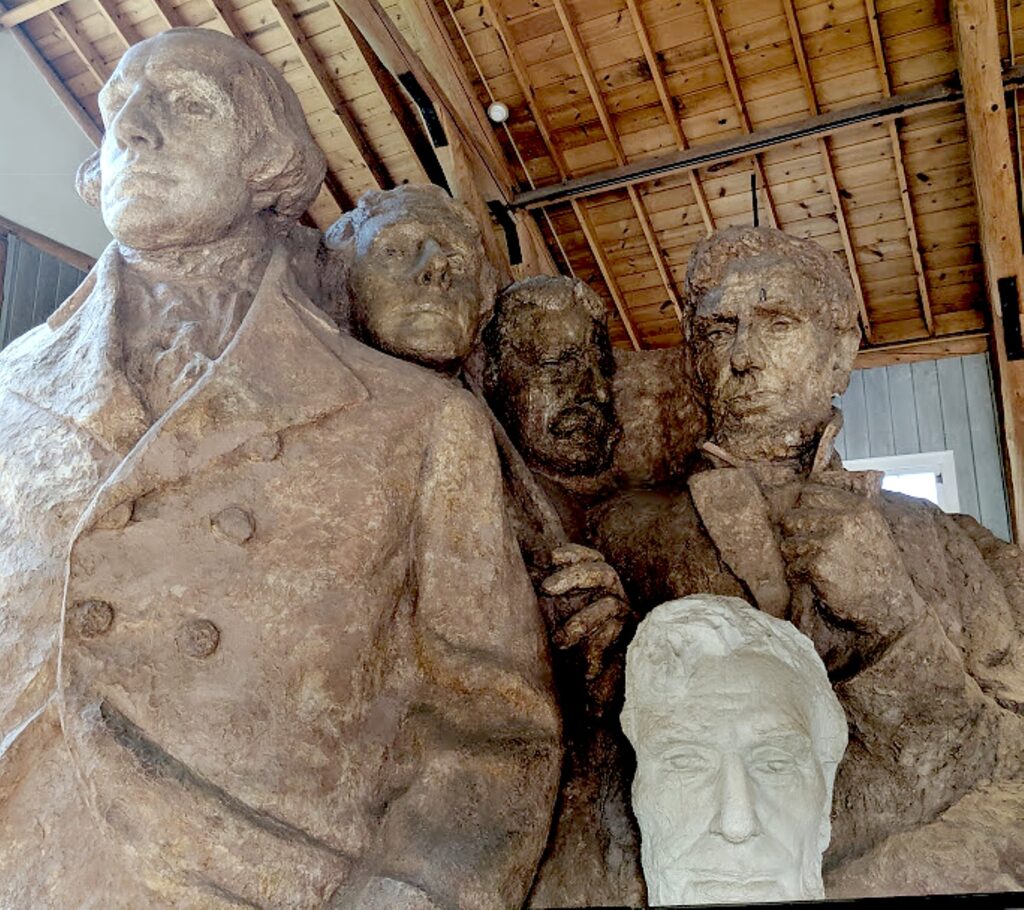
The Ranger
stands in front of a model of how a completed Mount Rushmore was envisioned by
Borglum. Who knew there was more? I’ve always taken for granted that what we
see was all that was meant to be. The model shows that it would have had their
jackets down to their waist and hands.
To
see the scale of the sculpture, it is hard to contemplate the challenge of
blasting away all that rock and carving that stone. But we learn that getting
this project underway was a challenge unto itself.
South Dakota historian
Doane Robinson is credited with conceiving the idea of carving the
likenesses of noted figures into the mountains of the Black Hills of South
Dakota in order to promote tourism in the region. But once Doane
Robinson and others had found a sculptor, Gutzon Borglum, they had to get
permission to do the carving. Senator Peter Norbeck (the man who created the
Needles Highway through Custer State Park) and Congressman William Williamson
were instrumental in getting the legislation passed to allow the carving. The
bill requesting permission to use federal land for the memorial easily passed
through Congress. But a bill sent to the South Dakota Legislature faced more
opposition.
Robinson’s initial idea
was to feature heroes of the American West, such as Lewis and Clark, Oglala
Lakota chief Red cloud and Buffalo Bill Cody. But Borglum wanted the sculpture to
have broader appeal, so chose the four presidents, who would each symbolize an
important aspect of American history. (That might be why Robinson was not
chosen for the 12-member commission to oversee the project.)
Early in the project, money was hard
to find, despite Borglum’s guarantee that eastern businessmen would gladly make
large donations. He also promised South Dakotans that they would not be
responsible for paying for any of the mountain carving. Borglum got Treasury
Secretary Andrew Mellon on board, but only asked for half of the funding he
needed, believing he would be able to match federal funding ($250,000) dollar
for dollar with private donations.
Borglum worked on the project from
1927, the presidents’ faces were carved from 1933-1939, with his son, Lincoln. Meanwhile,
in 1929, the stock market crashed; in 1933, President Franklin Roosevelt placed
Mount Rushmore under the jurisdiction of the National Park Service.
In March, 1941, as a final dedication was being planned,
Gutzon Borglum died. This fact, along with the impending American involvement
in World War II, led to the end of further carving on the mountain. With the
money – and enthusiasm – running out, Congress refused to allocate any more
funding. On October 31, 1941, the last day of work, Mount Rushmore National
Memorial was declared a completed project.
The Ranger
explains that the death of the artist raised an ethical issue for anyone who
would take over the work. And, the Ranger said, “The country had moved on. They
were not as interested in presidents as they were in the 1930s; when Mount
Rushmore was a shrine to democracy. And what if the new artist made a mistake?”
I can see how
Mount Rushmore was a cautionary tale for the Crazy Horse Memorial and why
sculptor Korczak Ziolkowski, who worked on Mount Rushmore before being tasked
to do Crazy Horse, refused any federal funding, instead establishing a foundation
funded with private donations and admissions. Some 70 years after he began his
work, his grandchildren are involved in continuing to carve the memorial.
I walk the
Presidential Trail (just 0.6 miles long, 422 stairs, weather
permitting) to get up close and personal with the mountain
sculpture and perhaps glimpse some of the area wildlife.
Some 3
million visitors come to Mount Rushmore each year.
Among the activities offered: the Junior
Ranger program (booklets are available at the information desks for ages
three to four, five to twelve and 13 and up), and the Carvers’ Café, Ice Cream Shop and Gift Shop.
Also:
Lakota,
Nakota and Dakota Heritage Village (10 – 30 mins., free): Explore
the history of the Black Hills and the American Indian tribes who have
populated this land for thousands of years. Located next to the Borglum View
Terrace for 2019, this area highlights the customs and traditions of local
American Indian communities. Open 10:30 am to 3 pm, early June through mid-August, weather
permitting.
Youth Exploration Area (10 – 30 mins., free): Explore the natural, cultural and historical aspects of Mount Rushmore with interactive programs. Located at the Borglum View Terrace for 2019. Open early June through early August.
Self-Guided
Tour
(30 – 120 mins; rental fee): Rent an
audio tour wand or multimedia device to hear the story of Mount
Rushmore through music, narration, interviews, historic recordings and sound
effects while walking a scenic route around the park. Available at the Audio
Tour Building across from the Information Center (rentals available inside the
Information Center during the winter months). The tour and accompanying
brochure are available in English, French, German, Lakota, and Spanish.
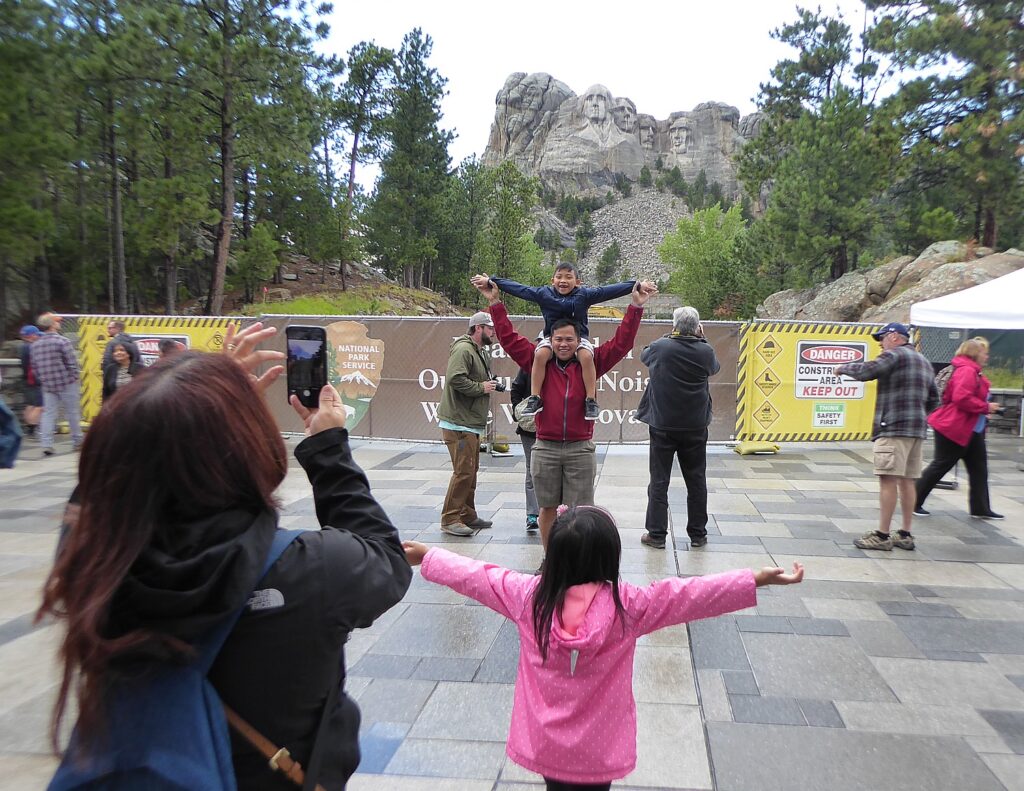
It had been gray
and drizzly when we first arrived making the monument look dull, but as we are
leaving, blue sky breaks through and for the first time, I realize that George
Washington has a jacket.
(During our
visit, the Visitor Center and amphitheater are closed for construction.)
(Just recently, the last living Mount
Rushmore construction worker, Donald ‘Nick” Clifford, who worked on the
monument from 1938-40, passed away at the age of 98.)
Even thought the weather has cleared up
just as we are leaving Mount Rushmore, because it is a getaway travel day, the
group decides not to bike (the trail James suggests is impractical because it
requires the guides to take off the roof racks in order to fit through the
tunnel). We decide instead, to go straight to Rapid City, our departure point,
for lunch before we all go our separate ways.
Rapid City, South Dakota (c) Karen Rubin/goingplacesfarandnear.com.
Our last lunch
together, in Rapid City, is at Tally’s Silver Spoon (best Reuben sandwich
outside of NYC!) – just across the street from the historic Alex Johnson Hotel,
where I began my South Dakota odyssey a week ago.
What I love best
about Wilderness Voyageurs’ “Badlands and Mickelson Trail” bike tour are the
varied experiences: Badlands – fossils – Circle View Guest Ranch – Black Hills
– Crazy Horse – Custer State Park – stone spires – wildlife – buffalo – Blue
Bell Lodge – Mount Rushmore – biking the 109-mile long Mickelson rail trail.
Guided bike trips are not cheap, but what I look for is value for money – my test is whether I could reproduce the trip for less out-of-pocket, to make up for the decided increase in convenience of having the itinerary already plotted out. I found Wilderness Voyageurs excellent value – in the services provided, wonderful accommodations (especially the guest ranch and the lodge), dining, creating an itinerary that was idyllic, entrances to attractions (Badlands National Park, Crazy Horse Memorial, Mount Rushmore), and also considerate, superb guides, a relaxed, unpressured atmosphere (“You’re on vacation!”).
The destination, South Dakota, is quite sensational and unexpectedly varied – spectacular scenery, nature and wildlife, fossils (!), culture and history – a microcosm of North America, really. Indeed, it is an ideal destination for international visitors to plunge into the American frontier west mythology of the past, but more interestingly, to see the American West as it is today. And frankly, even if I rented a bike and paid for shuttle services, I couldn’t have duplicated the itinerary, or the camaraderie, or the expertise and care.
Wilderness
Voyageurs started out as a rafting adventures company 50 years ago, but has
developed into a wide-ranging outdoors company with an extensive catalog of
biking, rafting, fishing and outdoor adventures throughout the US and even
Cuba, many guided and self-guided bike itineraries built around rail trails
like the Eric Canal in New York, Great Allegheny Passage in Pennsylvania, and
Katy Trail in Missouri.
by
Karen Rubin, Travel Features Syndicate, goingplacesfarandnear.com
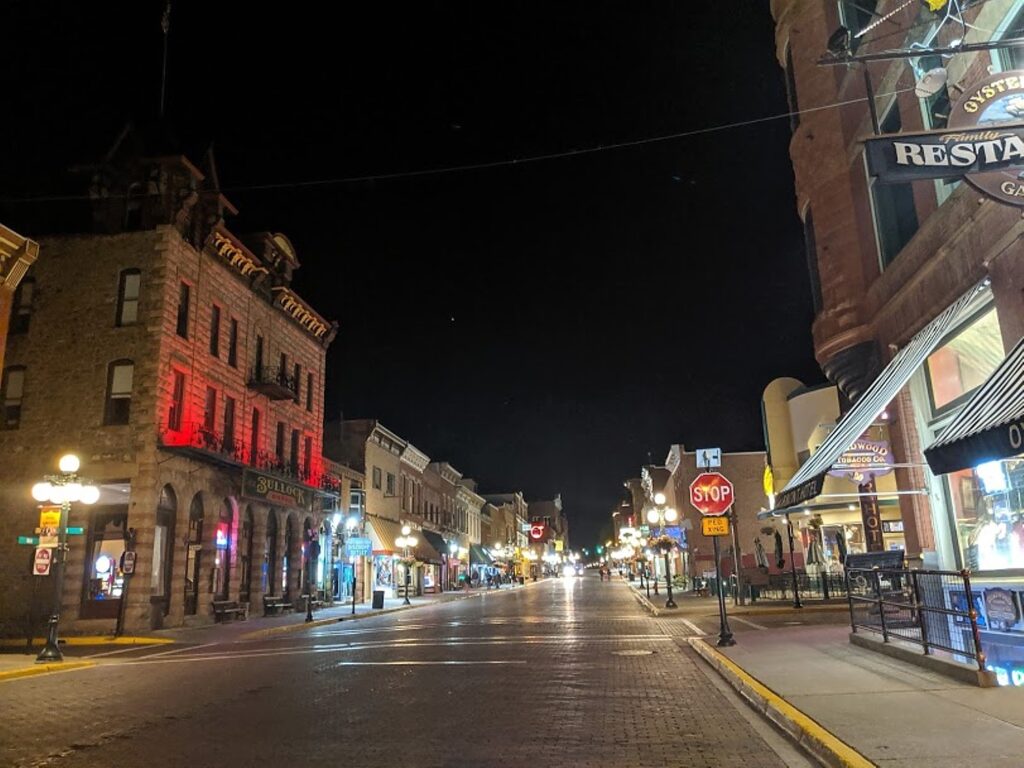
It strikes me as somewhat ironic, or perhaps appropriate, that
Deadwood, South Dakota, so famous for being the place where Wild Bill Hickok
was killed in a saloon playing poker, after being mining boomtown and a virtual
ghost town, has been reincarnated as a casino gaming mecca.
Our
hotel, the Deadwood Mountain Grand Resort, actually reflects both
these traditions: it has one of the biggest casinos and the building has
repurposed what used to be a slime plant (slime is the waste left when they use
cyanide to decompose rock to release the gold), that was part of the Homestake
Mine. The Homestake Mine was the second-largest gold producer in the
United States and the longest continually operating mine in US history,
operating from 1885 to as recently as 2001.
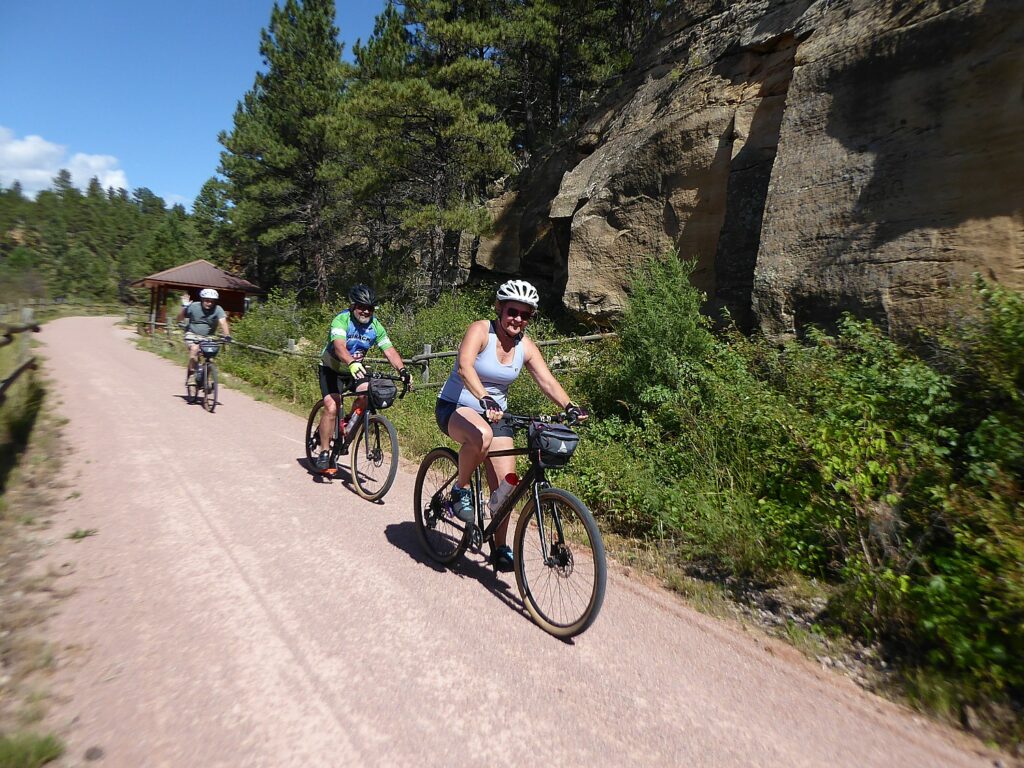
We’ve arrived at Deadwood at the end of biking the 109-mile long Mickelson Trail, a bike trail converted from a former railroad line named to Rails-to-Trails Conservancy’s Hall of Fame, which we have covered in three days of the six-day Wilderness Voyageurs “Badlands and Mickelson Trail” bike tour of South Dakota.
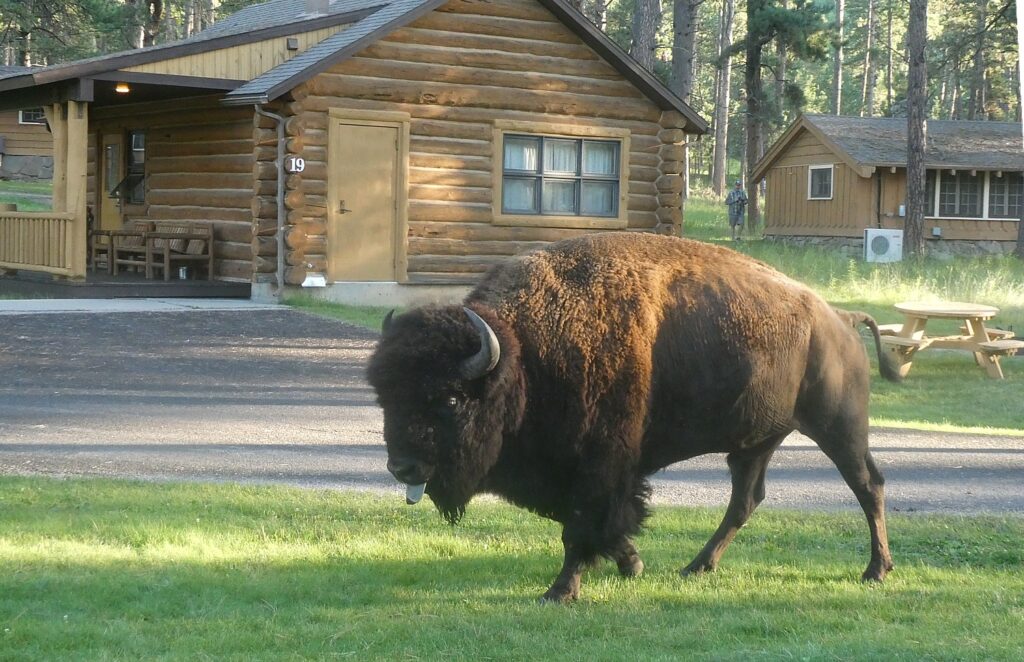
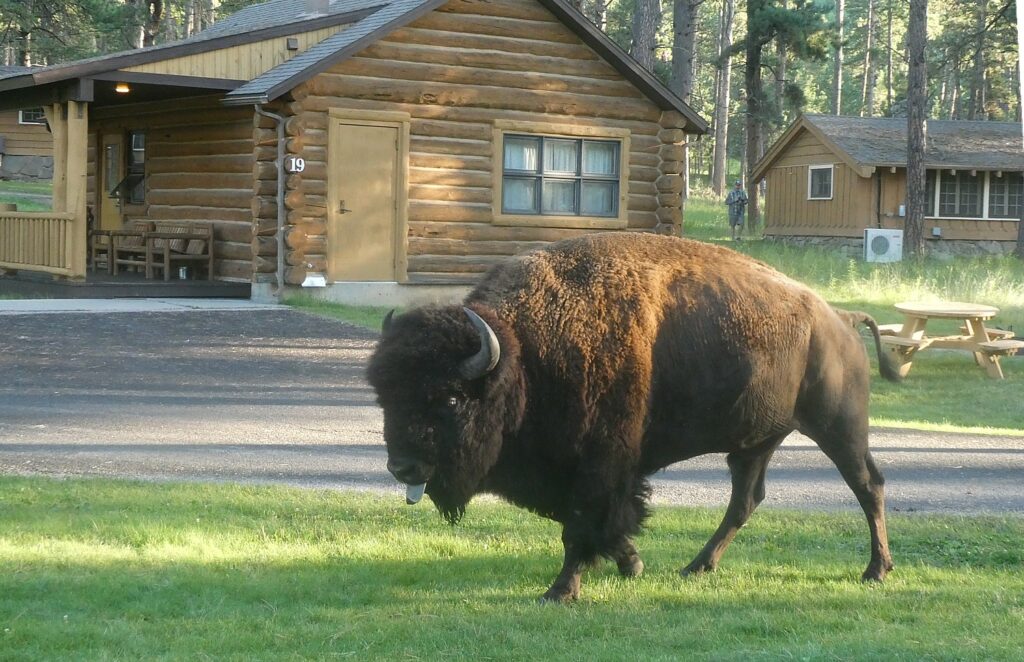
My day begins at the Blue Bell Lodge in Custer State Park, with a buffalo strolling up to the porch of my cabin. We then are shuttled in the Wilderness Voyageurs van to the Mystic Trailhead, to ride the remaining 34 scenic miles of the Mickelson Trail into Deadwood.
It’s
already about 3 pm, and armed with a list of activities that take place which I
have obtained from the concierge (the shootout on Main Street at 6 pm, for
example), I quickly drop my things to rush out to get to the Mount Moriah Cemetery which I remember
the Alex Johnson Hotel manager, Ross Goldman, telling me about. Though the
concierge and the visitor bureau guy discourage me from walking up there (there
isn’t a public bus and the bus tour which makes a quick stop at the cemetery
doesn’t make sense, I head out anyway – the hike, up 4,800 ft. to a high ridge
overlooking Deadwood Gulch – the highest point in Deadwood – proves no big deal
(especially compared to the hills we biked yesterday in Custer State Park) and
takes just about 20 minutes.
At
the entrance, they provide an excellent map with information and location of
the notable graves of the important people who are buried here for you to do
your own self-guided walking tour.
The
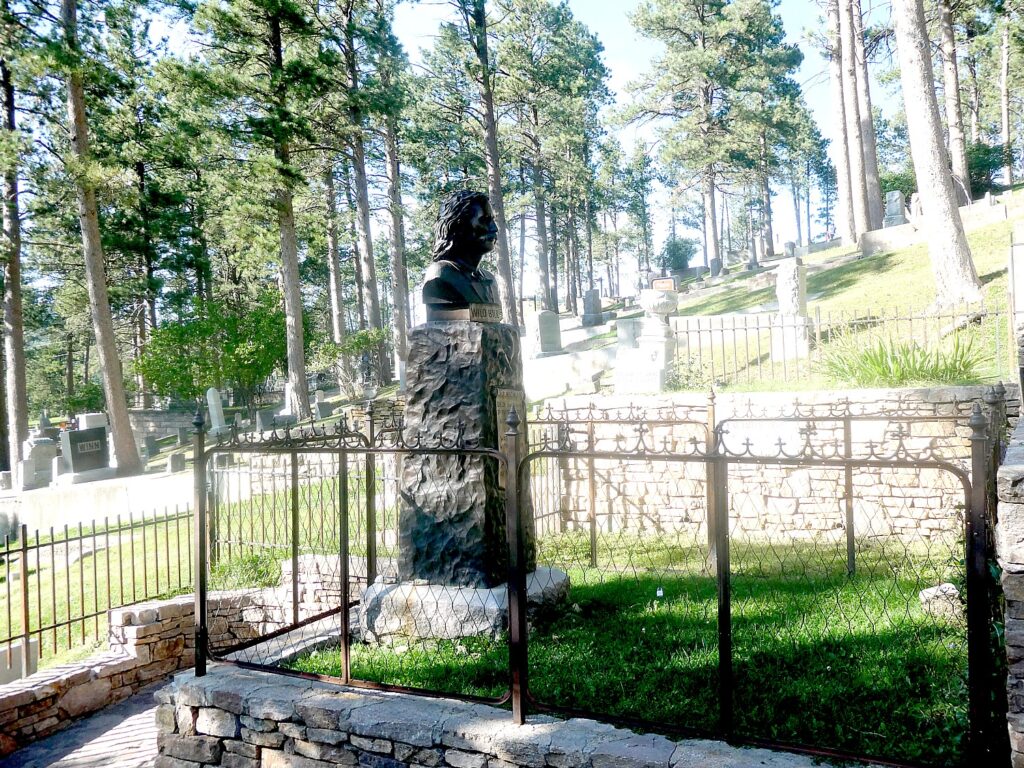
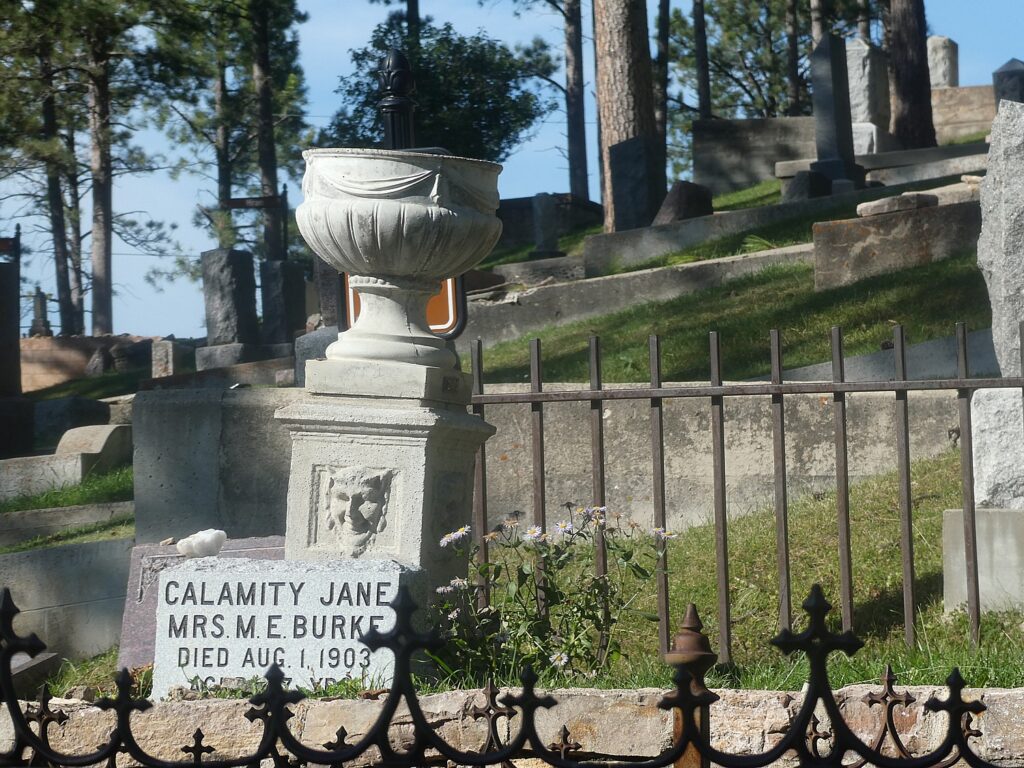
major lure – and why there is a line of people – is the side-by-side plots of James
Butler (Wild Bill) Hickok and Calamity Jane, whose legends continue to animate
Deadwood even today.
According
to the guide, James Butler Hickok was murdered in Deadwood on August 2, 1876.
He came, along with so many others, to the Deadwood gold camp in search of
adventure and fortune. But his true passion was gambling. While playing a game
of cards, he was shot in the back of the head by Jack McCall. “Wild
Bill’s colorful life included service as a marshal, an Army scout and other
tasks which called for a fast gun and no aversion to bloodshed.” (Later, you
can see the re-creation of the arrest of Jack McCall, and then a re-creation of
the hastily convened miners’ court, by the Deadwood Alive troop.)
Martha
“Calamity Jane” Canary (1850-1903) also had a colorful life, which she largely
created and which may or may not be true. “She worked on a bull train,
performed in Buffalo Bill’s Wild West show and was a prostitute.” She claimed
to have been Wild Bill Hickok’s sweetheart (and even that they were married and
had a daughter). Her grave marker calls her Martha Jane Burke because she
married Clinton Burke after Hickok’s death. She is known for acts of charity
and willingness to nurse the sick. In 1903, Calamity Jane died in the Terry
mining camp, her dying wish, “Bury me beside Wild Bill” was carried out.
The
cemetery was established in1878 and actively used until 1949. There are some
3,627 people buried here including a children’s section with 350 who died in of
scarlet fever and diphtheria epidemic 1878-1880; a Civil War section, a Jewish
section (surprisingly large) and a Chinese section (there is even a Chinese
altar and ceremonial oven), and several notable and colorful characters who are
described in the guide with directions to their gravesites.
I am
struck by the wrought iron gates at the entrance which have symbols
representing the Independent Order of Odd Fellows, Freemasonry and the Star of
David. Indeed the name Mt. Moriah was chosen for its religious affiliation with
both the Christian Bible and the Jewish Torah (Mount Moriah is located within Jerusalem,
the site of Solomon’s temple.)
It takes about an hour to visit. ($2/entrance, 108 Sherman St., Deadwood 57732, 605-578-2082, www.cityofdeadwood.com).
Deadwood,
it turns out, was named for the dead timber on the surrounding hills, not for
its shoot-outs. The discovery of gold in the Black Hills brought thousands of
new people to the area.
I get
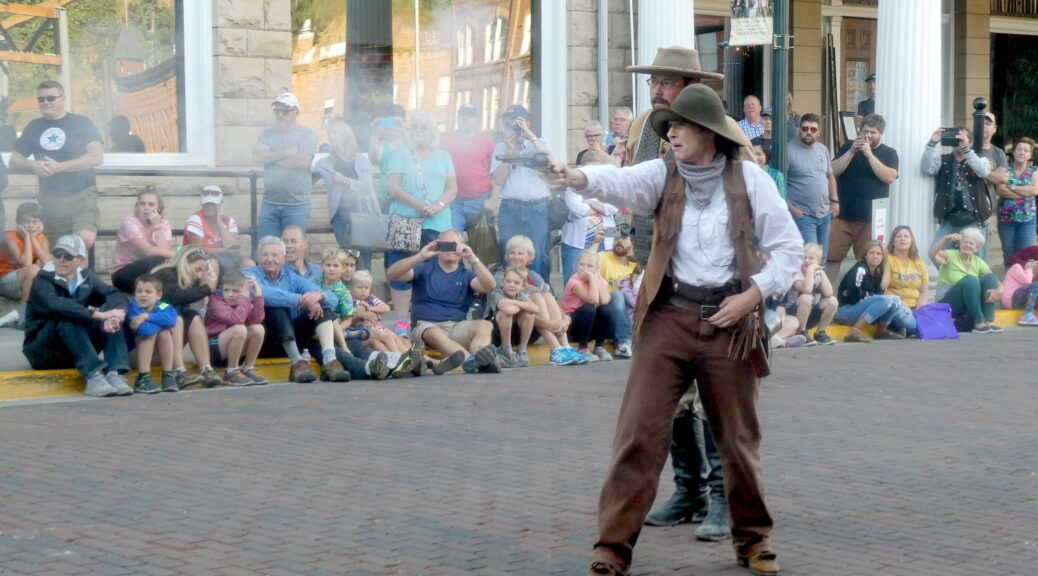
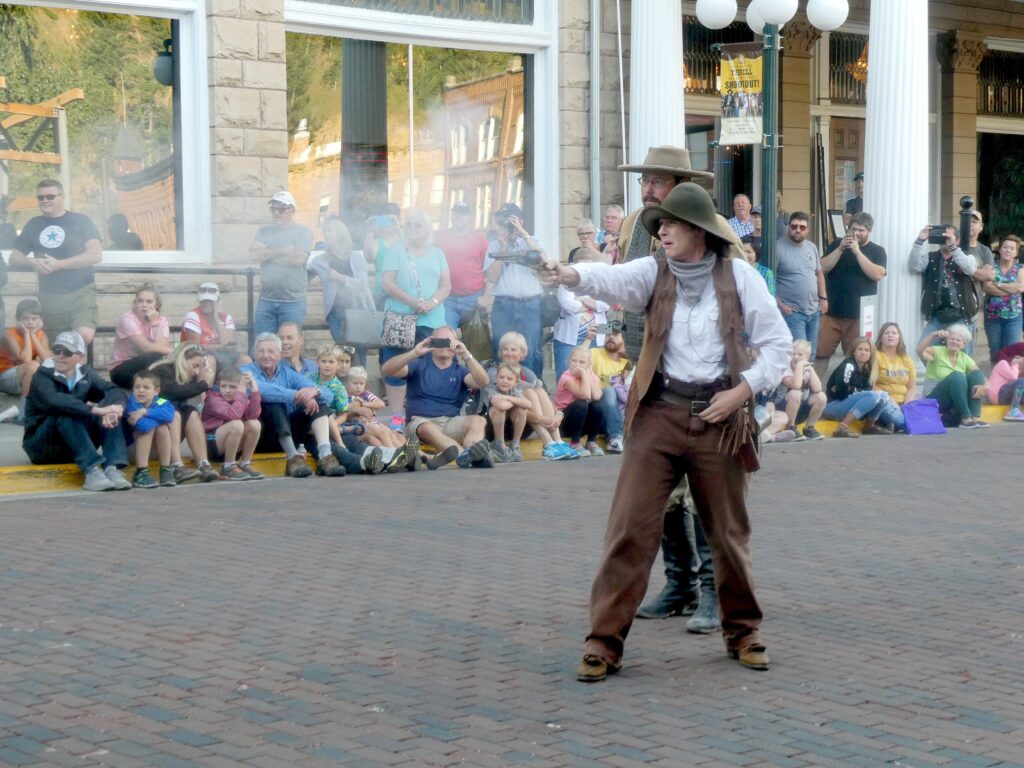
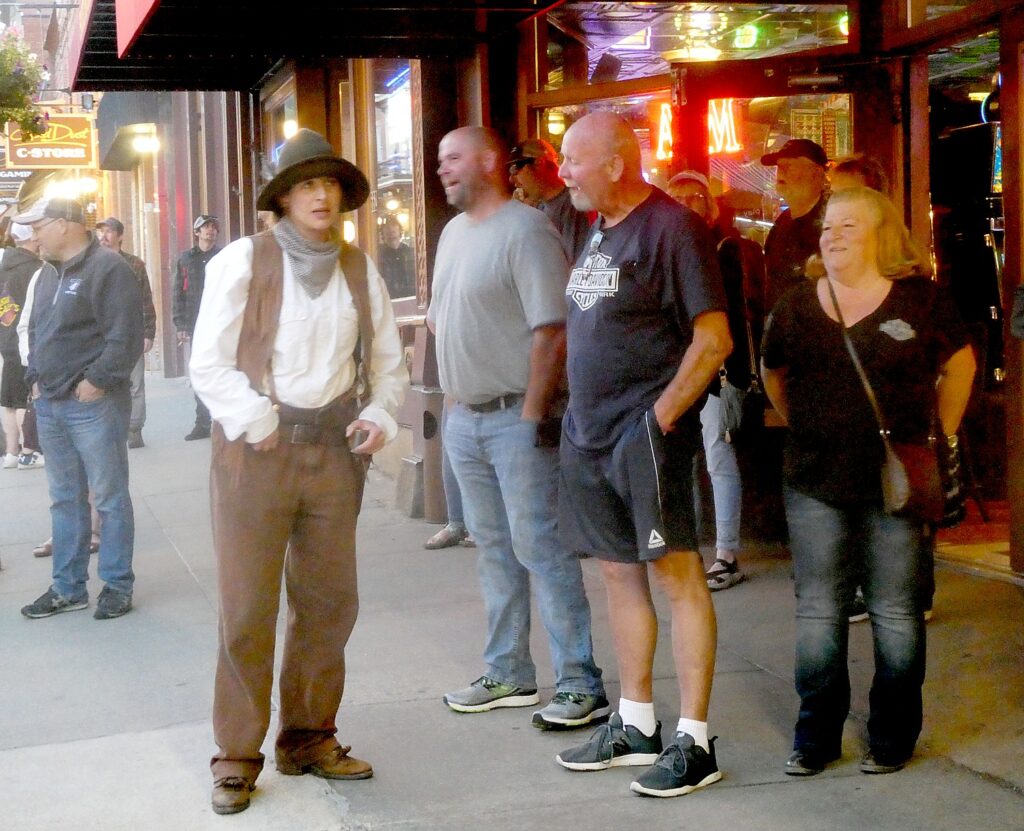
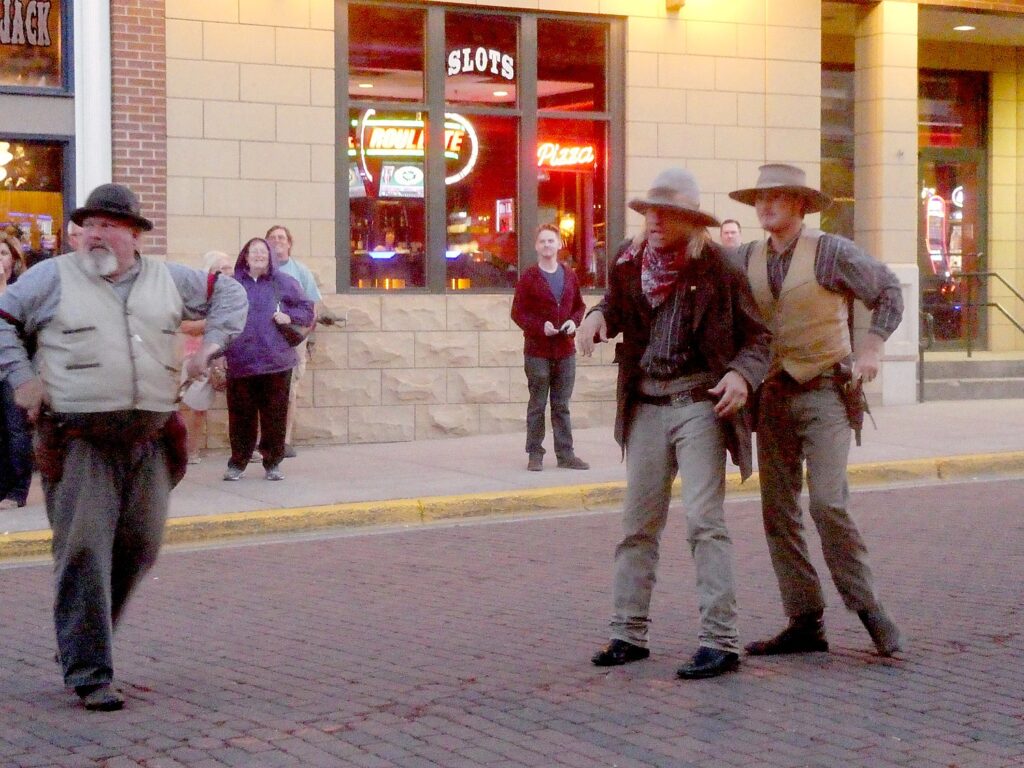
back down to the historic Main Street in plenty of time for the 6 pm “Main Street Shootout”, featuring a
fantastic Calamity Jane character.
There are free shows
throughout the day on Historic Main
Street (reminiscent of a theme park’s re-creation of a Wild West town):
Deadwood’s True Tales; a 2 pm Main Street shootout; a Rootin’Tootin’ Card Game
for kids and old-thyme musical show; Dr. Stan Dupt’s Travelin’ Medicine Show; 4
pm Main Street shootout; 4:30 Old Thym Hoe Down; 5:45 Deadwood’s True Tales on
the steps of the historic Franklin Hotel.
After the 6 pm
shootout, I check out the shops and grab a burger with another couple from our
bike tour who I meet up with on the street, and come back for the 7:30 pm
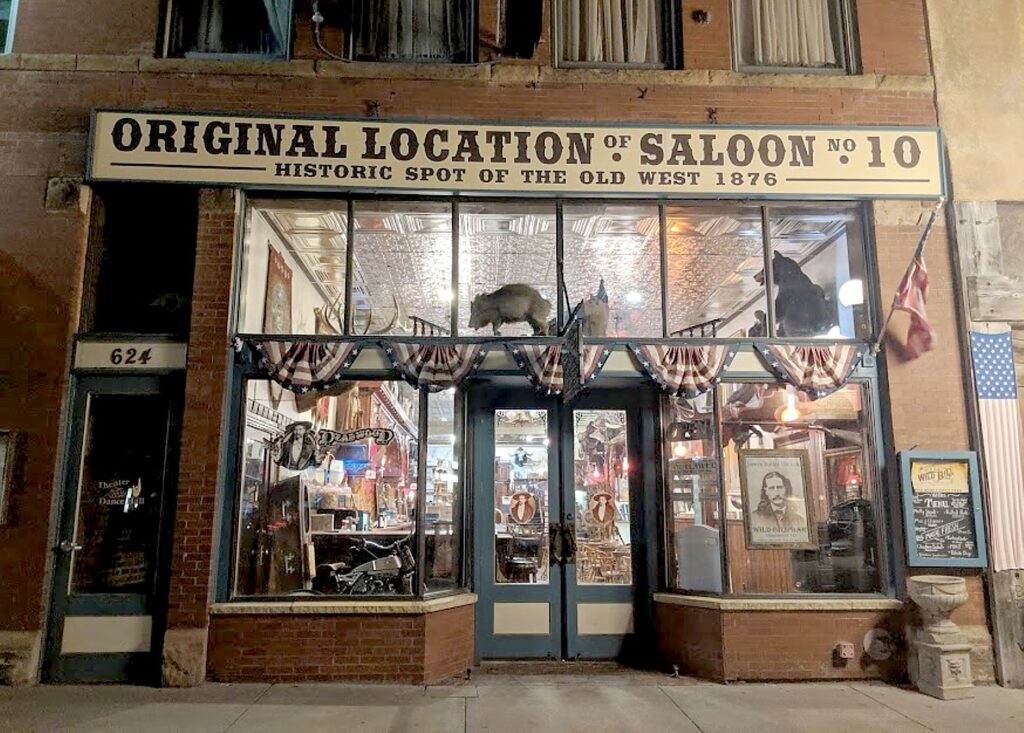
“Capture of Jack McCall” outside Saloon 10 (there is
the “original Saloon 10 where Wild Bill was actually shot).
From
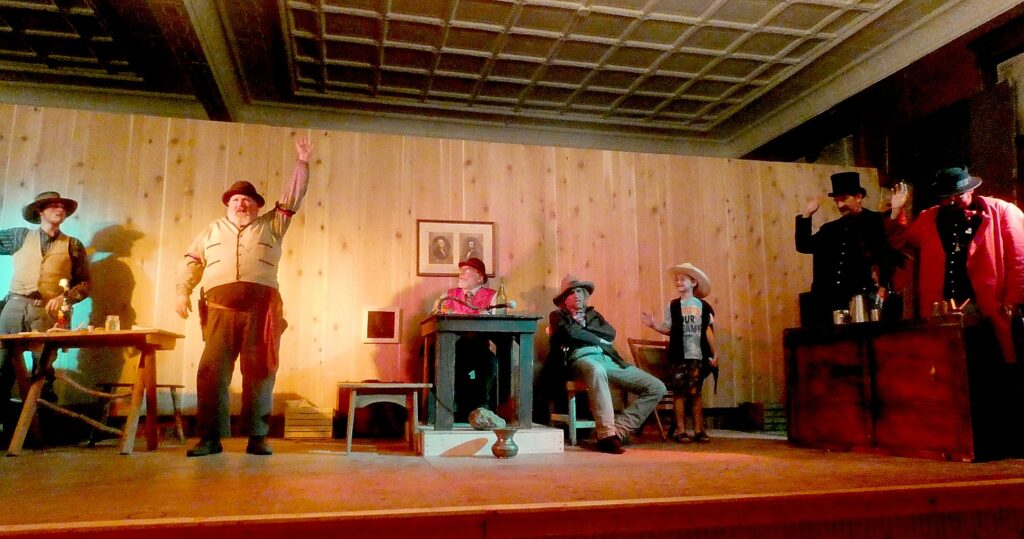
there, we all march up the street to the Masonic Temple for the 8 pm “Trial of
Jack McCall”.
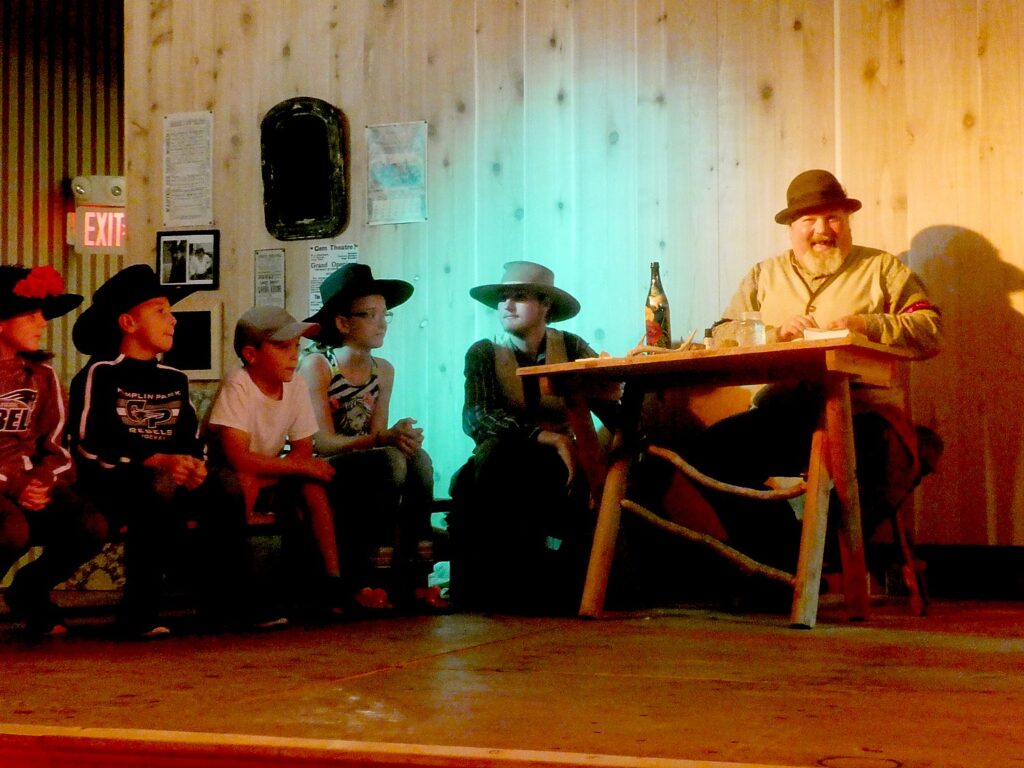
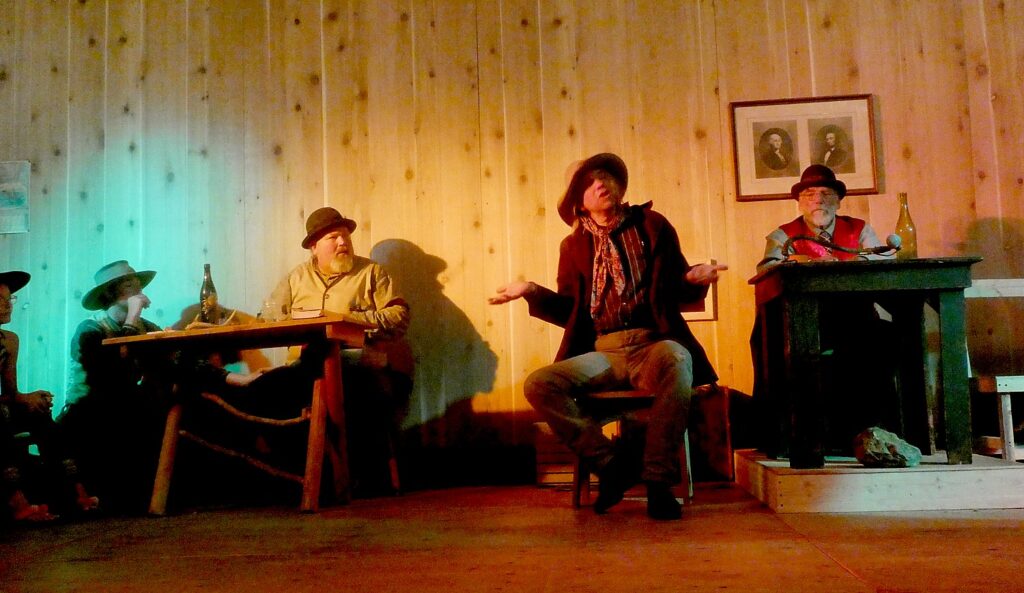
“The
Trial of Jack McCall” has been performed steadily, I am astonished to
learn since 1925, making it one of the nation’s longest
running plays. It began as an annual presentation during Statehood Days. The
script is based on news accounts of the actual trial which took place in the
mining camp of Deadwood after Jack McCall murdered James Butler
“Wild Bill” Hickok. Wild Bill was playing poker in Nuttal and Mann’s
Saloon No. 10 and was shot in the back of the head while holding Aces and
Eights, forever known as the “Dead Man’s Hand”. (People leave the
cards at his grave.). Though based on fact, it is done with great humor (if a murder trial
can be fun). “It has to be accurate,” any “Cookie” Mosher who plays John Swift,
Clerk of the Courts and Executive Director of Deadwood Alive, tells me because Deadwood Alive, a nonprofit, is supported in part
by Historical Preservation Society. (It reminds me of the “Cry Innocent,”
recreation of a Salem Witch Trial, in Salem, Massachusetts).
They even
recreate the edition of the Black Hills Pioneer which reported the story of
Hickok’s murder, on August 3, 1876. “A dastardly murder was committed in
Deadwood gulch yesterday afternoon. The fiendish murderer who shot him in the
back is in jail. The dead man is Wild Bill Hickok, whose prowess with the
pistols is known far and wide. Single-handed, he captured robbers and trouble
makers in the south, at Dodge city, Abilene and Hays, Kansas, in Nebraska, in
all the south. Men feared him, feared his quickness on the draw, the deadly and
accurate aim which send more than one roustabout sprawling.
“But on this
terrible, bloodstained afternoon in the wild gold camp of the Black Hills, Wild
Bill never had a chance.”
This is a family-friendly show where the
selected members of the audience participate in the performance serving as
jurors in the trial- the jury of miners is made up of “minors” – kids who get
to wear various hats and sit on a bench). The show is held nightly Monday
through Saturday with the schedule as outlined below.
It proves
extremely entertaining as a trial for murder could possibly be.
In 1876,
Deadwood didn’t have a courthouse so the trial was held in Deadwood Theater
(the narrator/court manager explains they have to wait for auditions to finish
– so there is music provided by Calamity Jane as the audience files in. The
theater was tearing down from the previous week’s show and getting ready for
the next, so you see various props.The trial was held just the day after McCall’s
arrest.
A
boy is given the role of sheriff; wearing an oversized cowboy hat, he seems
just itching to shoot the toy gun he hold on McCall.
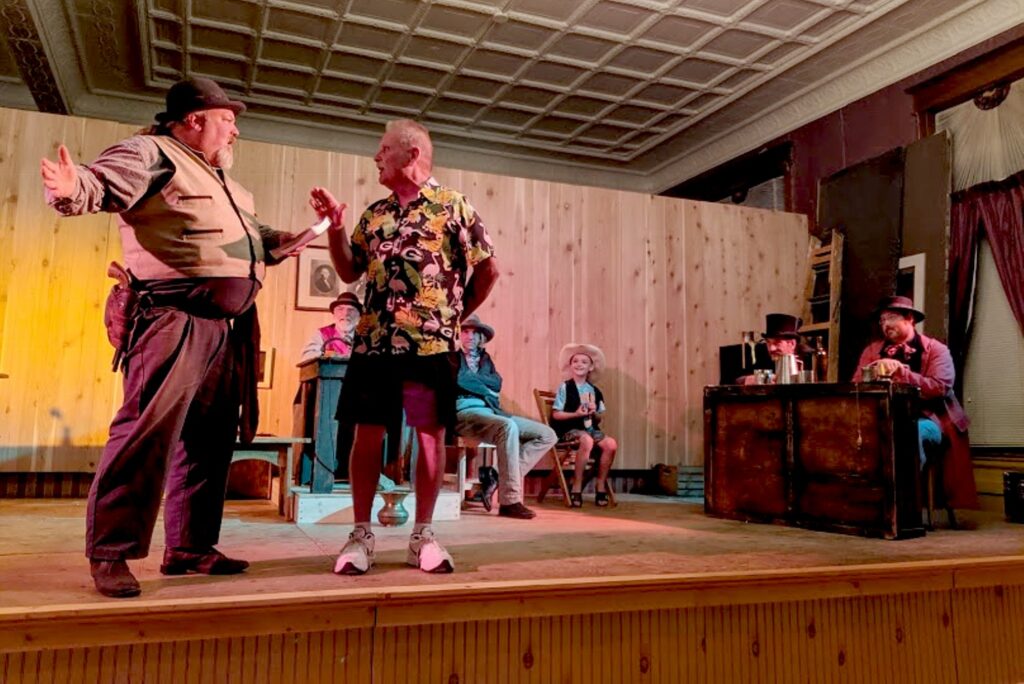
They
call “witnesses” and John Swift, the clerk of Courts (played by Mosher) goes
into the audience and pulls somebody up – then after jokes (swearing on
“Bartenders Guide” instead of bible), “sneaks” them a script. He grabs a guy as
a witness who is wearing shorts so he puts shawl over his leg for modesty; he grabs
a woman to play McCall’s’ employer and pretends to flirt. (It’s very Shakespearean the way they go
in/out of character and talk to audience.)
One
witness says Wild Bill asked him to move his chair so Wild Bill could sit with his
back to wall, and he refused.
The “minors”
on the jury pretend to sleep during Defense’s summation.
As
in real life, McCall was found Not Guilty. Then, in an epilogue, the Clerk relates
that McCall was driven from town but bragged about killing Wild Bill over a
game of cards. The federal government said that because the crime was committed
in Indian Country the feds still had jurisdiction to try McCall without
violating the rule against double jeopardy. McCall was rearrested in 1877, got a
new trial, was found guilty and hanged.
Deadwood Alive has been entertaining visitors for over 20 years
with Main Street shootouts and regular performances of the Trial of Jack
McCall. The Deadwood Alive troupe of superb actors consists of over 10
characters and provide entertainment throughout the year including daily
shootouts, guided walking tours, musical performances and the famous Trial of
Jack McCall. Deadwood Alive is managed by a non-profit board of directors and
employs up to a dozen individuals each summer to re-enact several historically
accurate incidents of Deadwood’s past and make a visit to Deadwood so
entertaining for people of all ages (($6 adults, $5 seniors, $3 children,
800-344-8826, www.deadwoodalive.com).
I
enjoy the charm of the Main Street. I stop in to the Franklin Hotel, opened since
1903, a beautiful, elegant hotel, now with a casino in the lobby.
Deadwood actually offers a lot of history and attractions, which unfortunately, I do not have time to experience): The Adams Museum (554 Sherman St); Days of ’76 Museum (18 Seventy Six Dr), and Historic Adams House (22 Van Buren St.). (DeadwoodHistory.com, 605-722-4800).
More visitor information at Deadwood
South Dakota, 800-344-8826,www.deadwood.com.
Wilderness
Voyageurs started out as a rafting adventures company 50 years ago, but has
developed into a wide-ranging outdoors company with an extensive catalog of
biking, rafting, fishing and outdoor adventures throughout the US and even
Cuba, many guided and self-guided bike itineraries built around rail trails
like the Eric Canal in New York, Great Allegheny Passage in Pennsylvania, and
Katy Trail in Missouri.
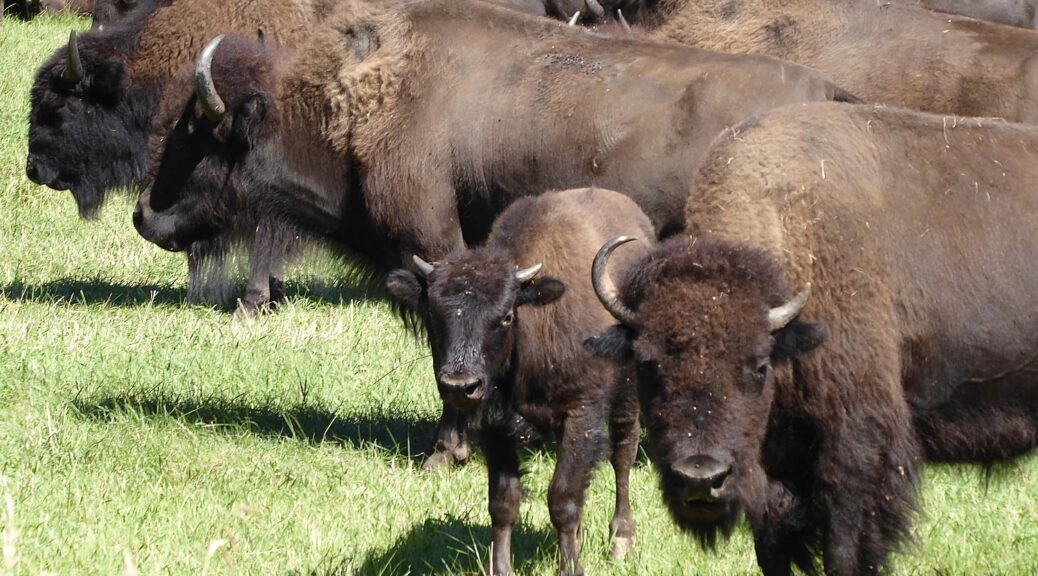
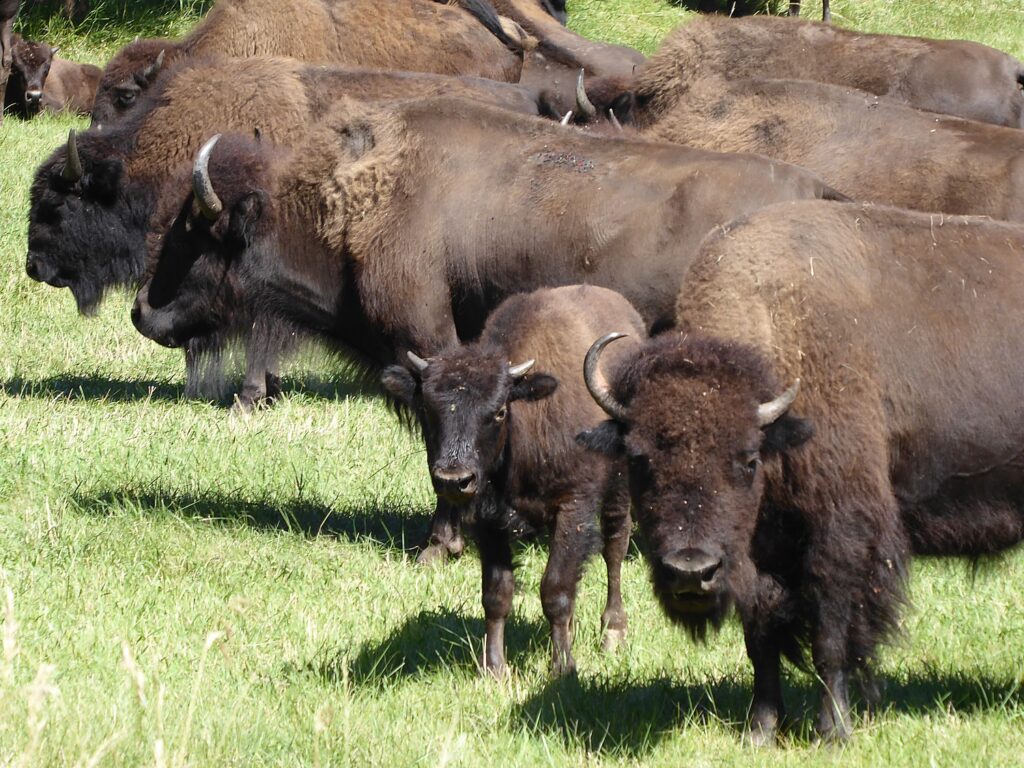
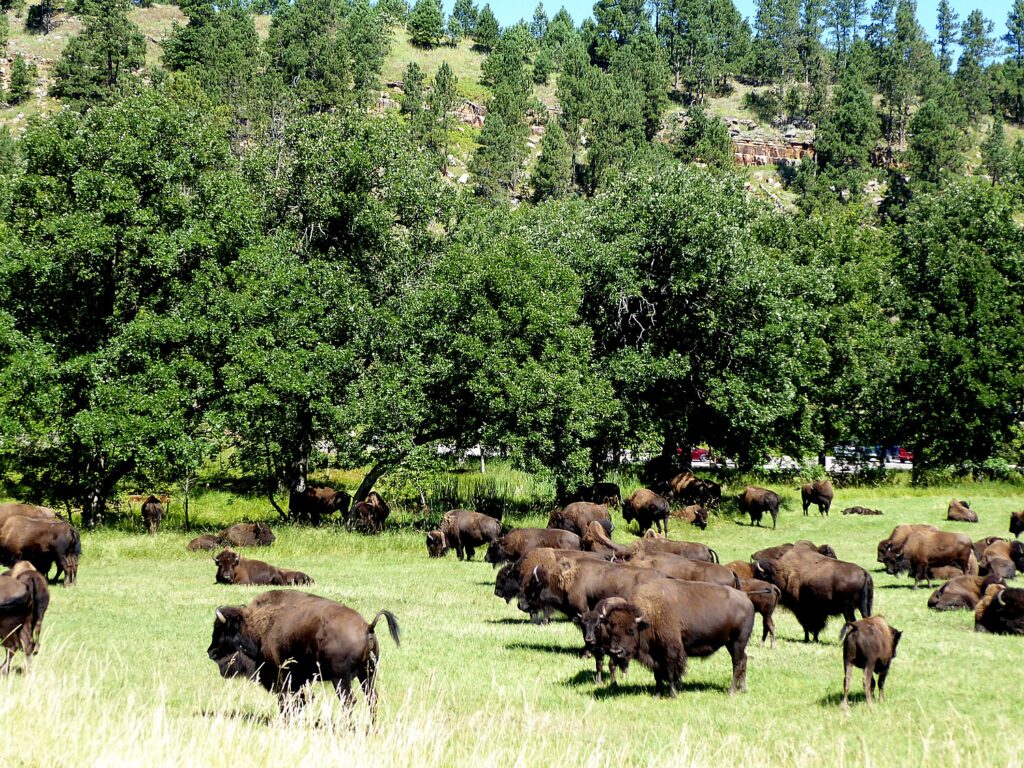
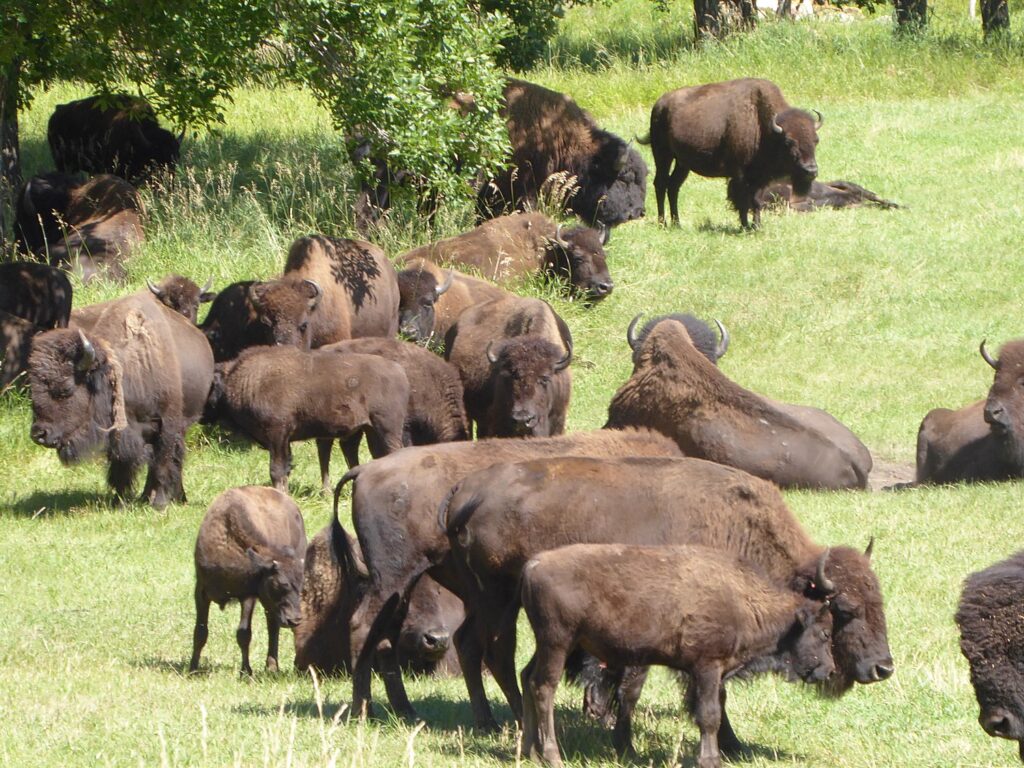
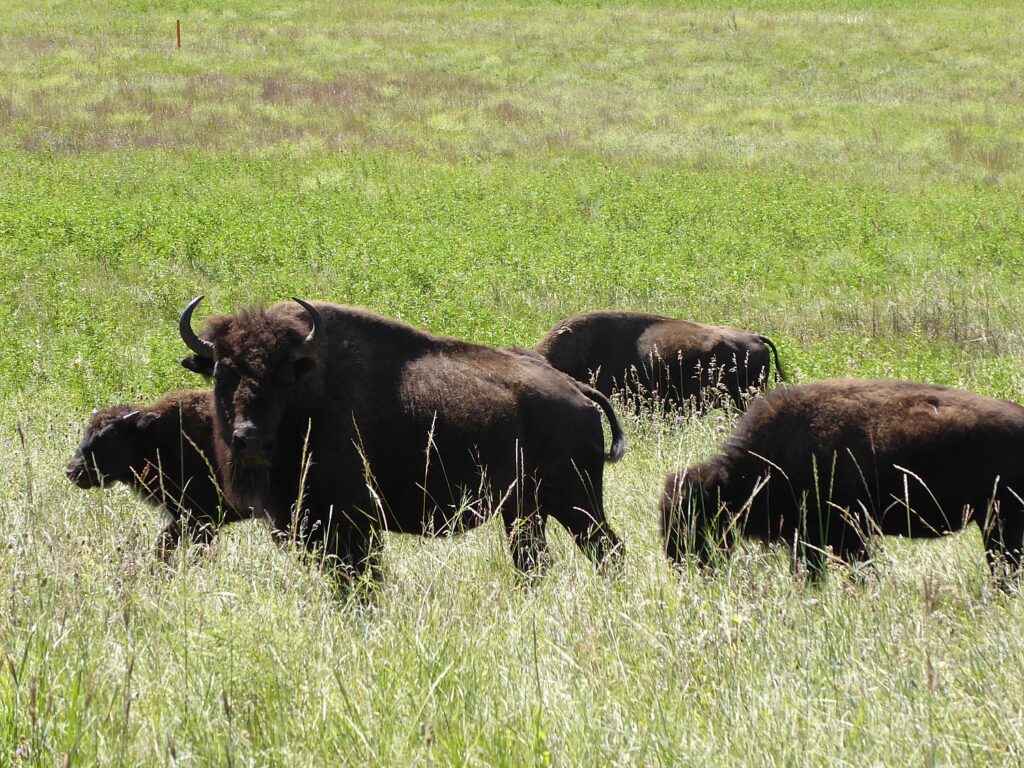
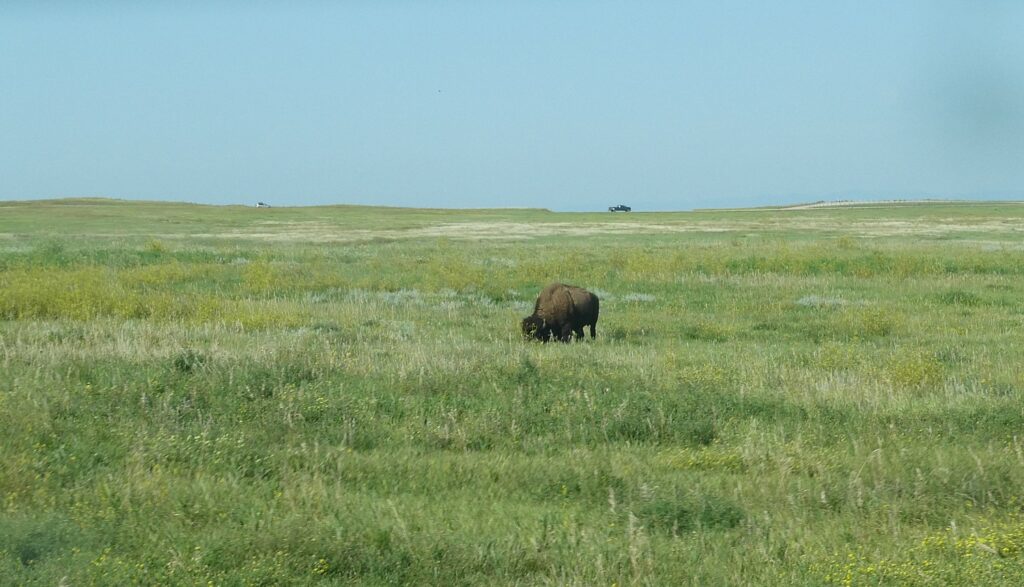
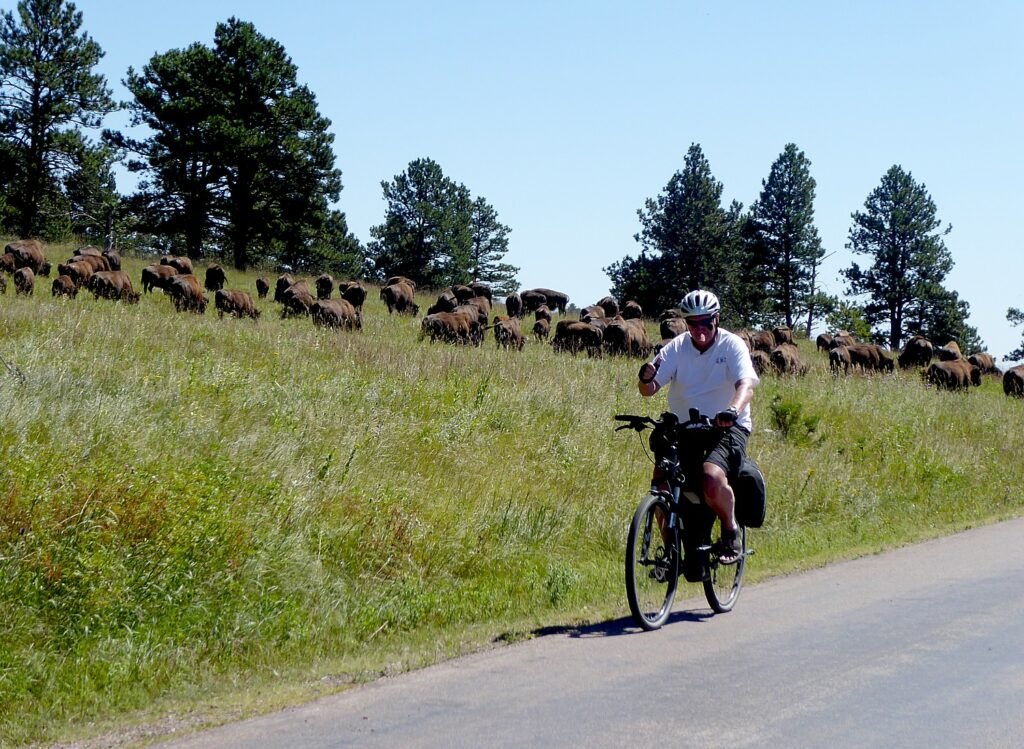
A herd of buffalo (bison) take over a field just outside the Custer State Park Visitor Center, South Dakota (c) Karen Rubin/goingplacesfarandnear.com.
by
Karen Rubin, Travel Features Syndicate, goingplacesfarandnear.com
I
didn’t think I could be wowed more than yesterday’s bike ride along the
Mickelson Trail to the Crazy Horse Memorial. But today’s ride through South Dakota’s
Custer State Park, starting on the Needles Highway, and riding the Wildlife
Loop for incredibly close encounters with the state’s famous animal life, finishing
at a rustic (but luxurious) lodge in the woods, is over the moon.
The Wilderness Voyageurs guides shuttle us in the van from the town of Custer to Sylvan Lake in Custer State Park to start our ride through South Dakota’s first and, at 71,000 acres, its largest state park. Like the town, its namesake is the infamous Lt. Colonel George Armstrong Custer, who in addition to being the army commander who brutally fought Indians (meeting his master at the Battle of Little Big Horn), was an “explorer and fortune hunter”. In 1874, Custer found gold in these Black Hills, prompting a mad gold rush that resulted in the Indians being displaced from their sacred lands. But be that as it may, the park, which preserves and protects the precious buffalo (actually American bison), and so much more, seems a measure of justice.
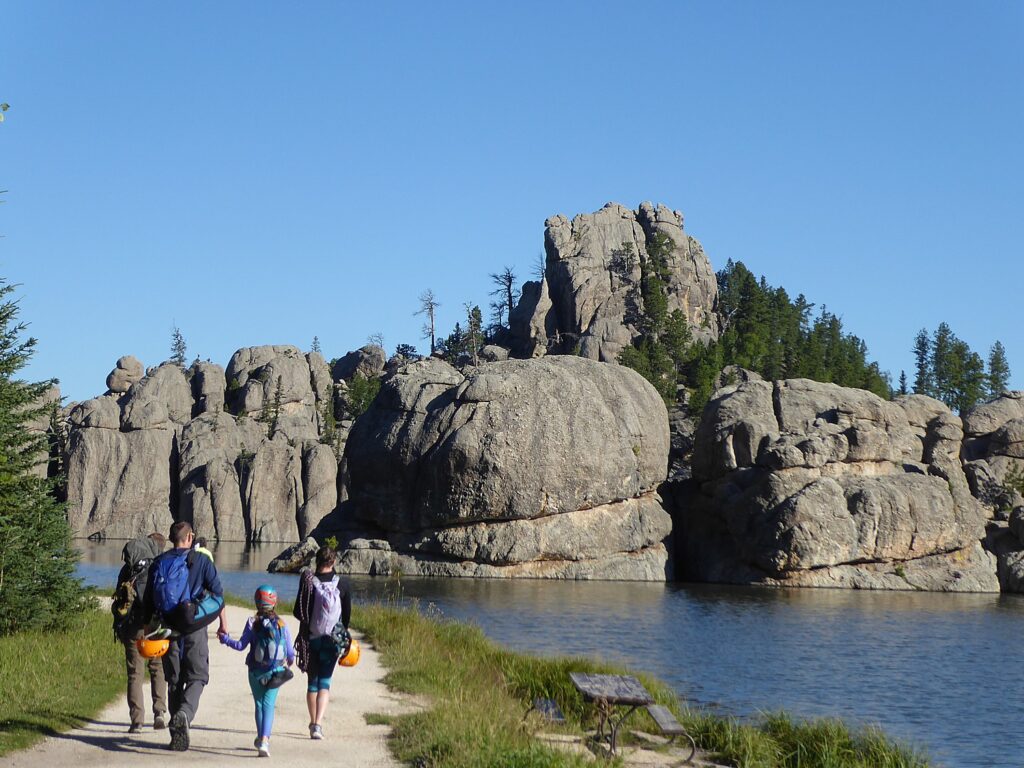
The
scenery is spectacular, beginning with this first view of the enchanting Sylvan
Lake. There is the Sylvan Lake Lodge (35 Lodge rooms, 31 cabins and a specialty
“Cathedral Spires Cabin” that sleeps 20), one of a few lodges in the park, a
superb hub for people who have come to fish, kayak, hike, rock climb or like
us, bike through Custer State Park and the fabulous Wildlife Loop.
We
bike along the Needles Highway. “14 miles of winding turns, granite spires and
rock tunnels, the Needles Highway is a marvel of engineering,” a marker reads. “Peter
Norbeck [South
Dakota’s first governor, U.S. senator and a conservationist] walked and rode the future highway on horseback, laying out
a route many deemed impossible.
“Norbeck
asked his engineer, Scovel Johnson, ‘Scovel, can you build a road through
here?’ Scovel answered, ‘If you can furnish me enough dynamite.’ It took
150,000 pounds of the explosive, and the highway was opened in 1922.”
Before
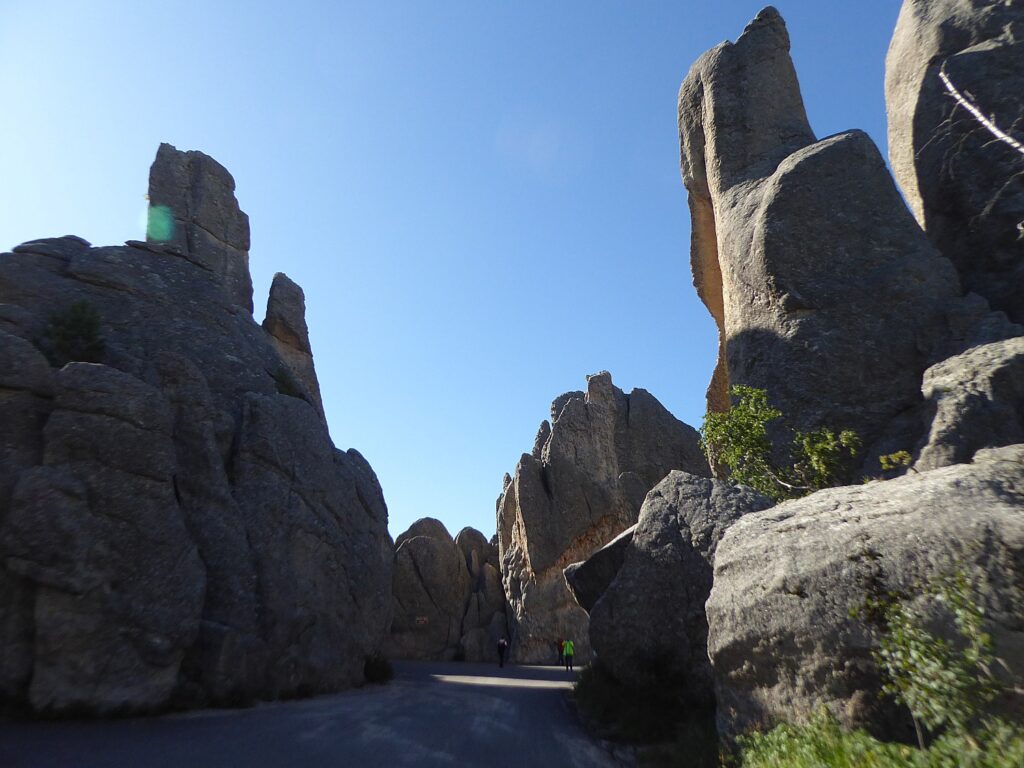
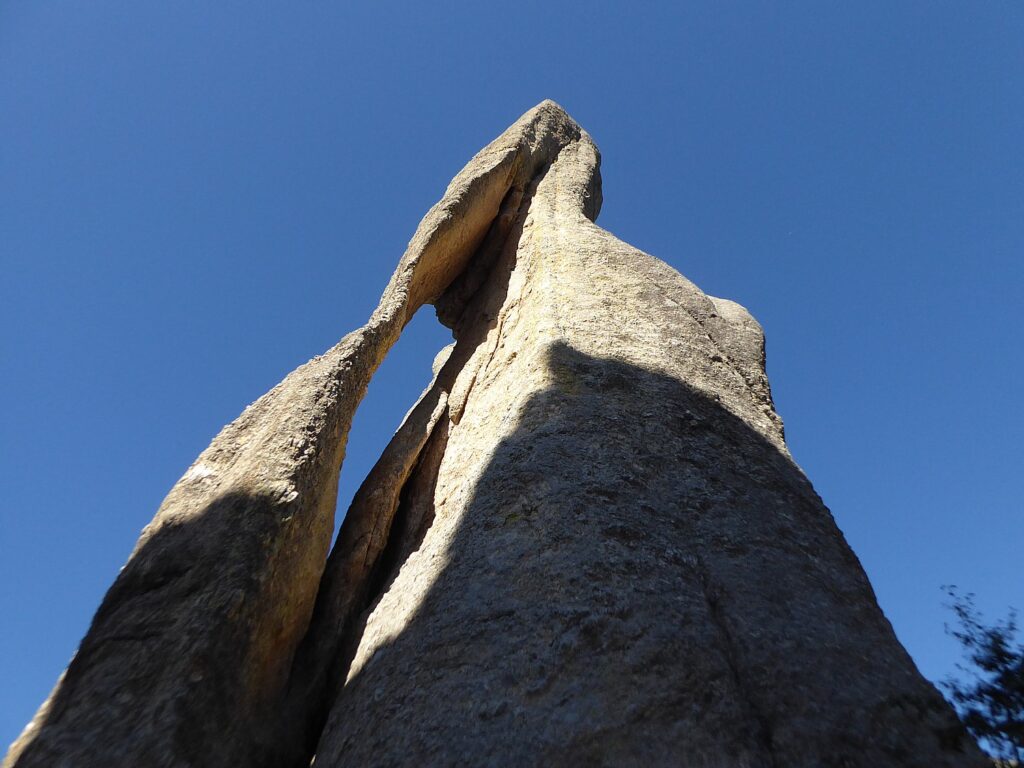
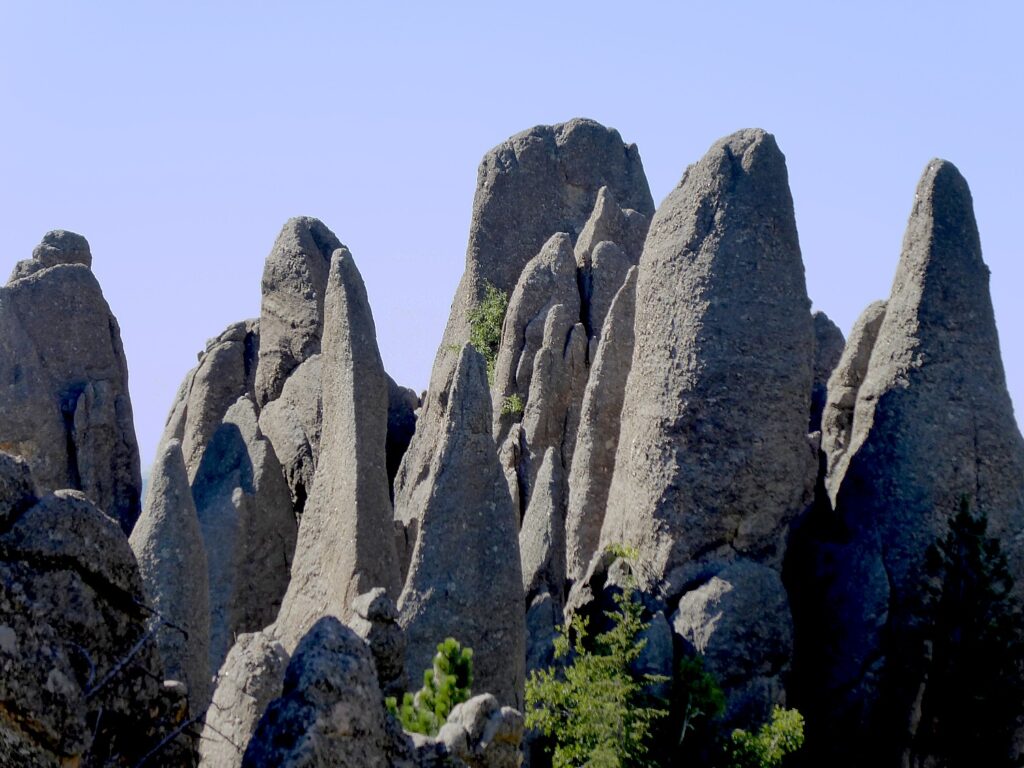
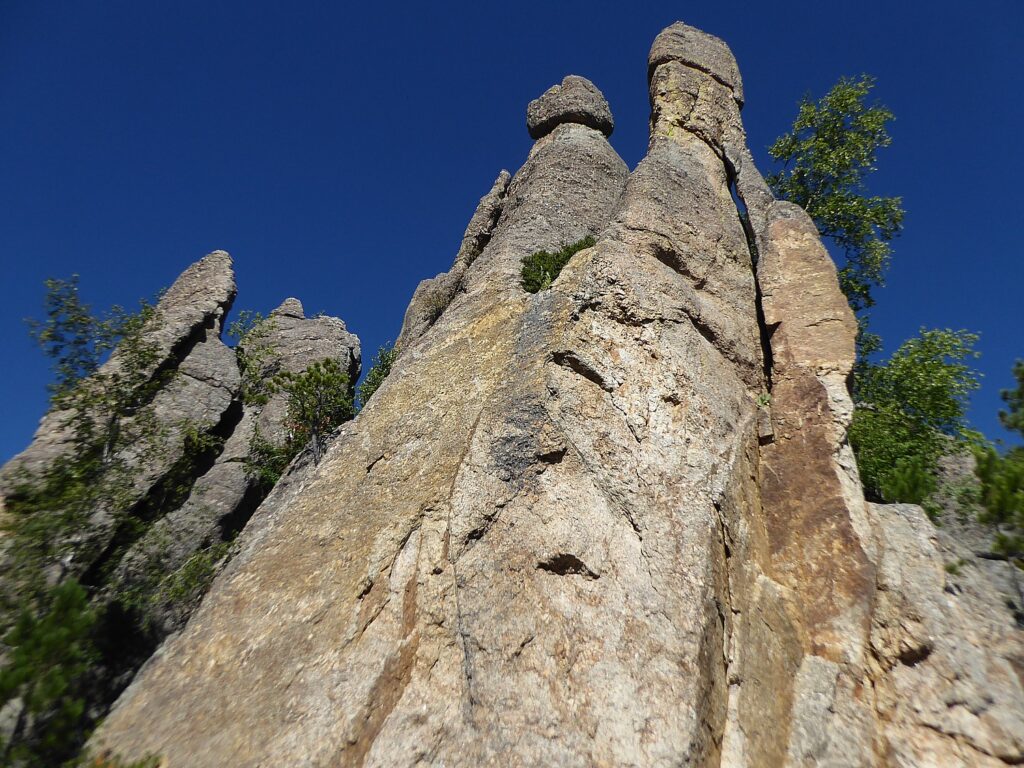
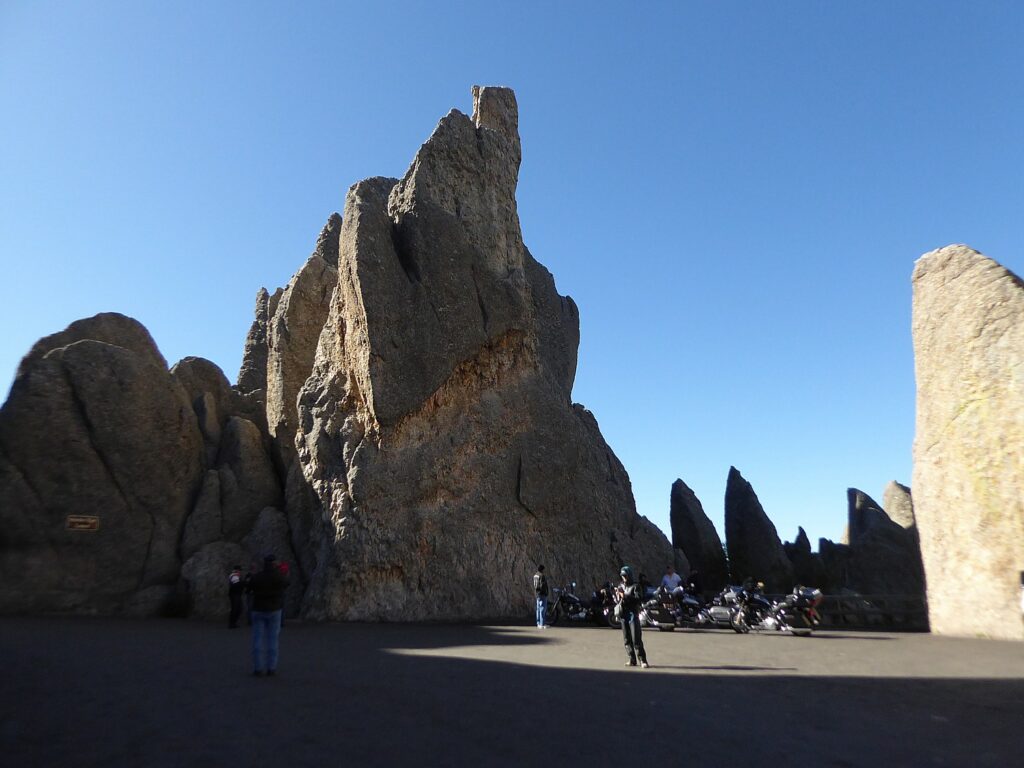
long, we find ourselves in the midst of a section known as The Needles, with
monster spires (fantastic for rock climbing).
We
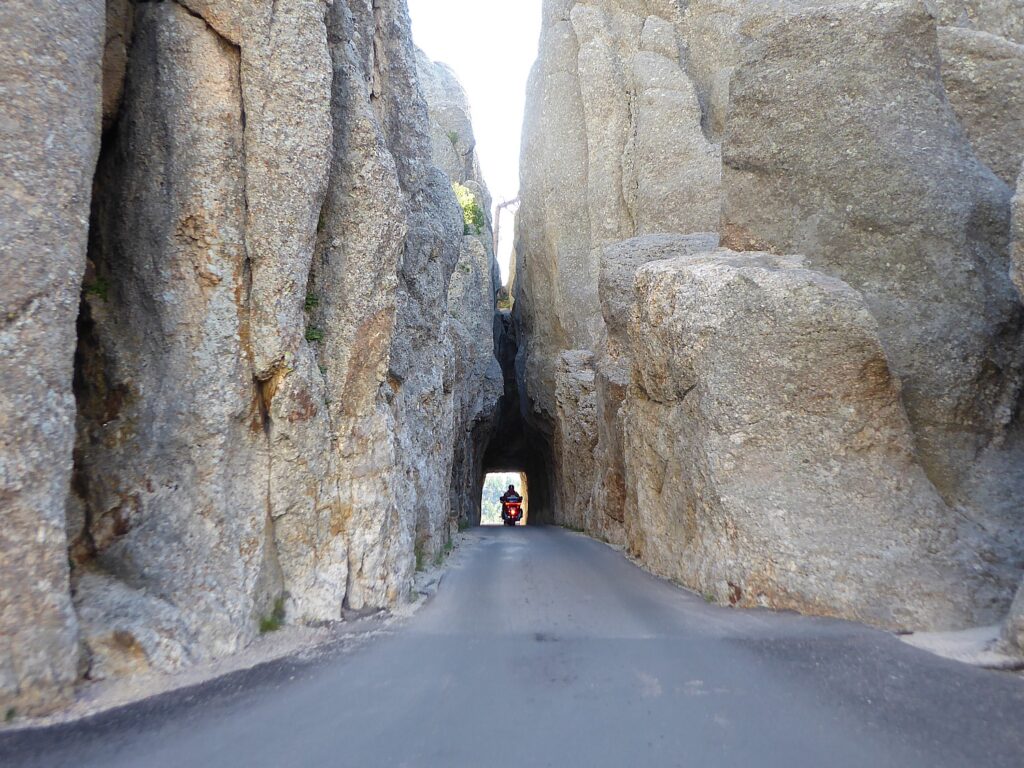
ride through the Needles Eye tunnel – carved just wide and high enough to
accommodate the van (they have to take off the bikes) and soon after, the
Cathedral Spires. The breathtaking scenery makes you contemplate your place in
the natural world.
James
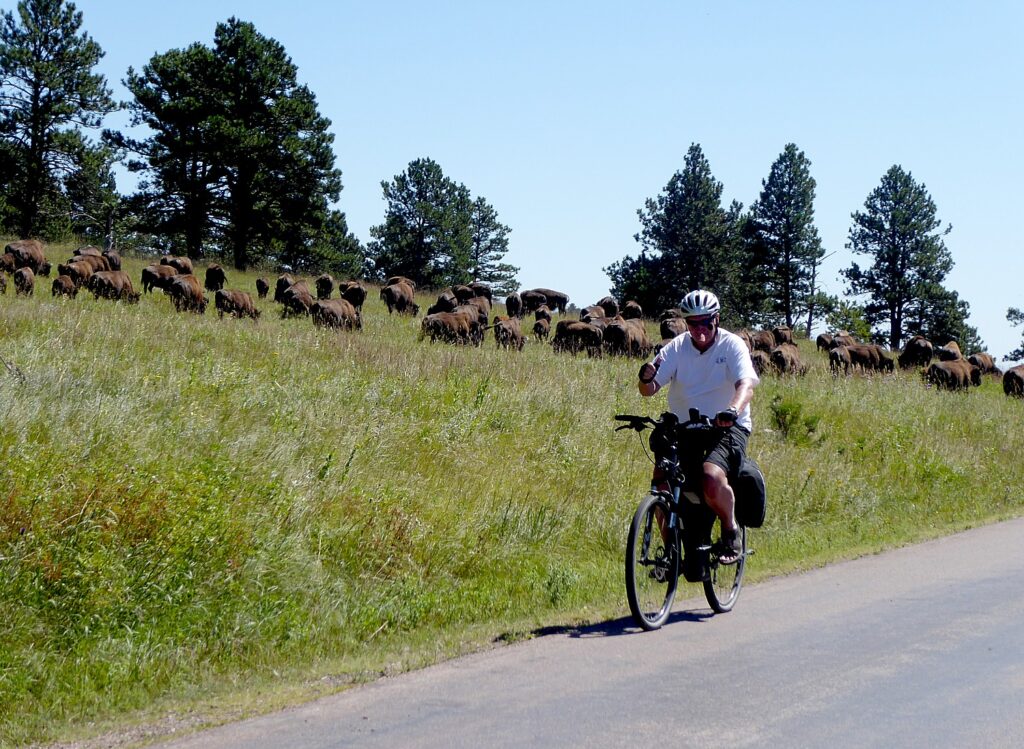
Oerding is the guide today (while John Buehlhorn drives the van), and once again, I am last, lingering to take
in the view, which means that James pretty much accompanies me. James is a
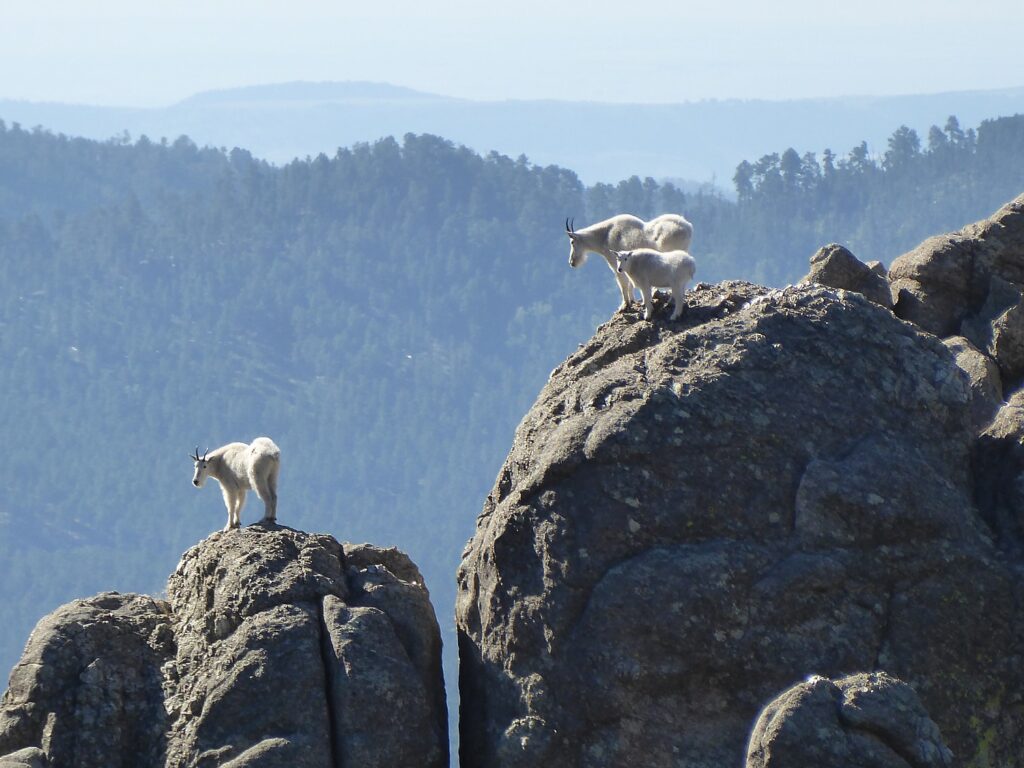
master wildlife spotter and sees a pair of mountain goats on a spire and then
we see their kid they are trying to convince to jump across a cavern between
the spires. They seem genuinely puzzled how to get down, though I can’t figure
out how they got up to this promontory in the first place.
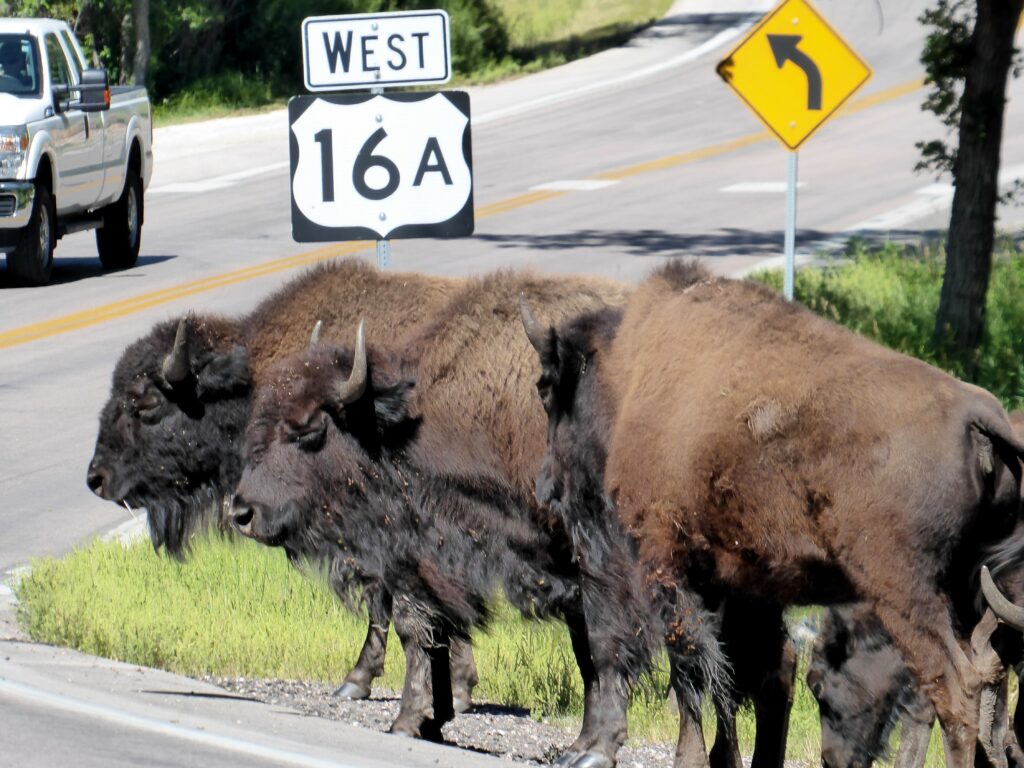
No
sooner does the landscape change completely from the tall spires to plains,
than we come across a whole herd of buffalo (actually, American bison) just
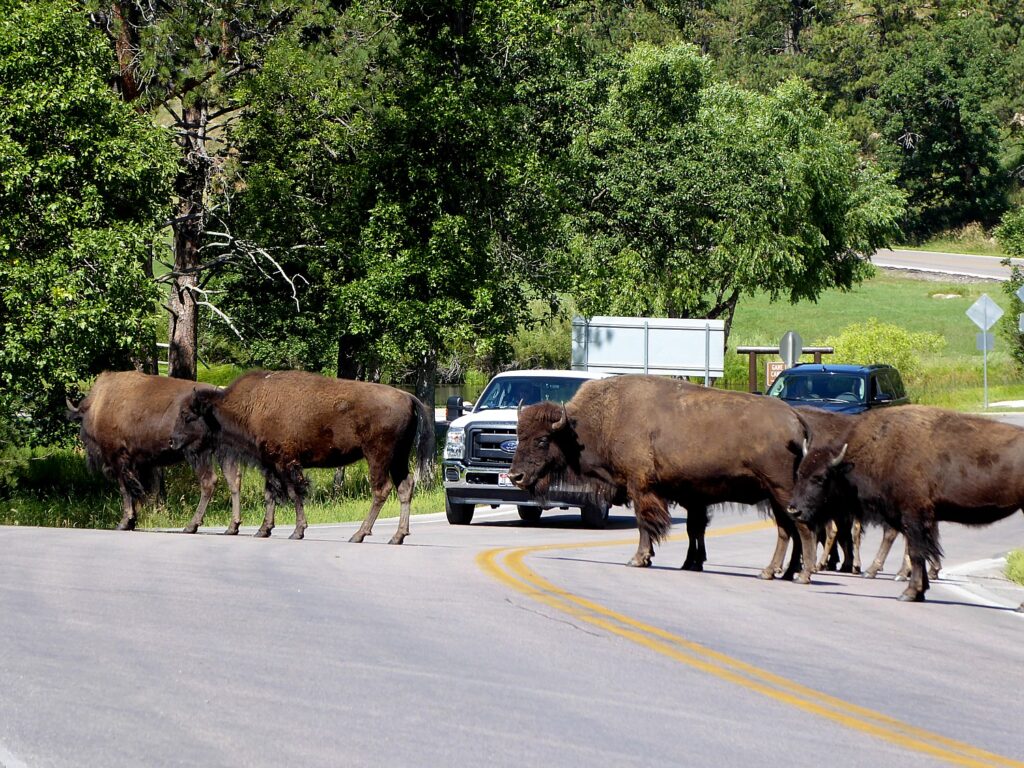
where we get to the Visitor Center, where John has lunch for us. Traffic has
stopped where the bison have chosen to cross the road.
There
seem to be a hundred bison gathered on a large field just in front of the
Visitor Center, and people are casually picnicking (like us) within arm’s
length – a surreal scene for a city kid.
The
Custer State Park Visitor Center is a stunning modern building, offering an
array of exhibits, including a large interactive map, a 20-foot scale model of
the Cathedral Spires and displays describing the natural world of the Park – as
well as warnings about how not to interact with the bison (a bison can run 35
mph; if it lifts its tail, it is getting into fighting position; bison
communicate to the herd with their tail). There is a wonderfully comfortable
theater which offers a not to be missed 20-minute film narrated by Kevin
Costner who reminds us that this was the very land (in fact used in the film)
of “Dances With Wolves.”
“The
buffalo – tatanka – are an enduring symbol of the Old West symbolizing
abundance, strength, power and an enduring symbol of Indian culture.”
In the Lakota language, the word “tatanka” is translated as “buffalo” or “buffalo bull.” But native Lakota speakers say the literal
translation is more like “He who owns us.”
“The Lakota and other tribes believed that a white buffalo is the most sacred living thing on earth. … The American buffalo or bison is a
symbol of abundance and manifestation. Tatanka is the
root of all life.”
At Custer
State Park, “the spirit is Tatanka,” the film intones. “71,000 acres….towering
granite spires… an incredible American landscape. Choose your own path.”
The
park sits between Crazy Horse Memorial at one corner, Mount Rushmore National
Memorial at the other.
The park’s
history dates back to 1897; but it was officially named a state park in 1919;
the Needles Highway was completed in 1922; by 1924, the bison herd totaled 100.
In 1927, President Calvin Coolidge and his wife spent three months at the Game
Lodge. The park was expanded in the 1930s as part of FDR’s government works
projects and became one of largest state parks in the United States. By 1966,
the park received 1 million visitors; now, some 2 million visitors come each
year.
The park
has played a vital role in saving the American bison. There were 30-60 million
bison roaming North America in the 1500s when Europeans first arrived; by the
late 1880s-1890s, fewer than 1000 were left. In the early 1900s, the
Yellowstone herd was protected; then the Custer State Park herd. In 1914, 36
bison were purchased and by 1924, the herd totaled 100. Today, there are some
500,000 bison in North America, with 400 born a year here at Custer State Park.
Each September, there is a Buffalo Roundup which this year, brought out over 19,440 visitors for the 54th Annual roundup, to watch as 60 horseback riders wrangle the herd of 1,400 bison into corrals for their annual health check. The annual roundup helps the park manage its herd; some 445 bison are sold at the annual auction. The park also hosts a three-day arts festival in conjunction with the roundup. (Upcoming Buffalo Roundups will be held on Friday, Sept. 25, 2020, and Friday, Sept. 24, 2021.)
From
here, we get back onto the road to bike on Custer State Park’s Wildlife Loop.
Encompassing
71,000 acres in the Black Hills, Custer State Park, is one
of the best places in North America to see a range of animals in their natural
habitat.
Along
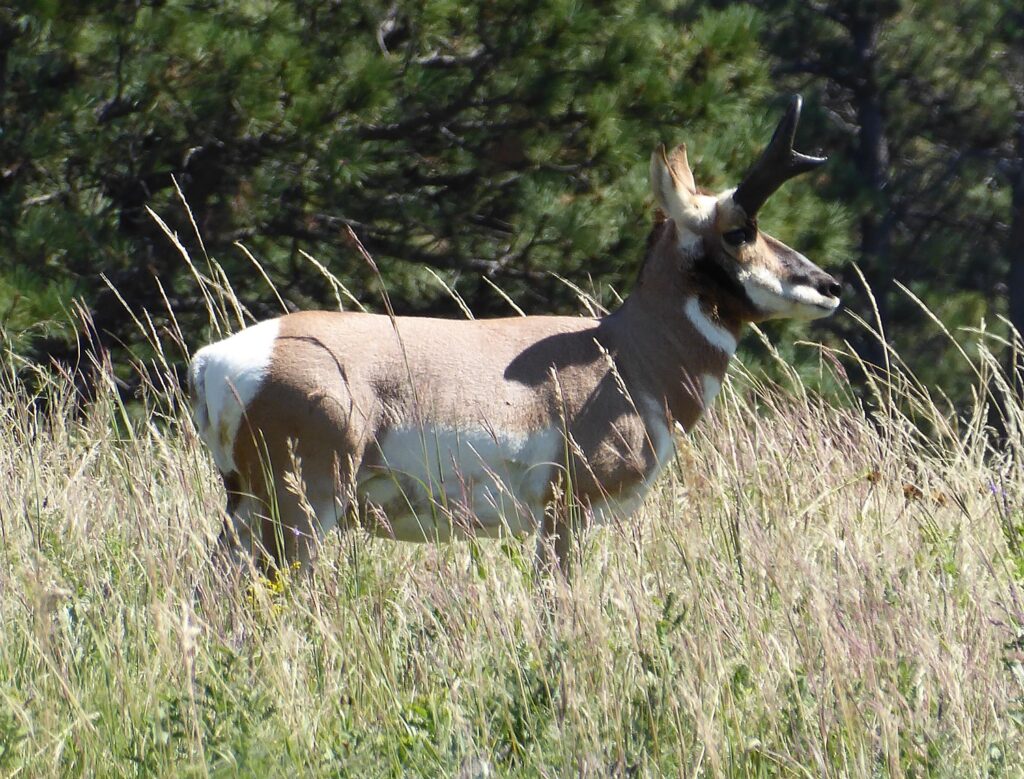
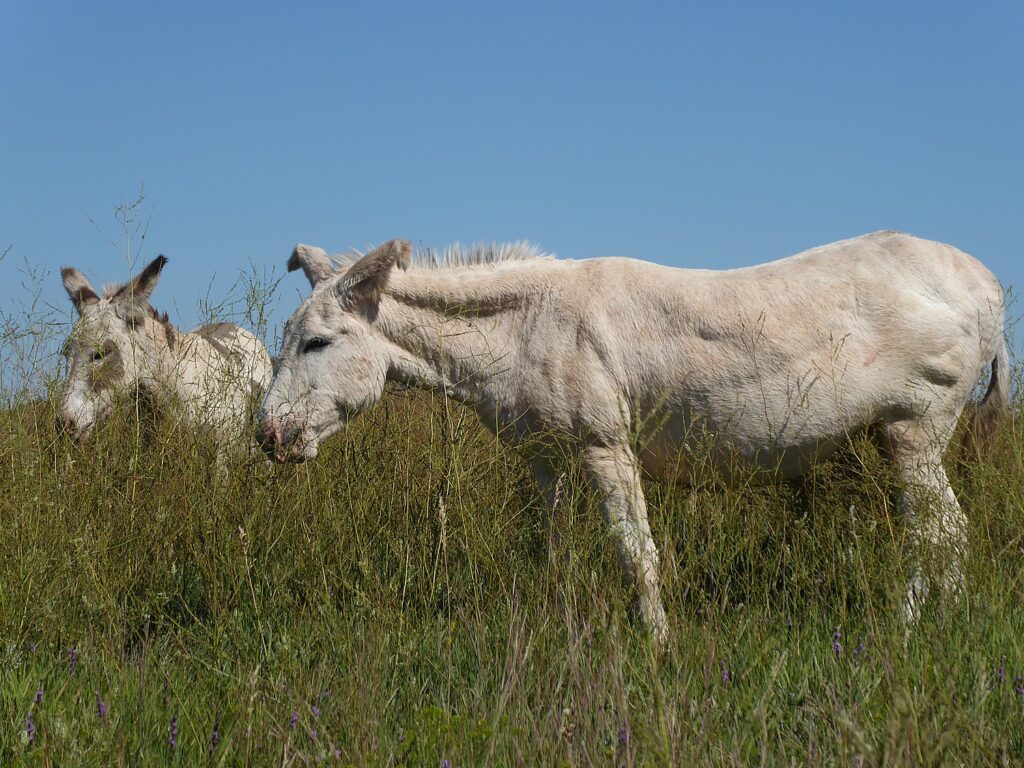
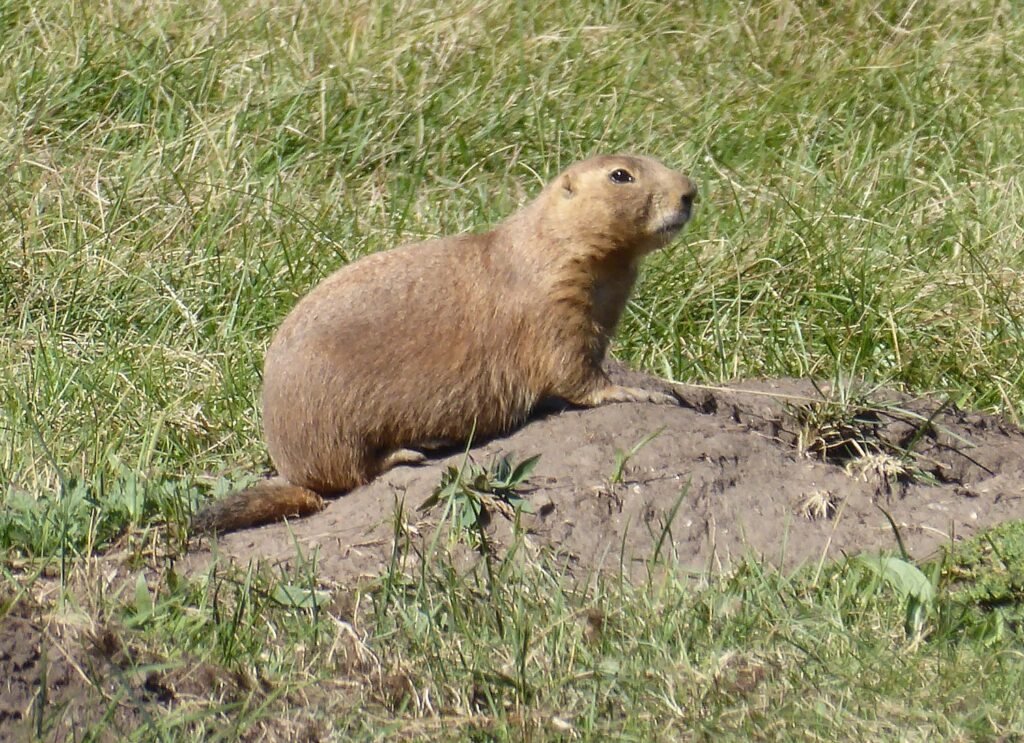
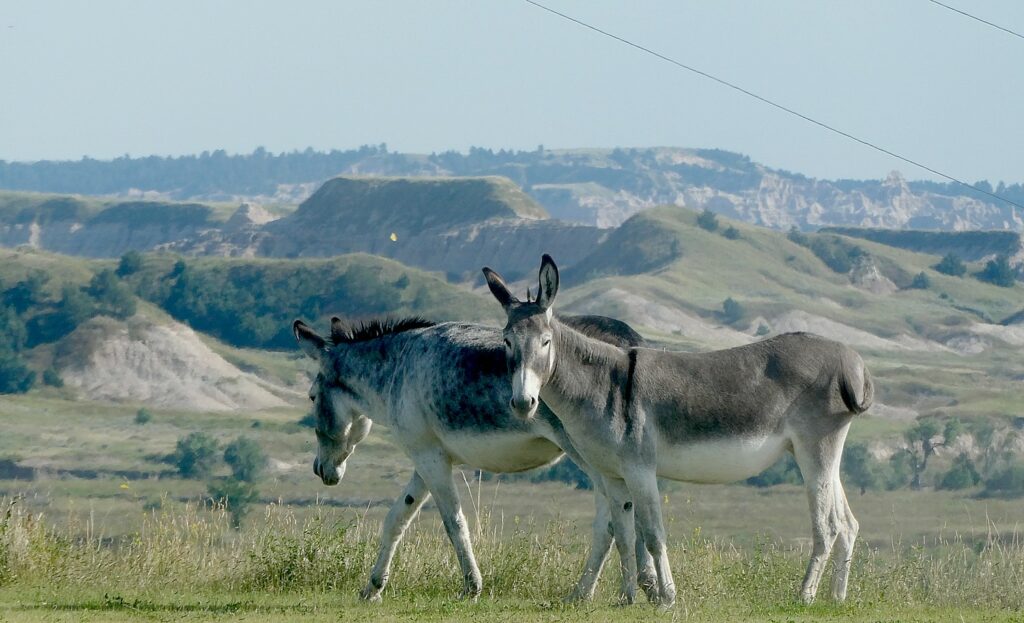
the Wildlife Loop, there are buffalo (bison), deer, elk, pronghorn antelope
(the fastest land animal on the Continent; 12 pronghorn were brought here in
1914), burros, yellow-bellied marmot, prairie dogs, big horn sheep – native to
Black Hills – unique in Custer State Park. And before the end of day, we will
see just about every one.
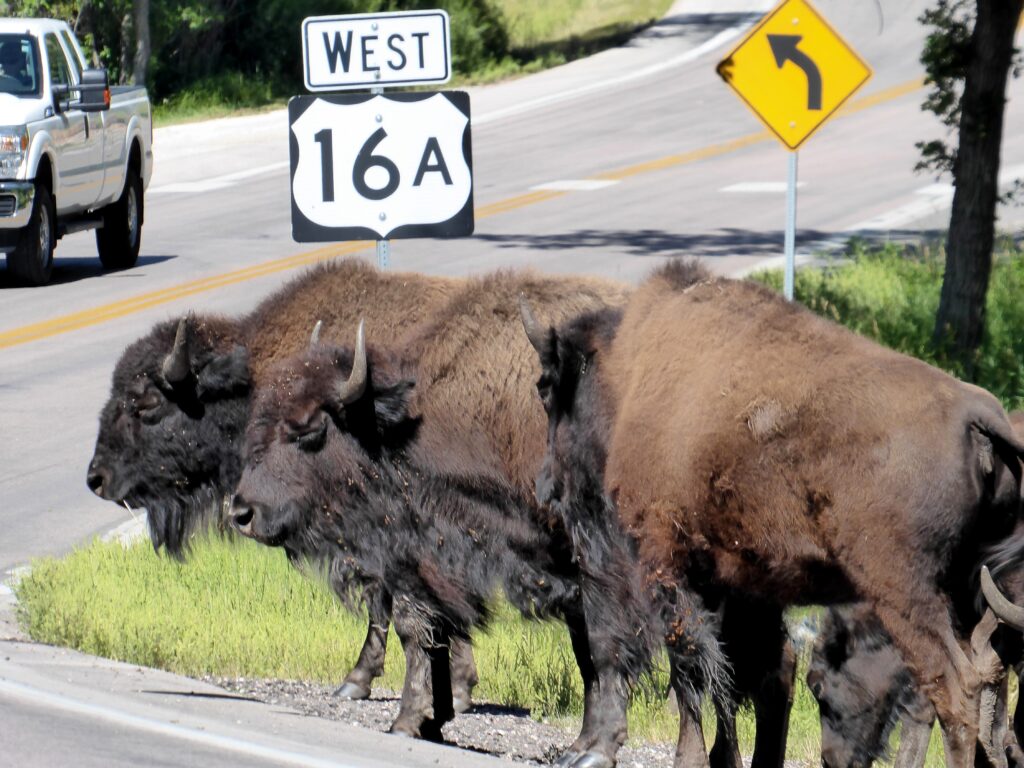
Just
beyond the visitor center, where the herd has now moved on from the field, all
the cars are stopped in both directions to allow the bison to cross the road. I
put myself between two cars which I think will give me some protection.
I’ve
never been in a situation like this, so close to these fearsome creatures
without any barrier between (well except for the time I biked in tall grass in
the tiger reserve in India). I am in their habitat.
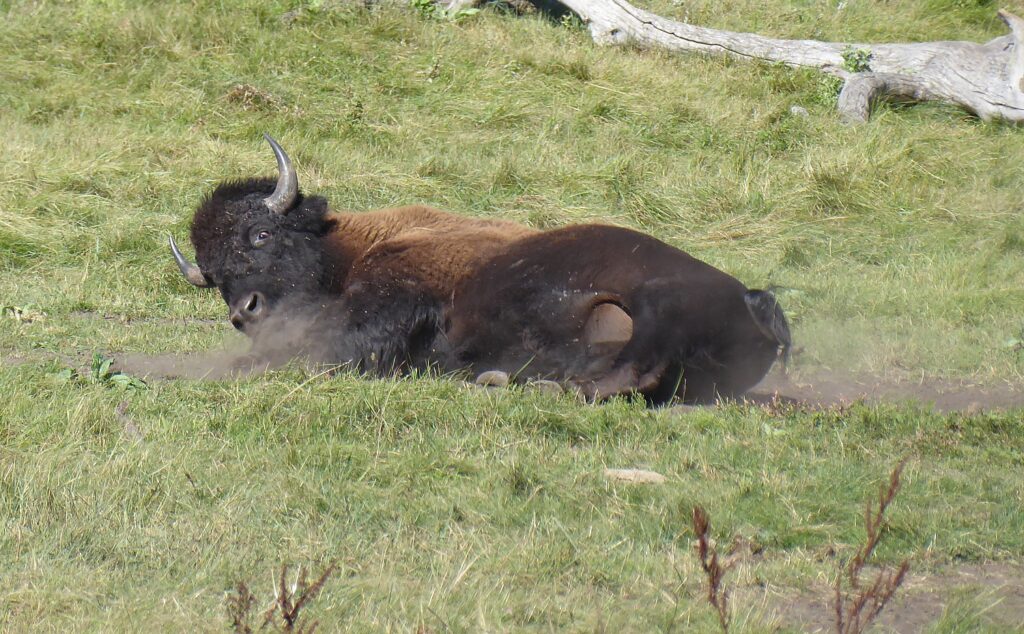
Bison are the largest terrestrial animal in North America, standing up to six feet tall. A male can weigh upwards of a ton and a female can weigh 900 pounds, according to the National Wildlife Foundation. Bison fight by crashing their massive heads or horns together. Both male and female bison have short, curved, black horns, which can grow to two feet long. American bison like to live and travel in groups. For most of the year herds are divided by sex, with females and calves in one herd and males in another herd. When the breeding season begins in the summer, many males temporarily join the female herd and begin looking for a mate.
Standing
on the road, waiting for the buffalo to cross the road, is an opportunity to
study their behavior. It occurs to me as I watch, that unlike dolphin which
seem to show great emotion with their expressions and interactions, the buffalo
don’t seem to have the means to show emotion, except perhaps a flick of a tail
or their blue tongue. I wonder how one seems to emerge as a leader that the
rest follow.
It strikes
me how little interest or interaction there is among buffalo – except for a mother
close with her calf, the buffalo don’t seem to have any connection,
communication with each other, except all facing same direction and walk almost
together. They all turn in one direction and move in one direction – who is
leader? How is the leader selected? I
later learn that one way they communicate is with their tails.
It turns out that bison, who are almost constantly moving, actually vote on the direction they will travel, orienting their bodies in the direction they would like to go, and eventually choosing to follow an “initiator”; they communicate through grunts and growls, from smells and hearing, I subsequently learn from Scientific American.
There
are also mountain lions in the park (we don’t get to see any), which are
monitored with radio-collars and tranquilized for routine medical testing.
James tells me that once he came upon the medical staff tranquilizing a
mountain lion in order to take its vitals.
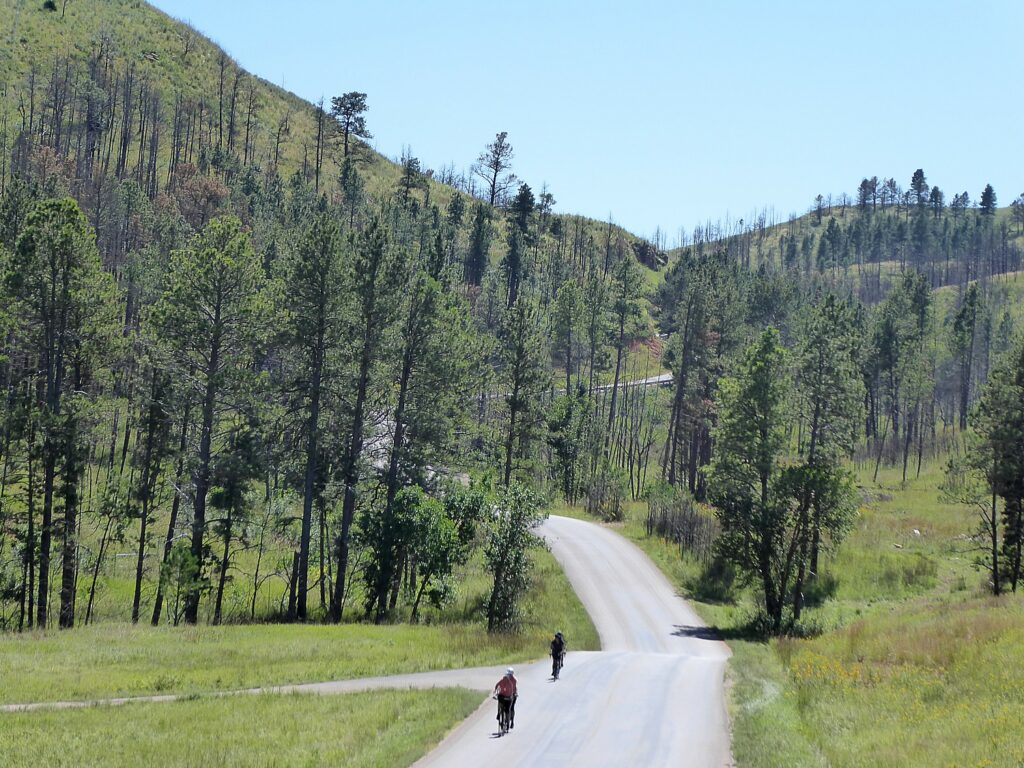
Now
we come to the toughest ride of the trip – of the 39 miles we bike today, it
seems three-quarters are uphill; there are lots of long, steep ascents and
sweeping downhills too. This is the difference between a road and a rail trail.
I plug through.
At
one point, I lose momentum altogether and wind up walking the bike the
equivalent of a city block and am annoyed with myself. But I make the remaining
ascents, including the final half mile steep, corkscrew rise at mile 37 to the
Blue Bell Lodge. I have a strategy of stopping where the road levels a bit,
then resetting my concentration. (The van is available to drive people who
choose not to bike.)
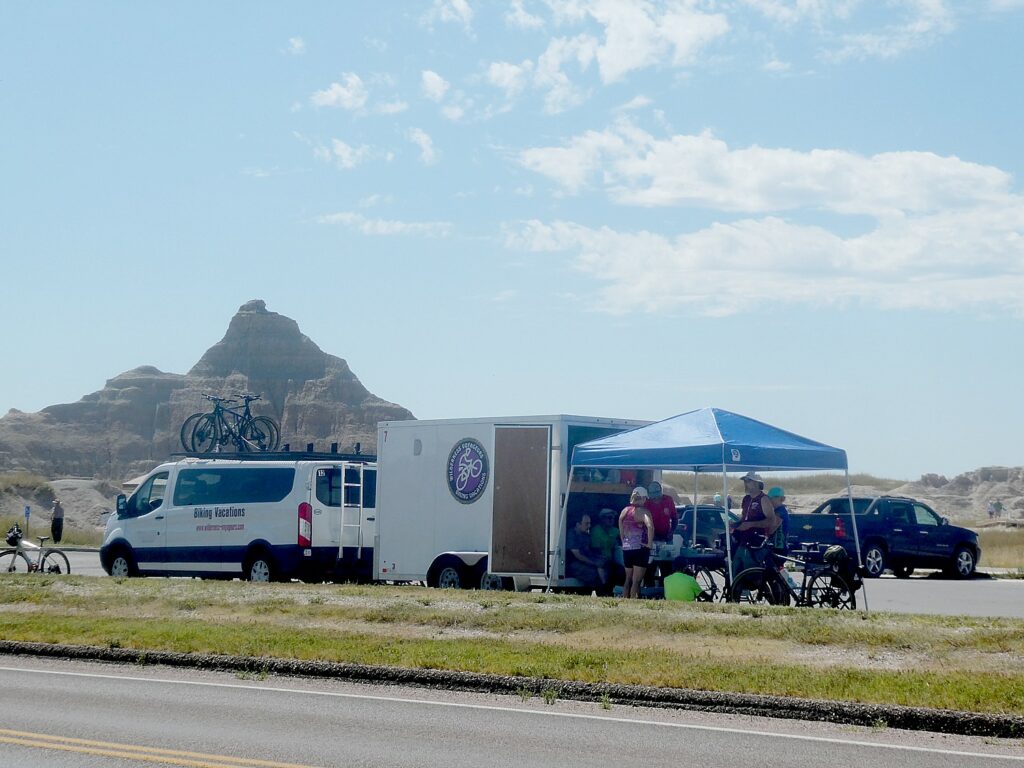
Wilderness-Voyageurs
makes all of this it possible – you couldn’t do this itinerary on your own
because it isn’t contiguous. They shuttle us to starting and ending points so
we have the best route. We aren’t carrying our own gear from inn to inn.
The
guides, James Oerding and John Buehlhorn, make a big difference – their
knowledge not only of the trail, the route, but the places we will experience, the
animals and sites we see, down to lunch recommendations. And SOOOO helpful –
like father hens.
Good
humored, patient, interesting. “You’re on vacation,” they say. They don’t rush
us along or show impatience if we are slow or stop a lot. And they cheer us on
to get through the touch climbs. Not only in their knowledge and experience but
extremely helpful, patient, kind, considerate – go out of way to help guests –
which is really clear this day. Van is there to help if necessary.
The
trip is organized with pit stops, snacks, breakfasts and most lunches and hosted
dinners, (just one lunch and two dinners on our own) as well as the admissions
to sites.
Tonight,
we dine at the Blue Bell Lodge’s Tatanka Dining Room (locally known as the Blue
Bell Lodge Dining Room) – a lovely western themed (obviously) room. We order
what we like from the menu (booze is on our own), which has some distinct
items: rattle snake and buffalo sausage (tasty!); buffalo tenderloin.
The
historic Blue Bell Lodge was originally a hunting lodge for friends- named (it
is believed) for the telephone company, now run by Regency Hotel
Management. A nightly chuck wagon dinner is offered
that goes out 5-8 pm, with a ride to the valley; live music, dinner, dancing,
for as many as 100 people.
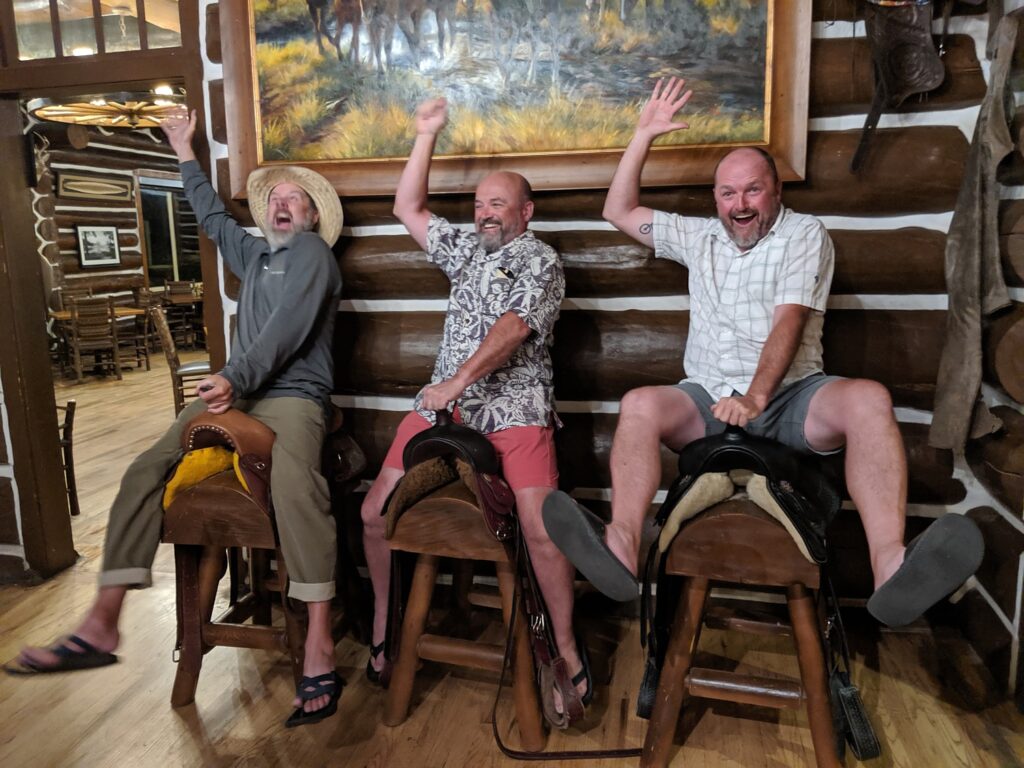
Horsing around at the Blue Bell Lodge, Custer State Park, South Dakota (c) Karen Rubin/goingplacesfarandnear.
I stay
behind at the lodge to look at my email when I get a call from James telling me
a giant buffalo is just off the path in the pitch darkness. I see it when a car
comes by and lights up the buffalo.
James
offers to drive the van over to pick me up – I insist on finding a way to walk
the short distance, and he tries talking me through but I have trouble finding the path. Finally, I find the path and see
James and John walking over to rescue me.
The
stars are gorgeous. I can see the Milky Way.
The
lodge and Custer State Park, are open year-round. I can imagine how spectacular
it is in winter.
I wake up early to sit
on the porch of my cabin at the Blue Bell Lodge with a book and a cup of coffee,
thinking this is the ultimate in luxury, but the peace of the moment is soon
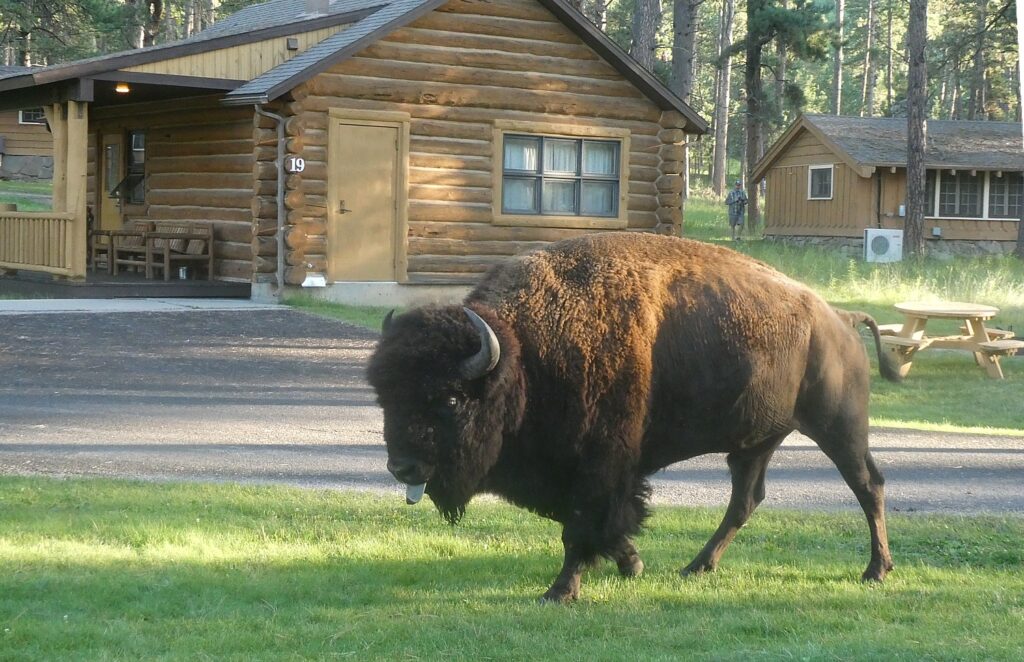
broken when I spy the buffalo from last night right outside. It lumbers toward my porch
and takes a drink from a puddle.
Buffalo strolls by my cabin at Blue Bell Lodge, flicking its blue tongue (c) Karen Rubin/goingplacesfarandnear.com
James
and John – not wanting to chance any confrontation with the buffalo – call us
to tell us they will drive the van to pick each of us up at our cabins at 8 am. We
drive back to Custer for breakfast at a cute café before starting today’s bike
ride.
Day 5 of the Wilderness
Voyageurs Badlands and Mickelson Trail tour is our final day on the Mickelson
Trail. We ride the last miles all the way to Deadwood, a true wild west town
made famous by the murder of Wild Bill Hickok.
We
are shuttled back to Mystic where we left the trail two days ago, and ride 18
miles up hill, and then down the slope, for a total of 34 miles to end of Mickelson
at Deadwood, at mile 109.
John comes to pick us up with the van,
making back-and-forth trips from the trailhead to our hotel, the Deadwood Mountain Grand Resort, which has an enormous casino (it
seems fitting for a town that was born out of the gold rush and made famous by
a poker game).
We are on our own to explore Deadwood and discover its many
charms. Fortunately, I’ve had some tips from the Alex Johnson Hotel manager in
Rapid City, and head straight out to the cemetery.
Wilderness
Voyageurs started out as a rafting adventures company 50 years ago, but has
developed into a wide-ranging outdoors company with an extensive catalog of
biking, rafting, fishing and outdoor
adventures throughout the US and even Cuba, many guided and self-guided bike
itineraries built around rail trails like the Eric Canal in New York, Great
Allegheny Passage in Pennsylvania, and Katy Trail in Missouri.
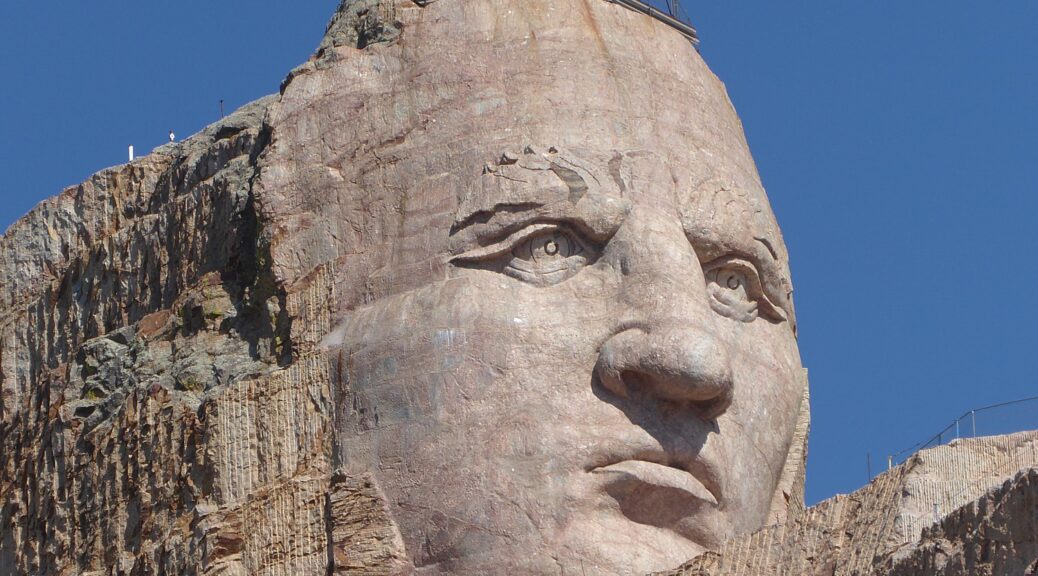
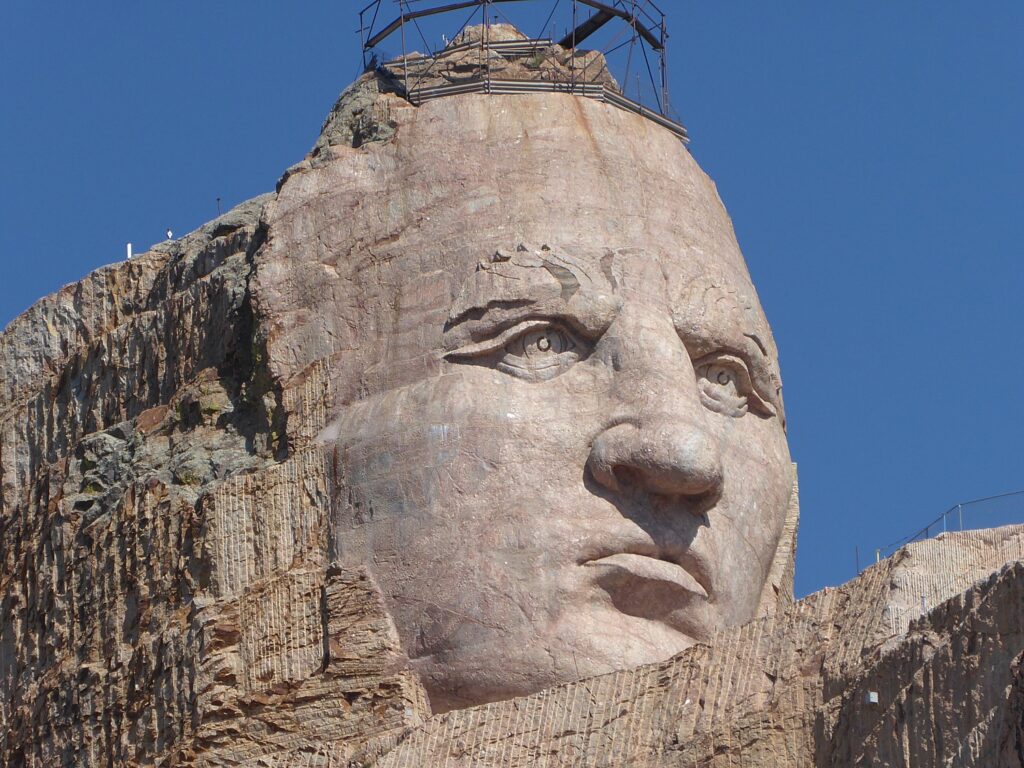
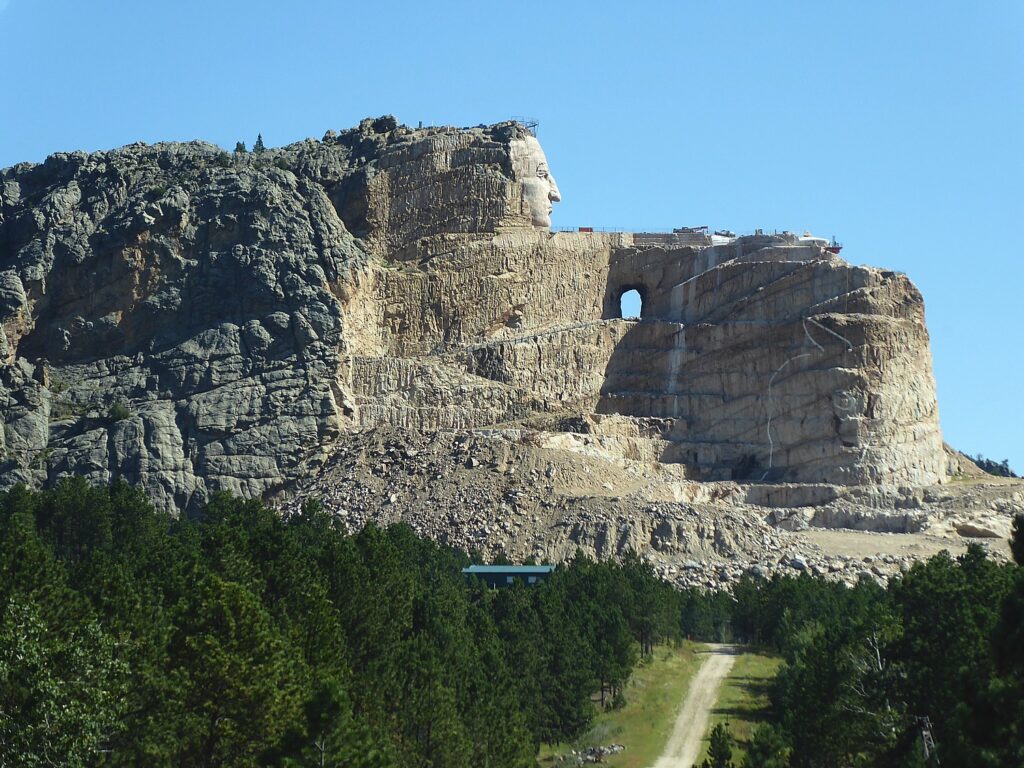
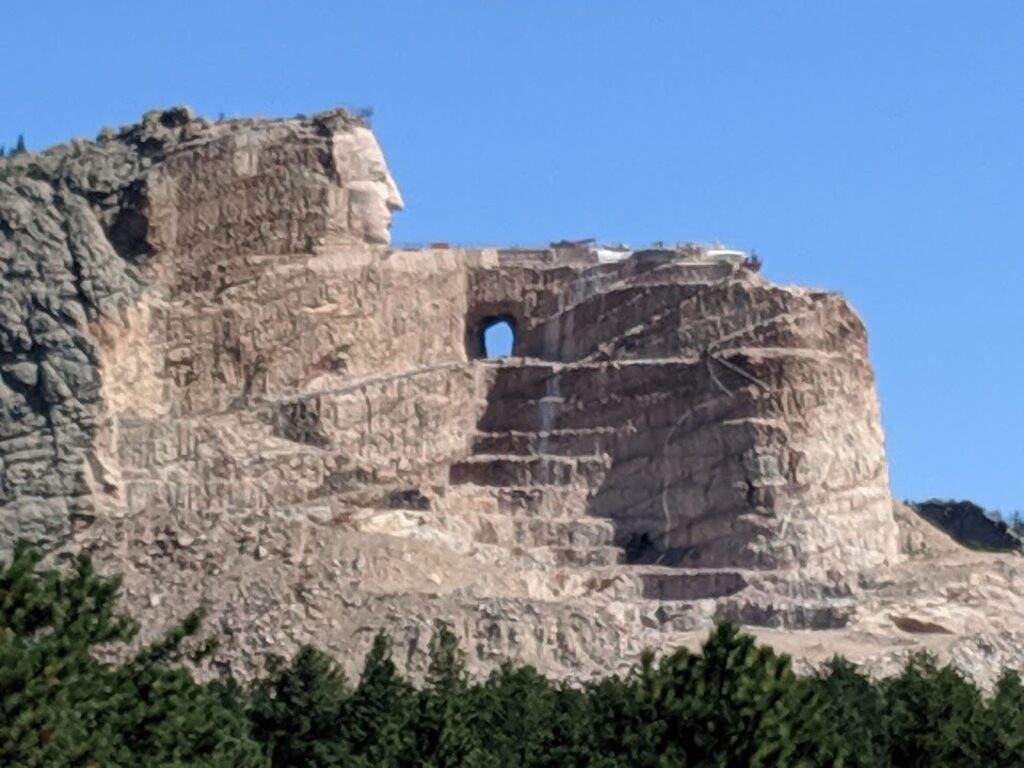
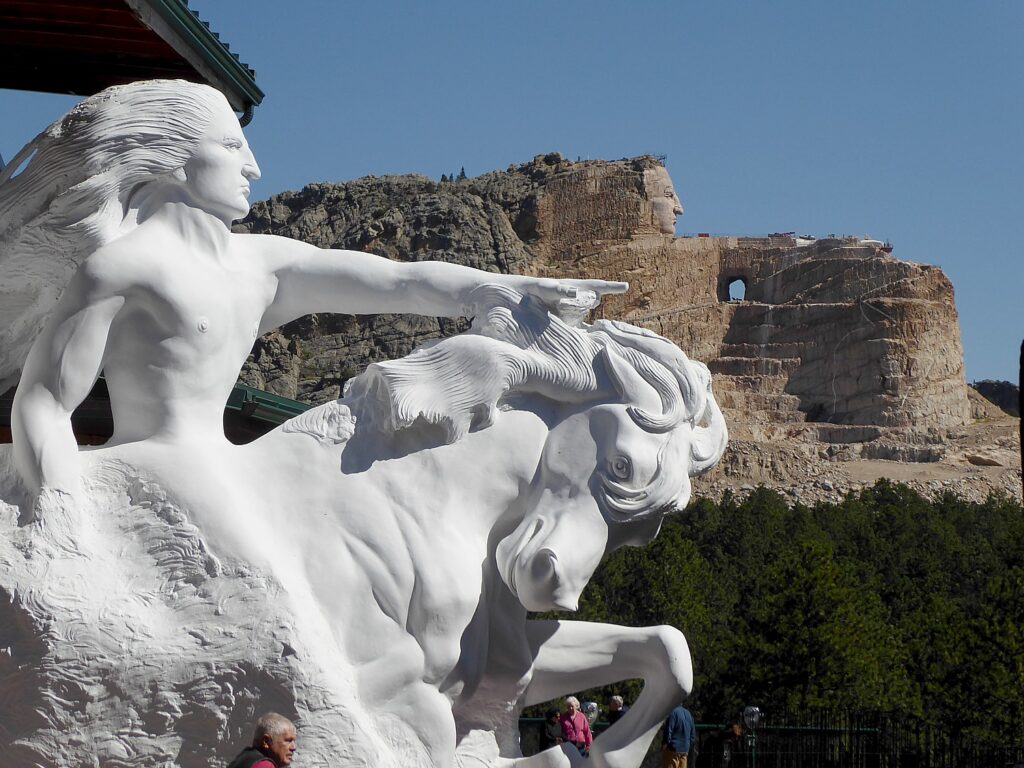
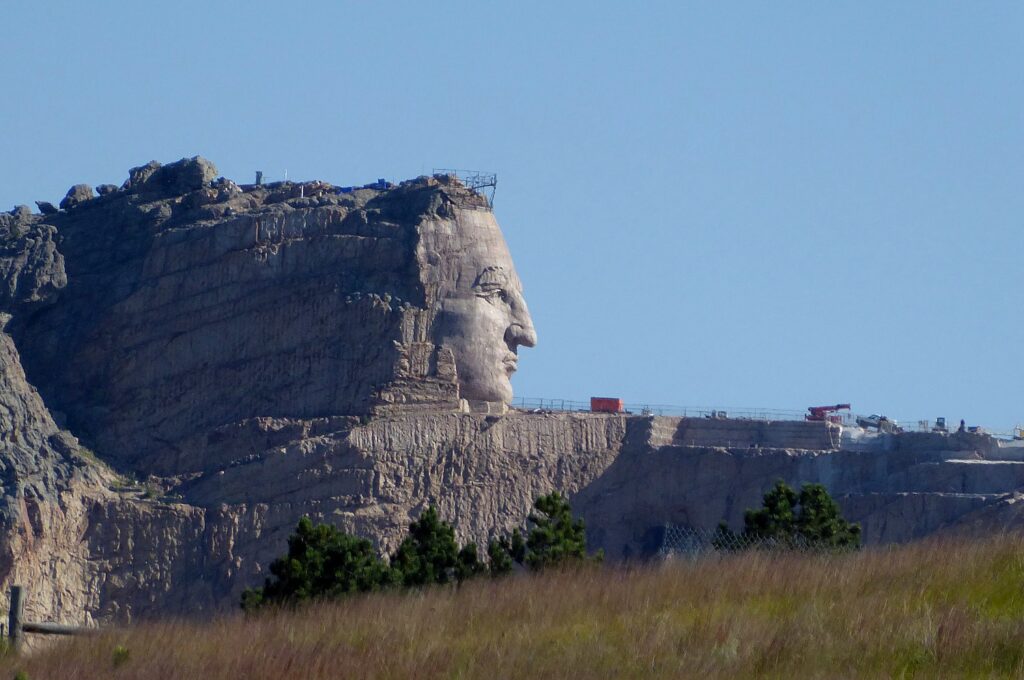
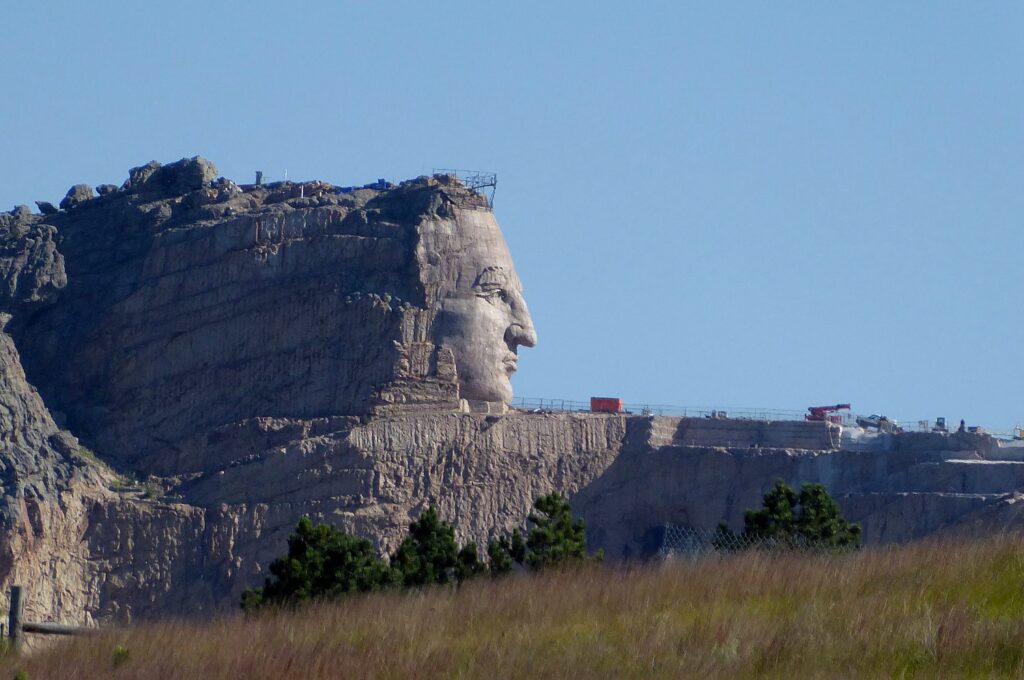
The Crazy Horse Memorial is sensational, awesome and profound. The
carved portrait in the cliff-side, which I first encounter by surprise as I
bike on the Mickelson Trail between Custer and Hill City is spectacular enough,
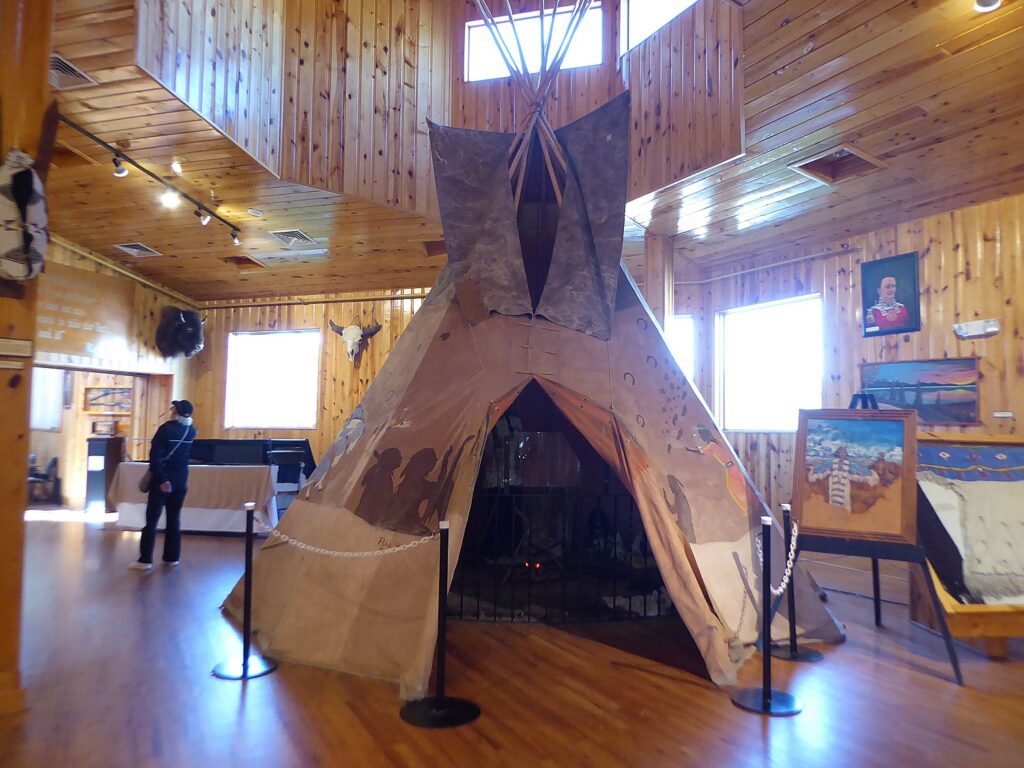
but there is so much more to discover. There is also a superb Museum of Native
Americans of North America (it rivals the Smithsonian’s Museum in Washington
DC) where you watch a terrific video that tells the story of the America’s
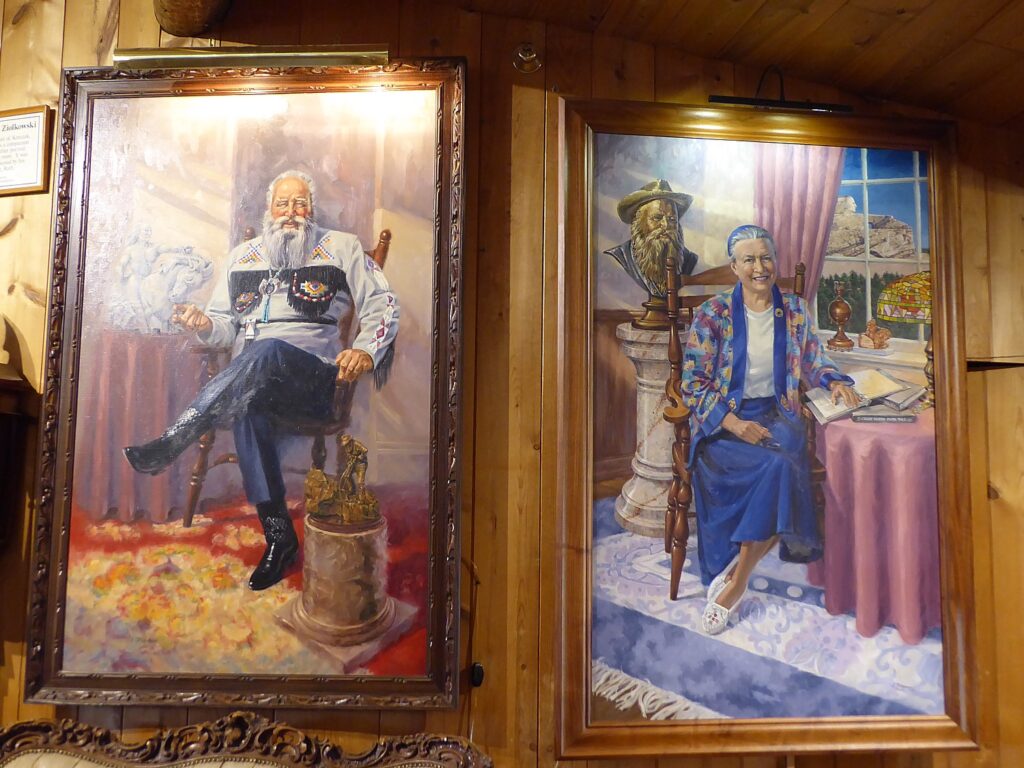
indigenous people, and can visit the studio/home of the sculptor, Korczak Ziolkowski.
It is the highlight of our third day of the Wilderness Voyageurs “Badlands and
Mickelson Trail” bike tour of South Dakota.
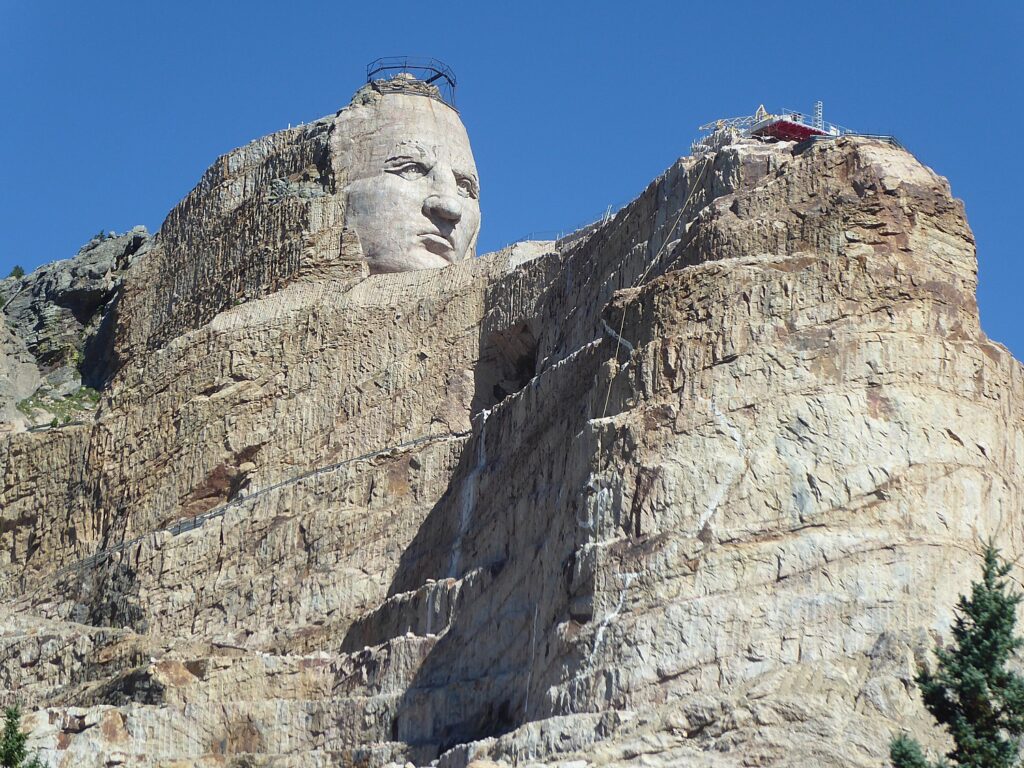
I rush to join a tour (a
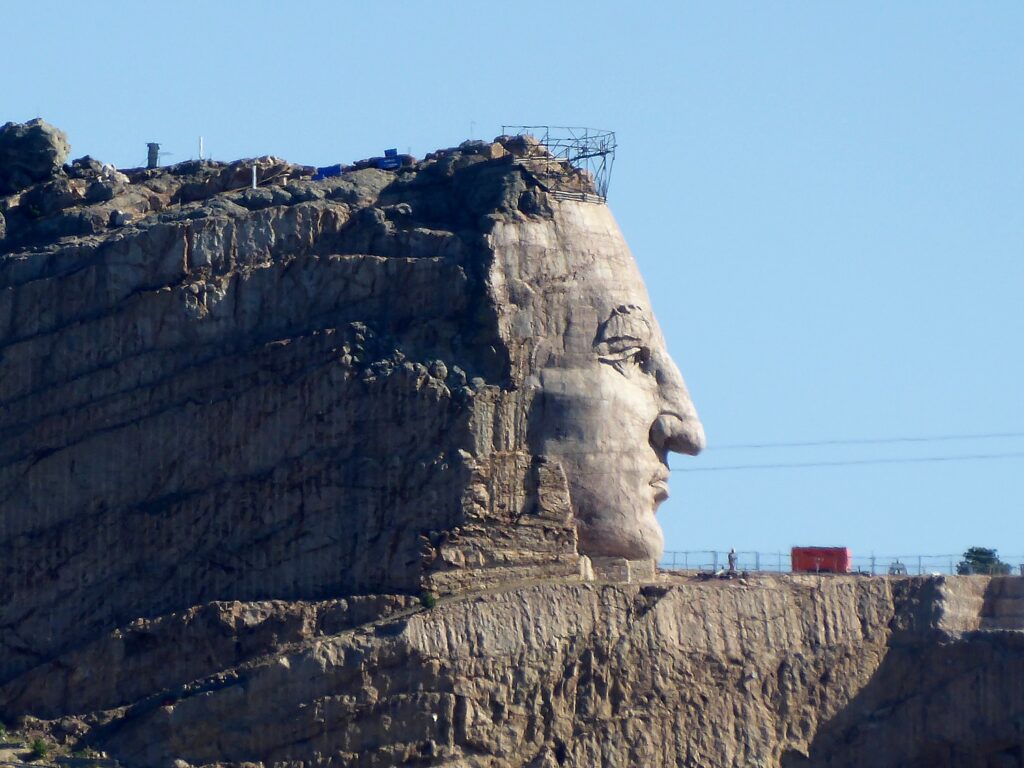
modest extra fee) that brings us right to the base of the sculpture. You look
into this extraordinary, strong face – some quartz on the cheek has a glint
that suggests a tear.
Only then do I realize that,
much to my surprise, seeing the scaffolding and equipment, that 70 years after
sculptor Ziolkowski started carving the monument in 1947, his grandson is
leading a crew to continue carving. Right now it is mainly a bust – albeit the
largest stone carving in the world – but as we see in the museum, the completed
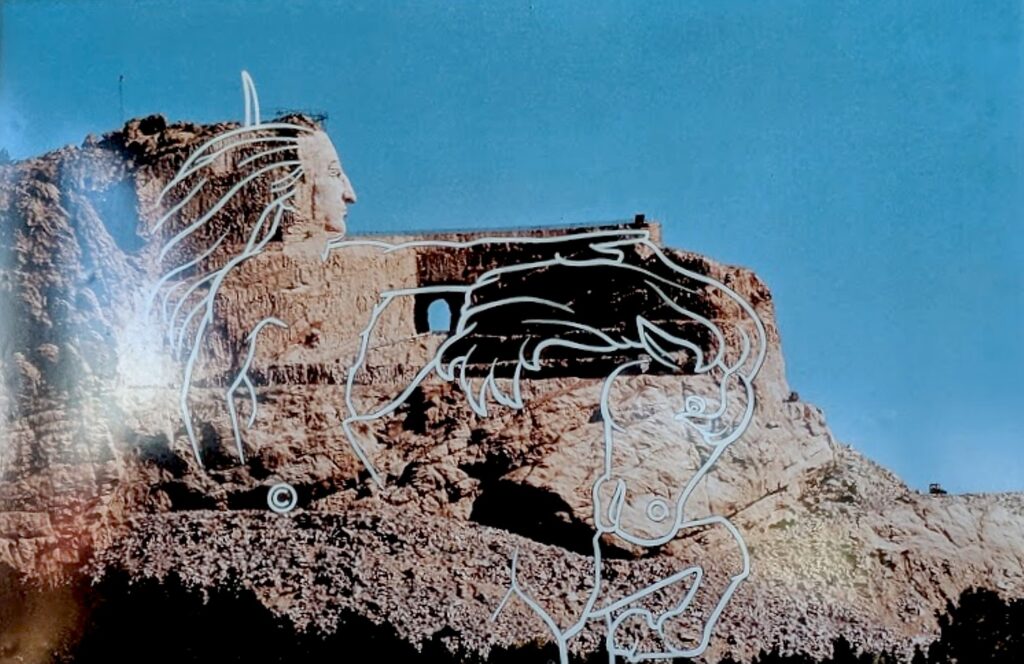
sculpture will show Crazy Horse astride a horse, his arm outstretched toward
the lands that were taken from the Lakota.
At 87 ft 6 inches high, the Crazy Horse Memorial
is the world’s largest mountain carving in progress. They are now working on
the 29-foot high horse’s head, the 263-foot long arm, and 33 ft-high hand, the
guide tells us. The horse’s head will be as tall as 22-story building,
one-third larger than any of the President’s at Mount Rushmore. The next phase of progress on the
Mountain involves carving Crazy Horse’s left
hand, left forearm, right shoulder, hairline, and part of the horse’s mane and
head over 10-15 years. The plan is to carve the back side of the
rock face as well, which would make the Crazy Horse Memorial a three-sided
monument.
When completed, the Crazy
Horse Mountain carving will be the world’s largest sculpture, measuring 563
feet high by 641 feet long, carved in the round. The nine-story high face of
Crazy Horse was completed on June 3, 1998; work began on the 22-story high
horse’s head soon after.
“One if hardest decisions
(after two years of planning) was to start with head, not the horse (in other
words, work way down),” the guide tells us.
In 71 years of construction,
there have been no deaths or life threatening injuries of the workers (though
there was that accident when a guy driving a machine slipped off edge; his father
told him he had to get the machine out himself.)
Four of Korczak and Ruth’s 10 children
and three of his grandchildren still work at the Memorial.
On the bus ride back to the
visitor center, the guide tells us that Zioklowski was a decorated World War II
veteran who was wounded on D-Day, but was so devoted to the Crazy Horse
Memorial, he even planned for his death: there is a tomb in a cave at the base
of the monument..
Back at the visitor
center/museum, the story about the Crazy Horse Memorial is told in an excellent
film:
The overwhelming theme is to
tell the story, to give a positive view of native culture, to show that Native
Americans have their own heroes, and to restore and build a legacy that
survived every attempt to blot it out in a form of genocide.
There were as many as 18 million Indians living in North America when the Europeans arrived
(the current population is 7 million in the US). “These Black Hills are our
Cathedral, our sacred land,” the film says.
Crazy Horse was an Ogala
Lakota, born around 1840 on the edge of Black Hills. He was first called “Curly”
but after proving himself in battle, earned his father’s name, “Crazy Horse” (as
in “His Horse is Crazy”). The chief warned of encroaching “river” of settlers,
leading to 23-years of Indian wars. In 1876 Crazy Horse led the battle against
General Custer, the Battle of Little Big Horn (known as Custer’s Last Stand,
but Indians call it “the Battle of Greasy Grass”). It was a victory for the
Indians, but short-lived. Soon after, the US government rounded up the rebels
and killed Crazy Horse while he was in custody at Fort Robinson, Nebraska. (See www.nps.gov/libi/learn/historyculture/crazy-horse.htm)
Standing Bear was born 1874 near Pierre, South Dakota, and was among the first Indian children sent away to the Carlisle Indian School in Pennsylvania where his name was randomly changed to “Henry.” In the school, their Indian identity was forcibly removed – they cut the boys’ hair, they were not allowed to speak their language “to best help them learn the ways of non-native.”
“As a result of attending Carlisle, Standing Bear concluded that in order to best help his people, it would be necessary for him to learn the ways of the non-Native world. Somewhat ironically, Carlisle – an institution that was designed to assimilate Native Americans out of their indigenous ways – became a source of inspiration that Standing Bear would repeatedly draw upon to shape his enlightened understanding of cross-cultural relationships, as well as to find new ways of preserving his people’s culture and history.” He honed leadership skills like public speaking, reasoning, and writing, realizing that because of the changing times, the battle for cultural survival would no longer be waged with weapons, but with words and ideas. “This realization became a driving force behind much of his work during his adult life and led him to become a strong proponent of education,” the background material on the Crazy Horse Memorial website explains (crazyhorsememorial.org).
Standing Bear
attended night school in Chicago while he worked for the Sears Roebuck Company
to pay for his schooling. With feet firmly placed in both worlds, he became
heavily involved in the affairs of his people over the course of his life and
politically astute —working with Senator Francis Case and serving as a member
of the South Dakota Indian Affairs Commission. He led the initiative to honor
President Calvin Coolidge with a traditional name – “Leading Eagle,”
taking the opportunity for advocacy during the naming ceremony to challenge
President Coolidge to take up the leadership role that had been previously
filled by highly-respected leaders such as Sitting Bull and Red Cloud.
In 1933, Standing
Bear learned of a monument to be constructed at Fort Robinson, Nebraska, to
honor his maternal cousin, Crazy Horse, who was killed there in 1877. He wrote
to the organizer that he and fellow Lakota leaders were promoting a carving of
Crazy Horse in the sacred Paha Sapa – Black Hills.
Standing Bear looked for an
artist with the skill to carve the memorial to his people that would show
Indians had heroes too and turned to Korczak Ziolkowski, a self-taught
sculptor who had assisted at Mount Rushmore and had
gained recognition at the 1939 World’s Fair. Standing Bear invited him back to
the Black Hills.
Born in Boston of Polish descent in
1908, Korczak was orphaned when he was one year old. He grew up in a series of
foster homes and is said to have been badly mistreated. He gained skills in heavy construction
helping his foster father.
On his own at 16, Korczak took odd jobs
to put himself through Rindge Technical School in Cambridge, MA, after which he
became an apprentice patternmaker in the shipyards on the rough Boston
waterfront. He experimented with woodworking, making beautiful furniture. At
age 18, he handcrafted a grandfather clock from 55 pieces of Santa Domingo
mahogany. Although he never took a lesson in art or sculpture, he studied the
masters and began creating plaster and clay studies. In 1932, he used a coal
chisel to carve his first portrait, a marble tribute to Judge Frederick
Pickering Cabot, the famous Boston juvenile judge who had befriended and
encouraged the gifted boy and introduced him to the world of fine arts.
Moving to West Hartford, Conn., Korczak
launched a successful studio career doing commissioned sculpture throughout New
England, Boston, and New York.
Ziolkowski wanted to do something
worthwhile with his sculpture, and made the Crazy Horse Memorial his life’s
work.
“Crazy Horse has never been
known to have signed a treaty or touched the pen,” Ziolkowski wrote. “Crazy
Horse, as far as the scale model is concerned, is to be carved not so much as a
lineal likeness, but more as a memorial to the spirit of Crazy Horse – to his
people. With his left hand gesturing forward in response to the derisive
question asked by a white man, ‘Where are your lands now?’ He replied, ‘My lands
are where my dead lie buried’.”
There is no known photo of
Crazy Horse, Ziolkowski created his likeness from oral descriptions.
He built a log studio home
(which we can visit) at a time when there was nothing around – no roads, no
water, no electricity. For the first seven years, he had to haul himself and
his equipment, including a decompressor and 50 pound box of dynamite, up 741
steps.
Living completely isolated
in the wilderness, Korczak and his wife Ruth bought an 1880s one-room school
house, had it moved to this isolated property and hired a teacher for their 10
children.
There is so much to see
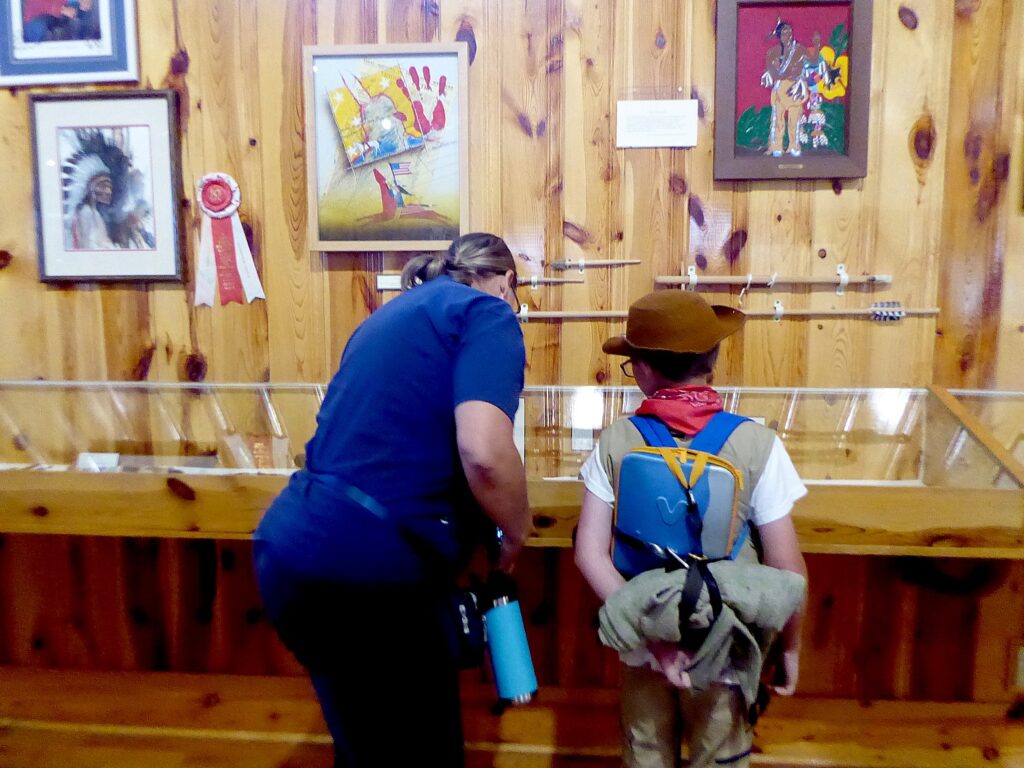
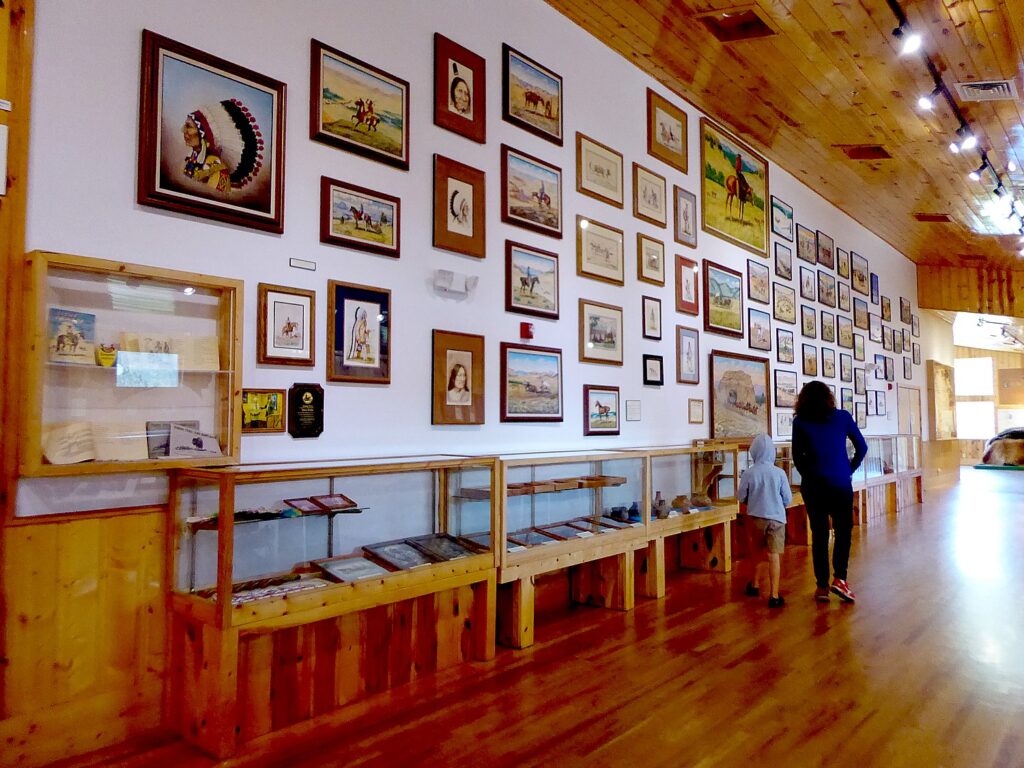
here: The Museums of
Crazy Horse Memorial feature exhibits and engaging experiences that let you
discover Native history and contemporary life, the art and science of mountain carving and the lives of the Ziolkowski family.
THE
INDIAN MUSEUM OF NORTH AMERICA® houses an enormous collection of art
and artifacts reflecting the diverse histories and cultures of over 300 Native
Nations. The Museum, designed to complement the story being told in stone
on the Mountain, presents the lives of American Indians and preserves Native
Culture for future generations. The Museum collection started with a single display
donated in 1965 by Charles Eder, Hunkpapa Lakota, from Montana, which remains on display to this day. The
Indian Museum has about the same number of annual visits as the National Museum
of the American Indian at the Smithsonian Institute in Washington, DC. Close to
90% of the art and artifacts have been donated by generous individuals,
including many Native Americans.
The gorgeous building housing the Museum
was designed and built by Korczak Ziolkowski and his family in the
harsh winter of 1972-73, when no work was possible on the Mountain.
The Museum incorporated Korczak’s love of wood and natural lighting, being
constructed from ponderosa pine, harvested and milled at Crazy Horse Memorial.
The original wing of the museum was dedicated on May 30, 1973. In the early 1980s,
Korczak planned a new wing of the Museum to accommodate the growing collection
of artifacts. He did not live to see his plans realized, instead his wife Ruth Ziolkowski and 7 of their children
made sure the new wing was built. The structure was built in the winter of
1983-84 and funding came in large part from a $60,000 check left in the Crazy
Horse Memorial contribution box in late August of 1983. The contributor said he
was moved by the purpose of Crazy Horse, Korczak, and his family’s great
progress and by the sculptor’s reliance on free enterprise and refusal to take
federal funds
The Ziolkowski Family Life Collection is shown throughout the complex and demonstrates to people of all ages the timeless values of making a promise and keeping it, setting a goal and never giving up, working hard to overcome adversity, and devoting one’s life to something much larger than oneself. There are portraits of the couple and personal effects that tell their life’s story.
The Mountain Carving Gallery shares the amazing history of carving the Mountain. It features the tools Korczak used in the early years of carving, including a ½ size replica of “the bucket” – a wooden basket used with an aerial cable car run by an antique Chevy engine that allowed the sculptor to haul equipment and tools up the Mountain. Displayed in the Mountain Carving Room are the measuring models used to carve the face of Crazy Horse, plasters of Crazy Horse’s face and the detailed pictorial progression of carving the face. They also detail the next phase in the Memorial’s carving which is focused on Crazy Horse’s left hand and arm, the top of Crazy Horse’s head, his hairline, and the horse’s mane. If you stand in just the right spot, you can line up the model of how the finished work will look against the actual mountain sculpture as it is.
Crazy Horse Memorial is
actually a private, nonprofit (they also have a nonprofit college and medical
training center that educates Indians), and twice turned down federal funding
because “they didn’t believe the government would do it right.” Indeed, Mount
Rushmore (which we see on the last day of our bike tour) was never completed
because the federal government stopped funding the project. The entrance fee
($30 per car, 3 or more people, $24 per car two people, $12 per person, $7 per
bicycle or motorcycle) support the continued carving, the Indian Museum of
North America and the Indian University of North America, which assists qualifying
students get their college degrees.
Once again, I am so grateful
that I am not being pushed along with an artificial time limit by the
Wilderness Voyageurs guides, I wander through the vast complex trying to take
it all in. I am utterly fascinated.
I buy postcards for 25c apiece and stamps, sit with a (free) cup of coffee in the cafe and mail them at their tiny post-office. There is an excellent gift shop.
The Crazy Horse Memorial is
open 365 days of the year, with various seasonal offerings.
I’m the last one to leave
the Crazy Horse Memorial, and note that the bike of our sweeper guide for today John
Buehlhorn,
is still on the rack, but
I figure he will see that I have gone and catch up to me, so I get back on the
Mickelson Trail. He catches me again when I don’t realize to get off the trail
at Hill City, where we are on our own for lunch and exploring the town.
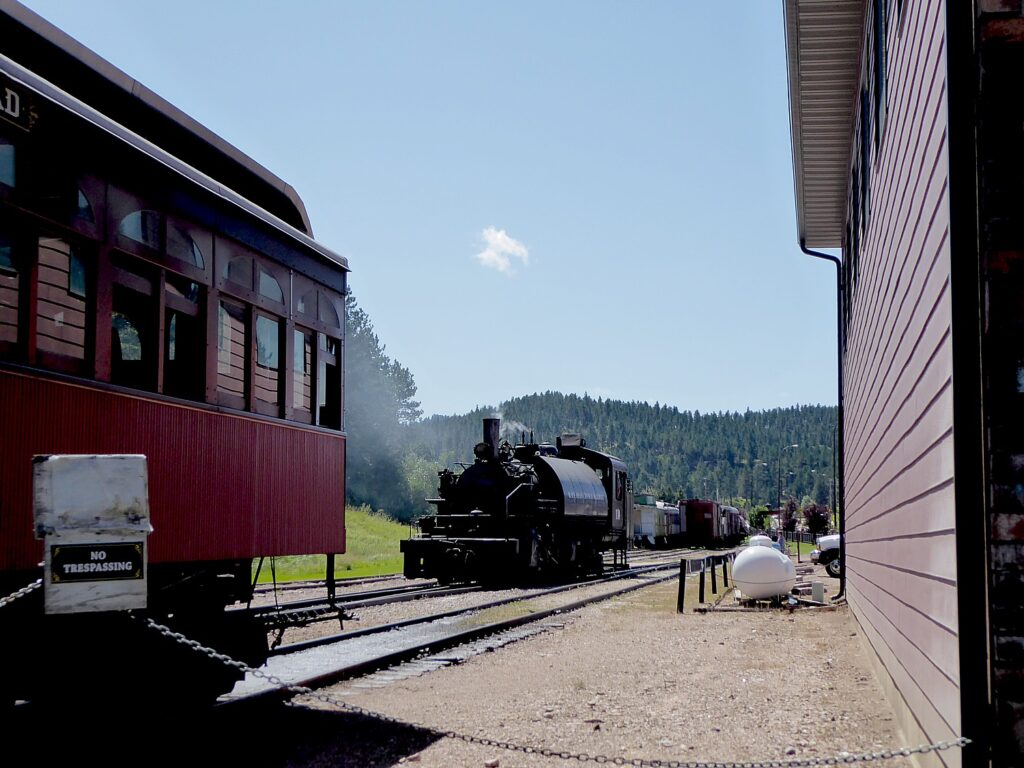
Hill City is really
charming and the home of the South Dakota State Railroad Museum, where you can
take a ride on an old-time steam railroad. The shops are really pleasant.
The Wilderness Voyageurs
van is parked there in case anybody needs anything.
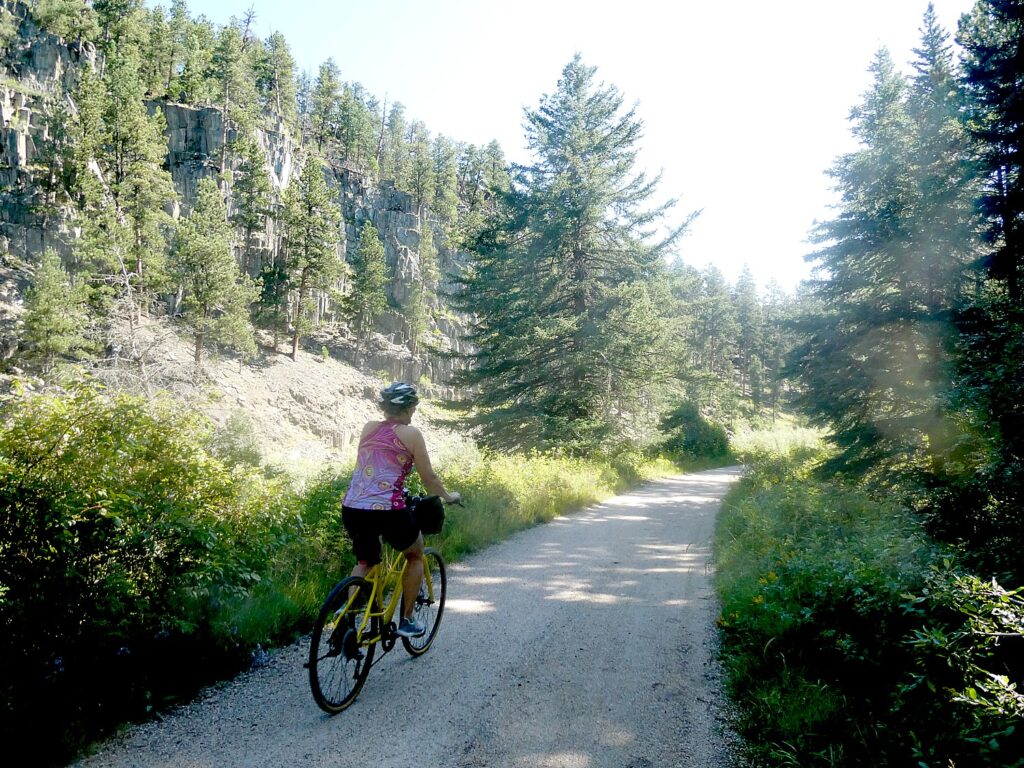
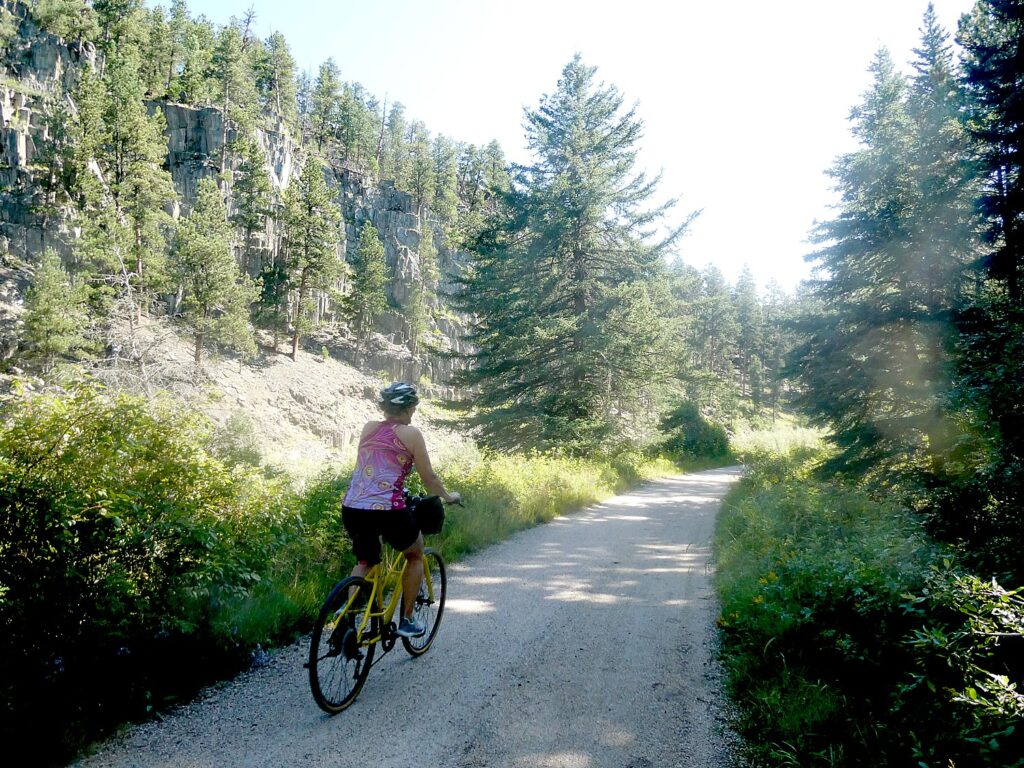
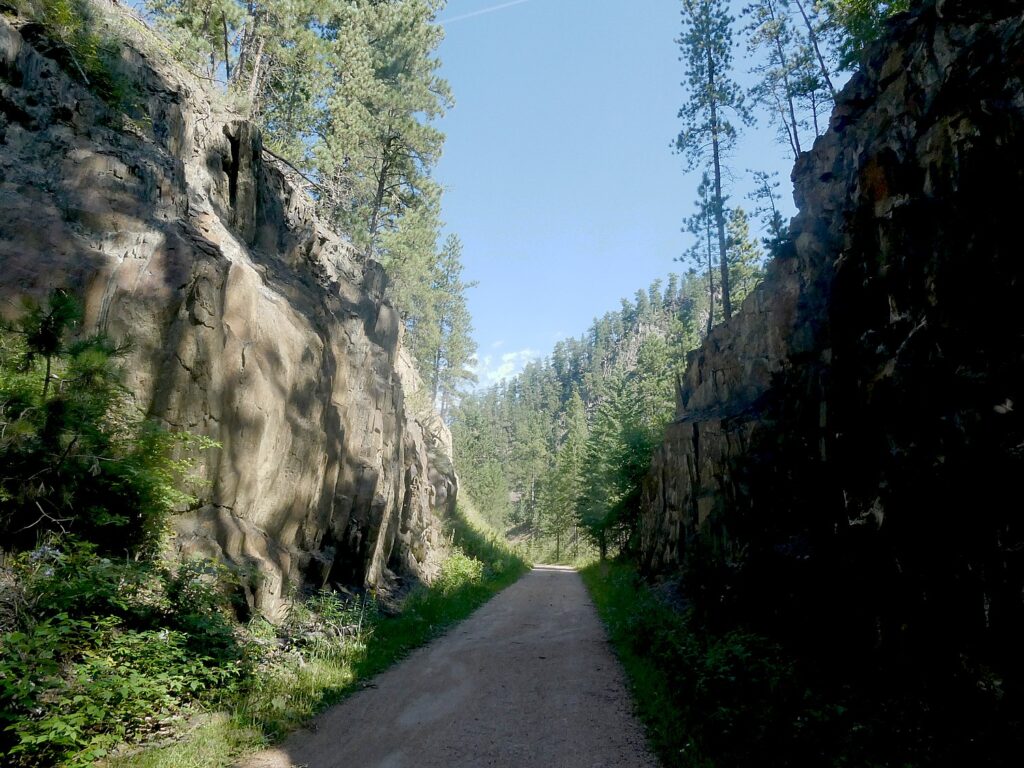
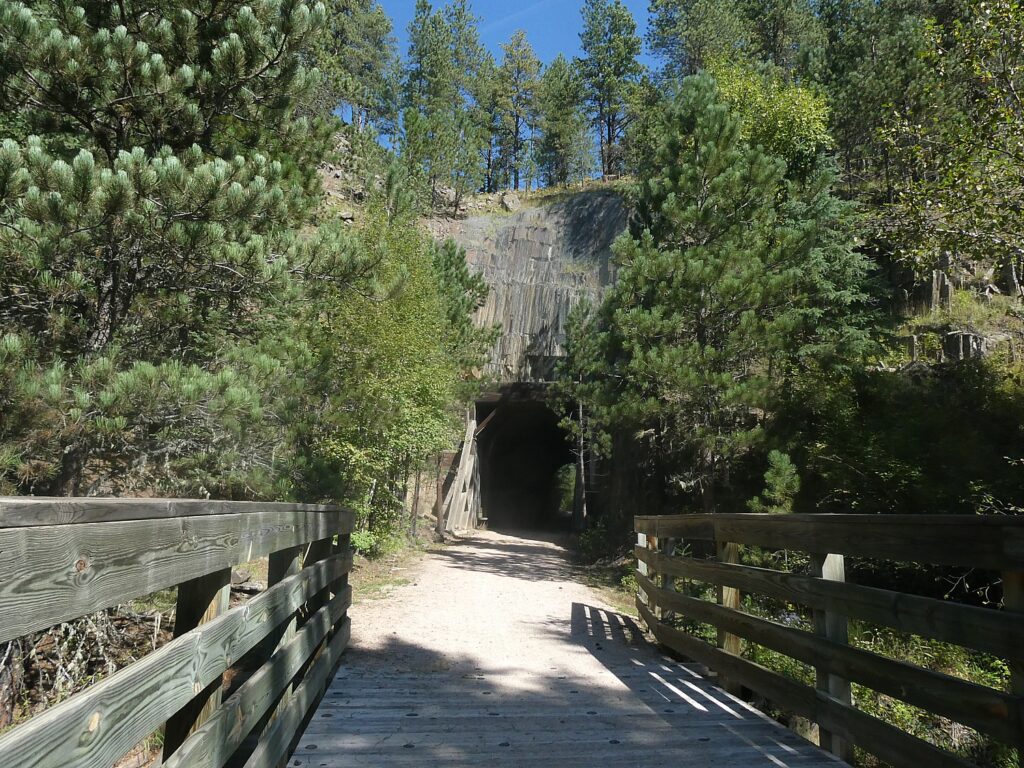
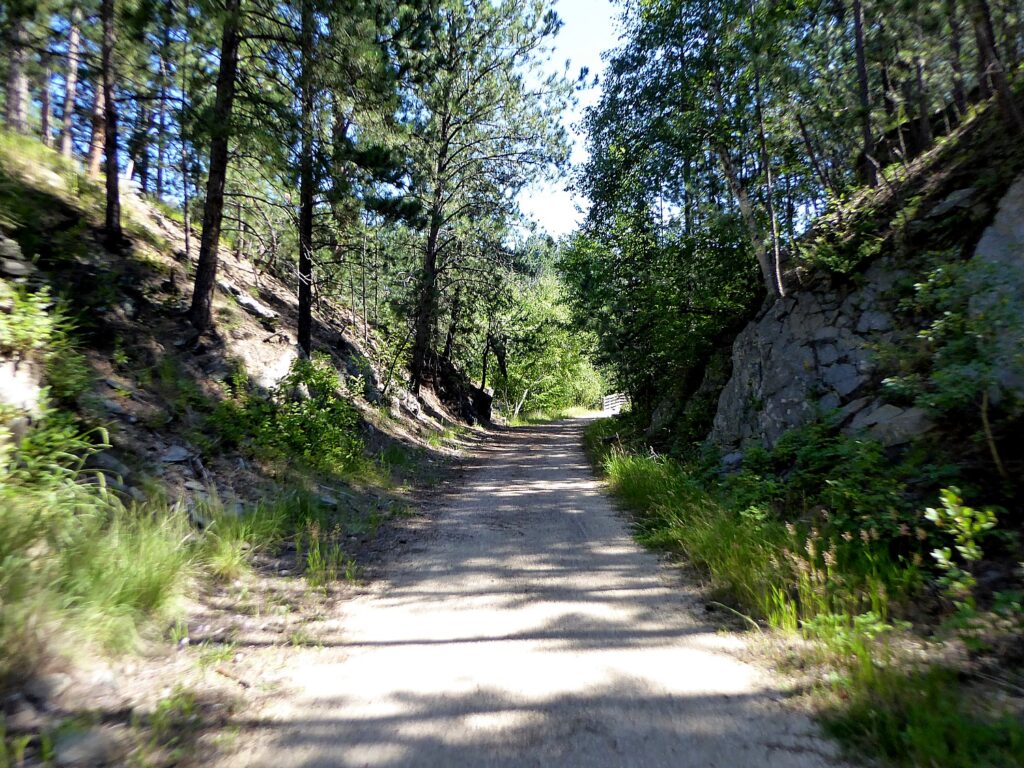
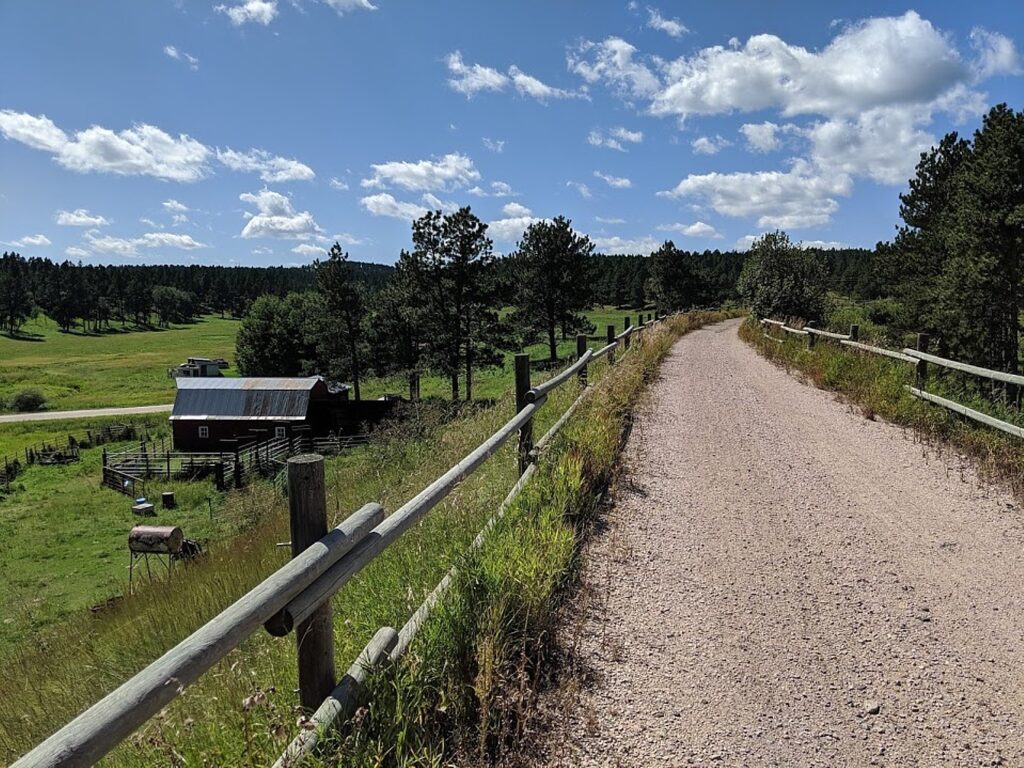
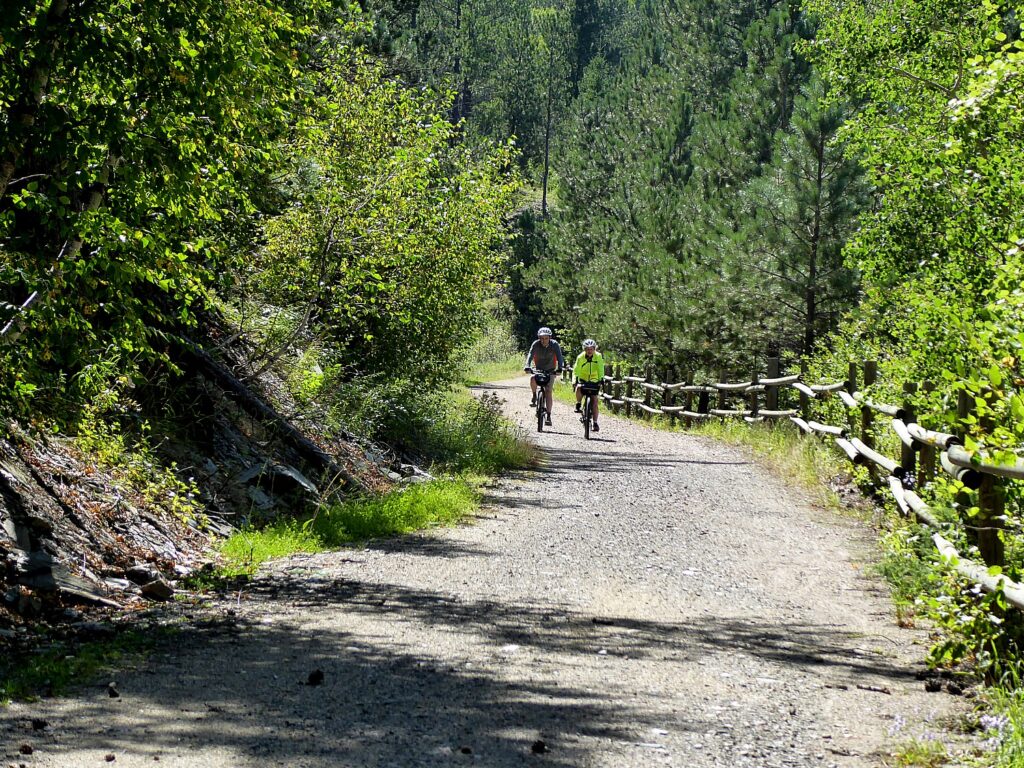
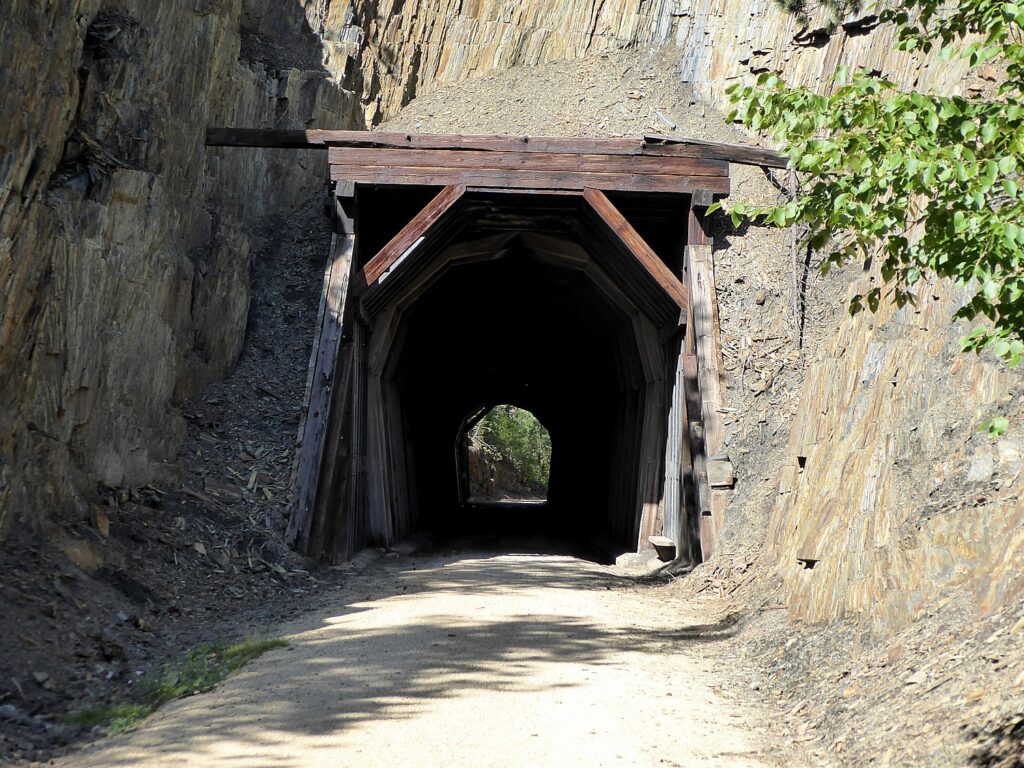
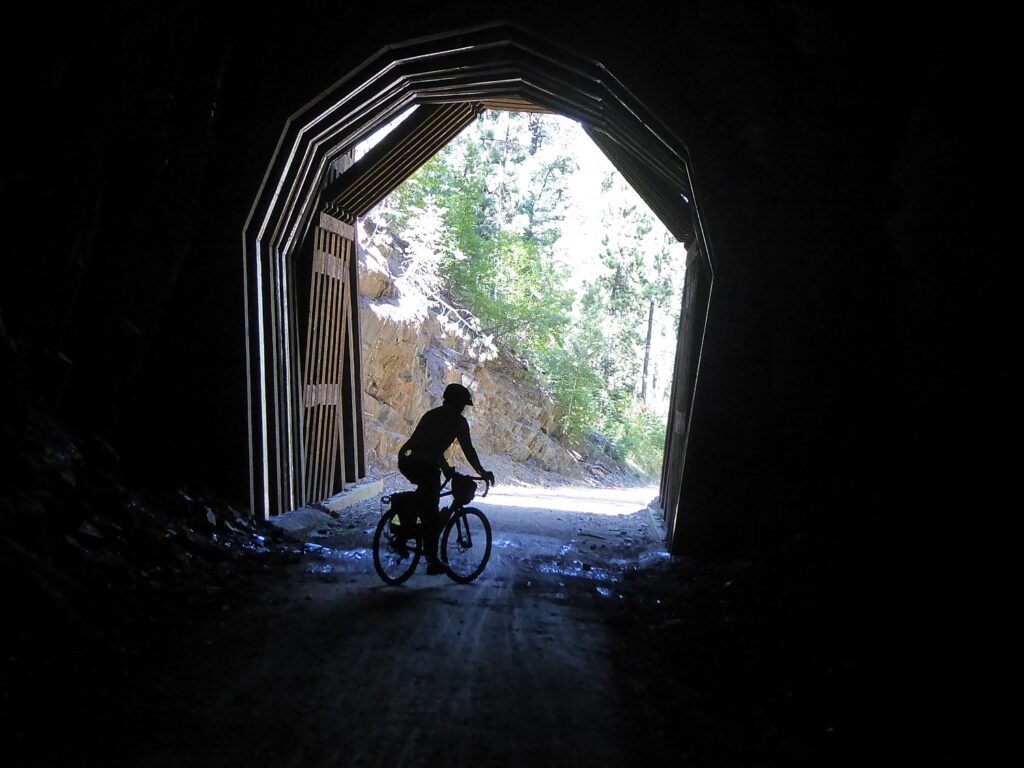
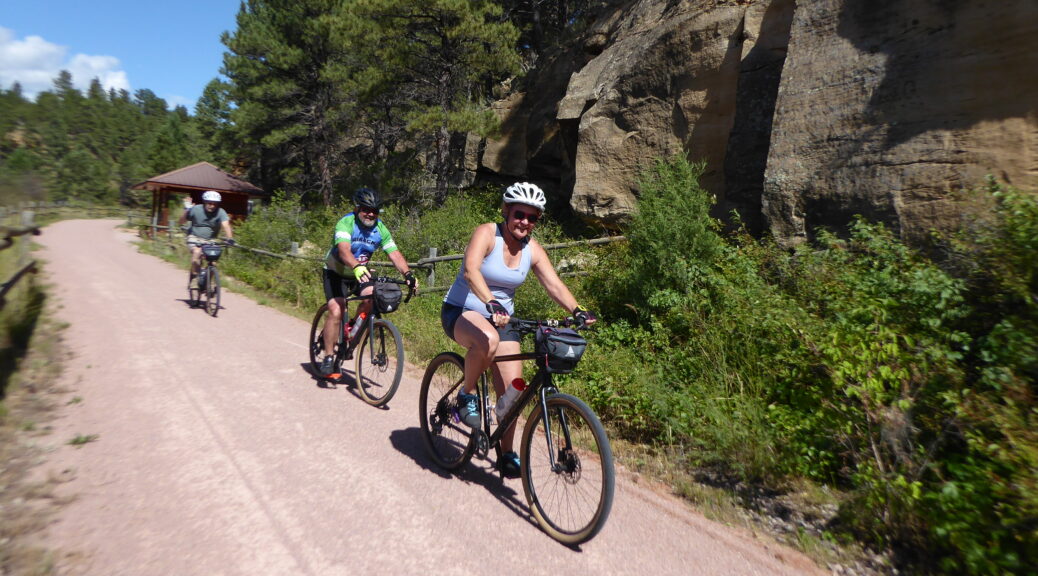
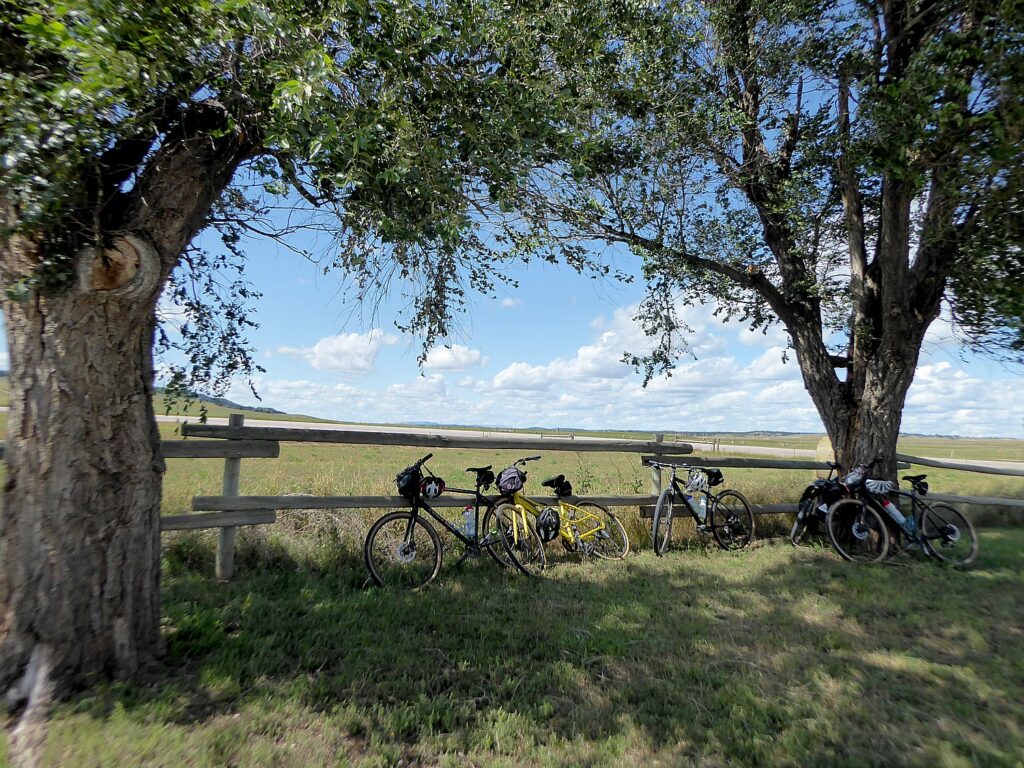
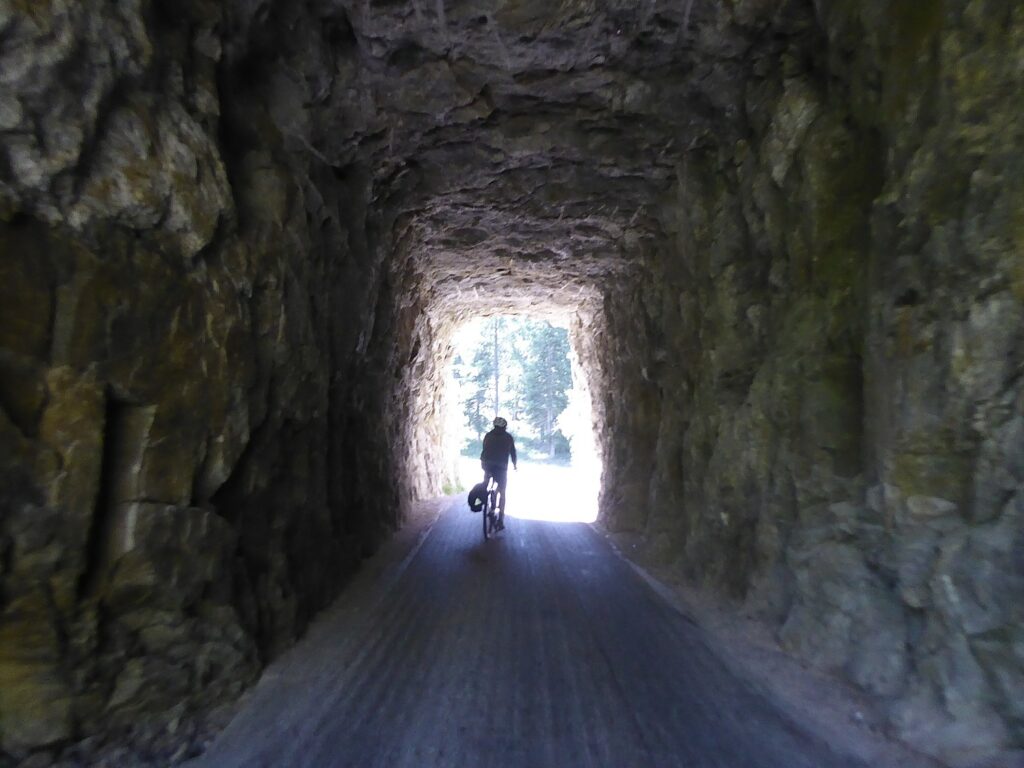
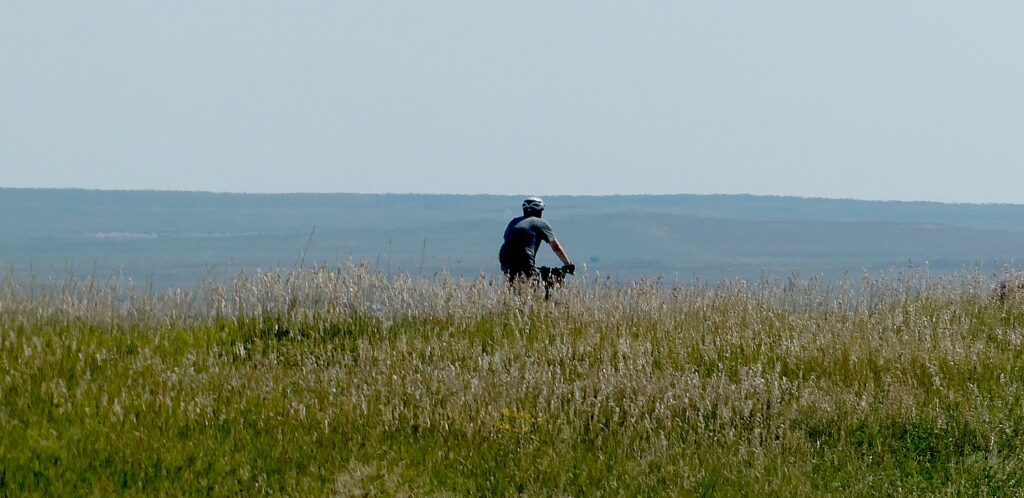
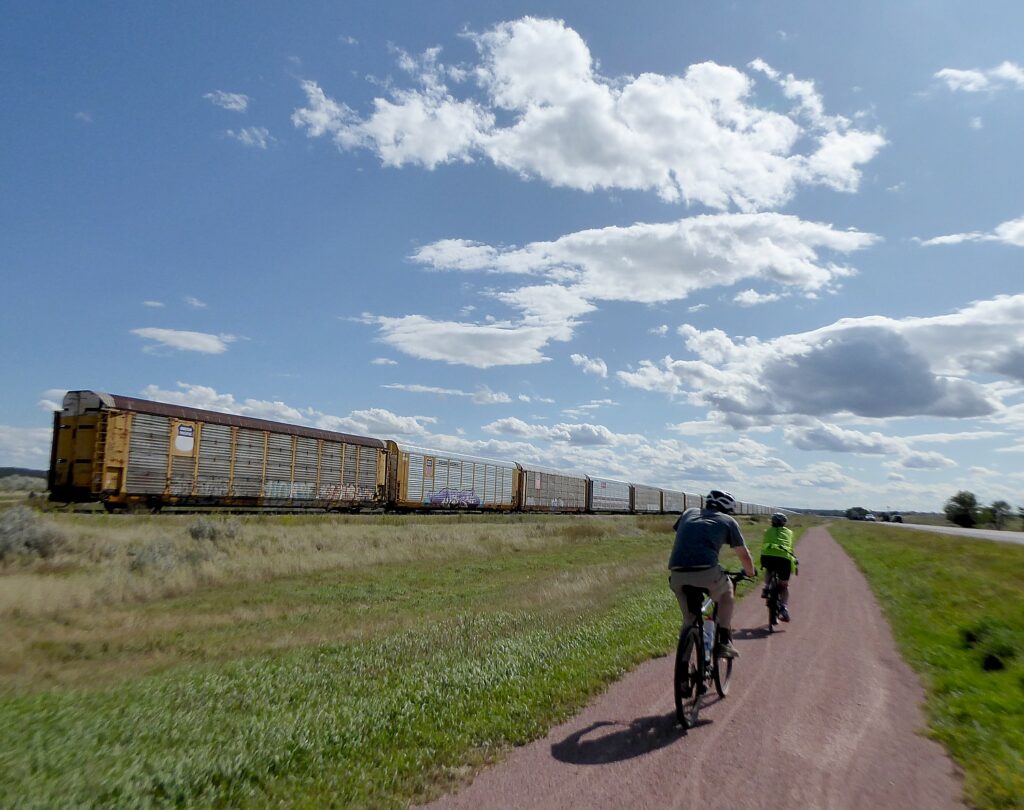
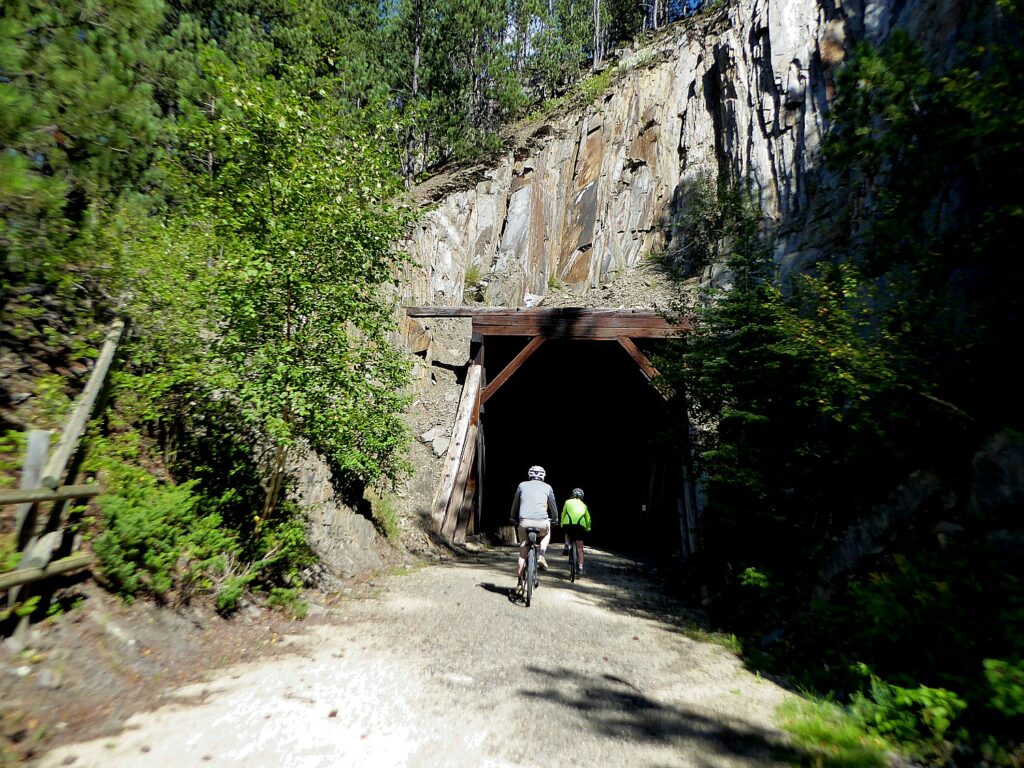
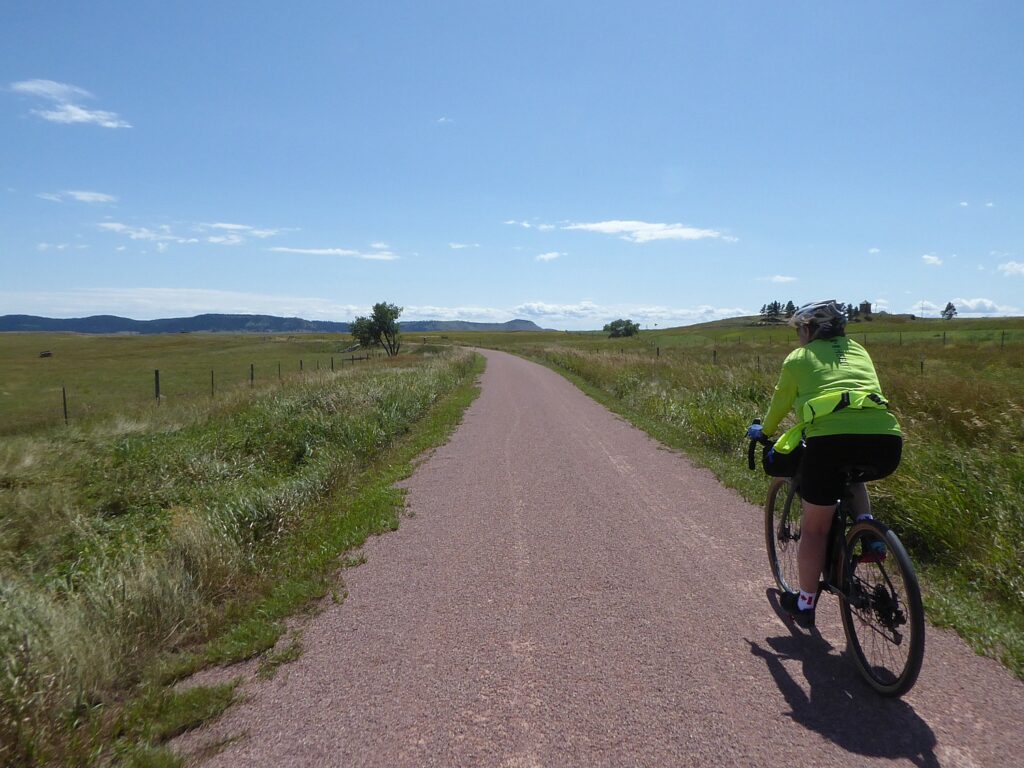
The ride to the Crazy Horse Memorial was uphill on the rail trail for 8 miles but going down hill isn’t a picnic because of the loose gravel – but not difficult and totally enjoyable. We ride through train tunnels and over trestles. It is no wonder that the 109-mile long Mickelson Trail, which is a centerpiece of the Wilderness Voyageurs’ tour, is one of 30 rail-trails to have been named to the Hall of Fame by Rails-to-Trails Conservancy. We finish this day’s ride at Mystic at the 74.7-mile marker– we’ll ride the remaining miles on another day. Mystic used to be a significant town when the railroad ran here. Now there are just two buildings and four residents.
I notice the sign tacked up at the
shelter: Be Aware: Mountain Lions spotted on the trail toward Rochford within
the last few days.
We are shuttled back to Custer for our
second night’s stay at the Holiday Inn Express (very comfortable, with pool,
game room, WiFi and breakfast), and treated to a marvelous dinner at one of the
finer dining restaurants, the Sage Creek Grill (611 Mount Rushmore Road,
Custer).
Wilderness
Voyageurs started out as a rafting adventures company 50 years ago, but has
developed into a wide-ranging outdoors company with an extensive catalog of
biking, rafting, fishing and outdoor
adventures throughout the US and even Cuba, many guided and self-guided bike
itineraries built around rail trails like the Eric Canal in New York, Great
Allegheny Passage in Pennsylvania, and Katy Trail in Missouri.
There
are still a few spots left on Wilderness Voyageurs’ Quintessential West Cuba
Bike Tour departing on March 21.
by Karen Rubin, Travel
Features Syndicate, goingplacesfarandnear.com
The steep gravel road to the Circle View Guest Ranch proves too much as I slip and slide with my hybrid bike and I wind up walking the bike a short distance (only one of us managed to ride it), at the end of our 28 mile ride through the Badlands National Park, South Dakota on this first day of our six-day Wilderness Voyageurs bike tour. The guest ranch, set on a mesa surrounded by 3,000 acres, with beautiful views, is delightful. I drop my bags in my room, wonderfully decorated in a Western motif, and go out just in time to see 11-year old Katie Kruse feeding chickens and her brother, 10-year old Jacob, being chased by an aggressive calf anxious to get at the bottle he is using to feed it.
A stay on a guest ranch in South Dakota, just
beyond the entrance to Badlands National Park and adjacent to Indian lands, is
an unexpected bonus experience of our six-day “Mickelson Trail and the Badlands”
bike tour of South Dakota.
Philip
Kruse was born and raised on the ranch and opened it to guests in 2000 to give
visitors “a glimpse into life on a real, family run cattle ranch.” It is very
much all of that.
Katie shows me
where 17 eggs have been “hidden” by the hens to prevent them from being taken
by the farmer so they can hatch. The secret nest had been hidden by high grass
and only revealed when the grass was cut. The hen had apparently walked off to
get some water, revealing the eggs. Katie lifts up one of the eggs – I can
still feel the warmth.
“Sometimes they
hide an egg in a tree and abandon it. Sometimes you will see one chicken with
10 chicks following. They sneak in to lay eggs that won’t be collected.” On the
other hand, the hens that do hatch the chicks aren’t necessarily maternal.
“They don’t show the young ones where the water is.”
I am
amazed to contemplate the strategy and teamwork that these hens, which we
assume are just dumb creatures, to create a collective nest, hide it from the
farmer, and designate one of the hens to sit on it.
Now
the farmer uses his wits to outwit the hens. “We don’t want the chickens to
hatch their own because we will not have control over whether they have
roosters or infertile chickens. So in the night when they sleep, we will steal
an egg and replace it with a hatched chick so she will think it is hers.”
There’s
a pecking order, she tells me. The older, bigger hens sleep on top; younger
ones on the floor. She says that young chicks lay one
egg a day; older ones lay fewer and fewer, maybe one in two or three days.
“Here,
we don’t kill the hen when gets old but another lady butchers them – after she
chops off the head, they can still run around for 5 minutes – she has machine
that spins to take off feathers.”
I
watch how aggressive the calf is chasing after Jacob who is trying to bottle
feed it. The calf was born prematurely and would have been abandoned by its
mother. There are a slew of chicks and peacocks all about, as well. And burros.
We
enjoy a sensational dinner prepared by Amy Kruse, served family style along
long tables inside and outside on the porch. Tonight’s menu is Mexican tacos,
prepared with such fresh ingredients including cherry tomatoes from the garden
as sweet as candy.
The
next morning before
breakfast, I walk out to see if the hen is sitting on the nest. Sure enough. But
as I walk back, my head in my notepad, I look up to see a crowd of kids
frantically gesticulating at me and yelling, pointing to my right. As I move,
they stop, so I keep moving in that direction. I assume they are directing me to
watch them feed the chickens. No, they are warning me not to walk up the path
because there is a rattlesnake that had been discovered by their dog. “That’s why we wear cowboy boots,” 10-year old Jacob tells
me. “Rattlesnakes can’t bite through.”
Later
at breakfast, Philip Kruse, shows me his jar two-thirds filled with rattlesnake
rattles (they are only about an inch long and quarter inch wide)
collected over two generations on the ranch.
The
breakfast that Amy Kruse prepares is a triumph: fresh eggs from the farm (of
course), whole wheat blueberry pancakes, tater tots with bacon, white chocolate
and raspberry scones (sensational), granola made of sour cherry, pistachios,
vanilla yogurt.
We
get to experience much of what the Circle View Guest Ranch offers – free wifi,
beautifully appointed rooms, seeing the various animals, feeding chickens,
including burros, enjoying scrumptious breakfast (included) and dinner, access
to the guest kitchen, and the game room. But we don’t have the time to really
experience all it offers longer staying guests: horseback rides, bon fires,
hunting rocks and fossils, and exploring the 3,000 acres. There are also cabins
including an original 1880 Homestead cabin.
It’s just the second day of our six-day
“Mickelson Trail and the Badlands” bike tour. We pile into the van and are
shuttledfrom Badlands National Park to the George S. Mickelson
Trail. Over the course of our trip, we will ride the whole 109 miles of the
rail-trail. Today, instead of starting at mile “0” in Edgemont and riding
uphill to Custer, we start at the Harbach Park Trailhead in Custer (mile 44.5)
and bike mostly down a slope to Edgemont (mile 0), where we are picked up and
shuttled back to Custer for the night.
Such
different landscape today from biking the Badlands – we ride through a pine
forest with the smell of pine.
Scenes along the Mickelson Trail, South Dakota (c) Karen Rubin/goingplacesfarandnear.comScenes along the Mickelson Trail, South Dakota (c) Karen Rubin/goingplacesfarandnear.comScenes along the Mickelson Trail, South Dakota (c) Karen Rubin/goingplacesfarandnear.com
Minnekahta,
where we have an amazing lunch that our guide, James Oerding, pulls out of the van and sets up under a lean-to (28 miles
into the ride) at the rest stop, is just off the highway that looks just like
the country road in Alfred Hitchcock’s classic film, “North by Northwest” –
that famous scene of Cary Grant running from the crop duster that is trying to
kill him. There is even the same sound of silence broken by the wind and growing scream of a
truck as it comes out of the distance and barrels down road. There is that long
view of the road disappearing into the horizon, white clouds in blue sky, hay
bales in the fields on either side (in the movie, they were corn fields).
Surreal. I still wonder if this is the very location where Hitchcock filmed
that scene.
The Mickelson Trail is wonderfully maintained – mostly crushed limestone – with rest facilities and water cisterns along the way and great signage. On this first day, we are immersed in ranch land with broad vistas, dramatic cloud formations, hay bales, cows.
From Edgemont, we are shuttled back to
Custer, a pleasant, modest Western town, with art of decorated bison on many
corners. We will be here for two nights at the Holiday Inn Express. Tonight we
are on our own for dinner, but tomorrow we will be hosted at a fine-dining
restaurant.
The next morning, Day 3 of our trip, we ride out from the hotel directly onto the Mickelson Trail at Harbach Park Trailhead (thankfully, our guide, John Buehlhorn, has caught me again going onto a wrong spur and bringing me back to the trail).
We
are now in the Black Hills National Forest – a lot of trees with black bark,
which I presume gives the forest its name.
From Custer, we bike along the Mickelson Trail, 8 miles up a gentle grade (one of the advantages of a rail trail versus a road which can have much steeper slopes and corkscrew turns), with lovely scenery, beautiful rock formations, grassy plain and pine trees, when all of a sudden, the Crazy Horse Memorial comes into view. I am entranced by it when John, the Wilderness Voyageurs guide, again catches me missing the turnoff for us to ride to the Memorial for our visit. (Biking up the very steep hill proves the most challenging part of the day, and I am delighted with myself that I make it.)
Visiting
the Crazy Horse Memorial is a revelation.
Wilderness Voyageurs started out as a
rafting adventures company 50 years ago, but has developed into a wide-ranging
outdoors company with an extensive catalog of biking, rafting, fishing and outdoor adventures throughout the US and
even Cuba, many guided and self-guided bike itineraries built around rail
trails like the Eric Canal in New York, Great Allegheny Passage in
Pennsylvania, and Katy Trail in Missouri.
There are still a few spots left on
Wilderness Voyageurs’Quintessential
West Cuba Bike Tour departing onMarch 21 (yes, Americans
can still visit Cuba).
by Karen Rubin, Travel Features Syndicate,
goingplacesfarandnear.com
My first look at
Badlands National Park is not anything I expected or visualized. The Pinnacles
entrance to the national park, where the Wilderness Voyageurs guides have taken
us for our first ride of the six-day “Badlands and Black Hills” bike tour of
South Dakota, is aptly named for the spires that form this otherworldly
landscape.
Badlands National Park is 244,000 acres of sharply eroded
buttes, pinnacles and spires and the largest, protected mixed grass prairie in
the United States. The Badlands Wilderness Area covers 64,000 acres, where they
are reintroducing the black-footed ferret, the most endangered land mammal in
North America. Just beyond is The Stronghold Unit, co-managed with the Oglala
Sioux Tribe where there are sites of the 1890s Ghost Dances. But as I soon
learn, Badlands National Park contains the world’s richest Oligocene epoch
fossil beds, dating 23 to 35 million years old, a period between dinosaurs and
hominids.
The name “Badlands” was
intentional, for the earliest inhabitants and settlers found the extremes of
climate and landscape extremely harsh.
The American Lakota called this place “mako sica,” or “land bad” and early French
trappers called it “les mauvaises terres a traverser,” both meaning “badlands.”
Those very same French trappers would be the first of many Europeans who would,
in time, supplant the indigenous people, as they were soon followed by
soldiers, miners looking to strike it rich with gold, cattlemen, farmers, and
homesteaders recruited from as far away as Europe.
We get our bikes which
our guides –
James Oerding and John Buehlhorn – make sure are properly fitted, and outfit us with helmet, water
bottle, Garmin. They orient us to the day’s ride – essentially biking through
the national park on the road (“Don’t stop riding as you go over the cattle
guards”; when the van comes up
alongside, tap our helmet if we need help or give a thumbs up otherwise). We will meet up at the 8.2 mile mark where there is a nature walk and the van will
be set up for lunch.
And then we are off at
our own pace down an exquisite road (the cars are not a problem). That is a
mercy because the vistas are so breathtaking, I keep stopping for photos. And
then there are unexpected sightings – like bighorn sheep.
At the 8.2 mile mark,
we gather at the van where James has set out a gourmet lunch.
There is a boardwalk
nature trail (I note the sign that warns against rattlesnakes and wonder about
the kids who are climbing the mounds with abandon). I realize I am in time for
a talk with Ranger Mark Fadrowski, who has with him original fossils and casts of
fossils collected from the Badlands for us to look at and touch. We can see
more – and even scientists working at the Fossil Prep Lab – at the Visitor
Center further along our route.
“There are
no dinosaurs here,” Ranger Fadrowski explains. “This area was underwater when
dinosaurs lived.” But these fossils – gathered from 75 million years ago and
from through 34 to 37 million years ago (there is a 30-million year gap in the
fossil record), fill in an important fossil record between dinosaurs and
hominids (that is, early man). Teeth, we learn, provide important information
about the animal – what it ate, how it lived – and the environment of the time.
The Pierre
Shale, the oldest layer when this area was under a shallow sea, is yielding
fossils from 67-75 million years ago. He shows us a fossil of a Mosasaur, giant
marine lizards, an ancestor of the Komodo dragon, and one of the biggest sea
animals.
“We don’t have fossils from the 30-million
year gap – either the sediment was not deposited or it eroded.” Indeed, we
learn that these tall spires of rock with their gorgeous striations, are
eroding at the rate of one inch each year, and will be completely
gone in another 100,000 to 500,000 years. But the erosion also exposes the
fossils.
The
environment changed from a sea to a swamp during the Chadron Formation, 34-37
million years ago. “That was caused when the Rocky Mountains formed, with a
shift in Teutonic plates. That pushed up and angled the surface so water
drained into the Gulf of Mexico.” It was formed by sediments carried by streams
and rivers flowing from the Black Hills, deposited in a hot and humid forest
flood plain.
Alligators
lived during this time. The alligator fossils found here show that the animal
hasn’t changed in 30 million years. The alligators migrated when the
environment changed, so survived.
During the
Brule Formation, 30-34 million years ago, this area was open woodlands, drier
and cooler than during the Chadron Formation; in some areas, water was hard to
find. Animals that lived here then include the Nimravid, called “a false cat”
because it seems to resemble a cat but is not related. The specimen he shows
was found by a 7-year old girl just 15 feet from the visitor center and is the
most complete skull found to date (imagine that!); there are two holes in the
skull that show it was killed by another Nimravid. Also a three-toed horse (now
extinct); and a dog.
In fact, it
turns out it is not at all unusual for visitors to the park to come upon
important fossils (there is a whole wall of photos of people and their finds
just from this year). In fact, one visitor, Jim Carney, a photographer from
Iowa, found two bones sticking up and reported the location. “They thought it
would be a single afternoon. It turned out to be a tennis-court sized field,
now known as the Pig Dig; the dig lasted 15 summers and yielded 19,000
specimens, including the “Big Pig.”
It was
found at the beginning of the Brule Formation, when the area was drying out.
“We believe it was watering hole drying up. Animals caught in the mud were prey
for other animals.”
This is a
place of Archaeotherium, Oredonts, Mesohippus, Subhyracodon, Hoplophoneus,
Metamynodon, Cricid and Paleolagus.
The Sharps
Formation, 28-30 million years ago, is where they have found Oreodont fossils.
“The name means ‘mountain teeth’ because of the shape of its teeth, not the
environment.” Fossils are identified mostly because of teeth which are most
common to survive and reveal clues about behavior and what the animal ate,
which speaks to the environment.
He shows us
the fossil of an Oviodon. “It is weird, there isn’t anything alive like it. The
closest relative is camel – like the weird cousin that no one knows how related.
It is the most commonly found fossil – which means it was probably a herd
animal.” And a Merycoidodon (“ruminating teeth”), which he describes as “a
sheep camel pig deer”.
“The
Badlands are eroding, so will reveal more fossils. Fossils are harder than
rock, so won’t erode as fast.” Interestingly, only 1% of all life is fossilized.
“We have to assume there are missing specimens.”
The
Badlands “is particularly lush for fossils – because of the types of sediment
that preserves them well.– 600,000 specimens have been collected from the
Badlands since paleontologists first started coming here in the 1840s. Just
about every major institution in the world has specimens that were originally found
here, including the American Museum of Natural History in New York.
They
provide clues to the “Golden Age of mammals – half-way between when dinosaurs
ended and today – horses, camels, deer.”
I had no
idea.
I’m so
grateful that John (elected the sweeper for today’s ride) has not rushed me
away and, in fact, waited patiently without me even realizing he was there.
I continue
on, stopping often to take photos of the extraordinary landscape with its
shapes and textures and striations. I barely miss a dead rattlesnake on the
road (I think it was dead) and am too rattled to stop and take a photo.
I get to the
Visitor Center which has superb displays and an outstanding film (must see). Again,
no one is rushing me away, so I stay for the film, “The Land of Stone &
Light”.
Native
Americans have been in this area for 12,000 years; the Lakota came from the
east around 1701 following buffalo, their culture was so dependent on buffalo.
“They would pray for the buffalos’ well being” rather than their own.”
Treaties
were signed that defined the borders, but they were broken. The white settlers
demanded more and more of the Indian land, especially after gold was discovered
in the Black Hills. (I later learn it was William Custer, the famous General of
Custer’s Last Stand, who discovered the gold.)
The buffalo
– so precious to the Lakota – were hunted nearly to extinction. The white men
put up fences for their ranches and farms, preventing the buffalo from migrating.
“What happens to the buffalo, happens to Lakota” – they were forced to cease
their traditional life, settle down and farm or ranch. Resistance led to
tragedy (Battle of Wounded Knee). (There is a photo of the Wounded Knee
Massacre at the Trading Post.)
By the turn
of the 20th century, the federal government was inviting
homesteaders to come out
and settle the West – they would get 160 acres if they could last five years on
the land. They advertised abroad, enticing immigrants to “the luscious plains
in the Dakotas.”
Lumber and
stone was rare in the Badlands, so the settlers built their shanties of sod,
called “sodbusters.”
“Living was
hard; small-scale farming couldn’t succeed. They endured blistering summers,
cruel winters, extreme wind. Many left” especially in the Great Depression. I
think how ironic.
“Before the
Lakota, before the dreams of homesteaders ended, paleontologists came here 150
years ago.” The layered landscape of the Badlands told the story of geologic
change, of climate change, that is still continuing. The Badlands are eroding
fast – at the rate of one inch per year, “so in 100,000 to 500,000 years, all
will be gone. The earth is a dynamic and changing system.”
The ecology
is complex. This is a mixed grass prairie – it may look dry, but the tangled
roots store nutrients. Animals help sustain it –the bison churn up the soil, mixing
the moisture and scattering seeds; prairie dogs are critical to the ecosystem,
too – they also stir up the soil, and the burrows they dig are used by other
animals like owl and ground squirrel. The black footed ferret lives in
abandoned burrows and also eats prairie dogs.
The farmers’
attempt to eliminate prairie dogs resulted in the near-extinction of black-foot
ferret. They have been reintroduced; also swift fox, bighorn sheep.
“The
mission of National Parks is to preserve and restore – but we can’t restore the
biggest animals that once were here – the prairie wolf and grizzly bear.”
I’m about
to leave when I stumble upon the Paleontology Lab, which is open to the public,
where we can watch as two paleontologists painstakingly work to remove sediment
from bone – their efforts magnified on a TV screen.
“I am
working on a Merycoidodon, an oreodont, which is a group of hoofed mammals
native to North America,” the sign says in response to what must be the
zillionth time a visitor asks. “Although they have no living relatives in
modern times, oreodonts are related to another native North American mammal: the
camel. Oreodonts are sheep-sized and may have resembled pigs, but with a longer
body, short limbs and with teeth adapted for grinding tough vegetation. The
skulls of Merycoidon have pits in front of the eyes, similar to those found in
modern deer which contain scent glands used for marking territory. Oreodonts
lived in herds and may at one point have been as plentiful in South Dakota as
zebras are in the African Serengeti.”
But the
paleontologists are happy to answer questions, too. One tells me she has part of an ear canal (very unusual) and ear bones.
“It’s unusual to have the upper teeth. This is a sub-adult –I can see wisdom
teeth and unerupted teeth.” She is working on a Leptomerycid – relative of
mouse deer – an animal the size of house cat.
It has
taken her 170 hours to extract teeth from rock.
“This is
the second time anyone got an upper row of teeth for this species. It may
change scientists’ understanding. We’re not sure if it is a separate species –
it has a different type of tooth crown. But having a second fossil means we can
compare.”
Just then, the
senior paleontologist, Ed Welch comes in and tells me that because teeth are used
to determine species, the work being done could prove or disprove whether this animal
is a separate species.
Welch says
it so far looks like a species that was named in 2010 based on the lower teeth.
“Now we have upper teeth and part of the skull. The difference could be
variation by ecology (for example, what it ate). It was found at same site so
would have been contemporary. We looked at several hundred jaws. This one could
be an ‘ecomorph’ – just different because of what it ate.”
The
Badlands have some of the oldest dogs ever found, and the most diversity. In
the display case is one of only eight specimens ever found – the other seven
are at the American Museum of Natural History in New York City but they are not
displayed; this is only specimen that can be viewed.“It is the oldest one of
its kind,” 33-32 million years old – and was found by a college student
from Missouri.
He says the
seven-year old girl who found the saber cat fossil that the Ranger showed, came
back this year, now 16 years old.
“We ask
visitors to leave the fossil where it is and report to us, give us photos, a
GPS, so we can locate. Some of the fossils were found right on the trail, not
even in remote areas.
Probably
the most famous – a hero around the lab – is photographer Jim
Carney of Iowa who found two bones that ended up being a big bone bed that
so far has yielded 19,000 specimens.
Judging by
wall of photos of visitors and their finds just in 2019 it would seem that
people have great odds and probability of finding important fossil. Add fossil
hunting to the hiking or biking adventure.
The fossils
collected here since the 1840s are in every major institution. While fossils of
dinosaurs and early man might get everyone excited, these fossils – the middle
of the Age of Mammals – are important to fill out that story of ecological and
evolutionary change.
“The Badlands
is in the middle of the earth’s transition from Greenhouse to Ice House – and the
fossils found here show how animals responded to the ecological change: “adapt, migrate or go extinct.”
Welch made the decision to open the paleontology lab so people
can see scientists at work. “We decided to do more than a fishbowl, to make it
a great education tool.”
The Fossil Preparation Lab in the Ben Reifel Visitor Center is typically open from 9 am – 4:30 pm daily from the second week in June through the third week in September.
During our
ride through the Badlands National Park, I spot the major animals that are
resident here: bighorn sheep; American bison, pronghorn (also called antelope),
mule deer and black-tail prairie dog. The one I miss is a coyote (yet to come).
We have 12
miles further to bike to our accommodation for the night, the Circle View Guest
Ranch, which proves to be an amazing experience in itself.
Wilderness Voyageurs started out as a
rafting adventures company 50 years ago, but has developed into a wide-ranging
outdoors company with an extensive catalog of biking, rafting, fishing and outdoor adventures throughout the US and
even Cuba, many guided and self-guided bike itineraries built around rail
trails like the Eric Canal in New York, Great Allegheny Passage in
Pennsylvania, and Katy Trail in Missouri.
There are still a few spots left on
Wilderness Voyageurs’Quintessential
West Cuba Bike Tour departing onMarch 21.
by Karen Rubin, Travel Features
Syndicate, goingplacesfarandnear.com
I
find myself mere feet from a swarm of buffalo (or more accurately, bison). I am
walking my bike and have wisely chosen to walk between two cars that are
essentially stopped as the herd crosses a road in Custer State Park, in the
Black Hills of South Dakota. From this vantage point, though, I can shoot
photos from the left hill and the right field and feel reasonably protected
even though there is really nothing between me and them.
This
is the second encounter today with this herd – the first came as our small
group biked from the enchanted Sylvan Lake to our lunch stop in Custer State
Park at the new Visitors Center. The herd had parked itself right on the field
outside the center, as if orchestrated by our tour operator, Wilderness
Voyageurs. (I am told this isn’t necessarily a regular thing, but was a
fortuitous occurrence on this day). It is only just one thrilling experience in
an incomparable day, in an incomparable six-days of biking through South
Dakota’s Badlands and Black Hills.
In
the days before, we biked through Badlands National Park, completely surprised
and enthralled by the stark scenery – essentially an ocean floor that had risen
up as the Rocky Mountains formed. I had never realized that the Badlands is a
gold mine of fossils from about 65 million years ago and from 35 million years
ago (with a curious gap of 30 million years) – a transition period from
dinosaurs (which went extinct around 65 million years ago) and mammals. Some
600,000 specimens have already been excavated just from this area, supplying
every major museum and paleontology laboratory in the world. On this day, in the
Visitors Center, we walk into an astonishingly fine Paleontology lab to watch
two paleontologists painstakingly chipping away ever so carefully to release
fossilized bones from rock.
The
fossils are so plentiful – and more are being exposed with erosion – that
fossil-hunting should be added to the list of activities that visitors to the
Badlands National Park can enjoy. There is an entire “heroes” wall filled with
photos of visitors who have made their own fossil finds just this year alone,
alerting the paleontologists to their location. One of those visitors from
years ago – he is a legend – was a photographer who happened on a couple of
fossils; when the paleontologists came, thinking it was an afternoon’s worth of
digging, they found a tennis-court sized bone field that so far has yielded
19,000 specimens over 15 years of excavation.
Each
day of biking through the Badlands and Black Hills of South Dakota, the
landscapes change so dramatically, along with such variety of visual and
experience, from nature and natural wonders to heritage to history.
Over the course of the six days of riding, we bike the entire 109-mile long Mickelson Rail Trail (one of Rail-to-Trails Conservancy’s “Hall of Fame” award-winning trails), taking us through ranch land and towns, ending at the historic town of Deadwood (but not all at once – the Wilderness Voyageurs guides have broken up the rides so we get the best ride and the best itinerary); we ride through Badlands National Park and Custer State Park, with the stunning scenery of the Needles Highway, and ride the Wildlife Loop giving us close encounters with herds of buffalo (actually bison).
A buffalo has the right of way outside my cabin at Blue Bell Lodge in Custer State Park (c) Karen Rubin/goingplacesfarandnear.com
The lodgings are also distinctive: after the Badlands ride, we stay at a guest house on a ranch, and after our ride through Custer State Park, we overnight in luxurious log cabins at the Blue Bell Lodge. The attractions are epic: we hop off the Mickelson trail to visit the Crazy Horse Memorial (who knew it wasn’t finished, but that decades after the death of sculptor Korczak Ziokowski who designed and carved the head, two more generations have worked on it and it will likely take decades more to finish); and finish our tour at Mount Rushmore National Monument (who knew that famous sculpture of the presidents Washington, Jefferson, TR Roosevelt and Lincoln also was not finished but never will be?).
Coming upon the Crazy Horse Memorial as we ride along the Mickelson Trail, South Dakota (c) Karen Rubin/goingplacesfarandnear.com
I
love that the focus is not on racing from point A to B as fast as possible, but
that our bikes are our vehicles to explore, to discover, to immerse, to revel
in this glorious landscape and history – the bikes become an endorphin-making
machine, filling you with exultant feelings. “This is your vacation,” our
guide, James Oerding says more than once. I am so glad that most of the rides
do not depend upon us all ending up at the van for a shuttle ride, so I don’t have
that nagging feeling of holding up other people by stopping for photos or
listening to a ranger talk, watching a film or looking at an exhibit.
That
attitude, “This is your vacation,” follows into how they carefully the route is
constructed for the best possible ride and experience. So we don’t do the
Mickelson Trail end to end. We start in the middle and go in one direction,
then on another day, are shuttled back to that middle starting point to go in
the other direction.
The
group – small enough so we all fit in one van – is absolutely delightful. After
a dozen bike tours, I have found there is a certain self-selection process that
goes into choosing a bike tour – bikers (and especially bikers on trips that
involve camping) are welcoming, open, interested, congenial, love and respect
nature and heritage.
The six-day bike tour is spectacular in every way, and once again confirms why bike trips are my favorite form of travel: the pace you travel is ideal to really see things (even stop when you want to more closely observe or explore), but fast enough to provide unending interest. The scenery is certifiably spectacular – the idyllic setting on Sylvan Lake, the stone spires of the Needles, the tunnels cut through stone, the expanse of trees that become prairie. Then there is the wildlife – especially as you ride the Wildlife Loop in Custer State Park. Plus there is that element of physical challenge that gets the endorphins going (not to mention the pure fresh air, scented with pine and the altitude).
Not to mention the delightful places Wilderness Voyageurs organizes for us to stay – Circle View Guest Ranch and the cabin at the Blue Bell Lodge were so fantastic (more on that later), the excellent food – breakfast at the lodgings, lunch as satisfying as any gourmet feast, usually served from the back of the van on a table under a lean-to, with ingredients fresh from the farmer’s market or store, wonderfully prepared sandwiches and wraps on request, and dinners at the guides’ favorite restaurants (they sure know how to pick ‘em).
The
guides on our trip – James Oerding and John Buehlhorn – are not only
experienced and skilled, but take care of us like Father Hens (rescuing me on
that dark night at the lodge when a buffalo was on the path back from the
restaurant to my cabin). And then there are the companions you travel with – on
this trip, there were three couples and three single women from all over the
country, who contribute immeasurably to the pleasure of the experience.
Each day brings its own highlights and surprises – such variety and diversity in the experience and the visuals on top of the normal adventures of biking and travel. Biking is its own experience – you are in your own head, in control of your own transportation. Wilderness Voyageurs, a company I became familiar with as the tour operator for Rails-to-Trails Conservancy’s Sojourns on the Great Allegheny Passage (the company is headquartered in Ohiopyle, PA, on the trail) operates the bike tour in an ideal way – we ride at our own pace; the second guide serves as “sweeper” hanging back with the last rider (most often me!). Neither John nor James ever push me along or discourage me from stopping, exploring, taking photos.
We have cue sheets and a Garmin that show us the route, and can download an app that talks the directions (though there aren’t a lot of turns – I still manage to go off route three times). (This style of guided bike tour is not always the case; I recently was on a bike tour with one guide who we had to follow, no cue sheets or directions and plenty of turns; we all had to ride together at the pace of the slowest rider, and if I wanted a photo, I had to ask for the whole group to stop).They also provide wonderful meals including a few dinners at restaurants where we order off the menu. Guided bike tours are not cheap, but there is excellent value in Wilderness Voyageurs’ tour price.
This is a part of the country I have never been before. And frankly, it is ideal for anyone – especially international visitors – who yearn to immerse themselves in America’s mythic Western past. The combination of nature, open country, historic and heritage attractions that go so deeply into America’s psyche, is unbeatable. And on top of that is the endorphin-rush you get from biking.
A key part of the tour is riding the 109-mile long Mickelson Trail, one of 30 rail-trails to have been named to the Hall of Fame by Rails-to-Trails Conservancy.
Also known as “The Big Mick,” The
George S. Mickelson Trail (originally named the Black Hills Burlington Northern
Heritage Trail), was dedicated in 1998 in memory of the late South Dakota
governor who acted in strong support of transforming the former rail line into
a multi-use trail.
The trail follows the historic
Deadwood to Edgemont Burlington Northern rail line that passes through the
Black Hills and was abandoned in 1983. After strong activism by locals and
Governor Mickelson, the first six miles of trail was opened in 1991. Another
decade under Governor Jacklow and the trail was completed in 1998 with the help
of the US Forest Service, SD Department of Transportation, SD Department of
Corrections, the National Guard, SD Department of Game, Fish and Parks, the
Friends of the Mickelson Trail and hundreds of volunteers.
There
is a strong link between the very existence of this trail and the railroads,
and the Crazy Horse Memorial which we will visit, which pays homage to the
indigenous peoples who lived here.
I am reminded that the railroads through these Black Hills can be traced back to 1874, when the infamous Lt. Colonel George A. Custer discovered gold as part of an exploration team. This discovery caused an explosion of miners hoping to strike it rich. Within a few years, many other towns were founded and quickly grew. But what led to the development of railroads, was not the need to transport the gold itself, but to move people and supplies.
Along the trail, we see some mining shafts and go through the towns that developed with the railroads, and will even stay in a casino hotel in Deadwood that was re-created from a slime plant (slime is the waste left when they use cyanide to decompose rock to release the gold), that was part of the Homestake Mine, the largest and deepest gold mine; it produced the most gold and was longest in operation, from 1885 to as recently as 2001.
The trail, largely crushed limestone and gravel and beautifully maintained with rest stops and water cisterns, offers wonderful diversity in landscapes as well as attractions. It travels along creeks, across open valleys, and through forests besides ranches; we ride over 100 bridges and through four tunnels. (See more at www.traillink.com/trail/george-s-mickelson-trail)
Over the course of our trip, we will
ride the full 109 miles of the trail, but Wilderness Voyageurs has broken it up
in such a way as to intersperse attractions and, in a word, make it easier.
The
Wilderness Voyageurs Badlands trip starts in Rapid City where I cleverly
organize my trip to arrive the day before, staying at the famous, historic Alex
Johnson Hotel (famous on its own, but made eternally famous for the part it
played in Alfred Hitchcock’s classic film, “North by Northwest” – an
autographed caricature of Hitchcock is behind the front desk).
Indeed, the Alex Johnson Hotel is a major attraction in itself (it’s red and white sign atop the building is iconic symbol of the city) – the hotel even provides a walking tour. (Hotel Alex Johnson Rapid City, Curio Collection by Hilton, 523 Sixth Street,Rapid City SD 57701, 605-342-1210, alexjohnson.com.)
The
next morning, our guides pick us up with the van at our hotels, and we drive 55
miles down the highway (following what seems like hundreds of Corvettes who
have gathered in Rapid City for a convention) to Badlands National Park, for
our first day’s ride and the start of our Badlands adventure. But first, we
stop at Wall, a literal hole-in-the-wall town that rose up to serve the
Westward-bound settlers. On this spot, a drug store opened – more of a general
store – and this quaint Western-looking town has become a must-see tourist
stop. Delightful. I keep seeing a sign for a museum but can’t find it before it
is time to get back to the group.
Wilderness Voyageurs started out as a
rafting adventures company 50 years ago, but has developed into a wide-ranging
outdoors company with an extensive catalog of biking, rafting, fishing and outdoor adventures throughout the US and
even Cuba, many guided and self-guided bike itineraries built around rail
trails like the Eric Canal in New York, Great Allegheny Passage in Pennsylvania,
and Katy Trail in Missouri.
There are still a few spots left on Wilderness Voyageurs’Quintessential West Cuba Bike Tour departing on March 21.
by Karen Rubin,
Travel Features Syndicate, goingplacesfarandnear.com
The Cathedral Church of Saint John the Divine welcomed in the New Year and a new decade as it has since 1984, with a concert devoted to Peace. The people who fill this enormous space, coming in many cases year after year, come for the solace the concert always brings, the re-commitment to a world of tolerance, acceptance, that comes together in peace and good will to resolve conflicts.
The Cathedral Choirs joined forces under the leadership of Kent Tritle, Director of Cathedral Music and one of America’s leading choral conductors. This signature event is one of many comprising the 2019–2020 season of Great Music in a Great Space.
When the first concert for peace was offered, in 1973 at its
sister cathedral in Washington DC, America was at war, an election had been
decided, but Leonard Bernstein inaugurated the New Year’s Eve Concert for Peace
in 1984, years after the Vietnam War was concluded, because in the world, there
has never been a time without conflict.
Even though technically, America is not at war, there is war raging in the land. “Americans are our own enemy, one against another,” Reverend Canon Patrick Malloy said. But every culture has the means to bring light out of darkness. “The world is varied and venerable ways, strikes fire, refuses to surrender to the dark.”
This year, the Cathedral Choir and Orchestra performed music
ranging from Baroque works of Handel and Bach to contemporary works of artist-in-residence,
organist David Briggs and Lee Hoiby’s poignant setting of ”Last Letter Home.”
This work is based on a letter sent by Jesse Givens, Private First Class, U.S.
Army, who drowned in the Euphrates River on May 1, 2003 in the service of his
country. His letter to his wife Melissa was sent with the directions, “Please,
only read if I don’t come home.”
The Cathedral Choir’s own Jamet Pittman again led the
audience in “This Little Light of Mine” as the assembled in the sanctuary lit
candles to welcome the new year with hope, joy, and affirmation.
The night also featured special guest appearances and
performances by Judy Collins, who sang her iconic “Both Sides Now,” and “Amazing
Grace” her voice ringing through this soaring space; saxophonist and artist-in-residence Paul
Winter performed Paul Halley’s “Winter’s Dream”; artist-in-residence Jason Robert Brown, performed
with his wife and daughters, “Sanctuary,” a song which Brown wrote especially
for this concert; and host Harry Smith, the renowned journalist, who has hosted
the Peace concert for some 30 years.
Reflecting on recent events, Smith said, “two-thirds of
millennials don’t know what Auschwitz was; four out of 10 adults don’t know. So
when things happen like what happened last weekend in a suburb of New York, we
take pause.”
With that in mind, the Cathedral Choir offered an addition
to its program, singing “Oseh Shalom”.
“The real news is terrible – also known as fake news. Mass
shootings…Despair of an economy that works really well for a few. Wars
without end, conflicts without resolution. It’s why so many of us show up here
for New Year’s Eve…
“’We are the ones we have been waiting for. We are the
change we seek,’ said Barack Obama,” Smith said to applause.
The atmosphere in the Cathedral Church of St. John the
Divine (not to mention the acoustics) is spectacular. You think you have been
plunked down in Europe in a building 1000 years old – this grand Gothic stone
structure with soaring arches 177 feet high. The original design, in the Byzantine Revival and Romanesque Revival
styles, was begun in 1892, but after the opening of the crossing in 1909,
the overall plan was changed to a Gothic Revival design. Actually,
the building was never finished – it is still only two-thirds complete. After a
fire damaged part of the cathedral in 2001, it was renovated and rededicated in
2008. Even without being fully built, it is the fifth largest church in the
world, based on area (121,000 sq. ft.)
The Cathedral Church of St. John the Divine is the Cathedral of the Episcopal Diocese of New York. It is chartered as a house of prayer for all people and a unifying center of intellectual light and leadership. People from many faiths and communities worship together in services held more than 30 times a week; the soup kitchen serves roughly 25,000 meals annually; social service outreach has an increasingly varied roster of programs; the distinguished Cathedral School prepares young students to be future leaders; Adults and Children in Trust, the renowned preschool, after-school and summer program, offers diverse educational and nurturing experiences; the outstanding Textile Conservation Lab preserves world treasures; concerts, exhibitions, performances and civic gatherings allow conversation, celebration, reflection and remembrance—such is the joyfully busy life of this beloved and venerated Cathedral.
The Cathedral is open daily from 7:30 a.m. to 6 p.m. Visit stjohndivine.org for more information and a schedule of public programs including concerts, among them the Cathedral Choir and Orchestra performing J.S. Bach’s monumental “St. John Passion,” on March 31, 2020 at 7:30 pm.