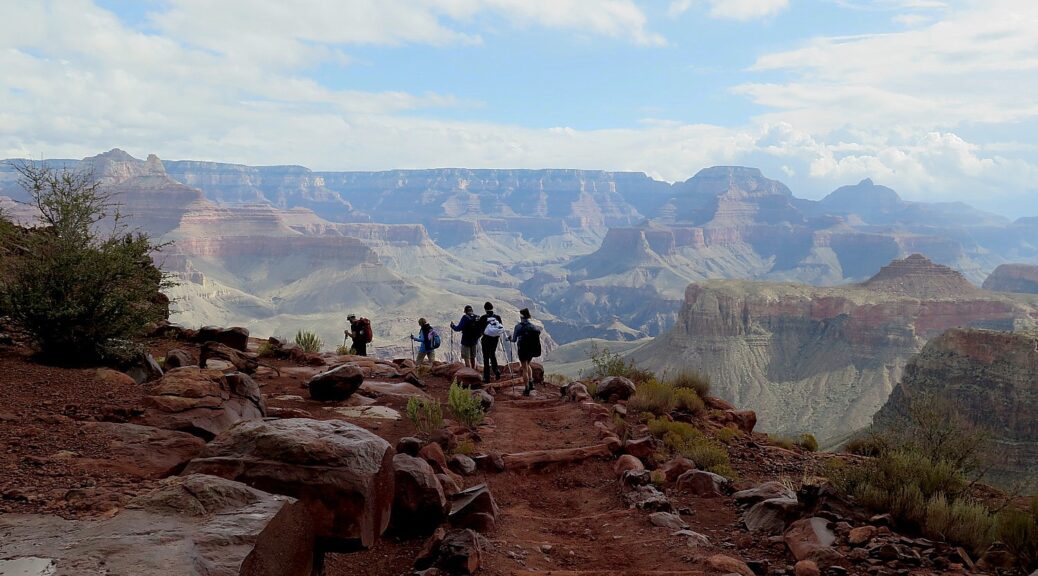
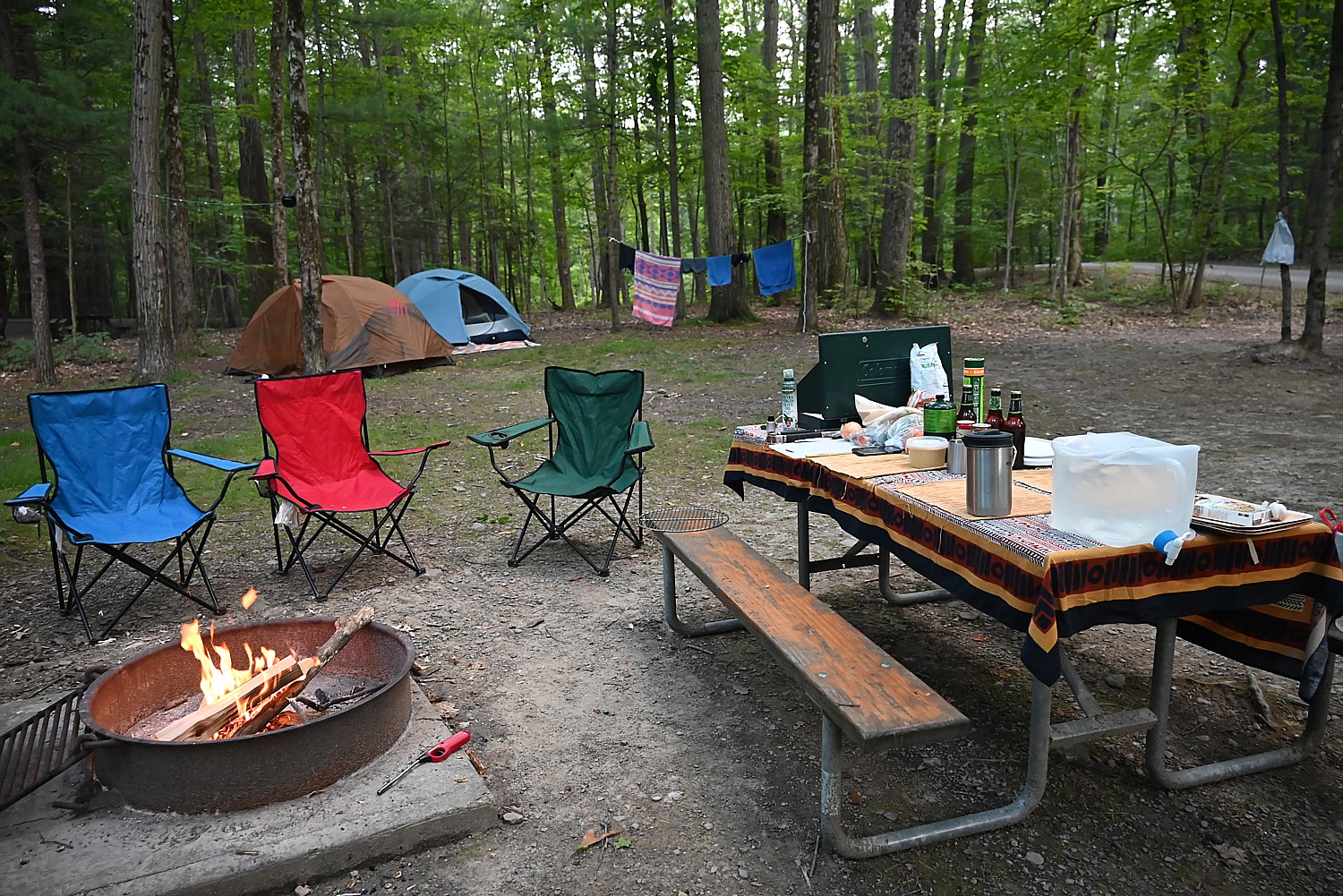
National Parks Week, this year April 19-27, is a great time to start planning for a camping holiday in national parks, especially since because of understandable popularity, you need to make reservations early. Camping within or near the parks enhances the experience immeasurably, adding an unparalleled dimension.
Pro Tip: You can purchase a 2025 America the Beautiful–the National Parks and Federal Recreational Lands Annual Pass providing access to over 2,000 federal recreation sites, including national parks, wildlife refuges and forests, for $80 from the USGS store (https://store.usgs.gov/) and from LL Bean (https://www.llbean.com/llb/shop/1000010294). At sites that charge per vehicle, a pass covers the pass holder and accompanying passengers in a single, private, non-commercial vehicle. At sites that charge per person, a pass covers the pass holder and three accompanying adults (16 or over; children 15 and under are free).
Seniors can purchase a lifetime version, the America The Beautiful – The National Parks and Federal Lands Senior Lifetime Pass, for a one-time charge of $80 (plus $10 fee), from https://store.usgs.gov/lifetime-senior-pass. At many sites the Senior Pass provides a discount on Expanded Amenity Fees (such as camping, swimming, boat launching, and guided tours).
Campspot’s 15 Top Trending Parks for Campers
To celebrateNational Park Week (April 19–27, 2025)—with free park entry on April 19—Campspot, a leading booking platform for private campgrounds, dug into traveler data to reveal the Top 15 Most-Searched National Parks for 2025, based on check-in dates throughout the year.
With economic uncertainty still shaping how Americans travel in 2025, more adventurers are seeking out experiences that feel meaningful—but still affordable. Camping near national parks continues to rise in popularity as travelers seek fresh air, epic views, and budget-friendly alternatives to traditional vacations.
Whether you’re planning a last-minute getaway or your big summer adventure, here’s where travelers are headed—along with where to camp nearby:
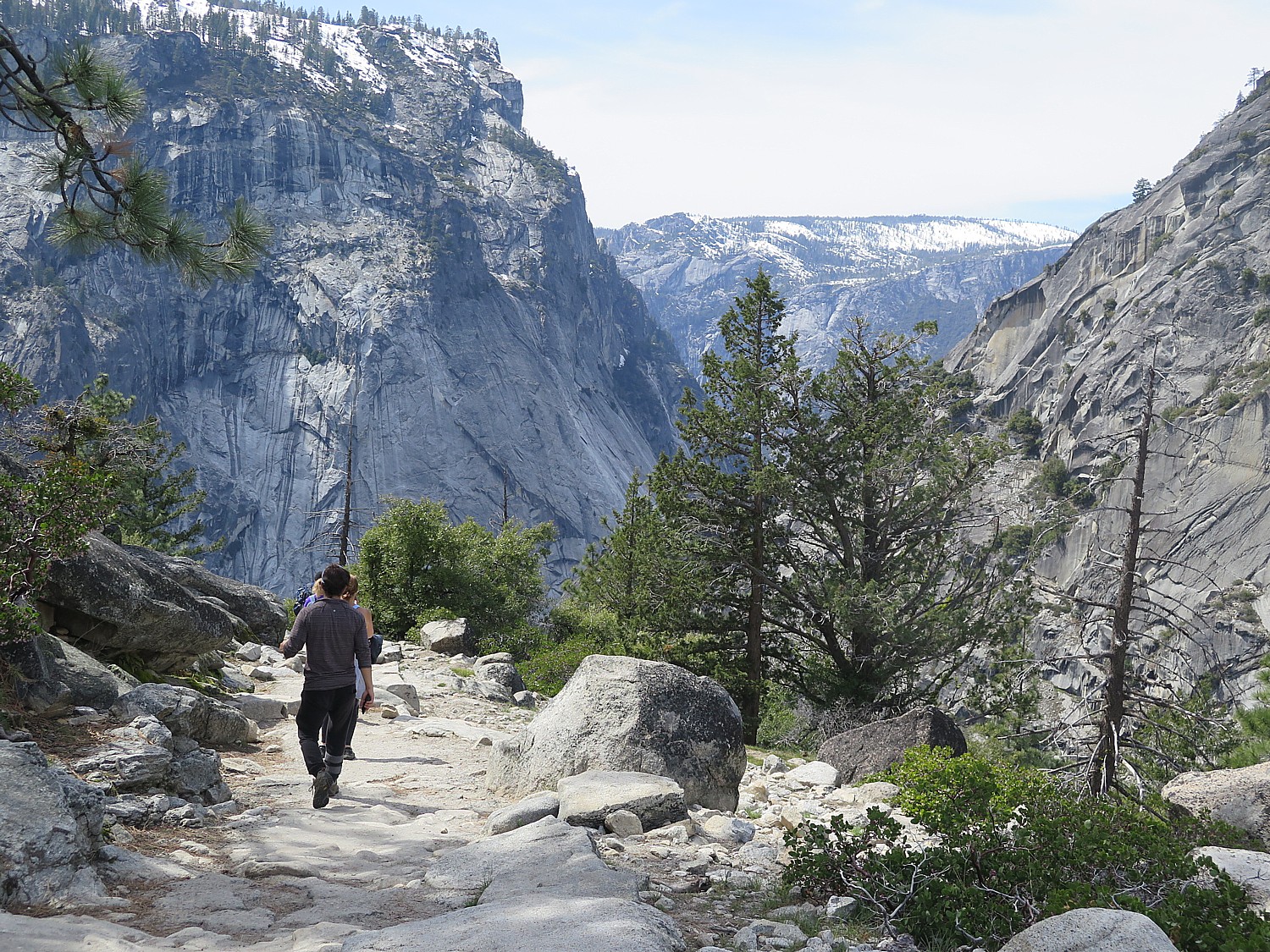
1. Yosemite National Park: With its granite giants, towering waterfalls, and legendary trails, Yosemite National Park in California is the definition of iconic. Whether you’re chasing views from Glacier Point or strolling through Yosemite Valley, this park is a stunner in every season. Book early—it’s a favorite for a reason. Where to camp:
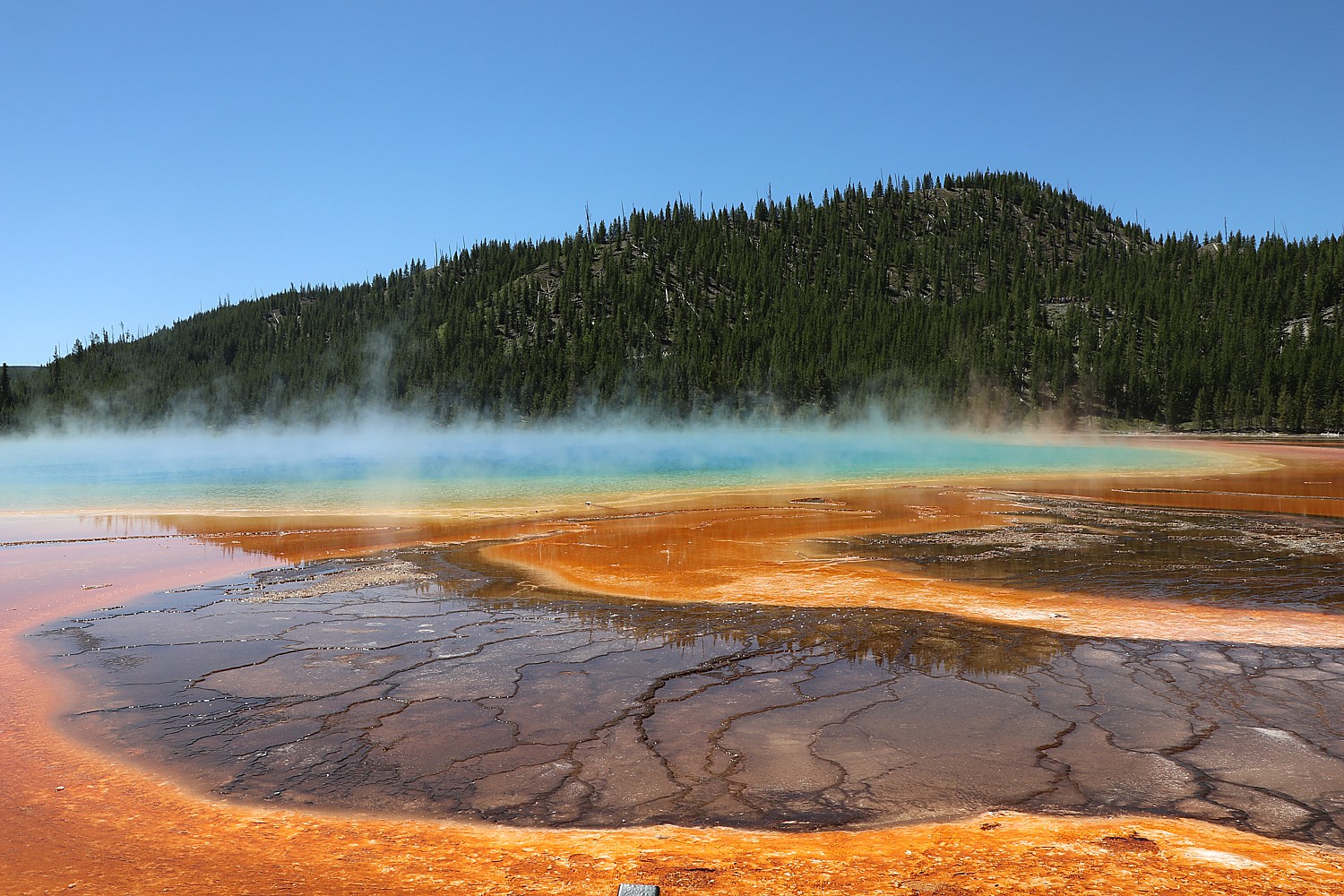
2. Yellowstone National Park: The first national park in the world is still one of the most awe-inspiring. Spanning across Wyoming with portions in Montana and Idaho, Yellowstone and its bubbling geysers, colorful hot springs, and vast wildlife sightings (bison! bears! elk!) make every visit feel like a real-life safari. Add in stunning canyons and wide-open meadows, and you’ve got a wild, wonderful trip waiting. Where to camp:
3. Glacier National Park: Alpine lakes, snow-capped peaks, and over 700 miles of trails? Glacier National Park in Montana is high on drama—in the best way. Hop on the Going-to-the-Sun Road for an unforgettable drive, or hike to hidden lakes for pure solitude. Summer is prime time, but shoulder seasons offer quieter beauty with fewer crowds. Where to camp:
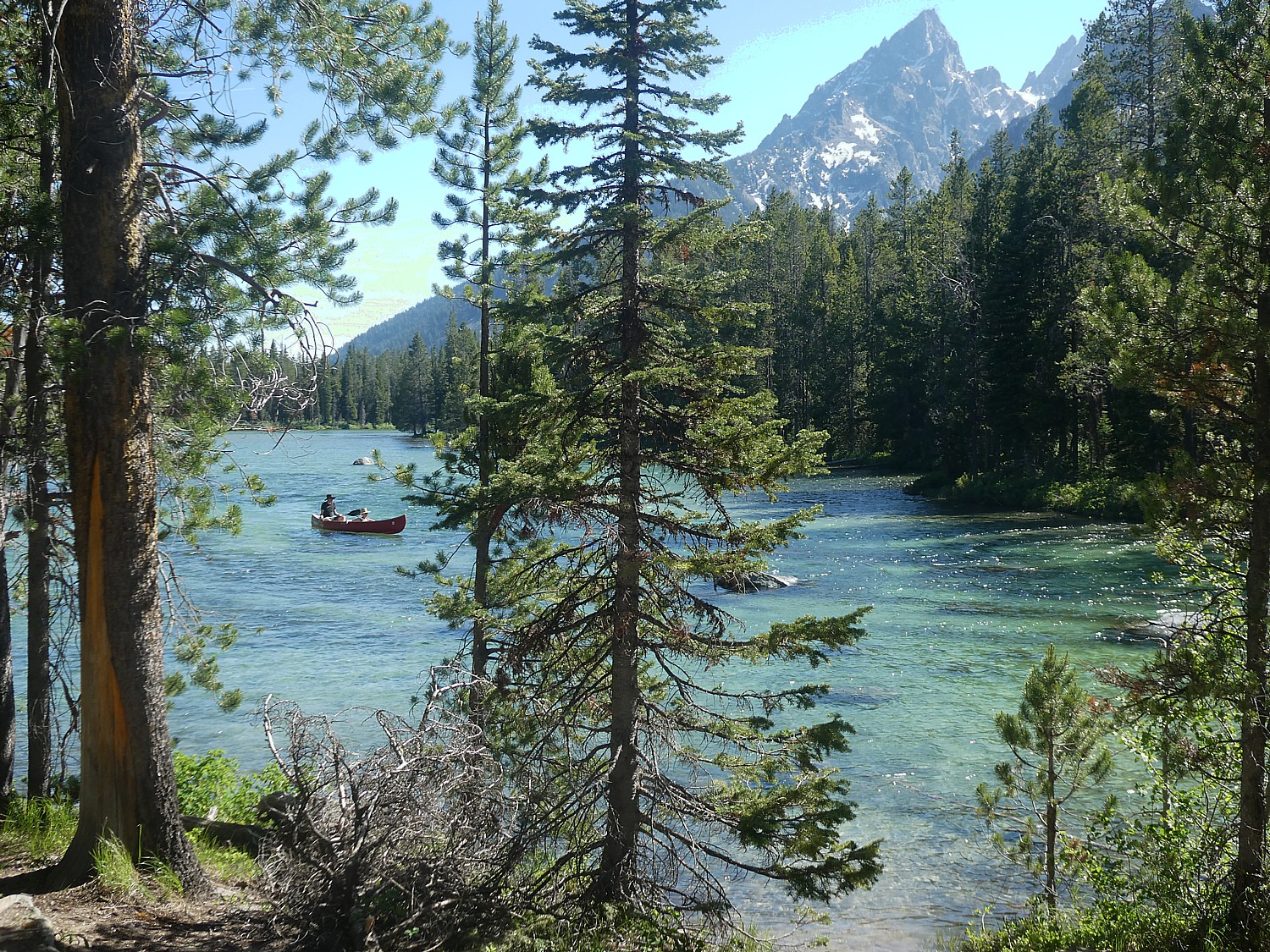
4. Grand Teton National Park: Craggy peaks, serene lakes, and a skyline so sharp it cuts through the clouds—Grand Teton National Park is Wyoming’s quieter showstopper. Kayak on Jenny Lake, catch a sunrise over the Snake River, or just enjoy the view with a picnic. Bonus: you’re close enough to Yellowstone to hit both in one trip. Where to camp:
5. Sequoia National Park: Come for the massive trees, stay for the peaceful forest vibes. Sequoia National Park in California is home to General Sherman (the largest tree on Earth) and hundreds of other giants that make you feel like you’ve stepped into a fairy tale. It’s also great for stargazing, scenic drives, and uncrowded trails. Where to camp:
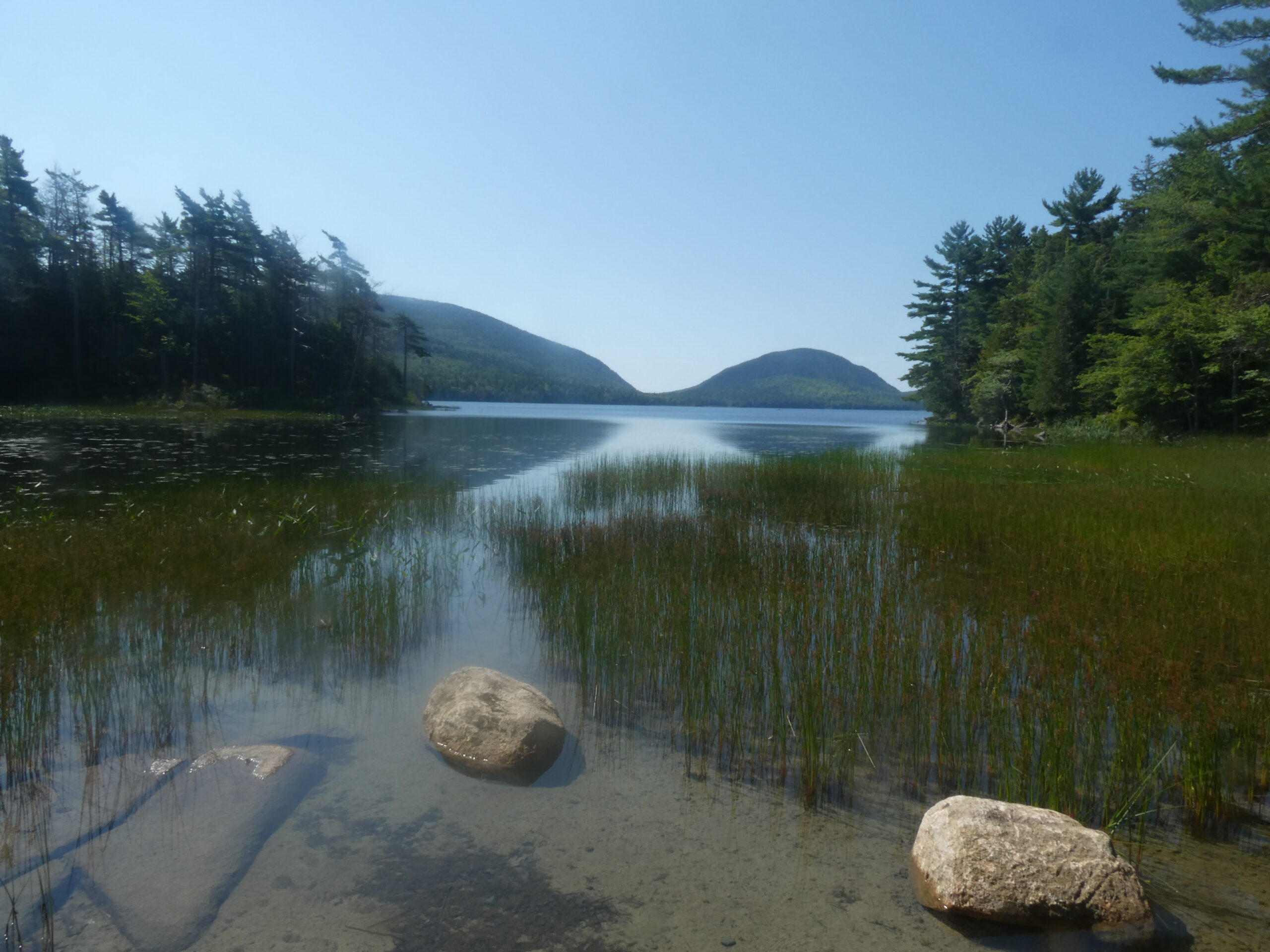
6. Acadia National Park in Maine brings serious charm where the mountains meet the sea. Hike Cadillac Mountain for one of the first sunrises in the U.S., bike the historic carriage roads, or explore tidepools along the rugged shoreline. Fall colors here are unreal. Where to camp:
7. Great Smoky Mountains National Park: This trending national park’s misty peaks and rolling hills are home to wildflowers, waterfalls, and a crazy amount of biodiversity. With no entrance fee, it’s America’s most-visited park. Where to camp:
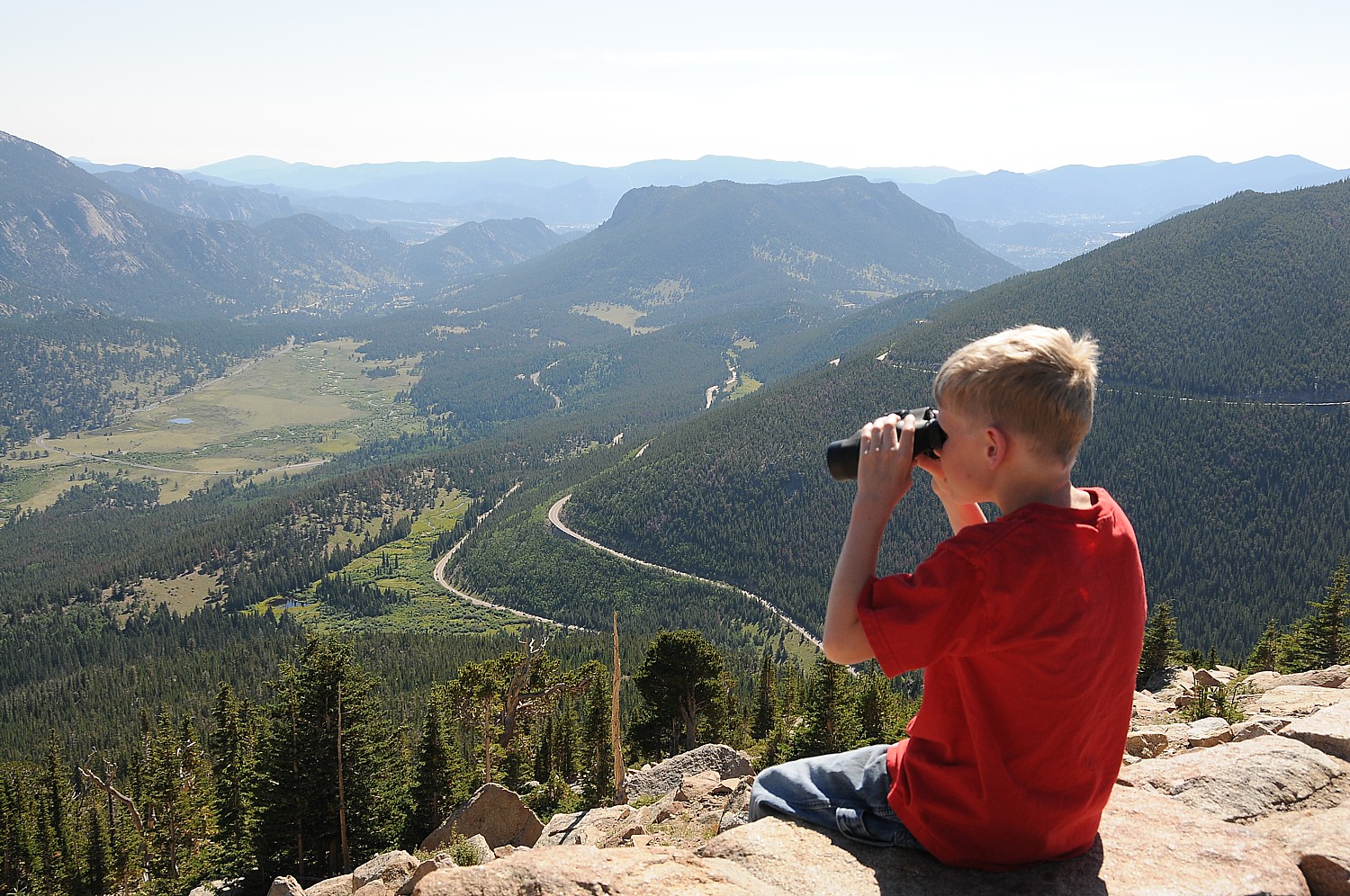
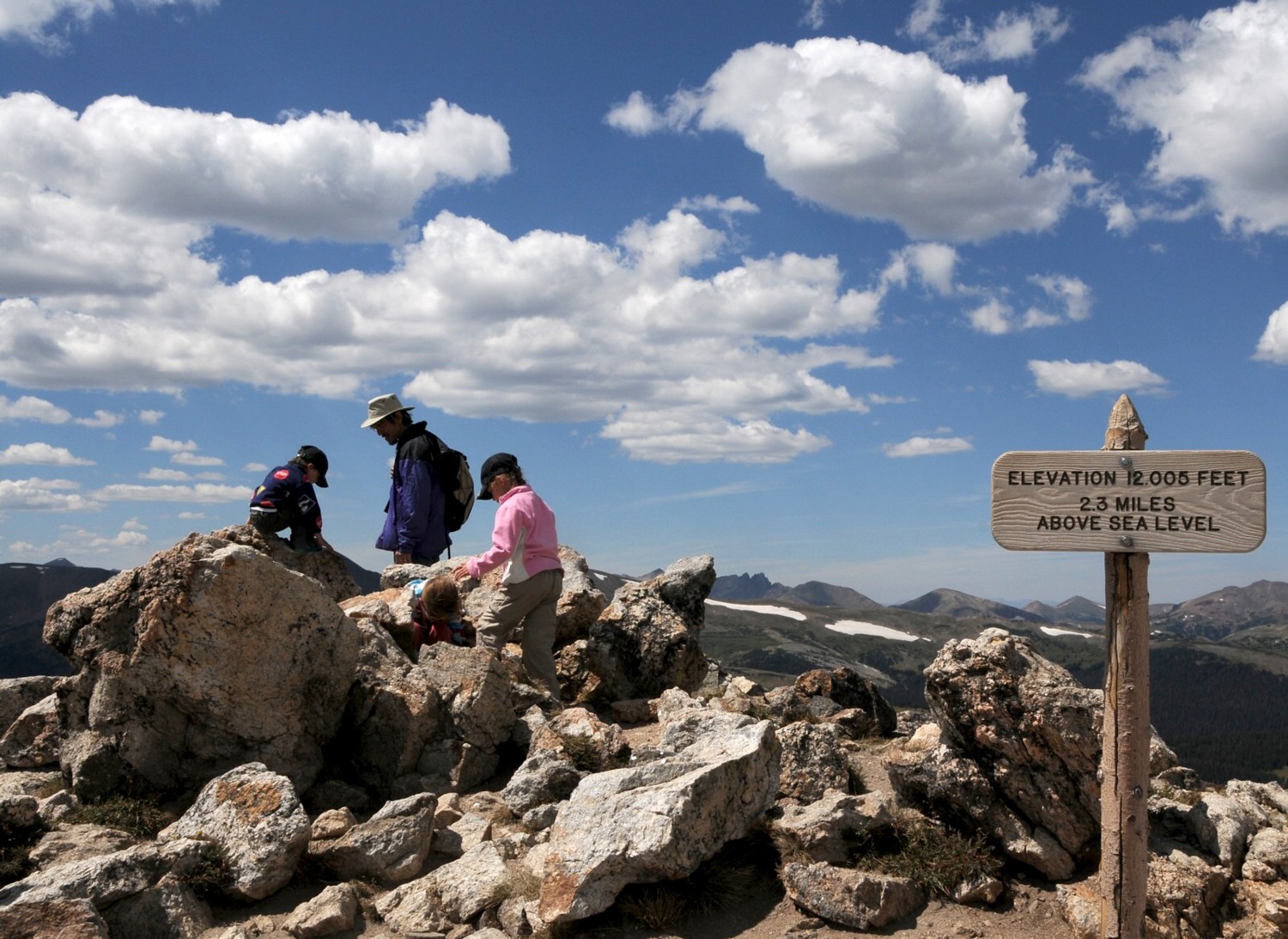
8. Rocky Mountain National Park: Reach new heights—literally. With elevations over 12,000 feet, this trending national park in Colorado is a hiker’s heaven. Think alpine tundra, glacier-fed lakes, and elk sightings around every corner. Trail Ridge Road offers stunning panoramic views, especially at sunset. Where to camp:
9. Hot Springs National Park: Blending history with hot water, this top national park in Arkansas is as quirky as it is relaxing. Stroll the historic Bathhouse Row or hike forested trails before soaking in the therapeutic springs. It’s like stepping into a vintage spa town with a dash of outdoor adventure. Where to camp:
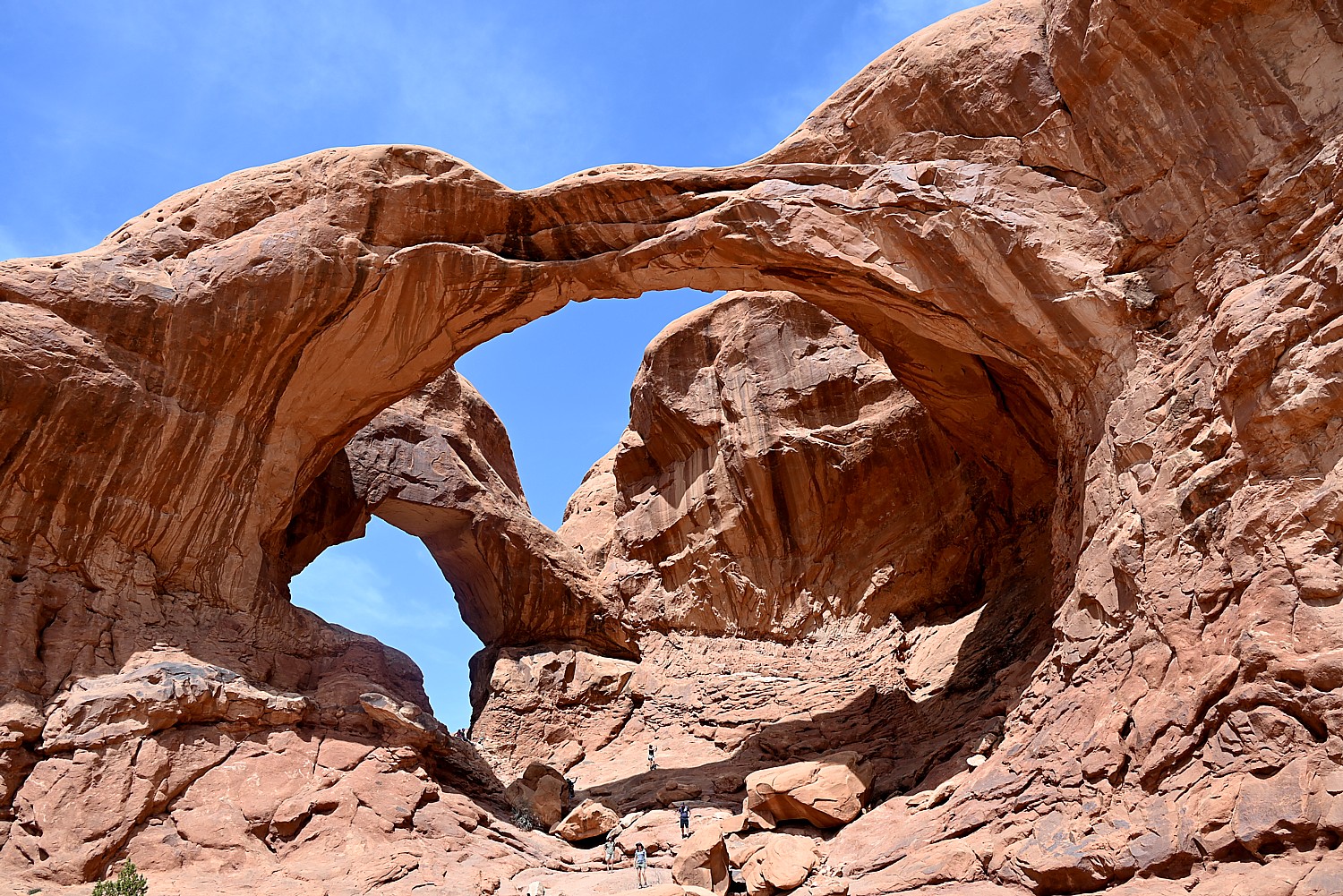
10. Arches National Park: Otherworldly red rock formations and over 2,000 natural arches make this a can’t-miss stop in Utah’s canyon country. Sunrise and sunset bring the landscape to life with shifting colors, and even short hikes lead to jaw-dropping payoffs. Bring water—it’s hot, dry, and totally worth it. You also need to purchase timed-entry reservations during peak season. Where to camp:
11. Joshua Tree National Park: Where two deserts collide, weird and wonderful things grow. Sitting between the Mojave Desert and Colorado Desert, Joshua Tree National Park in California sports signature trees, giant boulders, and cosmic night skies, making it a magnet for artists, stargazers, and climbers alike. Sunrise hikes and campfire nights here are something special. Where to camp:
12. Zion National Park: Towering red cliffs, dramatic canyons, and trails like Angel’s Landing and The Narrows—Zion brings the wow at this trending national park in Utah. Ride the park shuttle for easy access, then lace up for adventures that range from family-friendly strolls to heart-pounding scrambles. Where to camp:
13. Indiana Dunes National Park: A lakefront surprise in the Midwest, Indiana Dunes offers sandy beaches, sweeping dunes, and lush inland trails. Great for swimming, birdwatching, or just a laid-back beach day near Chicago. Where to camp:
14. Olympic National Park: Rainforests, mountain peaks, and the wild coastline of Washington—Olympic National Park’s diversity is unreal. You can hike a glacier one day and walk the beach the next. Don’t miss Hoh Rain Forest or Hurricane Ridge, and keep an eye out for elk, eagles, and tidepool treasures.
15. Everglades National Park: Welcome to the swamp (the good kind). The Everglades National Park in Florida is home to gators, manatees, and miles of slow-moving rivers and marshland. Explore by kayak or airboat and experience one of the most unique ecosystems in the U.S. Don’t forget the bug spray! Where to camp:
Kampgrounds of America has published its own list of “14 Must-See National Parks” (no surprise with the overlap with Campsite’s trending parks) with the KOA campgrounds that are nearby, compiled by Matt Kirouac (https://koa.com/blog/must-see-national-parks/). Kirouac’s list includes:
“Camping is a high-value travel experience, offering opportunities to disconnect and spend time with friends and family in nature,” says Kampground of America. “The majority of the campgrounds in our system have cabins onsite that are an easy entry point for travelers seeking to benefit from time spent outdoors while enjoying creature comforts. We know that most campers are travelling less than 200 miles to go camping, it is a high-value way to explore the national parks and local communities nearby and certainly lower expense than other forms of travel.
“Campers looking for an RV experience without the commitment of purchasing one can test it out (or even just embark on an epic adventure) through a peer-to-peer rental company like RVshare, RVezy or Outdoorsy among others. I believe that RVshare is offering a service in which campers can opt to have their RV set up on a campground for them to use, without worrying about setting it up themselves.”
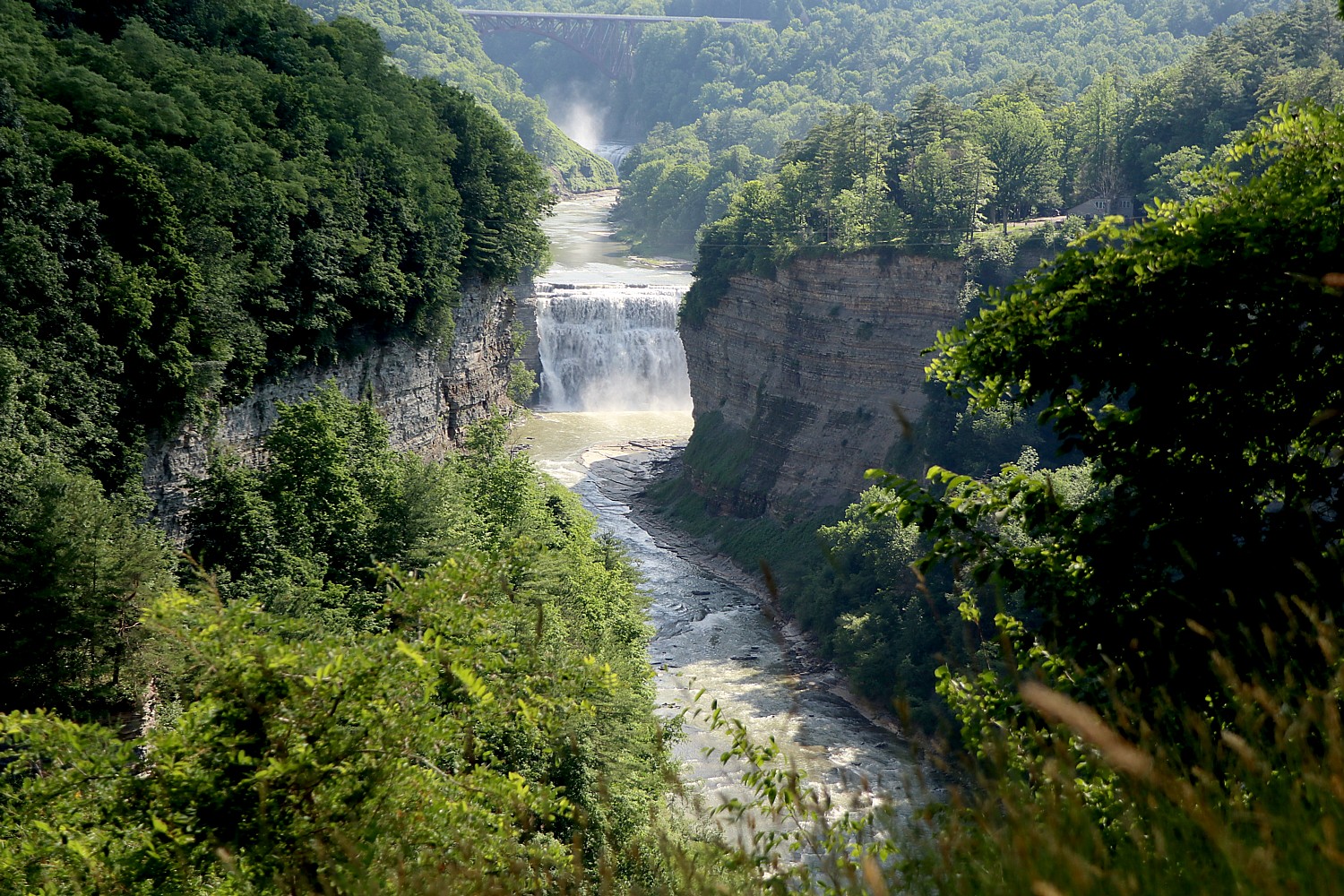
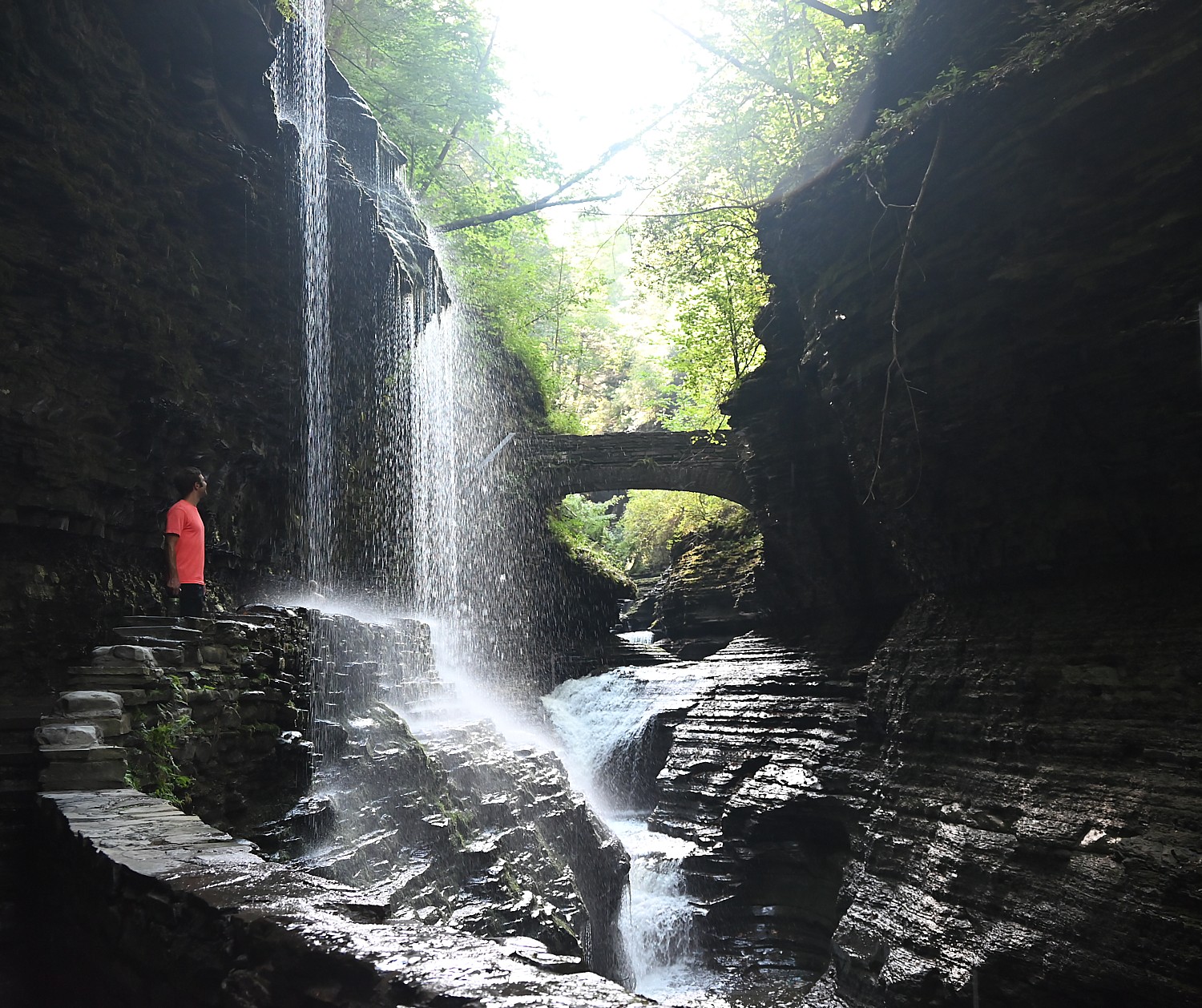
New York State offers some of the most exciting camping experiences in the country – from the star-studded nights of the Adirondacks and the Catskills to the tranquil sunrise vistas along the shores of the St. Lawrence River. Its state parks like Watkins Glen (where, besides the spectacular scenery of the gorge there is also the tradition of auto racing), and Letchworth State Park (considered the Grand Canyon of the East), you have a variety from parking your RV, or renting a cozy cabin or cottage, to pitching a tent beneath the celestial canopy.
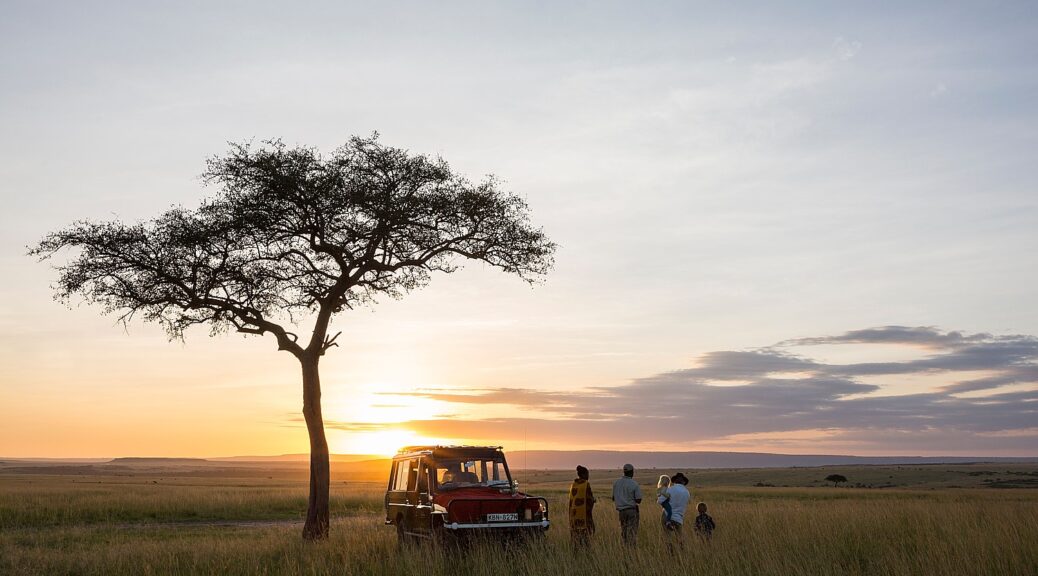
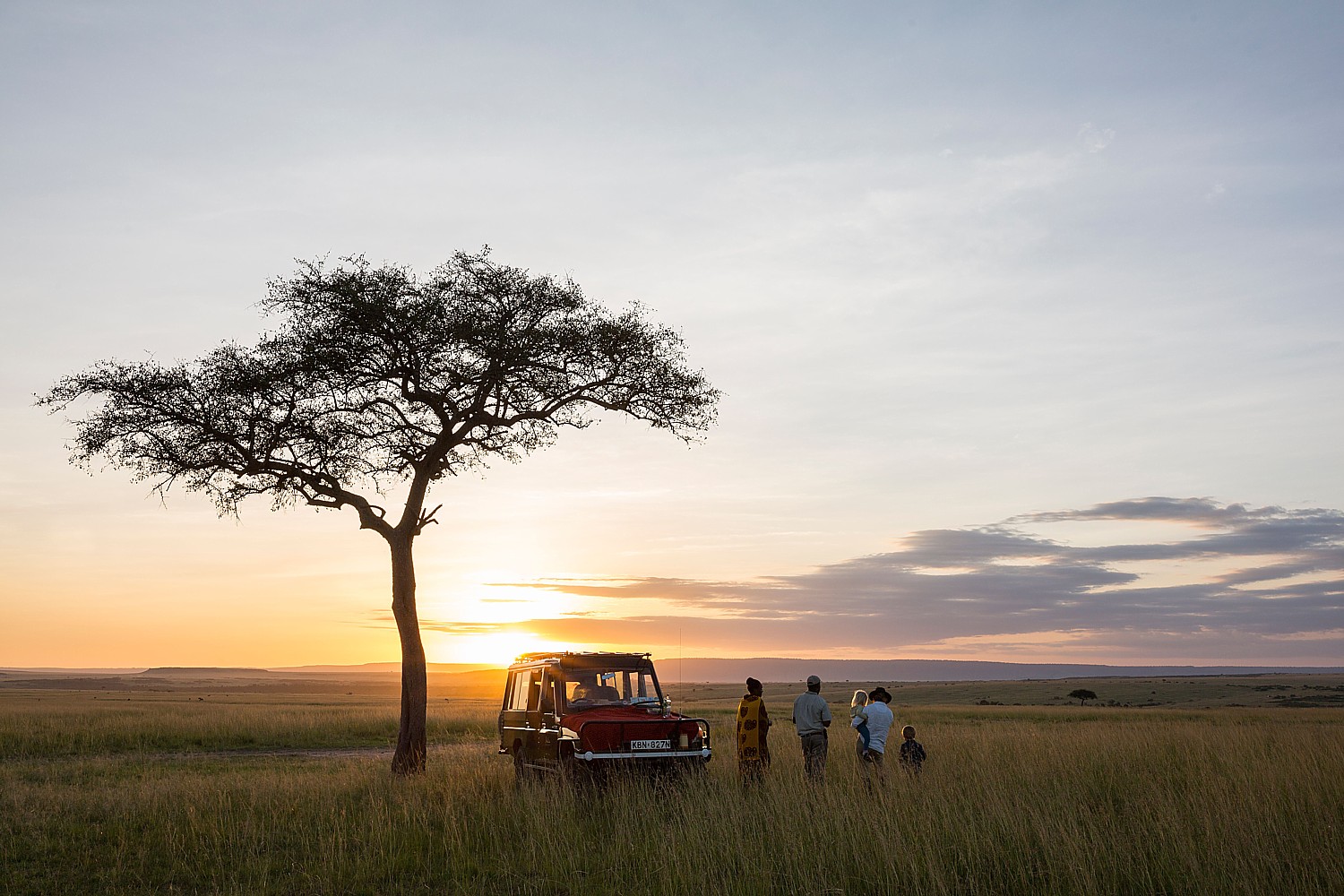
An afternoon bush drive. Go2Africa can advise families on the most appropriate lodges and safaris (photo: Go2Africa)
by Karen Rubin, Travel Features Syndicate, goingplacesfarandnear.com
Families are increasingly looking for travel experiences that are enriching, inspiring, foster an appreciation for the natural and human world. Among the pinnacle family experiences is a trip to the Galapagos (which I did with my grown children on the Galapagos Legend, GoGalapagos.com, and will do again as a multi-generational family once my grandkids are old enough), and an African safari, which is a much more formidable to plan, especially when you have no prior experience in Africa or doing a safari.
Because of that, I really appreciated the recommendations from Go2Africa’s Maija De Rijk-Uys – recently recognized by Travel + Leisure as an A-List Specialist for family safaris in Eastern and Southern Africa – who pulled from her own experiences taking her two kids to the bush in preparing these tips for parents traveling with kids and recommendations for the best family-friendly lodges to book.
“Traveling with my family in Africa has been the most rewarding and enriching experience for all of us over the years,” Maija de Rijk-Uys reflected. “Utilizing an operator like Go2Africa that can help simplify your logistics takes the stress out of family travel and allows everyone to connect, enjoy their time together and learn from expert guides about nature and wildlife.”
Tips for Planning Family Safari Vacations
Give your family time to recover from long-haul travel: Families can benefit from splitting their trip between cities, camps, and beaches. Cities such as Cape Town offer many fun things to do as a family and the opportunity to recover from jet lag and adjust to new cultures and environments.
Opt for private vehicles when the budget affords: Some lodges insist on a private vehicle when traveling with young children, but where they don’t, Go2Africa advises opting for one anyway. When using a private vehicle on game drives, families can dictate exactly how long they stay at each sighting and how long they’re out in the bush—which will really come in handy if your little one gets restless.
Design an Age Appropriate Itinerary: A safari offers a variety of activities and experiences. Choosing the right ones based on children’s ages ensures fun and safety for the whole family.
Asilia Africa’s Ol Pejeta Bush Camp, Kenya (photo: Go2Africa)
Traveling With Children 5-14 Years: When traveling with children younger than 15, choosing a lodge that offers closed or private vehicles, a junior rangers program, and professional guides who enjoy sharing the wilderness with youngsters is best. Children under 15 will love the excitement of nature walks, learning basic tracking skills, picnics in the bush, and spending time at the beach.
Traveling With Teenagers 15-18: Teens are mature enough to join parents for game drives in classic open safari vehicles and encounter the majestic mountain gorilla on gorilla treks in Uganda. If you have a sensitive teen, Go2Africa recommends discussing the possibility of witnessing dramatic predator-prey interactions you might see in the wild, especially in the Masai Mara and the Serengeti during the Great Wildebeest Migration. Your teen will come to understand that nature is all about balance, where hunters and prey are a necessary and normal part of the cycle of life.
Multi-Generational Families: East Africa offers something for every type of traveler, including hot-air balloon rides of the Masai Mara for older members and age-appropriate safari-themed programs for children. Best of all is sharing the experience together, bonding and building lifetime memories.
Work with an Expert, an African Safari Expert: Navigating the intricacies of planning a safari, from selecting the right destinations to arranging accommodations and transportation, can be overwhelming, especially for those unfamiliar with the region. A knowledgeable African safari expert can offer personalized recommendations tailored to the family’s preferences, while ensuring safety and comfort for all is a top priority. Moreover, they can often leverage their industry connections to secure exclusive deals, upgrades, and insider access, enhancing the overall value of the trip.
Choose the Right Safari Lodge for Your Family: Beyond merely providing accommodation, the right lodge can serve as a hub for adventure, education, and relaxation amidst the wilderness. A well-chosen lodge will offer activities suitable for various age groups, as well as amenities and services tailored to families, such as childcare facilities and kid-friendly meals, can significantly enhance comfort and convenience during the trip. The location and surroundings of the lodge also play a pivotal role, offering opportunities for wildlife encounters and immersive nature experiences.
I would suggest another consideration: ask what wildlife you are likely to see at the lodge, and if you have particular interest, choose accordingly.
Six Family-Friendly Safari Lodges
As a mother of two, Maija’s favorite kid-friendly safari combines classic game viewing in malaria-free destinations with family beach villas on tropical beaches. Here are her favorite child-friendly safari lodges for an African safari with kids:
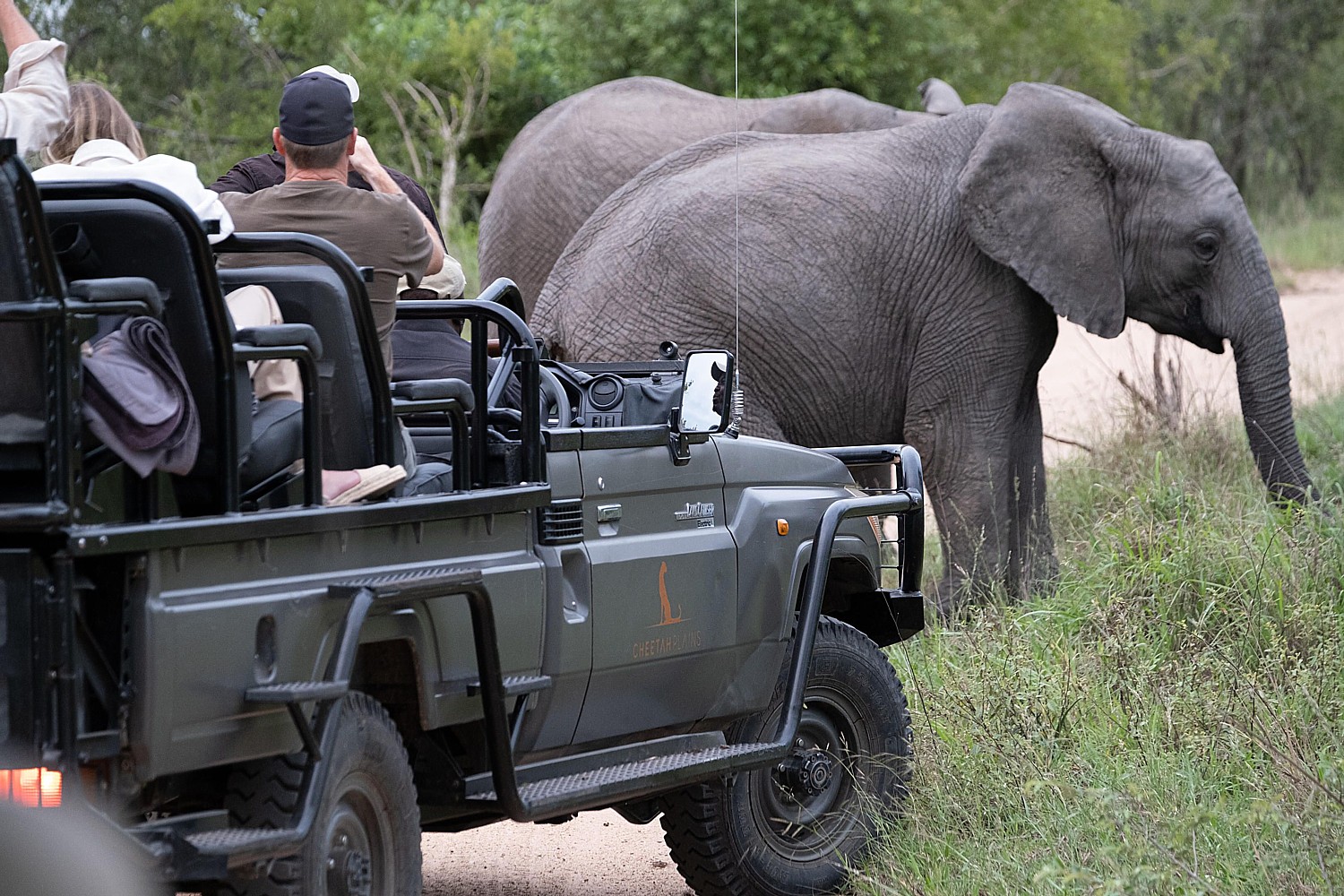
Cheetah Plains, South Africa (photo: Go2Africa)
Cheetah Plains, South Africa: At Cheetah Plains in Sabi Sand, South Africa, game drives and interpretive walks with expert guides and trackers facilitate connection to the wild, fostering a love and appreciation for nature. Activities from scavenger hunts, tracking, baking and crafts keep young minds entertained, while adults can indulge in tastings and pairings, wellness treatments or simply relax. Preferential activities and interests are personalized for your safari by dedicated and knowledgeable field guides. A private electric safari vehicle allows you to travel solely with your group on your own schedule. Family-friendly villas are designed with thoughtful features like inter-leading suites and entertainment lounges equipped with state-of-the-art audio-visual equipment. Cheetah Plains is one of the only safari camps to allow children of all ages on game drives.
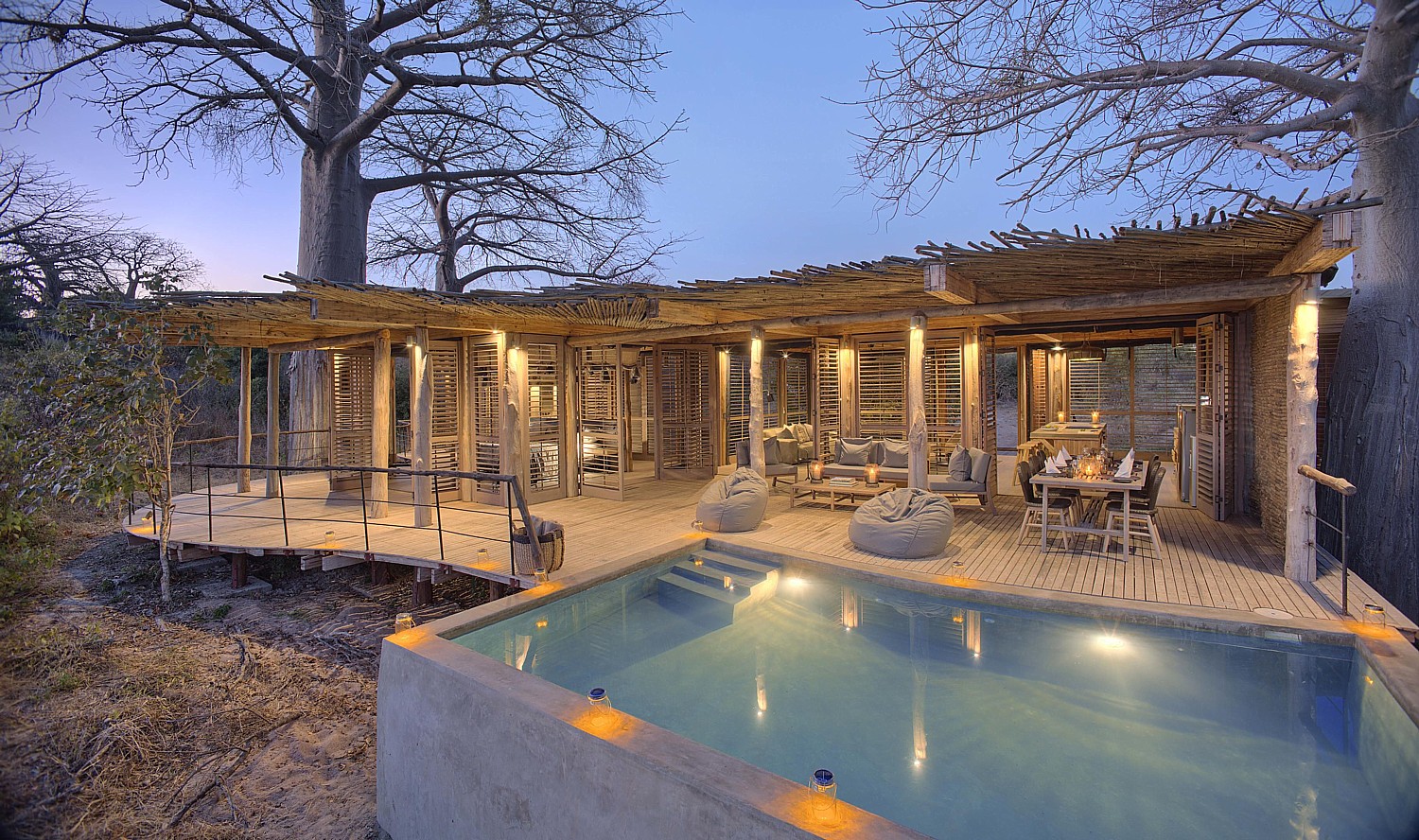
Jibali Private House, Ruaha National Park, Tanzania (photo: Go2Africa)
Jabali Private House, Ruaha National Park, Tanzania: Designed with families in mind, Jabali Ridge offers eight spacious suites seamlessly integrated among colossal granite boulders, providing an exclusive and remote atmosphere. Tailored safaris with morning and afternoon game drives, walking safaris, and kid-friendly photographic safaris are available upon request. Personalized family-focused adventures, homemade meals—including picnic breakfasts and gourmet dinner. Lounge in hammocks on wooden decks, or take refreshing dips in infinity pools, with stunning vistas of the expansive plains.
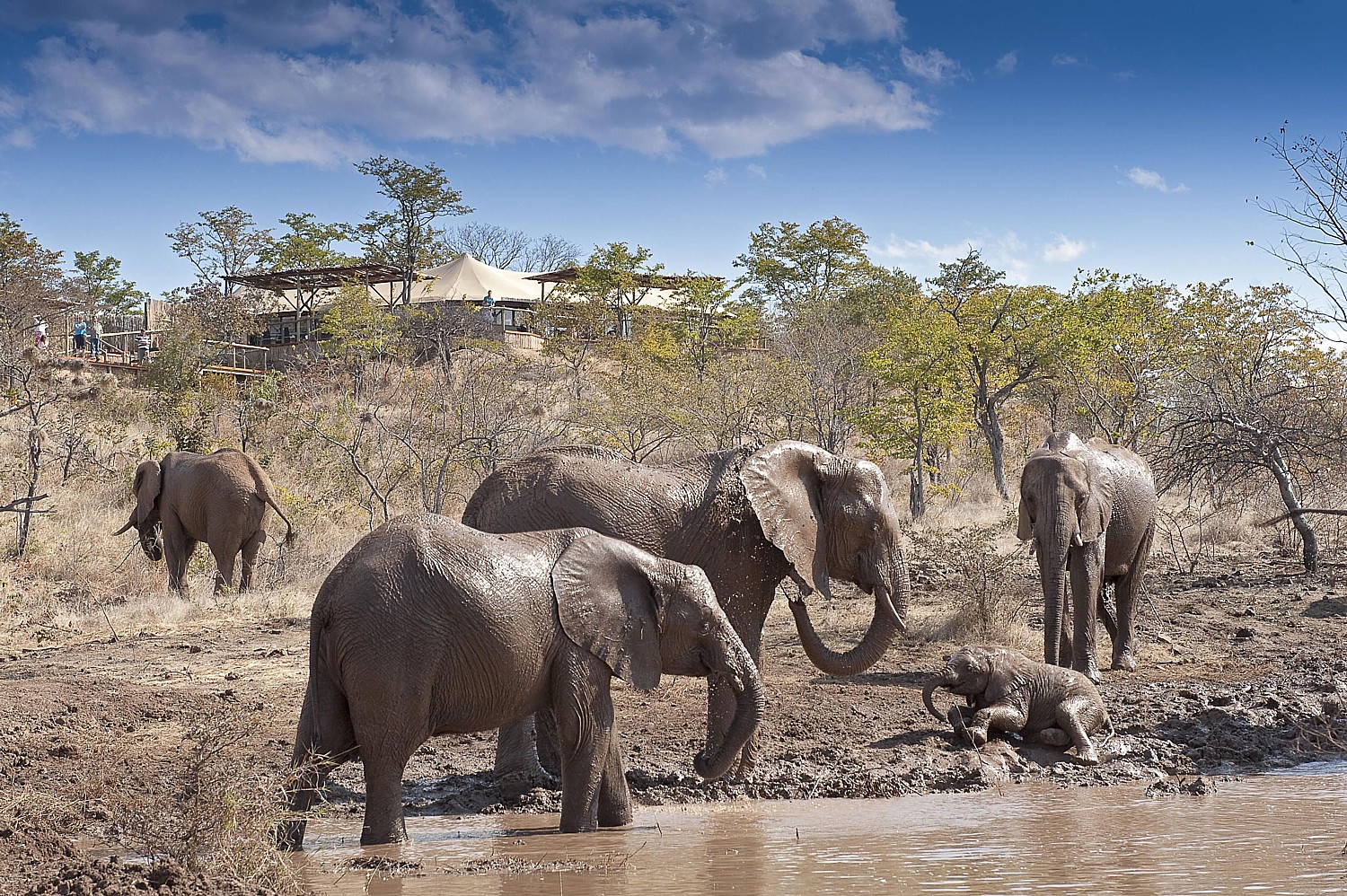
The Elephant Camp, Victoria Falls, Zimbabwe (photo: Go2Africa)
The Elephant Camp, Victoria Falls, Zimbabwe: Traditional safari ambiance meets eco-conscious luxury in one of the most breathtaking locations on earth: Elephant Camp in Victoria Falls. “Meet the Elephant” gives guests the opportunity to unobtrusively interact with some of the biggest personalities in Africa.
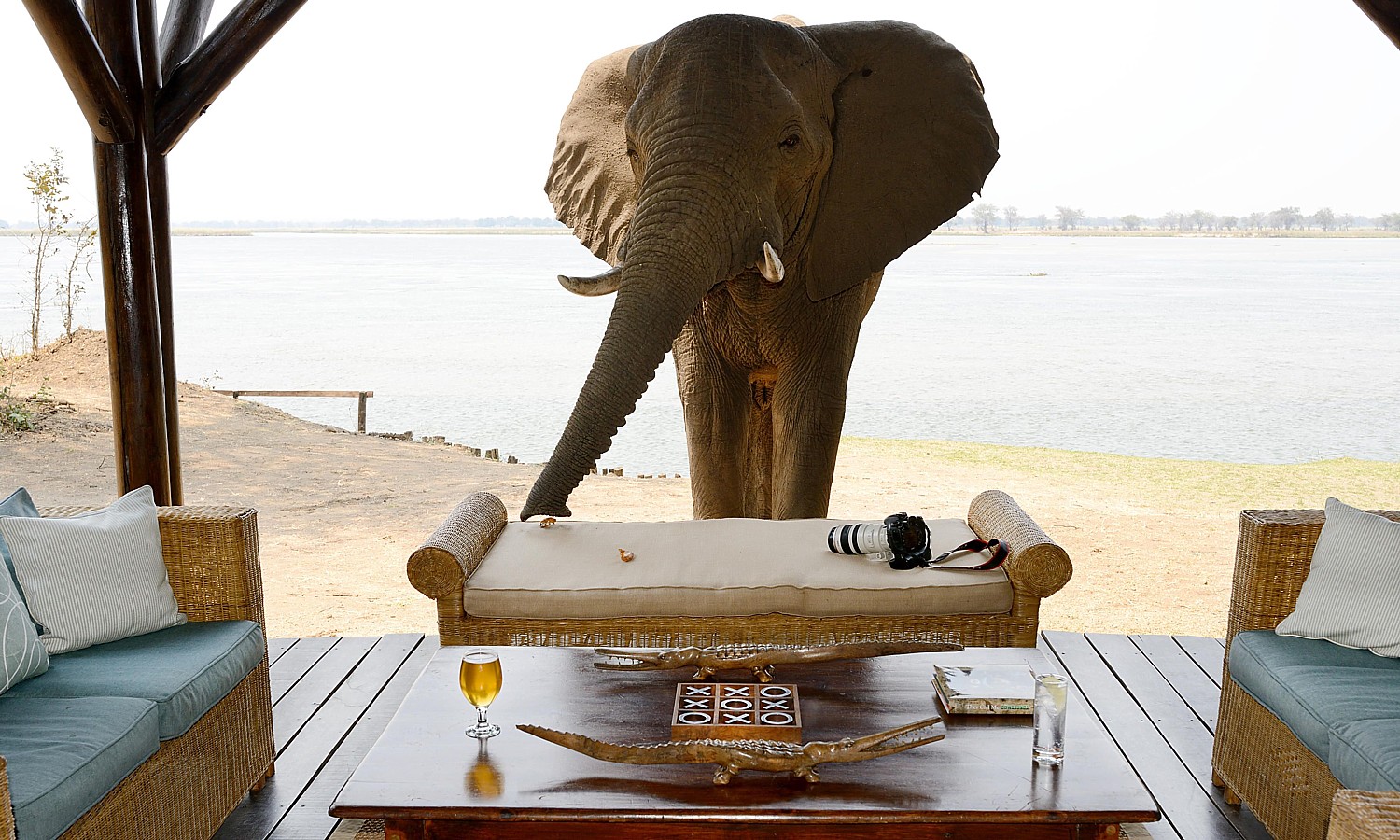
Chiawa Camp, Zambia (photo: Go2Africa)
Chiawa Camp, Zambia: Chiawa Camp, on the banks of the Zambezi River in the heart of the Lower Zambezi National Park, is a perfect family retreat for nature lovers. Families can embark on game drives (including enchanting night drives), guided walks, and river cruises. The camp’s family-friendly tents feature indoor and outdoor showers. Chiawa Camp also offers swimming pool, open-air gym, and diverse safari experiences.
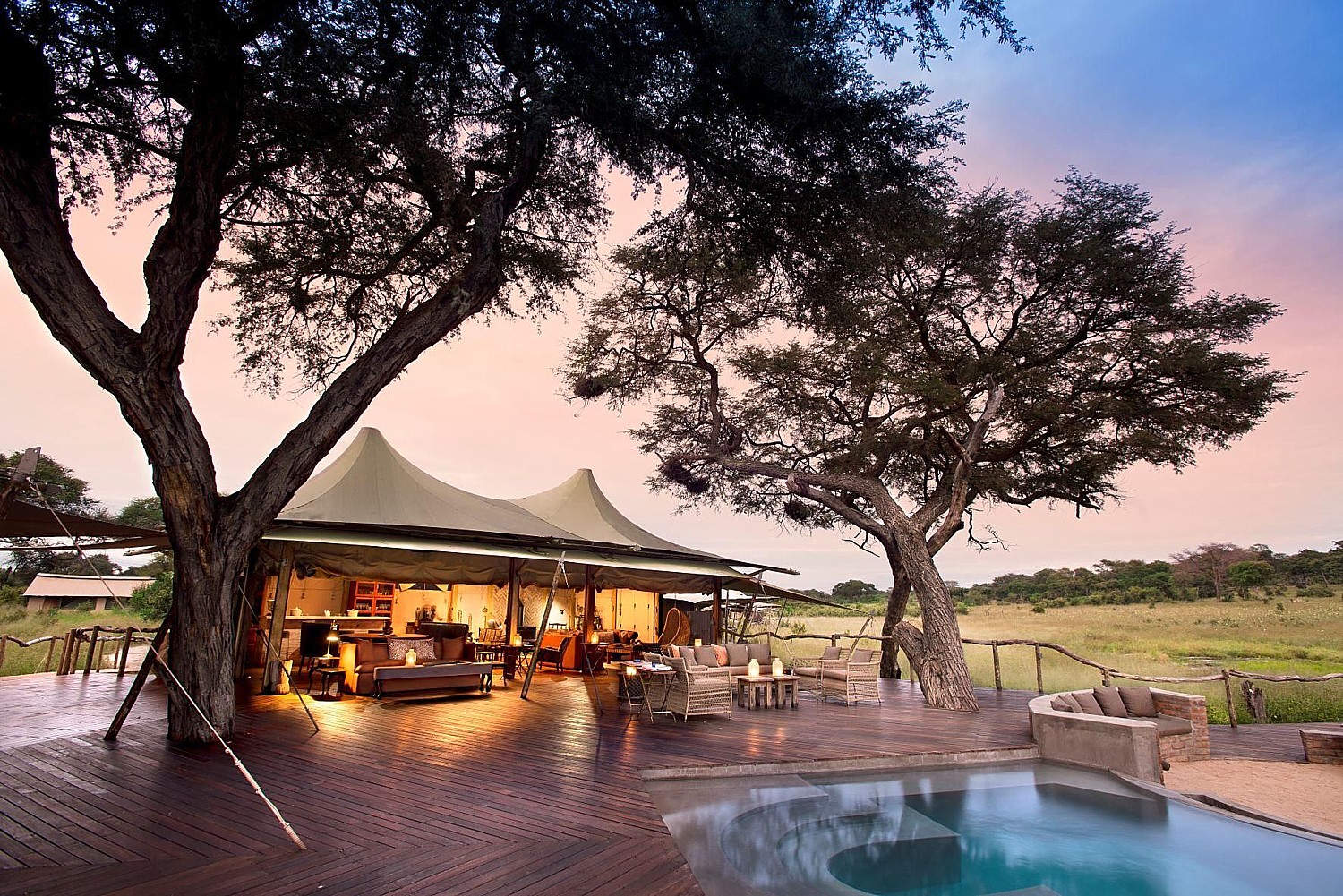
Somalisa Acacia, Hwange National Park, Zimbabwe (photo: Go2Africa)
Somalisa Acacia, Hwange National Park, Zimbabwe: At Somalisa Acacia, families gather on the dining and relaxation deck overlooking a busy watering hole, and can sight kudu, cheetah, and wild dogs on game drives, and enjoy superior lodging in the intimate and luxurious safari camp. Ngwana Club (meaning “explorer” in Tswana), offers entertainment for kids during downtime: giving kids a chance to see conservation efforts in nearby villages, roam safe nature trails with trained staff, as well as enjoy boating, pizza-making, and jewelry crafting.
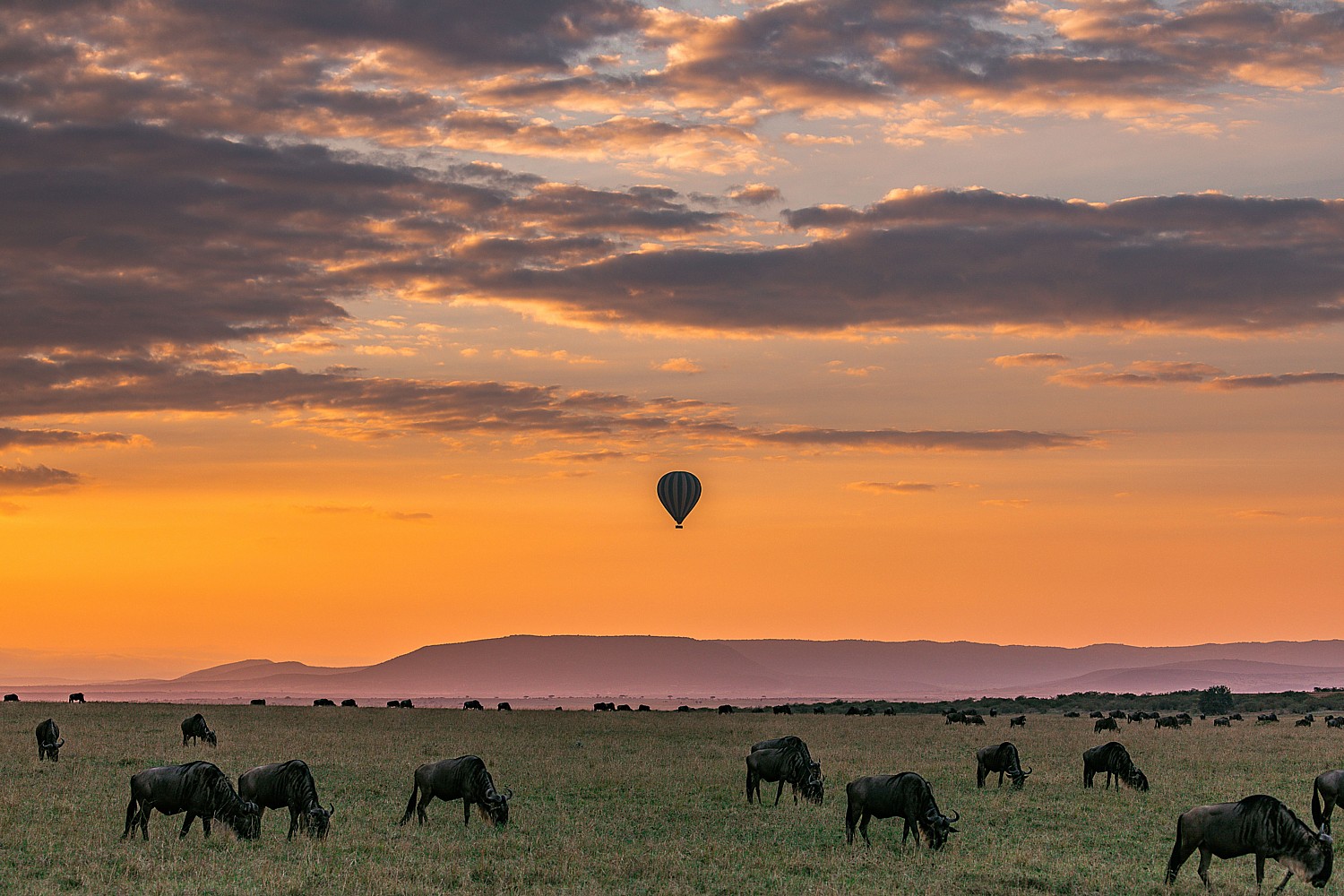
Hot air balloon safari over the Serengeti (photo: Go2Africa)
The Retreats, Tanzania: The Retreats at Sayari and Namiri are ideal for multigenerational and small groups, providing a private guide and vehicle, host, and dedicated chef who prepares special kids meals. Sayari Retreats, open June to March, and Namiri Plains Retreats opened year-round, share a pool, lounge and spacious deck with a sunken fire pit from which to enjoy expansive views across the Serengeti. Sayari offers walking safaris, hot air balloon safaris and cultural visits; guests are in the premier location to view thousands of wildebeest crash across the Mara River as part of their Great Migration from July to November. Sayari is renowned for its safari experience amidst the untouched plains of the northern Serengeti. Namiri Plains, in the eastern corner of the Serengeti, offers unparalleled privacy as no other camps are within an hour’s drive. Each property offers two en suite double bedrooms (additional beds can be added for children over five). Before Namiri Plains was built, these grasslands were closed for 20 years to allow the cheetah population to be restored. Guests can take part in game drives, walking safaris, and cheetah research and each group will have a private guide and safari vehicle allowing for flexibility and exclusivity in the experience.
Tanzania’s Rubondo Island: Rubondo Island Camp is a private island paradise. Nestled within a national park it is affectionately known as “Noah’s Ark” due to its astounding natural beauty and diversity. The island’s ecosystem includes giraffes, elephants, rhinos, and hippos, which can be viewed on thrilling game drives in private Land Rovers. While guided chimpanzee trekking is available for older teens and adults, younger children will delight in game drives, catch-and-release fishing, sunset cruises, and guided nature walks. Fishing enthusiasts can try to catch the famed Nile perch from a boat or the beach. The island’s luxury extends to its accommodations, where families can relax in Robinson Crusoe-style comfort.
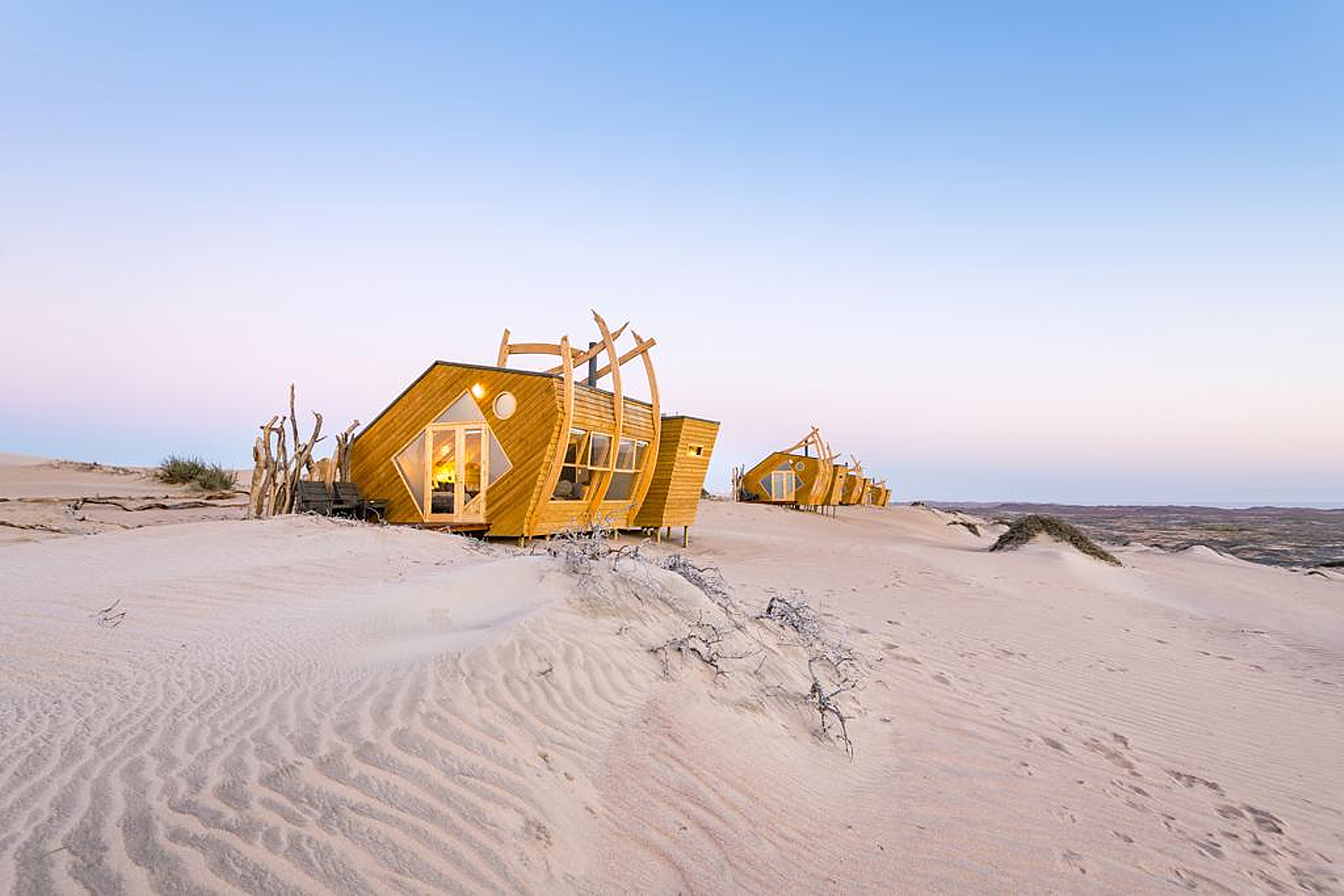
Shipwreck Lodge, the only lodge in Skeleton Coast National Park, Namibia (photo: Go2Africa)
Namibia’s Skeleton Coast: One of Africa’s most unusual lodges, Shipwreck Lodge is the only lodge situated in the soul-stirring Skeleton Coast National Park, and the ideal place to stay to explore one of Africa’s last true wilderness areas. Nature drives in search of brown-hyena spoors provide educational opportunities for the kids to learn about the area’s desert elephants, giraffes, lions, and baboons. With stunning beaches and dunes on your doorstep providing endless opportunities for exploration, visitors enjoy leisurely walks to the ocean, while those seeking excitement should try quad biking on the untouched dunes. A visit to the Mowe Bay seal colony is a family favorite. The journey includes stops at the historic Karimona and Suiderkus shipwrecks. Keeping an eye out for intriguing skeletons and bones scattered along the way. adds an extra layer of adventure and discovery to your family safari.
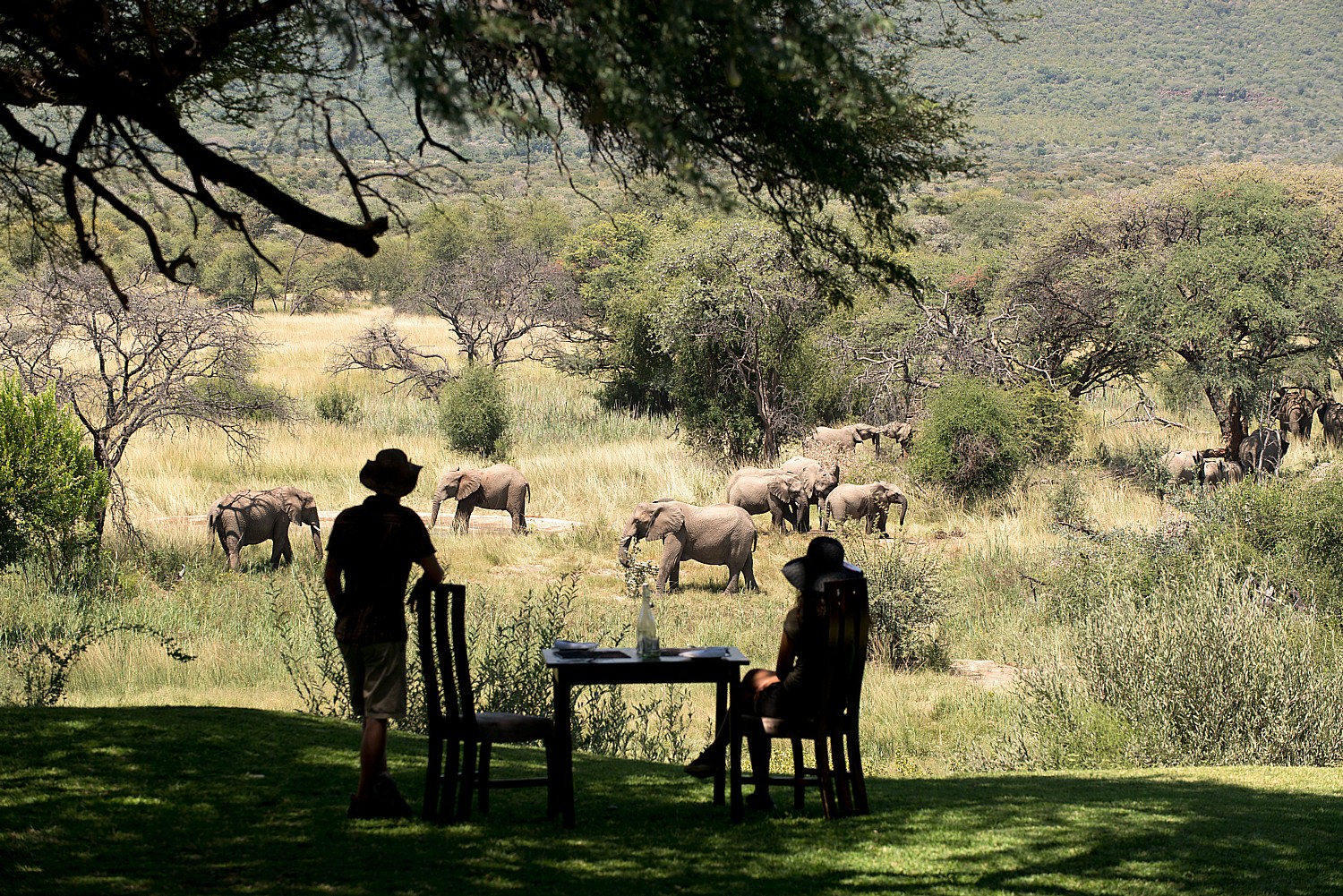
Marataba Safari Lodge, South Africa (photo: Go2Africa)
Marataba Safari Lodge in South Africa: Marataba Safari Lodge is nestled in the stunning Waterberg Mountains. Marataba is malaria-free, providing a safe and serene environment, making it a perfect alternative to other popular safari destinations like Kruger National Park, especially for families with young children or multi-generational groups. The family-tented suite features a spacious main suite and a room with bunk beds that kids enjoy. The Mack & Madi Kids’ Adventure Safari Club is a hit with children aged 5-11, offering activities like exploring the Eco Garden, animal tracking, bush camping and movie nights under the stars. A family favorite is the water safari on Marataba’s Matlabas River aboard the boat Miss Mara, especially magical during an African sunset.
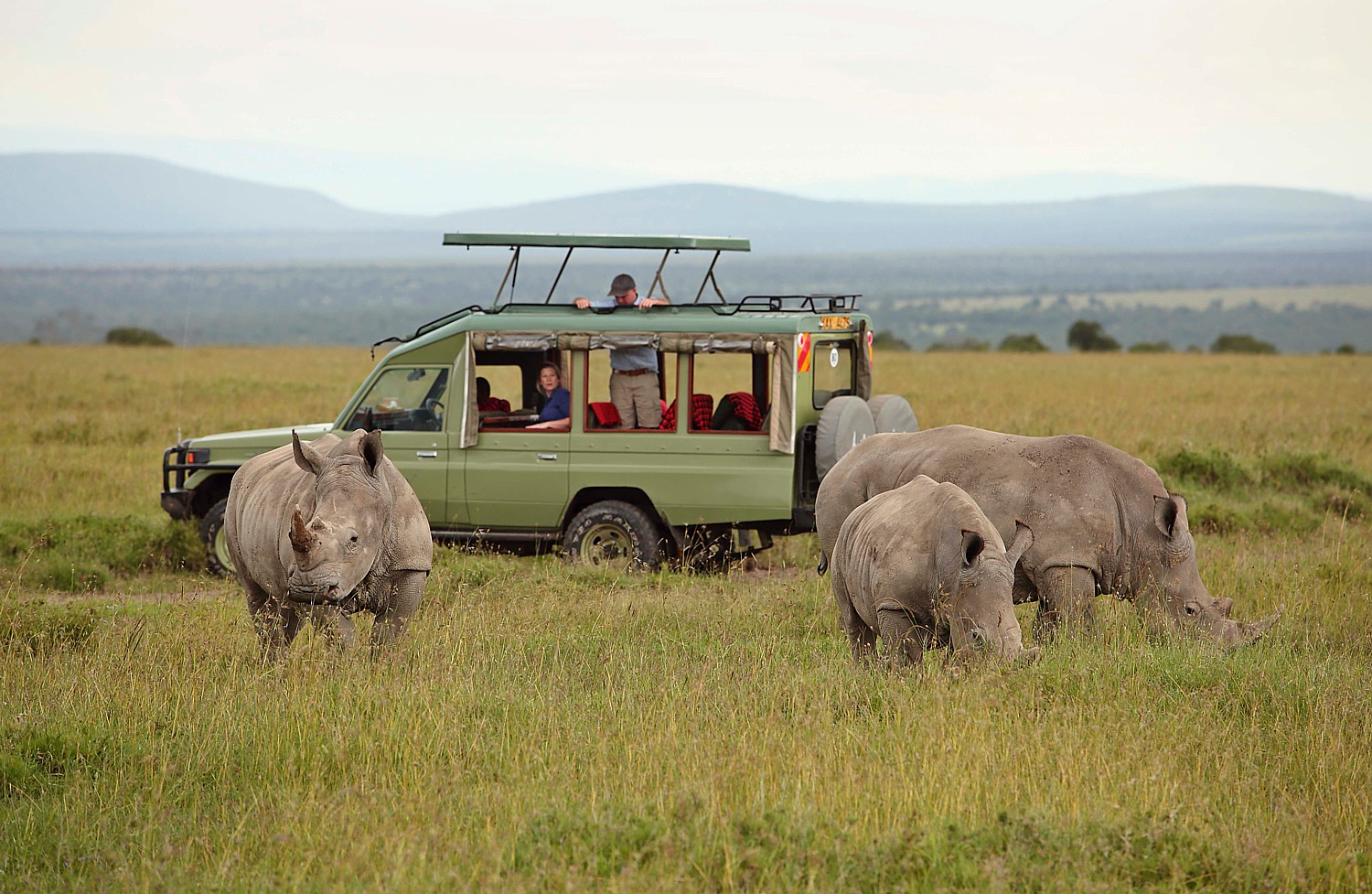
Asilia Africa’s Ol Pejeta Bush Camp, Kenya (photo: Go2Africa)
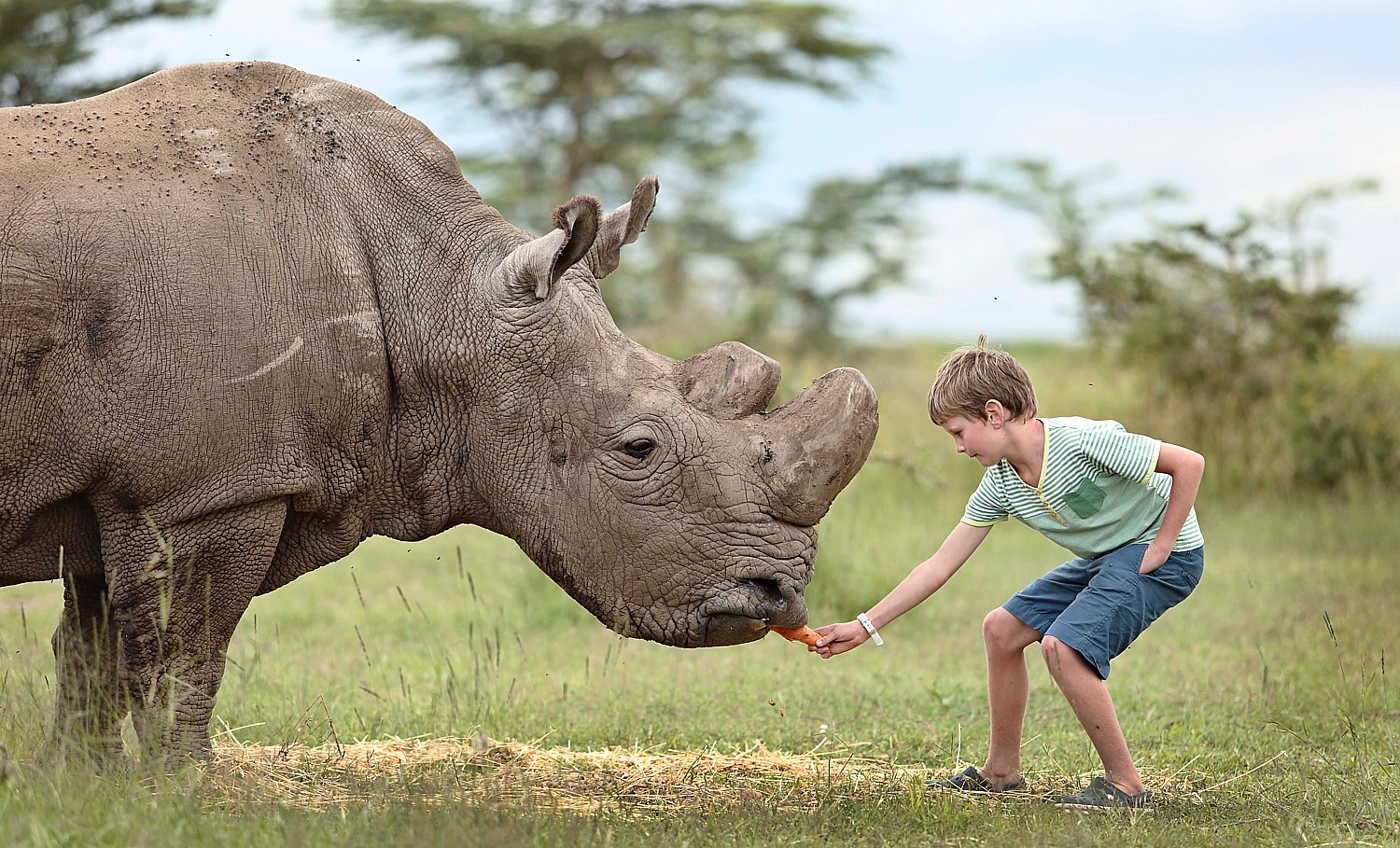
Ol Pejeta, Kenya: Asilia Africa’s Ol Pejeta Bush Camp, located on the banks of Kenya’s Ewaso Nyiro River in the Laikipia region offers breathtaking views of Mount Kenya and a thriving wildlife population. Ol Pejeta Conservancy is home to the last remaining northern white rhinos. Ol Pejeta Bush Camp welcomes children over 5 years old and offers a variety of child-friendly activities. Early morning game drives and bush breakfasts provide a perfect start to the day, while night drives offer a chance to spot elusive creatures like aardvarks, bat-eared foxes, and leopards. The Ol Pejeta Conservancy rangers organize the ‘Running the Wild’ experience every Wednesday morning – where guests get to run alongside the rangers, followed by coffee and conversations about the reserve’s conservation efforts. Families can visit the Sweetwaters Chimpanzee Sanctuary, the only place in Kenya to see these endangered chimps.
The Wild Coast, South Africa: The allure and captivating essence of the coast found in the rolling hills, the wild sea, the vibrant nature, the lagoons and the people, keep Maijas and her family returning every September for the last eight years. This destination offers swimming, hiking, mountain biking, bodyboarding, and building sandcastles on the beautiful beach. Rock pools host interesting marine life and the lagoon is a perfect place to SUP, kayak and snorkel. GweGwe Beach Lodge is a great option for families with its laidback luxury, locally inspired design, and supervised child-friendly area with games and entertainment. This is one of the few places in the world to watch a whale lobtailing and zebra or buck graze while a pod of dolphins surf a wave. Tasty farm-to-table meals are served with your feet in the sand. The lodge offers spacious and comfortable family suites wellness treatments, picnics, and guided marine or botany walks.
By Sarah Falter and Eric Leiberman, Travel Features Syndicate, goingplacesfarandnear.com
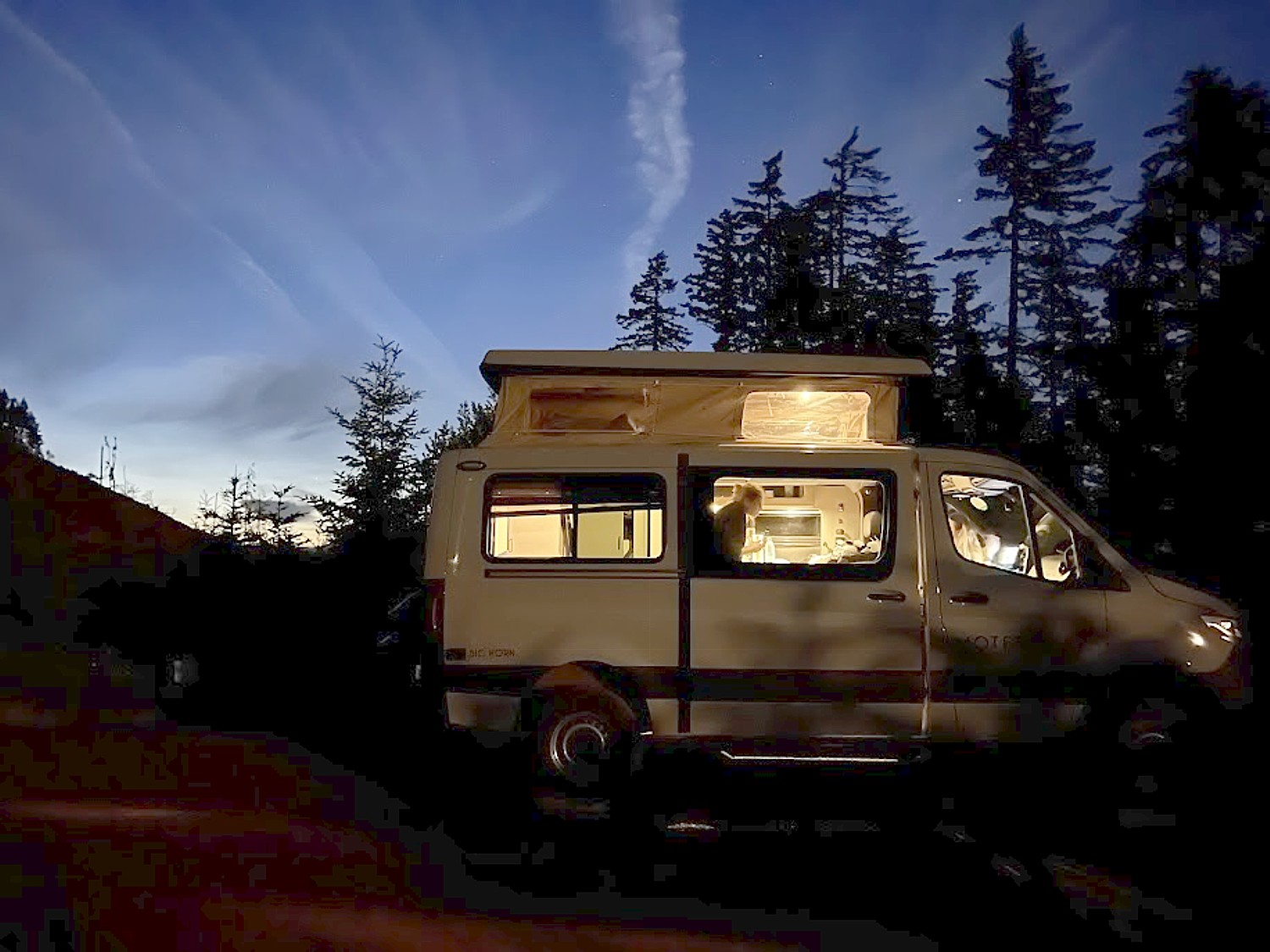
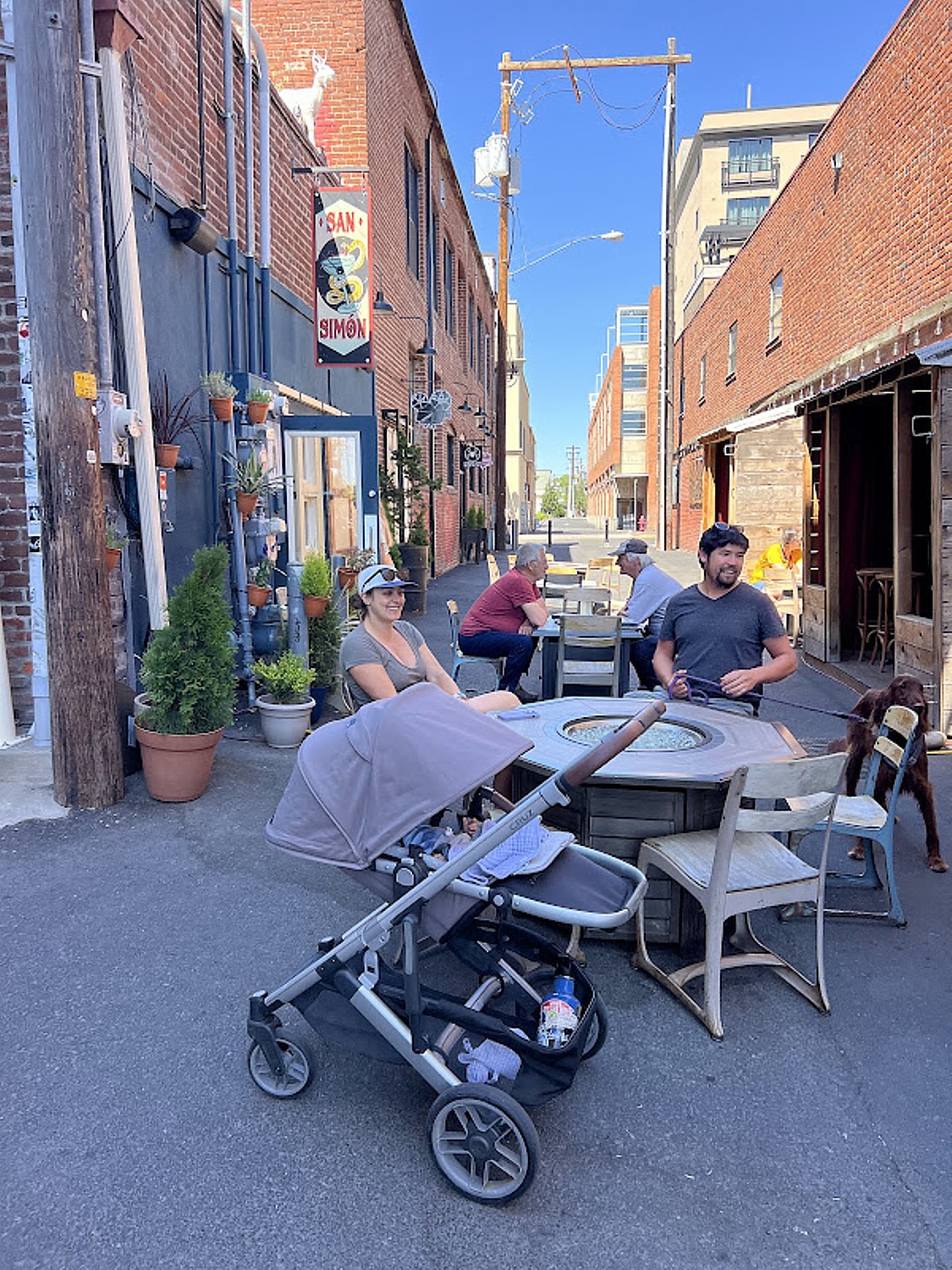
We embarked on our one-way, five-night trip from San Francisco to Seattle in a rented camper van with only vague goals regarding where we’d venture during the day and sleep at night. This is our typical travel mojo but now we had a new accompaniment–our two-month old baby.
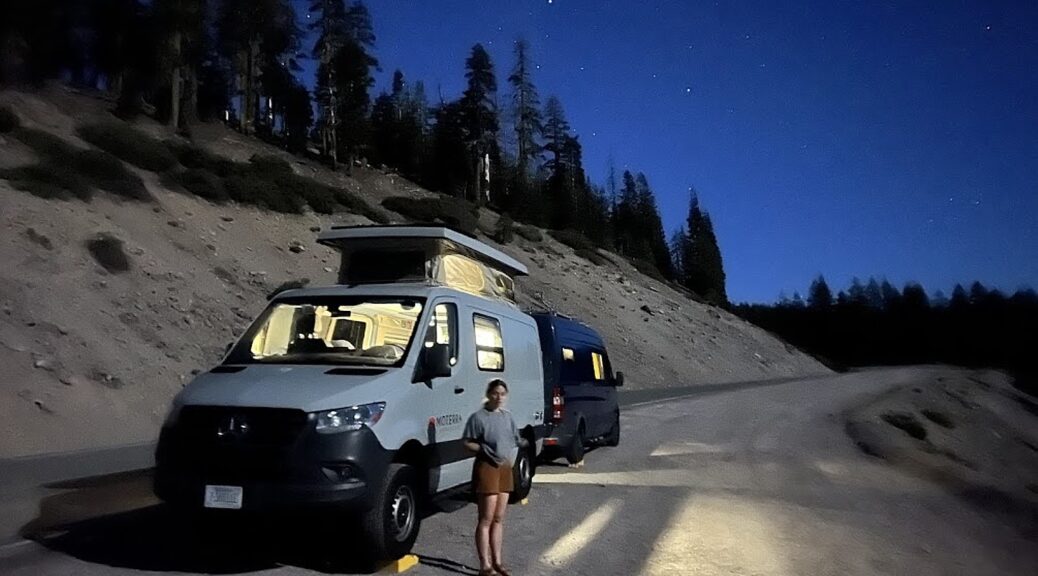
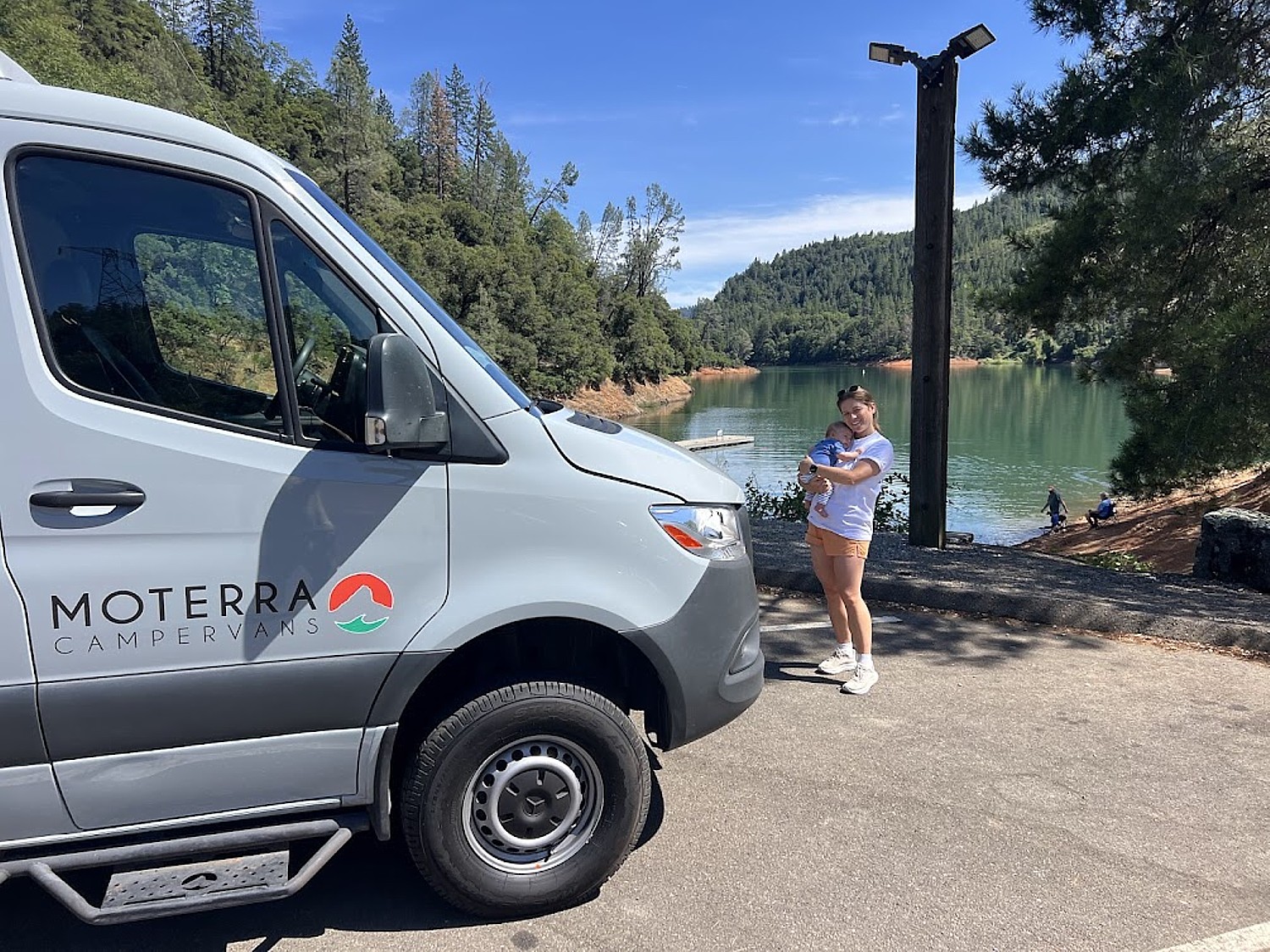
Our van rental was through Moterra Campervans, a company we had used once before to explore California, Nevada, and Utah national parks on a one-week pre-parenthood excursion. We were already familiar with the camper van specs, how comfortable it is to drive, and all of its convenient amenities. The unknown for this trip, of course, was doing it all with an infant. (See: AD-VAN-TURING, NEWEST TRAVEL TREND)
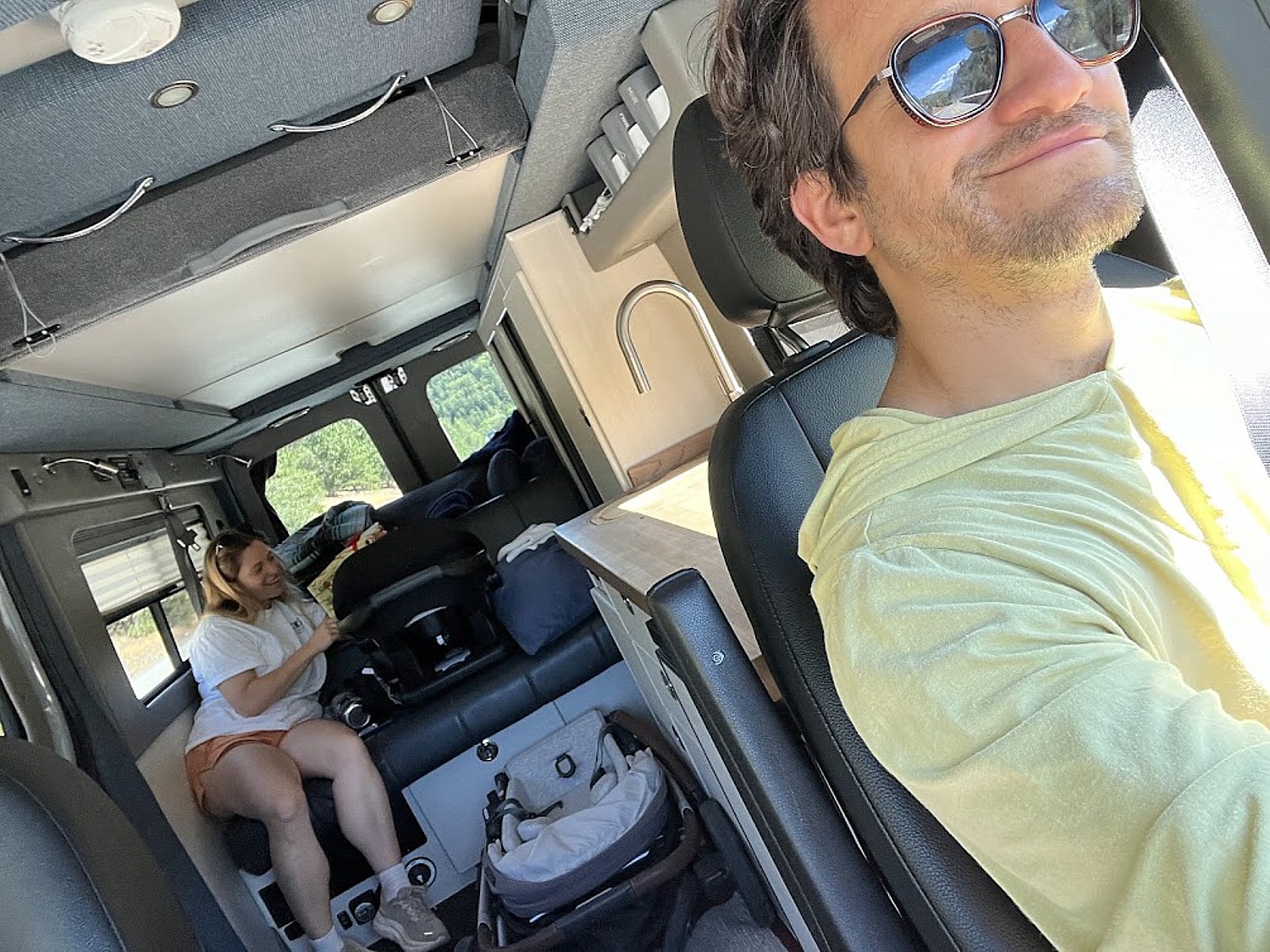
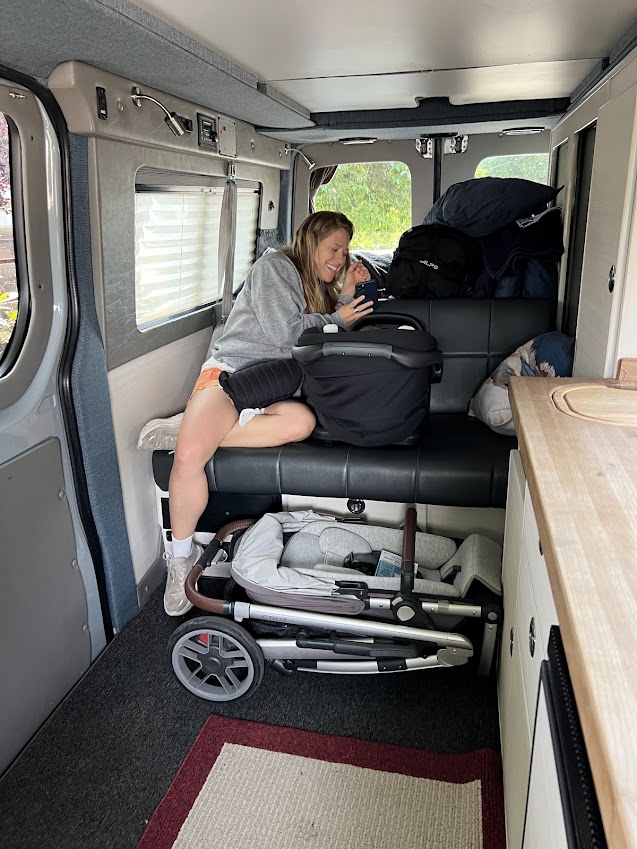
Our friends with kids thought it was an ambitious proposition to go on such an adventurous trip with a newborn, especially as first time parents. But, we were confident in our abilities to navigate whatever may come our way. And, more importantly, we are fortunate to have a very patient and happy baby, who rose to the adVANture challenge, enduring hours-long driving stretches secured in the back seat in his rear-facing car seat (staff will explain how to properly install), and sleeping through the night in his pack ‘n play at the foot of our bed.
A quick note on van tripping with a baby: packing is much easier for road trips vs flights! The Moterra van had plenty of shelving and trunk space for our belongings, and we found we were much more organized using packing cubes to differentiate baby’s day/night clothes (bring 2x what you think you need), accessories, toys. We also packed soap to handwash clothes as needed.
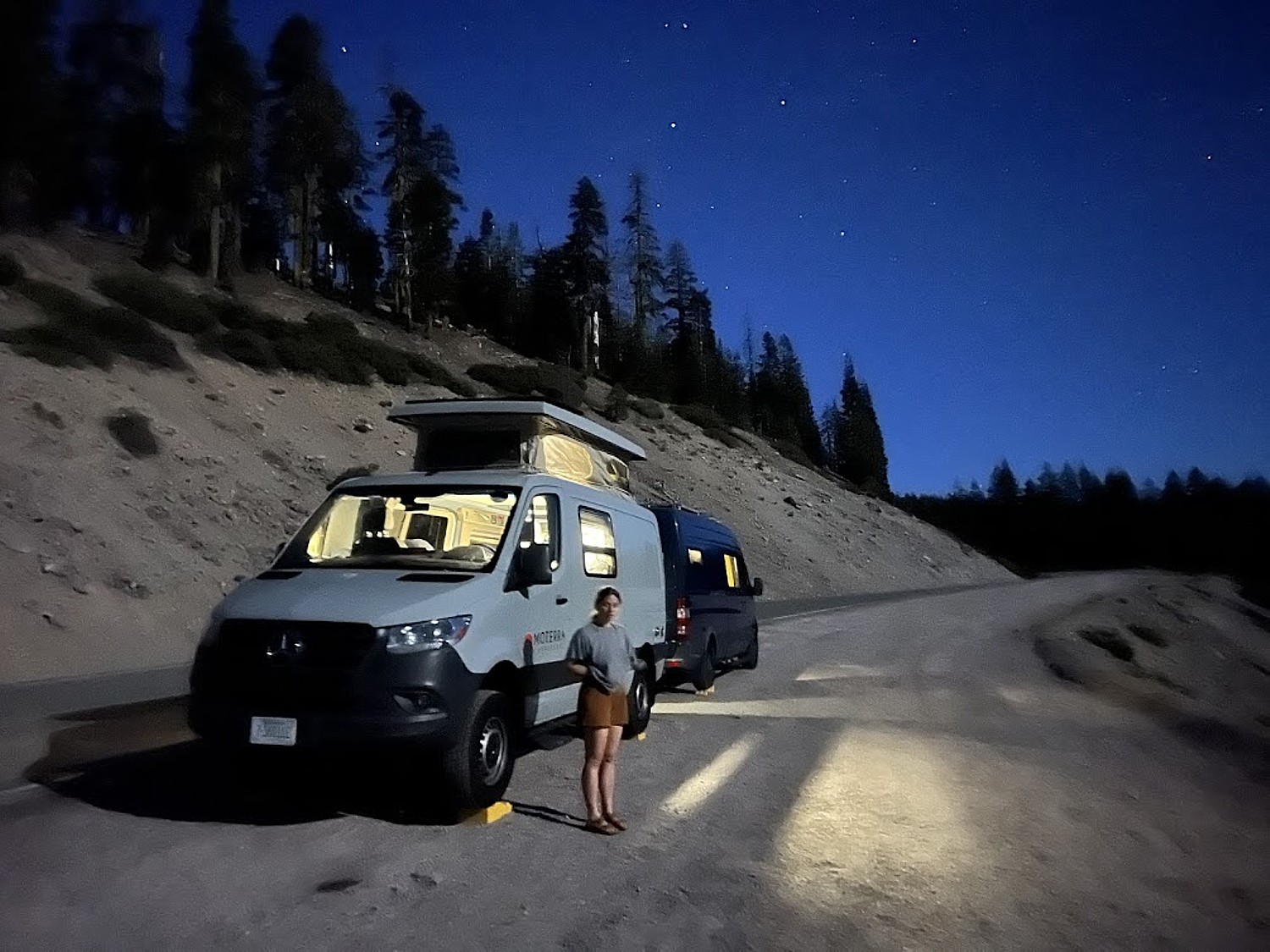
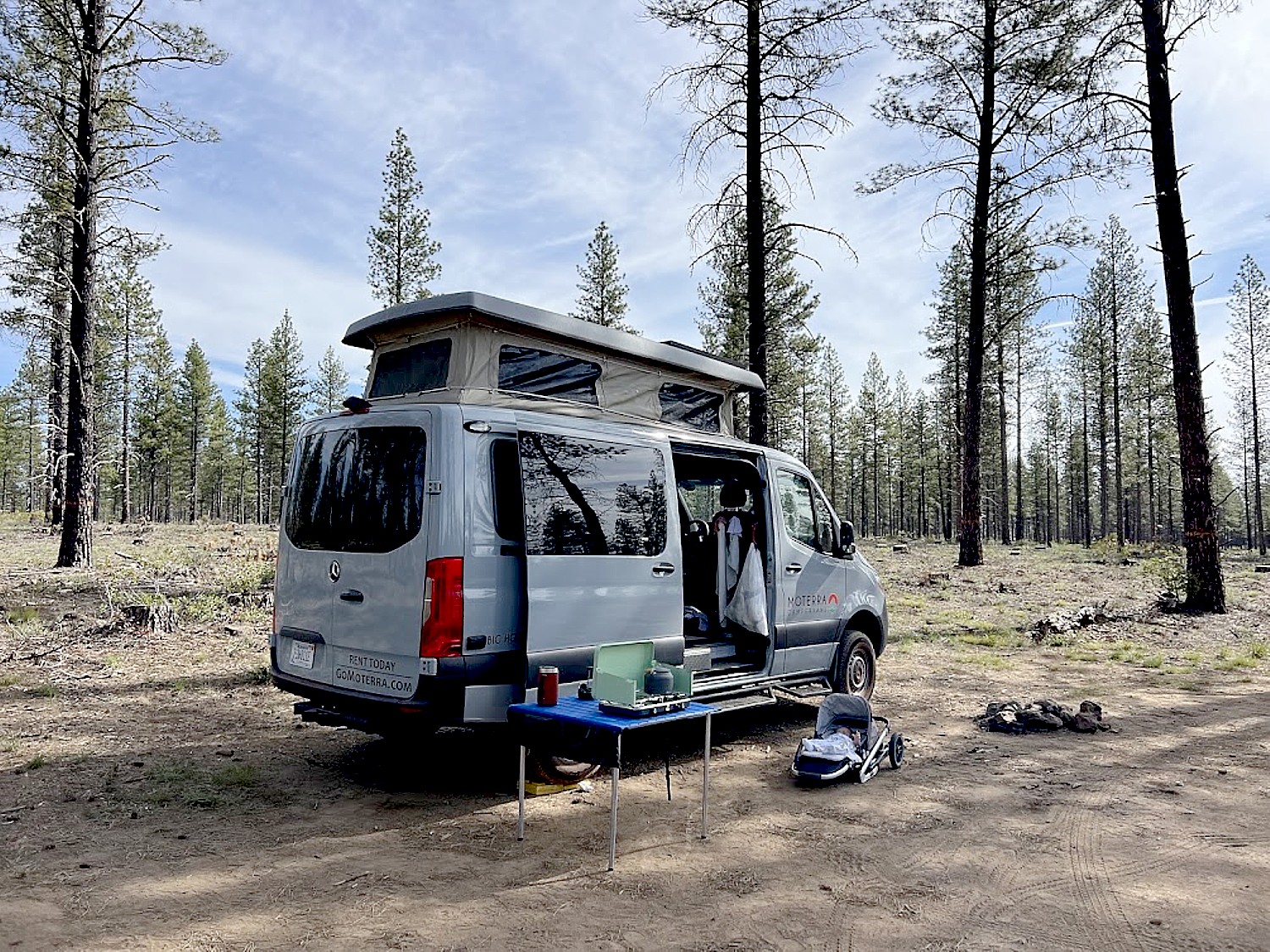
The luxury Mercedes-Benz Sprinter Van we rented from Moterra (gomoterra.com) was the Pop-Top Classic, which sleeps up to four and seats five. The van has solar-powered central heat (perfect for nighttime temperature control for baby), and is outfitted with a fully stocked galley including a mini-refrigerator, camping stove, cooking tools, French press coffee maker, dining ware, cleaning supplies; and household must-haves including a portable table and chairs, portable toilet, outdoor shower, bed linens, towels. If you prefer, you can have Moterra pre-stock the galley with groceries (if you don’t want to stop off at a grocery yourself).
You can also take advantage of their concierge service and pre-planned itineraries, which are all-inclusive packages with a day-by-day personalized itinerary, pre-booked campgrounds, organized activities, and a dedicated Trip Expert (especially helpful if your trip includes national parks, many of which now require reservations and are strict about not allowing wild camping). Moterra also allows for one-way rentals (and pets!). It was also comforting to know that Moterra has a 24-hour helpline had we encountered any difficulty.
A note about driving – if you have never driven a camper van and worry about how it handles, we can testify that these 19-foot long vehicles feel like a typical SUV. They also have added safety features such as blind spot detection/alarm, backup camera, and Apple car play (wireless). In addition, the van is equipped with an inverter so you can charge laptops and devices via its solar battery vs the car battery as needed.
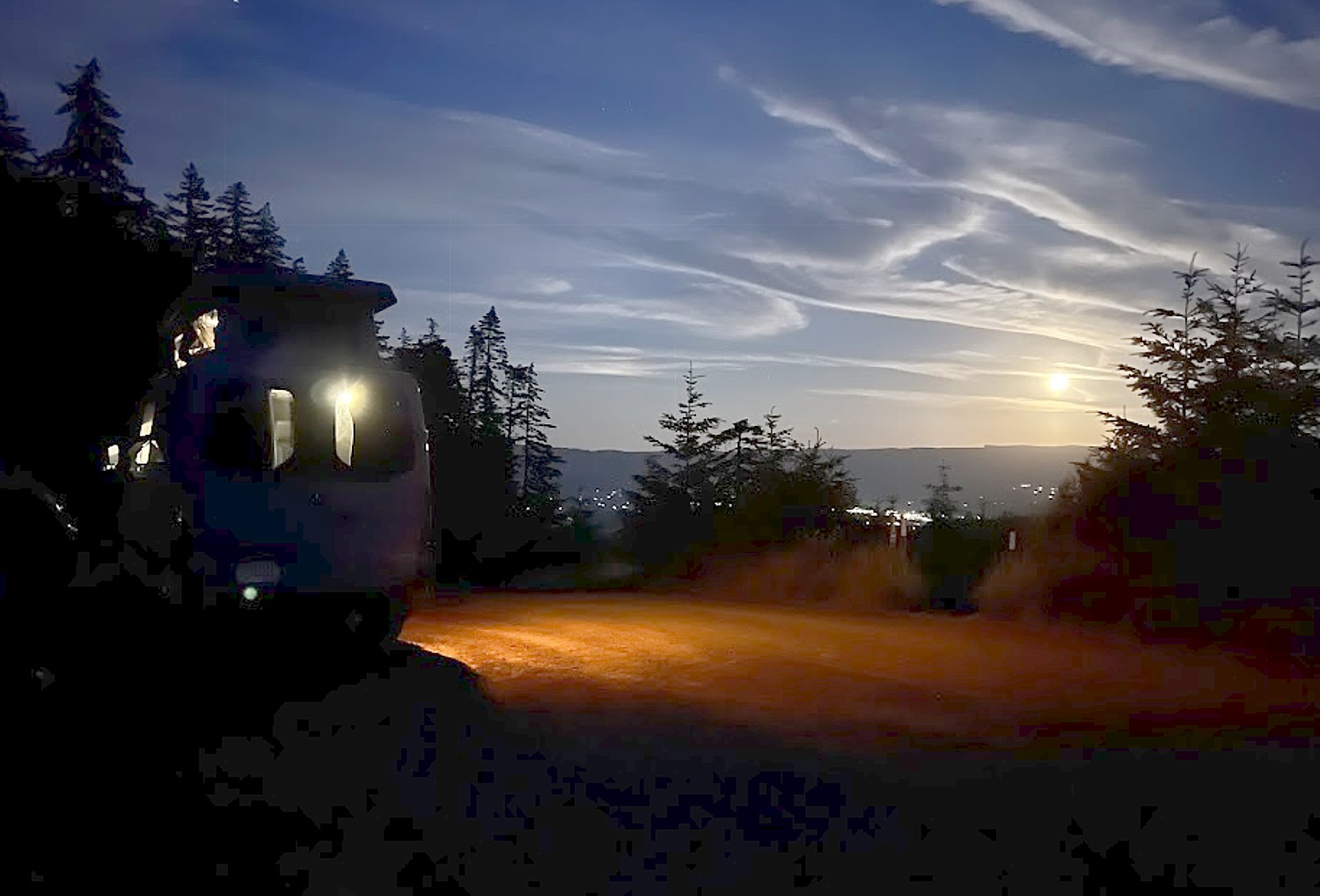
We set out on our trip loosely planning to (wild) camp near Mt. Shasta for our first night (this was strategic that day because temperatures in California were high with fires in the far distances, and the elevation of Mt. Shasta promised cooler temps).
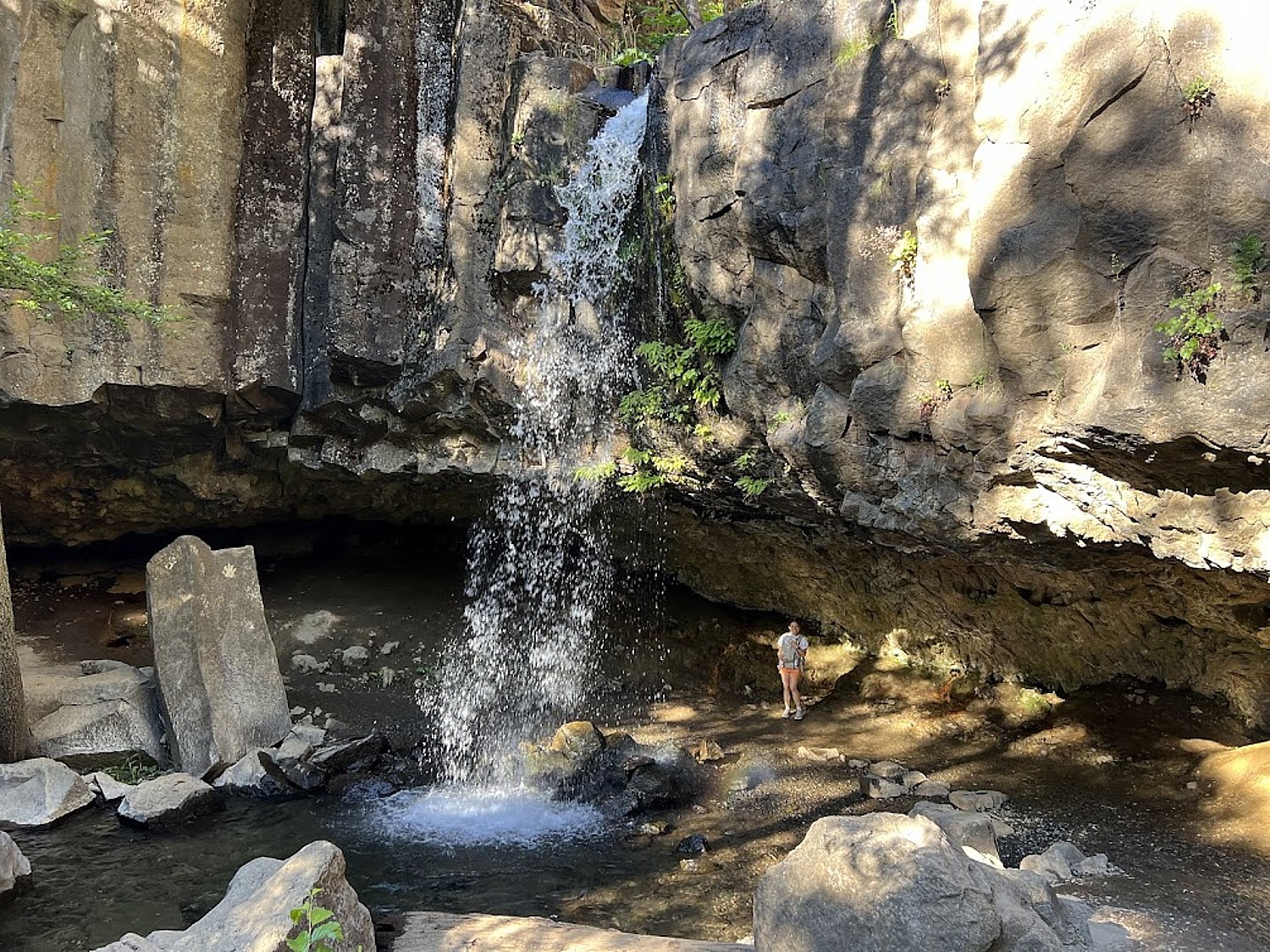
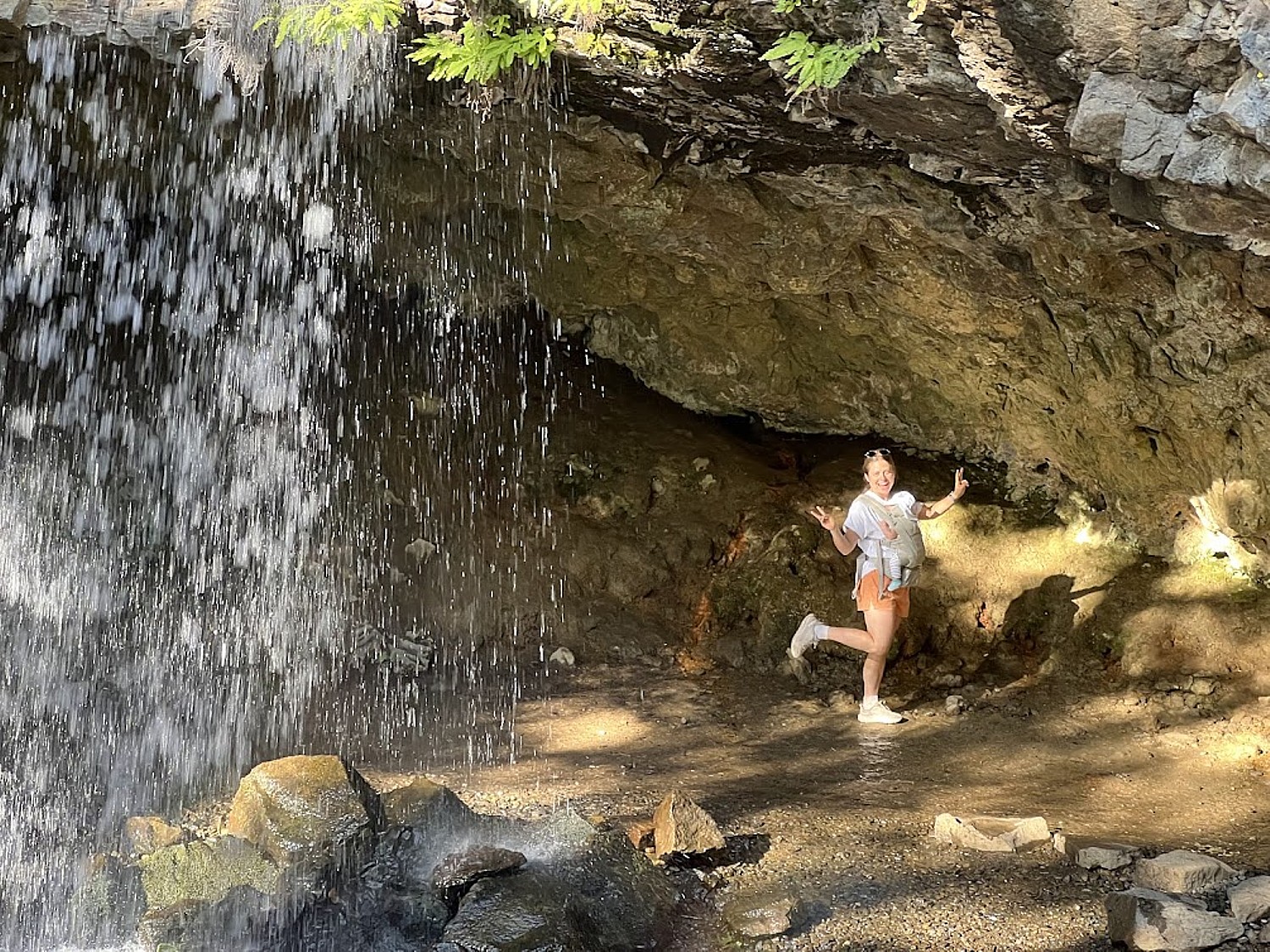
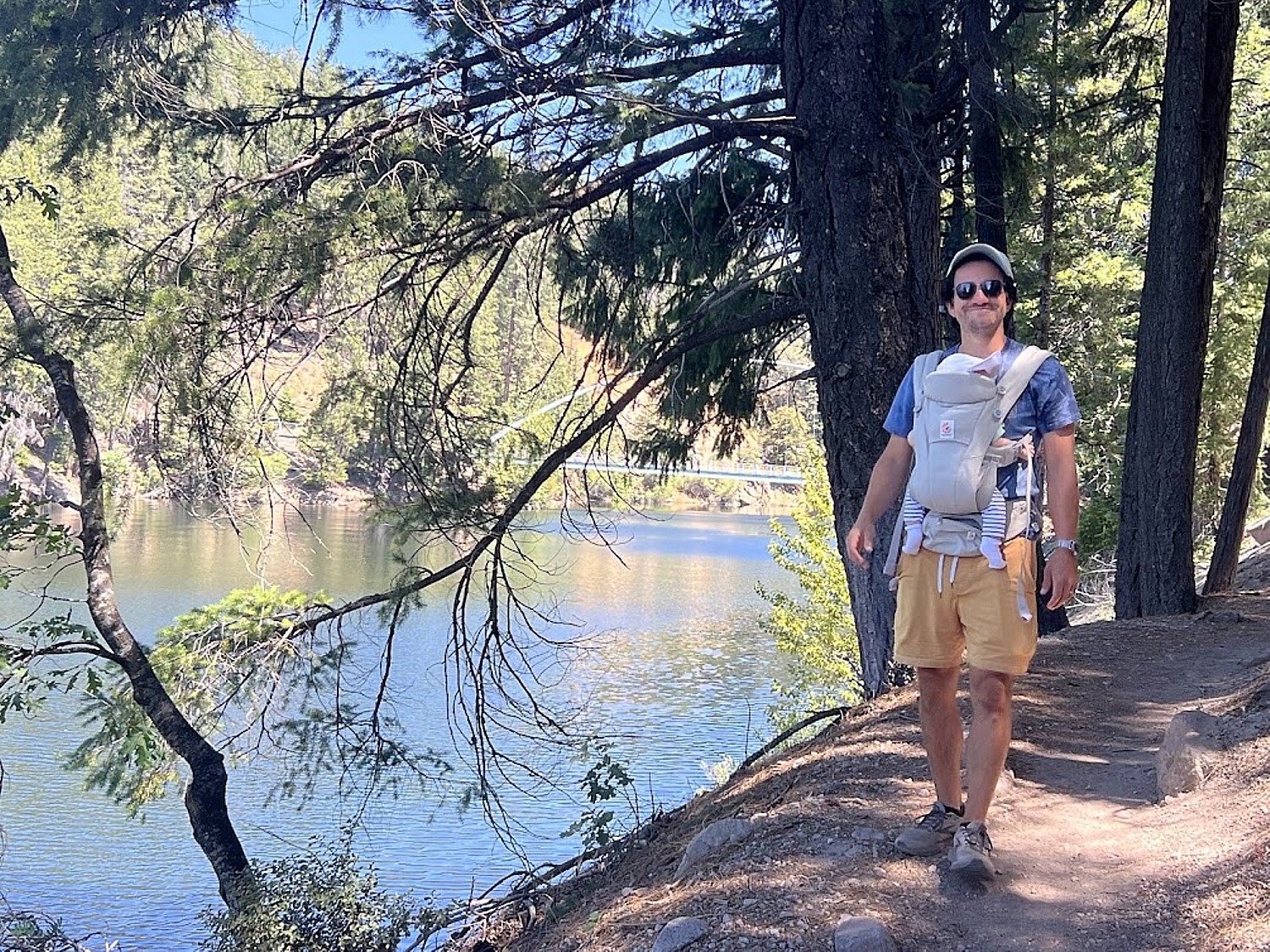
We arrived at Shasta-Trinity National Forest in Northern California, close to the Oregon border, by mid-afternoon day one. We selected Hedge Creek Falls to hike with the baby – a beautiful but short/manageable trail that leads to a small waterfall (a supportive baby carrier is a must– we use the Ergobaby Omni Breeze). We were treated with a mountain ice run-off water fountain at the trailhead, and delightedly filled our water bottles.
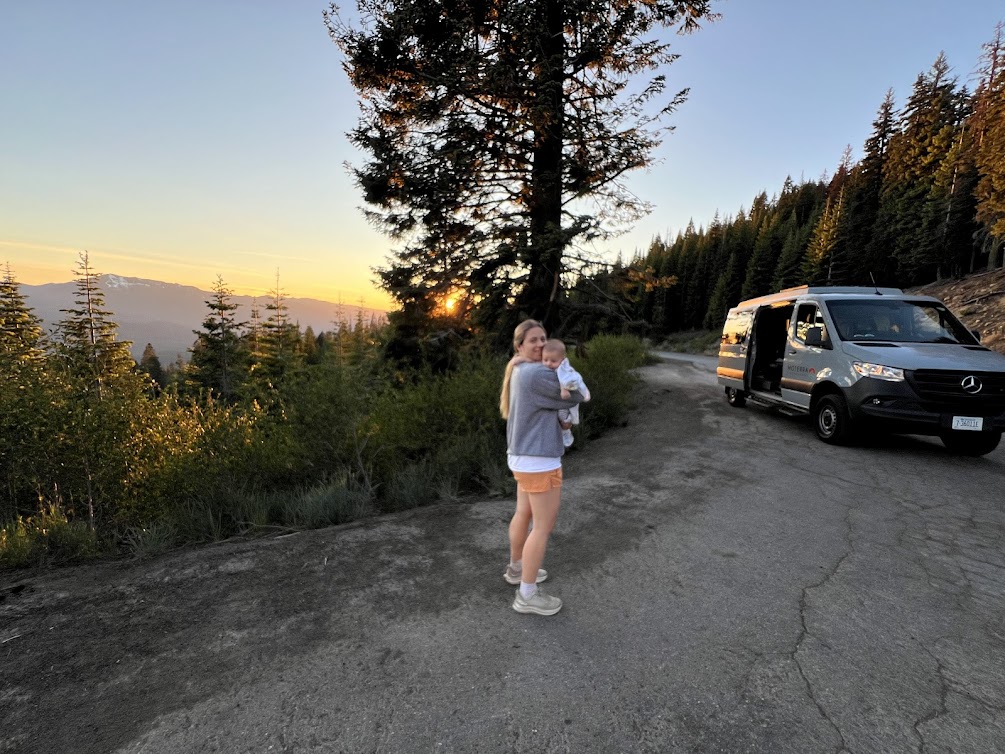
As sunset drew closer we decided to head to the town of Mt. Shasta for a meal (Yaks Shack at 401 N. Mt. Shasta Blvd was solid). Then we joined forces with two friends also camping in the area, and ventured up Everitt Memorial Hwy towards the John Everitt Memorial Vista Point for a place to overnight – a wild-camping location we selected using the I-Overlander app (very helpful for navigating free and legal campsites).
We were forced to drive higher and higher on the winding road, limited by the large space our two vans required. Ultimately, we did find a safe spot with a view of the last rays of sunset, but had we not (in the worst case scenario), we would have pulled into a standard campground nearby for a small $20 fee.
The next morning we used our camping stove to whip up egg burritos and fresh coffee. Then we spent a couple hours exploring Mt. Shasta town–very cute with quaint cafes, juice bars, burger joints and gorgeous views of Mt. Shasta from the main road.
We took a small nature walk nearby at Lake Siskiyou Trail to stretch our legs before our long-ish (4 hour) drive to Bend, Oregon.
Pro tip on road-tripping with a baby: budget at least 50% extra time for your drives, as the baby needs lots of breaks for feeds, diaper changes, cuddles, etc. You can, however, choose really beautiful spots for these tasks and have lots of little snacks while doing it! It almost feels like hanging out on the front porch or backyard of your own home.
Bend, Oregon is an activity-lovers dream. It is known for the gorgeous Deschutes River which runs right through its downtown. The many parks, swimming areas, river hikes, mountain biking trails, and canoeing/kayaking/tubing/paddleboarding spots equate to endless fun. And to top off your day there are many breweries and downright fabulous restaurants to try downtown. We so loved the youthful, active, and family-friendly energy we found there. The town feels like a delightful mix of Austin, Texas and Jackson Hole, Wyoming.
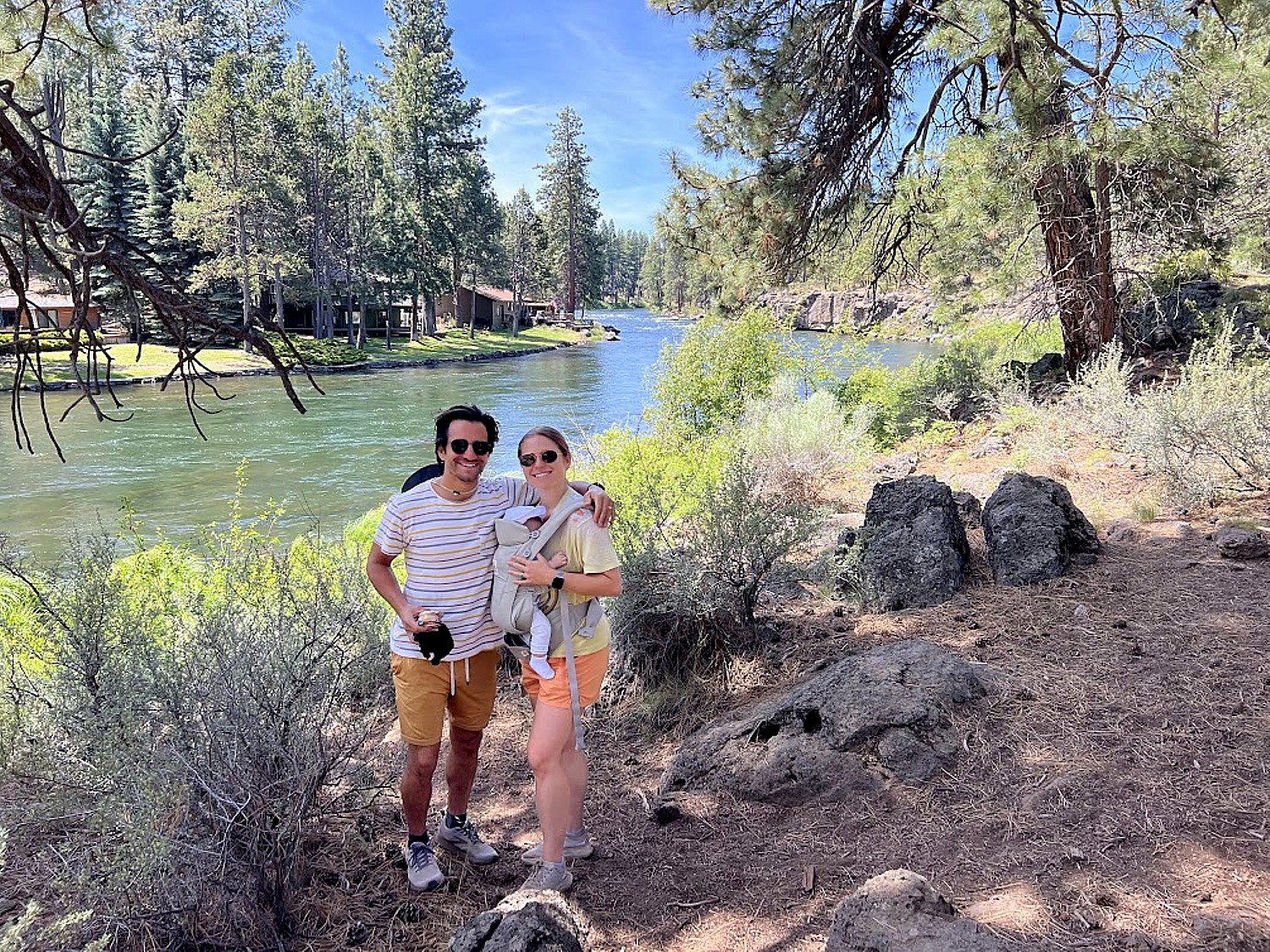
We explored Rimrock Trailhead (18768 State Hwy 372), a beautiful hiking/biking area with many trails, some of which lead right to the Deschutes River (Eric couldn’t resist a mid-hike swim). We didn’t bring our bikes this trip as our baby is much too young to ride along, but if you do decide to bring bikes on your trip, Moterra has optional racks which can be used for bikes, skis, surfboards.
A food highlight in Bend was definitely Wild Rose restaurant (150 NW Oregon Ave.), serving mind blowing Thai food, reasonably priced for the quality and quantity. We also enjoyed Bend Brewing Company (1019 NW Brooks St.) with its many beer offerings plus live music overlooking the river.
When it was time to sleep, we parked our van at a free campsite just outside of town near Phil’s Trailhead. Our son loved being outside until bedtime, so we’d bop him around and take in the sunset views before setting up his pack ‘n play and zipping him up in his sleep sack.
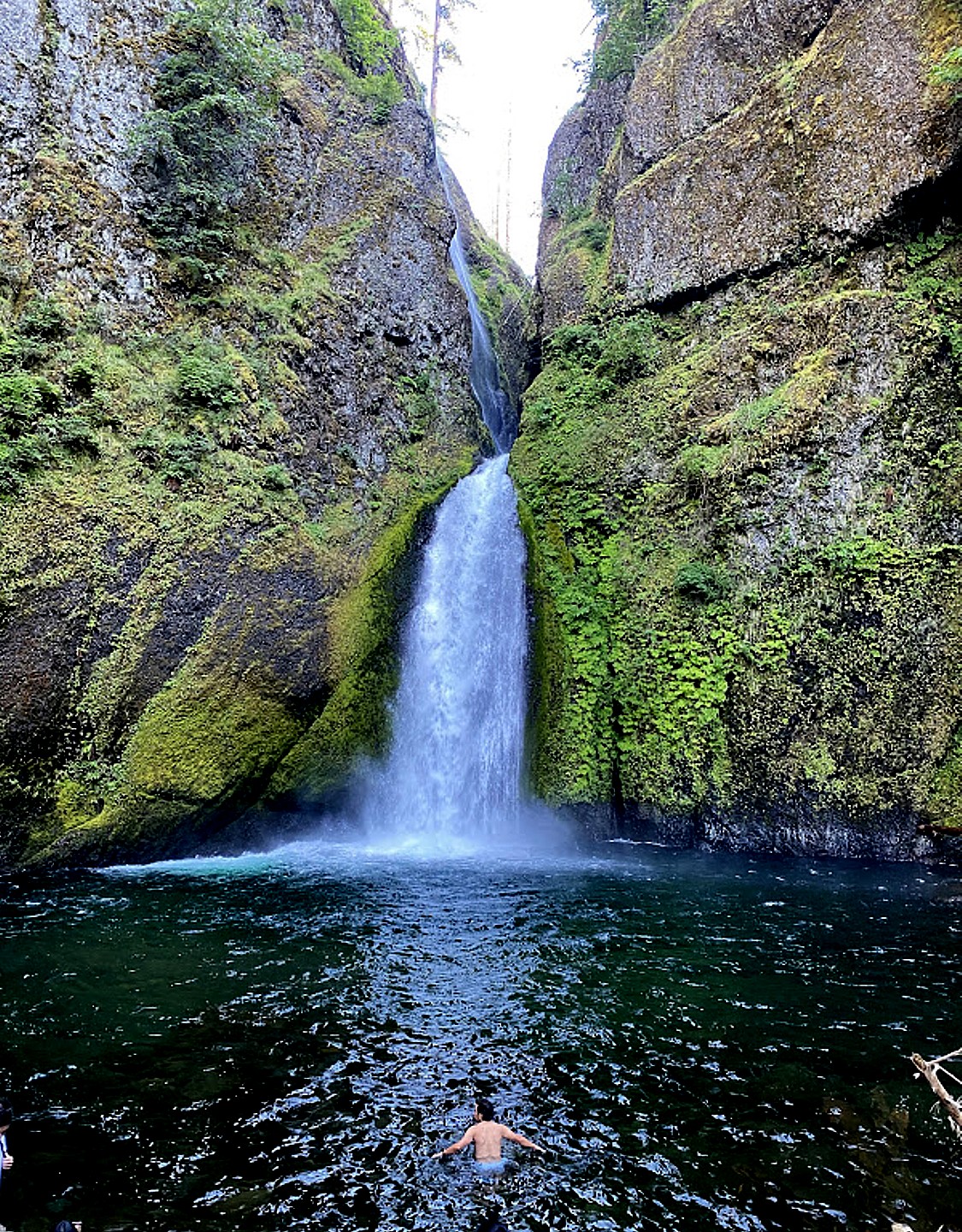
After two lovely days in Bend we buckled up and drove north to Hood River, Oregon (an hour east of Portland). We grabbed sandwiches at Golden Goods Sandwich and Bake Shop (111 Oak St.) and headed to the gorgeous Wahclella Falls Trail (approximately 2 mile hike) where Eric (for whom there is no water feature he doesn’t take advantage of) swam at the mouth of the (very cold) waterfall. Sarah’s sister, Hannah, joined for this leg of the trip (the van comfortably fit 3 adults and one baby).
Night began to fall so we hopped in our van in search of a comfy site. We ultimately found a wild camping spot on Riordan Hill Drive on the Hood River. We whipped out our camping stove and made ourselves pasta with spinach and sausage. Its always extra satisfying to eat a hearty meal in such a remote location. The wind was pretty intense up on Riordan Hill Drive but we all made it safely through the night, and baby slept right through the natural white noise.
In the morning we hiked around the area a bit and then headed to Hood River town. A cute area with loads of restaurants and shops, and the added bonus of the Hood River Waterfront Park (650 Portway Ave.), a popular place for kitesurfing and windsurfing, which are super fun to watch.
Hood River is popular and we were there on a beautiful Friday, so it was crowded. We realized how much we appreciated another feature of the Moterra camper van – its size. While it is often hard to find parking for a big RV especially in urban places, the Moterra is not much bigger than an SUV and fits in regular parking spots. The nearby convenience of the van wherever we went was also such a great asset when traveling with a baby–we were never out of diapering supplies or outfit changes after blow-outs.
While every child is different, we felt one of the reasons our baby did so well on this trip was because he had constant enriching stimulation and fresh air. He really loved the natural entertainment of it all, and slept better than ever at night because of it (we think).
We rounded out our trip with dinner in Portland (Bluto’s restaurant is worth a visit), and camping close to downtown Seattle at Seward Park.
The camper van experience is wonderful, and if you factor in not having to pay for flights, hotels, or cabs, plus the convenience, amenities, and the unique and memorable experience, it is a value proposition. All in all the Moterra experience works out to about $350/night, but varies with season. You will also pay for gas, insurance, and a cleaning fee.
We returned the van to Moterra’s conveniently located warehouse near Seattle Airport (they have other locations near airports in Salt Lake City, Las Vegas, San Francisco, Jackson Hole, Whitefish, Montana, and have a new hub in Portland, Maine, for adventures in Northern New England and Eastern Canada). We did a one-way trip in order to spend quality (baby) time with family in the Seattle area and flew home via Southwest (thanks to their generous checked-bag policy) the following week (baby’s first airplane flight!).
Moterra campervans are available in three custom Sprinter diesel models: the Pop-Top Classic sleeps 4 and seats 5 and is best for those who want maximum floor space and storage; the Pop-Top Plus sleeps 4 and seats 8, and is best for larger groups; the High Roof sleeps 2 and seats 6, and is best for couples who want the luxury of an indoor shower. The 4-wheel-drive campervans are 19 feet in length, making them both easy to maneuver and off-road capable. All Moterra Campervans feature a full kitchen (stove, sink and fridge), porta-potty toilet, thermostat heater and solar electric system and water supply. The campervan rentals are also pet friendly.
Co-Founders Gabe Aufderheide, Trevor James and Kevin Deneen bring skills and experience including 20-plus years designing high-end outdoor adventures and venture capital:
Kevin Deneen, Co-Founder, CEO, spent a decade in venture capital supporting startups innovating to make the energy and industrial ecosystems more sustainable. Most recently, he was part of the founding investment team at SE Ventures.
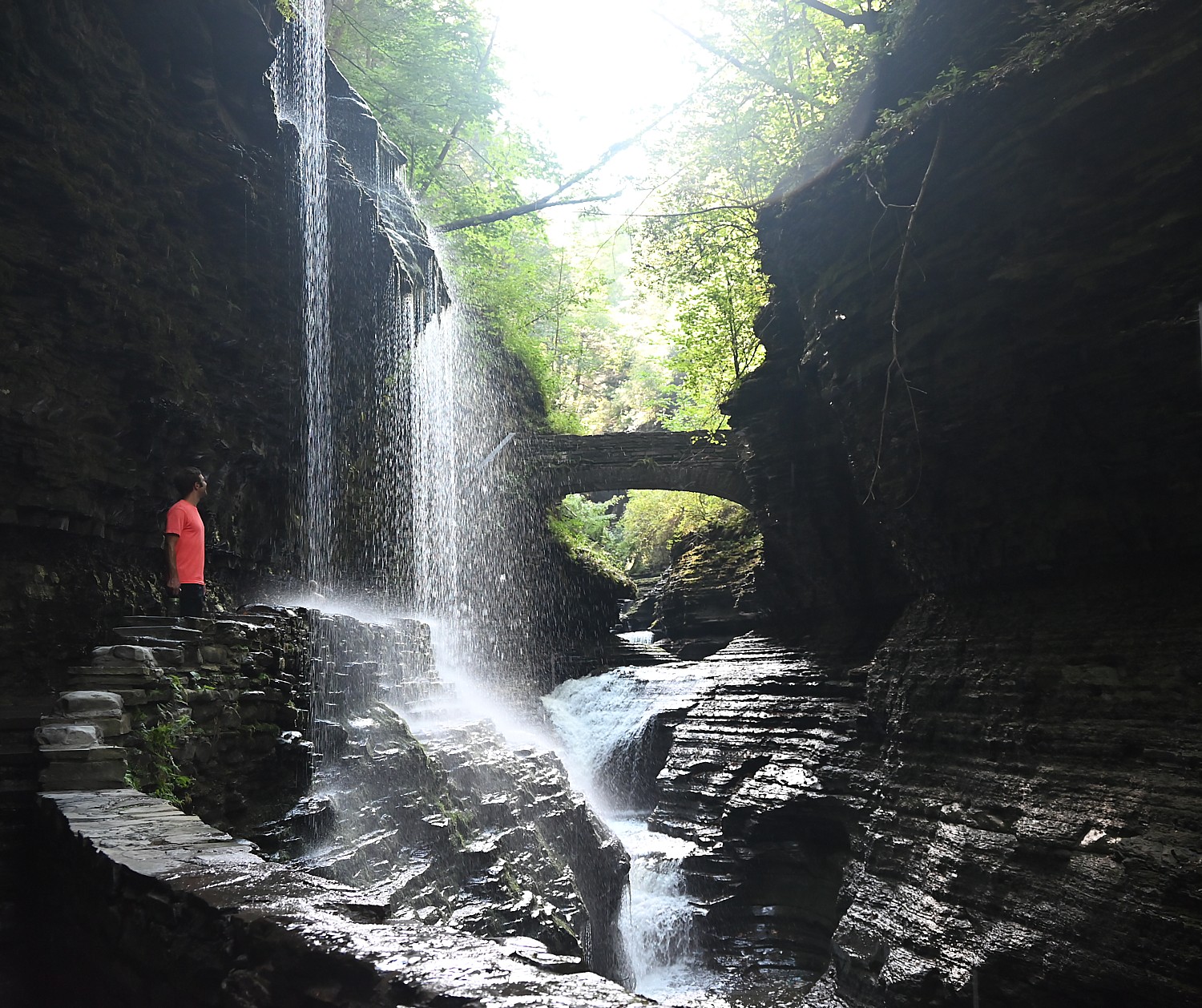
Trevor Jame, Co-Founder, COO,criss-crossed the globe for a decade, developing and guiding custom vacations for discerning clients. Through his work with one of the world’s top active travel companies, he developed a deep and abiding passion for connecting people with new destinations, cultures and encounters.
Gabe Aufderheide,Co-Founder, CRO, has over 10 years of experience guiding, designing, and customizing specialty travel across the globe.
by Karen Rubin, Travel Features Syndicate, goingplacesfarandnear.com
Whether you are adventuring or beach going, cycling or sightseeing, travelers need gear that is flexible, light, durable, portable, packable and as much as possible, versatile and multi-purpose. The right gear can make such a difference in a safe, memorable travel experience.
Here are some that have come to my attention, some of which I was able to sample:
Travel in Comfort
Coalatree’s Trailhead Pants ($99, Affiliated with ShareASale/Skimlinks, Impact, AvantLink, Amazon). I really liked Coalatree’s waterproof, tear-resistant and antimicrobial Trailhead Pants. Versatile and flattering, you can wear them whether you are hiking, exploring the city, or on the plane. Coalatree strives to use sustainable materials throughout the production process – even recycled coffee grounds.
Core Tee by Forme ($178, ShareASale/Skimlinks) Avoid neck and back pain from slumping over in those low-quality seats in Economy. The eco-friendly made Core Tee by Forme® is an FDA-registered patented posture activewear thatimproves your alignment and effectively rehabs neck, back, and shoulder pain commonly associated with poor posture and spinal disorders. Made from eco-friendly Tencel fabric, the Core Tee is constructed of different materials and thin layers that are stitched together. The Forme tech inner layer is fused across the shoulder blades, creating an elastic-band sensation.When you put the Core tee on, the fused section wants to remain tight no matter how broad you are across the shoulders. This makes your shoulders pull back to their natural position, teaching your body and diaphragm to open.
CEO Active(Racer Back Top: $30, Flare Legging: $45): If you are looking for a travel day outfit that is more trendy and comfy, check out CEO Active’s Artemis Set which combines functionality and style. The Artemis Flare Legging in green is a tribute to the goddess of the hunt and wild nature.
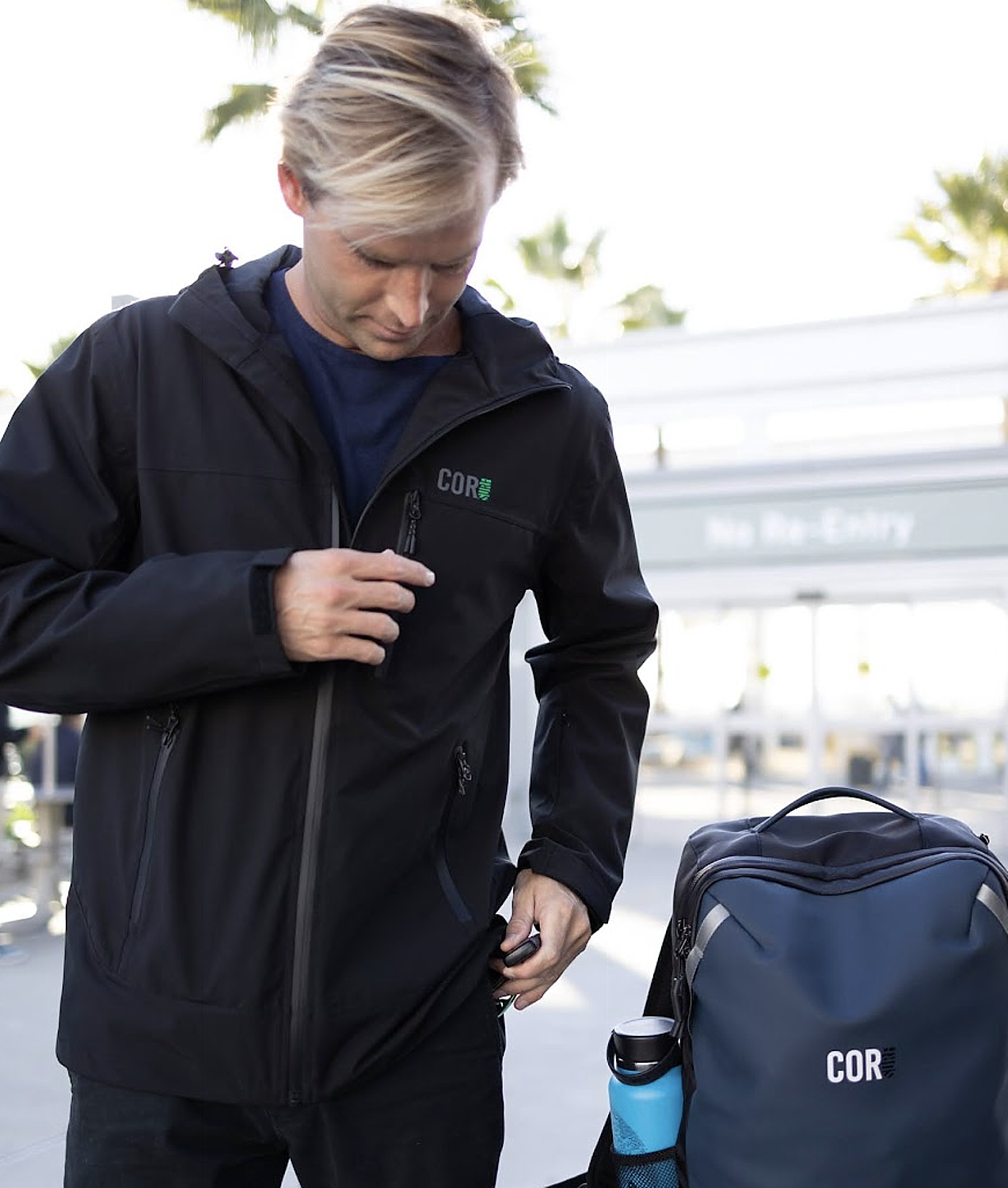
COR Surf – Huakai Travel Jacket ($99.99):I always travel with an extra layer and COR Surf, maker of outdoor gear and accessories, has designed a jacket that is comfortable, functional, great in almost any weather condition and very packable in my backpack. It is constructed with lightweight, 10K, PFC-free DWR water-resistant microstretch fabric that gives you freedom of movement and comfort; great for layering in cold and warm weather; has hidden pockets on the sleeve for credit cards; has a large hidden pocket on the back for passport or money (this pocket is velcro so that it will be louder and harder to access for a pick-pocket); two inside chest pockets that are designed to fit a cell phone; and exterior chest pocket that easily holds a large cell phone with a water-resistant zipper. It also comes with a carrying pouch.
NEW Ankle Guard Socks by Forme ($35, ShareASale/Skimlinks) Reduce strain, tension, and pressure on your ankle joints from long flights with the new Ankle Guard Socks by Forme®. These patent-pending high socks just launched on January 12th and are made with biofeedback technology designed to align and stabilize the ankle and foot muscles for reduced pain and inflammation.
Protalus – Green T-100 Elite ($64.95/pair, Amazon): Protalus insoles are designed to promote proper whole-body alignment when traveling for long periods of time. The T-100 Elite is constructed with patented rebound foam & patented alignment technology. This insole provides superior relief by allowing your body to distribute pressure properly by keeping your ankle aligned and in a safe range of motion.
TheraICE *NEW* Sleep Mask + Cooling Gel ($29.95,Amazon): Great for the plane ride, block out sunlight and overhead reading lights with TheraICE’s new Sleep Mask with a 3D bucket blindfold design. It is made to provide both cooling relief and comforting warmth and weighted to provide a gentle, soothing pressure that aids in faster sleep induction and better sleep quality. Made with premium materials, it provides a plush, soft rest for your eyes, ensuring maximum comfort throughout your rest period.
Hiking, Camping, Outdoors
Deckers X Lab’s ENDURO MAX ($199-$249, Avantlink / Skimlinks / Viglink): Deckers X Lab’s ENDURO MAX is engineered for speed, comfort and fluidity on the trail. Featuring a V-shaped carbon plate, a Vibram® Litebase outsole, a nitro-infused shell, and a heel-to-toe rocker, the ENDURO MAX offers durability and agility to excel on rugged terrain and light enough to turn a hike into a trail run.
Knog Bilby 400 Headlamp ($64.95, Avantlink / Skimlinks / Viglink) is designed from for serious outdoor adventure and is powerfully bright, tough, and intuitive, casting a powerful beam up to 100 meters and a boost mode.
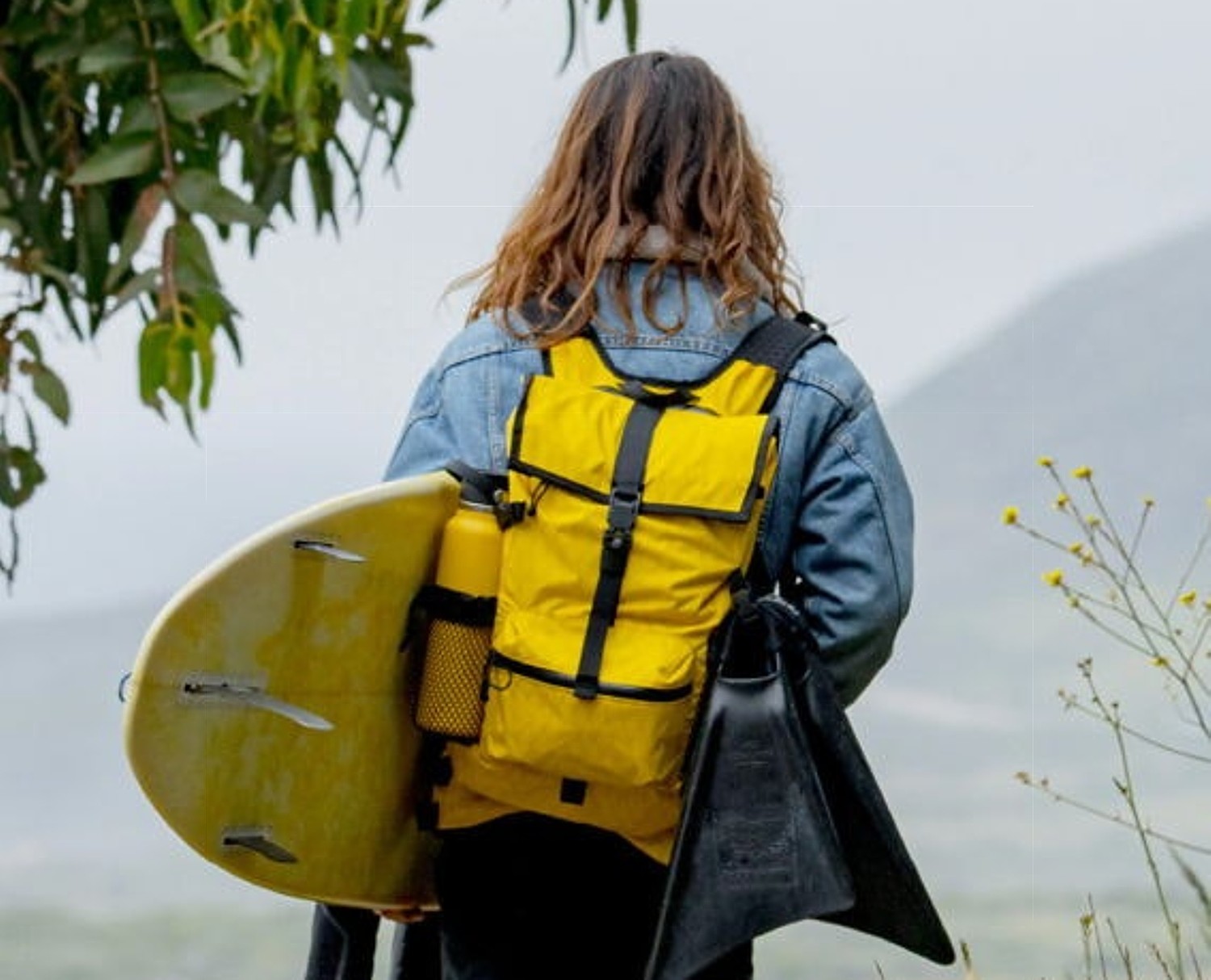
Mission Workshop Speedwell ($335,Avantlink / Skimlinks / Viglink) The fully weatherproof Mission Workshop Speedwell is a versatile backpack utilizes the same breathable floating harness system used on the MW hydration packs to provide generous airflow, stability and comfort in the most adverse conditions and features the ASP pocket system for efficient storage and ease of use.
Tees
ARTILECT Sprint Tee ($85, ARTILECT) is made with Nuyarn 115gsm Speed-Lite, one of the world’s lightest-weight merino fabrics. This fabric features superfine 18-micron merino wool with a high-performance nylon filament carrier for performance and comfort. With reflective tape embedded in the side seams, the Sprint offers a level of safety for early morning and evening workouts.
Odlo -X-Alp Performance Wool 115 trail running t-shirt – Men’s and Women’s ($75): Natural performance made for the mountains. Lighter, stronger and faster drying than traditional merino, the ODLO X-Alp Performance Wool 115 trail running t-shirt is a modern, high performance merino that’s unlike any other. Crafted from Performance Wool powered by Nuyarn® – a wool blend that closely mimics wool’s natural performance characteristics – this tee is naturally temperature regulating (keeps you cool when it’s hot and warm when it’s cool) and naturally antimicrobial (which cuts down on scents). Sourced from non-mulesed merino wool, the fabric dries 5 times faster, perfect on long runs in the mountains. Features a stylish micro-stripe.
ORNOT Men’s Merino Tech Shirt ($72, Avantlink / Skimlinks / Viglink): A mix of Australian RWS-certified Merino Wool and provides a soft hand that keeps you cool while drying quickly. The contoured back panel for coverage while in a riding position. Superior temperature regulation and odor control. Stretchy and soft against the skin. Made in California using renewable fibers and Certified with the Responsible Wool Standard, pre-shrunk, 42.5% 19 Micron Merino Wool 42.5% Tencel 10% Nylon 5% Elastane.
Black Diamond – Women’s Rhythm T-Shirt ($90): Built for freedom and mobility, the Rhythm tee features Nuyarn merino wool technology making it significantly lighter than other wool shirts, while increasing performance, dries five times faster than standard merino, while providing 35% more stretch. Certified non-mulesed Australian Merino Wool. Machine washable. Slim. 95g.
KUIU -Active Merino 105 SS Crew-T ($69):This high-performance active tee leverages Nuyarn® Merino Wool for unmatched stretch, rapid recovery, fast wicking, quick drying, and odor resistance. Reflective print logo. Raglan sleeve for unrestricted mobility and comfort. Flat-lock sleeves for no chaffing. Nuyarn Merino Wool (55% merino wool / 35 % Polyester / 10% Nylon).
Trew – Men’s Lightweight Nuyarn Merino Basic T($69): Nuyarn enhances the natural benefits of merino by innovating the construction of the yarn, allowing Trew to build garments that are stronger, lighter, warmer, stretchier and quicker to dry.120 gsm Nuyarn Merino Wool. 70% merino wool / 30% nylon (core filament). 100% certified non-mulesed wool. Open range sheep shorn annually. Spun in Bluesign and Oeko-tek 100 certified facilities.
Socks are really important no matter what kind of travel pursuit you pursue – hiking, running, endurance, skiing, biking, hunting, work and lifestyle. Our favorites: Bombas (https://bombas.com/) and Darn Tough (www.darntough.com).
Shades
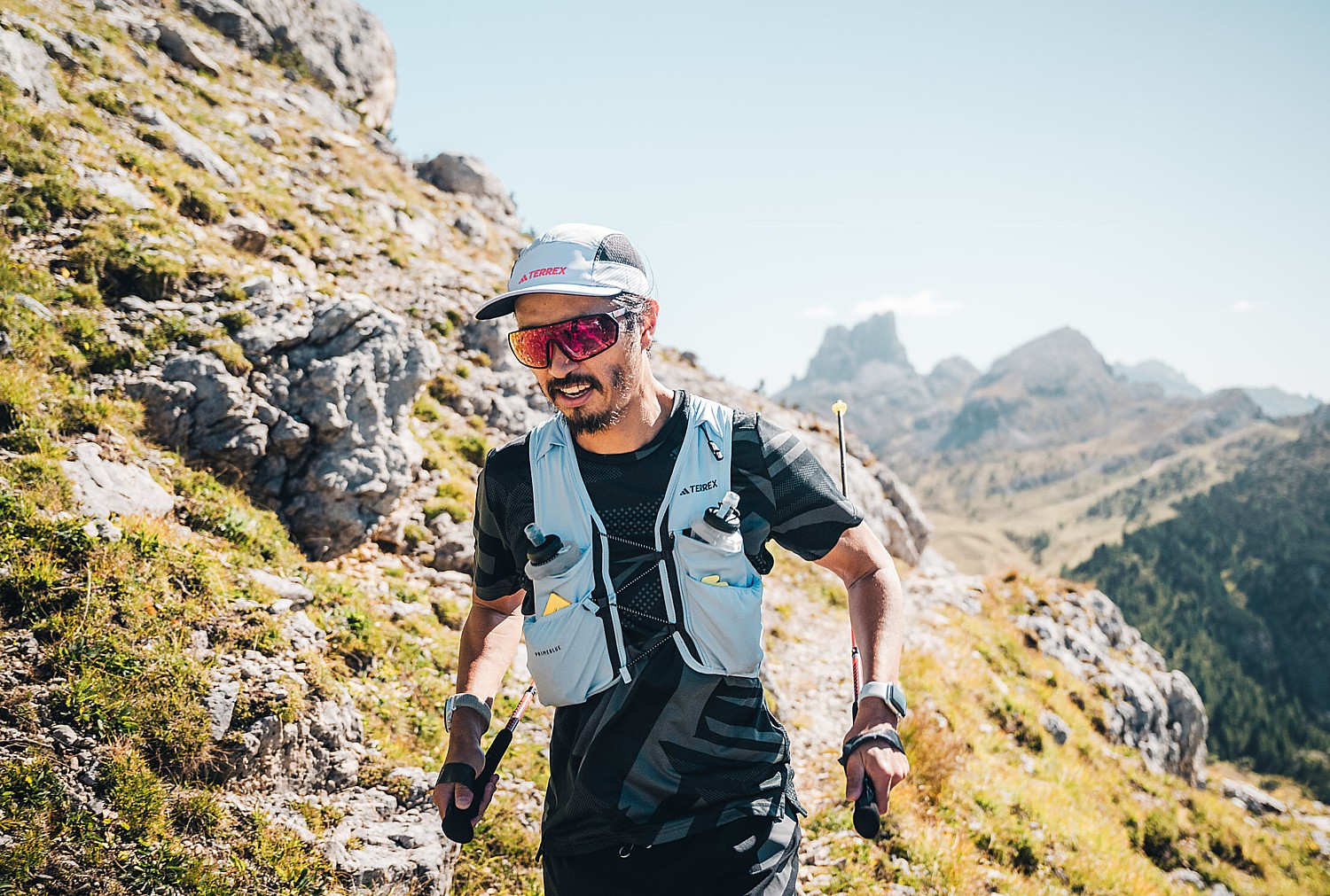
Hiking Shades from adidas Sport eyewear: No hiking outfit is complete without a pair of performance sunglasses. offers Engineered to withstand the rigors of the trail, adidas Sport eyewear offer durability and protection against the elements. The sleek design ensures a comfortable fit, while the high-performance lenses provide exceptional clarity, so you can see with enhanced contrast and vividness:
adidas Sport ACTV SP0083 ($65.38, Eyeons): The adidas Sport ACTV SP0083 is a squared injected sunglasses with a dynamic, sporty design. This easy-to-wear style has functional elements to optimize comfort and performance, including a ventilation system on the front and temples and maximum grip temple tips. Safety and fit are combined with great protection guaranteed by the option of mirrored or polarized lenses.
adidas Sport eyewear CMPT Ultralight Shield, SP0077 ($99,REI.com): The adidas Sport CMPT Ultralight Shield is a rimless shape with a bold line and sophisticated design. This versatile, easy-to-wear sunglass is characterized by exceptional lightness and a large transparent lens. Contoured temples feature the adidas Sport logo and rubber tips improve comfort and grip.
Skincare
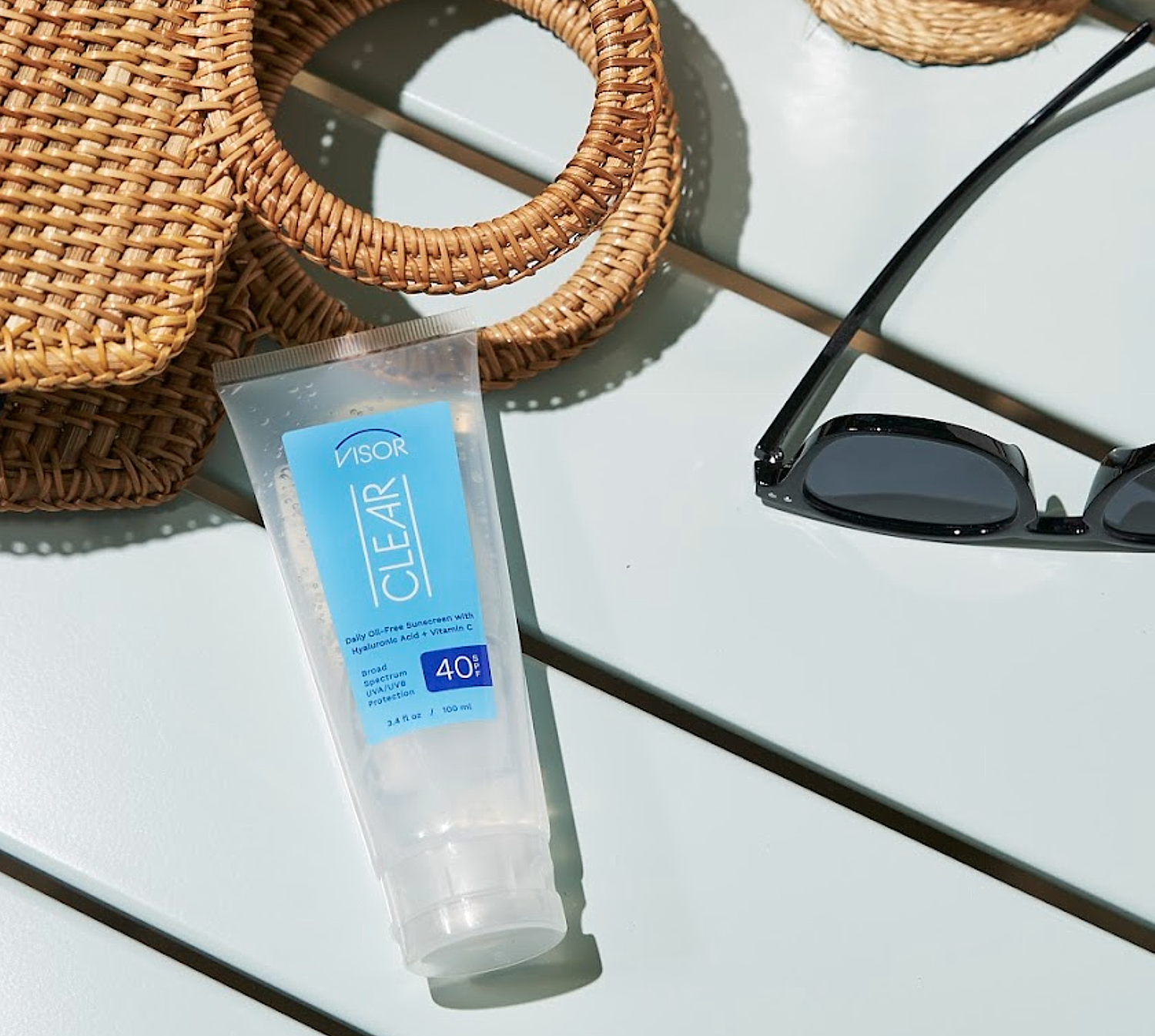
Visor Skincare ($19) – I confess I am pretty bad about putting on sunscreen, but I really love Visor – it may be the only 100% clear sunscreen that is oil-free, alcohol-free and fragrance-free.It goes on so easily and feels light and cool. Visor has 80 minutes of sun protection compared to Goop’s 40 minute; Is a fraction of the cost ($19 compared to $38 with Goop); Infused with anti-aging and skin-brightening ingredients such as hyaluronic acid and Vitamin C; Is actually clear (Goop’s is cloudy) making it inclusive to all skin tones.The tube is also packable, at under the 3oz limit for air travel.
Wholesome Hippy – Lemon-Aid Whipped Wonder Balm with Limonene 2oz ($16.99) No need to pack a multitude of creams and ointments in your first aid kit. This wonder balm is a versatile remedy for sunburns to real burns. This 2oz wonder balm ingredients include Lemon Essential Oil, Lime Peel Oil, Soybean Oil, and Medium Chain Triglycerides, creating a nourishing foundation for skin health.
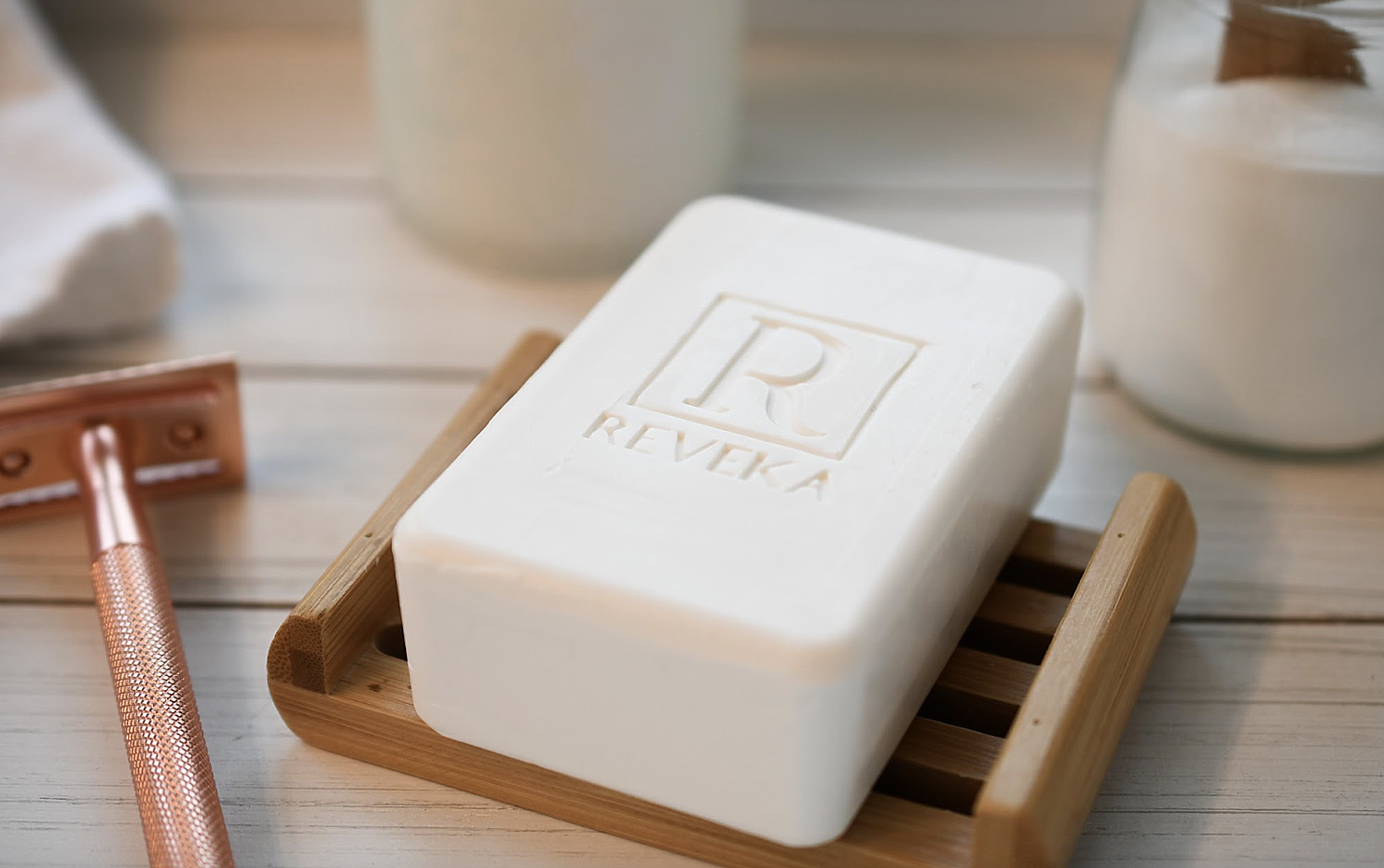
Reveka Skincare’s Tea Tree + Peppermint Body Bar (4 Pack/$38.97, Available on Amazon) This3-in-1 body bar has a rich lather and can be used as shampoo, soap, and shaving cream. It’s made with tea tree, peppermint and shea butter to best hydrate your skin. Made with Magnesium Chloride from the Ancient Zechstein Seabed, Reveka’s soap is one of the best topical magnesiums to promote new tissue growth; soothe the skin and makes it glow; and alleviate common skin conditions such as eczema, psoriasis & acne. Reveka is a new woman and veteran-owned business. Their products are crafted with clean ingredients with no preservatives or dyes and are 100% made in the U.S. The soap bar is a bit hefty and would be ideal to stock your vacation home or cabin.
Timeless Glow Bundle by Sun Chlorella ($92.99,Available on Amazonand Walmart): After an airline trip, your skin can feel really dry. Revitalize with Sun Chlorella’s Astarella Primetime Skin Cream. It contains Chlorella Growth Factor (CGF), an ingredient that helps to even out skin tone. Sun Chlorella Cream combines CGF with other ingredients like clove and grapefruit seed extract to promote healthy-looking skin, reduce the appearance of fine lines and wrinkles, and retain moisture. TimelessGlow bundle comes with 2 bottles of their Astarella Primetime Skin Cream so you can leave one at home and bring the other while you travel, and a complimentary compact mirror.
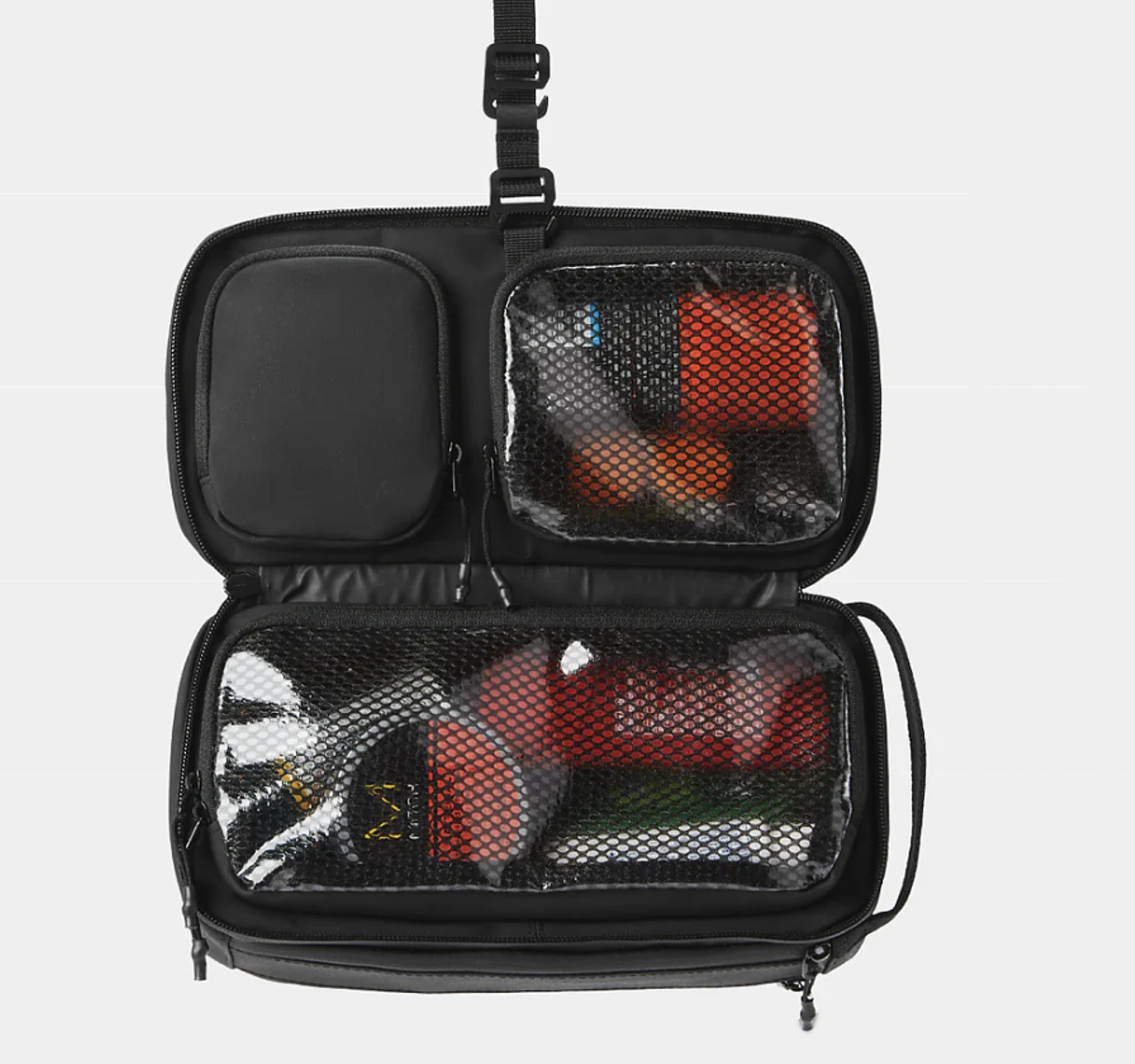
NOMATIC’s Toiletry Bag 2.0 ($39.99):Hold all of these toiletries in NOMATIC’s hanging toiletry bag.Madewith durable, water-resistant materials and zippers to ensure there are no leaks and your toiletries stay protected. An optional hanging strap and dedicated toothbrush pocket are a few of the many features that make these the most functional toiletry bags ever.
I love REI for all things active and outdoors – I am a member of the coop and constantly get great offers (you join once and are a member for life), discount coupons. REI offers excellent quality, selection for all the activities you want; in-store service is superb and so is their online customer service. You can purchase in the store or online and have a whole year to return. Returns and exchanges have been excellent. Love my tent , my hiking boots, my headlamp; and the outfits I purchased for my Incan Trail hike. I like to search in their sales and outlet listings. I find it easy to purchase from the catalog and online, but also at their retail store which is nearby. REI also has an amazing catalog of adventure travel trips. (REI.com)
I love LL Bean for the quality and selection (they also tend to have a great selection of petite sizes which is rare) for all things active. I tend to shop online with them because they do not have an outlet near me, but I have been happy with everything they have, especially the hiking pants purchased. They have excellent quality but tend to be a bit pricey, so I take advantage of sales and end-of-season promotions. (llbean.com)
For brands that I like, great selection, decent prices and good promotional deals and sales: Academy Sports + Outdoors (academy.com, chat; free shipping available).
Photo gear: What trip doesn’t involve photos! B&H consistently has best inventory, prices and specials, efficient delivery, excellent customer service, delivery and return policies on all sorts of camera and video gear and electronics,especially if specialty gear is needed (like waterproof camera for that snorkeling trip): www.bhphotovideo.com, 800.606.6969, 212.444.6615).
From coast to coast, Canada’s heritage, culture, wilderness beckon ecotourists this summer.
Experience Indigenous Cultures in British Columbia
June is National Indigenous History Month in Canada, culminating in National Indigenous Peoples Day on June 21, but all summer long, British Columbia offers any number of ways to experience histories, traditions and values of First Nations, Inuit, and Métis Peoples. Indigenous tourism encourages visitors to understand and respect different perspectives of the world, and to experience histories, traditions, and values in an authentic and unfiltered way.
British Columbia has the greatest diversity of Indigenous cultures in Canada: of the 12 unique Indigenous language families in the country, seven are located exclusively in BC. Together, there are 204 unique Indigenous communities in BC. Here are 11 ways to engage in Indigenous experiences in British Columbia this summer.
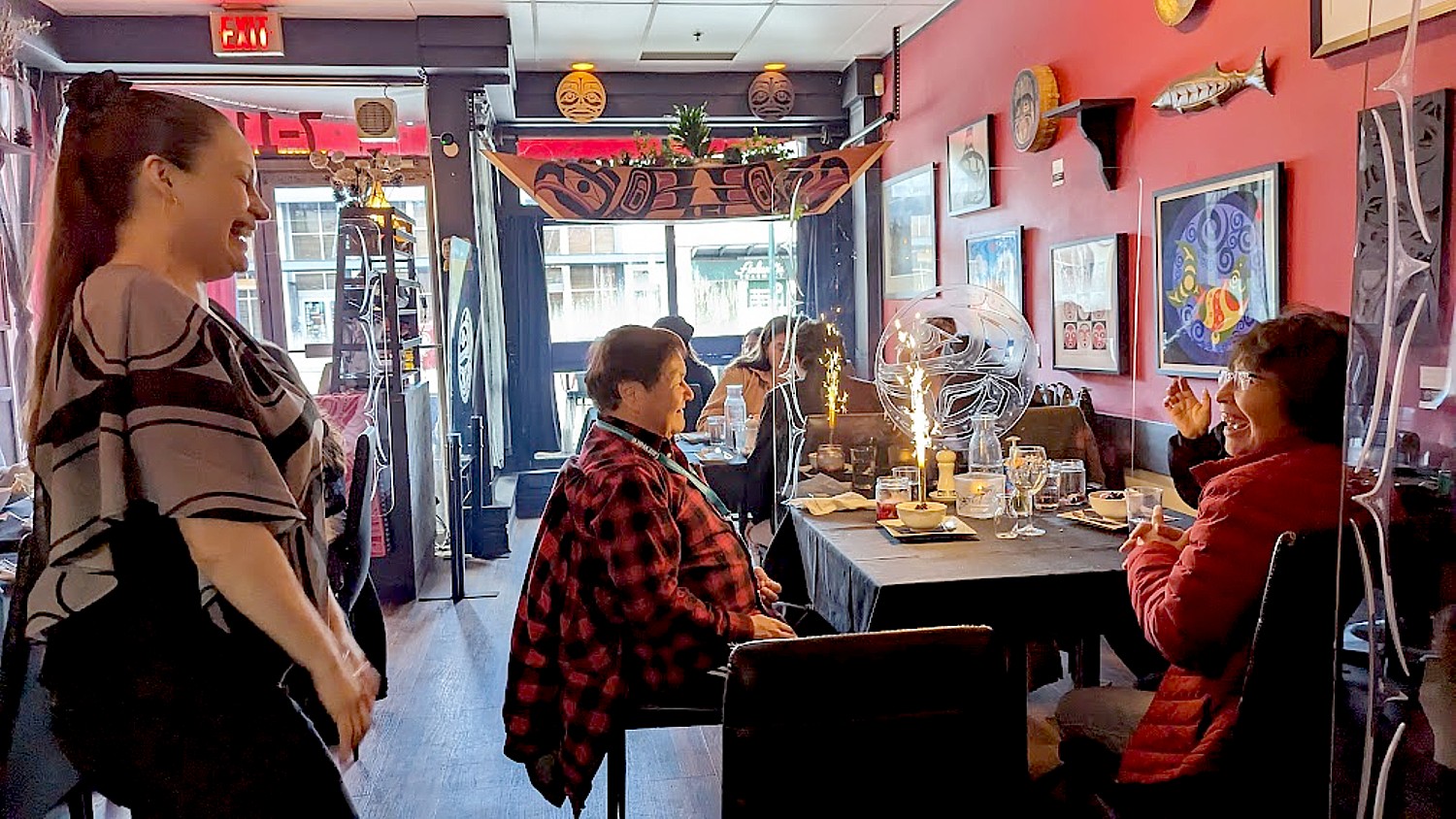
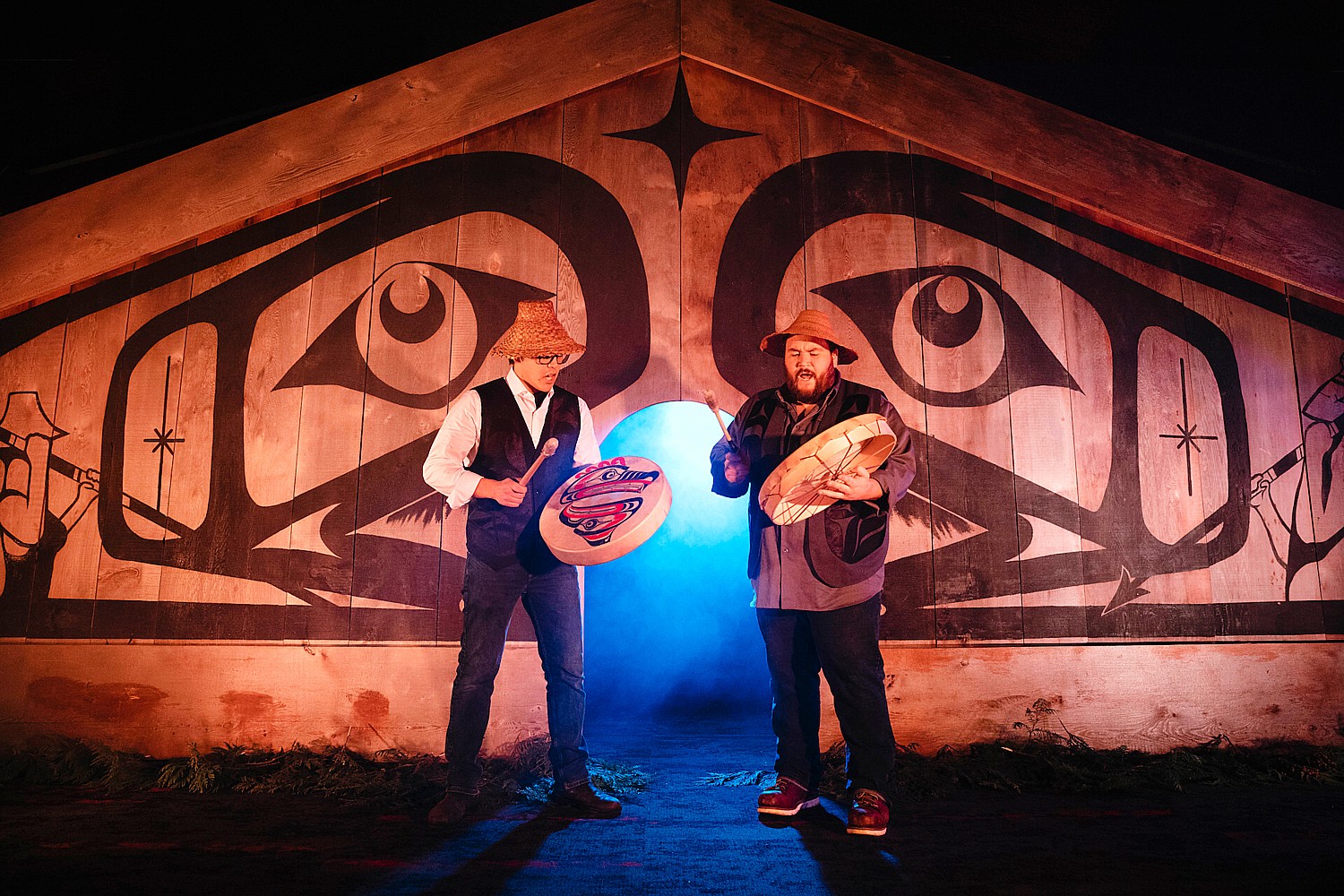
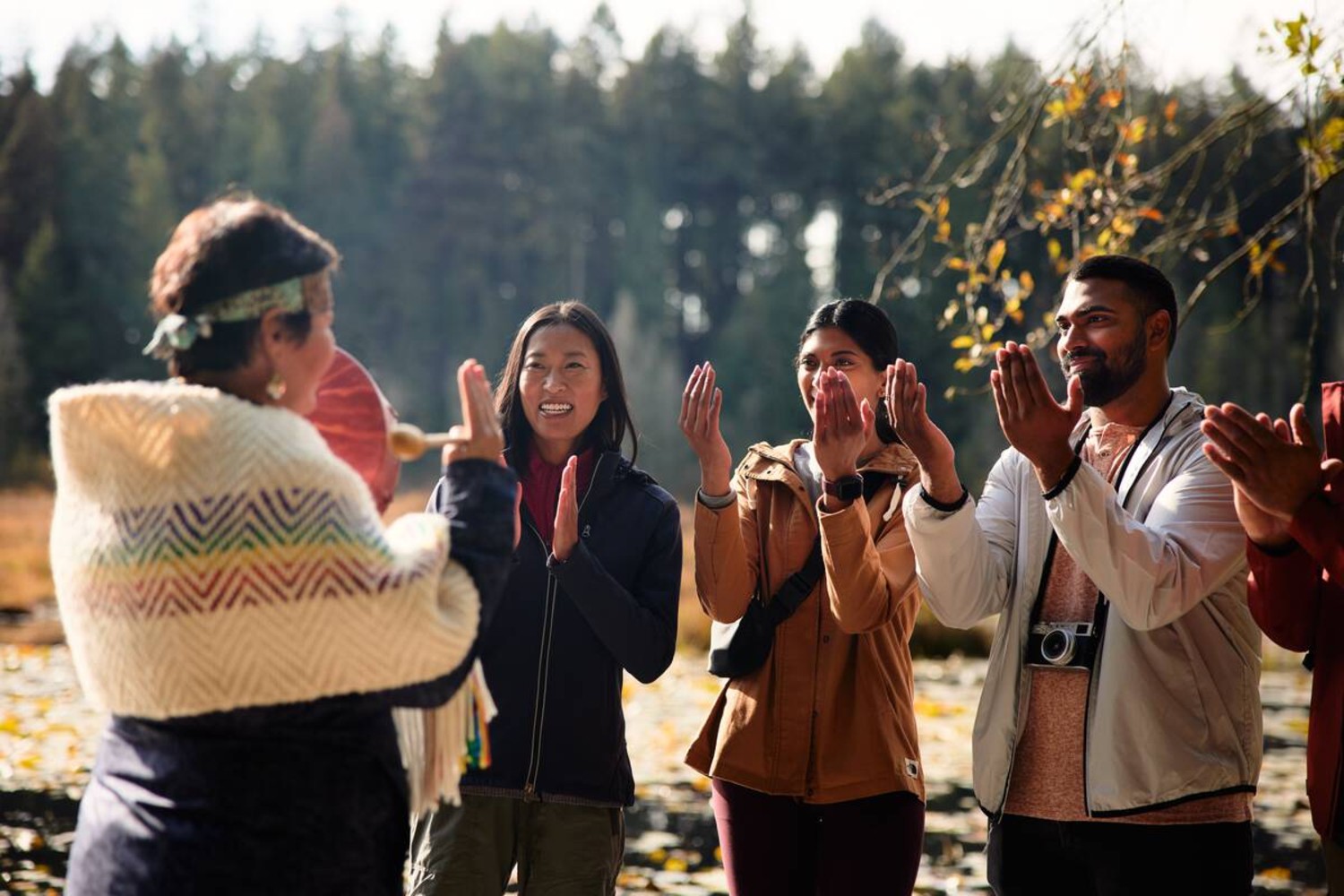
A Three-Hour Song, Dance & Cultural Experience– During festivals, weddings, and potlatches, the Tla-o-qui-aht People come together to share a wholesome meal while exchanging wisdom and stories, with the belief that good food facilitates an easier reception to teachings. Visitors can join the tradition at the Best Western Plus Tin Wis Resort in Tofino, where the Tla-o-qui-aht Nation will host naaʔuu (which means “feast” in the Tla-o-qui-aht Nation language), an immersive experience taking place on select dates in June. The three-hour experience tells stories from the Nation’s history through song, dance, and traditional carvings, presented during a symphony of cultural delicacies and foraged ingredients. Proceeds go back to the Tla-o-qui-aht Nation to support language and cultural resurgence. Tickets start at $199 per person and can be purchased here. (Get there: From Vancouver, fly into Tofino-Long Beach Airport with Pacific Coastal Airlines, or right into Tofino Harbour with Harbour Air. Alternatively, you can take a ferry from Vancouver to Nanaimo or Comox and drive approximately 3.5 hours to Tofino).
naaʔuu expereince at Best Western Plus Tin Wis Resort in Tofino (photo: Indigenous Tourism BC/Melissa Renwick)
Indigenous tour operators lead visitors into their traditional territory, providing a new perspective of local wildlife, plants, and waters:
Guided nature adventures led by the local Nation – Explore Ahousaht territory with Ahous Adventures, which is owned by a nation that has stewarded the lands and waters of Vancouver Island since time immemorial. The popular hot springs tour cruises the coast and inlets of Clayoquot Sound, with guides pointing out wildlife along the way. Once onshore, guests take a 30-minute walk via wooden boardwalk through old-growth rainforest, leading to the healing mineral waters of the hot springs. Throughout the journey, guides will discuss the history and cultural significance of Hot Springs Cove, a site that has been used for centuries by the Ahousat Nation for medicinal and spiritual benefits. Dates: Tours are available throughout summer and beyond.
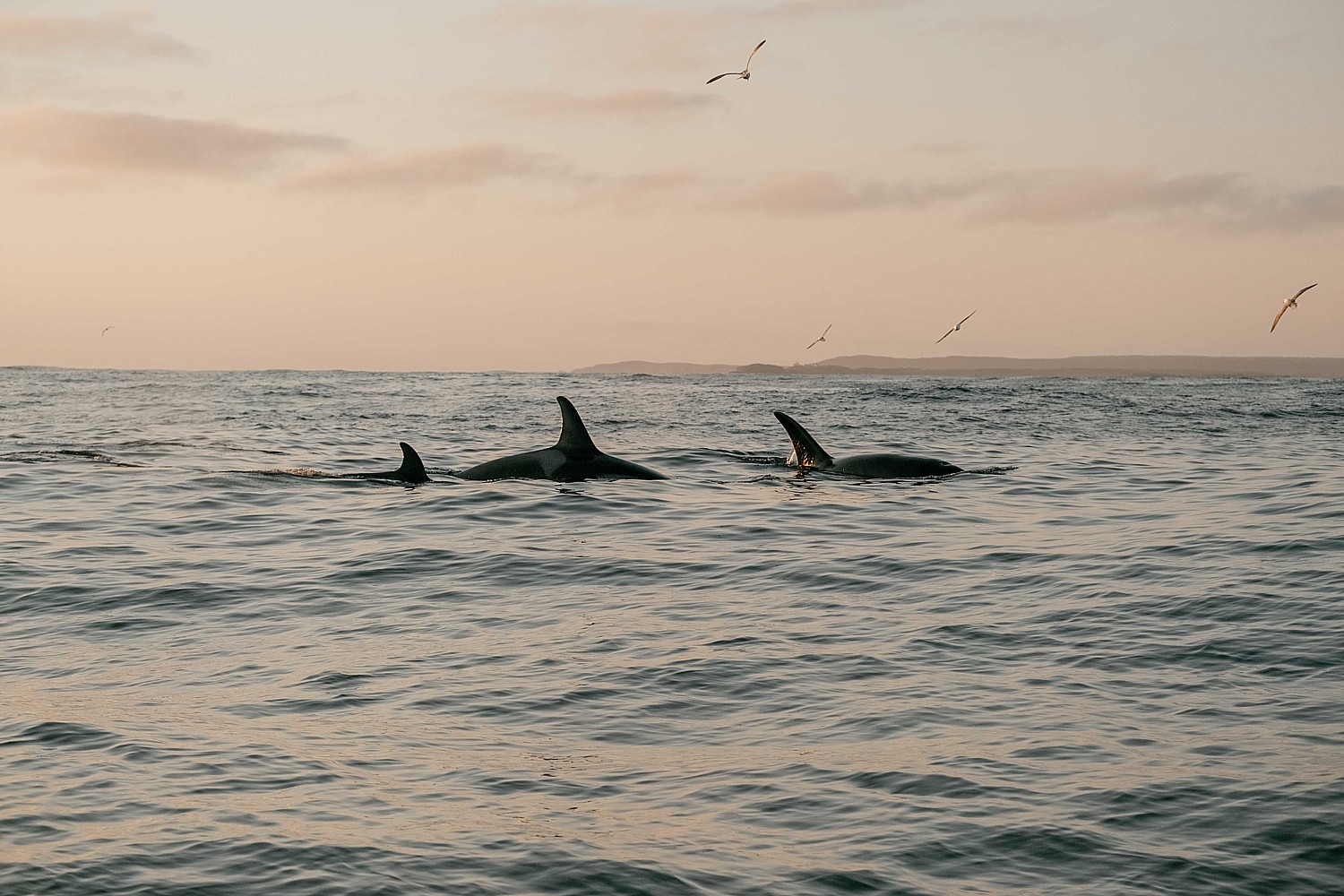
Cruise an Island Archipelago –Sidney Whale Watching, serving Sidney (just 30 minutes from Victoria, BC) and the Saanich Peninsula on Vancouver Island, is owned and operated by the Tsawout First Nation, with whale-watching experiences taking place on the traditional territories of the W̱SÁNEĆ Nation. The three-hour whale watching tour cruises through the Gulf Island Archipelago, winding past orcas, sea lions, and bald eagles hunting for salmon. Sidney Whale Watching has a 95% whale-sighting rate throughout the year; if guests don’t spot a whale, they are welcome to join another tour free of charge, anytime. Dates: Whale-watching tours take place daily between March and October.
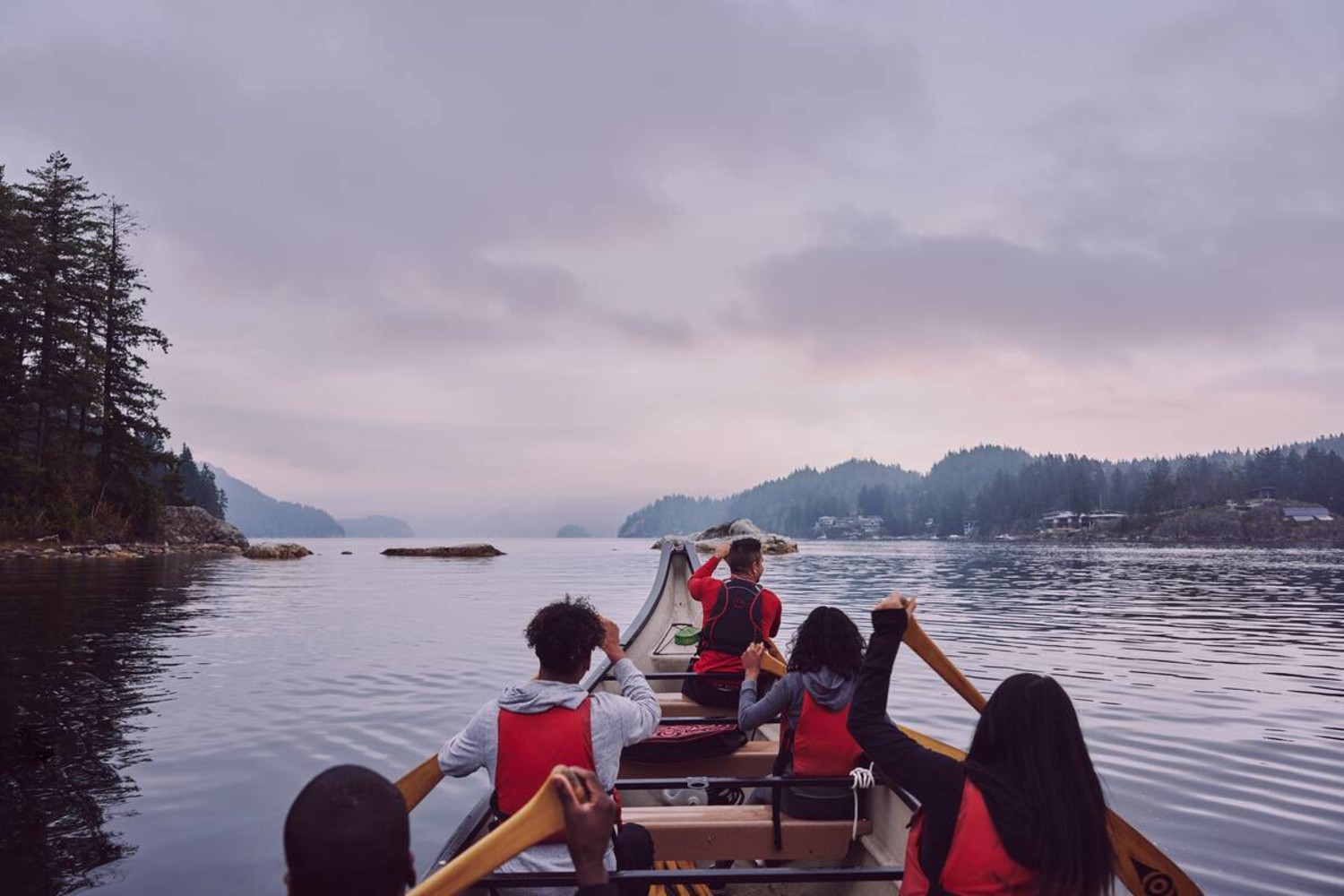
A group with Takaya Tours, rowing a traditional First Nations canoe in Deep Cove (photo: Destination BC/Hubert Kang)
Take a cultural tour in a 35′ canoe –Takaya Tours, based in Whey-ah-wichen, or Cates Park, in North Vancouver, leads guests through the territory of the Tsleil-Waututh Nation. Guests can paddle the protected waters of Indian Arm in replica ocean-going canoes, while guides share songs and stories of ancient villages. There’s also an option to add a rainforest walking tour to your paddling adventure. Dates: The Cates Park location is open between May and September for guided tours, as well as rentals of kayak, surf-skis, and stand-up paddleboards.
BC Tourism Industry Awards Best Indigenous Tourism Operator Winner 2024 –Homalco Wildlife & Cultural Tours, which stewards the grizzly bear population in Bute Inlet—the ancestral home of the Homalco Nation—welcomes visitors to discover the area’s longstanding cultural and historical significance. The company’s full-day bear-watching and cultural tour leads guests to viewing areas that showcase grizzlies feeding on spawning salmon, along with plenty of opportunities to whale watch and bird watch. Guests can also wander through Aupe, an uninhabited Homalco village site. Dates: Tours are offered between August and October.
2023 Yelp Travelers Choice –Sea Wolf Adventures, which leads tours in the Broughton Archipelago and the Great Bear Rainforest, on Musgamakw Dzawada’enuxw Nation territory, combines cultural experiences with grizzly- and whale-watching safaris. The Grizzly Bears of the Wild tour connects guests with the iconic grizzly inhabitants of the Great Bear Rainforest, with bonus viewings of Pacific white-sided dolphins, eagles, orcas, and other wildlife. The full-day tour departs from Port McNeill, and includes Indigenous interpretations of local landscapes, as well as stories about the Musgamakw Dzawada’enuxw People. Dates: Tours run from May 31 through October.
Try Plant Medicine Lemonade– Opened in February 2024, The Ancestor Café in Fort Langley brings traditional Indigenous nourishment to locals and visitors while supporting Indigenous food sovereignty. The eatery is owned by Chef Sarah Meconse Mierau, a member of the Sayisi Dene Nation. On the menu: bison and elk Bannock tacos, handcrafted plant-medicine jams and lattes, and other delicacies made with traditional Indigenous ingredients. Beyond the food, the café features a fair-trade gallery displaying works by local Indigenous artists and brands.
Indigenous-owned and operated accommodation welcome visitors come into their community to experience warm hospitality alongside stories and culture—all with a deep-rooted respect for nature:
Gorge Harbour Marina Resort – One of the most desirable cruising destinations in BC – Located at the edge of Desolation Sound, on Klahoose Nation land, Gorge Harbour Marina Resort offers an idyllic home base for adventurers eager to explore the sound, Cortes Island, and the Discovery Islands. The resort offers a multitude of overnight options, including a rustic lodge with four rooms, a cottage enclosed by lush gardens, and two self-contained trailers. Summer-specific options include 21 full-service RV sites, six glamping domes, and six tent sites—open for the season now. Summer activities span live music on the waterfront, yoga at the harbour, family movie nights, as well as whale-watching tours offered between May 1 and October 15. (Get there: Take a ferry from Vancouver to Nanaimo, then drive 1 hour and 45 minutes to Campbell River. From here, take a 10-minute ferry to Quadra Island, then a 45-minute boat trip to Cortes Island. You can also fly direct to the resort from Campbell River, Vancouver, or Seattle, Washington.)
Nemiah Valley Lodge –Off-grid & highly requested – Open year round, Nemiah Valley Lodge is located in the Chilcotin region, on Tŝilhqot’in Nation land. Here, guests are immersed in the food, history, and traditions of the Xeni Gwet’in community through local events, cultural experiences, and wildlife viewing. The all-inclusive packages include lodge activities such as lakeside yoga and meditation, canoeing and stand-up paddleboarding, fishing, archery. Note: Nemiah Valley is taking bookings for 2025. (Get there: The lodge is a 30-minute floatplane ride from Whistler. Alternatively, take a flight from Vancouver International Airport to Williams Lake (available throughout the summer), and drive 2.5 hours to your destination. The lodge also offers a transfer from Williams Lake.)
Talaysay Walking Indigenous Tours experience in Stanley Park in Vancouver (photo: Destination Vancouver/Kindred & Scout)
Tsawaak RV Resort – A 2024 Indigenous Tourism Award Winner – Whether you’re seeking a cozy wilderness cabin or a place to park your RV, Tsawaak RV Resort— located in Tofino, on Tla-o-qui-aht Nation land—offers a tranquil space for rest and rejuvenation. Guests can choose from 34 RV sites and 13 longhouse-style cedar cabins—all situated close to Mackenzie Beach and a 30-minute walk from town. The central amenities building offers laundry facilities and vending machines, while the visitor center houses an art gallery and retail shop. The resort provides easy access to Tofino’s most popular adventures, including surfing, hot springs, and hiking. (Get there: From Vancouver, fly into Tofino-Long Beach Airport with Pacific Coastal Airlines, or right into Tofino Harbour with Harbour Air. Alternatively, you can take a ferry from Vancouver to Nanaimo or Comox and drive approximately 3.5 hours to Tofino.)
Spirit Bear Lodge – Located in the largest, temperate coastal rainforest in the world – Wildlife viewing and cultural experiences take centre stage at Spirit Bear Lodge, located in Klemtu, on Kitasoo Xai’xais Nation land. The lodge’s all-inclusive adventures are anchored by visits to cultural sites of the Kitasoo Xai’xai People, who have lived for thousands of years in the Great Bear Rainforest—the largest temperate coastal rainforest in the world. Guests can search for the elusive Spirit bear, watch grizzlies roam lush estuaries, see whales and other marine life, and explore the remnants of ancient villages. Open from August to October, with limited reservations available. (Get there: Board a flight at Vancouver International Airport with Pacific Coastal Airlines to Bella Bella. You’ll be met by Spirit Bear Lodge staff and shuttled to the dock, where a lodge boat will take you on the two-hour journey to Klemtu.)
For more authentic Indigenous experiences in British Columbia visit www.indigenousbc.com
Nova Scotia Hosts Worldwide Celebration of Acadian Heritage
This August 10-18, Nova Scotia will host the Congrés mondial acadien (CMA), a worldwide celebration that takes place every five years and brings together the Acadian diaspora from around the world for musical events, culinary and cultural attractions and family gatherings. Several major outdoor concerts featuring noted Acadian artists are scheduled, including Canada’s National Acadian Day on August 15. From the brightly painted houses of Yarmouth and picturesque views of seaside villages like Belliveau Cove and Pointe-de-l’Eglise, visitors will find vivid reminders of the French settlers who first claimed Nova Scotia as their home in the early 1600s. The CMA reunites and welcomes communities, families, and visitors to the province to honor Acadian history and to commemorate the thousands displaced in 1755 when the Acadian people were expelled from the province by the British for not taking a vow of loyalty to King George III. (https://cma2024.ca/en/).
Throughout the summer, there are important Acadian historic sites to visit in Nova Scotia:
Grand Pré National Historic Site: Open from May 17 to October 14, the Grand Pré National Historic Site is a powerful way to discover the history of l’Acadie (a historical Acadian village in Nova Scotia settled from 1682 to 1755), its people and its culture. The location is a monument that unites the Acadian people, and for many, it is the heart of their ancestral homeland. Guided tours lead visitors through the center of this Acadian settlement and where they can learn about the history of the mass deportation of the Acadians, “Le Grand Derangement,” that began in 1755. This tragic event continues to shape the vibrant culture of modern-day Acadians across the globe. Tours are available in July and August.
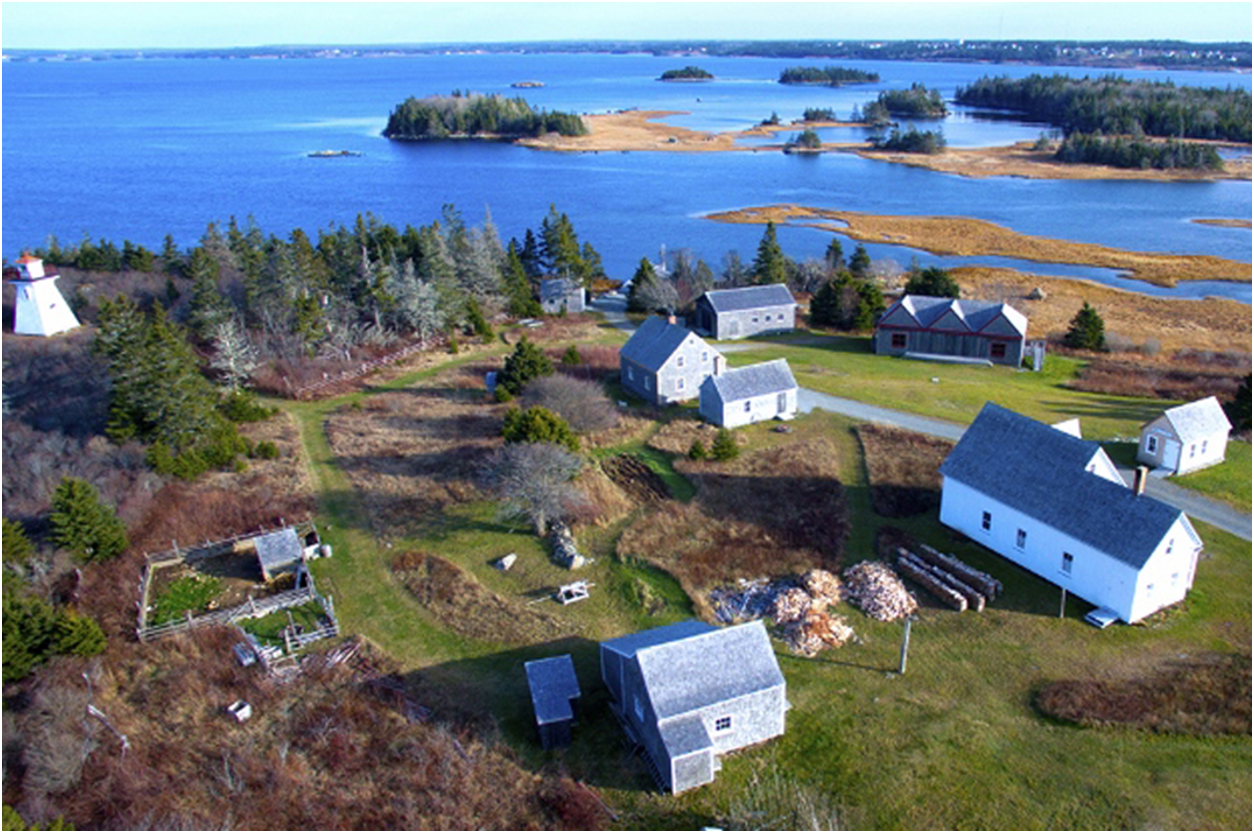
Explore the oldest Acadian region still inhabited by descendants of its founder in Le Village Historique Acadien de la Nouvelle Ecosse.
Le Village Historique Acadien de la Nouvelle-Écosse: Explore the oldest Acadian region still inhabited by descendants of its founder in Le Village Historique Acadien de la Nouvelle-Écosse. Founded in 1653 by Sieur Philippe Mius-d’Entremont, the village is a breathtaking, 17-acre space overlooking Pubnico Harbour. Attractions include historical buildings and original 19th century wooden homes like Duon House and Maximin d’Entremont House, a lighthouse and local cemetery, nature trails with natural fauna and flora indigenous to the area, and opportunities to learn about the historic Acadian fishing and farming traditions.

Rendez-vous de la Baie Visitor Centre: Open year-round and located on the campus of Université Sainte-Anne in Clare, Rendez-vous de la Baie Visitor Centre is an Acadian cultural and interpretive center. Attractions include an artist-run gallery, a souvenir boutique, a 263-seat performance theatre, and an outdoor performance area. Travelers can experience the interpretive center and museum which delve into the Acadian peoples’ history through multimedia displays of music and language with free guided tours available. The venue is also a trailhead for a three-mile network of walking trails leading to the breathtaking Nova Scotian coast (guided walking tours available).

New Brunswick’s Acadian Heritageand new Travel Experiences
Another place to experience Acadian heritage is in New Brunswick, just across the strait from Nova Scotia:
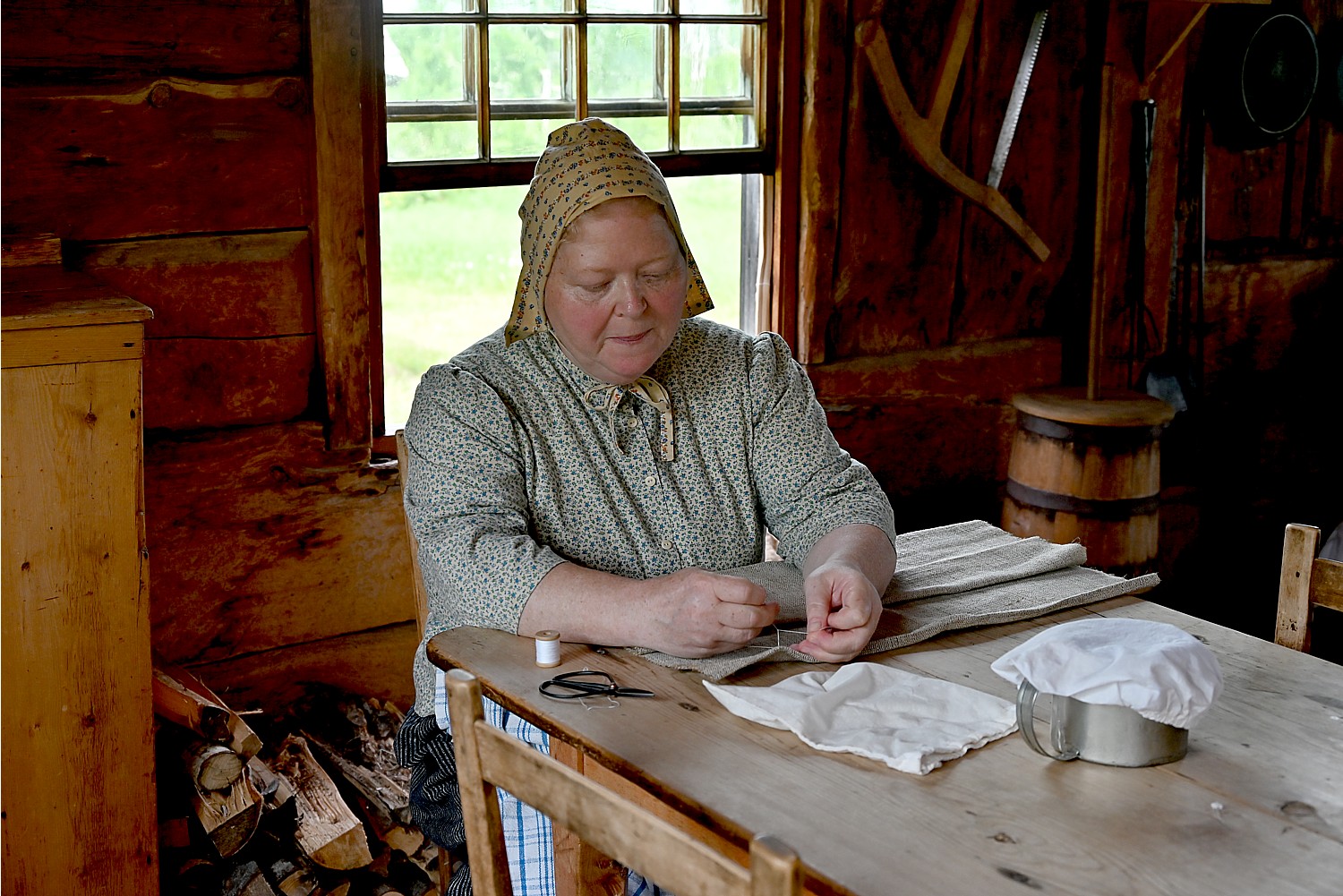
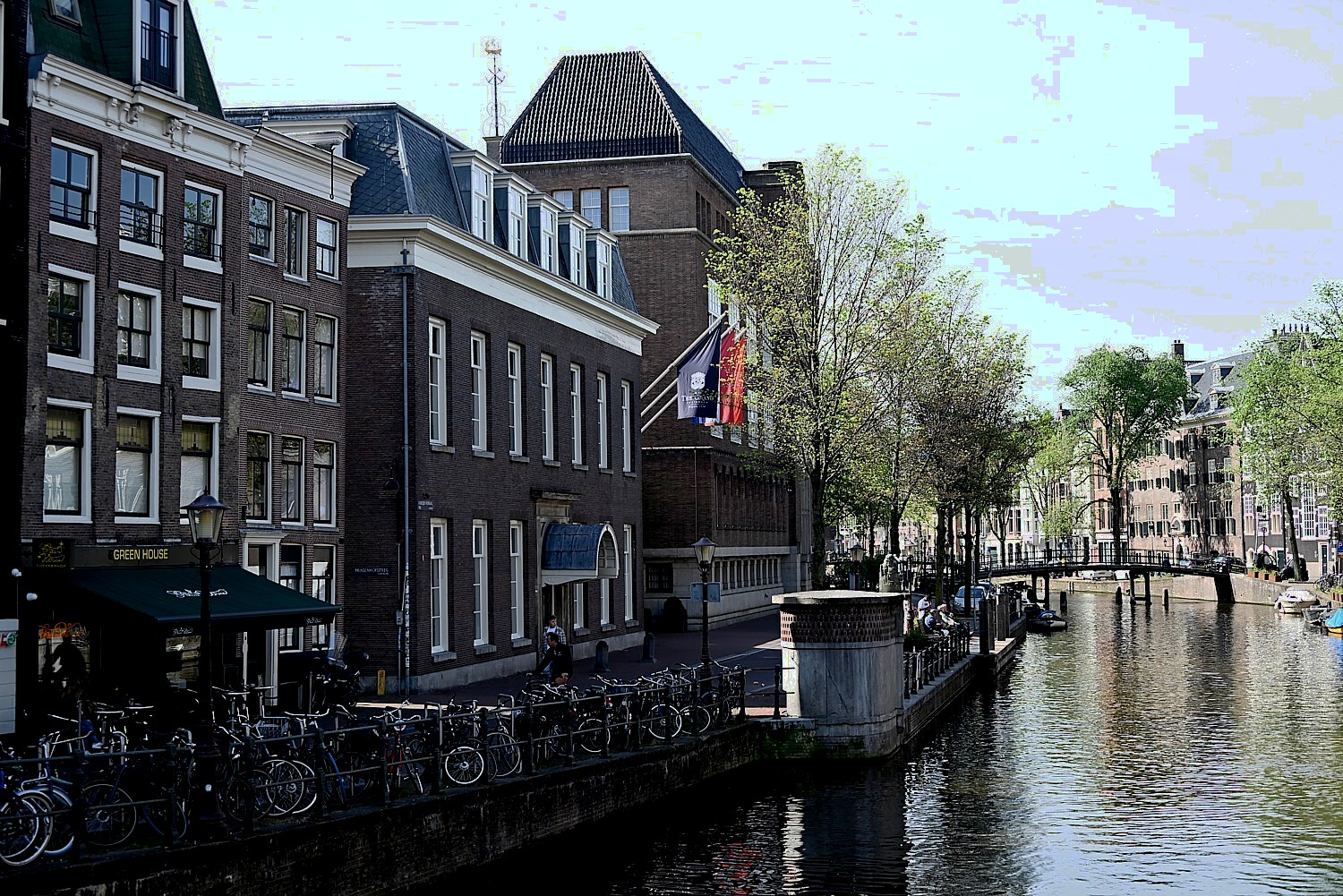
Historic Acadien Village is an open air living history museum with costumed (fully bilingual) interpreters who recreate the roles of real people. What makes this place so extraordinary, though, is that you walk a 2.2 km circuit through 200 years of history – the 40 buildings represent a different time, the oldest from 1773 up to 1895, then, you walk through a covered bridge built in 1900 into the 20th century village where the buildings date from 1905 to 1949. As you walk about, you literally feel yourself stepping across the threshold back in time.
You not only visit but can actually book a room to stay at the Hotel Chateau Albert (1910). Albert opened hotel in 1870 but had financial problems from the beginning and was put out of business by Canadian Pacific railroad.. The building was destroyed in a fire in 1955, and restored using the original plans. It now offers 14 rooms (with bathrooms) that you actually can book to stay overnight. (hotelchateaualbert.com, 506-726-2600).
Also in New Brunswick, Metepenagiag is an active archaeological site and research center where artifacts unearthed have provided proof the Mi’kmaq have been occupying this land for at least 3,000 years. When you first walk into the exhibition building, you can look into the lab where researchers examine artifacts. Some of the items, like a 1200-year old Earthenware pot, arrowheads and other items are on display.
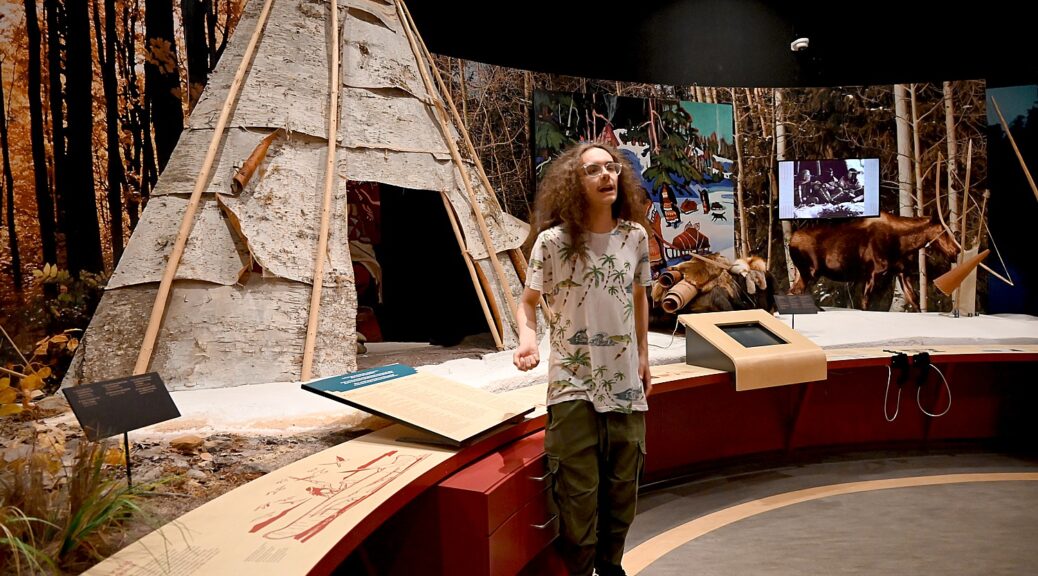
What is more, you can overnight in a tipi (glamping), cabin or lodge, have a First Nations dining experience, storytelling and be immersed in the 3,000-year heritage around a campfire. Or take part in “A Taste of Metepenagiag” and learn about foods and cooking techniques. New experiences are also being developed.The Mi’kmaq operate SP First Nations Outdoor Tours, authentic indigenous experiences that begin with a traditional welcome, a river tour by canoe or kayak, storytelling; and authentic First Nations dining and accommodations (56 Shore Road, Red Bank NB, Metepenagiag, 506-626-2718).
Metepenagiag Heritage Park, 2156 Micmac Road, Red Bank NB, 506-836-6118, info@metpark.ca 1-888-380-3555, metpark.ca.
In 2024, New Brunswick, the Atlantic Canadian province just over the Maine border, unveils novel experiences for visitors including new ways to explore the capital city of Fredericton, dining the bottom of the ocean floor at the Bay of Fundy, a revitalization of a favorite gathering spot in Canada’s oldest city, Saint John, and 60th anniversary celebrations of the FDR International Park on Campobello Island.
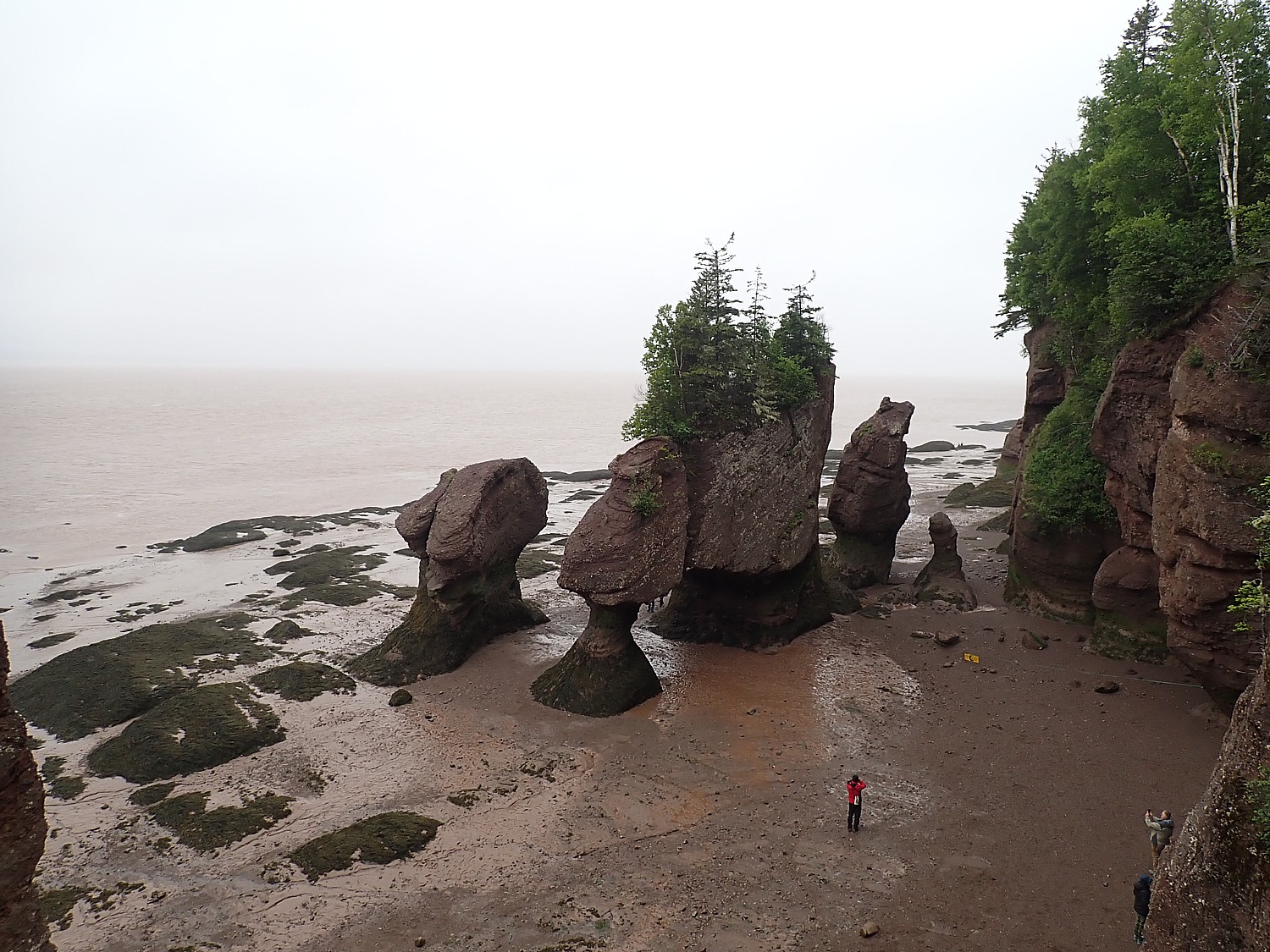
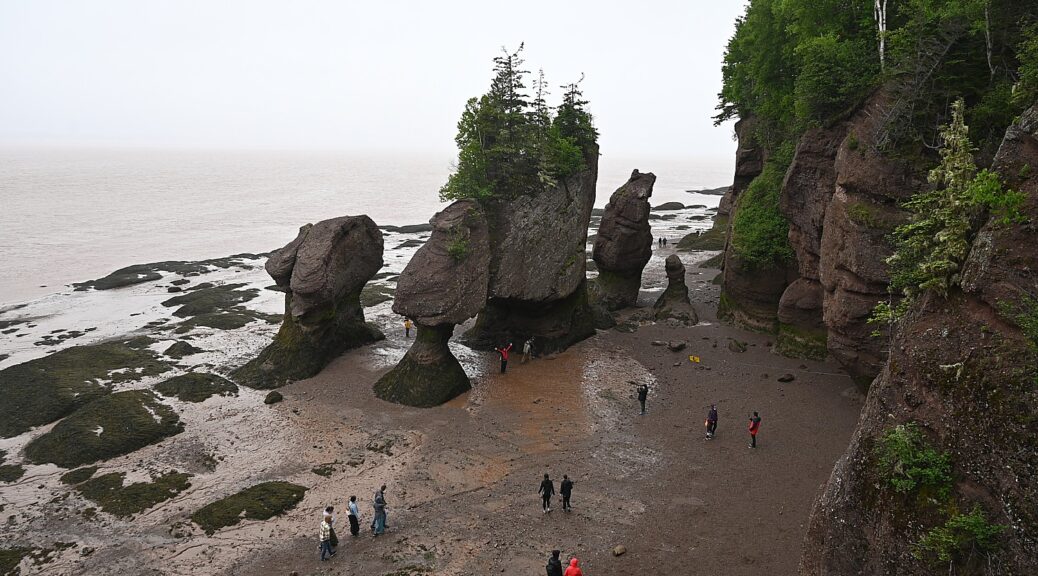
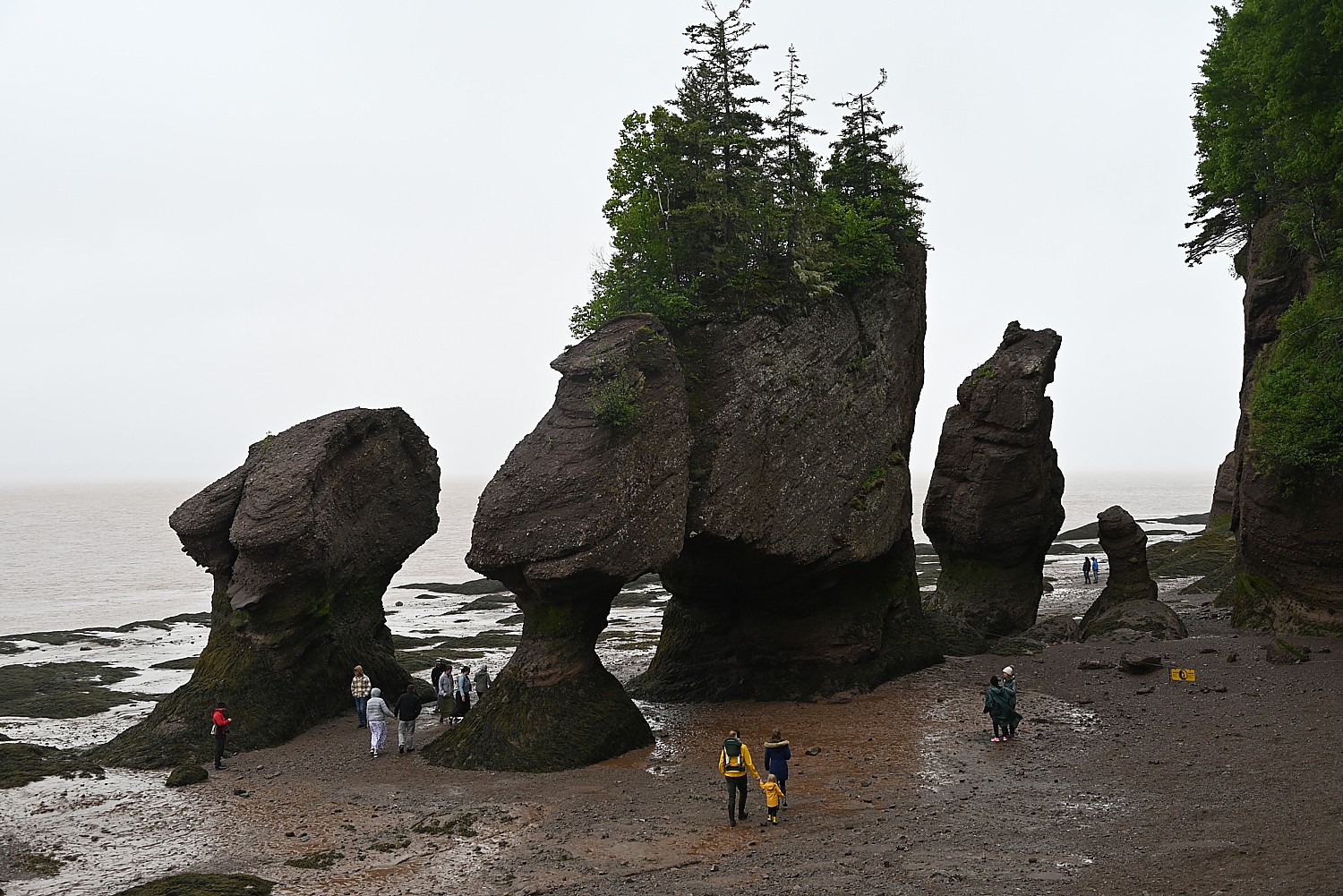
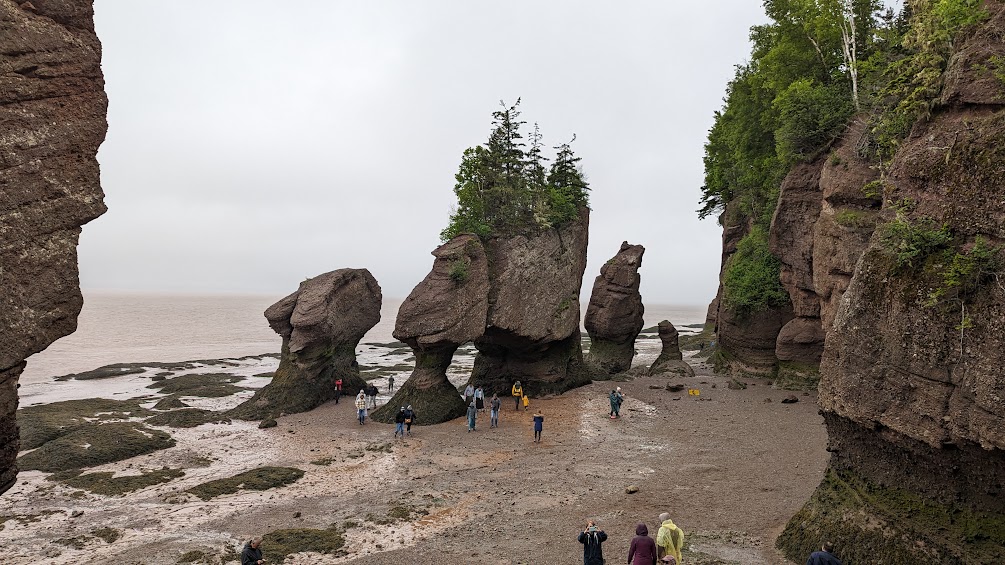
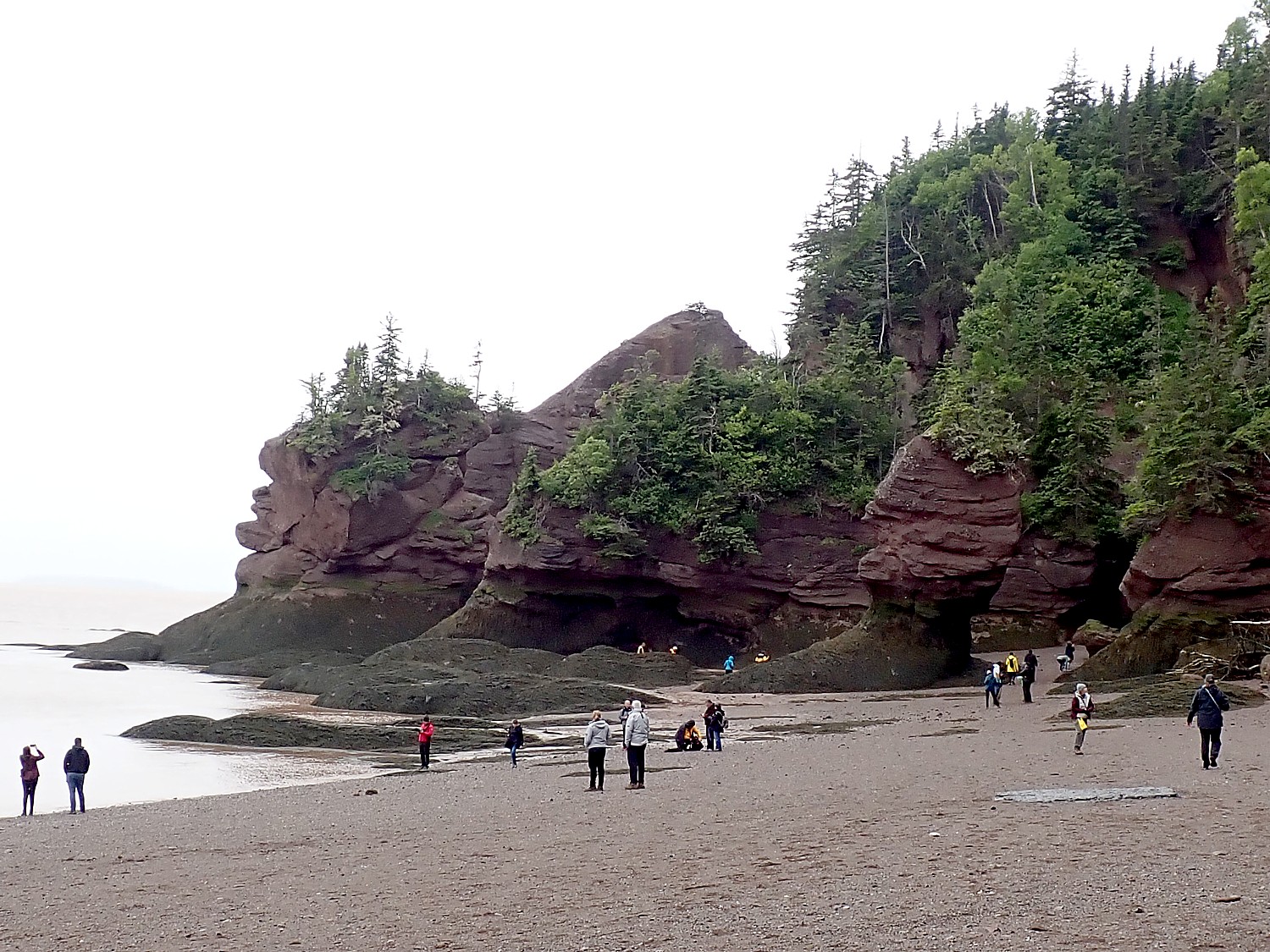
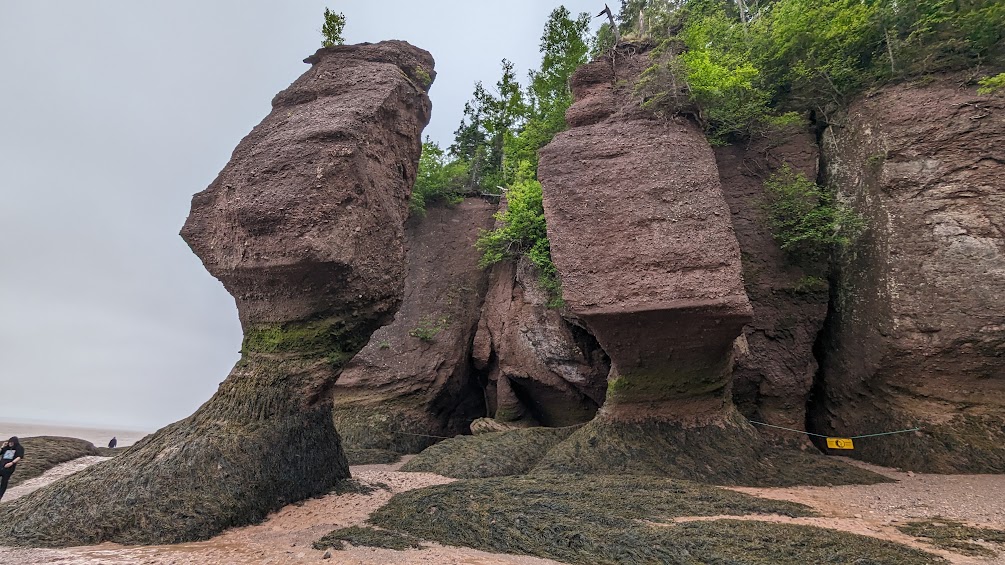
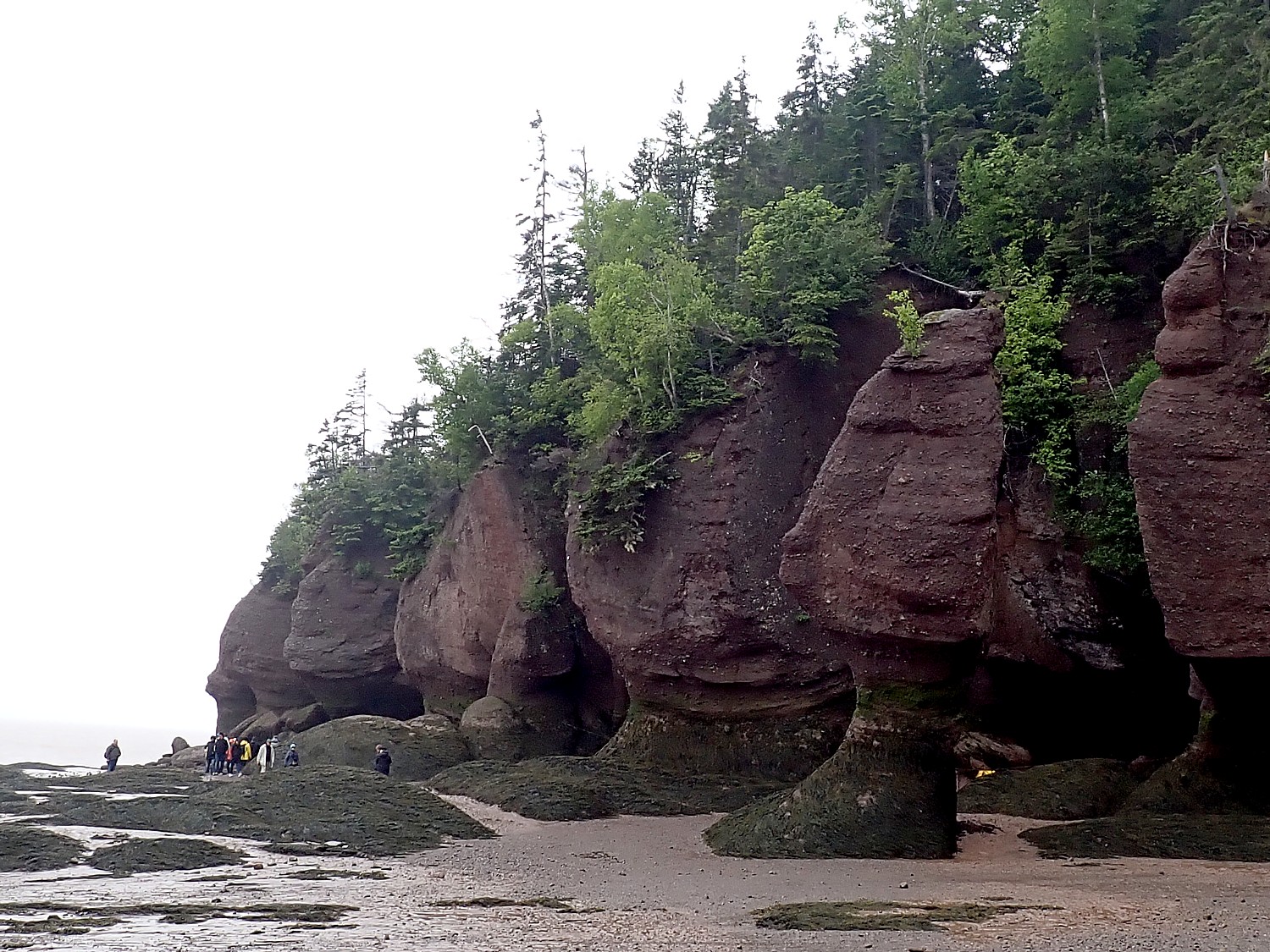
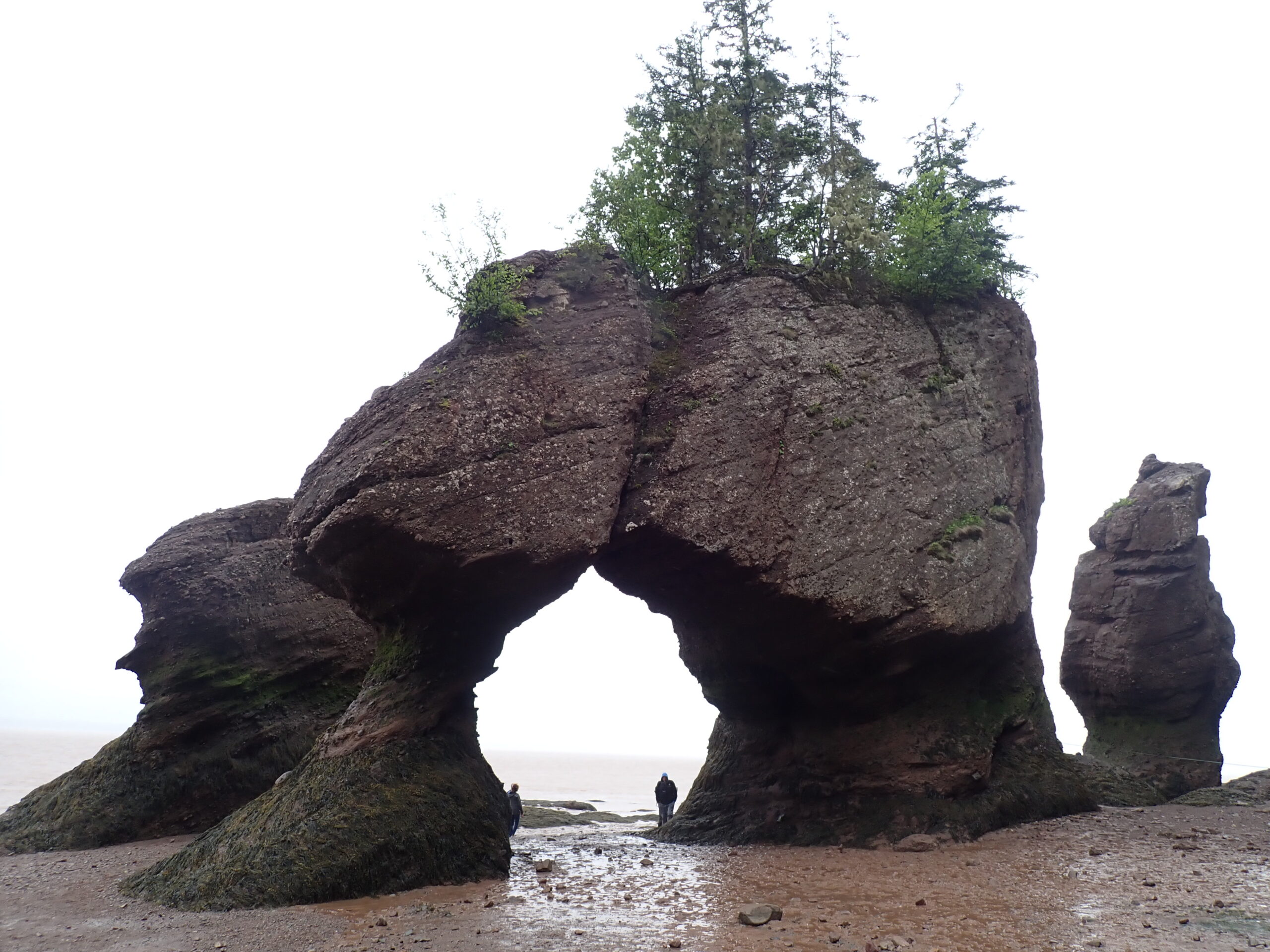
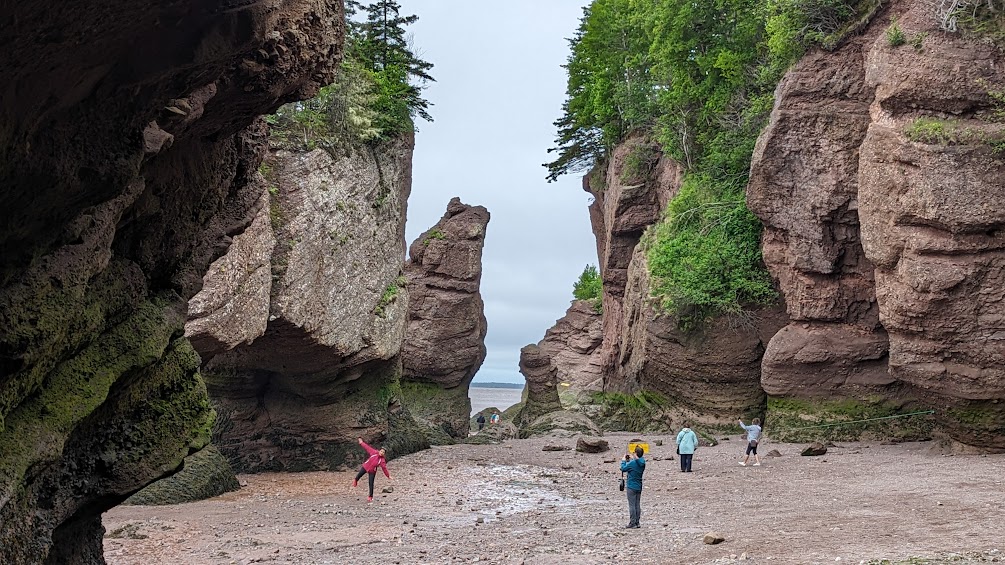
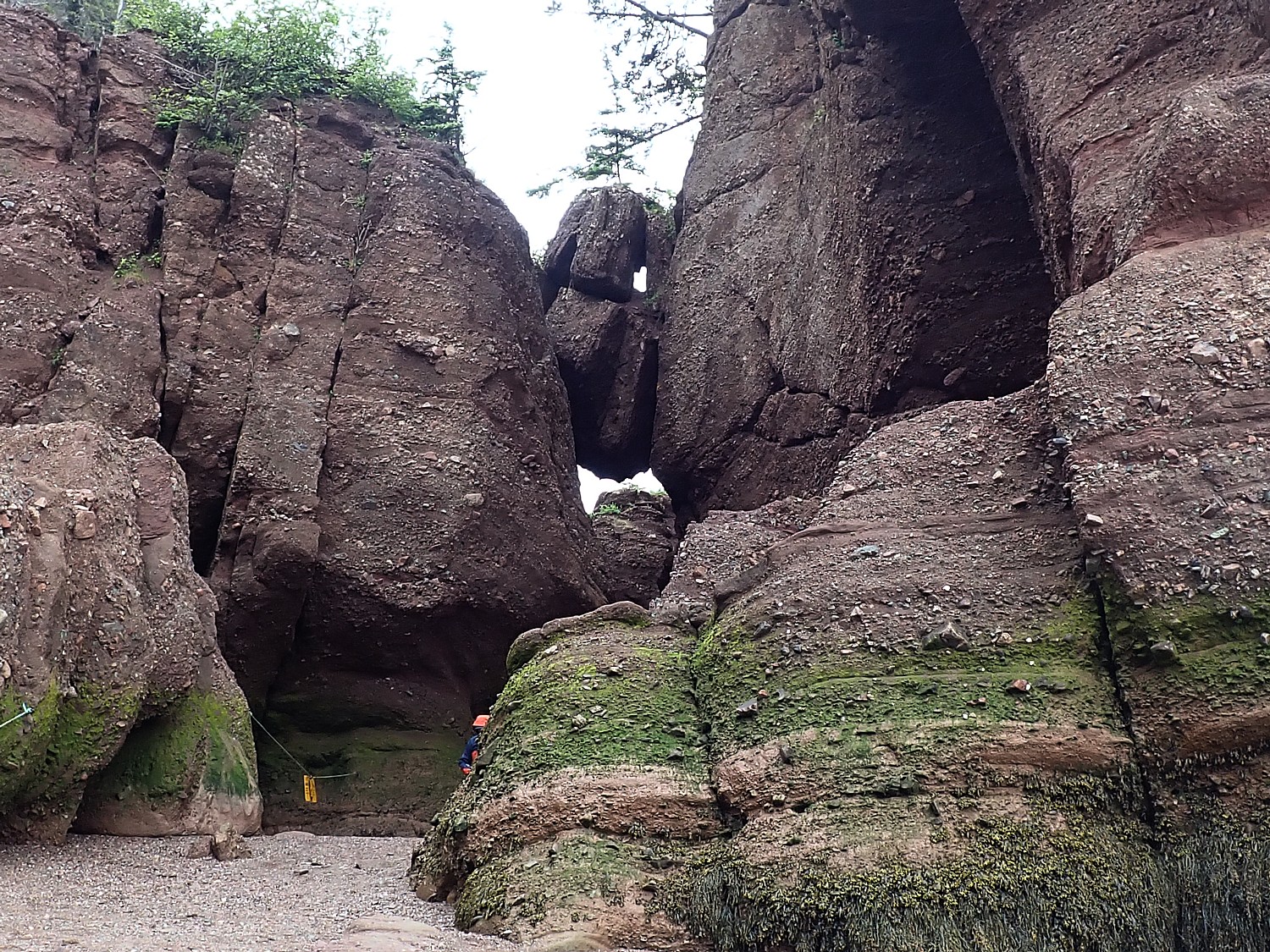
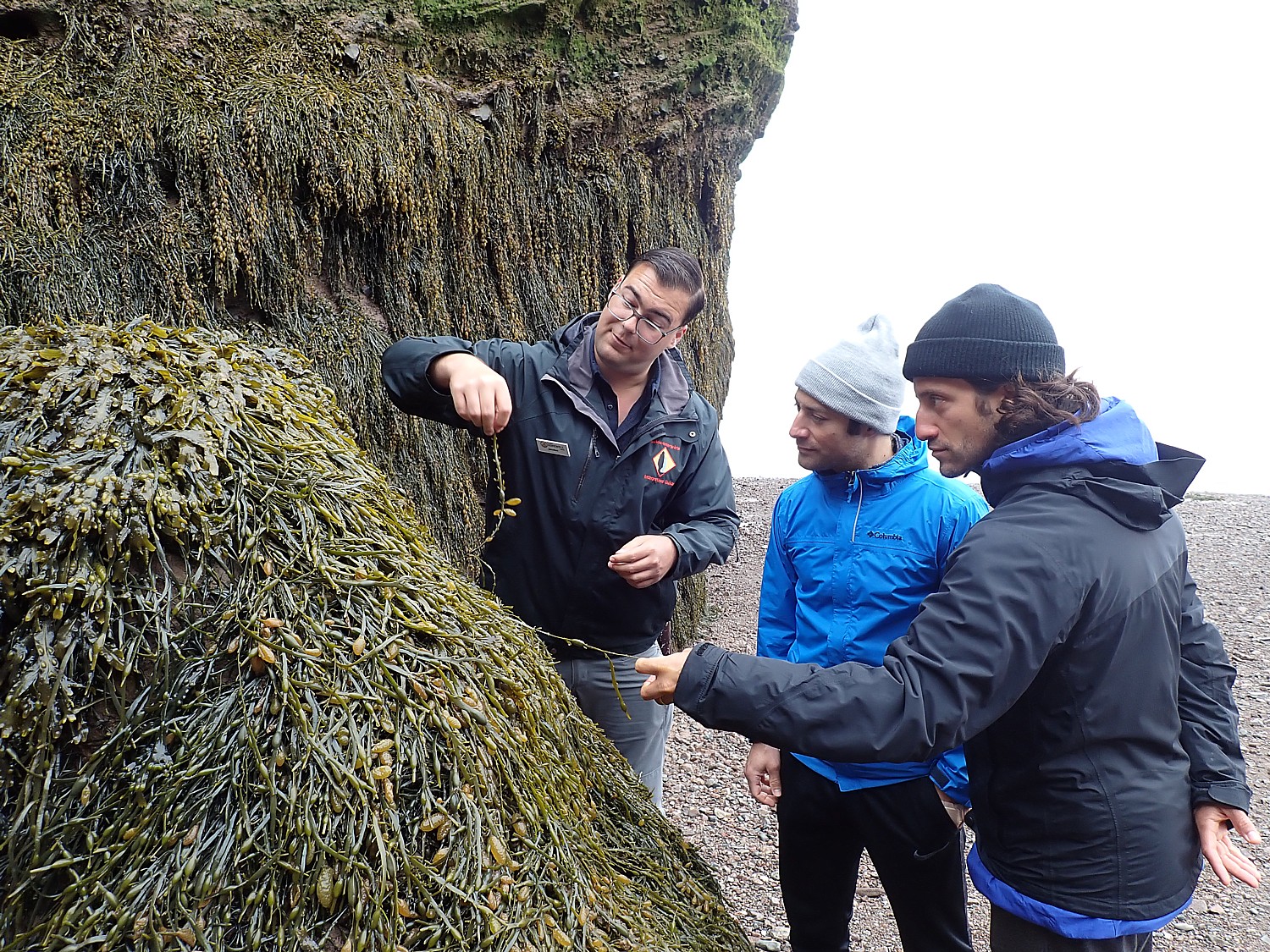
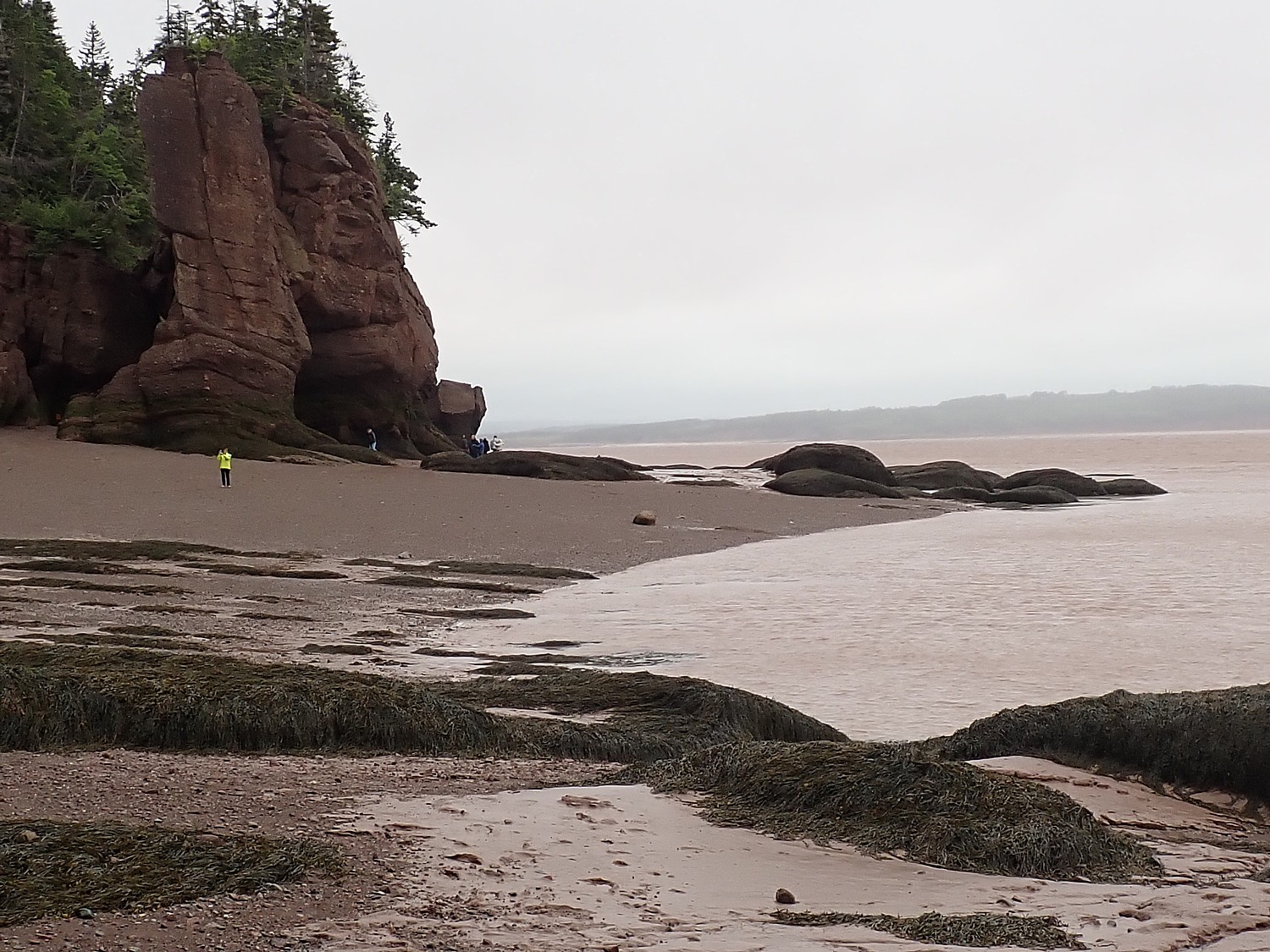
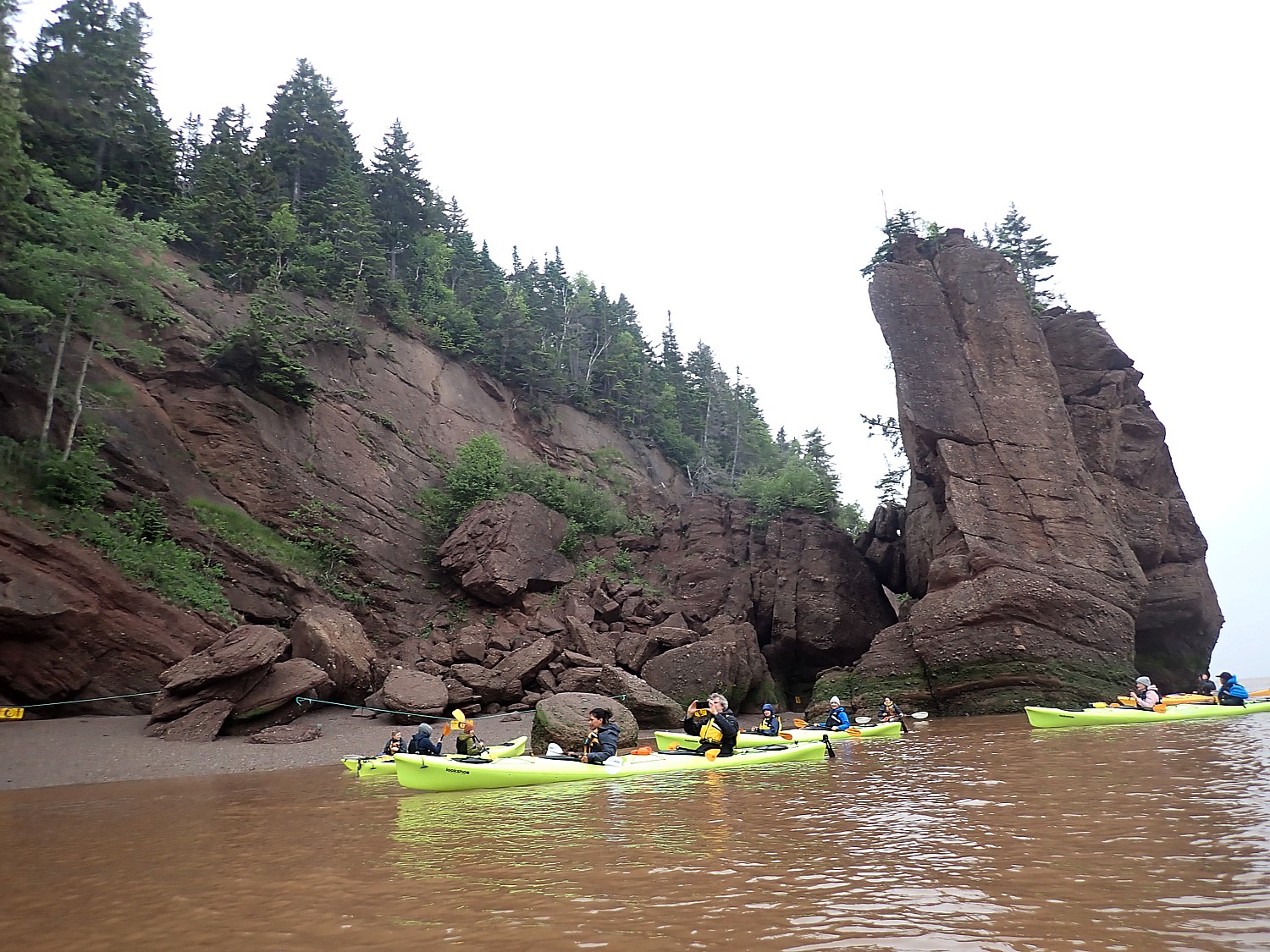
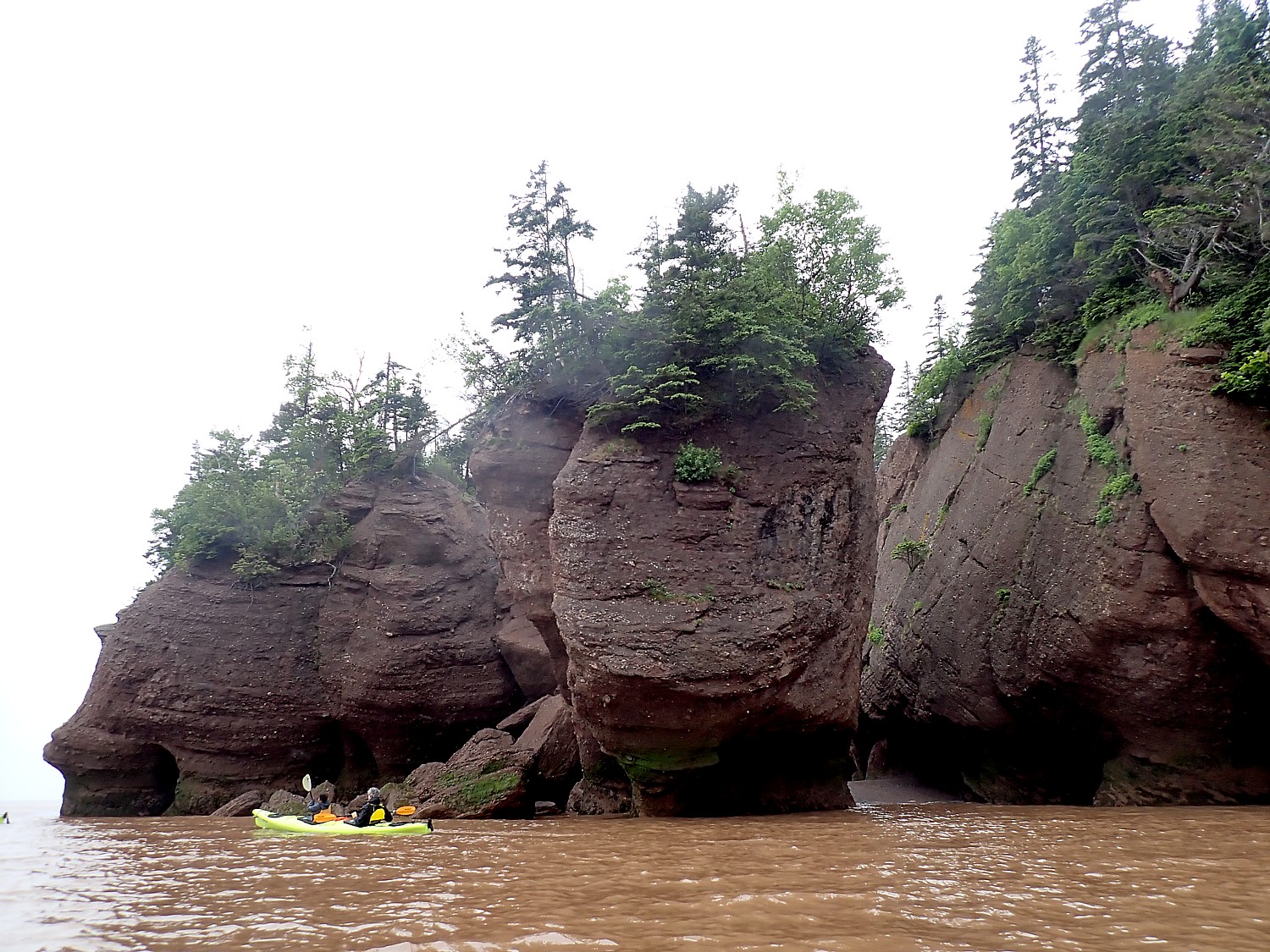
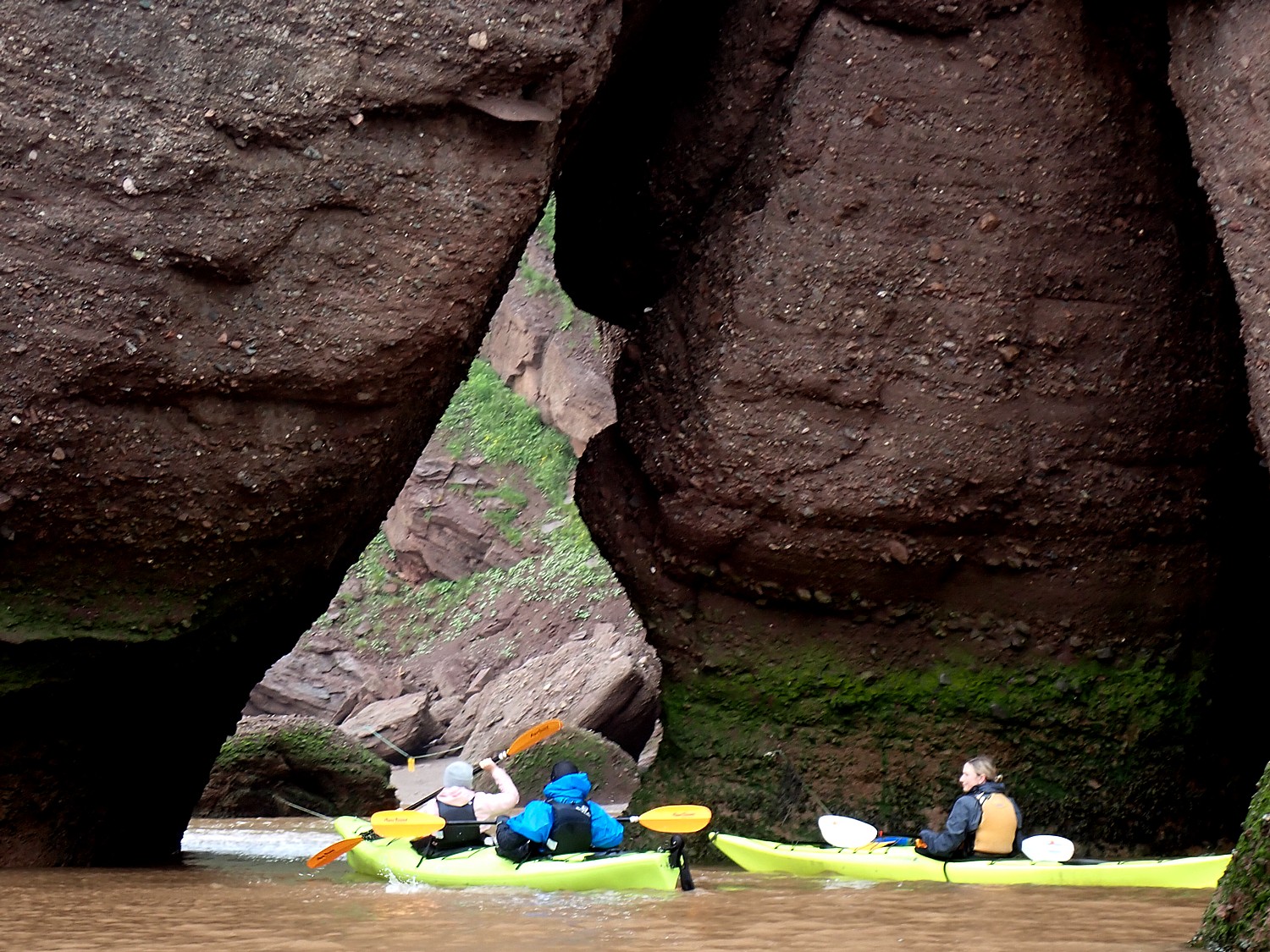
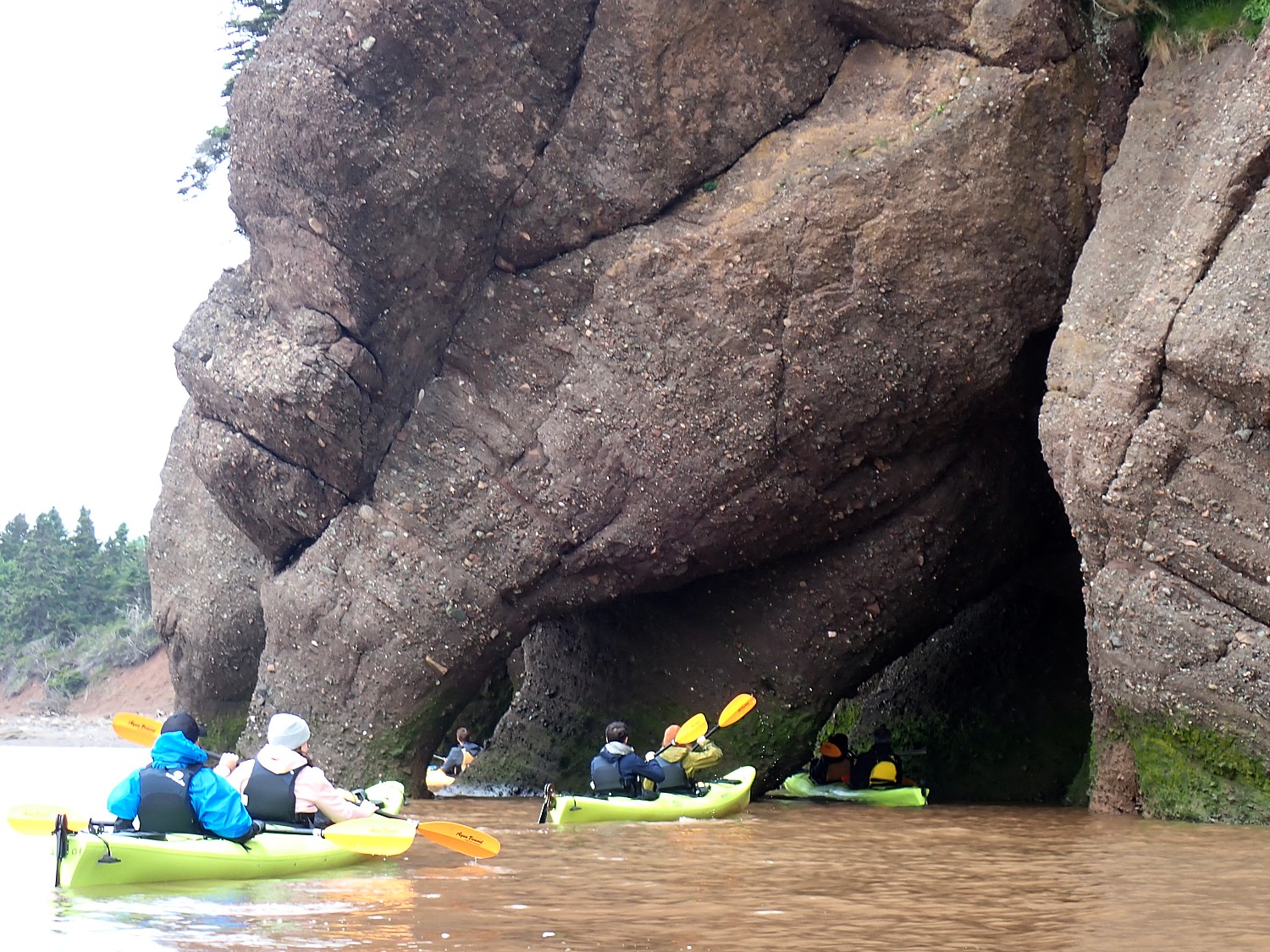
Dining on the Ocean Floor: Visitors to Hopewell Rocks Provincial Park this year can not only observe the natural phenomenon of low and high tides alternating as much as 40-plus feet, they can also dine on the ocean floor. In 2024, Hopewell Rocks will offer its new culinary adventure: “Dining on the ocean floor”. Travelers will relish in the magic of dining among some of the most extraordinary rock formations in the world with a private, locally sourced three-course meal and specialties served from Magnetic Hill Winery in Moncton. After enjoying cuisine by the sea, park-goers can return the next day at no additional admission cost, which starts at $15.85 CAD, to behold both high and low tides. For more information about Hopewell Rocks Provincial Park and updates about dining on the ocean floor, visit https://www.thehopewellrocks.ca/.
Coffee Connoisseur Tour with Barista Brian: Home to top attractions like Odell Park, Boyce Farmers Market, and Beaverbrook Art Gallery, Fredericton, New Brunswick, is also an ideal location for coffee lovers wishing to expand their knowledge and taste buds. For a new way to explore the city, visitors can join internationally celebrated latte artist Barista Brian on the new “Coffee Connoisseur” walking tour. Brian has earned his title while decorating lattes for attendees of the Sundance and Toronto International film festivals and for multiple Hollywood celebrities. Participants will sip, savor, and learn about locally roasted coffee at four independent coffee shops in the capital. Barista Brian is famous for his renowned latte art creations and has produced multiple latte portraits of celebrities including Meryl Streep, Conan O’Brien, Jennifer Lopez, Kristen Stewart, and more. While touring, Brian will provide education about everything from single origin beans to sustainable coffee, the history of coffee, and how to properly taste. Attendees will enjoy tastings of several coffee drinks such as a blend, delicious espresso, single roast, and will finish off with a latte displaying the handcrafted art of Brian. For more information about Barista Brian and his work, head to https://www.baristabrian.com/. To purchase tour tickets and view available dates, https://www.eventbrite.ca/e/coffee-connoisseur-tour-with-barista-brian-tickets-764462898107.
Campobello Island’s FDR International Park Celebrates 60th Anniversary: A symbol of international cooperation, the Franklin D. Roosevelt International Park on Campobello Island is jointly administered, staffed, and funded by the people of Canada and the United States. In 2024, the landmark is celebrating its 60th year standing as a representation of global collaboration. Throughout the month of July, special anniversary festivities will unfold amidst the breathtaking views of the New Brunswick Island connected to Maine by bridge. The former U.S. president and his family would spend their summers on Campobello Island, and visitors can now experience the former 34-room summer mansion firsthand. Given as a wedding gift to Franklin and Eleanor in 1908 by Franklin’s mother Sara Roosevelt, the cottage quickly became a key piece of the couple’s beloved island. Activities include “Tea with Eleanor” in the backyard and guided tours. For further details and event updates, visit https://www.rooseveltcampobello.org/.
Market Square Boardwalk Revitalization: In Uptown Saint John, Canada’s oldest incorporated city, the Market Square Boardwalk will show off a new look in 2024. It is now known as Ihtoli-maqahamok (The Gathering Space), chosen through a community process between Saint John citizens, the Civic Commemoration Committee, Common Council, City of Saint John staff, and consultation with First Nations’ leaders from The Wolastoqey Nation in New Brunswick. The boardwalk has undergone a rejuvenation that includes a larger 360-degree stage with increased public space for live performances, tidal steps leading to the Bay of Fundy, and the installation of a winter outdoor skating surface that will convert to a verdant green space in the summer. The restaurants of Market square were also upgraded with glass-panel installations, creating patios with year-round dining. Ihtoli-magahamok (The Gathering Space) draws its design inspiration from the three foundations of Saint John: its people, the water, and the rugged rocks that define the city’s character. To learn more about the reimagined Market Square Boardwalk, head to https://saintjohn.ca/en/parks-and-recreation/ihtoli-maqahamok-gathering-space
Summer is a 5 Sensory Season in Newfoundland and Labrador
From the rolling waves lapping off the coastline to the colorful clotheslines dancing in the ocean breeze, Newfoundland and Labrador is home to the slow way of life, especially when the seasons change. As spring rolls into summer, regular visitors to the province return, including the whales, birds and icebergs that heighten all senses. Visitors can experience the first sunrise in North America, witness the migration and play of whale species that return to the shores each year, and taste food foraged from land and sea. For relaxation, guests can soak in the bounty of the ocean in a bath with seaweed gathered off the coast of Grates Cove, go for a cold-water dip in the many outdoor locations including the North Atlantic Ocean, or sit and listen to the push and pull of the beach rocks as they roll with the waves.
Sea of Whales Adventures: The Atlantic Ocean surrounding Newfoundland and Labrador boasts as many as 22 diverse whale species. Just off the Bonavista Peninsula, travelers will smell the ocean breeze and be humbled by the spectacle of whale species like humpbacks, sperm, orcas, feeding, migrating, and playing on Sea of Whales Adventures whale watching boat tours. Family owned and operated since 2009, Sea of Whales Adventures offers three-hour whale watching tours daily from May 15 to October 14 and two-hour tours daily from June 15 to September 3. The two-hour tour rates start at $90 CAD for adults and $60 CAD for children, while the three-hour tour rates start at $110 CAD for adults and $80 for children.
Family owned and operated since 2009, Sea of Whales Adventures offers three-hour whale watching tours daily
Preserving the Dark Sky: Terra Nova National Park, the first designated Dark Sky Preserve in the province, allows travelers to gaze into the cosmos untouched by light pollution. Under the Dark Sky Preserve Program, the park is committed to protecting and improving nocturnal ecology by adjusting, retrofitting, or eliminating light fixtures while delivering new educational and interpretive programs on astronomy and various dark sky themes. The most popular viewing locations include Sandy Pond, rated to have the darkest skies in the park, Ochre Hill, historically used as a fire-watch station, Blue Hill, the highest point in the park putting guests among the stars, and Visitor Centre, with the starlit sky reflected across the water. New in 2024, UNESCO World Heritage Site Gros Morne National Park is applying to the Royal Astronomical Society of Canada for designation as a Dark Sky Preserve, offering visitors even more unaltered space to bask in the celestial views.
Wild Island Kitchen: Open year round, Wild Island Kitchen offers travelers the chance to dine aside breathtaking seascapes listening to the crashing waves while wild and sustainably caught seafood is cooked over an open fire. The locally owned tour and culinary group provides menus that change daily based on what is foraged and discovered each day, with guides teaching guests how to cook and prepare the cuisine. The “From Sea to Plate” Tour features sustainable, high-quality seafood cooked with water from the sea and cooked over an open fire, and guests can expect four to five courses over a three-hour period. For a shorter, one-hour experience, visitors can book the “Mug-Up” Tour which typically departs at 10 a.m. and includes a trip down the cove for a cup of tea or coffee and an interpretative food journey inspired by traditional coastal delights. Tour rates start at $175 CAD, but guests are encouraged to email experiencetwillingate@gmail.com for specific pricing per tour. Pre-booking is required for both culinary experiences.
Grates Cove Seaweed Baths: In the northernmost part of Newfoundland and Labrador, weary travelers can soak in a seaweed bath at Grates Cave Co. Known for its healing and rejuvenating properties, seaweed is harvested off the coast of Grates Cove and transformed into 7 Fathoms skincare, producing a high-quality, highly bioactive brown seaweed extract suited for personal care. Grates Cove Co. uses the product, densely packed with essential nutrients and minerals, for the fresh seaweed baths in the comfort of the bathhouse overlooking the North Atlantic. The bathhouse is bookable from Monday to Sunday for two-hour time slots from 11 a.m. to 1 p.m., 2-4 p.m., and 5-7 p.m., and the price per couple is $110 CAD + HST (Harmonized Sales Tax).
By Karen Rubin,Travel Features Syndicate, goingplacesfarandnear.com
What could be a better gift than giving a part of the world, some memorable, life-enhancing, life-changing experience, something from their bucket-list, perhaps? Give the gift of travel.
The gift of travel can be everything from the trip itself (even create a registry so that lots of friends and family can contribute), to pre-arranging some experience or activity to enhance a trip: a dining experience; a spa visit; admission to a museum, attraction or cultural event; a cooking, baking or jewelry making class; a hot-air balloon ride; rock-climbing adventure; walking tour; bike rental, to purchasing a gift-card or gift certificate that can be applied to the bigger-ticket items and give flexibility for when. And what trip doesn’t require some special gear? And if you time it right, you might also be able to benefit from holiday savings, even on the more open-ended gift cards or certificates.
Gift cards can open up doors to travel, or take the sting out of the pinch to a traveler’s, couple’s or family’s wallet. Gift cards can be that extra spark that gets your loved one to finally depart on their bucket-list experience. And more and more travel companies – hotels and accommodations, cruises, tours, theme parks, sightseeing, spa visits, restaurants and dining, and even transportation companies from airlines to Amtrak to Uber to a Maine Windjammer Cruise – now offer gift cards. The beauty is you can give the amount that works best for you and the recipient can choose the date. (And check if you can apply Black Friday/Cyber Monday discounts.)
Here are some examples:
Globus family of brands Gift Certificates, redeemable for tours and cruises, come in denominations of $50, $200 & $500. Gift Certificates may be used in conjunction with any promotion offered at time of booking and they are transferable (https://www.globusjourneys.com/tour-gift-certificate/).
Tauck Tours eGift Cards, available in any amount, are valid for any Tauck land journey, river or small ship cruise and Tauck Bridges family adventures. They can be redeemed by phone or online at Tauck.com. https://www.tauck.com/guest-travel/egiftcard.
Contiki’s gift card can be used on any Contiki trip; the voucher certificates include a personalized message, can be sent electronically or printed, and do not expire. https://www.contiki.com/en-us/resources/travel-gift-card 866-266 8454.
Historic Hotels of Europe, an exclusive collection of independent and unique hotels, castles, palaces, country houses and other properties handpicked for historic importance, quality and unique story, throughout Europe, offers a gift voucher, valid for five years, in amounts from 50-1500 Euros (voucher@historichotelsofeurope.com, https://historichotelsofeurope.com/gift-voucher).
You can purchase gift cards for stays or amenities at Historic Hotels of America, Historic Hotels Worldwide, Beyond Green and Preferred Hotels & Resorts (all brands of Preferred Hotels & Resorts), through the iprefer.com. Gift Cards can be used for services, experiences, and stays at participating hotels and resorts in hundreds of destinations around the world. Gift cards do not expire. Purchase online at giftcards.iprefer.com.
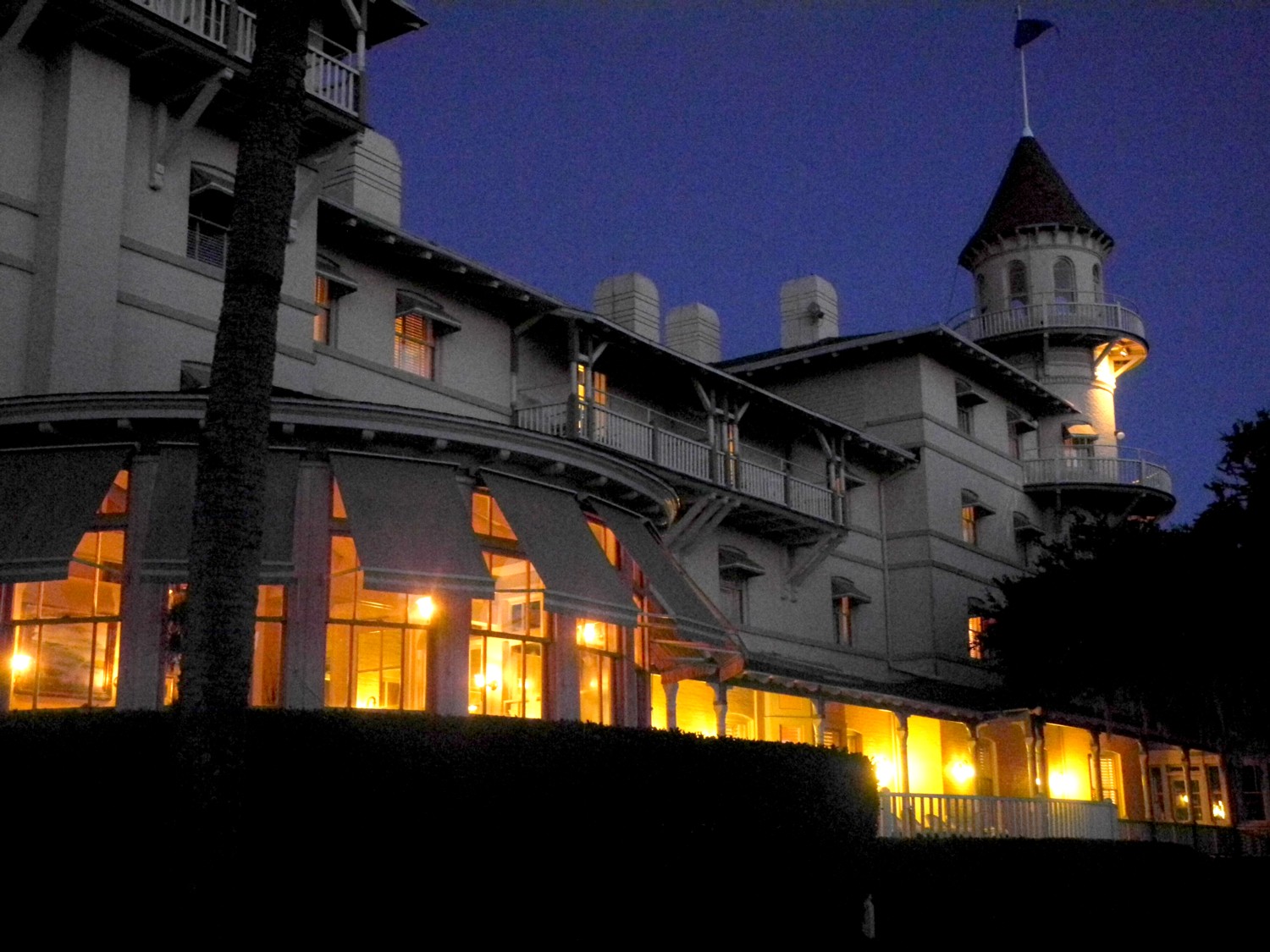
Noble House Hotels & Resorts gift cards may be used at its collection of hotels, resorts, spas, restaurants, marinas and adventures across North America, among them, the Jekyll Island Club Resort, Jekyll Island, Georgia. (https://www.noblehousehotels.com/gift-card/)
Small Luxury Hotels, with over 500 hotels in more than 90 countries, makes it simple to send an SLH Gift Card – just choose the occasion, select the amount, and finish with a personalized message. https://slh.com/about-slh/gift-cards
New England Inns & Resorts Association gift cards can be redeemed at 300 lodging properties all over New England and can be purchased in any amount you choose. The cards never expire. Make a reservation directly with the property of your choice and let them know you will be using a New England Inns & Resort Gift Card. Present the card at check-in. https://www.newenglandinnsandresorts.com/gift-cards
Independent Collection Hotels & Resorts, a division of HHM which manages 240 properties across North America, offers gift cards for its portfolio of independent Luxury and Lifestyle, Resorts, Premium Branded and Branded Select. Among them: The Rittenhouse, Whiteface Lodge in lake Placid, MacArthur Place, Sonoma, https://www.independentcollection.com/gift-cards
With a Gift Card from Historic Inns of Savannah, choose from six award-winning boutique hotels in Savannah’s famed historic district https://www.historicinnsofsavannah.com/
Hotels.com(an Expedia company) gift cards unlock hundreds of thousands of places to stay worldwide, including major hotel chains. The gift cards are available in denominations from $10 to $2,000 and there are no expiration dates or fees. Also, Hotels.com also has a secure gift registry where friends and family can contribute toward a Hotels.com eGift Card – great for honeymoons, babymoons, graduation, or any other group-gifting occasion. Here’s fine print: Usable up to balance only for new hotel bookings at www.hotels.com/gc. Only one gift card can be redeemed per online booking, but multiple gift cards may be combined into one gift card with a maximum value of $2000 by visiting the balance transfer tab found at www.hotels.com/gcbalance. Not redeemable at hotel locations or if you choose the Pay at Hotel option online. Not redeemable toward existing bookings or Packages. https://www.hotels.com/lp/b/giftcards (For balance or information, visit www.hotels.com/gcbalance or call US Toll Free 1-888-999-4468.)
New York State’s Parks, Recreation and Historic Preservation gift card is usable at 8,500 campsites, 850 cabins, 135 cottages and 18 golf courses throughout the state. Use for fees associated with camping walk-ups, golf reservations and greens fees, camping supplies, boat rentals provided by NYS Parks (not for vehicle entrance fee, concessionaires, or Department of Environmental Conservation facilities). Purchase online at https://shop.parks.ny.gov/store/gift-cards/ for any dollar amount and have no expiration date. They can be used with the NYS camping reservation system (Reserve America), https://www.reserveamerica.com, 800-456-2267.
Cruiselines also make it easy to purchase gift cards, and even gift registries so that family and friends can contribute to purchasing the cruise:
The Royal Caribbean pre-paid gift card is similar to a gift certificate. These digital funds can be used for Royal Caribbean International or Celebrity Cruises cruise bookings and redeemed by booking online. The gift card will be sent to the recipient via email on the delivery date you choose. For same-day delivery, most gift cards are sent within an hour of your purchase. Royal Caribbean (www.royalcaribbean.com/programs/gift-cards, 866-562-7625)
Norwegian Cruise Line makes it possible to gift onboard credit, wine, gourmet treats, spa visits, or create a registry so that bunches of family and friends can contribute toward a cruise (https://www.ncl.com/onboard-gifts).
You can pre-purchase a city-sightseeing pass that provides admissions to the most popular sights in cities like Prague (PragueCoolPass.com); Amsterdam; Berlin; Dresden; Paris (parispass.com); New York City; Philadelphia. Wilmington, Delaware & the Brandywine Valley’s 2024 Brandywine Treasure Trail Passport provides access to 12 of Greater Wilmington’s top cultural attractions. Check out Go City, which sells passes in over 30 destinations from major metropolises like London and New York to oceanfront oases like Sydney and Oahu – 1,500 attractions, tours, and activities worldwide, saving money over purchasing individual tickets, connected on your smart phone (GoCity.com, 800 887 9103).
Gift certificates from Broadway.com can be redeemed for tickets to any Broadway or Off-Broadway show currently playing in New York City (https://www.broadway.com/gift-certificates/).
Drive an exotic car, learn to fly, rock climb, skydive, bungee jump, take a hot-air balloon ride. Virgin Experience lists some 5000 different experiences in 122 regions from 600 “best in class” partners that their gift card can be applied to: Go to Food & Wine Gifts, Adventures Experiences and other listings. Easy return, no expiration, free exchange (https://www.virginexperiencegifts.com/action-and-adventure, https://www.virginexperiencegifts.com/ (for Black Friday, use GIFT20 for 20% off).
Context Travel offers personal walking tours with experts in 60 cities across 6 continents. Skip the line and off-hours access to popular sites in the world’s cultural and historical capitals. Tours range from half-day to 7-days plus. Context Travel also offers the “gift of learning” – virtual and in-person sessions with top experts– you can explore the Colosseum with an archaeologist, uncover masterpieces of the Louvre with an art historian, or explore the palaces of Istanbul with an architect — from home, or in person. Gift cards are redeemable for 100s of tours and experiences in any city, can be e-delivered immediately or at a future date and can be personalized with your message (https://www.contexttravel.com/gift-cards).
Spafinder, a compendium of resorts, wellness centers and day spas, makes it easy to purchase giftcards. Take 25% off $200+ with promo code VIP25; get $20 off $80, Spafinder.com
Theme parks can be a very, very pricey vacation for families. Gift cards can put the vacation in reach or enhance the experience. Disney’s gift cards can be purchased in denominations of $25 to $500 and used for “practically” all things Disney – theme park tickets, resort stays, merchandise, dining and experiences at Disney destinations. Redeemable at shopDisney.com, Disney Store locations in the U.S., participating locations at Walt Disney World® Resort in Florida, Disneyland® Resort in California, Disney Cruise Line®, and Adventures by Disney®. https://www.disneygiftcard.com/.
Also consider gifting some of the really special experiences, like Zookeeper for a Day at Busch Gardens (www.buschgardens.com), or sleepover “Night in the Museum” experiences at places like National Air and Space Museum, International Spy Museum, American Museum of Natural History, Cincinnati Museum Center, California Academy of Sciences in San Francisco.
For the skier/snowboarder, consider purchasing lift tickets, lessons, rentals, perhaps even a multi-day, regional or local pass (EpicPass.com, IKONPass.com, snow.com, ski.com). Get Ski Tickets is an online marketplace to purchase date-specific discounted lift tickets, lessons, rentals, group lift tickets and season passes (https://www.getskitickets.com/, 970-233-7040, info@getskitickets.com) and gift certificates (https://www.getskitickets.com/gift-certificates/).
Fantasy Camp!
There are any number of fantasy camps to satisfy, well, every fantasy. If you can fantasize it, there is likely a fantasy camp to realize it.
Want to play baseball like a major leaguer? There are baseball fantasy camps with teams like the Yankees, Red Sox, Atlanta Braves (mlb.com). Basketball: 76ers Fantasy Camp is the inaugural NBA fantasy camp, www.76ersfantasycamps.com).
Join players from the gold medal winning 1980 USA Hockey Team for this annual Miracle On Ice Fantasy Camp, in magnificent Lake Placid, NY – host city of the historic 1980 Winter Olympic Games. Skate and compete in the 1980 Rink – Herb Brooks Arena where USA conquered the Russians and shocked the sports and political world. (https://lakeplacidolympiccenter.com/todo/miracle-on-ice-fantasy-camp/)
Space Camp, an educational camp on the grounds of the U.S. Space & Rocket Center museum near NASA’s Marshall Space Flight Center, Huntsville, Alabama, provides residential and educational programs for children and adults on themes such as space exploration, aviation and robotics (www.rocketcenter.com/SpaceCamp, camps@rocketcenter.com, 800-637-7223).
Also: Broadway theater (Broadway Fantasy Camp, broadwayfancamp.com), Rock ‘n’ Roll Fantasy Camp, an interactive musical event that takes place in various locations worldwide involving various Rock Stars on various dates.(rockcamp.com; gift cards available, (https://gift-cards.rockcampevents.com/)
For many, being able to participate in important science research is also a fantasy. Earthwatch makes it possible to support research that responds to global challenges – from climate change to human-wildlife coexistence to sustainability – while engaging local communities, and offers more than 40 field research expeditions around the world, with opportunities for teens and adults and no prior experience needed (Earthwatch.org, info@earthwatch.org).
You can purchase gift cards on many airlines: the Delta Gift Card is redeemable for any Delta Air Lines flight worldwide and for any Delta Vacations package that includes airfare, no expiration date (https://www.delta.com/us/en/gift-cards/overview) and Southwest Airlines (no expiration date, fully transferrable,usable for passenger travel,https://www.southwest.com/gift-card/).
Prefer riding the rails to boarding flights? Amtrak gift cards are available in an amount up to $500. No fees. Never expires. Have it emailed or sent through the mail. Redeem for travel online, in the app, by phone or in staffed stations. (May not be used for onboard purchases) https://www.amtrak.com/giftcards
Memberships Have Benefits
Gifting family memberships in a favorite museum, zoo, aquarium, preserve, historic site or attraction gives a sense of “ownership” and encourages multiple or multi-day visits as well as giving access to benefits – from special access to events and openings, discounts and promotions, magazines.
Support important institutions – and find unique gifts – from the American Museum of Natural History (members enjoy free admission, special access and previews of new exhibitions, and discounts on purchases with member ID (get $20 off membership with code MEM22); the Metropolitan Museum of Art, Chicago Museum of Art, any and every important museum, hall of fame, attraction, zoo such as the Wildlife Conservation Society which operates the Bronx Zoo among others (www.wcs.org).
Smithsonian Institution, not only has an excellent store and catalog of excellent expeditionary trips (Smithsonianstore.com), but I treasure the Smithsonian Magazine, which also provides membership benefits, access to gifts; subscribe to the magazine and get gift subscriptions to share with someone else, smithsonianmag.com).
Also check out the memberships and gift possibilities at: Sierra Club (produces an excellent catalog of trips, sierraclub.org); Rails-to-Trails Conservancy (also check out the trail shop for gear like jerseys, trail guides and such, railstotrails.org), Parks & Trails NY (which hosts the annual Cycle the Erie 8-day, 400-mile camping/biking trip, pkny.org); Audubon Society; Nature Conservancy, National Wildlife Federation; World Wildlife Federation).
Not able to visit? Many of the great museums, iconic institutions and organizations offer some of the most interesting, innovative and creative items in their gift shops and you can support their mission by shopping online or through catalogs (check out holiday specials, discounts). It can be the way you bring home a real NASA astronaut’s outfit from Kennedy Space Center (www.kennedyspacecenter.com).
Travel Gear
Also appreciated: the gear, special clothing, photo equipment that a trip (expedition, voyage, journey) entails, but may feel guilty about purchasing or simply tapped out.
Our favorite go-to places (especially when you catch holiday deals, sales and closeouts): REI (top trending gifts, gifts by activity, by price, www.rei.com/s/gifts-for-travelers, 800-426-4840); LL Bean, 888-610-2326, llbean.com; Sun & Ski, sunandski.com, 866-786-3869 (gift cards available); Eastern Mountain Sports, 888-463-6367, ems.com; Tennis Express (gift guide online, TennisExpress.com), Bass Pro Shops, www.basspro.com; Patagonia (Patagonia.com); Paragon Sports (paragonsports.com). And of course, luggage – one great site Luggageonline.com (Save 15%, 888-958-4424).
What trip doesn’t involve photos! B&H consistently has best inventory, prices and holiday specials, efficient delivery, excellent customer service, delivery and return policies, www.bhphotovideo.com, 800.606.6969, 212.444.6615).
Great stocking stuffers so appreciated by travelers are socks for hiking, running, endurance, skiing, biking, hunting, work and lifestyle: Bombas (get 20% off, https://bombas.com/) and Darn Tough (www.darntough.com).
A subscription to a travel magazine like Travel & Leisure and Conde Nast Traveler (cntraveler.com) is also a great gift to inspire and inform. National Geographic; there is also a National Geo Kids edition. (https://ngmdomsubs.nationalgeographic.com/).
What does it mean that the Bay of Fundy “has the highest tides in the world?” Until you actually walk on the ocean floor one hour, then scurry back to kayak through openings in the sea stacks which have turned into sea caves the next, it is hard to wrap your head around. And no place demonstrates the drama, the power of the “highest tides in the world” as at Hopewell Rocks, the stellar attraction of New Brunswick, Canada.
We have been traveling along the Bay of Fundy Coastal Road, starting in St. Andrews, where the incoming tide nipped at our feet as we stood on breakers; we had to dash off Ministers Island before the sand bridge was submerged; we saw the force of the tide at the Reversing Falls in St. John, boats laying on the ocean floor until the tide returns in Alma; and at Cape Enrage, experienced once again how a rocky beach where we had just been walking, seemingly moments later, was totally submerged. Now at Hopewell Rocks, we see more intensely, what “highest tide in the world” means.
Depending on where you are on the Bay, the water level difference between low and high tide can be anywhere from 35 to 56 feet (equivalent to a five-storey building). Compare this to the most parts of world, where the average tidal water differential is 6-8 feet. In Hopewell Rocks, the tidal change is 46 to 56 feet, depending upon the season, moon phase, sun and stars, even asteroids, and stormy weather.
There are two high tides and two low tides every day in the Bay of Fundy, with a tide change every six hours and 12 minutes. It doesn’t come in like a tsunami, but flows in, rising one foot every five minutes which is faster than you realize. Consider this: A six-foot person standing on the beach with the water just up to the edge of their toes will be completely under water 30 minutes later.
The amount of water – 160 million tons – that comes into the Bay of Fundy for one tide change is enough to fill the Grand Canyon twice. With two tide changes each day, that is enough water coming into the bay each day to fill the Grand Canyon four times.
Or consider this: the amount of water that comes into the Bay of Fundy for each tide change is equal to what flows over Niagara Falls in one year and nine months.
With this in mind, we know we have to arrive at Hopewell Rocks by 8:50 am, a 35 minute drive from Alma, in order to have time to literally walk on the ocean floor amid the famous “Flowerpot Rocks” – enormous free-standing rock formations or sea stacks that have trees growing on top – and walk through the openings that have been carved out, before the tide comes in. (“Ripley’s Believe It Or Not dubbed them the Flowerpot Rocks,” Neil Hodge at New Brunswick Tourism, who organized our itinerary, said.)
We meet Johnathan, our guide for an interpretive tour, who takes us for a brief visit in the Interpretive Center which explains the geologic phenomenon, but only briefly before we go down to the ocean floor. We will only have access until 11:15 am.
The first view, from the top of the staircase is dramatic – you see these famous Flowerpot Rocks and sea cliffs, with the people looking so tiny. The beach extends for almost 2 miles.
“The Bay of Fundy is an anomaly – a series of coincidences that have added up to create our miracle,” Johnathan tells us. “The Bay is the perfect length, width, size and shape for this to work, and a perfect storm in the last Ice Age. The glacier formed rock and when it melted, 160 billion tons of salt glacier filled the Bay and over time, pushed the rocks together (conglomerate).
The shape and length of the Bay (the Bay extends 200 miles) is like a bathtub – the water in the bay doesn’t have enough time to level out with the ocean – the only place to move is up. Other places have a slack tide – when the highest and lowest tide stops. [We saw this in St. John, at the Reversing Falls, where the slack tide would last 20 minutes] Here, there is never slack – a micro second at the highest point when the tide pushes back against the ocean.”
You can walk on the beach 3 hours before low tide and three hours after (tourists think they can only cross at one time). The tide flows in at the rate one foot per minute, horizontally, one foot per 4-7 minutes vertically, up to a height averaging 46.2 ft., and as high as 56 ft.
The interesting shapes of the sea stacks are because they consist of compacted sedimentary conglomerate that erodes at different rates. “What is inside the conglomerate weighs more on the right than on the left,” which is why it can collapse.
The daily ebb and flow, rush and crush of all this water carves the sea stacks and many seem to precariously balance, likely to collapse within only a matter of a decade or two. Imagine that. These rock formations have been carved over millennia and may be at the end of their life. In fact, we see the crumbling, the cliff face collapse – areas are sectioned off. Geology is an ongoing process, and it isn’t necessarily slow motion over millennia, millions or billions of years, but in a moment.
There are barricades around areas where there have been rockfalls, and we see numerous examples of boulders that have fallen into crevices, and precariously balanced boulders.
Many of these formations have names related to their shape – Elephant (since it split in two, Ella and Phant), Bear, ET, Jay Leno, Dinosaur, Mother-in-Law.
The most popular – and famous – formation is Lovers Arch, named because the two formations lean next to each other and if one falls, so will the other; they are only still standing now because of this co-dependency. “It’s the most romantic spot,” Johnathan says, adding that there is at least one proposal a week here, and sometimes weddings.
The beach extends 2.4 km, depending on the tide. We see Tide Sweepers at cut off points, who begin to herd people back off the beach as the tide begins to roll in. There is actually an emergency tower for those who find themselves trapped.
We walk through Castle Cove where there are four caves, Diamond Rock, and come to a skinny Sentinel Rock, which Johnathan tells us, may fall in the next 20 years or perhaps 200 years.
These rock formations are not even that old (at least when we compare to the 350 million year old fossils we found just down the road at Cape Enrage.
Hopewell Rocks were formed from glacial action 6000-10,000 years ago. And it seems that even on a daily basis, they are eroded just a little bit more. Johnathan says that some believe this park will last 2000 years, but some of the formations may be gone in just 20, like Sentinel Rock.
Johnathan points out rockweed growing on the rocks – you can eat the bulbs (seed pockets – delicious!). The bladder wrack (seaweed), yields aloe which is the most marvelous moisturizer, with 200 times more collagen than many commercial skin products (we try it).
We see peregrine falcons nesting in the rock faces.
The highest cliffs are 100 feet high. ”Adrenalin –junkie geologist rappel down – so they put up barricade.”
The water is notably brown (not blue) because the motion of the 160 million tons of water, mixing with silt from the mud flats. “The water is brown here but 20 km away, in Moncton, it is blue because of shellfish that filter the soil. You won’t find shells here.
But the nutrient-rich mud flats produce another amazing sight: Hopewell Rocks is on the flight path of sandpiper birds migrating from the Arctic to South America for winter – hundreds of thousands of sandpipers, 35% of the world’s population– stop to feed in the Bay of Fundy for three weeks in late August/early September each year. The huge mud flat that extends for miles teams with billions of microscopic mud shrimp. The sandpipers feast and double their body weight, then fly 72 hours direct to South America without stopping. “We are heavy into conservation, sustainability so we don’t want kids or anybody to walk in the mudflats, killing the microscopic mud shrimp, the food source for the birds. A size 10 shoe, if they walk on mudflat, imprint would kill 10,000 mud shrimp.”
Speaking of food, we rush back to the cafeteria in the Visitors Center to get something for lunch (you can take a shuttle or walk the 15 minutes) before racing over to get to our two-hour sea kayaking tour with Baymount Adventures by 11:50 am, to get outfitted, get oriented, and get to the sea kayaks on the rock beach (everything is very time dependent) for “The Highest Tidal Paddling Experiences on Earth.”
It is the most amazing experience to paddle right up to the giant “flowerpot” rocks, sea cliffs, twisting and turning through small tunnels and narrow passageways in these amazing rock formations which we had just walked around on the ocean floor.
Our guides are concerned about the strong winds today, but as we paddle, a fog picks up over Nova Scotia which dampens the wind, so we have a wonderfully calm time on the water, but we still have to paddle vigorously to get back onto the shore.
In the 1950s, Hopewell Rocks was a diner and a campground; it was turned into a provincial park in 1996.
Hopewell Rocks is the most famous attraction in New Brunswick, which before COVID, drew 380,000 visitors a year [this year 350,000 are expected] from around the world. There are especially large groups of fans in Japan.
“A Japanese textbook has a whole unit on the Bay of Fundy and photo of Lovers Arch. Visitors say it was a ”lifelong dream” to come.
Hopewell Rocks is designed to be a self-guided park but there are helpful Interpretive staff throughout the grounds to answer questions. And the Interpretive Center provides an excellent orientation.
The Hopewell Rocks Provincial Park has three primary access points to the Ocean Floor. Main Deck is a tall metal staircase with a spacious viewing platform, where you descend 99 stairs to the ocean floor and after exploring, A little further towards North Beach you can access by a ramp with benches strategically placed along the incline (the ramp is suitable for wheelchairs, but the ocean floor is not). You can also take Desmoiselle Beach trail from behind the Interpretive Centre.
Hopewell Rocks park admission is valid for two consecutive days to ensure you have the flexibility to see both high and low tides. Sturdy footwear is recommended for exploring the trails and shoreline (they provide places to rinse your shoes/boots). Be sure to check the tide times prior to your visit to see when it will be safe to explore the Ocean Floor.
When we leave Hopewell Rocks we drive 45 minutes to Moncton, a small city that’s the gateway to Northern New Brunswick (it also has the airport), where we stay at the Delta Hotel Beausejour (750 Main Street, 506-854-4344).
Moncton has a load of great restaurants and we have the best time at the Pump House Brewpub & Restaurant (5 Orange Ln, Moncton, NB E1C 4L6, Canada,+1 506-855-2337, pumphousebrewpub.ca) for its great food and fun ambiance.
Moncton is the end of our Bay of Fundy coastal adventure. Next up: Miramichi, gateway to northern New Brunswick.
We set out from Saint John for the 45-minute drive from Saint John to St. Martins. St. Martins, a quaint and charming little village on the Bay of Fundy, is a slow-paced and picturesque community known for sea cliffs, sea caves, two covered bridges and natural beauty. The coastline that starts in St. Martins is one of the last areas of pure coastal wilderness on the eastern seaboard of North America. It’s a popular place to come for cycling, hiking, bird watching, nature walks, rock hounding and sea kayaking.
“Communities on the Bay of Fundy are places with two faces because they have much different looks depending on whether it’s high or low tide,” Neil Hodge of New Brunswick Tourism has advised. “A trip along the Fundy Coastal Drive is an opportunity to get a feel for ‘The People of the Tides’. The tides impact people’s lives – what they can do when.’’
We are scheduled for a 2 ½ hour sea kayaking tour with Bay of Fundy Adventures (415 Main Street in St. Martins, 506-833-2231, bayoffundyadventures.com) and excited to paddle out of this quaint fishing harbor down the rugged coastline next to sea cliffs and sea caves through two UNESCO World Heritage Sites– the Fundy Biosphere Reserve and the Stonehammer UNESCO Global Geopark. Alas, the company has to cancel because of wind and waves are too great (but we have another sea kayaking experience scheduled, at Hopewell Rocks). We hang out awhile in a small coffee place where some of the “People of the Tides” have also gathered for their morning coffee, even inviting us to come by their house for a better photo of the cliffs.
We walk the beach, already seeing how the tide flows in so swiftly – not tsunami-like as you might expect before actually seeing it – but pretty much swamping the trail before you realize it.
Had we had our kayaking adventure, we would have stopped for lunch atThe Caves Restaurant (82 Big Salmon River Road, St. Martins) and had dessert at Octopus Ice Cream (404 Main Street in St. Martins).
We set out on the Fundy Trail Parkway, a slow cliffside drive, from gate to gate, that offers numerous beautiful views of the Bay of Fundy and its long, rocky coastline (great for biking). All along this magnificent route there are delightful pull-ins, lookouts, picnic areas, rest areas, hiking trails. We pack a picnic lunch with us (no restaurants on the Fundy Trail Parkway),
The Fundy Trail Parkway, 19-miles long from gate to gate, is a coastal, multi-use park with has five beaches, four waterfalls, 22 miles of hiking trails, 21 scenic lookouts and 16 observation decks.
We learn that the Fundy Escarpment is a 2 km-wide corridor (one km of land and one km into the Bay of Fundy), stretching from Fownes Beach in St. Martins (where we start) to the western boundary of Fundy National Park. The 1 km width is essential because most of the ecosystem dynamics of the Bay of Fundy exist within the area, including the nutrient-rich salt marshes, tidal flats and the dramatic Fundy tides. The Fundy Escarpment is one of the last remaining coastal wilderness areas between Florida and Labrador.
Traveling from west to east: we stop often to take in the views (there is so much to see and do, thankfully, Hodge at New Brunswick Tourism has given us a list of recommendations): Fox Rock Lookout and Melvin Beach Lookout. We stop to really enjoy Fuller Falls (not to be missed) – this is a gorgeous waterfall that you reach by walking down a cable ladder to a lower deck for the best eye-level view, where David, Laini and Eric are inspired to do yoga.
We continue on to Pangburn Beach Lookout, Black Point Lookout, and drive in to see The Cookhouse (a lumberjack camp 100 years ago, the workers needed to eat 8,000 calories per day to do the job), but has not yet open for the season. There is also the Big Salmon River Interpretive Centre, where you learn about the logging and shipbuilding history of this once thriving community in the 1840s-early 1900s. (Also not yet open for the season when we visit).
From here, we go to Parking Lot 8 (P8) and take the five-minute walk along the river to the 84m Suspension Footbridge. It’s a great view there as you explore the banks of Big Salmon River (once a popular salmon fishing site, the salmon are now protected). From here, we can visit the lookouts at Long Beach (From 2010 until the Parkway opening in 2016, this lookout was the farthest you could drive in the park; the beach showcases a “horizontal tide”, extending 1640 feet at low tide) and Tufts Plateau, and then continue on to Martin Head Lookout and Seeley Beach Lookout, stopping for our picnic lunch with a stunning view.
We take an easy 1.5-mile hike from the parking lot through the woods to a viewing platform to see Walton Glen Gorge, known as the Grand Canyon of New Brunswick, and the star attraction of the Fundy Trail Parkway. The Gorge is 1,000 feet across, 525 feet deep and 550 million years old, carved during the most recent Ice Age – you can see the path the glacier took to the sea as it melted, and see waterfalls coming down the rock face on the other side of the gorge.
It is astonishing to learn that The Fundy Trail Parkway actually was only completed in 2020, during the pandemic, after taking 25 years and $100 million to build. It is operated by a non-profit, The Fundy Trail Development Authority Inc., (admission is $11.50/A, $10/S, $6.50/5-18, $36/family, $40/up to 7 people. Open mid-May to mid-October).
Leaving the parking lot at Walton Glen Gorge, we follow the sign that says Sussex and five minutes later exit the Fundy Trail Parkway. A little further ahead, we turn right at the sign to Alma and then follow this road which takes us on a scenic 45-minute drive through Fundy National Park to Alma, where we will have two-nights stay to explore Fundy National Park and environs, and have a cozy stay at the Parkland Village Inn in Alma (8601 Main Street, 506-887-2313).
Alma, a charming fishing village, is home to Molly Kool, who made history as the first female sea captain in North America. Kool is the nautical equivalent of Amelia Earhart, the American who was the first female pilot to fly solo across the Atlantic Ocean. Molly Kool also broke ground for women at a time when females weren’t allowed to be sea captain. (I regret we didn’t have time to stop into the Molly Kool — Albert County Museum & RB Bennett Centre.)
We explore Alma, and quickly realize what Hodge meant when he said these are “communities with two faces.” It is a bizarre sight at the wharf at low tide to see boats sitting on the ocean floor.
We immediately get to taste Alma – lobster rolls and the best, freshest mussels ever at the Alma Lobster Shop (36 Shore Lane); a delightful dinner at Tipsy Tales Restaurant (8607 Main Street), and the hip ambiance of HolyWhale Brewery/ Buddha Bear Coffee Roasters, housed in a former church.
We set out in the morning to drive 20 minutes along a lovely coastal country road to Cape Enrage, an iconic destination with a historic lighthouse on the Bay of Fundy where you can best appreciate the coastline. Wherever we go along the Bay of Fundy, we have to be mindful of the time, because the tides determine what we can see and do.
We arrive at Cape Enrage, at 9:30 am. This place is famous for its historic lighthouse, which was supposed to be knocked down and replaced by a metal pole. Dennis Tate, a local high school physics teacher (the son of a lighthouse keeper who used to visit by boat as a boy), was so upset, he raised funds to take over the lighthouse, restore it, and turn Cape Enrage into an “interpretive center.” I think it is more accurately an adventure center, offering truly special experiences: taking a fossil tour on its rocky beach, ziplining and rappelling down its 140-foot high cliffs back down to the beach.
We start our visit on the rocky beach with two geology students who are interning here, who show us a literal field of fossils – plant, insect, tree fossils 320 million years old.
It is astonishing how plentiful the fossils are, just about everywhere we walk we spot one. It’s why Cape Enrage is one of the sites within the UNESCO-designated Fundy Biosphere Reserve (www.fundy-biosphere.ca). We find fossils of vascular plants that pre-dated trees even before dinosaurs. “There wasn’t grass when dinosaurs lived, grass is relatively recent, our guide, Evelyn, a second-year geology student, tells us. “The rocks on cliffs erode and fall away, like turning a page in a book, exposing fossils.” (This beach fossil tour is included in the admission price, but a more in-depth, two-hour fossil tour on a nearby beach is also available).
The activities depend on tide and weather – we have to wait for a lightning storm to pass before Eric and David try ziplining. Then we have to wait for the tide to pull back from the cliffs before we can rappel – it is stunning to walk back toward the beach we had just been walking on, to see it submerged.
We wait out the weather enjoying a delightful early lunch in the Cape House Restaurant, with lovely views of the bay (in clear weather, we would see Nova Scotia). Meanwhile, zipliners swing past the window, so we know the weather has passed.
David and Eric get to do ziplining – a huge thrill and so fun to sail over the water at high tide to a tower next to the lighthouse. They get three runs, with the guides suggesting different techniques each time (excellent preparation for rappelling, as it turns out).
Next up: rappelling off 140-foot high cliffs back down to the beach.
None of us have done rappelling before. (David and Laini do rock climbing, and ziplining, especially when Eric and David step off backwards, is excellent preparation.)
Our experience starts with training in how to rappel. We are in the hands of gentle, masterful guides, Morgan and Isaac, who manage to alleviate any anxiety whatsoever (I am really, really surprised at myself, but it helped that earlier, I had watched a couple from Indiana rappelling effortlessly).It is that first step backwards off the platform that is the hardest (that leap of faith that seems to crop up often in life). They talk us through, all the way down.
When we get passed a ledge, we dangle and just let the rope pass through our fingers to lower ourselves down to the beach. You get two-hours, including the training, to rappel as many times as you like. It starts to rain heavily during our second try, but we are now so confident, the rain doesn’t faze.
This whole activity center was started in order to save the Cape Enrage Lighthouse. First built in 1838 (the light came on in 1840 and the keeper only got half pay because he only had a foghorn), the lighthouse was replaced in 1870 and then again in 1902, which is the one that stands today. When the wooden lighthouse was to be demolished, Dennis Tate and his wife, both school teachers, made a deal to take over the lighthouse, and clearly found ways to sustain it. (The Coast Guard still operates the light and foghorn. It’s been foggy and rainy and sure enough, the foghorn sounds.)
The province owns the park, but Cape Enrage is operated by a nonprofit, Cape Enrage Interpretive Center Inc., and employs 12 paid student interns and volunteers. Jim Campbell (who retired from managing a trucking company), became general manager in 2020.
We wind up staying 6 hours, from 9:30 am-3:30 pm – long enough to see an entire change of the “highest tides in the world”.
Admission to Cape Enrage is $7.50A, $25/family which includes the guided fossil tour on the beach. You can buy separate tickets for one hour of ziplining (3 runs per person, $53.90, single run, $26.95), and two hours of rappelling (which can be three or four times plus the training, $99.95), or combination tickets that bundle zipline and rappel ($139.95). In addition, there is a separate two-hour fossil tour, Logjam, along a different beach ($19.50). (Prices are in Canadian dollars, which at this writing was about 25% less than the US dollar.)
Back in Alma, we go to explore Fundy National Park. This beautiful area has 25 waterfalls, 25 hiking trails, the world’s oldest red spruce tree (400 years old), several campgrounds, rivers, and lakes. This park, which is celebrating its 50th anniversary this year, is part of the Fundy Biosphere Reserve — an area of 1,062,553 acres that is protected by UNESCO. (https://parks.canada.ca/pn-np/nb/fundy).
Fundy National Park is huge and it would take a few days to really see it. We get a small taste of it this afternoon:
Driving along Point Wolfe Road bring us to the picturesque Point Wolfe Covered Bridge. “There are 141 covered bridges in Canada and 58 of them are in New Brunswick. Covered bridges are part of our historical and cultural identity. We refer to them as Kissing Bridges because back in the days of horse and wagon young couples would stop in the middle of the bridge to kiss in privacy,” Neil Hodge of New Brunswick Tourism said.
Just a five minute drive back toward Alma from the bridge we pull into a parking area for one of the true must-see, must-do highlights of the park: Dickson Falls, the most photographed waterfalls in Fundy National Park (for good reason). It’s an enchanting walk on an easy trail through the lush forest with splashes of neon green, then on across a wooden boardwalk and bridges along a gurgling brook. It takes less than an hour to do the trail, and it is so beautiful, that instead of finishing the loop, we back track to do the trail through the forest again in reverse.
For our second night in Alma, we thoroughly enjoy The Alma Boathouse (8588 Main Street) which graciously stays open for us. (Restaurants close early in Alma.)
Fundy National Park, the Fundy Parkway Trail, Cape Enrage and Hopewell Rocks are all located within the UNESCO-designated Fundy Biosphere Reserve (www.fundy-biosphere.ca).
By Karen Rubin, Travel Features Syndicate, goingplacesfarandnear.com
Bucket List Summer Adventures
For those who want to ditch the tame in favor of a series of thrilling experiences you can complete on your summer break, here are trips with pizzazz for you:
1. Central Utah Backcountry Cycling: Central Utah has one of the largest stretches of true backcountry left in the nation. Escape Adventures’ six-day cycling tour goes eastward through contrasting desert scenery and high alpine forests along Utah Highway 12 (one of America’s most scenic highways) to Capitol Reef National Park. (https://escapeadventures.com/tour/utah-escalante-and-capitol-reef-national-park-road-bike-tour/)
2. Yellowstone Ranch Getaway: Get away and give back during a stay at the historic O.T.O. Dude Ranch on the edge of Yellowstone National Park. Montana’s first dude ranch offers classic adventures like hiking, horseback riding, fly-fishing, archery, sport shooting and more, as well as locally inspired cuisine and cozy cabins. Proceeds from every stay go to preservation efforts at the National Register of Historic Places-listed ranch. (https://trueranchcollection.com/yellowstone-pop-up/)
3. Galapagos, Andes + Amazon: Discover the enchanting Galapagos Islands at Scalesia Galapagos Lodge, explore the Amazon Rainforest at Sacha Lodge and experience the Ecuadorian Andes at Hacienda Piman, all in a 15-day tour. Learn about endemic flora and fauna, hike near active volcanoes, paddle tannin-rich blackwater creeks and explore the highlands of the Andes. (https://www.sachalodge.com/programs/#galapagos-programs)
4. Wine + Bike Piedmont: The Langa and Monferrato regions of Piedmont are in one of the most important wine production areas in Italy and received UNESCO World Heritage status in 2014. Tourissimo’s Piedmont Barolo cycling tour takes you into the heart of these regions, over rolling hills covered with vineyards and past ancient castles and hidden hilltop hamlets. (https://www.tourissimo.travel/piedmont-wine-region-cycling-tour)
5. Jackson Hole Glamping: Fireside Resort offers luxuriously outfitted tiny house rental units designed by Wheelhaus a short distance from Grand Teton National Park, making it the perfect basecamp for summer adventures. Experience whitewater rafting, hiking through the Tetons and revel in the wonder of Yellowstone National Park’s geothermal features. (https://www.firesidejacksonhole.com/)
6. North Cascades Traverse: A new five-day trip from Wildland Trekking combines iconic North Cascades National Park backpacking and a stay at a remote lodge with no road access on Washington’s Lake Chelan. Backpack over alpine passes and through pristine wilderness to the lodge, then hike to views of the Stehekin Valley before returning to civilization by boat. (https://wildlandtrekking.com/trips/stehekin-lodge-backpacking-trip/)
7. Patagonia Fjords Cruise: Book a nine-day voyage through Chilean Patagonia with Adventure Life and set sail among stunning fjords, islands, glaciers, peaks and wildlife. Visit Puerto Cisnes, San Rafael Bay and Glacier, the Gulf of Penas, the isolated village of Puerto Eden, the Strait of Magellan, Tierra del Fuego and the Beagle Channel, ending in Ushuaia, Argentina. (https://www.adventure-life.com/patagonia/cruises/17283/patagonia-chilean-fjords)
8. Big Sky Summer Fun: A stay at The Wilson Hotel in Big Sky, Montana, offers proximity to Yellowstone National Park’s natural wonders and wildlife, plus opportunities to hike through shaded forests and wildflower-filled meadows, float or fly fish clear, cool waters, experience the adrenaline rush of lift-served mountain biking. (https://thewilsonhotel.com/)
9. National Parks RV Trip: Blacksford rents fully stocked Mercedes-Benz Sprinter overland adventure vehicles from Winnebago with an all-inclusive pricing model that includes unlimited miles, bedding, kitchen and bath supplies, a free annual pass to the national parks, 24-hour roadside assistance and no generator fees. (https://www.blacksford.com/)
10. Yellowstone Family Rafting and Riding: This three-day whitewater rafting and horseback-riding package from Flying Pig Adventures offers families the opportunity to experience the Yellowstone National Park area like never before. The thrill of witnessing one of nature’s most iconic environments, tackling rough terrain on horseback and running class III rapids cannot be found anywhere else. (https://www.flyingpigrafting.com/3-day-yellowstone-adventure)
Looking for more adventure? Check out the itineraries in the U.S. from REI Adventure Travel (rei.com, 800-622-2236) and G Adventures (gadventures.com, 888-800-4100).
Biking Holidays
Biking trips are my favorite for the combination of experiences they offer: seeing destinations close-hand, most often off-the-beaten track out of busy urban areas; at a pace where you see a lot and do a lot but slow enough to really see and do; where there is a physical and emotional satisfaction having pedaled the distance.
Operators today offer guided tours (ideal for solo travelers) as well as self-guided (where they give you the route, the inns or hotels, and ferry your luggage point to point but you are on your own) all over the world. And don’t be deterred by concern for the distance or the hills – many operators offer e-bikes as an option.
Boat Bike Tours, based in Amsterdam, (we took their Bruges-Amsterdam tour last summer) offers a selection of itineraries in Holland, but also the region, and in addition to boat-bike trips, have sail-bike trips, and cities and nature tours (US tel.203-814-1249 info@boatbiketours.com, www.boatbiketours.com).
BikeTours.com specializes in European itineraries, including guided, self-guided, and boat-and-bike tours, with excellent value. Among the more unusual is the UNESCO Sites of Albania (which I took some years ago with an e-bike); active tours like Southern Fyn: A Tour Around Denmark’s Fairytale Island and Pearls of Dalmatia by Bike and Boat, Romantica and leisure tours like Poland’s Masurian Lake District (Upscale Lodging). BikeTours.com is showcasing six 6 and 7-night self-guided bike tours showcasing Europe’s most beautiful vineyards and wine-growing regions: Rioja: Hidden Spain – Land of Wine, Burgundy Wine Trails: Beaune to Macon on the “Voie Verte”; German Rivers, Wines & Cycle Paths by Bike and Boat; Wine & Bike in Hungary’s Balaton Uplands; Croatian Vineyards and Villages of Undiscovered Istria; Tuscan Wine Classic: Pienza to Castellina via Siena.They have also introduced a new series of day trips. (biketours.com, 833-216-0635)
DuVine Cycling + Adventure Co. is appealing to scholars, curious explorers and lifelong learners on these three bike trips, with every mile imbued with history. Not only do the landscapes of Scotland, Normandy, and the Cotswolds feel frozen-in-time, but each place played a part in shaping the world as we know it—through theaters of war, royal revolutions, ruins of the Roman Empire, and powerful clans and castles. Duvine has an expansive catalog of up-scale bike tours (888 396 5383, duvine.com)
Butterfield & Robinson has always been known for high-end, elegant biking trips. Itineraries include Burgundy Wine Country Biking; Piemonte Wine Country Biking; Chile Wine Country Biking; Vienna to Budapest Wine Country biking; Spanish Wine Country; Tuscany wine Country (seeing a pattern?) (866.551.9090, www.butterfield.com)
Backroads was founded in 1979 by Tom Hale and has been a leading innovator in active and adventure travel every since. Active adventures highlight the special character of each destination. The company offers Biking, Walking & Hiking and Multi-Adventure Tours; Active Ocean & River Cruises, Active Safari, Active Culinary and Snow Adventures; and Dolce Tempo trips for travel at a more relaxed pace. Also Private Trips and Family Trips designed for three distinct age groups: Families with Teens & Kids (best for ages 9+), Families with Older Teens & 20s and Families with Young Adults (backroads.com, 800-462-2848)
Trek Travel is more for hard-core, offering mountain, off-road, gravel trips (Girona, Swiss Alps, Tuscany, Vermont), Ride Camps, and even experience the Women’s Tour de France with VIP race viewings and access to one of the best women’s professional teams, Trek-Segafredo, and get to ride on the route New 3 & 4-day bike tours in places such as San Diego, Santa Barbara and Vermont. Also, self-guided and trips with a boost, e-bike (Croatia, Mallorca Island,Glacier) (trektravel.com, 866-464-8735)
On the Water
Cruising is fun but we prefer cruising with a twist: small ship, river cruises, barges, canal boats, houseboat experiences.
European Waterways, a luxury hotel barge cruising company, offers an immersive and all-inclusive “gentle voyage of discovery” focusing upon the culture, history, fine wine, and gourmet cuisine of the cruise regions in nine countries. With a 6-to-20-person capacity and 1:2 crew ratio, European Waterways cruises inland waterways that are inaccessible to larger vessels. This fascinating network of smaller canals allows for flexibility, spontaneity, and ample opportunity to hop off and explore the beautiful surroundings via bicycle or on foot, plus daily, chauffeured excursions “off the beaten track” to a wide variety of attractions and activities, from wine tastings to private tours of stately homes. 877-879-8808 in the U.S., 1-877-574-3404 in Canada, or visit www.europeanwaterways.com
UnCruise Adventures operates boutique yachts and small boats carrying 22-86 guests on voyages in Alaska, Hawaiian Islands, Mexico’s Sea of Cortés, Columbia & Snake Rivers, Coastal Washington, Galápagos, Costa Rica, Panama, Belize, and Colombia. (uncruise.com, 888-642-6745).
You also can’t beat Lindblad Expeditions for expeditionary-style cruising and soft-adventure trips, famous for pioneering Galapagos and Antarctica, Georgia and the Falklands, on its specially designed ships, National Geographic Orion, and National Geographic islander II. (expeditions.com, 888-667-2830).
For the most perfect family cruise/travel/adventure experience we have had, set your compass to the Galapagos. Go Galapagos is a cruise and tour operator offering excellent price/quality value for 3, 4, 7 and -night inclusive cruises (two guaranteed weekly departures), You can also combine the cruise with land packages in the Galapagos, in Ecuador, and in Peru. In addition to the 100-passsenger Galapagos Legend, Go Galapagos also has two yacht-style ships, Coral I and Coral II. (www.GoGalapagos.com, 888 50 KLEIN).
Want to skipper your own yacht, or charter a boat with a captain and crew? Dream Yacht Worldwide, a pioneer in making sailing and sea travel accessible employs more than 600 people in 31 countries and operates in 50 destinations worldwide, with a fleet of more than 900 monohulls and catamarans. Dream Yacht Charter offers one of the most diverse fleets of sailing, yacht and boats, If offers skippered and crewed charters (dreamyachtcharter.com)
Enjoy cruising at your own pace, exploring the iconic (and calm) Erie Canal, captaining your way through locks, docks, and under lift bridges. Erie Canal Adventures, out of Macedon, NY,provides completely equipped 34 foot Lockmasters, ideal for 1 couple (some prime summer/fall dates available to charter) and 41 and 42 foot Lockmasters that sleep 4-6 people (limited dates available in September). These are set up like a floating houseboat with bedroom, bath/shower, fully equipped galley kitchen, remarkably easy to operate. (www.ErieCanalAdventures.com, 315-986-3011)
Traveling solo is one of the big trends in travel. Bike tours are an excellent choice (I can attest). So are rafting trips, river, expeditionary, and small-ship cruises and canalboats.
Western River Expeditions suggests rafting itineraries – Grand Canyon, Colorado River, Salmon River – that have proved popular for solo travelers (https://www.westernriver.com, 866-904-1160).
Tour operators are also embracing solo travelers, offering departures that do not add the single supplement, for example, or matching up travel companions. EF Go Ahead Tours (GAT), a premier provider of culturally immersive travel experiences, announced it is introducing four new tours, for a total of 14, to its increasingly popular Solo-Only portfolio. EF Go Ahead Tours, is running itsSemi-Annual Sale through June 29: Book a 2023, 2024, or 2025 tour by June 29 to lock in the lowest price and take up to $400 off of the cost of their trip. June 20 and 21, the Summer Solstice Flash Sale will offer Up to $800 off remaining 2023 tours. To make travel even more accessible, EF Go Ahead’s flexible booking policies including AutoPay lets you hold a spot with $99 down and wait 60 days before your first interest-free payment. (www.goaheadtours.com, 800-590-1161).
Skyscanner Savings Generator
Global travel site Skyscanner has launched the new and expanded summer edition of its Savings Generator tool to help travelers save big this summer.
The global travel sitecurrently searches 80 billion prices every day, so Skyscanner’s experts have crunched the numbers to share some simple dos and don’ts for grabbing the best bargain this summer.
Put your desired route into the Savings Generator to see if it’s available. If not, bookmark the page and check back because Skyscanner adds new destinations to the list.
To provide a comparison, the Savings Generator starts by displaying the average monthly flight price for your destination. From there, it shows you the best time to book your flight and the cheapest day to travel on. If you’d like to consider a less-expensive alternative, the Generator displays different destinations, their average monthly flight price for travel, and the best day to go in order to save money. (See more: https://www.skyscanner.com/tips-and-inspiration/best-time-to-book-savings-generator)
Travel the last week of the school summer holidays (instead of the first) and save 31%
To save big this summer, travel on a Sunday (most of the time)!
Travelers who are flexible and can fly on less popular days of the week can save up to 5% on the cost of their flights this July and August according to Skyscanner’s Summer Savings Generator. An added bonus is that airports are likely to be less crowded too. As 73% of Americans share, they would be willing to change the day and/ or week of their summer vacations to save this year, it really pays to do your research by Use Skyscanner’s Whole Month view.
There are still inexpensive deals – just search EVERYWHERE for the very best prices
To let Skyscanner’s algorithm find the cheapest deal, just type in ‘Everywhere’ with your travel dates.
By Karen Rubin, with Laini Miranda and Dave E. Leiberman
Travel Features Syndicate, goingplacesfarandnear.com
Arches National Park is a fantastical place, a geologic wonderland, and being able to wake up before the sun in the Devils Garden Campground and stroll along the Devils Garden Trail as the formations come alive with color, is extraordinary.
Arches’ sprawling landscape of 2,000 natural stone arches – the highest concentration of arches on the planet – plus hundreds of soaring pinnacles, massive rock fins, giant balanced rocks, coupled with its accessibility and ease of getting around (well, except for traffic and difficulty finding parking) and access (through Moab) draws hundreds of thousands of visitors each year, making it one of the most popular national parks. Indeed, Arches is so popular (and crowded) that it requires advance purchase, timed entry reservations just to enter, between April 1 and October 31.
We are lucky because Laini has cleverly booked two nights at the Devils Garden campground months before our trip. The campsite reservation acts as the entry ticket and for this reason but especially because of being immersed in the landscape, this is the absolute best way to experience Arches National Park. (Devils Garden Campground is pen year-round, with 52 sites, reservations for individual sites can be made up to six months in advance; for group sites can be reserved up to year in advance, www.nps.gov/arch)
Arches is the most touristic of all the places we have visited this trip and offers such a contrast with the wild camping and communion with ancient spirits (Bears Ears), the remote unmarked hikes (Grand Staircase-Escalante), the long meandering hikes (Capitol Reef) and our search through muck and mud to find archaeological sites (Glen Canyon).
Here, we go sightseeing for the dazzling arches that give the park its name, like the amazing Double Arch, the Windows, Landscape Arch and Delicate Arch, accessed along paved paths from parking lots, with restroom facilities.
Throughout Arches, there are formations – eroded monoliths – that inspire names, like Parade of Elephants, Petrified Dunes, Tower of Babel and Fiery Furnace, also trigger imagination. Some look so much like mudmen, we name them (we rechristen Balanced Rock “E.T.”, the Gossips we rename “The Suffragists,” and formations that look to me as if Nefertiti and Croesus had just been turned to rock.
The source of what we see is a salt bed, thousands of feet thick in places, that was deposited across the Colorado Plateau 300 million years ago when a sea flowed into the region and eventually evaporated, according to the Arches National Park notes. The salt bed was unstable and unable to hold the weight of the thick cover of rock formed from compressed debris. It shifted, buckled, liquefied and repositioned, thrusting rock layers upward as domes, while whole sections fell into cavities.
Faults make the surface even more unstable. From the visitor center, you can see the result of a 2,500-foot displacement, the Moab Fault. The faults caused vertical cracks and wind and water over 100 million years of erosion and weathering, ultimately formed the arches of salmon-colored Entrada Sandstone and buff-colored Navajo Sandstone.
The process is ongoing – new features are being formed as old ones are transformed.
Sometimes the changes happen suddenly, violently. That was the case at the Skyline Arch, just next door to Devils Garden, where a massive boulder tumbled down in the 1940s, expanding the arch.
The most ambitious hikes in Arches National Park are to the Double O Arch (4.1 miles); the Primitive trail (2.1 miles one way, considered most difficult), and if you would do the whole Devils Garden Trail (7.8 miles, that goes to the Landscape Arch, Double O Arch, Dark Angel along a primitive trail, with narrow ledges, rock scrambling and few trail markers; be sure to take enough water— 1 liter of water per person, per hour).
We do none of these, holding out for our most ambitious hike, to Delicate Arch, for sunset but I already have my trepidations.
And, in addition to the outstanding Devils Garden trail, from the campground (which feels luxurious to us for its restrooms and running water), you can hikethe Broken Arch Loop Trail which runs past Tapestry Arch and Broken Arch, then swings south towards Sand Dune Arch and back up passed Skyline Arch before returning to the campground. (Unfortunately, we don’t have time for that hike. Next time!)
For my sunrise hike, I do the easy, paved trail, rushing to get to a good position for photos, and then continue on to do more of it, going to where I see the famous Landscape Arch. After my walk through the easy part of the Devils Garden Trail (it is surprising how fast the sun comes up, washing out the colors), I go back to the campsite where we have breakfast.
(Actually, we have to move from one campsite to another for our second night and Dave and Laini figure out to just put the tent with the sleeping bags and stuff on top of the Jeep and drive it over, which we do by check-out time.)
We only have one full day at Arches National Park, and it’s the end of our hiking/camping adventure, so we kind of go with the flow. We drive to the different sites, and do short hikes up to the various formations, basically doing the tourist thing.
We follow a route, starting with the Skyline Arch adjacent to Devils Garden. Dave climbs to the top of that humongous boulder that fell down (scary to contemplate). The Skyline Arch Trail is short and easy, less than a half-mile roundtrip hike from the parking lot and back. The arch itself is one of the more popular landmarks in Arches. It makes for spectacular photographs, owing to its position, literally, on the skyline. And its proximity to the Devils Garden Campground makes it a perfect hike if you arrive late in the afternoon. (We arrived too late.)
We go next to the observation area that overlooks The Fiery Furnace, a labyrinth of narrow sandstone canyons. (Hiking the Fiery Furnace requires agility and a permit, or a ticket for a ranger-led hike that must be reserved in advance through Recreation.gov; one route is marked, but getting lost is still possible.)
Next, we drive to one of the famous highlights of Arches (there are many, but this one is tops for me): the Double Arch Viewpoint and Trail. The tallest arch in the park at 122 ft., there seems to be this intricate dance between the two arches. An easy gravel path leads to the base of the two huge, arching spans. Of course Dave and Alli climb up to the arches, while Laini draws.
Balanced Rock is another signature landmark and just about everyone (who can get a parking space) walks the short hike around the base for up-close perspectives. We re-name Balanced Rock E. T. because from a certain angle, it’s a dead ringer for the endearing character.
(The Arches National Park newsletter guide is invaluable – it recommends how much water to take, and gives excellent information about distance and time and difficulty for each of the hikes.)
Dinosaurs, Indians!
Arches National Park (believe it or not), has no food or lodging (that is, beyond the sensational Devils Garden campground) – so we drive out of the park into the delightful, hopping town of Moab for lunch at the food truck park, and a bit of shopping.
From here, we drive a short distance to where Laini promises we will encounter both dinosaurs and Indians.
We drive along Utah Scenic Byway 279 to the trailhead of the Poison Spider Dinosaur Tracksite and Rock Art Trail. It’s a quarter-mile walk up a steep, crumbly trail up a rocky hillside to two rock slabs where tracks made by three-toed meat-eating dinosaurs can be seen, as well as a wall with a good collection of petroglyphs.
This area was once a vast sand dune sea, known as an erg. These tracks would have been found along the edge of a lake between dunes. As the wind would blow across the dunes these tracks would have been gently buried in shifting sand and preserved. The preserved tracks were unearthed when the slabs fell from the sandstone cliffs above.
The trail switchbacks up the hill before coming alongside the petroglyph wall and then descends back to the parking lot. (Use caution: though short, there are a few steep areas and the trail can be hard to follow.)
(From this trailhead you can also connect to the Longbow Arch hiking trail that goes into a canyon to an arch, 2.4 miles roundtrip.)
A short distance along Potash Road is the Utah Highway 279 Rock Art Site, where a huge rock wall face has the most amazing sets of petroglyphs and pictographs. It looks like a museum exhibit, except this is where they were made and it is astonishing to contemplate that this is where people so very long ago stood here and carved and painted them.
Archaeologists believe most of the rock art found here was created during the Archaic (6,000 – 1,000 B.C.) and Fremont (450-1300 A.D.) cultural periods. The art consists of pictographs (painted images) and petroglyphs (pecked, incised or chiseled images). The majority of the rock art features anthropomorphic (human forms) and zoomorphic (animal forms) but there are also curvilean lines, zigzags, wavy lines, concentric circles and abstract symbols. Sometimes both Archaic and Fremont petroglyphs can be found on the same rock art panel.
Some of the rock art panels depict religious rituals and are considered sacred sites. Some depict migration routes, fertility, hunting, ceremonies, and cosmic events.
These petroglyphs were exposed when the road was widened, and it is a surreal experience to see these magnificent, huge murals just along the road – especially because it is beside a section popular with rock climbers (one was prosecuted for rock climbing where the protected petroglyphs are).
Fremont rock art often depicts trapezoidal anthropomorphs with horns, bighorn sheep, dogs, hunting scenes with weapons, and abstract objects – and sure enough, we see plenty of examples – there are horned anthropomorphs holding shields and paper doll-like cut-outs; at the southern end of the panel, we see a large bear with a hunter at its nose and another hunter over its back. The notes say this art is 3000 to 8000 years old.
At the northern end of the panel, round holes carved into the sandstone underneath the left side would have once held roof poles of a structure which was excavated by archaeologists before the road construction. The rock panels extend 125 feet along Potash Road.
Sunset and Star-Gazing
We return to Arches National Park for sunset (there is still a long line of cars getting in with their timed admission tickets, but because we are camping, we breeze right in).
Laini suggests we hike the 3 miles roundtrip to Delicate Arch for the sunset, but I’m actually dreading it (my feet are actually bleeding from yesterday’s 11-mile Kane Gulch hike – the folly of hiking in boots that haven’t been broken in).
My trepidation comes from the description of the hike: The Delicate Arch hike is ranked difficult – the trail climbs 480 feet up a steep slickrock slope, and just before you get to Delicate Arch, follows a narrow rock ledge for about 200 yards). I am especially nervous about hiking the 1.5 miles back in the dark.
Laini, who has done the hike on their previous trip, admits she also has been dreading it but only wanted to do it for me, because I would have been disappointed not to see the iconic rock formation that Utah uses for its state symbol.
We set out and I ask what exactly we will see and she pulls up the photo she took on a previous trip. I suggest we not bother, but rather go to The Windows where I’ve been told is a popular place for sunset.
But before we leave the trail to the Delicate Arch, we explore the Wolfe Ranch historic site and walk a little further along a path to see an excellent example of historic Ute rock art – a huge bonus to coming here.
The panel depicts a stylized horse and rider surrounded by bighorn sheep and dog-like animals which are typical of Ute rock art. The petroglyphs were carved sometime between 1660-1860.
The historic marker is fascinating because it also shows photos of an Ute on horseback in 1909. “The Utes’ acquisition of horses by the mid-1600s radically changed the way they hunted, worked and traveled.” Another photo depicts a Ute warrior and his bride, circa 1873. Utah’s name is derived from the Ute Indians who moved into this area around 1300 AD.
I’m thrilled we came here, and even more thrilled to go to The Windows for the sunset, which I had read in the park’s newsletter (so helpful!) is one of the great spots to watch the sunset.
The Windows – just across from the Double Arch where we had been in the morning – is a pleasant half mile walk. We arrive just as the light is turning the rock deep gold, to orange, to red. I find a “comfortable” rock to sit on at the bottom of the arch while Dave, Laini and Alli (of course) climb up into the Windows. Our view looks out to the Turret Arch and a wide open expanse, to where the sun dips below the horizon.
We drive back to Moab to stop in for a bite and beer flight at Moab Brewery, and then return to the national park to do some stargazing before settling into our campsite.
Arches National Park is a great family park where a short walk brings you to many of the iconic features, and you can even see a lot from a car and the observation areas. Stop at the visitor center for advice, where you can watch an orientation film and see exhibits. A self-guiding audio tour is available. Ranger programs are offered seasonally.
On our last morning, I awake again before sunrise and scramble up a small hill across the road from our campsite for a different view.
We pack up quickly for our departure which also entails packing up the rental sleeping bags and pads, which we ship back to Moosejaw.com from Moab, pick up breakfast from a delightful cafe, and head out for the drive back to Salt Lake City and our flight home, having had the most marvelous Utah Adventure, a trip of a lifetime for me.
From April 1 to Oct. 1, 2023, you need to secure in advance a timed entry reservation in order to enter Arches National Park between 7 a.m. and 4 p.m. Reservations must be secured three months in advance of the anticipated date of visiting Arches. A single booking of a timed entry ticket covers each registered visitor (an individual, couple, group or family). You can enjoy the park all day, entering and re-entering at will with the validated ticket. A $2 processing fee is added nto the standard park entry fee. Reservations are accepted on a first-come, first-served basis on Recreation.gov. (It may also be possible to obtain a limited number of tickets through Recreation.gov up to midnight the day before planning to visit the park.).